How to Start a Nature Journal: A Beginner’s Guide to Documenting Your Hikes
April 23rd, 2026
Home > Learn Skills
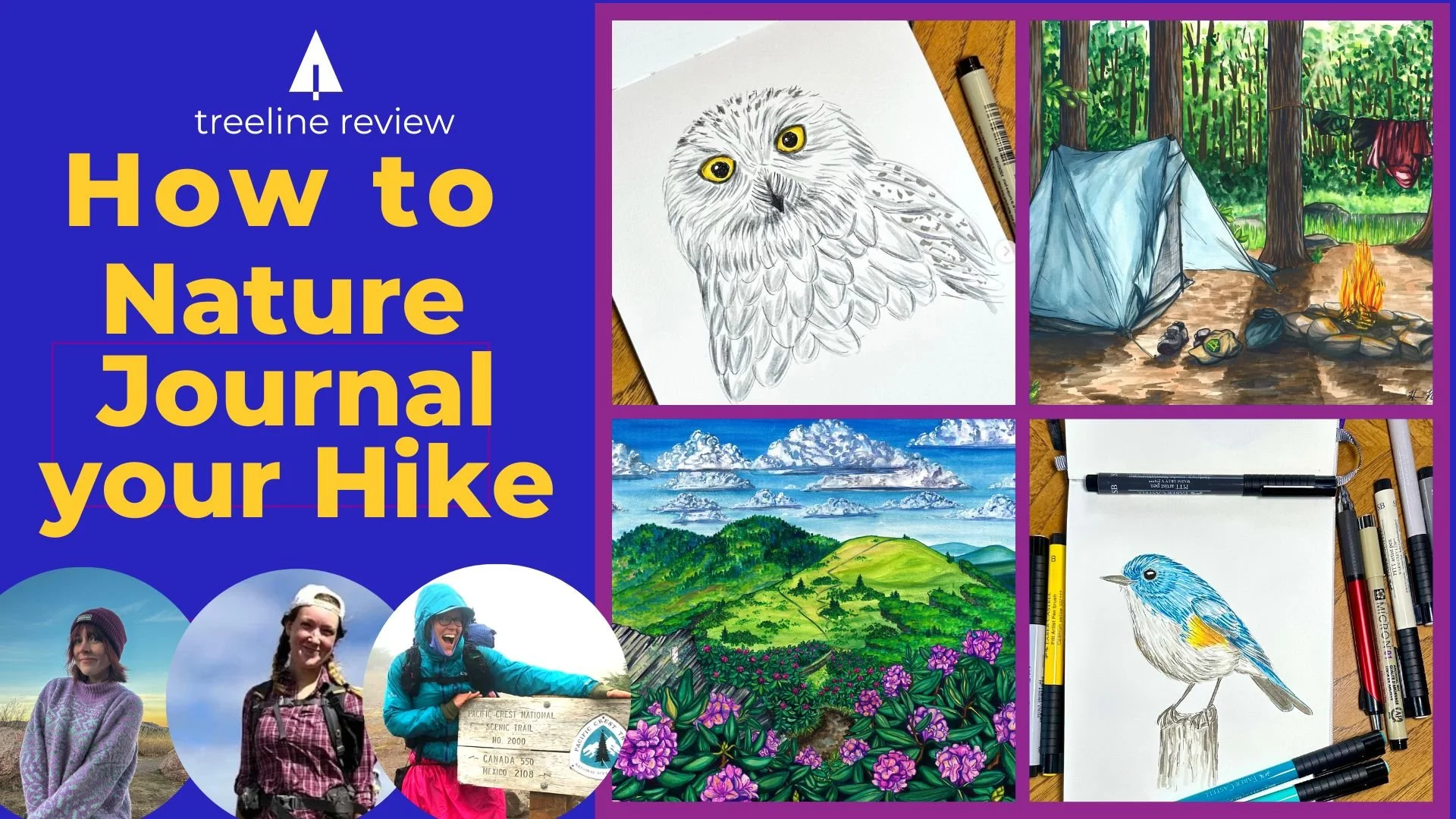
There are many ways you can creatively document your outdoor adventures through nature journaling. We sat down with three expert panelists to discuss how sketching, watercolor painting, and poetry serve as tools for mindfulness and preserving memories during your hike.
In the accompanying video, you can watch mini-workshops that demonstrate how to draw and paint by simplifying complex landscapes into basic shapes. We also workshop how to use sensory-focused writing exercises to capture the essence of a trip. These experts also offer practical advice on lightweight art supplies, such as travel-sized paint kits and waterproof notebooks, to ensure your art tools are trail-ready.
We workshop how to do several types of nature journaling:
Sketching and Doodling: Using simple shapes like circles and triangles to record sights, sounds, and even tastes.
Watercolor Painting: Using portable kits to capture the colors and textures of a landscape.
Poetry and Prose: Writing short poems or "stream of consciousness" entries to witness and reflect on the environment.
Digital Journaling: Using phone apps, photography, or voice recordings to document experiences.
Our experts find that nature journaling and adventure journaling work best without strict rules. Embrace your unique style! We aim to help hikers and campers get something more out of their time in nature by creating tangible records of their experiences. This article and video are for anyone who wants to get started nature journaling, through doodling, watercoloring, or poetry.
We write mission-driven gear reviews. To find the best gear, we combine expert reviews, everyday user opinions, and rigorous independent trail testing—never pop-up or display ads. We are reader-supported and may make a small commission from some qualifying affiliate links. Learn more.
Video
What is nature journaling?
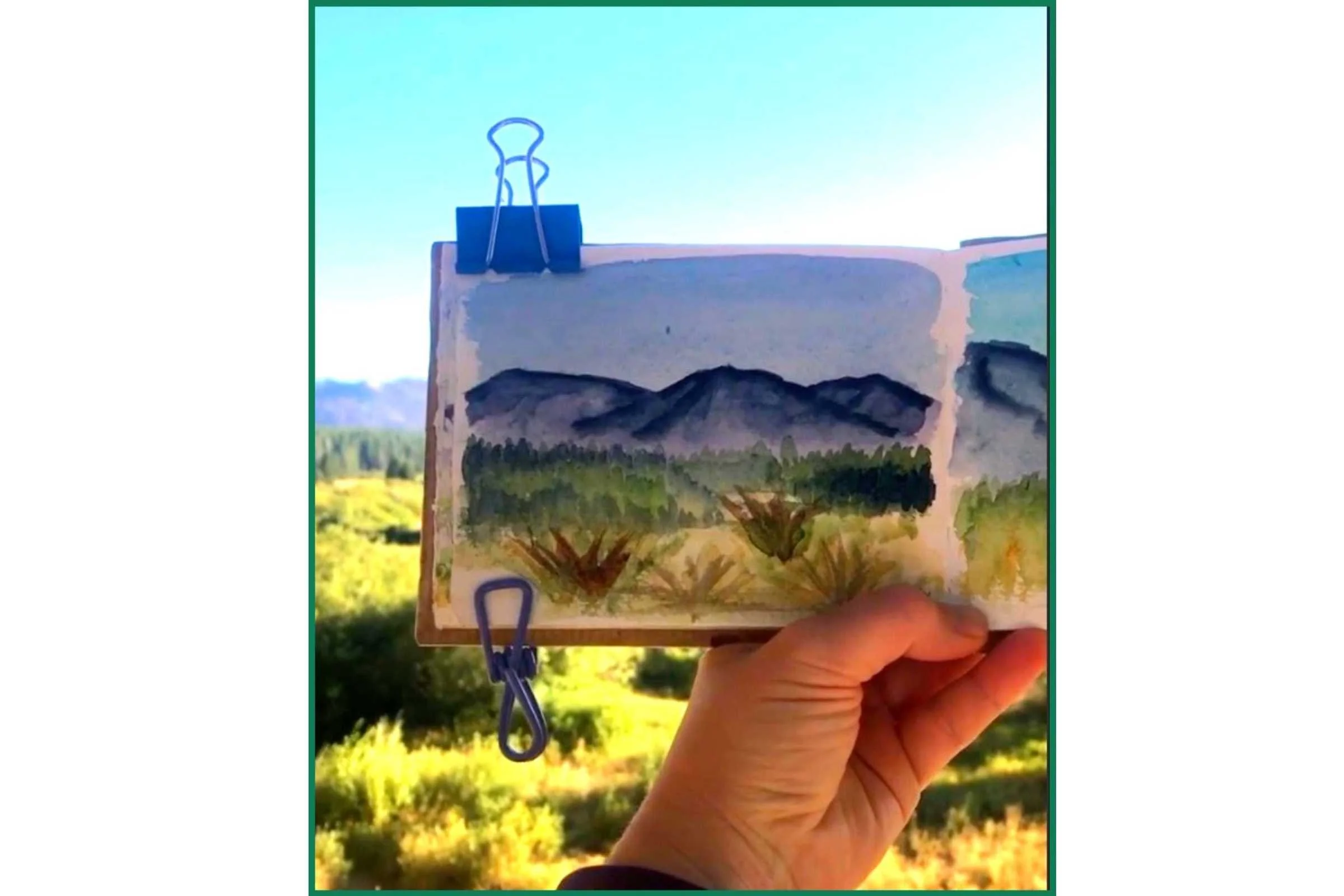
Nature journaling and adventure journaling are creative practices used to document, remember, and cherish your experiences in the outdoors. While often associated with activities like backpacking and thru-hiking, these techniques can be used on any trip, in a backyard, or even in daily life. It helps "anchor" what a person is learning and experiencing while on the trail or outside. Nature journaling is a personal practice intended as a "gift to oneself" to commemorate and honor outdoor spaces and experiences
Journaling helps you focus on details that might otherwise be forgotten. By drawing, painting, or writing in the moment, memories become more vivid when revisited later.
Our experts describe it as a mindfulness practice that allows them to engage with the natural world on a deeper level. It provides an opportunity to sit still, be present, and feel "anchored in the moment" away from digital distractions.
Beyond recording scenery, journaling is a way to express inner feelings and moods. It allows for an authentic record of both the "highs" (beautiful sunsets) and "lows" (blisters and exhaustion) of an adventure.
Why keep a nature journal while hiking
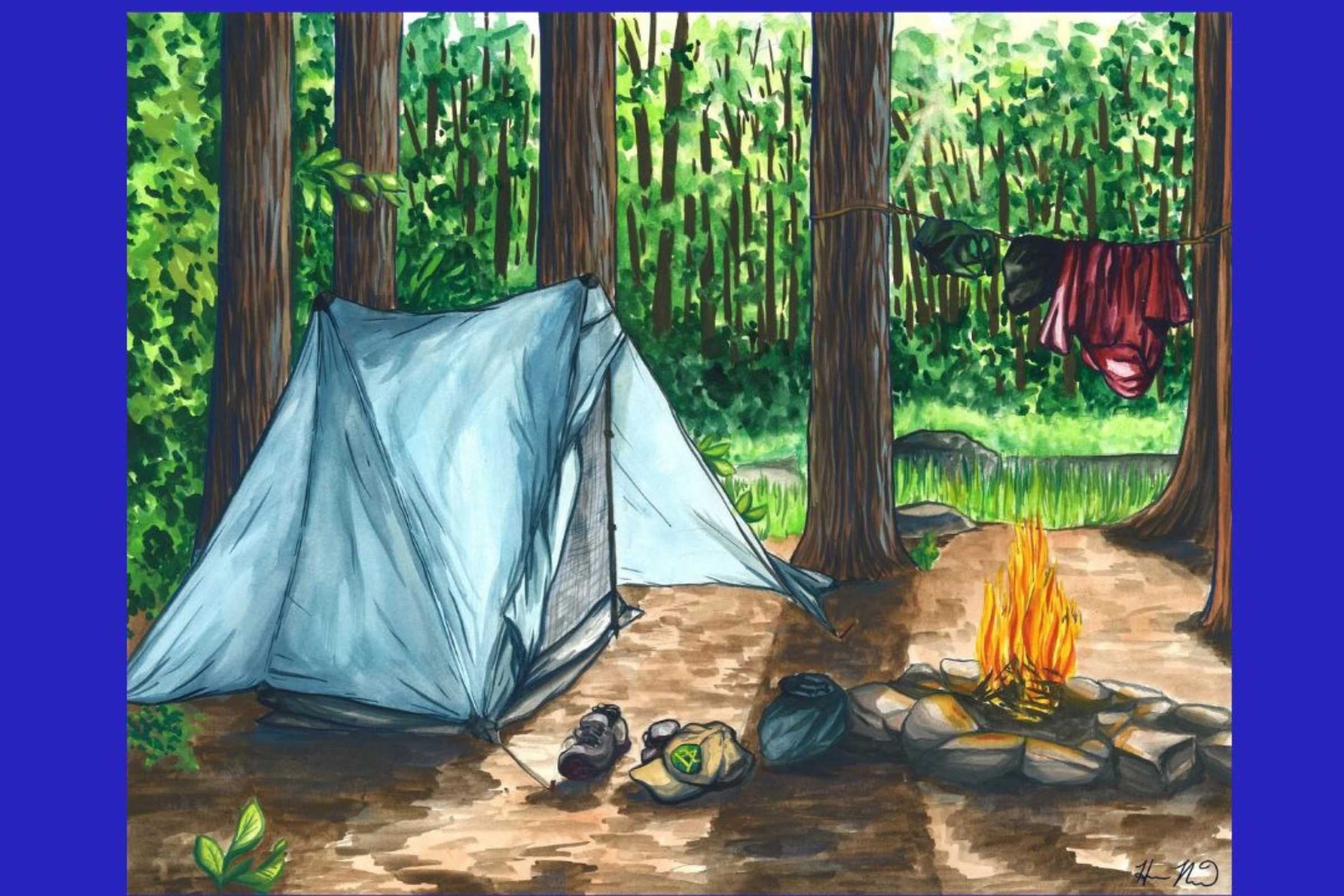
Our experts shared that keeping a nature journal while hiking, camping, or backpacking serves several purpose. A big reason was that nature journaling helped them with memory retention. Art, more than taking photos on a phone or jotting down words, captures the deep emotional connection they have to the places they've hiked.
Journaling acts as a powerful memory tool. In the moment, hikers often experience many small details that are easily forgotten over time. By doodling, painting, or writing, these memories become significantly more vivid when you revisit the pages later. Sara Kruglinski, who led a workshop on what she calls "nature doodling," noted that looking back at a "doodle journal" often brings back specific memories she would have otherwise forgotten entirely from a thru-hike.
Nature journaling is also a mindfulness practice in and of itself. It helps you engage with your surroundings on a deeper level. It encourages the "art of noticing," allowing you to anchor what you are learning and experiencing while on the trail. It provides a way to sit still and be present in an environment, which can be difficult for people used to the constant stimulation of digital screens. Becca Downs, a poet who leds a workshop on nature poetry, says that by focusing on the five senses—what you see, hear, smell, feel, and taste—you can bring a scene to life and notice things that would otherwise be missed.
Choosing the right journal and supplies
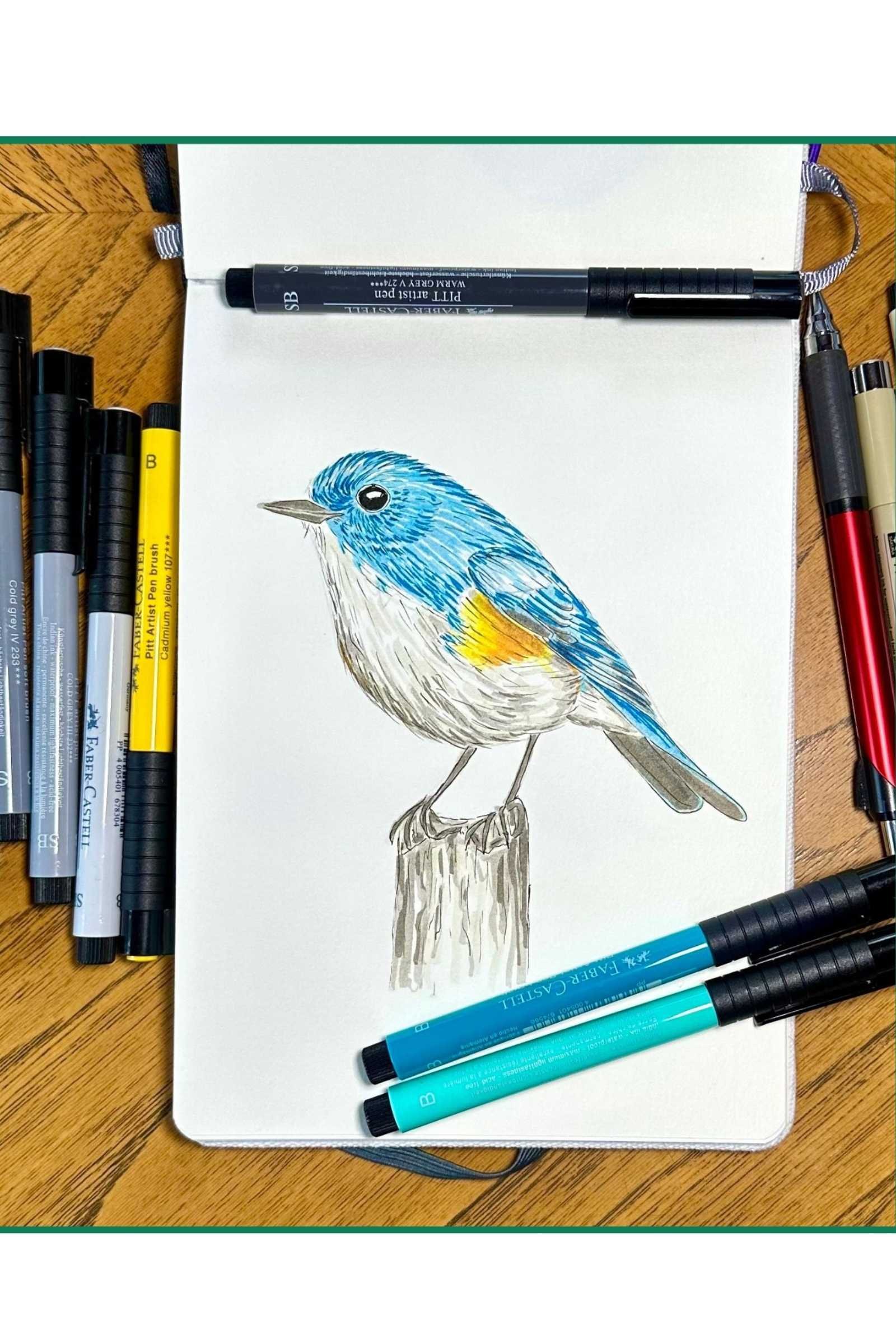
Choosing the right journal and supplies for nature journaling depends on your artistic goals, the length of your trip, and how much weight you want to carry. Our experts recommend prioritizing simplicity and portability. You want your practice to remain fun and sustainable on the trail. After all, the best supplies are the ones that you will actually use.
A Journal
Size and Weight: For backpacking and thru-hiking, small, ultralight journals (like 3x5 inches) are highly recommended. Large journals can be intimidating and create a "pressure" to fill the entire page, which can lead to burnout.
Paper
Dot Grid/Blank: Good for doodling and sketching.
Watercolor Paper: Thicker paper is more durable and handles wet mediums better without wilting, though it is heavier.
Standard Paper: Common notebooks like Moleskines are lighter and work fine if you don't mind the paper curling slightly when wet.
Loose-leaf: Carrying 5x7 loose sheets in a pencil box is an option if you plan to gift your art or display it in an exhibition.
Weather Resistance: "Rite in the Rain" notebooks are waterproof and excellent for wet environments, though they often require a specific pen to prevent bleeding.
Pens and pencils
Pens: Micron pens are a favorite because they are waterproof and permanent. Using a pen instead of a pencil can help you avoid the urge to erase and perfect your work, allowing you to focus on documentation.
Specialty Pens: Faber-Castell brush pens are useful for adding shadows, while white gel pens can add highlights or different values on top of darker colors.
Pencils: A light pencil is useful for initial horizon lines or basic sketches before adding paint or ink.
One panelist suggests starting with just one or two pens and a small notebook to keep the process "easy peasy" and manageable after a long day of hiking.
Watercolors and brushes
Paint Kits: For lightweight travel, Viviva Colorsheets (cork pans) are recommended because they use natural pigments and are extremely light. Other options include stackable packable paints or tiny kits from Art Toolkit.
Brushes: Water brushes with hollow, water-filled chambers are popular because they are lightweight and come with lids.
Water cups and shop towels: Small, collapsible espresso cups make excellent water bins, and shop towels or sponges are useful for cleaning brushes.
Accessories
Waterproofing: The simplest and most effective way to protect your supplies from the elements is a gallon-sized Ziploc freezer bag.
Comfort: A sit pad or foam pad is considered essential gear by some, as being physically comfortable makes it much easier to sit still and finish a drawing or poem.
Digital Options: If you prefer not to carry physical supplies, you can use the Notes app, drawing apps, or even voice recordings to transcribe later.
Art Supplies List
Heidi
My backpacking art kit- includes Viviva paint, sketchbook, and other tools
Moleskin watercolor paper sketchbook
Sara
Sakura Micron Pens (also available in colored pens)
Becca
Getting started: Simple nature journaling techniques
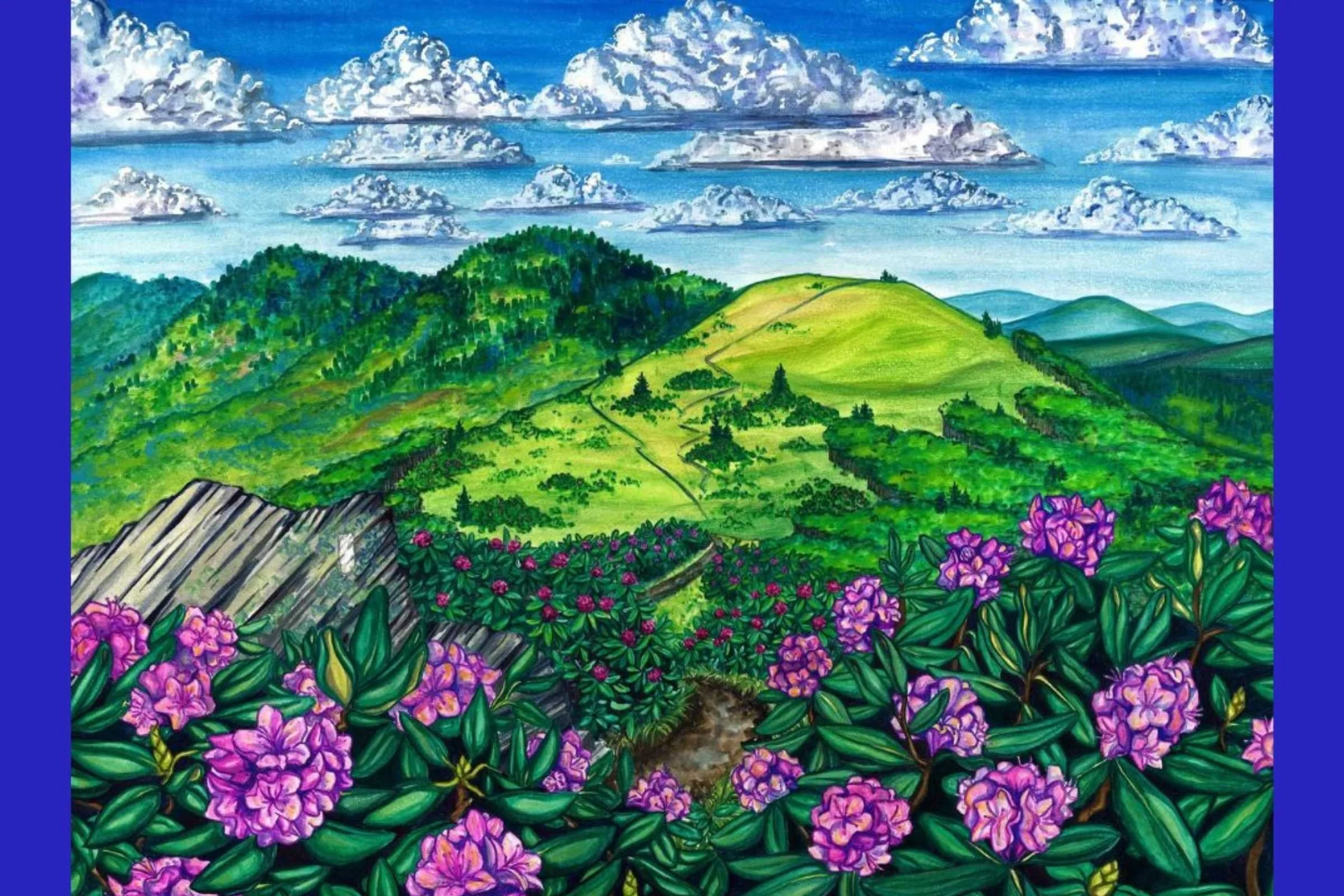
Go with Your Natural Voice
Your personal style is often an extension of your own unique voice and the way your hands naturally work. Panelist Heidi explains that a drawing style is much like a person's voice—it is just the way it is—and the best way to form it is to "just do it" and see what comes out. Becca emphasizes that if you are honest with yourself and record what you truly notice and feel, rather than trying to sound a certain way, your authentic style will emerge naturally.
Practice Regularly
To discover what is important to you, consider setting a timer for five or ten minutes every day to put something on the page. Through this daily repetition, you will begin to see patterns in what you record over and over again. If you find writing intimidating, you can use stream of consciousness exercises where you write without stopping until a timer goes off, which helps lower the pressure to produce something "perfect".
Find Inspiration in Others
While it is easy to compare yourself to others on social media, you can instead use their work as a source of inspiration. If you like a specific technique or aesthetic, make a note of what specifically appeals to you and use trial and error to incorporate those elements into your own practice. Additionally, reading the work of others, such as poetry, can help you begin to think in a more creative and focused way.
Define Your Personal Themes
Your style can be shaped by the specific categories of information you choose to document. Some ways to develop these themes recommended by those we interviewed include:
The Five Senses: Use a framework of what you see, hear, smell, feel, and taste to bring a scene to life.
Authentic "Lows": Including the negative or "gross" parts of a journey, like blisters or bad weather, makes for a more authentic and memorable record.
Multimedia Elements: Combining different forms, such as placing a short poem next to a watercolor painting or a simple doodle, can become a signature of your style.
Data Tracking: Regularly recording mileage, elevation, and the names of new friends helps anchor the day's events in a consistent format.
Simplify and Lower Expectations
Developing a style does not require being a "professional" artist; you can start by using basic shapes like circles, squares, and triangles to create doodles. The most important aspect of your style is that it remains fun and sustainable for you. Remember that there are no rules, and you have the freedom to change your style over time as you discover what works best for your needs
Journaling on the trail: Practical tips for hikers
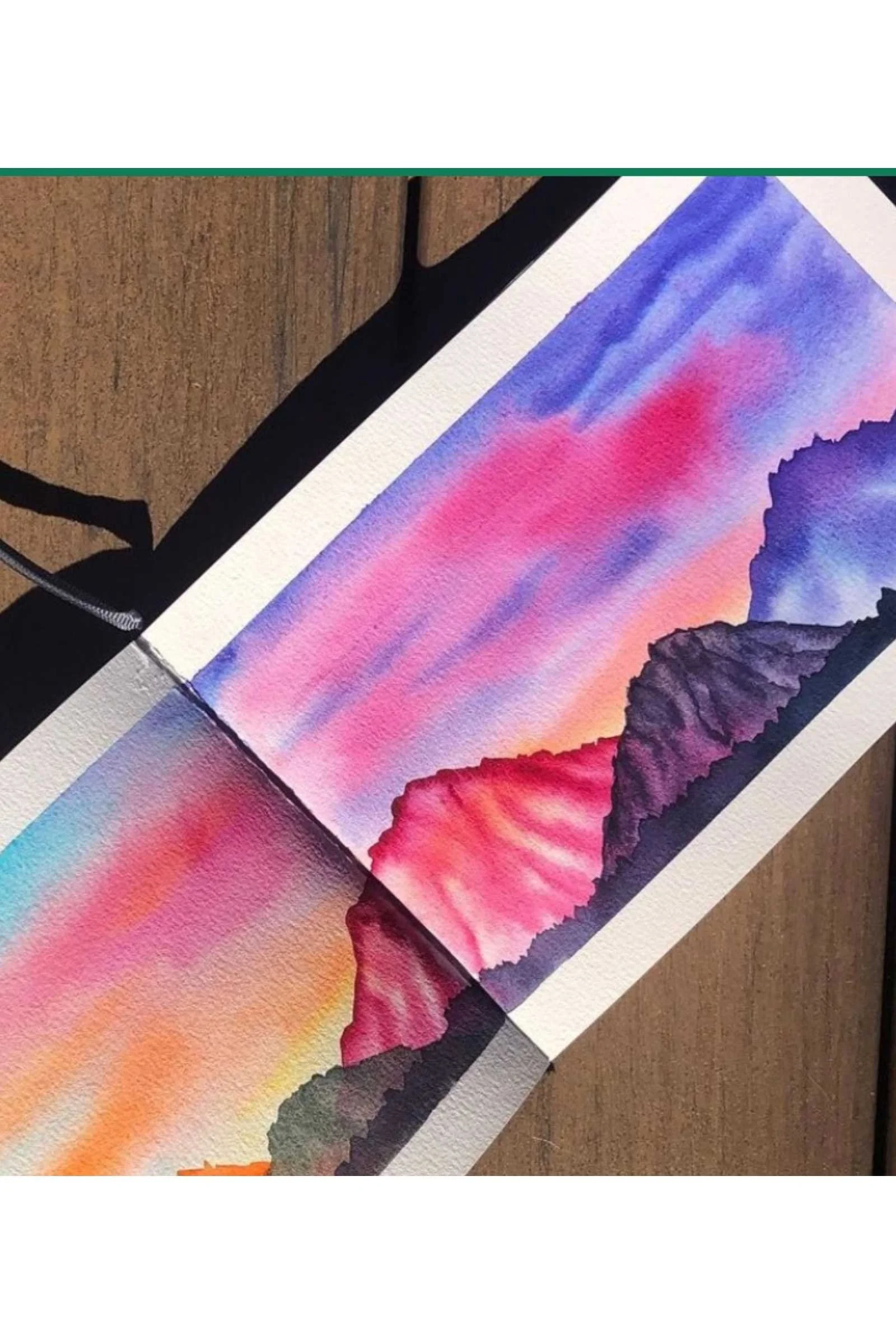
To effectively journal while on the trail, focus on portable and simple gear to ensure the practice remains a joy rather than a chore. Small, ultralight notebooks like 3x5-inch Field Notes or dot-grid journals are recommended because large journals can create a daunting "pressure" to fill the entire page. For protection against the elements, use a gallon-sized Ziploc freezer bag as a lightweight, waterproof "journal protector" for your notebook and pens.
Tips for Gear and Materials
Limit your supplies: Carry only one or two pens, such as a waterproof Micron Pens for permanence and a brush pen for adding depth or shadows.
Use pencils sparingly: Avoiding pencils can prevent the urge to erase and perfect your work, allowing you to focus on authentic documentation instead.
Go digital if needed: If you prefer not to carry physical supplies, you can use the Notes app, voice recordings to transcribe later, or even photography to document your journey.
Overcoming Creative Blocks
The "Five Senses" Framework: If you are unsure what to document, use your senses as a guide: record what you see, hear, smell, feel, and taste (especially trail food).
Basic Shapes for Drawing: You do not need to be a professional artist; almost any natural object, from an owl to a tree, can be constructed using circles, squares, triangles, and rectangles.
Stream of Consciousness: For writing poetry or prose, set a timer and write without stopping to lower the pressure of creating something "perfect".
Comfort and time
Prioritize comfort: Carry a sit pad because you are more likely to finish a painting or poem if your body is comfortable while sitting at camp.
Consider where you're sitting: You may find it more comfortable to bring a camp chair.
Document the "Lows": Be honest with your journal by including "gross" details like blisters, exhaustion, or bad weather, as these authentic moments are often the first things forgotten once you return home.
Manage your time: Aim for just five to ten minutes of journaling each night to make the habit sustainable on long trips.
Lower the bar: Remember there are no rules, only guidelines; your journal is a personal "gift to yourself," and it does not have to be shared with anyone else.
Why you should trust us
Becca Downs
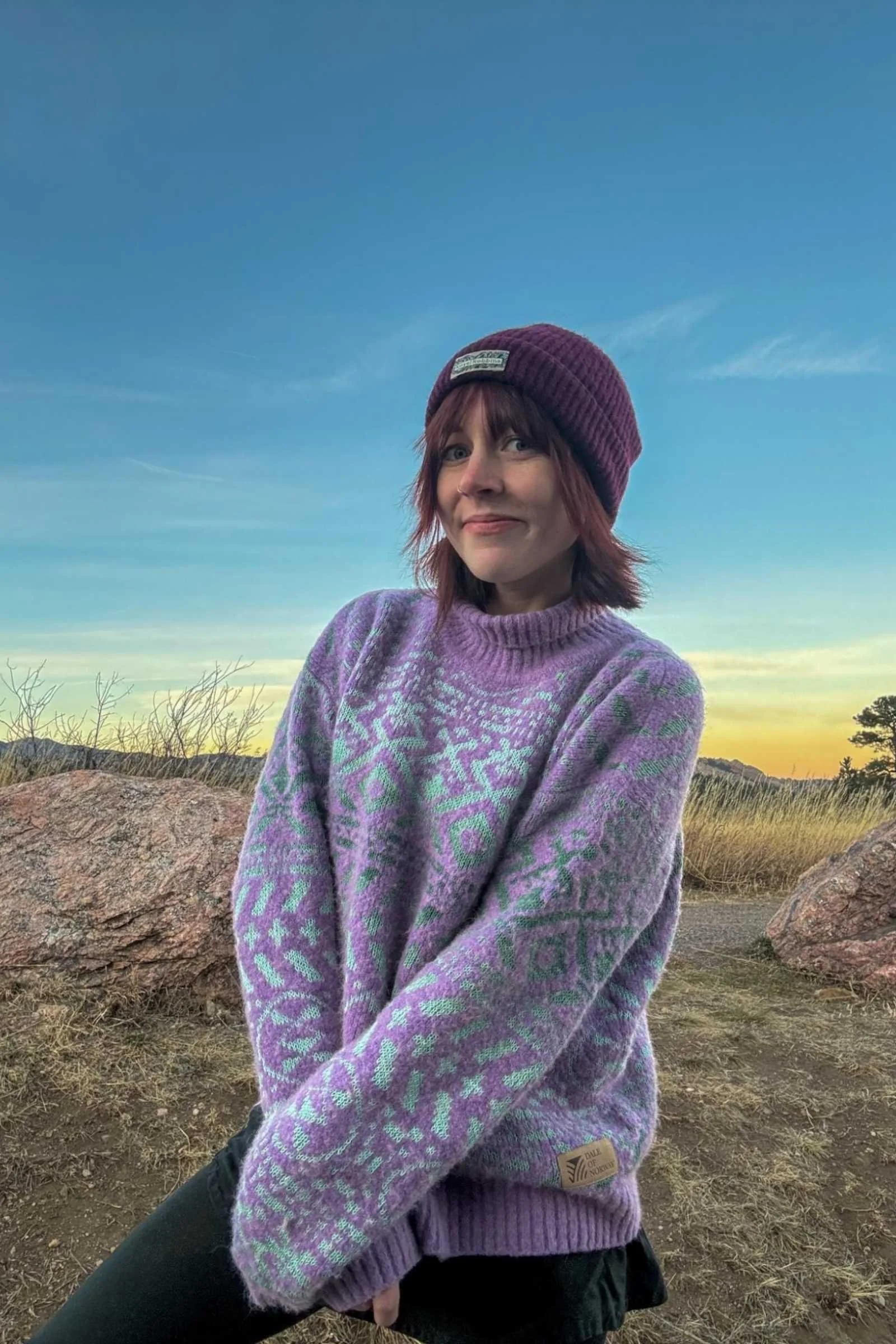
Becca Downs (she/they) is a Denver-based writer, editor, and educator who earned her MFA from the Mile-High MFA program at Regis University. She’s a Pushcart Prize-nominated poet and the author of Acid Rain Epithalamium (Beyond the Veil Press 2024). She’s also co-Editor-in-Chief of Switchback Books poetry press and a managing editor for Treeline Review. You can find her at beccadownswriting.com and on Instagram at @beccad___ or on Substack.
Heidi Nisbett
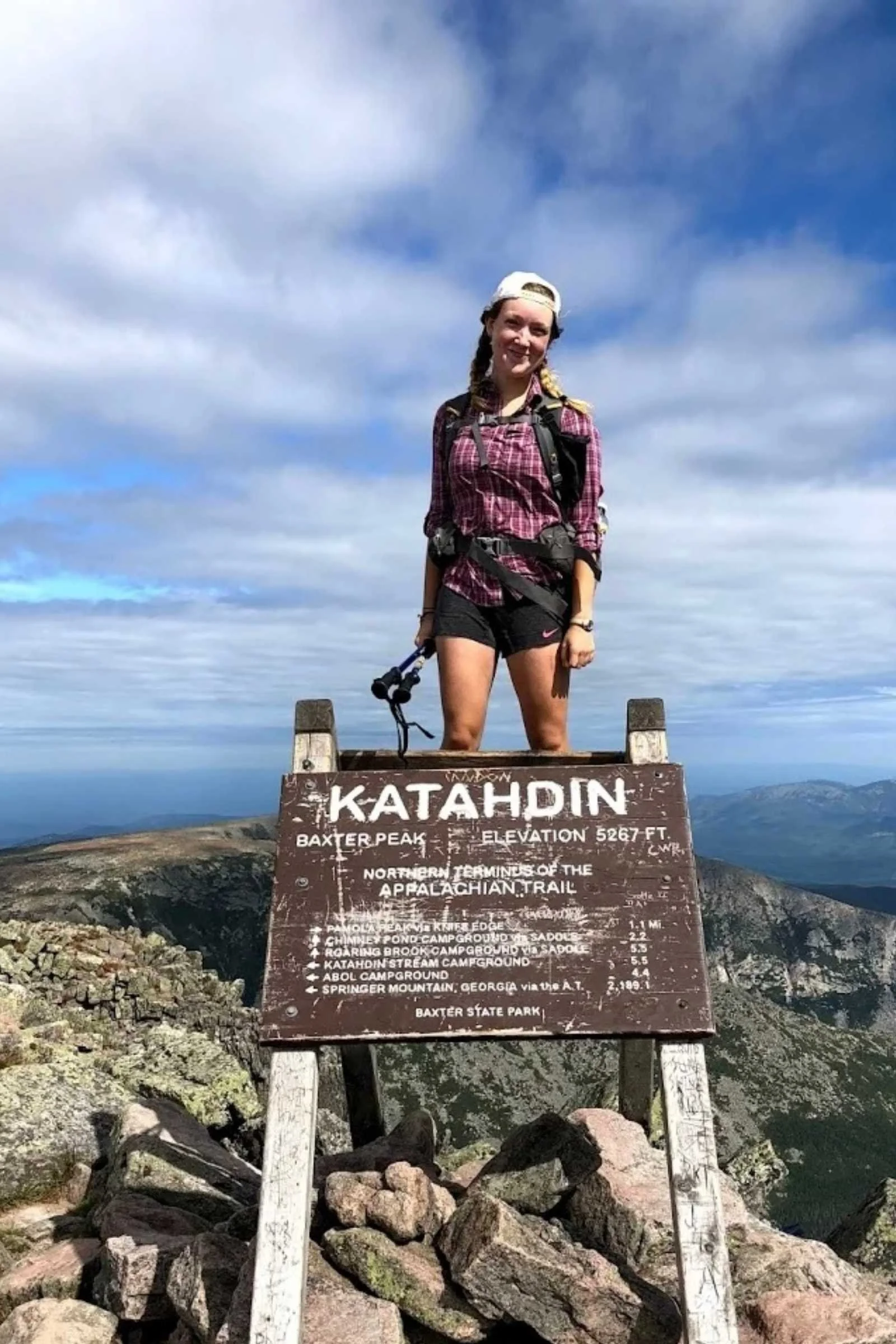
Heidi Nisbett grew up in South Carolina and received a BFA in Painting and Printmaking from Winthrop University in 2015. In her adult life, she began to find peace and clarity in the outdoors and formed an obsession with hiking and backpacking. In 2018 she thru hiked the Appalachian Trail, a 2,000 mile trail going from Georgia to Maine. She found inspiration in the landscapes along the way, keeping a sketchbook of watercolor paintings to record her memories. After her thru hike, she continued to hike and paint, since logging and additional 3,000 miles of backpacking including the Superior Hiking Trail, Pinhoti Trail, Foothills Trail, Allegheny Trail and parts of the Mountains to Sea Trail and Continental Divide Trail. Her artwork summarizes her adventures and serves as a love song to the landscapes she finds sacred. Oftentimes, the trail itself can be seen cutting through the painting, inviting the viewer to embark on their own journey into the mountains. She roots her paintings to their location and season by incorporating specific native flora that can be found there. In addition to being an artist, Heidi works as a backpacking guide for Blue Ridge Hiking Company. Heidi currently resides in Charlotte with her husband.
Sara Kruglinski
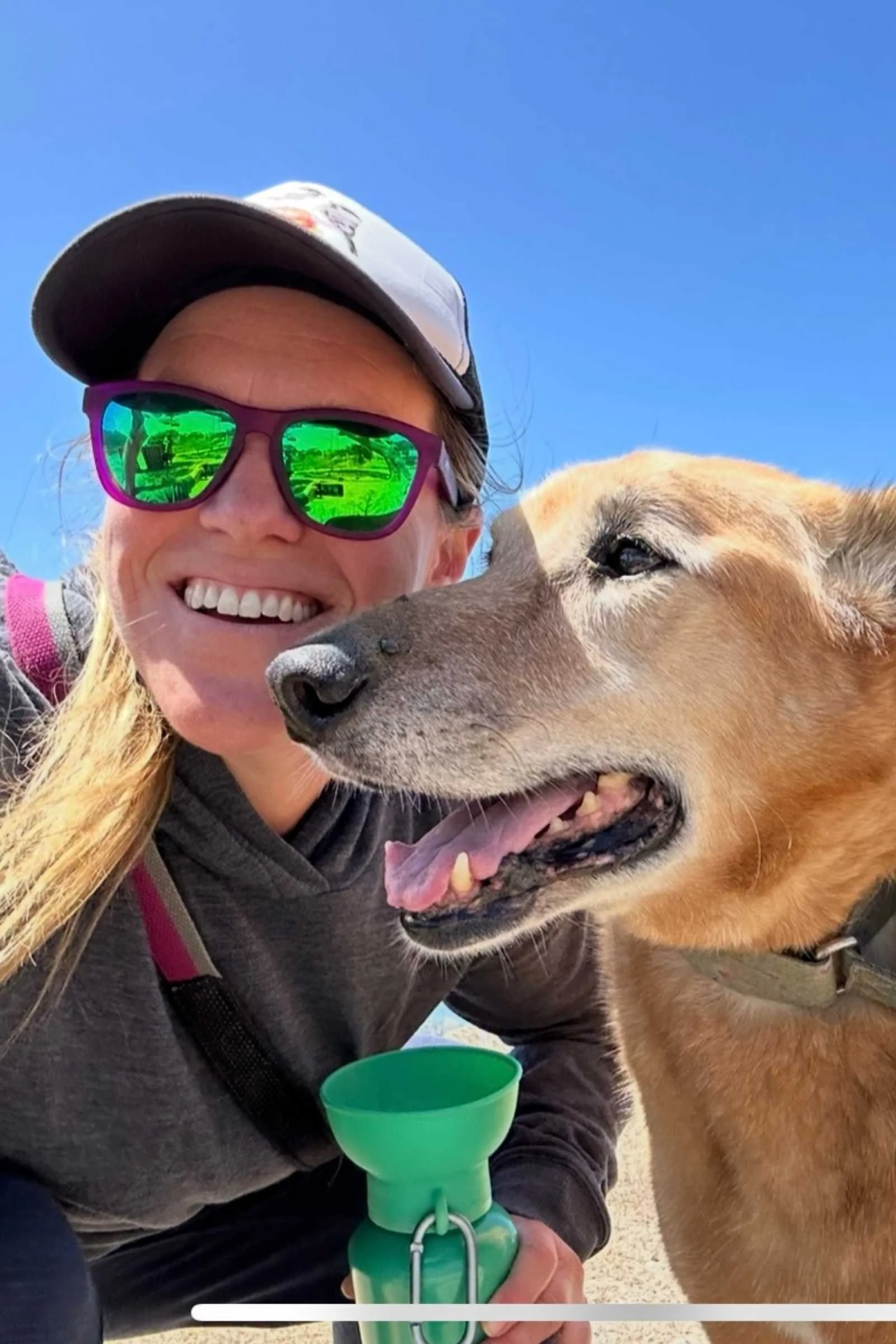
Sara or “Socks” is a Northern California based artist and avid outdoors person. She realized on her 2017 backpacking adventures that writing a daily journal entry wasn’t enjoyable, so she started doodling her journal entries instead. Now she doodles her skiing and snowboarding days along with her thru hiking adventures and casual days at home. Sara is a professional artist with a love for pikas, whimsy and dogs, you can follow her work on instagram @sockstomistic