How to Turn a Summer Backpacking Kit Into a Shoulder-Season Kit With the REI Labor Day Sale
Every Gear Swap Item is discounted through September 7th
Some links earn us a commission at no cost to you. Learn More →
August 28, 2026
Nobody buys a second backpacking kit for fall. What actually happens is more piecemeal than that: you go out in late September in the same setup that worked in July, you have one bad night, and you come home and buy the one thing that underperformed. Then the same thing happens in October. This is the list of what to swap out now, before that first bad night.
A few things worth saying up front. This is not a heavier-is-better argument. Rather, every swap below trades weight for a specific function you now need and didn't in July: insulation from the ground, a shell that keeps working in eight straight hours of 45°F rain, a shoe that handles mud and snow, a headlamp that lasts longer for shorter days and longer nights in the tent. Where a swap doesn't buy you anything, it isn't on the list.
And it's cheaper than it sounds. You don’t need to do every gear swap on the list. My top swap: a higher R-value sleeping pad. The first night I spent on the Therm-a-Rest XTherm, I was positively shocked by how much warmer I was. Seems obvious, but having experienced it myself, I truly understood its value.
Everything below is gear a Treeline writer has tested and written up. Where the sale didn't give us a tested option, we've said so rather than filling the slot. For more, see our complete shoulder-season gear list.
If you’re not an REI member yet, $30 buys a lifetime membership with benefits:
10% member dividend on eligible purchases
free U.S. shipping
extended window for satisfaction guarantee (in most cases, it’s one full year)
member coupons, such as 20% one full-priced item
| Gear Swap | What We Picked | Retail Price | Sale Price | Discount | Savings |
|---|---|---|---|---|---|
| Larger capacity backpack | Osprey Kestrel/Kyte 58 Pack Men's Women's |
$260.00 | $194.99 | 25% | $65.01 |
| Burlier double-wall tent | Big Agnes Copper Spur UL2 Tent | $599.95 | $449.89 | 25% | $150.06 |
| Warmer sleeping bag | REI Co-op Magma 15 | $399.00 | $299.19 | 25% | $99.81 |
| Higher R-Value sleeping pad | Therm-a-Rest NeoAir XTherm NXT | $269.95 | $202.39 | 25% | $67.56 |
| Insulated pillow | Therm-a-Rest Air Head Down Pillow | $64.95 | $48.69 | 25% | $16.26 |
| Add insulated mug for cold mornings | MSR Titan Double-Wall Insulated Mug | $54.95 | $41.19 | 25% | $13.76 |
| Brighter headlamp instead of lightweight headlamp | BioLite Range 500 Headlamp | $69.95 | $52.39 | 25% | $17.56 |
| Midweight fleece jacket layer instead of lightweight | REI Co-op Flash Hyperstretch Fleece Jacket Men's Women's |
$99.95 | $74.89 | 25% | $25.06 |
| Heavier weight hiking shirt instead of sun hoody | Mountain Hardwear Crater Lake Heavyweight Half-Zip Hoody Men's Women's |
$99.00 | $74.19 | 25% | $24.81 |
| Hiking pants instead of shorts | prAna Stretch Zion Standard Pants Men's Women's |
$98.00 | $73.49 | 25% | $24.51 |
| 3L rain jacket instead of 2.5L | REI Co-op XeroCloud 3L Rain Jacket Men's Women's |
$189.00 | $141.69 | 25% | $47.31 |
| 3L rain pants instead of 2.5L | REI Co-op XeroCloud 3L Rain Pants Men's Women's |
$159.00 | $119.19 | 25% | $39.81 |
| Hiking shoes instead of trail runners | Danner Trail 2650 Hiking Shoes Men's Women's |
$189.95 | $142.39 | 25% | $47.56 |
| Midweight hiking socks instead of lightweight | Darn Tough Hiker Boot Full Cushion Midweight Hiking Socks Men's Women's |
$30.00 | $22.49 | 25% | $7.51 |
Why each swap
Backpack. Warmer bag, thicker pad and a real shell don't compress. Plan on 15–20L more volume, not 5.
Shelter. Steadier in wind, more condensation tolerance, and a floor you can pitch on frozen ground without babying.
Sleeping bag. A 30°F quilt rated to its limit is a survival number, not a comfort number. Fifteen degrees of margin is what buys you sleep.
Sleeping pad. The most underrated swap on this list. Cold comes up from the ground, and R-4.5 to R-7.3 does more for a cold night than a warmer bag.
Pillow. An uninsulated air pillow is a cold plate against your head all night.
Insulated mug (add). Not a swap — an addition. A titanium cup goes cold in ninety seconds at 34°F.
Headlamp. You lose roughly three minutes of evening light a day through September. Brighter output and a rechargeable core beat the summer minimum.
Fleece layer. Lightweight grid fleece to midweight. The same layering concepts apply in the fall, but just make each layer a little warmer.
Hiking shirt. Same shirt, heavier fabric. A sun hoody is built to dump heat; in October that's the opposite of what you want.
Bottoms. Shorts to pants, same line, same fit. Cleanest swap here.
Rain jacket. 2.5-layer shells clam up in sustained cold rain. A 3L face fabric breathes better and survives a pack strap rubbing it for eight hours.
Rain pants. Same logic. Rain pants go from optional to load-bearing once the temperature drops below about 50°F.
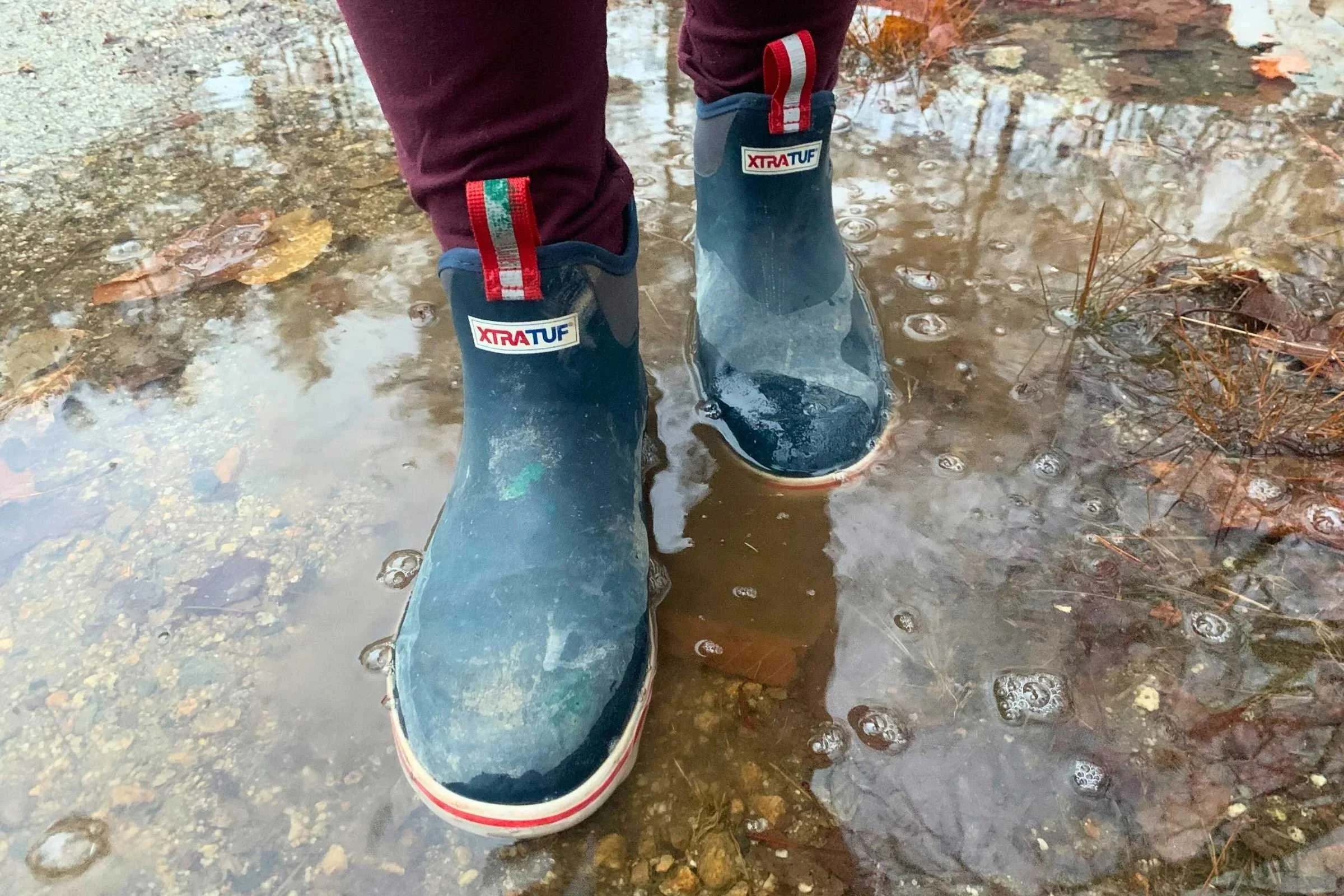
Footwear. Mesh trail runners drain fast in July and never dry in October. A waterproof hiking shoe is the seasonal call, not a downgrade.
Socks. Heavier socks keep your feet warmer during the day and at night.
Read more in our complete REI Labor Day sale coverage
FAQ
Do I need to make all fourteen swaps?
Not necessarily. Go over your last trip. Did you get cold at night? Spend your money on a sleeping pad or sleeping bag. Already have a 3L ski jacket? It will be heavy, but it will suffice. Figure out how to work with what you already have.
When does shoulder season start?
It's elevation and latitude, not the calendar. A useful rule: when overnight lows at your destination are consistently below 40°F, or when sunset is early enough that you'll be setting up camp in the dark, you're in it. In the Cascades and the northern Rockies, that's often the first week of September. In the desert Southwest, it might be October.
Isn't a heavier pack the opposite of good backpacking?
It's the opposite of summer backpacking. A 15°F bag, an R-7.3 pad and a 3L shell take up meaningfully more volume than their July equivalents, and cramming them into a 35L pack means overstuffed compression straps and a load that rides badly. Plan on 15 to 20 liters more capacity, not five. The weight penalty is real; so is the reason for it.
Can't I just add layers to my summer kit instead?
Partly, and it's a legitimate strategy for the first few weeks. Sleeping in your puffy and adding a bag liner buys you maybe ten degrees. What layering can't fix is ground insulation, a shell that wets out, or shoes that never dry — which is exactly why the pad, the rain gear and the footwear are on this list and a second base layer isn't.
Warmer bag or warmer pad — which first?
Pad, almost always. You lose far more heat by conduction into the ground than by convection into the air. Buy the pad, sleep on it, and then decide whether you still need the bag.
Treeline usually recommends trail runners. Why hiking shoes now?
Because the property that makes a mesh trail runner great in July — it drains and dries in an hour — is worthless in October, when the ambient air can't dry anything. This is a seasonal call, not a reversal.
I have $100. What do I buy?
I’d look for a higher R-value sleeping pad at the REI Re/Supply used gear store or your local used gear shop. You’d be surprised how many people “upgrade” their gear and sell their barely used gear!