
Alpacka Raft Chinook Review: A Packraft That Moves Faster and Tracks Straighter on Flatwater
A flatwater packraft for paddlers who want canoe-like performance in a packable boat designed for multi-day trips on lakes and coastal waters
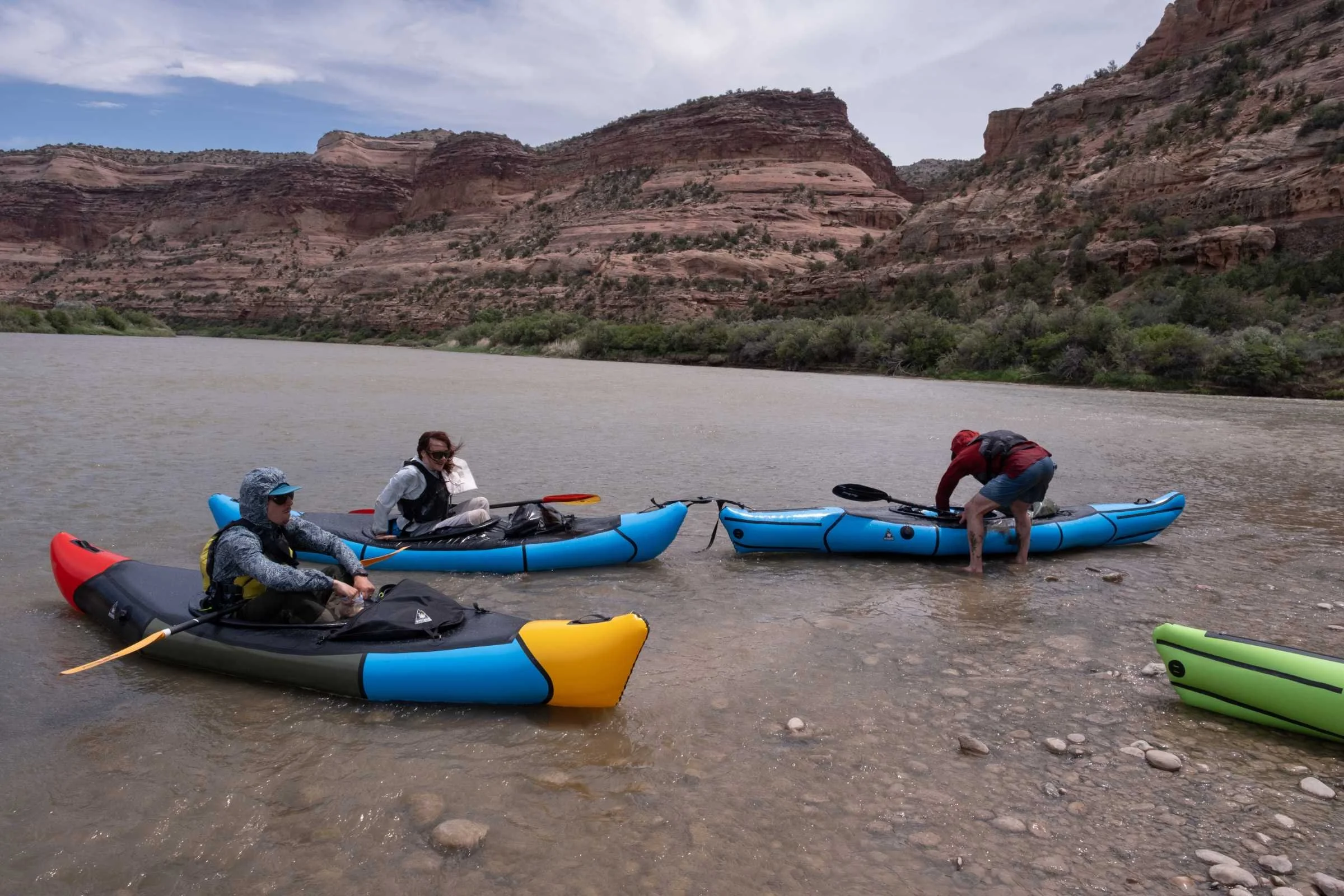
Becca Downs and others prepare to launch in a flock of Chinook packrafts. Photo courtesy Braden Gunem | Alpacka RaftPhoto courtesy Braden Gunem | Alpacka Raft
August 31st, 2026
Home > Gear Reviews > Water Sports
Our verdict
If you’re looking for an adventure boat designed primarily for flatwater, the Alpacka Raft Chinook is an ideal choice. It shines in situations like the Boundary Waters, where you may have to portage between lakes, and for floating on calm rivers, large lakes, reservoirs, and protected coastal areas. We didn’t have a flatwater winner in our first round of packraft testing, but as the author of our packraft recommendations, I’d say we do now—and the Chinook is it.
The Chinook is a long packraft with internal storage and a spray deck. With a removable skeg (tail fin), it’s designed to track well and move swiftly on flat water and slow rivers. With internal storage and a spray deck, it maximizes storage space for long flatwater adventures while still offering the packability and portability of a packraft, making it ideal for trips with portages and for those who need a boat that takes up minimal space when not in use.
Alpacka introduced the Chinook and its more recreational sibling, the Zephyr, in fall 2025. We got to check them out then on a short float of the Animas River in Durango, CO. This summer, we took the Chinook out to the Colorado River and paddled it on an overnight trip between Pumphouse and State Bridge—a wide river (by Colorado standards) with a few Class II and maybe Class III rapids at the water levels when we were paddling. We also took it out on Soda Lakes near Red Rocks and Morrison, CO, for a recreational day of flatwater paddling.
The Chinook floated much faster than the Alpacka Gnarwhal on the Colorado River, and it offered great tracking through the smaller rapids. Even without the skeg on Soda Lakes, it tracked well, was easy to turn, and cut through the light breeze. The cockpit offered plenty of extra storage space beyond the internal storage for dry bags provided through the cargo fly.
Alpacka Raft Chinook Packraft
The non-removable black spray deck is hot in the summer when there’s no shade. We opted to run it without the full spray skirt in 95-degree weather, which led to some cockpit flooding after rapids on the Colorado and we had to tip the boat to bail water out.
We create reader-supported, objective gear reviews independently selected by our editors. This story may contain affiliate links, which help fund our website. When you click on the links to purchase gear, we may get a commission, without costing you an extra cent. Thank you for supporting our work and mission of outdoor coverage for every body! Learn more.
Alpacka Raft Chinook Packraft specifications
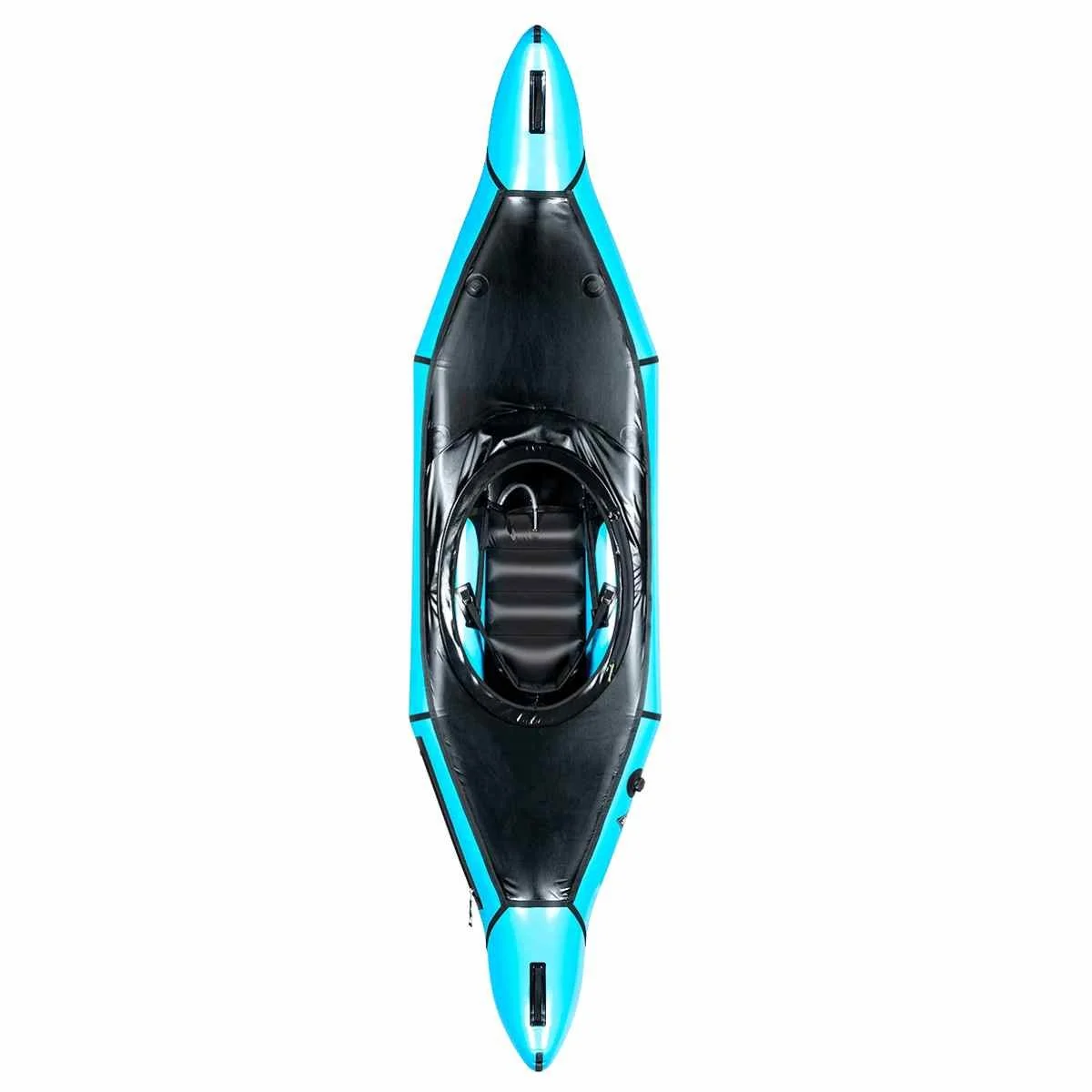
Price: $1,700 (spray skirt sold separately)
Type: Flatwater
Best uses: Slow rivers, lakes, reservoirs and protected coastal areas
Base weight: 7.0 pounds
Weight with accessories: 9.1 pounds (Including seat, floor, spray deck, and thigh straps)
Packed size: 22 x 9 inches
Weight capacity: 240 pound paddler (storage weight capacity not listed, but I’d estimate 100 pounds or more based on other Alpacka models)
Hull material: Proprietary TPU-coated 210d nylon
Floor material: 840d nylon
Floor type: Non self-bailing
Deck configuration: Spray deck
Spray deck / self-bailing: Spray deck
Thigh or knee straps: Included
Seat: Inflatable bottom
Seat back: Adjustable foam seat back
Cargo fly / TiZip: Included
Bow grab loops: 1
Stern grab loops: 1
D-rings or gear attachment points: 4 Strap plates on spray deck
Whitewater rating: Up to Class II
Inflation method: Inflation bag (included); blow tube for seat
Valve type: Temper Assist Valve (TAV) (proprietary), blow tube for seat
Sizes available: One size
Made in: US
Repair kit included: Yes
Comparison table
| Packraft | Type | Deck | Base Weight | Packed Size | Weight Capacity | Whitewater Rated? | MSRP |
|---|---|---|---|---|---|---|---|
| Alpacka Raft Chinook | Flatwater | Spray deck | 7.0 lb | 22 x 9" | 300+ lb | Class I-II | $1,700 |
| Alpacka Raft Caribou | Lightwater | Open or self-bailing | 4.5 lb | 17 x 6" | 390-500 lb | Class I-II | $995-1,095 |
| Advanced Elements PackLite+ | Lightwater | Open deck | 7.0 lb | 16 x 15 x 5" | 300 lb | Class I-II | $680 |
Best for
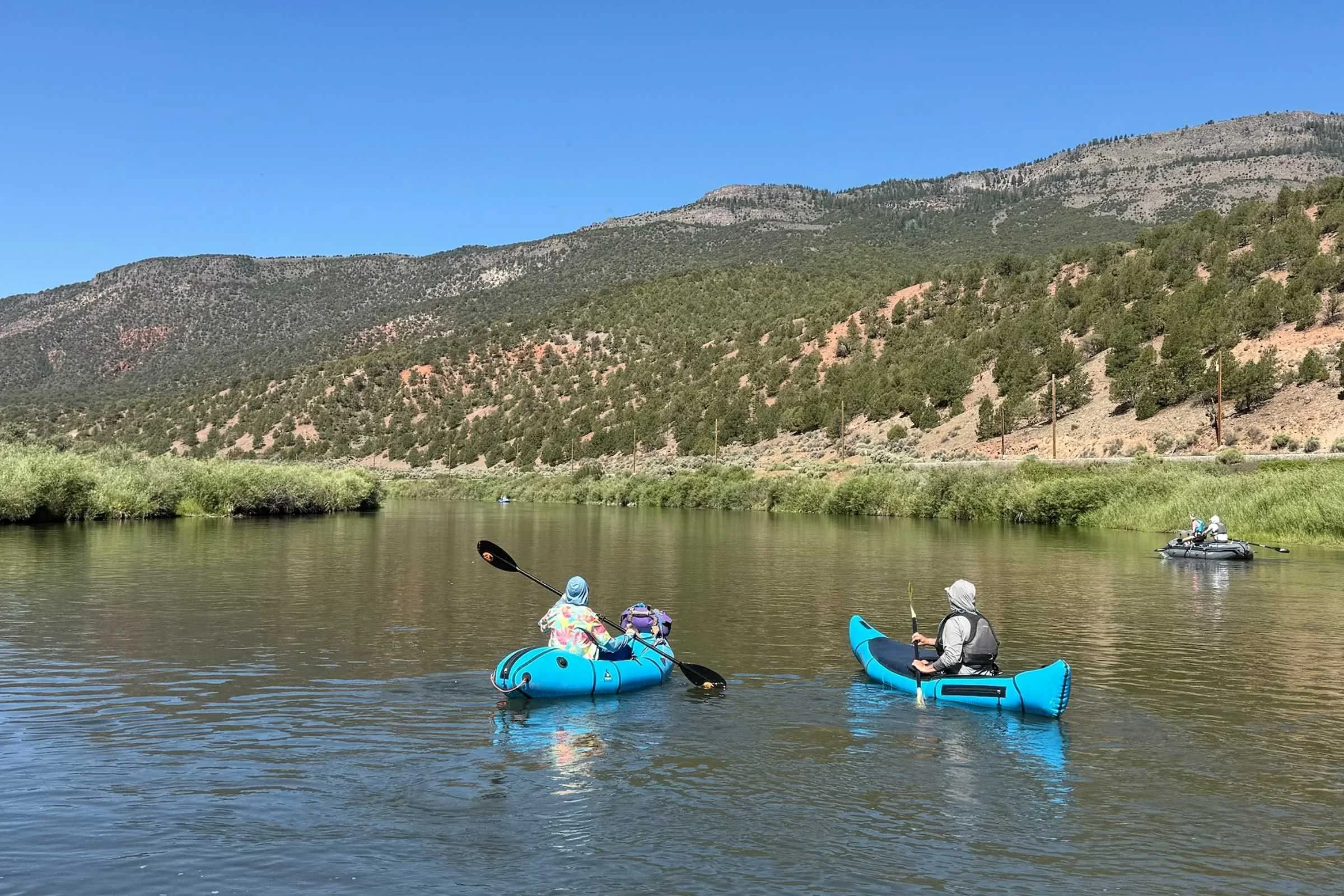
The Alpacka Chinook on the right is designed for flatwater, like this section of the Colorado River, while the Alpacka Gnarwhal on the left is designed for faster water. Photo courtesy Chris Meehan
Best for flat and slow water trips and expeditions.
Ideal for paddlers who want something close to the speed of a canoe in flatwater, but with the small footprint of a packraft.
Best at handling easy moving water and rapids up to Class II.
What we liked
Offers great tracking with the skeg
Much faster than other packrafts
Plenty of space for storage in the cockpit and inside the boat
Handmade in the US
What could be better
We wish the spray deck was removable for hotter summer days
How we tested
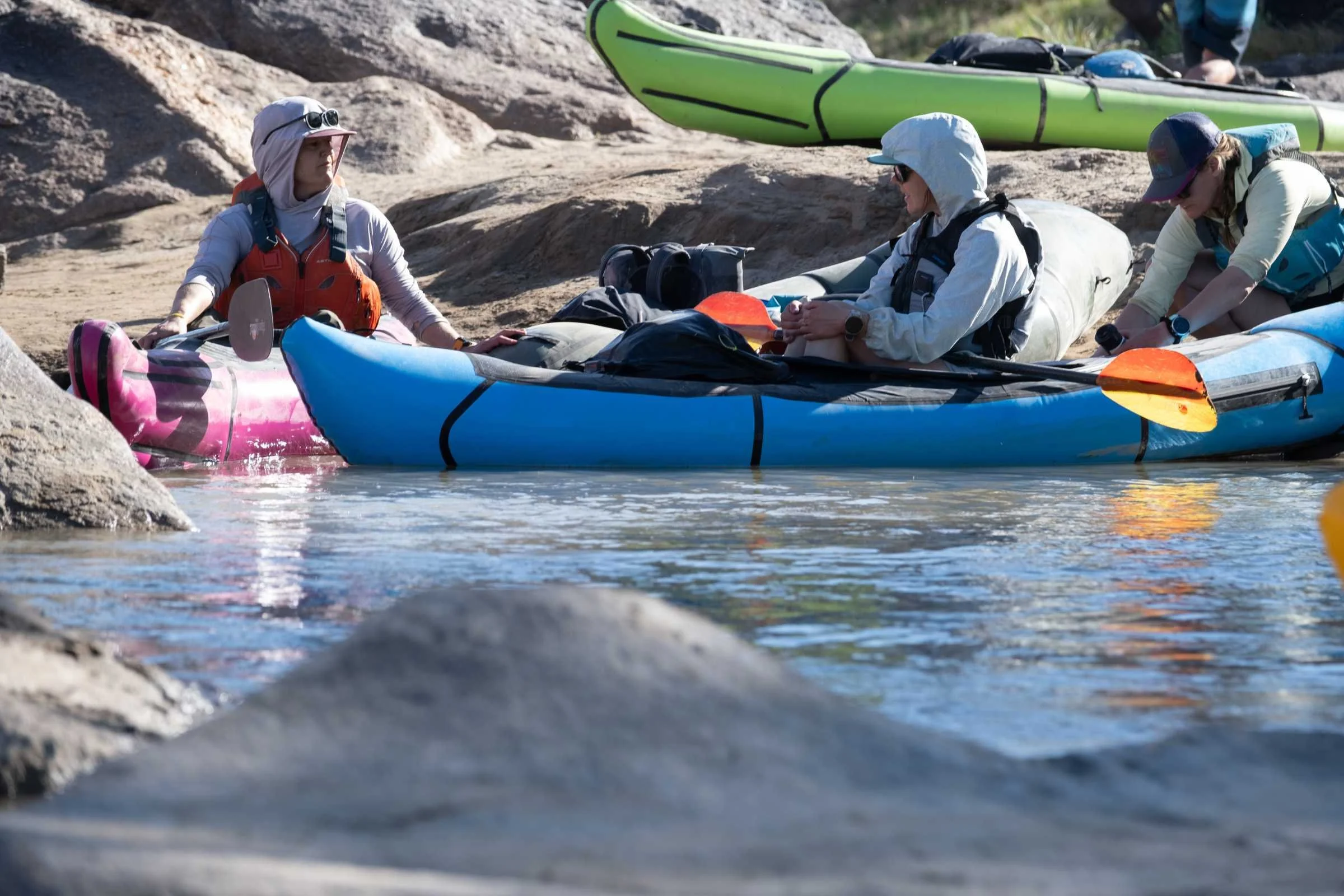
Becca Downs and others eddy in Chinook packrafts. Photo courtesy Braden Gunem | Alpacka Raft
Our two testers used the Alpacka Raft Chinook on Class I and II rapids on the Colorado river between Pumphouse and State Bridge, as well as on flatwater at Soda Lakes, Colorado, in July. One tester was an experienced rafter and the other, the author, an intermediate packrafter. A third tester, with beginner-level skills, also tested it on the Ruby-Horsethief portion of the Colorado River in May.
Conditions on all occasions were hot and sunny. Winds ranged from relatively low winds/chop to winds strong enough to bring everyone to a standstill while we waited out the winds.
We also tested the Alpacka Chinook alongside other packrafts in our Best Packrafts guide, comparing its handling and capabilities to those of whitewater and recreational packrafts.
Performance in the field
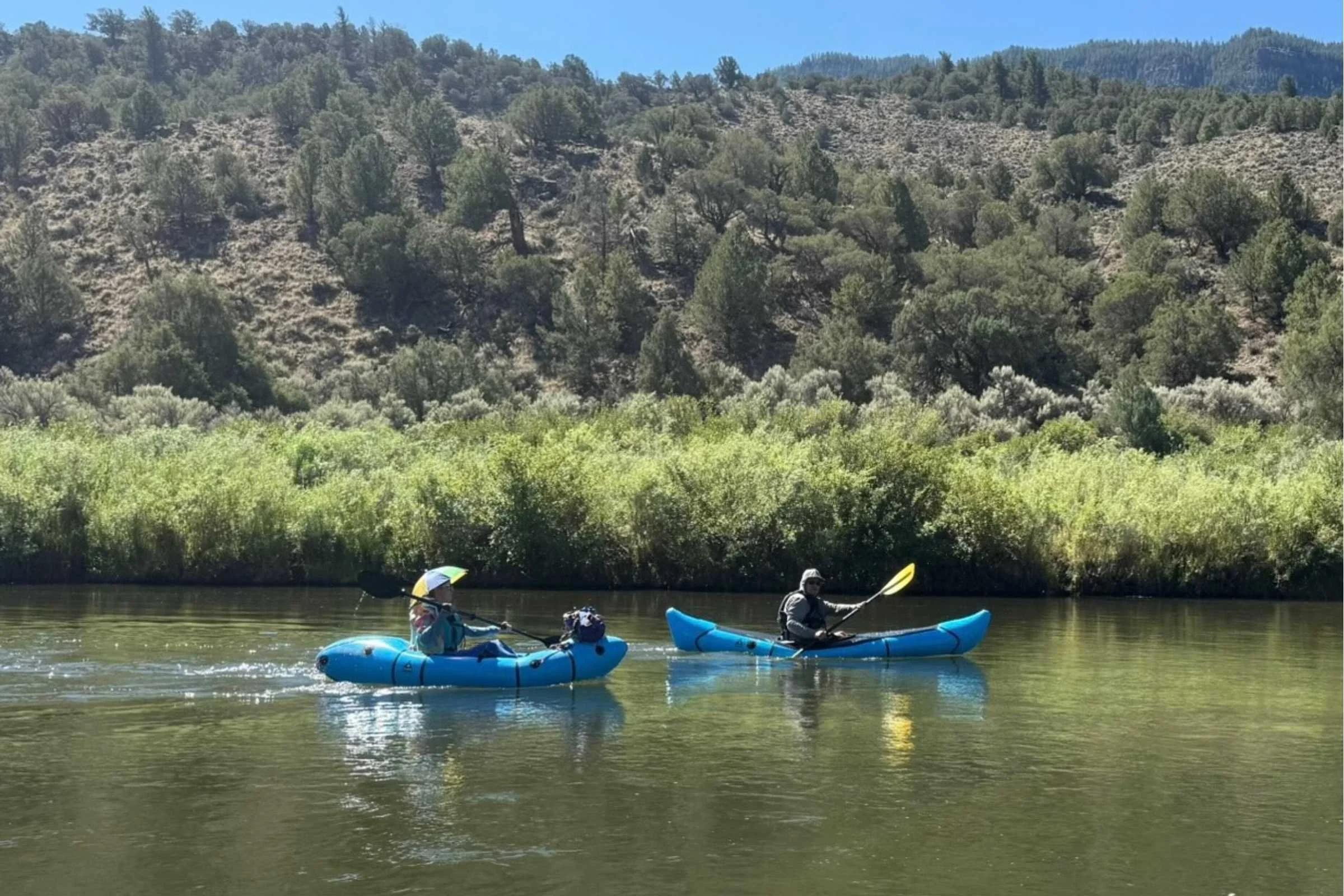
The Alpacka Chinook to the right is much longer than most packrafts, like the Alpacka Gnarwhal on the left, seen here in its smallest configuration. Photo courtesy Chris Meehan
On-water handling and maneuverability
We tested the Alpacka Raft Chinook with and without the skeg and found that even without the skeg it tracked well on flatwater when paddling across Soda Lakes. With the skeg attached in easy whitewater on the Colorado River it tracked even better. We didn’t feel like it resisted steering input or had a tendency to oversteer.
Stability
The long bow and stern of the Chinook made it ideal for moving swiftly in slow-moving and flat water. It was easy to catch up with friends paddling at the lake, and we noticed how fast it carved through the slower water on the Colorado River. In the small rapids we rode with the Chinook, it proved stable and didn’t have much tendency to want to tip.
Whitewater performance
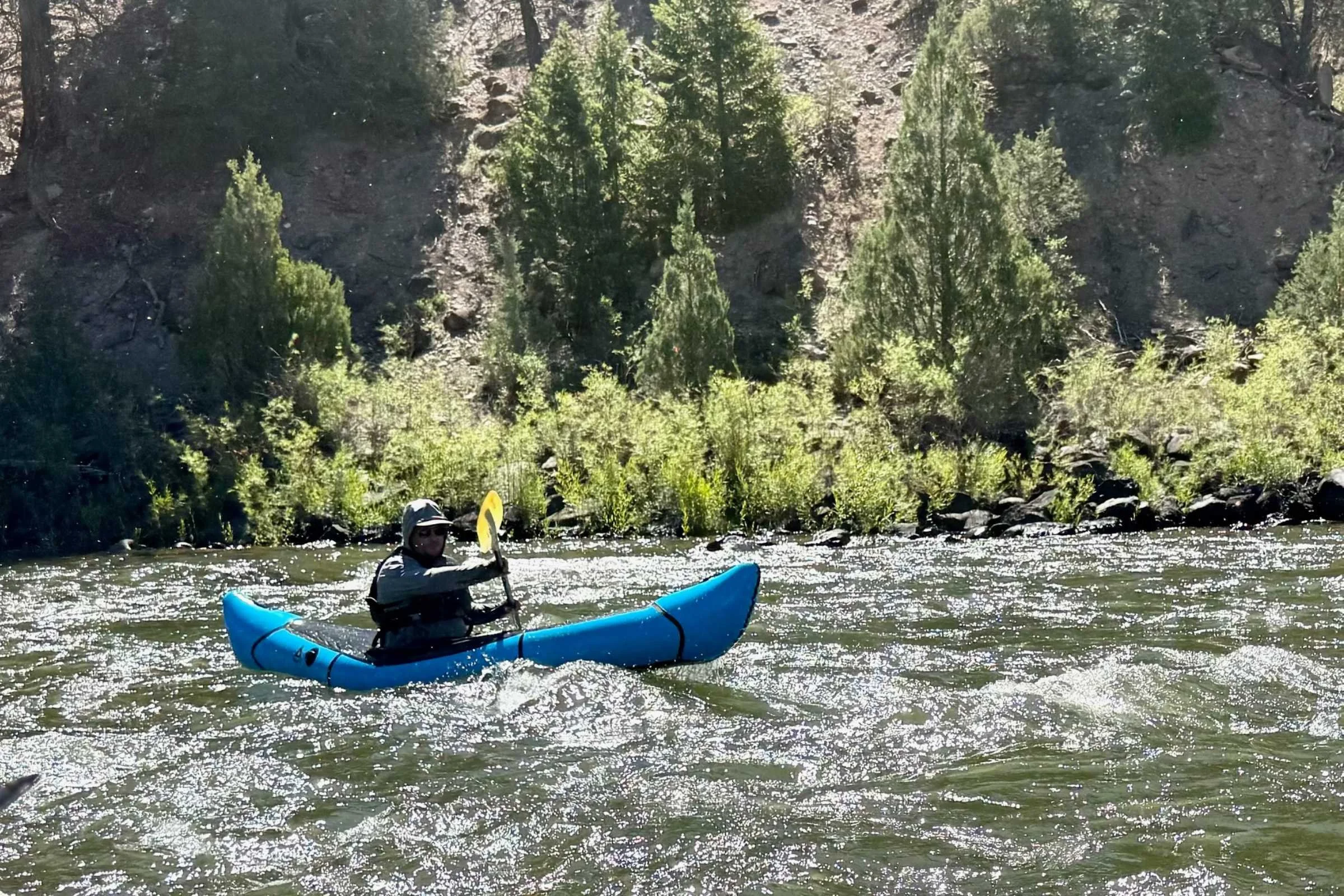
With the spray skirt off, the Chinook took on some water in choppier sections of the Colorado River. Photo courtesy Chris Meehan
Paddling through Class II rapids without the spray skirt, the spray deck did let enough water in over a few hours’ time that we did need to stop and bail it out. But, depending on the width of the river and CFS (low, medium, or high flow), this craft could easily handle a variety of moving Class I and some Class II waters without much bailing—even without a spray skirt on. With it on, it shouldn’t need any bailing at all.
Inflation and setup
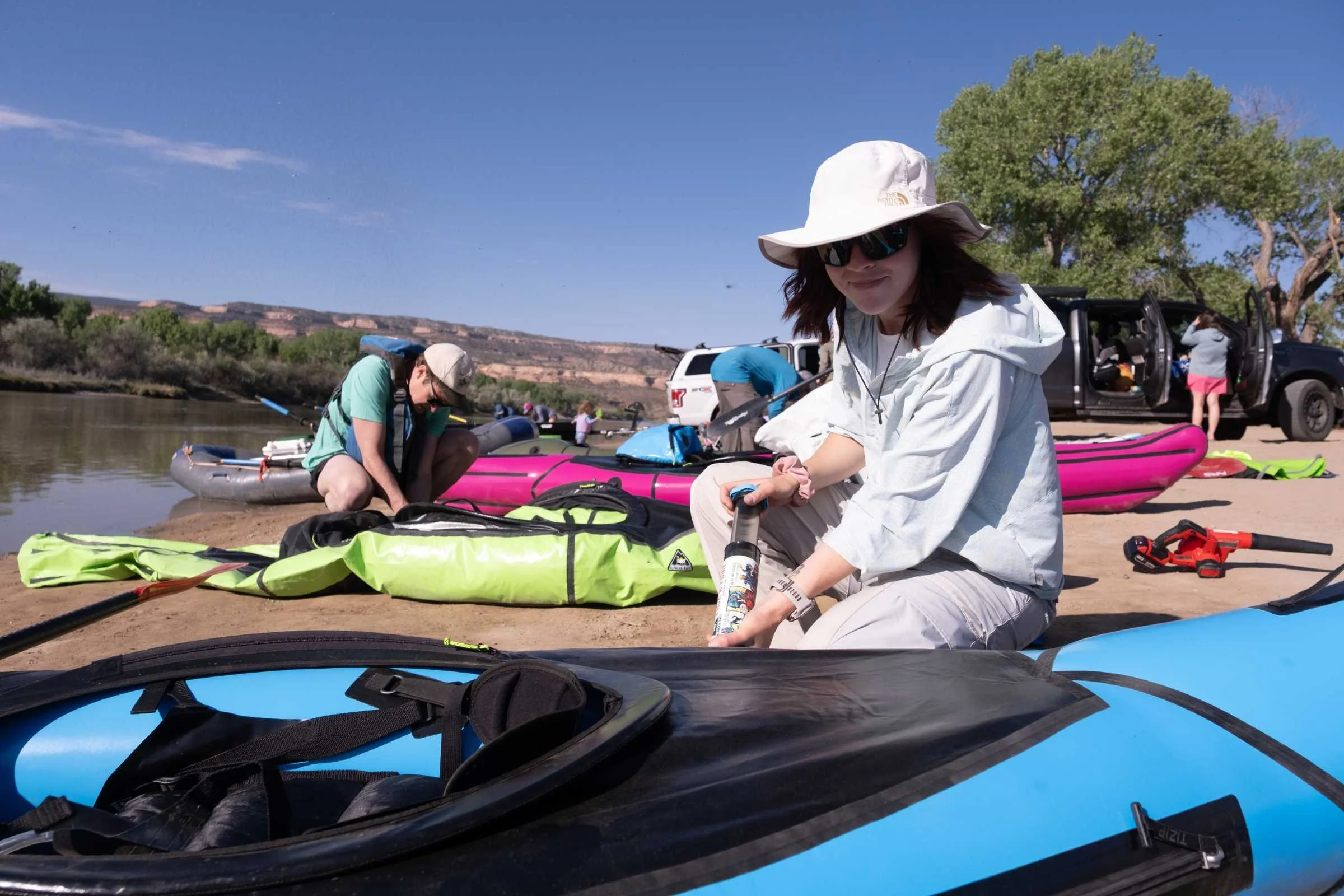
Becca inflating the Alpacka Raft Chinook on the beach. Photo courtesy Braden Gunem | Alpacka Raft
Inflation for the Chinook is the same as on other Alpacka models. The temper assist valve was easy to use with the included inflation bag, and once tempered we topped it off with air from our lungs. Setup and adjustment was relatively easy without the spray skirt on.
Packability and carrying
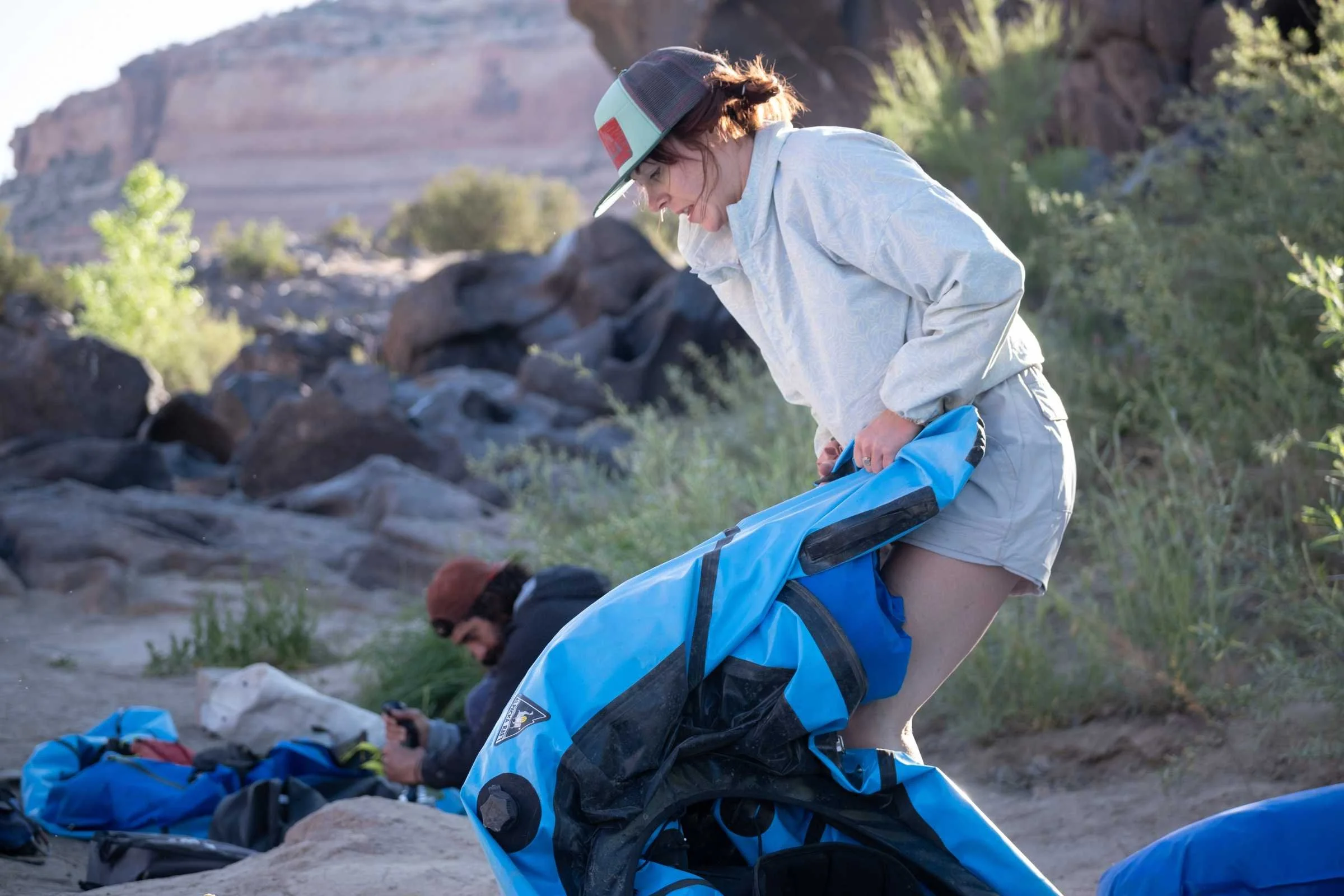
Becca Downs packing a Chinook packraft. Photo courtesy Braden Gunem | Alpacka Raft
Though we didn’t have a chance to bikeraft with the Chinook, the four bow attachment points would make it easy to load a bike on deck; it was easy to strap an extra PFD onto these at Soda Lakes. At 9 pounds and rolled up into a 9 x 22-inch package, it could fit on handlebars without causing too much interference on easy doubletrack. The stuff sack easily accommodated the raft and all its accessories, but a carrying strap or two would be a nice addition.
Cargo and gear storage
We didn’t test it with bow storage given our limited time with the Chinook. However, the attachment points are easy to access and add a rope to or clip into with carabiners. The cargo fly zipper was easy to access and we’d have no problem storing gear in both sides of the hull to further stabilize the boat.
Comfort
Initially the seat back felt a little low, but with some adjustment we got it right. We dropped a little pressure from the inflatable seat as well, which helped bring the pad a little higher on our backs. The boat sat a little lower in the water than others we’ve tested (similar to a sit-in kayak height) but we didn’t experience any major scrapes on the bottom.
Durability
The hull and floor didn’t see any noticeable damage during our testing. Scouring other reviews of the Chinook, I didn't find any other testers or users complaining about durability issues either. In addition, Alpacka offers a lifetime warranty for materials and workmanship, and offers repairs for wear and tear to their watercrafts. In the past their materials have proved strong enough for weeks-long forays in the wild without needing repairs. However, the cargo fly is one area where users should pay particular attention to maintaining it to reduce the likelihood of failure.
Features
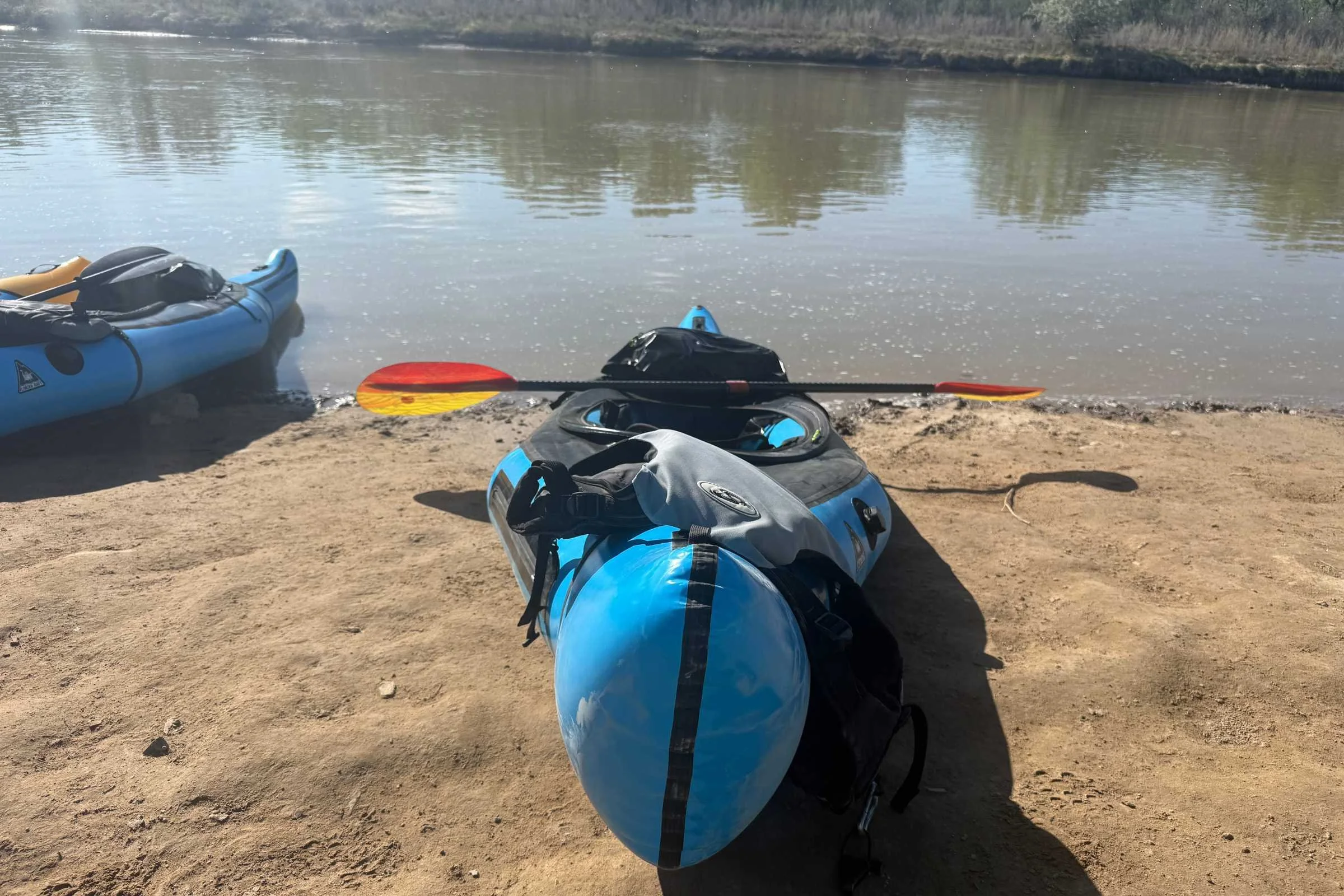
A Chinook packraft on the shore of the Colorado River in Ruby Horsethief canyon. Photo courtesy Becca Downs
Inflatable seat bottom
The inflatable seat allows paddlers to adjust how high or low they want to sit in the boat for their comfort and to maximize their reach with the paddle. Shorter paddlers may want to sit higher and farther forward than taller paddlers, for instance.
Back pad
The adjustable back pad makes it easier for the paddler to fine tune the fit of the boat, supports them in sitting up and helps them with positioning the boat for paddling.
Three-point thigh straps
The three-point thigh straps help increase paddling efficiency and allow paddlers to use their upper and lower body to help guide the boat as they see fit.
Spray deck
The large spray deck on the Chinook includes four mounting plates for attaching the included bow bag or any other gear the rafter wants to bring with them, like a bike, backpack, climbing gear, etc. The spray deck, when used with a spray skirt, ensures that the cockpit won’t get wet on long, epic days of paddling.
Cargo fly
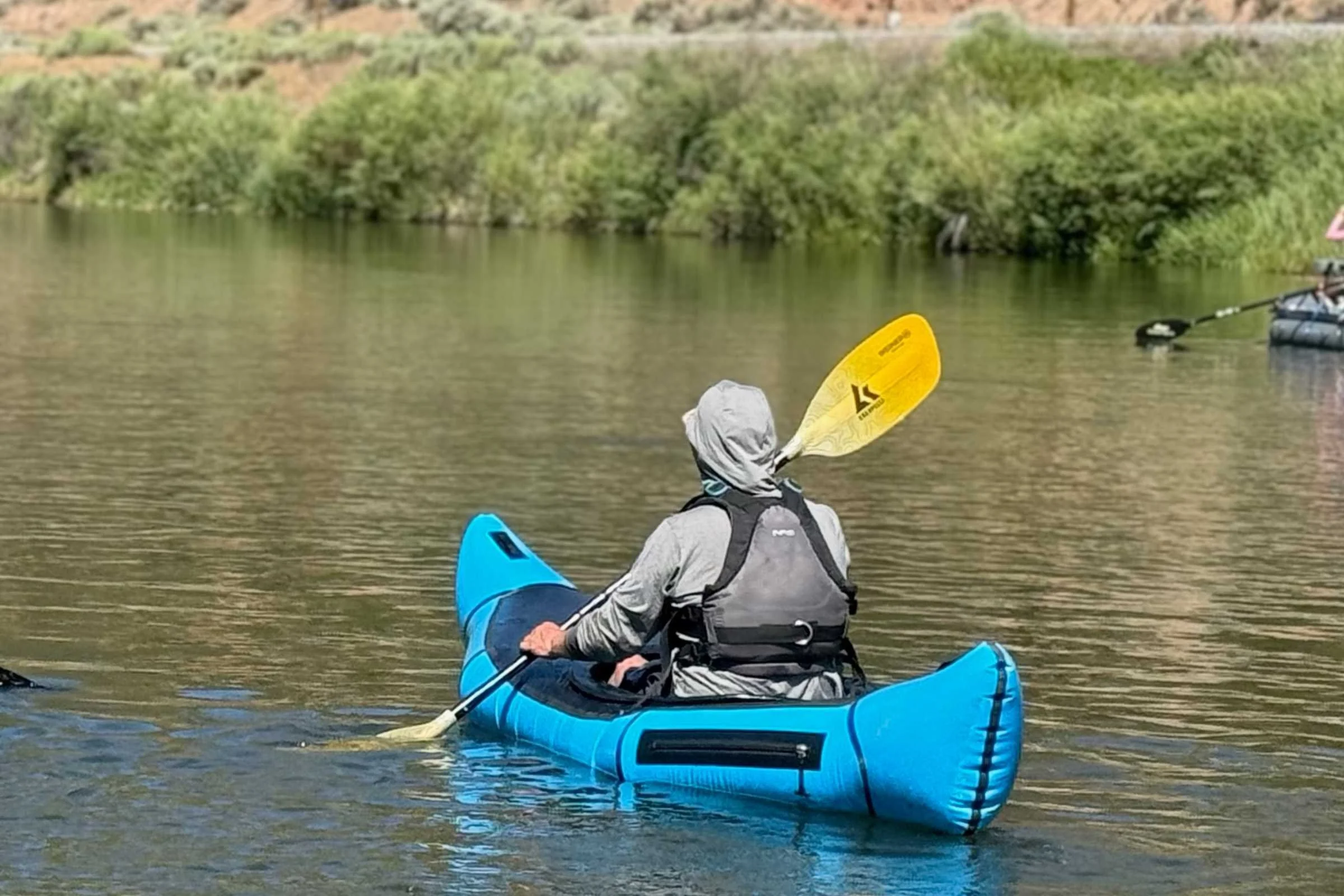
The Alpacka Chinook’s cargo fly on the rear left side still allows paddlers to stow gear on both sides of the hull.
Located on the left side of the stern, the waterproof cargo fly puts the pack in packraft. It allows users to fill both sides of the hull with gear. The low weight adds stability to the boat.
Stern and bow handles
These grab handles make it easy to pick the boat up to get out of the water. They also make it easy to portage the boat between lakes, ponds and rivers when needed.
Included inflation bag
The included inflation bag makes it easy to quickly inflate the packraft and top it off when needed.
Repair kit
Should anything fail in the field, Alpacka includes a repair kit to patch any holes in the material and get paddlers back on their way quickly.
Should you buy the Alpacka Raft Chinook packraft?
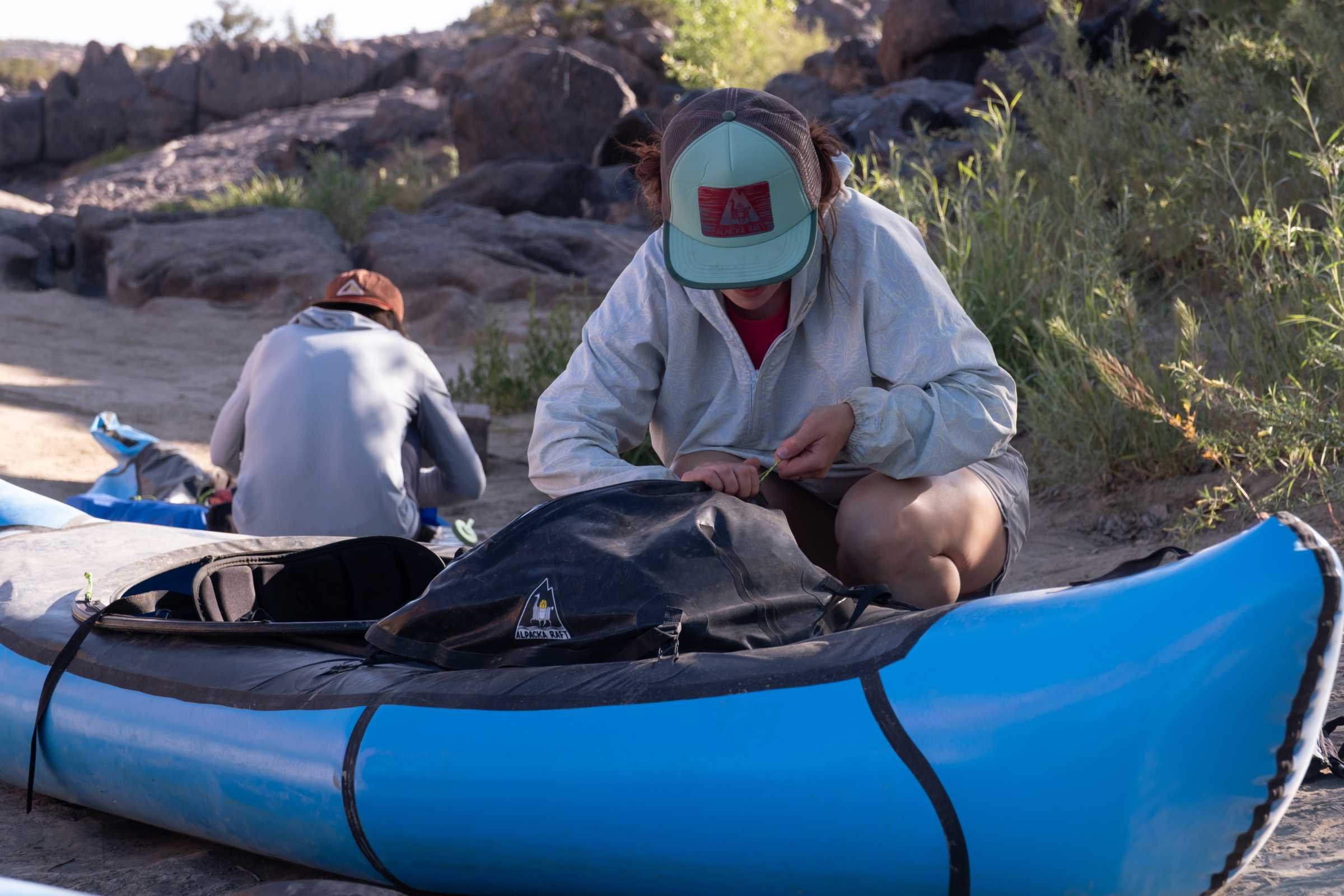
Becca Downs securing the bow bag on the Chinook packraft. Photo courtesy Braden Gunem | Alpacka Raft
Buy if:
You’re looking for a packable boat that you want to take out on flatwater adventures.
You want a packraft that’s ready for multiday adventures
You plan to do long expeditions in inland coastal areas or areas like the Boundary Waters
You don’t have a place to store a large flatwater kayak or canoe
Skip if:
You plan on taking on whitewater in a packraft
You want a light, small packraft for bikepacking or backpacking
You need a boat for paddling on open ocean or coast
If you’re interested in learning more about how to packraft, check out our How to Get Started Packrafting guide.
Perhaps an inflatable kayak would suit you better? See our guide to Best Inflatable Kayaks.
Where to buy the Alpacka Raft Chinook packraft
If you want to buy the Alpacka Chinook packraft new, you’ll probably only find it online through Alpacka Raft.
Alpacka Raft
However, buying a new boat direct from Alpacka Raft gets you the full range of size, fabric, and deck configurations, and it can make warranty claims simpler if you hit a defect.
Similar packrafts
Alpacka Raft Chinook vs. Alpacka Raft Caribou
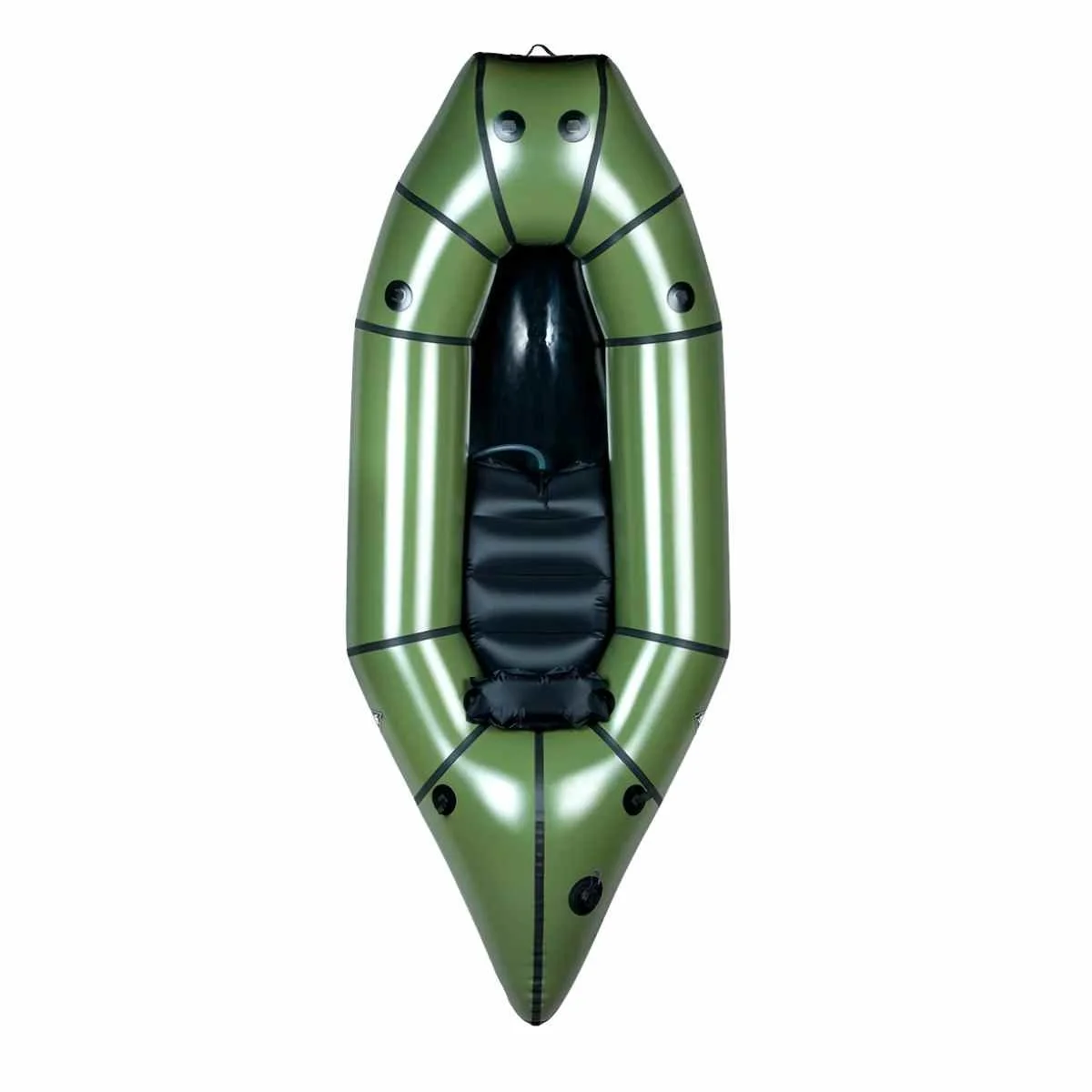
Price: $995-1,095
Type: Lightwater
Best uses: Multi-day flatwater trips up to Class II
Base weight (boat only): 4.5 to 4.9 lb
Weight with accessories: 6 to 6.9 lb
Packed size: 6 x 17”
Weight capacity: 390-500 lb (depending on class)
The Alpacka Raft Chinook is a specialty packraft designed for flatwater adventure. When compared to our overall favorite, the Alpacka Classic (now the Caribou), the Caribou is a much more versatile packraft. The Caribou offers more options, is lighter, smaller and packs up into a smaller roll for backpacking and bikerafting, and it can handle more whitewater. However, for someone who only wants to float lakes and slow rivers, the Chinook is a better choice, even though it starts at $1,700, compared to the Caribou’s $995 start price.
Alpacka Raft Caribou
You may also be interested in checking out our in-depth review of the Alpacka Raft Mage packraft.
Alpacka Raft Chinook vs. Advanced Elements PackLite+
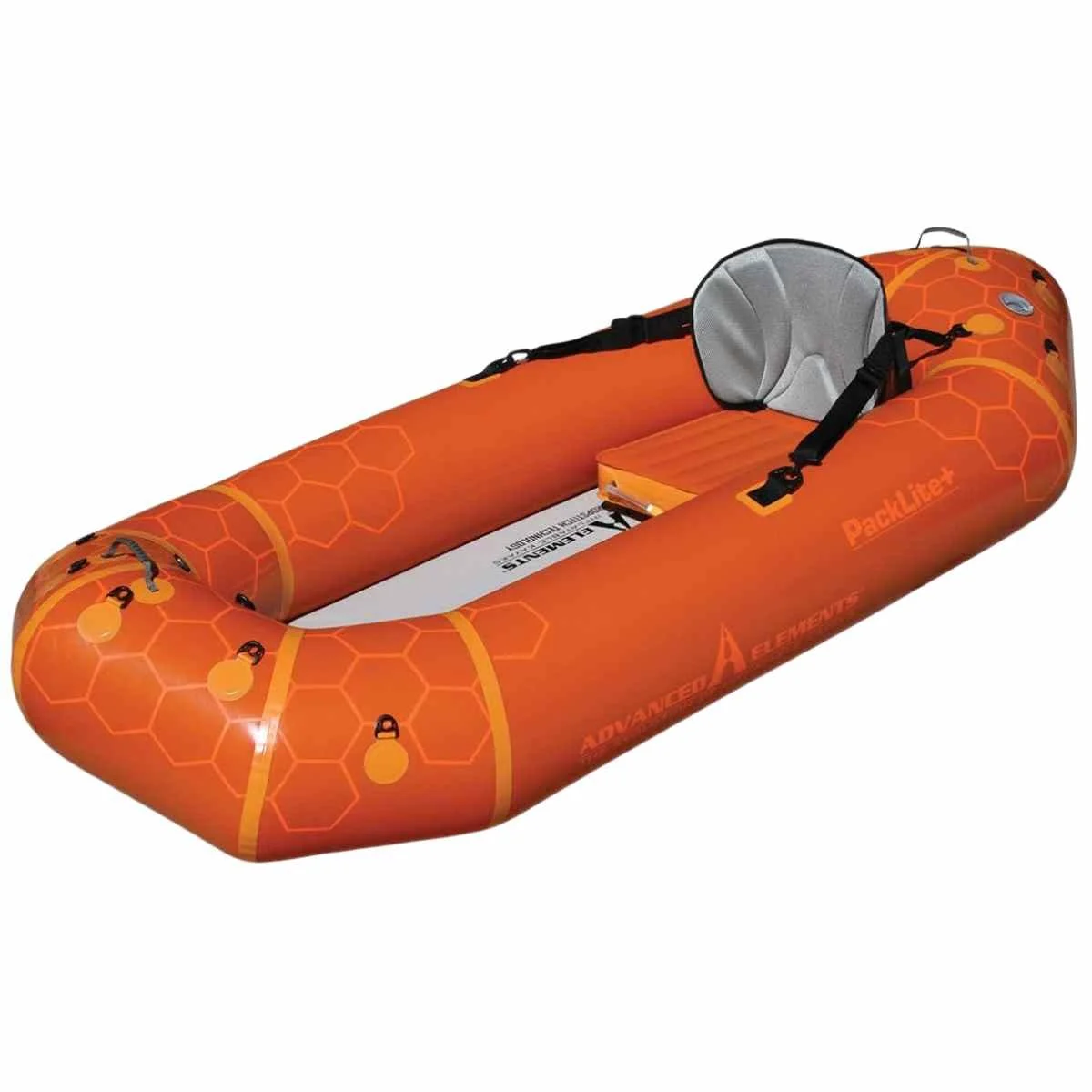
Price: $680
Type: Lightwater
Best uses: Recreational floating
Base weight (boat only): 7.0 lb
Weight with accessories: 13.4 lb
Packed size: 16 x 15 x 5”
Weight capacity: 300 lb
We’d definitely opt for the Alpacka Raft Chinook over the Advanced Elements PackLite+ Packraft. The PackLite is the type of packraft we’d keep in the van for easy floats and runs on rivers you can ride a tube down. The Chinook is more fun to paddle, cuts through water swiftly and has plenty of onboard and in-hull storage, making it ideal for remote adventures and multiday trips. The Chinook is a premium watercraft with a premium price of $1,700. The PackLite has a retail price of $680, but it is often discounted to closer to $550.
Advanced Elements PackLite+
Why you should trust us / About the author
I first learned of packrafting around 2016. Since then I’ve used them to explore Colorado and have used them on multiple creeks, rivers, reservoirs and lakes. I’ve gone on daytrips and multiday trips—including classics like Ruby-Horsethief Canyon, and used them on self-guided and guided tours. I’ve also gone bikerafting, including with one of the pre-eminent packrafters, Steve “Doom” Fassbinder.
As one of the first reviewers for Treeline Review, starting in 2019, I’ve covered a lot of outdoor adventure gear across multiple activities, among them hiking, camping, climbing and mountain biking. I wrote Treeline Review’s initial packraft buying guide in 2022.
Beyond my work with Treeline Review, I have authored multiple outdoor guidebooks. My most recent Falcon Guide, “Colorado’s Best Front Range Adventures: The Greatest Hiking, Climbing, Paddling and More From Denver to Colorado Springs and Fort Collins,” arrived in Spring 2021. In it, I cover the region’s best hiking, biking, climbing, and rafting. I’m also the author of Falcon Guide’s “Climbing Colorado’s Fourteeners: From the Easiest Hikes to the Most Challenging Climbs” and edited Justin Lichter’s excellent guide to thru-hiking titled “Trail Tested: A Thru-Hiker’s Guide To Ultralight Hiking And Backpacking.” This experience has helped me become a first-rate gearhead and product tester.
I have 20-plus years of exploring, hiking, backpacking, mountain biking, climbing, guiding, and playing in the wild. I worked with National Geographic and their mapping division in developing their Colorado 14ers Map Pack Bundle. I’ve written about hiking and climbing for Elevation Outdoors, including stories about Colorado 14ers and outdoor apps to boost adventures.
In addition, I’ve written columns about ultralight hiking and gear for Backpacker, gear reviews for Treeline Review, Popular Mechanics, Bicycling, Popular Science, and other publications, including Elevation Outdoors, 5280, and more.
At Treeline Review, we strive to offer unbiased reviews to help you find the best product for the price. Treeline Review doesn’t accept sponsored content, native advertising, or paid reviews. I am not sponsored by any companies, nor are any of my family members sponsored by, employees of, or ambassadors of any of the companies in this review.
Find more of Chris Meehan’s reviews on his Treeline Review author page.


