
Best Wet Wading Shoes for Fly Fishing of 2026
Lightweight wet wading shoes and wading sandals: an alternative to fishing wading boots

September 25th, 2026, updated with a new overall winner, 3 new winners, and a summer's worth of testing notes
Home > Gear Reviews > Footwear
Wet wading shoes are what separates a comfortable day of fishing in the water from a frustrating one. Unlike wading boots, they're lightweight and flexible enough to wear all day moving between water and bank, but unlike regular water shoes or sandals, they're designed specifically for the grip and stability demands of standing and moving through current on slippery river rock. Getting the right pair means understanding which tradeoffs actually matter for how you fish.
We researched and tested the most popular wet wading shoes across waters from Minnesota to Mississippi to Montana to New Mexico as well as Colorado and Puerto Rico. Our primary tester, Roberto Flores, logged years of field time on the Rio Grande to assess how each shoe performs on long walk-and-wade days and technical river terrain.
The difference between a good wet wading shoe and one that fails you mid-wade comes down to how the rubber sole grips both dry trail and submerged slippery rock, how the fit prevents small rocks and debris from working their way inside over a long day, how the shoe transitions between water and land without becoming uncomfortable, and how the weight compares to traditional wading boots over miles of river hiking.
Top Pick: The Simms Flyweight Shoe earns our Best Overall Men's Wet Wading Shoe award. It stood out for a Vibram Idrogrip rubber sole along with a sturdy construction that holds up to long days of repeated wet-dry cycles, and a lifetime warranty that makes it a genuine long-term investment. The unisex Astral Pusha wins our Best Overall Women's Wet Wading Shoe award for delivering most of the traction and foot protection of a full wading boot at a fraction of the weight and its agility, and comfort so you can forget about your feet.
We create reader-supported, objective gear reviews independently selected by our editors. This story may contain affiliate links, which help fund our website. When you click on the links to purchase gear, we may get a commission — without costing you an extra cent. Thank you for supporting our work and mission of outdoor coverage for every body! Learn more.
Wet Wading Shoes Comparison Tables
Men’s Wet Wading Shoes
| MEN'S WADING SHOES | TREELINE AWARD | PRICE* | SOLE | CLOSURE | FEATURES | SIZES | WIDE SIZES? | WEIGHT (PAIR) | WARRANTY |
|---|---|---|---|---|---|---|---|---|---|
| Simms Flyweight Shoe | Best Overall Read why |
$270 | Vibram Idrogrip rubber | Laces | Compatible with HardBite studs | 7-14 | ❌ | 32 oz | Lifetime |
| Orvis Pro Approach Shoe | Best for Slippery Rocks Read why |
$249 | Michelin Outdoor Extreme rubber | Laces | Integrated Ariaprene sock and lace hood | 7-14 | ❌ | 23 oz | Lifetime |
| Astral Loyak AC Water Shoe | Best Lightweight Read why |
$120 | G.15 rubber with Flex-Grip | Laces | Holes in midsole front and back for water drainage | 5-14 | ❌ | [size 9] 13.4 oz | 1-year limited |
| Crocs All Terrain | Best Wet Wading Shoes for Wide Feet Read why |
$55 | Croslite closed-cell resin | Slip-on with pivoting heel strap | More rugged outsole, lightweight | 8-13 | ❌ | 8 oz | 90-day |
| Chaco Z/1 Rapid Pro | Best Wading Sandals Read why |
$130 | Vibram sole | Adjustable straps and buckle | Option for toe loop or no toe loop | 5-12 | ❌ | 30 oz | 5 year |
* Prices reflect MSRP and are subject to change. We note any discounts we see on our Deals page, which is updated daily.
Women’s Wet Wading Shoes
| WOMEN'S WADING SHOES | TREELINE AWARD | PRICE | SOLE | CLOSURE | FEATURES | SIZES | WIDE SIZES? | WEIGHT (PAIR) | WARRANTY |
|---|---|---|---|---|---|---|---|---|---|
| Astral Pusha (unisex) | Best Overall - Women's Read why |
$195 | G.ss Rubber outsoles | Laces | Replaceable Level Footbed and Biodynamic Shape | 6-15 | ❌ | 30.4 oz | Lifetime |
| Orvis Pro Approach Shoe (unisex) | Best for Slippery Rocks Read why |
$249 | Michelin Outdoor Extreme rubber | Laces | Integrated Ariaprene sock and lace hood | 7-14 | ❌ | 23 oz | Lifetime |
| Astral Loyak AC Water Shoe | Best Lightweight Read why |
$120 | G.15 rubber with Flex-Grip | Laces | Holes in midsole front and back for water drainage | 6-15 | ❌ | [size 9] 13.2 oz | 1 year limited |
| Crocs All Terrain | Best Wet Wading Shoes for Wide Feet Read why |
$55 | Croslite closed-cell resin | Slip-on with pivoting heel strap | More rugged outsole, lightweight | 6-14 | ❌ | 8 oz | 90 days |
| Chaco Z/1 Rapid Pro | Best Wading Sandals Read why |
$130 | Vibram sole | Adjustable straps and buckle | Option for toe loop or no toe loop | 5-12 | ❌ | 31 oz | 5 year |
* Prices reflect MSRP and are subject to change. We note any discounts we see on our Deals page, which is updated daily.
Interested in fishing? See our fishing guides:
The Best Wet Wading Shoes
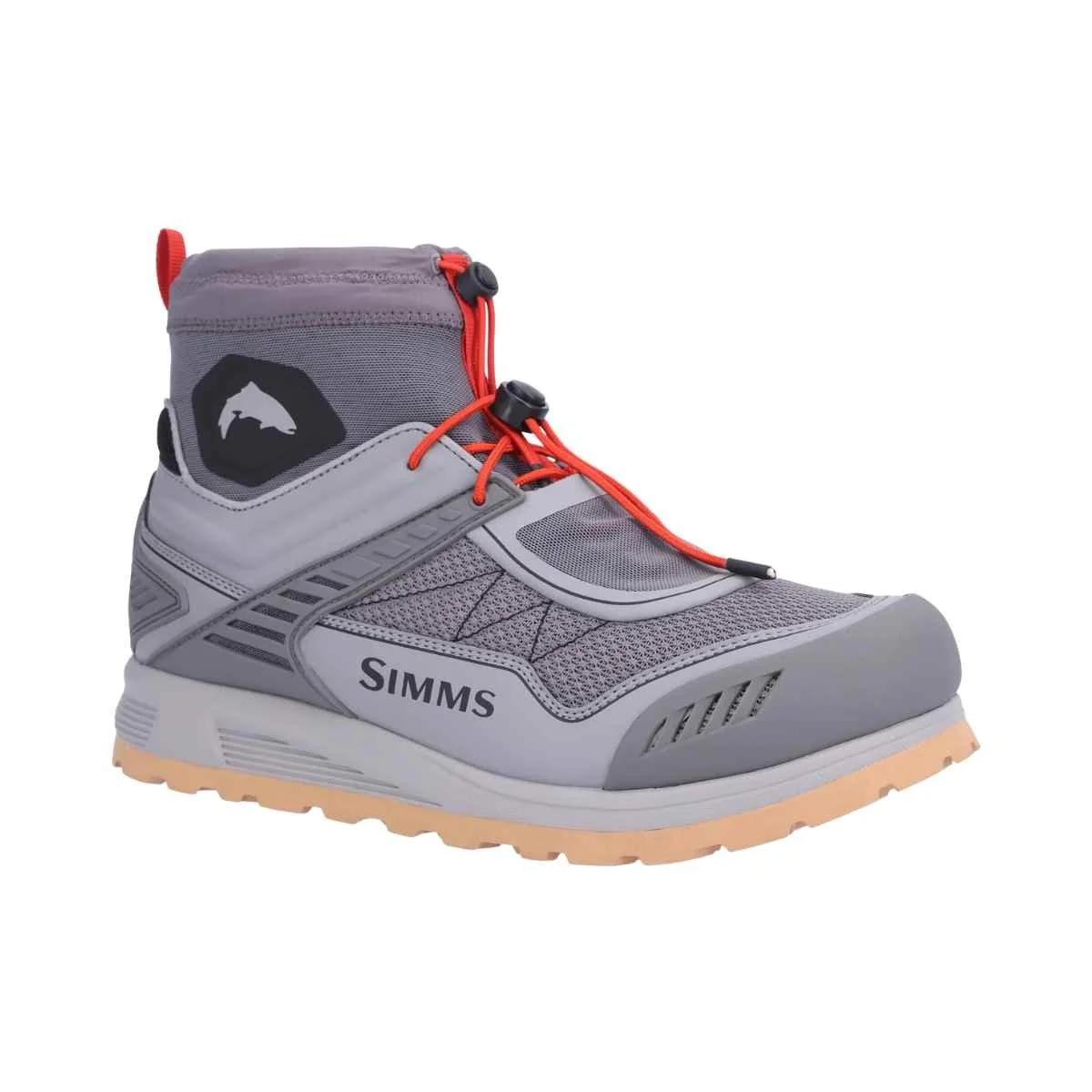
Best men's wet wading shoes: Simms Flyweight Wet Wading Shoe
Sole: Vibram Idrogrip rubber
Closure System: Laces
Warranty: Lifetime
Size Availability: Men’s 7-14
What We Liked: Lightweight, stud-compatible
What We Didn’t Like: Traction not great on submerged slippery rock, no women’s sizes
After years of testing on the Rio Grande in New Mexico, we think the Simms Flyweight Wet Wading Shoe is the best wet wading shoe. The Simms Flyweight Wet Wading shoe is the best wet wading shoe for a long walk to the river. It's the best shoe for wade days, and the best for covering the most river miles. It's a well-made endurance shoe with all the benefits of wading boots, but is far more lightweight and comfortable.
Simms Flyweight Wet Wading Shoe


-
The Simms Flyweight Wet Wading shoes are sturdy enough to protect one’s feet well, featuring a solid Vibram sticky rubber sole ready to help you balance on those river rocks. In testing, they felt like they offer almost all the benefits of wading boots, but are far more lightweight. In fact, Simms offers the Flyweight as a wading boot for those who want the extra ankle protection.
-
Wading boots, more often than not, feel heavy on the feet. In contrast, the Simms Flyweight Wet Wading Shoes are considerably less bulky than a wading boot, which adds comfort for long days on the river.
-
Immediately upon opening the Simms Flyweight Wet Wading Shoes, tester Roberto Flores thought to himself, "these are truly good quality shoes." The materials look and feel durable. Stepping into them, one can feel how securely they are built.
-
The fit itself is comfortable. We like how minimalist and direct the experience of using them is.
One thing to be aware of before purchasing these lightweight wading boots is to get the sizing right. Our tester Roberto has a very high arch and the ankle didn't fit correctly, so little rocks kept getting inside the shoe. If he were to do it again, he'd wear these shoes with wading socks or waterproof socks to help mitigate the problem.
An online reviewer on the Simms website said they successfully ordered a size and a half larger shoe to fit a neoprene wading sock with it. Many anglers find a neoprene sock helpful to add cushion and improve body temperature over extended use. Wearing a sock can also minimize how much your foot moves around in the shoe. Women’s sizes aren’t available, so if you wear women’s sizes, you will want to seek sizing advice from the brand or retailer directly.
-
We found that the Flyweight's traction is reliable on the trail but we found it can be challenging when walking on submerged slippery rock. Depending on what conditions and areas you are fishing, you may want to consider looking into Simms compatible wading boot studs specifically for this purpose.
-
The Simms Flyweight wet wading shoe is an excellent option for anyone who plans to have long wet wading days or hike longer distances to access water while bringing just one shoe. With the Flyweight, you can stay lighter on your feet while staying well-protected. For those looking for many of the benefits of a wading boot without the weight, these will make a solid choice.
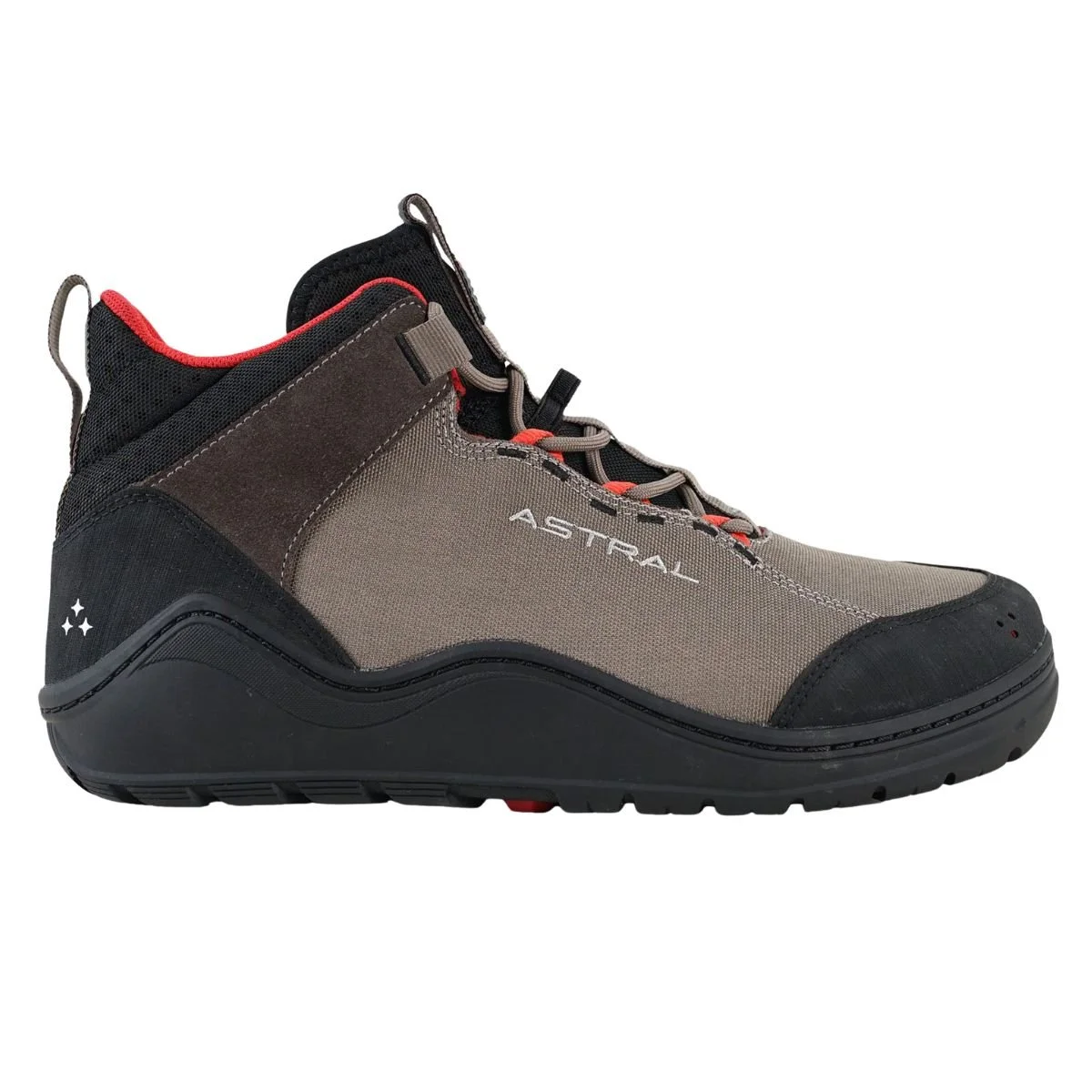
Best women's wet wading shoes: Astral Pusha
Outsole: Super-Sticky G.ss Rubber compound
Closure System: Hydrophobic Laces
Warranty: Lifetime
Size Availability: Unisex: M5 / W6 – M14 / W15
What We Liked: Stability and grip for days
What We Didn’t Like: The color, tbh
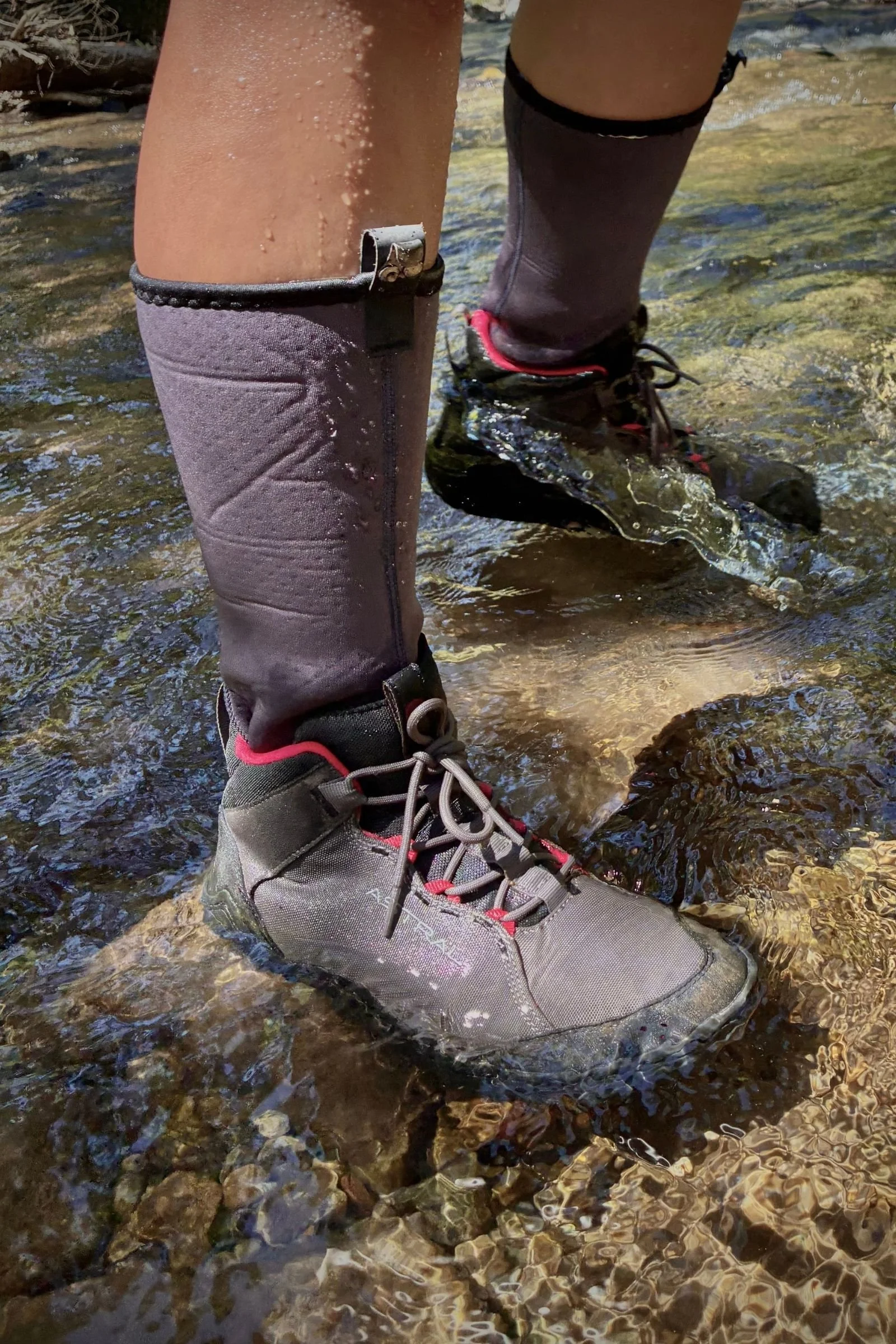
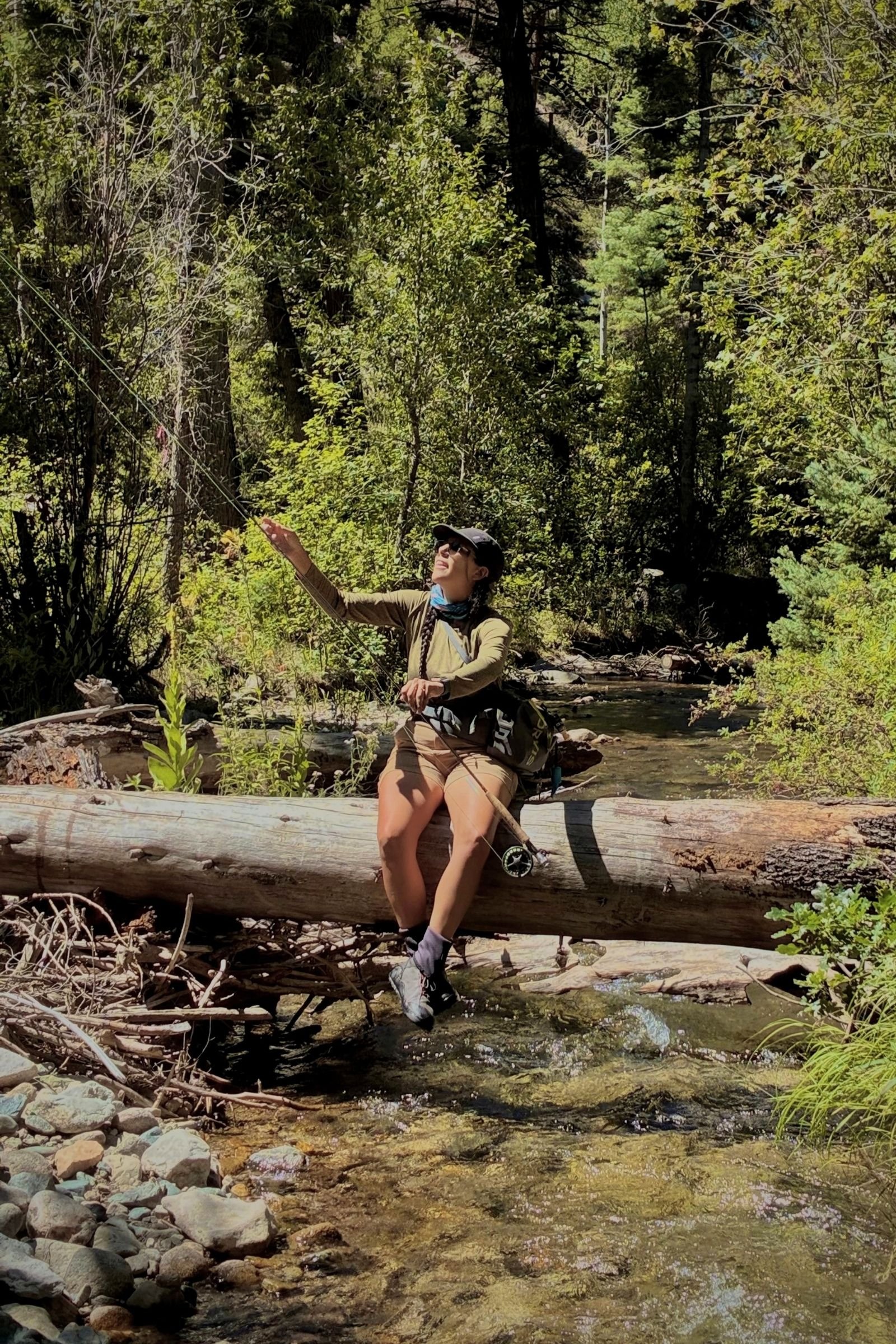
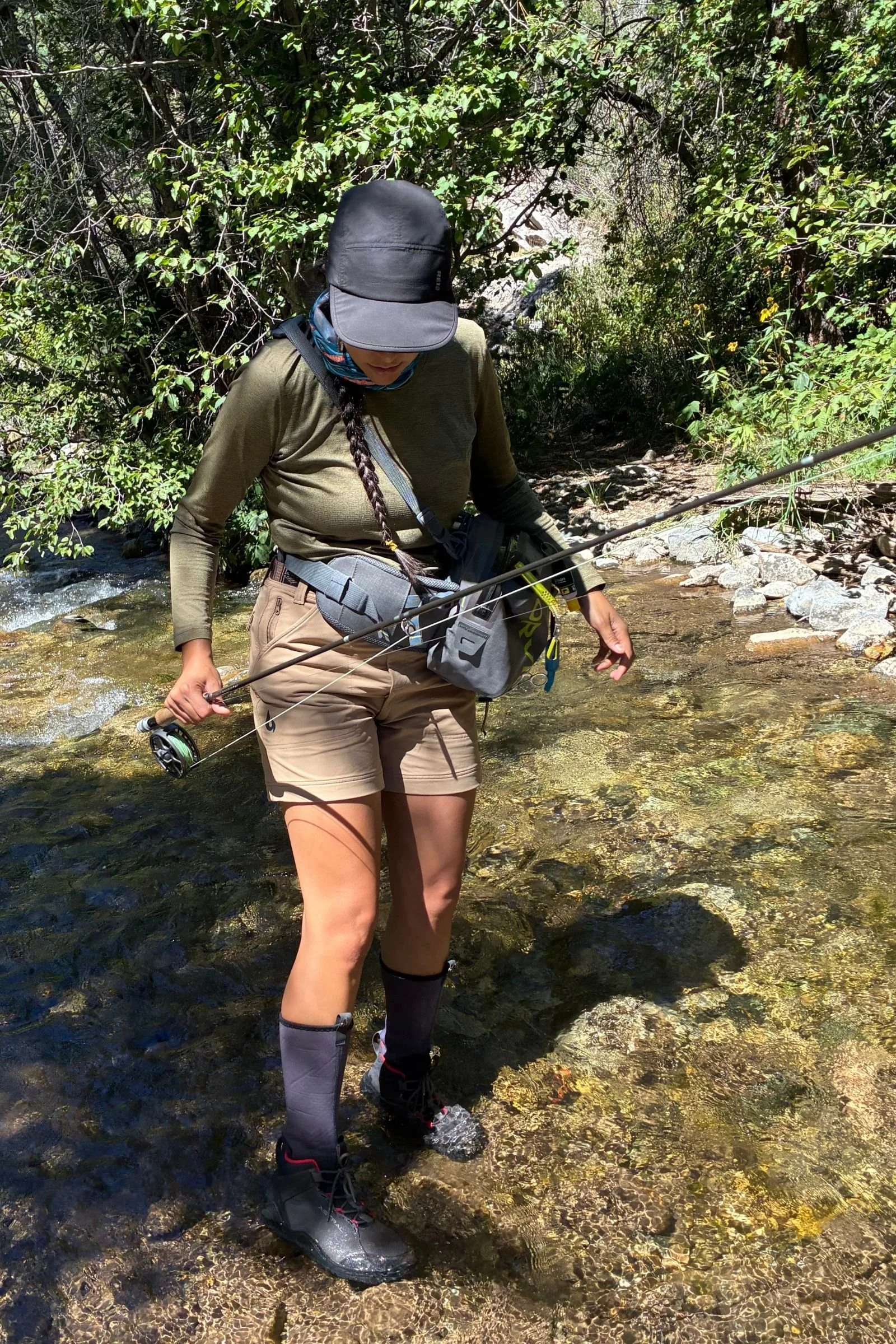
After years of testing wet-wading shoes, from sandals to amphibious sneakers, the newly released unisex Astral Pusha proves that no compromises need to be made to have the fun we deserve while accessing or traversing the water. You know you’re in a great wet wading shoe when you don’t even think about your feet because you can be fully present, cast after cast. Testing the Pusha, we felt like we were in regular wading boots–except we had a much lighter, more agile, more comfortable overall experience.
With an impressive grip on and off the water, accessing the river by downclimbing steep, unstable cliffs in the summer was never so chill. With its generous toe box, the Pusha makes it easy to find stable footing along the river floor while its grip keeps you secure as you decide your next step.
Astral Pusha
-
The Pusha also sets a new durability standard with its DirectConnect build. Its outsole rubber is stitched and bonded directly to the upper, resisting delamination and designed to extend the shoe's life. Users online say it feels durable enough for portaging, too, but know we haven’t tested them for any heavy lifting or longer hikes ourselves.
-
The outsoles of the Pushas feature 3mm lugs with a smear zone at toe and braking lugs at heel. They’re made of Astral’s Super-Sticky G.ss Rubber compound.
While we haven't tried these in mossier rivers yet, the Pushas have proven trustworthy so far. Compared to other wet-wading shoes we tested on the same day, these provided superior grip from steep river access points to slippery submerged river rocks. We felt very secure in both dry and wet conditions. Reviews also mention their appreciation for its reliable grip across diverse terrains.
-
We LOVE that the Pusha comes with a Rechargeable EVA Drop-in Midsole with medium arch support. This means that as your shoe becomes packed out over long-term use and you no longer feel supported, you can get a replacement springy midsole–not just a new insole. Plus, you can easily remove it for faster drying times.
The wide toe box and its Biodynamic Shape provide noticeable stability and toe protection while you move rocks around to find your footing in the water.
-
Approaching the water and feeling confident wet-wading in deeper waters is versatile enough for how the author has been using the Pusha. But we can’t skip mentioning the highlights we've seen from reviewers online. Folks are using these shoes for packrafting, stand-up paddleboarding, portaging, kayaking, and beyond. Astral markets the Pusha for packrafting and whitewater kayaking, as well as wet-wade fishing. So for all your in- and out-of-water adventures, you’ll probably want to check out the Astral Pusha.
-
The author mostly wears the Pusha with a wading sock folded over and hooked to the laces to keep small rocks out of the boot. But we found that even when rolling up the socks for testing, no rocks manage to sneak in.
-
As one satisfied customer on Astral’s website says, “Best Astral shoes I have used, hands down.” For the author, it’s the best wet-wading shoe she's used, hands down.
Best for Slippery Rocks: Orvis PRO Approach Shoe
Sole: Michelin Outdoor Extreme rubber
Closure System: Laces
Warranty: Lifetime
Size Availability: Men’s 7-14
What We Liked: Integrated neoprene sock
What We Didn’t Like: Needed a break-in period
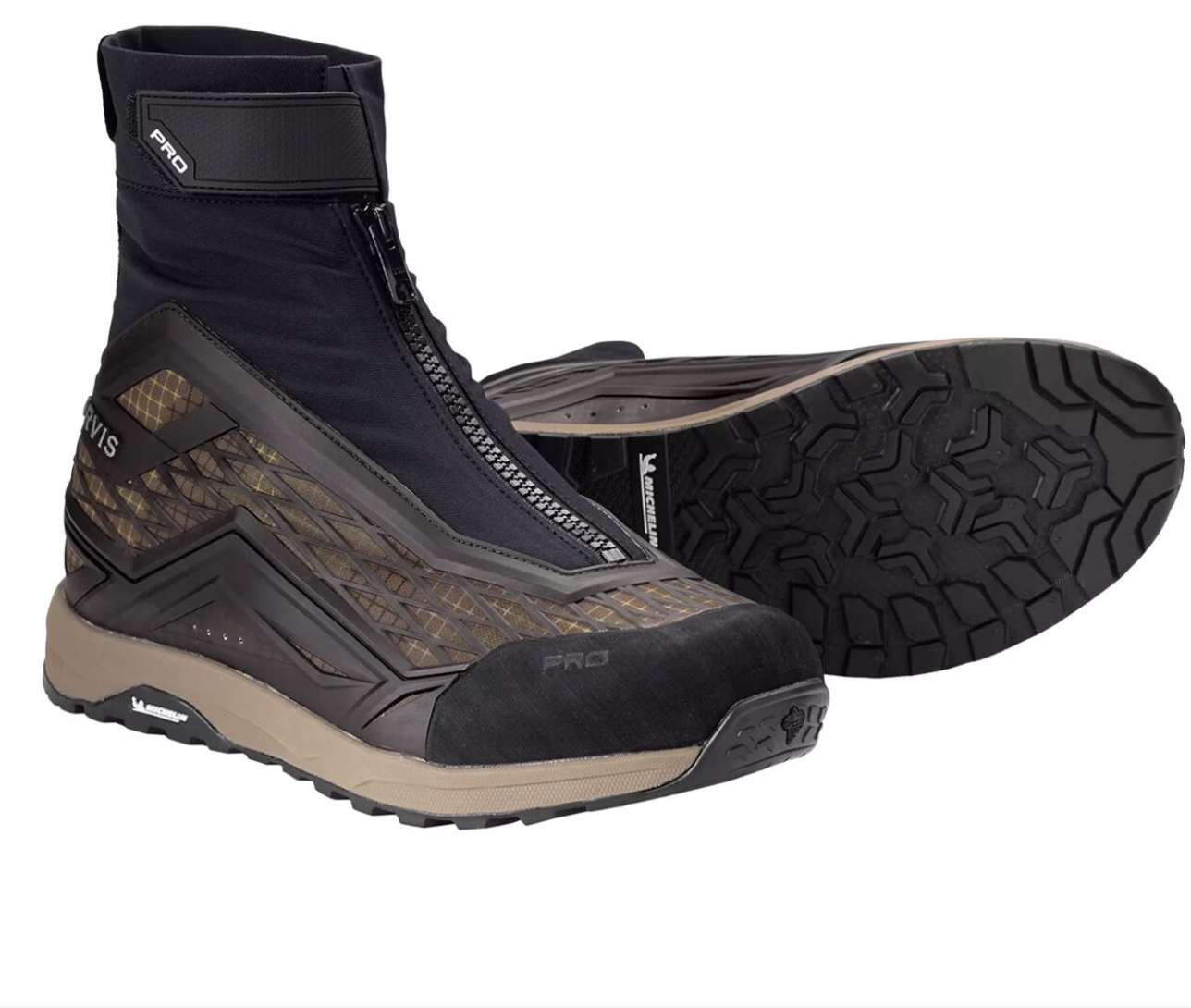
The Orvis PRO Approach Shoe is a rugged sneaker-turned-wading-shoe. The design is simple yet functional. We appreciated the shoe's grip and protection. We also appreciated its lighter weight and style compared to traditional wading or fly-fishing boots. The Approach Shoe provides the right balance of internal security and exterior grip to help an angler quickly suit up for the water and spend the day tooling around with confidence.
For these reasons, the Orvis PRO Approach Shoe wins our award for best wet wading shoe for slippery rocks.
Orvis PRO Approach Shoe
-
Some of the Orvis Pro Approach Shoe's best features have to do with the design. We like the simple style, the ability to remove its 3D molded OrthoLite insoles, and the lace hood to keep laces out of the way.
The Orvis Pro comes with an integrated Ariaprene perforated tongue that prevents debris from getting inside yet maintains a good level of breathability for its different possible uses.
-
Our tester, Ashley White, liked the integrated sock and didn’t feel the need for anything else. However, some reviews on the Orvis website mentioned that the integrated sock could rub certain people’s feet and blister their heels. With this in mind, we tried to wear another sock, but found it challenging to do in combination with the included sock. One reviewer found a solution: use an ultralight merino wool sock as a liner. Another alternative is to size up and wear a light wading sock.
-
Several reviewers mentioned that the shoe itself was hard to get into; this difficulty is because the integrated sock is reinforced and lacks the stretch that allows for different foot shapes to get the shoes on comfortably. For people with high insteps, getting into these wading shoes could be tricky. Other folks found that it became easier to put them on after a few times.
-
Something that stood out for Ashley was the lengthy break-in period necessary for the toe box and heel to mold well to his feet. Like a high-end pair of hiking boots, they have a break-in period but will last for years. For that reason, he thinks of these shoes as a shoe for the long haul, but isn't the pair to get if you need some shoes for a single trip scheduled for next weekend. “I would treat the shoe like I do my hiking boots when first purchased,” says Ashley.
-
We tested these shoes in warm water urban river conditions in Mississippi. They dry fast in two phases. In phase 1, there was no visible water after a few minutes, and in phase 2, they were dry to the touch in about four hours if exposed to complete sunlight. They are only available in Men’s sizes, and they fit true to size.
Best lightweight wet wading shoe: Astral Loyak AC Water Shoe
Sole: G.15 rubber with Flex-Grip
Lacing System: Laces
Warranty: 1-year limited
Size Availability: Men’s 8-14, Women’s 6-11
Weight: 13.4 oz (men's size 9)
What We Liked: Kept the rocks out
What We Didn’t Like: On the narrow side
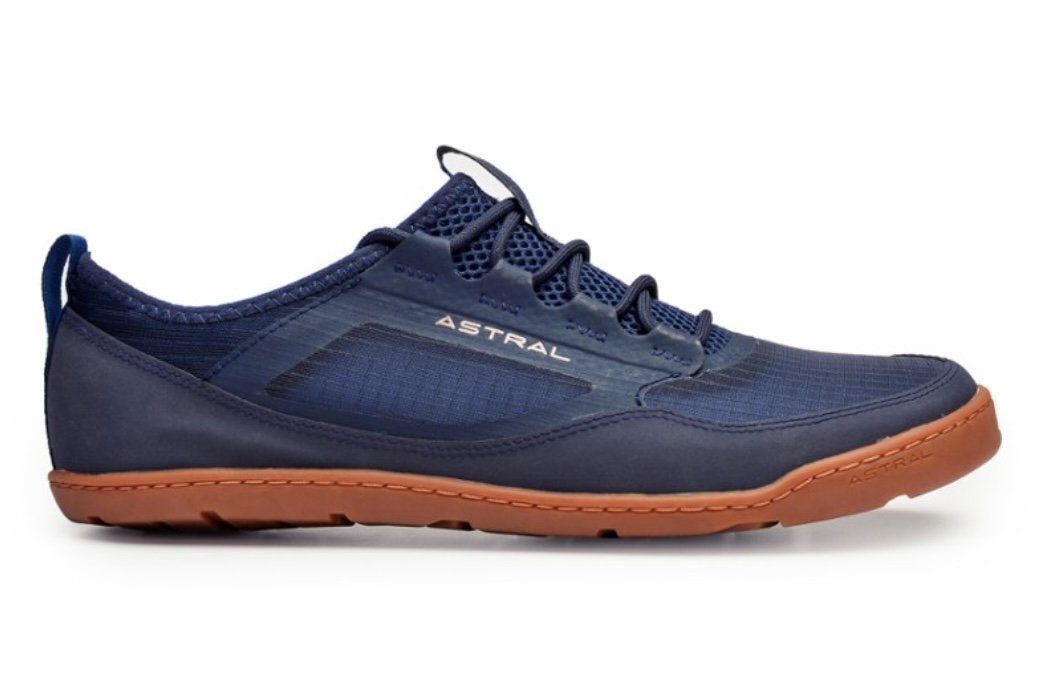
The Astral Loyak AC has a modern-yet-retro look that pairs well with casual wear as well as water wear. Many reviewers appreciate the ability to use them for various water-related activities, such as paddleboarding, kayaking, fishing, boating, and more. After several of our testers took the Astral Loyak AC from New Mexico to Minnesota, we think these are the best wading shoes for people who want function and fashion in their footwear.
The Astral Loyak AC shoe is versatile from performance to style. It performs well on different surfaces thanks to a grippy rubber sole and a lightweight feel. It looks good with or without socks and feels comfortable either way. While it is best suited to narrow feet, people with wide feet can size up for comfort. And ultimately, it makes a great alternative to an open-toe water shoe, having minimal water drag and leaving us with significantly fewer rocks in our shoes.
For these reasons, at only 13.4 oz per pair (men's 9), the Astral Loyak wins our award for best lightweight wet wading shoe.
For more info, see our in-depth review of the Astral Loyak AC water shoe or the similar, more sneaker-like Astral Brewer water shoe.
Astral Loyak AC Water Shoe


-
At first sight, the Astral Loyak AC look as lightweight as they are. Once I tried one on, I could immediately feel how durable the material was. I was nervous it wouldn’t have enough grip when looking at the tread, but once out on the water, I was proved wrong. These shoes performed well on both the stream and while cross country hiking to a waterfall where rock scrambling also put them to the test.
-
The Astral Loyak AC differs from the original Astral Loyak (men’s and women’s) in a few ways. The Loyak AC is more technical with an ultrafine ripstop mesh and thermoplastic urethane reinforcements to guard against abrasion. The Loyak (not AC) is made of a waterproof canvas. The Loyak AC also has a sock-like entry better suited to keep out rocks. Both feature water drains in the front and back midsoles. You can read more in our review of the Astral Loyak water shoes.
-
Because the Loyak AC is so lightweight, you can feel the texture of the ground you are stepping on through these shoes. This feature may or may not be optimal for you, depending on your personal preference. We also tested these with and without a wading sock. While wearing a light wading sock, these continued to feel comfortable and allow for comfortable use in colder waters.
-
If you want a wet wading shoe that you can also wear when you're not fishing, the Astral Loyak is the best-looking option for using on water to pavement.
Best wet wading shoes for wide feet: Crocs Classic All-Terrain Clogs
Outsole: Rugged lug outsoles
Closure System: Turbo Heel Straps
Warranty: 90 Days
Size Availability: Men's 8-13, Unisex 6-14, whole sizes only
What We Liked: Super comfortable Croslite foam uppers, protective toe box, and affordable price point
What We Didn’t Like: Small rocks can get in and require a bit of effort to remove
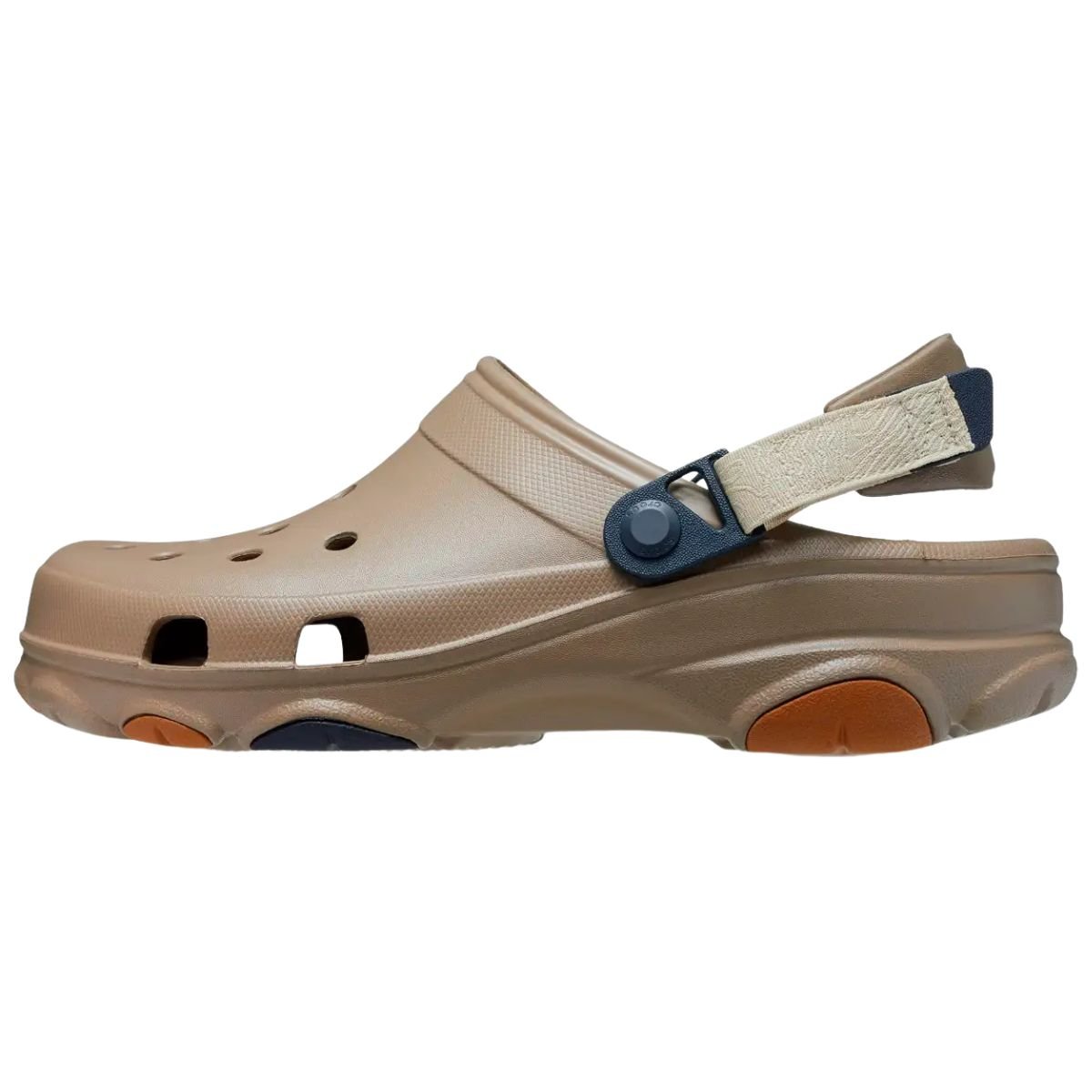
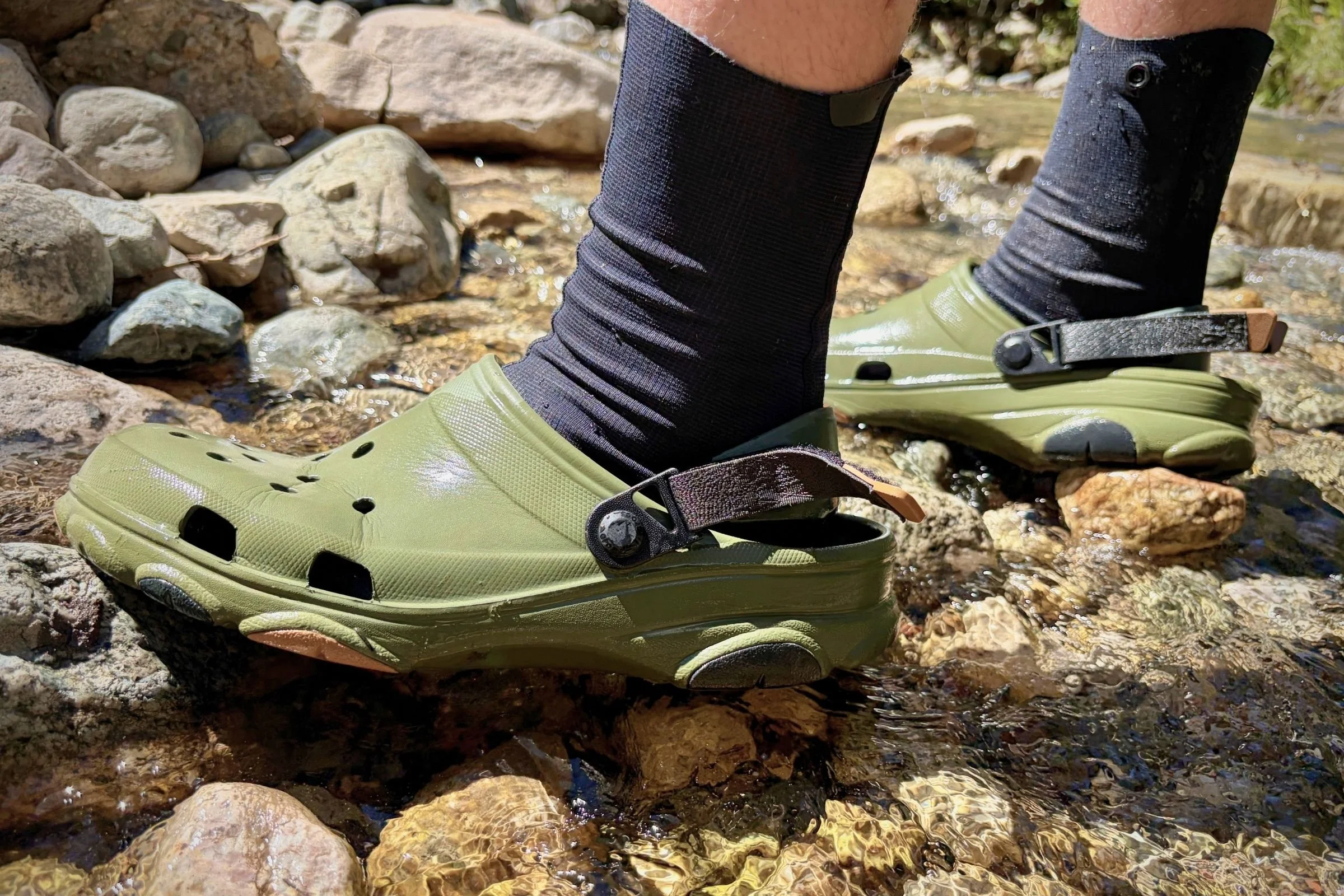
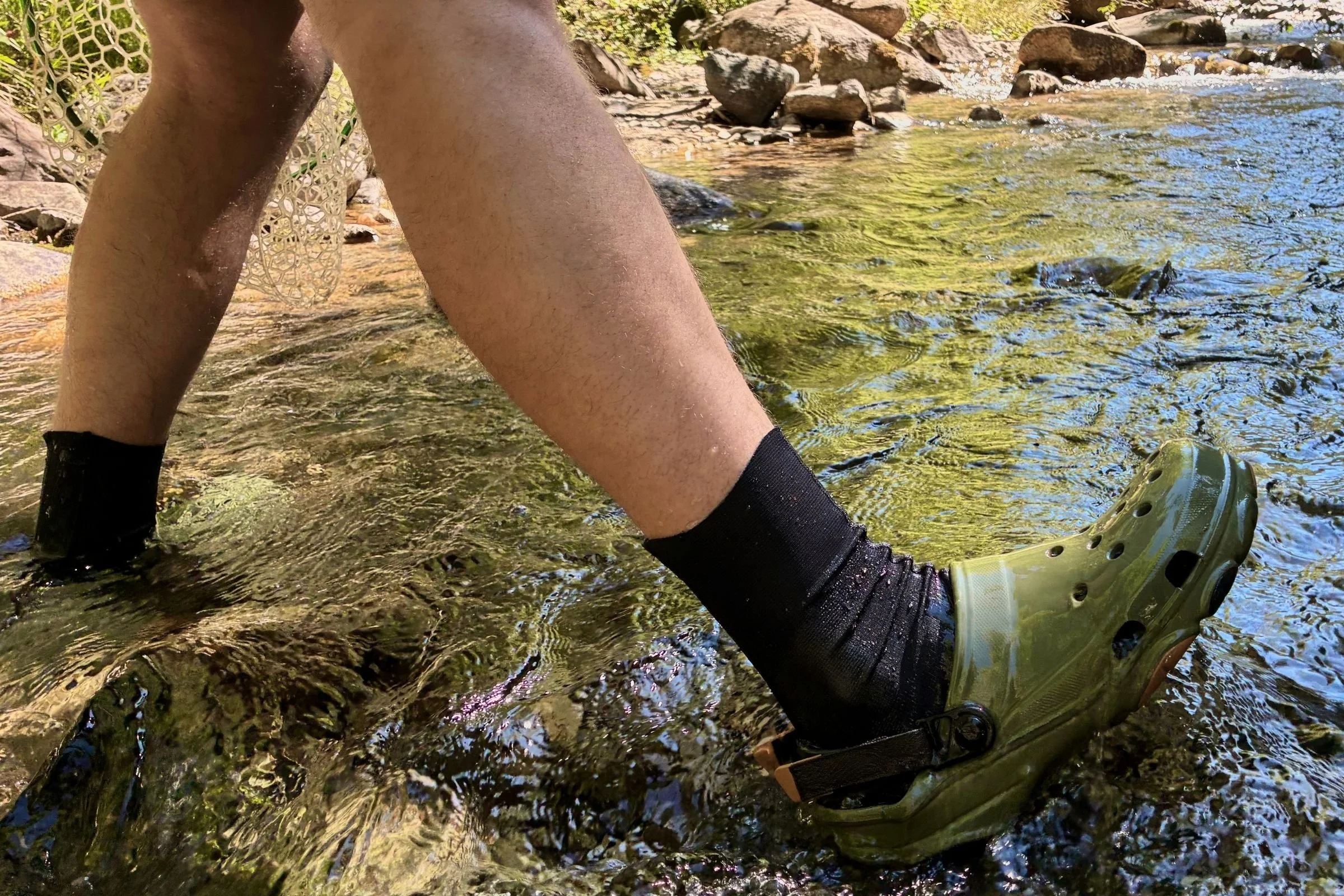
After years of suspiciously watching people wade in Crocs, from the surf to the riverbank, tester Roberto was surprised to report that Crocs have done it again and the Classic All-Terrain Clogs are his new go-to option for wet wading. Especially if you already have them in your shoe rack. Talk about a shoe with great water and fine gravel drainage that also dries quicker than many of its textile-reliant counterparts. One caveat is that small rocks can get through the side ventilation ports, and getting them out might require a little extra effort beyond shaking your foot as you would with sandals.
The overall wading performance, alongside its many other recommended uses, makes this a versatile shoe from the front to the backcountry. The All-Terrain Clogs keep your toes and feet better protected than sandals, and they offer decent stability when cutting through currents and wading deeper water. The All-Terrain Clogs earn extra points for their 25% bio-circular material.
Crocs Classic All-Terrain Clogs
-
The grip isn’t the stickiest when compared to wet-wading-specific shoes, but because they are lighter and softer, they wedge between rocks really well and mold over rocks in a way that helps with balance and stability. The arch support on the All-Terrain Clogs is minimal, but their wide build and adjustable back strap help with stability when cutting through currents and wading over looser rocks. We would size down for a better, more stable wading-specific fit. Tester Roberto says these are the most comfortable wading shoes he’s tried in a few years.
-
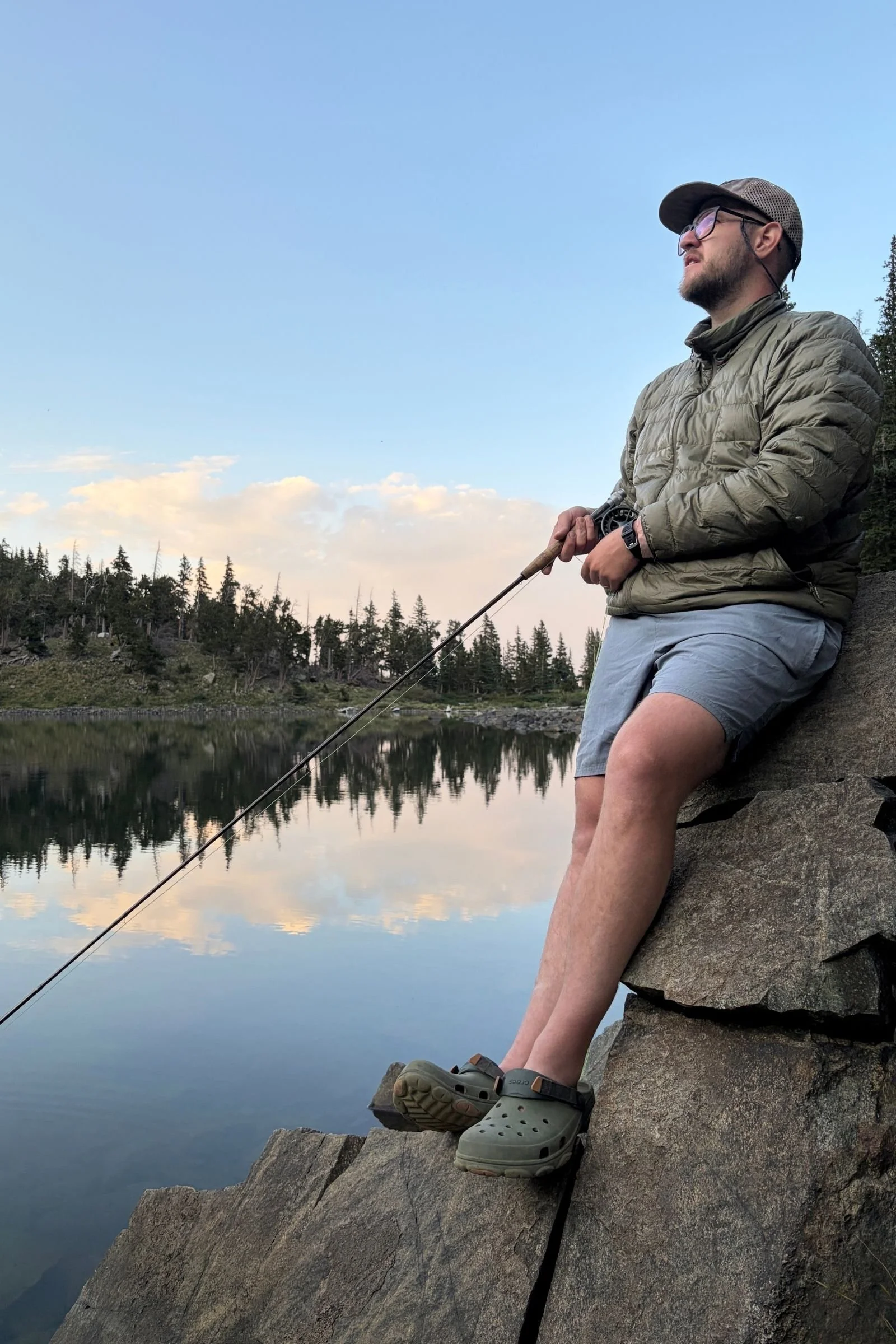
A great lightweight camp shoe for tired feet, cozy house shoe, comfortable everyday shoe, and also a good wet wading shoe for either the front or backcountry. The All-Terrain Clogs are ones we could bring anywhere.
-
The Crocs’ Classic All-Terrain Clog is a great all-around shoe to wade in if you already own them, or for folks new to fishing who don’t want to invest in a wet-wading-specific shoe just yet. For backcountry trips, these Crocs work great as a water and a camp shoe–they dry faster than other similarly versatile options and provide both comfort and safety while wading.
Best Wading Sandals: Chaco Rapid Pro Z/1
Outsole: Vibram Megagrip
Closure System: Adjustable straps
Warranty: 5 Years
Size Availability: Men’s 4-13, Women’s 5-12
What We Liked: The best grip
What We Didn’t Like: Having our feet exposed to cuts and scrapes
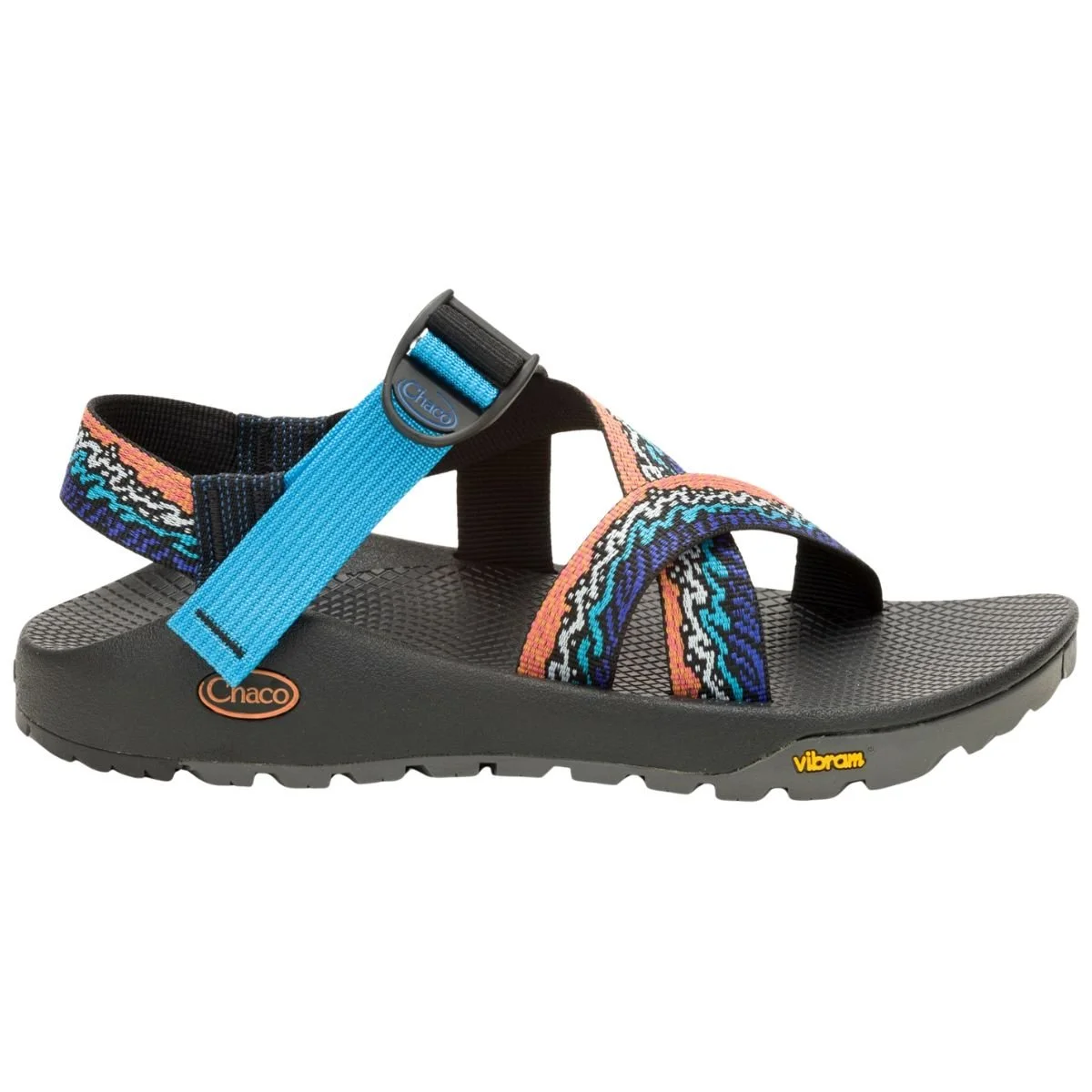
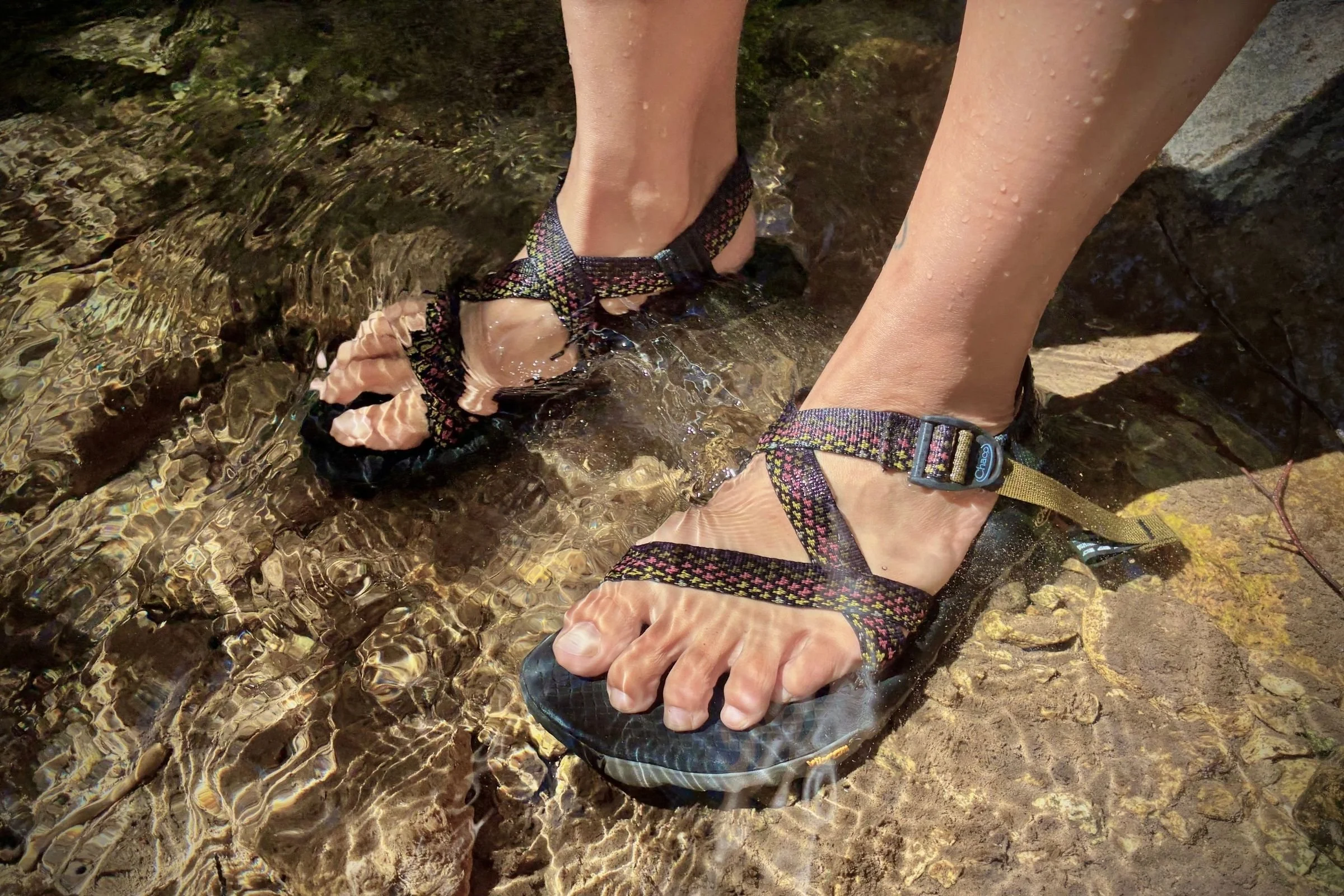
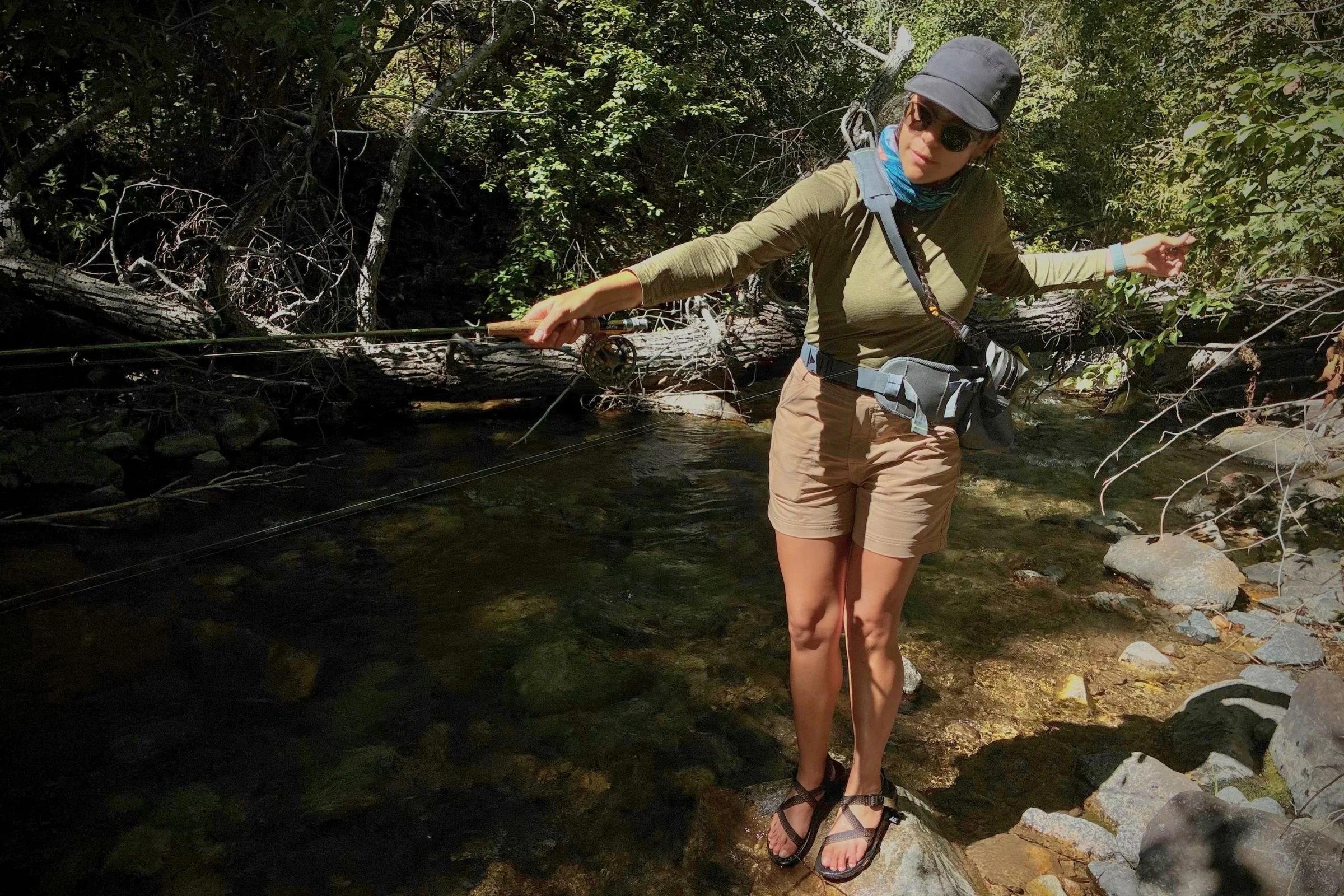
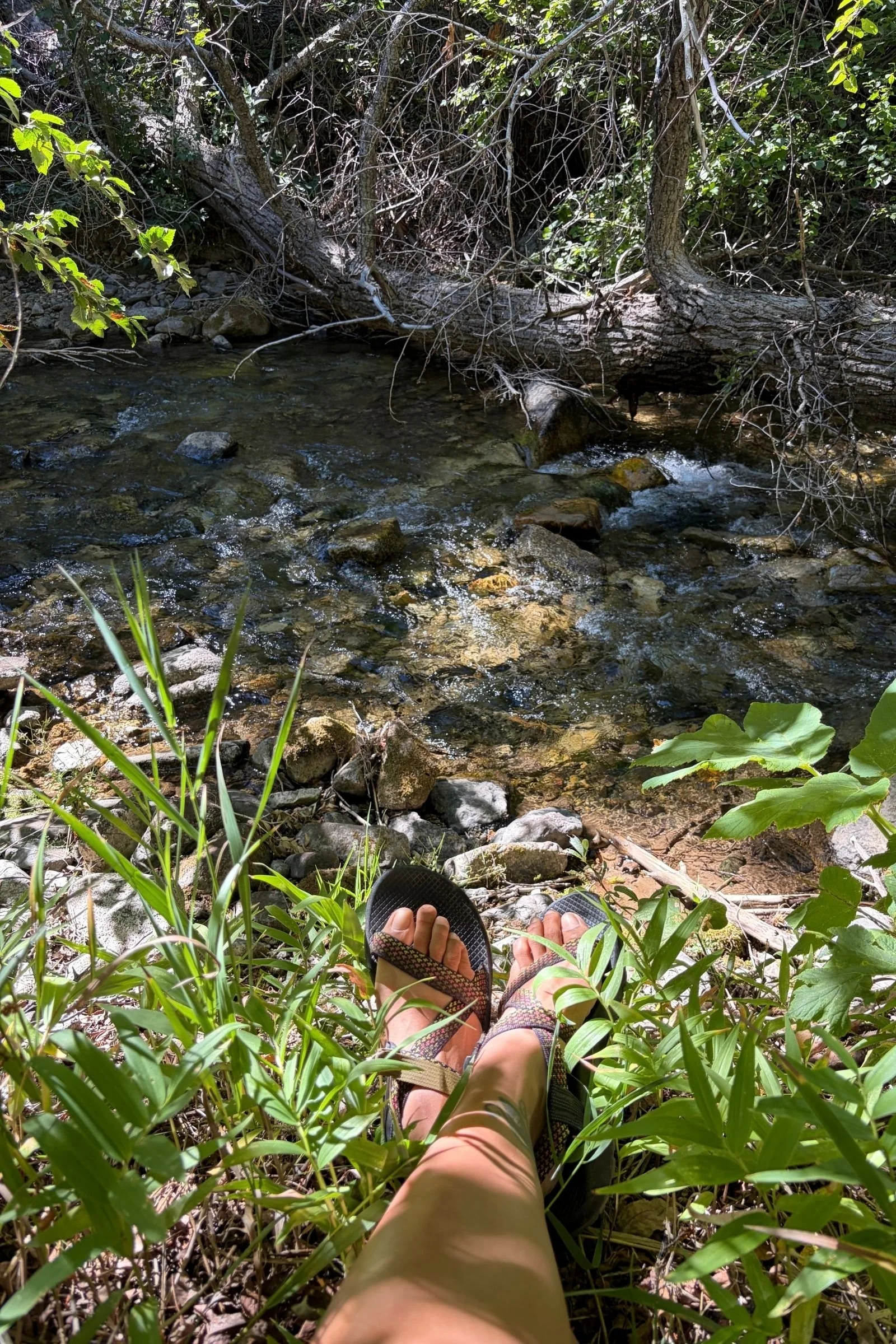
After over half a decade of trying every other version of Chaco Z for wet wading, we've spent the last year splashing around in the Chaco Z/1 Rapid Pro, which dethroned all its predecessors. Overall, the versatility and reliability of a Chaco Z sandal are what make us keep a pair around specifically for wet-wade fishing, but we love them for all other adventures too. The author, for one, spent her entire first year of wet-wading in a Chaco Classic Z/2 sandal that accompanied her for over five years and has recently found a second home.
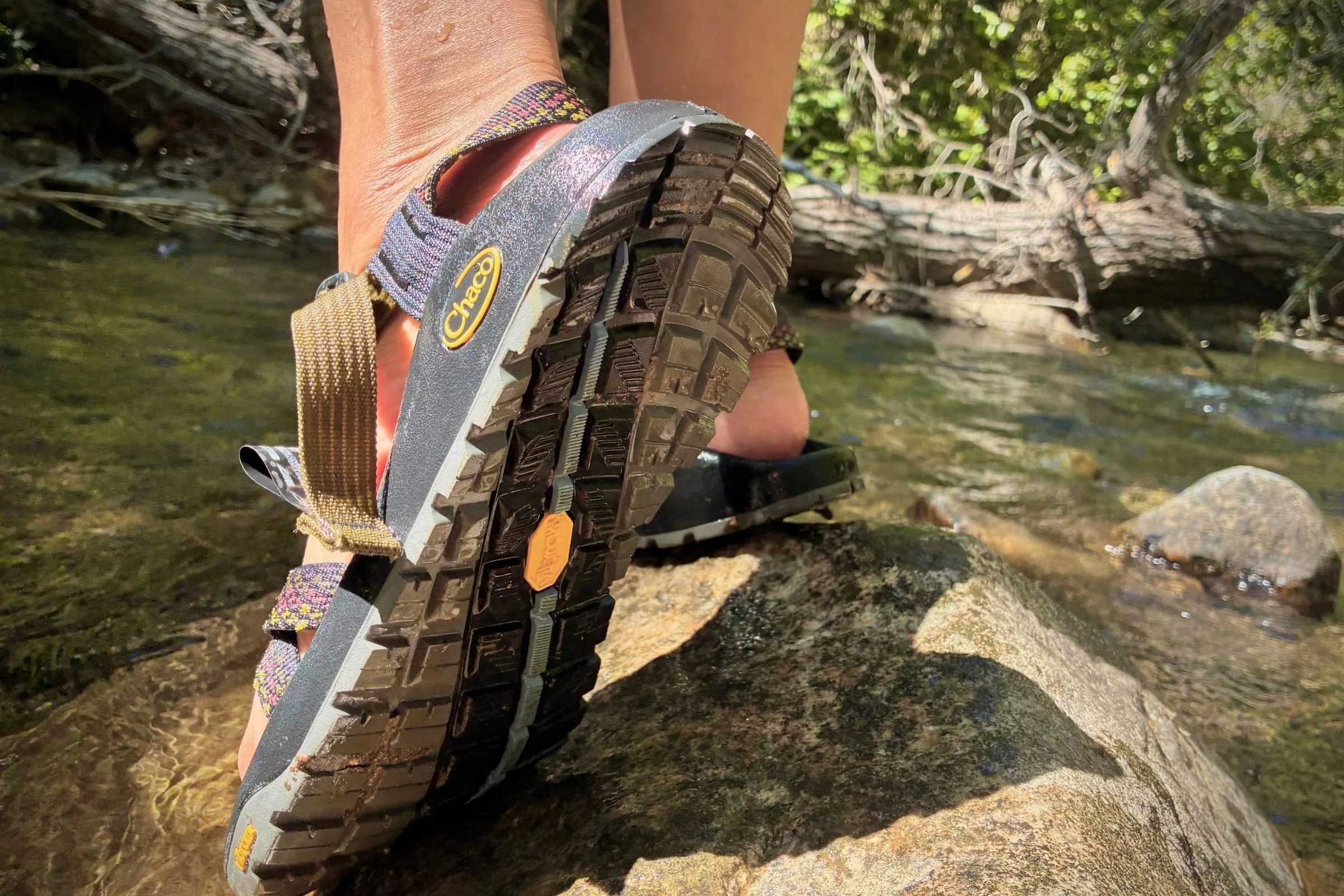
From young river guides to decades-long Chaco users, the Rapid Pro has earned over two-hundred 5-star reviews on the Chaco website with titles like “Excellent Upgrade” and “Excellent Traction.” We couldn’t agree more. Having Chaco’s signature all-day-comfortable LUVSEAT footbeds with the 6x more grip of their in-house-designed Vibram Megagrip has made all of my short and backcountry fishing trips of this past year so much more enjoyable.
The beauty of the all-around adjustable straps makes them work for different foot shapes, though they only come in medium width. The Rapid Pro is also available in a Z/2 version for anyone who prefers the added stability of a toe loop. Extra points awarded for Chaco’s 5-year warranty and their ReChaco repair program, as well as for their sustainability efforts to keep scrap waste out of landfills by transitioning products to recycled webbing.
See how other winning Chaco models, like the ZX/2, stack up in our Best Hiking Sandals guide and our Best Plus Size Outdoor Gear guide.
Chaco Rapid Pro Z/1
Men's
Women's
-
When Chaco said “grip so good, it's best served on the rocks,” they weren’t exaggerating. The Vibram Megagrip outsole is an upgrade you immediately feel on extra-grippy and trusty steps from the trail, to river access, to the riverbank, to the river floor. We've been testing them out by standing on steep, wet rocks (please don’t try this at home) to see how much I can trust their grip, and We've been happily surprised. The Chaco website claims the grip is 6x better than other adventure sandals. We’re not sure which sandals they’re comparing the Rapid Pro to, but even compared to other Chaco sandals, these have seriously impressive grip, even on wet surfaces.
-
We don’t want to completely romanticize the strap system, as it can take multiple adjustments to find the right fit for your foot. The strap system is a dream for people with wider feet. We noticed that the buckle strap's end hangs a bit too long for those with very slim or low-volume feet. As someone with slim feet, the author usually wraps the ends around one of the side straps to keep themselves (and others) from stepping on them; several online reviews mention clipping the buckle straps and sewing them shorter.
The Rapid Pro Z/1 also made the author realize she prefers the “no toe loop” version, not only because it's easier to add wading socks, but also because it was more comfortable to wear the sandals all around. She personally didn't miss the big-toe pulling (sometimes strangling) we've experienced with the toe loop of the Z/2. That said, the toe loop can add significant stability and also comfort for some people, depending on how your feet and toes are shaped. When buying, consider whether comfort or stability matters most to you and if you can, try both versions to see how each feels for your foot.
-
Compared to every other Chaco Z–and we have tried them all–the Rapid Pro offers the sturdiest arch support and best overall foot stability while maintaining the all-day comfort we have come to love Chaco for. This sandal is heavier than its siblings, and its structure feels more durable. That said, several of our wading shoe testers have worn precursor Chaco models at some point in their wading lives, and durability has not been an issue. This includes editor Maggie, who has worn Chacos X/2 for over 12 years as their main backpacking shoes in addition to teaching and guiding canoeing, rafting, and kayaking trips in them. They shared that it took 7 years before they needed an outsole replacement. With that precedent, we feel even more confident in the durability of the Z Rapid Pro.
-
Depending on the temperature, one weakness of the shoe—as with any wading sandals—is that your toes and skin will be exposed to the elements. However, one workaround we appreciate for cooler days is that we can wear them with wading socks for added temperature comfort. For the Z/2 version, one can flatten and step on the toe loop to add socks.
Otherwise, we love the Rapid Pro because it can go from wet rocks to summits to winding down at camp, providing both a secure grip and all-day comfort.
-
One thing to keep in mind about wading sandals is that exposure has a safety impact. Tester Serene Cusack says, “It is not a matter of if, but when, a toenail injury will strike when wet wading in Chacos.” Without a toe loop, the stability of the shoe is compromised, as the footbed is less securely attached to the angler’s foot, allowing more slipping on rocky and feisty river bottoms. If wearing these in a boat, an angler can get their fly line tangled on the end of the buckle strap. There are some risks in exchange for the added comfort of wading sandals.
-
Like with every shoe, we advise careful steps once in the water. As a category, wet-wading sandals are best for casual trips or shorter, single-access fishing trips.
One tip Serene shared, though, which I support, is to save your Chacos for the not-very-technical water areas and shorter wet-wade fishing outings. This will reduce the risks of stubbing a toe and lower the total number of toenails lost.
Editor Maggie cannot endorse the Rapid Pro enough for its versatility as both a water sandal and supportive backpacking shoe. For someone who has been guiding near and around the water for over a decade, they mention the reliable grip makes these Chacos great for all paddle activities.
The author likes bringing these to the backcountry because they double amazingly as a camp shoe and dry quickly in the dry New Mexico and Colorado weather they frequent.
-
Over the years, we’ve found that not all Chaco straps are equally durable, and some online reviews point to this too. Some users report immediate issues with their straps while others note they feel very durable from the start. Unfortunately, we haven’t figured out how to know before we buy other than “you can kind of feel it,” and it might depend on the color you choose. For this review, we've been testing out the “Aquatic Flora” color, and haven’t had any issues with the straps.
-
Throw a pair of Chacos Rapid Pro in your car for all your creek fishing visits, or in case a straightforward river calls for a few extra steps into the water to get your cast right into the honey hole.
Best Multi-Use wet wading shoes: Salomon TechAmphibian 5

Sole: Water Contagrip
Closure System: Quicklace
Size Availability: 7-14 (men's) and 5-11 (women's)
Weight: 21.2 oz (men's), 17.6 oz (women’s)
What We Liked: fit, comfort, technical features, feels like a step up from the Amphib bold
What We Didn’t Like: Less cushioned, heel rubbing before break-in when worn barefoot
The Salomon TECHAMPHIBIAN 5 is a winner in our best water shoes guide for its traction and comfort for longer approaches.
The Salomon TECHAMPHIBIAN 5 is designed for use in wet terrain. It's quick drying with breathable materials and has a reinforced toe cap useful for walking in rocky creeks.
This shoe is a no-brainer for folks who like to be ready for multiple types of adventure without needing to pack or own a different shoe for each possibility. Though it is in and around water where these shoes shine most, with some of the fastest drying times I've seen in any water shoe.
Overall, the TECHAMPHIBIAN 5 shoes performed well in the contrasting weather conditions and terrains of the river, stream, estuary, high desert, alpine, and tropical forest–from New Mexico to Puerto Rico, from fishing and kayaking to hiking and backpacking.
Although it isn't the absolute least expensive wet-wading shoe, we think its multi-use makes the Salomon TECHAMPHIBIAN 5 a good value. It's also (aside from sandals) the least expensive wet wading shoe we tested.
Check out why we think this is the best multi-use wet wading shoe in our in-depth review of the Salomon TECHAMPHIBIAN 5
Salomon TECHAMPHIBIAN 5
Men's
Women's
-
The TECHAMPHIBIAN 5 is sturdier where it’s most needed for wading: the sole and toe cap, remaining moderately flexible overall, and distinctively breathable on its mesh upper (great for everything). They dried fairly quickly after being rained on or submerged for extended periods. They are also comfortable to wear, with minor breaking-in necessary depending on the activity and your foot.
-
While we started testing the Salomon TECHAMPHIBIAN 5 as a wading shoe, it quickly became an all-around review due to its versatility as a water and trail shoe. We used them while wading/water, hiking, and backpacking. They also perform really nicely on cement, making it a go-to travel shoe that can come with you on all sorts of urban and outdoor adventures.
The longest hike I did in them was an 11-mile loop with 2,730ft gain passing through the summit of Truchas Peak, the highest point in Santa Fe, NM. While I originally did not intend to bring these shoes on such an adventure (oops!), I was not mad I did.
-
I wore them without socks and had no significant concerns about them rubbing on my skin while in the water. Kayaking in these shoes was a delight. I didn’t lose the shoes to the muddy estuary bottom nor did I have to worry about slipping while stepping through the water in the dark.
They're also not quite as supportive and plushy as a proper hiking shoe might feel, but they're also not as hard as you might think from its sole rigidity.
Best Neoprene Wet Wading Shoe: NRS Workboot Wetshoes
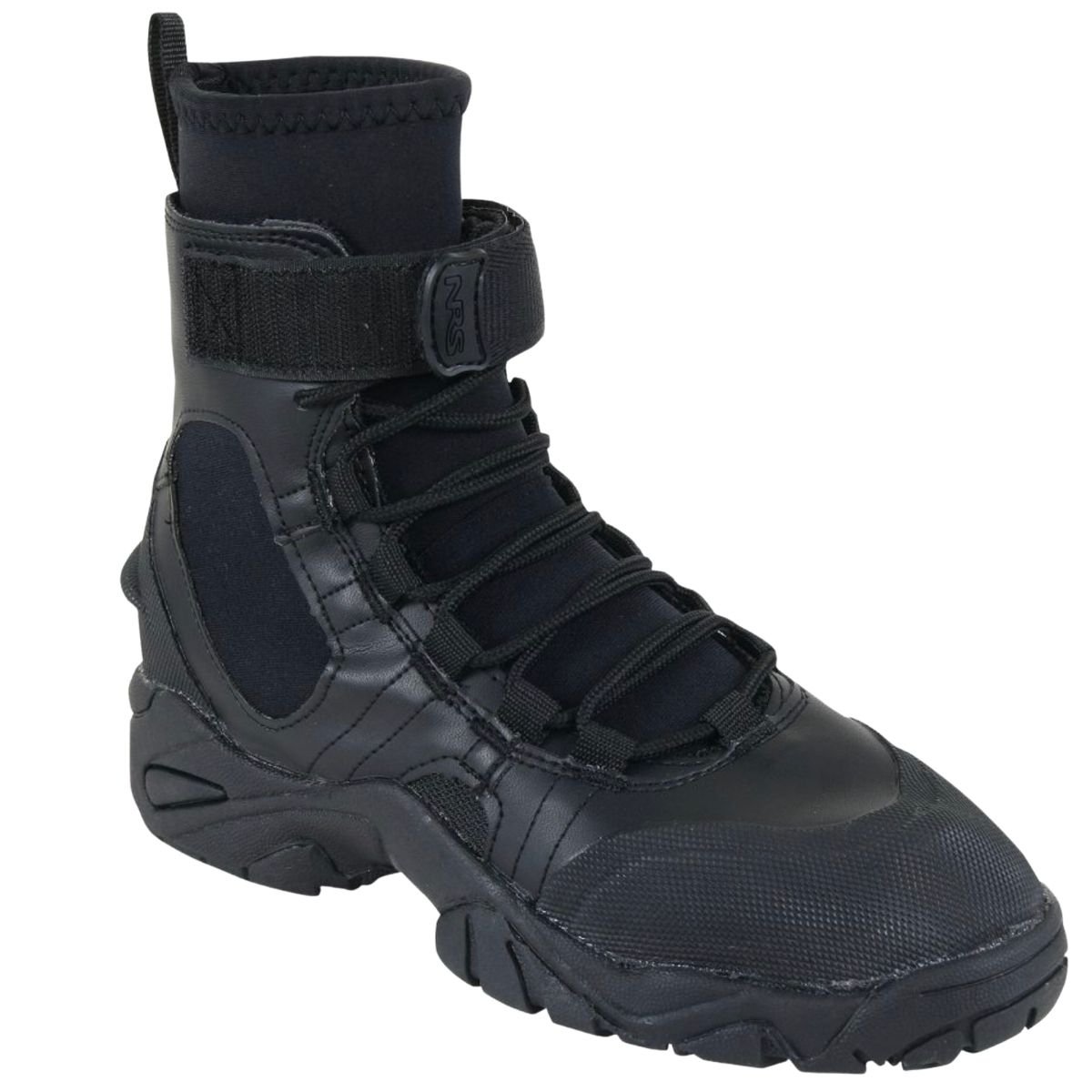
Sole: Rubber lug
Closure System: Laces and ankle strap
Size Availability: Men’s 6-15
What We Liked: Traction, comfort
What We Didn’t Like: Integrated sock is not for everyone
Depending on who you are, the NRS Workboot Wetshoes might just make you feel like a secret agent confidently pushing through waters, or like a competition jazz dancer leaping and sashaying through the river. These alternatives to ultralight wading boots were tested by Sarah Burtis at Button Rock Creek in Lyons, CO, in late fall. She wore a thin sock in addition to the integrated neoprene sock, and it worked great for her hike to the creek, during which she described feeling “extremely comfortable.”
Nrs Workboot Wetshoes
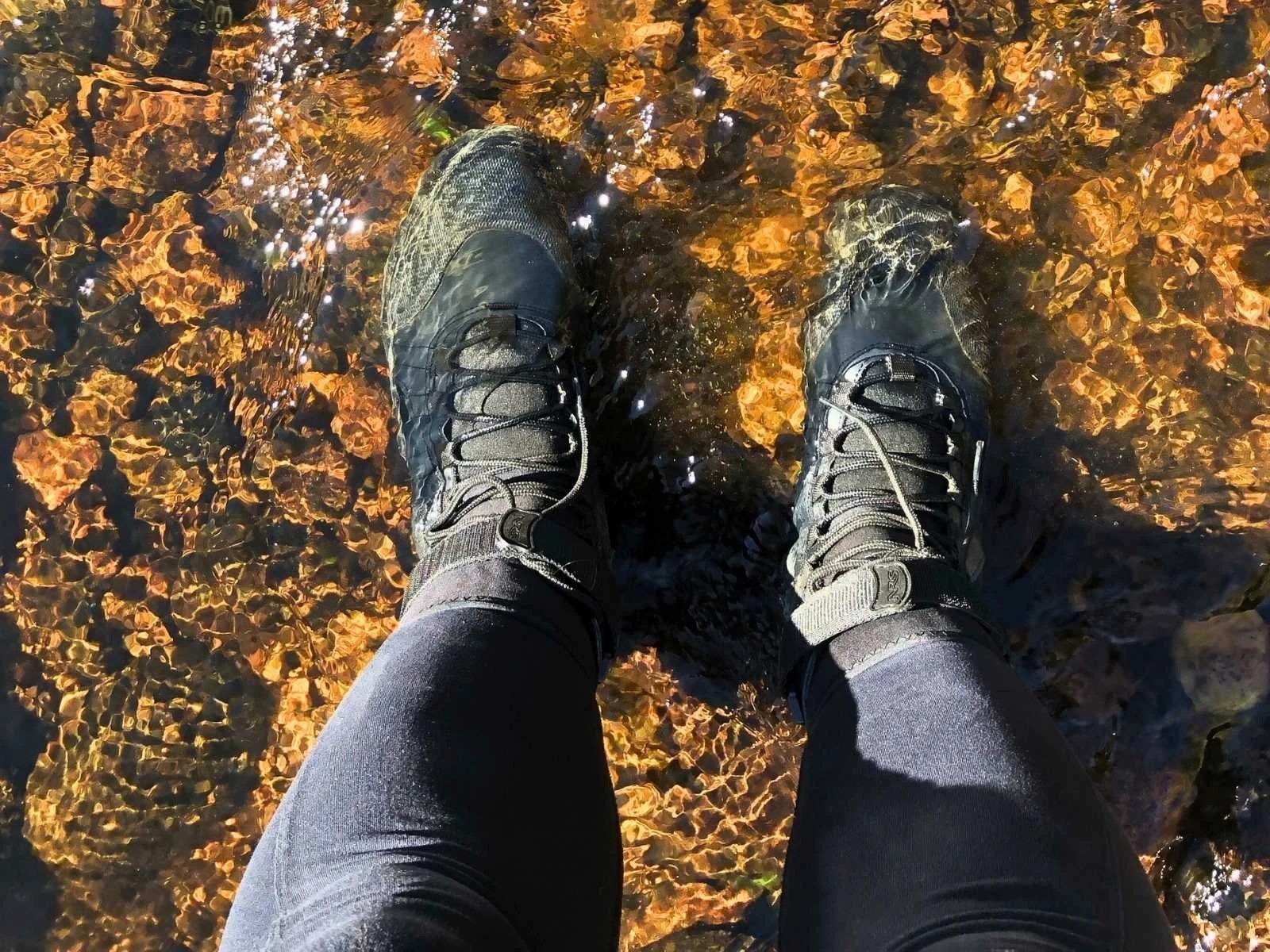
NRS Workboot Wetshoes are a loved shoe by many kayakers and work great for wet wading while fly fishing. Photo by Sarah Burtis.
-
Many reviewers on the NRS website and Amazon praise how grippy these lightweight wading boots are around the water. Sarah says she had “no issues with traction on otherwise slippery rocks.” Several kayakers (from consumer reviews) swear by these boots as they fit well in their limited space while keeping them safe when loading/unloading their kayaks.
Some reviews online mentioned that these wading boots have longer drying times, but Sarah found that they dried quickly in an arid environment when left in the sun.
-
These wading boots are available in men’s sizes only and run very small. Sarah originally ordered them in her true size but exchanged them for the next size up. Several other online reviewers did the same, and some even had to go up 2 sizes to find their better fit. A few who only went up a half size shared that they fit snug but not uncomfortably; keep in mind that this probably wouldn’t work for folks wanting to add an extra sock to the equation.
-
The integrated sock was a deal-breaker for some users because it increased difficulty getting them on and off. Other people didn’t think it was that difficult. We can understand this is an issue that depends, yet again, on the shape of one’s foot. Sarah points out that while having the integrated neoprene sock, the shoes didn’t keep her feet as warm as she expected. That’s the only reason her experience at the river wasn’t as comfortable as on the trail.
Other Wet Wading Shoes we Tested
Chaco Z/2 Classic Sandals
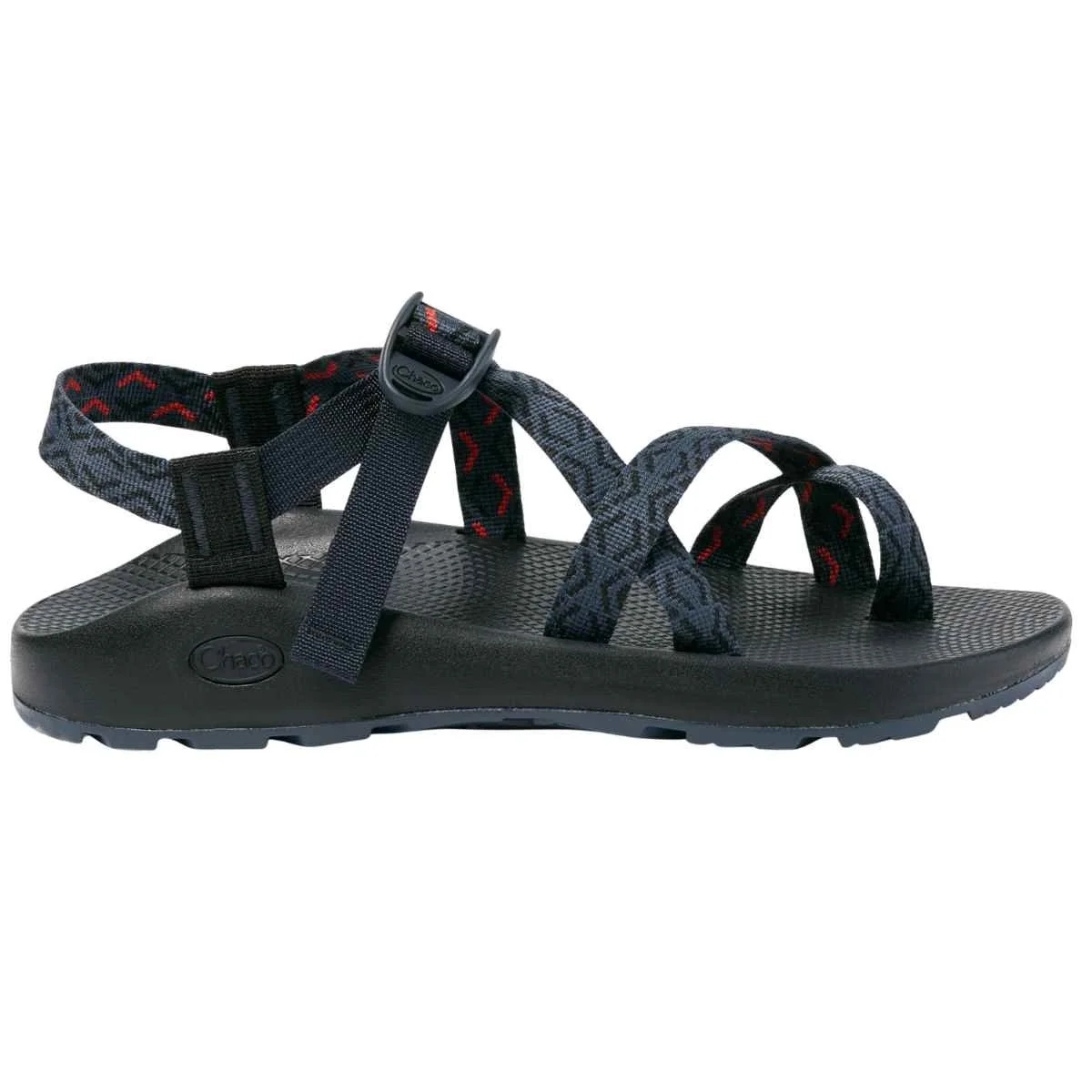
Sole: ChacoGrip rubber
Lacing System: Adjustable straps and buckle
Warranty: Lifetime
Size Availability: Men’s 7-15, Women’s 5-12 (wide available)
What We Liked: Versatile and durable
What We Didn’t Like: Vulnerable to toe injury
The Chaco Z/2 Classics were our former winner for best wet wading sandals. Their thick, sturdy rubber sole means they're good for reaching access points. The Chaco Z/2 Classics also scored high for all-day comfort. Overall, the versatility and reliability of a Chaco sandal are what make us keep a pair around specifically for wet wade fishing. I, for one, spent my entire first year of fishing wet wading in a Chaco sandal that is five years old and still as functional as it ever was. We can also easily get behind a vegan-built shoe, and for that, we give Chaco extra points.
The footbed of the Z/2® Classic provides solid arch support. They have a good balance of sturdiness and flexibility. The rubber sole provides confidence for the trail and rock scrambles around river banks. Several of our wading shoe testers have worn precursor Chaco models at some point in their wading lives, and durability has not been an issue.
Ultimately, we found the traction and comfort of the similar Chaco Rapid Pro to work better for wet wading. But if you already have a pair of Classics around, they can be a good start to your wet wading adventures.
Chaco Z/2 Classic Sandals
Men's
Women's


Lems Switchback Knit Sandals
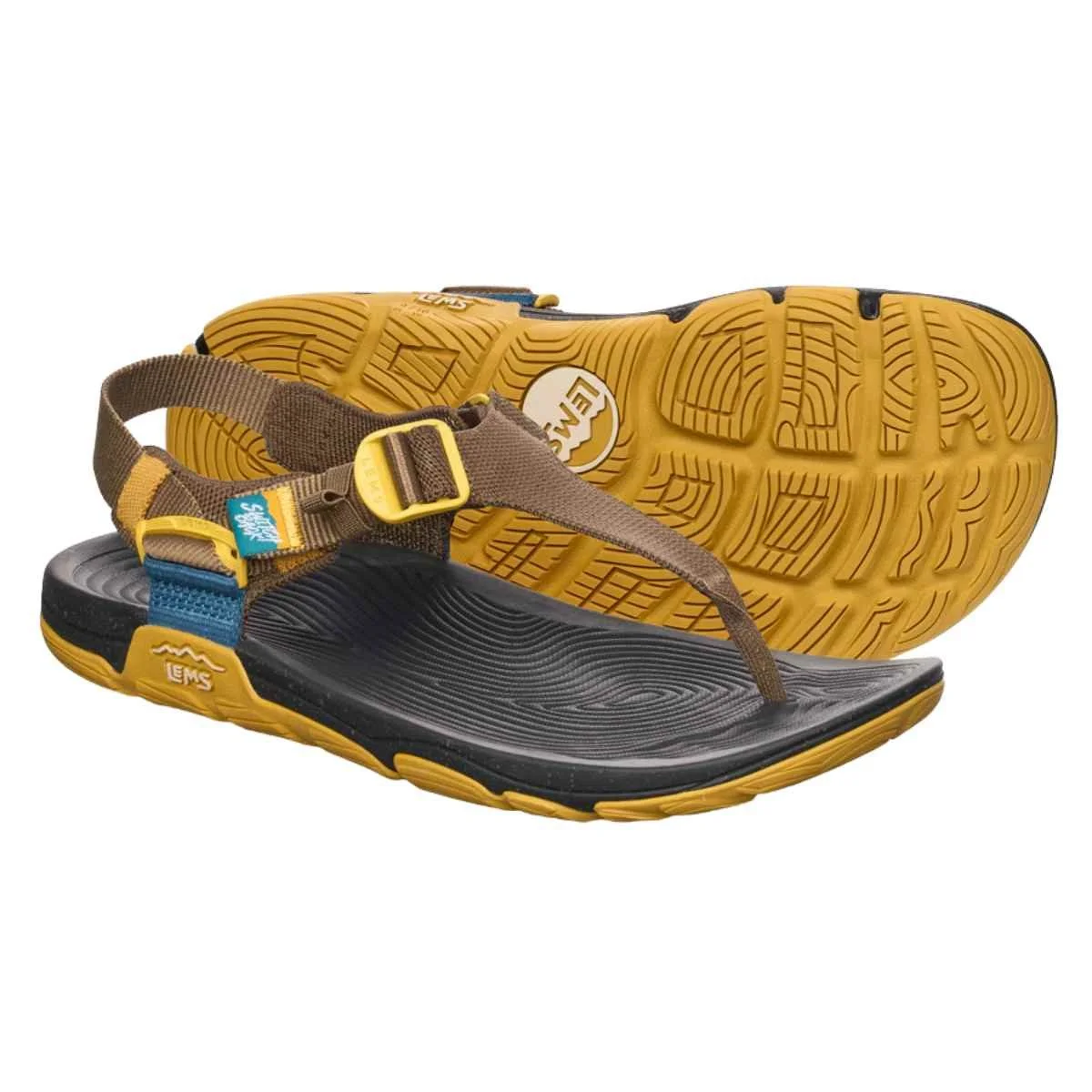
Sole: Full rubber
Closure System: Adjustable straps and buckle
Size Availability: 5-15
What We Liked: Comfort, wide sizing, dries quickly, replaceable parts
What We Didn’t Like: More casual than technical
Some people find the Chaco Z/2 we recommend as the best wet wading shoe to be too heavy or find the straps to dig and chafe. The Switchback Knit is a wide-toebox sandal that has soft knit straps that don't dig, chafe, or blister. The knit material is secure and dries quickly.
However, we found the outsole traction to be less robust than that of other wet wading sandals we tested. These are great sandals for walking and hiking, and they are even good water shoes for less slippery rocks. However, for fishing and traversing more slippery rocks, we think a more technical shoe will suit you better.
Read our in-depth review of the Lems Switchback Knit Sandals for more information.
Lems Switchback Knit Sandals
men's
Women's
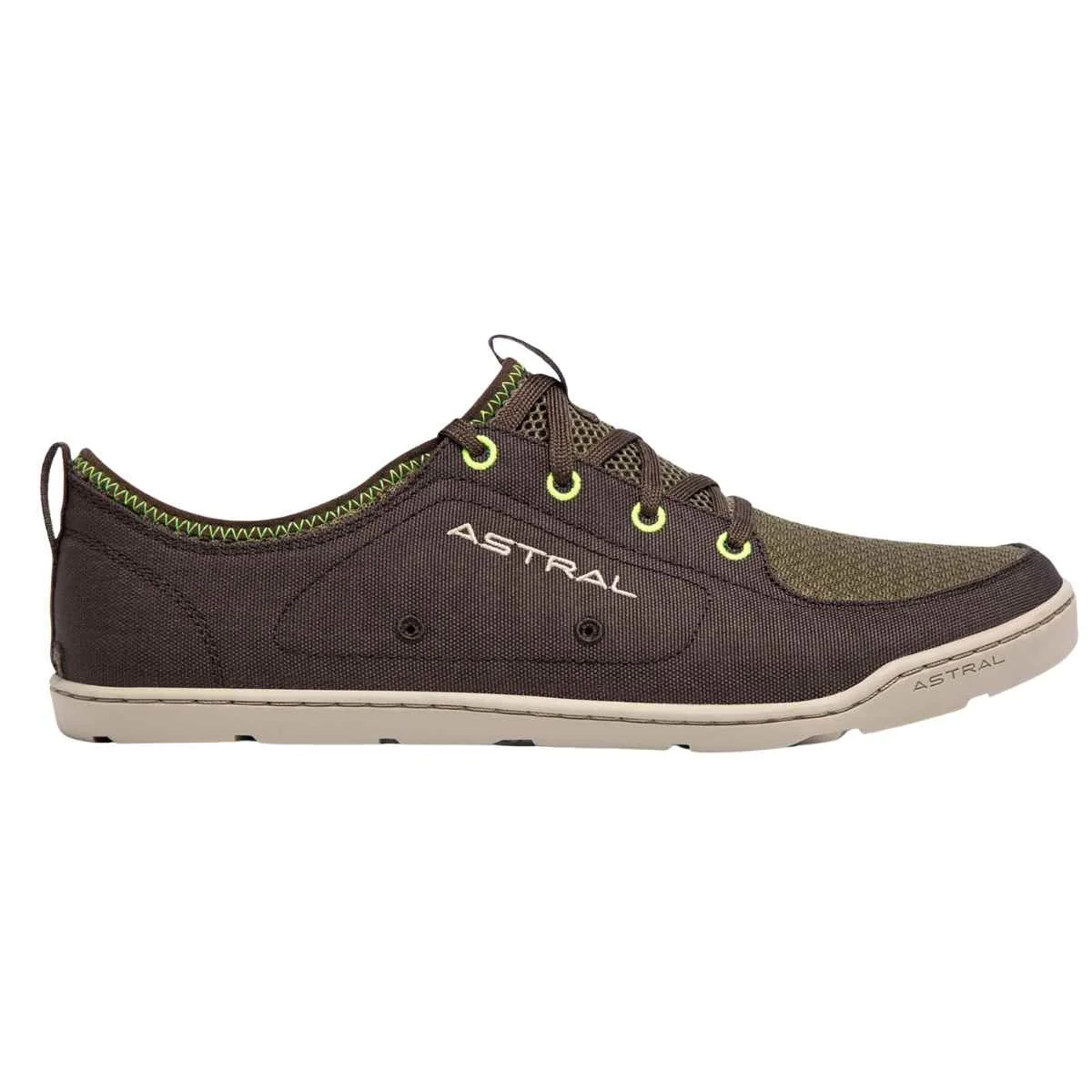
Sole: Flex Grip outsole with G.15 Rubber
Closure System: Laces
Size Availability: 8-14
What We Liked: All arounder
What We Didn’t Like: Doesn't dry as quickly as other wet wading shoes
The Astral Loyak is similar to the Astral Loyak AC, which won our award for best lightweight wet wading shoe.
The Astral Loyak took our top overall best water shoe award because it hits the best balance of features that actually matter in a water shoe: excellent grip, solid drainage, comfortable barefoot wear, and enough versatility that it doesn’t feel like a single-use piece of gear.
It was great for paddleboarding, walking the dock, and the beach. However, it was slow to dry. And when it came to wet wading, fishing, and anything that took us to slippery river banks, we found the Astral Loyak AC was better.
For more, read our in-depth review of the Astral Loyak water shoe.
Astral Loyak

What is a wading shoe?
Wet wading season runs from late, late spring to early fall (depending on personal temperature tolerance and local weather). Wet wading season is when anglers all around give their waders and wading boots a break to get out and catch fish in lighter gear. Enter the wading shoe!

Wet wading is often done in waders, as seen in this photo of the Patagonia waders. However, waders are costly and have limited sizing availability. The wet wading shoe can help. Photo by Bri Dostie.
What is wading?
Wading is the craft of navigating by foot through lakes, surf, streams, and rivers. Each place will have specific challenges and needs when choosing the proper footwear. Wading shoes are different from hiking or creek crossing shoes that occasionally get wet: wading shoes need to be something an angler can spend an entire day (or night) in, standing and moving around in the water. Having a good wading shoe can mean the difference between a great, safe day of fishing and heading home with sore feet, a twisted ankle, or a bruised backside.
When it comes to choosing which shoe may be the best fit for you, this depends very much on the type of water you frequent most: are you spending time in small creeks, large raging rivers with strong currents, brackish tidal marshes, or still water shorelines? The ideal shoes for each location vary, with different demands for fit, traction, breathability, and so forth. To better help you decide, we’ve tested a variety of shoes in waters ranging from East to West.

Bri Dostie wet wading in Montana. Photo by Julie Ellison.
What to look for in a wet wading shoe
Here’s what makes a good wet wading shoe, along with the criteria we used to judge dozens of models out there.
Price range: $55-$270
One of the advantages of choosing wading shoes over a fly fishing wading boot or waders is the price. While the best wading boot options can run up to $350, the highest-end wading shoe will be about half that price.
We think between $55 to $270 is a reasonable price for a wading shoe. In our testing, we found that a product's durability seems to decline significantly when spending less. This results in more purchases required over time, and ultimately is less sustainable.
Size availability and men’s and women’s options
We like to offer sizing options that are inclusive of outdoor folks of all body types. Not all of these have inclusive options, but we’ll call them out in each review.
Drainage or drying time
A fast-drying shoe is crucial because it minimizes the chances of mold around your belongings. With that said, the drying time will depend as much on the shoe's composition as on the climate.
Weight range
A good shoe weight range depends more on personal preference than anything else. A shoe made of heavier materials might indeed last longer. But if you are not comfortable wearing heavy shoes, you will not have a good time while fishing. Something to note is that wading shoes are the lightweight alternative to the classic, bulkier, and sturdier wading boots (review coming soon).
Lacing/Lacing systems
We found a range of traditional lacing systems, twist cinches, Velcro, and well-placed straps on the wet wading shoe and fishing boots market.
Why is this important for different types of fishing? Depending on the type of fishing you most frequently partake in, different lacing systems may suit you better. Here are some examples to put this into perspective:
Having to re-tie traditional laces in strong river currents can be annoying.
Cinch systems can sometimes clog with fine sediment in still water. This may be detrimental to the shoe's longevity.
Insecure and less form-fitting straps may be unable to keep a shoe on your foot in fast water or on slippery rocks.
Velcro (hook-and-loop) systems can inadvertently transport microorganisms to and from sensitive watersheds. You'll need to scrub them out of the Velcro to avoid introducing microorganisms to new watersheds. This can be an extra chore that you may not want to do every time you fish somewhere new.
With all of that in mind, different conditions will favor one system over another, making the cinch system an essential consideration for your purchase.
Durability
If a wading shoe lasts me for 2 years, then I’m happy. But that’s for someone like me, who would wear this shoe every weekend for half of the year, which is a lot. For occasional anglers, you may find that a good shoe can last you a very long time.

A group of anglers wet wading in Montana at the Outcast Anglers event with Confluence Collective. Photo by Bri Dostie.
Environmental Sustainability
This consideration goes beyond the use of sustainable materials or the overall durability of a shoe product.
Sustainability also recognizes the sensitive nature of recreating in aquatic environments and aims to minimize our environmental footprint with our movements in these natural spaces. Having the right shoe can make our interactions less stressful on the environment or, alternatively, leave a lasting impact well beyond our presence.
The ability to clean shoes between uses in different locations is big; we gave bonus points for shoes that dry thoroughly to avoid growing bacteria or transporting organisms in the back of a car trunk. If you’re familiar with the wet waders funk of late summer in your car, expect similar odors if you don’t air out your wading shoes or rinse them between uses. Having shoes that hold up to rinse-and-repeat use over time is beneficial for your wallet and the ecosystems you wade into.
Traction
Part of wet wading is moving and keeping your balance on slippery rocks and in swift-moving water in creeks and rivers. Traction is essential to staying safe and upright so you can focus on fishing. Different wet wading shoes use different technologies to do this. Some brands use name-brand outsoles, such as Vibram. Others use their own proprietary soles.
Grip
The grip you find on a wet wading shoe is sometimes different from that on a hiking shoe or hiking boot. Wet wading shoe grip is designed for mud and slippery wet rocks, and not loose, dry steep trails. While most wet wading shoes will have decent grip for dry climates, as you likely will have to descend a dry bank to reach the water, the best wet wading shoes must have good grip for when you’re in the river.
Protection
When you’re standing in the river, your feet will be exposed to pointy rocks, sticks, and debris that may be floating in the water or at the bottom of the water. Wet-wading shoes not only keep you more stable while walking and standing in the river but also protect your feet and toes from cuts. Most of the wet wading shoes we recommend offer ample toe protection, except for the best wet wading sandals. If you choose wet wading sandals, just know the trade-offs. You’ll sacrifice some protection for comfort.
Support and stability
Related to protection, we find that support and stability are important in a wet wading shoe. Although less important than in a hiking sandal, we find that support is still important if you’ll be walking on rocks and uneven ground to reach the water. The best example is the Lems Switchback Knit hiking sandals, which feature an EVA midsole (similar to trail-running shoes) and dry quickly when wet.

Which lacing system should I get for my wet wading shoes?
Here are our recommendations for what will work best for your most frequently fished spots:
Laces
Laces are best for semi-aquatic fishing, such as perched on rocky riverbanks rather than actually standing in current for long periods. Also, laces work well in rivers, where minimal debris can get caught in them, while taking steps in the water or through underbrush.
Velcro and Adjustable Straps
Velcro (also called hook-and-loop) and adjustable strap systems are best for anglers wading in fast currents and resilient ecosystems.
Cinch
A cinch lacing system is best for those who change footwear between access points, for quick, secure sizing, and for use in spaces without fine sediment.
Care and maintenance of wet wading shoes for fly fishing
Wet wading shoes lead a hard life. They get submerged, dragged across rocks, caked in sediment, and stuffed into the back of a car trunk still damp. Taking care of them properly is the difference between a shoe that lasts two seasons and one that lasts five.
Rinse after every use
This is the single most important habit. Freshwater rinses off sediment, algae, salt, and whatever else the river deposited into the seams and lacing systems. If you're fishing in saltwater, a thorough rinse is non-negotiable since salt accelerates material breakdown faster than anything else. A soft brush helps get into the lugs on the soles and around lace eyelets, where debris hides.
Dry them completely before storing
The wet waders funk that builds up over a summer of fishing is largely a storage problem. Shoes stuffed into a bag or trunk while still damp develop mold and odor that is very hard to reverse. Remove insoles and let them dry separately. Let the shoes air-dry at room temperature, away from direct heat sources, which can warp soles and degrade adhesives. If you're in a humid climate, a fan helps. If you're in the high desert like some of our testers, a few hours in the shade does the job.
Clean the lacing system
Different lacing systems need different attention. Traditional laces can be removed and hand washed. Cinch systems can clog with fine sediment over time, so flush them out with water and work the mechanism after fishing in silty conditions. Velcro closures require particular attention, as they trap debris and can inadvertently transport aquatic organisms between watersheds. Scrub Velcro thoroughly between trips to different bodies of water.
Mind the biosecurity
This matters more in fly fishing than in most outdoor activities. Felt soles are banned in many states because they harbor invasive species. Even rubber-soled shoes can transport whirling disease, didymo, and other aquatic invasives if not cleaned properly between uses. Rinse, scrub, and dry thoroughly before transferring shoes between watersheds. Some anglers keep a dedicated brush in their gear bag specifically for this.
Check for wear regularly
Inspect the soles for separation from the upper, check the stitching around the toe box, where abuse tends to concentrate, and check the lace attachment points for fraying. A small repair handled early is almost always easier and cheaper than replacing a shoe. Shoe adhesive handles most sole separations if caught before they progress.
Store them right
Once dry, store shoes in a breathable bag or on an open shelf rather than in a sealed plastic bag. Trapped moisture, even from residual dampness, can lead to odors and mildew. Keep them somewhere with airflow between uses.
FAQ
-
Wet wading shoes are designed for warm-weather fishing, especially when standing in rivers or shallow streams without full waders. Traditional fishing gear often includes chest-high waders and wading boots, which are bulky and better suited for cold water. They're also more expensive than wet wading shoes, meaning not everyone can get out on the water. Wet wading shoes are lighter, more breathable, more affordable, more versatile, and ideal for summer fly fishing or fishing from the shore.
-
Not always—it depends on the shoe design and the water temperature. Some anglers prefer wearing neoprene wading socks or waterproof socks for added comfort and warmth, especially in the spring and fall. If you plan to wear socks, consider sizing up, as many wet wading shoes are sized for barefoot use. Shoes like Astrals are often designed to be worn without socks.
-
Yes. Wet wading shoes are made to be worn without waders. They’re ideal for warm-weather fishing when you want to stay cool in the water. In fact, most wet wading shoes won’t fit over waders and aren’t designed for cold weather or deep water.
-
Definitely. Many wet wading shoes work well for hiking, boating, kayaking, or even casual swimming spots—just make sure they offer enough grip and support for your activity. Some models even appear in our Best Hiking Sandals guide thanks to their versatility.
-
Yes, wet wading shoes can be used in saltwater. Just be sure to rinse them thoroughly with fresh water and let them dry completely after each use to prevent corrosion, odors, or damage from salt buildup.
-
Wet wading shoes should fit snugly but not tight. A secure fit helps prevent blisters and keeps debris out. If you plan to wear socks or neoprene booties, size up accordingly.
-
Rinse your shoes with fresh water after every use—especially after saltwater exposure. Let them dry completely in a shaded, well-ventilated area. Avoid direct sunlight or using a heat source to dry them.

Wet wading shoes are perfect fly fishing shoes to use from early spring through fall and are a welcome lightweight alternative to waders and wading boots. Photo by Gabaccia Moreno.
How we researched and tested
To test wet wading shoes, we asked anglers across the country to fish in them and adventure in varied conditions.
We incorporated feedback from anglers with access points from New Mexico, Minnesota, Colorado, and Montana, Puerto Rico, and Mississippi. These fishing spots varied in all the ways rivers manifest-fast and slow currents, freestone river bottoms, mucky sediment, slippery rocks, mixed vegetation, and so forth.
Walk-and-wade fishing is an accessible way to get a line in the water, though for some, it’s only an option in warm weather due to the high cost and limited sizing of waders.
While this remains a barrier, our gear testers are particularly accustomed to walking and fishing in water without waders, have stubbed plenty of toes on rocks, slipped, lost their balance, and even sometimes successfully navigated a river in wading shoes.

Serene Cusack wet wading in Montana. Photo by Bri Dostie.
Given these experiences (and bruises), we have a good sense of what to look for in wading shoe durability, structure, toe protection, traction, and beyond.
Since most fly fishing gear reviews come from white male writers, our community approach for this piece aims to shift that perspective norm — something we’ll continue in future fishing-related reviews.
We considered drying times for each shoe by averaging its drying times. Drying time varies with local climate, temperature, and humidity, but each review will specify what to expect for that shoe in the environment where we tested it.
This criterion should help indicate how a particular shoe might perform elsewhere. For example, we tested some of the shoes in the high desert of New Mexico; we couldn’t compare drying times there with those for the shoes we tested in Michigan. Keep in mind — it’s all relative.
- Walk-and-wade fishing
- Fast and slow river currents
- Slippery rock and freestone bottoms
- Mucky sediment and mixed vegetation
- Repeated drying-time measurements
- Traction on wet surfaces
- Foot and toe protection
- Support and stability
- Drainage and drying speed
- Comfort for long wading days

The author Gabaccia Moreno sporting Astral Loyak AC wet wading shoes. Photo courtesy Gabaccia Moreno.
About the Author/Why You Should Trust Us
This guide is shaped by the lived experiences of several anglers. We are all connected through a love of fly fishing, and collectively, we have caught many fish over four decades of practice. Some of our testers are fishing guides, and some do it recreationally (and obsessively, to be fair). We’ve tasked each person with the shoe we thought would be best for their fit and location. We also made sure not to overlap any pre-existing ambassadorships with our testers to give you the most unbiased review possible.
Gabaccia Moreno compiled the field testing results and collective experiences for this guide. Gabaccia is a first-generation Mexican-American outdoor equity advocate and multi-disciplinary storyteller #ExploringResponsibly wherever life takes her.
You can read more about Gabaccia on her website.
I am not sponsored, an ambassador, or an employee of any of the companies mentioned here. This review is unbiased, and we do this to help you find the best product for the price. Treeline Review doesn’t accept sponsored content, native advertising, or paid reviews.
You can read all of Gabaccia's stories on her author page.


