Our Skeptical Testers Were Thoroughly Impressed by the Goodr Snow G Ski Goggles
Budget-friendly ski and snowboard goggles with an easy lens change system
April 3rd, 2026
Home > Gear Reviews > Ski & Snow
Our Verdict
For skiers and riders who want a solid pair of goggles with an easy lens change system but don’t want to spend hundreds of dollars, the Goodr Snow Gs can’t be beat. Our skeptical testers were thoroughly impressed with the overall performance and value of these ski goggles, from the magnetic lens swap system to the field of view and style.
Yes, these are an option on the budget end, and that means you’re not getting the crispest, highest-definition optics out there. But for the price, we think the quality and performance of the Goodr Snow G is excellent, which is why they’re our best budget pick in our Best Ski Goggles guide.
We tested the Snow G goggles in all types of weather, from cold and sunny early season days in Colorado to deep and wet powder days in Myoko, Japan. After a full season with these goggles, we’ve encountered no durability concerns.
The lens change system is magnetic, which is a feature usually reserved for much more expensive goggles—and it works very well, too. They have a slightly higher tendency to fog than more expensive goggles we’ve tested, but not to the point of this being a major issue. Of the four color options, we wish they came in at least one more color that’s a little more neutral and subtle—all but the black are very bright and bold and may not be what every skier and rider wants.
We like the shape and frameless look of the Snow G, and we’re impressed with their performance overall. All things considered, in a world where many premium goggle options often cost four times that of the Snow G, we think these punch well above their weight.
Goodr Snow G Ski Goggles
We create reader-supported, objective gear reviews independently selected by our editors. This story may contain affiliate links, which help fund our website. When you click on the links to purchase gear, we may get a commission — without costing you an extra cent. Thank you for supporting our work and mission of outdoor coverage for every body! Learn more.
Goodr Snow G Ski Goggles Specifications
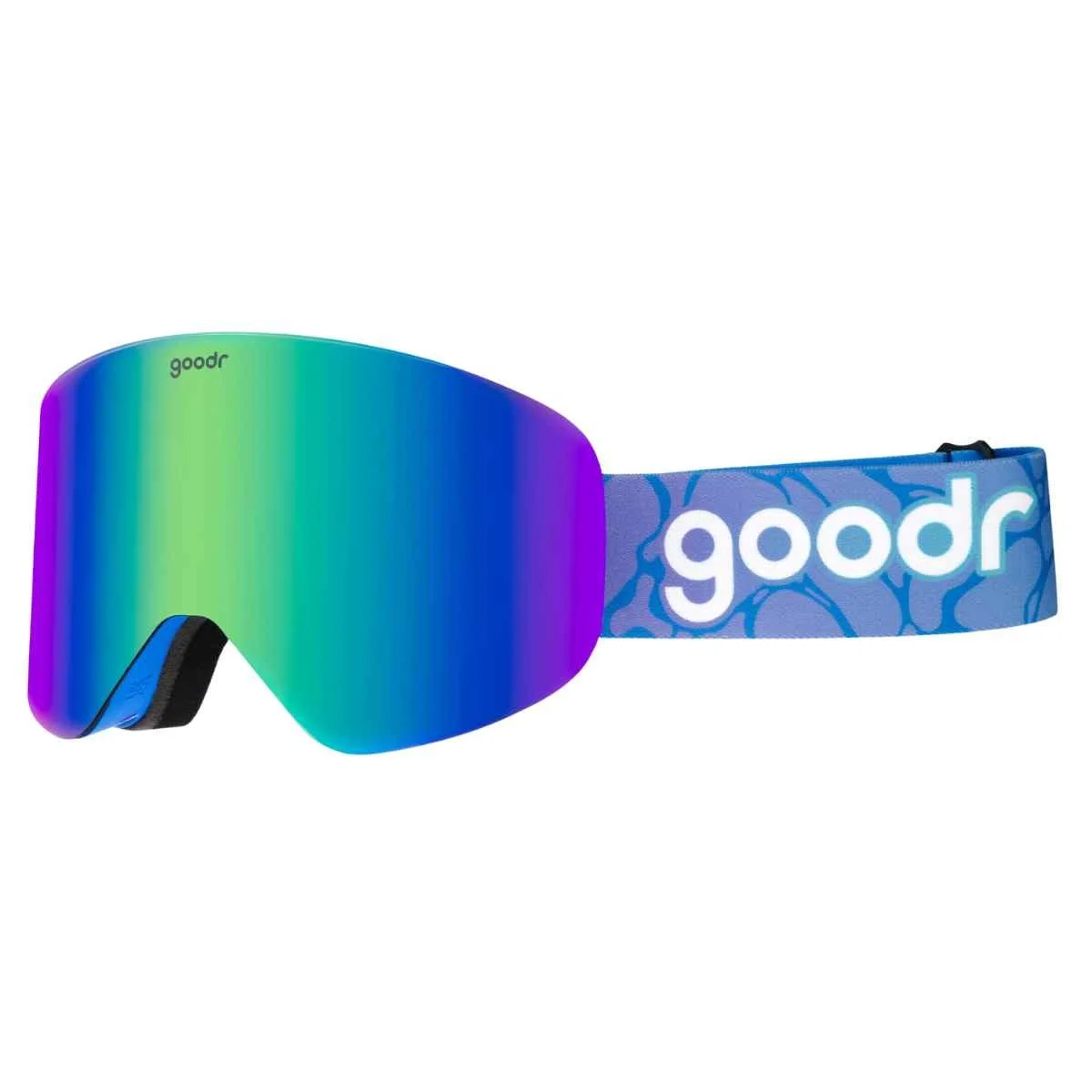
Fit: Medium
Lens shape: Cylindrical
Lens technology: UV protective
Lens-change system: Magnetic
Anti-fog technology: Anti-fog and anti-glare coating
Ventilation: upper and lower vents
Bonus lens included: Yes, low light lens included
OTG (Over-the-Glasses) compatible: No
Comparison Table
| SKI GOGGLES | HELMET COMPATIBLE? | FRAME SIZES | LENS TYPE | QUICK LENS CHANGE SYSTEM? | LENS TECH | FACE FOAM |
|---|---|---|---|---|---|---|
| Goodr Snow G | Y | M | Cylindrical | Y | UV protective | Triple layer |
| Smith Optics Transfer | Y | M | Cylindrical | N | N/A | Dual layer |
| Anon M5S | Y | S, Low-bridge | Flat Toric | Y | PERCEIVE, Anon Flat Toric Leens Tch | Triple layer |
| Smith Optics Squad MAG | Y | Regular, low-bridge | Cylindrical | Y | ChromaPop | Triple layer |
| Giro Blok | Y | L | Cylindrical | N | Zeiss | Triple layer |
Best for
Skiers and riders on a budget who want a solid pair of goggles with a quick lens change system
Skiers and riders who love a bold pop of color in their gear
Skiers and riders who don't feel they need the highest end of lens technology, but still want a slick looking pair of goggles that work well
What we liked
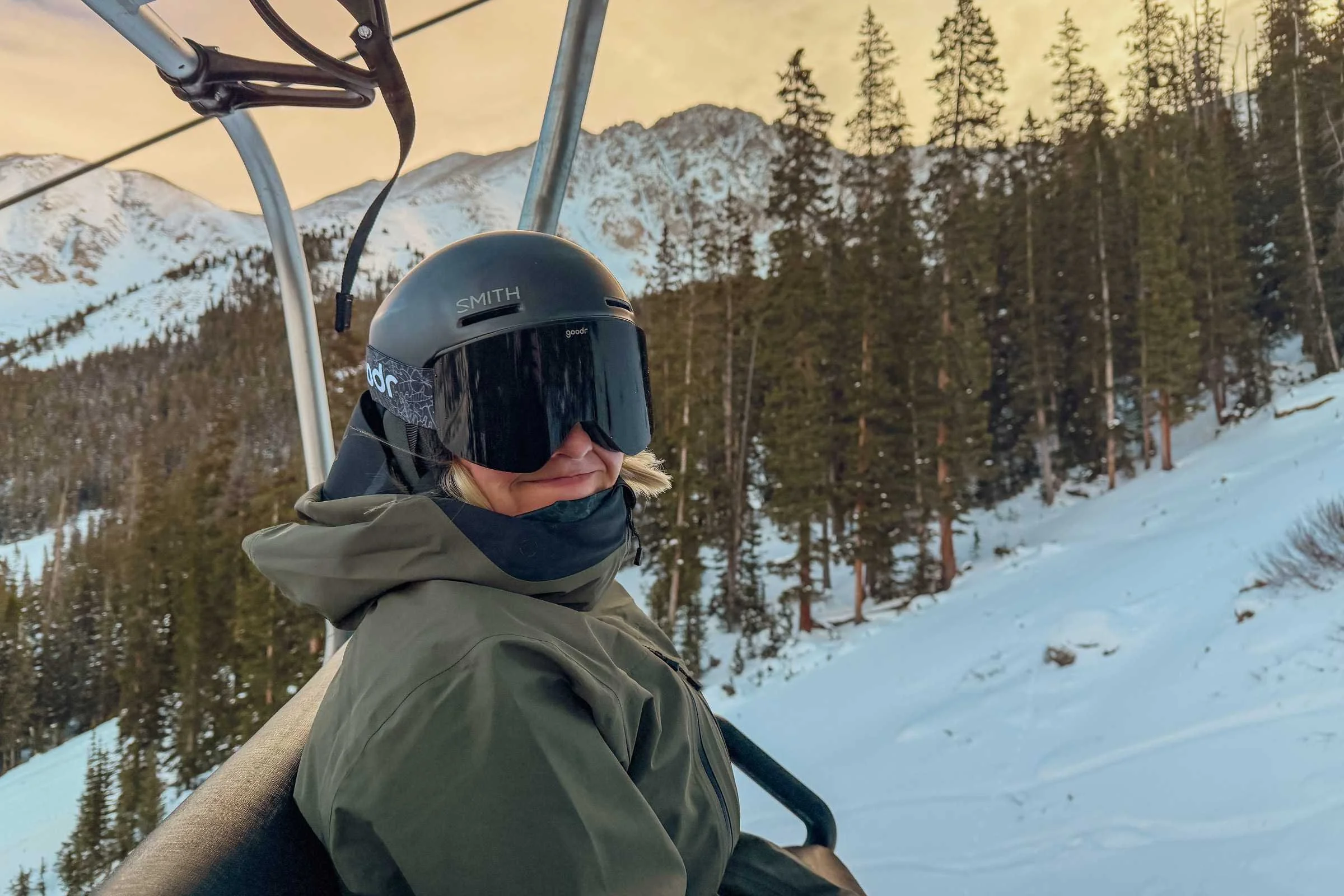
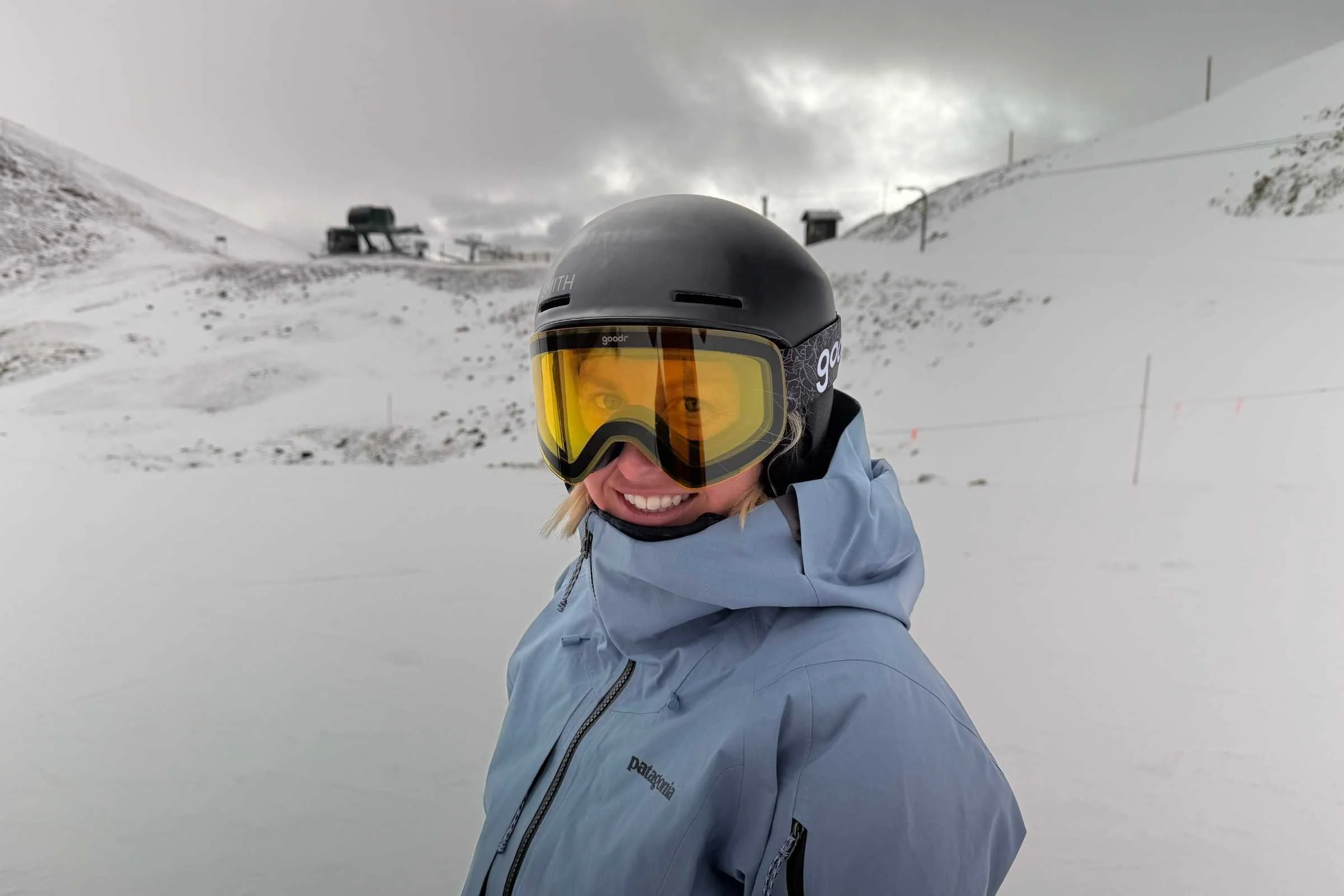
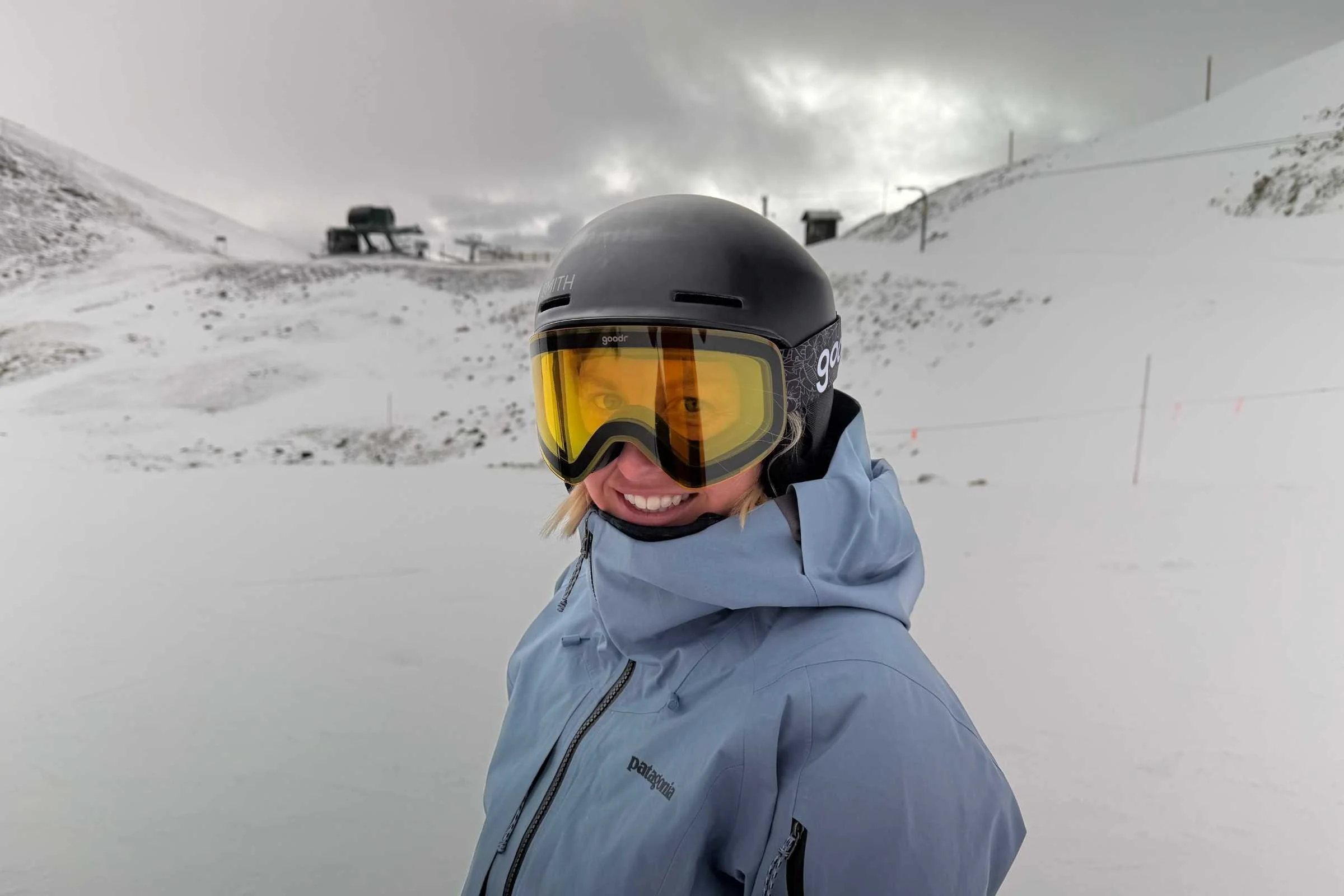
Our testers were skeptical but very pleasantly surprised by the overall performance of the Goodr Snow G goggles. Photo by Jacob Callaghan.
Excellent value
Quick, easy, and secure magnetic lens swap system
Good field of view
Nice frame shape
What could be better
Optics aren’t as crisp and don’t give as much definition as higher end options
Minor fogging
Yellow low light lens tint isn’t our favorite, though it gets the job done
How we tested
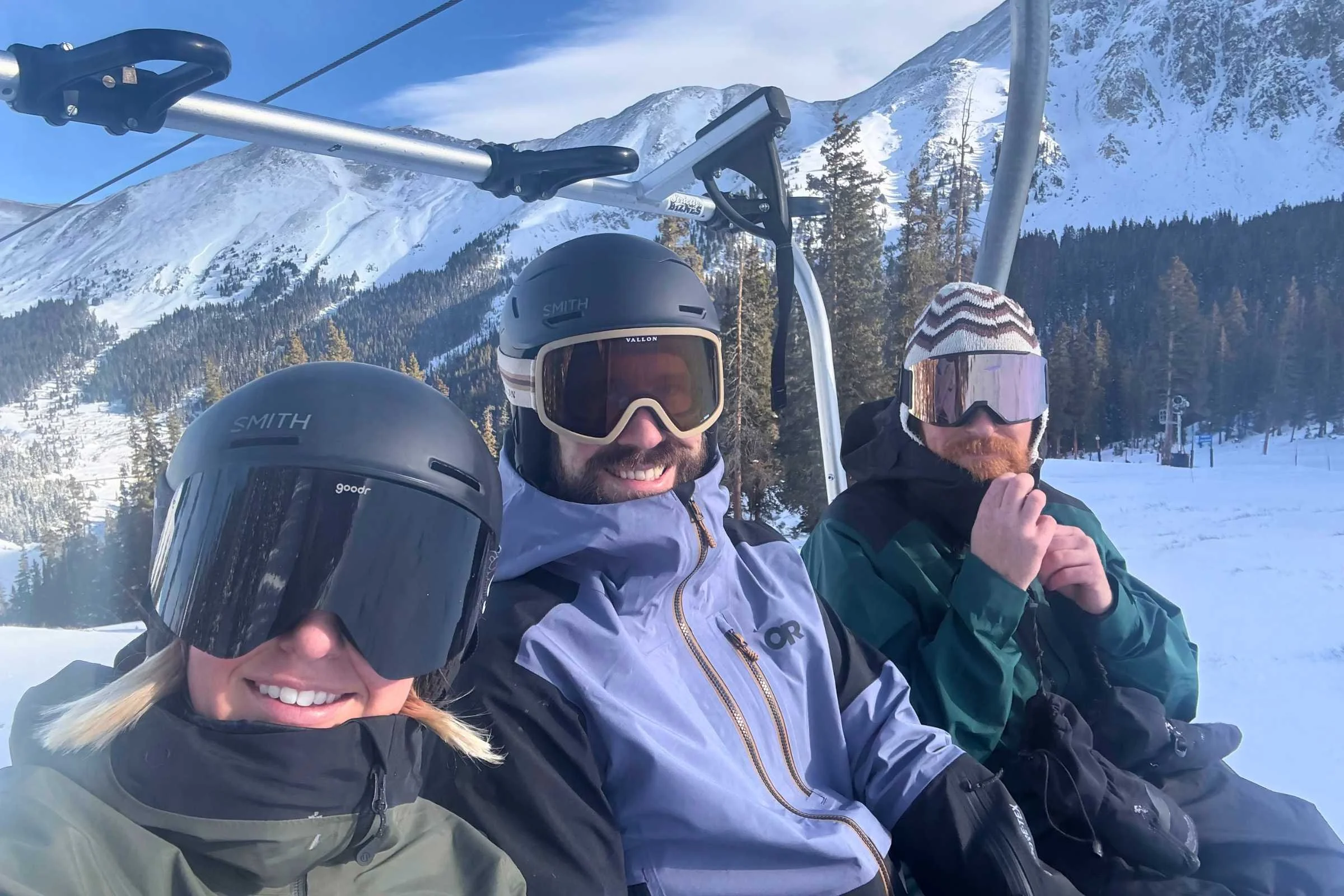
We tested the Goodr Snow G goggles side by side with other goggle brands and models throughout the season.
One tester spent a season in Colorado at resorts like Arapahoe Basin and Breckenridge testing the Snow G goggles. Another tester rode primarily in Oregon and brought these on a month-long trip to Japan, testing often in wet conditions and deep powder. Both testers were pleasantly surprised by the overall performance these goggles offer.
After a full season, we have yet to encounter any durability issues. We think these goggles offer ample durability for avid riders and occasional skiers alike.
We also tested these goggles in various light conditions, including bluebird days and days that were gray with very flat light. Having the option to easily swap to a low light lens with these goggles was great to have, and especially nice at their price. The black lens was great for sunny days and the yellow low light lens performed well on cloudier days.
We also tested the Snow Gs alongside other ski goggles including the Smith Optics I/O MAG, Anon M5, Smith Optics Squad MAG, and Zeal Lookout in our Best Ski Goggles guide.
Performance in the field
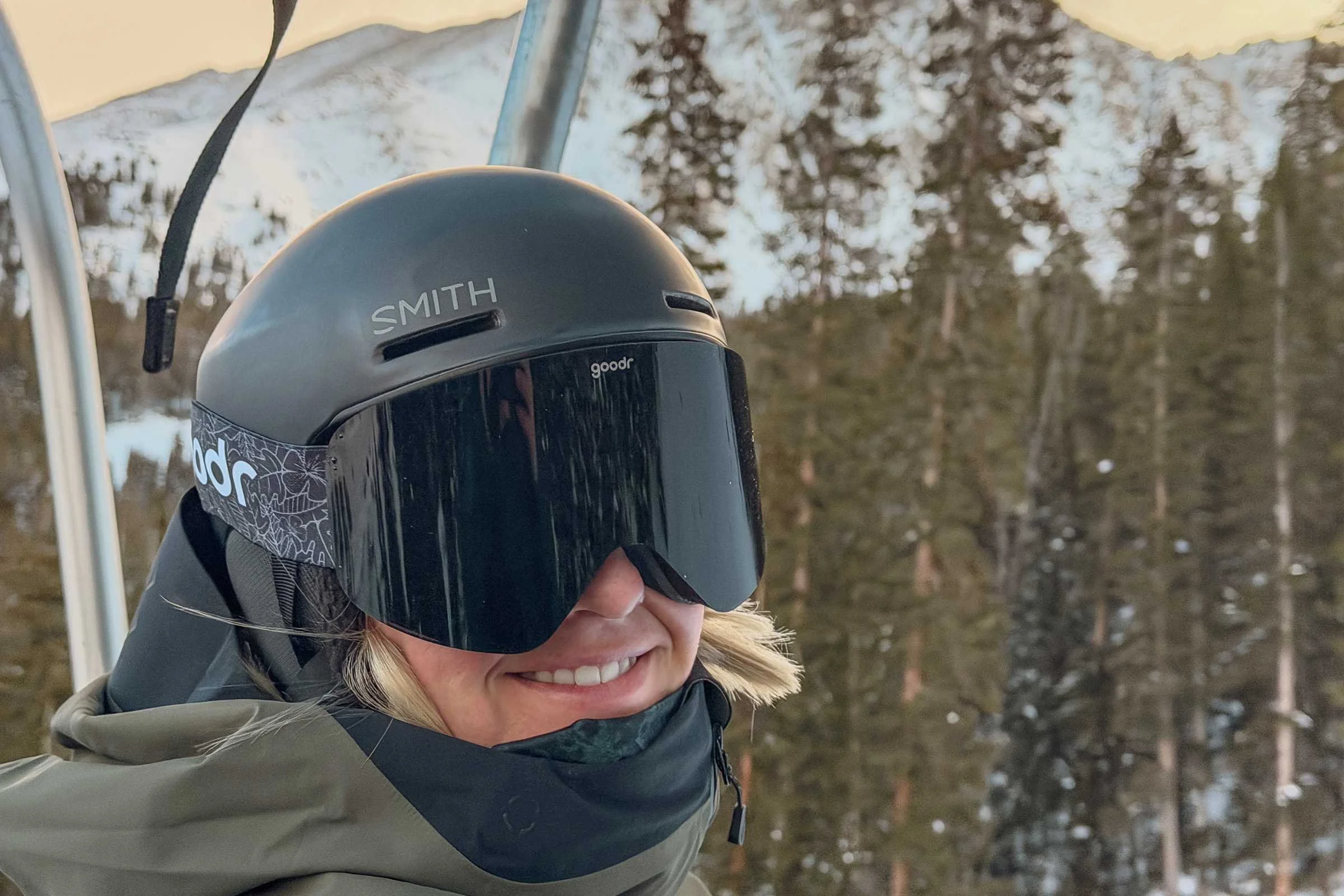
We chose the black lens option for our primary lens, for all of the testing that happens on bluebird Colorado days in the alpine. Photo by Jacob Callaghan.
Bright conditions
We tested the black lens (which comes with the Apres All Day colorway) for our high-light option, as that is often ideal in sunny Colorado where our primary tester skis. This lens performed well in those conditions and helped keep our eyes happy and not squinting on those beautiful bluebird days.
This lens is less ideal for cloudy days (a fact that’s true of any full black lens we’ve tested from any brand) and on those we swapped to the low-light lens. If you want a more versatile high light lens, the pink lens option that comes with the Lifties’ Delight color is probably best, though we have not had the chance to test it ourselves. (But from lots of goggle testing experience, pink and rose gold tinted lenses are often among the most versatile for a variety of light conditions.)
Low-light conditions

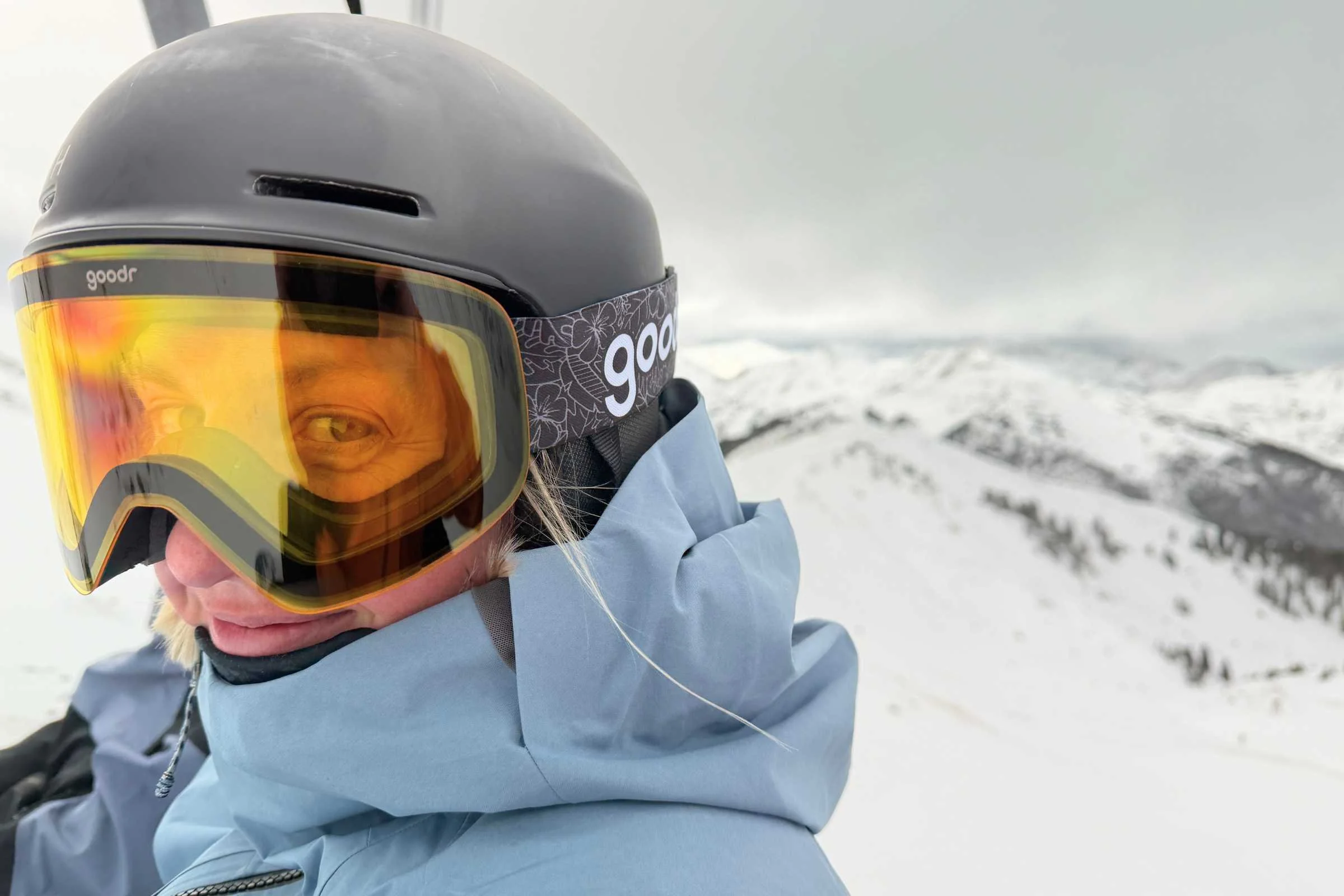
Everything looks about as yellow as you’d expect with these lenses, but they do the trick highlighting terrain in poor light conditions. Photo by Jacob Callaghan.
The Snow G goggles come with an included low-light lens, which is almost identical in tint to the yellow safety glasses you’d find at a hardware store. It does quite well in tough light conditions, but that yellow tint is very obvious. Most low-light lenses we’ve tested from other goggle brands tend to have more of a purple or blueish tint. The yellow does the job of allowing you to see the snow and terrain better overall, but it’s not as pleasant to look through as others we’ve tested, simply because everything just becomes so….yellow. But long story short, it works well for the intended purpose, and for a goggle at this price to even come with a low-light lens option is pretty impressive.
Field of view
Cylindrical lenses typically sacrifice at least a little field of view compared to spherical options, but we think the Snow G goggles have a good field of view overall, especially for a budget option—other budget options we’ve tried often have thicker frames and a more limited field of view.
Ventilation
There are perforated vetting channels across the top and at the bottom of the goggles. Since the top venting spans across the length of the lenses, this should be able to work to some extent with whatever ventilation your helmet has. In testing, we found…(whatever you noticed about ventilation performance)
Fog prevention
The Snow G goggles have an anti-fog coating on the inside of the lens, which is paired with ventilation at the top and bottom of the goggles. This combo works well to prevent fog in most conditions. We found these goggles more inclined to fog on wet and stormy days than higher-end, but not egregiously so.
Helmet compatibility
The medium frame size and relatively neutral shape (meaning there isn’t anything funky about the frame shape) makes these goggles work well with most ski helmets. We tested with the Smith Method, Smith Vantage, and Anon Merak helmets and these goggles worked well with all of them.
Features
We love the easy magnetic lens swap and included low light lens that the Snow G features—a rarity at this price point. Photo by Jacob Callaghan.
Material
The construction of the Goodr Snow G goggles uses a triple-layer foam with polycarbonate lenses and a silicone lined goggle strap.
Lens technology
The Goodr Snow G goggles use a polycarbonate cylindrical lens with UV400 protection. As a budget-oriented option, additional lens tech is limited. But they do have an anti-fog and anti-glare coating on the inside of the lens.
Lens Interchangeability
The Snow G goggles have a slick and simple magnetic lens swap system. Simply pull on the notch at the bottom to release the lens. Putting on a fresh lens is as simple as lining it up with the magnets on the frame and allowing it to snap into place.
Anti-fog
There is an anti-fog coating on the inside of the lens of the Snow G goggles.
Scratch resistance
There is no scratch resistant coating on the lenses, so you’ll want to keep that in mind. But after a season of use we have yet to see any scratches on the lenses. We appreciate that these goggles come with both a soft and hard case so you can store them safely without worrying about scratching the lenses.
UV protection
The high light and low light lenses on the Goodr Snow G goggles both have full UV400 protection.
Warranty coverage
Goodr eyewear has a 1-year warranty that covers manufacturer defects.
Sustainability
Goodr is a carbon-neutral business which is achieved through the use of carbon offsets. You can read more about their carbon neutrality on their website.
Goodr Snow G vs. similar ski goggles
Compared to most other budget ski goggles on the market, we think the Goodr Snow G goggles are a true standout. To get a quality pair of goggles with magnetic lens swap and a bonus lens at this price is almost unheard of and is a pleasant surprise here, but the tradeoff is in the overall quality and sharpness of the optics. Compared to low-end goggles from brands like Smith Optics, you get similar quality but you get the added bonus of the magnetic lens change and a low light lens included.
The Goodr Snow G goggles use a very similar magnetic system to the Anon M5 goggles, one of our favorite high end pairs. We think they’re equally easy to swap lenses, but the magnets on the M5 goggles are a little stronger. And of course the biggest difference is that the lenses on the Anon goggles are much more crisp with better definition—but they’re also several times more expensive.
Should you buy the Goodr Snow G ski goggles?
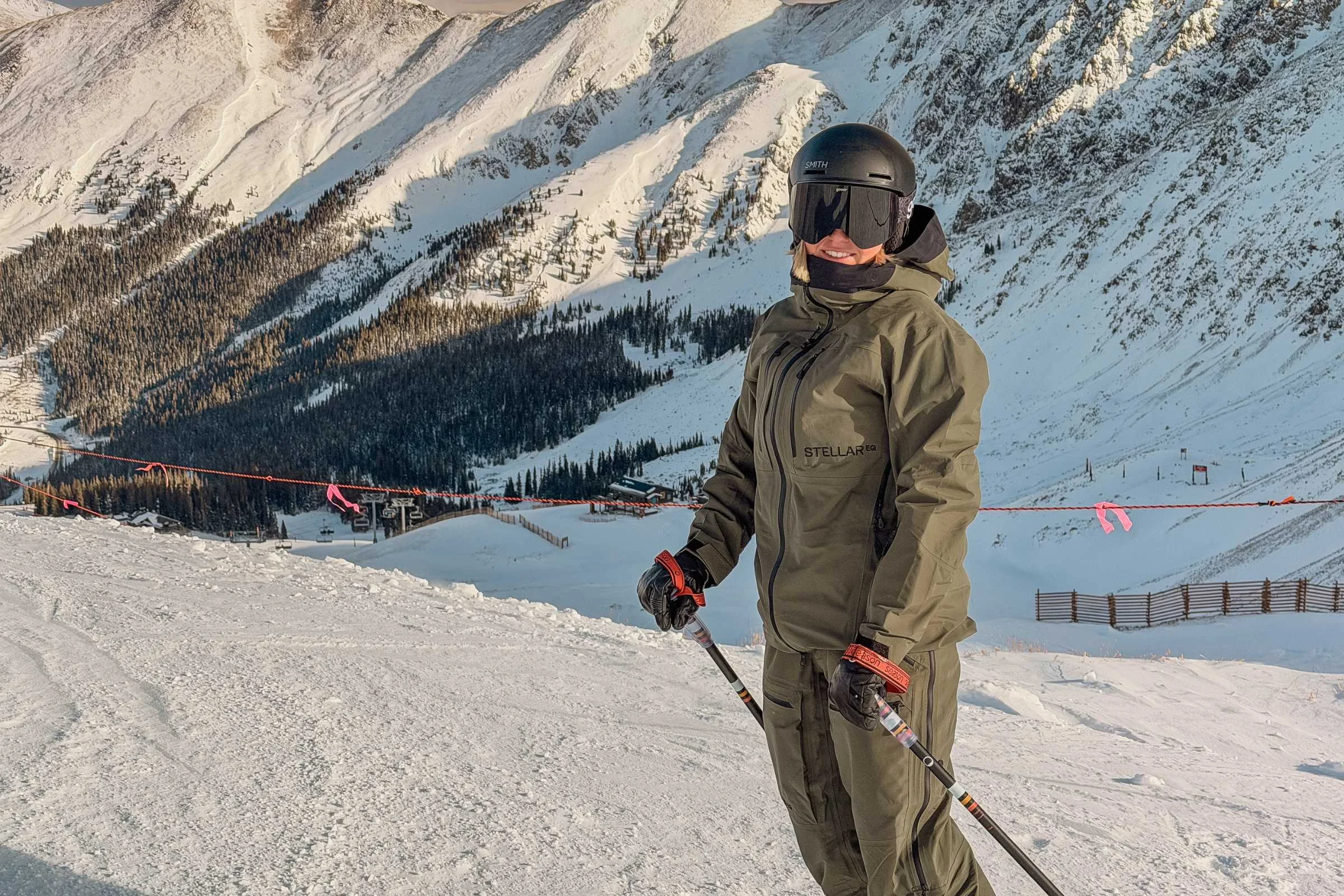
We like the frame shape and style of the Goodr Snow G goggles, and we’d love if they were offered in at least one other more neutral or subtle colorway. Photo by Jacob Callaghan.
Buy if you’re a skier or snowboarder looking for a solid pair of goggles on a budget. We think the Goodr Snow G goggles are a great choice and an excellent value. If you want good gear that offers a good value, these goggles are more than sufficient for weekend warriors and avid riders alike who consider budget above all else.
Skip if you want high end optics with excellent clarity and great definition and don’t mind spending more to get that.
Where to buy the Goodr Snow G ski goggles
The Goodr Snow G ski goggles are popular a gear item, so you have options when it comes to retailers. Here are some of the pros of the retailers.
REI
Pros: 100% satisfaction policy for 1 year; 10% dividend for members.
Goodr
You can sometimes find more options when purchasing directly from the retailer. Sometimes, purchasing directly from the retailer can make it easier if you need to make a warranty return, such as if there is a defect.
Returns and advice on where to buy
In general for shoes, we recommend purchasing from a place with easy or free returns, like REI.
Similar ski goggles
Smith Optics Transfer
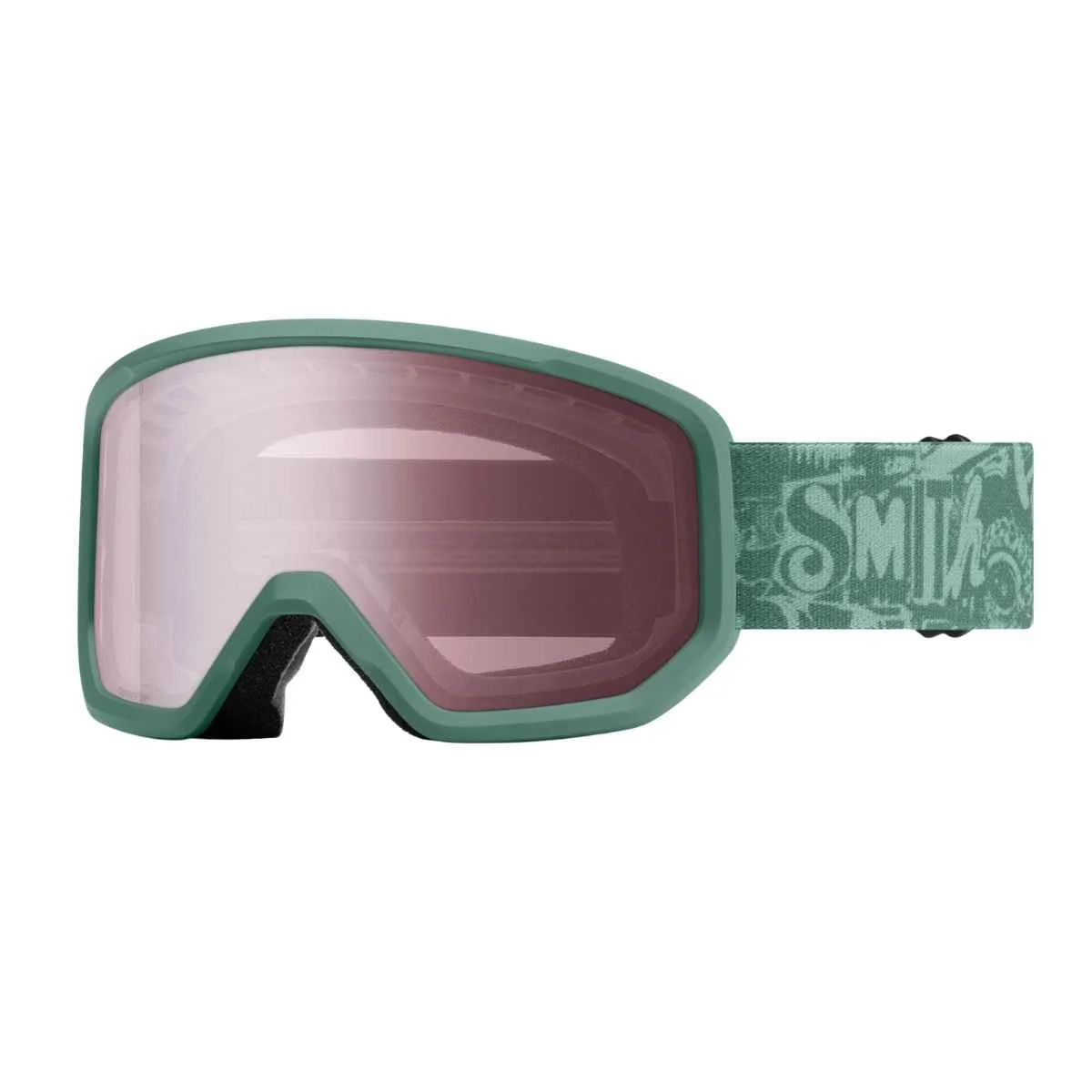
Fit: Medium
Lens shape: Cylindrical
Lens technology: N/a
Lens-change system: None
Anti-fog technology: Anti-fog lens treatment
Ventilation: Yes
Bonus lens included: No
OTG (Over-the-Glasses) compatible: No
The Transfer goggles are one in a handful of low-priced options from Smith Optics and they’re a solid and simple overall choice. We think the Goodr Snow G goggles offer a little more value at a slightly higher price, given the magnetic lens change system and included low light lens. The Transfer goggles come with only one lens that can’t be changed out.
Smith Optics Transfer
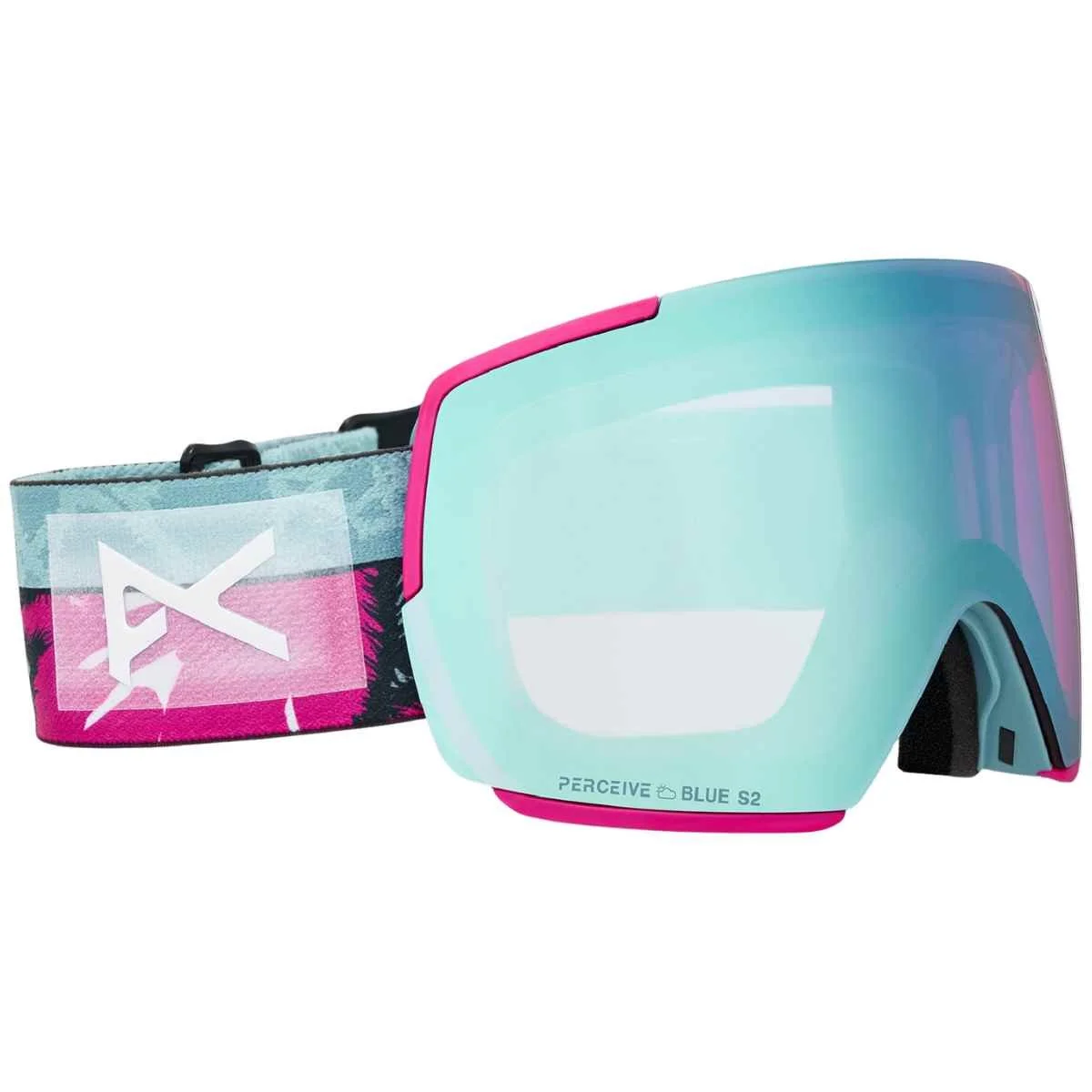
Fit: Medium
Lens shape: Toric
Lens technology: Anon Perceive
Lens-change system: Magnetic
Anti-fog technology: Anti-fog lens treatment
Ventilation: Full perimeter vents
Bonus lens included: Yes, low light lens included
OTG (Over-the-Glasses) compatible: No
The Anon M5 goggles feel to us, in a lot of ways, like the premium version of the Goodr Snow G. The magnetic lens swap system is similar, but the Anon magnets are stronger and more secure, and are our pick for best interchangeable lenses. The optics on the Anon M5 goggles are leaps and bounds better, and they are less likely to fog, too. But, these goggles are more than four times the price of the Goodr Snow G. If you’re on a budget, pick the Goodr goggles. If you’re prepared to splurge, the Anon M5s are worth it. Learn more in our in-depth review of the Anon M5 ski goggles.
Anon M5
Why you should trust us / about the author

A true mountain dweller, Stasia feels far more at home on a high alpine ridge than on a busy city street. She’s worked as a backpacking guide in Southeast Alaska, has held a WFR, AIARE 1, AIARE 2, and Avalanche Rescue Certifications and is working to become an avalanche education instructor. She’s now a full time writer and editor in the outdoor space and has been testing and writing about gear for over a decade.
Stasia grew up in northern Utah where she learned to ski not long after she learned to walk. She’s since spent every winter on snow, skiing in places from Alaska to Japan, with plenty of turns taken around her home in Summit County, Colorado. She gets out to ski multiple times a week throughout the season, no matter the weather and conditions. That means she’s used her gear in everything from bluebird days to full-on storms and whiteouts, and along with anyone who skis in the Tenmile range, plenty of wind. She’s tested many different pairs of goggles in all of these conditions, and over a few decades of skiing has learned exactly what makes a good pair. And she knows what a difference a good pair of goggles can make for someone’s experience on the slopes.
Find more of Stasia’s work at her author page.