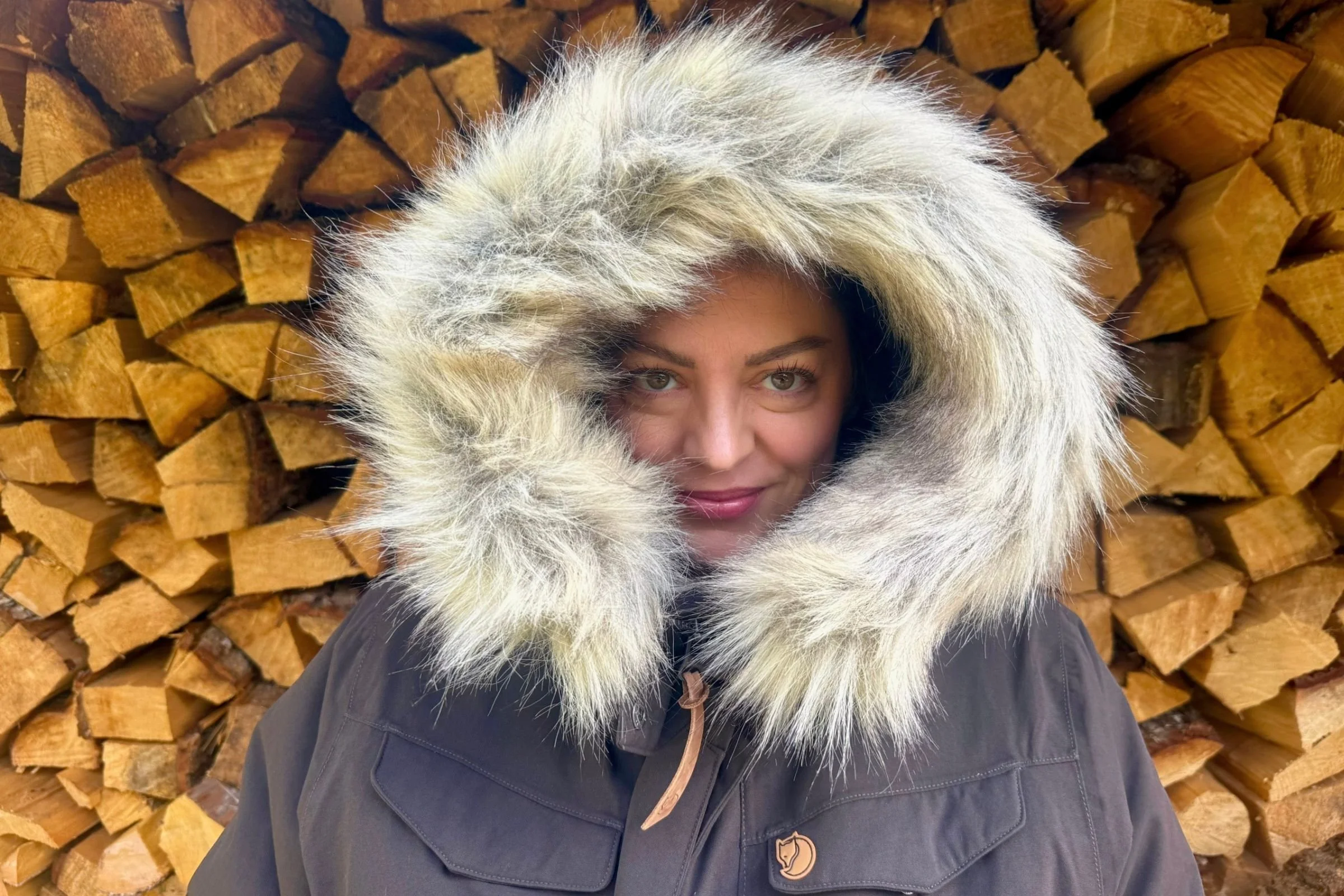
Why the Ibex Wool Aire Hoodie is One of Our Favorite Pieces of Outdoor Gear Ever Made
A lightweight merino puffy for active days and everyday use
April 27th, 2026
Home > Gear Reviews > Apparel
Our verdict
Some people have comfort blankets; we have the Ibex Wool Aire Hoodie. This lightweight insulated merino puffy has become one of those rare pieces of gear we can’t live without.
It nails the balance a lot of cold weather layers miss: enough warmth to take the edge off, enough breathability for movement, and odor resistance that allows you to wear it again and again. With its athletic fit, it performs just as well as an active midlayer under a shell as it does on its own as an outer layer in milder conditions.
We’ve worn the Wool Aire for years and tested the updated version this winter on hikes, winter walks, travel days, and under a shell for skiing, snowboarding, and other cold-weather activities. We love that it barely weighs anything but still makes a real difference once you put it on. It’s incredibly soft and comfortable, layers easily, and moves naturally between active use and everyday wear.
The main catch is the price, and it won’t replace a warmer insulated jacket when temperatures really drop, but if you value the benefits of merino wool, its warmth, comfort, and breathability are hard to beat.
Bottom line: For anyone looking for a versatile, wear-everywhere insulated layer, the Ibex Wool Aire Hoodie is one of our all-time favorite pieces.
Ibex Wool Aire Hoodie
men's
Women's
We create reader-supported, objective gear reviews independently selected by our editors. This story may contain affiliate links, which help fund our website. When you click on the links to purchase gear, we may get a commission, without costing you an extra cent. Thank you for supporting our work and mission of outdoor coverage for every body! Learn more.
Ibex Women’s Wool Aire Hoodie specifications
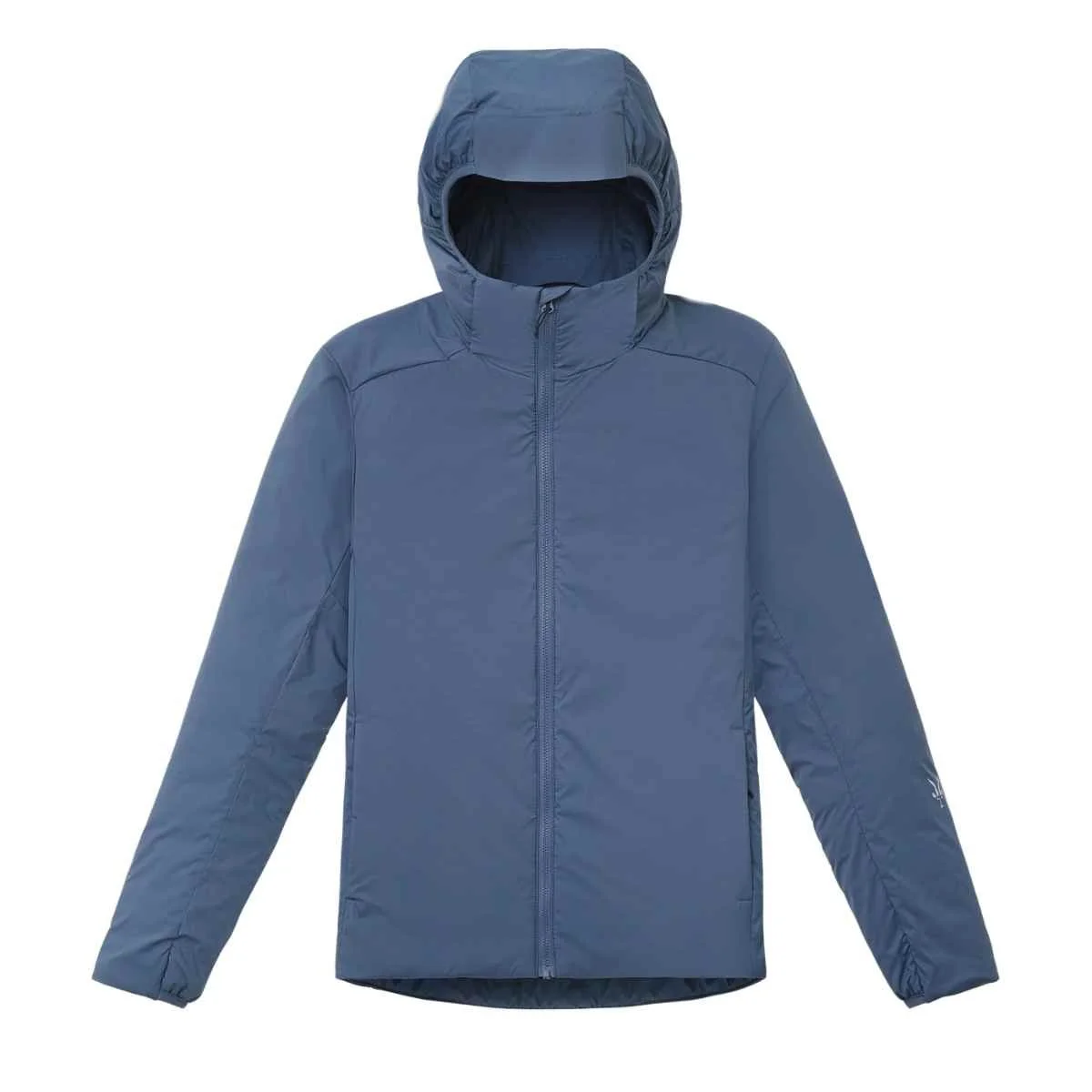
Price: $315
Weight: 11.4 oz (men’s), 12.3 oz (women’s)
Insulation: 30% recycled merino wool, 50% virgin merino wool, 20% corn-based PLA fibers for additional strength
Shell material: 100% nylon (20-denier featherweight)
Hood: Yes, adjustable
Fit: Athletic
Zipper: Full-zip
Pockets: 2 zippered hand pockets; one internal pocket
Sustainability notes: The face fabric is completely PFC-free, made with Bluesign approved materials, Oeko-Tex-certified dyes, and part recycled/part virgin renewable raw material for insulation
Care instructions: Machine wash cold; do not use fabric softeners; do not bleach; lay flat to dry; cool iron if needed; do not dry clean
Best for
Active winter layering for cold-weather outdoor activities
Standalone outer layer wear in mild to cool conditions
Travel, camping, and everyday versatility
Folks who want a lightweight, do-everything, wear-everywhere insulated jacket
People who prefer the comfort and performance of merino wool-based insulation
Comparison table
| JACKET | MSRP* | SIZES | INSULATION TYPE | MATERIALS | WEIGHT |
|---|---|---|---|---|---|
| Ibex Wool Aire Hoodie Women's Men's |
$315 | XS-XXXL | 30% recycled merino wool, 50% virgin merino wool, 20% corn-based PLA fibers for additional strength | 100% nylon (20-denier featherweight) | 11.4 oz (men’s), 12.3 oz (women’s) |
| Patagonia R1 Air Full-zip Hoody Women's Men's |
$199 | XS-XXL | Fleece | 100% recycled polyester jacquard fleece with hollow-core yarns | 12.9 oz (men’s), 10.9 oz (women’s) |
| Ridge Merino Cloudripper Fleece Women's Men's |
$200 | S-XXL (men's), XS-XL (women's) | Merino wool | Merino wool, polyester, spandex | 16.8 oz (men’s), 12.9 oz (women’s) |
| Patagonia Micro Puff Hoody | $345 | XS-XXL (men’s), XXS-XL (women’s) | PlumaFill 65g 100% recycled | 10D ripstop nylon Netplus | 9.0 oz (women), 10.5 oz (men) |
What we liked
Easy to wear as both a midlayer and a standalone outer layer
Highly versatile for most outdoor activities, travel, winter layering, and everyday use
Soft, supple feel that stands out from many insulated jackets
Excellent temperature regulation and warmth for the weight
Noticeably more breathable and less clammy than many synthetic midlayers
Packs down small and goes everywhere with us
Strong odor resistance for repeat wear and travel
What could be better
Premium price
Not the warmest option for deep cold or low-output days
Less protective in wind and storms than a more substantial standalone puffy
How we tested
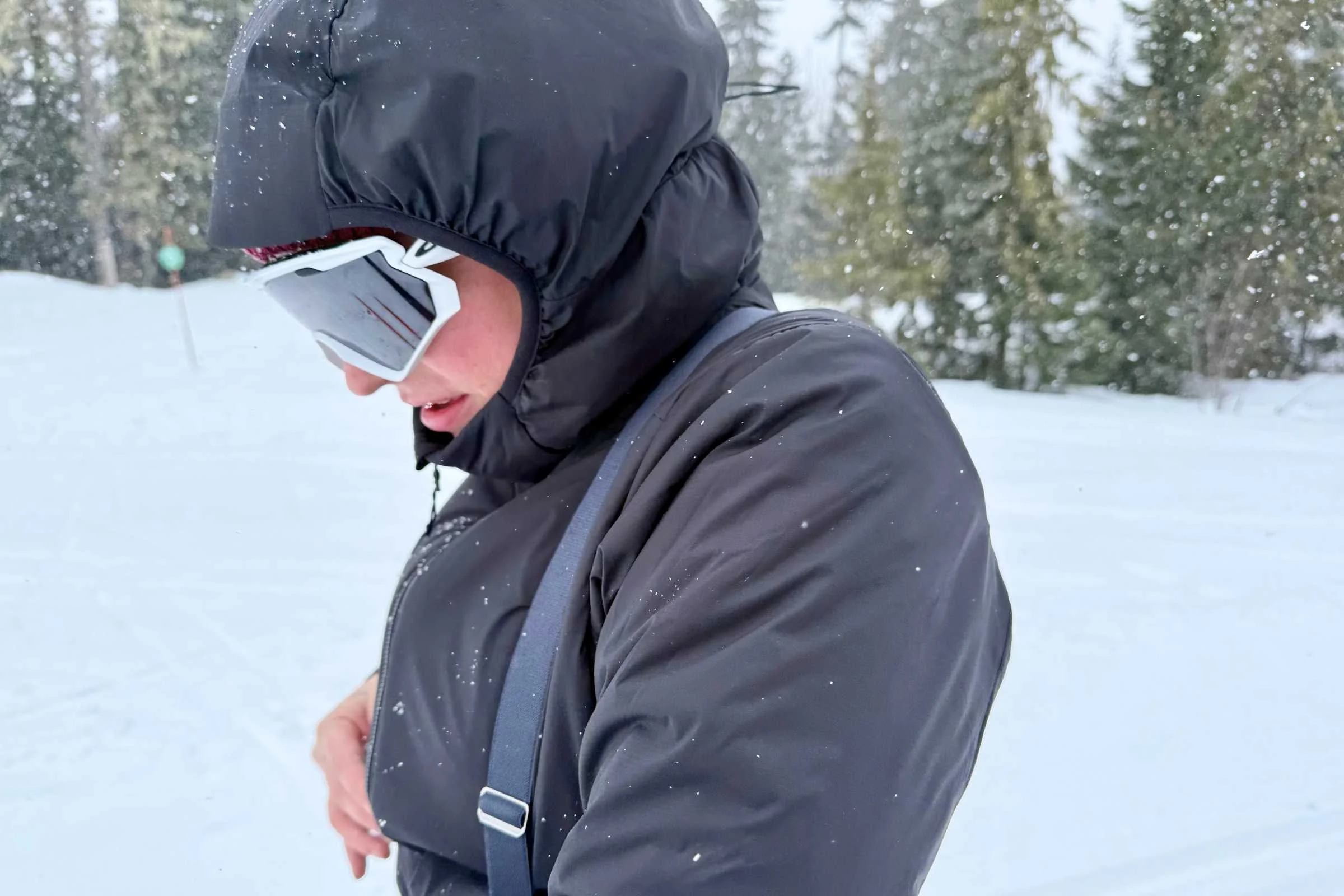
Gearing up for a day of testing the Wool Aire. Photo by Steve Redmond.
We’ve been wearing the Ibex Wool Aire Hoodie for over three years, and we’ve spent this winter testing the updated version released in early 2026. At this point, it’s a piece we’ve worn just about everywhere and for nearly everything: skiing, snowboarding, climbing, hiking, biking, camping, road trips, travel, everyday errands, cool summer nights, and as an all-around winter layer.
Most of our testing has taken place in the Pacific Northwest, but it’s also one of those jackets we end up packing no matter where we’re headed. We’ve worn it on many cooler summer nights in Alberta and packed it for a trip to Mexico when we wanted a lightweight layer that wouldn’t take up much space.
We’ve worn it as a midlayer under shells in colder temperatures and as an outer layer in milder conditions, using it for everything from slow walks to high-output efforts like steep uphill climbs. More than anything, we’ve come to see it as a true four-season layer rather than a winter-specific piece. Compared to many other puffy midlayers, it’s better at temperature regulation, and feels softer, less bulky, and more all-purpose, which is a big part of why it has become one of our most used grab-and-go layers year round.
Performance in the field
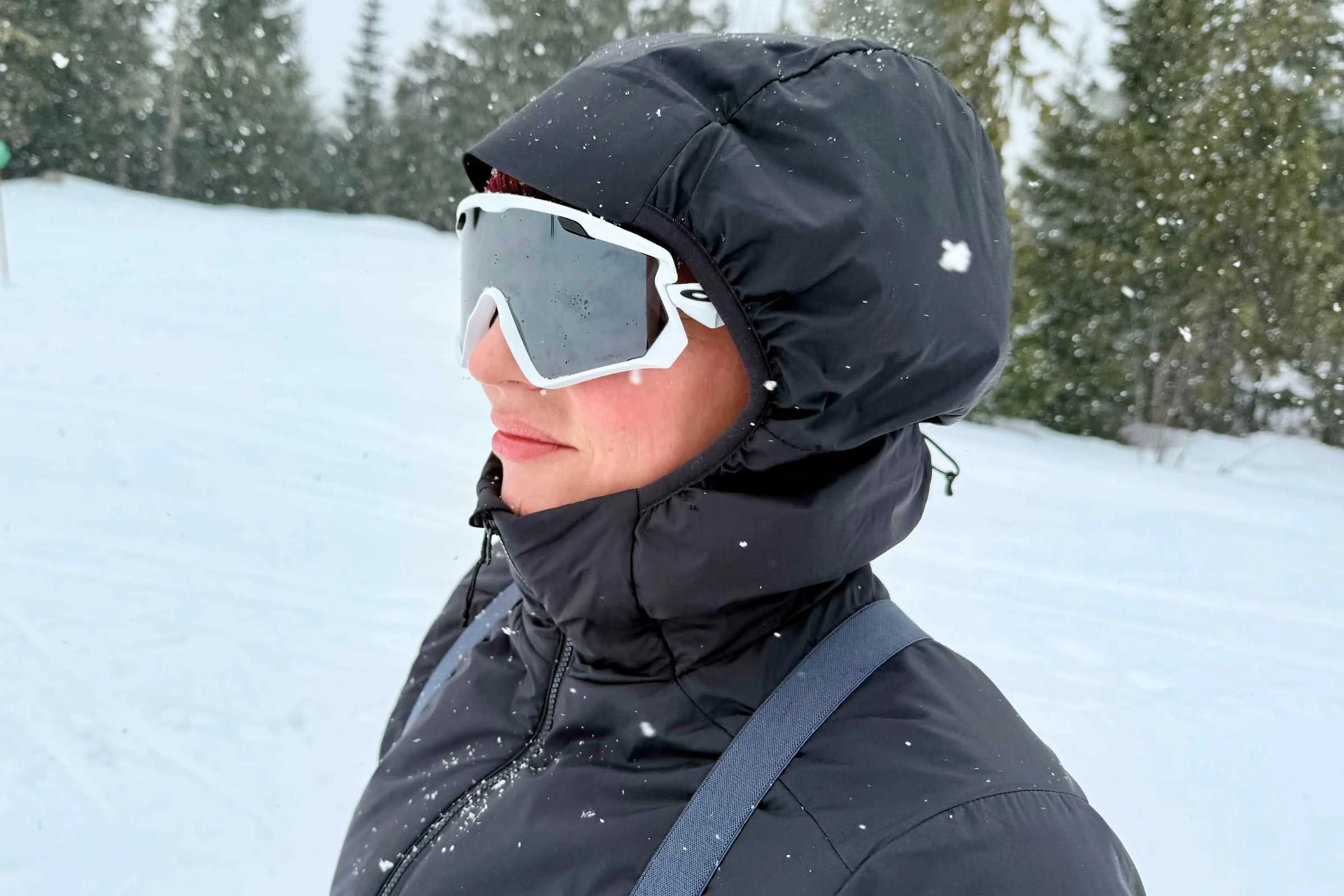
One of the biggest pros of the Wool Aire is its warmth-to-weight ratio. Photo by Steve Redmond.
Warmth
The Wool Aire Hoodie hits a sweet spot that can be hard to find in an insulated jacket, and that’s mostly thanks to the blended merino wool insulation. It always seems to match the day and that’s because merino excels at temperature regulation. The crimped fibers both trap heat and manage moisture vapor, so when you start to heat up, you’re kept warm without feeling clammy. It’s a big part of why we generally prefer merino to other synthetic materials, especially next to skin and when your activity requires changing output levels.
That ability to keep you comfy in such a wide temperature range is a huge part of why we wear the Wool Aire Hoodie in every season. On its own, it’s ideal in cool to cold temps when we’re moving, whether that’s a crisp fall hike, a day of spring cross country skiing, or even a windy summer day when you want a little warmth without feeling overdone. It’s warm enough to take the edge off, but doesn’t feel overly built-up for active use. In colder winter weather, it really shines under a shell, where it adds noticeable warmth without the puffy marshmallow feeling.
It does have its limits. We wouldn’t reach for it as our only insulated layer for standing around in deep cold, but for active use and layering that adapts to changing conditions, it’s become essential.
Breathability
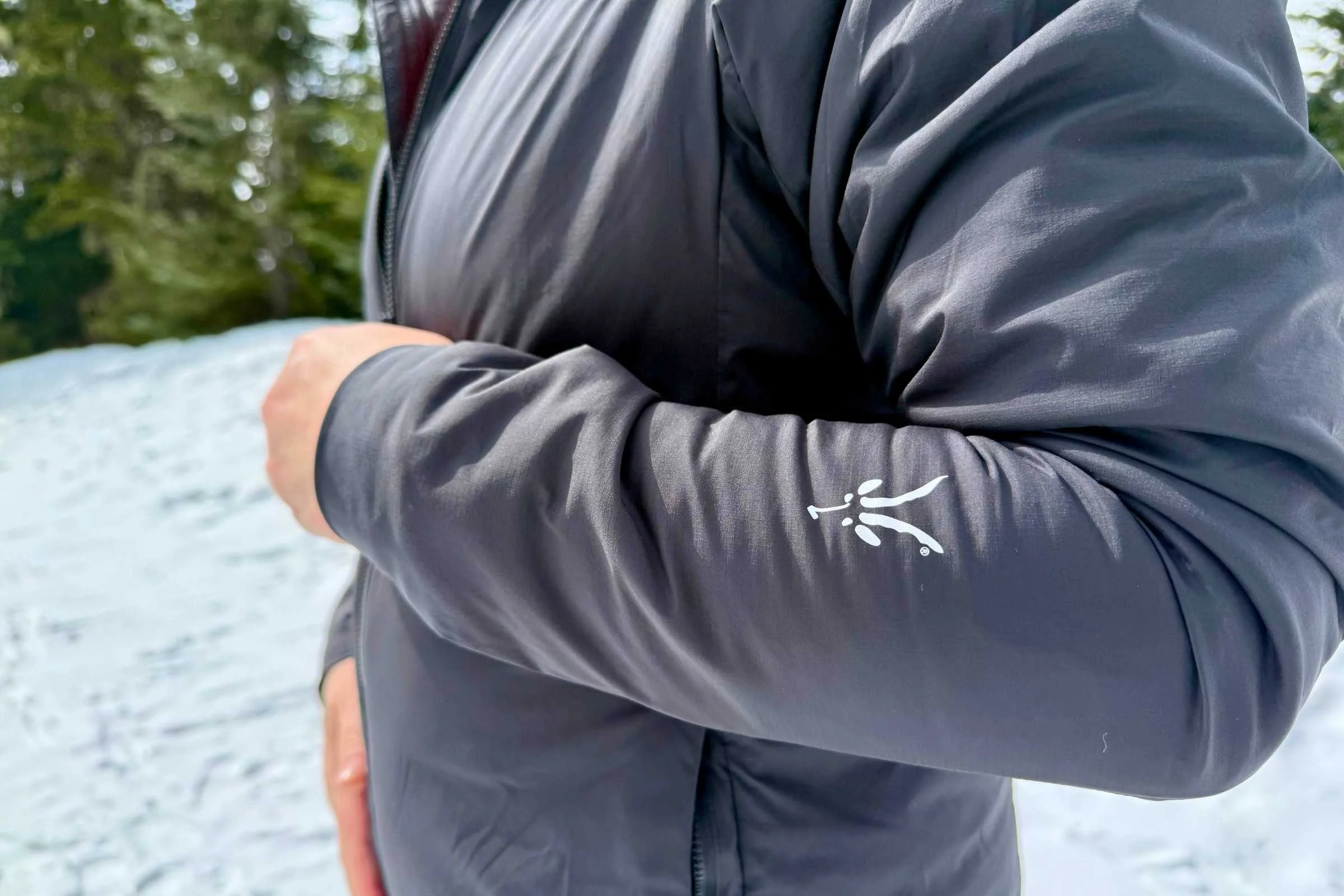
The face fabric is robust enough to shed light moisture while still feeling soft. Photo by Steve Redmond.
A big part of why we keep reaching for the Wool Aire is that ability to manage moisture and dump heat before things get swampy. It’s one of merino’s biggest advantages over a lot of synthetic insulations. Many synthetic midlayers we’ve tested start to feel clammy the minute you’re working hard, but the Wool Aire stays far more comfortable. Even on gruelling uphill efforts, its breathability is noticeable, keeping us drier and less prone to that cycle of being overheated then over-chilled that can happen when sweat gets trapped in less breathable layers.
The Wool Aire doesn’t have pit zips for added ventilation, but we don’t think it needs them. It does a great job at breathability as is, and zippers would only add unnecessary bulk.
Comfort and Fit
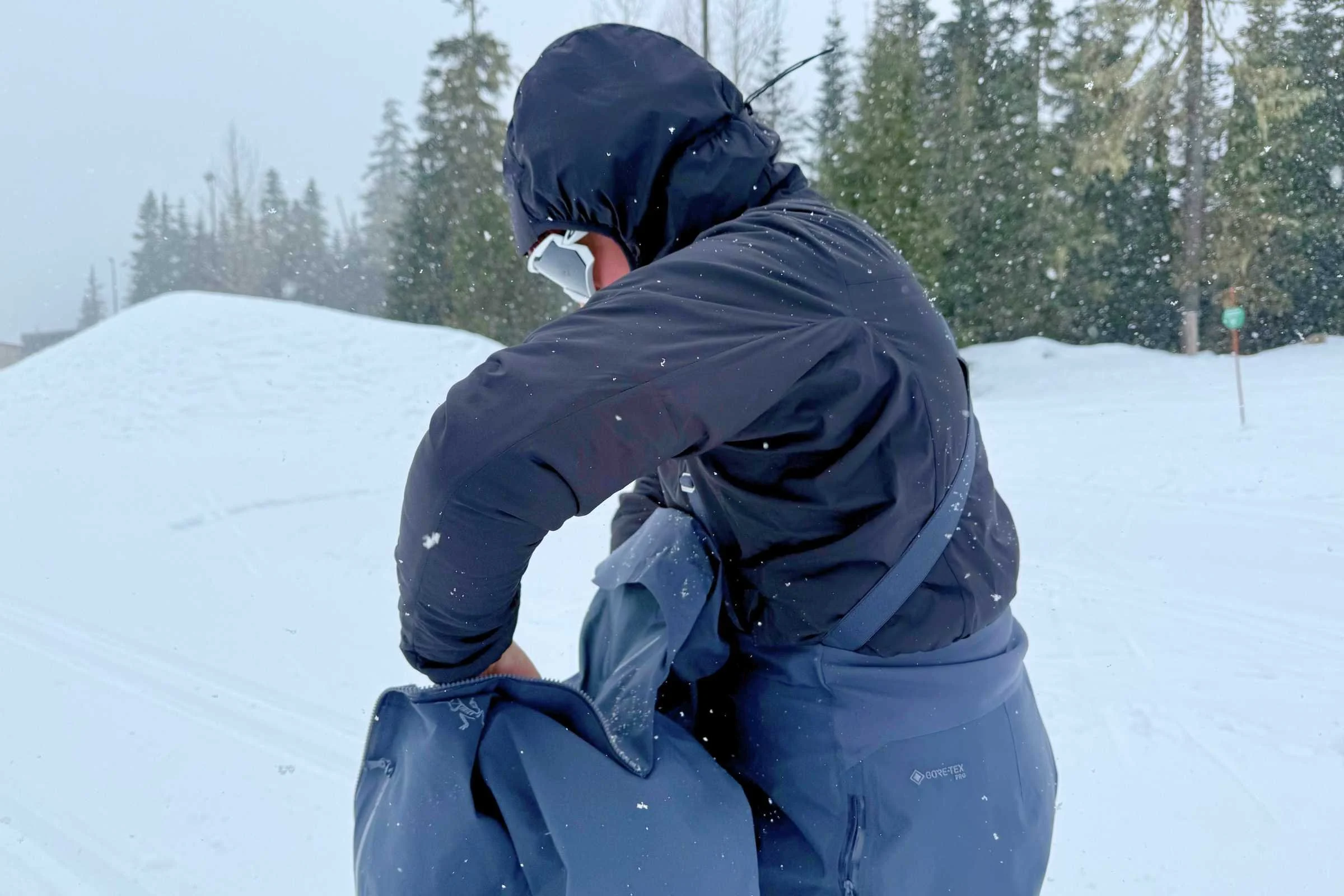
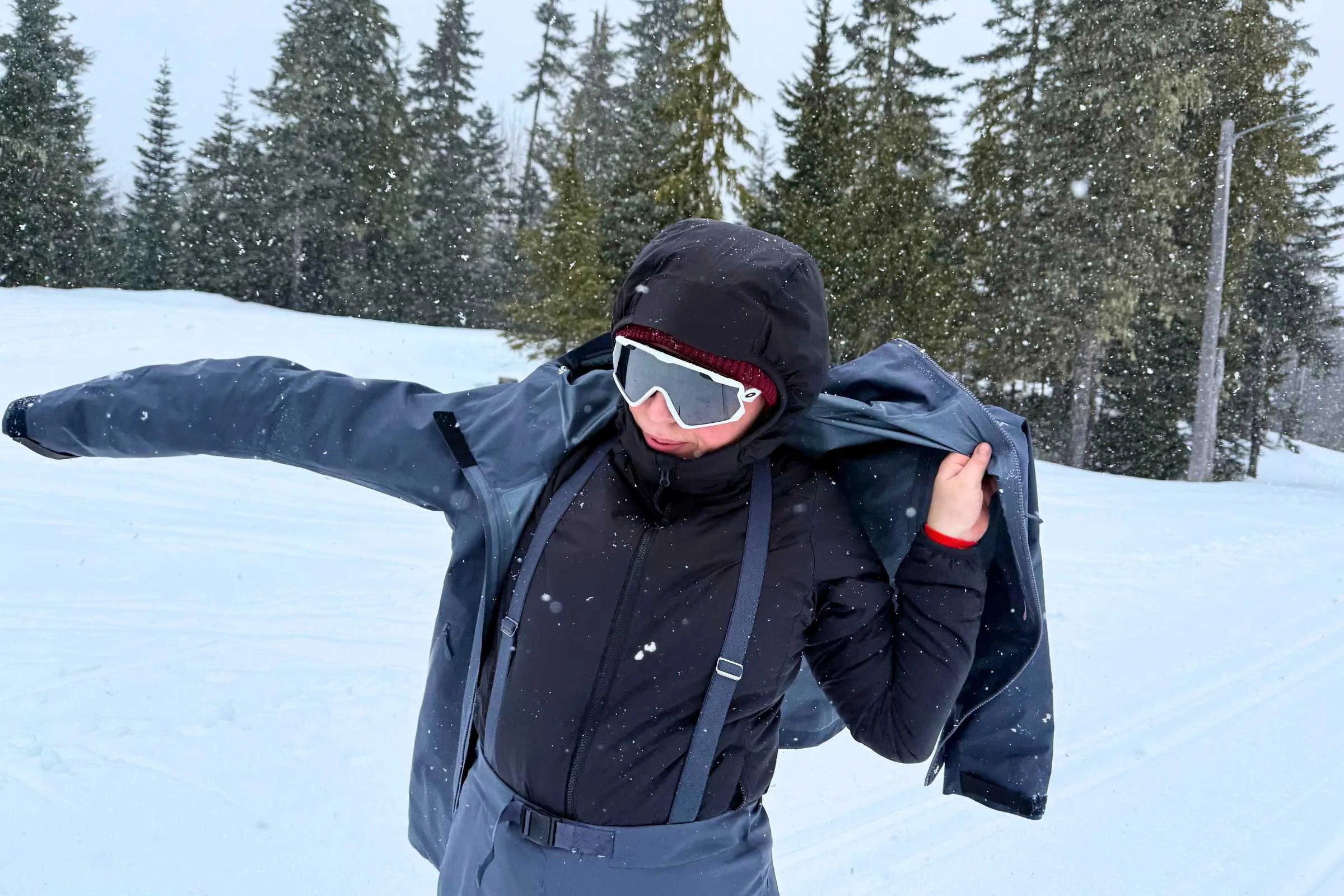
The athletic fit of the Wool Aire allows it to layer under an outdoor shell. Photo by Steve Redmond.
The fit is athletic without feeling restrictive, which is a big reason why the Wool Aire works across so many different activities. It’s snug enough that it easily layers over a base layer and under a shell without feeling bunching or feeling bulky (we wore under it at least four different women’s shells, including the Arc’teryx Beta SV Jacket and the Outdoor Research Aspire 3L Rain Jacket).
It’s also comfortable enough to wear on its own as an outer layer. The face fabric is exceptionally soft and supple, which stands out from many technical insulated jackets that can feel slick, crinkly, or stiff by comparison. The adjustable hood is comfortable and easy to dial in, and in our very rainy Pacific Northwest testing grounds, we like that it adds coverage without feeling floppy or overbuilt—it stays put when cinched and still allows for good visibility. The range of motion is excellent whether we’re hiking, biking, or layering it for winter sports.
Odor resistance
One of the most underrated things about merino wool is how easy it is to wear again and again without it getting gross. We’ve worn synthetic layers that can start to smell after just a couple of wears, but the Wool Aire does an excellent job of resisting odor buildup, which makes it great for travel, camping, or long stretches when laundry is not happening.
We’ve worn it for long, sweaty days outside, packed it for trips, and thrown it back on repeatedly without feeling like it needed immediate washing. That alone gives it a real edge as a practical everyday piece. If you value gear that can keep up without demanding constant care, the Wool Aire does just that.
Versatility
Versatility is what makes the Wool Aire Hoodie so easy to love. Ibex pitches it for high alpine pursuits, but for us, it’s become a true wear-it-everyday-and-everywhere piece. We use it as a midlayer for skiing, snowboarding, snowshoeing, and colder winter days, but we also use it as a standalone jacket for hiking, travel, camping, shoulder-season activities, and cool summer nights.
It looks and feels less techy than some other insulated layers, and since it has such a lightweight and barely-there feel, it moves naturally from trail to town. It packs small and wears comfortably in a huge range of conditions. It has become an essential go-to anytime we’re packing for a trip and it’s the first jacket we reach for when we’re heading out the door.
Durability
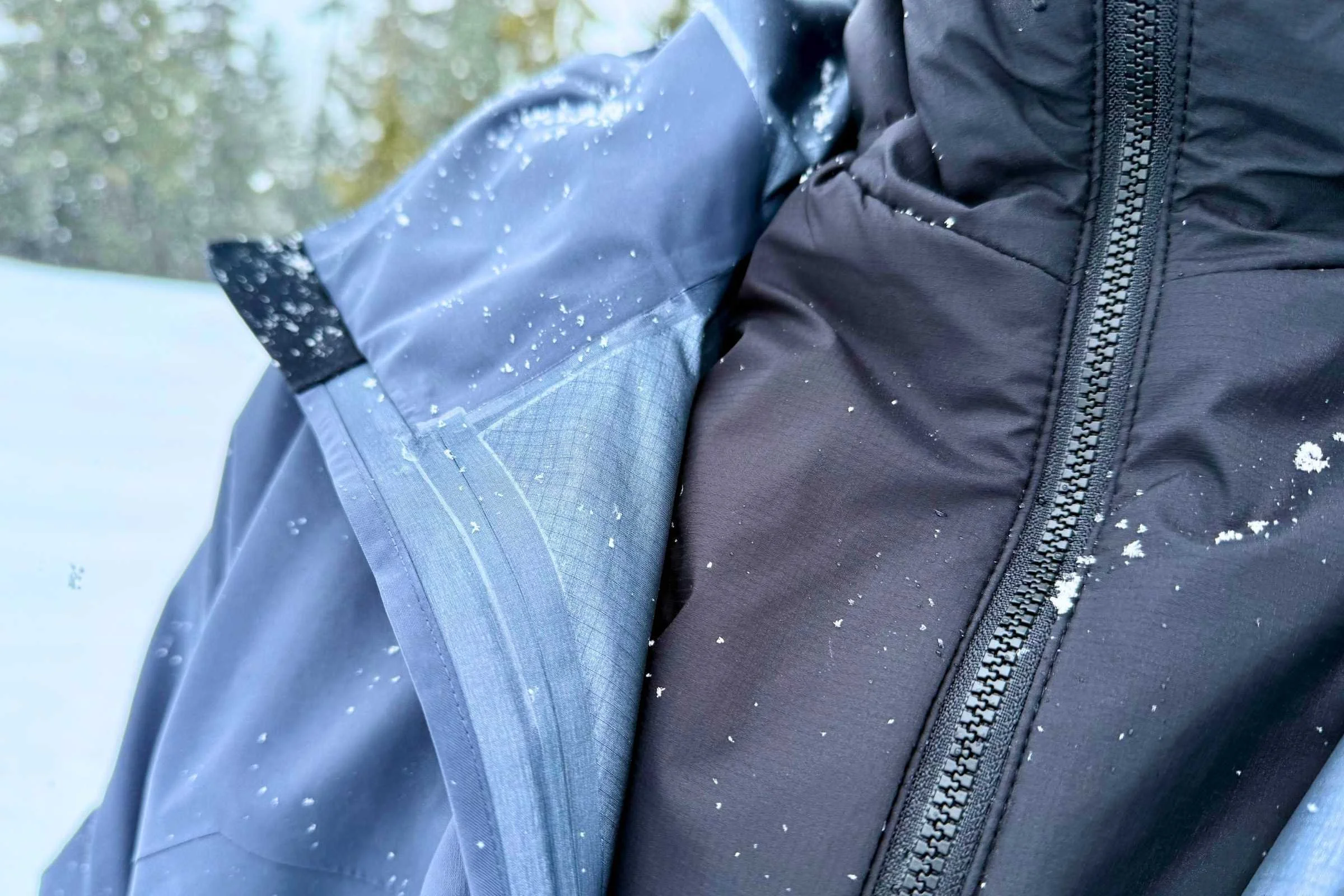
The zipper is durable while still being lightweight. Photo by Steve Redmond.
For such a light jacket, the Wool Aire has held up impressively well. The face fabric is thin and supple, so it doesn’t have the bombproof feel of a burlier insulated piece, but it has proven more durable than its weight suggests.
The previous version of the Wool Aire feels even more delicate, though even that fabric has remained in good condition after years of wear; it hasn’t torn or snagged despite constant use and plenty of opportunity. The newest version feels no less comfy, just slightly more robust, so we expect the updated Wool Aire to hold up just as well.
The updated zipper feels sturdier than the previous version and gives us even more confidence in the jacket’s long-term durability; on our older Wool Aire, the front zipper is the first area that’s only now beginning to show wear. We’ve also been impressed with how well it resists looking worn-out. The fabric has remained pill free, even with all the constant rubbing it does against an outer shell.
That said, this is still a lightweight jacket, not an abrasion-heavy workhorse, so we’re mindful around rough rock and areas where it’d be prone to snagging, but not so much that we feel like we have to treat it with special care.
Features
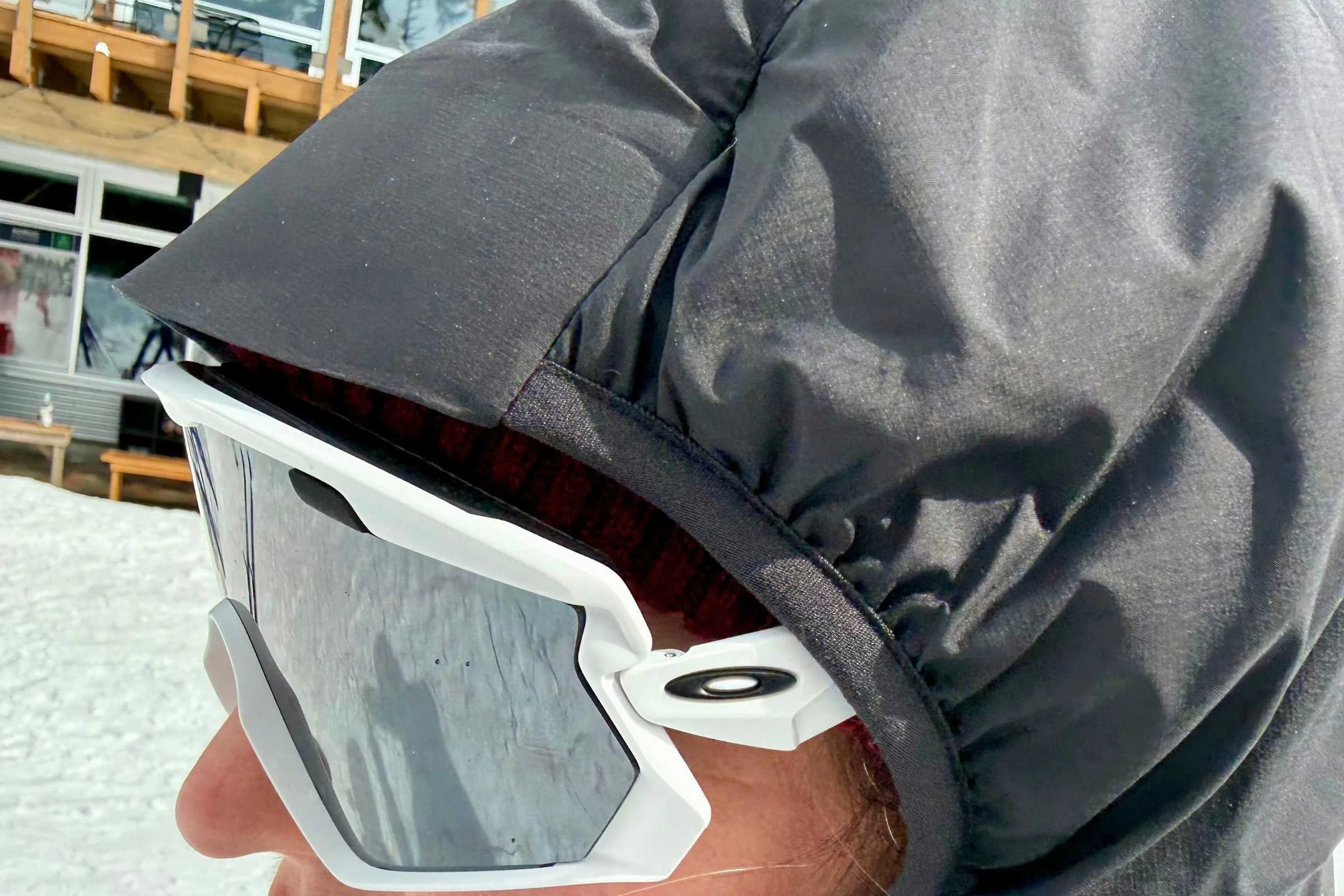
The brim sheds moisture away while the elasticized edges keep the hood tight to the face. Photo by Steve Redmond.
Merino wool insulation
The Wool Aire uses a merino-blend insulation made from 30% recycled wool, 50% virgin wool, and 20% corn-based PLA fibers (biobased synthetic material derived from corn sugar for added structure and durability). Compared to down feather or polyester-based synthetic fills used in most insulated jackets, this kind of wool-based insulation is relatively uncommon and is a defining feature of the Wool Aire’s design.
Lightweight shell fabric
The shell is made from 100% nylon and uses a lightweight 20-denier face fabric, keeping the jacket light, low bulk, and easy to pack. (20-denier means the yarns are very fine, which gives the jacket its supple feel, though it won’t be as durable as a higher-denier fabric.) Lightweight nylon shells are typical in this category, especially in pieces designed to move easily between active outdoor pursuits and everyday use.
PFC-free DWR finish
A PFC-free DWR finish helps the face fabric resist light moisture while avoiding fluorinated chemicals. It is now a fairly standard feature in more sustainability-minded outerwear.
Full-zip construction
The jacket uses a full-length front zipper that feels more durable than the zipper on the previous Wool Aire version. It’s low-profile enough that it doesn’t feel bulky when layered over a base layer and under bibs or a shell, but it’s sturdy enough that it doesn’t feel fragile or prone to failing over time.
Adjustable hood
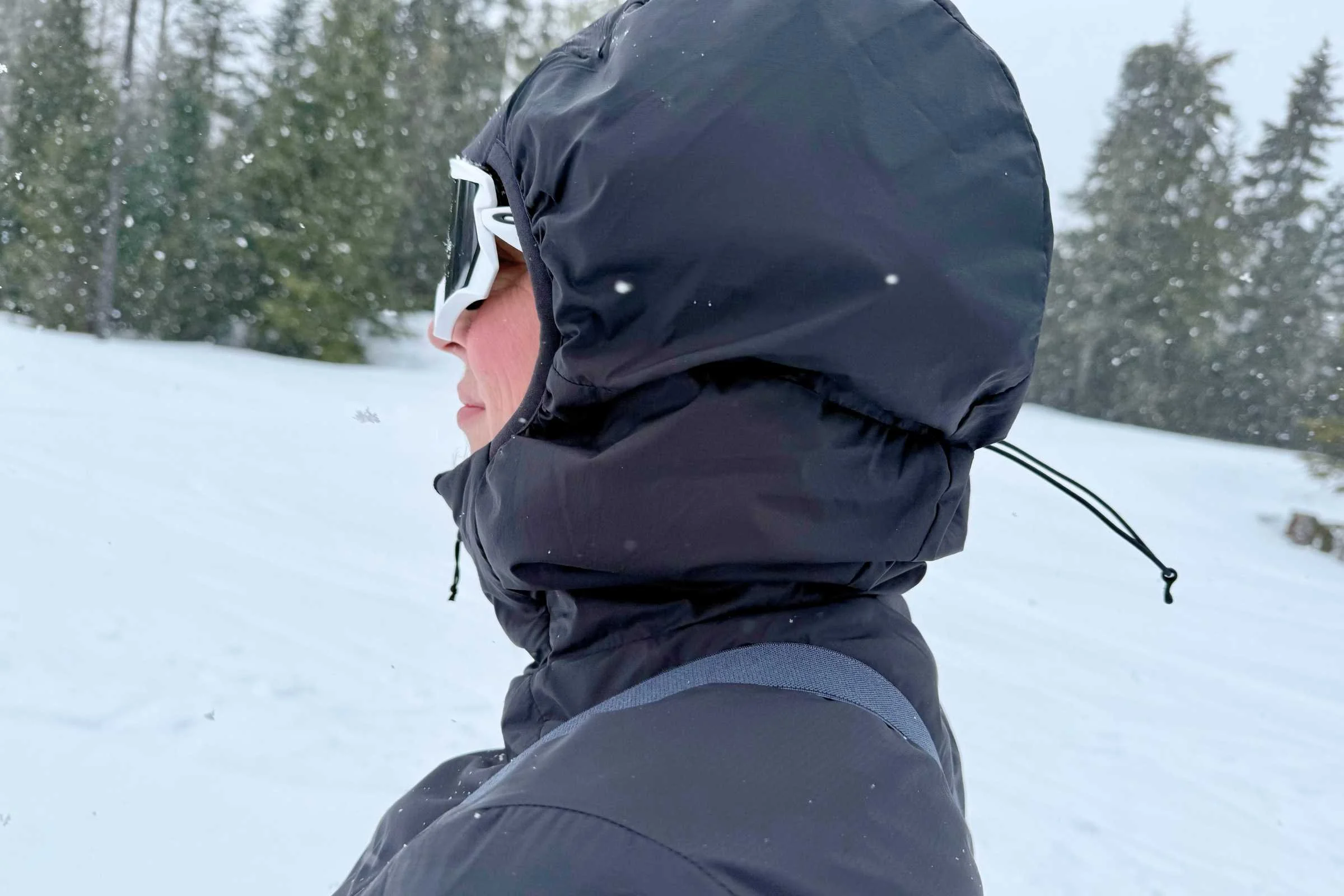
The hood adjusts well for everyday use and is also helmet compatible. Photo by Steve Redmond.
The Wool Aire has an attached hood with a rear cinch cord that lets you adjust the fit around the head. It also has a structured brim to help shed light moisture away from the face and is climbing helmet compatible, which makes it more functional than the basic insulated hoods you’ll find on many puffy jackets.
Zippered hand pockets
Two zippered hand pockets provide secure storage for small essentials without adding bulk, adding to the Wool Aire’s travel and everyday practicality.
Elastic cuffs
The cuffs are elasticized along the lower half, which helps seal in warmth and keep the sleeves in place without making the wrist opening feel too tight or bulky, while still being easy to layer under gloves or an outer shell.
Adjustable hem
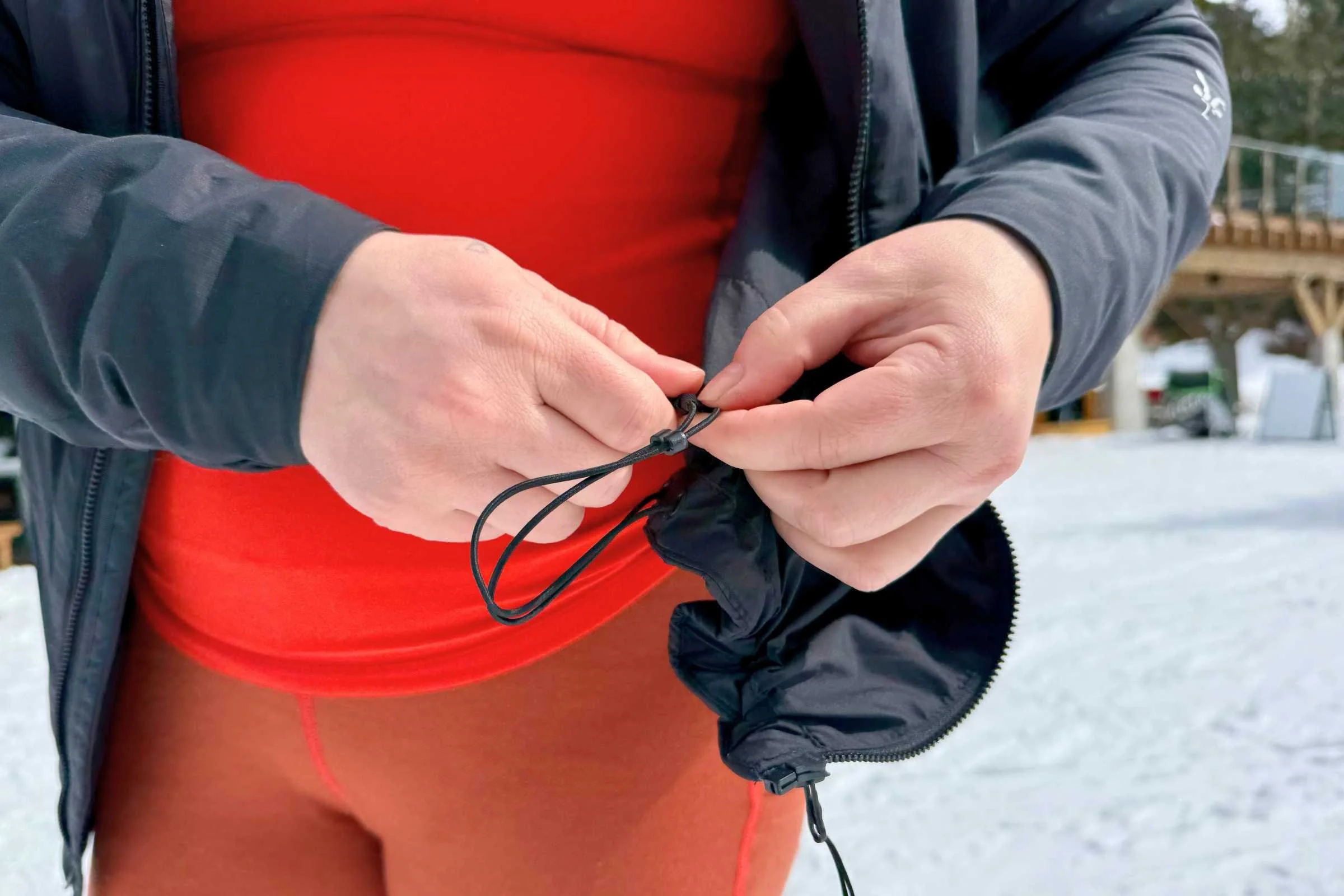
A drawcord at the hem allows the Wool Aire to cinch tight and trap heat. Photo by Steve Redmond.
The hem includes an adjustable drawcord that lets you cinch the jacket closer to the body. This is a common feature on insulated outerwear and helps fine-tune fit while sealing out drafts.
Stowable pocket design
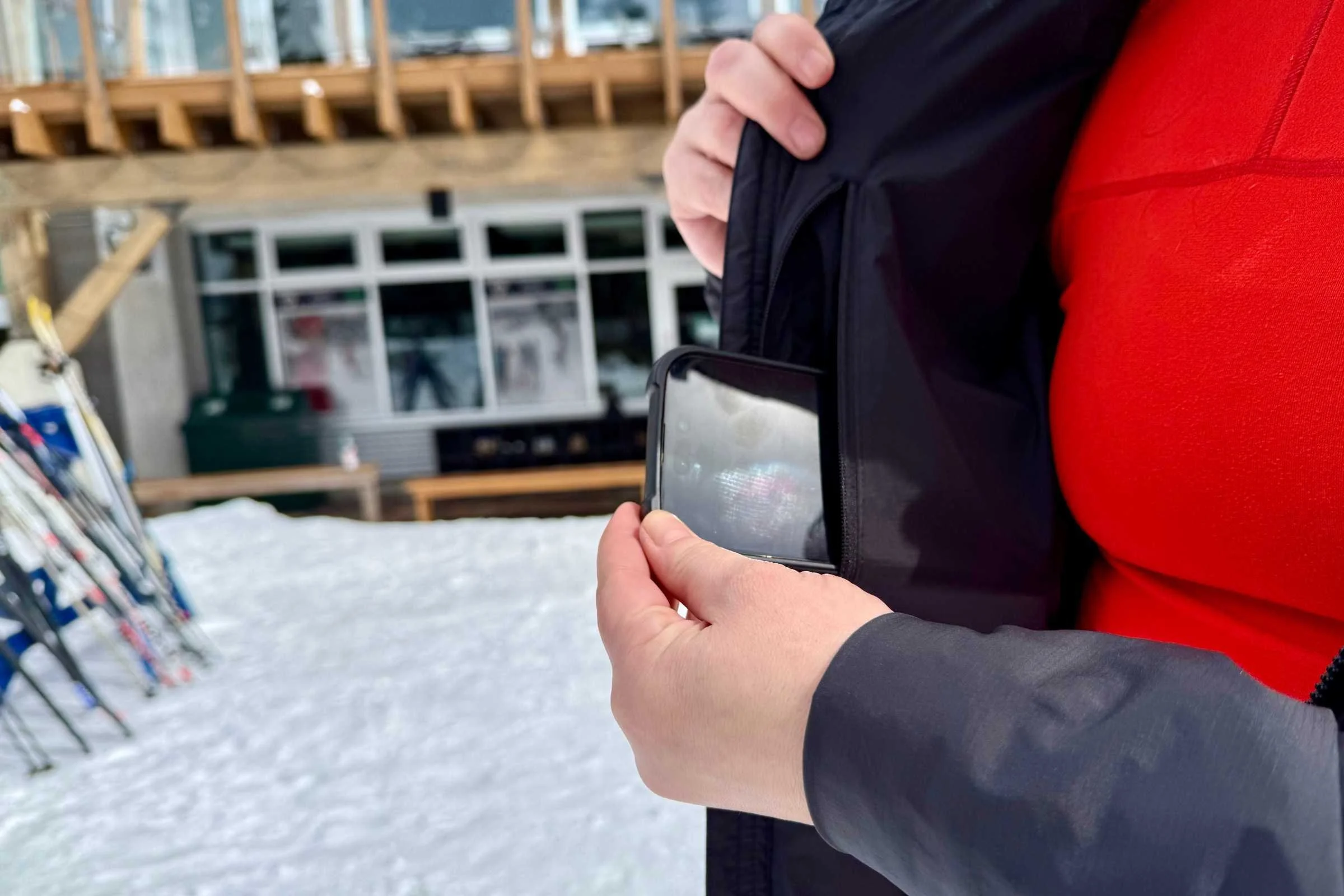
The internal pocket is the right size for phone storage. Photo by Steve Redmond.
The Wool Aire packs down into its own chest pocket, making it easy to toss into a backpack, travel bag, or clip to gear without taking up much space.
Sustainability
Not only is merino wool a renewable natural fiber and biodegradable, but Ibex also emphasizes supply-chain transparency and the use of recognized third-party certifications, like Responsible Wool Standards (RWS), Oeko-Tex, and Bluesign. They also prioritize recycled materials in their garments, and use post-consumer recycled, FSC-certified, and or compostable materials for all of their packaging.
Should you buy the Ibex Women’s Wool Aire Hoodie?
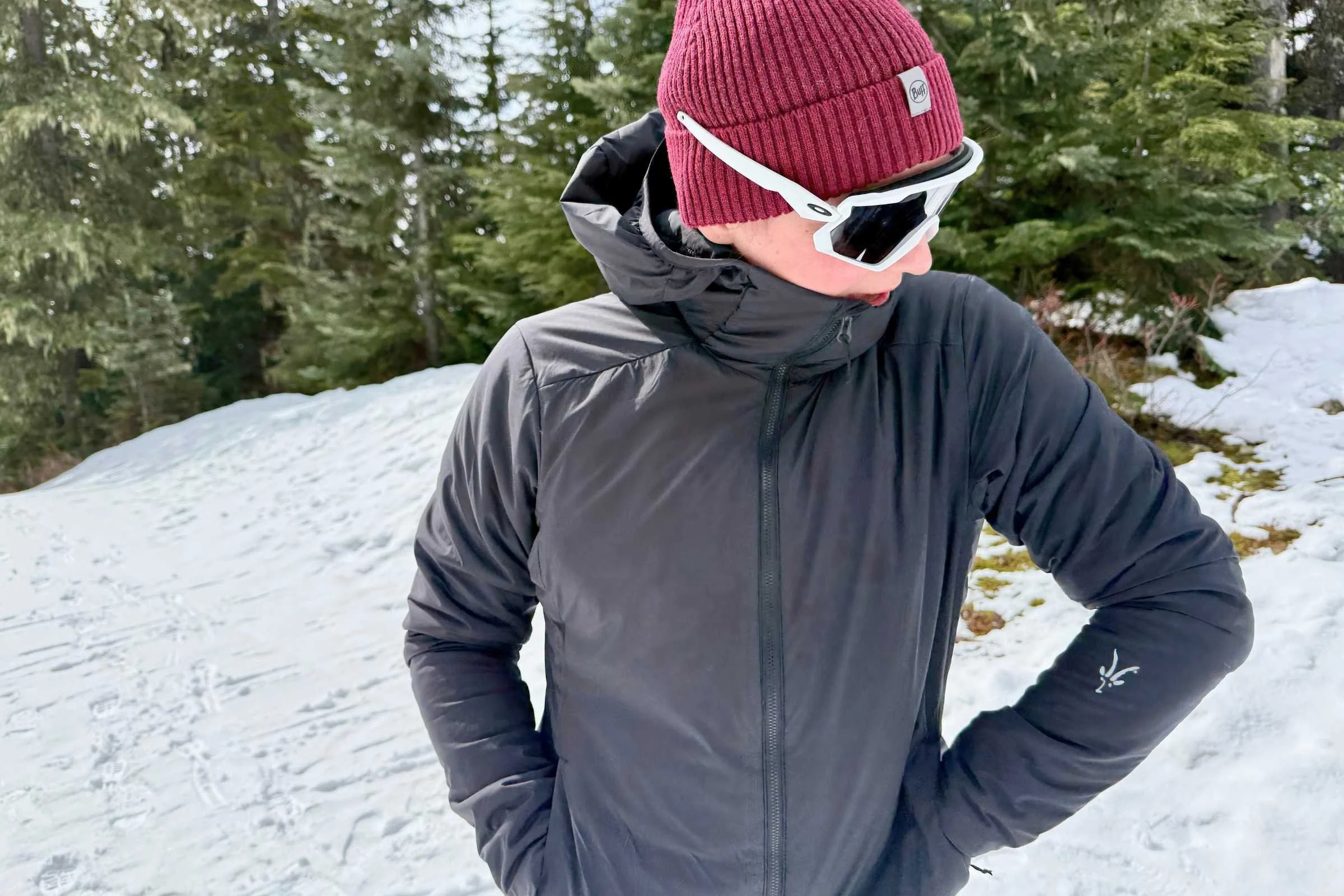
The Wool Aire does double duty as an outer layer in milder conditions. Photo by Steve Redmond.
Buy if:
You want a versatile insulated jacket that works as both a midlayer and outer layer
You want one lightweight puffy for active outdoor pursuits, winter layering, travel, and everyday life
You like layers that feel light, soft, breathable, and easy to move in
You prefer packable, low-bulk insulation over a traditional puffy
You like the feel and performance of wool-based insulation
Skip if:
You need maximum warmth for deep cold or low-output days
You want something more protective as a standalone storm layer
You are on a tighter budget or would rather go with synthetic insulation
Where to buy
The Ibex Wool Aire Hoodie is popular, so you have options when it comes to retailers. Here are some of the pros of the retailers.
Amazon
Pros: Free 2-day shipping with Amazon Prime membership
Ibex
You can sometimes find more options when purchasing directly from the retailer. Sometimes, purchasing directly from the retailer can make it easier if you need to make a warranty return, such as if there is a defect.
Advice on where to buy
In general for apparel, we recommend purchasing from a place with easy or free returns, like REI. If your funds allow, many people find it is faster to order two sizes and return whichever one didn't fit as well. Additionally, check reviews to see whether other users recommend sizing up or down.
Similar midlayers and jackets
Patagonia R1 Air Full-Zip Hoody
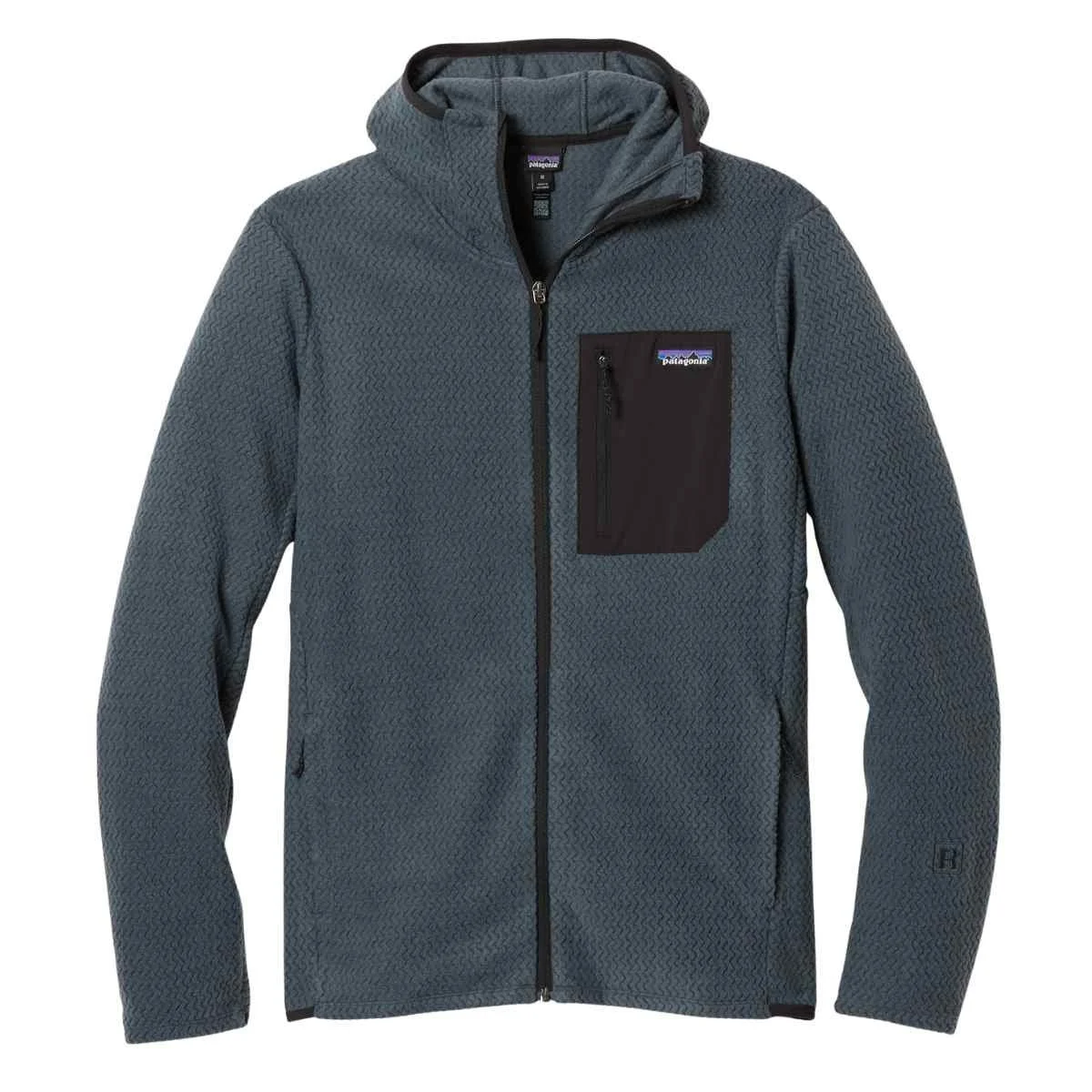
MSRP: $199
Weight: 12.9 oz (men’s), 10.9 oz (women’s)
Insulation type: Fleece
Material: 100% recycled polyester jacquard fleece with hollow-core yarns
Available sizes: XS-XXL
When we tested the best fleece jackets, the R1 Air Full-Zip Hoody came out on top. It has a similar function to the Ibex Wool Aire Hoodie: breathable, versatile, and easy to wear across a wide range of activities. Like the Wool Aire, it works best as an active midlayer that you can also wear casually, but it’s fleece rather than merino wool. It gives a little less weather protection, but it's one of the most breathable fleece jackets we’ve tested at Treeline, and if you’re after something that’s more of a hoody and less of a jacket, it's one of the top options worth considering
For more info, read our in-depth review of the Patagonia R1 Air Full-Zip Hoody.
Patagonia R1 Air Full-Zip Hoody
men's
Women's
Ridge Merino Cloudripper Fleece
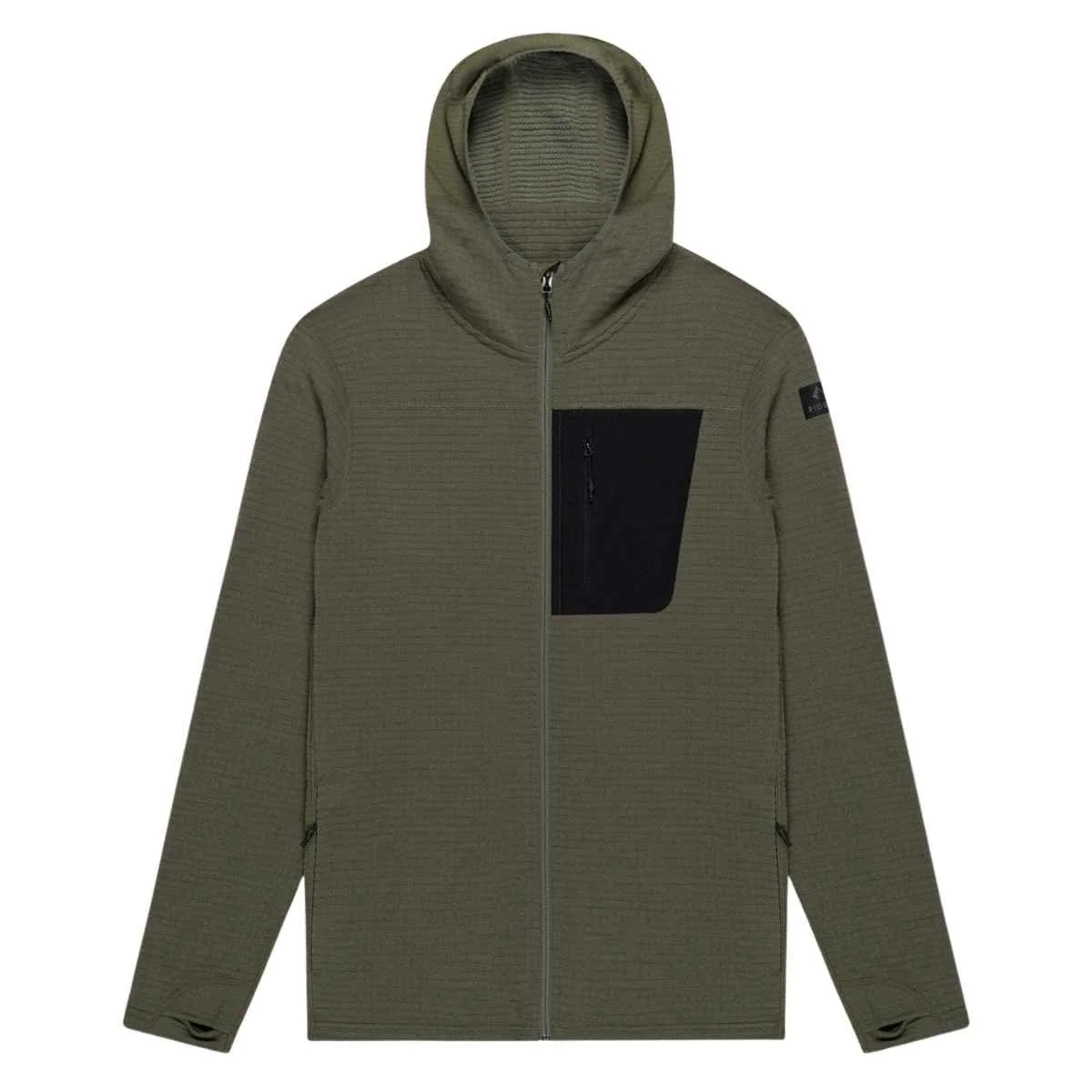
MSRP: $200
Weight: 16.8 oz (men’s), 12.9 oz (women’s)
Insulation type: Merino wool
Material: Merino wool, polyester, spandex
Available sizes: S-XXL (men's), XS-XL (women's)
Named our best full-zip midlayer, the Ridge Merino Cloudripper Fleece is the closest in material philosophy to the Wool Aire because it leans on merino wool for breathability, comfort, and odor resistance. Like the Wool Aire, it’s a high performance midlayer for cold weather that fills a similar niche of a wear-it-often and do-everything midlayer, but doesn’t have the same light insulated structure or outer shell-feel as the Wool Aire.
Ridge Merino Cloudripper Fleece
men's
Women's
Patagonia Micro Puff Hoody
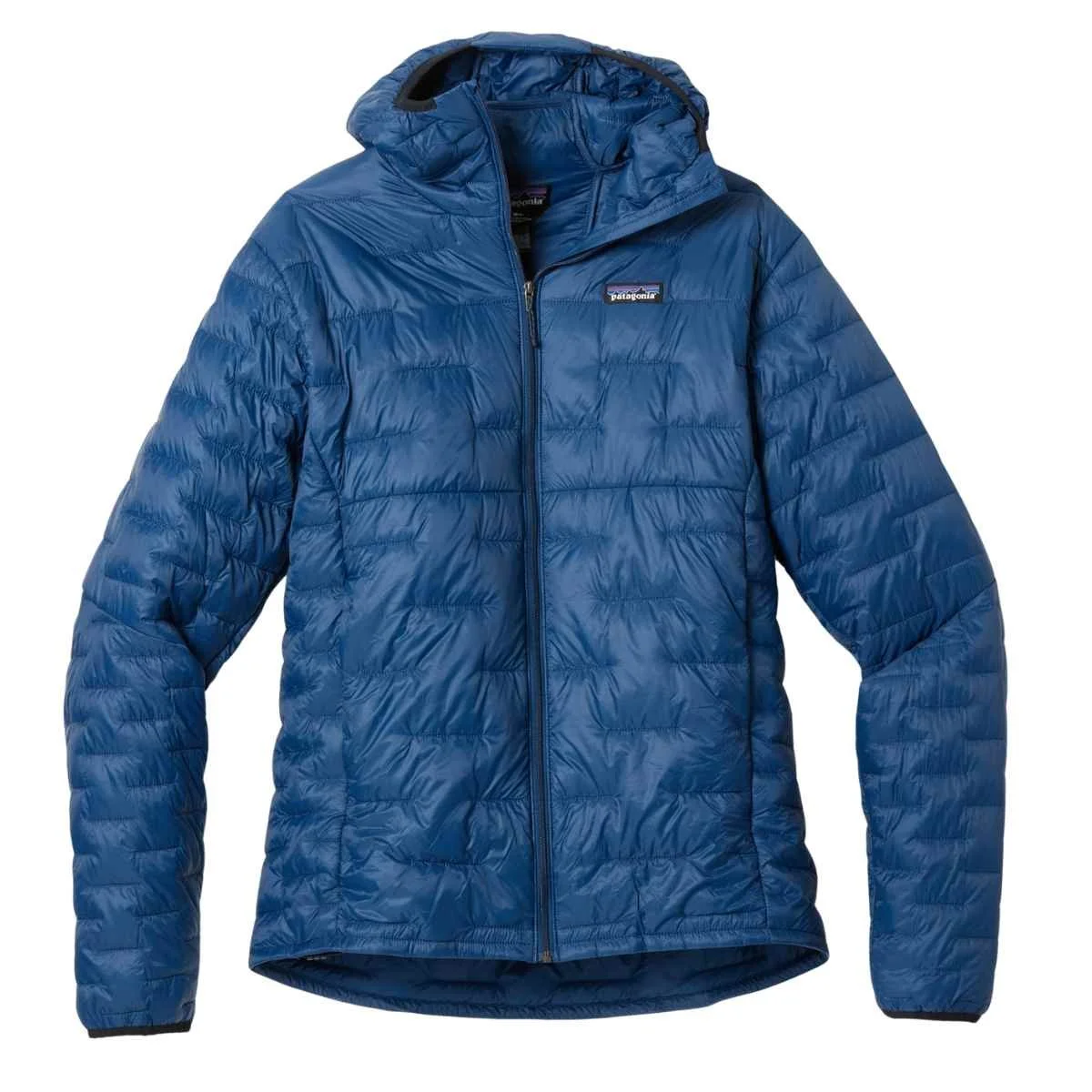
MSRP: $345
Weight: 9.0 oz (women), 10.5 oz (men)
Shell material: 10D ripstop nylon Netplus
Insulation type: PlumaFill 65g 100% recycled
Available sizes: XS-XXL (men’s), XXS-XL (women’s)
Our best overall synthetic insulated jacket is the Patagonia Micro Puff Hoody, and it’s one of the closest in comparison to the Wool Aire in overall construction. It’s a lightweight, packable insulated layer that works well for travel, shoulder seasons, and general outdoor use. It leans more towards warmth and less towards breathability during movement, but its strong warmth-to-weight ratio, packability, and performance in wet conditions make it a worthwhile contender, even though it sits a little bit more on the puffy side.
For more info, read our in-depth review of the Patagonia Micro Puff Hoody.
Patagonia Micro Puff Hoody
men's
Women's
Why you should trust us / About the author
Ebony Roberts has spent the past decade testing outdoor gear and writing about it for publications including The New York Times’ Wirecutter, Outside Magazine, REI Co-op Journal, Forbes Vetted, and The Wall Street Journal Buy Side, along with years of gear coverage at Treeline Review, with guides to the best child hiking carriers, best women’s hiking shoes, and best men’s hiking shoes, among others. Over that time, she has tested layering pieces across every season in the coastal mountains of British Columbia and beyond, comparing insulated midlayers, shells, rain jackets, winter parkas, and puffies in real-world conditions.
She has also worn the previous version of the Ibex Wool Aire Hoodie for the past three years, giving her a strong point of comparison when testing the updated model this winter. Her goal is always to offer honest, real-world guidance that helps readers choose gear that fits the way they actually get outside.
You can see all of Ebony’s Treeline Review stories on her Treeline author page.