Smith Optics Forefront 3 MTB Helmet Review: A Worthy Upgrade from the Forefront 2
Smith's flagship trail helmet gets lighter, better-vented, and better-looking without sacrificing the Mips and Koroyd protection that made the Forefront 2 a favorite
April 27th, 2026
Home → Gear Reviews → Mountain Biking
Our Verdict
After dozens of days testing the Smith Optics Forefront 3 mountain biking helmet on trails across Colorado’s high country and the southern Utah desert by multiple testers, we think it earns the title. It's a top-notch helmet with a noteworthy style and unbeatable comfort.
If you value a combination of high-end safety tech paired with a sleek,unique style, you should put the Forefront 3 on your shortlist. With two forms of impact protection (Mips Air Node for rotational forces and Koroyd for direct impacts) it's suitable for a wide variety of trail riding.
We have spent multiple seasons testing every iteration of the Forefront, and while we loved those too, this is a notable upgrade in both form and function. It’s more breathable and better-ventilated than previous versions of the Forefront, but it doesn’t sacrifice any of the safety tech to achieve that. It’s also a lower profile and sleeker looking overall than older Forefront models.
The tradeoffs are price and ventilation. At $300, it's an investment. And while the venting is notably better than previous Forefronts, the Koroyd structure means it's still not the airiest helmet in its class — something to weigh if you ride often in hot climates like Sedona or Moab.
If you spend your time trail riding and want a helmet that looks good and protects your very good-looking brain, too, we think the Forefront 3 is an excellent option to consider. Plus, it comes in a wide variety of colors, from subtle and earthy to bright and poppy, including one that literally has “flamingo” in the name. Look good, feel good, ride good—and protect that noggin while you’re at it.
Smith Optics Forefront 3 Helmet
For more of our favorite helmets, check out our Best Mountain Bike Helmets guide.
We create reader-supported, objective gear reviews independently selected by our editors. This story may contain affiliate links, which help fund our website. When you click on the links to purchase gear, we may get a commission, without costing you an extra cent. Thank you for supporting our work and mission of outdoor coverage for every body! Learn more.
Smith Optics Forefront 3 Helmet Specifications
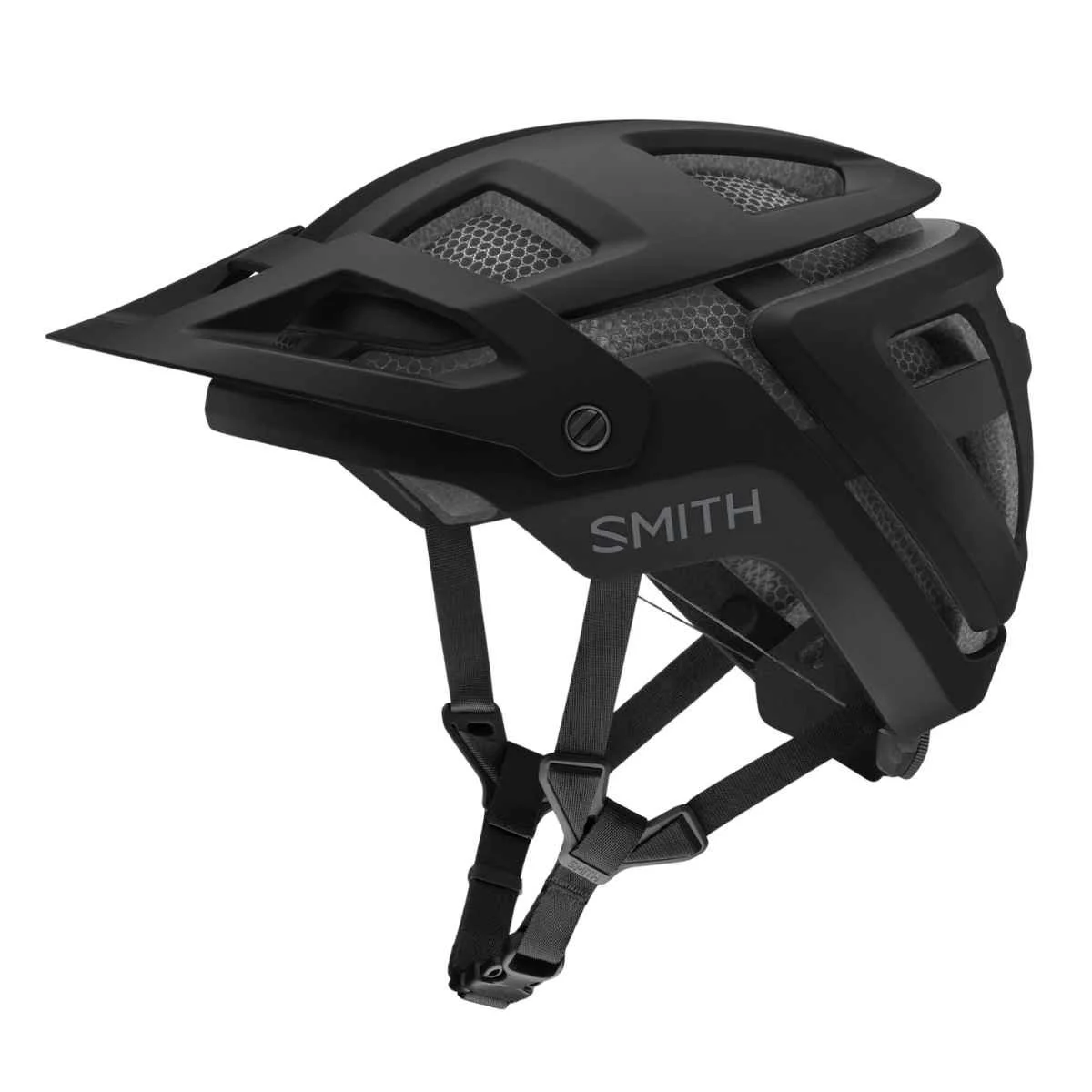
Price: $300
Virginia Tech Rating: not rated or listed on Virginia Tech site
Rotational Impact Protection: Mips Air Node
Additional Impact Protection: Koroyd
Visor: Yes, adjustable
Vents: 20 fixed vents
Sizing: S-L
Weight: 410g (for a size medium)
Additional Features: BOA fit system, AirEvac ventilation system integrates with Smith Optics eyewear
Comparison table
| MTB HELMET | MSRP* | ROTATIONAL IMPACT PROTECTION | VIRGINIA TECH RATING | VISOR | SIZING |
|---|---|---|---|---|---|
| Smith Optics Forefront 3 | $300 | Mips Air Node, Koroyd | Not rated | Yes, adjustable | S-L |
| Smith Optics Forefront 2 | $250 | Mips Air Node | Not rated | Yes, adjustable | S-L |
| POC Kortal Race Mips | $300 | Mips | Not rated | Yes, adjustable | S-L |
| POC Cularis Mips | $260 | Mips Air Node | 5 stars | Yes, adjustable | S-L |
| Sweet Protection Bushwhacker 2Vi Mips | $250 | Mips Air Node | Not rated | Yes, adjustable | S-L |
Best for
Trail riders who want multiple forms of impact protection
Mountain bikers who want a stylish helmet that doesn’t sacrifice safety
Mountain bikers who want a comfortable half shell helmet that has better than average coverage
What we liked
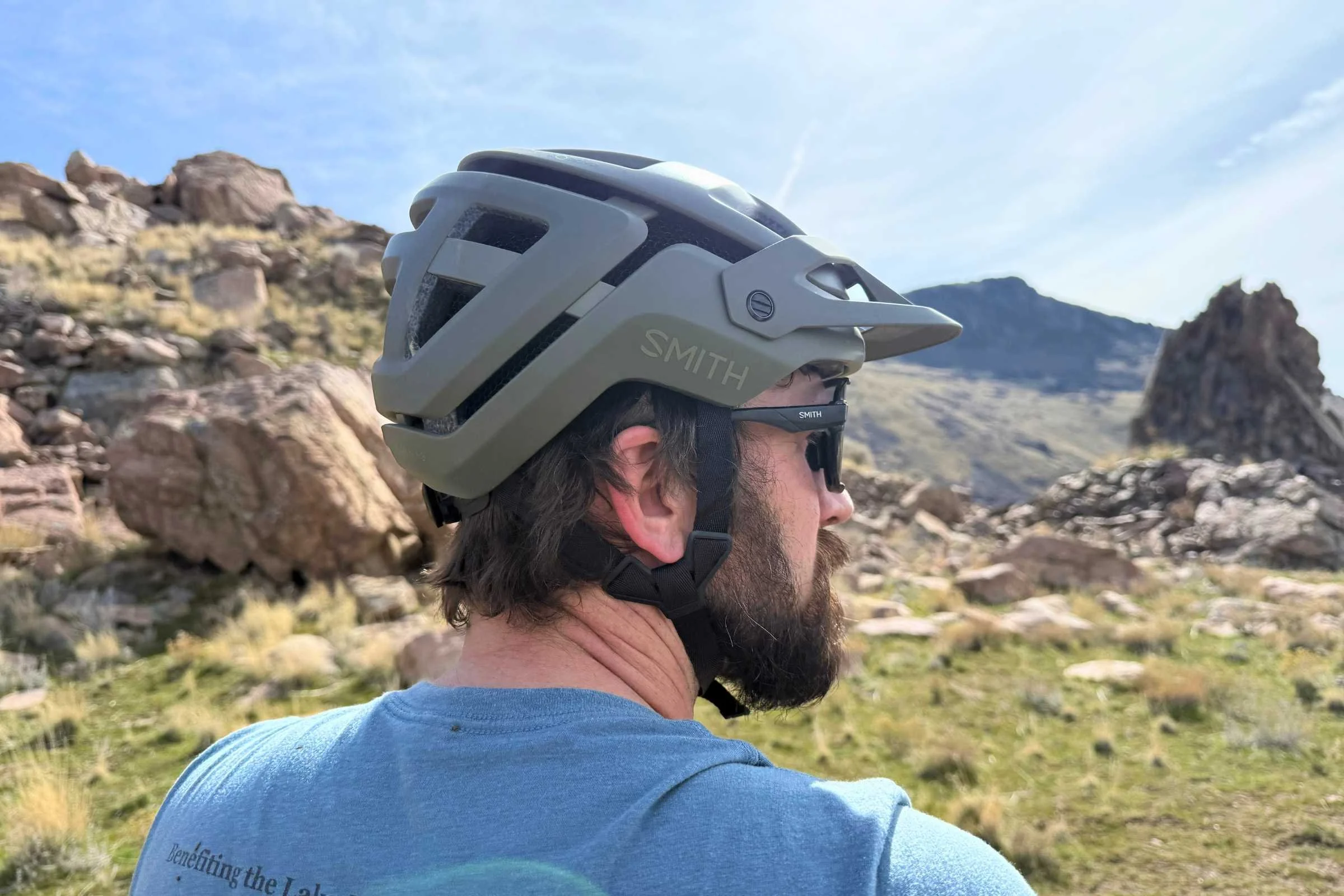
We like the unique look and design of the Forefront 3 helmet. Photo by Stasia Stockwell.
Multiple forms of impact protection, including Mips and Koroyd
Among the most comfortable fit systems we've used
Sleek and low profile design
Excellent style
Better venting than previous iterations of the Forefront
What could be better
Expensive
Venting is average; if you run hot or ride often in hot weather, you may want a helmet with better airflow
How we tested
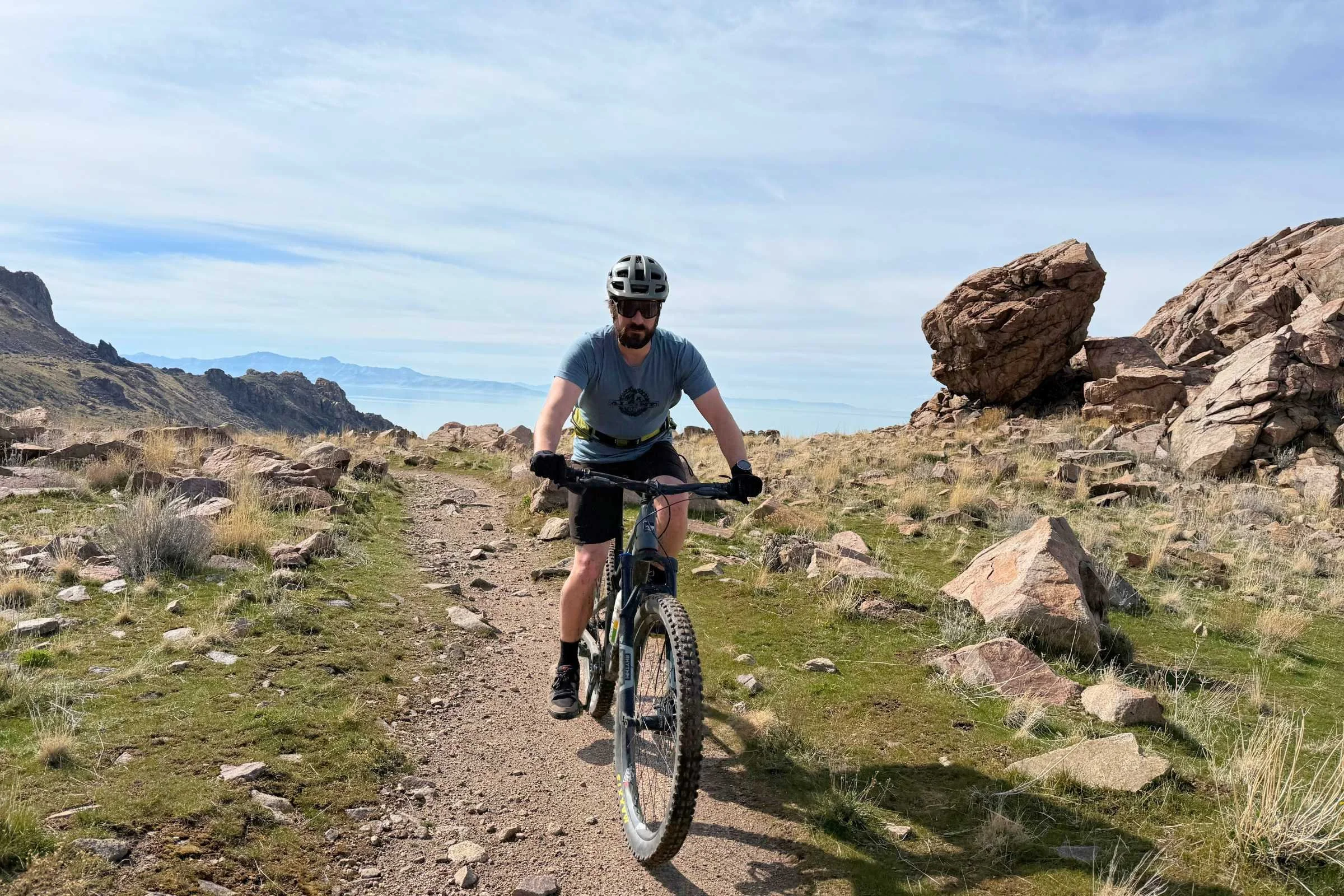
We spent dozens of days, primarily in Colorado and Utah, testing the Forefront 3. Photo by Stasia Stockwell.
We spent dozens of days testing the Smith Optics Forefront 3 helmet on trails in Colorado and Utah. Our days testing in Colorado were primarily on high country trails around Summit County, and temperatures and conditions varied from warm and sunny late summer conditions to cool and drizzly fall biking weather. In Utah, we encountered warm and dry weather in the desert during the fall. We also spent multiple days testing this helmet on bike commutes to work on cold spring mornings and during warm afternoon rides.
We also tested this helmet alongside other helmets in our Best Mountain Bike Helmets guide to compare fit, comfort, venting, and overall performance.
Performance in the field
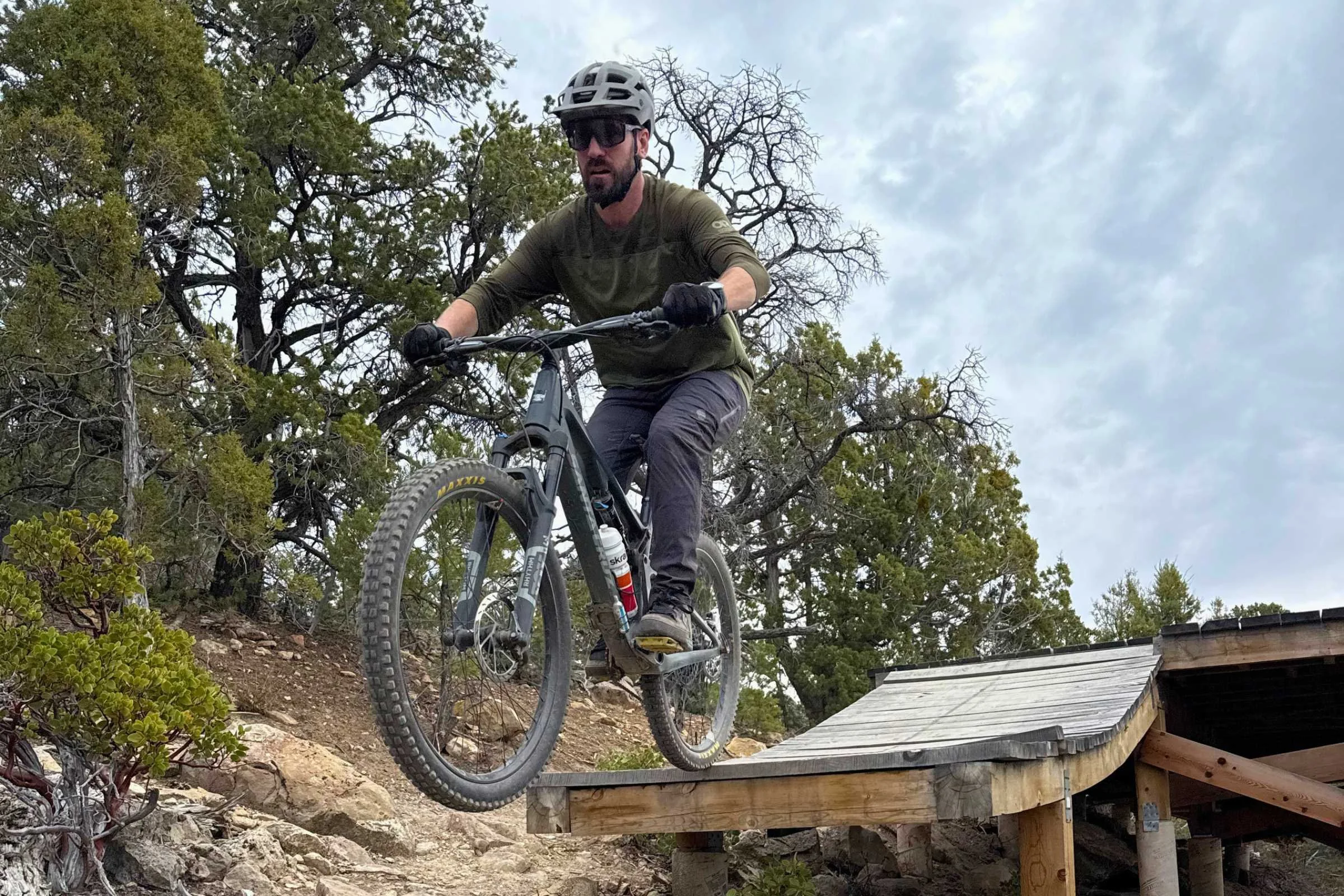
We tested the Forefront 3 on a variety of terrain, from jumps and flow trails to long and technical climbs. Photo by Stasia Stockwell.
Fit
We found the Smith Optics Forefront 3 to fit true to size. Our tester typically wears a medium in all helmets, and this fit him perfectly in a medium. The BOA fit system is easy to use and adjust, and the soft and flexible materials it’s made of make it particularly comfortable to wear.
Comfort
The inner harness system on the Forefront 3 is low profile and very comfortable. The BOA in Smith Optics’ Flexible Fit system is very slick, and this is among the most dialed and comfortable fit systems we’ve used.
Venting
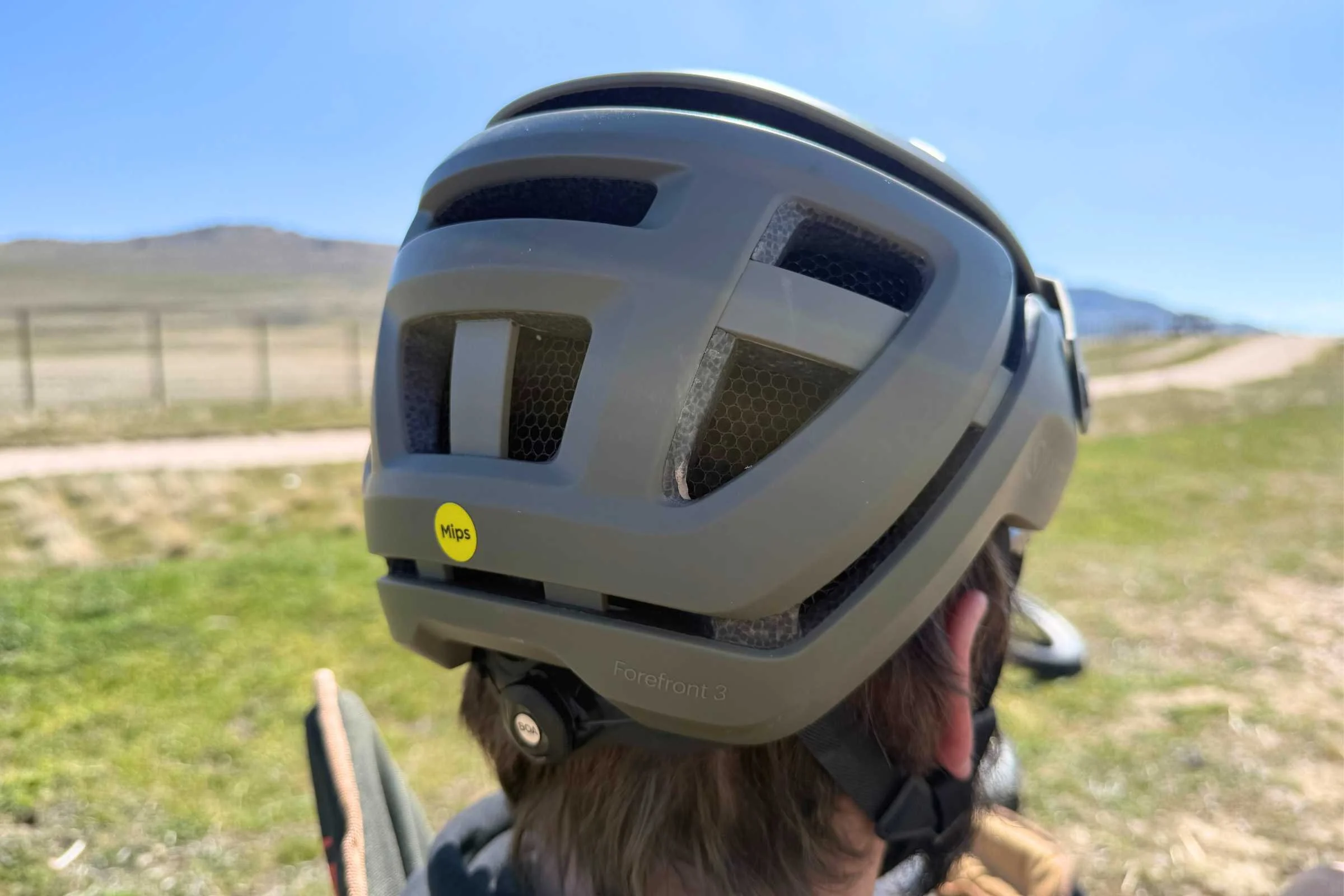
There are a lot of vents on the Forefront 3, and the Koroyd straw-like structures can be seen through them. Photo by Stasia Stockwell.
Ventilation on the Forefront 3 helmet is average. It is limited by the Koroyd structures that add impact protection—it’s noticeable but not at all egregious. For most riders in cooler climates, this should not be an issue.
We spent dozens of days pedaling hard for long periods in this helmet on trails around Colorado and in the high desert of southern Utah in temps up to 80 degrees, and did not have issues. But, if you run particularly hot,live in a very hot climate, or ride often in one (like Sedona or Moab), you may want to consider a helmet with more open venting. It is worth reiterating that the venting in the Forefront 3 is notably better than in previous Forefront models.
Eyewear compatibility
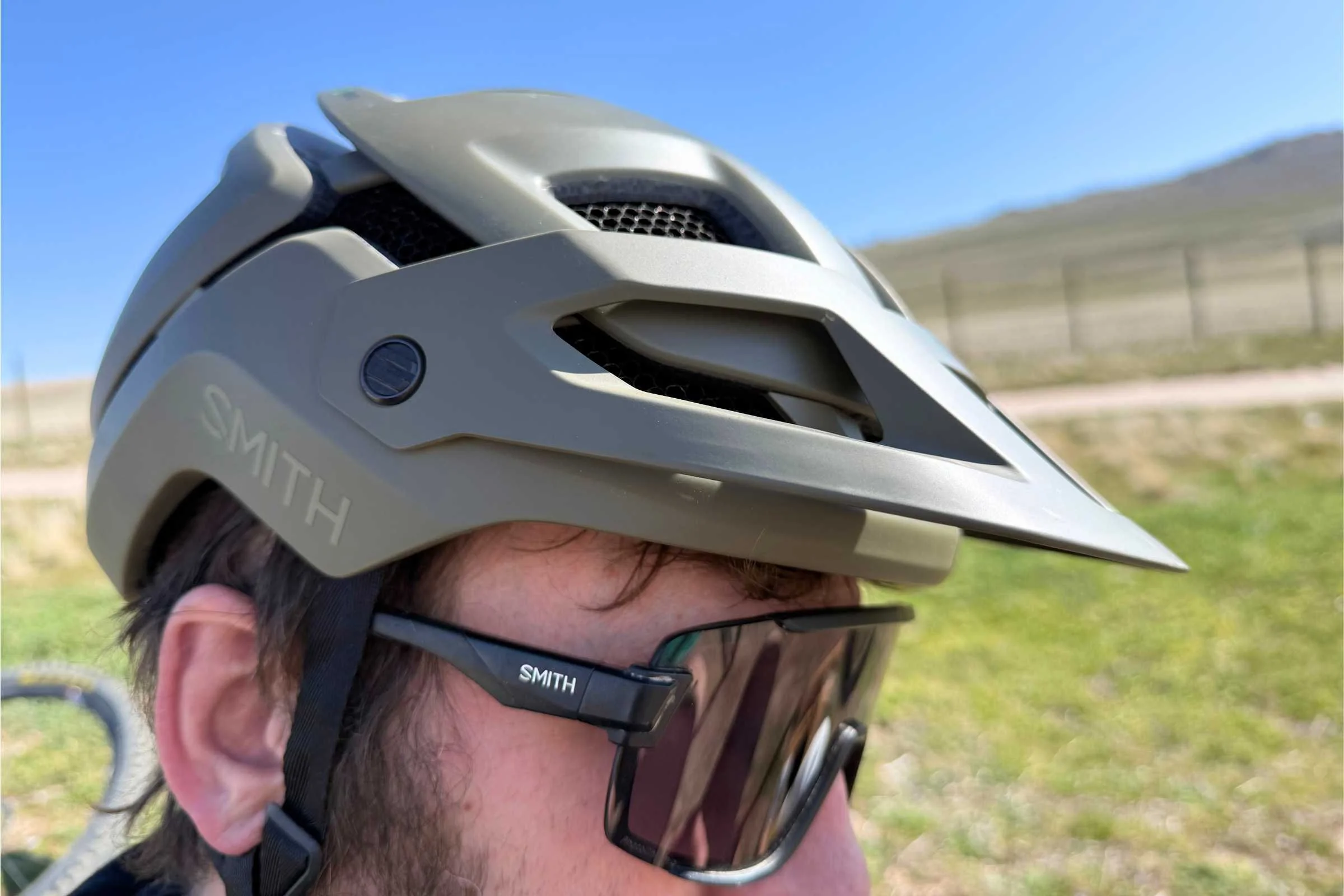
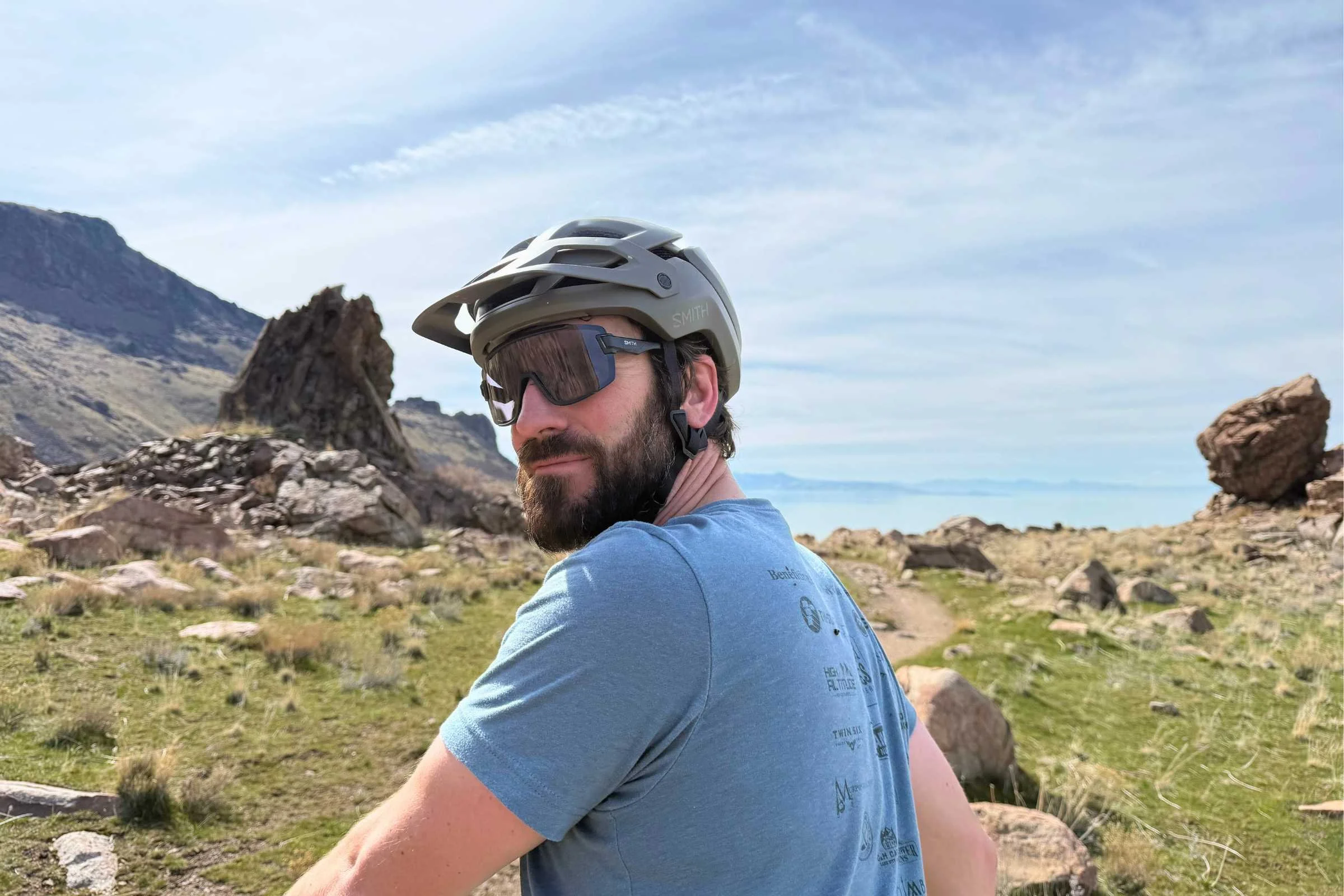
The Forefront 3 integrated comfortably with all of the sunglasses we tested it with. Here, it’s pictured with a tester favorite, the Smith Wildcat. Photo by Stasia Stockwell.
The Forefront 3 worked well with every pair of sunglasses we tested it with. We rode in it most often with the Smith Wildcat sunglasses (our best overall winner in our Best Mountain Bike Sunglasses guide) and found that to be an excellent pairing for all around trail riding. This helmet can also work with goggles, though most folks wearing a half shell helmet will opt for sunglasses for better ventilation and less weight and bulk. Smith's proprietary AirEvac ventilation system is designed to integrate with Smith's goggles and sunglasses, but we found it effective with non-Smith eyewear as well.
Impact protection
Thankfully, we didn’t experience any major crashes while wearing this helmet, but our tester continues to wear it as his primary helmet. (As a dad who loves to ride hard, having multiple forms of impact protection in one high-coverage half shell helmet brings some reassurance out on the trails.)
Features
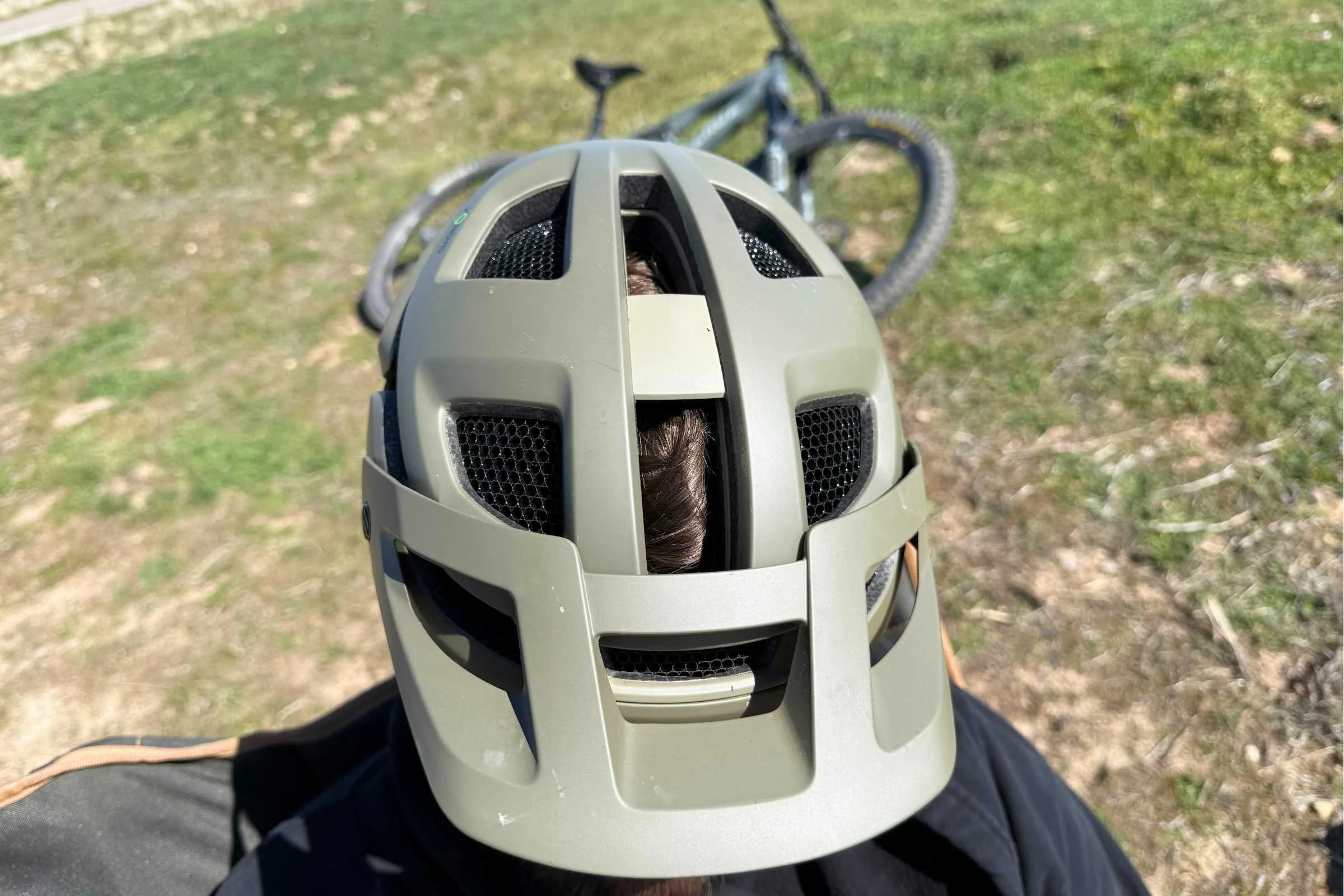
Koroyd is integrated throughout the helmet, with the exception of two large top vents for added breathability. Photo by Stasia Stockwell.
Impact protection
The Smith Optics Forefront 3 helmet has multiple forms of impact protection. For rotational impact protection, it uses Mips Air Node. This version of Mips is the lightest they offer and integrates more comfortably with the helmet than other versions of rotational impact protection. Having Mips in the helmet specifically reduces impacts to the brain from rotational impacts, because the inner lining of the helmet (the Mips part) rotates against the shell, instead of your head.
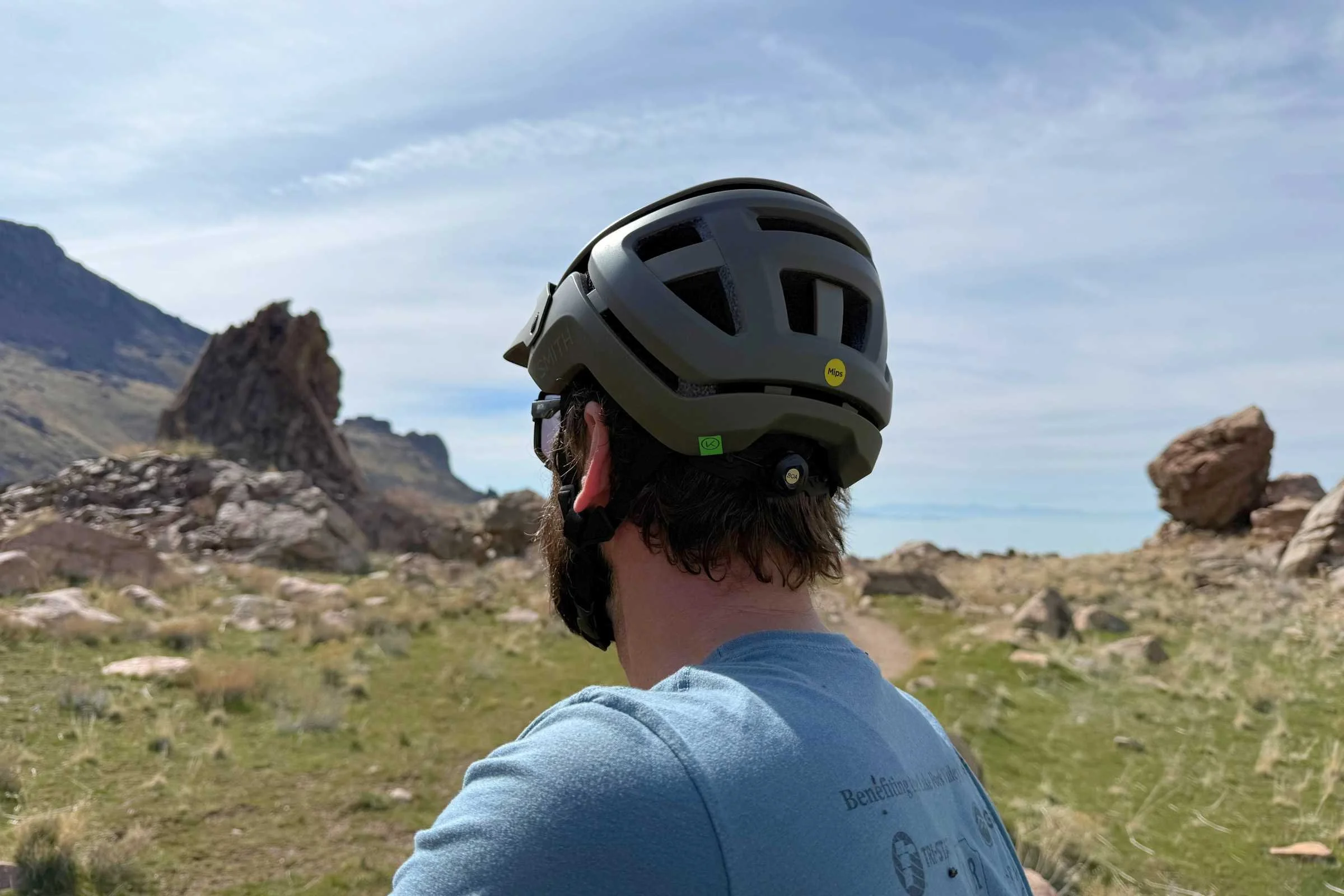
The Forefront 3 uses both Mips and Koroyd for impact protection. Photo by Stasia Stockwell.
The Forefront 3 also has Koroyd integrated into the helmet for direct impact protection. Whereas Mips protects against rotational impacts, Koroyd helps to lessen and disperse the energy of direct and blunt impacts to the head. Koroyd is the little straw-like honeycomb structure that you see through the helmet vents. The hollow chambers allow for airflow while still adding an extra level of impact protection.
Construction and coverage
The Forefront 3 is constructed with an outer shell and inner foam layer, paired with the Mips and Koroyd for impact protection. The Forefront 3 has more coverage, particularly in the back, than previous versions of the helmet, so your head has more protection overall. It also has the best coverage of any half shell helmet (not full face) in the Smith Optics lineup.
Eyewear compatibility
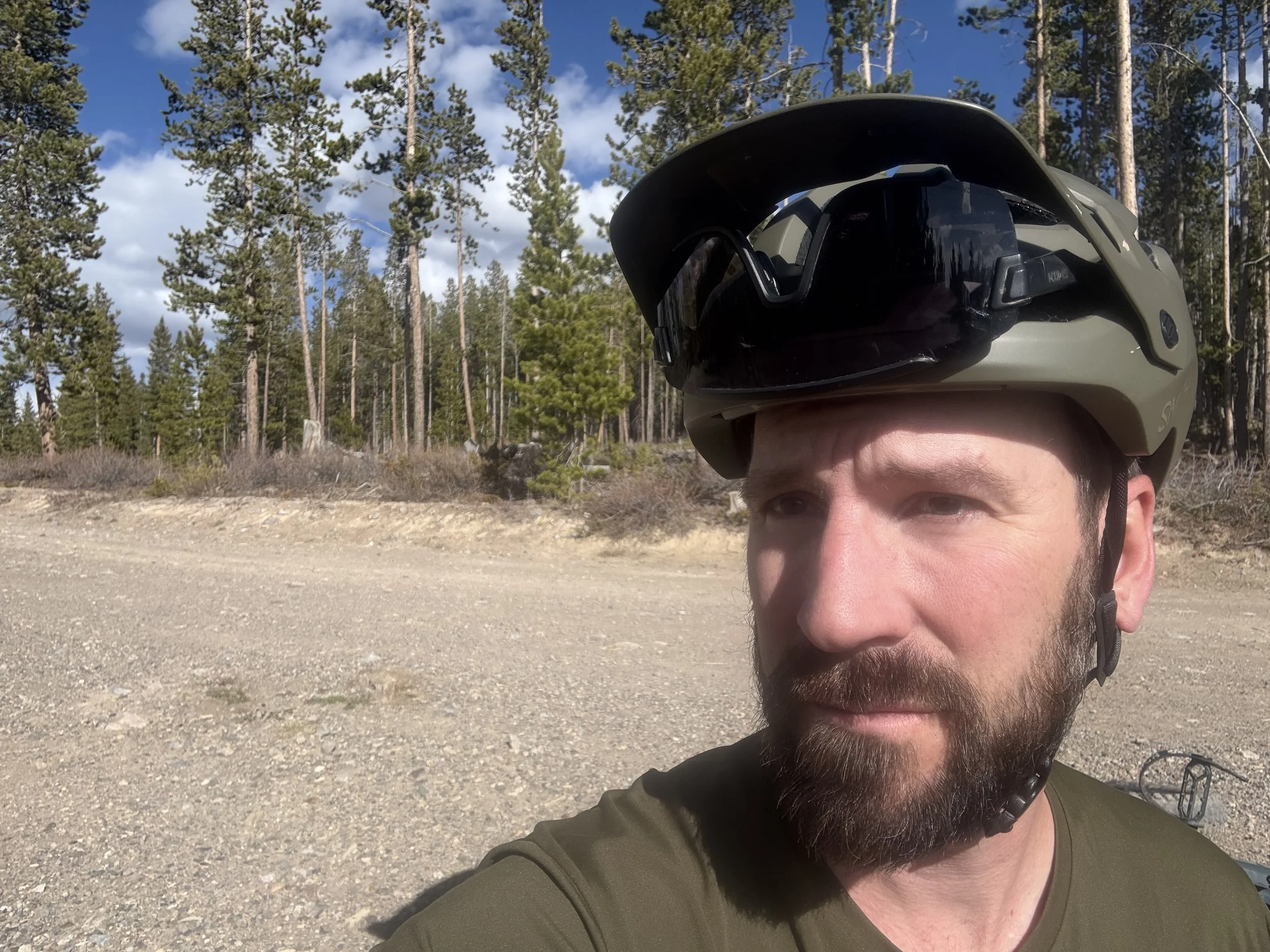
Sunglasses storage under the visor of the Forefront 3 helmet. Photo by Jon Stockwell.
The Forefront 3 works well with most sunglasses (we tested several options with this helmet, including the Smith Wildcat, Zeal, POC, and others). It can also work with goggles if that’s your preference. There are vent channels that integrate specifically with Smith goggles and eyewear for fog-free lenses, but we found the channels to be helpful no matter which glasses we were wearing.
There are multiple spots on the helmet to store sunglasses, including under the visor and on the back of the helmet.
Fit system
The Forefront 3 uses the Smith Optics Flexible Fit System, which integrates BOA for micro adjustments. This inner harness is very low profile, lightweight, and comfortable.
Ventilation
There are 20 fixed vents placed throughout the helmet. Two vents at the top center of the helmet are completely open, while the rest go over the top of the Koroyd impact protection system.
Visor
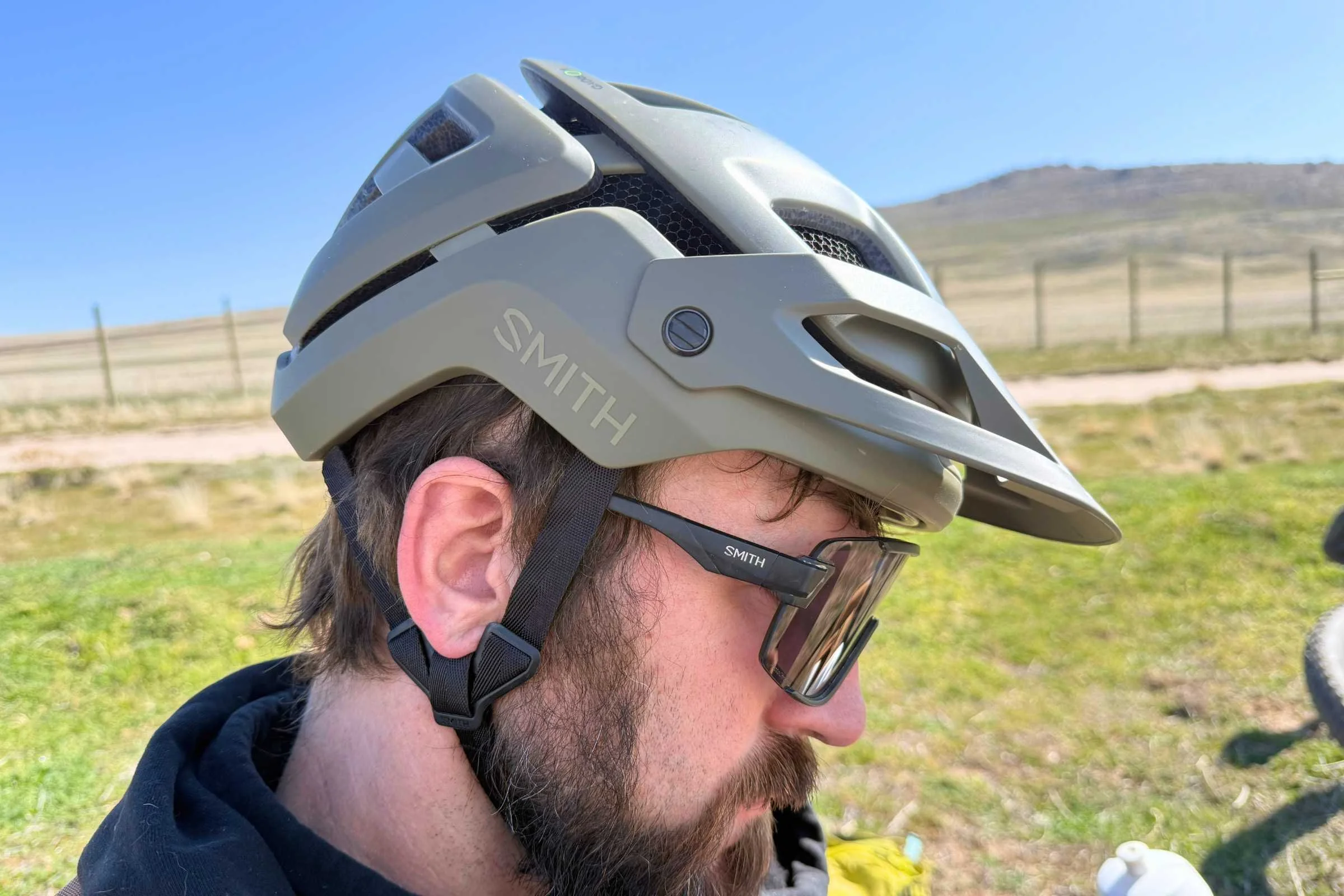
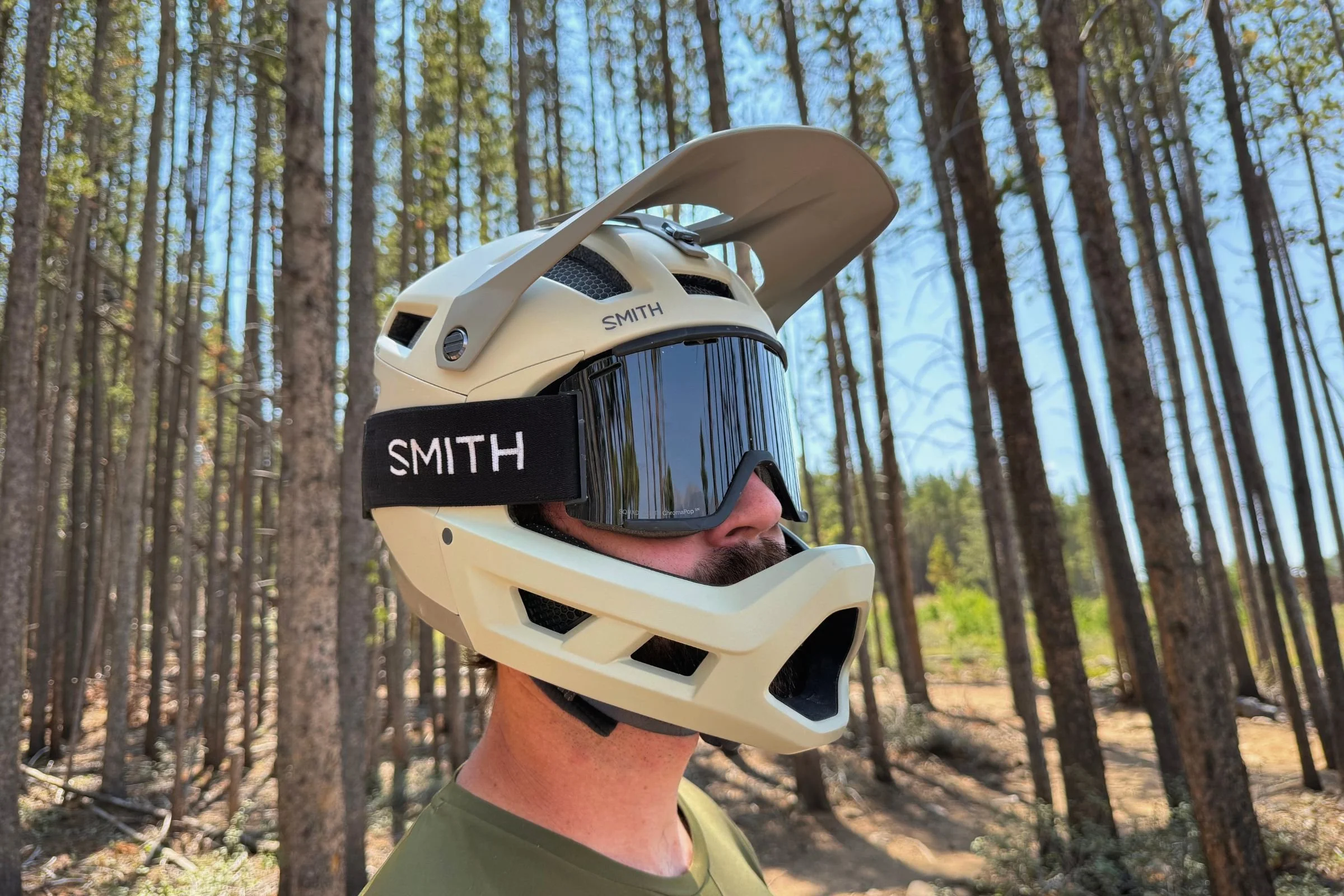
The Forefront 3 features an adjustable visor. Photo by Stasia Stockwell.
The Forefront 3 helmet has an adjustable visor attached to the helmet. It can be moved into three different positions as the sun changes positions throughout the day.
Weight
The Forefront 3 helmet weighs 410 grams in a size medium. It is lighter than previous versions of the Forefront, but it is a little on the heavier side (though far from the heaviest).
Sustainability
Smith Optics is working towards zero plastic waste in their packaging.
Smith Optics Forefront 3 vs. similar mountain bike helmets
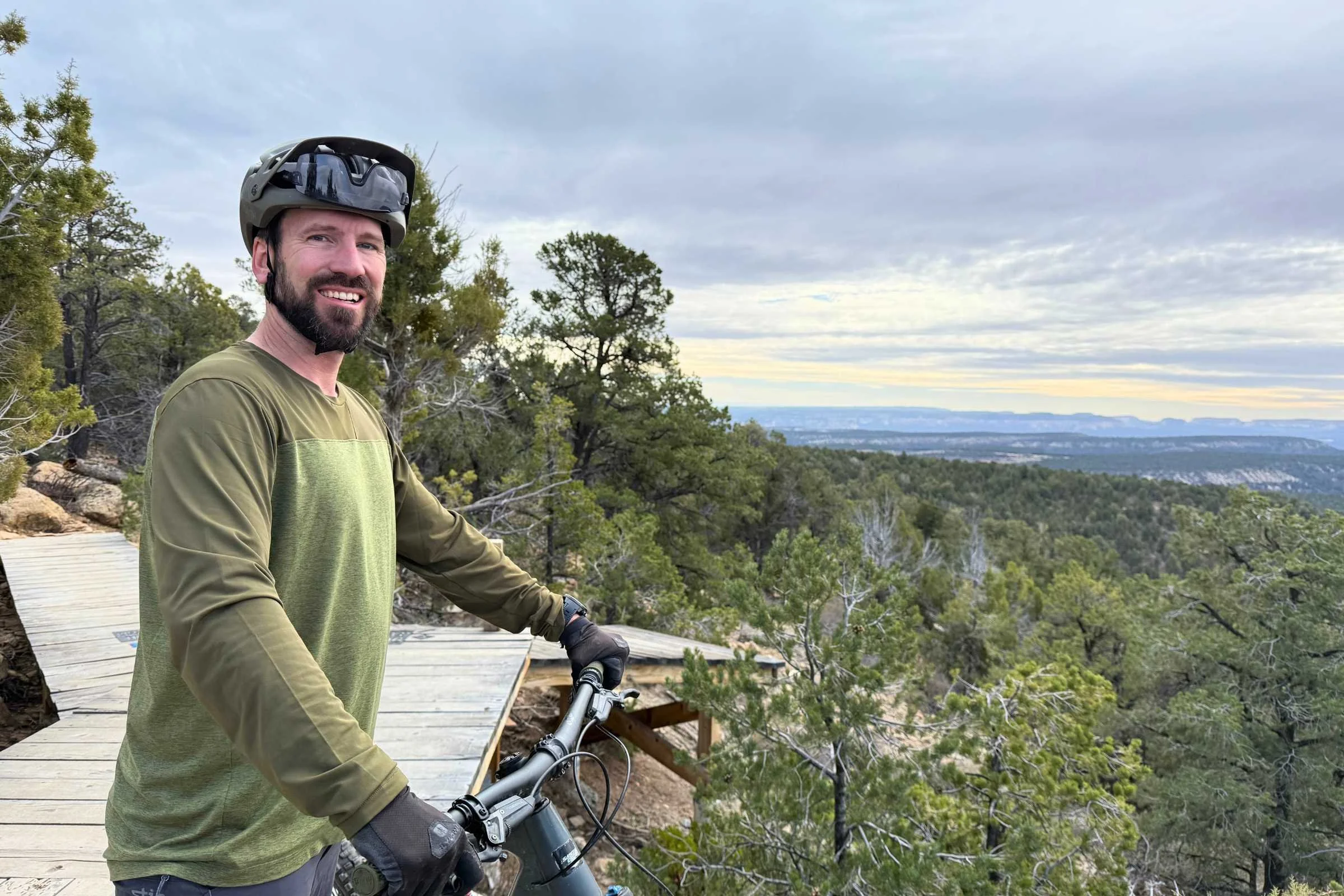
Testing the Forefront 3 on flowy trails around the East Zion area in Southern Utah. Photo by Stasia Stockwell.
The Forefront 3 is one of Smith Optics’ high-end half shell helmets and is comparable to other top-end options we like from other brands, like the POC Kortal Race Mips and Cularis Mips, and the Sweet Protection Bushwhacker 2Vi Mips, which is another high coverage half shell we’ve been testing. Of these helmets, the Smith Forefront 3 is the only option that includes both Mips and Koroyd for impact protection, though all of these helmets have Mips for rotational impact protection.
Because the Forefront 3 has the Koroyd integrated across almost the entire helmet, it is less breathable than these other options, so if you run hot, you may want to consider one of these options with more open venting (though we didn’t have notable issues overheating in the Forefront 3). The POC Cularis is among the most comfortable and airy in our test, but the shell doesn't have quite as much coverage as others.
The POC Kortal Race has the highest coverage of any half shell we’ve tested, and that fact does make it a little less compatible with some styles of sunglasses, because of the extra coverage on the temples.
The Sweet Protection Bushwhacker 2Vi is another very comfortable half shell with very good coverage. In addition to the Mips rotational impact protection, Sweet Protection uses what they call 2Vi in the foam, which is a complex combination of different densities for different impact zones.
Should you buy the Smith Optics Forefront 3 helmet?
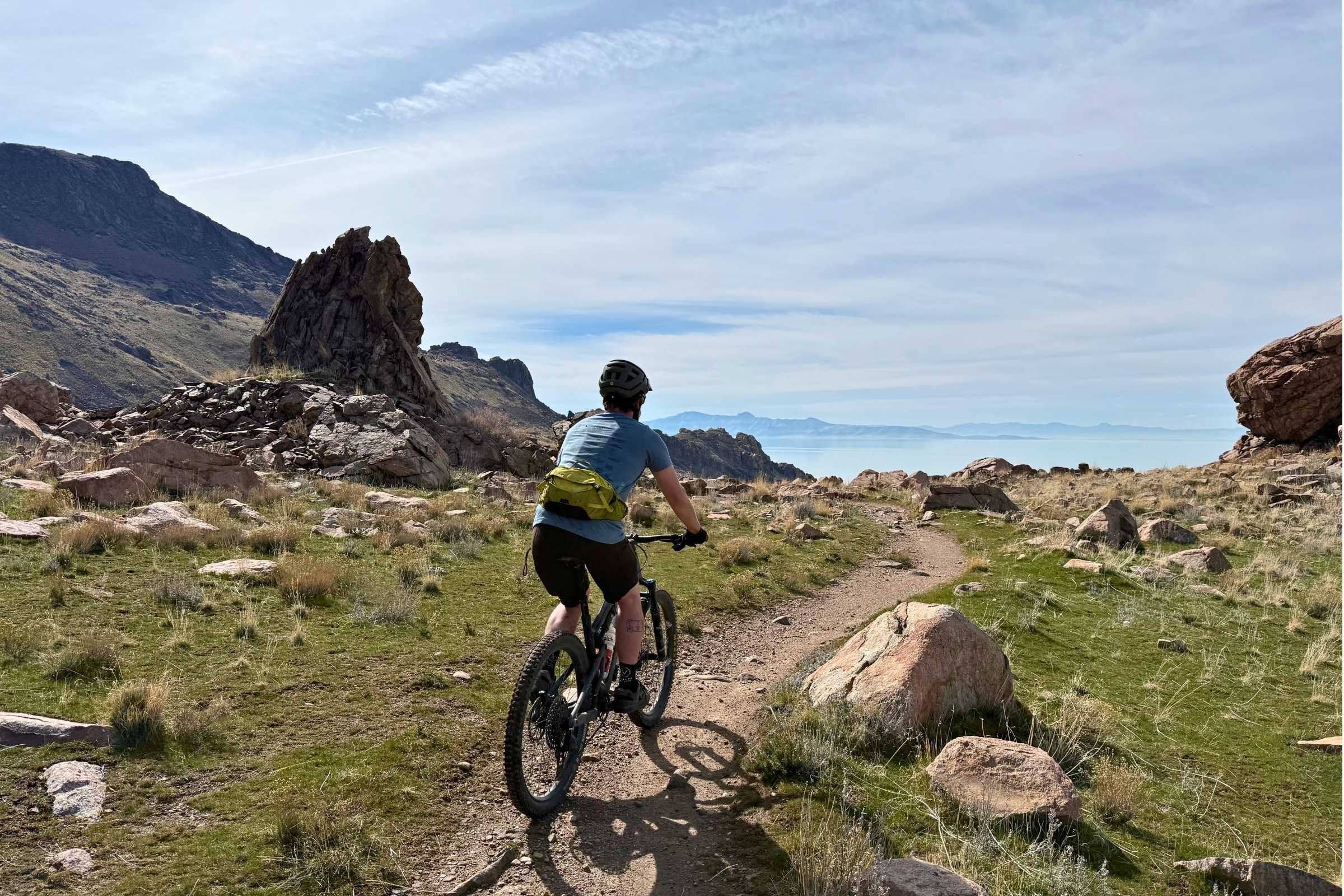
Testing the Forefront 3 on a warm day at Antelope Island in Utah. Photo by Stasia Stockwell.
Buy if you’re looking for a high coverage half shell helmet with multiple forms of impact protection, all in a stylish and unique looking package.It’s a great option for mountain bikers who want a fine balance of protection, comfort, and style. It's a strong pick for trail riders who log long days, ride technical terrain, or just want the reassurance of layered impact protection on every ride. The sleek styling and wide color range are a bonus.
Skip if ventilation is your top priority. The Koroyd structure that makes the Forefront 3 so protective also limits airflow compared to more open helmets like the POC Cularis. If you ride primarily in hot climates or you run hot in general, you'll be happier in something airier. The $300 price is also steep; if you want solid protection without the high-tech extras, there are capable half-shells at half the cost.
Where to buy the Smith Optics Forefront 3 helmet
The Smith Optics Forefront 3 helmet is a popular gear item, so you have options when it comes to retailers. Here are some of the pros of the retailers.
REI
Pros: 100% satisfaction policy for 1 year; 10% dividend for members.
Amazon
Pros: Free 2-day shipping with Amazon Prime membership
Evo
Pros: 365 day returns, store locations in ski towns for easy last-minute pick-up, may offer rentals if you want to try before you buy, earn 10% back in Rewards
Advice on where to buy
In general for gear, we recommend purchasing from a place with easy or free returns, like REI. If your funds allow, many people find it is faster to order two sizes and return whichever one didn't fit as well. Additionally, check reviews to see whether other users recommend sizing up or down.
Similar mountain bike helmets
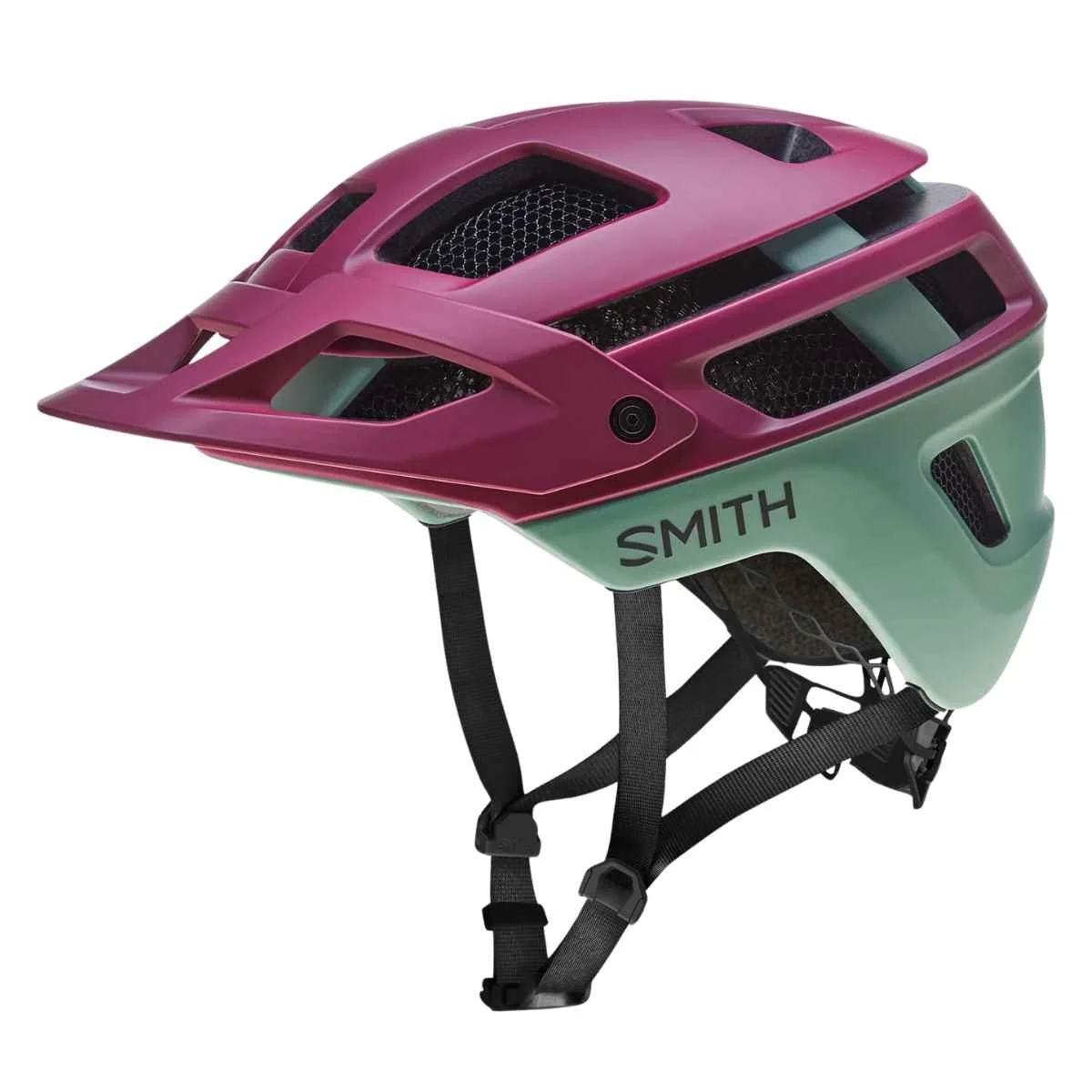
Smith Optics Forefront 3 vs Smith Optics Forefront 2
MSRP: $250
Virginia Tech Rating: Not rated or listed on Virginia Tech site
Rotational Impact Protection: Mips Air Node
Additional Impact Protection: Koroyd
Visor: Yes, adjustable
Sizing: S-L
The Smith Optics Forefront 2 is the predecessor to the Forefront 3. Both use Mips and Koroyd, but the Forefront 3 is lighter, more breathable, and more comfortable overall than the Forefront 2—and it looks cooler, too.
Smith Optics Forefront 2
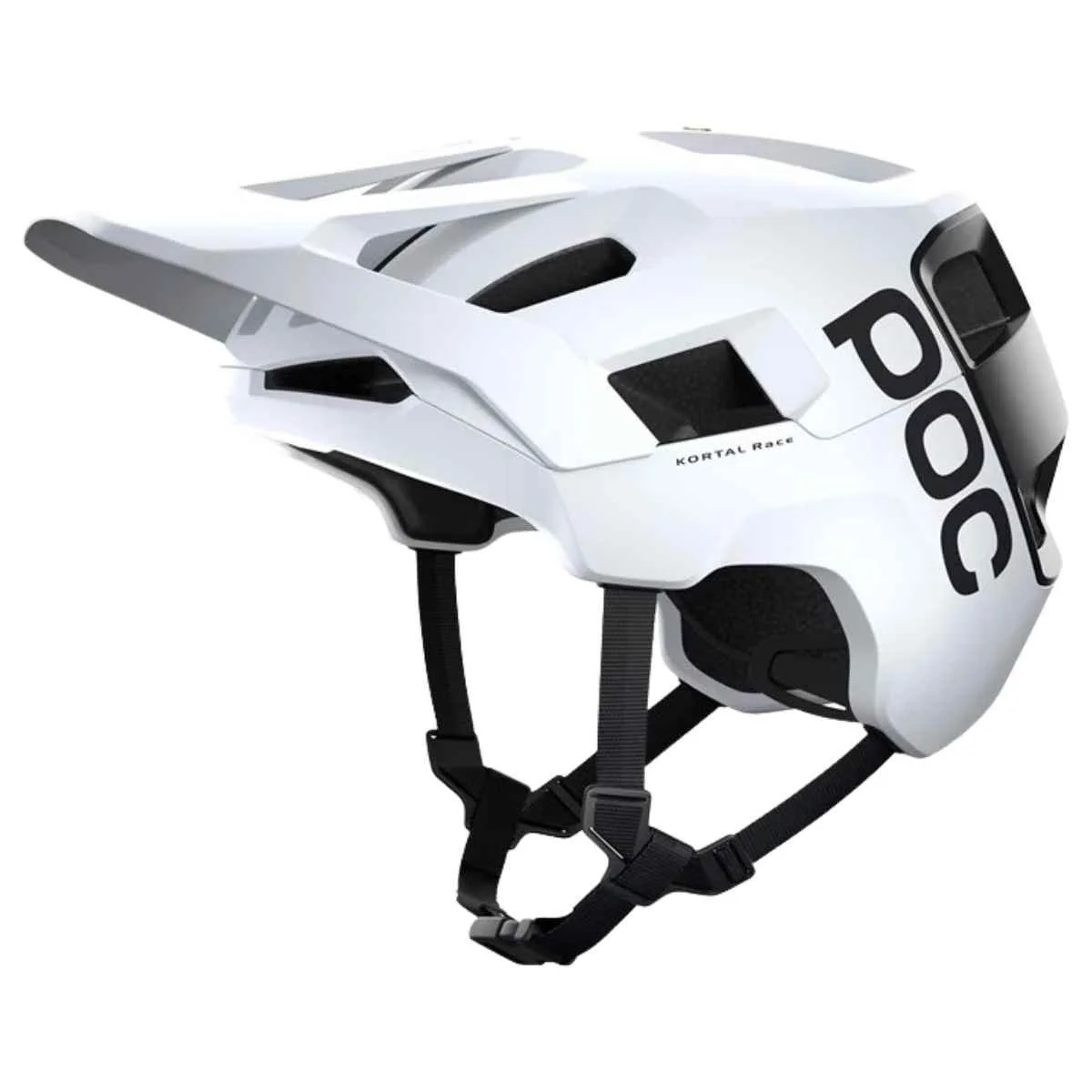
Smith Optics Forefront 3 vs. POC Kortal Race Mips
MSRP: $300
Virginia Tech Rating: Not rated or listed on Virginia Tech site
Rotational Impact Protection: Mips
Visor: Yes, adjustable
Sizing: S-L
The POC Kortal Race Mips is the highest coverage traditional half shell helmet we’ve tested. It has more coverage, particularly on the sides and temples, than the Forefront 3. But, we think the Forefront 3 is a little more comfortable overall.
POC Kortal Race Mips
Smith Optics Forefront 3 vs. POC Cularis Mips

MSRP: $260
Virginia Tech Rating: 5 stars (in top 5 rated MTB helmets)
Rotational Impact Protection: Mips Air Node
Visor: Yes, adjustable
Sizing: S-L
The POC Cularis Mips, the best overall winner in our Best Mountain Bike Helmets guide, uses the same Air Node Mips technology as the Forefront 3, which we think is the most comfortable iteration of Mips yet. The Forefront 3 has more coverage than the Cularis, but the Cularis is more breathable. For trail riders who love the downhill, the Forefront 3 may be best, but if you love to pedal then the Cularis may be a better fit.
See our in-depth review of the POC Cularis MTB helmet for more information.
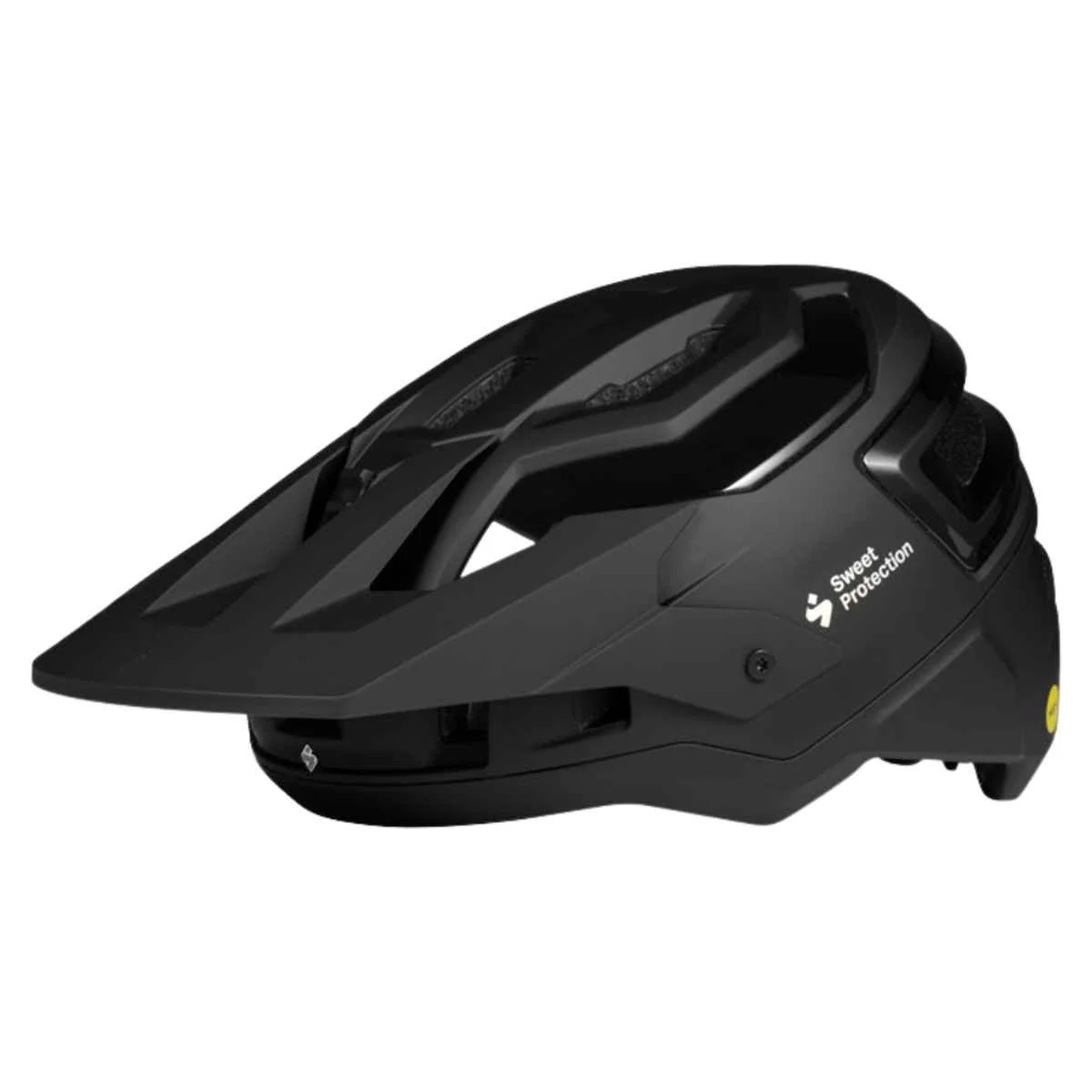
Smith Optics Forefront 3 vs. Sweet Protection Bushwhacker 2Vi Mips
MSRP: $250
Virginia Tech Rating: not rated or listed on Virginia Tech site
Rotational Impact Protection: Mips Air Node
Visor: Yes, adjustable
Sizing: S-L
The Sweet Protection Bushwhacker uses both Mips Air Node and Sweet’s proprietary 2Vi technology, which uses different densities of foam in the helmet based on different impact zones. It’s a light and comfortable helmet with good coverage. This is another great option for folks who want a stylish looking helmet that offers excellent protection.
Sweet Protection Bushwhacker 2Vi Mips
About the author / Why you should trust us

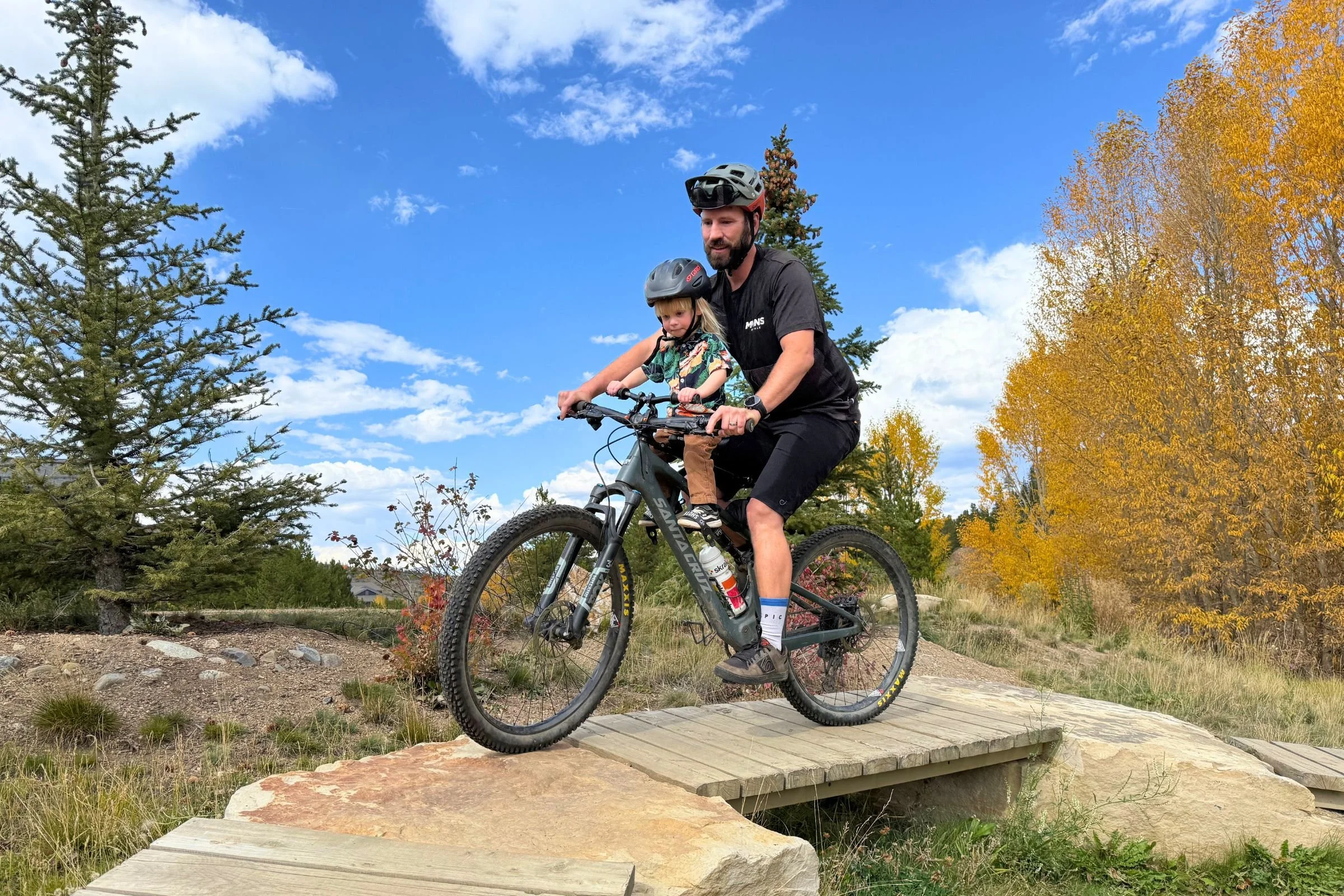
Stasia Stockwell with her husband (left) who spent dozens of days testing the Smith Optics Forefront 3 for this review. But we all know we just want a cool dino helmet like Jasper.
A true mountain dweller, Stasia feels far more at home on a high alpine ridge than on a busy city street. She’s worked as a backpacking guide in Southeast Alaska, has held a WFR, AIARE 1, AIARE 2, and Avalanche Rescue Certifications and is working to become an avalanche education instructor. She’s now a full time writer and editor in the outdoor space and has been testing and writing about gear for over a decade.
Stasia learned to mountain bike as a kid in Utah, and rekindled her love for the sport after moving to Summit County, Colorado and getting a new (and very much improved from her very old hand-me-down) full suspension bike several years ago. She spends most of her summer days out on the singletrack. Stasia has been testing mountain bike helmets for several years and has learned what to look for in a great one. Thankfully, she has not had to do too much true impact testing—aside from the time she went OTB after just discovering she was pregnant with her first child. Whoops. (Everything was fine and now that kid rides his own tiny bike, also often recklessly.)
For more stories by Stasia, see her author page.