Our Favorite Insulated Pants for Winter of 2026
Puffy pants, down pants, or fleece-lined pants…these winter pants will keep you warm
November 11th, 2025
Home > Gear Reviews > Apparel
When temperatures drop below freezing, a good pair of insulated pants can make the difference between heading inside early and staying out to enjoy the snow. To find the best options for warmth, comfort, and mobility, our team of Treeline Review testers—writers, hikers, skiers, and year-round outdoor enthusiasts—pulled together their favorite insulated pants for cold-weather adventures.
Each of us brings years of experience testing gear in the field, from ski touring and winter backpacking to everyday walks on icy city streets. We wore these pants through long, cold days of snowshoeing, shoveling, camping, and commuting to see how they performed across different climates, body types, and activity levels. Our picks reflect that variety: some are ultralight and packable, while others are burly enough for subzero expeditions or resort ski days.
We evaluated each pair for warmth, fit, breathability, and weather protection—along with durability and sustainability features like recycled insulation or PFC-free DWR coatings. Instead of naming a single “best overall,” this guide highlights the insulated pants we keep reaching for when winter hits, whether that’s a technical mountain option or a cozy, everyday favorite.
If your legs have ever gone numb while your upper body stayed warm, insulated pants are the missing piece of your winter layering system. Below, our contributors share their tried-and-true favorites for every type of winter adventure, from backcountry ski tours to snowy morning coffee runs.
This story may contain affiliate links, which help fund our website. When you click on the links to purchase gear, we may get a commission without costing you an extra cent. This allows us to create reader-supported objective gear reviews. Thank you for supporting our work and mission of outdoor coverage for everybody! Learn more.
Comparison TAble
Here is a quick reference to our favorite insulated pants. Below, we discuss each model in more detail.
| OUR PICK | TREELINE WRITER |
|---|---|
| Stio Fernos Insulated Knicker Women's Men's |
Stasia Stockwell |
| First Lite Catalyst Foundry Pant | Dean Krakel |
| Mountain Hardwear Yumalina Lined Pant (Women's) Mountain Hardwear Yumalino Lined Pant (Men's) |
Sara Kruglinski |
| Royal Robbins Alpine Mtn Pro Winter Pant Women's Men's |
Mary Beth Skylis |
| Baleaf Winter Fleece-Lined Water-Resistant Pants (Men's Only) |
Aubri Drake |
The Winners
Stio Fernos Insulated Knickers

When the temps drop and the snow starts to fly, there’s only one thing I want to do, and that’s go skiing. My preferred ski layering system is to have a shell jacket and bibs that I can easily layer under depending on the weather. Of all the layers I have to choose from, there’s one pair of pants I reach for almost every time I go skiing: the Stio Fernos.
I like the knicker version, which is cut mid calf so it doesn’t bunch up in your ski boots—a key feature if skiing’s your intended use. But they also come in a full pants version if you want to use them for other cold-weather activities where the extra length is beneficial. The microfiber, mechanical stretch fabric of these pants is like velvety, room temperature butter (in the best way possible). They are supremely soft, and comfortable whether you have a baselayer on underneath or are wearing them next to skin. And they’re lightly insulated with 40 grams of Stio’s synthetic PeakFill active insulation.
But don’t let all that coziness fool you: These are not made for lounging and they are not your cold weather belay pants for when you’re standing still (though you could use them for that, too). These are made for movement. They breathe well and they move with your body. And while they may lean on the higher end of the price scale, I think the comfort, quality, and performance is worth it. For almost all of my resort skiing days (and occasionally really cold backcountry days), the Fernos is an essential layer in my kit.
-Stasia Stockwell, Contributing Editor and Writer
Stio Fernos Insulated Knickers
Women's
Men's
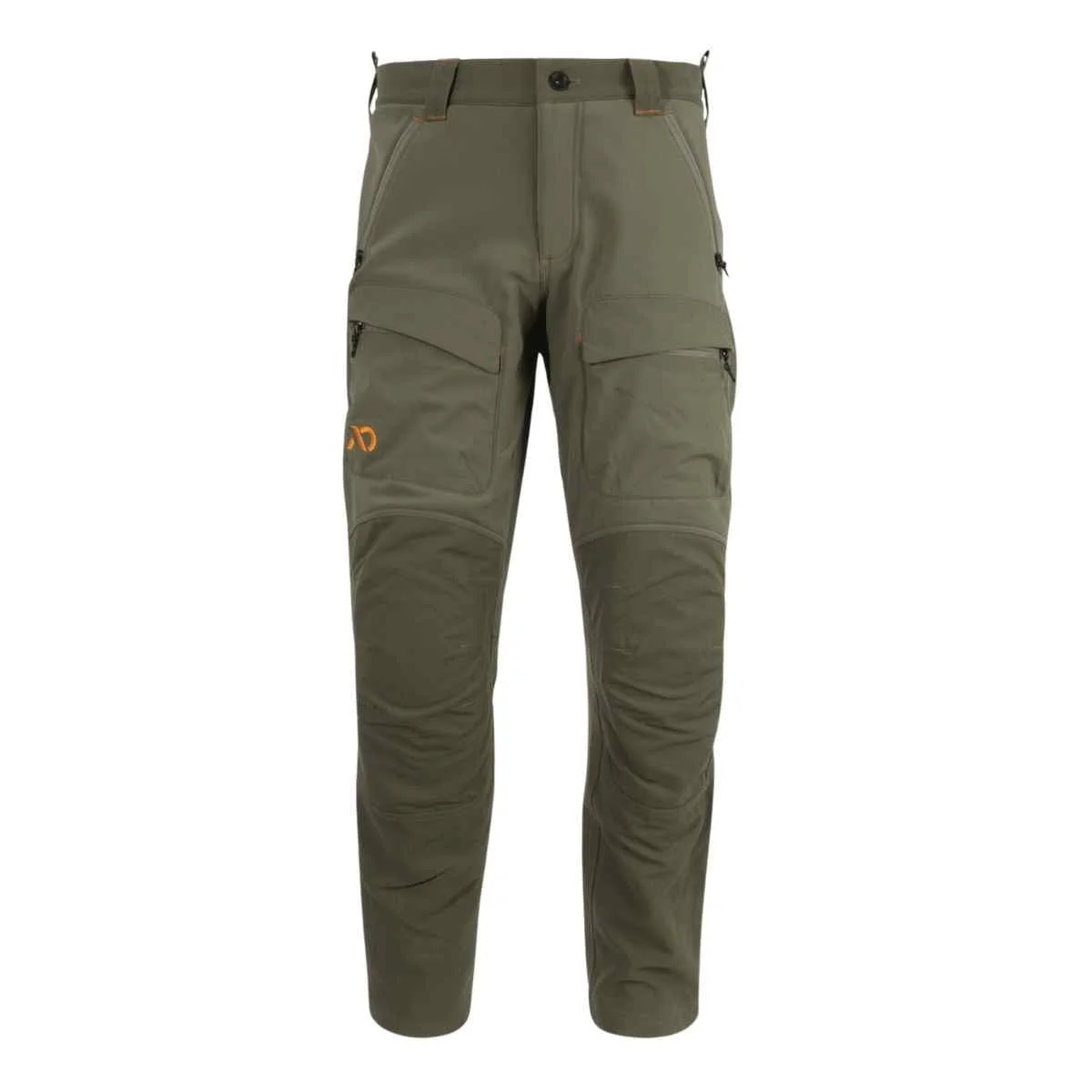
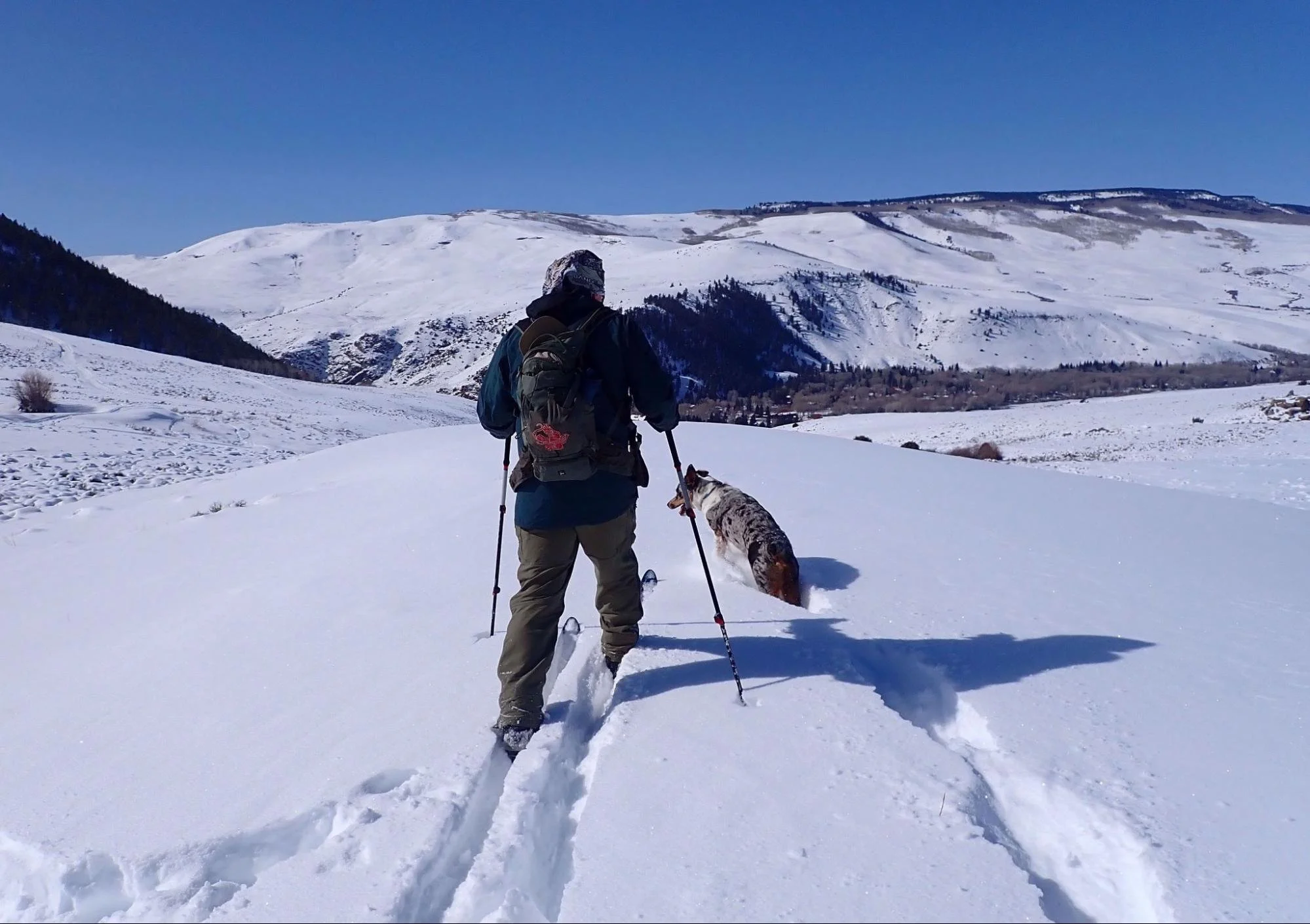
When the weather brings snow and cold to the Gunnison Valley I put on my First Lite Catalyst Foundry pants. I’m wearing them now on this 30-degree morning as I get ready to take my pup out for a morning romp.
First Lite makes hunting clothing and isn't usually associated with other niches in outdoor recreation. But I have found the brand to make some of the most durable and functional clothing that I have in my gear and clothing closet. I wear these pants for everything from splitting kindling to frigid photo sessions to backcountry skiing in Taylor Park.
I have never been cold in these pants, ever. What makes the Catalyst Foundry pant so special? Full length zippered legs that make temperature management easy, waterproof layering in the seat and knees, and an innovative particle technology in the fleece lining that dumps moisture but retains body warmth and traps scent.
They’re treated with DWR to resist moisture, are triple stitched for strength, and have quiet zippers. The pants come with removable knee pads, which I’ve never used although I can see where they might come in handy for wintertime construction projects. The removable suspenders come in handy when you load your pockets up with dog treats or other gear like I do.
While the Catalyst Foundry pants cost $260, the upside is they may be the last winter pants you’ll ever buy. Despite lots of use and everyday wear from late October through April, I’m still wearing the pair I bought in 2021.
-Dean Krakel, Contributing Writer
The First Lite Catalyst Foundry Pant
Mountain Hardwear Yumalina Lined Pant / Yumalino Lined Pant

I have owned a version of Mountain Hardwear Fleece Lined pants for over ten years. These have been my go-to pants for when the Tahoe weather is really cold. I have worn them snowshoeing, hiking, during long days training for SAR, and working outside in the elements.
I love these Yumalina lined pants — the fleece lining is soft and super warm and the outer shell is wind and water repellent, making them a pretty warm combo for the coldest days. I rarely need to layer underneath them, however they are loose enough to handle a thermal base layer if you are super cold. Once I start moving in these they hold heat pretty well. I don’t really have to think too much about layering when I have these on. I also love that they flex and stretch a bit as I move, almost like yoga pants. The fleece liner makes them comfortable like house pants with the benefit of outdoor-pants-like protection in the shell. The elastic cuff keeps snow out of my pants and I can fit it over my boots pretty easily.
This new version is PFC free which is a plus, and features a zippered pocket at the thigh which is nice for small items like keys. . When it is cold or snowing I just wear these and it makes winter layering simple and easy. These are my warmest pants — I just need to pair them with the right layers on top and I am cozy for anything the weather has to throw my way.
-Sara “Socks” Kruglinski, Operations Coordinator
Mountain Hardwear Yumalina / Yumalino Lined Pant
Women's
Men's
Royal Robbins Alpine MTN Pro Pant

I run cold. My body’s inability to regulate its own temperature is the bane of my existence, which is why I can often be found using 0-degree sleeping bags even in the dead of summer. So, imagine my surprise when I slipped on a pair of Royal Robbins Alpine MTN Pro Pants for the first time.
They were internally soft to the touch, with blended polyester and elastane to create a lightweight, moisture wicking pant with a little bit of give, and a DWR coating. This meant that not only were they the perfect companion against precipitation, but they were also less likely to become stained or dirty during my adventures.
Suddenly, climbing Longs Peak in the snow no longer felt like the torturous experience I once thought it’d be because I had a pair of pants that could accommodate dynamic movement as well as supporting my body in frigid temperatures. I appreciate that these pants are wrinkle-resistant since I often use my outdoor gear while I travel.
-Mary Beth Skylis, Contributing Writer
Royal Robbins Alpine MTN Pro Pant
Women's
Men's
Baleaf winter fleece-lined water-resistant pants

I am very active in the winter, breaking trail through thigh-deep snow in snowshoes to high summits across the northeast. My successful approach to navigating cold temperatures has always been layers: an insulated hard or soft-shell pant with a mid-to-heavy-weight base layer underneath. I discovered the Baleaf winter fleece-lined water-resistant pants 4 years ago, when I was searching for an inexpensive, insulated comfortable winter pant to replace my favorite softshell pants that were no longer available.
These pants offered me a great range of motion, soft grid-fleece lining, and fun color accents, at a very affordable price. I've worn these for summiting high peaks in frigid conditions, biking in winter, and sitting around a winter campfire, all the while being warm and comfortable. If you're looking for an inexpensive option for insulated pants, consider checking these out!
-Aubri Drake, Contributing Writer
Baleaf winter fleece-lined water-resistant pants
Eddie Bauer polar fleece-lined pants

I am not very active in the winter, preferring roaring fires and warm beverages to the outdoors. I am San Diego born and raised and my whole body shuts down at temperatures under 64 degrees. So when I have to go to cold places and be outdoors for any length of time doing anything, I need an everyday pant that is, on the inside, fluffy pajamas. For the past decade or more, my absolute go-tos have been from Eddie Bauer: either their flannel-lined jeans (for an everyday, more breathable wear) or their semi-stretchy fleece-lined pants with “moisture-shedding finish” (for extra cold conditions).
I have at least three pairs of the jeans and wore them basically every day in winter when I lived in Philadelphia. The fleece-lined pants are perfect for properly snowy days in the mountains, though if it’s not already clear, I want to be warm, so if you run hot, these are likely not for you! l often wear a light base layer underneath to increase breathability.
Eddie Bauer has great sales reasonably often, so you can usually get both of these at good discounts. Highly recommend!
-Katie Hawkes, Contributing Writer
Eddie Bauer polar fleece-lined pants
Women's
Men's
Enlightened Equipment Torrid Pant

I’m always cold, so when I found a pair of Enlightened Equipment Torrid Pants at a used gear shop, I knew I had to get them. Until then, the only insulated pants I’d ever owned were snow pants, which tend to be heavy and bulky. Plus, they look a little ridiculous to wear when you’re not skiing. The instant I put these pants on, my whole life changed — I could laugh in the face of winter. I finally felt invincible, like I would never be cold again!
Before the Torrid Pants, I would often be found wearing four top layers, but still shivering due to just one thin baselayer or legging on my bottoms (I hate pants and don’t normally wear them). My body was inefficiently trying to take the heat from up top and use it to keep my lower half warm. This super light pant — about 6 oz for a women’s large — has done wonders for my temperature regulation.
The only thing I don’t love about the Torrid Pants is that it gaps in the back when I squat or bend down, but this may be because I have the men’s version, not the women’s.
Using Apex synthetic insulation — some of the lightest and warmest synthetic fill out there — the Torrid is available in limited stock colors, or in a myriad of colors and fabrics for custom orders. The ones I found are bright purple on the outside and bright orange on the inside, so they’re not at risk of being mistaken for someone else's. Get yours today and never feel defeated by the cold again!
-Tiffany “Miss Information” Searsdodd, Contributing Writer
Enlightened Equipment Torrid Pant
Women's
Men's
Stio Pinedale Pants

I wasn't sure what to expect with these pants. Stio doesn't call them "insulated," but the inside has a brushed softness that makes them too warm for summer hiking. They may be niche, but for fall and winter activities where you're getting your heart rate up, like hiking or snowshoeing, they're perfect. I don't need to wear base layer bottoms underneath them unless it's really cold.
The Everlight softshell fabric is thick, tough, and doesn't snag. They have a PFAS-free DWR treatment that sheds rain and snow. I love the fit and comfort as well. They're flattering but have functional pockets (not easy to find in women's pants). And they're stylish enough to wear in town after a hike. I'm actually considering buying a second pair in a different color!
-Naomi Hudetz, Chief Operating Officer & Online Editor
Stio Pinedale Pants
Women's
Men's

Insulated pants can be fleece, down, or synthetic and made of a variety of materials to keep you warm.
What to look for in insulated pants
Choosing the right pair of insulated pants depends on how, where, and in what conditions you plan to use them. The best options balance warmth, mobility, and weather protection so you can stay comfortable without overheating or feeling restricted. Here’s what to keep in mind when comparing models.
Insulation type
Most insulated pants use either synthetic fill or fleece lining. Synthetic insulation (like PrimaLoft or Coreloft) traps heat efficiently, stays warm when damp, and is easier to wash. Fleece-lined pants are less bulky and breathe better for active use but offer less warmth in frigid conditions. Down-insulated pants are rare but provide unmatched warmth-to-weight for static, dry environments like winter camping.
Outer fabric and weather protection
Look for durable nylon or polyester shells with a DWR (durable water-repellent) finish to shed snow and light rain. For wetter climates or extended exposure, waterproof-breathable membranes offer the best protection—but they can feel less breathable. Reinforced knees, cuffs, or seat panels add longevity, especially if you kneel or sit in snow often.
Fit and layering
Insulated pants should fit comfortably over a base layer without feeling bulky. A slightly looser cut allows freedom of movement and space for layering underneath. For high-output activities like skiing or snowshoeing, prioritize articulated knees and stretch panels to prevent restriction.
Breathability and venting
If you move a lot in cold conditions, look for features like zippered thigh vents or lighter insulation in key areas to prevent overheating. For static activities or casual wear, full insulation provides consistent warmth.
Weight and packability
Lightweight, compressible models are great for backpacking or layering under shells. Heavier, more structured pants are better for resort skiing, snow shoveling, or everyday winter wear.
Sustainability and durability
More brands now use recycled fabrics, PFC-free DWR, and bluesign-approved materials. Durability is also a sustainability factor—pants with reinforced panels and replaceable zippers last longer and reduce waste over time.
How to choose insulated pants
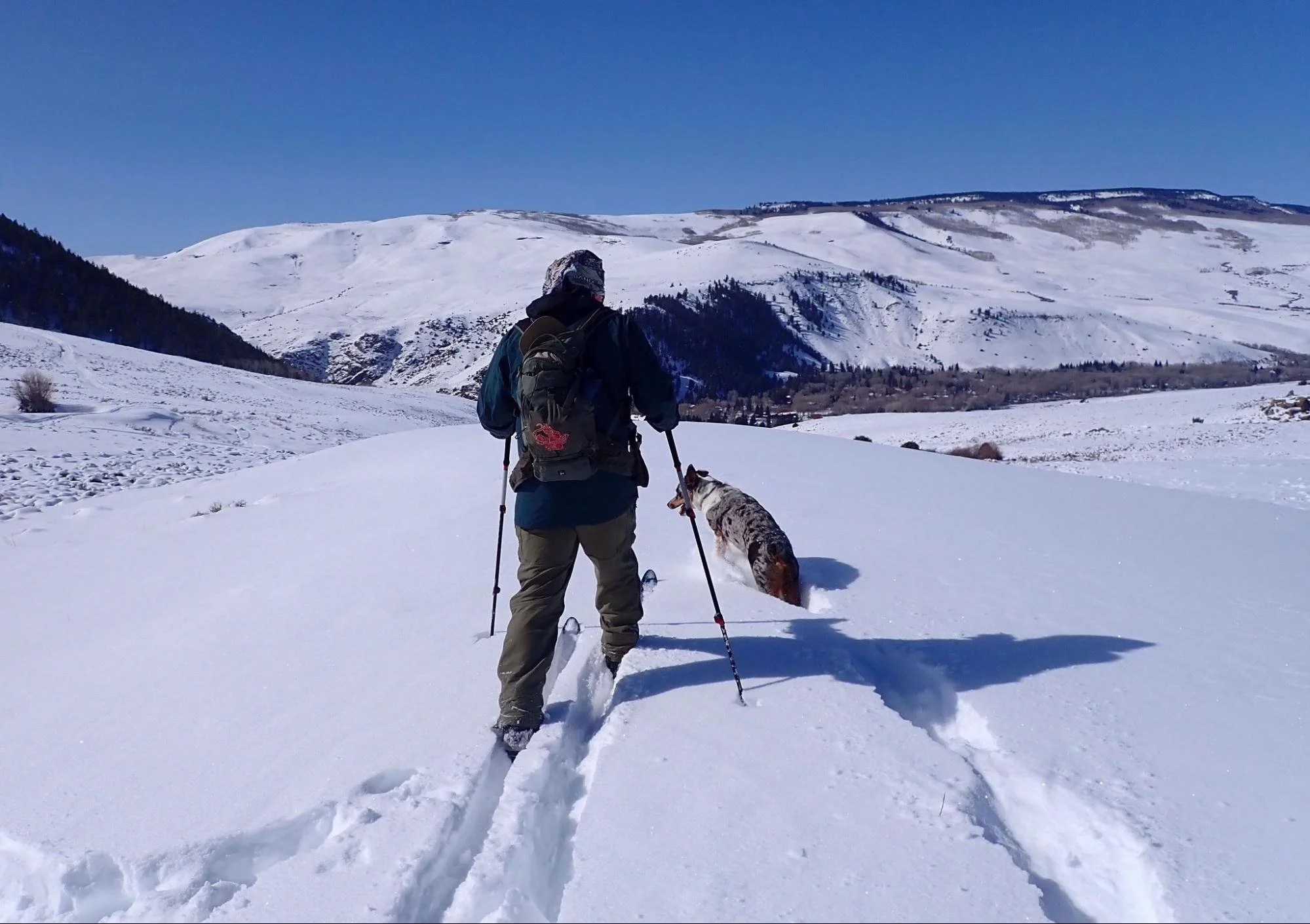
Treeline Review writer Dean Krakel ski touring in insulated winter pants. Photo courtesy Dean Krakel.
Finding the right insulated pants starts with understanding how and where you’ll use them. The best pair for you depends on temperature, activity level, and how much protection you need from wind, snow, and moisture.
If you spend long hours outdoors in sub-freezing weather, look for pants with thicker synthetic insulation and a durable, water-resistant shell. These are built for snowshoeing, winter camping, or shoveling—situations where staying warm takes priority over ventilation.
If you’re an active user—hiking, skiing, or snowshoeing—focus on mobility and breathability. Lightweight insulation, stretch fabrics, or articulated knees prevent overheating while allowing a full range of motion. Zippered thigh vents or breathable side panels can also make a big difference during steep climbs or high-output activity.
For everyday wear, travel, or milder climates, choose lightweight or lightly insulated pants that layer easily over a base layer or under a waterproof shell. These offer comfort without bulk for commuting, running errands, or walking the dog in winter conditions.
Fit and layering matter too: insulated pants should feel comfortable over a base layer but not so tight that they compress insulation and reduce warmth. A slightly relaxed cut offers flexibility, while adjustable waistbands and cuffs help fine-tune the fit.
Finally, consider your climate. If you live in a damp or variable region, prioritize synthetic insulation—it keeps you warm even when wet. For dry, cold conditions, you can opt for heavier insulation or a down blend for maximum warmth-to-weight performance.
When to wear insulated pants
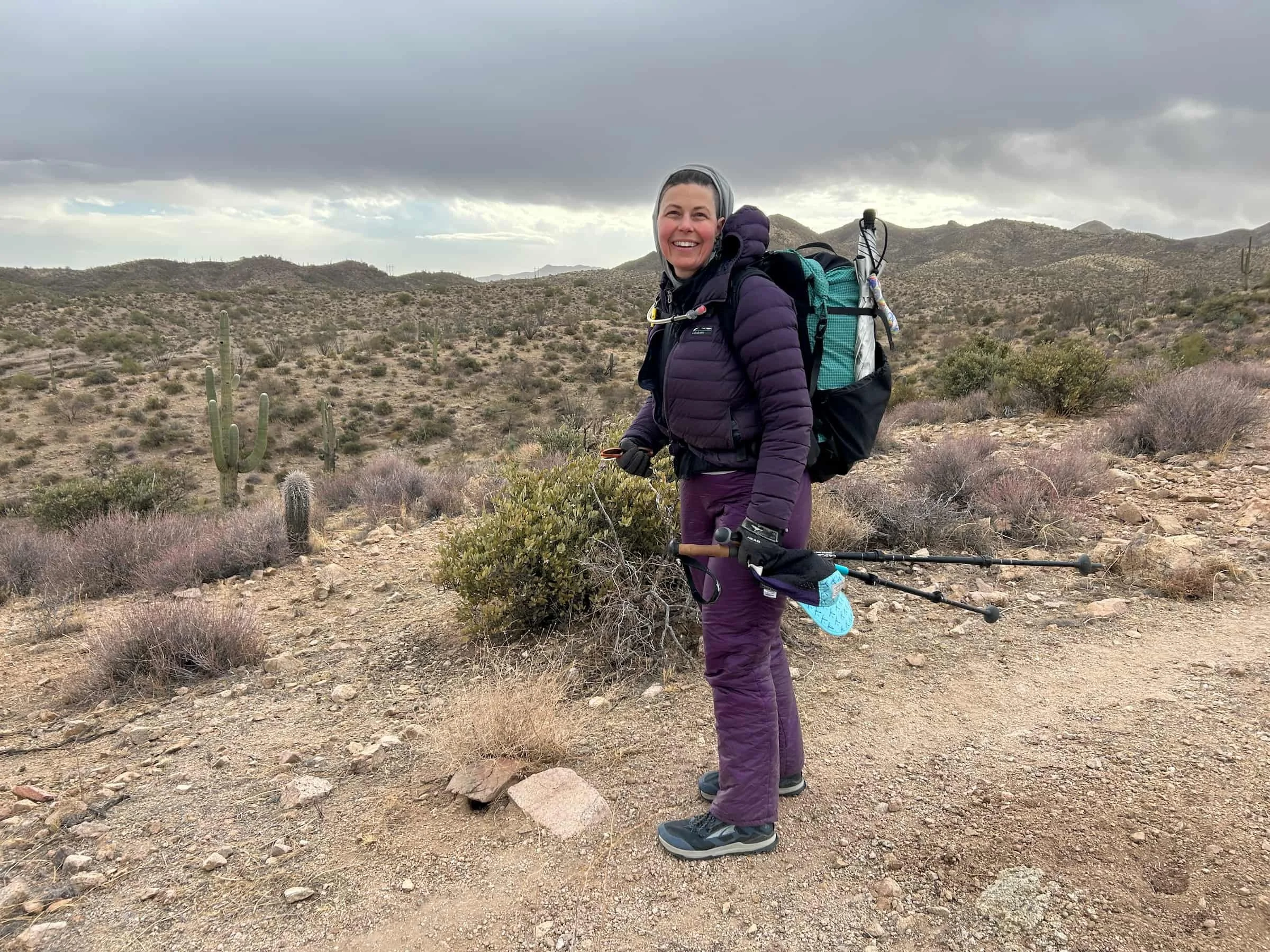
It doesn’t have to be snowing outside to want insulated pants. These are our favorite for hiking, skiing, snowshoeing, winter camping, and hanging out in the winter — snow or no snow!
Insulated pants are one of those gear items you don’t realize you need—until you spend a day outdoors with freezing thighs and numb knees. They’re built for situations where temperatures hover around or below freezing, where wind and snow are constant companions, or where you’ll spend extended time sitting, standing, or moving slowly in the cold. Unlike softshell or shell pants that prioritize breathability or weather protection, insulated pants put warmth first—without sacrificing mobility.
You’ll get the most use out of insulated pants in cold, dry, or snowy environments. For winter hiking and snowshoeing, they’re ideal when trails are covered in deep snow or when windchill makes lightweight shells inadequate. The best models combine synthetic insulation with stretch panels or vents, giving you freedom of movement and a way to dump excess heat once you warm up.
For cold-weather camping or backpacking, insulated pants make all the difference when you stop moving. They’re perfect for camp chores, cooking dinner, or sitting by the fire at night. Even lightweight, packable styles are worth the space in your pack as “camp pants”—you’ll appreciate them when the sun goes down and the temperature plummets.
If you ski or snowboard, insulated pants provide warmth on the lifts and wind protection on descents. Resort riders may prefer heavier waterproof designs with built-in gaiters and reinforced cuffs, while backcountry users often choose lightly insulated, breathable options that work well over base layers.
They’re also great for everyday winter wear—from dog walks and morning commutes to shoveling driveways or running errands on icy sidewalks. Once you’ve experienced the comfort of slipping into insulated pants before stepping outside, you may wonder how you ever endured winter without them.
Insulated pants aren’t a one-size-fits-all solution. On warmer or highly active days, they can feel too hot, especially during steep climbs or intense movement. In those situations, softshell pants or uninsulated shells paired with a warm base layer are better choices. But for cold, windy, or stop-and-go activities, insulated pants keep your lower half as cozy and protected as your favorite winter or fleece jacket—making them an essential part of a well-rounded winter layering system.
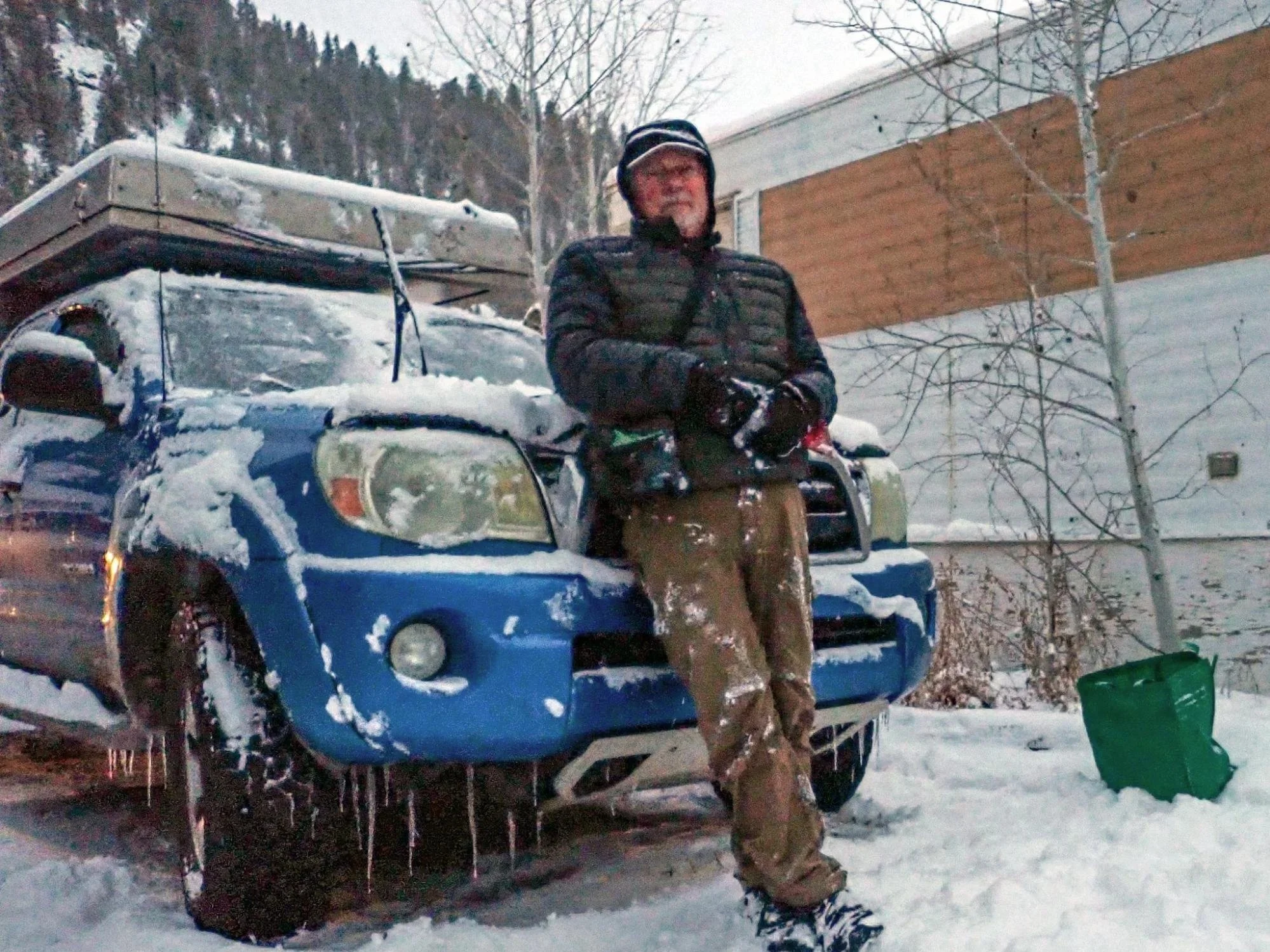
Treeline Review writer Dean Krakel needs winter pants 5 months out of the year at his home in Crested Butte, Colorado.
Care and maintenance tips
Insulated pants are built to handle tough winter use, but a little care goes a long way in keeping them warm and functional for seasons to come. Proper washing and storage can preserve the insulation loft, water repellency, and overall lifespan of your pants. See our Gear Cleaning, Care, and Repair section for step-by-step instructions.
Washing and drying
Most insulated pants can be machine washed on a gentle cycle with cold water and a mild detergent. Avoid bleach, fabric softeners, or high heat—they can damage the insulation fibers and the durable water-repellent (DWR) coating. For synthetic-insulated pants, tumble dry on low with a few dryer balls to help restore loft. If your pants use down insulation, use a down-specific detergent and dry them on very low heat for several cycles, breaking up any clumps by hand between cycles.
Restoring water repellency
Over time, the DWR finish that helps water bead up and roll off will wear away. You’ll notice it’s time to reapply when water starts soaking into the outer fabric instead of beading. After washing, apply a spray-on or wash-in DWR treatment designed for technical outerwear, and tumble dry on low to help activate the coating.
Storage
Store your pants loosely rather than crammed into a stuff sack—especially if they have down or thick synthetic insulation. Hanging them or laying them flat preserves loft and prevents insulation from compressing over time. Make sure they’re fully dry before storing to prevent mildew or odor buildup.
Minor repairs and upkeep
Check seams, zippers, and cuff areas for early signs of wear each season. Small tears can be sealed with a patch or repair tape before they spread. Many brands now offer repair programs or replacement parts for zippers and snaps, so it’s worth checking with the manufacturer before you toss an old pair.
With a little maintenance, your insulated pants can last for years of cold-weather adventures—keeping you just as warm on season ten as they did on day one.
FAQ
-
Most insulated pants are water-resistant, not fully waterproof. They’re designed to shed snow and light moisture but may soak through in heavy, sustained rain. For wet conditions, look for pants with a waterproof-breathable membrane or pair your insulated layer with a shell. If you need something waterproof, see our Best Rain Pants guide.
-
Absolutely. Many insulated pants are made specifically for skiing and snowboarding, with features like reinforced cuffs, waterproof shells, and boot gaiters. Choose lightweight synthetic insulation for high-output backcountry use or thicker, waterproof styles for resort riding.
-
Yes, especially in very cold or windy conditions. For active winter hiking or snowshoeing, look for pants with breathable insulation, stretch panels, or thigh vents to prevent overheating. In milder weather, softshell or uninsulated pants are usually more comfortable.
-
It depends on the temperature and activity. For static use in extreme cold, insulated pants alone might be enough. For hiking or skiing, wearing a moisture-wicking base layer underneath helps regulate body temperature and keeps you dry. See our Best Men's Base Layer Bottoms and Best Women's Base Layer Bottoms for models we recommend.
-
Warmth varies based on insulation type, fill weight, and shell fabric. Lightweight synthetic insulation works for cool fall hikes, while heavier, waterproof-insulated models are made for deep-winter use and below-freezing temperatures.
-
They should feel comfortable over a base layer without restricting movement. A slightly relaxed fit allows for layering, while articulated knees and stretch fabrics improve mobility. Avoid pants that are too tight—they’ll compress insulation and reduce warmth.
-
Most insulated pants can be machine washed on a gentle cycle with mild detergent. Skip bleach, fabric softeners, and high heat. Tumble dry on low with a few dryer balls to restore loft, and reapply DWR when water stops beading on the surface. For down pants see our step-by-step instructions on cleaning down garments.
-
Yes. Small rips and abrasions can be fixed with gear repair tape or iron-on patches. If zippers or snaps fail, many brands offer repair services or replacement parts—extending the life of your pants and keeping them out of landfills. See our gear repair section for step-by-step instructions.
How we tested
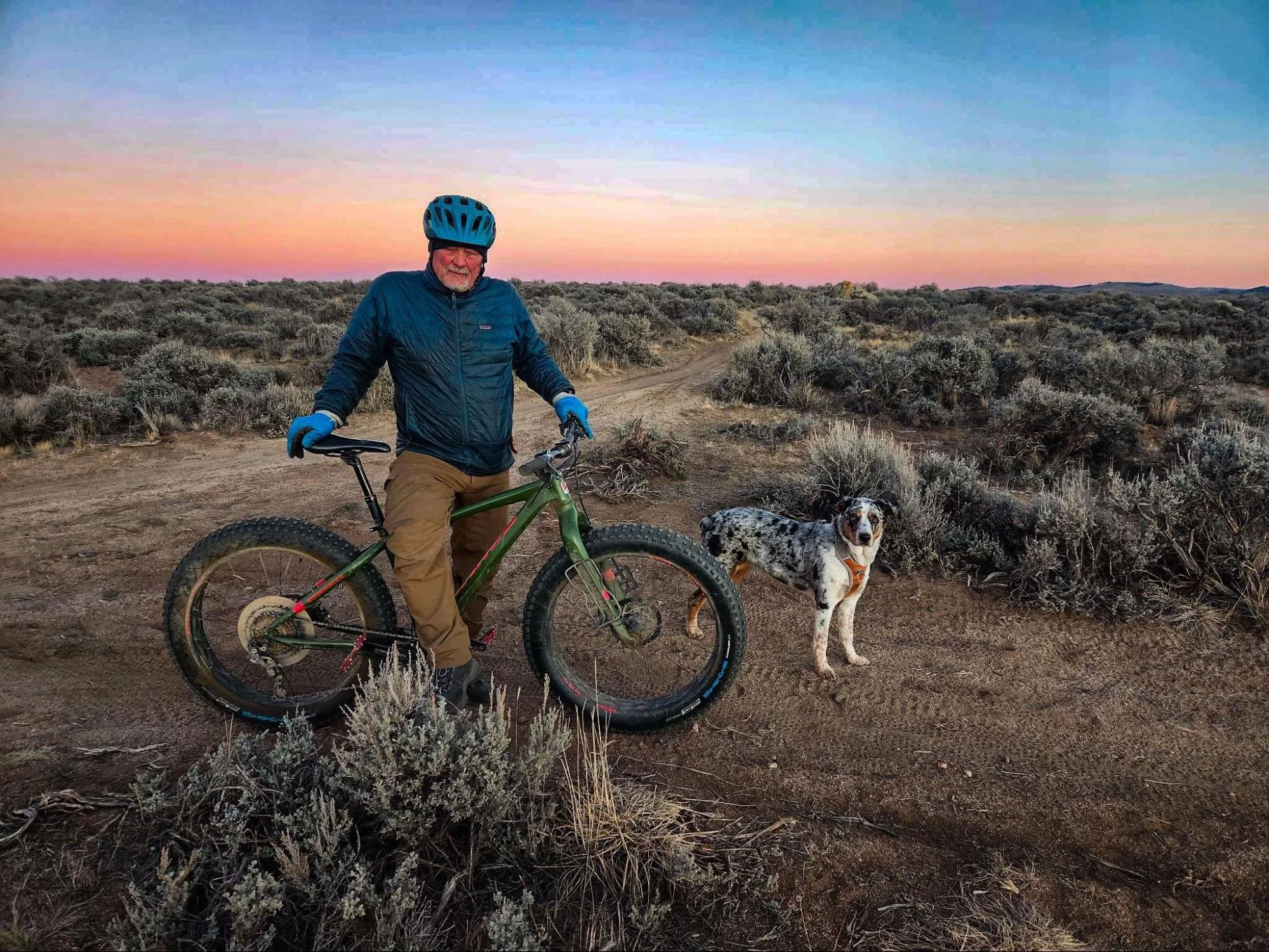
Treeline Review writer Dean Krakel mountain biking in insulated winter pants.
We’ve spent the past few years researching and testing insulated pants and puffy pants. Some of insulated pants we tested were candidates for winners in our Best Men’s Hiking Pants and Best Women’s Hiking Pants guides. Other pants were too delicate for dedicated hiking pants, so we didn’t review them for those guides but knew they needed to be mentioned here.
There are a lot of insulated pants out there and fit often depends on your body, your needs, and your goals —not to mention where you spending time outdoors.
As a result, we decided the best way to get an idea of the best insulated pants was by asking Treeline Review writers of different body shapes and different ways of spending time outdoors to test insulated pants.
This included taking insulated pants on everything from dog walks, casual day hikes, mountain biking, winter camping trips, ski touring and hut trips, week-long backpacking trips, mountaineering adventures, snowshoe overnights, to multi-month thru-hikes.
Our testing process
Field-tested by Treeline editors on ski tours, winter hikes, snowshoe days, camp chores, and cold-weather commutes.
Testing terrain & use
- Backcountry ski touring & hut trips
- Winter backpacking & camp chores
- Snowshoeing, hiking, and dog walks
- Resort days, lift rides, and shoveling
- Cold-weather city commutes & travel
What we test
- Warmth, fit, and mobility (with/without base layers)
- Breathability & venting for high-output use
- Weather protection (DWR, shell performance)
- Durability & abrasion resistance in winter use
- Sustainability (recycled fills, PFC-free finishes)
- Weight, packability, and value
Why you should trust us
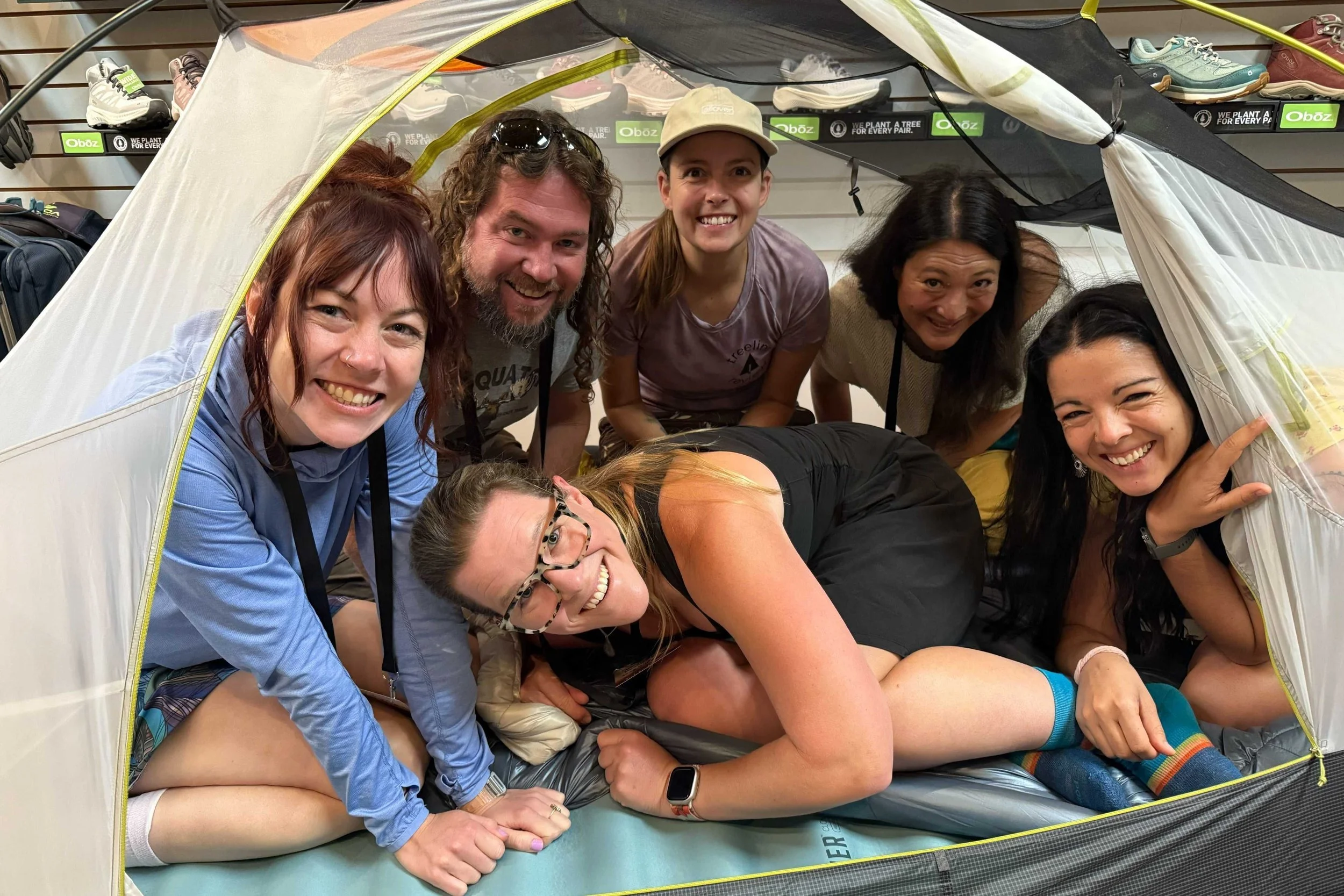
To find the best sports bras for hiking, we asked Treeline Review writers of different body shapes and sizes what sports bras had worked for them on casual hikes, overnight backpacking trips, and thru-hikes. Our goal was to capture a diverse set of body types and ways of hiking and backpacking so that you, the reader, can find the best type of sports bras for you.
This is different than many of our other stories, but after asking our staff what we thought would be the most helpful way to find a hiking sports bra, we decided sharing our experiences as writers who have tested dozens of hiking sports bras was the best way to make this guide most accessible to different types of outdoors people with different body types.