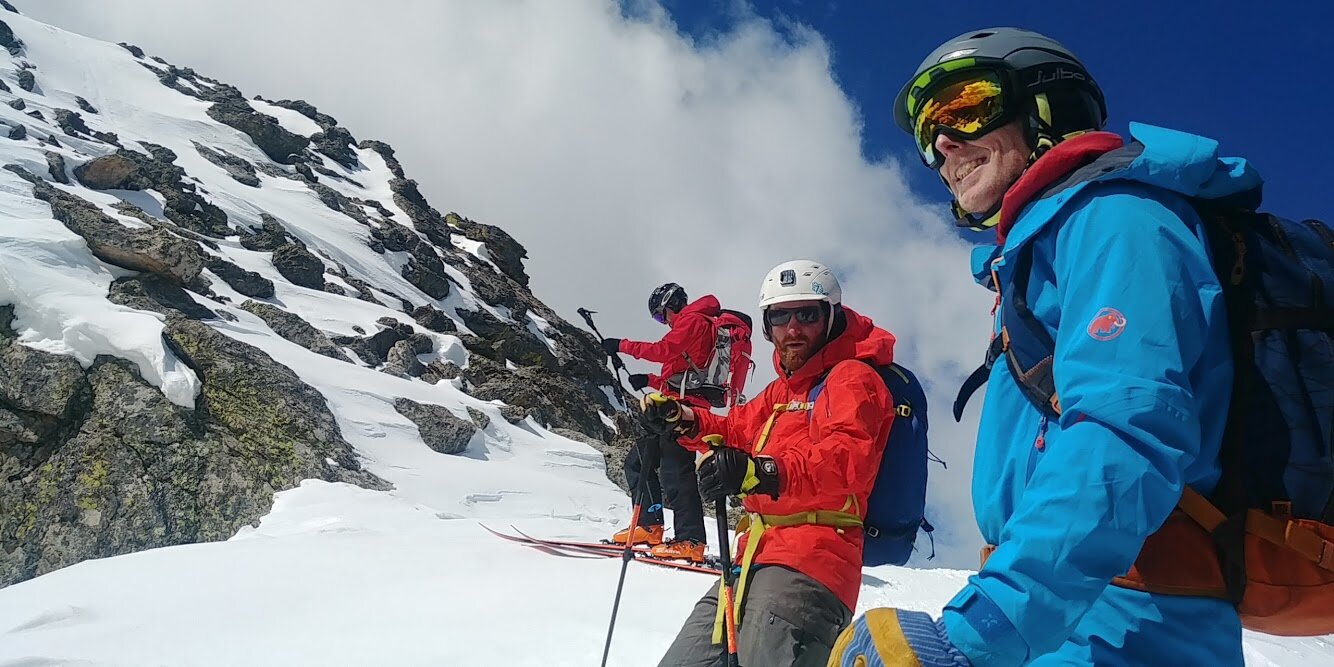
Best Skis for Beginners of 2026
Versatile, beginner-friendly skis to grow with new skiers building confidence on the slopes
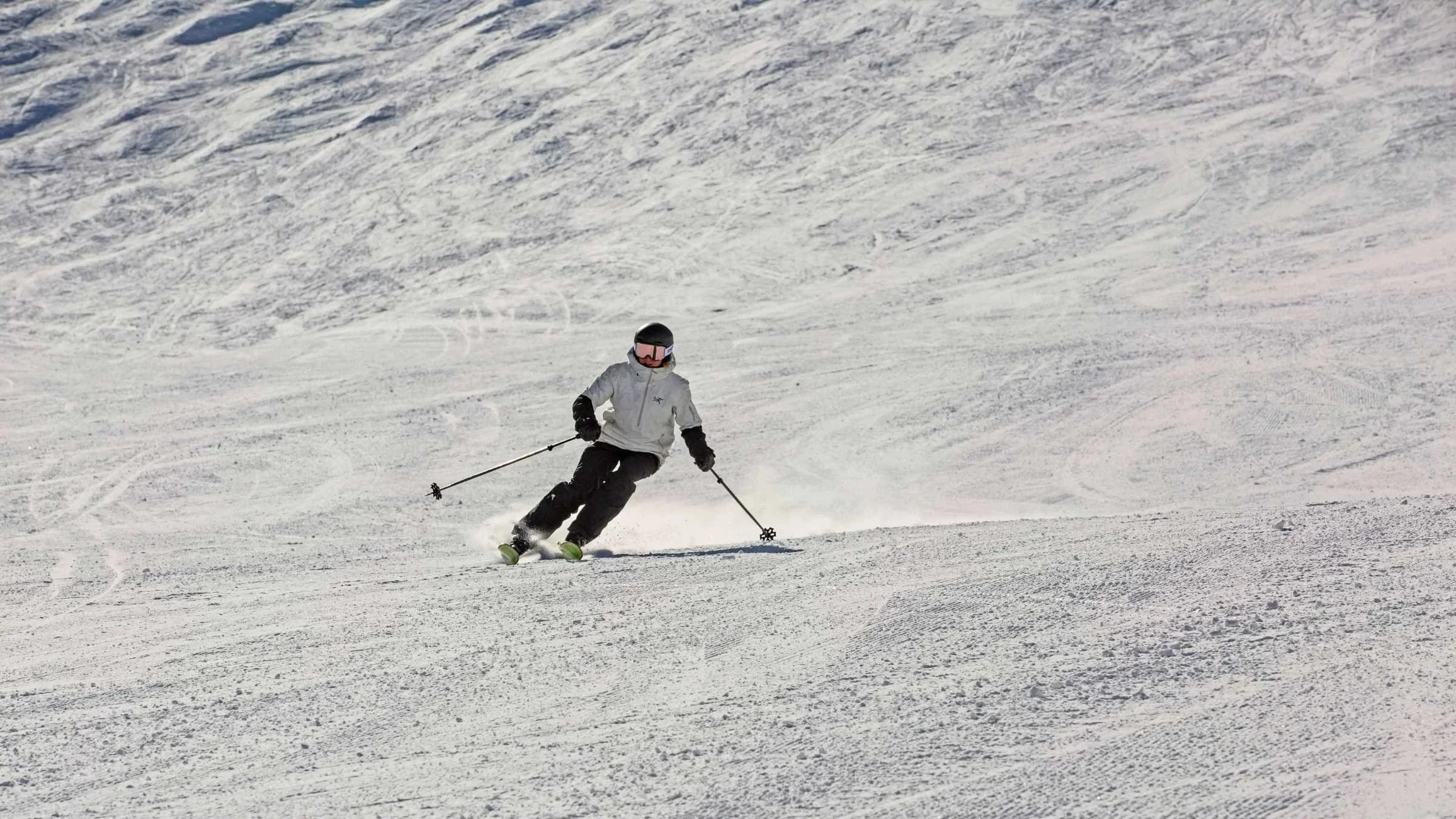
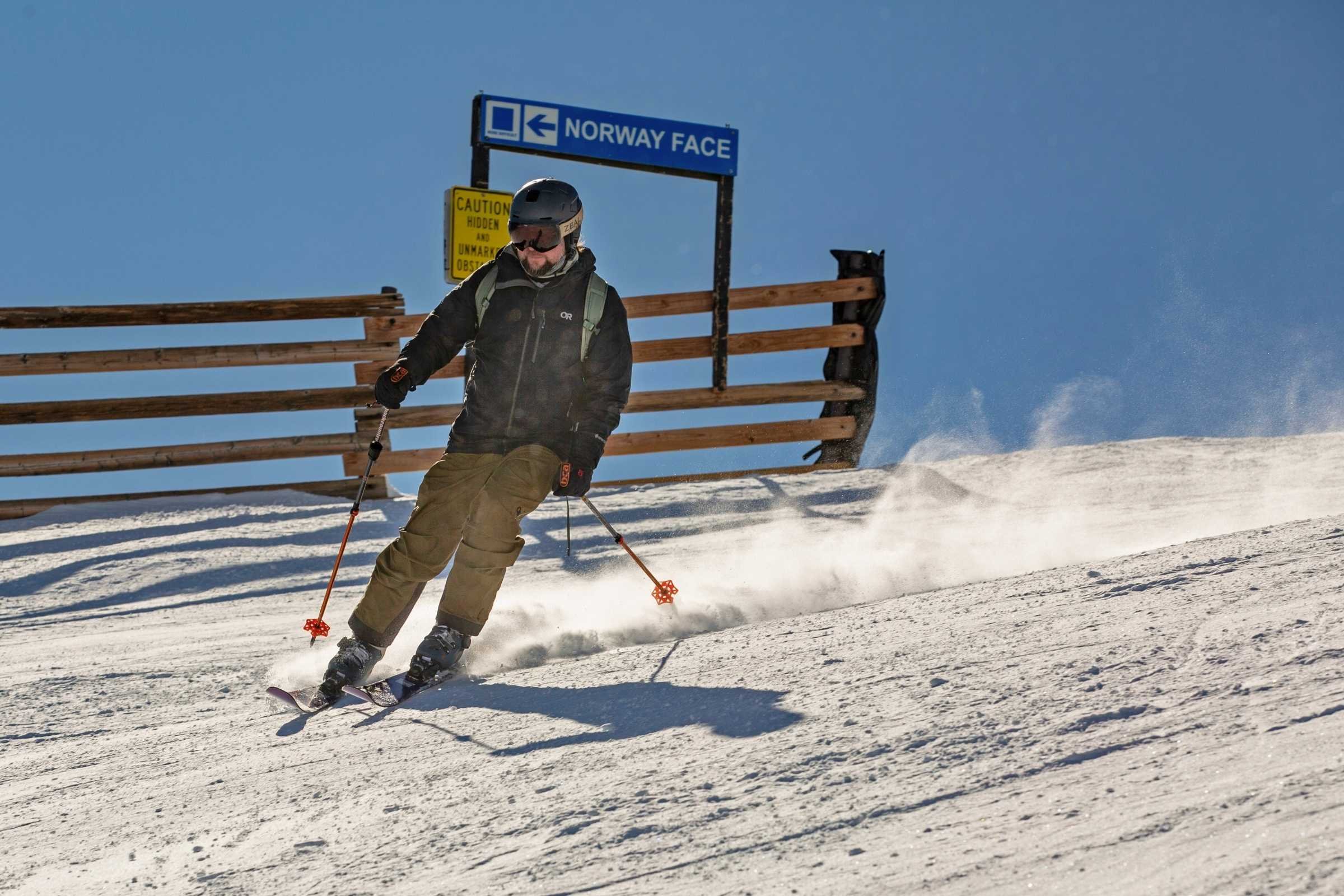
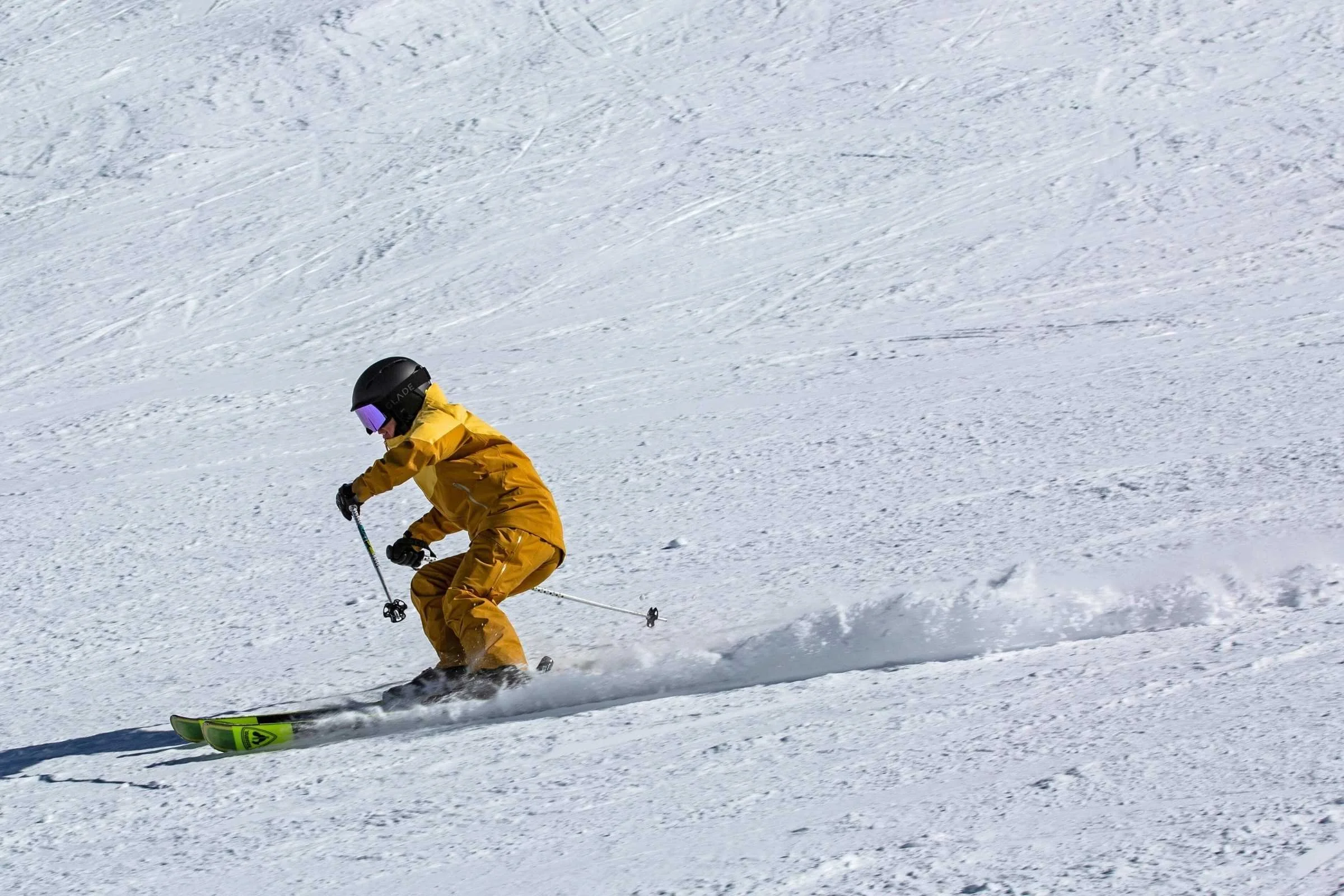
The author testing the Rossignol Arcade 88 skis on a groomed run at Arapahoe Basin. Photo by Tom Callaghan.
November 21st, 2025
Home > Gear Reviews > Ski & Snow
Finding your first pair of skis as a beginner skier can be challenging, but we’re here to help. We spent dozens of days with 7 different testers of varying abilities to find the best skis for beginners, including the Season Primer, Salomon QST 94, and more.
We had testers of different skill levels in Colorado, Utah, and Oregon all help us test for this story. In addition, we brought the whole team together to test for two days at Arapahoe Basin in Colorado to test many different models back to back and share our findings and opinions. What we landed on is a consensus from our testers, paired with an eye for important design features that make for great beginner skis.
While all of the skis in this review are beginner friendly, none of them are actually marketed as beginner-only skis, and we think that’s an important distinction. True beginner-only skis, like the ones you might find on the bottom shelf of a rental shop, aren’t all that great for progression and generally not something we’d recommend buying. Instead, we selected skis that have designs that are approachable for beginners to learn on, but will still be fun as they progress.
Ultimately, the Season Primer skis came out as our overall winner, thanks to their versatile and approachable design, excellent price point, and warranty and repair options. We think that most skiers in the market for their first pair will have a ton of fun on the Primer.
Learn more in this guide about the Season Primer and our other top picks, along with what to look for and how to make the best choice for you.
We create reader-supported, mission-driven objective gear reviews that are independently selected by our editors. This story may contain affiliate links, which help fund our website. When you click on the links to purchase gear, we may get a commission — without costing you an extra cent. Thank you for supporting our work and mission of outdoor coverage for every body! Learn more.
Comparison table
| PRODUCT | TREELINE AWARD | LENGTHS | WAIST WIDTH | TURN RADIUS | PRICE |
|---|---|---|---|---|---|
| Season Primer | Best Overall, Best Budget Read why |
150, 156, 162, 167 | 86 | 14.5 m | $450 |
| Salomon QST 94 | Best All-Mountain Read why |
156, 164, 172, 180, 188 | 94 | 16 m | $700 |
| Rossignol Arcade 88 | Best for Carving and Groomed Runs Read why |
154, 162, 170, 178, 186 | 88 | 14 m | $750 |
| Rossignol Sender Soul 102 | Best for Soft Snow and Powder Read why |
156, 164, 172, 180, 188 | 104 | 16 m | $750 |
The winners
Best overall beginner skis: Season Primer
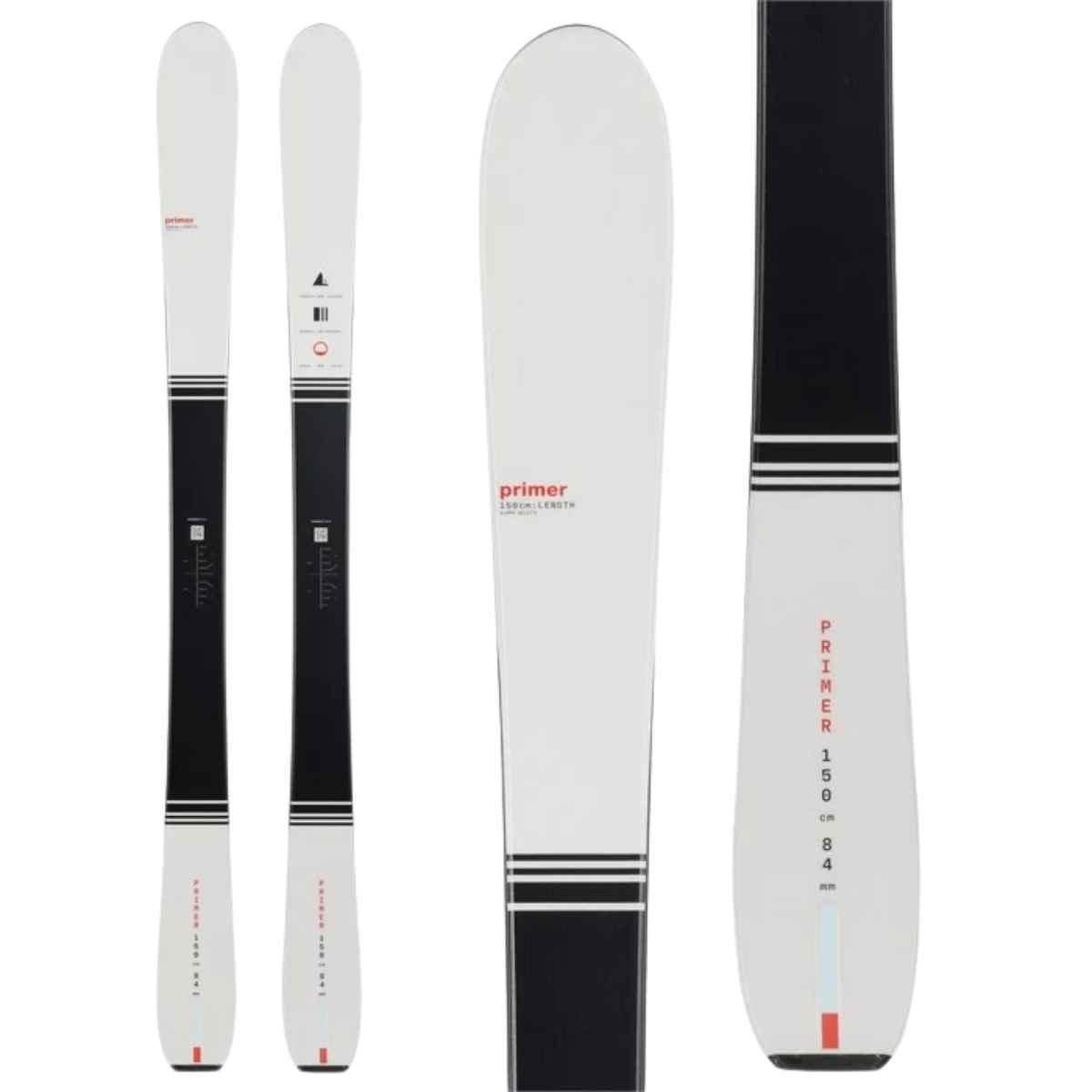
Length range: 150, 156, 162, 167
Waist width: 86 (for the 162)
Turn radius: 14.5m
What we liked: Well rounded, maneuverable, versatile, and playful; wax and repair service through evo; unisex design with wide size range; affordable
What we didn't like: Some skiers might prefer a more carving-specific option
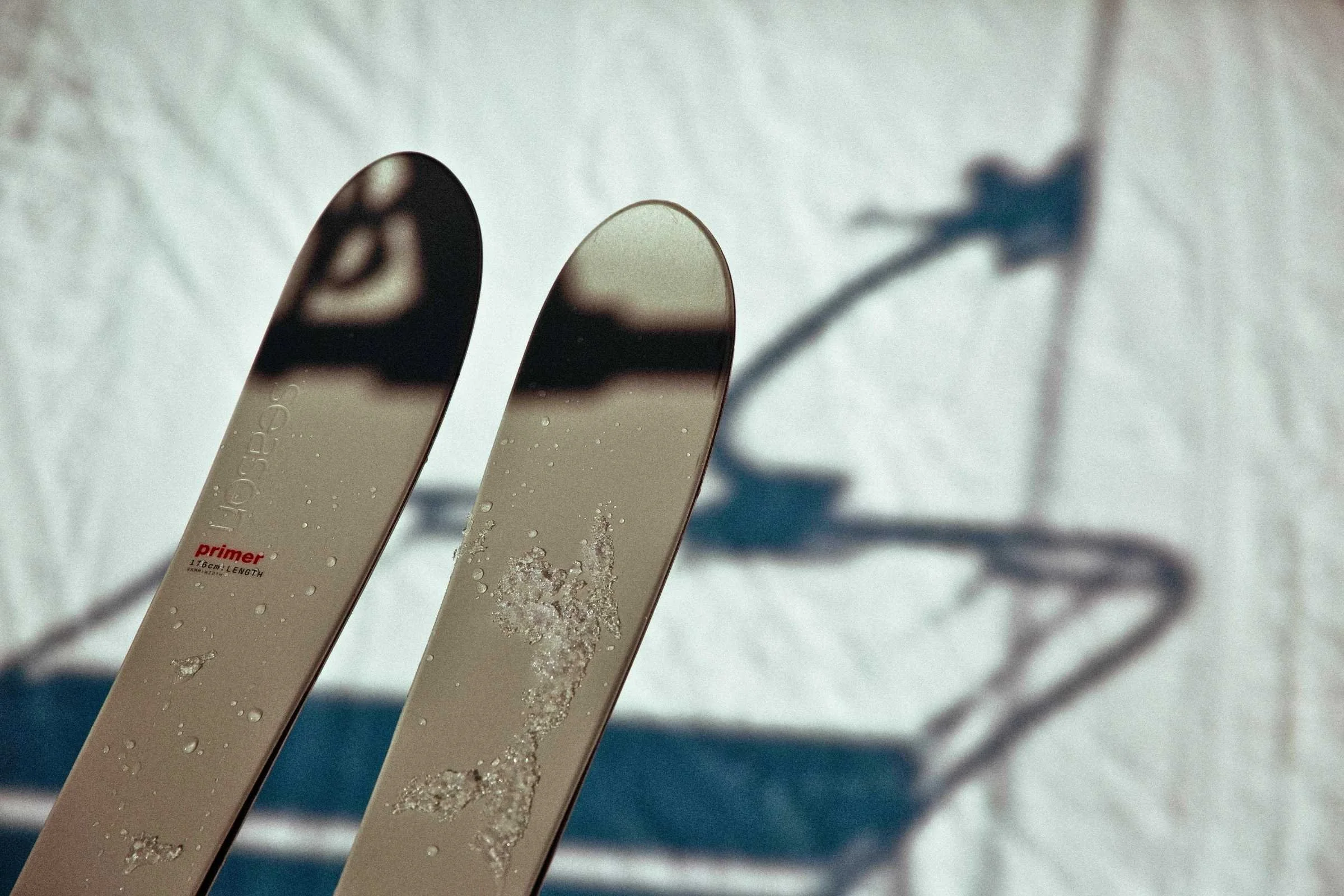
There are a lot of reasons we think the Season Primer is an excellent choice for beginner skiers, but here are the biggest ones: they’re approachable and maneuverable while still allowing for progression, they’re affordable and well made, and they come with a lifetime service pass from evo. In addition to winning best overall, we’re also naming them our best budget pick due to their excellent value at an affordable price.
A ski with a twin shape and freestyle look might seem like an odd choice for a beginner ski. But contrary to popular belief, this shape and construction actually makes for an incredibly fun, approachable, and maneuverable ride for beginners. The truth is, many of the skis actually marketed to beginner skiers (like the low-end ones you find in rental shops, or what you might be handed at your first lesson) aren’t all that fun to ski and they aren’t very versatile, either—meaning if you buy them, you’re likely to want to replace them after a handful of days on the slopes.
Season’s website says this about the Primer: “Beginner skis tend to get a bad rap, but the Primer is here to change that narrative.” And we agree that they’re doing just that with this ski. It’s marginally more expensive than most true “beginner” models out there, but it’s a whole lot more fun and versatile.
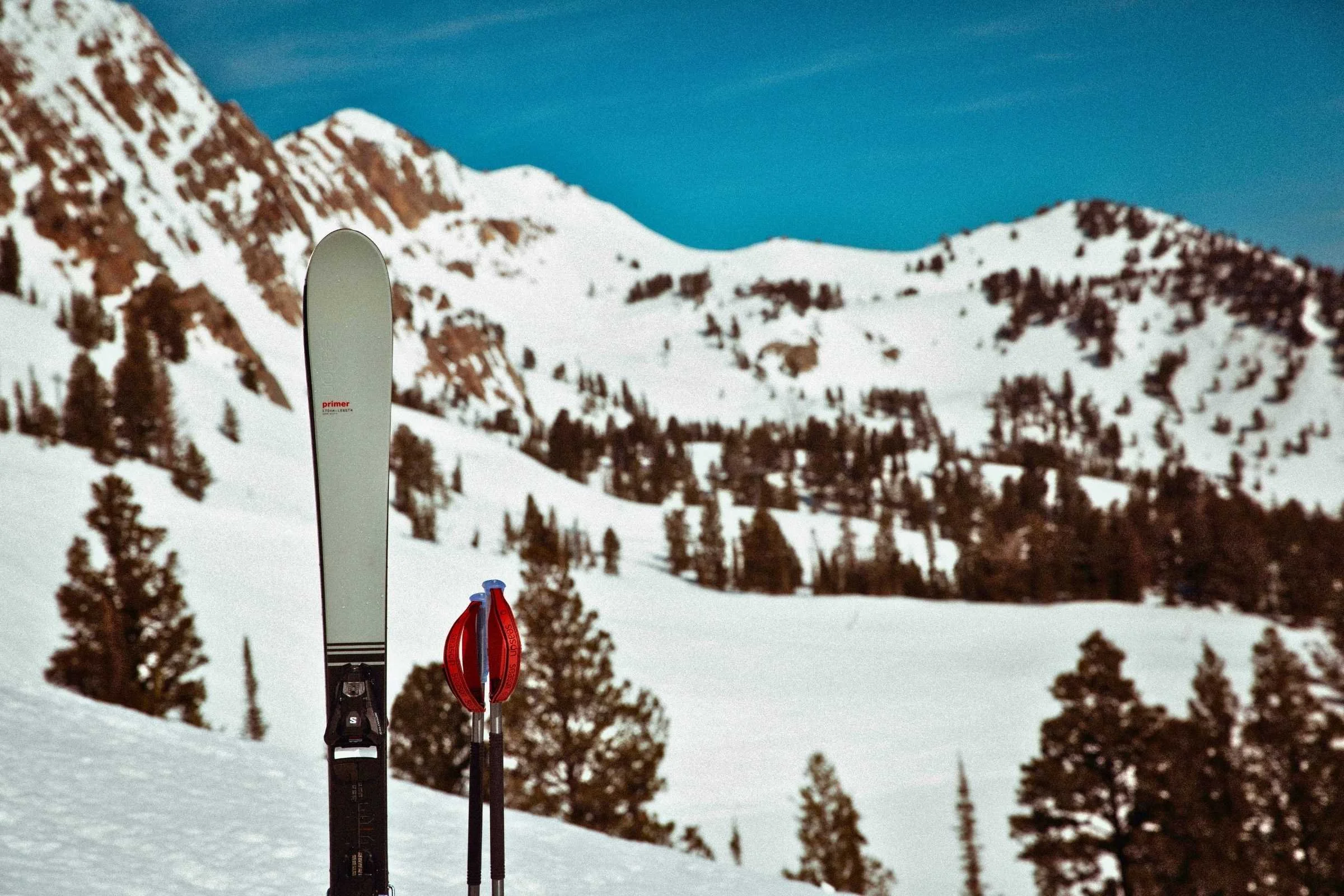
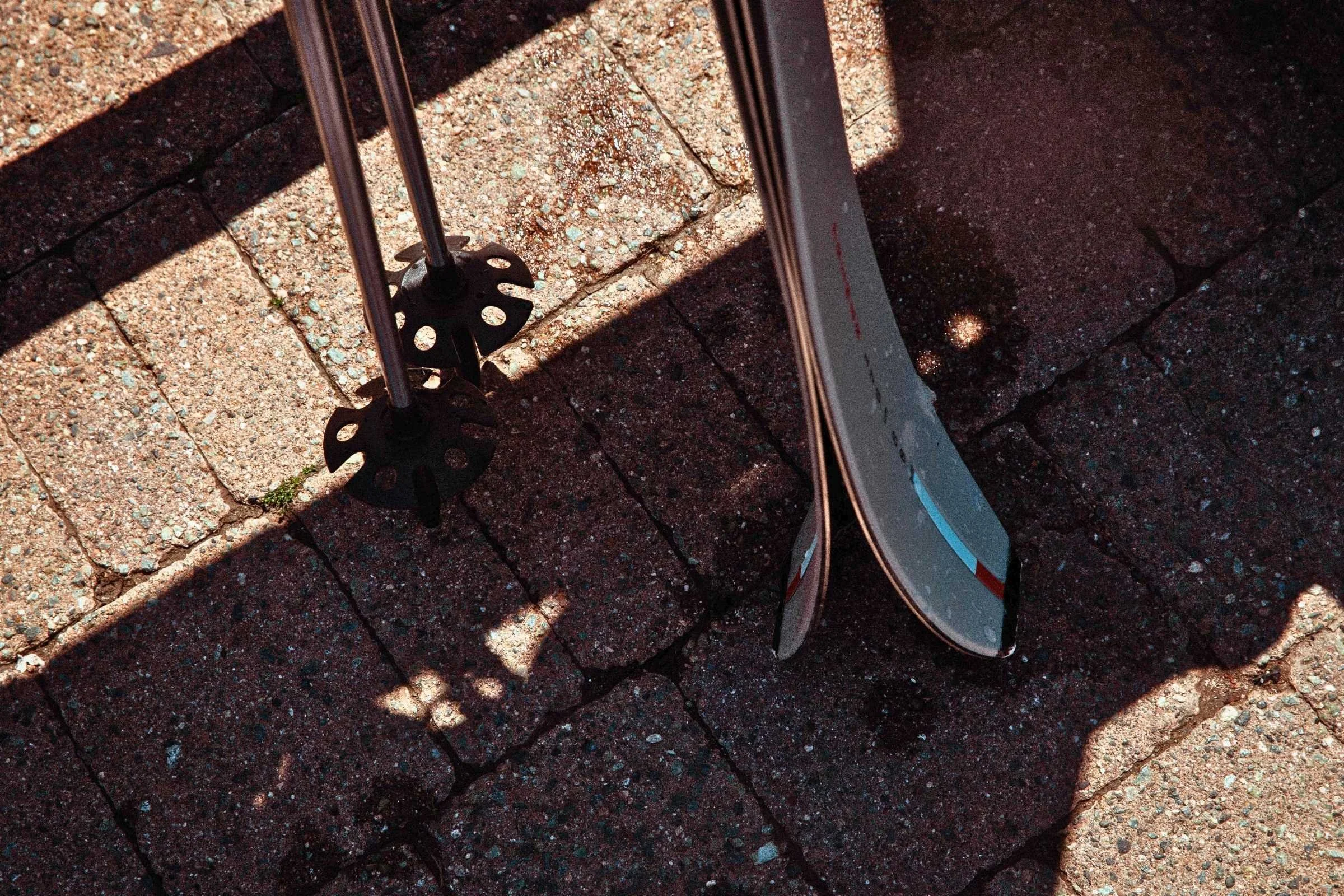
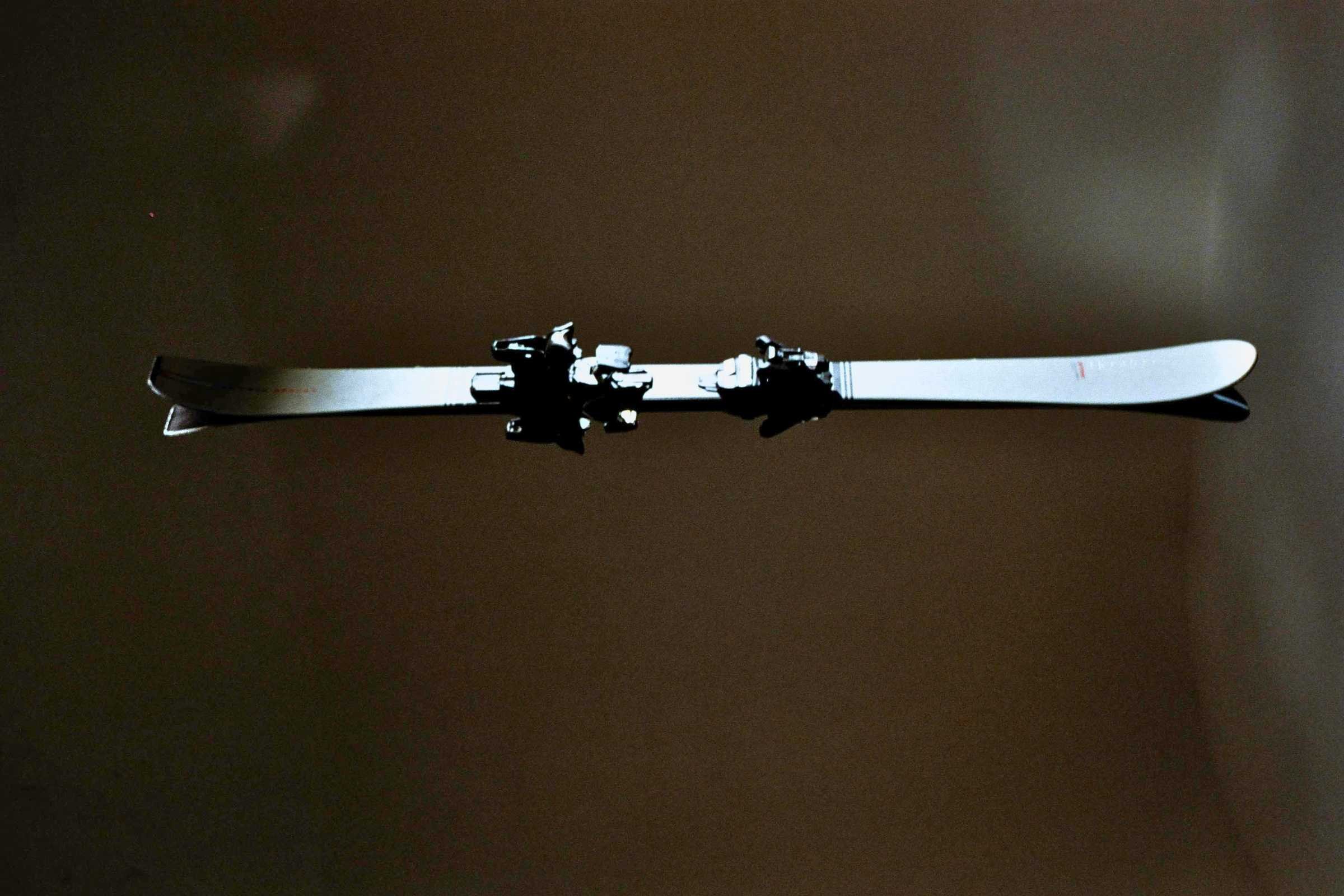
Season Primer
-
The Primer is made with a wood core with no metal in the construction, which means this ski is on the softer side, which helps with its maneuverability. It has a twin-tip design reminiscent of freestyle skis, which means that there is ample rocker in both the tips and tails. That translates to easy turn initiation and a quick and smooth release from the tails.
The Primer skis (and all of Season’s ski and snowboard models) have solid black bases, and while that doesn’t really affect the overall performance of the skis, it does make for more durable and easier to repair bases. This isn’t totally unique to Season, but it is uncommon to find completely solid black bases, free of logos and design, which helps with repairs in general.
-
Maneuverability is where these skis shine. They have a fairly soft flex pattern, and the twin tip shape helps with turn initiation and allows the tails to release easily. While more advanced skiers can still enjoy making turns on the Primer, they are especially forgiving, meaning that they won’t feel challenging or punishing to turn if you’re working on your form. They hold an edge quite well, especially at slower speeds, but it’s also quite easy to slide the skis around as needed, which can be helpful for beginners who aren’t quite able to turn a ski on edge yet.
-
For all of the maneuverability and forgiveness these skis offer, they’re still great carvers. With their softer flex and twin design, they won’t carve as well as something like the Rossignol Arcade 88, but they more than hold their own when it’s time to arc some turns.
One other advantage of the Primer, particularly for beginners, is that they are capable of making a variety of turn shapes (both small and fairly big) and they’re very good at getting on edge and carving well at slower speeds—and a whole lot of fun to ski like this. Our testers really enjoyed making short and snappy turns down groomed runs at Arapahoe Basin on the Primer.
-
The Primer isn’t a wide and floaty powder ski, but it’s not meant to be. The softer flex and ample amount of rocker help these skis to plane surprisingly well in soft snow despite their narrow waist. But, in chopped up snow at high speeds, they will chatter some. But for beginner and intermediate skiers seeking out a few soft turns on the sides of groomed runs, these will still be a lot of fun.
-
Whereas many skis marketed as beginner skis lack versatility and are really only good for green groomed runs, the Primer is quite versatile. It’s forgiving while still being able to hold an edge very well on groomers, it has enough rocker to handle some fresh, soft snow, and all that maneuverability means they’re great in tight spaces like trees and bumps, too. Plus, that twin-tip, freestyle-inspired design means they’d be at home on small jumps and beginner park laps, too—though you certainly don’t have to have freestyle aspiration in order to enjoy these skis.
Our men’s and women’s testers (four in total) are all expert skiers, and all four of them had fun on the Primer, which is to say there’s plenty of room to grow with these skis. And that lifetime service pass, which comes with a purchase of the skis through evo, is a big cherry on top—including complimentary waxes, annual full tunes, discounts on repairs, and even a free initial binding mount. We think this is a huge bonus for beginners who may yet be unsure of how (or don’t have the tools) to tune and repair their skis, that is so long as you can get them to an evo shop (many of which are located in cities close to major ski destinations, like Salt Lake, Denver, Seattle, and Portland, among a few others).
It’s worth noting that the Season Primer was also our top choice for a budget ski, given their excellent price and access to that lifetime service pass. These skis offer excellent value, and we think that’s especially important for folks who are buying their first pair of skis.
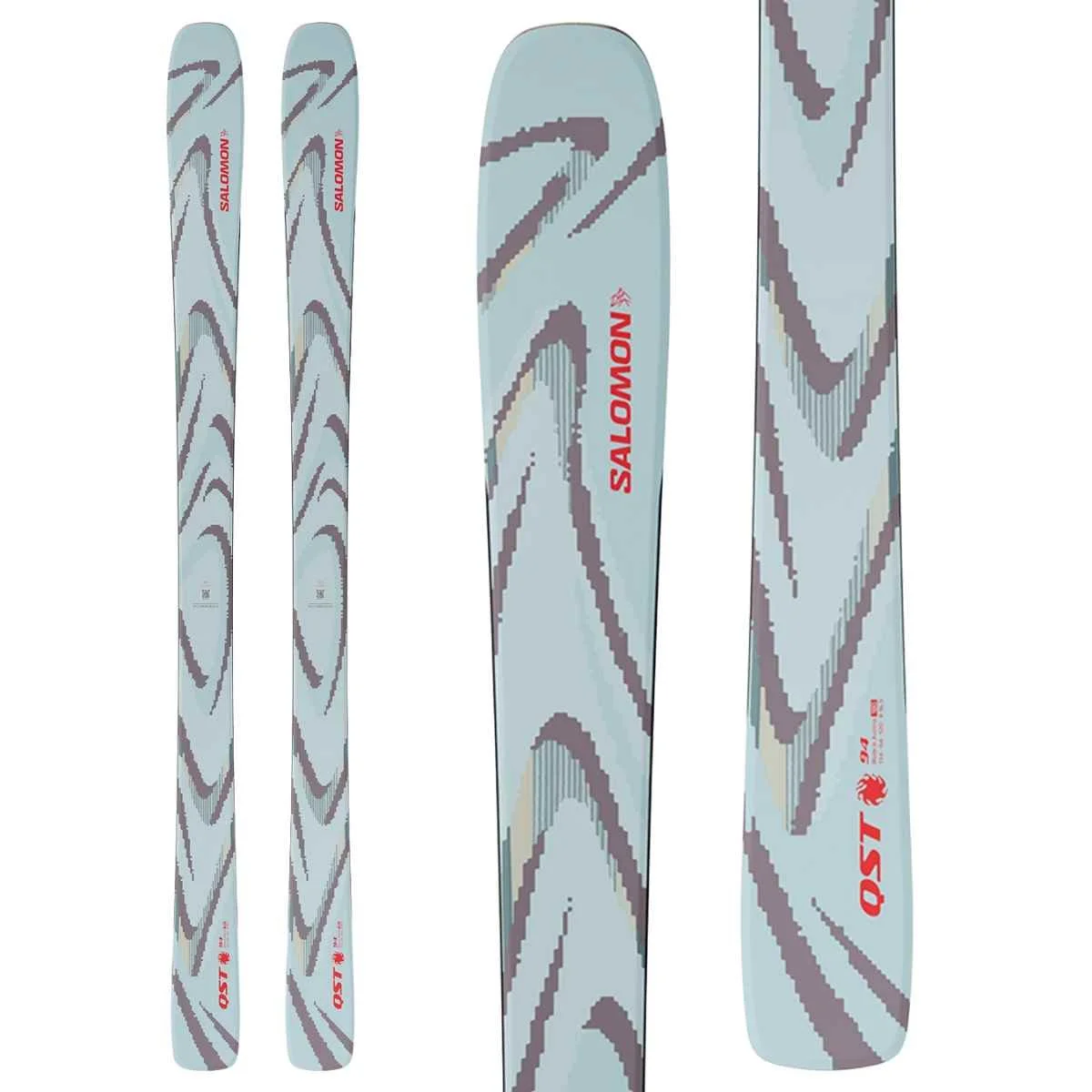
Best beginner all-mountain skis: Salomon QST 94
Ski length options: 156, 164, 172, 180, 188
Waist width: 94
Turn radius: 16m
What we liked: Forgiving, easy to maneuver, will appeal to a wide range of skiers
What we didn’t like: Not the most stable at high speeds or in rough snow conditions
If you’re looking for a versatile ski that’s capable of handling all types of terrain and snow, you’ll want an all-mountain ski—the Swiss Army knives of the ski world. And for those new to skiing, we think the Salomon QST 94 is an excellent choice.
This ski is easy to turn, fairly light, and very forgiving overall—which means you don’t need excellent form to get the ski down the mountain. It’s also a well-built and designed ski that strong intermediate and even expert skiers can still push and have a lot of fun on. That means that while this ski will suit beginners particularly well, as you progress as a skier, this ski can progress with you.
Salomon QST 94
-
The Salomon QST 94 features traditional camber underfoot with rocker in the tips and tails. The layup consists of a poplar core paired with a basalt and fiberglass fiber. This makes for a light ski with a responsive and smooth flex pattern. Salomon adds a lining of cork to the tip and tail of the ski, which makes for a smoother ride overall in choppy snow. Additionally, amply rockered tips and tails both help to make these skis fairly easy to turn while also helping them float in fresh snow.
-
Maneuverability is where this ski shines. The QST 94 is rather light, easy to pivot, and forgiving across many types of snow and terrain. It’s not the fastest, hardest charging ski out there, but instead a nimble and beginner-accessible option that a lot of skiers, particularly those a little newer to the sport, will enjoy.
In the same vein, even advanced and expert skiers can have a lot of fun on this ski, particularly if your preference is towards something that’s snappy and easy to pivot in tight terrain like trees or bumps. But more than anything, the maneuverability and accessibility of this ski make it something that beginners will be able to grow into as they progress towards intermediate and expert skill levels.
-
The QST 94 is a fun and forgiving carving ski, easy to coax into a variety of turn shapes, from shorter and snappier ones to longer, bigger ones. It does have a speed limit, though. While this ski does quite well for its weight and ease maneuvering, it’s not the most stable of the skis we tested, and the tips will chatter when you really push them. But for most skiers, especially beginners and intermediates, this ski will be plenty of fun on groomers without punishing a lack of technique.
-
With a decent amount of rocker in the tips, these skis plane fairly well in soft snow, especially for their width. They won’t float or surf quite as well as much wider skis designed specifically for powder, but they’re notably better in soft snow than narrower, carving-forward skis like the Rossignol Arcade 88.
But most importantly, the Salomon QST 94 is easy to maneuver in both untouched and chopped up powder, which is one reason we think this ski is great for beginners and intermediates who still want a fun and capable all-mountain ski.
-
We tested the Salomon QST on multiple spring days at Arapahoe Basin in Colorado. The ski performed well, particularly once the snow had a chance to catch some sun and soften up a little. Those conditions made the QST a lot of fun. We found the ski to be forgiving while carving and nimble on steep bump runs.
-
We think the QST 94 is an excellent option for skiers looking to progress their skills. Beginners will find it easy to maneuver, but as you become a more proficient skier, you’ll probably still think this is an awesome ski, meaning it should give you many fun seasons on snow before you’re ready for something new.
-
While there are plenty of skis out there labeled for “beginners,” if you’re a newer skier looking to buy your first pair of skis, we think the QST 94 is an excellent, versatile, and approachable all-mountain ski that’s forgiving enough for beginners but well rounded enough to still be in your quiver as you progress.
Best beginner skis for carving and groomed runs: Rossignol Arcade 88
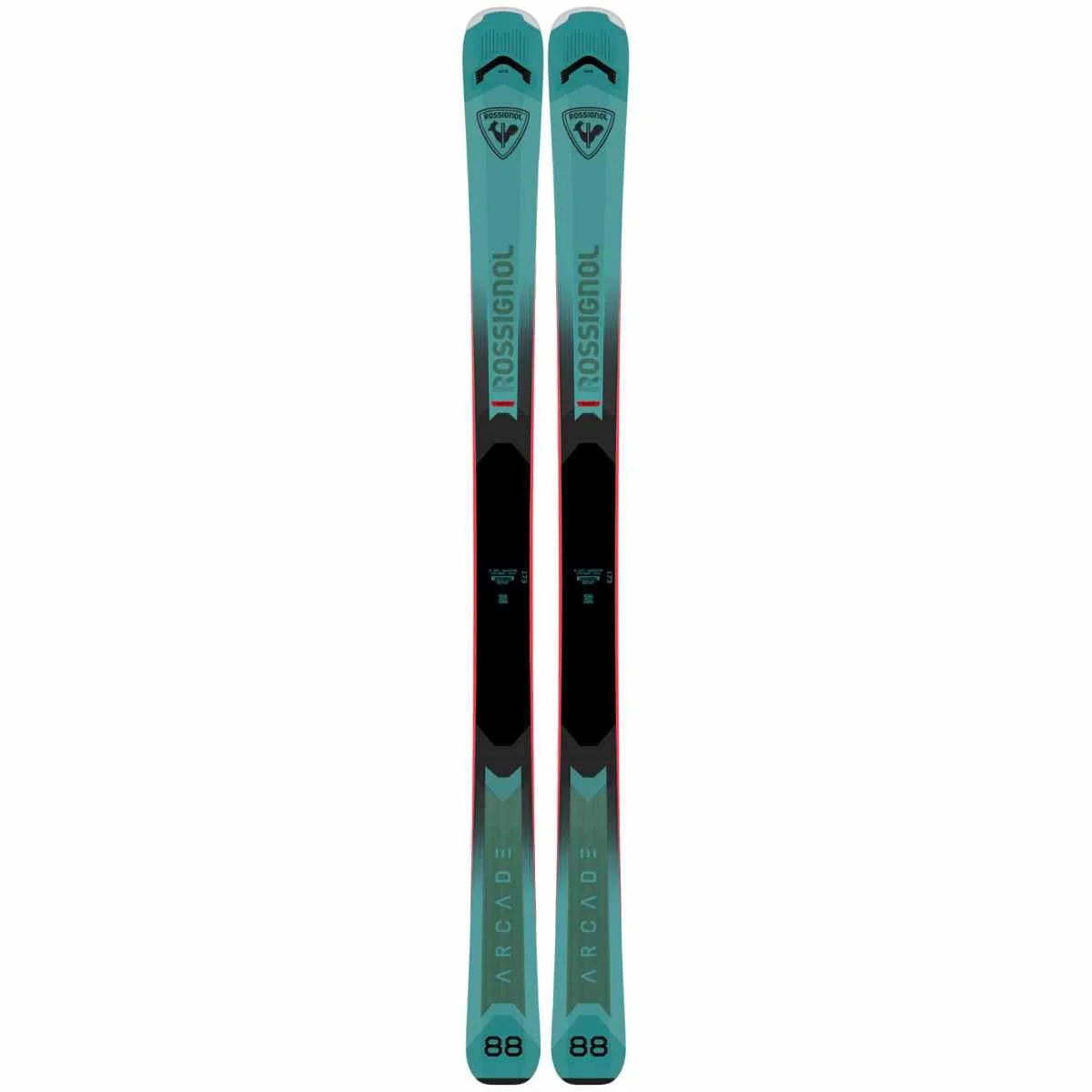
Length range: 154, 162, 170, 178, 186
Waist width: 88
Turn radius: 14
What we liked: Excellent carving performance on groomers, fairly accessible to a wide range of skiing abilities, leaves plenty of room for progression
What we didn't like: Might be a bit demanding and stiff for true beginners, expensive
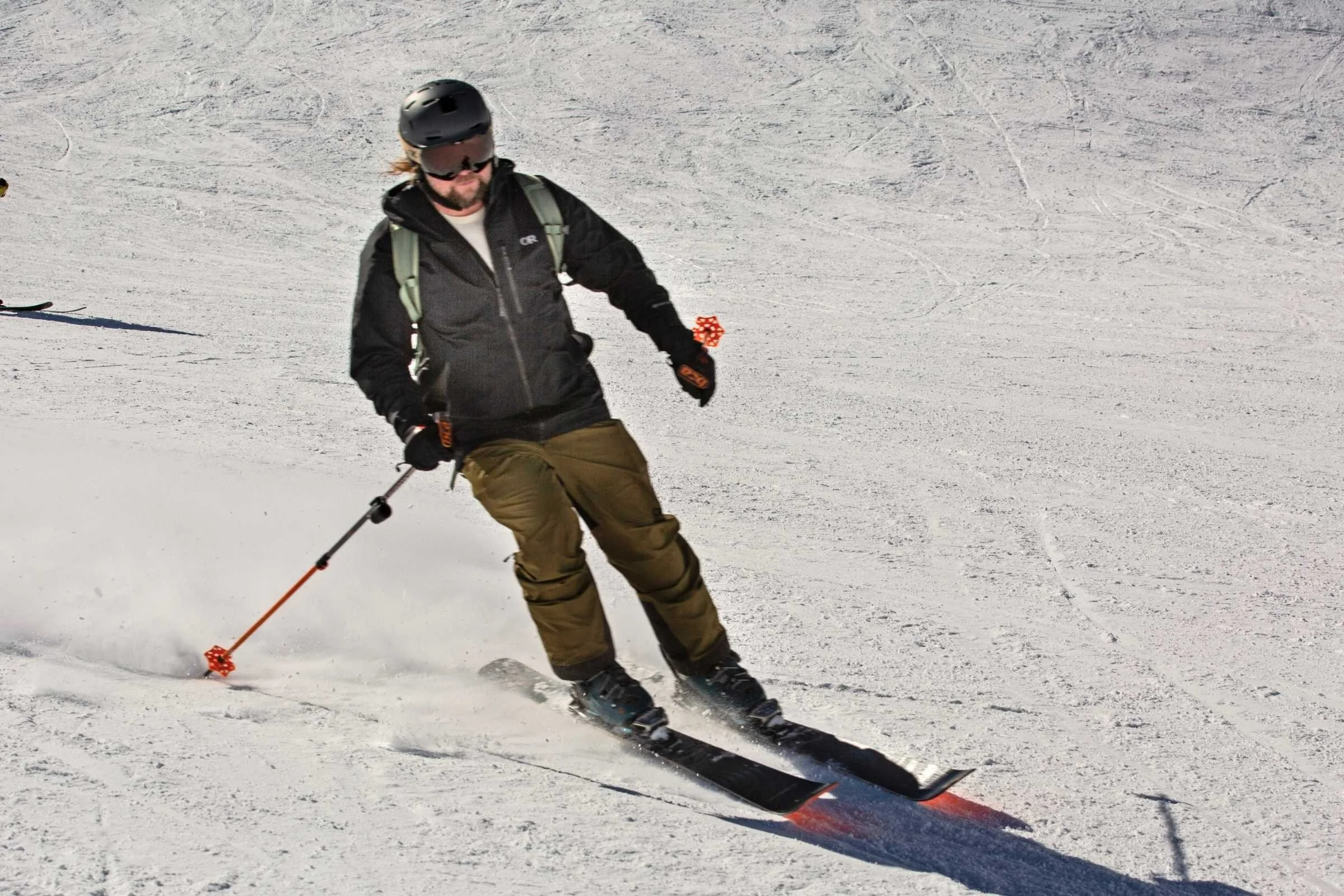
If the fresh corduroy of a perfectly groomed run is what calls to you as a skier, then a carving ski is going to be your ideal companion. We tested the Rossignol Arcade 88 on crisp spring groomers and loved the combination of carving performance and accessibility—which means that this ski isn’t too demanding for those on the beginner end of the spectrum, but it’s also ready to handle more aggressive skiing as you progress.
Rossignol Arcade 88
-
The Arcade 88 has a wood core paired with a full layer of titanal (a type of metal used in ski construction to add stiffness and stability) for added stiffness and performance. The skis have traditional camber underfoot with some rocker in the tips and tails. This all makes for a ski that can handle fast skiing and aggressive carving (thanks to the titanal), but it’s plenty accessible for folks who are still working to perfect their carving—in part because the rocker in the tips and tails help these skis initiate turns easily and keep them from being too demanding overall.
-
Despite these skis having a construction that looks like it would demand excellent technique, we found in our testing that they’re still surprisingly maneuverable and forgiving. They’re able to make a fairly wide variety of turn shapes, though they prefer to turn on the shorter, snappier end—meaning that they won’t be as good at arcing huge, fast turns. And that makes these skis feel very manageable in tight terrain too.
That being said, we don’t think these are the best option for true first-timers (look to the Season Primer instead) since they are on the stiff side. But while they’re marketed more towards intermediate and expert skiers, we think the Arcade 88 is an excellent choice for beginners with at least a little experience who are looking specifically to progress on groomers and in their carving performance.
-
Rossignol markets the Arcade 88 as an all-mountain ski, and while we don’t disagree and think it does well across frontside terrain, carving is where it shines. The ski has excellent edge hold and good stability, while remaining fairly maneuverable overall.
It’s not quite as hard-charging as leaders in this narrow, carving-oriented all-mountain category, like the Volkl Mantra 88, which we recommend in our Best All-Mountain Skis review. But, skis like the Mantra 88 are likely to be too demanding for beginner skiers, whereas the Arcade 88 seems to bridge that gap more, allowing those still learning to perfect the art of the turn.
-
At 88 millimeters underfoot, this ski isn’t meant for powder days. But, it’s not so narrow that you can’t have fun playing in the soft, ungroomed snow to the sides of the piste. The bit of rocker in the tips does help in this regard. But ultimately we think this ski performs best on firm snow and groomed terrain (though it’s plenty fun in the bumps, too). If you’re planning to spend most of your days skiing soft snow or powder, consider a wider ski like the Salomon QST 94 instead, but know you’ll sacrifice some carving performance.
-
We tested the Arcade 88 over several spring days in Colorado, many of them with firm snow conditions. This ski was great across the frontside, from fresh groomers to off-piste runs with firm snow, and the occasional bump run.
-
While this ski isn’t ideal for someone spending their very first day on the mountain, it’s an excellent option for beginner-intermediates who have learned the basic essentials and want to progress. While this ski is easy enough to maneuver for those who are still building their skills, it’s built not just to handle the demands of more experienced skiers, but to be a lot of fun for experts, too.
There’s no getting around the fact that this is an expensive ski and first-time buyers might have a little sticker shock. If you want something more affordable (and approachable) and don’t mind sacrificing some stiffness and carving performance, consider the Season Primer instead. But if you’re looking for a ski that’s geared for high performance and excellent at carving, know that splurging here will get you a ski that should last many seasons as you progress into expert territory.
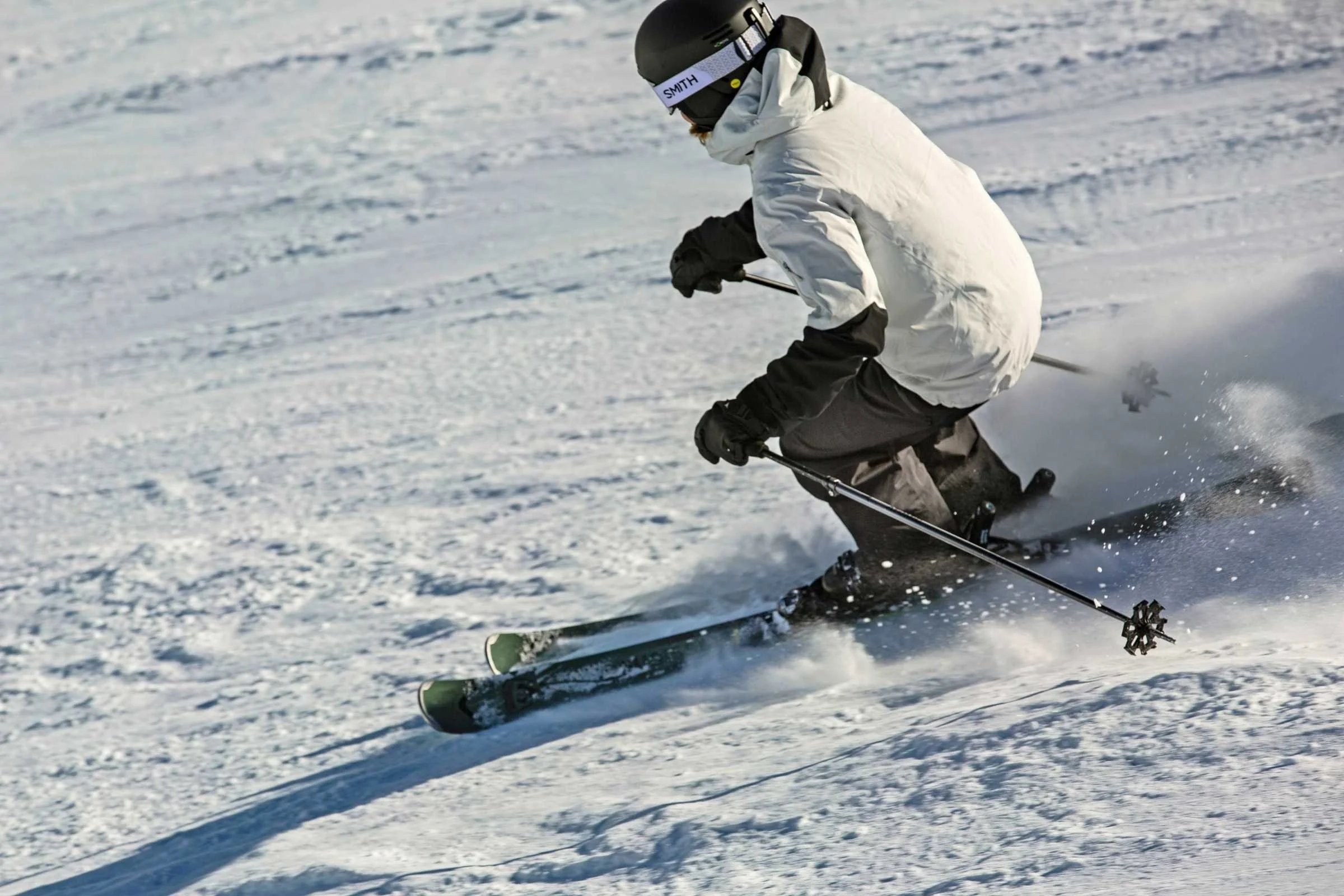
Best beginner skis for soft snow and powder: Rossignol Sender Soul 102
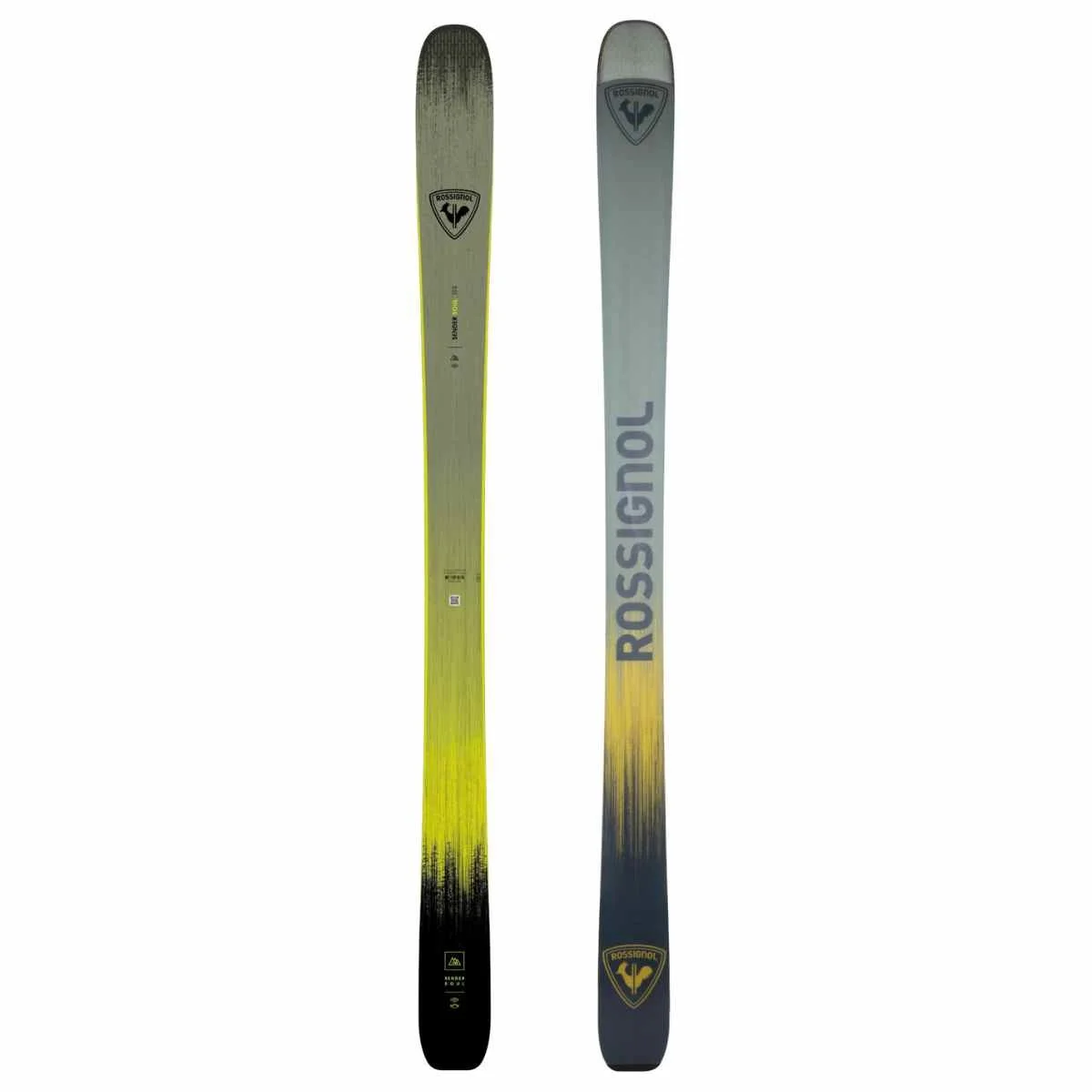
Ski length options: 156, 164, 172, 180, 188
Waist width: 104
Turn radius: 16
What we liked: Approachable for beginners yet able to be pushed, great in soft snow
What we didn’t like: Wider, larger ski may be too much for first-time skiers
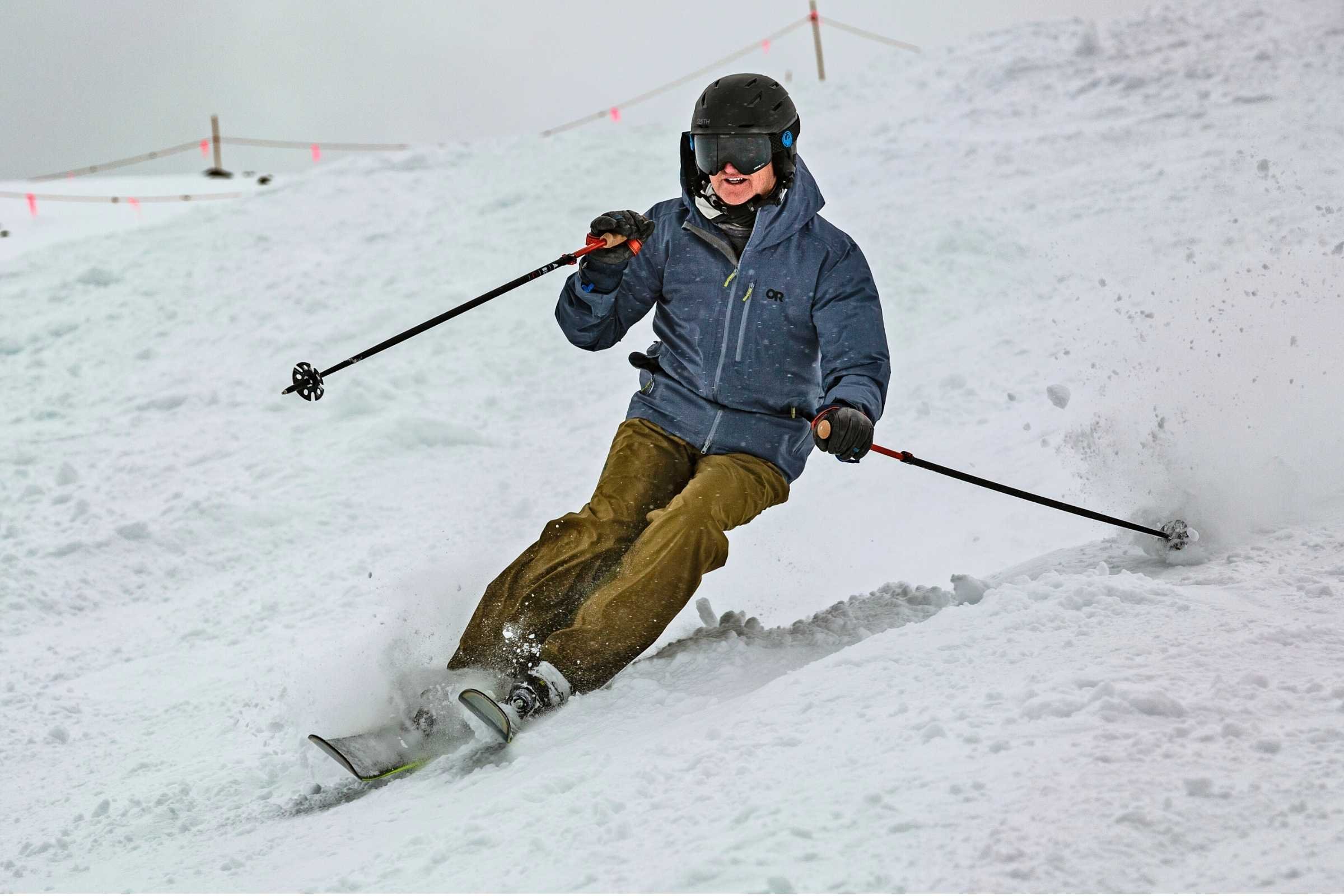
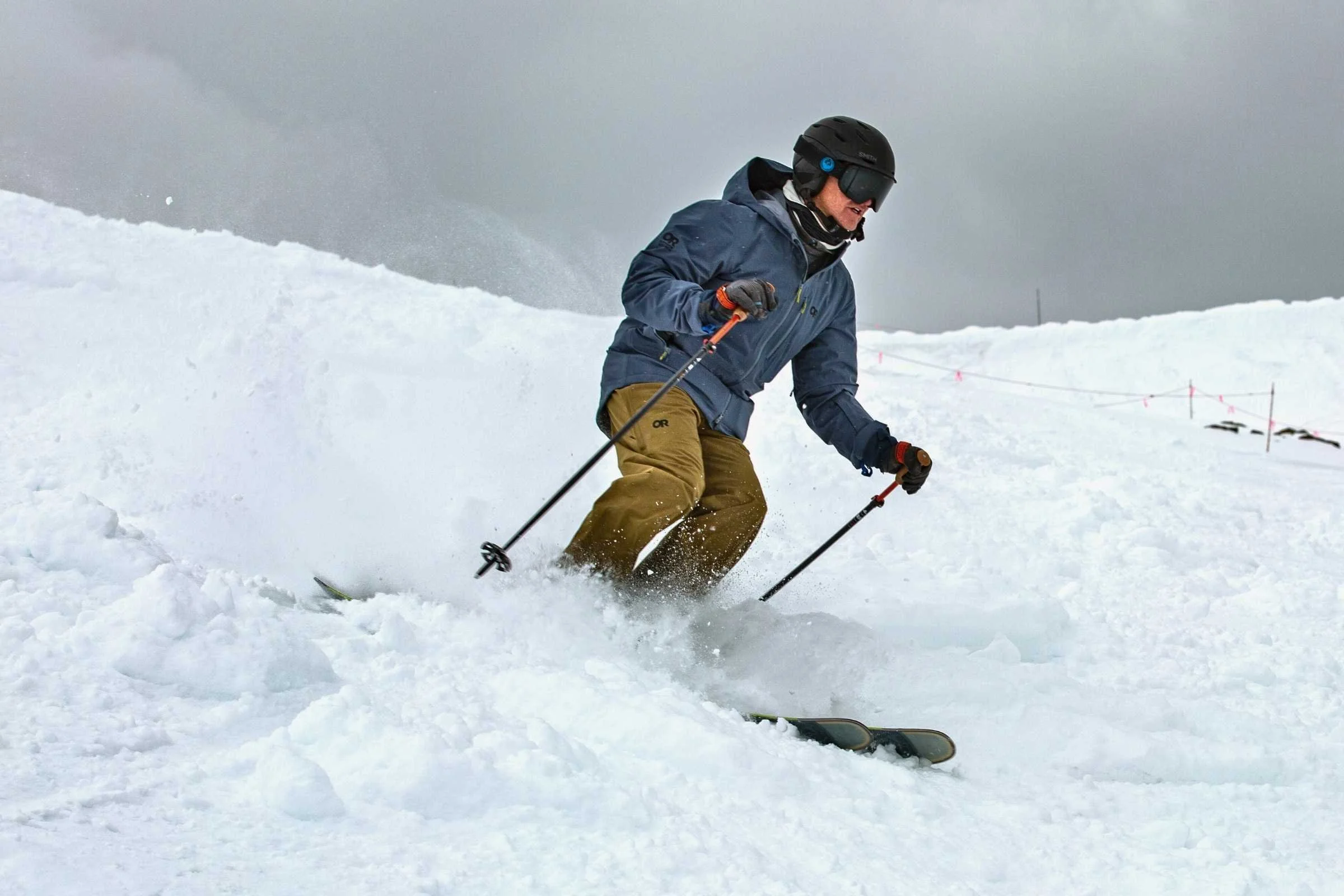
If you’ve had a chance to learn the basics and you’re ready for some skis to take into the powder, we think the Rossignol Sender Soul 102 is an excellent choice for beginner-intermediate skiers who are ready to leave the groomers behind. Our testers had a lot of fun on this ski and it has an incredibly wide appeal—we think both newer skiers and experts can enjoy this ski. So if you’ve got your eye on powder days, consider this ski.
Rossignol Sender Soul 102
-
The Sender Soul 102 is reminiscent of the now-discontinued but once wildly popular Soul 7 ski. It has a poplar wood core and a titanal beam underfoot for added stiffness and stability. The tips feature what Rossignol calls Air Tip technology (and what was the signature tech feature in the old Soul 7). This makes for tips that are light but not too chattery, meaning the skis have a low swing weight and are fairly easy to maneuver.
-
While this is a wider ski that would likely be too much for first-time skiers (skis with narrower widths are generally easier to turn and maneuver when learning), for beginner-intermediate skiers learning to ski off of the piste will find the Sender Soul to be both capable and light and maneuverable. The lightweight tips help to make turns easier, as do the generous rocker lines in both the tips and tails.
-
For a slightly wider ski, the Sender Soul still carves very well and is a lot of fun on groomed terrain. It’s fairly easy to get on edge and isn’t very punishing if you’re still working on your form. Our testers were able to make fast and smooth carves on this ski on firm spring days in Colorado.
-
While we think the Sender Soul is a great all-mountain option, it really shines in soft snow. The lightweight tips and rocker design that help to make the ski maneuverable also help it float in soft snow. In a few inches of fresh powder, this ski is a whole lot of fun. And it’s light and nimble enough for newer skiers to not be overwhelmed. Because they are on the lighter side, at high speeds in choppy snow they will chatter a bit, but that shouldn’t be an issue for beginner and expert skiers. And the lightweight nature of these skis is actually an advantage for beginners and intermediates because it makes them easier to maneuver and pivot.
-
As far as versatility across the mountain, much like the Salomon QST 94, this ski excels. You can take it just about anywhere and have fun. When it comes to progression, first-time skiers should opt for something like the Season Primer, since its narrow waist and design is easier to learn the basics on. But if you’ve got some days under your belt and feel ready to progress your skills and seek out some powder stashes, the Sender Soul is an excellent option that will serve you well for many seasons as you progress to expert level skills and terrain, and even then we think you’ll want to keep it around.
Other beginner skis we tested
Nordica Enforcer 99
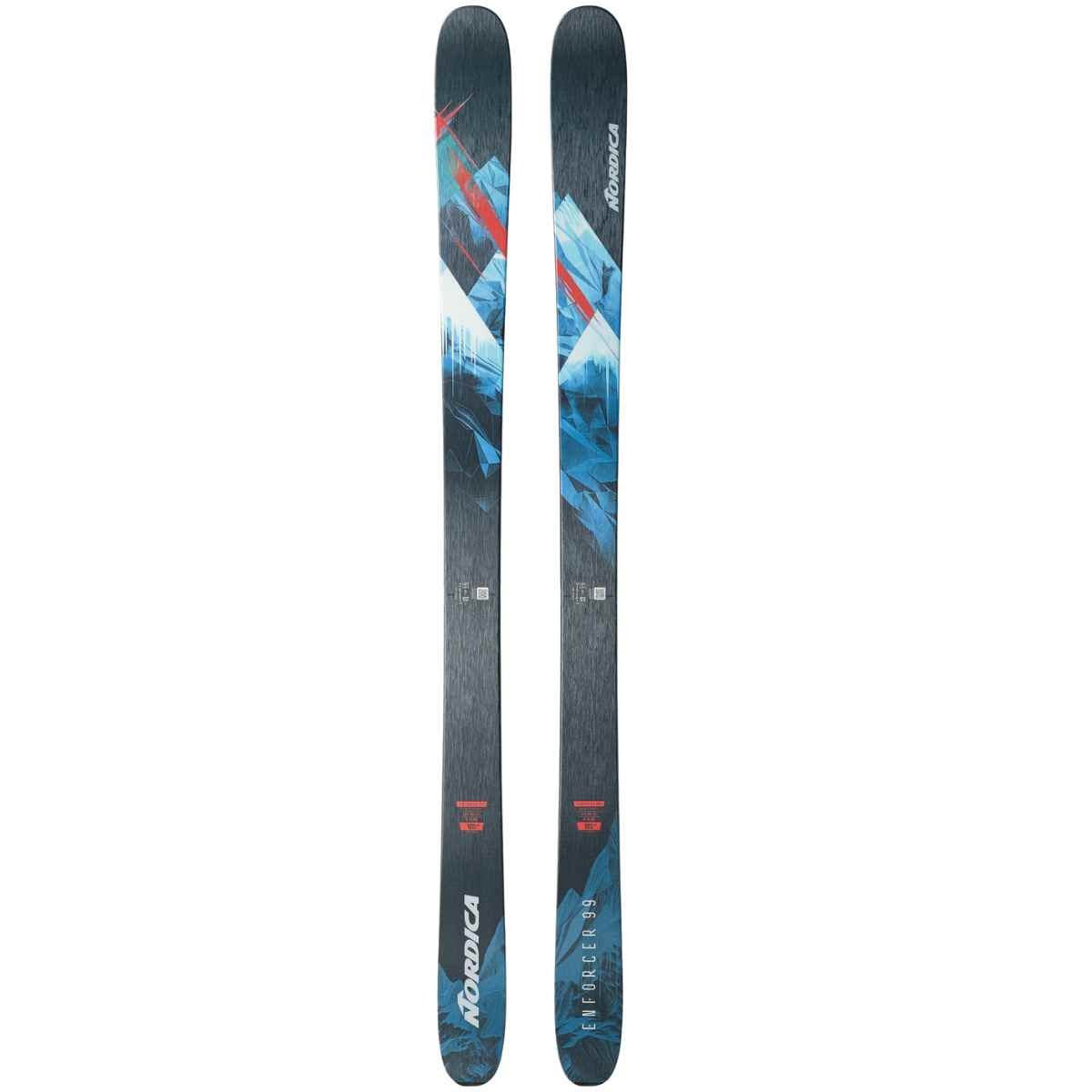
Weight (individual ski): 2270g (for the 191, length tested)
Ski length options: 167, 173, 179, 185, 191
Width (Tip-Underfoot-Tail): 134-99-122 (for the 191, length tested)
What we liked: Incredibly versatile, great option for intermediates
What we didn’t like: Not quite as approachable as Season Primer for true beginners
The Nordica Enforcer 99 is our best overall winner in our Best All-Mountain Skis review. It’s an excellent and versatile all-mountain ski that intermediates and experts are likely to enjoy. And while we think this is a great choice for folks who have already spent some time learning the basics and want to advance their skills, this ski is a bit much for true beginners. It’s a little too wide and probably a little too stiff for never-ever skiers. Look to the Season Primer for something that’s best for beginners. But if you’re an intermediate skier looking for an excellent pair of all-mountain skis, consider the Nordica Enforcer 99.
Nordica Enforcer 99
Volkl Mantra 88
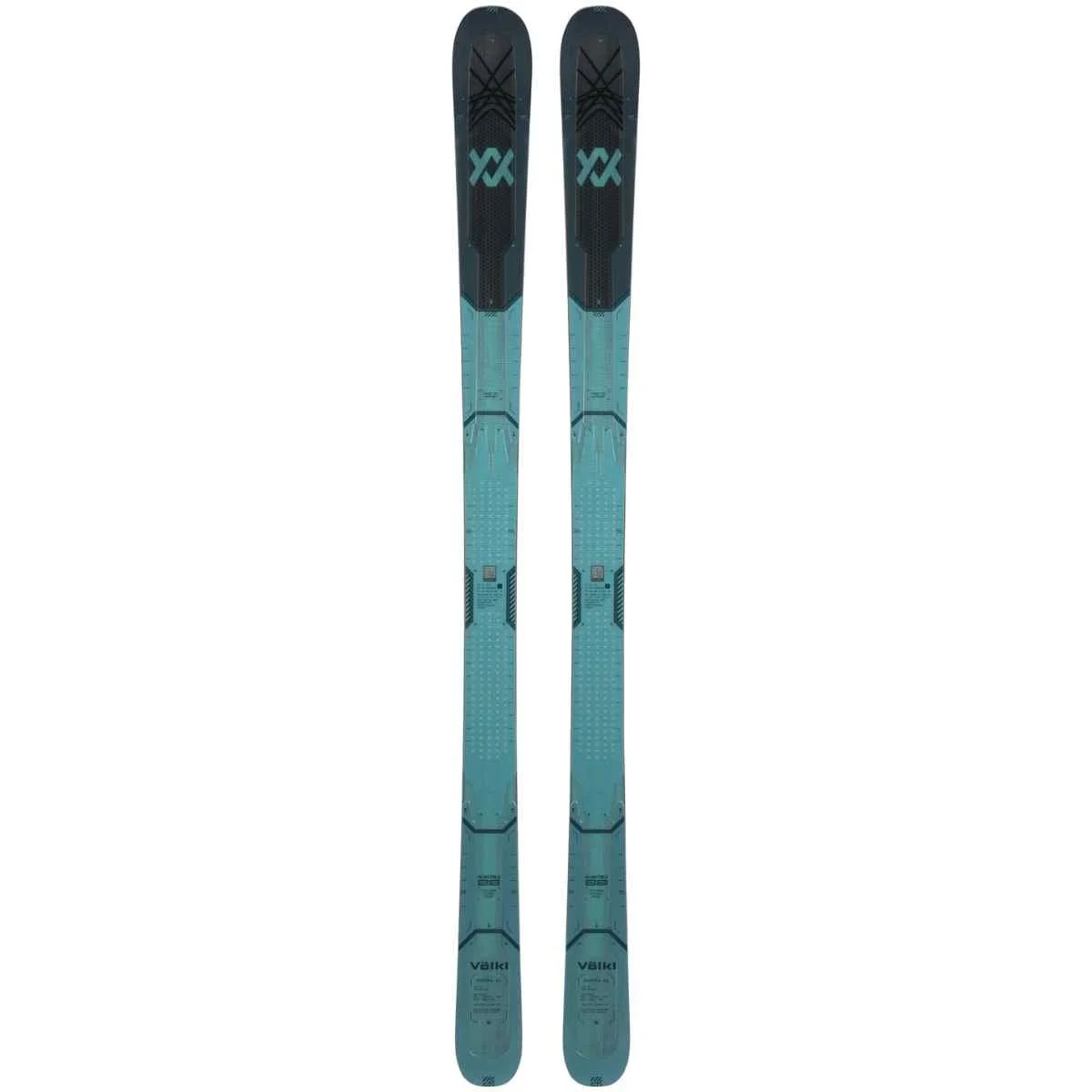
Weight (individual ski): 1800g (for the 170, length tested)
Ski length options: 163, 170, 177, 184
Width (Tip-Underfoot-Tail): 129-88-113 (for the 170, length tested)
What we liked: Incredibly fun to carve, stable and reliable at high speed
What we didn’t like: Too stiff and demanding for beginner skiers
The Volkl Mantra 88 is another winner in our best all-mountain skis review, as we think intermediate and expert skiers will love carving this narrow all-mountain ski. But, the overall design and stiffness of this ski makes it a little challenging for beginner skiers.
Volkl Mantra 88
Women's
Men's
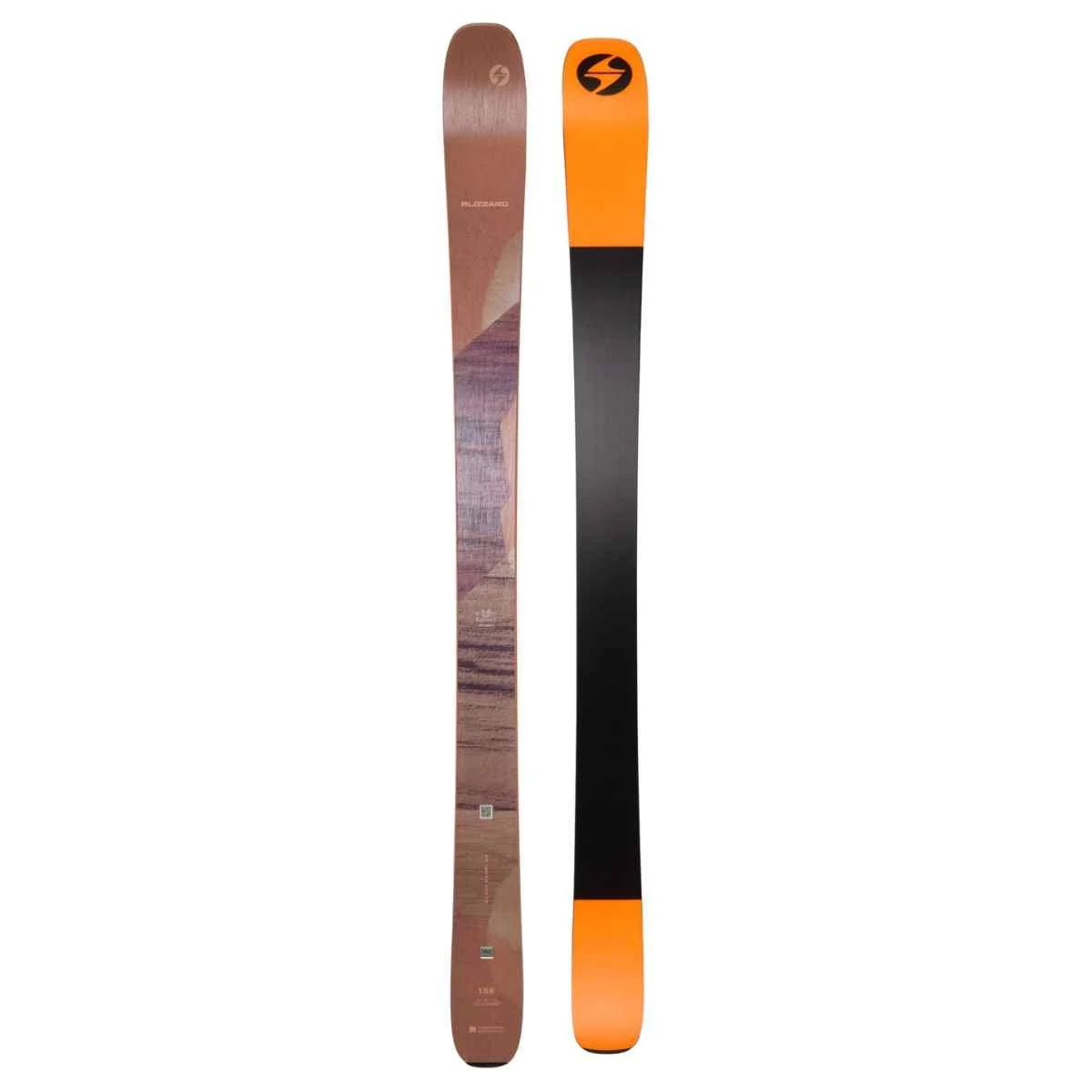
Weight (individual ski): 1840g (for the 170, length tested)
Ski length options: 152, 158, 164, 170, 176
Width (Tip-Underfoot-Tail): 132.5-94-114.5 (for the 170, length tested)
What we liked: Excellent choice for intermediates and even experts
What we didn’t like: Not ideal for true beginners
If you’ve had a chance to learn the basics and have some ski days under your belt as you progress towards an intermediate skill level, the Blizzard Black Pearl 94 is a great ski to consider for an all-mountain women’s-specific option. It’s versatile, well-rounded, and not overly demanding while still able to please expert skiers. If you’re just starting out, look for a softer ski like the Season Primer.
Blizzard Black Pearl 94
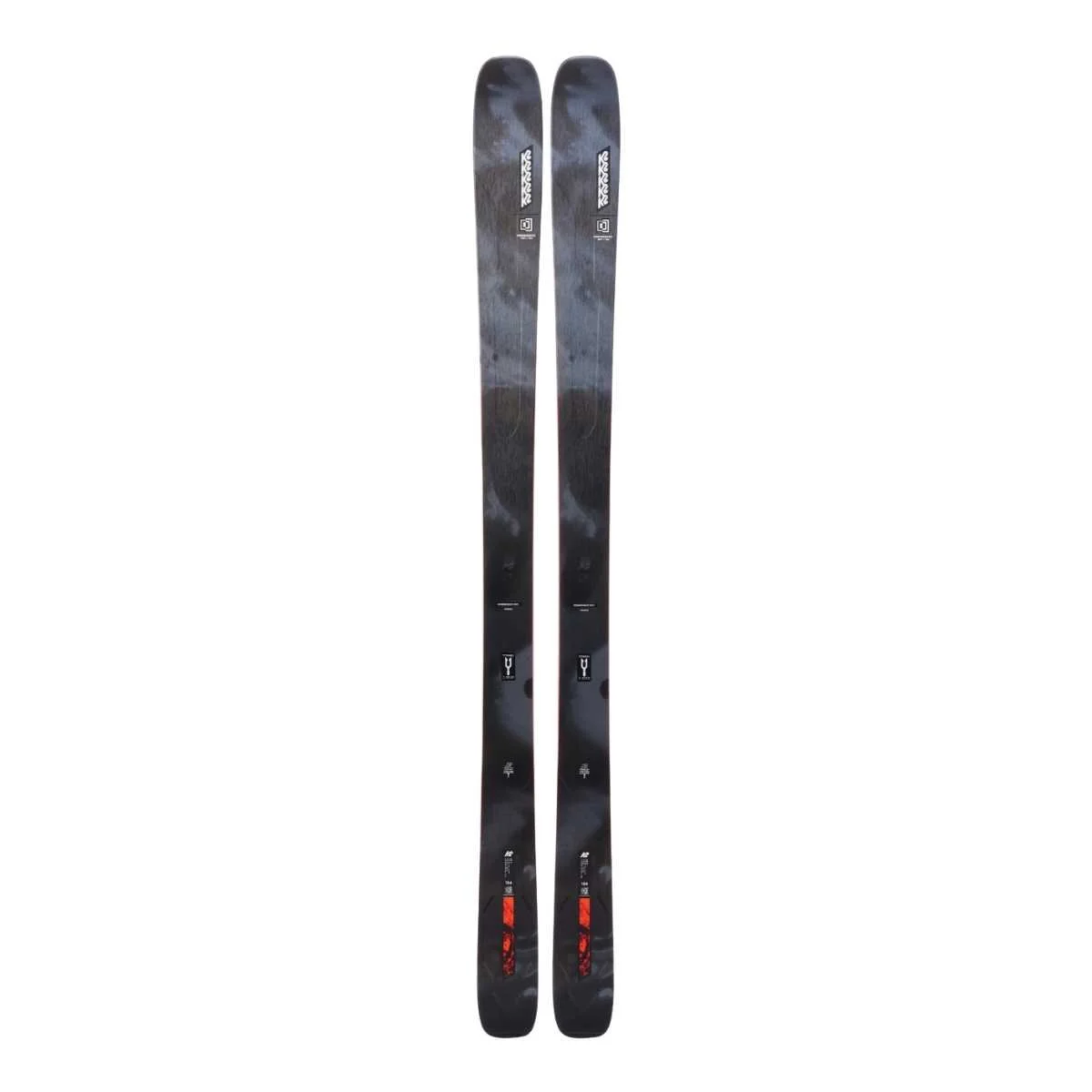
Weight (individual ski): 1900g (for the 172, length tested)
Ski length options: 166, 172, 178, 184, 190
Width (Tip-Underfoot-Tail): 134-99-120 (for the 172, length tested)
What we liked: Versatile, performs incredibly well across varied terrain and conditions
What we didn’t like: Too demanding for beginner skiers
The K2 Mindbender 99Ti was a strong contender for our best overall award in our all-mountain skis review, and the story here is very similar to the Nordica Enforcer 99. Intermediate and advanced skiers are likely to have a great time on this ski. But, the Mindbender 99Ti is probably too demanding for true beginners, whereas the Season Primer or Salomon QST 94 are both a little softer and more accessible and approachable for beginners overall. But, if you’ve had time to hone your skills a little, the K2 Mindbender 99 Ti is well worth a look.
K2 Mindbender 99Ti
What to look for in beginner skis
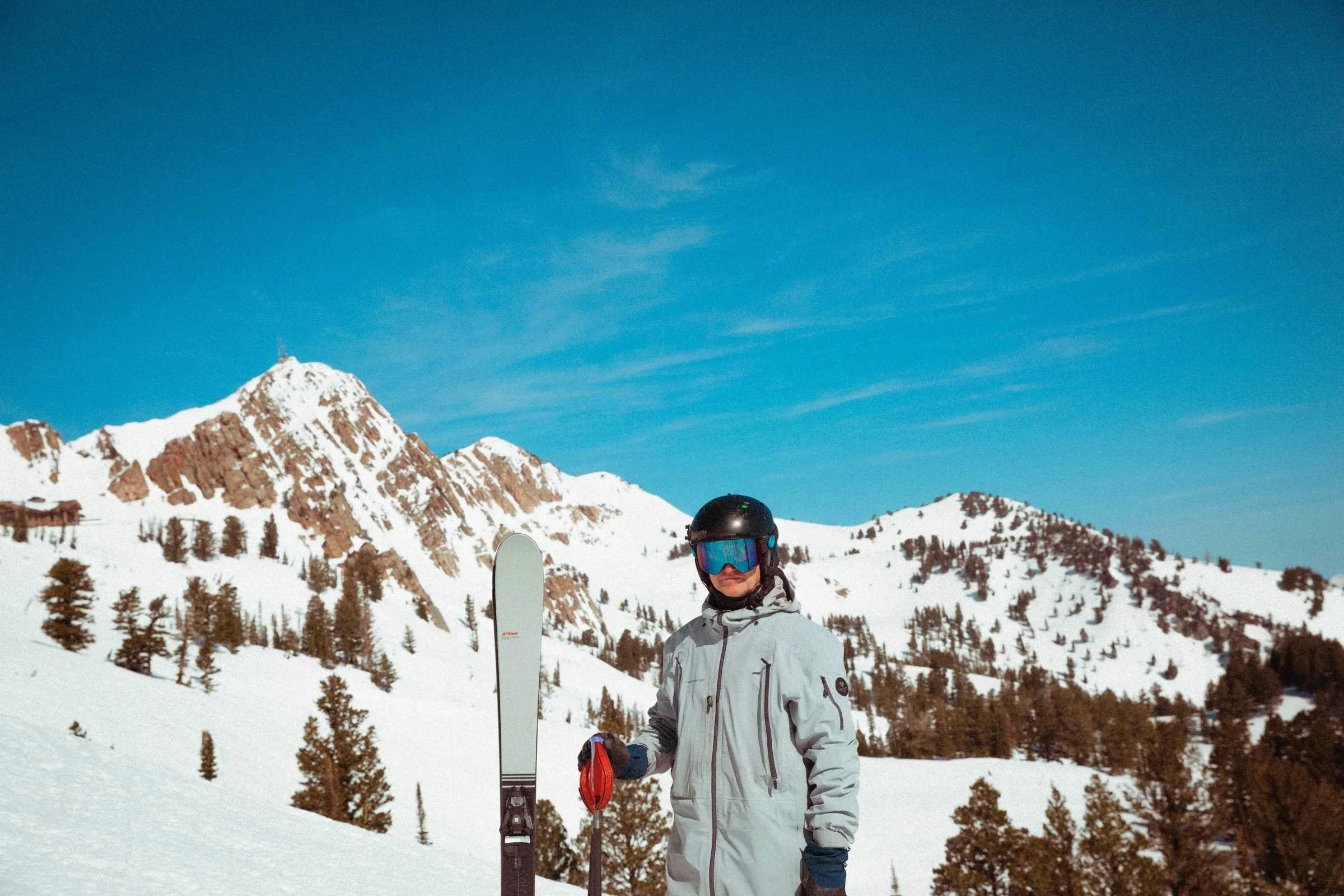
We had multiple testers of different ages and abilities test the Season Primer. Photo by Jacob Callaghan.
Ski length considerations for beginners
The ideal ski length for a given individual is based on a variety of factors, including height, weight, and ability levels. Shorter skis are easier to turn and maneuver, so if you’re a beginner skier, select skis on the shorter end of the spectrum that could work for you. But, especially when purchasing skis, keep in mind that you’ll want to keep those skis as you progress. Make an honest assessment of where you’re at in your abilities and select a length that will serve you well as you progress.
Waist width and its impact on turning
Generally speaking, narrower skis are easier to turn. Those narrower waists often allow for a shorter turning radius (smaller, slower, easier turns) but it also simply means less ski (and less weight) that you have to get around on each turn. For that reason, we recommend skis on the narrower end of the spectrum for folks who are learning.
Turn radius and maneuverability
Maneuverability is a key feature and something we talk about a lot in our reviews for beginner skis. It basically means how easy the ski is to turn and move around in different types of terrain. More maneuverable skis are easier to turn, and this is great for beginners.
Generally speaking, a shorter turning radius makes a ski more maneuverable. Skis with very large turning radii like to make big and fast turns, and aren’t as easy to ski, particularly in tighter terrain. A shorter turning radius also allows you to go slower and make slower, more controlled turns.
Flex pattern and forgiveness
Skis vary in their stiffness, and this is often referred to as their flex pattern. Skis that are very stiff often require more advanced skills to be able to turn them effectively, while softer, less rigid and stiff skis are often easier for beginners to maneuver. But, as with most things, there’s a balance to be found. Some of the great beginner skis we recommend here have plenty of stiffness underfoot for good performance, but are softer in the tips and/or tails for added maneuverability.
Construction materials and weight
What a ski is made of will affect its performance and weight. For beginners, skis with lightweight wood cores are often best. Many skis have a layer (or multiple layers) of metal—usually titanal—in the design which adds stiffness and stability. Some metal can be good in a beginner ski, but avoid skis with loads of it that will be overwhelmingly stiff and heavy for folks who are still learning the basics.
Terrain versatility
Versatility is a huge factor in skis, in our opinion. If you’re lucky enough to own multiple pairs of skis, this matters a little less. But many of us have to choose one ski to do it all, and thankfully there are lots of skis out there that are very good at that.
Versatility across terrain is what all-mountain skis are made for, but often skis will have a strong suit that leans either towards groomer and carving performance or performance in soft snow and powder. Consider the types of terrain and snow you most often ski and let that guide your decision. Don’t be lured by a powder ski just because it looks big and fun and cool when you spend most of your time skiing east coast groomers—trust us, that narrower carving-oriented ski will be a whole lot more fun!
Progression potential
You might have noticed that very few of the skis we recommend in this review are the ones you’re likely to find in a rental shop or ski school lesson. Those skis, while often fairly inexpensive, leave very little room for progression and they’re not something we recommend skiers purchase as their own. Instead, we tested intermediate and above skis that have features that make skis more approachable and fun for beginners, but that have the performance capabilities to grow with you as you progress your skills.
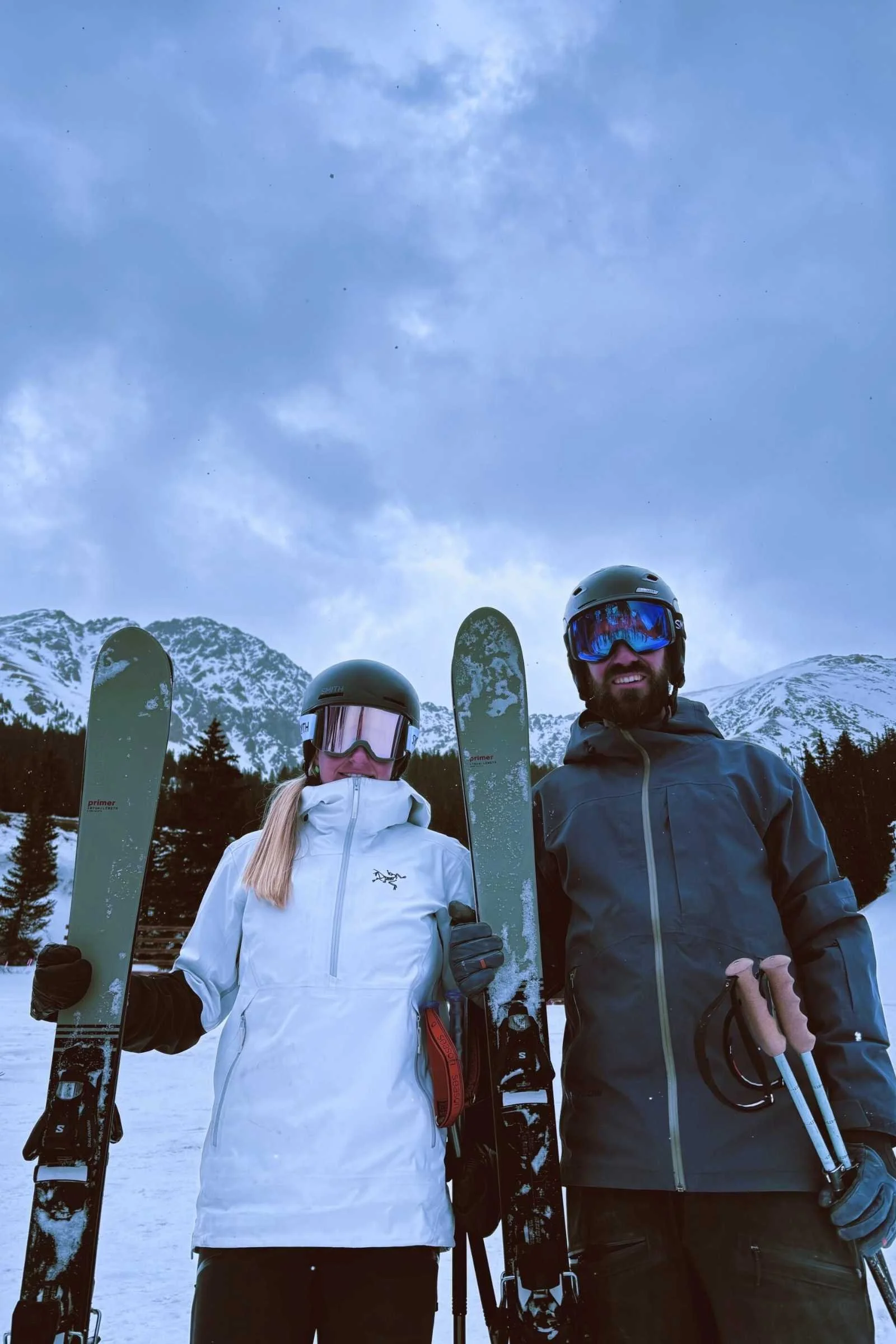
Our primary men’s and women’s ski testers with the Season Primer at Arapahoe Basin. Photo by Jacob Callaghan.
Why you should buy beginner-friendly skis
If you’re new to skiing, the skis you use to learn can make a huge difference in your progression—and how much fun you have while you’re out there. While we do recommend an upgrade from the classic rental shop beginner skis, we don’t suggest new skiers dive into the deep end of expert models. Skis that work well for beginners are lighter, softer flexing, and easier to maneuver than expert skis, which are often stiffer, heavier, and more demanding of good form.
Finding a pair of skis that suits your ability level will help you to build confidence as you learn, with designs that encourage good technique without punishing bad form. If you opt for expert skis while still learning, you’re likely to be challenged beyond your skill level with skis that are hard to turn and get around, and you’ll probably have less fun overall. Beginner-oriented skis also typically have a shorter turning radius, which means they’re made more for turning at slower speeds, which will help you to ski safely and in control.
Buying your own beginner-friendly skis will help you progress on familiar gear, rather than dealing with a new rental each time, and if you ski enough it’ll likely end up saving you money in the long run too. (Especially if you pick a pair that allows for plenty of progression!) And, of course, having your own skis that are suited to your needs will help you to have more fun on the slopes, and that’s the point of all this silly snow sliding after all.
Beginner skis vs. expert skis
Beginner-oriented skis are often softer and easier to maneuver than their expert counterparts, which are often stiff and demanding. Good beginner skis also have shorter turn radii, which helps with making shorter, slower, more controlled turns as you learn, while many expert skis will have larger turning radii, meant for making big turns at high speeds. Beginner-friendly skis are also more maneuverable in general.
If you’ve already honed your skills on the mountain and are looking for more expert-level skis to consider, take a look at our review of the Best All-Mountain Skis.
Types of beginner skis explained
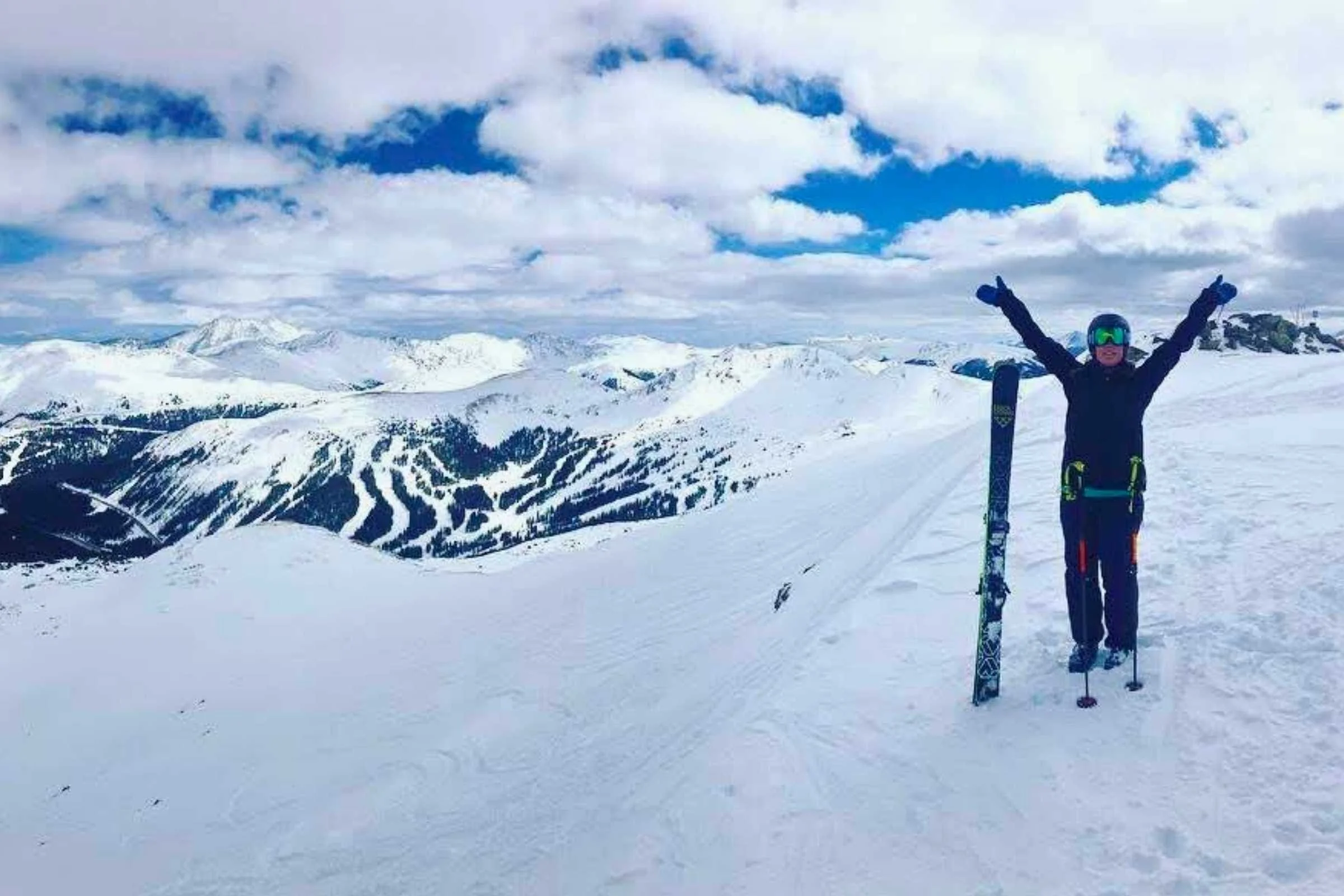
Treeline Review writer Josette Deschaumbeault at Loveland Ski Resort, Colorado. Photo courtesy Josette Deschaumbeault.
All-mountain vs. groomed-specific designs
All-mountain skis are meant for versatility above all, and are jacks of all trades. They balance features for performance, from groomed runs to fresh snow and everything in between. Skis that are made specifically for groomers prioritize features that enhance carving performance, often at the sacrifice of soft snow performance (and vice versa).
Different flex patterns and their benefits
Skis can come in a variety of flex patterns, which means how stiff a ski is in different spots from the tips to underfoot to the tail. Softer skis are generally easier to maneuver but won’t be as stable at high speeds. Stiffer skis will be more challenging to ski but will maintain more stability at high speeds.
Men's vs. women's vs. unisex options
The difference between men’s, women’s, and unisex skis varies a lot depending on brands and models. Sometimes, women’s skis are made to be lighter. But more often than not, women’s skis just typically come in shorter sizes with more feminine designs on the topsheets. We think the most important factor is the length—make sure the skis are available in a length that’s ideal for you. The rest is mostly personal preference.
Length and width variations
Narrower skis are typically best to learn on because they’re often easier to turn. But narrower skis are also better at carving than their wider counterparts. On the other hand, wider skis float better in fresh powder. When it comes to length, shorter skis are easier to turn and maneuver, and it gets progressively harder as the skis get longer. Longer skis are more stable at speed than shorter ones. But most important is to pick skis that are the right length for your size and abilities.
How to choose a beginner ski
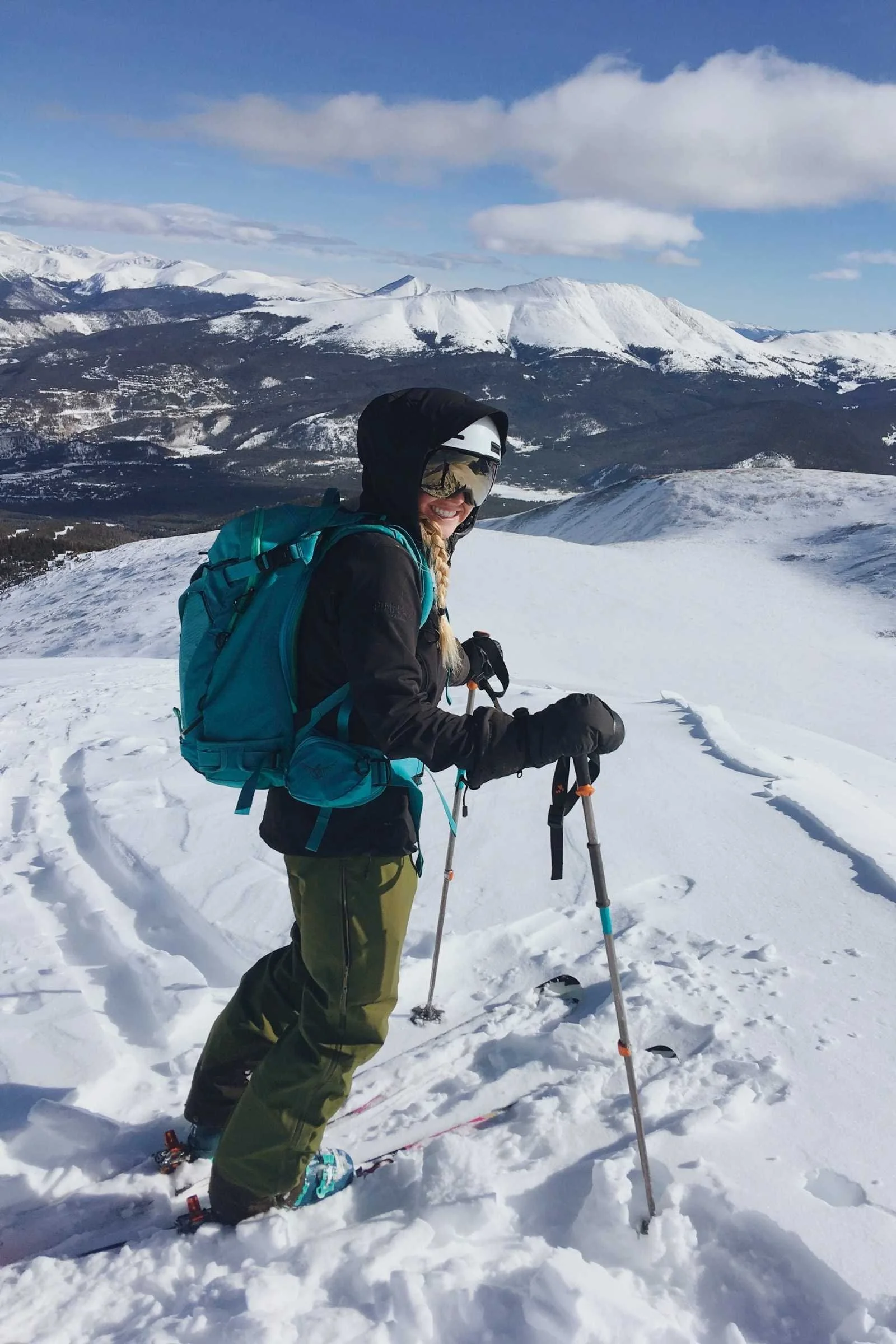
The author in her happy place. Photo courtesy Stasia Stockwell.
When looking for a pair of all-mountain skis, it’s important to know just what you need. Here are a few main things to consider in making your decision:
1. What type of snow will you primarily be skiing on?
The first thing to consider is the average conditions for where you’ll be skiing. If you spend most of your days skiing in the east, you’ll want to look for a ski that prioritizes carving capabilities and holds an edge well since you’ll likely encounter hardpack conditions regularly. If you ski in the west and prioritize going out on powder days, consider a softer and slightly wider ski that will shine in soft snow.
2. Are you brand new to the sport or have you spent some days on the slopes before?
If you’re just starting out skiing, it’s worth getting a ski that you can learn on easily that still leaves room for progression. Beginners will have an easier time learning to carve on skis both on the narrow side underfoot and on the shorter side in length. Intermediate skiers may enjoy a ski with a wider waist and longer length for both speed and soft snow performance.
3. What type of ride do you want from your skis?
There are many designs in the ski world, each one geared toward a specific skiing style. If you enjoy going fast or spend most of your time skiing groomers, we’d recommend looking for a ski that offers stability and some stiffness. If you want more playfulness and pop from your skis, look for a softer ski with more flex.
4. Are you skiing the East Coast or Rocky Mountains? What is the snow condition of the place where I ski?
If you plan to spend days skiing soft powder snow in the West, then a softer and wider ski will be better. Because of the dry climate, snow in the Rocky Mountains has lower water content and therefore produces light and fluffy powder snow. While snow on the West coast will be heavier and more dense than snow in the Rocky Mountains, it will still typically be more powdery than East coast snow.
For Rocky Mountain and West coast skiing, we like the Rossignol Soul 7 (unisex) because of its wider base, flexibility, and performance in soft and deep snow.
If you spend most of your days skiing in the East, then you’ll want to look for a ski made for carving (defined below) and hardpack snow. These skis will typically be stiffer and skinnier than their soft snow counterparts. Because of the more humid climate and winter weather patterns, snow in the East will tend to be denser, with more water content in the snow crystals, and often icier than snow in the Rocky Mountain West and even the West coast.
For East Coast skiing, we liked the Volkl Mantra because they are designed for carving and perform well on hardpack and icy snow.
How to choose the right ski length
Finding the right ski length is very personal. It depends on a variety of factors, including your height, weight, ability level, and the types of terrain you like to ski—and even down to a specific ski’s design (you might like a 167cm length in one model, but prefer a 172cm length in another, for example). For beginners, erring on the shorter side of the spectrum is generally a good idea.
For example, the author of this story is a 5’3” female who weighs around 125 pounds. The general recommendation for ski length (that you’ll find most places on the internet) would likely offer something in the 150-165 length range for a female skier of this stature. If she were brand new to skiing and wanted to buy the Season Primer, she would probably buy the 156 length to prioritize maneuverability as a never-ever skier. But let’s say she’s skied on rentals a handful of times, has a grasp on the basics, and wants a beginner-friendly length she can progress on. In that case, she might opt for the 162. As an expert skier, she now prefers skis in the 165-172 range, depending on the specific ski and what she wants it for. But that means that a ski at a 162 length is an excellent choice for a beginner who wants to progress, and wants to keep the same pair of skis for many seasons.
If you’re most concerned about having a maneuverable ski that’s easy to learn on, opt for the shorter skis. If you’re most concerned about being able to progress and keep your skis for many seasons, consider one size up.
Ski boots and bindings for beginners
Skis are lots of fun to talk about and buy, but your boots are by far your most important piece of gear. You can read our guide on finding the right ski boots for you for more of a deep dive on the subject, but the gist is this: fit is king, everything else comes second. If you’re buying skis, you most definitely want your own boots, too. (And if for some reason you can only afford one, splurge with a bootfitter then buy the skis later, and you and your happy feet can thank us later.)
As for bindings, the most important factors are these: that they are compatible with your boots, that the brakes fit the width of your skis, and that they have appropriate DIN setting options for your size and ability. And for beginners (especially if you're on the smaller side), a lighter binding can often be helpful for learning.
Care and maintenance tips
Caring for your shiny new skis will help them last for many fun seasons on the slopes! It’s a good idea to wax them a few times a season to keep the bases fresh, and we always advocate for one full tune each fall that includes a base grind, edge tune, and wax. If you get dents or dings in your bases, fill them with P-Tex as needed to avoid more damage down the road.
When it’s time to store your skis, keep them in a dry place, and away from direct sunlight if possible.
Ski Terminology Glossary
Throughout this story, we use the following terms to define parts of skis. Here, we explain what the terminology means as well as why you should pay attention to these features when picking a ski.
Carving
This is a term used for linking parallel turns on the edges of your skis.
Waist
This is the width of the ski directly under your boot. Most skis today have a tapered form — referred to as the sidecut — that makes for a better-performing ski. Skis with a sidecut carve better and are more enjoyable to ride.
It is standard for dimensions (both ski length and width) to be listed in centimeters. Generally, skis with a skinnier waist width will be better for carving and skiing groomed runs, while wider skis will be better for skiing deep and soft powder snow.
Boots
Your ski boots are arguably one of the most important pieces of your ski setup. An ill-fitting pair of boots can cause multiple issues. Boots that are too large will make it harder for you to maintain control and turn confidently. Small boots can be painful. Be sure to have your boots sized so they fit well, and select a boot type that is right for your skiing style.
A stiffer boot with less flex (the amount of play or forgiveness in the front of the boot) is best for more aggressive skiers and are often less comfortable to wear. More flexible boots with a softer flex are best for beginners as they are more comfortable to wear. Beginner and intermediate skiers do not need the rigidness of stiffer boots.
Bindings
Ski bindings are one of the simpler pieces of a ski setup to pick out and purchase. While there are differences, most are nominal for beginner and even intermediate skiers. There are two main features to be considered when purchasing bindings. First, the width of the brake on the bindings should be slightly wider than the waist width of your skis so that it can work properly.
Second, considering the maximum DIN setting (described below) may be important for larger or heavier skiers, given that this affects the binding’s ability to hold the boot securely and release the boot properly when needed.
DIN
The DIN setting on your binding is essentially its release value. Ski bindings are intended to hold your ski boot firmly in place while skiing, but should also release with just the right pressure so that your skis will come off in the event of a crash, helping to prevent injury. DIN settings range from as low as 0.5 to as high as 18.
Picking your setting depends on two main factors: your weight and your skiing ability. Lighter skiers will need a lower DIN setting while heavier skiers will need a higher one. Similarly, beginner skiers will want a lower DIN setting while learning to ski and expert skiers will want a higher DIN setting so they can ski more aggressively. This DIN setting chart from evo provides more detailed information.
Tip and tail
This refers to either end of each ski. Tip design differs between skis with shape, taper, width, and technology. Tail design can be flat, partial twin, or true twin. This means that for flat tail skis, the tail is just as it sounds: it lays flat against the snow, unlike the tips that flare up.
Partial twin skis mean that the back end of the ski is also flared up to some degree. True twin skis have identical tips and tails that both flare up to the same degree. Beginner skis can have either flat or partial twin tails.
Generally, true twin tip and tail skis are made for those who ski and perform tricks in the terrain park. If you’re looking for a ski that excels at carving on hardpack snow, then a flat tail will tend to be the best choice, while partial twin tails will be great for skiing soft powder snow.
Edge
This is the metal edge that runs along the side of each ski. All downhill skis will have edges, which allow skiers to turn and carve with the skis.
Turning radius
Beginners and intermediate skiers will want to look for a ski with a tight turning radius. This will make it easier to learn how to carve. However, a tight turning radius means that you won’t be able to make wide-arcing turns or be able to go as fast, so there is a trade-off. Most beginner skiers aren't looking for a racing ski.
Camber
Camber is a technology used in the design of skis. It allows part of the ski to bow up from the snow slightly, giving the ski some spring and making it easier to stay on the edge of the tip and tail of the ski. Generally, a full-cambered ski is the best for carving and all-mountain riding.
Rocker
Rocker is the opposite of camber: It allows the base of the ski to be flat against the snow. Often, a tail rocker will be used to help with flotation in powder snow. Some skis may have a full rocker design (rockered ski), and this is usually for powder-specific skis.
Often skis will have a combination of both camber and rocker in the design. This often means you get the best of both worlds: great edge control and carving ability from the camber and a bit of extra lift in the tips for encountering deeper snow.
Flex
A ski’s flex refers to how soft or stiff it is from tip to tail. Essentially, how “bendy” the ski is. Softer skis are often easier to turn, while stiffer skis can be more challenging to maneuver but have more stability when going fast. Generally, beginners should look for skis that err on the softer side.
Chatter
Chatter is a word skiers use to refer to a ski vibrating—quite literally chattering—while you’re skiing it. This is most likely to happen at high speeds or in challenging, chunky, and ungroomed conditions.
Groomers
Groomers refer to groomed runs which have been manicured to be smooth by resort operators. These types of runs are best for beginners to learn on since there is limited variability in the texture and depth of the snow.
Soft snow
The term “soft snow” generally refers to ungroomed powder snow.
Off-piste
“Piste” is a term used for groomed runs. “Off-piste” means in-bounds ski resort terrain that has not been groomed and could be choppy or bumpy, or, if you’re lucky, filled with fresh powder snow!
FAQ
-
The best ski length for beginner skiers depends on your height, ability level, and factors like the specific ski and terrain you most often ski. But in general, beginners should select skis on the shorter end of the spectrum. As you progress, longer skis may be better, depending on your abilities and preferences. But in general, look for skis that land somewhere around your eyes when you stand them next to you.
-
If it’s your very first time skiing and you’re unsure if the sport will be something you love, we recommend renting. If you’ve skied a couple of times and know this is something you want to do often, you will benefit from buying your own skis. Skis are expensive, after all. So while we encourage avid and excited skiers to buy their own pair that suits them well, it’s best to ensure you’ll get plenty of use out of them first.
-
The primary differences between men’s and women’s skis are the size options, and colors and designs on the topsheets. Aside from this, differences depend on specific models and brands.
-
Skis for beginners can range anywhere from $200-$800 and more, depending on what you’re looking for. But you do not need to spend a lot for good skis and our top choice for beginners costs $450. A lot of this will also depend on what specific type of ski you want and what your budget is.
-
If you buy the right skis, even your first pair should last you many seasons as you progress. If you feel your skis are too short, or soft, or too narrow, then it may be time to upgrade. As we’ve said before, if you buy beginner-friendly skis rather than true beginner-only models, you’ll get a lot more life out of your skis and probably have a lot more fun, too.
-
All-mountain skis are meant to be versatile and perform across different snow conditions, so you can have one ski to do it all. But, as you progress, you may find that it’s nice to have skis for specific conditions or performance, like powder or carving skis.
-
Narrower skis in the 80-95mm range are best for beginners. This is because narrower skis are easier to turn and are often better at making slow and controlled turns. The specific width you choose will depend on the terrain you want to ski and the types of snow you most often encounter. Wider skis are better for soft snow and powder, while narrower ones are better at carving and offer more grip on firm snow.
-
It’s possible to learn on advanced skis, but it’s not ideal or recommended. Select beginner-friendly skis to learn on and you’re likely to progress quicker and have more fun in the process.
How we researched and tested
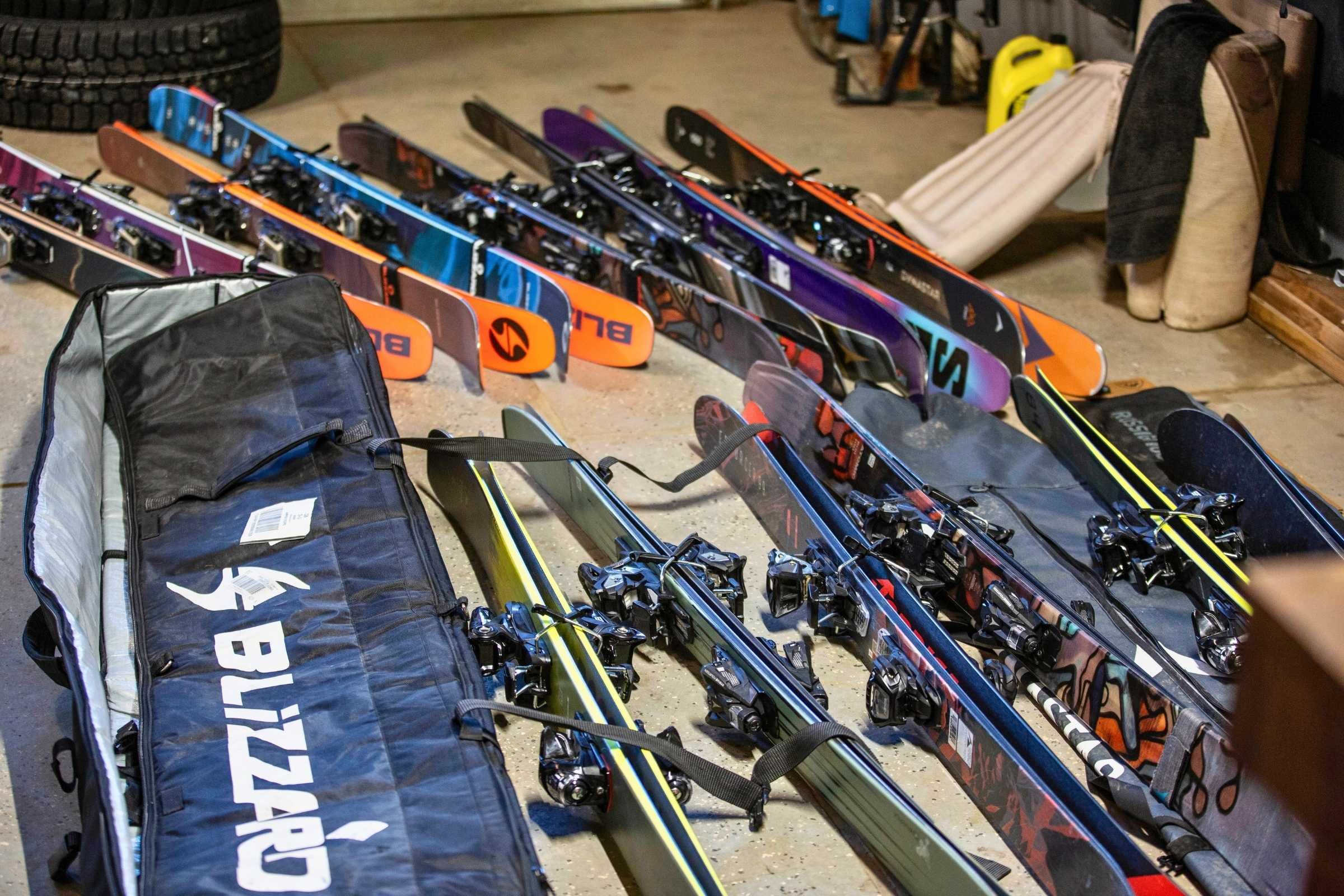
Skis can vary a lot in shape, size, and design. The best beginner skis have shorter turning radii, rocker in the tips and tails, and a slightly softer flex that make them easier to maneuver for folks who are learning. Photo by Tom Callaghan.
Our ski test consisted of both multiple seasons of experience among multiple testers, along with a two-day organized ski test consisting of seven testers, and a couple dozen additional days throughout the season between six different testers. In total, we tested 20 different pairs of skis for this review.
The bulk of our testing took place in Colorado—primarily at Breckenridge and Arapahoe Basin. In addition to that, we had testers on skis in Utah and Oregon, too. While our primary test with all of our testers together took place on two firm spring days at Arapahoe Basin in Colorado, our extended testing meant that we tested skis in just about every condition imaginable, from overhead blower powder to bulletproof refrozen spring snow and everything in between.
After each tester spent time on a ski, we took the chance to discuss, make notes, and come to a consensus on which skis stood out for certain categories.
Our testing process
Real beginners + multiple resorts across 3 states
Where we tested
- Arapahoe Basin 2-day group test
- Breckenridge groomers
- Utah & Oregon ski days
- Powder, hardpack & spring crud
- Beginner terrain + light off-piste
What we tested
- Easy turn initiation
- Stability at low speeds
- Carving on groomers
- Soft-snow handling
- Flex & forgiveness
- Progression-friendly design
Why you should trust us / About the author
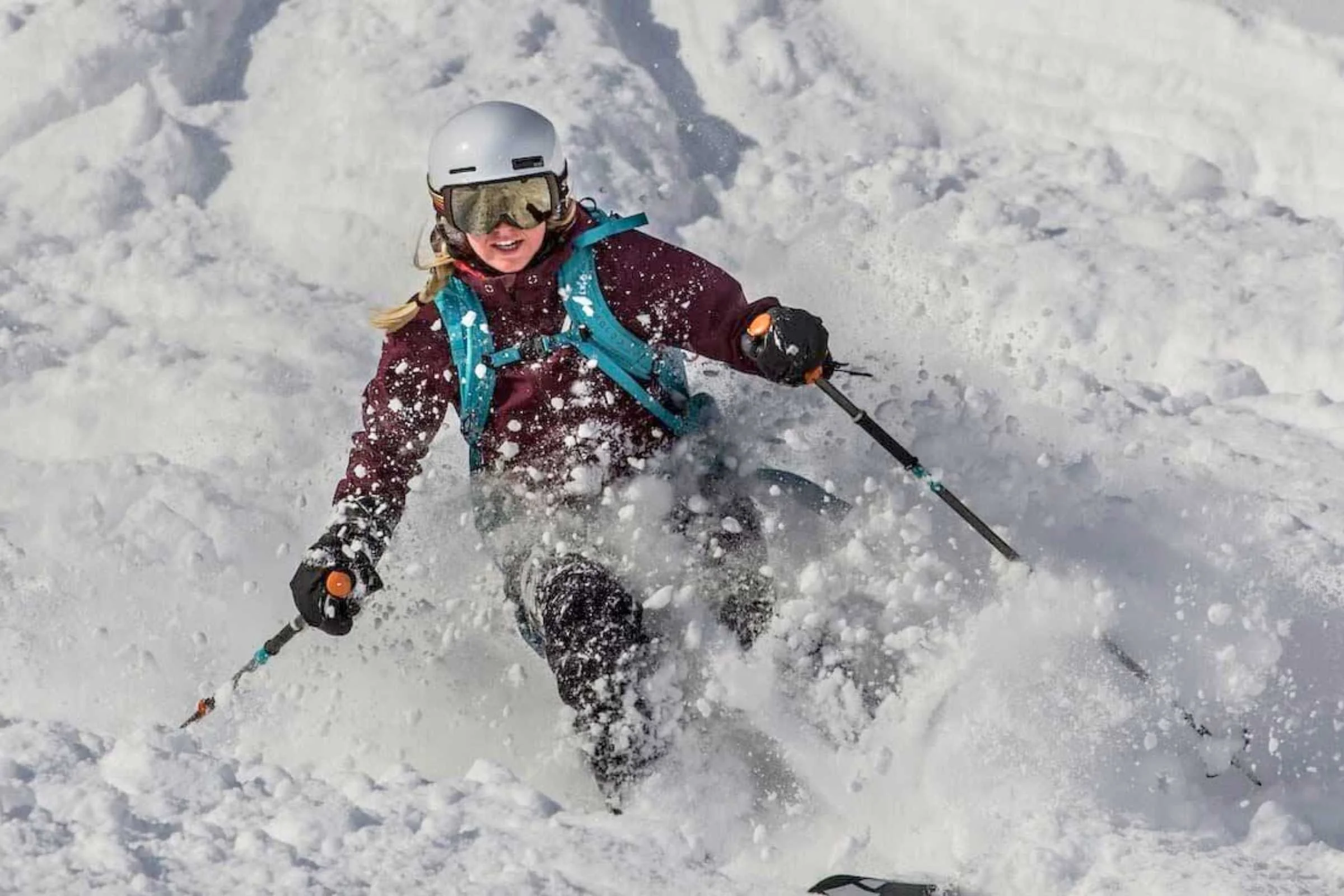
The author getting some well-earned turns in Hakuba, Japan. Photo by Tom Callaghan
All of Treeline Review’s gear coverage is independently tested and written. Treeline is not obligated to any of the brands in this review, and all awards were chosen by the writer, with input from other skiers who helped her test.
Stasia Stockwell has been a skier since she learned to walk. As soon as her legs were strong enough, her dad had her on the slopes in northern Utah learning to make turns with an Edgie Wedgie. She has since spent every winter of her life on skis and gets out to the resort or the backcountry multiple times a week in the mountains around her home in Breckenridge. She’s been an outdoor gear writer and tester for over a decade and has experience working in ski shops, boot fitting, testing skis, and more. But more than anything, she just loves to get out on the snow—and loves helping more people get into the sport of skiing, with its notoriously high barriers to entry.
Stasia is a true mountain dweller at heart. She’s worked as a backpacking guide in Southeast Alaska, has held WFR, AIARE 1, AIARE 2, and Avalanche Rescue Certifications and is working to become an avalanche education instructor. She now calls Breckenridge, Colorado and the mountains that surround it her home. In the winters, she racks up as many ski days as possible; she loves long days in the backcountry, but nothing compares to hot laps on the T-bar at her home resort. In the summers, she’s an avid mountain biker and gravel rider who chronically signs up for races for “fun”—and who knows, maybe someday she’ll land on a podium. Sometimes you might even find her on a trail sans bike, running slowly or backpacking to an alpine lake. She’s now a full time writer and editor in the outdoor space and has been testing and writing about gear for over a decade. Stasia is also the managing editor for the print publication for backpackers, Trails Magazine.
You can see all of Stasia's Treeline Review stories on her author page and her other work on her website.