Best Ski Gloves of 2026
The Top Ski Gloves And Mittens for Cold Hands and Extreme Winter Weather

December 12th, 2025
Home > Gear Reviews > Ski & Snow
Frosty mornings, cold lifts, icy winds—your hands endure it all. The best winter gloves don’t just warm you up; they let you stay nimble and connected to your gear (and the moment) without sacrificing comfort or control.
Over several seasons, the team tested dozens of leading gloves in conditions ranging from snowstorms in Alaska to freezing windstorms in Maine. We looked for models that delivered real performance, not just lofty claims—gripping poles, pressing controls, and staying warm even when the cold set in.
Our evaluation centered on four key performance areas: weather-proofing (wind-blocking, waterproofing), insulation without bulk, dexterity (including touchscreen compatibility), and durability (how gloves held up through back-to-back gear days). We also assessed fit and cuff design to ensure gloves stay in place through long runs, ski days, and winter work.
Top Pick: The Hestra Fall Line Gloves earn our Best Overall award thanks to their premium cowhide leather shell, waterproof performance, and exceptional warmth without sacrificing dexterity—making them our go-to choice across resort laps, backcountry transitions, and all winter adventures.
Need gloves for activities other than skiing? Check out our Best Snowboard Gloves and Mittens and Best Lightweight Winter Gloves for Running, Cycling, and Hiking guides.
We create reader-supported, mission-driven objective gear reviews independently selected by our editors. This story may contain affiliate links, which help fund our website. When you click on the links to purchase gear, we may get a commission — without costing you an extra cent. Thank you for supporting our work and mission of outdoor coverage for every body! Learn more.
Ski Gloves Comparison Table
We researched 110+ models of gloves. Below are the 40 models that made it to our second round of judging. From there, we decided on our 14 winners.
We note any discounts we see on our Deals page, which is updated daily.
Men's Ski Gloves
| MEN'S SKI GLOVE | TREELINE AWARD | WATERPROOF SHELL MATERIAL | INSULATION | REMOVABLE LINER | CLOSURE |
|---|---|---|---|---|---|
| Hestra Fall Line | Best Overall Ski Gloves Read why |
Impregnanted cowhide | G-3 Polyester | Yes | Neoprene cuff, hook and loop |
| Black Diamond Mercury Mittens | Best Ski Gloves for Powder Days Read why |
BDry insert | 340 g PrimaLoft Gold | Yes | Cinch wrist strap, Drawcord |
| Black Diamond Guide Gloves | Best Ski Gloves for Mountaineering Read why |
Gore-Tex, Goat Leather | PrimaLoft One (170g), fleece | Yes | Drawcord |
| Outdoor Research Alti II Mittens | Best Ski Gloves for Cold Hands Read why |
Gore-Tex Membrane | PrimaLoft Gold | Yes | SuperCinch, Elastic Cuff |
| Outdoor Research Prevail Heated Gloves | Best Heated Gloves for Raynaud's Syndrome Read why |
Woven polyester and nylon | Enduraloft | No | Drawcord |
| Kinco Pigskin | Best Budget Ski Gloves Read why |
Pigskin Leather | Heatkeep | No | Elastic Cuff and Tightener |
| Terramar Thermasilk | Best Budget Liner Read why |
100% Filament Silk Intelock | N/A | N/A | Elastic Cuff and Tightener |
Women's Ski Gloves
| WOMEN'S SKI GLOVES | TREELINE AWARD | WATERPROOF SHELL MATERIAL | INSULATION | REMOVABLE LINER | CLOSURE |
|---|---|---|---|---|---|
| Hestra Fall Line | Best Overall Ski Gloves Read why |
Impregnanted cowhide | G-3 Polyester | Yes | Neoprene cuff, hook and loop |
| Black Diamond Mercury Mittens | Best Ski Gloves for Powder Days Read why |
BDry insert | 340 g PrimaLoft Gold | Yes | Cinch wrist strap, Drawcord |
| Black Diamond Guide Gloves (Unisex) | Best Ski Gloves for Mountaineering Read why |
Gore-Tex, Goat Leather | PrimaLoft One (170g), fleece | Yes | Drawcord |
| Outdoor Research Alti II Mittens | Best Ski Gloves for Cold Hands Read why |
Gore-Tex Membrane | PrimaLoft Gold | Yes | SuperCinch, Elastic Cuff |
| Outdoor Research Prevail Heated Gloves (Unisex) | Best Heated Gloves for Raynaud's Syndrome Read why |
Woven polyester and nylon | Enduraloft | No | Drawcord |
| Kinco Pigskin (Unisex) | Best Budget Ski Gloves Read why |
Pigskin Leather | Heatkeep | No | Elastic Cuff and Tightener |
The Best Ski Gloves for Men and Women
Best Overall Ski Gloves: Hestra Fall Line Gloves

Waterproofing: Impregnated cowhide
Insulation: G-3 Polyester
Removable Liner: Yes
Closure: Neoprene Cuff, hook and loop
What we liked: Warmth and protection against elements while retaining dexterity and general hand use. Strong waterproof barrier
What we didn’t like: No touchscreen feature. Not a con, but these come at a price
The Hestra Fall Line Gloves earned our Best All-Around award for their dependable balance of warmth, dexterity, and durability. They’re designed for skiers and riders who want one pair of gloves that performs well across resort days, side-country laps, and everyday winter use without feeling bulky or restrictive.
The waterproof cowhide leather shell resists saturation and builds long-term durability, which helps the gloves hold up through regular contact with snow, skis, chairlifts, and packs. Inside, a soft polyester liner manages moisture to keep hands comfortable, while foam insulation around each finger provides warmth without compromising grip or fine motor control. This combination lets the gloves stay warm during active movement while still allowing you to adjust buckles, grip poles, or open jacket zippers.
Hestra Fall Line Ski Gloves
Men's
Women's
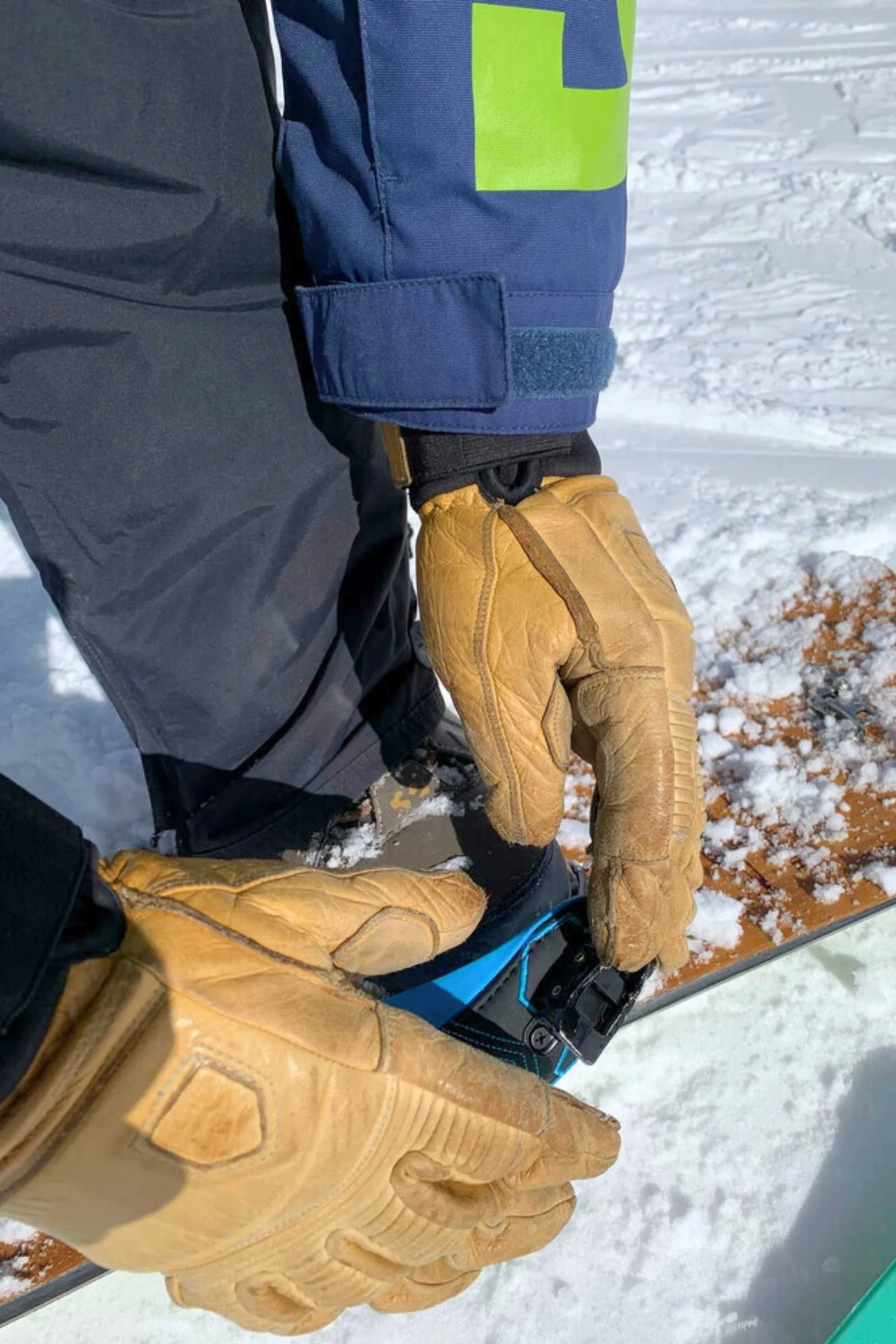
Nick Rucci uses the Hestra Fall Line gloves on a snowboard. Photo by Josette Deschambeault.
A standout feature is the external-seamed construction, which reduces bulk at the fingertips and improves how the glove wraps the hand. Paired with the neoprene cuff—which seals cleanly under sleeves and keeps snow out—the glove maintains a secure, low-profile fit that stays comfortable over long ski days.
In use, the Fall Line performs best in moderately cold to cold conditions, especially when you’re moving. They’re not touchscreen-compatible, and like many leather gloves, they benefit from occasional leather conditioning to maintain water resistance. They’re also not the warmest option for extended standing still in very low temperatures.
If you prefer more warmth or a different finger arrangement, the same build comes in a 3-finger (lobster) version and a full mitten, both offering similar protection with different heat-to-dexterity tradeoffs.
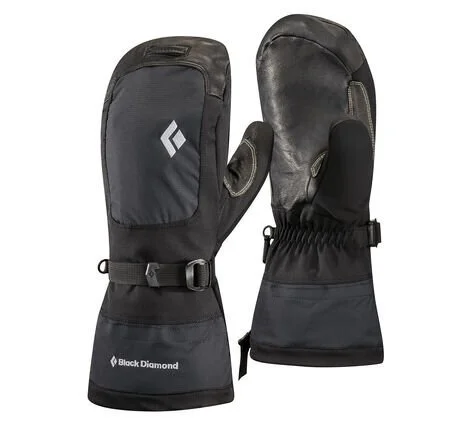
Best Ski Gloves for Extreme Weather and Powder Days: Black Diamond Mercury Mitts
Waterproofing: BDry insert
Insulation: Primaloft
Removable Liner: 340 g Primaloft Gold
Closure: Cinch wrist strap, drawcord
What we liked: Excellent warmth for a glove without a battery pack hand warmer, waterproofness, durable construction
What we didn’t like: Runs small, some find that the insert packs out prematurely
We chose the Black Diamond Mercury Mittens as the Best Gloves for Extreme Weather and Powder Days based on their warmth, waterproofness, versatility, and bomber reinforced stitching. With a rating down to -29०F there were overwhelming calls of “the warmest mitten ever!” across the media we reviewed.
The Mercury Mitts are also among the most durable skiing gloves we tested. They have a fully waterproof insert and removable liner made of high-loft fleece and Primaloft insulation and sport a separate index finger. On top of that, they have a stretchy Pertex shell and a goat leather palm reinforced with Kevlar stitching. The result is a ski glove that can handle a lot of use and will last years.
Black Diamond Mercury Mitts
Men's
Women's

The author in her happy place wearing the Black Diamond Mitts. Black Diamond calls their Mercury Mitts their “most versatile and popular year-round mitt.” Photo courtesy Josette Deschambeault
Black Diamond calls their Mercury Mitts their “most versatile and popular year-round mitt.”
These gauntlet cuffs fit snugly over (or under) coat sleeves. Unlike other winter gloves that we considered, there’s also a cinching wrist to keep snow from blowing down into your hand should you, say, yard sale all over the ski hill. Cold fingers won’t be an issue with the BD Mercury Mitt for those blower powder runs or polar vortexes.
While we think the Outdoor Research Prevail Heated Gore-Tex Gloves (review below) are the Best Glove for Raynaud’s, the Mercury Mitts were close. The Prevail run on a battery pack, so are heavier and more expensive. We also recommend the Outdoor Research Alti Mitts (review below) for those with cold hands.
Even the best gloves have downfalls, however. They tend to run small, so consider sizing up. A few people still mentioned that their hands ran cold, even with the inserts (which were sometimes linked to complaints that the inserts packed out fast, providing less warmth). And, of course, they aren’t touchscreen compatible.
The Mercury Mitt is extremely warm–perhaps overkill in some situations. These are the gloves for Midwest days with lots of wind. It has plenty of features. Sizing can be a challenge, so we recommend sizing up and ordering from a retailer with easy returns.
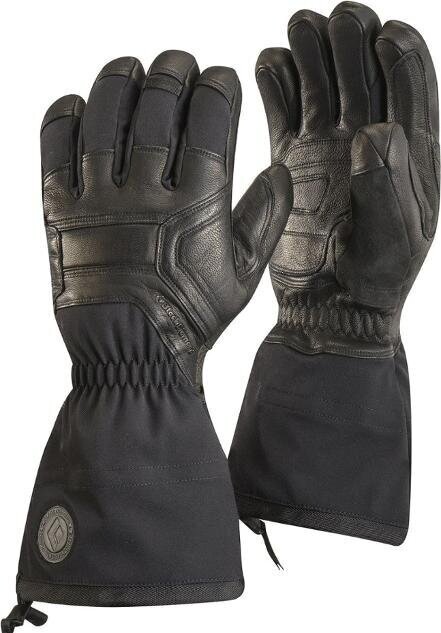
Best Ski Gloves For Mountaineering: Black Diamond Guide Gloves
Waterproofing Shell Material: Gore-Tex, Goat Leather
Insulation: PrimaLoft 340 g Gold
Removable Liner: Yes
Closure: Synch wrist strap, Drawcord
What we liked: Built for extreme conditions. Gauntlet cuff seals under or over the jacket sleeve. A long-time favorite for guides and high altitude mountaineers
What we didn’t like: Rugged construction sacrifices some dexterity
The Black Diamond Guide Gloves earned our award for Best for Mountaineering because of their rugged durability, their waterproofness, and most of all, their warmth. These gloves were repeatedly referred to as “the workhorse” of the skiing glove world. The author’s friends — ski and mountaineering guides based in Alaska, Nepal, and Argentina — swear by these gloves on their high-altitude trips, their Canadian ski adventures, and their cold-weather safety-rigging jobs.
The Guide Glove is constructed from goatskin leather and nylon (exterior), as well as Primaloft and boiled wool (interior). The Guide Gloves also sport a Gore-Tex insert, making them one of the best gloves for wet-snow conditions. The extended gauntlet cuff was a major plus, as it fit under or over jackets to keep out snow, sleet, and wind.
The biggest (and, really, only) complaint we found with these gloves is that the super-warmth translated into bulkiness, which negatively affected dexterity while handling a ski boot or zipping up a ski jacket. (That being said, the author’s guide friends and several other reviewers said that breaking them in over time helped with dexterity without impacting the warmth too profoundly.)
Not sure whether to go for the unisex or women’s? This guide shows how sizing works for Black Diamond gloves.
Black Diamond Guide Gloves

If you have Raynaud's disease, this could be a good option if you prefer gloves.
You may be sacrificing dexterity for bulk and warmth but you'll know if your situation deems that a worthy sacrifice.
We interviewed Colorado Mountain School Guide, Russell Hunter and he says he couldn’t do his job without the Guide Gloves.
We recommend sizing up, as some testers felt they were a little too small. Guides, ski patrollers, and football fans in freezing stadiums are all big fans of these gloves.
Learn more in our in-depth review of the Outdoor Research Prevail Heated GORE-TEX Gloves and Mittens.
Best Ski Gloves for Cold Hands & Raynaud’s: Outdoor Research Alti II Mitts
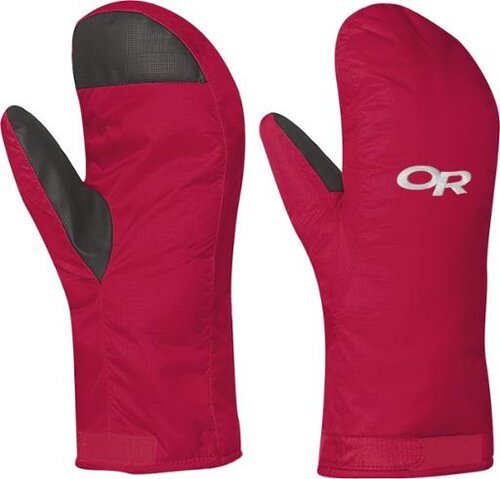
Waterproofing Shell Material: Gore-Tex Membrane, Pittards Armortan Leather
Insulation: Primaloft Gold
Removable Liner: Yes
Closure: SuperCinch and Elastic Cuff
What we liked: Liner and shell separate to make a versatile glove. The warmest non-heated glove we tested
What we didn’t like: May be too warm for many days. Some customers find that they run small
We chose the Outdoor Research Alti II Mitts as the Best for Powder Days and Raynaud’s because, well, they’re just warm. (Not to mention their waterproofness, durability, versatility, and comfort.)
The Alti II Mitts are a double-mitten construction — an outer Gore-Tex shell and a water-resistant liner mitten — that means you can wear them in three ways: just the shell, just the liner, or both. The liner and the shell connect with easy velcro, so no fussing with buttons or zippers or the like; just slide on the shells, and the velcro around your wrists connects the two. This gives the ski mitten a variety of situations to excel in, but most of all combine into a snowy-cold champion. (Trust us; the author was sweating when she finished shoveling snow off her pond hockey arena. Even in single-digit weather.)
Outdoor Research Alti II Mitts
Men's
Women's
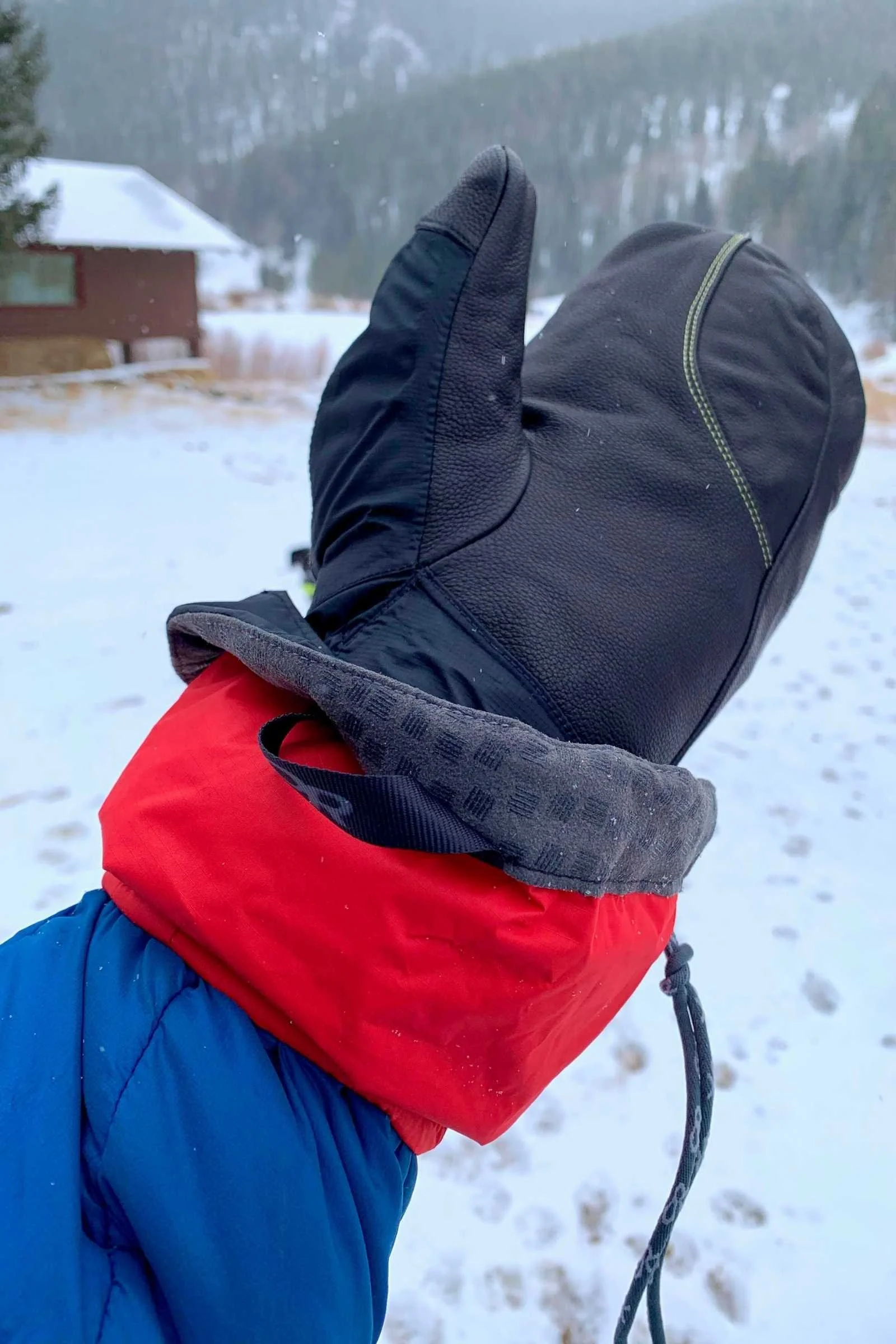
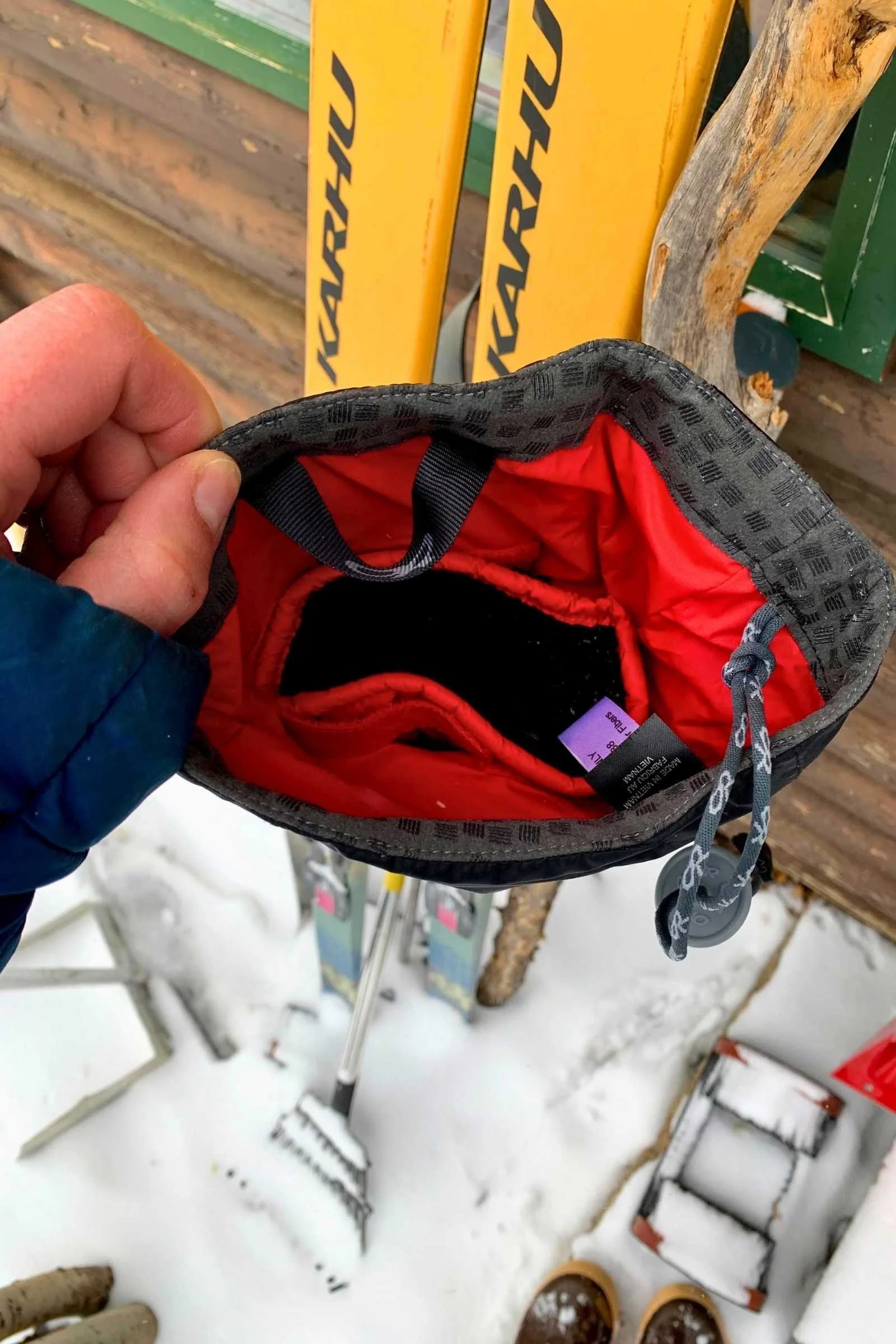
These gloves have PrimaLoft insulation in both the liner and the shell (340 grams, and 170 grams, respectively) to insulate against harsh conditions. You can also cinch them to fit onto your hand more easily, and the inner liner uses velcro to secure around your wrist more easily.
For those who have Raynaud’s syndrome, these mittens are toasty enough to keep even poorly-circulated hands warm in severe weather. The author’s friend, who does not have Raynaud’s but has very poor circulation, was thrilled to finally have warm hands in sub-zero temperatures. (It helps that these mittens come down to mid-forearm, so the warmth from your puffy jacket extends to the warmth of your mittens.)
But, this ski mitten might be overkill as your daily-driver gloves unless you are highly susceptible to cold or suffer from Raynaud’s. For skiing in well-below-freezing temps, however, these mittens were called “lifesavers.” The same can now be said for hauling wood and walking the dog in super-cold circumstances, according to one Colorado-based, cabin-dwelling tester.
Best Heated Gloves For Raynaud’s Syndrome: Outdoor Research Prevail Heated Gore-Tex Gloves

Touchscreen Compatible? Yes, leather index and thumb fingertip
Material: Outer: Woven polyester and nylon. Palm: Goat leather. Insulation: Enduraloft
Insulated: Yes
Closure: Drawcord
What we liked: Heating system integrated into liners, breathability to keep from sweating, still warm gloves without heating element
What we didn’t like: The price barrier is high, but for those who need the warmth, it can be worth it. Some users encounter fit issues.
For many people, heated gloves may be overkill. But for extremely cold temperatures (or Raynaud’s sufferers!) the Outdoor Research Prevail gloves are the key to staying warm and happy out in the snow.
W e chose the OR Prevail Heated GORE-TEX Gloves as our best pick for Heated Gloves and Raynaud’s (we also chose it in our Best Ski Gloves Guide!) because of the customizable heat settings, waterproofness, windproofness, breathability, rechargeable batteries, battery life, and warmth without the heaters on. (Not to mention, they’re touchscreen compatible!)
Unlike many heated gloves we've tested over the years, the Prevails are straight forward to use. To turn on the battery, simply press the “OR” button on the top of your forearm—the LED will light up, so you know it’s working.
We will warn you—the price nearly bowled us over. But if you have the money (and the need) for ultra-warm gloves, these are your pick. Outdoor Research also has an “Infinite Guarantee,” so the money you drop now will be worth it in the long run.
Outdoor Research Prevail Heated Gore-Tex Gloves
Gloves
Mittens
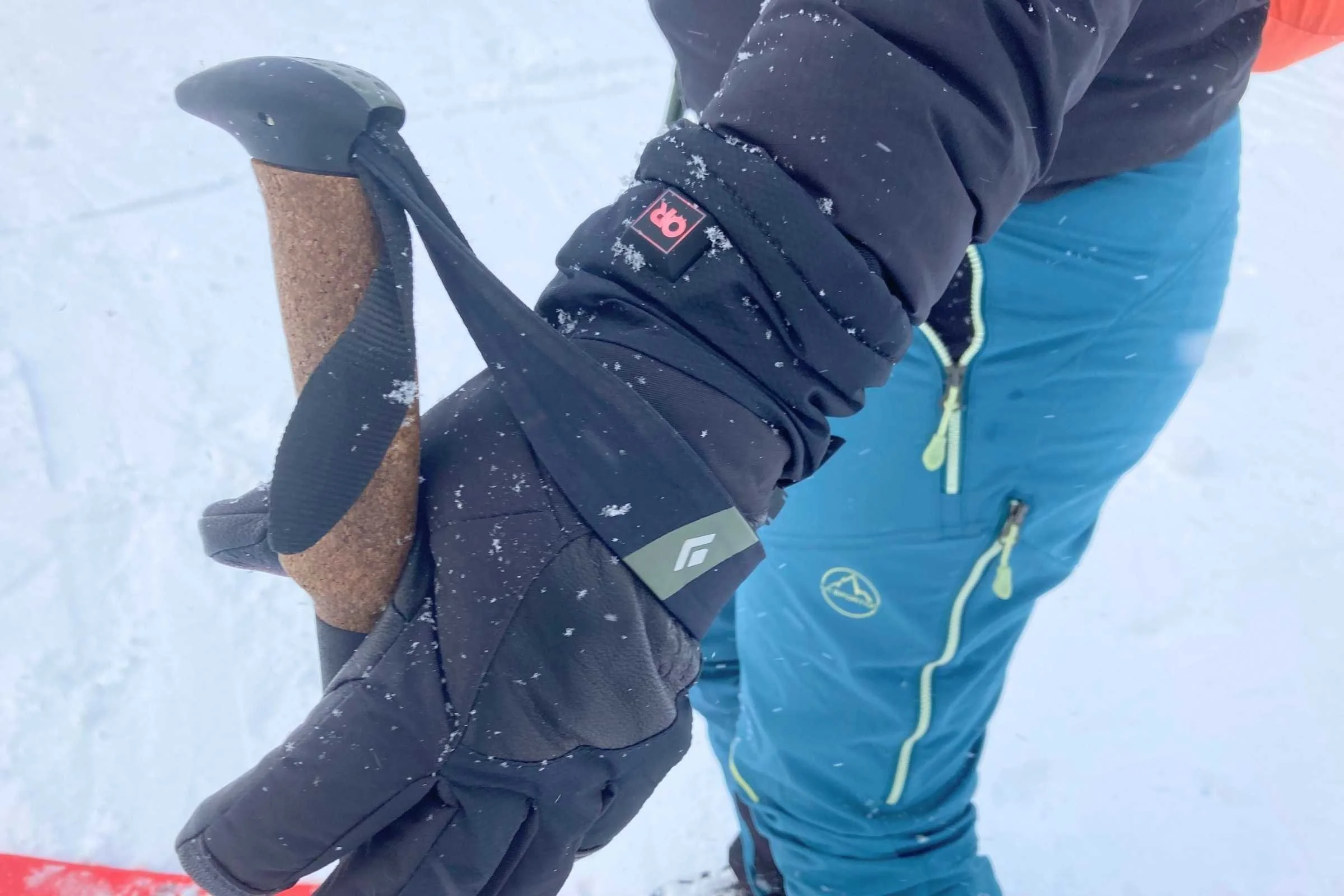
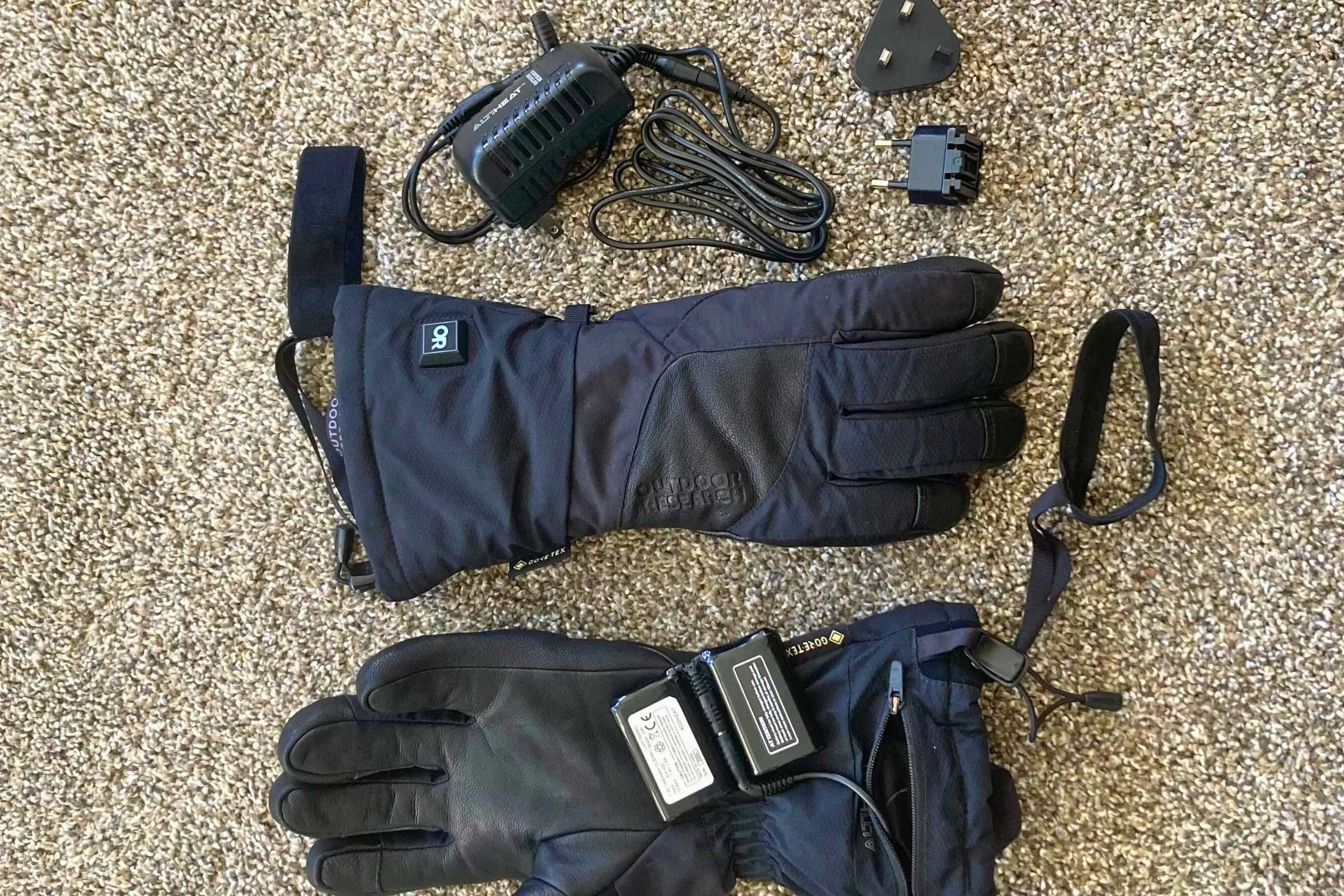
The Prevail Heated Gloves have a Gore-Tex insert for water- and windproofness, but that allows for breathability—that way, your hands stay warm without getting sweaty! The glove shell is made from nylon with goat leather palms and fingers, and there’s molded foam protection over each finger for more warmth and durability. (A long gauntlet and wrist leashes don’t hurt, either!)
Reviewers really loved that the heating wires were woven into the liner rather than between the liner and the outer shell glove, like many other heated gloves on the market. And the battery life isn’t shabby, either—they last about 8 hours on the “low” setting, about 4.5 hours on the “medium” setting, and about 2.5 hours on the “high” setting. (Most other heated gloves only last up to 2.5 hours, too!)
To recharge, plug the charger into a wall outlet and insert the battery packs. General time from 0% to 100% battery is about six hours, and the indicator light will turn green.
Of course, the price is a deterrent for most people. Other dings were the weight (the batteries add about 9 ounces each), and the dexterity (more insulation = less dexterity). Still, over nearly 4 years of testing, multiple Treeline testers say these gloves were lifesavers that allowed them to be outdoors in the winter even as they experience Raynaud’s.
Best Budget Ski Glove Combo: Kinco Pigskin Leather Gloves & Terramar Thermasilk Glove Liners
Waterproofing Material: Pigskin Leather
Insulation: HeatKeep+100% Filament Silk Interlock (from the Terramar Liner)
Closure: Elastic Cuff and Tightener
What we liked: Affordable warmth, durability, and versatility
What we didn’t like: You’ll probably need more warmth if getting out in the low 20’s°F
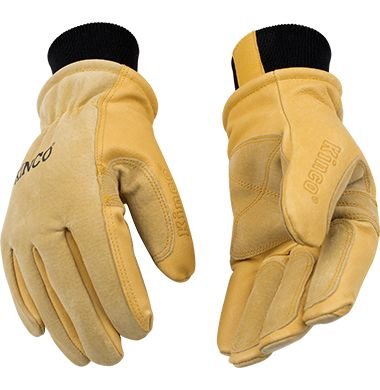
We chose the Kinco Pigskin Leather Gloves as our best budget pick because of the bargain price, the materials, the durability, and the rave reviews from bargain hunters across multiple media channels.
Ski bums, ski patrollers, lifties, snowmakers, cat drivers, bus drivers, ranchers, farmers, truckers, snowplow operators, and anyone who’s ever stopped at Walmart to buy gloves before skiing will tell you, Kinco’s are the way to go. Numerous publications (including Outside Magazine and Powder Magazine) have written rave reviews for these budget gloves, and some have even written articles that border on love poems.
Kinco Pigskin And Terramar Gloves
Kinco Pigskin
Terramar Silk Liner

Nicole Montgomery loves snow and her fingers stayed warm in the Kinco Pigskin mittens, the mittens version of our budget glove pick. Photo courtesy of Nicole Montgomery.
While the Kinco Pigskin Leather Gloves will not be the warmest glove you’ll own, they’ll certainly be the best bargain: ~$40 for gloves renowned for their durability isn’t a bad deal.
While the fingers and palm are made from the namesake pigskin leather, the back of the hand is canvas, allowing for breathability. (If you’re concerned about waterproofness, check out our How to Waterproof Your Gloves section!) The knit wrists are constructed from polyester, which helps to retain heat and keep snow out but is not very water-resistant. They are filled with Heatkeep thermal insulation and have a soft inner lining to wick away moisture. Reinforced fingertips, knuckles, and palms give these gloves their durability. They were, after all, designed as work gloves.
If you’re worried about warmth, consider adding a budget liner glove, like the Terramar Adult Thermasilk Glove Liners. They’re priced in a ~$25 bracket, they’re thin enough to fit into the Kinco’s Pigskin Leather Glove, and provide a touch more insulation. See our Best Winter Gloves guide for our full review of the Terramar liners.
Some testers say that this is the best ski glove (for about 20 °F and warmer) for the best price they’ve found. Some resorts have even caught on and started carrying them! However, you may want to waterproof them with Sno Seal before use.
The author’s ski friends — one of whom has worked as a lift operator in Colorado for over two decades — swear by these gloves. “I’ve bought two pairs in twenty years. That’s it. I shouldn’t have to say anything else about them.”
Other ski gloves we tested
Of the more than 100 ski gloves we considered, these pairs deserved their own write-up, even if they ultimately weren’t chosen as winners.
Give’r 4-Season Gloves

Touchscreen Compatible? No
Material: Cowhide leather and 3M Thinsulate
Insulated: Yes
Closure: Elastic cuff and leather pull tabs
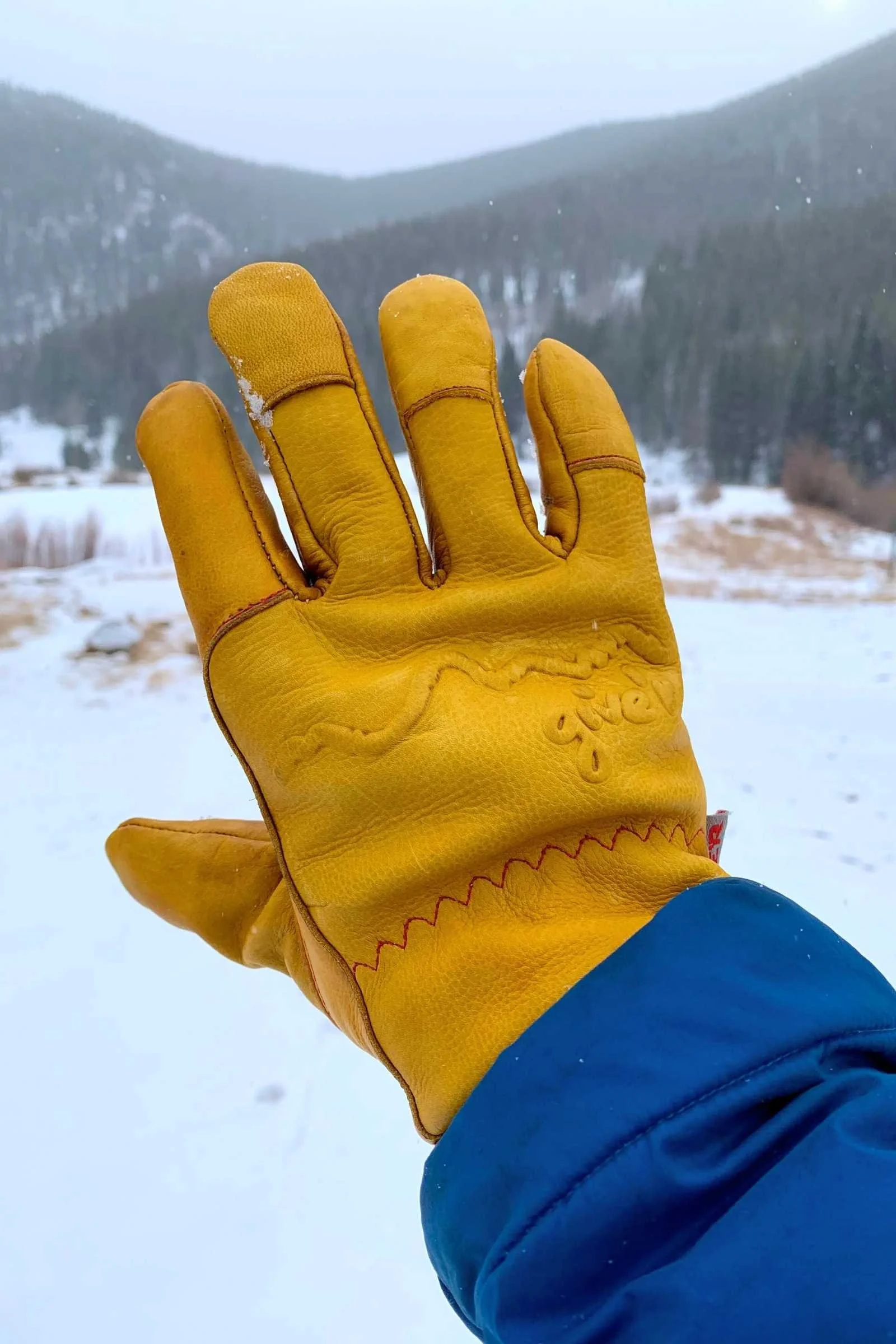
Looking for a less-expensive option? Give’r, a Kickstarter success story based out of Jackson Hole, Wyoming, offered up their Give’r 4-Season Gloves and Frontier Waxed Mittens for us to test. We loved the instant warmth and the freedom our fingers had in the Frontier Mittens and the rugged durability that comes from a great 100% waterproof (and 100% puppy-proof) leather exterior.
While we found the 4-Season Gloves not to be quite as warm as the Hestra Fall Lines (review above), and the fingers weren’t super dexterous, they got the job done—from a backcountry ski adventure to wrangling snow dogs to socially-distanced parking lot beers. Plus, they win for most stylish and are available in numerous colors and styles, including Huckberry exclusives.
Give’r 4-Season Gloves
Hestra Heli Insulated Glove

Touchscreen Compatible? No
Material: Triton polyamide with goat leather palm
Insulated: Yes, G-loft polyester
Closure: Adjustable wrist strap
You can't go wrong with a Hestra glove, and we were tempted to award the Hestra Heli Glove alongside our top winner. It's a favorite in REI's Best Gloves story, and other reviewers had good things to say. Our Treeline Review testers were happy with the Heli insulated glove, but it could be warmer. Similarly, the Heli doesn't have quite the glowing reviews of the Hestra Fall Line, our top winner. The Heli is less expensive, but it seems like customers are a lot happier paying more for a warmer glove.
Hestra Heli Insulated Glove
Men's
Women's

Thumbs up and shakas for warm hands on Island Peak, Nepal. Mountaineering Guides Brady McGuire (left) wears the Hestra Army Leather Heli Ski Gore-Tex Gloves and Rob Caldwell (right) wears the Black Diamond Helio 3-in-1 Gloves. Photo courtesy of Brady McGuire.
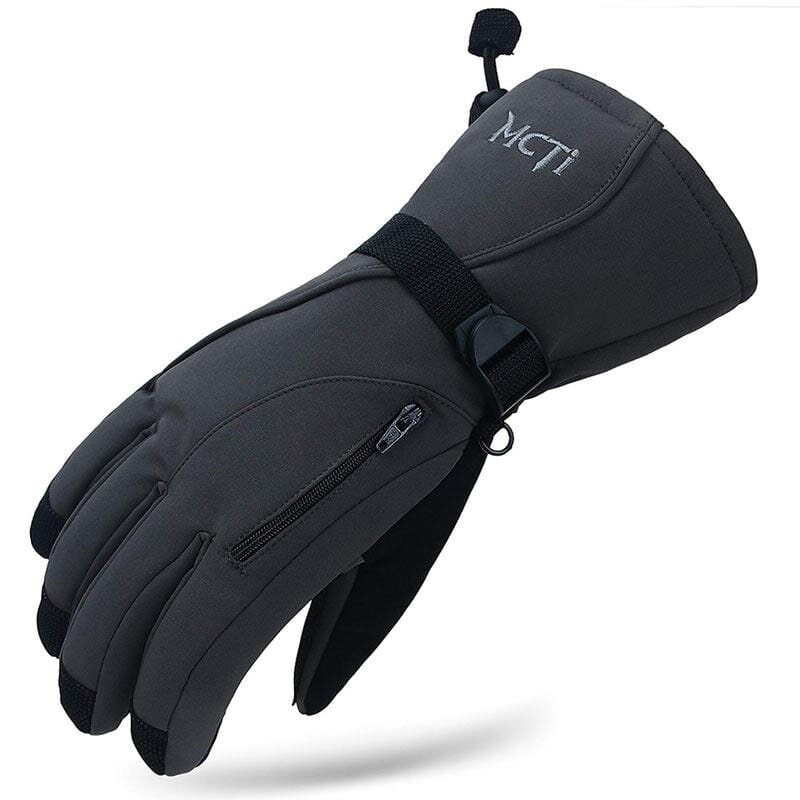
Touchscreen Compatible? Yes
Material: 3M Thinsulate, PU Leather Composite, Polyester
Insulated: Yes
Closure: Adjustable wrist buckles
A favorite of Amazon customers, the MCTI Winter Gloves are a good option for folks on a budget who are ok with synthetic gloves. They’re a best budget winner in our Best Winter Gloves guide, but weren’t quite enough glove for a skiing.
We didn't find the 3M Thinsulate synthetic insulation in the MCTI as warm as our winners in this story. These do have some waterproofness, plus a functional pocket, but they’re bulky with long drying times for the warmth that they offer. They’re an excellent non-skiing glove, but maybe not the most appropriate for the rigors of skiing, and the weather that comes with it.
Why Do I Need Ski Gloves?

Matt McDonald and Ruth Menger. Loveland Ski Resort, Colorado. Photo courtesy Matt McDonald.
Not all gloves are created equal. While some gloves are meant for opening the door to your local coffee shop or grasping a shovel to plow out the driveway, others are meant to be battered by wind, snow, slush, and ice for hours at a time — all while keeping your hands toasty, dry, and free of sweat as you slash powder turns across open bowls. We give you the ski glove (or snowboard glove, if that's what you do).
Snow gloves are generally waterproof, insulating, and dexterous. They need to be so to endure -12 degree blizzards with 30 mph winds (as the author, unfortunately, found out one blustery day in Colorado), adjust boot buckles, text friends what lift line you’re in, and grip onto ski poles on a chilly backcountry skin-track.
Of course, a ski or snowboard glove can have crossover uses (they would be great for shoveling out that driveway!), but they’re primarily used for the sport of skiing or snowboarding. For example, warm gloves are a huge necessity for Raynaud’s sufferers whose fingers are perpetually cold. Since snow gloves are designed to keep you warm, dry, and mobile, they are great options for someone with restricted blood flow to their fingers.
We combed through reviews of over 100 gloves to find the best waterproof ski glove on the market.
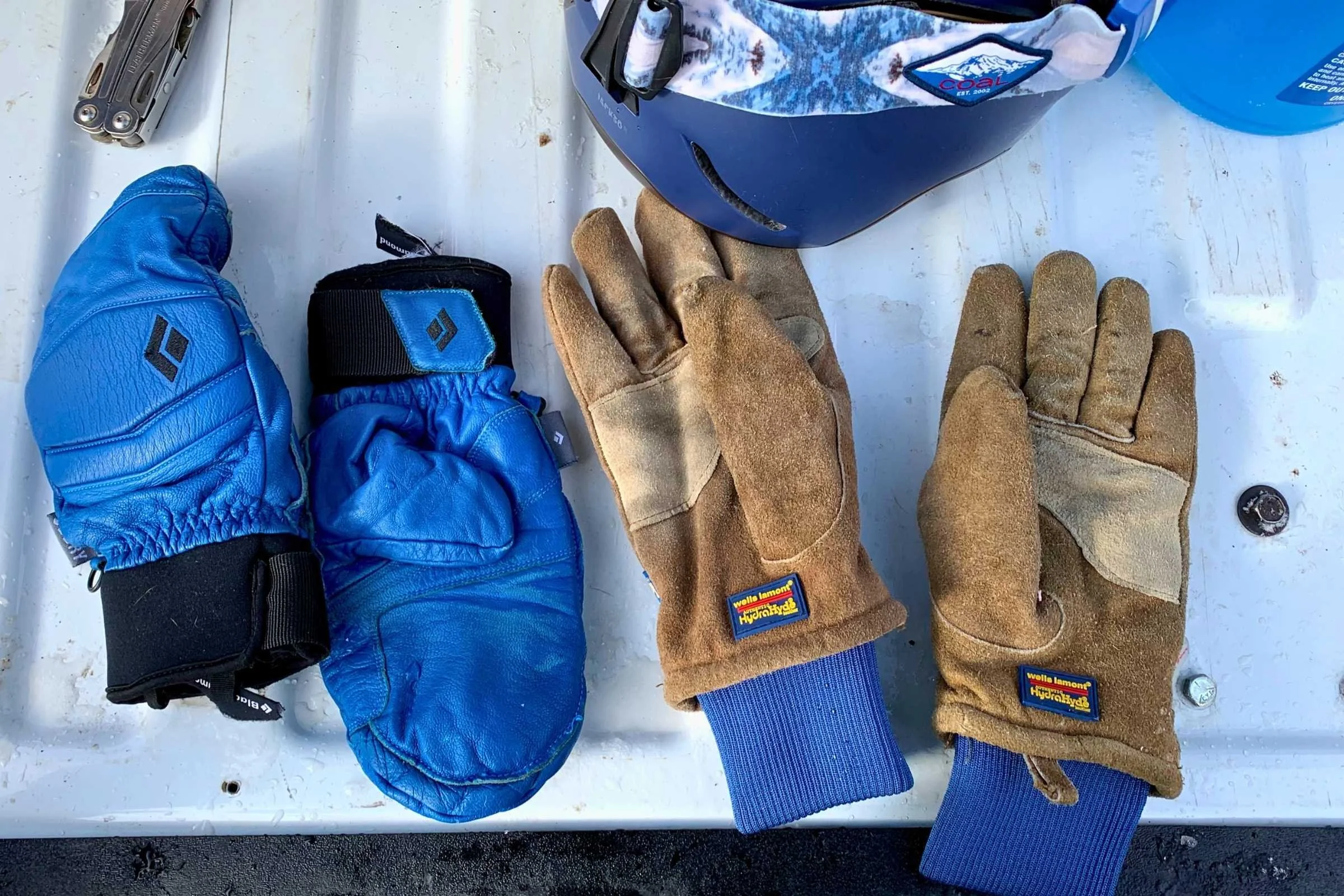
Gloves vs. Mittens is an age-old debate. Here are two of our favorite contenders for this story on the back of our truck: the Black Diamond Sparks (left) and Wells Lamont Hydrahyde (right).
Types of Ski Gloves
Gloves vs. mittens: Which is right for you?
In the skiing world, personal preferences abound, and none so much as a skier’s preference for gloves versus mittens. Here’s the skinny on both styles:
Why choose gloves:
The biggest selling point for gloves is the separation of fingers. Some folks prefer to have their fingers individually insulated, or just don’t like their fingers to touch. For most, it’s about having the full dexterity of all five digits. Where it’s nearly impossible to grip into ropes wearing mittens, for example, gloves allow the rope to flow through each finger, making knot-tying that much easier. With all five fingers mobile, activities like buckling ski boots, zipping up ski jackets, and picking up that ski pass that fell out of your pocket are infinitely easier.
Why Choose Mittens
Every mitten-lover we spoke to chose their childhood classics for one huge reason: warmth. Keeping your fingers together in the mitten cocoon allows natural body heat to radiate and warm up the rest of your fingers. (It must be said, of course, that some mittens have liners with separated fingers for additional insulation, but they’re all wrapped up in a mitten shell.) Most liked the simplicity of not having to wrestle with individual fingers when they put on or take off their hand-warmers. The majority wanted to be able to wiggle their fingers freely!
If you can’t decide, consider a 3-finger hybrid (like the Hestra Fall Line 3 Finger), which offers the warmth of mittens with the dexterity of gloves by separating the thumb and index finger from the rest.
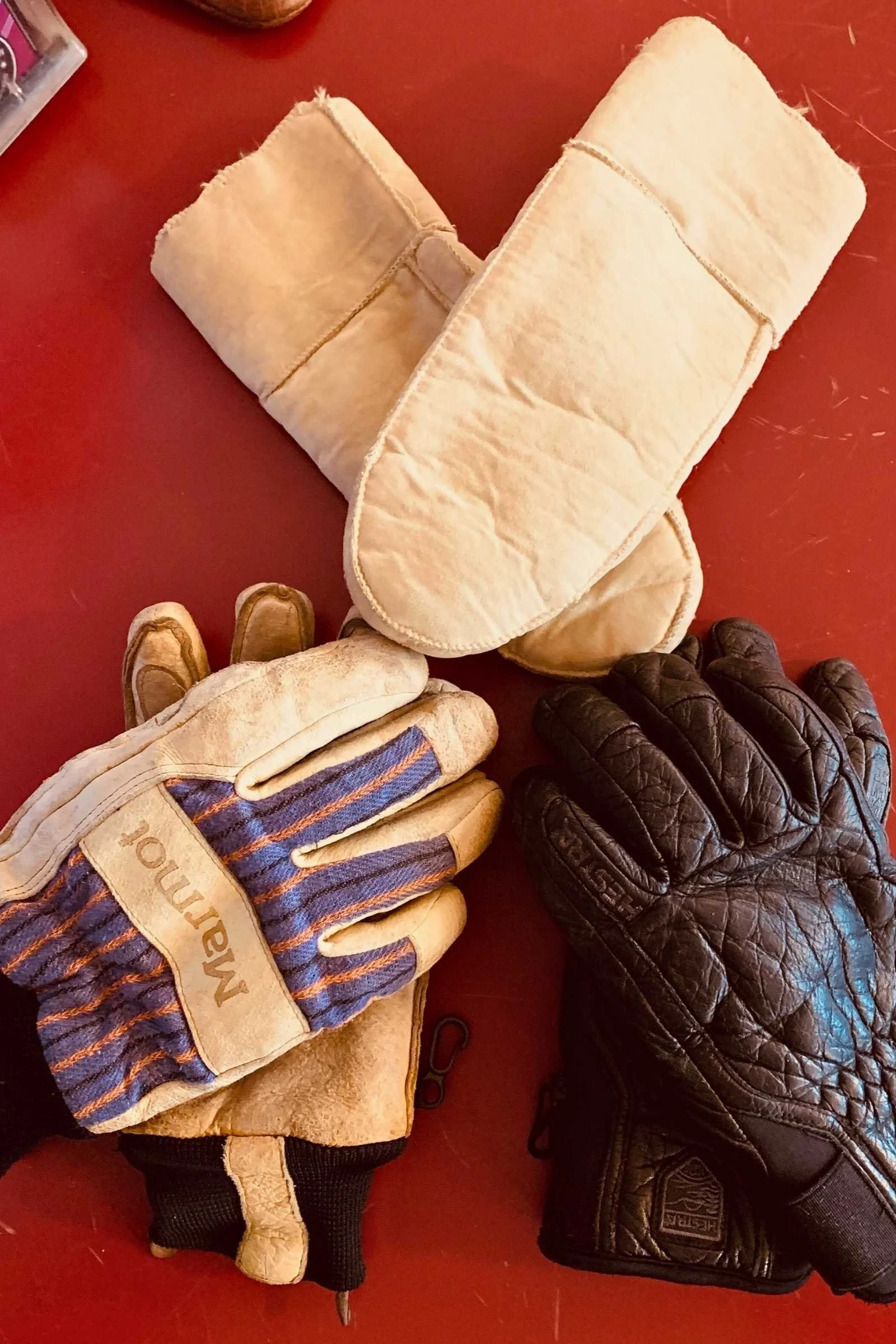
Liner gloves: Added warmth and dexterity
Liner gloves are thin, lightweight gloves meant to be worn under thicker gloves or mittens. They add an extra layer of warmth and can provide some dexterity when you need to remove outer gloves for precise tasks (e.g., handling keys, zipping jackets).
Essentially, the difference between gloves and liner gloves boils down to insulation. Liner gloves are meant to be worn under thicker gloves (like the Kinco Pigskin Leather Gloves) to boost warmth. If you need to take off the outer gloves to perform fine motor skills (holding a key, picking up a paper, zipping up jackets), then liner gloves ensure that your skin isn’t exposed to the elements, providing warmth and dexterity in the short-term.
While you can wear liner gloves on their own (generally on warmer days, like spring skiing), most of the time, they’re too cold to do too much outdoors on their own. A glove liner is a good “extra” glove to keep in your pockets for chilly football games, driving on a cold morning, or holding the stop sign outside of school.
Generally, liner gloves are not waterproof, nor do they have a surplus of insulation. They are, however, generally better for dexterity and touchscreen compatibility than most gloves.
Types of ski gloves by activity: Resort skiing, backcountry, and mountaineering

Mountain Guide Brady McGuire on Denali wearing the Marmot's 8000 Meter Mitts. While these are great ski gloves for a certain purpose, their extreme warmth and price are too much for almost all people and all uses, one reason why they aren’t a winner in this review.
Each skiing style demands a slightly different glove approach:
Resort skiing: You’ll want a glove that’s warm enough to keep your hands from freezing on a blustery chairlift but won’t be overkill as you ski down. If the weather were extreme, we’d recommend a glove such as the Black Diamond Mercury Mitt.
Backcountry skiing: Backcountry skiing generally requires more physical output than resort skiing — after all, the appeal of ski resorts is the chairlifts and warm lodges! You may have a warming hut in backcountry skiing, but I doubt they’ll serve hot chocolate there.
For backcountry skiing, weather and exertion will determine most glove choices. The author prefers to skin uphill in just liner gloves (or gloveless, if the weather is nice enough), but will pull on her Kincos if the weather turns colder or a storm rolls in. Those with naturally colder hands can hike uphill in a glove such as the Hestra Fall Lines, which allow for better grip on a ski pole without compromising warmth.
If it turns frigid at the top of the backcountry line, an option like the Black Diamond Guide Gloves is key to warming your hands back up before strapping up to ski back down. If you want to be super-warm on a cold backcountry ski day (or out on a multi-day hut trip), the Outdoor Research Lucent Heated Sensor Gloves will keep you cozy while you shovel out the front door and get the fire started.
Powder days: Our recommendation for powder-packed days is the Outdoor Research Alti Mitt.
Budget skiers: The budget skier’s option (and our budget pick) is to layer a liner glove under a thinner, waterproof glove (like the Kinco Pigskin Leather Gloves).
Skiers with cold hands: If your hands get too cold while skiing, pop back into the lodge to warm up.
Mountaineering: Mountaineering gloves need to withstand extreme temperatures and prolonged exposure to the elements. High-altitude gloves like the Marmot 8000 Meter Mitts provide unparalleled warmth, though they’re often overkill for most skiing conditions. These gloves are designed to handle the coldest conditions, ideal for multi-day mountain adventures but typically unnecessary for average ski days.
Additional types of ski gloves
Here are some other glove types to consider, each with unique benefits for specific skiing styles or weather:
Heated gloves: Battery-powered gloves, like the Outdoor Research Lucent Heated Sensor Gloves, offer adjustable heat settings to keep your hands warm in very cold conditions. They’re particularly helpful for skiers with naturally cold hands or those in extreme climates.
3-finger (lobster) gloves: These gloves (such as the Hestra Fall Line 3 Finger) combine the warmth of mittens with the dexterity of gloves by isolating the thumb and index finger. They’re a good middle-ground option for skiers who need warmth but want some finger mobility.
Shell gloves: Hard-shell gloves have a waterproof and windproof outer layer, making them great for wet snow conditions. Soft-shell gloves are more breathable and flexible, better suited for dry, cold days.
Under-cuff vs. over-cuff gloves: Under-cuff gloves fit snugly under jacket cuffs, offering a sleek fit and mobility. Over-uff gloves extend over the jacket sleeve for extra protection from snow and wind, ideal for deep powder or backcountry skiing.
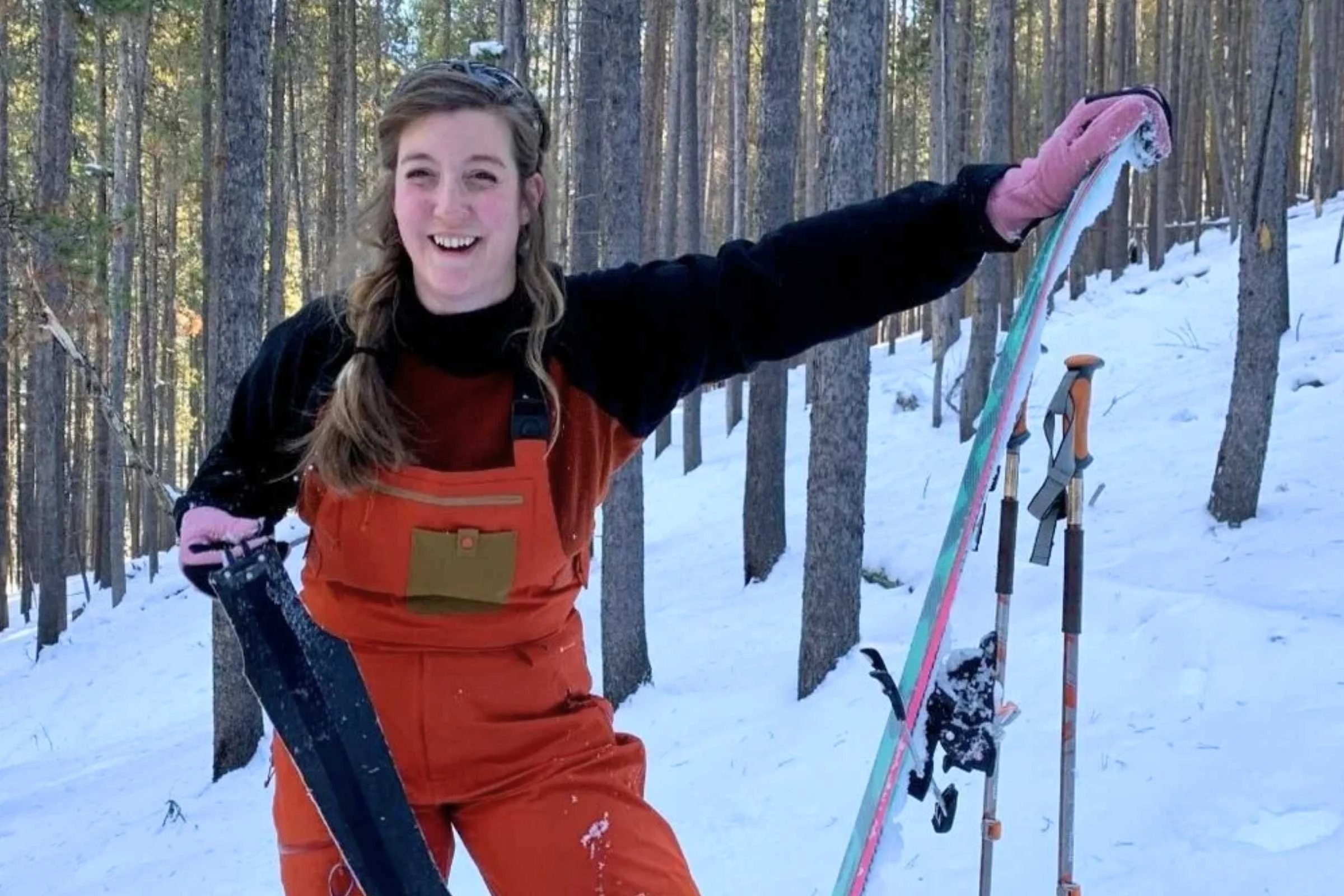
The author testing gloves with climbing skins. Photo by Matt McDonald.
What to look for in ski gloves
For a glove to make it onto our contender list, it had to meet the following criteria. We chose our 7 award-winners from the 100+ gloves that made our contender list.
Warmth
It goes without saying, but snow gloves should be warm. While wool was the go-to for decades, the best ski gloves these days use a synthetic material (or several) between the outer shell and glove liner as insulation.
Out of the 100+ gloves we researched, we looked for gloves with premium insulation (think PrimaLoft Silver and Primaloft Gold Insulation) designed to keep cold out and warmth in. Insulation in ski gloves varies.
What's the difference between glove insulation types? Thermacore insulation, Theromolite Insulation, Primaloft, Bemberg polyester fiberfill. The price of a snow glove often reflects the quality of the insulation. Lofty synthetics like Primaloft Gold insulation come at a premium because they breathe well and retain warmth even when wet. Thinsulate or thinner insulation types tend to have better dexterity. To learn more, see this explanation of insulation in ski gloves.
Waterproof & windproof shell
One of the biggest ways to lose heat is through wind and water. With that in mind, we researched gloves that were waterproof (top priority), water-resistant (like the Outdoor Research Alti Mitten liners), and windproof. We wanted to ensure that the gloves we recommended would not just hold up in 10℉ weather but that they could withstand a -20℉ windchill, too. And since snow is just frozen water, it was a no-brainer to require that the gloves you use to play outside shouldn’t get soaked with the first snowball.
Waterproof gloves are usually made of a breathable waterproof material like Gore-Tex (made of nylon or polyester and treated with polyurethane), TPU (Thermoplastic polyurethane), or Nanotex (“a type of textile finishing that uses nanotechnology, the manipulation of matter on an atomic and molecular scale, to alter the properties of a textile to increase resistance to spills and stains”).
Windproof gloves are made from fabrics likeGore Windstopper (which generally coats fleece to compensate for fleece’s super breathability, but isn’t waterproof like traditional Gore-tex). Leather is a great windproof material that can be treated to become waterproof.
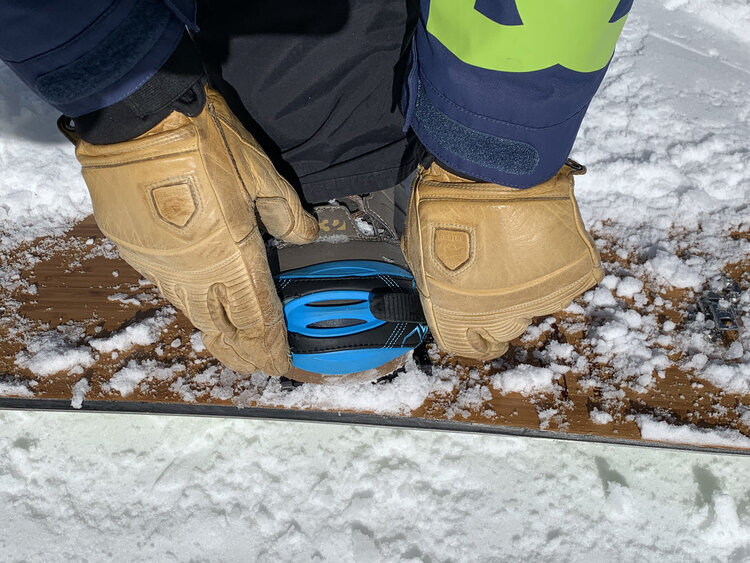
Dexterity is important when choosing ski gloves.
Durability
High-quality materials are always at the top of our lists, and we were looking for the best. We preferred a Gore-Tex glove or a leather glove because they have a durable outer shell that can last many seasons.
We researched gloves that had withstood not only temperature tests but rugged use, too. For that, we looked to guides, outdoor professionals, rescue workers, and the military for their take on “heavy hitters” that could handle a hard day on the slopes, as well as a hard day’s work.
Dexterity
No use wearing gloves if you can’t use your hands! We specifically looked for gloves that would allow for as much dexterity, grip, and flexibility as possible, without compromising other key criteria. Lack of dexterity was one of the most common words in our negative reviews. It makes sense — gloves are a natural hindrance to our everyday dexterity. Our goal was to find gloves that made it easy to open a car door, grip a ski pole, and pluck some pocket bacon out of your jacket. A leather ski glove, for example, tended to be good for gripping and excelled at dexterity. The best ski gloves for dexterity balanced lofty (but not too lofty) insulation with a non-slip outer shell material.
Price
There is a myriad of cheap gloves and mittens on the market. While some of them may hold well for a time or a specific activity, many were about as warm as you could expect from $10 gloves. While most of our picks aren’t cheap, we also researched the best affordable options. With gloves, you generally get what you pay for.
Removable Liners
Removable liners and creating a glove system consisting of several pairs of gloves allow for easier drying and the ability to bring only what you need for a particular trip. Using a pair of gloves that are made up of a liner, insulation layer, and shell definitely makes keeping up with your gloves easier when on an outing since it’s a single pair, but you will lose some versatility and won’t be able to vent and add warmth as you would with a removable liner or gloves quiver/systems approach. One consideration when looking to purchase several gloves, however, is that it requires some experimentation and special sizing considerations since the outer shell must be a little bigger than the removable liner.
Fit
Avoid choosing gloves that fit tightly anywhere on your hand. This can lead to restricted blood flow and colder hands. It can also reduce the glove's dexterity by reducing how much you can bend your fingers. If the fit is too big, the glove can feel sloppy. From there, you’ll want to consider whether you will be layering gloves underneath (leave some room), or wearing the gloves as a standalone piece (aim for fitted comfort).
Sizing
Always check the sizing chart for each manufacturer. Though they are typically similar, 1” can make all the difference between a glove that’s too tight or loose and a good fit. Most sizing charts use two measurements. The first is a circumference measurement around the widest part of your hand, usually below knuckles around the palm of the hand, thumb excluded. The second is often the length of your hand from the tip of your middle finger to the natural fold of your wrist on the inside of your hand.
Touch screen capability
It’s no fun wearing gloves if you can’t take pictures of the snow. We looked for the best gloves with touchscreen capabilities (preferably on multiple fingers) to ensure you can capture the spirit of the season without compromising your fingers.
Cuffs
Undercuff
Many light and midweight gloves will have an undercuff. Examples are our best budget work glove, the Kinco Pigskins. Elastic cuffs are usually an elastic knit or fleece fabric. They are designed to hug the wrist under the sleeve. Elastic cuffs are pretty effective at keeping the elements out, but some separation can occur between the sleeve and the wrist, creating some space for the elements to creep in. Undercuffs are the most common cuffs on winter gloves except when looking into gloves for extreme cold.
Gauntlet style
You’ll typically find gauntlet cuffs on ski gloves designed for extreme cold, such as the Arc’teryx Fission gloves. Instead of going under the jacket cuff like the undercuff style, gauntlet gloves go over your sleeve for several inches beyond the wrist. An intuitive, simple, and effective gauntlet style will have a single-hand cinch and a tight seal around the forearm to keep out wind, snow, and generally cold weather. The seal on gauntlets is superior to undercuffs, as it prevents the sleeve of your jacket from riding up. Gauntlet style cuffs add some bulk, but in certain cold conditions, they’re merited.
Wrist cinches
We love a secure, single-hand use wrist cinch on a warm glove. It keeps the heat in and the moisture out. You’ll often see drawcord cinches on the end of gauntlet cuffs, and maybe a nylon strap that you can easily loosen and tighten to secure the wrist of the glove. You may see velcro straps on elastic knit and/or lower profile undercuff gloves. All types do the job, though velcro straps have a thing for harboring some snow build up over time and can be a little hard to maneuver with one hand.
Nose Wipe
Having a nose wipe might sound gross to some, but in cold weather, many people have runny noses, and having a soft nose wipe on the thumb area can be the tool for keeping your nose from rubbing raw during an otherwise fun day on the slopes. You’ll see nose wipes advertised as a feature on most glove product pages.
Insulation Types
Fleece
Fleece is a lightweight, warm-when-wet polyester insulation. It's the same warm and soft material you find in fleece jackets. It is often used as a next to skin liner fabric on warm gloves. Sometimes, it is the sole fabric on lightweight gloves (as seen in our Best Winter Gloves guide). For ski gloves, it is often the first of several glove layers that one might wear on an outing where activity levels fluctuate, like ski touring that involves uphill travel. Fleece insulated gloves will work well as part of a layering system, but it doesn’t provide warmth against wind and moisture and isn’t the most durable standalone fabric.
Wool
Popular in base layer shirts and pants where thermoregulation is an important factor, you may find wool in ski gloves. While wool is a performance fabric, it’s more expensive than fleece. Fleece is often more appropriate, durability wise, for the hard use that gloves take with gripping your gear (though it is by no means durable compared to nylon and leather shells). It might be best to keep wool gloves to casual daily comfy gloves, but there are exceptions. Take our Best Gloves for Mountaineering winner, for example, the Black Diamond Guide Gloves. They use “boiled wool” for the liner with great success.
Down
Similar to the insulation in down jackets, down gloves and mittens are best used for stationary warmth when weight and packability are the main priorities.
Synthetic
The most popular insulating gloves are made with synthetic fill similar to what you'd find in a synthetic insulated jacket. It runs a little cheaper than down,
Shell Materials
Ski gloves most often use a synthetic or leather shell material to keep our moisture. For synthetic, ski glove companies often use branded proprietary names for materials such as nylon or sil-nylon. Even treated leather sometimes gets a proprietary name. Some of the nylon glove shells might be seam-sealed.
The leather gloves are often the toughest and long-lasting, but can require some upkeep with leather conditioners and waterproofing applications from Nikwax or Sno-seal.
Fleece and wool fabrics are typically not made to be standalone gloves, and don’t function as shell fabrics.
Why ski-specific gloves matter
Skiing puts unique demands on your hands. You’re gripping poles, brushing snow off gear, adjusting bindings, and spending hours in cold, wet environments. Ski-specific gloves are designed for exactly that — combining warmth, dexterity, and protection that casual winter or work gloves can’t match.
Waterproofing and breathability
Ski gloves use waterproof membranes such as GORE-TEX, BD.dry, or proprietary inserts that keep out melting snow while letting moisture escape. Standard winter gloves often trap sweat, which leads to damp insulation and cold fingers.
Insulation built for activity
Insulation in ski gloves (synthetic or down) is optimized for movement — warm enough for lift rides but not stifling during runs or skintracks. Many use a mapped design: heavier insulation on the back of the hand and lighter in the palm for better pole grip.
Dexterity and durability
Ski gloves feature articulated fingers and pre-curved construction, allowing you to buckle boots or adjust bindings without removing them. Reinforced leather or synthetic palms resist abrasion from poles, ropes, or edges far better than generic gloves.
Weather protection and safety
Snow cuffs, cinches, and wrist leashes prevent snow entry and keep gloves from getting lost on lifts. Touchscreen-compatible fingertips or nose wipes may sound minor, but they make a big difference on a long day in changing conditions.
In short: ski-specific gloves are purpose-built for the mountain. They don’t just keep your hands warm — they keep you skiing comfortably, safely, and in control.
Fit, sizing, and compatibility guidance
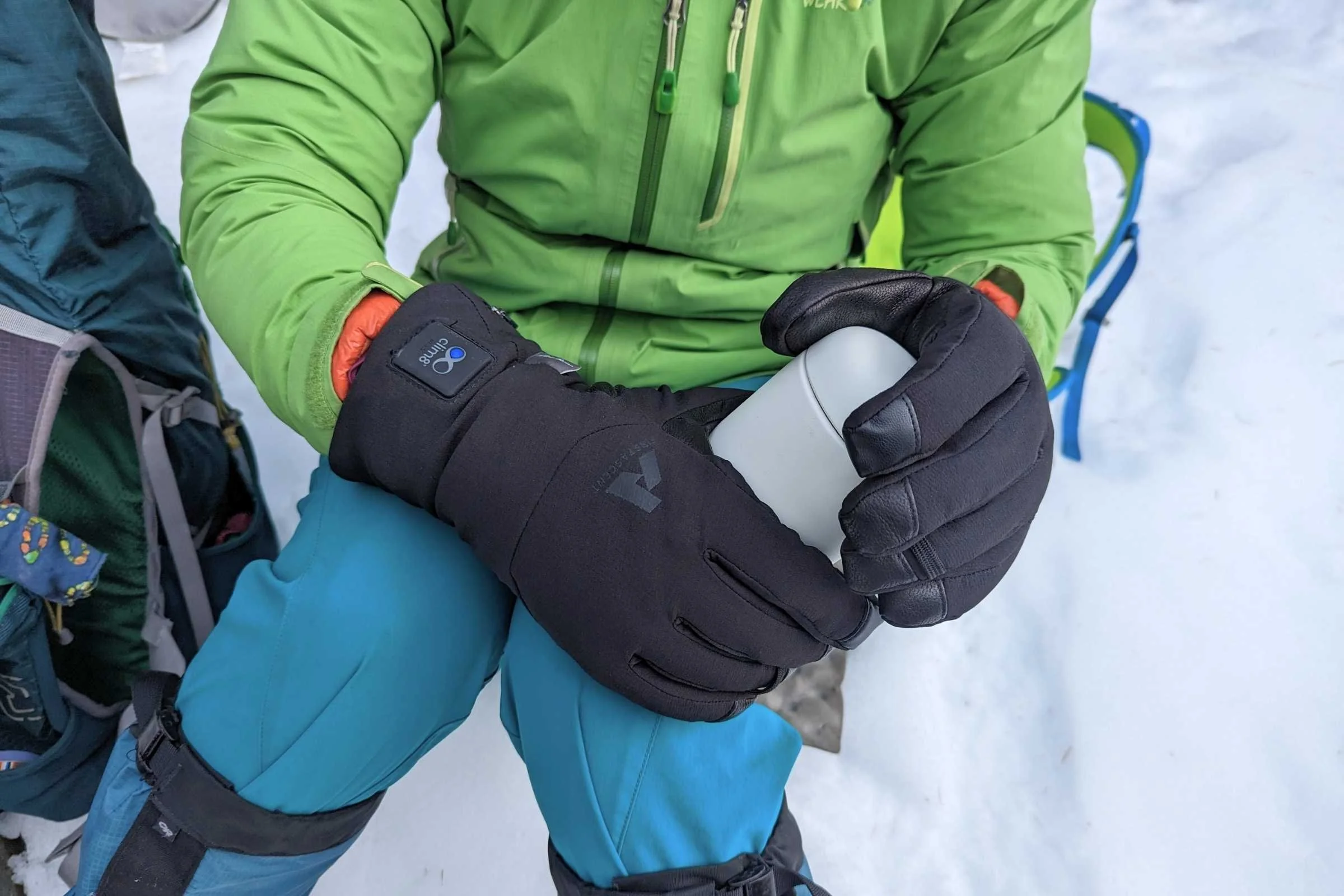
Using the Eddie Bauer heated gloves on a winter backcountry trip. Photo by Kate Hoch.
A good ski glove fit is more than just comfort — it’s what keeps your hands warm, dry, and functional all day. Gloves that are too tight restrict blood flow and trap moisture, while those that are too loose let in snow and cold air. The goal is a fit that allows freedom of movement without sacrificing warmth or dexterity.
Start with the right size
Each brand sizes gloves differently, so always check their specific chart. Measure the circumference of your dominant hand around the knuckles (excluding the thumb) and compare it to the size guide. If you’re between sizes, size up — your hands swell slightly in cold weather and during activity. If you need gloves for smaller hands, see our recommendation for best kids’ winter gloves.
Check the fit in three places:
Fingers: There should be just enough room (about 0.5 cm or ¼ inch) between your fingertips and the glove ends to trap a thin layer of warm air.
Palm and knuckles: You should be able to make a fist and hold a ski pole without tension across the back of your hand or seams.
Wrist and cuff: The cuff should overlap your jacket sleeve with no gap. If your glove has a gauntlet-style cuff, test how easily it tightens over the sleeve. If it’s a short cuff, make sure it fits comfortably under your jacket without bunching.
Try gloves with your full kit
Fit can feel different when you add a base layer or wrist gaiter. Try gloves with your jacket and poles to make sure nothing pinches, slides, or leaves gaps. If you often switch between resort and backcountry skiing, consider one pair that fits snug for dexterity and another with more room for liner gloves in colder conditions.
Liner and compatibility tips:
Liners add warmth and can extend glove lifespan, but they slightly reduce dexterity. Make sure your gloves still feel natural when gripping poles.
Heated liners or battery packs require extra space — size up or look for a glove designed for that system.
Women’s and men’s fits differ in finger length and palm width, so choose accordingly for better articulation and insulation.
A well-fitting glove should disappear on your hands — you shouldn’t have to think about it once you’re skiing.

Writer Matt McDonald catching air. Photo courtesy Matt McDonald.

Men’s vs women’s ski gloves
Many of our favorite glove picks are Unisex, but a few are designated as men’s ski gloves or women’s ski gloves. In the world of gloves, women's gloves are generally smaller than men's gloves. Some are designed with shorter fingers, some with shorter gauntlets, and others with narrower hands.
The best-fitting glove is going to be the best glove for you. We recommend buying the glove that fits, regardless of the designation. Most companies have sizing charts and guides for sizing.

The author wearing the Black Diamond Sparks while holding a juice box on a ski trip in Japan.
How to choose the ski gloves for you
Choosing the right ski gloves is 40% knowing your body, 30% functionality, 20% setting, and 10% style. You know what kind of skiing you want to do, where you’re going to be skiing, how sweaty you get, and how cold your fingers are while skiing. Gloves are a lot like shoes — you can always pick up a pair of $5 flip-flops and survive, or you can fork over the money for a good pair of hiking boots. It’s all based on your budget, your comfort level, and what you want to do.
1) Determine your goals for this ski season
Skiing for the first time? are you a fair-weather skier? love to rip a few groomers at the resort ?
Then you may be looking for a durable option that’s warm enough to keep you comfortable but won’t be overkill on those bluebird days, like our Overall Pick.
Are you a powder hound who’s ready to chase storms all winter long?
You want a glove that will stay warm and dry, lap after blower lap, like Our Best for Powder Days pick.
Are you looking for versatility on a budget?
Never fear — our Budget Combo has you covered. (Check out our How to Waterproof Your Gloves section to make them even better!)
Are you looking to get into the backcountry and want the best and most reliable glove?
Take a look at our Upgrade option, which has repeatedly proven to keep you warm deep in the hills. (Or, look at our Best for Winter Mountaineering pick if you plan to get into the alpine side of skiing.)
2) Are you worried about cold fingers, have raynaud’s syndrome, or struggle with poor circulation at low temps?
Our Best Heated Glove may be the difference between you heading into the lodge and taking another three chairlifts!
3) Are you looking for an undercuff design or an over-the-cuff gauntlet?
The glove profile is a huge perception to consider when looking for your next pair of gloves. Some people prefer a sleek, thin profile; others don’t mind a bulky glove if it means they’ll be warm. An under-the-sleeve design provides a lower profile — much like the Hestra Fall Line Gloves or Kinco Pigskin Leather Gloves.
For big snow days, though, an over-the-cuff gauntlet is the way to go. The Black Diamond Guide Gloves could go either way but worked well over puffy jackets trucking up Denali.
There can be plenty of crossovers, too — the author’s friends use their Hestra Fall Line Gloves (our Best All-Around Gloves) for resort skiing, backcountry skiing, snowshoeing, and mountaineering.
If you’re worried about fit, go into a brick-and-mortar store and start trying on sizes or order from REI or Zappos, both of which have return policies that make returns painless. The best-fitting glove is going to be the best glove for you.
Caring for your ski gloves
Maintenance tips
Proper maintenance is essential to ensure the longevity and performance of your ski gloves. Here are some maintenance tips:
Regular inspection: Periodically inspect your gloves for signs of wear, tear, or damage. Pay attention to seams, zippers, and insulation. Promptly address any issues to prevent them from worsening.
Dry storage: Store your gloves in a cool, dry place when not in use. Avoid leaving them in direct sunlight or near a heat source, as excessive heat can damage materials and cause them to lose their shape.
Use glove leashes: Many ski gloves come with wrist leashes to prevent you from losing them on the mountain. Always attach the leashes to your wrists to ensure you don't drop or misplace your gloves.
Cleaning and drying instructions
Spot cleaning: For minor dirt or stains, use a damp cloth or sponge to gently wipe the affected areas. Avoid abrasive materials that could damage the fabric or insulation.
Hand washing: Many ski gloves use a hardshell waterproof fabric similar to what you’d find on your ski jackets. If your gloves are machine washable, use a detergent designed for Gore-Tex or other waterproof breathable material and lukewarm water to hand wash them. We use NikWax TechWash. Gently agitate the water and rinse thoroughly to remove detergent residue. See our guide on How to Clean Gore-Tex and other Hardshells for step-by-step instructions.
Machine washing: Some (but not all!) ski gloves are machine washable. Before doing so, check the care label or manufacturer's instructions. Use a gentle cycle with a technical garment-safe detergent like NikWax TechWash. Do not use bleach or fabric softeners, as these can clog the membranes of some breathable fabrics. Place the gloves in a pillowcase or laundry bag to protect them during the wash.
Drying: To dry your gloves, avoid using a tumble dryer or direct heat sources like radiators or heaters. Instead, gently squeeze out excess water and then let them air dry at room temperature. Ensure the gloves are dried completely before storing them.
Caring for leather ski gloves
Cleaning: Clean leather ski gloves by wiping them with a damp cloth. Avoid using harsh detergents or immersing them in water. If necessary, use a leather cleaner specifically designed for ski gloves.
Conditioning: Leather can dry out over time, leading to stiffness and cracks. Apply a leather conditioner to keep the material supple. Follow the manufacturer's recommendations for frequency and application.
Waterproofing: To maintain the water-resistant properties of leather, use a waterproofing spray or wax designed for leather gloves. Ensure the gloves are clean and dry before applying the waterproofing treatment. See our section above on Waterproofing gloves for step-by-step instructions.
Avoiding extreme heat: Leather can be sensitive to heat, so avoid drying leather gloves with direct heat sources. Let them air dry naturally to prevent damage to the leather.
How to waterproof your ski gloves

A Treeline Review tester wearing ski gloves at the resort.
Like tents, jackets, bibs, and boots, your gloves will eventually wear out their waterproofness. To keep the water-repellent properties strong, prep them with a waterproofing wax (we love Nikwax and Sno Seal!) before your first ski day. (You’d tune your skis before you hop on the first chair, right? Do the same for your gloves.)
Before applying any waterproofing substances, you should ensure that your gloves are clean and dry.
If you choose a Nikwax product, they advise you not to warm your gloves before applying the wax. (Room temperature is ideal.) However, if you’re applying Sno Seal, they recommend warming your gloves up to 120 °F, maximum (or to your comfort level as you’re handling the gloves). You can do so using a hairdryer, heat lamp, or sunny window. (NOT the oven!)
Once your gloves are clean, dry, and warm, coat and rub as much of the waterproofing wax into your gloves as you can. Concentrate on seams and high-use areas (like between your thumb and index finger), as these are the most likely to lose their waterproofing. Wipe off excess wax with a clean rag and buff off any remaining wax. Let it sit overnight for best results, but if you’re in a hurry to hit the slopes, you’ll still be covered!
How to address common issues like wear and wetting through
Waterproofing: One of the biggest complaints people have about ski gloves is that they wet through. Waterproofing doesn’t last forever, but you can restore the waterproofness of your gloves. To maintain or restore the waterproofing of your gloves, consider using a waterproofing spray or wax designed for gloves. See our section above on Waterproofing gloves for step-by-step instructions and always follow the manufacturer guidelines.
Fix small tears: If you notice minor tears or holes in the gloves, you can repair them using a patch kit designed for ski gear. Follow the kit's instructions carefully to ensure a secure fix.
Maintaining insulation: Over time, the insulation in your gloves may compress, reducing their warmth. This is true for most synthetic insulation and you can read more about that in our Down vs. Synthetic guide. A quick fix is to fluff the insulation? Gently shake and knead the gloves. If this doesn't help, consult the manufacturer's recommendations for revitalizing the insulation.
Replacing worn-out parts: If essential parts like zippers, straps, or Velcro closures are damaged, contact the manufacturer or a professional repair service for replacement or repair options.
Care and maintenance isn’t always the most glamorous part of owning outdoor gear, but can help save you from having to buy new gloves as often. This is better for your wallet and better for the planet. It’s amazing how a short time investment in care can yield a notable increase in protection and comfort that you’ll want on the slopes. A quick reminder: while these steps are a good cheat sheet for ski glove care, always refer to the manufacturer's care instructions specific to your gloves for the best results as they know best how to work with the technical materials in your gloves.
FAQ
-
Measure the circumference of your hand around the knuckles and consult the sizing chart provided by the glove manufacturer. Consider the fit and intended use; some skiers prefer a snug fit for better dexterity, while others may want a slightly looser fit for added warmth.
-
While you can use regular winter gloves, it's recommended to use specialized ski gloves designed for the specific demands of skiing. Ski gloves provide better insulation, waterproofing, and features like reinforced palms for grip on ski poles.
-
Choose breathable gloves with proper ventilation. Additionally, consider using moisture-wicking liner gloves to manage sweat. Regularly air out your gloves between uses and avoid overdressing, as excessive warmth can lead to sweating.
-
Gently squeeze out excess water, and allow the gloves to air dry at room temperature. Avoid using direct heat sources, as they can damage the materials. If the gloves are saturated, consider having a spare pair to switch out during the day.
-
The lifespan of ski gloves depends on factors like usage, care, and the quality of materials. Inspect your gloves regularly, and consider replacing them if you notice significant wear, tear, or a decline in performance.
How we researched and tested

Treeline Review tester carrying skis while wearing one of our contenders for best ski glove.
We've spent the past five years testing ski gloves, from Alaska to Colorado to Maine to Oregon, Washington, and California. We've had men's and women's testers take these gloves out from resort skiing to backcountry skiing to ski touring and ski mountaineering.
We tested for ski gloves that could withstand the rigors of frigid temperatures, heavy snow, resort skiing, backcountry skiing, and more. We also wanted to find high-quality, durable materials that would hold up to years of use without breaking the bank.

We researched and tested gloves for different scenarios from resort skiing, to backcountry, to snowshoeing, to ski mountaineering (seen here).
We measured each glove or mitten against standardized criteria: they had to be warm, affordable, durable, comfortable, highly water-resistant, windproof, and dexterous.
Then, we asked our testers to judge each pair of gloves relative to its specific criteria. For example, the Best Heated Gloves needed to have long-lasting battery packs, waterproofness, and comfort — plus, they needed to be warm without the battery packs, too! For the Best for Powder Days pick, we wanted a warm and waterproof option that kept snow out of our sleeves while wicking sweat away from our hands. Our Overall pick had to have versatility across multiple disciplines, be comfortable and durable, and be available at a reasonable price.
OUR TESTING PROCESS
Multi-season field use in harsh winter conditions (including Alaska snowstorms and Maine wind)
How we tested
- Multi-season use in real winter weather
- Resort laps + backcountry transitions
- Pole grip + on-the-go adjustments
- Back-to-back winter gear days
What we evaluated
- Weather-proofing (wind + waterproofing)
- Warmth without bulk
- Dexterity (including touchscreen use)
- Durability over repeated use
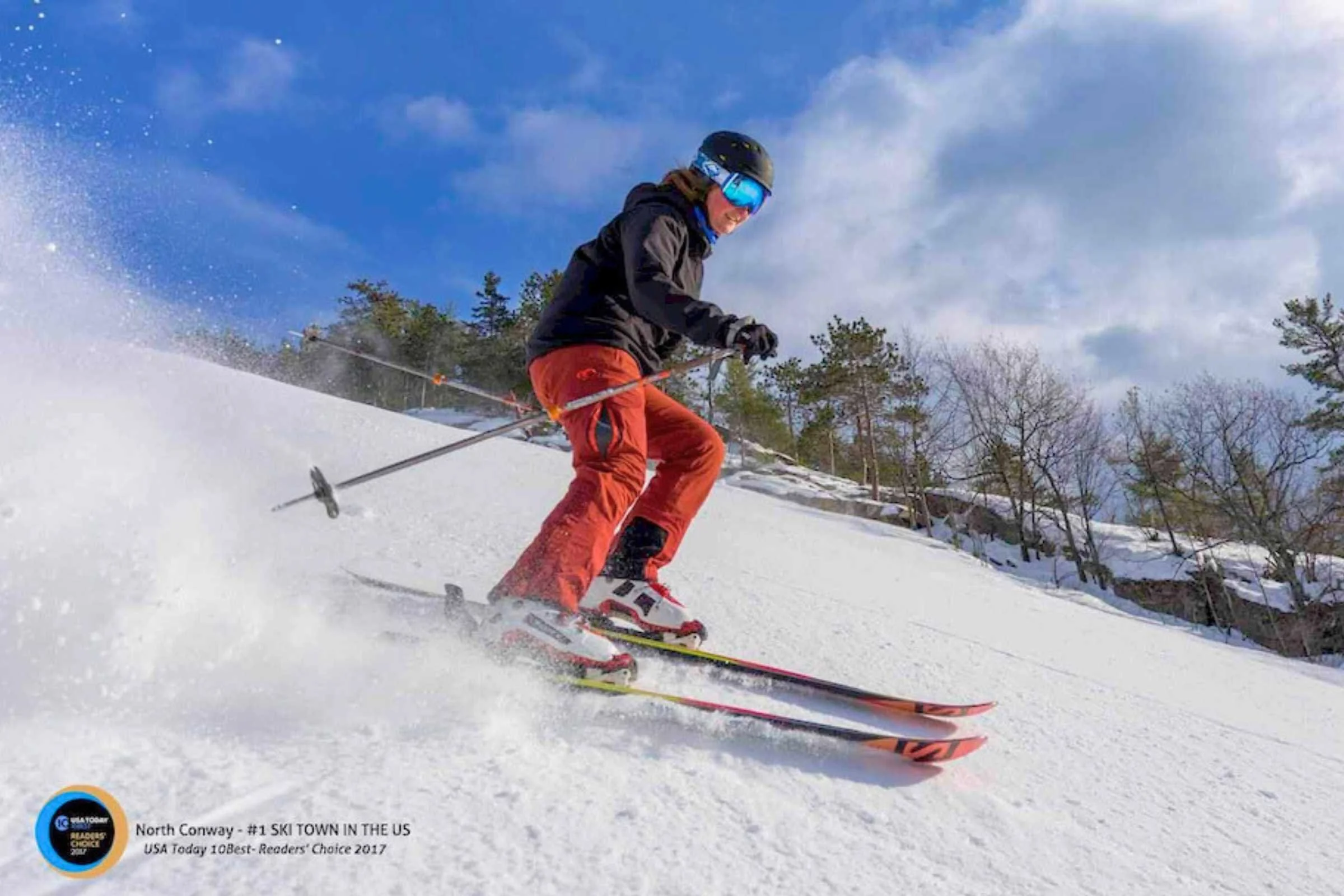
Josette Deschambeault, skiing in liner gloves at Cranmore Ski Resort, North Conway, NH. Photo courtesy of Cranmore Ski Resort and Dave Cowley.
Author’s expertise: why you should trust us
Skiing brought me into the world of outdoor recreation, and I’ve never wanted to leave. I learned to ski at a tiny hometown mountain (Holiday Mountain) in upstate New York at the ripe age of five, grew up on other small hometown mountains (Monarch, Cooper, and Copper) in Colorado, and moved on to skiing backcountry lines in Alaska, British Columbia, the Yukon, Japan, and around New England. While I’m no Angel Collinson, I can hold my own. (On the descent, at least. Someone’s got to bring up the rear up the skin track!)
Spending winters in the cold climates of Alaska, Colorado, and Maine, I’m no stranger to frozen fingers. I’ve taught ski school in a blizzard, tied into a rappel line in freezing temperatures, responded to semi-trucks on fire on a frigid Christmas Day, and dug out cars from sugar-snow ditches at midnight.

A Treeline Review tester taking a snowmobile out to reach ideal places to ski.
My gear expertise stems from 6 years of gear reviews for Backpacker Magazine, 7 years of guiding, and a plethora of gear-head friends. In addition, I’ve written outdoor lifestyle pieces for Powder 7’s Lift Line Blog and REI’s Uncommon Path Magazine. I’ve also covered gear reviews on Dog Backpacks, Life Jackets and Personal Flotation Devices (PFDs), Kids’ Life Jackets and PFDs, and Camping Chairs for Treeline Review. For additional publications and upcoming articles, check out my website.
Let it be known: no one in my family (including myself) is sponsored, an ambassador, or an employee of any of the companies mentioned here. This is an unbiased review, and we do this to help you find the best product for the price. Treeline Review doesn’t accept sponsored content, native advertising, or paid reviews.
You can see all of Josette’s guides at her author page.