Best Walking Shoes of 2026
Comfortable, supportive men's and women's shoes for travel, fitness, work, and all-day wear
August 7th, 2026, updated with 6 months of testing notes, new shoe tested, to remove discontinued products
Home → Gear Reviews → Footwear
Your feet know within the first hour whether a walking shoe is right for you. A pair that feels fine grabbing coffee can turn into heel rubbing by hour three of a work shift, or arch fatigue halfway through a travel day spent on airport tile and concrete.
Our testers wore these shoes on daily commutes, errands, travel days, and full shifts on their feet, including two useful tests: seven hours behind a bar on a Saturday night and eight hours into a nursing shift. We tracked performance over a year, from icy sidewalks in January to sun-baked pavement in July, and tested comparable models side by side to see how cushioning and support actually held up against each other rather than just against a spec sheet.
What mattered most was how the shoes felt after hour four rather than minute five: whether the cushioning packed out, whether the fit stayed secure without new hot spots forming, and whether the sole gripped equally well on wet tile and dry sidewalk. We also paid attention to which pairs looked at home on a walk or at a desk, since most people don't want to swap shoes between the two.
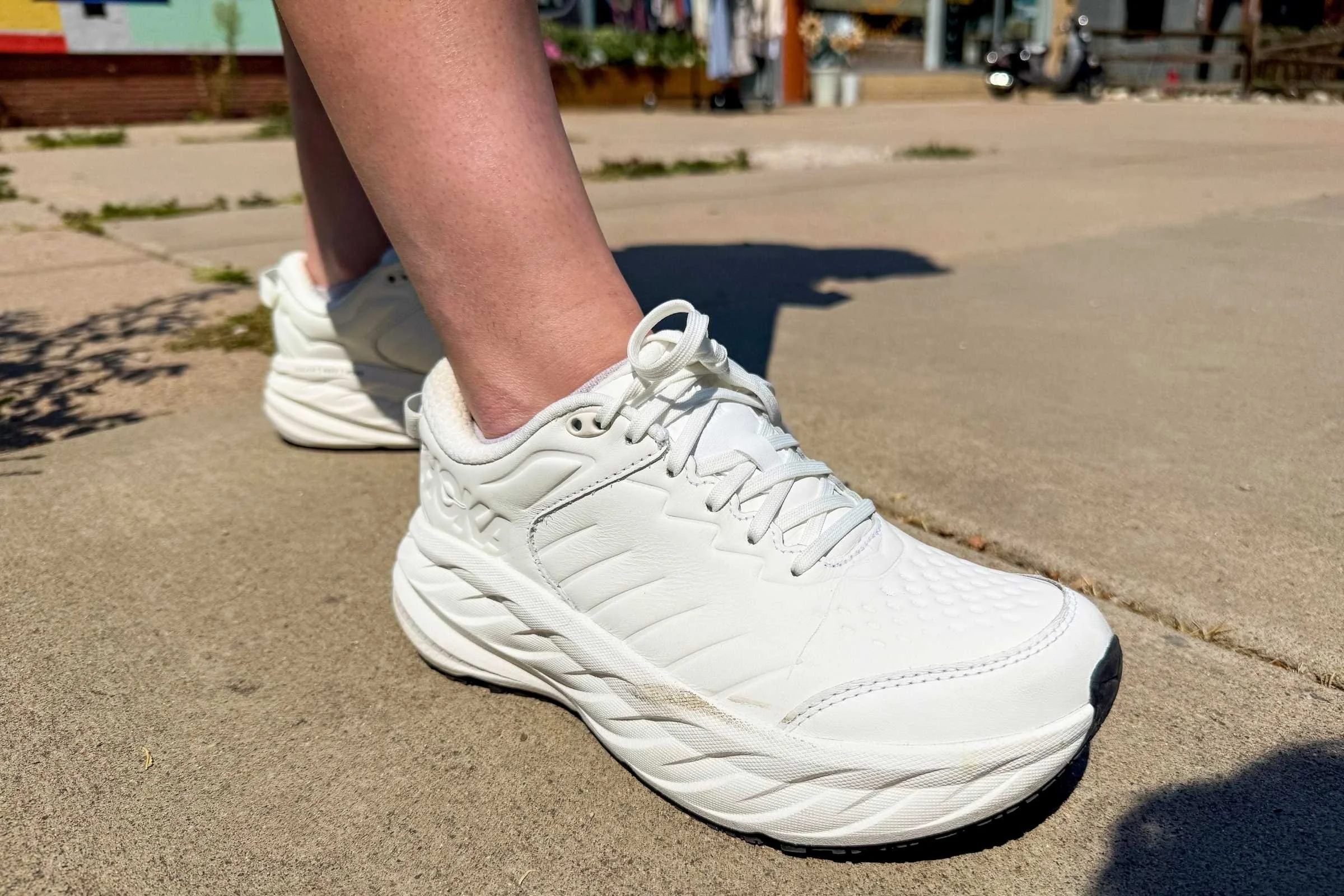
Top Pick: The HOKA Bondi SR (women’s and men’s) earns our Best Overall award. It held its cushioning through full-day shifts without going flat, gripped equally well on wet tile and dry pavement during testing, carries the American Podiatric Medical Association Seal of Acceptance, and looks unassuming enough to wear from a fitness walk straight into work.
We write mission-driven gear reviews. To find the best gear, we combine expert reviews, everyday user opinions, and rigorous independent trail testing—never native ads or sponsored posts. We are 100% reader-supported and may make a small commission from some qualifying affiliate links. Learn more.
Walking Shoes Comparison Table
| WALKING SHOES | TREELINE AWARD | SIZES (W) | SIZES (M) | WIDE OPTION? | DROP | CUSHION | MSRP |
|---|---|---|---|---|---|---|---|
| HOKA Bondi SR Women's Men's |
Best Overall Read why |
5 - 11 | 7 - 15 | Yes | 6 mm | Maximum | $180 |
| Birkenstock Arizona Soft Footbed Women's Men's |
Best for Plantar Fasciitis Read why |
5 - 12.5 | 6 - 13.5 | Reg/wide | 0 mm | Moderate | $155 |
| On Cloudsurfer 2 Women's Men's |
Best Cushion Read why |
5 - 11 | 7 - 14 | Yes | 9 mm | Maximum | $160 |
| Icebug Mosi RB9X Women's Men's |
Best for Style Read why |
5 - 11 | 4 - 13 | Yes | 8 mm | Full | $160 |
| On Cloud 6 Women's Men's |
Best Slip-On Read why |
5 - 12 | 7 - 15 | No | 9.5 mm | Moderate | $155 |
The winners
Best overall walking shoes: HOKA Bondi SR
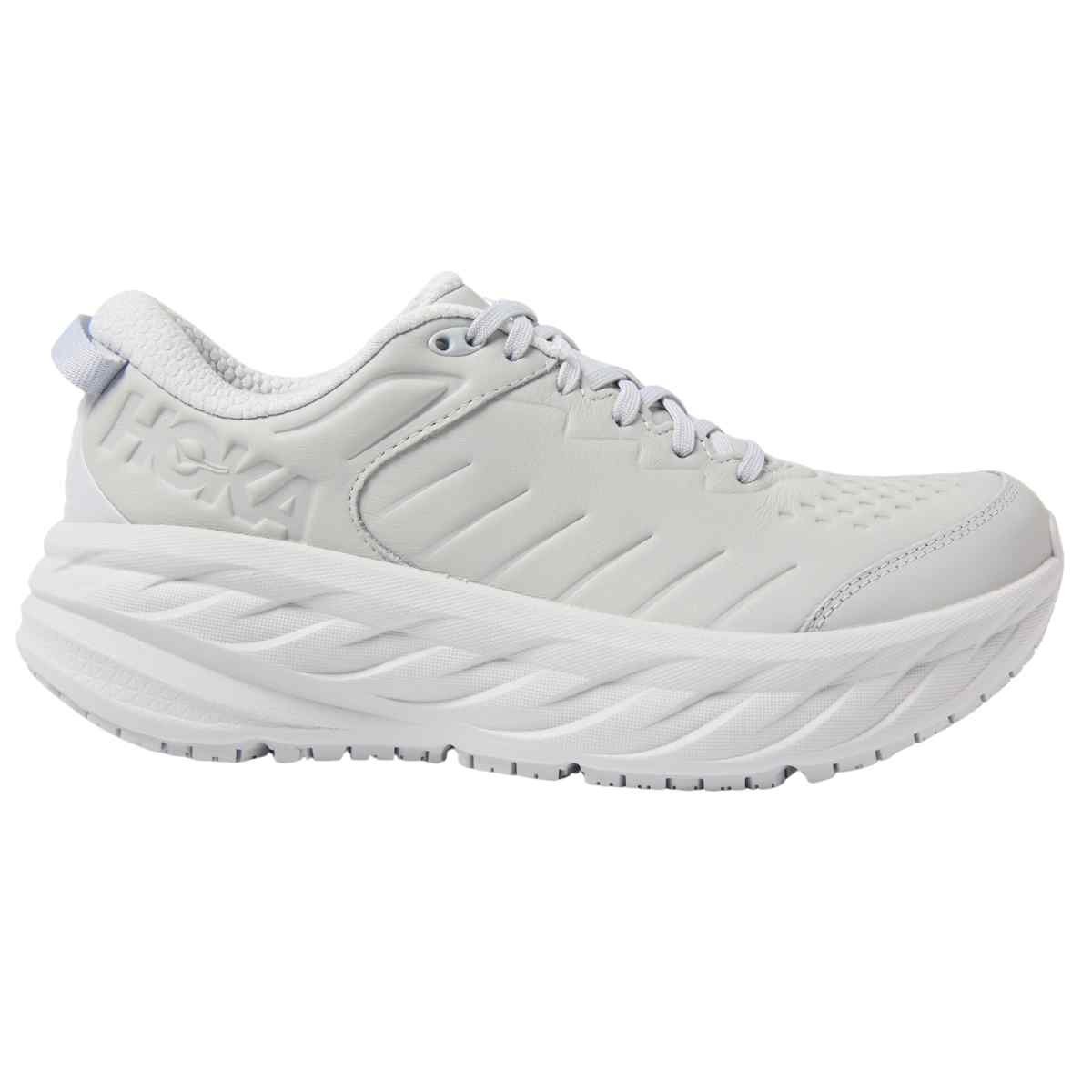
Weight: 23.4 oz (women’s) and 27.8 oz (men's)
Drop: 6 mm
Arch support: Neutral
Cushioning: Maximum
Available sizes: 5 - 11 (women’s), 7 - 15 (men’s)
What we liked: Cushioned, stable, supportive, comfortable, slip resistant, and can be used for exercise walking or casual wear
What we didn't like: Bulky; expensive
The HOKA Bondi SR walking shoes are everything we want in a walking shoe: they’re comfortable, cushioned, supportive, durable, slip resistant, and versatile. We can wear these shoes for daily fitness walks, and we can dress them up more casually for work, errands, or casual meet-ups on the town.
Standout features of the Bondi SR include excellent cushion in the midsole for all-day comfort and the slip-resistant tread. These shoes also earned the American Podiatric Medical Association (APMA) Seal of Acceptance, an association that recognizes products beneficial to foot health, which is particularly important for those of us who work on our feet all day.
HOKA Bondi SR
Women's
men's
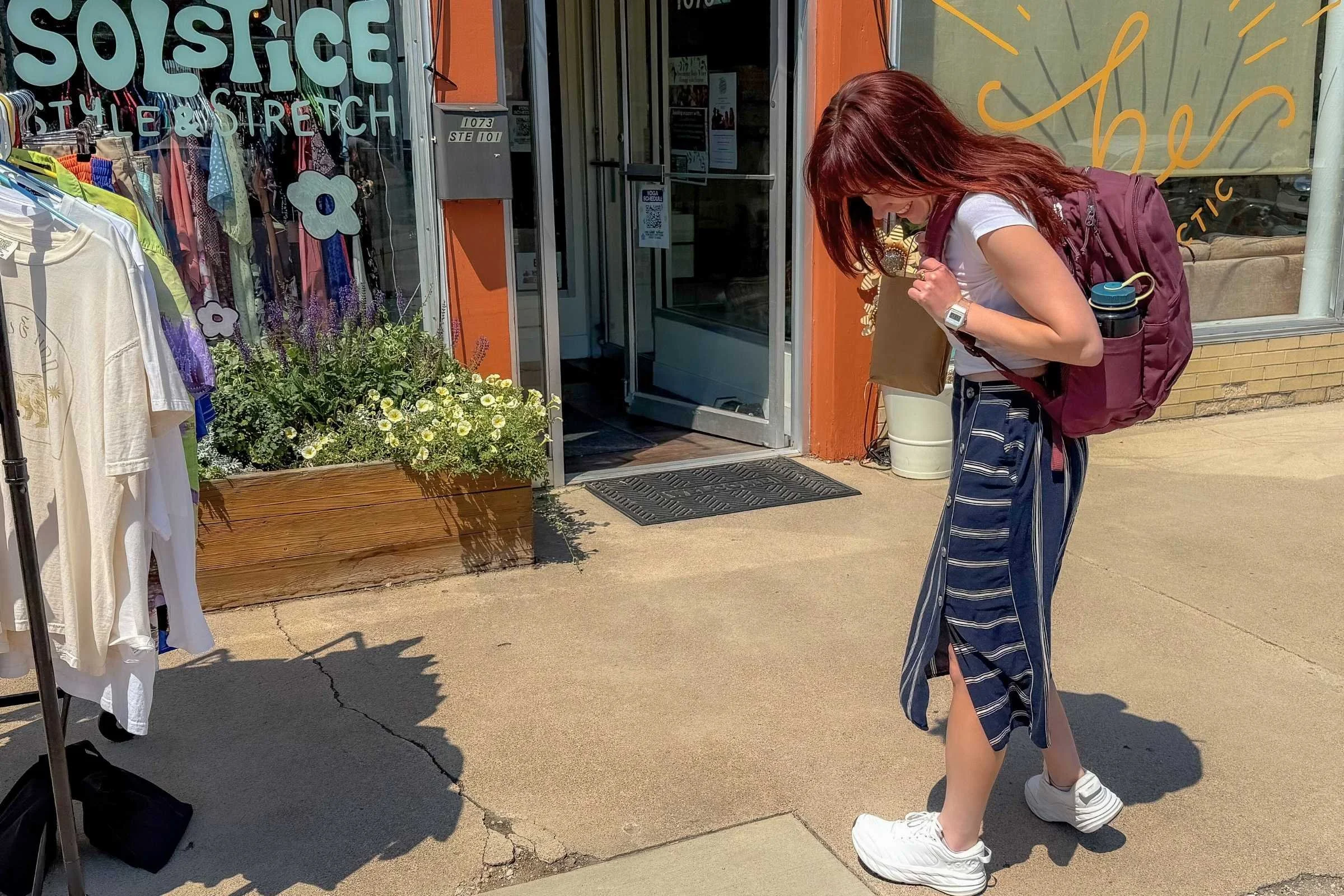
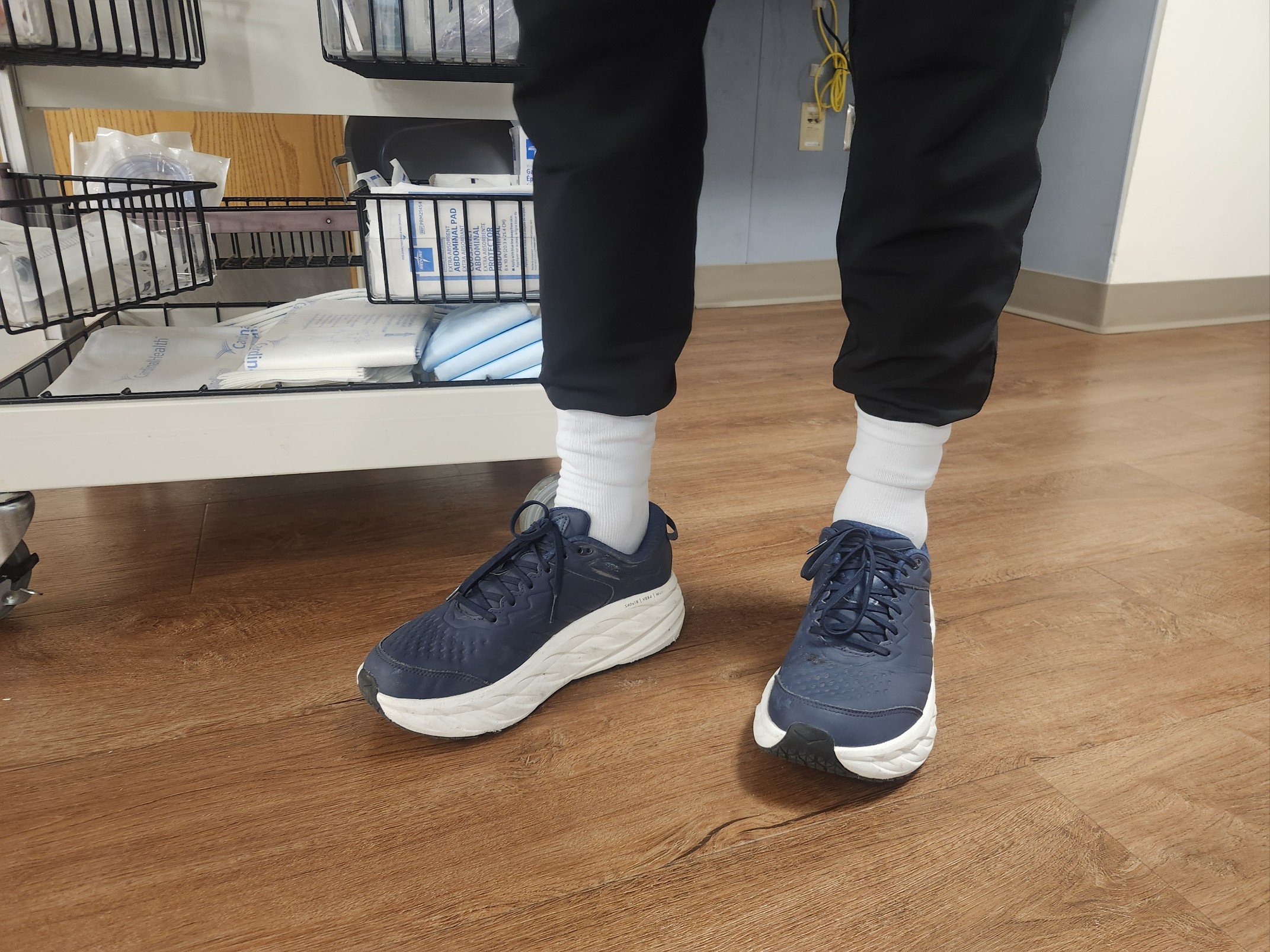
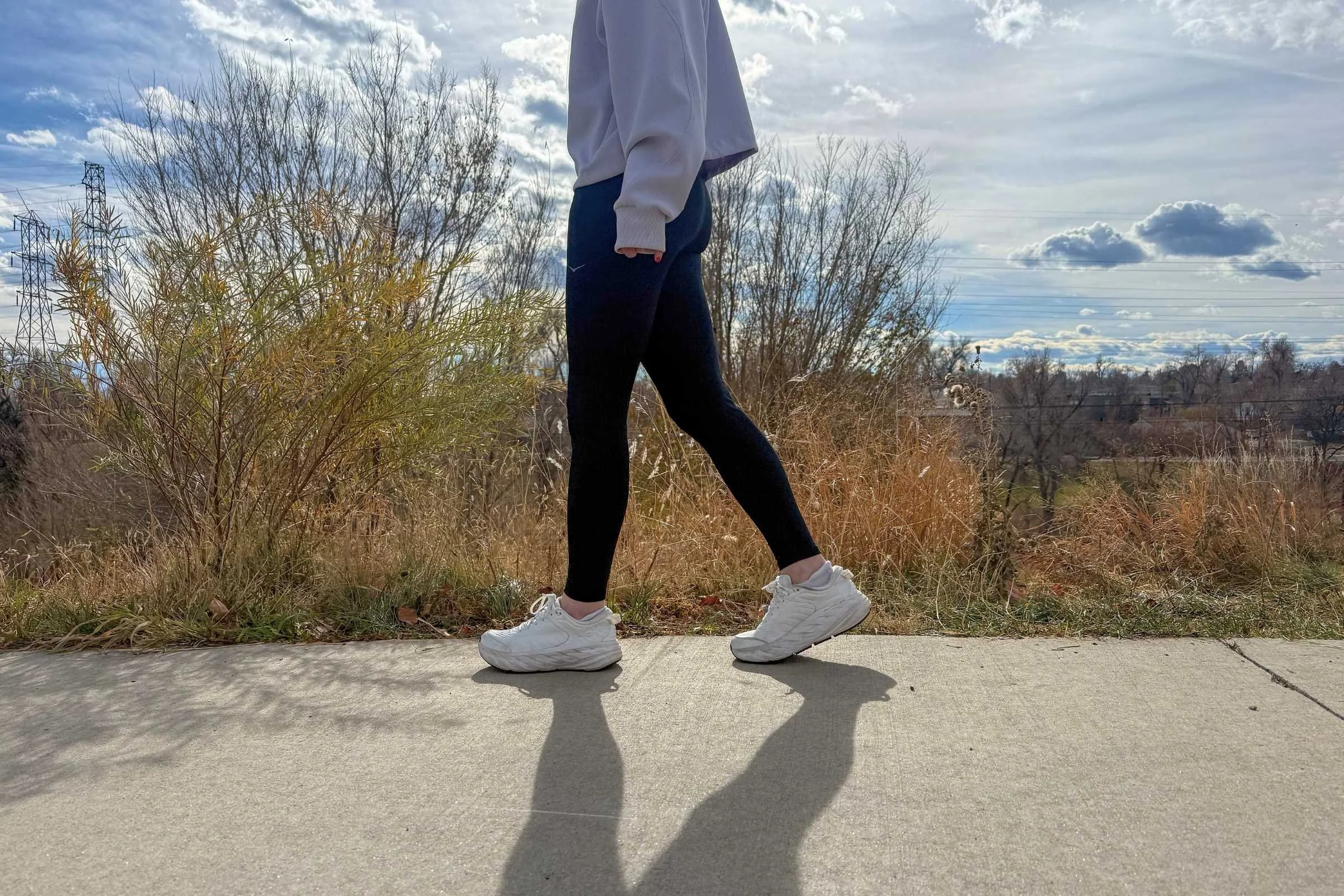
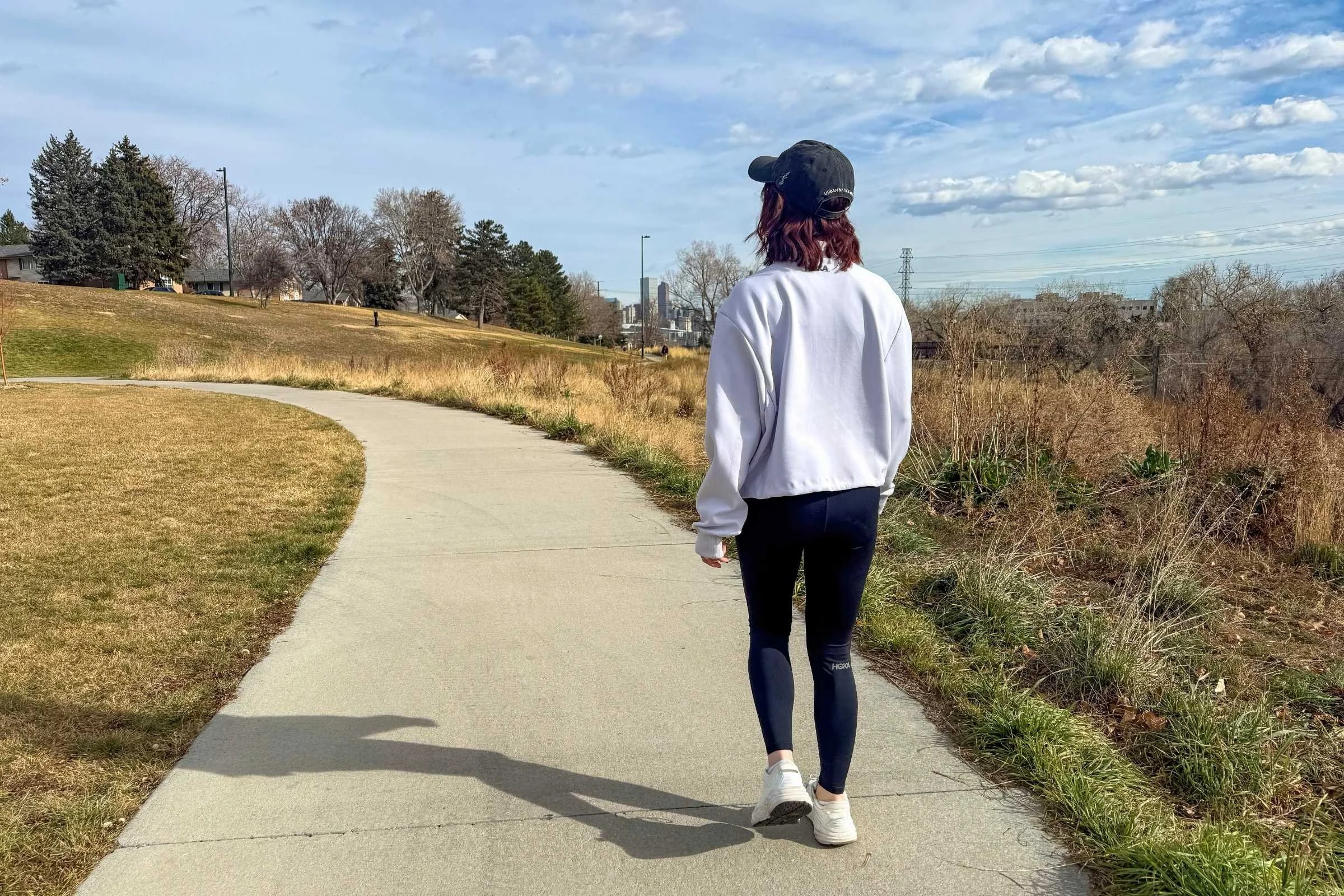
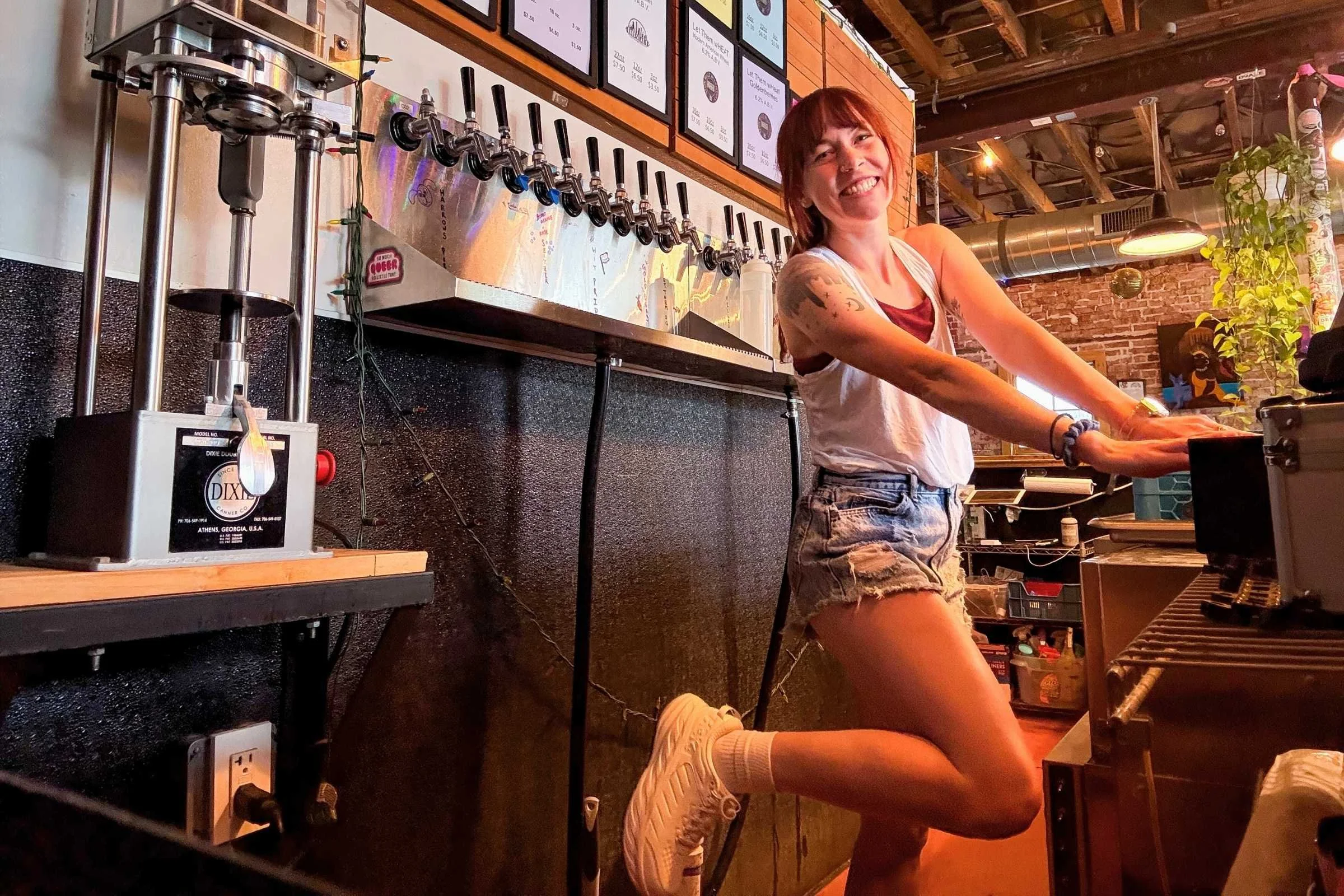
We tested these shoes on fitness walks, days running errands, and during 7-hour brewery shifts. The slip-resistant tread and balance of cushion and support made them great for long periods on our feet. We also loved how they could blend well as athletic shoes or as a trendy casual look with everyday clothes. As a result, we found ourselves reaching for these shoes the most.
The downside to the HOKA Bondi SR shoes is their bulk. They’re chunky shoes, which may be a style you like, but can also feel cumbersome to others. The weight isn’t a problem for walking, but you wouldn’t want to run in these shoes.
However, if you work on your feet all day, or simply want a walking shoe that is versatile and really comfortable, the HOKA Bondi SR is our top pick. Learn more in our in-depth review of the HOKA Bondi SR walking shoes.
Best walking shoes for plantar fasciitis: Birkenstock Arizona Soft Footbed Sandals
Weight: 16.2 oz (women’s)
Drop: 0 mm
Arch support: Neutral (forms to your foot)
Cushioning: Moderate
Available sizes: 5 - 12.5 (women’s), 6 - 13.5 (men’s)
What we liked: Cork footbed contours to your foot and offers excellent support and comfort; durable and lasts for many years
What we didn't like: Sandals aren’t ideal for all walking conditions
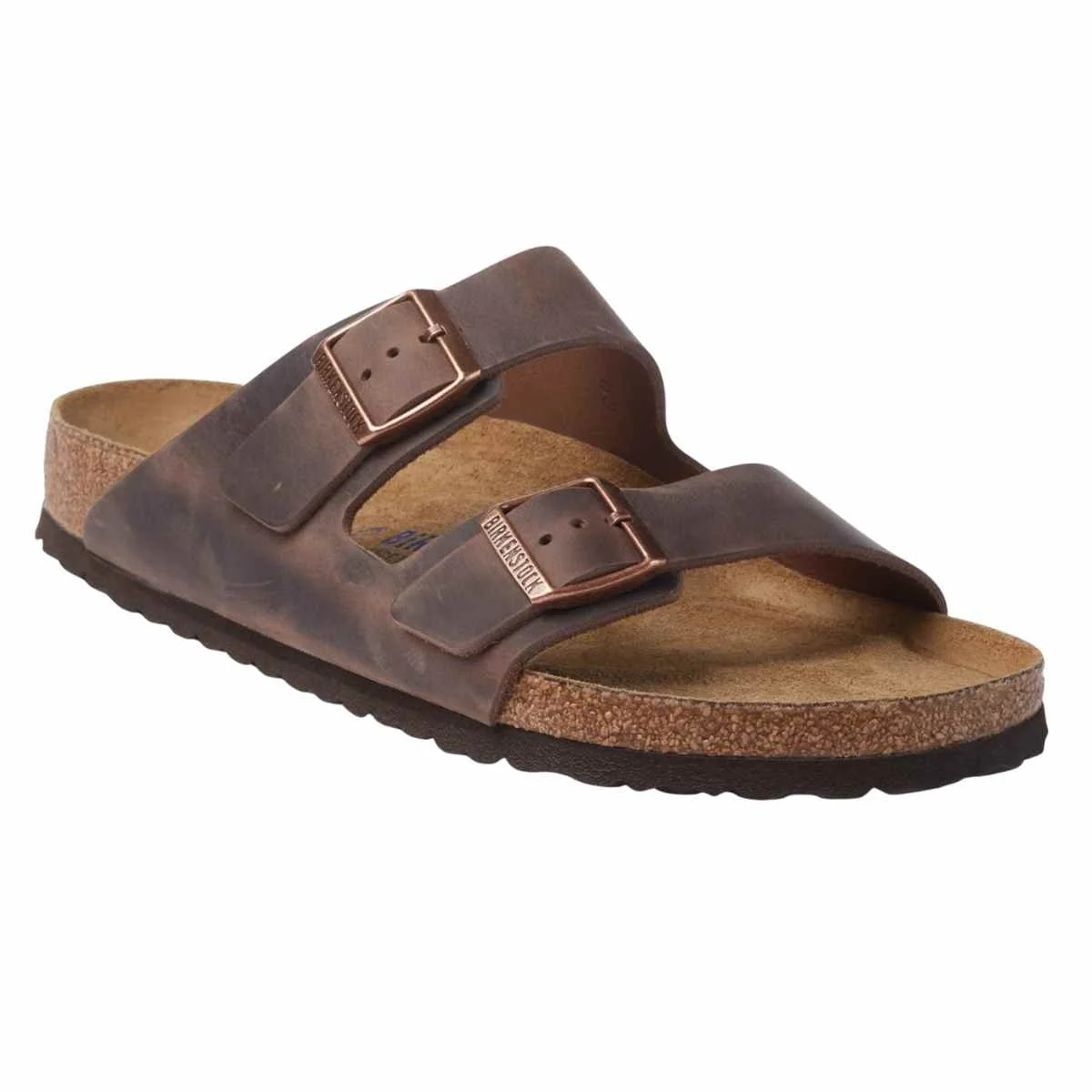
The Birkenstock Arizona Soft Footbed sandals are our favorite walking shoes for plantar fasciitis because of the foot-contouring cork footbed that comfortably supports your feet. Many Treeline testers have sworn by these shoes for decades, and the author of this guide wore them almost exclusively while dealing with plantar fasciitis. Learn more in our in-depth review of the Birkenstock Arizona Soft Footbed sandals.
Birkenstock Arizona Soft Footbed Sandals
Women's
Men's
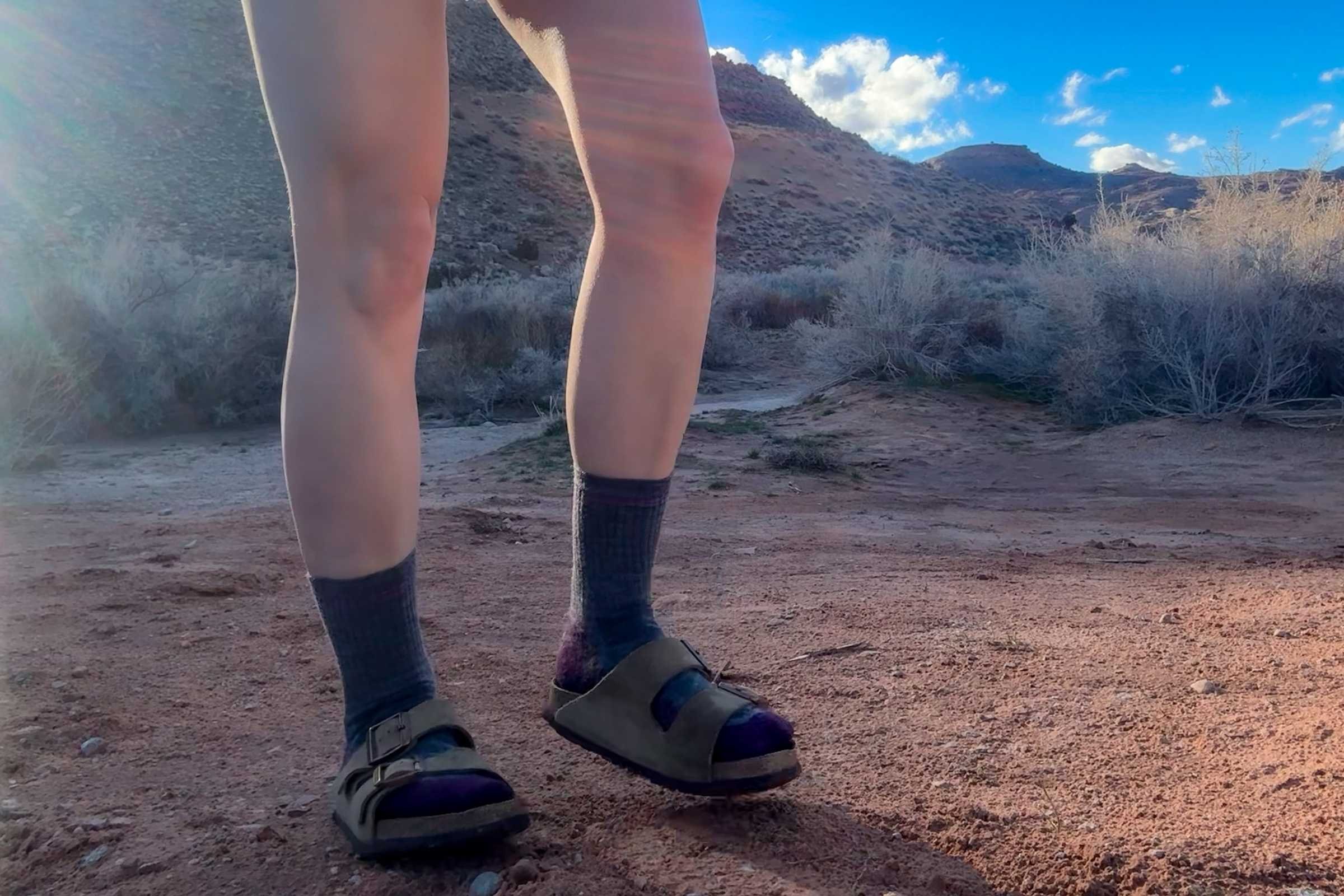

In addition to the cork midsole, the sandals are durable and can last you many years, making them a great value. The suede upper is comfortable and durable, and the buckles allow you to adjust the shoe to your foot volume. The outsole isn’t the most grippy, but the traction is good enough for most walking surfaces (including non-technical trails).
Not everyone enjoys walking in sandals, though, and these may not work well in particularly wet or cold environments (though we often pair our Arizonas with wool socks when it’s chilly). But if you’re looking for footwear that comfortably supports your feet and will last you many years, the Arizonas are hard to beat.
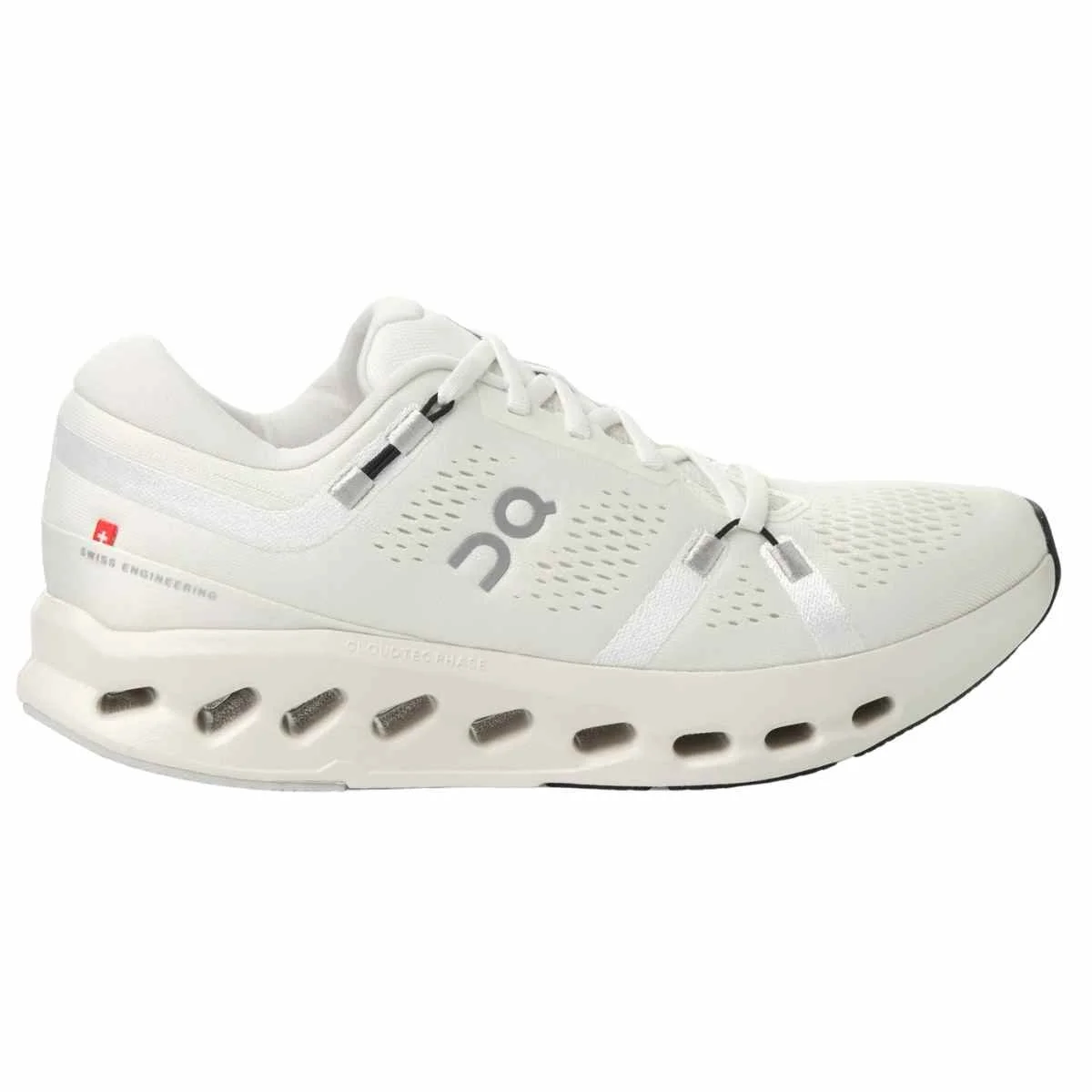
Best walking shoes with high cushion: On Cloudsurfer 2
Weight: 15.9 oz (women’s) and 17.5 oz (men's)
Drop: 9 mm
Arch support: Neutral
Cushioning: Maximum
Available sizes: 5 - 11 (women’s), 7 - 14 (men’s)
What we liked: Excellent cushion and comfort; great for running and other exercise
What we didn't like: Not for casual wear; not as responsive as other running shoes
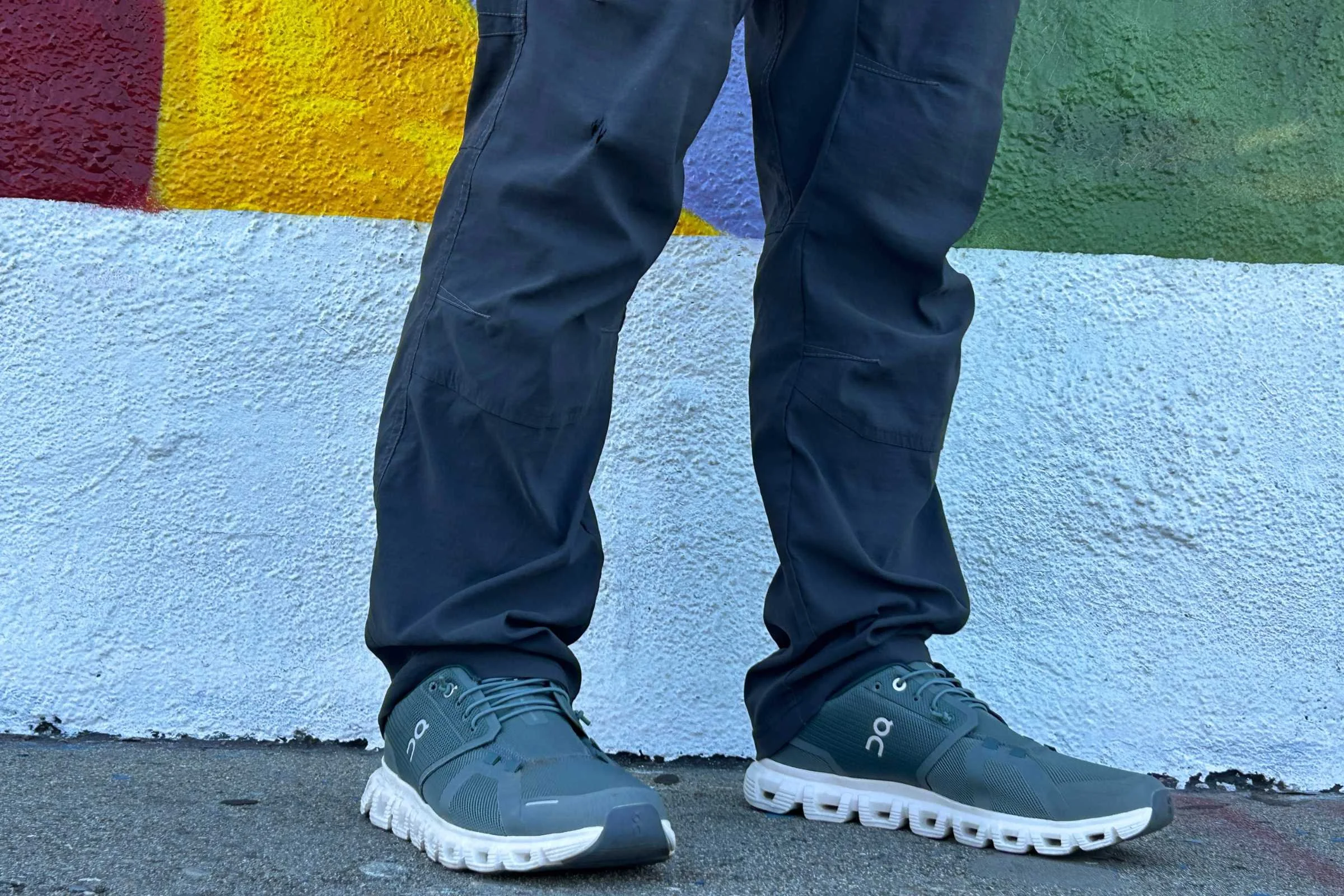
The On Cloudsurfer 2 road running shoes are our pick for best cushioned shoes because they have a comfortable, plush midsole. Because of their high cushion, they won Best Cushioned in our Best Women’s Road Running Shoes guide and Best for Long Distances in our Best Men’s Road Running Shoes guide.
What makes the midsole so plush and comfortable is On’s proprietary Helion superfoam and Cloudtec midsole technology. This makes the shoes pillowy-soft but still responsive when you push off, so you feel comfortable and energized. Because of this, we also named these shoes Best for Recovery Runs in our Best Recovery Shoes guide.
Learn more in our in-depth review of the On Cloudsurfer 2 shoes.
On Cloudsurfer 2
Women's
men's
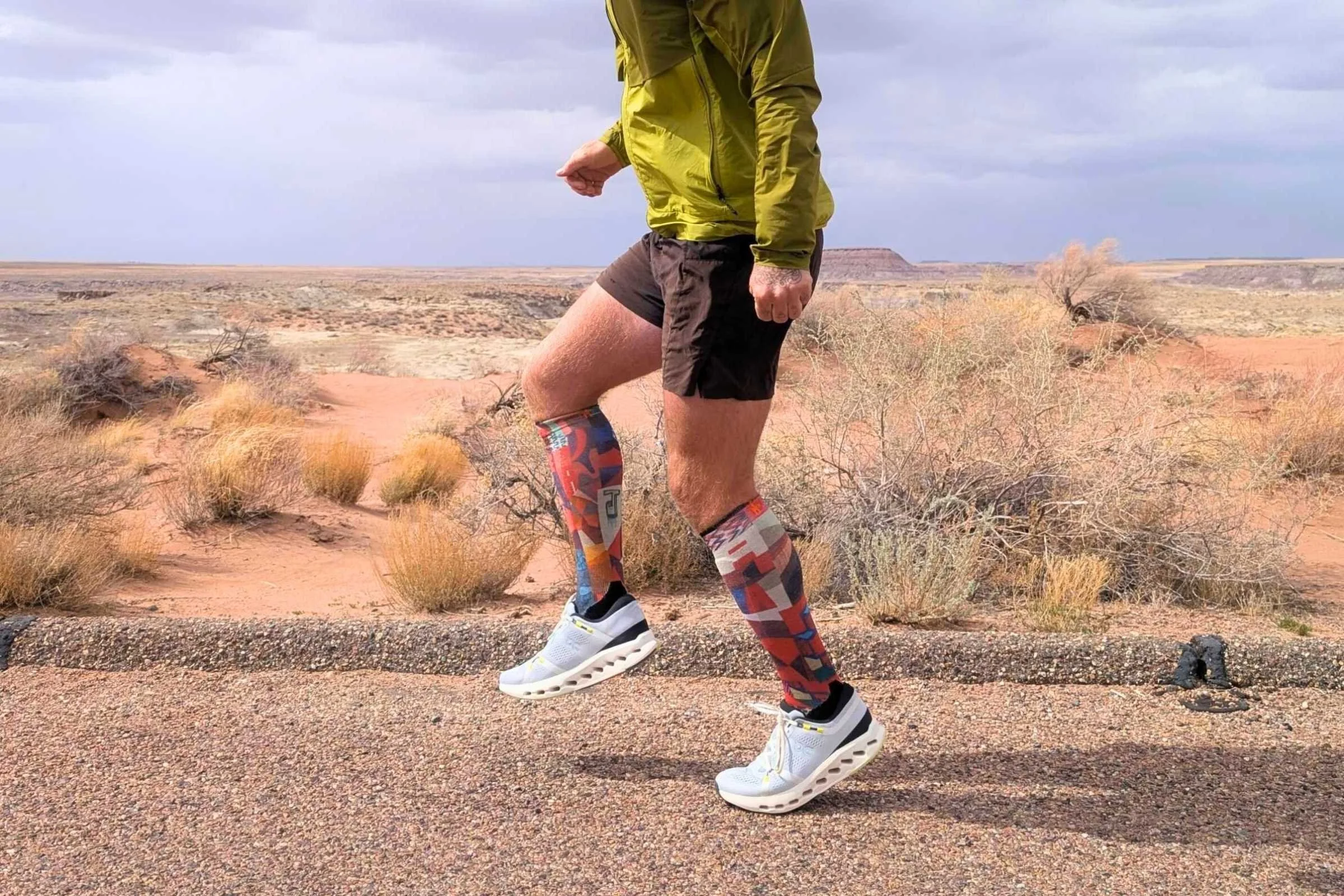
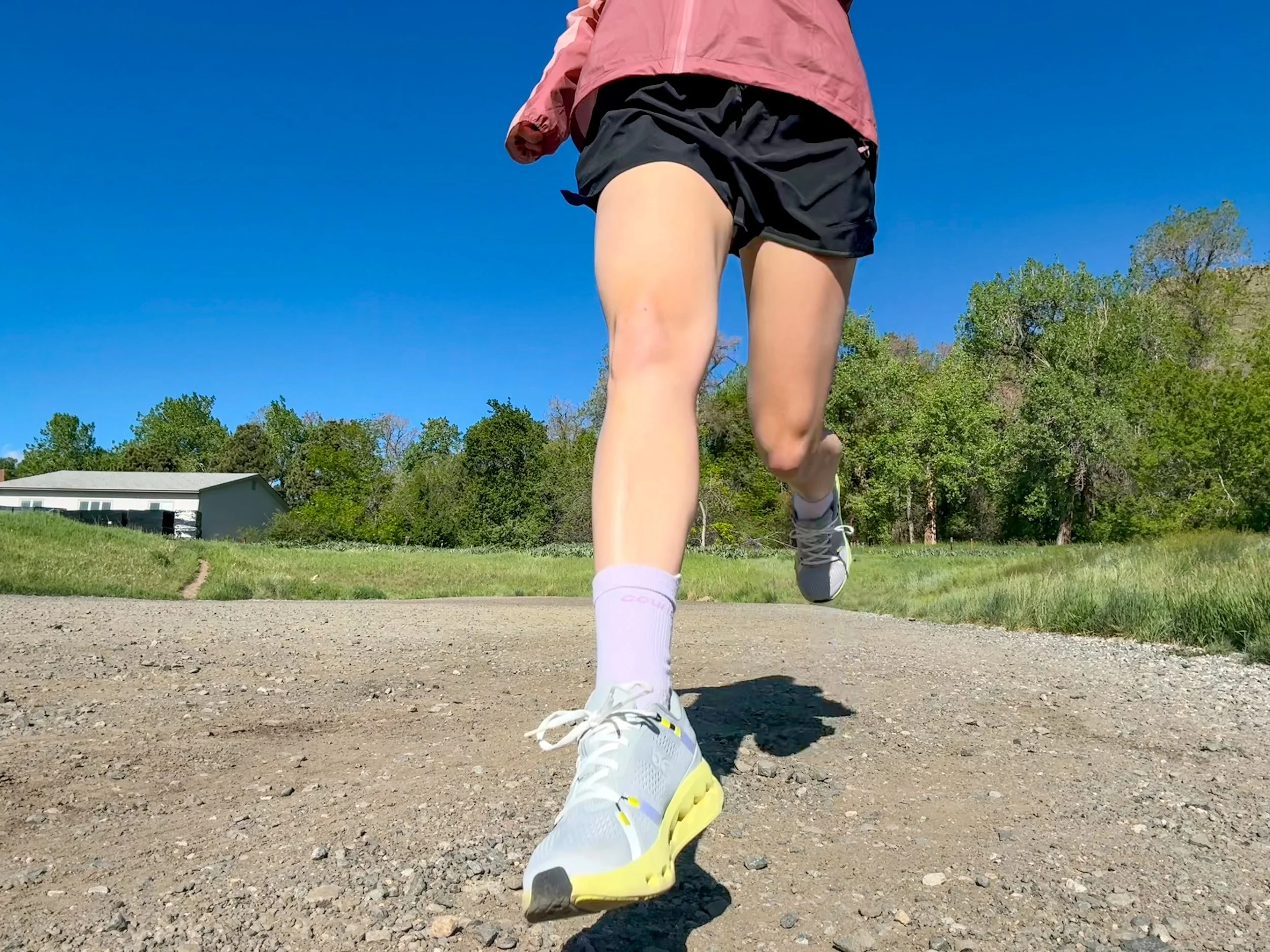
Like the HOKA Clifton 10s, the On Cloudsurfer 2s are great for active pursuits beyond walking. Both shoes are extremely similar, the main separating being we found we just prefer the Cloudsurfer 2s when cushion and general comfort was the main priority. In reality, both shoes serve similar purposes (and as a result, share the same drawback that these are not ideal for styling and everyday wear).
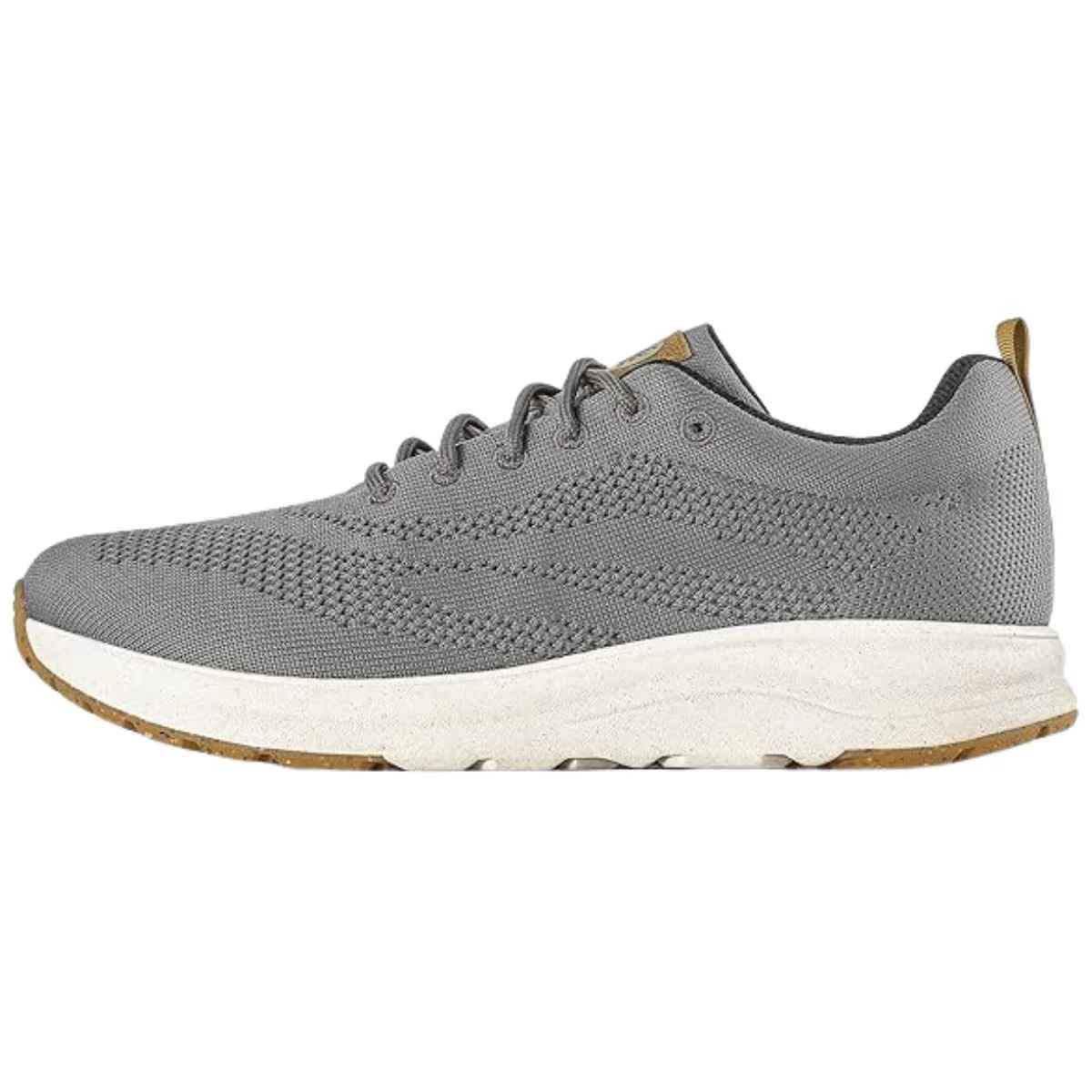
Best walking shoes for style: Icebug Mosi RB9X
Weight: 16.2 oz (women’s)
Drop: 8 mm
Arch support: Neutral
Cushioning: Full
Available sizes: 5 - 11 (women’s), 4 - 13 (men’s)
What we liked: Everyday style, comfortable midsole and fit
What we didn't like: Not ideal for athletic wear
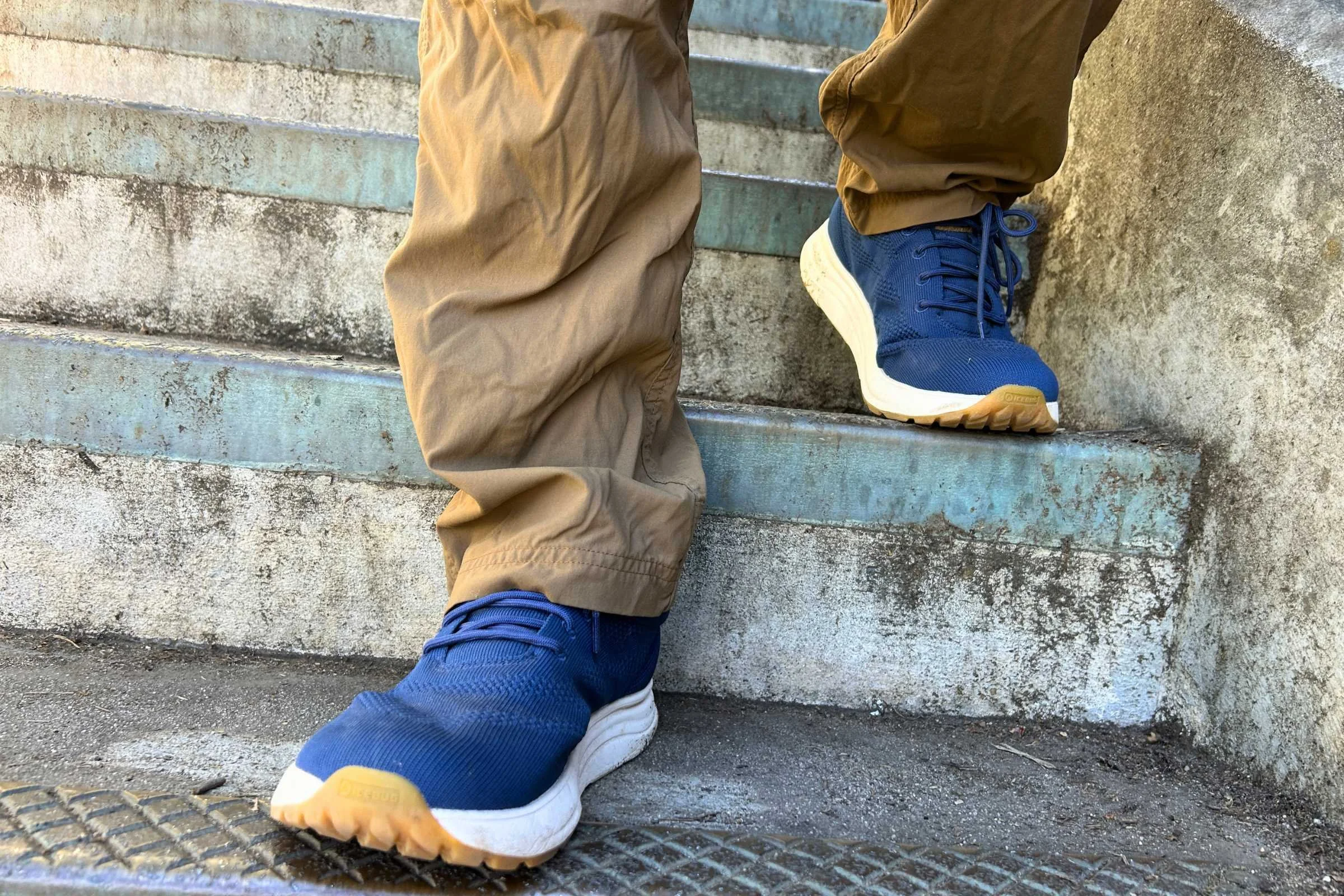
The Icebug Mosi RB9X shoes look like ordinary lifestyle sneakers, but they have some technical features to make them great walking shoes, too. We also appreciate the use of more sustainable materials, like BLOOM foam in the midsole.
The shoes have a microsuede caging reinforcement that is durable and a recycled mesh knit upper that is breathable. The upper is made of bluesign, solution-dyed, 100% recycled GRS certified PET polyester. The midsole has Icebug’s proprietary BUGforce for lightweight cushion. The midsole EVA also contains 20% BLOOM foam, which is made from algae and is a more sustainable practice. Icebug’s proprietary RB9X outsole, which contains 15% recycled rubber, offers enough traction for just about any everyday walking surface, including non-technical trails.
Icebug Mosi RB9X
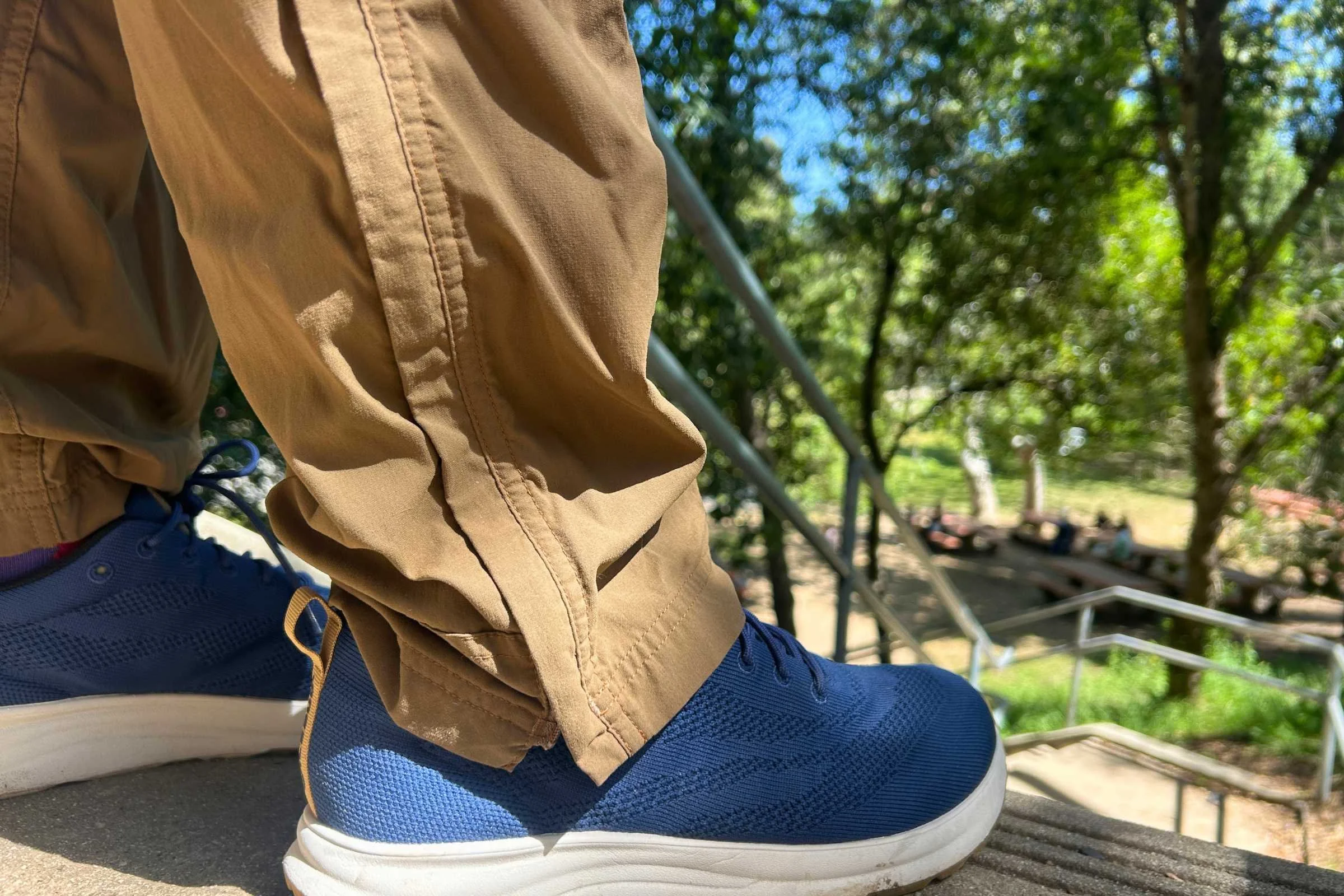
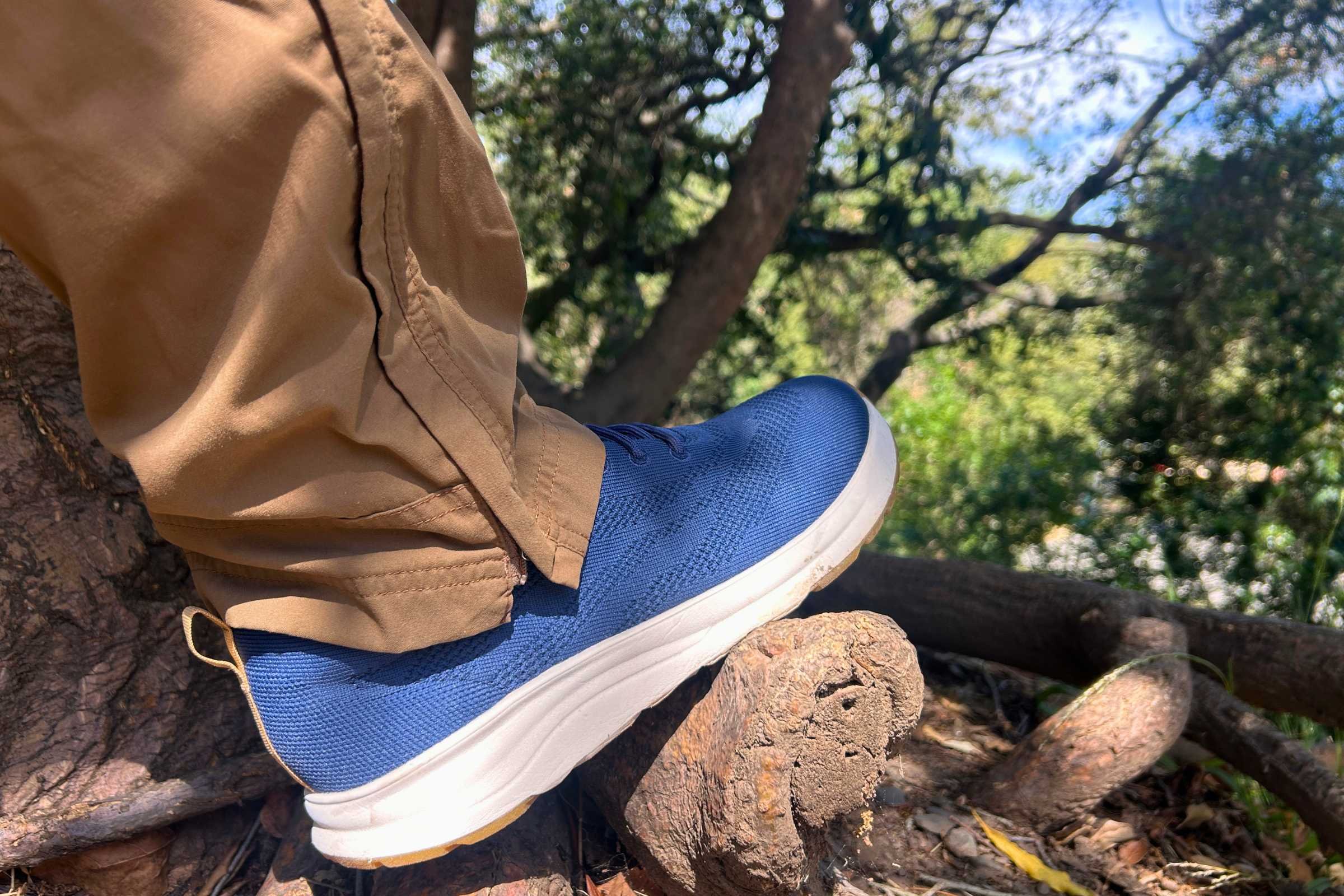
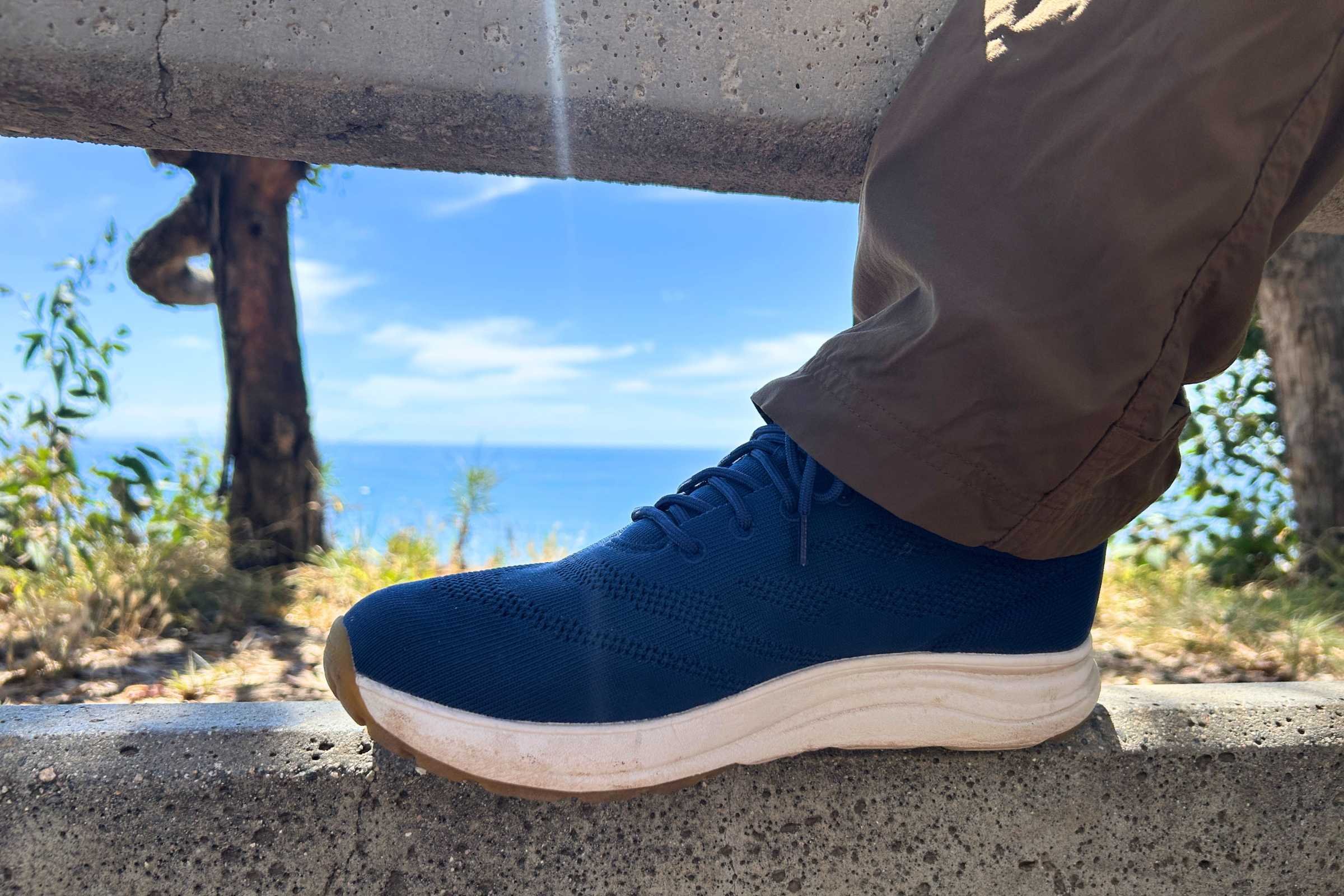
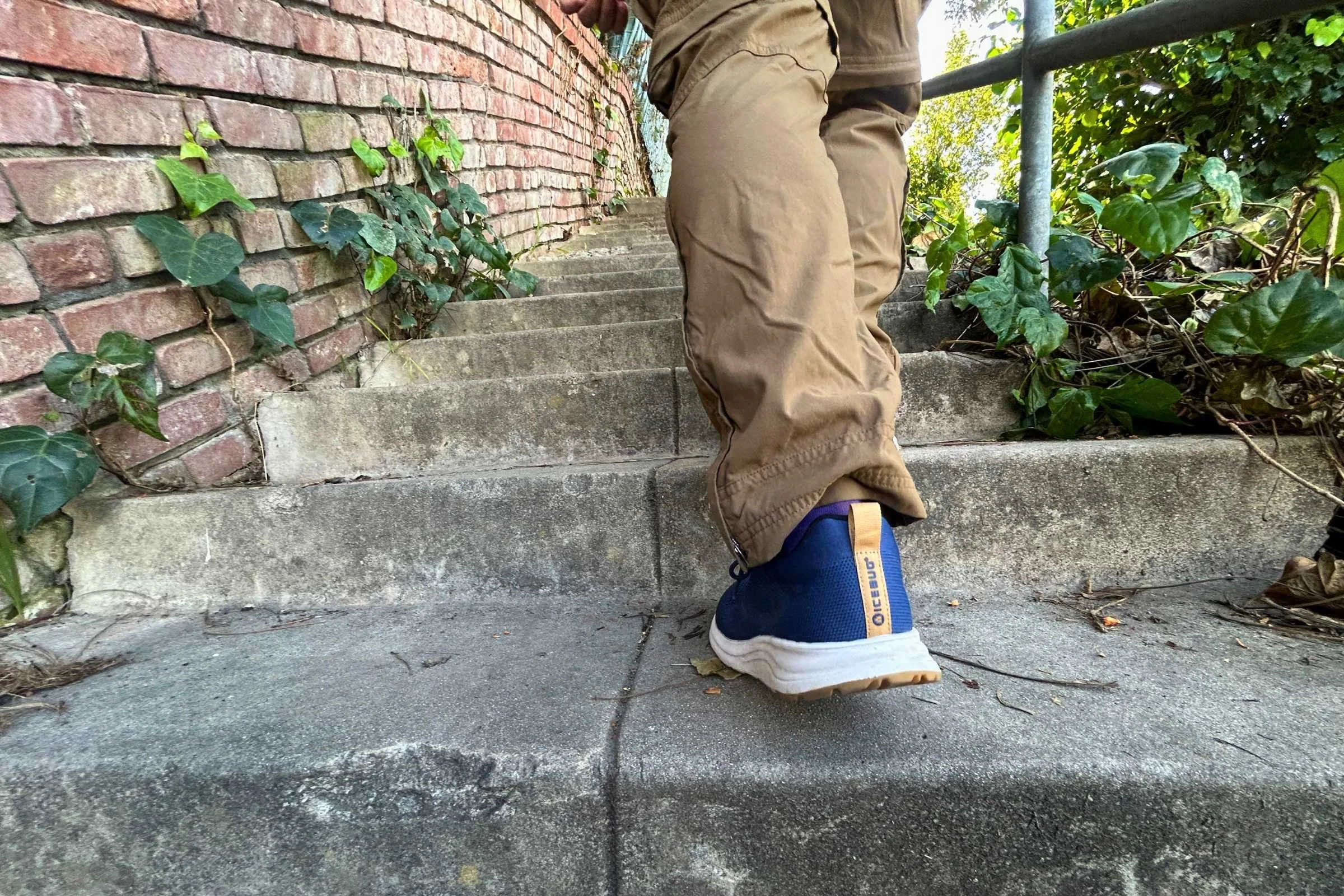



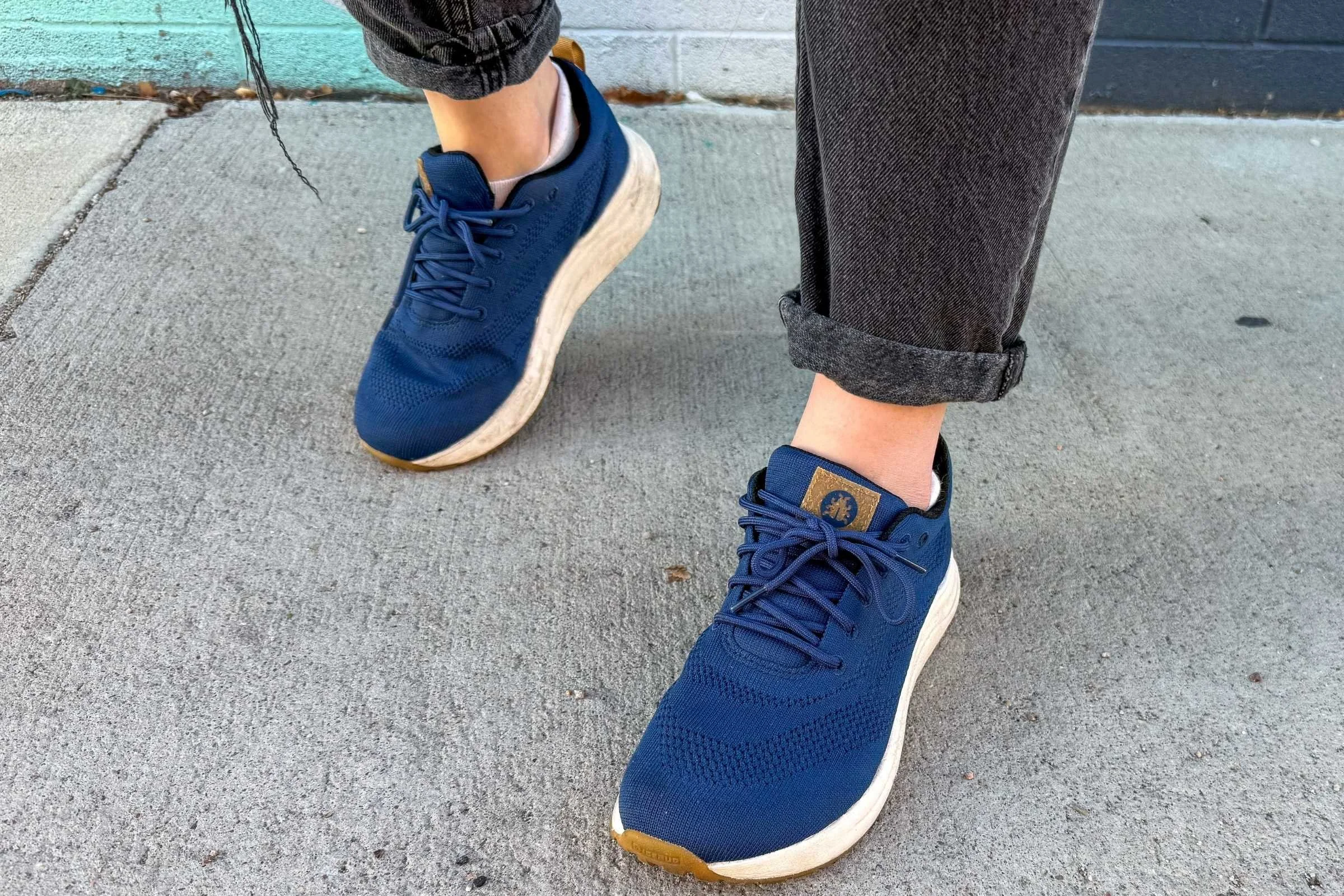
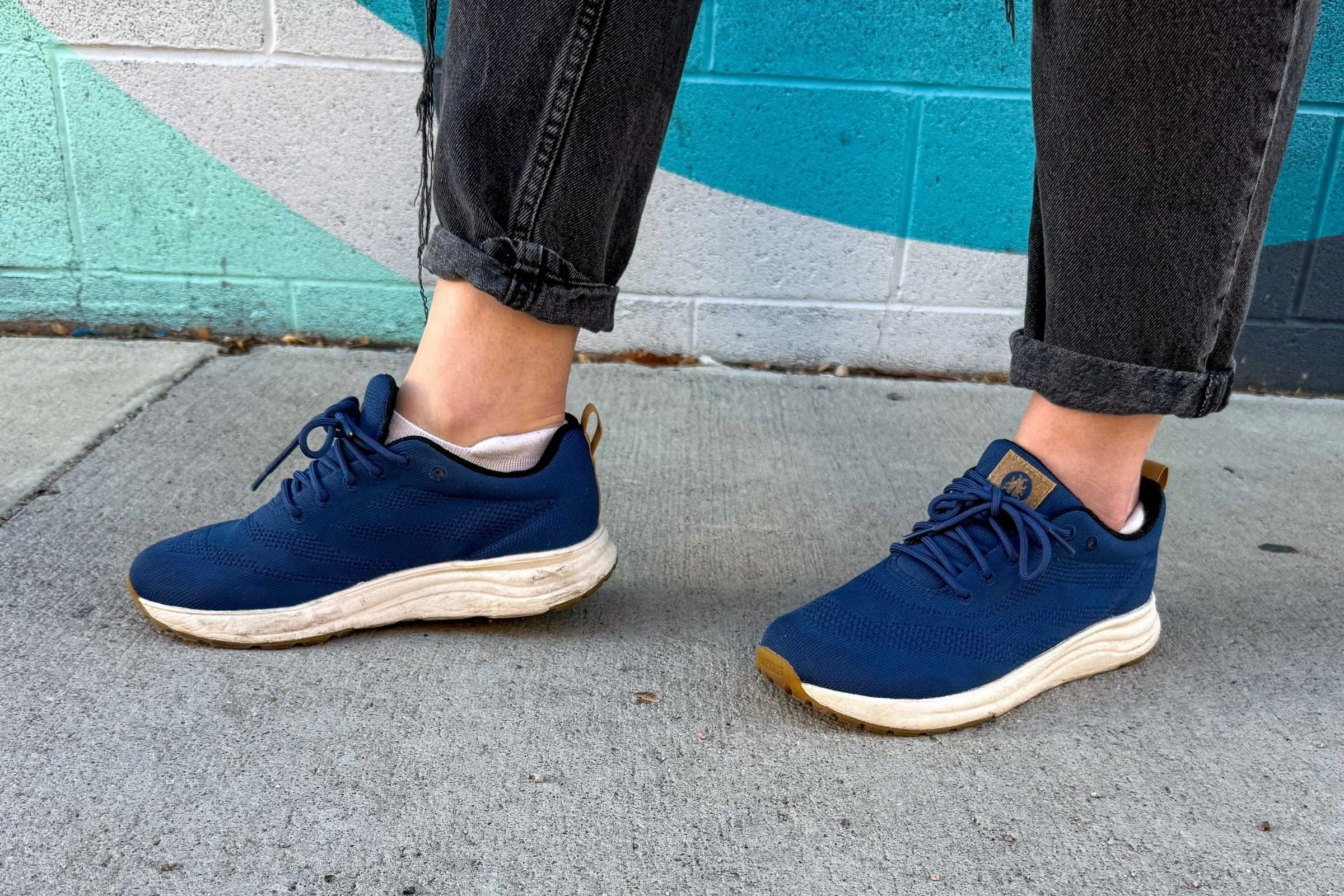
The Icebug Mosi RB9X shoes are not necessarily the best for more athletic use, but they’re comfortable, supportive, and stylish walking shoes that work well on varied terrain and are comfortable for all-day wear.
Best slip-on walking shoes: On Cloud 6
Weight: 15.2 oz (women’s) and 18.8 oz (men's)
Drop: 9.5 mm
Arch support: Neutral
Cushioning: Moderate
Available sizes: 5 - 12 (women’s), 7 - 15 (men’s)
What we liked: Easy to slip on and off; can be styled for casual wear
What we didn't like: More lifestyle shoe than athletic; narrow fit
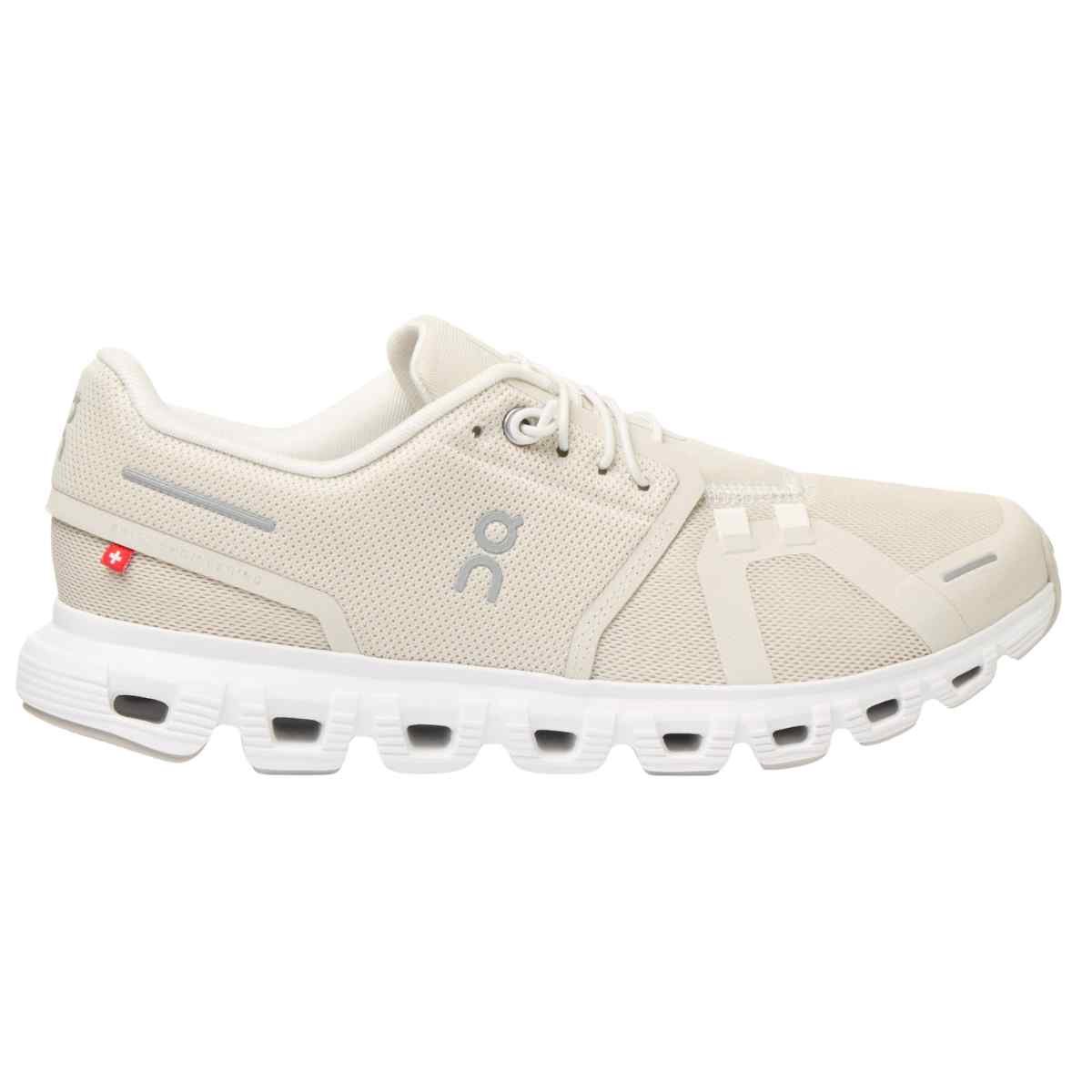
The On Cloud 6 shoes are comfortable walking and lifestyle shoes that slip-on without having to be tied. They’re a great choice for travelers, commuters, casual walkers, or anyone who likes the style of On shoes.
On’s proprietary CloudTec midsole provides enough cushion for all-day comfort, while their proprietary Speedboard technology encourages a pep in the step for a smooth ride. With a speed lacing system, this shoe can be slipped on and off with ease, while the snug heel cup and midfoot fit keep it comfortably in place. Learn more in our in-depth review of the On Cloud 6 shoes.
On Cloud 6
Women's
men's
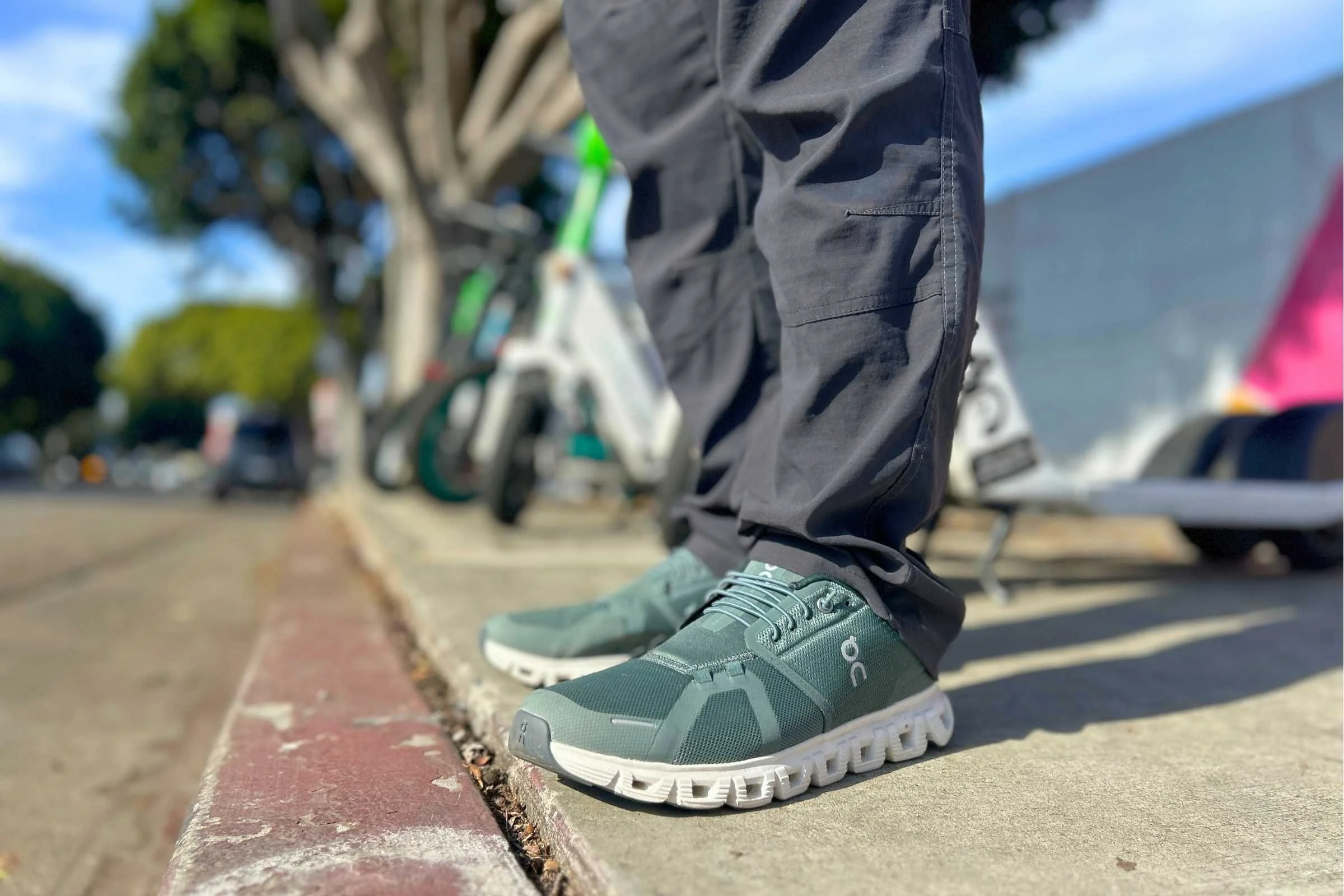
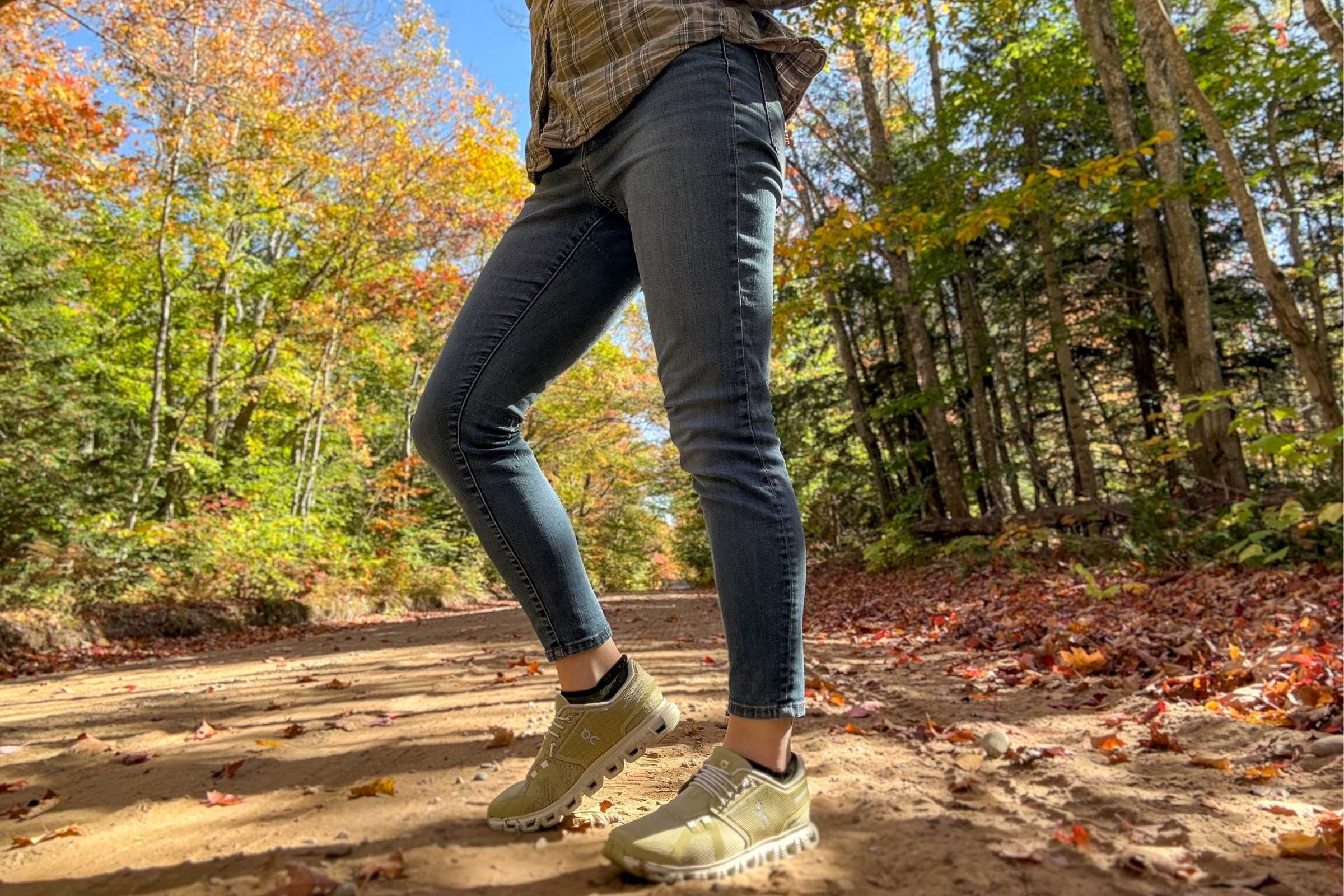

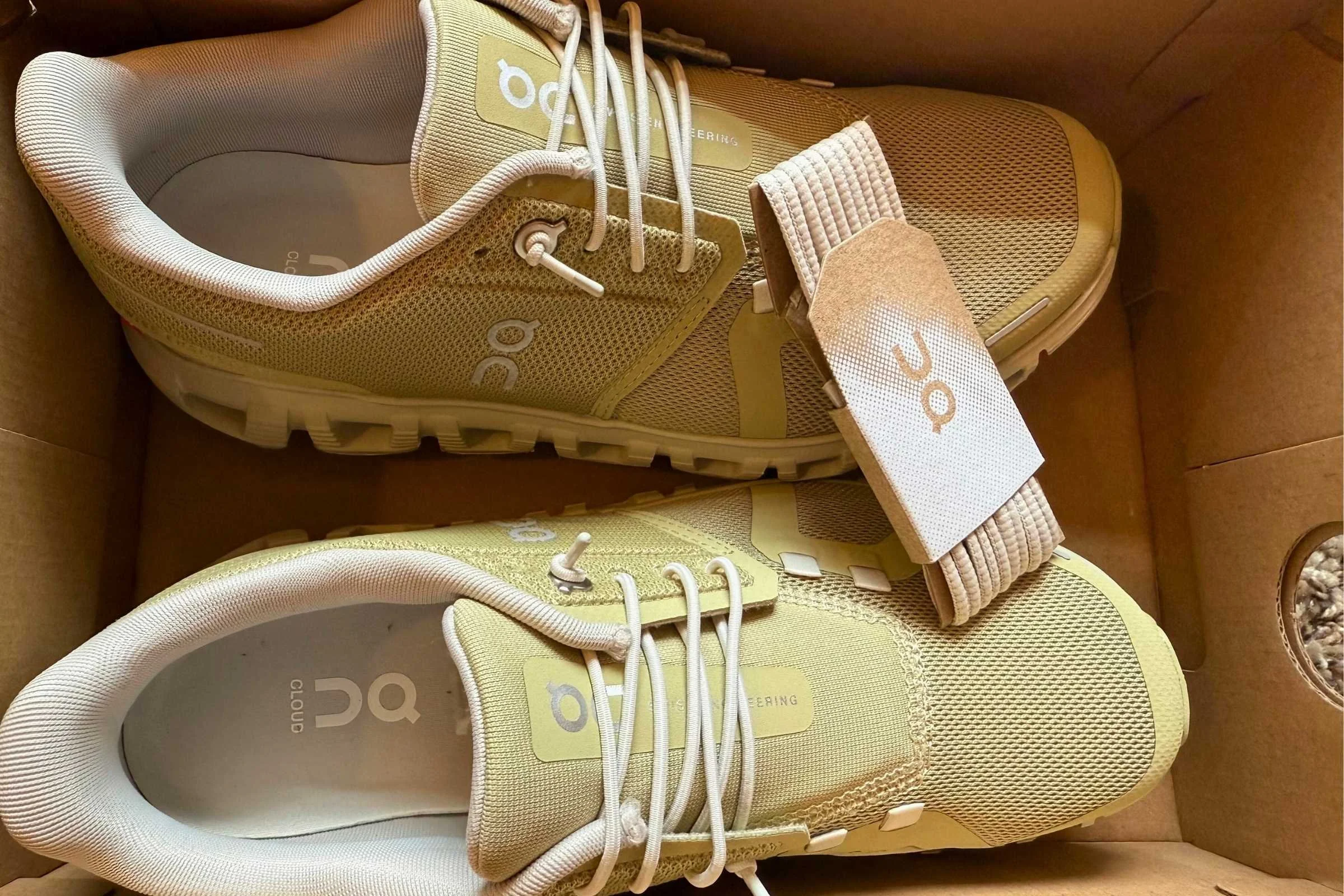
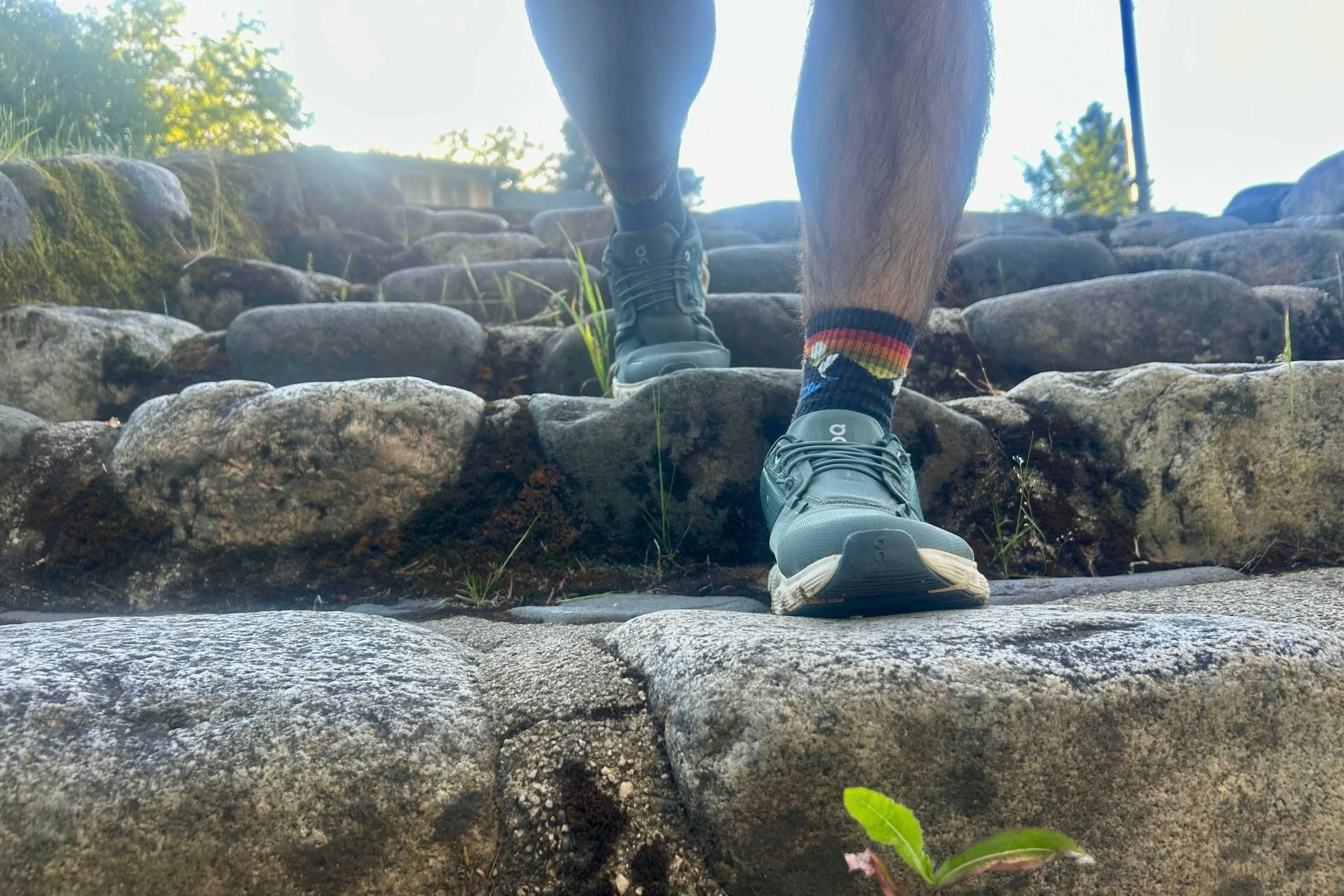
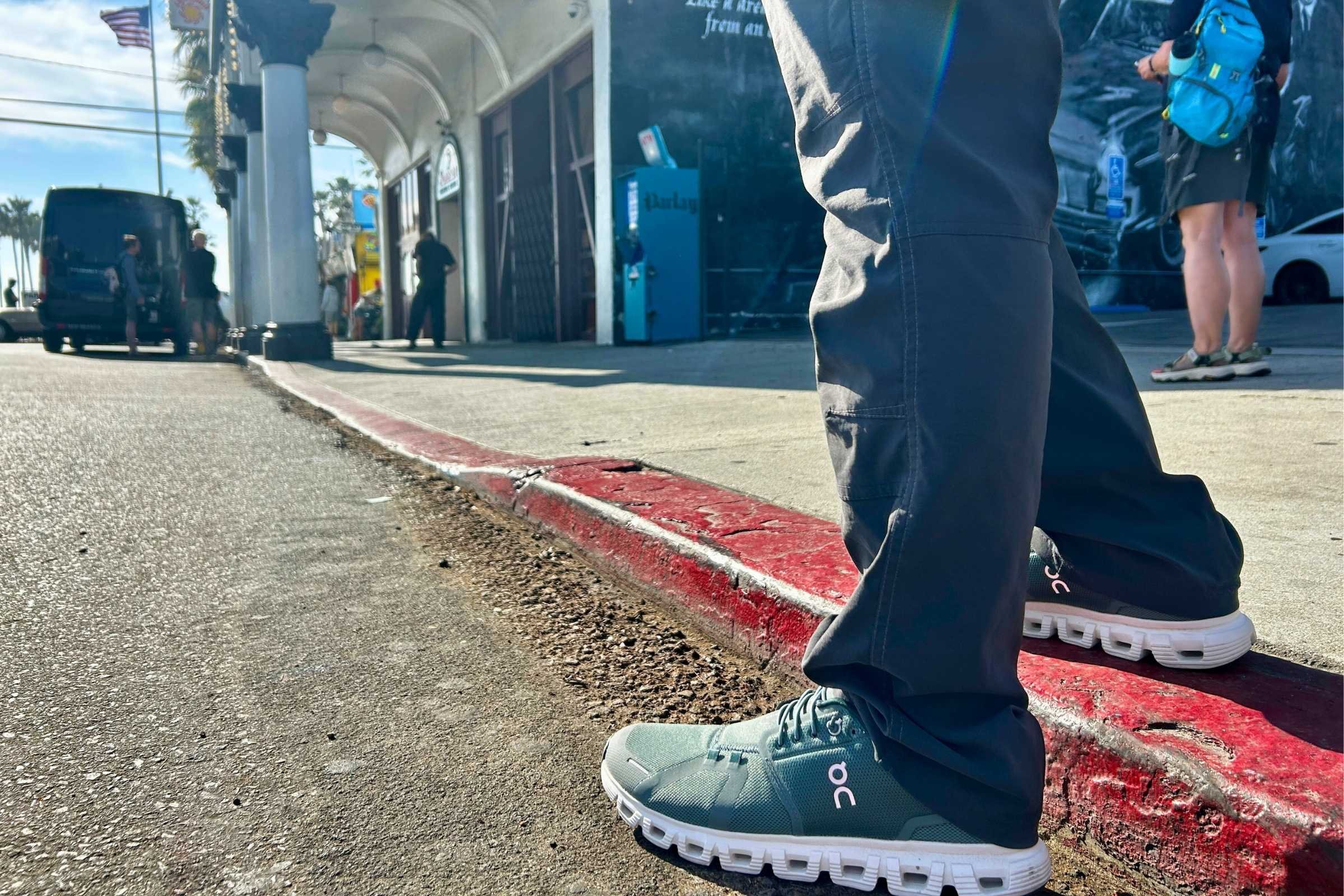
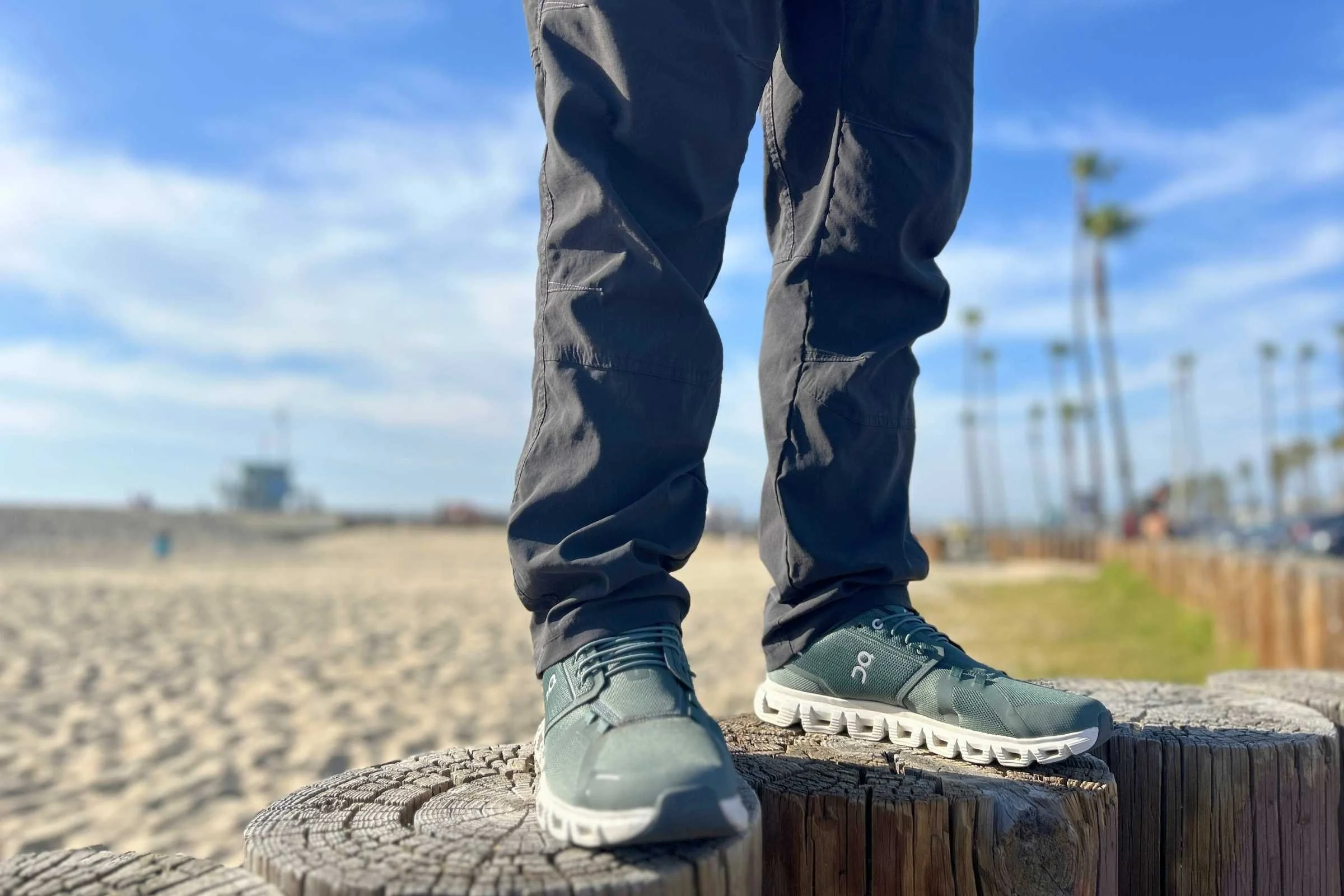
The upper is breathable and durable, which for us set it apart from the On Cloudaway 2, which we also considered for this category. Both shoes are comfortable and slip on easily, but the Cloudaway 2 has a pull tab closure rather than the speed laces that you don’t have to adjust, and some customer reviewers have expressed durability issues with the Cloudaway 2. While we didn’t have issues, we could see how the stitching in the upper could be a weak point.
If you’re looking for a lifestyle walking shoe that you don’t have to adjust, and you like the trendy, minimalist style of On shoes, the On Cloud 6 is a worthwhile option.
Best walking shoes for trails: HOKA Transport 2
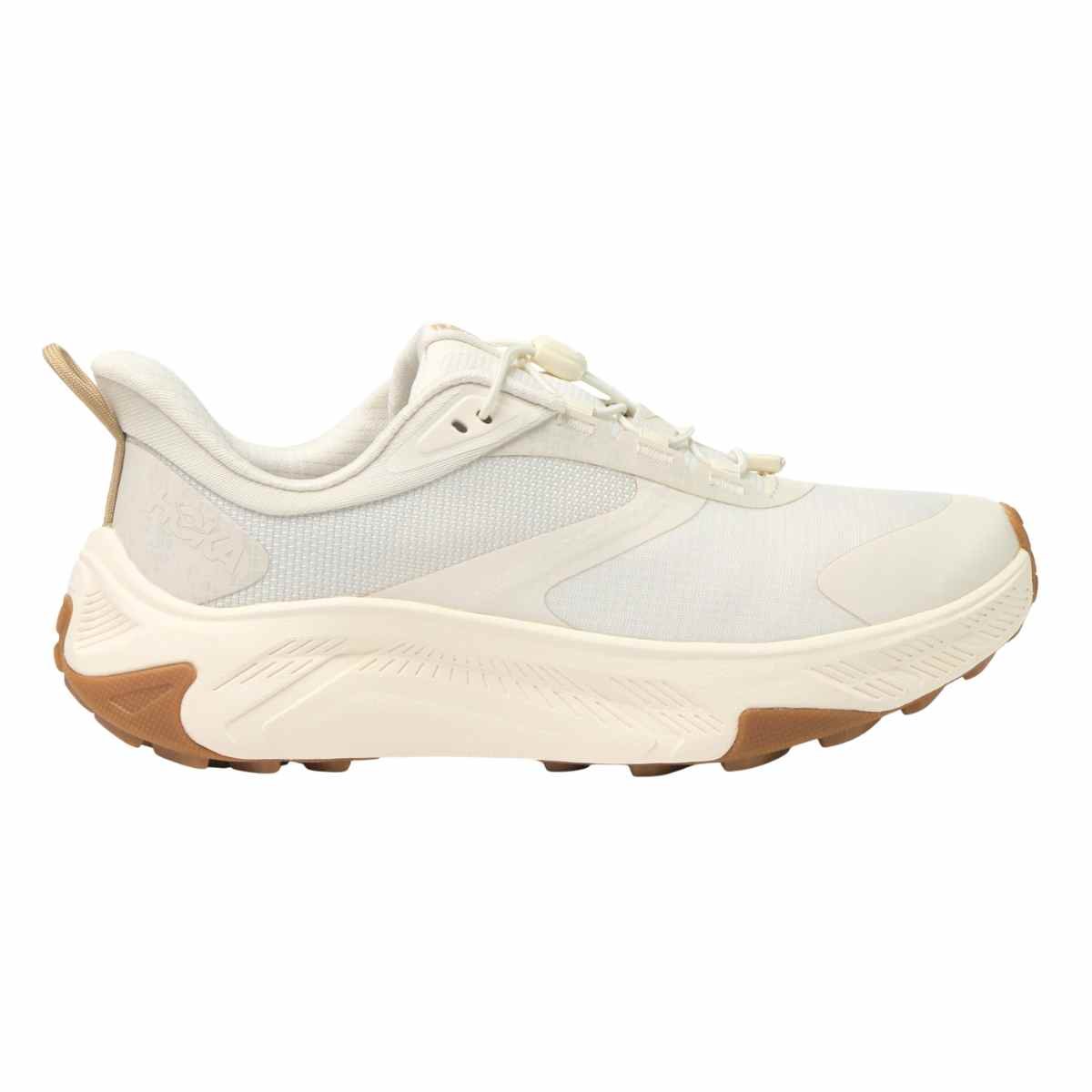
Weight: 16.2 oz (women’s) and 22.6 oz (men's)
Drop: 4 mm
Arch support: Neutral
Cushioning: Balanced
Available sizes: 4 - 12 (women’s), 7 - 15 (men’s)
What we liked: Grippy Vibram outsole, balance of cushion and support, comfortable
What we didn't like: Not as versatile as other shoes
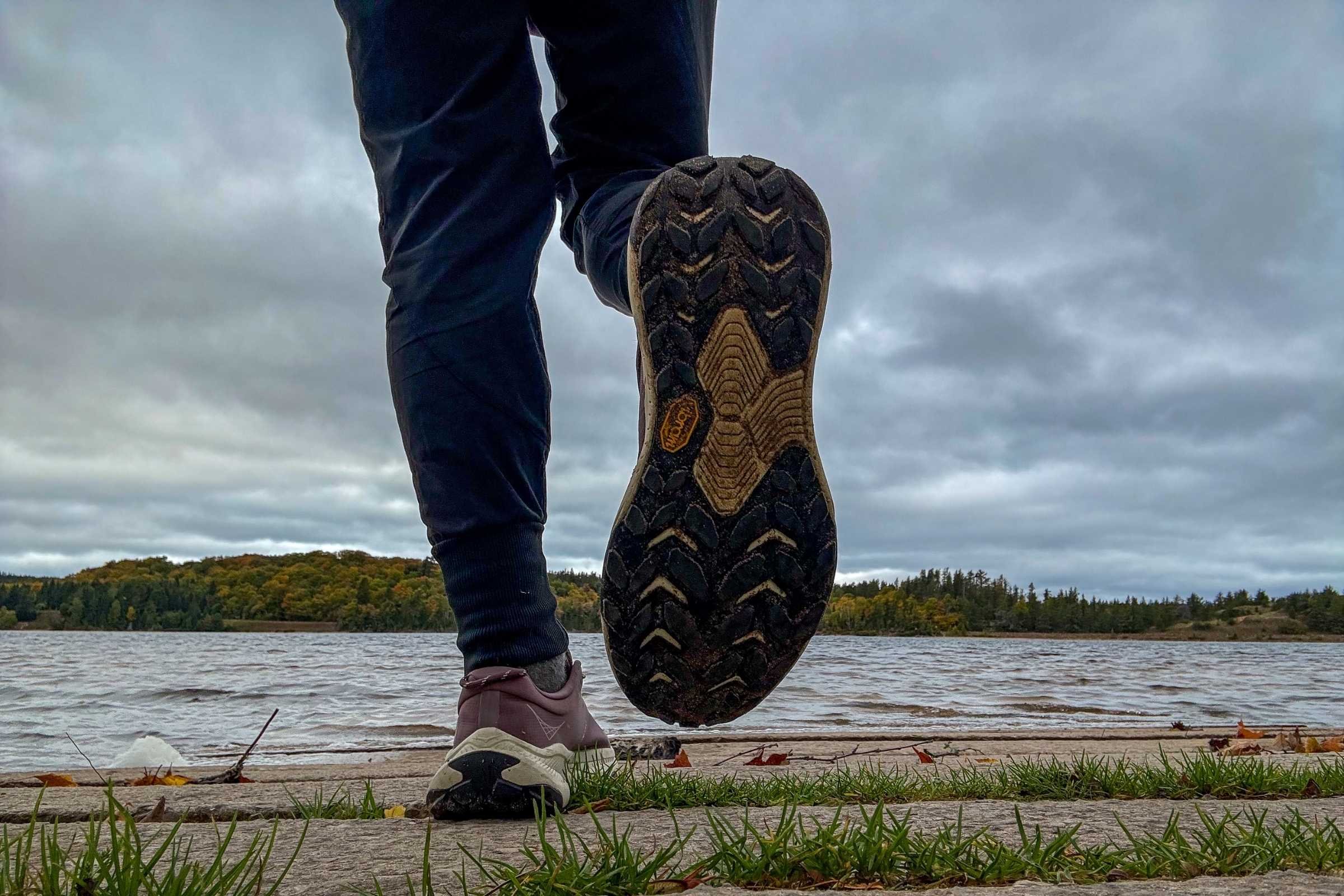
If you’re looking for a walking shoe that crosses over to trails with ease, the HOKA Transport 2 is our top pick. These shoes balance cushion and support for all-day comfort, and the Vibram outsole handles more varied and technical terrain with ease. Learn more in our in-depth review of the HOKA Transport 2 walking shoes.
We tested the HOKA Transport 2 shoes on both city walks and hikes in the Front Range of Colorado, and on dirt roads in the Upper Peninsula of Michigan. These shoes handled trails really well, and we found we really enjoyed wearing them for hikes that weren’t overly technical. While they weren’t our favorite on paved paths (the grippy outsole felt unnecessary in those cases), they weren’t distractingly grippy.
HOKA Transport 2
Women's
men's
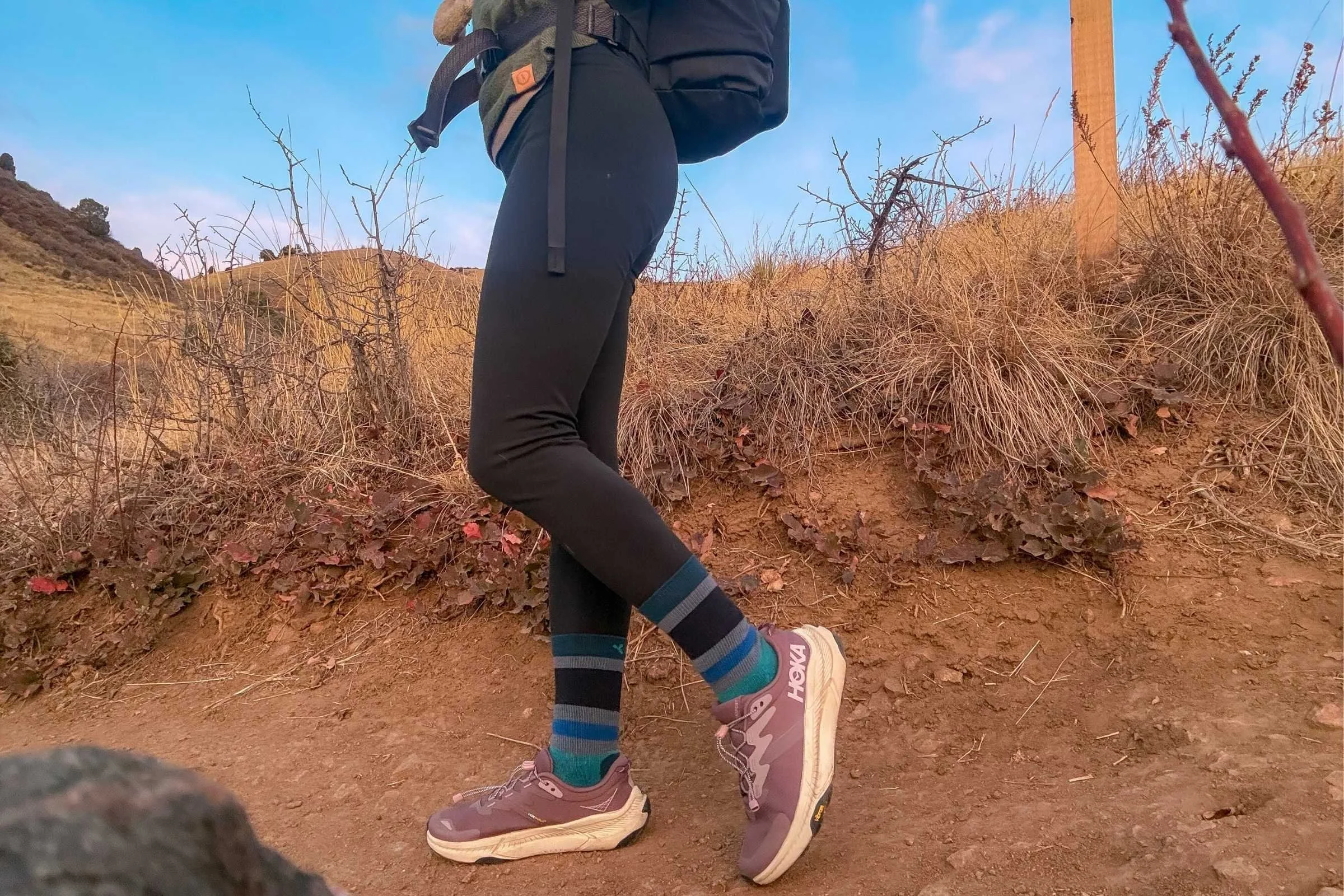
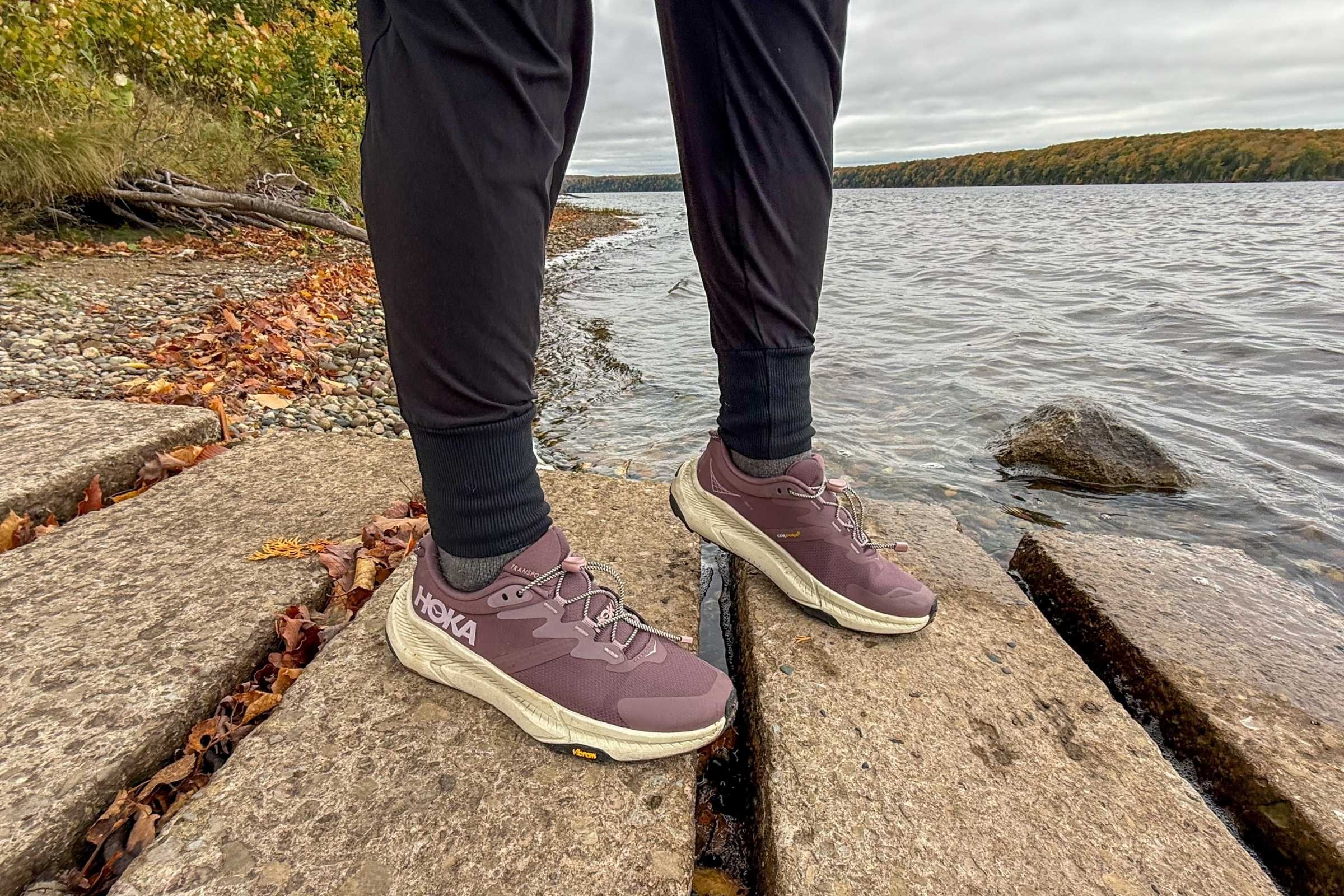
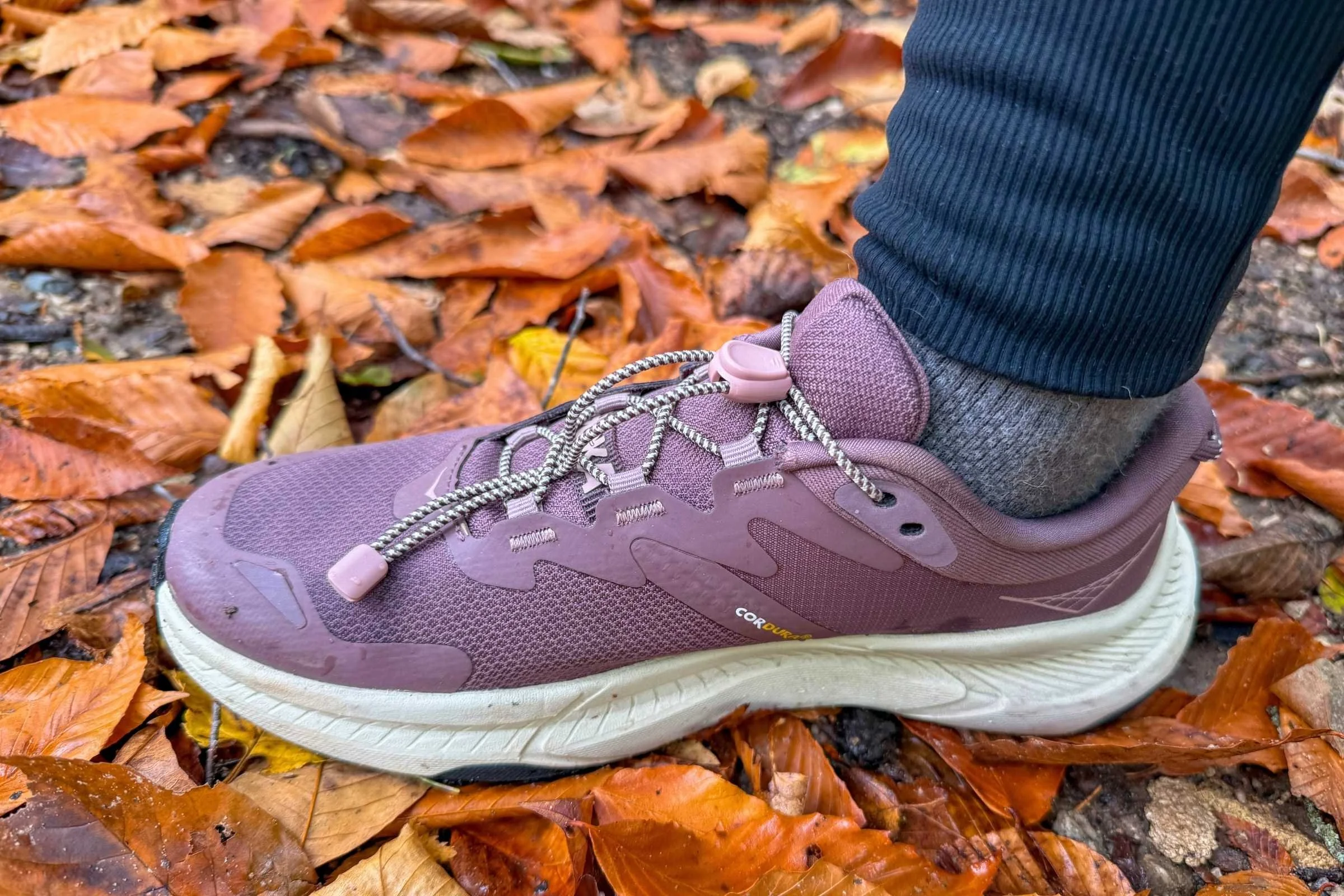
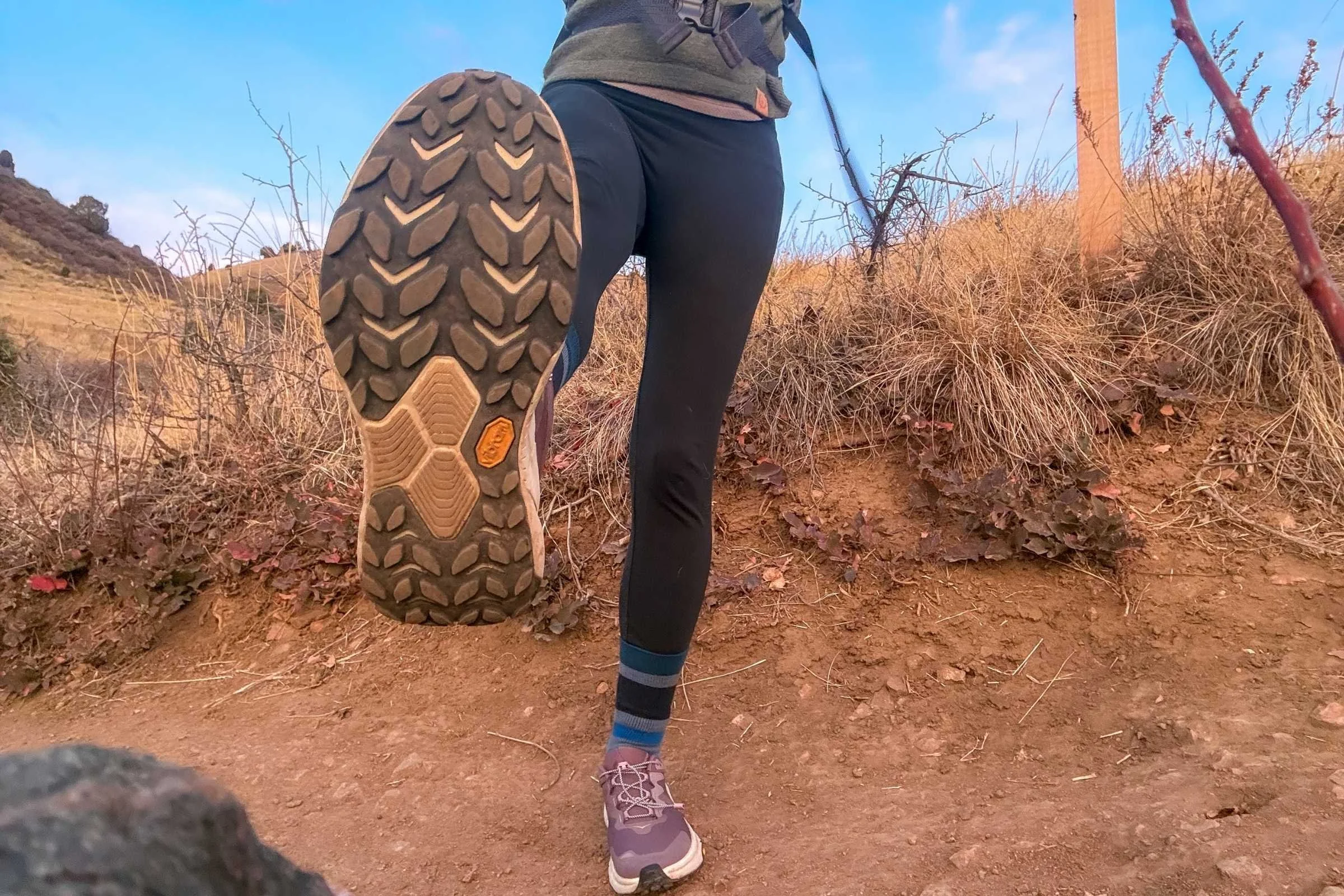
The laces can be adjusted with a pull tab, and the shoes come with traditional laces you can swap in if you prefer. We appreciate having both options, as the pull-tab makes slipping the shoe on and off easier, and the traditional laces allow for a more precise fit.
If a sidewalk-to-trails shoe is what you’re looking for, the HOKA Transport 2 is a great option to consider. It also comes in a waterproof version if you’ll be walking and hiking frequently in wet conditions.
Best walking shoes for active recovery: HOKA Clifton 10
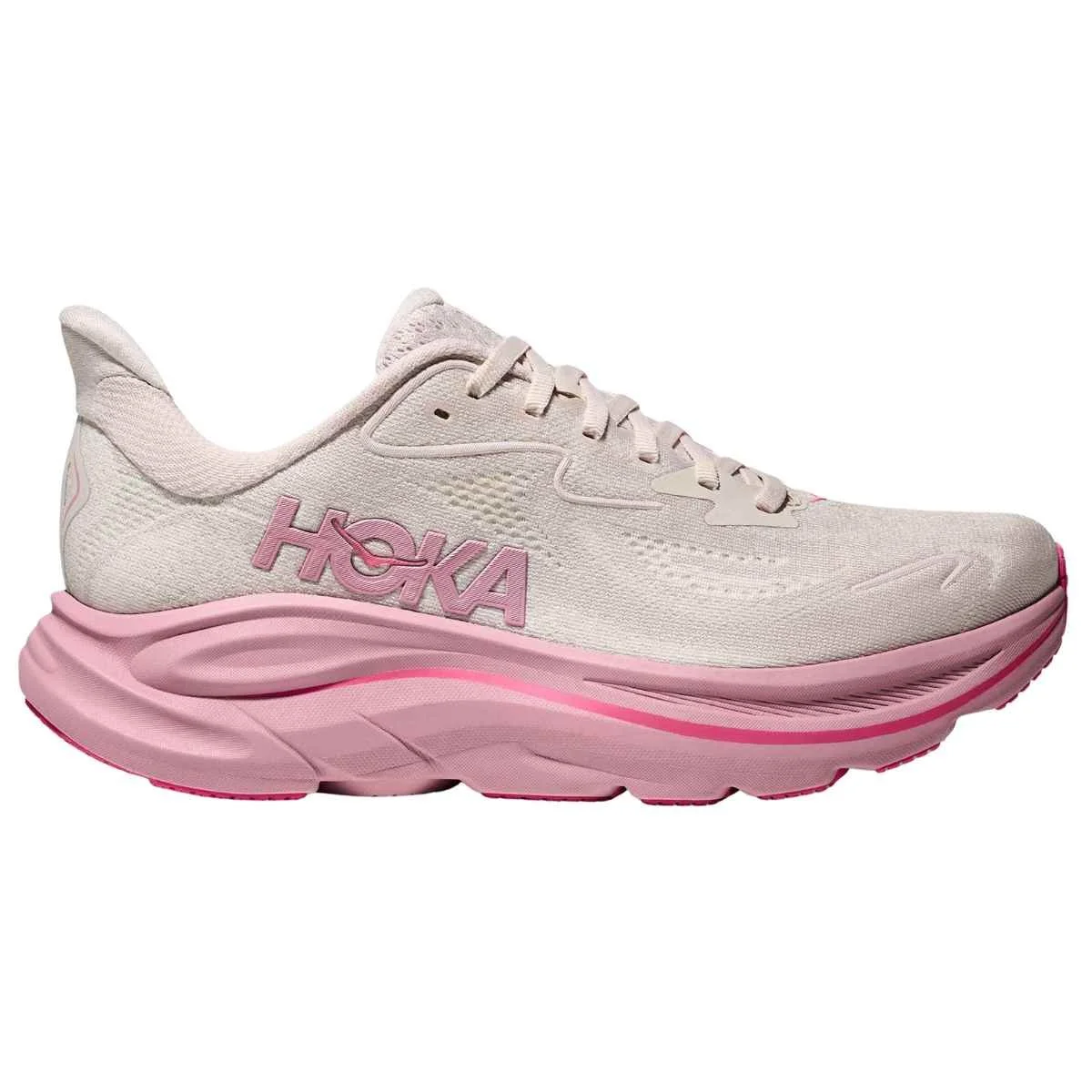
Weight: 17.1 oz (women’s) and 19.2 oz (men's)
Drop: 7.2 mm
Arch support: Neutral
Cushioning: Maximum
Available sizes: 4 - 12 (women’s), 7 - 16 (men’s)
What we liked: Excellent cushion; comfortable; responsive enough for running and other exercise
What we didn't like: Not as versatile for casual wear
The HOKA Clifton 10s are a staple running and walking shoe because of their balance of cushion, responsiveness, and support. We recommend them as cushioned daily training running shoes and as active recovery shoes, which includes walking.
The Clifton 10s are highly cushioned and have an “early-stage Meta-Rocker,'' which means the heel-to-forefoot motion of the foot has a smooth ride. This is an ideal shoe for those who walk for exercise and want a shoe that can handle running or other athletic endeavors as well.
Learn more in our in-depth review of the HOKA Clifton 10 shoes.
HOKA Clifton 10
Women's
men's
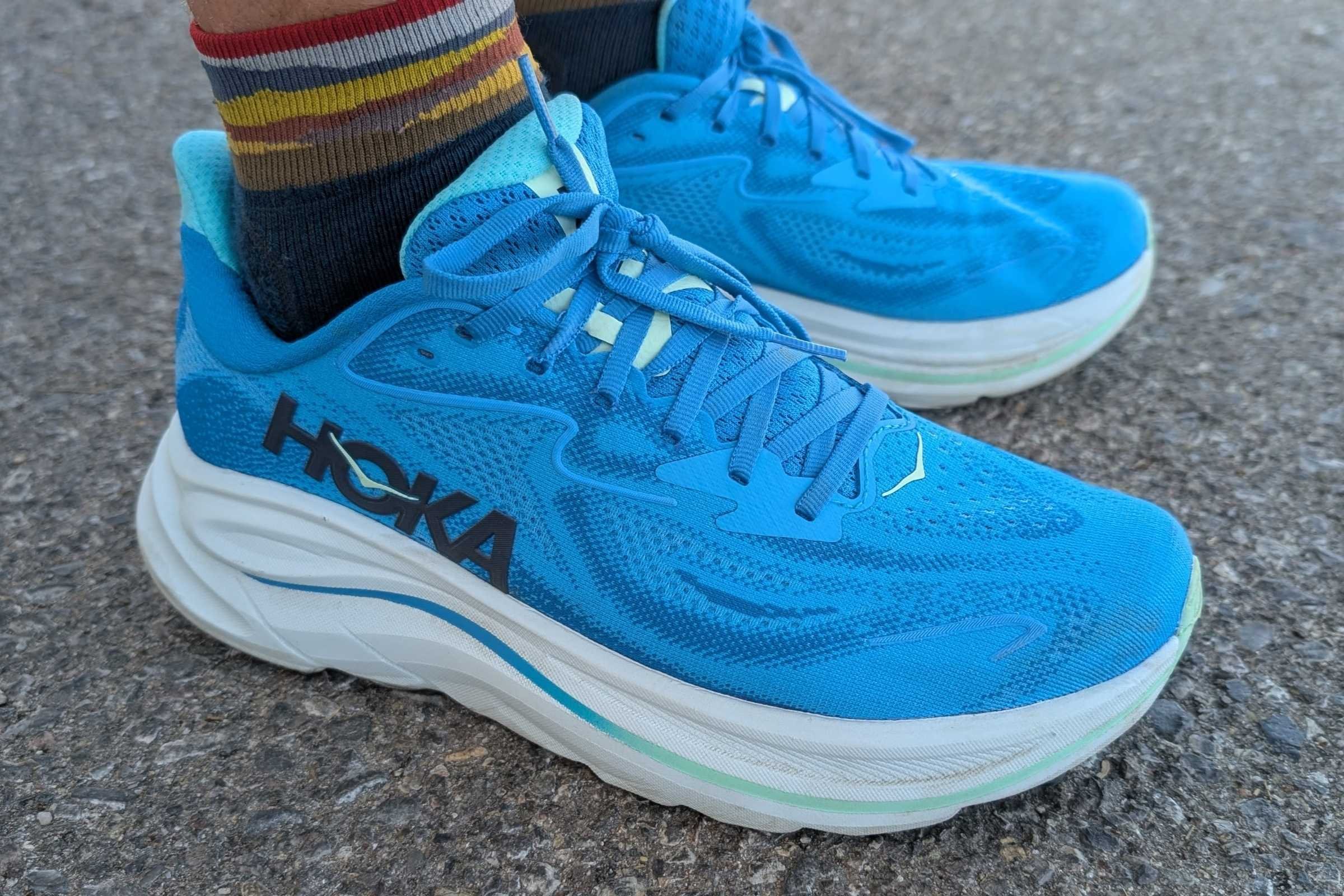
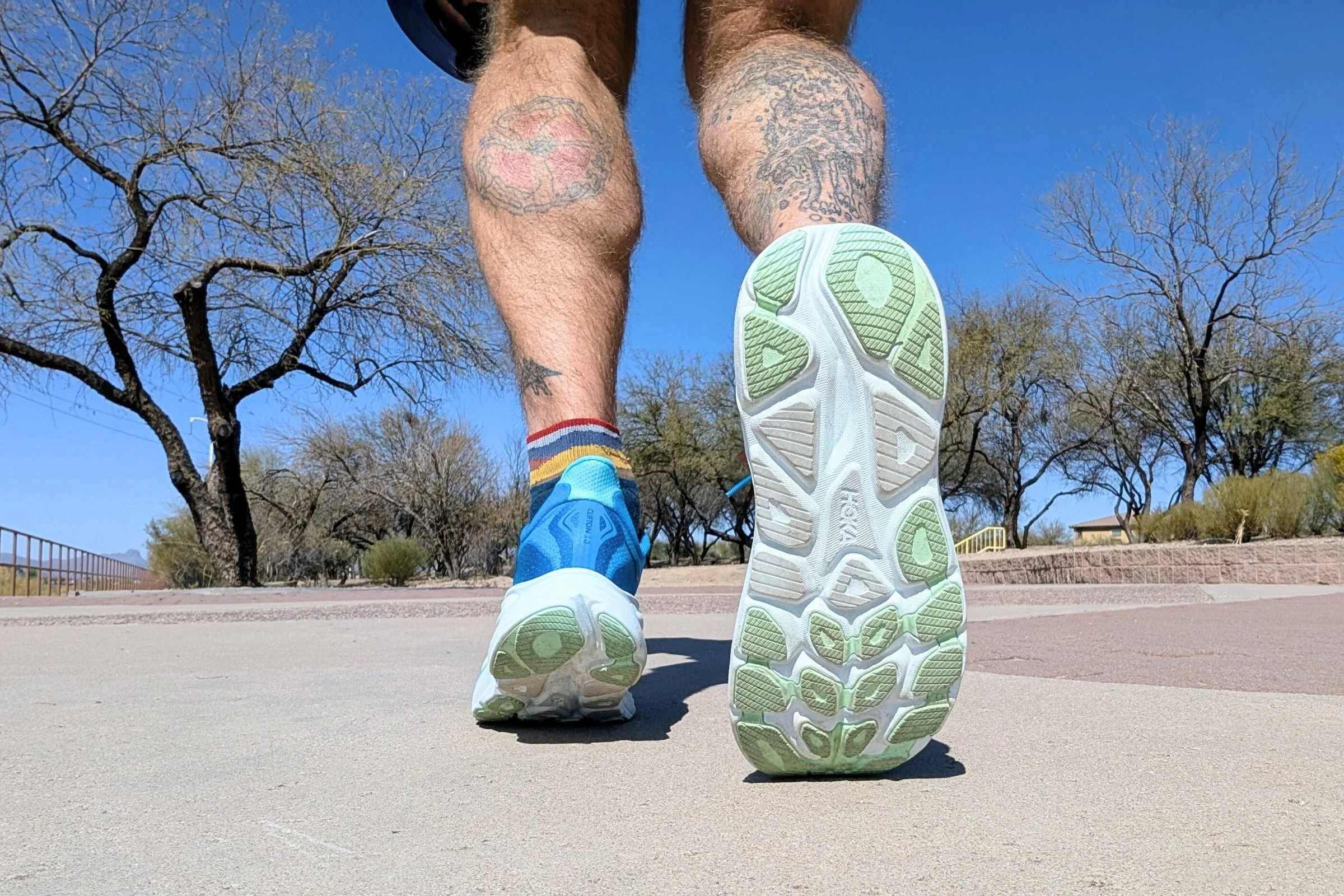
We’ve tested the Clifton 10s extensively, alongside other walking, running, and recovery shoes, and alongside previous models of the Cliftons. This is a well-rounded athletic shoe. However, that also means it’s not the best for casual or work wear (style-wise), if that’s a priority for you.
Other walking shoes we tested
HOKA Bondi 9
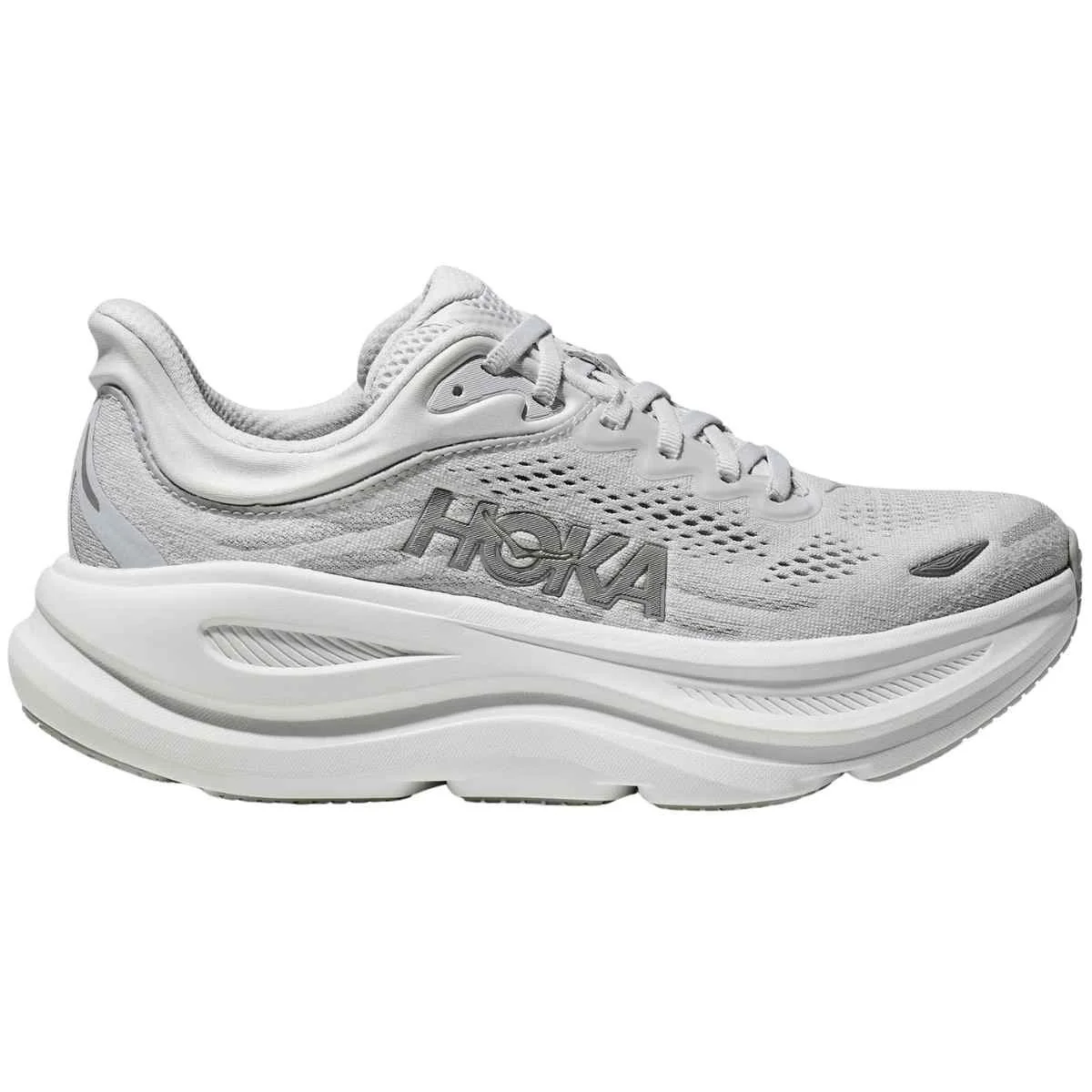
Weight: 18 oz (women’s) and 21 oz (men's)
Drop: 5 mm
Arch support: Neutral
Cushioning: Maximum
Available sizes: 4 - 12 (women’s), 7 - 16 (men’s)
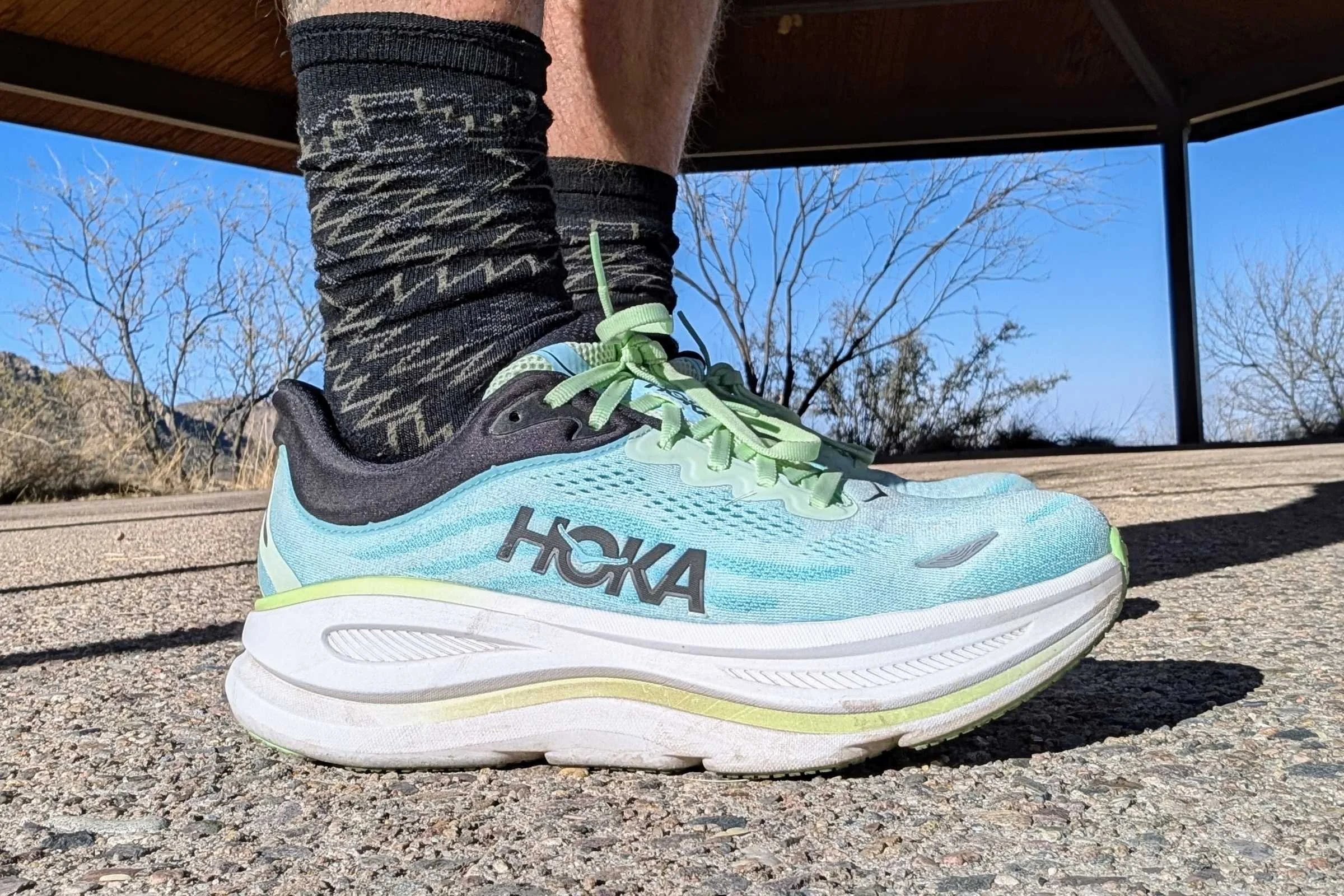
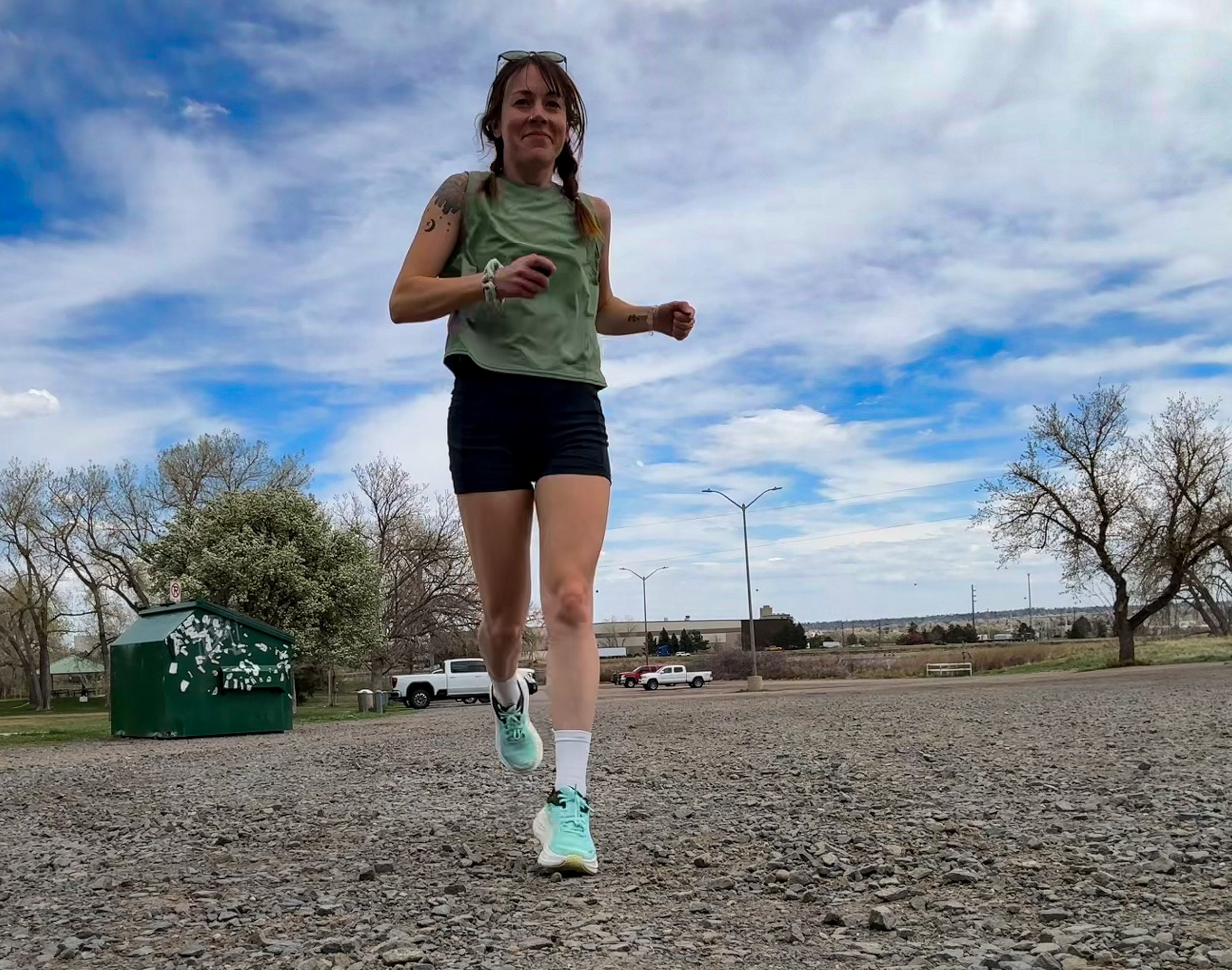
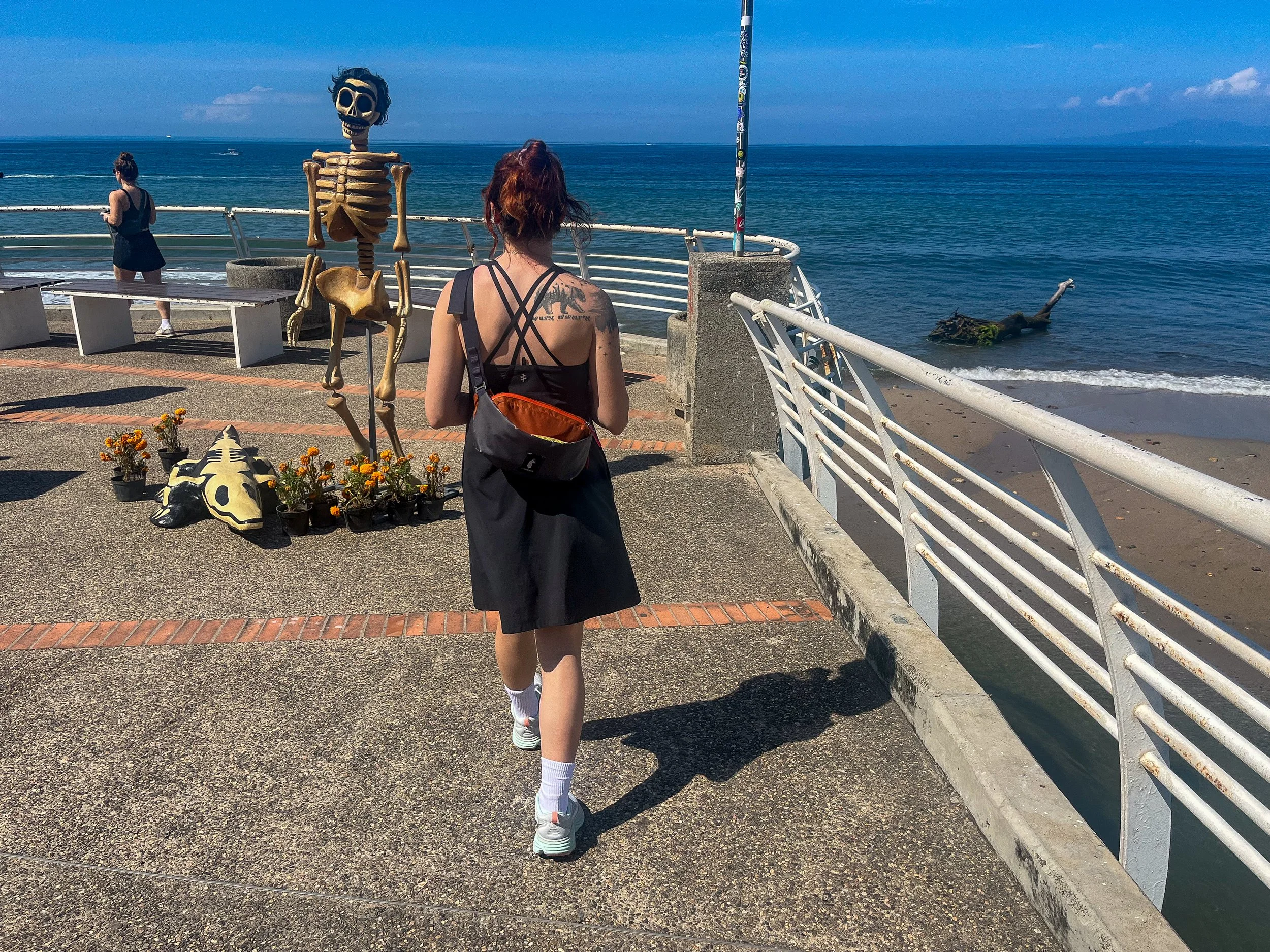
The HOKA Bondi 9s are the road running shoe version of our best overall pick, the HOKA Bondi SR. These shoes are highly cushioned and have Meta-Rocker technology in the midsole to encourage slight forward motion and a smooth ride. Like the HOKA Clifton 10s and On Cloudsurfer 2s, we love these shoes for active recovery and daily road running. Ultimately, the HOKA Clifton and On Cloudsurfer won out in these guide because we like them more for slower paces and a focus on cushion, but the HOKA Bondi 9s work very well as a walking-and-running shoe, too. Learn more in our in-depth review of the HOKA Bondi 9 road running shoes.
HOKA Bondi 9
Women's
Men's
Nike Pegasus 41

Weight: 17.7 oz (women’s)
Drop: 10 mm
Arch support: Neutral
Cushioning: Maximum
Available sizes: 6 - 11 (women’s), 6 - 18 (men’s)
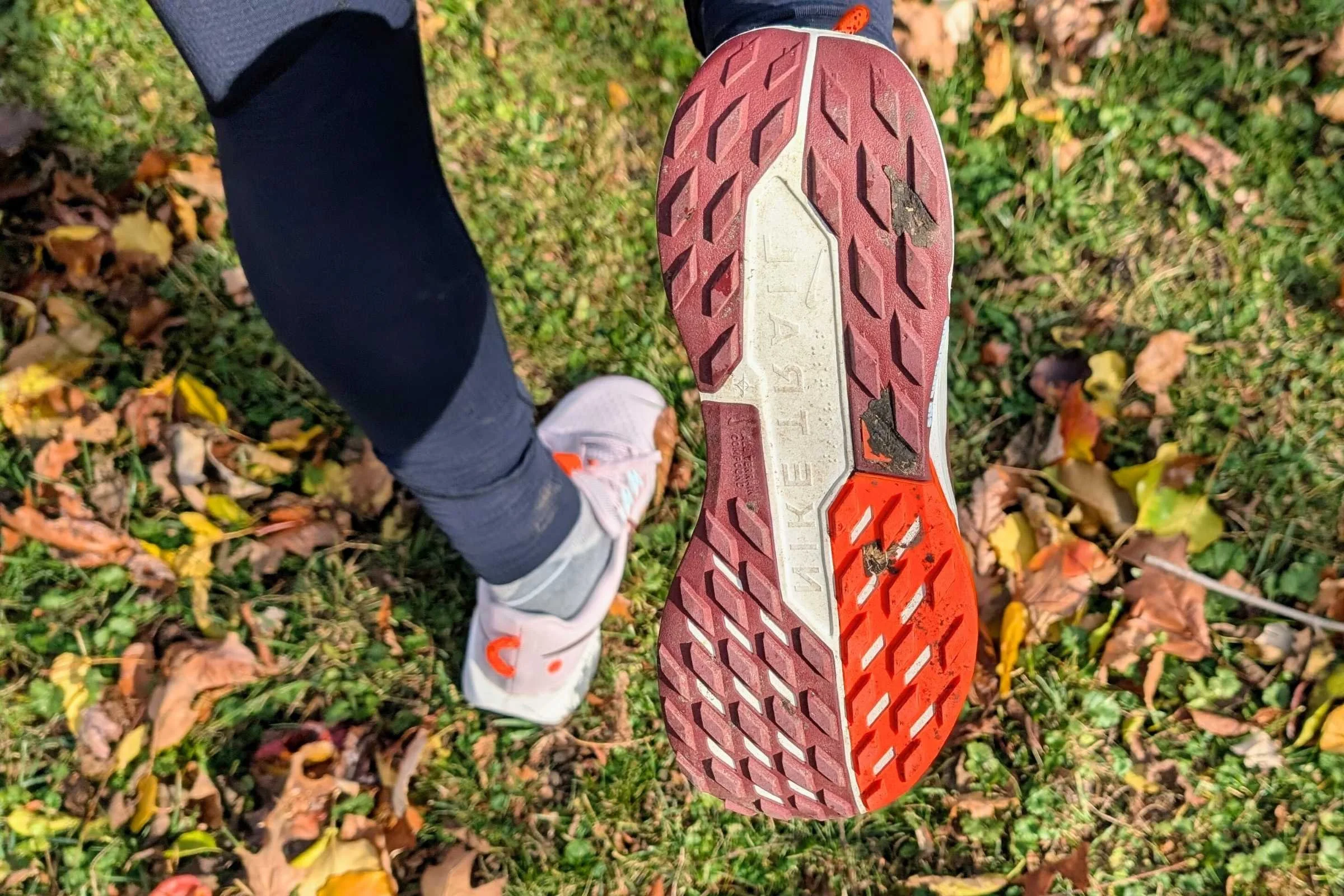
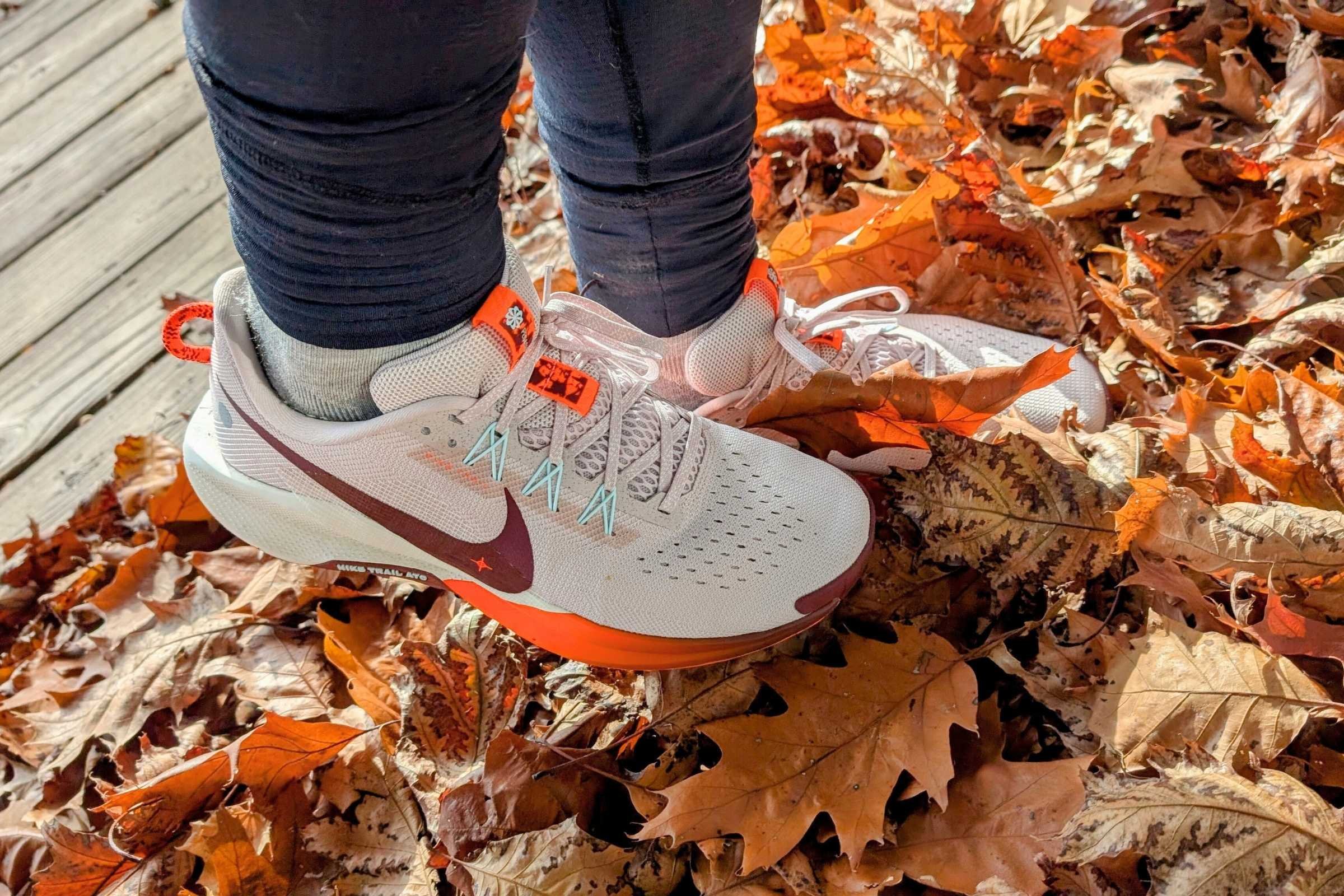
The Nike Pegasus 41 road running shoes are another daily trainer we like for beginner runners and folks who want a shoe for both walking and running. These shoes have a full-length ReactX foam midsole with Nike’s Air Zoom units in both the heel and forefoot, which makes them adequately cushioned and supportive for both running and walking. They’re also less expensive than the other road running shoes in this guide, making them a more budget-friendly option. Learn more in our in-depth review of the Nike Pegasus 41 road running shoes.
Nike Pegasus 41
Women's
men's
Xero Shoes Prio
Weight: 14.6 oz (women’s) and 17.4 oz (men's)
Drop: 0 mm
Arch support: Low
Cushioning: Low
Available sizes: 5 - 12 (women’s), 6.5 - 17 (men’s)
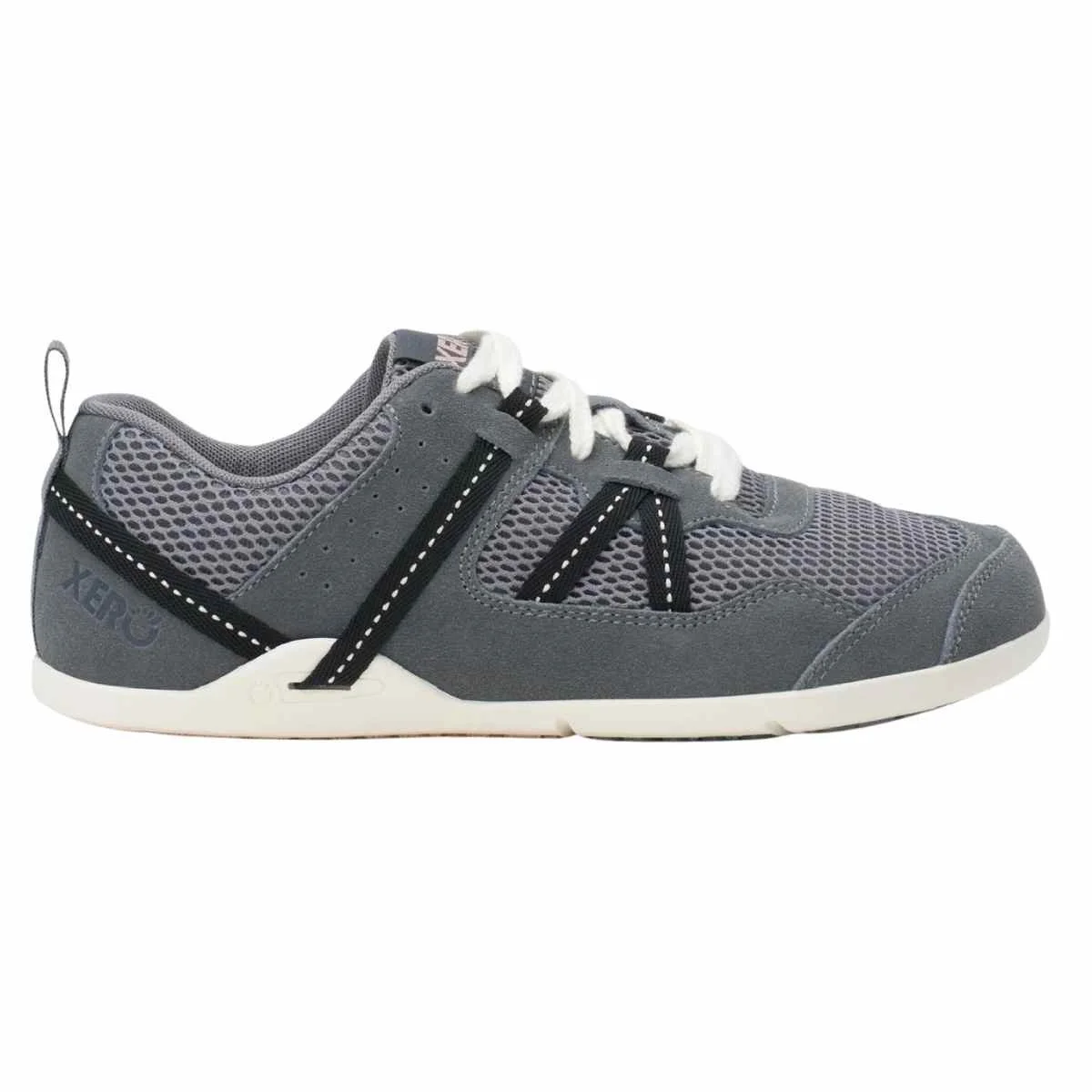
The Xero Shoes Prio shoes are zero-drop shoes (the heel and toe have the same stack height) that may interest those who want a minimalist shoe for walking. They do not offer a lot of cushion, but they are lightweight, breathable, and flexible for more natural movement. They have a wide toe box for your feet and toes to splay out, and the upper is thin and flexible yet snug when on—so much so we occasionally wore these as gym shoes if we were walk-commuting to the gym.
These shoes are minimalist, and designed for that “barely there” feel, while also still being comfortable enough for all day walking or travel. What you may lose in cushioning or foam you gain in groundfeel, foot strength, and balance. The flex on these shoes is amazing, and our tester’s feet felt pretty comfortable in them for over 55 miles of walking during testing.
The Prio Neo is by far this brand’s most stable, all-around “athleisure” shoe, and it now also comes in a suede version for a slightly different look. They also have a more budget-friendly price than the other shoes we tested, so if you’re comfortable with minimal cushion and a zero-drop, low-stack shoe, this could be a good choice.
Xero Shoes Prio
Women's
men's
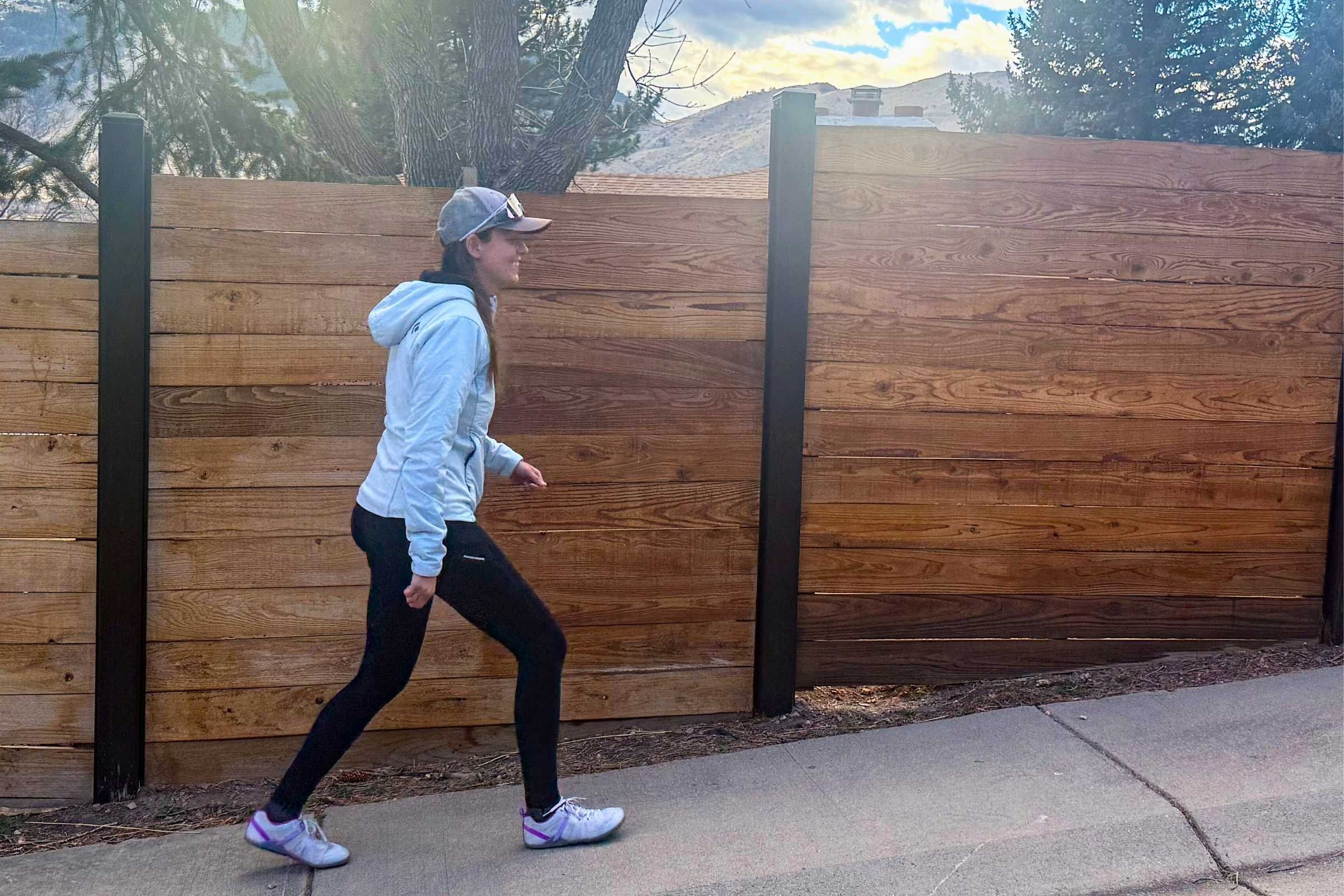
The Xero Prio shoes offer minimal cushion, and are designed for folks who prefer experiencing more groundfeel and building foot strength. Photo by Becca Downs
UYN Free Flow Tune
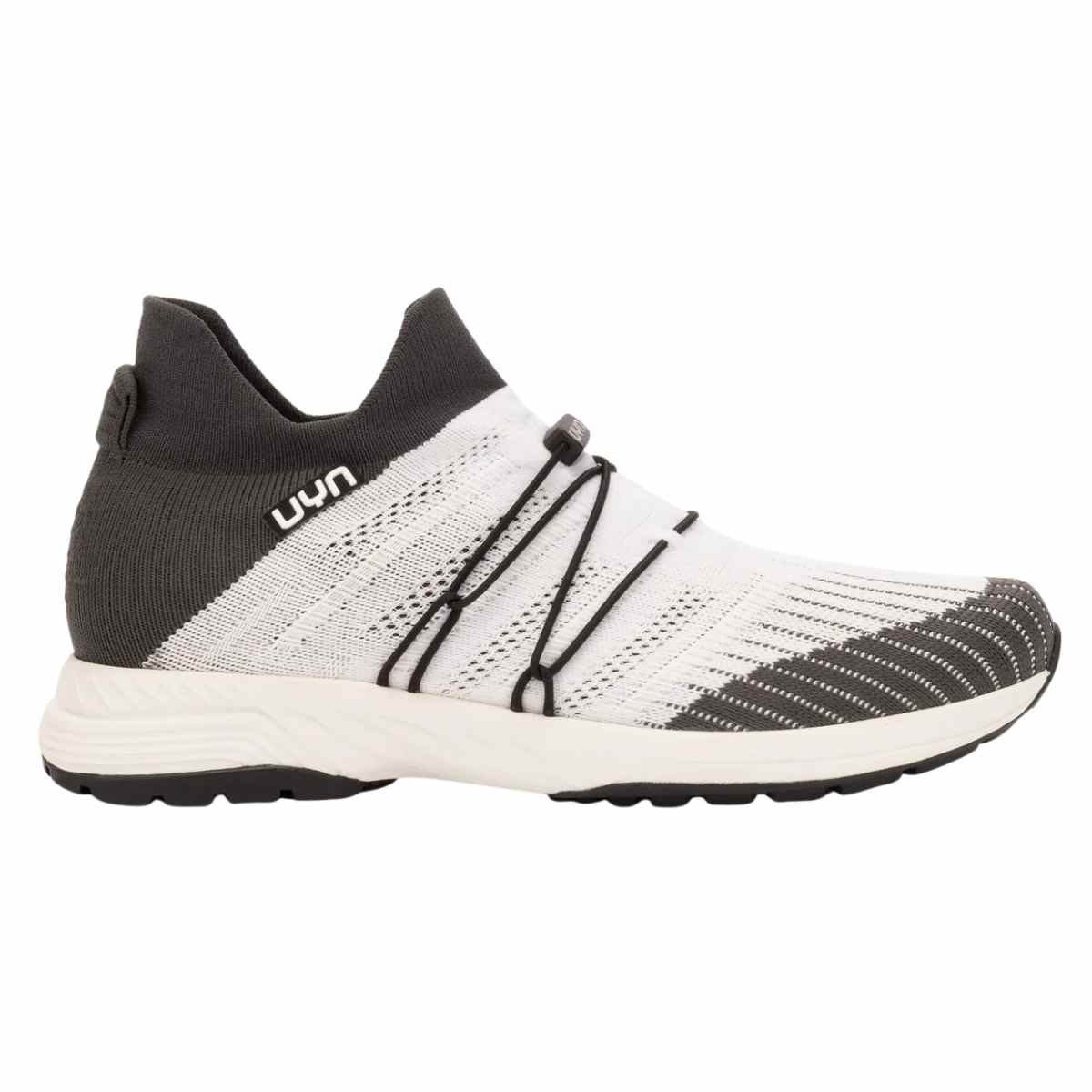
Weight: 19.2 oz (women's) and 24 oz (men's)
Drop: 6 mm
Arch support: Neutral
Cushioning: Not listed
Available sizes: 5 - 11 (women’s), 7 - 14 (men’s)
The UYN Free Flow Tune are lifestyle walking shoes that are geared toward travel and adventure. Made of an innovative, seamless dual-layer knit material, it uses merino wool to create a very breathable and odor-resistant shoe. This knit material reminds us of the knit material on the Icebug Mosi and the On Cloud 6.
We wore this on walking commutes, running errands, and going out in the city. Ultimately, our men's and women's testers found that as much as we liked the perforated knit exterior, the fit, especially around the cuff, wasn't quite as comfortable as other knit walking shoes.
UYN Free Flow Tune
Women's
Men's
Why you should buy walking shoes
Walking shoes differ from other shoes in that they’re designed for the heel-to-toe striking motion of walking, with cushion to absorb impact on the joints and support to help reduce risk of plantar fasciitis or other injuries. The cushion and support of walking shoes should also help keep you comfortable during long days on your feet, whether at work, commuting, traveling, running errands, or walking the dog.
From a performance standpoint, a quality pair of walking shoes should help you maintain a proper gait, encouraging forward motion only slightly, unlike running shoes that may roll with your feet more and propel you forward more. They should have enough responsiveness to reduce fatigue and encourage some pep in your step without making you feel like you should be running (though you can walk in running shoes–they’re great if you’re walking for exercise, though they might encourage forward motion too much for more casual walking and everyday wear).
Walking shoes with a proper fit, adequate arch support, and cushioning sets you up for long-term foot health success. They can help prevent injuries by reducing impact on joints, correcting your gait, and keeping you generally more comfortable as you move.
Versatility is also important when it comes to choosing walking shoes, as you’ll be more likely to wear them if they have more than one purpose. For example, you may want a walking shoe that doubles as a running shoe, gym shoe, or a shoe for casual, everyday wear. Maybe you’re a teacher who spends all day on your feet, and want a shoe you can walk around the classroom in that looks nice with your work clothes and can handle after-work strolls around the neighborhood. Whatever the case may be, you’ll want to consider your likely use-case scenarios when choosing a pair of walking shoes.
If walking shoes sound like just another pair of shoes to buy (i.e., another reason to spend money), consider them an investment in your health. For example, the author and main tester for this guide spent four years as a high school teacher and cross country/track coach, which meant at least 10 hours a day on her feet. On top of that, she was usually training for marathons, which meant even more time on her feet. Since she often wore unsupportive flats while teaching, eventually she developed a gnarly case of plantar fasciitis, which took about 9 months to heal and a lot of expensive doctor appointments. A quality pair of walking shoes would have been cheaper (and much less painful and frustrating).
What to look for in walking shoes
Arch support
Walking shoes should be supportive to prevent foot fatigue or pain, so proper arch support should be a priority when selecting a walking shoe. However, not everyone’s arches are the same, so it’s a good idea to figure out if you have high arches, average arches, or flat feet. You can do this at home by wetting your foot and stepping on paper. If you see about half your arch region, you have average arches. If the arches are more filled in, you may have low arches or flat feet, and if the arches are not filled in, you may have high arches.
Our main tester has average arches, so most shoes work well for her. If you have high arches, you’ll want to consider neutral shoes with more cushion, like the HOKA Bondi SR, HOKA Bondi 9, or On Cloudsurfer 2. For those with low arches or flat feet, you may want a stability or motion-control shoe, or neutral shoes with custom inserts.
Foot type compatibility
When choosing a walking shoe, consider your foot type. For example, are your feet narrow, average, or wide? You can measure your foot width by standing on a piece of paper, outlining your foot, and measuring the width at the widest part. We recommend doing this in the afternoon or after you’ve been on your feet for a long time, as feet can swell and you’ll want to know your shoes will accommodate that swelling. Once you have your width measurement, you can compare it to brand sizing charts.
You’ll also want to consider whether you have flat feet, average arches, or high arches. A simple way to determine this is to wet your feet and stand on a piece of paper (a brown paper bag would work well). If you see less than half your arches in the footprint, you likely have high arches; if you see most of your arch in the footprint, you likely have low arches or flat feet.
Cushioning and midsole technology
Comfort is the top priority in a walking shoe, so choose a pair with the right amount of cushion for you. Road running shoes that double as walking shoes tend to have a high level of cushion in the midsole (often made of some sort of EVA or proprietary foam), which helps absorb impact with each step. However, if you want a walking shoe that doubles as a running shoe, but don’t want a ton of cushion, many folks opt for zero-drop shoes–like the Altra Lone Peak 9, the Altra Timp 6, of the Topo Athletic Magnifly 5–which have less cushion than, say, HOKA or On road running shoes.
Other walking shoes utilize firmer midsole technology to emphasize stability and support over cushion. For example, the Birkenstock Arizona Soft Footbed sandals have a cork/latex midsole that molds over time to your unique footshape. This is not as plush as a foam midsole, but it’s more supportive. Some of our testers have worn the Birks as walking shoes (with socks when it gets chilly!) while recovering from plantar fasciitis for this reason.
Upper material
The materials used in the uppers of walking shoes varies, from breathable mesh to more durable suede. Some have waterproof membranes. Choose shoes with uppers that make sense for your typical activities and weather conditions. Shoes with mesh uppers will limit how sweaty your feet get, whereas more durable uppers will last longer and through more rugged environments.
Breathability
Breathability may be a priority if you’ll be walking often in warm environments. If that’s the case, consider walking shoes with mesh uppers that allow for more airflow. Road running shoes tend to be highly breathable, as they’re designed for high-output activities.
On the other hand, if you’ll be walking in wet or cold environments, you may want to prioritize waterproofness or insulation. Some walking shoes have waterproof membranes to help keep your feet dry. However, this means they will be a lot less breathable.
Outsole grip
When it comes to grip and traction of walking shoes, you’ll want to consider what surfaces you’ll primarily be walking on. If most of your walking will be indoors, such as at work (in non-wet environments), running errands, or commuting, traction may not be a high priority. However, if you work at a restaurant or bar, or even a hospital, you may want a slip-resistant tread for grip on wet surfaces.
If most of your walking will be outside, particularly on gravel or more technical trails, you may want walking shoes with a grippier outsole to ensure you won’t slip.
Durability
Part of the Treeline Review ethos is buying gear that will last a long time because it saves you money and helps keep gear out of the landfills. Walking shoes made of durable rubber, suede, and other hardier materials will likely last a lot longer than shoes with more foam, for example. The Birkenstock Arizona Soft Footbed sandals are made of cork and suede/leather, and our testers have had pairs last nearly a decade of constant use.
However, while walking shoes that double as running shoes may not be as long lasting as burlier walking shoes, if they’re the shoes you’ll actually wear, that’s OK. We recommend considering comfort and utility over durability.
Heel-to-toe drop and stability
Heel-to-toe drop refers to the stack height of the shoe at the heel compared to the height at the toe. Zero-drop shoes have the same stack height at the heel as they do at the toe, and encourage a more natural gait. On the other hand, shoes with a higher heel-to-toe drop provide more impact absorption at the heel for those who heel strike. If you’re unsure which route to go, we typically recommend starting with a mid-drop shoe (4 to 6 mm).
Sizing and width options
Comfort is the top priority when it comes to selecting a walking shoe. In most cases you should be fine with your usual size, though if you start spending a lot more time on your feet than you have before, it’s possible your feet will swell a little bit, in which case you may need a half-size bigger. If you have wide feet, you may want to consider shoes available in wide sizing (or, shoes from brands like HOKA that tend to accommodate wider feet).
Weight
The weight of a shoe is less important for walking than it is for running or hiking, where the shoe’s weight impact is felt more over time. Walking shoes tend to be a little heavier than road running shoes, but lighter than hiking shoes.
Weight and packability, however, can be important if you are planning to walk to get around when, say, traveling, and want to limit how many shoes you carry/travel with.
Flexibility
While walking shoes should be stable enough to feel supportive, you’ll want some flexibility too to keep them comfortable over the course of the day. Stiff walking shoes take more effort to walk in, and could cause fatigue faster.
Types of walking shoes explained
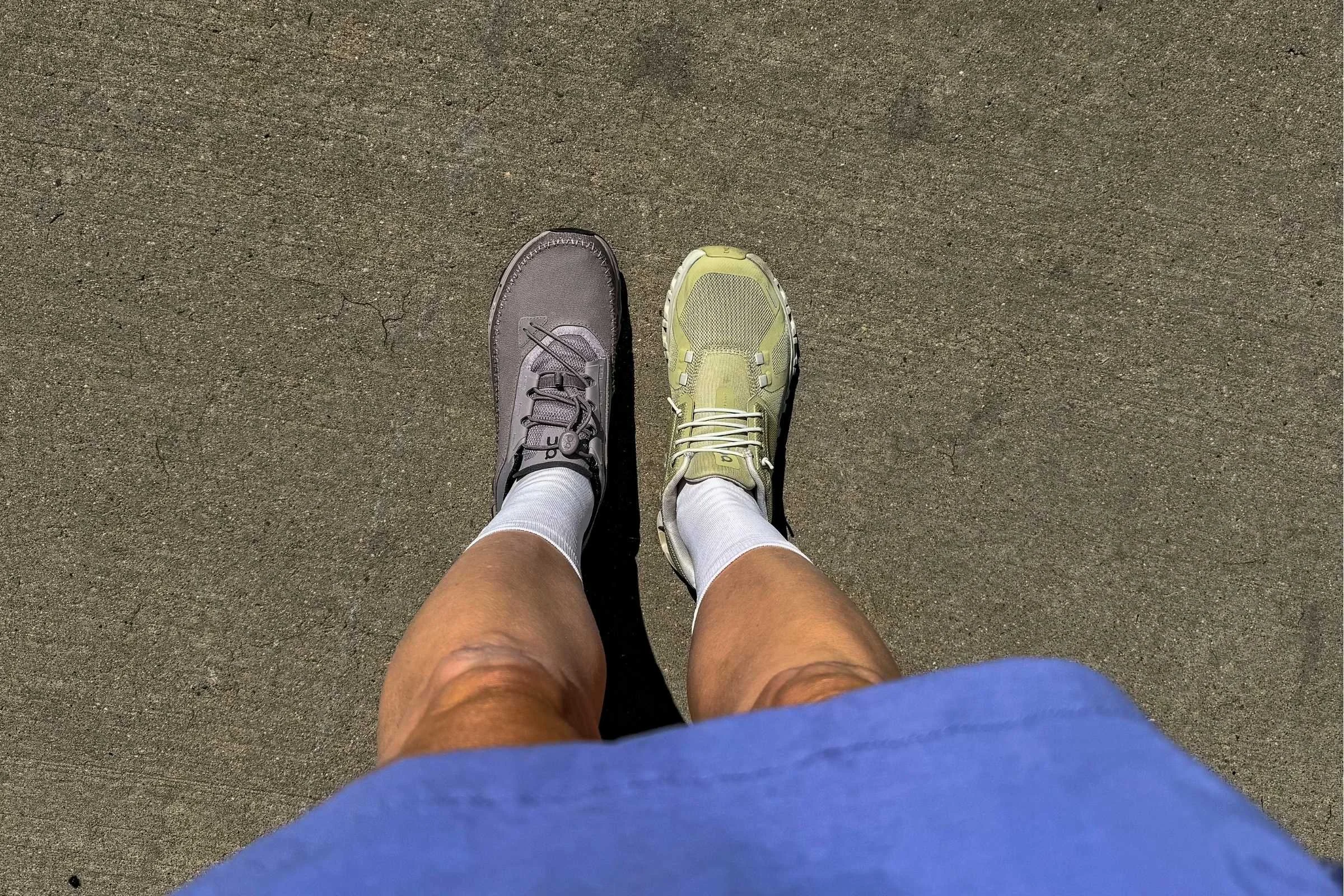
We tested the On Cloud 6 and On Cloudaway 2 walking shoes side by side to directly compare comfort, fit, support, and cushion while walking.
Athletic walking shoes vs. casual walking shoes
Athletic walking shoes are designed with active movement in mind, while casual walking shoes are designed more for everyday walking (think errands, commuting, etc.) and style. Athletic walking shoes, like running shoes, tend to have cushioned midsoles that also focus on energy return (that sort of “bouncy” or “forward motion” feeling). They might have more breathable uppers for higher-output activities and more stabilizing features for support.
Casual walking shoes tend to be cushioned without the energy return. Their features might be more minimal, with a focus instead on style. You could walk and stand all day in casual walking shoes, but they wouldn’t be your best option for exercise.
Motion control vs. stability vs. neutral shoes
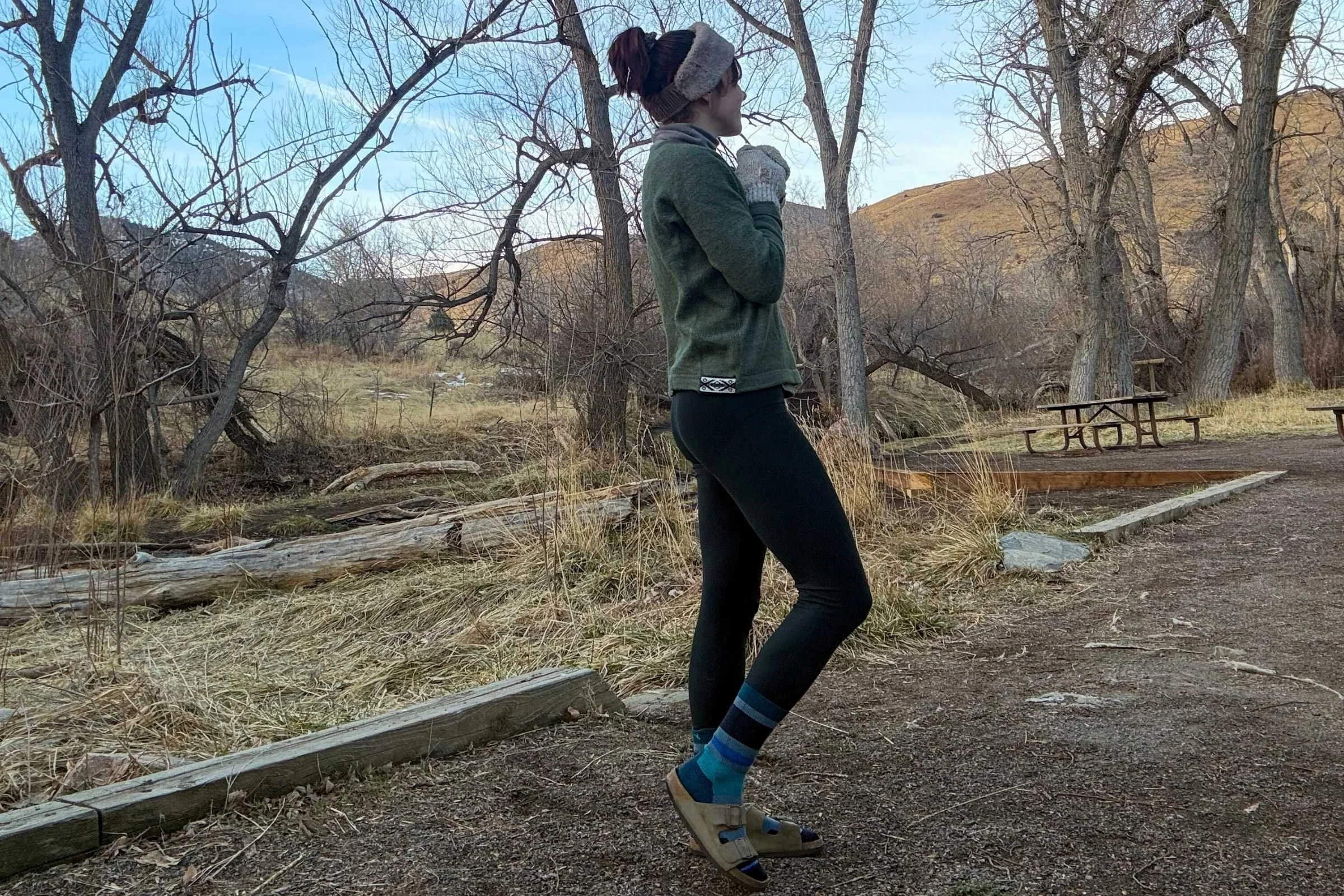
Motion control, stability, and neutral shoes cater to different gaits, depending on how significantly your feet pronate. Pronation refers to the inward roll of feet with each step. An overpronator’s feet roll inward more than they should, and they may have flat feet or collapsed arches. If you overpronate a lot, you may want to consider motion-control shoes.
Stability shoes help stabilize slight overpronation. They help correct overpronation without keeping feet as stable as motion-control shoes do. We did not test motion-control or stability shoes for this guide, but running shoe brands like ASICS and New Balance offer excellent options.
Neutral shoes are the most common shoes on the market. They’re ideal for feet that have more neutral pronation. If your feet supinate, or roll outward, you’ll likely want a pair of highly cushioned neutral shoes, like the HOKA Bondi SR, HOKA Bondi 9, or On Cloudsurfer 2.
Some folks also opt for neutral shoes and replace the manufacturer’s insert with custom orthotics. In any case, if you aren’t sure what type of shoe you need, we recommend seeing a podiatrist. Running stores also often offer a gait analysis service to determine what type of shoe would best suit your needs.
Slip-on vs. lace-up designs
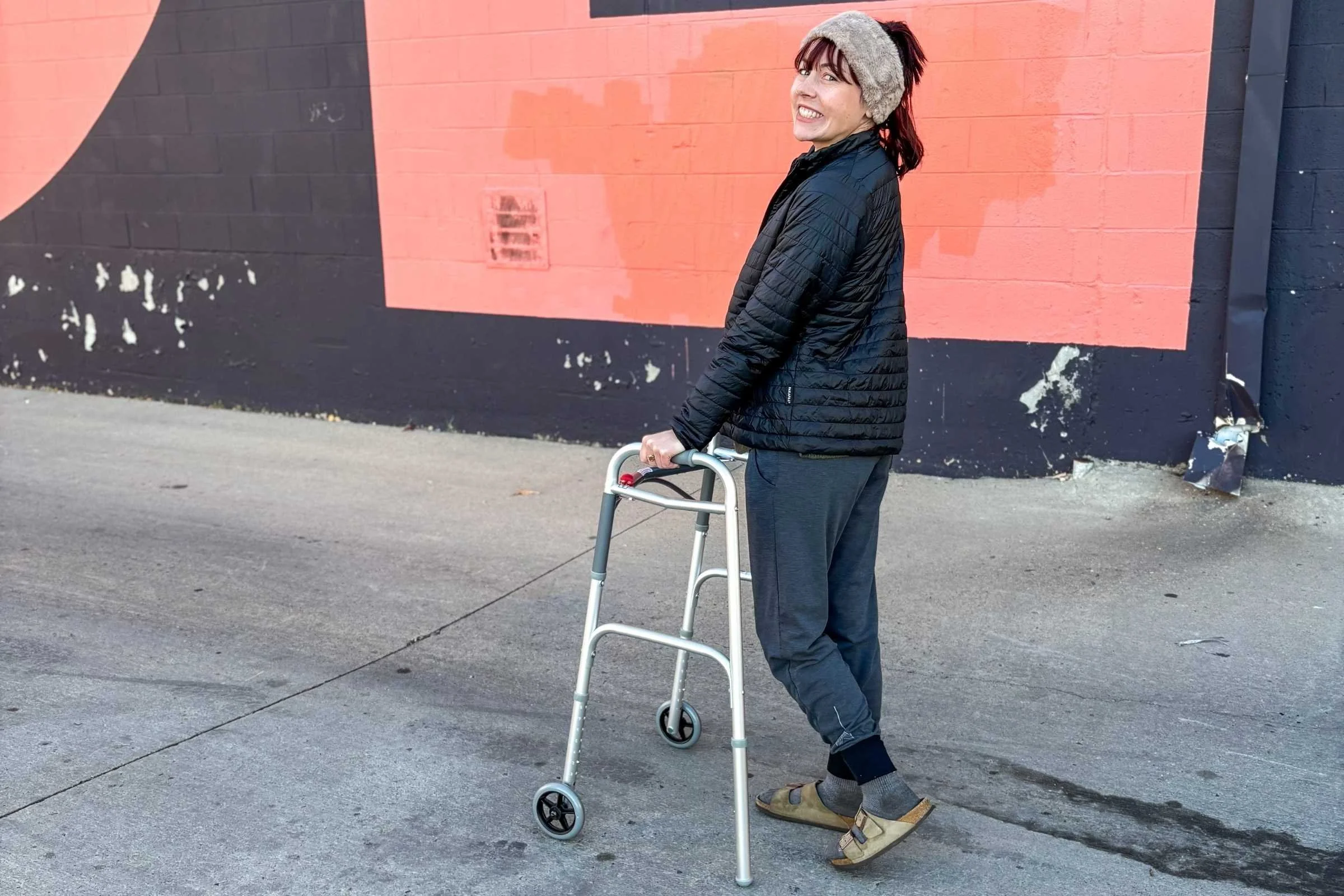
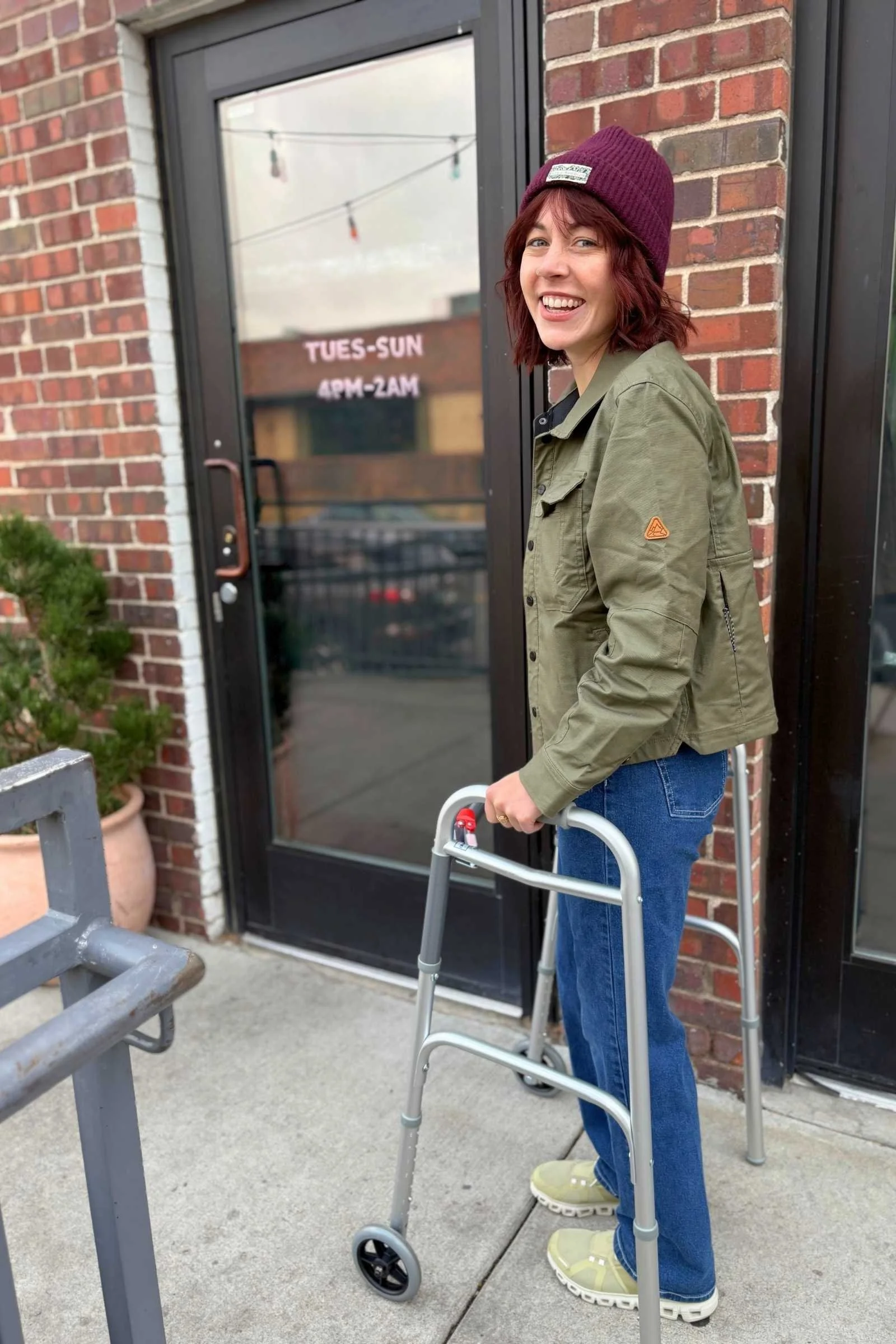
Slip-on walking shoes allow you the ability to simply slide your feet into the shoes, whereas lace-up designs require tying and untying to put the shoe on and adjust the fit. Slip-on shoes are great for everyday walking–like running errands, commuting, or at work–as a tight fit is often less necessary for casual wear. These are also a great option for folks with mobility constraints that might make putting on shoes difficult. For example, while the author was recovering from hip replacement surgery, slip-on shoe options, like the Birkenstock Arizona Soft Footbed sandals, the On Cloudaway 2, and the On Cloud 6, were the easiest shoes to wear until her mobility and strength returned.
Lace-up shoes, on the other hand, allow for a more secure fit and are a better choice for more active pursuits. If you’ll be walking or moving around for exercise, a lace-up shoe is likely a better option for you.
Waterproof vs. breathable materials
Most walking shoes are made of breathable materials, such as a mesh upper, to promote airflow and prevent overheating or sweating (and reduce odor). You’ll want breathable materials if you’ll be active in your walking shoes, or if you’ll be wearing them for long periods (such as all day at work or traveling all day).
Waterproof shoes have a membrane to keep water out and thus lack breathability. You’ll only want to opt for waterproof walking shoes if most of your walking will be in wet climates.
Minimalist vs. maximum cushioning styles
Walking shoes come in a variety of cushion levels, from minimalist shoes like the Xero Shoes Prio to maximalist shoes like the HOKA Bondi SR. While we recommend at least some cushion to keep your joints happy and to help you feel comfortable throughout the day, the level of cushion is up to you and your comfort.
If you’ll be standing on your feet all day, if your walking is part of an active recovery routine after intense exercise, or if your feet supinate (roll outward), you may want to consider a maximum cushion shoe. While the author navigated painful hip arthritis, she found she preferred maximum-cushioned shoes to ease hip discomfort.
On the other hand, some folks prefer the more natural ground feel that comes with minimal-cushioned shoes. This allows them to listen to their body and feel more grounded, agile, balanced, and in touch with their walking experience. As long as this is comfortable for you, and the lack of cushion doesn’t make you feel fatigued or uncomfortable on your feet, then this could be a good option for you.
How to choose the right walking shoe size
Feet measurement
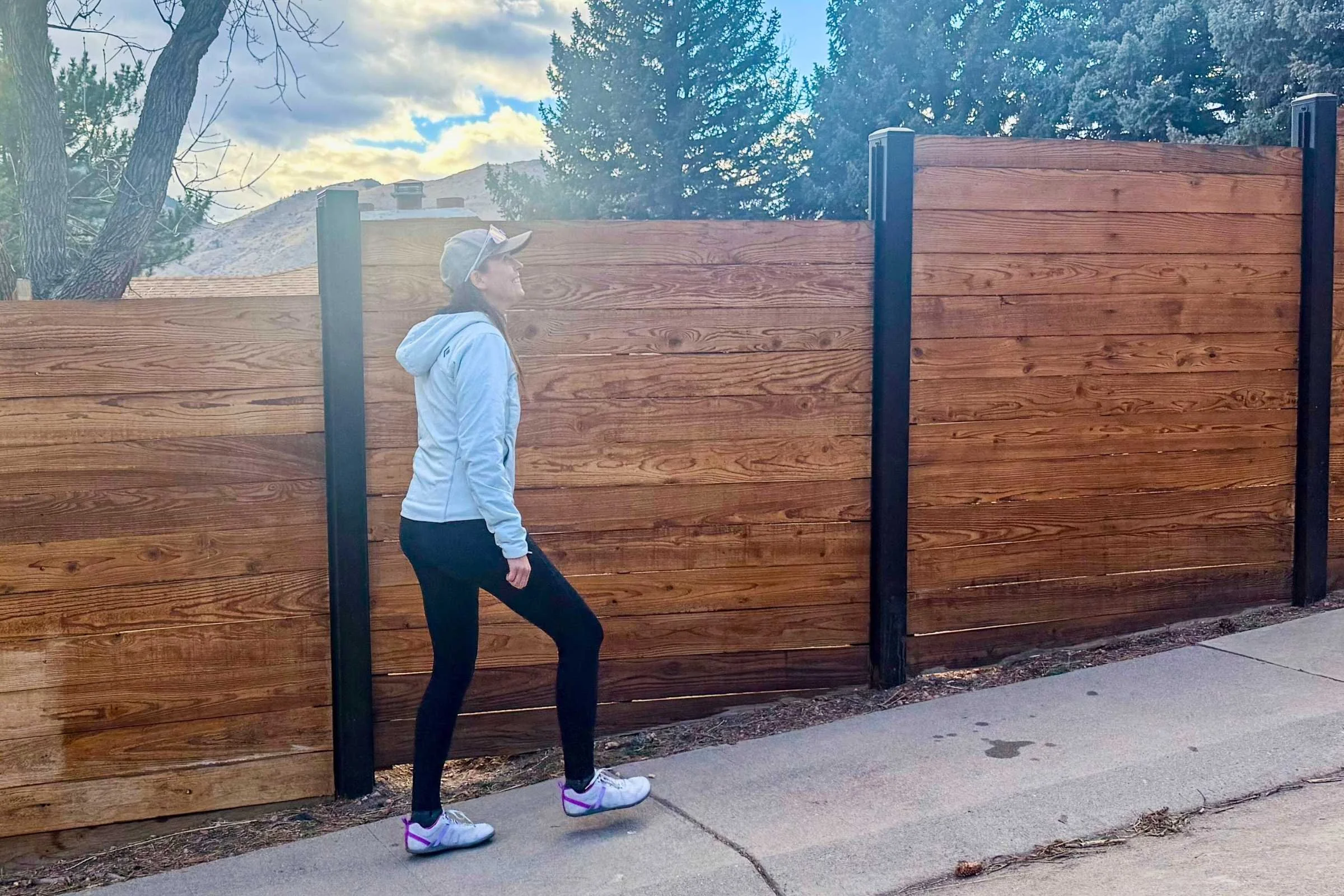
If you’re unsure what size shoe you’ll need, you can take a simple measurement of your feet by placing a socked foot on a piece of paper, tracing your foot, and measuring the length from heel to toe and the width at the widest part of your foot. If possible, trace while placing pressure on the ground to account for any foot flattening.
This can be a helpful place to start, but keep in mind that different shoes will feel different on your feet, and you’ll want to consider arch support and foot volume as well. Trying on shoes is the best way to determine proper fit and comfort.
When to try on shoes
Something to consider while trying on walking shoes is that your feet may swell a little throughout the day, especially if you’re walking or standing a lot. So trying on shoes in the morning versus, say, after work will feel different. You may want to try on shoes later in the day or after a walk to ensure they’ll feel comfortable with some foot swelling. You also may want shoes that have laces or the ability to adjust if you typically spend very long hours on your feet.
Care and maintenance tips
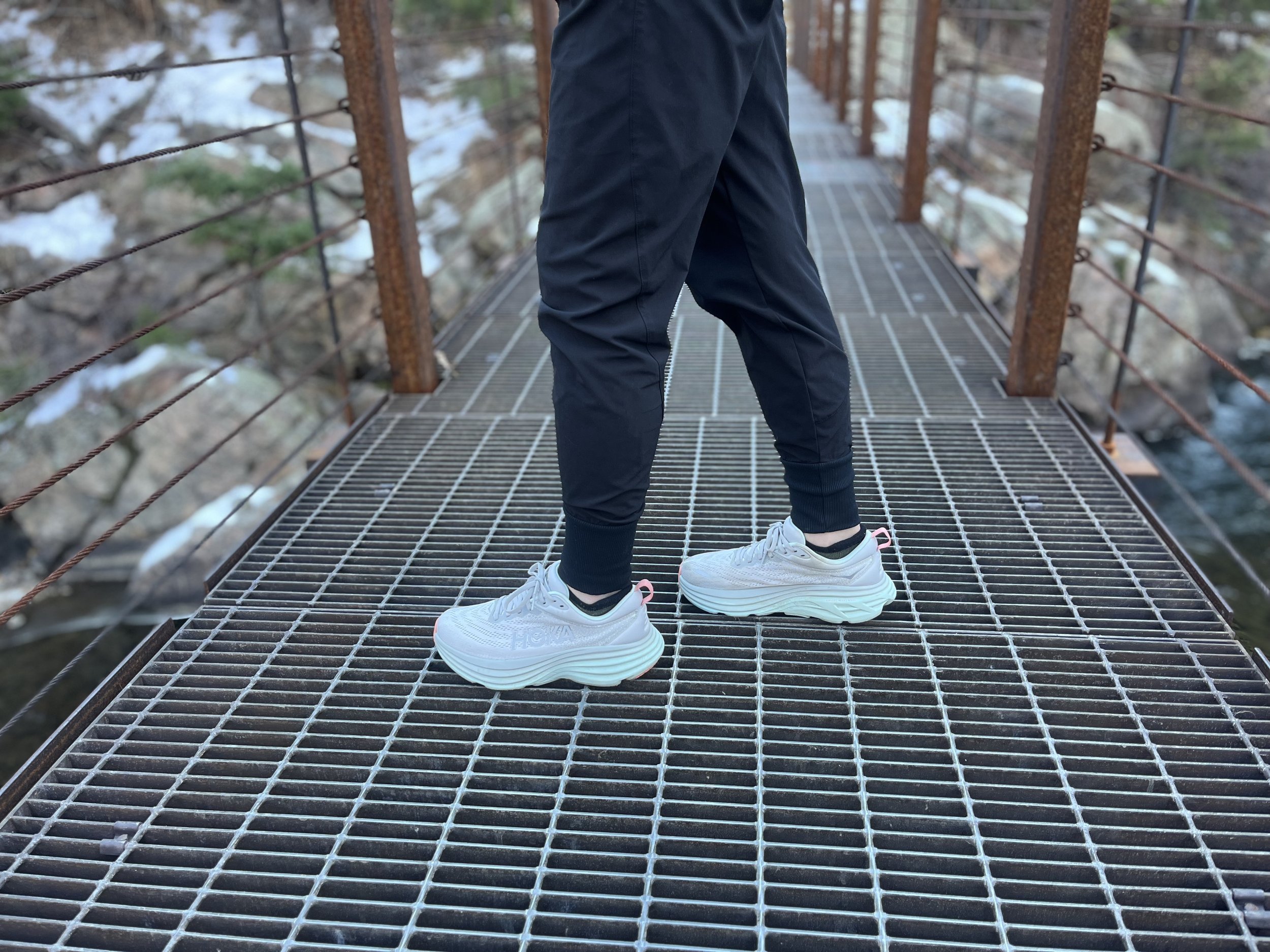
When it comes to care and maintenance of your walking shoes, it’s important to first read the manufacturer’s care instructions. In general, you should be able to wash most walking shoes in a washing machine on a delicate cycle with cold water and gentle detergent, though again, check the manufacturers instructions first.
Some shoes can be put in the dryer on low or no heat, but many shoes can be damaged from the heat. In our opinion it is not worth the risk, but if the manufacturer instructions allow for dryer use, keep the heat low, tie the shoes together, and put them in a mesh bag to limit the potential for damage. Always remove the insoles while drying to help them maintain their shape.
Store your (dry!) walking shoes out of the sun if possible, and somewhere they won’t be poked, prodded, or scuffed up.
Periodically check for wear, particularly in common places like the upper material at the toes and the outsole tread. Midsole wear may be hard to detect visually, but you can often feel the lack of cushion while wearing them. If the shoe’s wear cannot be repaired, it may be time to replace them.
FAQ
-
While running shoes can be used as walking shoes, walking-specific shoes prioritize support and stability more than impact absorption and responsiveness (or forward motion). Road running shoes in particular can make great walking shoes, as they tend to be designed for the same surfaces people commonly walk on. They’re also lightweight, cushioned, breathable, and secure or active pursuits.
However, if most of your walking will be at a slower pace, or you prefer a more casual or trendy style, you may not want running shoes. In fact, while recovering from plantar fasciitis, the author’s doctor recommended she limit her time in running shoes, as they encouraged forward motion and strained her plantar fascia more. Walking-specific shoes tend to be less responsive than running shoes, offering support for slower movement and cushion designed more for standing all day rather than impact absorption from pavement-pounding. They can also come in slip-on versions that are more accessible for those with mobility restrictions (or who simply prefer being able to slip shoes on and off without having to tie them).
-
When you should replace walking shoes depends on factors like the materials used, what surfaces you’re walking on, and how often you wear them, but with proper care most walking shoes should last about 300-500 miles. Depending on how often and how long you’re walking, that could be anywhere from a few months to a year or so. However, some more durable shoes can last several years–many of our testers have known their Birkenstock Arizona Soft Footbed sandals to last seven or so years of frequent use.
Depending on the materials, signs of wear may first occur either in the upper (e.g., holes in the mesh near the toes), in the outsole (you may notice the tread smoothing down and losing traction), or in the midsole (this is harder to see, but you may feel more discomfort in your feet or joints from lack of cushion in the shoe). If you notice any of these signs, it’s time to replace your shoes.
-
Some walking shoes can double as hiking shoes, particularly on non-technical trails, but not all walking shoes. If you want a walking shoe that doubles as a hiking shoe, look for shoes made with durable materials and good outsole traction. For example, the HOKA Transport 2 shoes are durable and have a Vibram outsole, making them suitable for hiking. You can even get the GTX version for waterproofness if you will be hiking in wet environments.
-
You do not need specific socks for walking, but we do recommend keeping your feet happy with socks that are comfortable and moisture wicking. Happy feet make for happy walking, and after a quality pair of shoes, socks play an important role in foot comfort.
We recommend socks made from moisture-wicking materials, like synthetic blends (polyester/nylon), merino or alpaca wool blends, or even bamboo. You may also want socks with a little cushion for added comfort. Check out our Best Hiking Socks and Best Running Socks guides to learn more.
-
Motion-control walking shoes help correct overpronation, which essentially is when your feet roll inward (collapsed arches) too much when you walk. It can be difficult to know on your own if your feet overpronate or supinate/underpronate (roll outward), but you can either record yourself walking or get a gain analysis from a professional. Some running stores offer this service.
If your feet overpronate a lot, you can buy motion-control shoes designed to prevent your foot from rolling in. If they only overpronate a little, you can buy stability shoes that help correct slight overpronation, or you can buy neutral shoes and use custom orthotics or inserts to help correct your gait.
If you supinate (or have high arches), you’ll want to stick with neutral shoes. It may be helpful to opt for higher cushioned shoes with wider footbeds or toe boxes.
-
The value of expensive walking shoes depends on how often you plan on wearing them, but in general, a quality pair of walking shoes costs around $150-160. You can find shoes that cost less but may not last as long, and you can find some that cost more with more bells and whistles (e.g., the HOKA Bondi SR shoes cost $180 but are more durable than their running shoe equivalent and are slip resistant). You’ll also pay more for waterproofness or premium materials (like leather). You’ll want to decide which qualities matter most to you, what style you’ll actually want to wear, and how much use you’ll get out of the shoes.
You can find walking shoes for less than $150 (especially on sale or clearance). As long as they’re comfortable, supportive, and something you’ll actually wear, you don’t need to spend a fortune.
-
We are not your healthcare provider, and no shoe will cure plantar fasciitis, but properly supportive shoes can help you as you heal and follow your healthcare provider’s advice. Plantar fasciitis occurs when the plantar fascia–the band of tissue underfoot that connects your heel to your toes–becomes inflamed. Walking can often exacerbate the pain and inflammation, but supportive and comfortable shoes are far better as you heal than unsupportive and uncomfortable shoes.
Our main tester had a bad case of plantar fasciitis years ago and learned to stay away from shoes with no arch support and shoes with high drop. In general, she needed supportive, low or mid-drop shoes that were comfortable without being too plush. In her case (and in the case of many), the Birkenstock Arizona Soft Footbed sandals were the perfect combination of supportive and comfortable while she recovered from plantar fasciitis. The shoes did not get rid of plantar fasciitis, but they offered the support and structure needed while she followed her doctor’s advice.
-
The best way to break in new walking shoes is to start off wearing them on short walks until you feel comfortable wearing them for longer periods. Most walking shoes are comfortable out of the box and do not require much, if any, break-in time. However, stiffer materials, or shoes with a different fit or drop than you’re used to, should be eased into. This also gives you a chance to assess the fit and see if any part of the shoe rubs uncomfortably, causing hot spots or blisters.
How we researched and tested

We tested walking shoes on a variety of surfaces, including dirt/gravel roads in the Upper Peninsula of Michigan.
We tested these walking shoes by testing men's and women's walking shoes, walking hundreds of miles on sidewalk/pavement, dirt and gravel trails, and while running errands, commuting, and traveling. Our men’s and women’s testers wore these shoes in all seasons and weather conditions, from hot and dry summer days to cold and icy winter mornings, and everything in between.
Most testing surfaces were on paved paths or in indoor spaces, but she also tested every pair on gravel surfaces to assess grip (and how often small rocks would wedge themselves in the outsole tread).
Our main tester wore these shoes on daily walks while navigating hip arthritis and recovering from hip replacement surgery. She also wore each pair during 7-hour shifts at a brewery. Additionally, she tested them side by side with other walking shoes, running shoes, and recovery shoes. We also brought on other testers for some of our favorite pairs for more diverse foot perspectives.
Our men's tester wore these shoes to work for months as part of a daily walking commute. While commuting, he carried a laptop, books, lunch, and documents. He also tested during travel, where it is easy to rack up more than ten miles a day sightseeing.
- Daily walks, commuting, and errands
- Travel days with 10+ miles of walking
- 7-hour brewery shifts
- Pavement, gravel, dirt roads, and trails
- Side-by-side shoe comparisons
- All-day comfort and support
- Cushioning and stability
- Fit and hot-spot development
- Grip on wet and dry surfaces
- Durability and everyday versatility
Why you should trust us / About the author

After being diagnosed with plantar fasciitis in 2019 and hip arthritis in 2020, long-time runner Becca Downs began incorporating more walking into her daily routine to replace daily running. And after recently receiving hip replacement surgery, she walks several times a day as part of her recovery plan. On top of all that, she loves traveling and hiking, and finding the best versatile footwear for her trips, which typically include long days on her feet and a variety of activities.
Becca ran D1 cross country and track for Indiana University—Purdue University of Indianapolis (IUPUI) and continued racing everything from elite miles to an ultramarathon in her post-collegiate years. She earned a USATF Level 1 certification and coached boys and girls high school cross country and track in Indianapolis for four years. Becca then joined the IUPUI women’s distance coaching staff as a volunteer assistant coach in 2020-2021.
She geeks out on trail running, track and field, and cries every time she watches a marathon (they’re just so beautiful!).
After notching a few small FKTs under her belt, she was diagnosed with hip arthritis and now channels her passion for running into coaching, crewing, writing, creating training plans for her friends, hiking, snowshoeing, and running as much as her hip allows. She earned her MFA in Creative Writing from the Mile-High MFA Program at Regis University. Becca is based in Denver, Colorado.
You can find her at her website, Instagram, and her Treeline Review author page.