I Took the Nike Pegasus Trail 5 Running Shoes on Varied Runs — Here’s the Verdict
A versatile, road-to-trail running shoe with balanced cushion and responsiveness
February 5th, 2026
Home > Gear Reviews > Footwear
Our verdict
The Nike Pegasus Trail 5 is an excellent option for runners seeking a reliable road-to-trail running shoe that strikes a balance between cushioning and responsiveness.
With its 9.5mm heel-to-toe drop, 37–27.5mm stack height, and ReactX foam midsole, the Pegasus Trail 5 feels more like a traditional running shoe than many modern high-stack, low-drop trail running shoes do. Some people prefer this feel of a classic running shoe, while others like the newer max-cushion design. Neither of these groups of runners is wrong, but if you’re used to a shoe like the Altra Olympus or HOKA Speedgoat, the Pegasus Trail 5 will feel very different.
The Pegasus Trail 5 feels very similar to the Nike Pegasus 41 road running shoe. The main difference between the Pegasus Trail and the Pegasus road shoe is the outsole design. But the upper materials and overall fit of these two shoes are nearly identical, so if you love your Nike Pegasus 41s for road running and you’re looking for a trail shoe, you’ve come to the right place.
The Pegasus Trail 5 is comfortable for both daily training runs and longer distances on the trail and on the road. The responsive yet cushioned platform works well for a variety of paces, from easy recovery runs to tempo workouts. These shoes excel in versatility. You can use them for trail running, road running, gravel roads, and casual wear around town and at the gym. We even named them Best for Daily Training in our Best Gravel Running Shoes guide.
Whether you're new to trail running or a seasoned runner looking for a dependable road-to-trail shoe, the Pegasus Trail 5 delivers the performance and comfort that make this line a go-to choice for a running shoe.
Nike Pegasus Trail 5
men's
Women's
For more of our top picks in trail running shoes, check out our Best Women’s Trail Running Shoes and Best Men’s Trail Running Shoes guides.
We write mission-driven gear reviews. We combine expert reviews, everyday user opinions, and rigorous independent trail testing to find the best gear—never native ads or sponsored posts. We are 100% reader-supported and may make a small commission from some qualifying affiliate links. Learn more.
Nike Pegasus Trail 5 Specifications
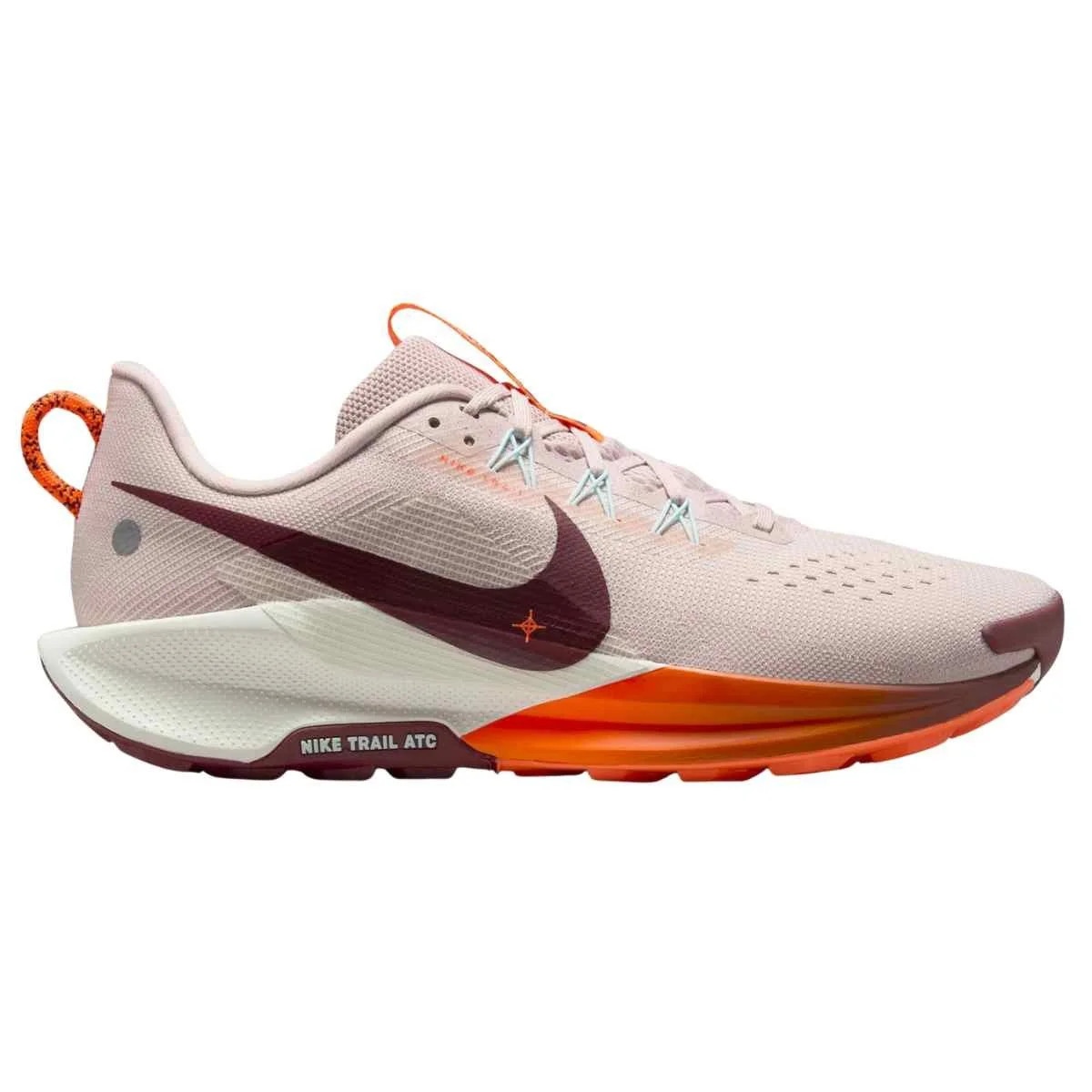
Weight: 10.2 oz (men's), 8.8 oz (women's)
Heel-to-toe drop: 9.5 mm
Stack height: 37 mm heel / 27.5 mm forefoot
Support: Neutral
Upper: Engineered mesh
Midsole: Nike ReactX foam
Outsole: All-Terrain Compound (ATC) rubber with 3.5mm lugs
Lug depth: 3.5 mm
Suitable for vegans: Yes
Comparison table
| TRAIL RUNNING SHOE | WEIGHT MEN'S | WEIGHT WOMEN'S | CUSHION | HEEL DROP | STACK HEIGHT |
|---|---|---|---|---|---|
| Nike Pegasus Trail 5 Men's Women's |
10.2 oz | 8.8 oz | Maximum | 9.5 mm | 37/27.5 mm |
| HOKA Challenger 8 Men's Women's |
8.7 oz | 7.3 oz | Maximum | 8 mm | 42/34 mm (men's), 38/30 mm (womenls) |
| HOKA Speedgoat 6 Men's Women's |
9.8 oz | 8.2 oz | Maximum | 5 mm | 35/40 mm |
| Nike Kiger 10 Men's Women's |
9.2 oz | 9.2 oz | Minimal | 5 mm | 30.3/35.3 mm |
| Altra Lone Peak 9 Men's Women's |
11.2 oz | 9.5 oz | Moderate | 0 mm | 25 mm |
Best for
Every day training runs on mixed surfaces
Smooth dirt trails and gravel roads
People looking for a classic road-running shoe feel in a trail shoe
What we liked
Versatile enough for road, dirt, and gravel
Well cushioned
Very comfortable
Classic Pegasus look, fit, and feel adapted for trail use
What could be better
More heel-to-toe drop than many trail shoes
Shallow lugs aren’t great for mud or technical terrain
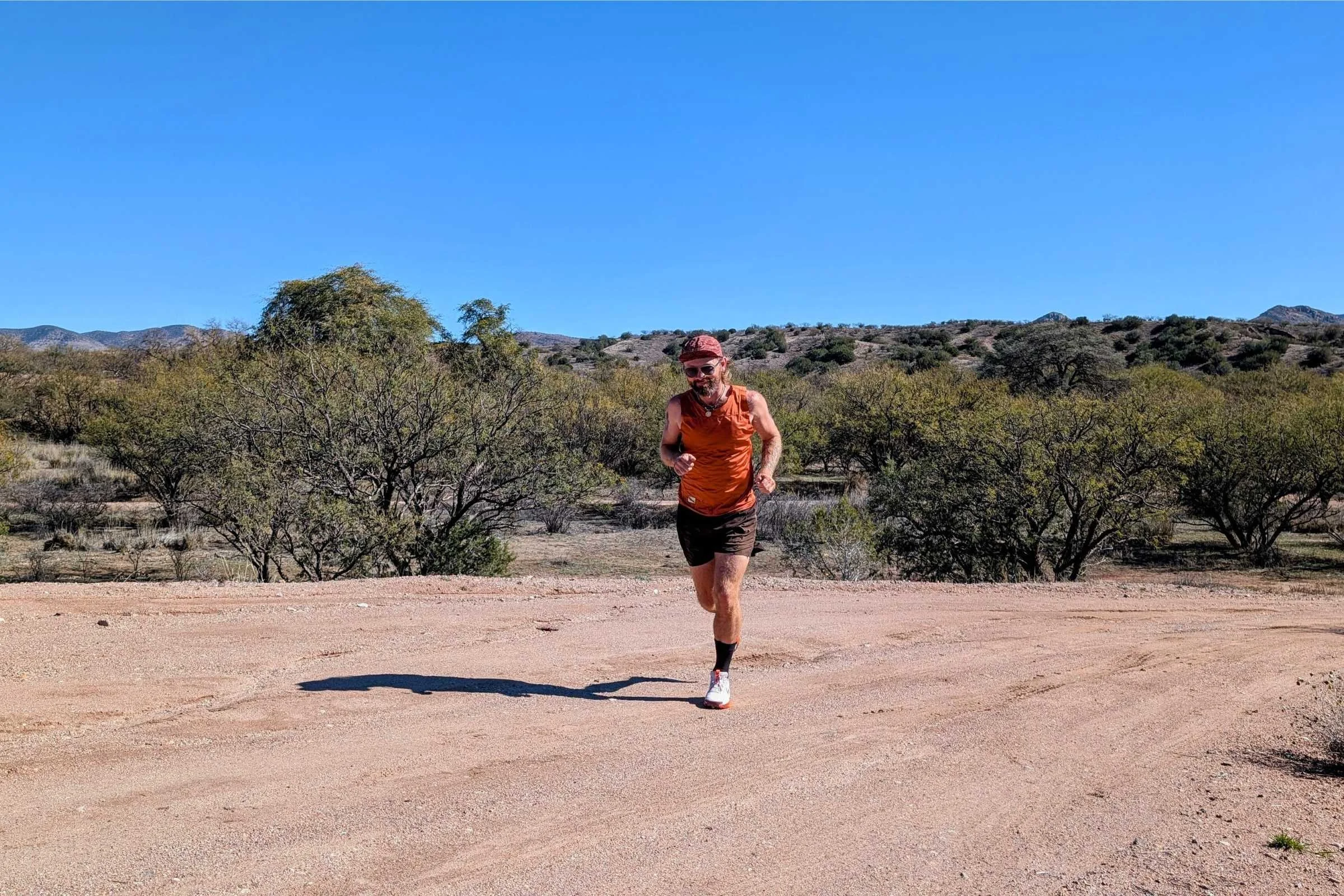
The Pegasus Trail is great for long runs on remote dirt roads.
Performance in the field
Fit and Comfort
The Pegasus Trail shoe is very comfortable and feels like a classic running shoe. These will feel familiar to most people, even if you've never worn a pair of Pegasus Trail shoes. It has less cushioning than many modern max-cushion trainers, but it’s still cushioned enough for long runs.
The Pegasus Trail 5 feels comfortable right out of the box. It is true to size and accommodates most foot shapes. If you typically find that regular-width shoes fit your feet well, the Pegasus Trail 5 will be no exception.
On the run, they feel capable on your feet whether you're on pavement or packed dirt. Compared to ultra-soft, max-cushion shoes, the Pegasus Trail 5 feels more responsive and connected to the ground. It provides enough cushioning for comfort on longer runs while maintaining the responsiveness needed for faster runs.
Fit in the upper
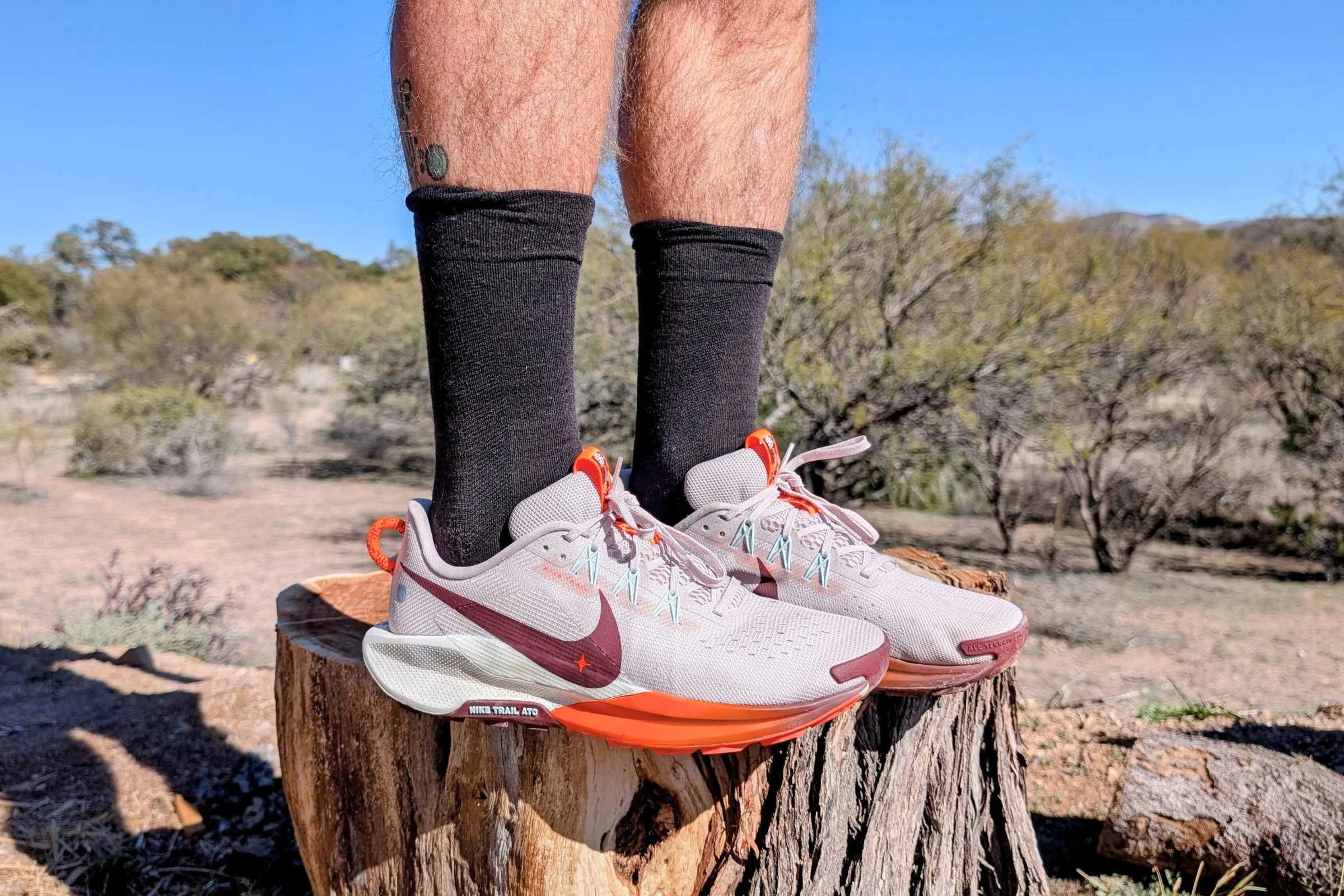
The Pegasus Trail has Nike’s Flywire technology, which connects the laces to the midsole via wires wrapped through the upper to help secure your foot in place. As you tighten the laces, some of the laces run through loops that connect down and around the sides of your foot, creating a locked-in-place fit.
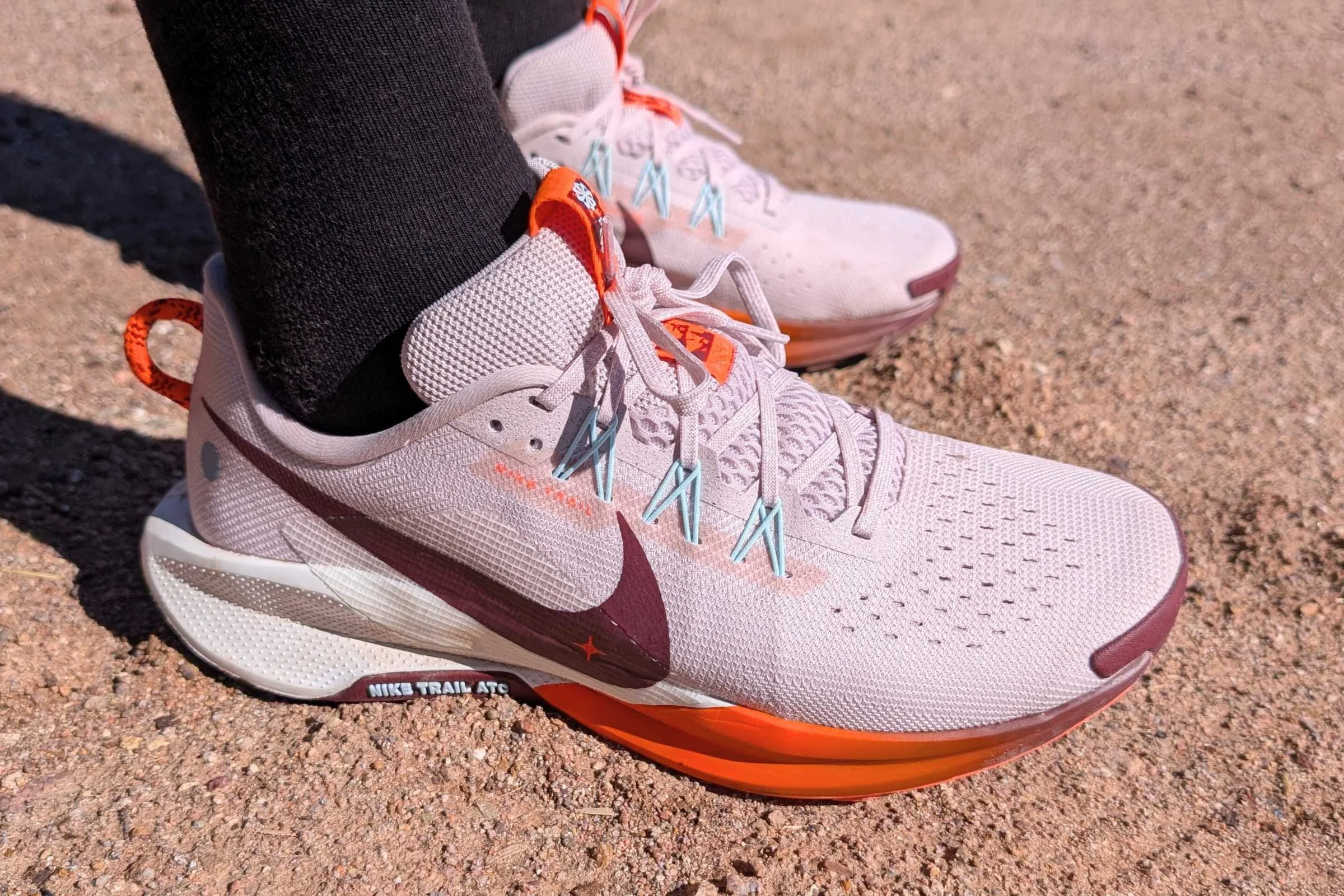
The Pegasus Trail has Flywire technology, which connects the laces to the midsole via wires wrapped through the upper.
Fit in toe-box
The Pegasus Trail is a medium-width shoe, so it’s neither wide nor narrow. This is also the case in the toe box. It provides enough room for your toes to move without being so wide that they feel sloppy. However, if you need a wide toe box for ultra distances, this shoe probably isn’t wide enough.
Fit in Heel
The Pegasus Trail fits securely around your heel. The heel collar and tongue are padded, and there is less cushion at the base of the heel to lock your foot in place. There's also a cord loop on the heel for easy pull-on.
Midsole and Cushioning
The Pegasus Trail has enough cushioning for long runs and a responsive midsole that balances impact absorption and energy return. The midsole is made of Nike’s ReactX midsole foam. This foam is lightweight, springy, and provides good cushioning for your foot.
The ReactX midsole provides a balanced ride that's neither too soft nor too firm. Rather than the ultra-plush feel of max-cushion shoes or the minimal approach of racing flats, the Pegasus Trail 5 strikes a middle ground. This balance makes them ideal for runners who want one shoe that can handle a variety of workout types and surfaces.
They have 37 mm of stack in the heel and 27.5 mm in the forefoot. This means they have 9.5 mm of heel-to-toe drop, which is high for a modern trail shoe. Some people might find the highly cushioned heel combined with the lower-to-the-ground forefoot a benefit, but others who prefer a lower-drop shoe might see 9.5 mm of drop as a dealbreaker.
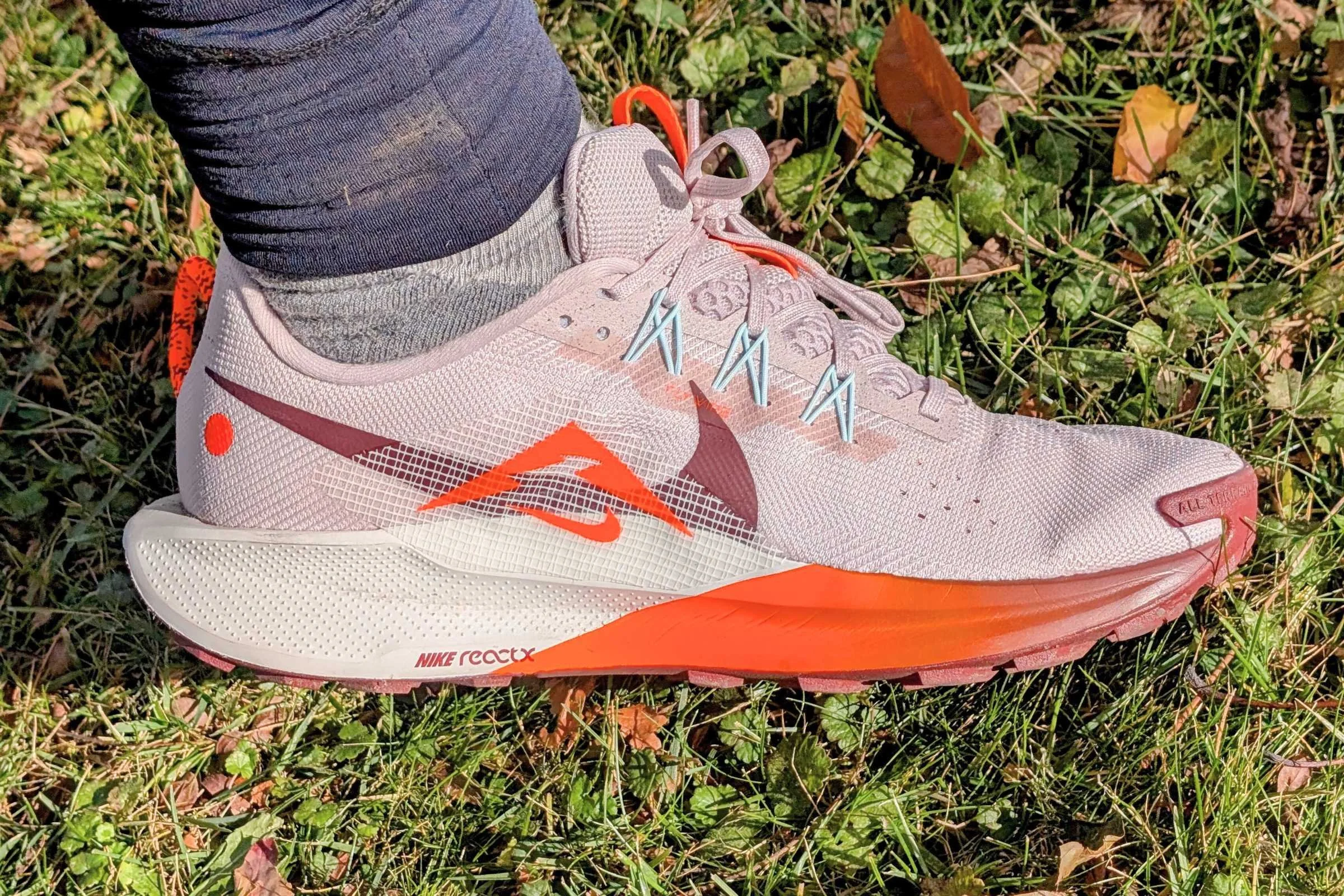
The Pegasus Trail features the ReactX midsole, which offers excellent energy return.
Traditional drop platform
As mentioned above, the Pegasus Trail 5s have 9.5 mm of heel-to-toe drop. This is higher than that of many modern trail running shoes and provides the familiar feel some runners may prefer. This elevated heel position can help with heel-strike landing and offer an efficient heel-to-toe transition.
The traditional drop design may feel more comfortable for runners transitioning from road to trail, or for those who prefer the conventional running shoe feel. However, if you're used to a low or zero-drop running shoe, like the Altra Lone Peak 9 or HOKA Speedgoat 6, the 9.5 mm of drop on the Pegasus Trail 5 will feel quite different.
Level of cushioning compared to other trail shoes/road shoes
Compared to other trail and road running shoes, the Pegasus is harder to distinguish against some other shoes because of its high amount of drop. For instance, they’re not quite as cushioned in the heel as the HOKA Speedgoat (40-35 mm stack). But the Pegasus Trail 5 has more cushion in the heel than the Altra Olympus (33 mm zero drop platform), while having less cushion in the forefoot. The Pegasus Trail 5 has more cushion than low-stack trail shoes, such as the Altra Lone Peak (25 mm zero-drop platform), Merrell Long Sky 2 (23.5-19.5 mm), or the La Sportiva Bushido (25-19 mm).
Stability
In the running shoe world, “stability shoe” means a shoe that prevents your arch from collapsing, which is called overpronation. The Pegasus Trail 5 is not a stability shoe in this sense.
However, the Pegasus Trail 5 is a relatively stable shoe for running over uneven terrain. The midsole is softer than that of some shoes, which makes them feel a bit unstable.
Support
The Pegasus Trail 5 is a neutral support shoe, which means it doesn’t provide arch support for people who overpronate. But overall, it’s a fairly supportive shoe in terms of midsole and cushioning. It has 37 mm of midsole foam in the heel and 27.5 mm in the forefoot, which is adequate for most people.
Arch Support
If you have high arches and overpronate (i.e., your feet roll inward when you step), and are looking for arch support, we recommend Superfeet insoles for running or hiking.
Lateral Support
The Pegasus Trail gives average lateral support compared to other traditionally shaped running shoes. When you lace them up, the Nike’s Flywire design wraps comfortably and supportively around your foot. The heel cup is deep enough, with padding around the ankle, to effectively lock your heel in place, too.
They provide enough side-to-side support for running forward on smooth to mildly technical terrain, but these aren’t our favorite shoes for highly technical trails, where you need to push off to the sides often as you careen down a rocky path. If that’s the shoe you’re after, we recommend something with a lower heel-to-toe drop. A lower drop shoe helps prevent your ankle from rolling as easily, since your foot is more solidly planted on the ground and not in a tip-toe position, as it is with the Pegasus.
Ride
The Pegasus Trail offers a soft, bouncy ride. The midsole feels springy and cushions each footfall. The 9.5 mm of drop causes your heel to strike the ground first, then rolls your foot forward onto your toes as you push off.
Outsole, Grip, and Traction
The Pegasus Trail is grippy enough for gravel roads, dirt roads, and smoother dirt trails. They have short lugs that offer good traction on these surfaces, but they aren’t the best on muddy terrain.
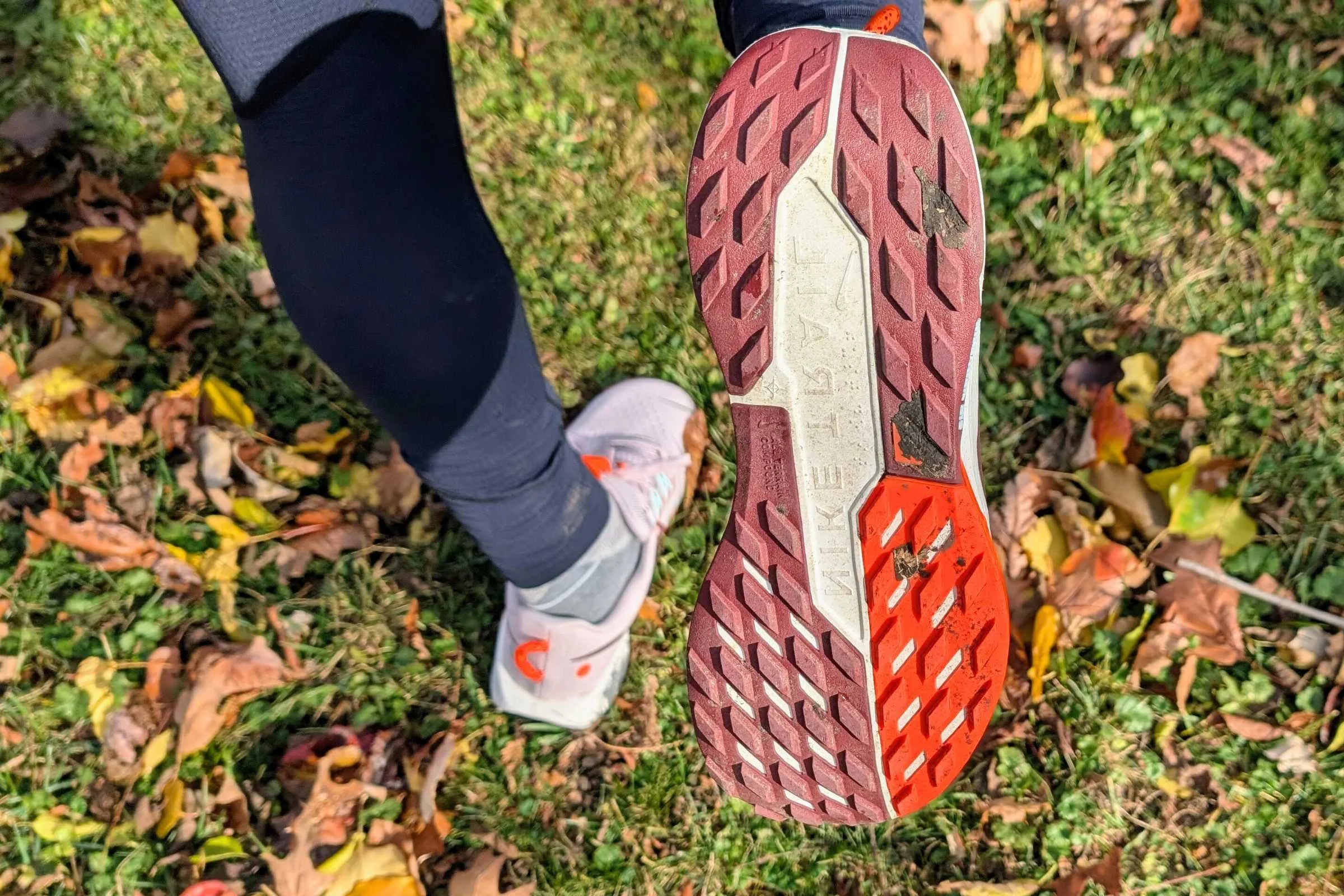
The Pegasus Trail has Nike’s ATC outsole, which grips dirt and wet rocks.
Performance on various terrains
The Pegasus Trail has 3.5 mm diamond-shaped lugs. These lugs are deep enough for hard-packed dirt and gravel surfaces, but the grip isn’t the best for scrambling, muddy trails, or angled slick rock surfaces.
Wet and dry conditions
We find the Pegasus Trail is best in less adverse conditions. They’re an excellent fair-weather running shoe that will help you get by on slippery terrain if you encounter some, but they aren’t the shoe we’d choose if you know you need maximum grip.
The outsole rubber sticks well to wet rocks, soft dirt, and other hazards you’d find in moderately wet conditions. They aren’t as grippy as a trail runner designed to grip in more challenging terrain, such as the HOKA Speedgoat with its Vibram Megagrip outsole, though.
If the lugs were deeper, they'd perform better in mud and loose dirt on steep terrain. These lugs don't grip dirt as well on extremely steep descents, where you're almost using your hands and feet. But in those scenarios, you shouldn't expect anything to grip that well, either.

The Pegasus Trail on an out-the-front-door, mixed surface run.
Versatility
The Pegasus Trail is a relatively versatile shoe. It’s excellent for running on everything from short stretches of pavement to dirt trails. It also looks like a classic sneaker, so you can wear it around town or to the gym.
The Pegasus Trail isn’t as great for extremely technical terrain, but you can lace them up for a run out your front door that follows sidewalks to dirt roads and eventually singletrack trails. And after your run is over, you can wear them to the coffee shop or out to lunch, as long as you like the look of that big Nike swoosh.
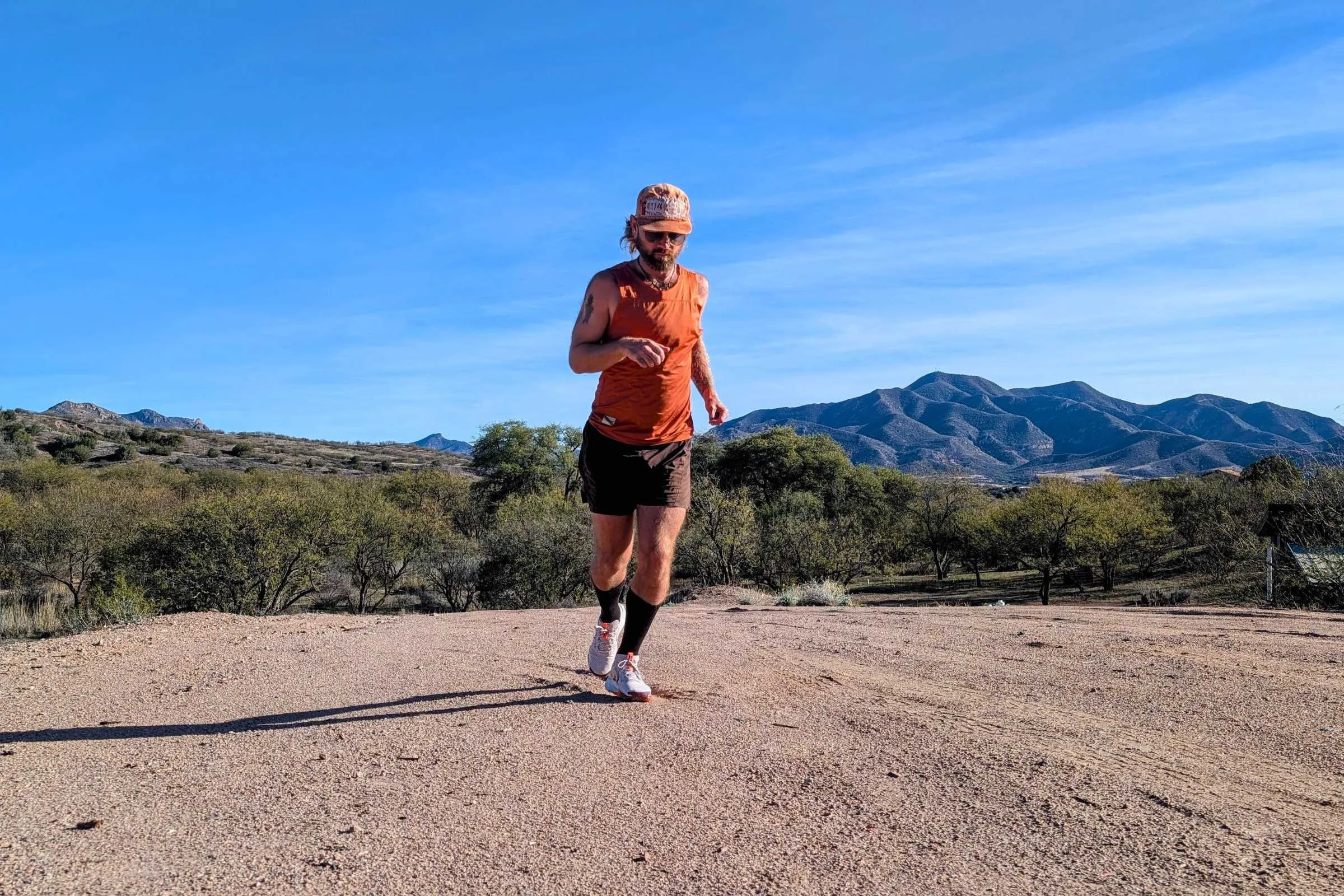
The Pegasus Trail can do it all, from mountainous singletrack to dirt and even paved roads.
Responsiveness
Our main tester, Sam, did several speed workouts in the Pegasus Trail 5 on dirt roads in southern Arizona. During threshold runs, the midsole feels bouncy and responsive, even after running as fast as possible for five minutes. The springy midsole, combined with the rocker shape, creates faster turnover and feels efficient when you’re running uphill, too.
Break-In Time
We pulled the Pegasus Trail 5 shoes out of the box, put them on to check the fit, and immediately went on a 7-mile run that followed dirt roads to some gentle singletrack. They are extremely comfortable right out of the box, and we had no issues on that first run or any subsequent runs.
If you’re not used to a running shoe with over 9 mm of heel-to-toe drop, these shoes might take some getting used to. However, most traditional running shoes have a similar amount of drop. So, unless you’ve made the switch to lower or zero-drop shoes and then decided you want to go back to a higher-drop model, the transition to a higher-drop shoe shouldn’t be a big issue.
Upper and Breathability
Overall, the Pegasus Trail breathes very well in hot conditions. We've never felt like our feet were overheating in these shoes, even during midday runs in the hot Arizona desert.
The Pegasus Trail features an engineered mesh upper that promotes good airflow. This helps keep your feet cool on runs. The upper also includes targeted reinforcement zones near the toe box for added durability on trails.
Durability and Longevity
The Pegasus Trail 5 is about as durable as most road-to-trail running shoes. We’ve worn them for countless 5 to 15-mile runs and expect them to last at least 400 miles of mixed road and trail running.
Midsole Durability
The ReactX foam midsole feels just as cushioned and springy as it did when new. Some midsole materials compress quickly, but these shoes don't seem to be among them. There is a large patch of exposed midsole material on the tread, which can and will be damaged on rocky terrain. But the midsole itself is about as durable as other midsole foam materials.
Wear and tear in upper materials
The upper mesh is about as durable as other crossover running shoes. It has reinforcements in high-wear areas to prevent tears from rocks and other obstacles along the trail. We haven't experienced any durability issues with the upper during our testing period.
Outsole longevity
The outsole is made of Nike’s All Terrain Compound (ATC) rubber, which is grippy enough for dirt but not too heavy or sluggish on roads. This rubber compound is pretty durable, too. It’s not the stickiest rubber, which helps with durability because stickier rubbers tend to be softer and wear down faster. The ATC rubber compound on the Pegasus is soft enough to grip the ground as you run without being too soft, which would decrease durability.
There is a large area of exposed midsole foam in the center of the tread, a common feature in trail running shoes that saves weight. This won’t significantly affect the outsole's longevity unless you’re regularly running on rocky terrain.
Warmth
The Pegasus Trail 5 has a very breathable mesh upper that won’t keep your feet warm.
Price and Value
The Pegasus Trail 5 costs $155, which is average for a trail running shoe.
For reference, the HOKA Speedgoat 6, which has a Vibram Megagrip outsole and more cushion than the Pegasus, costs $155. The Speedgoat 6 is soon to be replaced by the Speedgoat 7, which willcost $165. The Altra Lone Peak 9+, which also has a Vibram Megagrip outsole, costs $160, but the standard Lone Peak 9, which has a less grippy outsole that’s about as sticky as the Pegasus Trail, costs $145.

The Pegasus Trail is versatile enough to run on dirt and paved surfaces.
Features
Volume
The Pegasus Trail 5 is an average volume shoe. It doesn’t have a particularly wide toe box, but it isn’t as narrow as some running shoes either. It also feels similar through the midfoot and heel. If you have particularly wide feet, these may not fit you, but they should fit most people’s feet well enough.
Weight
The Pegasus Trail 5 weighs 10.6 oz per men’s size 9 shoe and 8.6 oz per women’s size 7 shoe.
Stack Height
The Pegasus Trail has 37 mm of stack in the heel and 27.5 mm in the forefoot.
Midsole Technology
The Pegasus Trail features Nike’s ReactX midsole technology, which feels soft and springy underfoot. The foam is made using an injection process rather than compression molding to create a foam that has higher energy return with a lower carbon footprint, according to Nike.
Outsole and Lug Pattern
The Pegasus Trail has diamond-shaped 3.5mm lugs that grip hard-packed dirt, gravel, and smooth trails well.
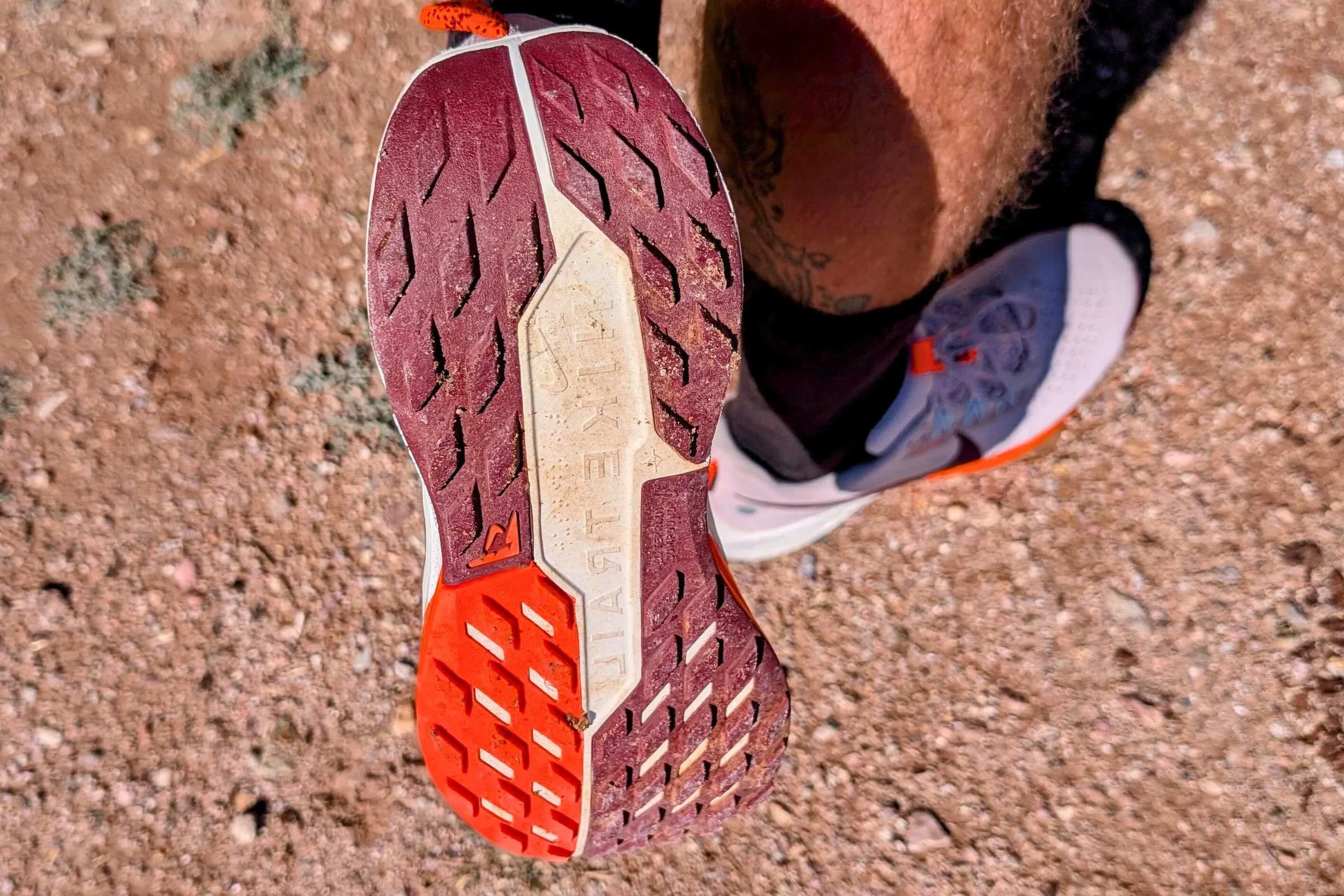
The Pegasus Trail has diamond-shaped lugs to grip dirt while not slowing you down on pavement.
Reflective Material
They have a single reflective dot on the outside of the foot near the heel.
Style and Design
The Pegasus Trail has a classic Nike sneaker look that some people love. It comes in 6 colorways for men, and 5 different colors in women’s sizing. You can also design your own Pegasus colorways.
Sustainability
The Pegasus Trail 5 uses Nike’s ReactX midsole foam, which is engineered to reduce its carbon footprint by at least 43% through lower energy use in manufacturing, according to Nike. You can read more about Nike’s Sustainability practices here.
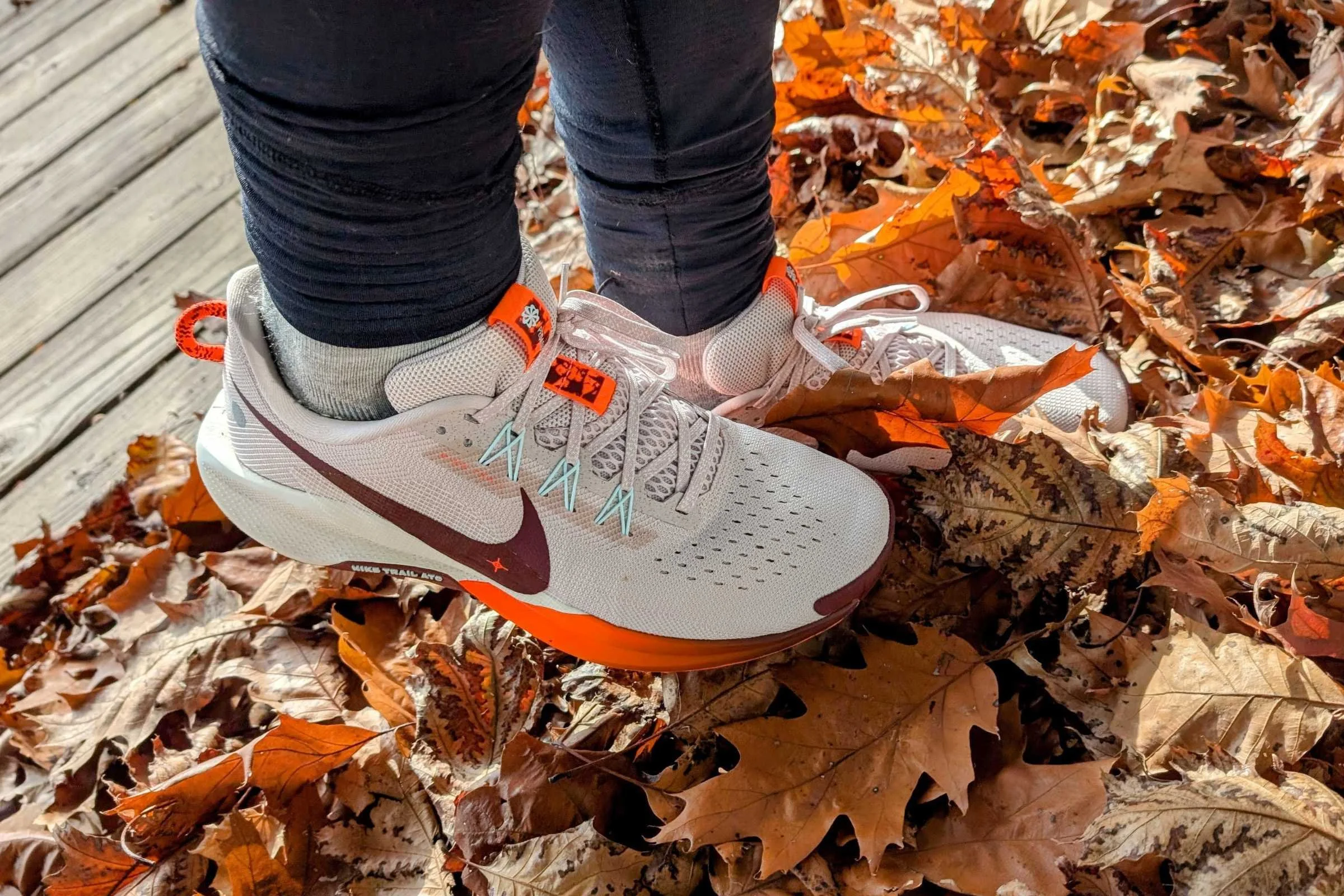
The Pegasus Trail on a fall run in Illinois.
Nike Pegasus Trail 5 vs Nike Pegasus Trail 4
The previous version of the Pegasus Trail offers similar performance with differences in midsole materials and outsole design. The Pegasus Trail 4 used React foam, while the Trail 5 utilizes the newer ReactX midsole foam, which offers greater energy return. The Trail 5 also features the new ATC rubber compound and an updated lug pattern. The Trail 5 is slightly heavier but more cushioned than the Trail 4 as well.
Nike Pegasus Trail 5 vs. similar trail shoes
Compared to other road-to-trail trainers, the Pegasus Trail 5 offers a traditional approach with its 9.5 mm drop and balanced cushioning. It sits in the middle ground between minimal trail shoes and max-cushion options, making it appealing to a broad range of runners who want a versatile trainer that can handle both road and trail. The Pegasus Trail 5 doesn't have as much cushioning as modern high-stack trail shoes, and the midsole feels firmer than that of max-cushion shoes.
Who should buy the Nike Pegasus Trail 5?
Buy if you want a reliable road-to-trail trainer with traditional drop and cushioning and versatile performance across multiple surfaces.
Skip if you prefer minimal drop shoes, maximum cushioning, or need a shoe for highly technical terrain.
Where to buy the Nike Pegasus Trail 5?
The Nike Pegasus Trail 5 trail running shoes are popular footwear, so you have options when it comes to retailers. Here are some of the pros of the retailers.
REI
Pros: 100% satisfaction policy for 1 year; 10% dividend for members.
Amazon
Pros: Free 2-day shipping with Amazon Prime membership
Backcountry
Pros: Frequent sales for Expedition Perks members (free to join), fast shipping, Gearhead chat customer service is excellent
How we tested
We tested the Nike Pegasus Trail 5 while trail running in Illinois, Colorado, Utah, and Arizona during the fall and winter. We primarily used the Pegasus Trail 5 for daily training runs on mixed terrain. We wore them for fast runs on long dirt roads, and longer, slower runs on a mix of pavement, gravel, and singletrack trails. We wore them on crushed-limestone trails across prairie preserves and on rugged desert two-track roads in southern Arizona.
We tested them during tempo runs and interval workouts, where their responsive midsole performed well across a range of speeds. We also wore them around town with non-running clothes to assess long-term comfort, and used them as gym shoes while working out.
Additionally, we tested them alongside other trail, road, and gravel running shoes to directly compare performance and features.
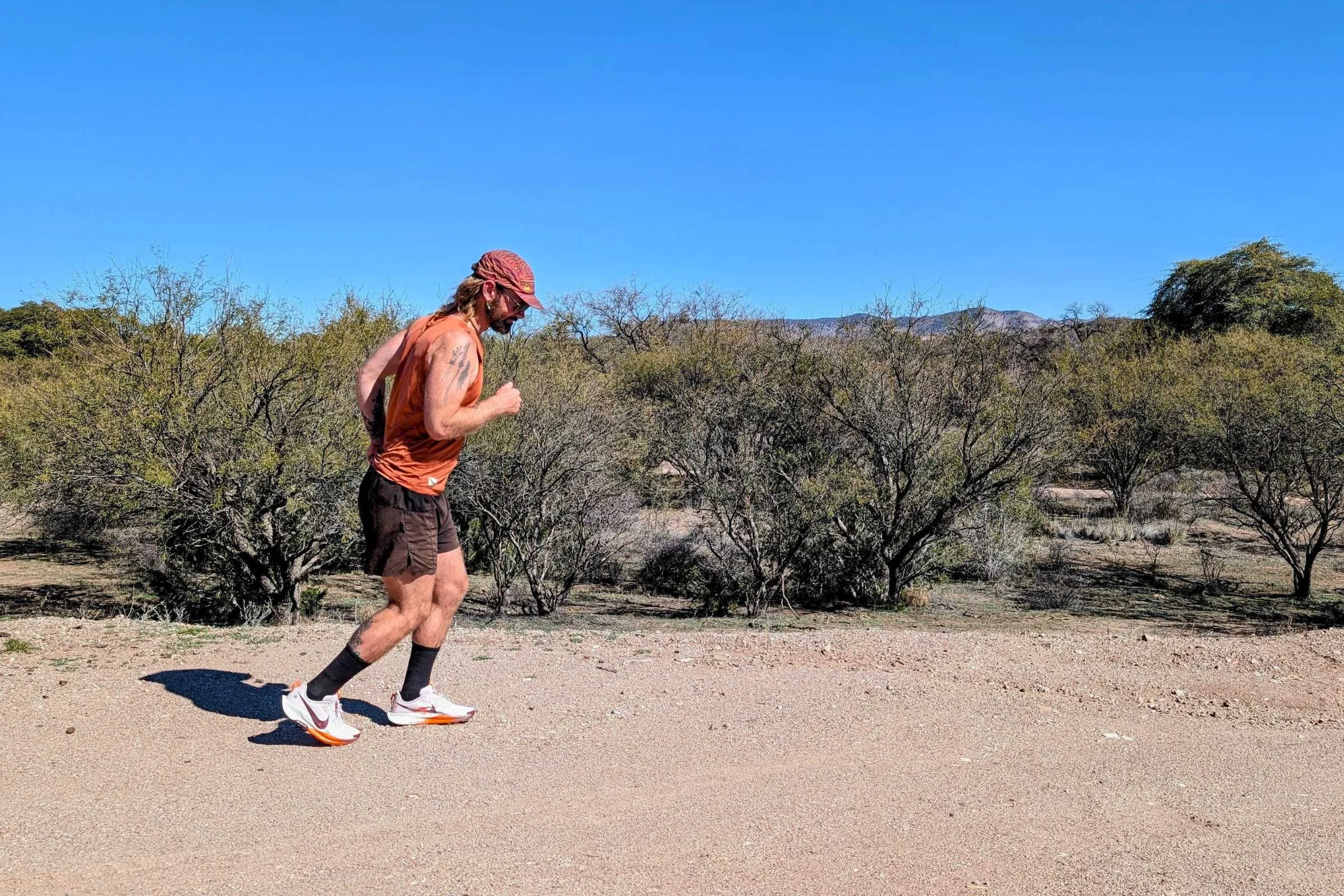
Testing the Pegasus Trail on dirt roads in southern Arizona.
Similar running shoes
Nike Pegasus 41

MSRP: $155
Weight: 10.4 oz men’s, 8.8 oz women’s
Heel Drop: 10 mm
Stack Height (heel/toe): 37/27 mm
Cushioning: Maximum
The road version of the Pegasus features a smoother rubber outsole without lugs and a slightly higher drop (10 mm vs 9.5 mm). The Pegasus 41 is lighter and faster on pavement but lacks the trail capability of the Trail 5. If you run primarily on roads with occasional packed dirt paths, the Pegasus 41 is a better choice. If you split time between road and trail, the Trail 5 is more versatile.
Nike Pegasus 41
men's
Women's
HOKA Challenger 8
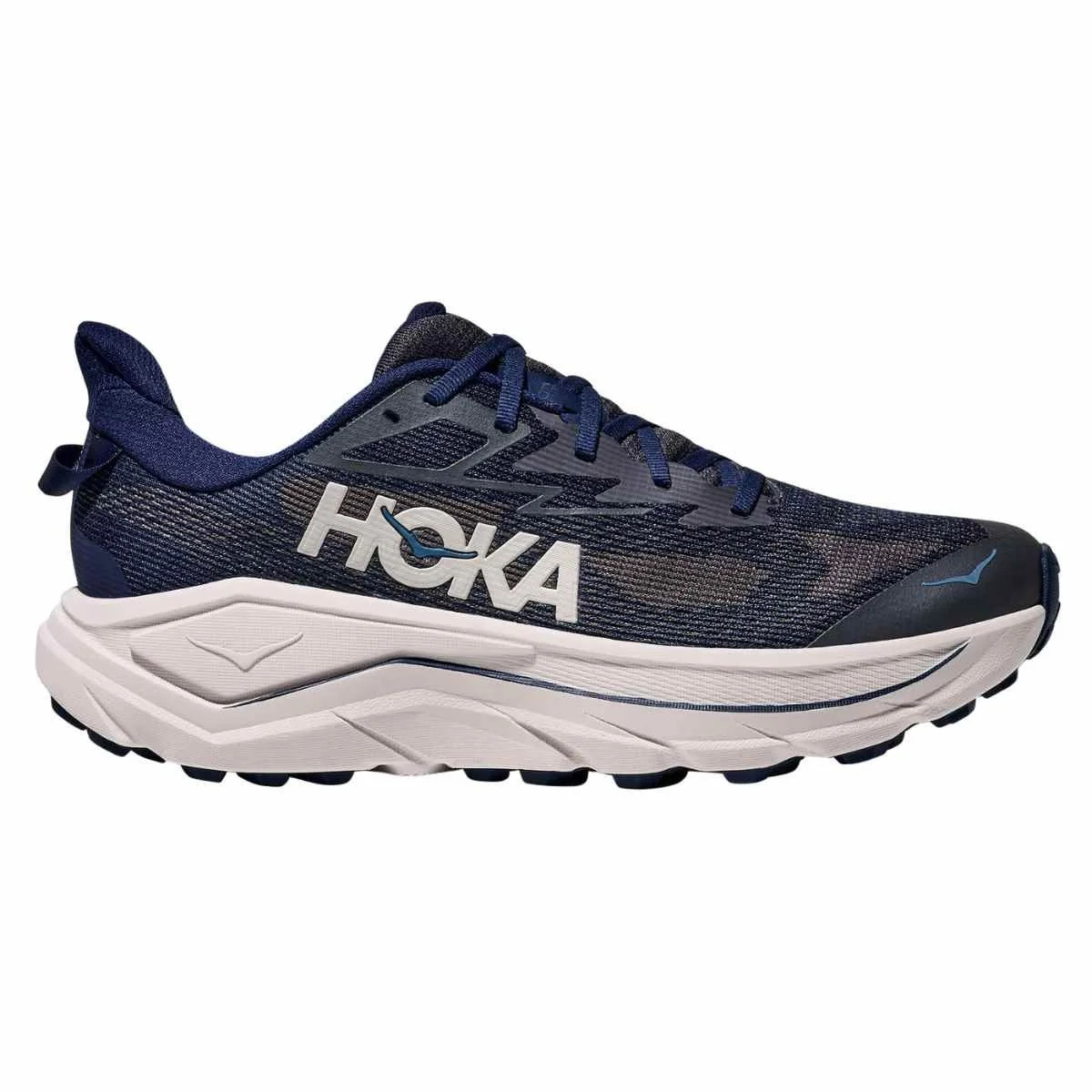
MSRP: $155
Weight: 8.7 oz men’s, 7.3 oz women’s
Heel Drop: 8 mm
Stack Height (heel/toe): 42/34 mm (men's), 38/30 mm (womenls)
Cushioning: Maximum
The HOKA Challenger is another road-to-trail trainer at a similar price point to the Pegasus Trail. The HOKA Challenger 8 features the same 42 mm heel stack height, compared to the Pegasus Trail 5’s 37 mm. But the Challenger has slightly less drop, at 8 mm, compared to the Pegasus Trail’s 9.5 mm. This means the Challenger is more cushioned than the Pegasus and weighs about an ounce less. The Pegasus Trail 5 has a denser, more responsive midsole foam, making it better for picking up the pace. The Challenger 8 feels softer and more cushioned, but less bouncy.
Learn more in our in-depth review of the HOKA Challenger 8 trail running shoes.
HOKA Challenger 8
men's
Women's
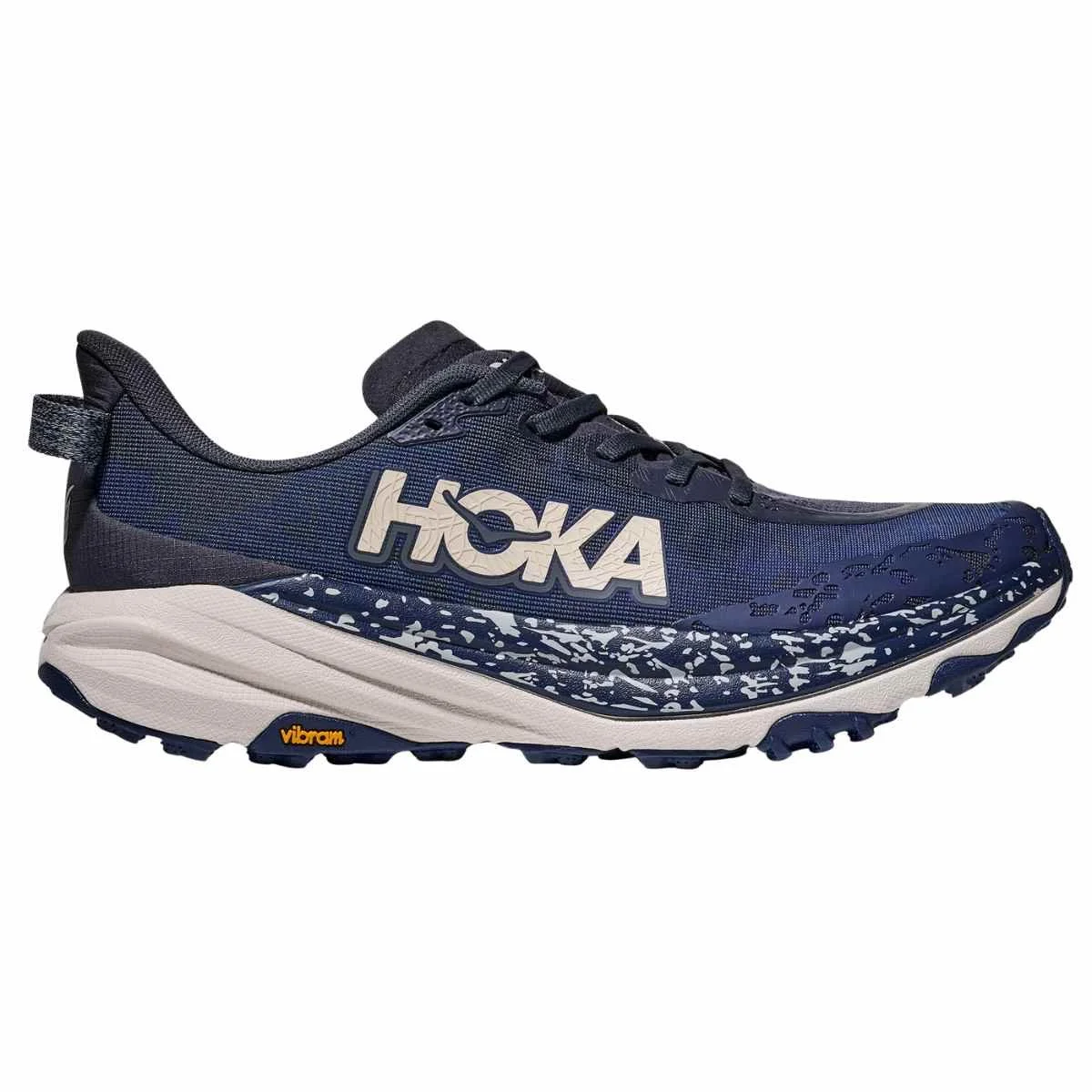
HOKA Speedgoat 6
MSRP: $155
Weight: 9.8 oz men’s, 8.2 oz women’s
Heel Drop: 5 mm
Stack Height (heel/toe): 35/40 mm
Cushioning: Maximum
The Speedgoat 6 is designed for more technical terrain than the Pegasus Trail 5, with deeper 5 mm Vibram Megagrip lugs and a more aggressive tread pattern. The Speedgoat is better suited for rocky, muddy, and technical trails, while the Pegasus Trail 5 excels on moderate trails and road-to-trail transitions. Learn more in our in-depth review of the HOKA Speedgoat 6 trail running shoes.
HOKA Speedgoat 6
men's
Women's
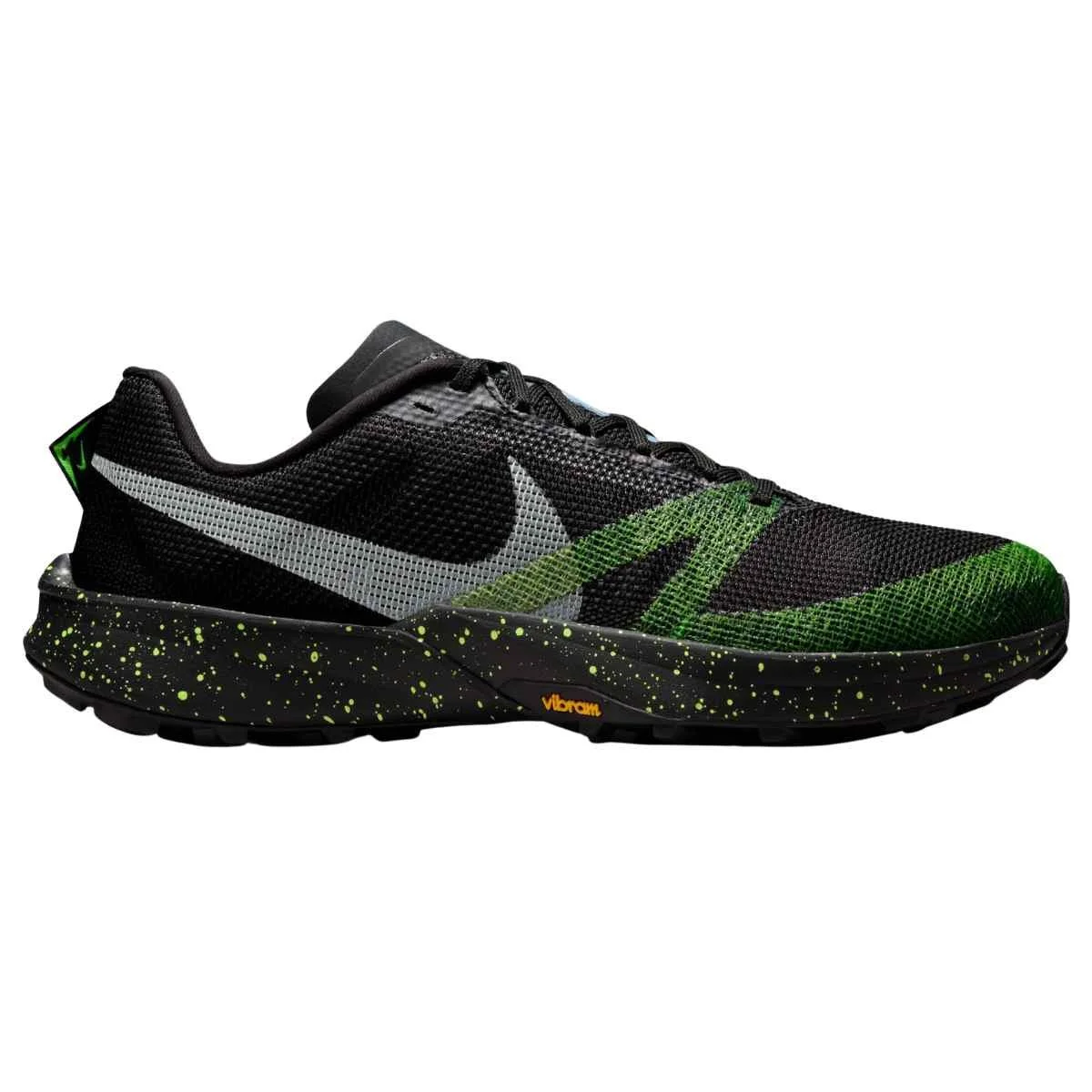
MSRP: $170
Weight: 9.8 (men’s size 10), 9.2 oz women’s
Heel Drop: 5 mm
Stack Height (heel/toe): 30.3/35.3 mm
Cushioning: Minimal
The Nike Kiger 10 is Nike's lighter, more nimble trail shoe option. It weighs 9.8 oz, compared to the Pegasus Trail 5's 10.6 oz. The Terra Kiger has less stack height and cushioning, making it feel more connected to the ground and more agile on technical terrain. However, the Pegasus Trail 5's ReactX foam and higher stack make it more comfortable for longer distances and road running. This is a unisex shoe sometimes marketed as a men’s shoe.
Nike Kiger 10
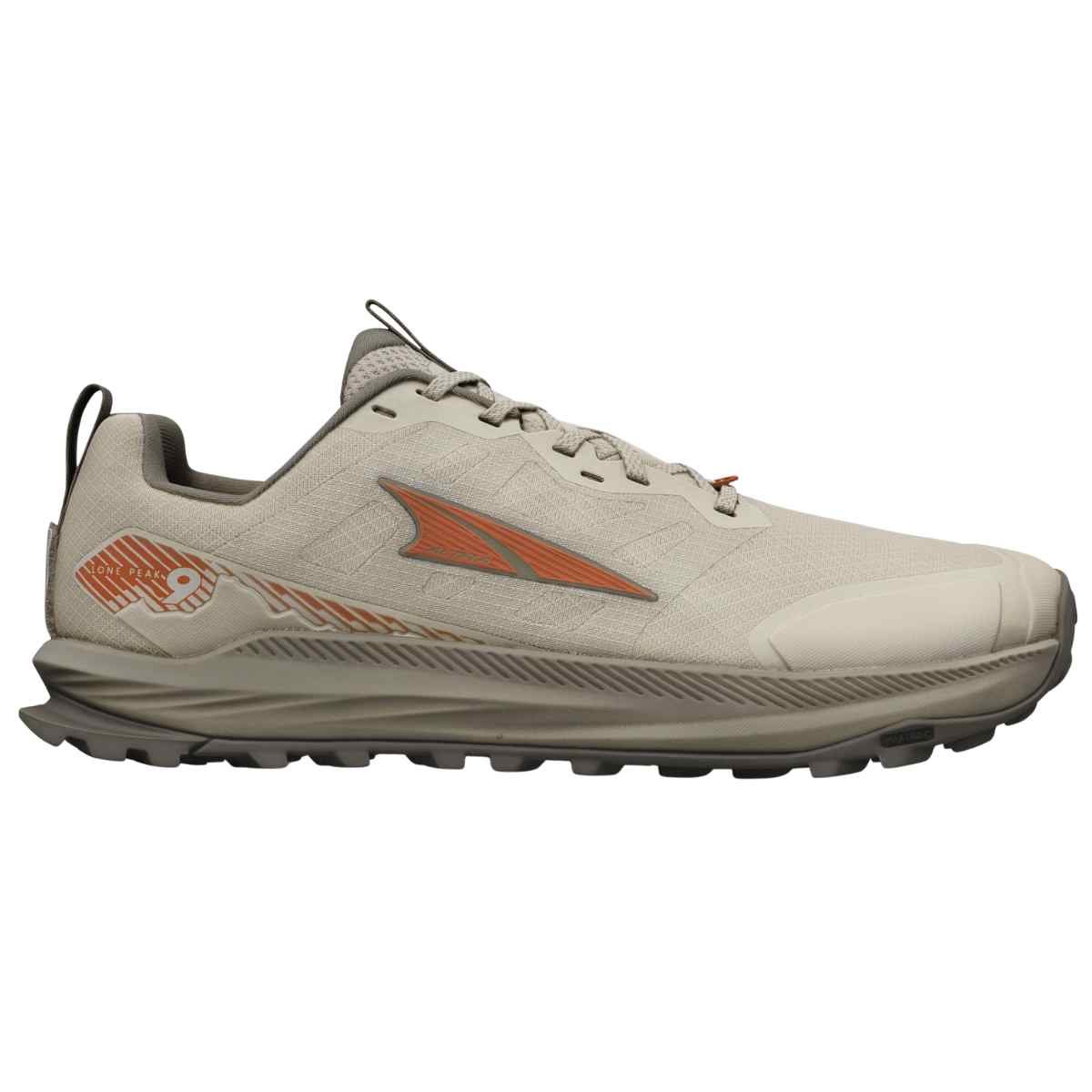
Altra Lone Peak 9
MSRP: $145
Weight: 11.2 oz men’s, 9.5 oz women’s
Heel Drop: 0 mm
Stack Height (heel/toe): 25 mm
Cushioning: Moderate
The Altra Lone Peak 9 and 9+ feature a zero-drop platform and FootShape toe box, which is very different from the 9.5 mm heel-to-toe drop and standard fit of the Pegasus Trail 5. The Lone Peak is designed specifically for trails with a more aggressive, 3 mm lug pattern and wider platform. These shoes serve different purposes—the Lone Peak is a dedicated trail shoe with zero drop, while the Pegasus Trail 5 is a road-to-trail trainer with traditional drop. These shoes are about as different as you can get between trail running shoes.
Altra Lone Peak 9
men's
Women's
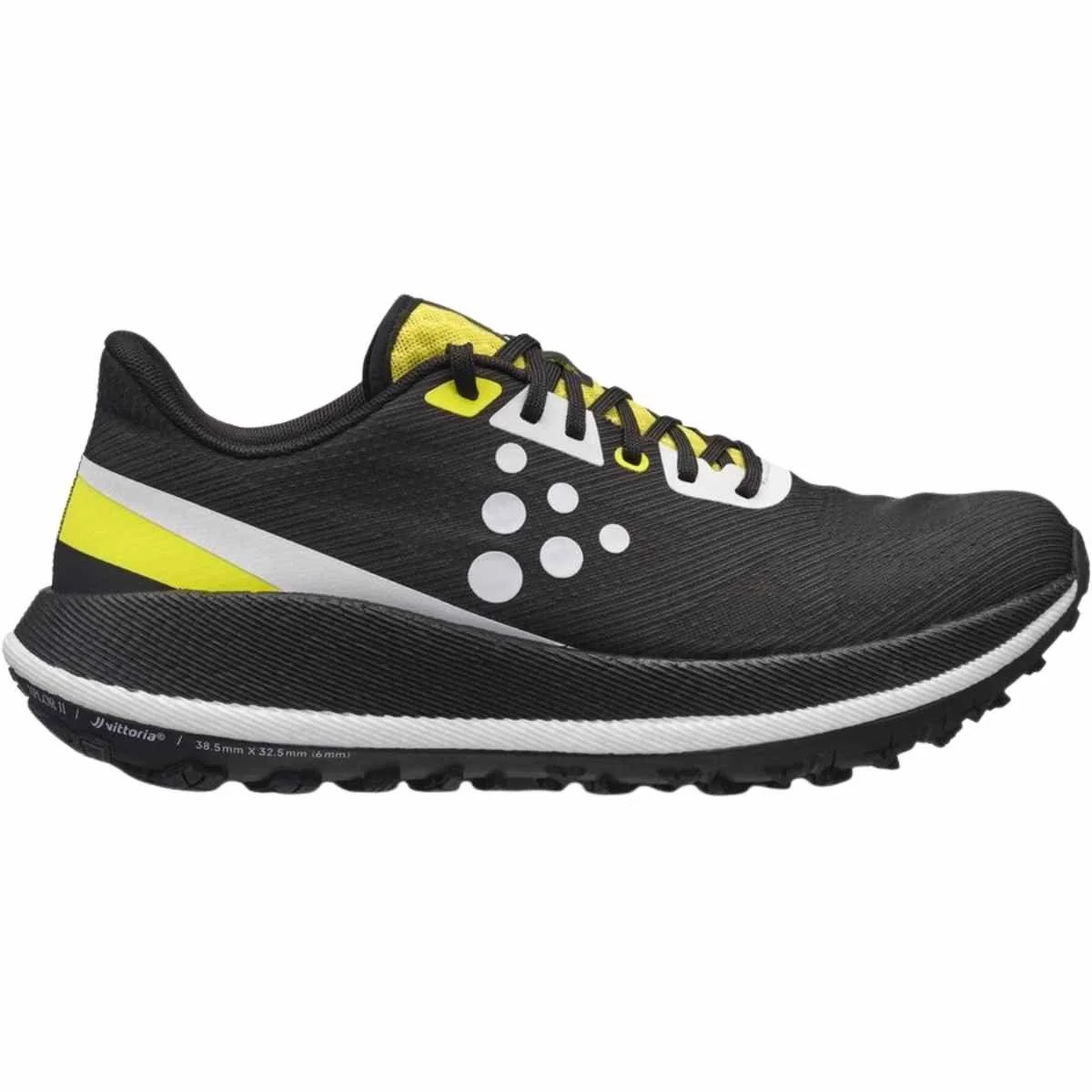
Craft Xplor 2
MSRP: $150
Weight: 11.2 oz men’s, 8.9 oz women’s
Heel Drop: 6 mm
Stack Height (heel/toe): 38.5/32.5 mm
Cushioning: Moderate
The Craft Xplor 2 is another gravel running shoe option that works well on roads and well-maintained trails. The Xplor 2 has 6 mm of heel-to-toe drop, and 38.5 mm of stack in the heel, meaning it has about the same amount of cushion in the heel and slightly more cushion in the forefoot (32.5 mm vs 27.5 mm) than the Pegasus Trail. The Xplor 2 feels more explicitly designed for gravel road running, with a wider toe box and unique outsole. The Pegasus feels more like a road running shoe with a lugged outsole for enhanced grip on dirt.
The Craft Xplor 2 running shoes won Best Overall in our Best Gravel Running Shoes guide, as well as Best Gravel Shoe in both our Best Men’s Trail Running Shoes and Best Women’s Trail Running Shoes guides.
Craft Xplor 2
men's
Women's
Why you should trust us / About the author

Sam Schild is a thru-hiker, runner, cyclist, and mountain athlete based in Colorado. He's been a runner since he was a child, when he ran five days a week as cross training for soccer. As he grew older, he stopped playing team sports and focused on running and cycling.
Sam regularly runs five days a week or more. He has completed countless ultra-distance, self-supported trail runs on trails throughout the American Southwest. He has thru-hiked the Pacific Crest Trail, Continental Divide Trail, Appalachian Trail, Arizona Trail, Grand Enchantment Trail, Pacific Northwest Trail, and the Colorado Trail twice, always in running shoes.
You can read more about Sam on his author page, website, or Instagram.