Best Rain Boots for Women of 2026
Waterproof boots and rubber rain boots for mud, puddles, warmth, and staying dry

October 13th, 2026, updated with a new winner for best waterproof hiking boot
Home → Gear Reviews → Footwear
Rain boots need to do more than keep your feet dry. Depending on how you use them, they also need enough traction for slick surfaces, a comfortable fit for long days on your feet, and the durability to handle mud, rain, and repeated wear.
We tested women’s rain boots in Alaska, New England, Iowa, the Pacific Northwest, New York City, and California. Testing included rainy commutes, farm work, long walks, rafting trips, muddy trails, and flood cleanup, giving us a chance to use these boots in everything from everyday rain to demanding wet-weather conditions.
We evaluated waterproofness, traction, fit and comfort, durability, and how easy each boot was to get on and off. We also considered how well different styles worked for specific uses, from ankle boots for everyday wear to taller boots for deeper water and muddy conditions.
Top Pick: The XTRATUF Legacy Salmon Sisters Boot is our Best Overall women’s rain boot. Our testers have worn XTRATUF Legacy boots for long days on Alaska’s rivers and in wet, cold conditions, and they continue to stand out for their waterproofing, traction, comfort, and durability.
Looking for men’s rain boots? See our Best Men’s Rain Boots guide.
Pairing them with a shell? See our Best Lightweight Rain Jackets guide.
We create reader-supported, objective gear reviews independently selected by our editors. This story may contain affiliate links, which help fund our website. When you click on the links to purchase gear, we may get a commission — without costing you an extra cent. Thank you for supporting our work and mission of outdoor coverage for every body! Learn more.
Comparison table
| WOMEN'S RAIN BOOTS | TREELINE AWARD | MSRP* | HEIGHT | WATERPROOF | CLOSURE | MATERIAL | SIZES AVAILABLE |
|---|---|---|---|---|---|---|---|
| XTRATUF Legacy Salmon Sisters | Best overall Read why |
$175 | 15” | Yes | Pull on | Rubber/neoprene | 6 - 11 |
| Asgard Chelsea Rain Boots | Best budget Read why |
$39 | 5” | Yes | Pull on with tabs | Rubber | 5 - 12 |
| XTRATUF 6" Deck Boots | Best ankle rain boots Read why |
$115 | 6” | Yes | Pull on | rubber/neoprene, EVA, SRA non marking rubber | 5 - 11 |
| Hunter Tall Boots | Best tall rain boots Read why |
$190 | 15” | Yes | Pull on | Natural Rubber | 5 - 11 |
| Grundens Deck Boss | Most comfortable rain boots Read why |
$115 | 6” | Yes (neoprene ankles) | Pull on | Rubber | 5 - 11 |
| Blundstone Original Chelsea | Best for walking Read why |
$200 | 4.5” | No, water-resistant | Pull on | Weather-sealed leather | 6 - 11 |
| La Sportiva Ultra Raptor 3 Mid GTX | Best waterproof hiking boots Read why |
$219 | 6.25" | Yes | Lace-up | GORE-TEX | 5.5 - 11 |
The winners
Best overall women’s rain boots: XTRATUF Legacy

Price: $175
Sizes available: 6 - 11
Shaft height: 15”
Waterproof: Yes
Material: Rubber/neoprene
Footwear closure: Pull on
Best for: Wading in rivers or puddles, chores, spring hiking, running errands, working on boats, slogging through marshes
What we liked: waterproofness, durability, ease of walking, comfort, versatility, temperature and height adjustment with roll-top, arch support, excellent traction on slippery surfaces
What we didn’t like: not as warm as other boots (if your feet get cold, go for the insulated version)
The XTRATUF Legacies are an Alaskan staple that have worked their way up and down coastlines, from fishing boats pulling in from the Bering Sea to lobstermen (and firefighters, actually!) in Downeast Maine.
Designed for commercial fisher folk on the brutally cold seas off of the Alaska coast, these boots are as waterproof as you’re going to find. They’re made with pliable yet durable rubber (yes, the brown is a classic color) that can withstand abrasions, rough underbrush, sharp rocks, and ice. They’re the ultimate rain boot for those who live in Seattle-level rainy climates –– that’s why they are considered the unofficial footwear of Alaska.
These boots also work well in a variety of temperatures –– the author spends 200+ days a year in them, from 80°F when the rivers she worked in were reading 34°F, to the low teens in a snowfall. To say these are her go-to boots would be an understatement –– they are a way of life.
The XTRATUF Legacy is the overall winner in our Best Men's Rain Boots guides.
For more information, see our long-term review of the XTRATUF Legacy Boot.
XTRATUF Legacy


-
XtraTufs are known for their performance fit around the ankle and foot as both a rain boot and a winter boot. As a mountain guide, the author used to hike 4-8 miles every day in them, 5 days a week. If you plan to wear thicker socks with the Legacies, then stick with your true street size.
For best fit, we recommend going down about a half size. (The author generally wears a 9-9.5, and wears a 9 in XtraTufs.) This prevents heel rubbing and blisters, and the thick soles give you great arch support. Worried about tight calves? You can try the men’s version, which sports wider tops, or go for the wider calf men’s option with adjustable buckles.
-
Sticking to their fishing roots, the Legacies are also acid- and chemical-resistant and Viral Penetration Resistant per ASTM F1671 / F1671M - 13. That’s why these boots not only make a statement, but are a solid workboot, too. (There are steel-toed versions for a soggy worksite, too.)
Another perk on the XtraTuf is that they are designed for use when walking on slippery boat decks. The slip-resistant chevron rubber sole has incredible traction. We tested by soaping up a linoleum floor and were, well, floored by how well they kept us in place. (Please don’t try this at home!)
We also tested these boots over years and a dozen tests in wet climates, from hiking in Southeast Alaska’s temperate rainforests, to running dogs along slick rock beaches in New Hampshire, to gearing up for rafting trips in Idaho’s rainy season. They’ve even made guest appearances in Tennessee and Florida during floods and gardening seasons!
-
For design-oriented boot wearers, XtraTuf partnered with sister-owned, Alaska-based artists and fisherwomen called the Salmon Sisters and with women-owned fishing apparel company FisheWear for beautiful designs both in and outside the boot. These fisherwomen gave an otherwise drab (yet classic) rubber boot a colorful twist, designed to be shown off when rolled down.
Best affordable women’s rain boots: Asgard Ankle Boots Waterproof Chelsea

Price: $39
Sizes available: 5 - 12
Shaft height: 5”
Waterproof: Yes
Material: Rubber
Footwear closure: Pull on with tabs
Best for: Running errands, working in the garden, heading to work in the rain, collecting eggs from the chicken coop, walks around town
What we liked: budget-friendly price, waterproofness, pliable and comfortable feel
What we didn’t like: flaps can catch and bend when pulling shoes on, narrow footbed
For those looking at a stylish and functional Chelsea rain boot on a budget, this rain boot might be your perfect match. The Asgard Women’s Ankle/Chelsea rain boots are the price of a large pizza, and will last you significantly longer than the pizza will. Although there are a few design snags that didn’t make this our overall favorite boot, we couldn’t ignore how well the Asgard boot functions for less than $40.
Asgard Ankle Boots Waterproof Chelsea


-
The over-the-ankle design of these boots helps to keep muck and rain out of your footbed, but make sure you wear a mid-calf sock along with it! Our tester did have a bit of chafing with ankle socks and jeans. The openings are narrow but extremely elastic, which helps for ease of pulling on and taking off these boots. One tester with regular-to-wide feet did note that the narrow footbed did become uncomfortable on one afternoon of walking. Their toes had room to wiggle, but the middle of their feet started to rub and hurt after multiple hours out walking.
-
Asgard boots utilize removable EVA foam insoles for comfortable strides, and anti-slip rubber soles to keep you stable and upright in slick weather. These boots are made from waterproof rubber that held up well in our testing — the rubber held up to bending, stretching, and scraping along sidewalks and short hikes without compromising waterproofing.
Elastic-goring by the ankles added ease of pulling on and taking off (as did the pull tab on the back of the boot), and sits more comfortably along the ankle. The five-inch height kept out smaller puddles that we splashed through, but avoid deeper puddles in these boots.
Overall, we tested higher quality rain boots with great longevity and durability, but for a budget pick with a stylish component, the Asgards held up to our tests.
Best women’s ankle rain boots: XTRATUF Deck Boots

Price: $115
Sizes available: 5 - 11
Shaft height: 6”
Waterproof: Yes
Material: rubber/neoprene, EVA, SRA non-marking rubber
Footwear closure: Pull on
Best for: Checking the mail, scrubbing decks, mucking stalls, stacking lobster pots, chasing after toddlers
What we liked: Hands-free slide on, comfort, temperature moderation, waterproofness, durability, anti-slip
What we didn’t like: Feet get wet in downpours or rocks get into toes from wide entrance
Take the XTRATUF Legacies’, well, legacy. Shorten them, make them easy to slide on, and make them slick enough to wear out on the town. XTRATUF’s Deck boots took some of the best qualities from the 15” tall Legacy collection — anti-slip, waterproof and durable rubber or leather, comfortable to wear on long days on your feet — and made them comfier for town-wear or hotter days.
Deck boots were made for being docked –– working on the boat, running errands in town, and grabbing a bite to eat while the drizzle persists or the puddles abound. We tested the Deck boots for more than four years and they have proven themselves sea and puddle worthy.
XTRATUF Deck Boots


-
The XtraTuf Deck Boots are breezily comfortable — testers can truly slide their feet in and out hands-free, which makes them our go-to slip-on boots to keep by the door. If you need to, however, two pull tabs at the front and back give you all the assistance you need to pull these boots back on. (If you’re looking for more comfort and cushion, however, we suggest our Most Comfortable pick, the Grundens Deck Boss.)
The molded EVA foam insoles give you the supportive padding you need for long days bustling around. Testers also loved how well the XPRESSCOOL™ moisture-wicking evaporative liners worked, providing mega antimicrobial odor protection. You’ll be grateful for the stink-free feet in the middle of the summer! The neoprene uppers are comfortable even on bare ankles, and prevent chafing.
-
These boots come just above the ankle and sport a wide opening. The only downfall to these boots sometimes comes from the wide shaft opening: in heavy downpours, standing still can cause a flood, while moving too quickly through mud can kick up and into your shoes. However, the good outweighs the bad when it comes to the easy slide-in capabilities.
XtraTuf didn’t skimp on the chevron rubber tread to stop the slipping (although these lugs aren’t quite as deep as the XtraTuf Legacies). These boots work well on icy decks and slick old wooden sidewalks, plus wet rocks and puddle-lined parking lots. While the loose ankles don’t offer a lot in the way of stabilization, the footbeds run true to size to keep you comfortable and upright with great grip. We cannot stress enough — these boots are testers’ favorites when it comes to ease and reliability.
Best women’s tall rain boots: Hunter Women’s Original Tall Rain Boot

Price: $190
Sizes available: 5 - 11
Shaft height: 15”
Waterproof: Yes
Material: Natural Rubber
Footwear closure: Pull on
Best for: Rainy walks through cities, fields, and marshes — or out to the grocery store
What we liked: waterproofness, aesthetics, adjustable calf, shaft height, thick sole
What we didn’t like: Tight calf in true sizes
We knew these boots were popular, but were hesitant to believe they could live up to their fame. However, after 7+ years of testing, we can confirm that these boots fit the hype: they are comfortable, chic, and completely waterproof. From the riding arena to the barn to the streets of Boston, these boots tackle puddles and slick surfaces like champs.
Hunter Women’s Original Tall Rain Boot


-
These boots are crafted from natural rubber harvested from forests that are independently audited to Forest Stewardship Council standards to keep the forests and their inhabitants (both human and animal) protected. The footbeds fit snugly for stability and comfort without being too narrow, although the author’s leggings-clad calves did have a hard time fitting up top without a little extra effort on the most expanded belt option. (Larger calves should consider Hunter’s back-adjustable rain boot, which sports an expandable gusset to prevent just such an occurrence.)
However, the close calf came in handy when floodwaters left a foot of standing water in a driveway - sloshing through the water was no big deal in these tall boots, and no water escaped inside of the boot thanks to the close calf (and adjustable buckle to make sure).
One of our founders and years-long testers praised these Hunter Original Tall rainboots for both their comfort and their durability. She walked all the way from Brooklyn to Manhattan in comfort, despite the downpour during that trek, “no problem,” she said. “They aren’t my favorite to wear while I’m driving, but I’ll walk in them anywhere!”
-
Hunter’s Original Tall Rain Boots perform well in slick mud and mixed spring conditions thanks to a “calendared-design outsole.” This design staggers long lugs with smaller, shallow zig-zag lugs for micro and macro grip. This traction served us well in both New England’s flooding and intermittent snowstorms, but we wouldn’t recommend wearing them along a slippery coastline, as they didn’t hold up amazingly against seaweed-covered cliffs.
These Tall Rain Boots performed well when faced with calf-deep water in driveways after heavy flooding in Maine this winter, and kept our testers warm and dry while walking in torrential downpours.
Walking might take some getting used to if you aren’t used to the classic Wellington walk, but Hunter uses pliable rubber to make your jaunt around the garden easier. As your ankle moves, you will feel the rubber bend and roll over itself in the front –– this is normal! The elevated heel helps add a chic edge to the galoshes effect, and gives you a cushion as you walk on harder surfaces.
Overall, Hunter’s Original Tall Rain Boots were our favorite tall boot for the sleek design, incredible waterproofness, and comfort while walking. They are a pricier option, but worth the money for longevity’s sake.
Most comfortable women’s rain boots: Grundens Deck Boss

Price: $115
Sizes available: 5 - 11
Shaft height: 6”
Waterproof: Yes (neoprene ankles)
Material: Rubber
Footwear closure: Pull on
Best for: Cleaning up the deck, grocery runs in sleet, trekking from one end of town to the other, and winter airport travel
What we liked: comfort of wearing slippers with thick insole, easy on-and-off, anti-slip tread, waterproofness, anti-odor lining
What we didn’t like: no half-sizes, heavier than XTRATUF Deck Boots
One diehard XTRATUF-loving Alaskan tester proclaimed, “The Grundens are infinitely more comfortable than any rain boot I’ve ever worn.” As someone who spends 300 days a year in rain boots, that might be the highest praise we heard during this years-long testing process.
Grundens wanted to find their own corner in the niche world of ankle-height rain boots, and they stood out from the crowd with their thick insole that adds additional comfort for long days on your feet. Compared to the XTRATUF Deck Boots, which do not sport the same level of sole comfort in their ankle boots that their Legacy boots offer, Grundens’ Deck Bosses are like slipping into a pair of slippers. We couldn’t ask for much more on slick, muddy, and drizzly days.
Grundens Deck Boss


-
There’s a reason the Deck Bosses won our most comfortable boot option –– the super-cushioned insoles! Grundens added even more padding to the insoles to up the comfort and shock-resistance while you’re jumping from deck to deck or cruising around town on a soggy day. “Usually I wear cushioned socks with my rainboots,” our Southeast Alaskan tester noted, “but I didn’t feel like I needed to in the Grundens. My feet were cushy enough!”
Much like the XtraTuf Deck Boot, the Grundens Deck Boss sports a wide shaft opening for hands-free slipping on and off. (If you size down, they do provide two pull loops at the front and back for assistance.) As these boots are only available in whole sizes, they can run snug or a little loose if you’re a true half-size. However, our tester sized down from a women’s 7 ½ to a 7, and found that they were still easily kicked off and put on without hands.
-
Ankle boots are both a wonderful and tough sell in the rain boot world — they will keep your feet dry, but only up to a certain depth of puddle. However, they serve a great purpose for warmer wet weather, style, and of course, comfort. Grundens Deck Boss boots rise just above the ankle and utilize pliable rubber for ease of walking and crouching.
We also appreciated Grundens’ use of their HeiQ Pure anti-odor and HeiQ SmartTemp thermo-regulating lining that fights the overheating and stink of sweaty feet, which are all too common in rubber-encased rain boots. Even on hot days when you still need enclosed toes and slip-resistant boots, these comfortable ankle slip-ons will avoid the pungent odor of sweaty gym socks and keep you cooler. However, if the weather’s more brisk, this liner will also help to insulate you and keep your feet at an optimal temperature.
A unique feature of the Deck Boss boots comes in the form of their razor-siped outsole: the treads are angled at just the right slant to push water out from under the shoe, just like providing more traction to tires in slick conditions. This means you get a better grip without the slickness of water obstructing your gum rubber outsole from the surface. What does all of that translate to? You stay upright better on rainy walks.
Best women’s rain boots for walking: Blundstone Women’s Original Chelsea Boots

Price: $200
Sizes available: 6 - 11
Shaft height: 4.5”
Waterproof: No, water-resistant
Material: Water-resistant leather
Footwear closure: Pull on
Best for: City walking, wearing to the office, short hikes, walking dogs
What we liked: Water resistance, comfort on extended walks, style, durability, quality materials
What we didn’t like: Tight to pull on/take off, pricey
We are big fans of a city boot that gets down and dirty on the trails, as evidenced by our other Blundstone winners — the Blundstone Classic Chelsea Boots won Best for City Walking category in our Best Men’s Winter Boots article.
While the aesthetics of the Blundstone Chelsea boots will turn heads on a sidewalk, the traction, water resistance, and comfort will keep you out walking even longer.
For this guide, we tested out the All-Terrain Thermal versions of these classic Chelsea boots more recently alongside the uninsulated-yet-mighty Blundstone Classic 585 for years. We tested in Boston and Portland, Maine all the way to rainy Portland, Oregon. The quality, durability, and downright comfiness of Blundstones speak to our reasoning for choosing this boot as a category winner in both our Rain Boots and our Winter Boots stories. These boots were meant to be worn in the wettest, wildest, and wackiest of weather from town to trail.
For more information, see our in-depth review of the Blundstone Chelsea All-Terrain boots.
Blundstone Women’s Original Chelsea Boots
Blundstone Women’s Original Chelsea Boots


-
It took a while for the author to get used to the tighter ankles, but as one tester called out, “The more I wear my Blundstones, the easier they get to pull on.” We also love that Blundstones, unlike other Chelsea boot designs, have two pull tabs for easier maneuvering, rather than one simple one at the back. Both of these loops come in handy rather than stomping your foot down and into the boot, like other Chelsea boot designs can lead to.
Once they’re on, the classic Blundstones are a delight to wear around, as long as you’re okay with tighter ankles. The ankles do help protect you from water, dirt, rocks, and mud getting into your shoe and under your toes, but we do suggest wearing them with either a calf-height sock or tucked in pants — or both, as the author prefers. A steel shank in the heel adds support while you walk, while the elastic around the ankles helps conform to your feet while giving you the flexibility we look for in lace-up boots.
-
What we really appreciate about the Blundstones are their ability to go from town to trail. If the day brings a jaunt across a field or trekking out into the drizzly woods after your dog, but you still have dinner plans on Main Street later, you can rest assured that Blundie’s functionality will hold up to both tasks.
Between the traction and the waterproof leather, you can encounter all sorts of rainy weather without hesitation; with the Blundstone’s classic Chelsea boot design, you can rest assured you’re looking good wherever you wander, too.
-
The Blundstone Originals we recommend are also known as the Blundstone 500. They look deceptively similar to the Blundstone Classics, also known as the Blundstone 550. So what's the difference?
We tested both of them and here's our take. The Classics 550 have a wider fit with more cushioning in the footbed and leather lining that feels warmer.
However, that extra warmth can be too much for some people, especially if you're walking a lot or live in a warmer climate.
In contrast, the Blundstone Original 500 that we recommend is more breathable. We think more breathability is a better option for most people who are walking to work or around town in their Blundstones.
However, one thing to watch for is the Originals have a snugger fit. One of our testers found that snug fit to be uncomfortable and the shoes felt like, "they never really broke in no matter how much I walked in them." So if you've got wide feet, go with the Classics!
Best waterproof hiking boots: La Sportiva Ultra Raptor 3 Mid GTX
Price: $219
Sizes available: 5.5 - 11
Shaft height: 6.25"
Waterproof: Yes
Material: GORE-TEX
Footwear closure: Lace-up
Best for: Hiking muddy trails, backpacking, creek and river crossings
What we liked: Water resistance, grip, agility
What we didn’t like: Narrow fit, moderate ankle support, need a break-in period
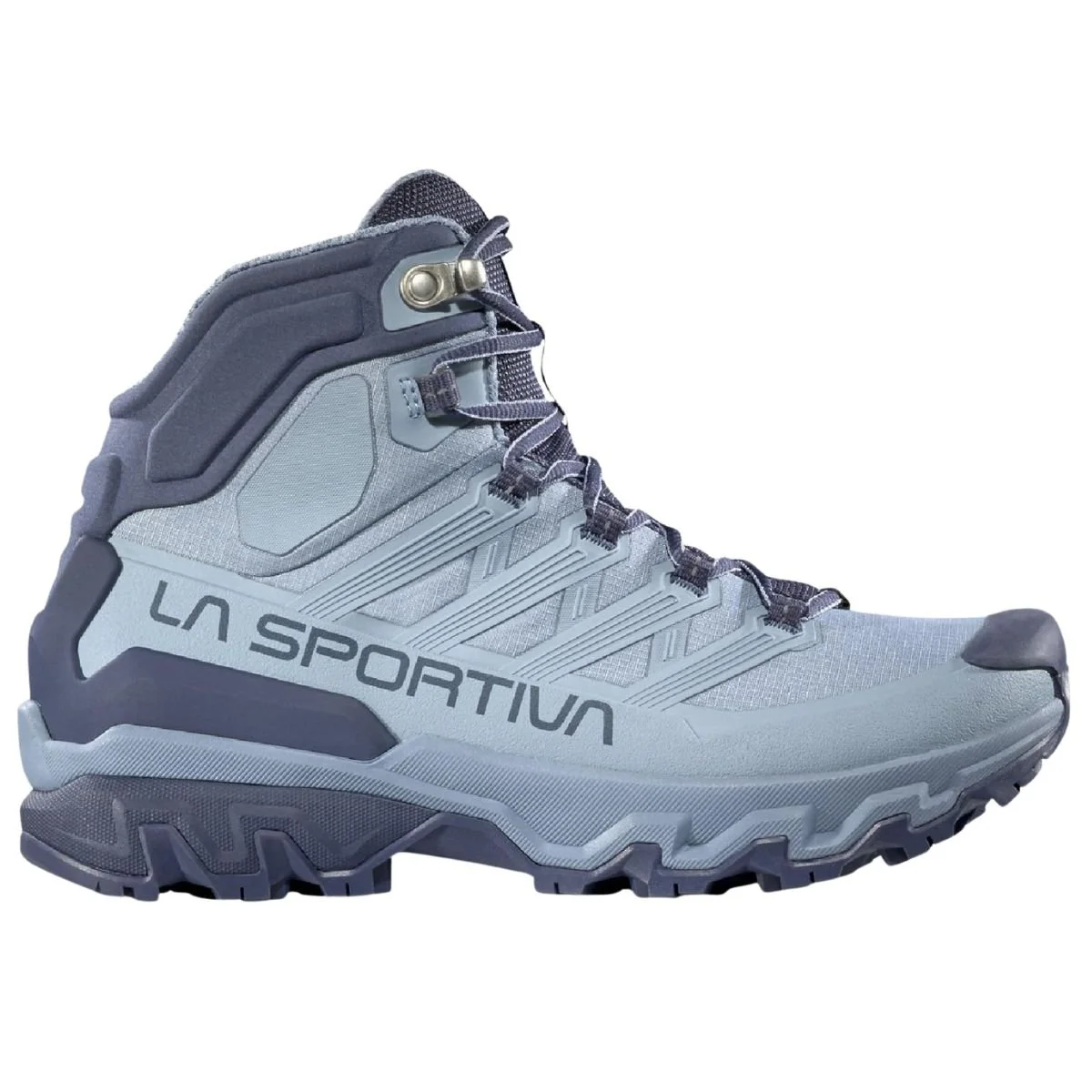
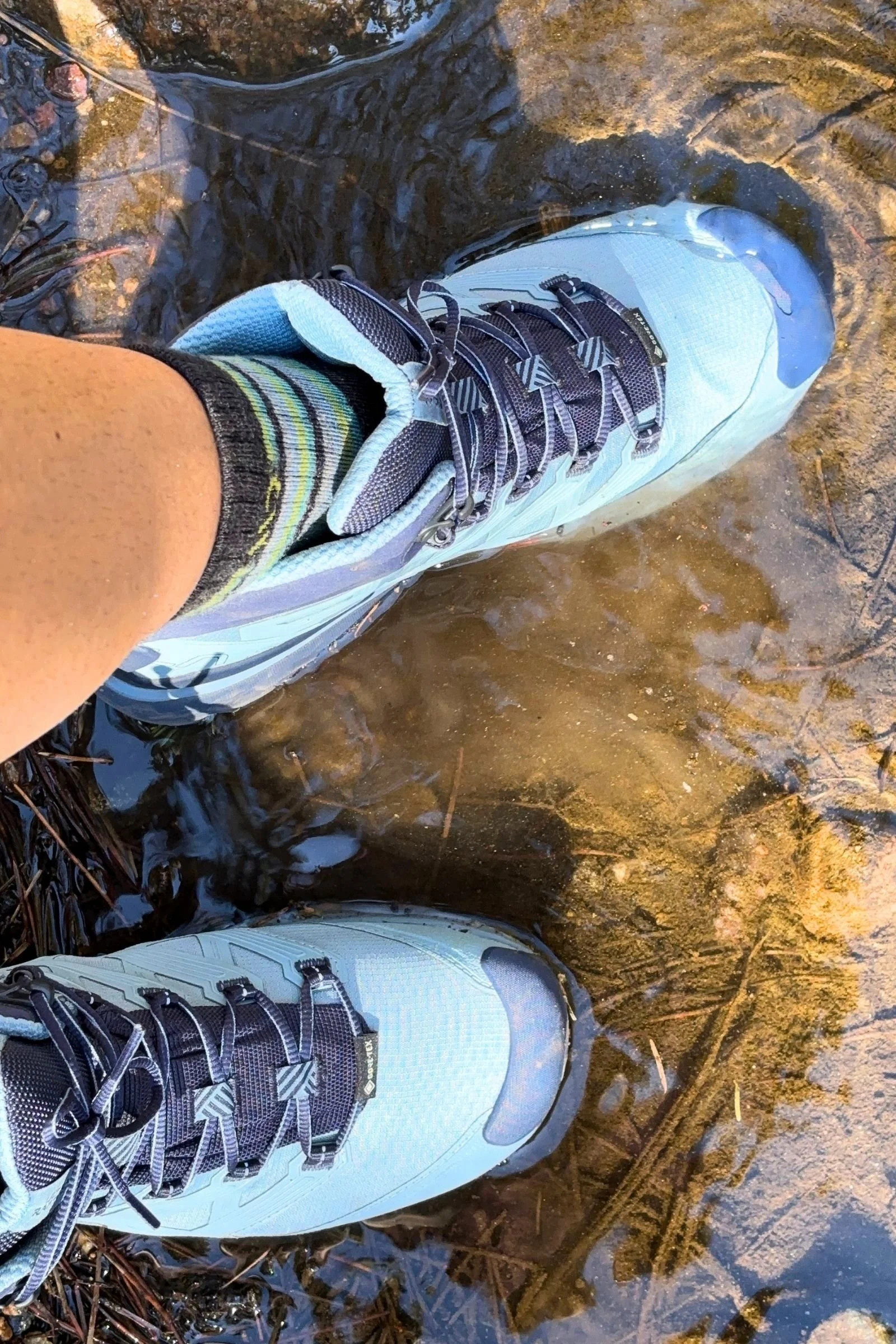
The La Sportiva Ultra Raptor 3 Mid GTX Hiking Boots are the best waterproof women's hiking boots we tested and one of the most agile, lightweight, grippy boots, too.
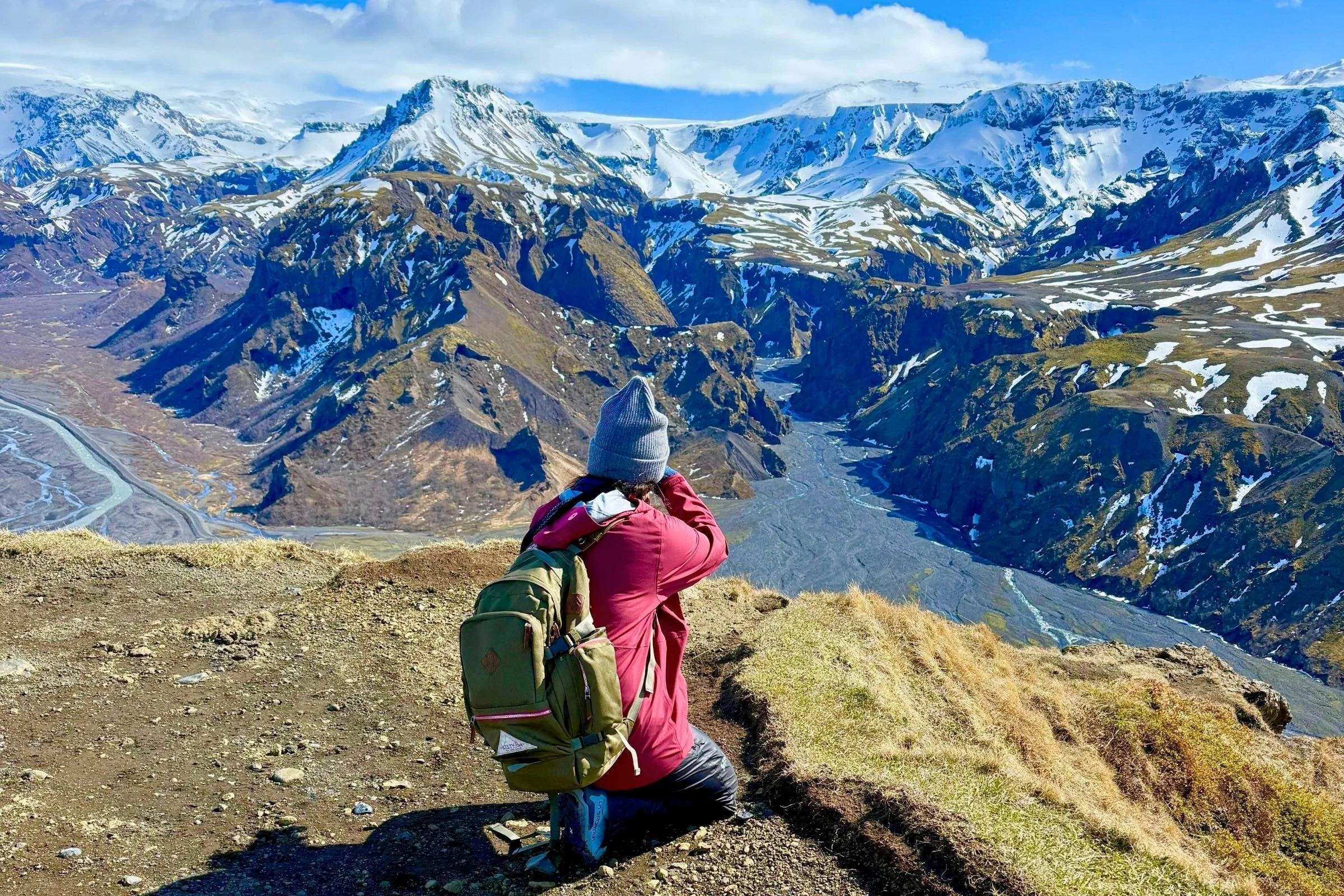
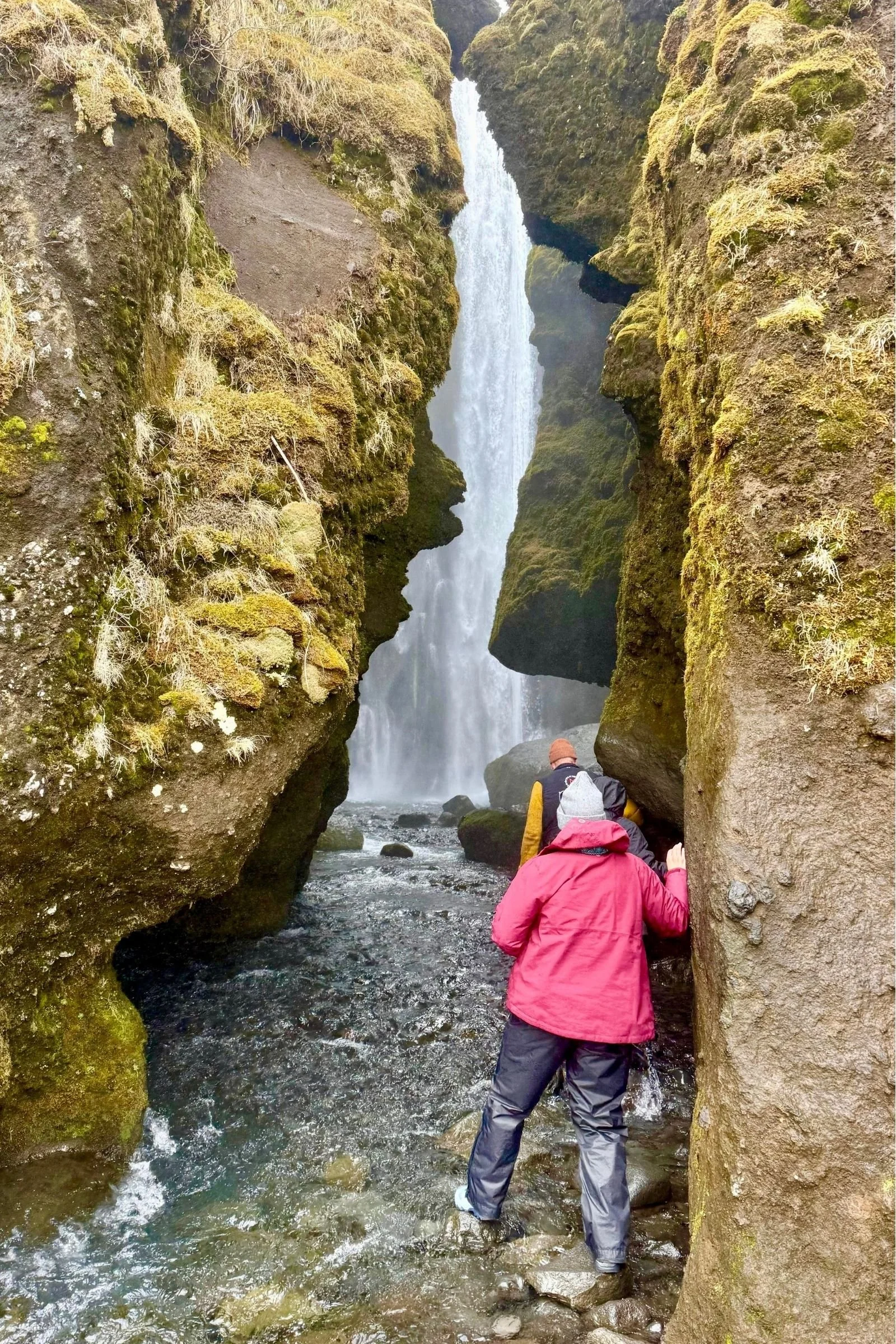
While we've tested them across Colorado and Washington in creek crossings and mud, what really convinced us these are the best waterproof hiking boots was wearing them for a week straight in Iceland.
In the notoriously wet and cold weather of Iceland, we realized that the Ultra Raptor 3 Mid GTX boots aptly handle mud, ice, snow, and river crossings for multiple days.
After four months of testing, we realized that they not only support trekking in ideal conditions, but they’re also the kind of boots you want to be wearing when hikes don’t go according to plan.
We named it Best lightweight waterproof hiking boots in our Best Waterproof Hiking Boots guide and it also won Best Waterproof Hiking Boot in our Best Women's Hiking Boots guide.
Read more about them in our in-depth review of the La Sportiva Ultra Raptor 3 Mid GTX boots here.
La Sportiva Ultra Raptor 3 Mid GTX

-
We wore these boots for about 35 miles while evaluating qualities such as grip, durability, breathability, and weather resistance, and we directly compared them to more than 10 other pairs of hiking boots.
-
Many hiking boots are built with GORE-TEX, but that doesn't mean they are equal. We tested so-called waterproof hiking boots side by side in a local Colorado creek by fully submerging them for 15 minutes. Not only did they protect us from short-term submersion, they also kept water out and our feet remained dry and comfortable at the end of our trek.
While some boots passed the first test, only a handful of them managed to pass the second. And the Ultra Raptor 3 Mid GTX boots were the most reliable boots among them when it came to weatherproofing.
-
A waterproof hiking boot can't just be waterproof. It has to be comfortable, agile, and have excellent grip and traction. This is important because when you're hiking in the rain, the trail, rocks, and roots are likely to be slippery.
-
The biggest drawback is that they require a short break-in period. But their agility and reliability make them one of our favorite boot models we’ve tested, and we truly love these boots.
Other rain boots we tested
La Sportiva TX Hike Mid GTX Boots

Price: $209
Sizes available: 5.5 - 11
Shaft height: 6"
Waterproof: Yes
Material: GORE-TEX
Footwear closure: Lace-up
We’re obsessed with the La Sportiva TX Hike Mid GTX boots. These boots won in the category of best overall hiking boots in our Best Hiking Boots for Women guide because of their lightweight, technical design. This is the kind of boot we’d want with us while scrambling and tackling questionable terrain. They’re our go-to boots on fourteeners, long days in the woods, and on short overnight trips largely because of their agility and comfort.
La Sportiva TX Hike Mid GTX Boots
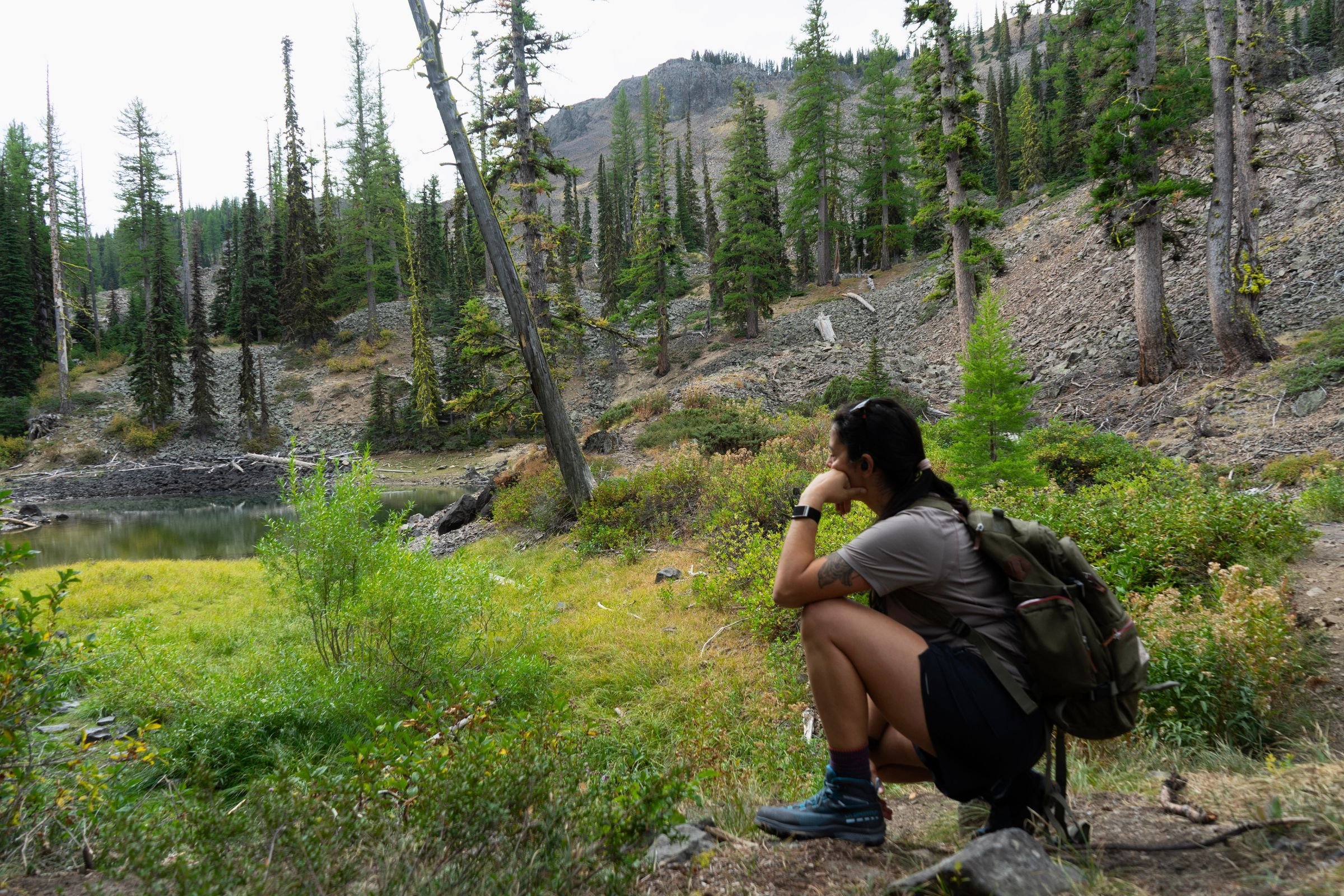
We love the La Sportiva TX Hike in wet situations. We wore the La Sportiva TX Hike Mid GTX during a handful of creek crossings in Washington and found that the interior stayed dry, but by the third crossing water was no longer beading up on the outside of the boots, which just meant that we ended up carrying a bit of water weight. But unlike heftier boots we tested, the TX Hike’s exterior dried by the end of our hike.
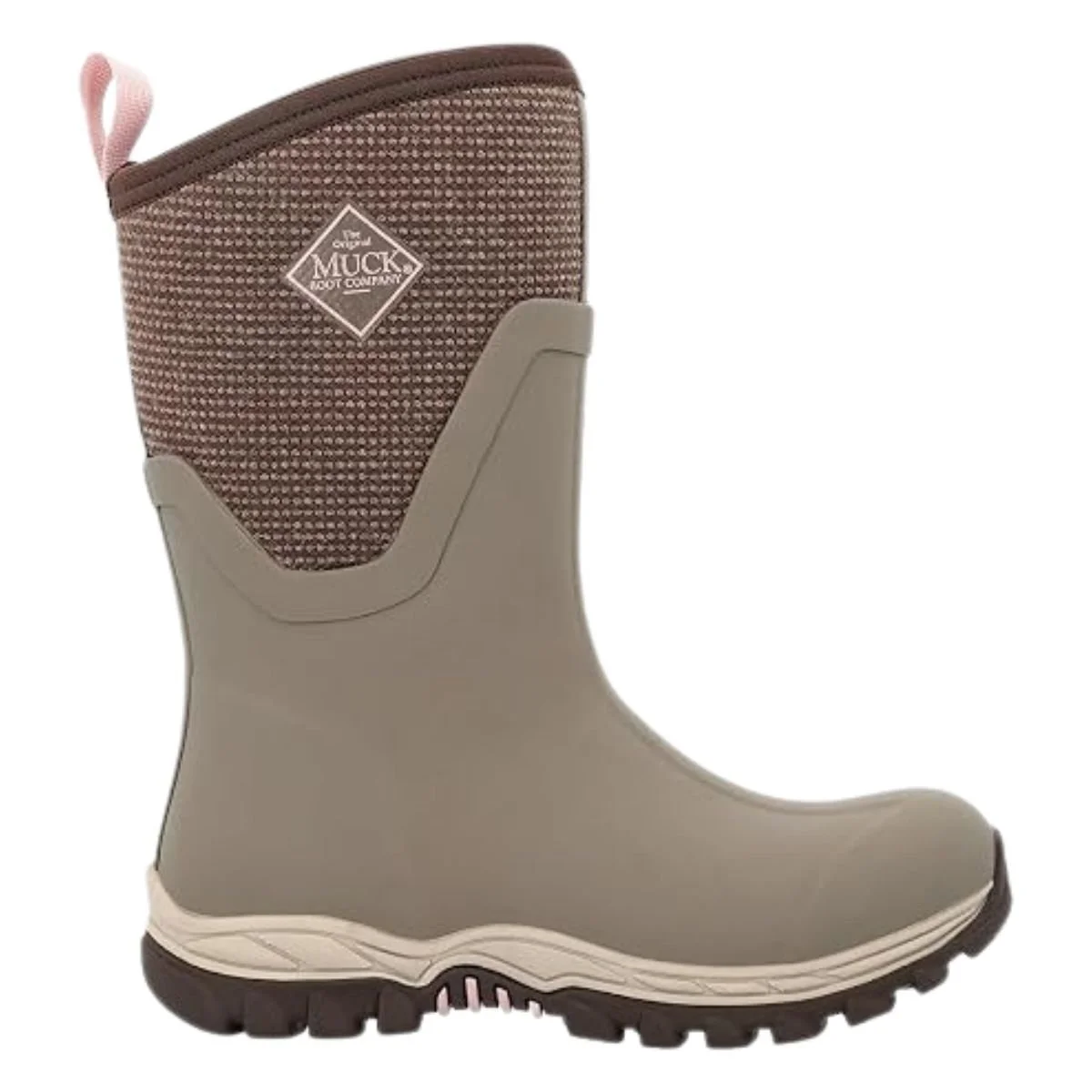
Price: $144
Sizes available: 5 - 11
Shaft height: 15 inches
Waterproof: Yes
Material: Neoprene
Footwear closure: Pull on
This is a workhorse of a rain boot, as evidenced in the decades-long testing by appreciative Iowa farmers and Colorado ranchers. Muckboot Arctic Sports can tackle mud, slush, puddles and more without hesitation thanks to 5 mm-thick neoprene uppers, waterproof rubber outsoles, and thick tread.
Our only gripe as a true rain boot is the insulation in these boots — for shoulder season work, they keep your toes toasty, but can run too warm for most people.
Muckboot Arctic Sport
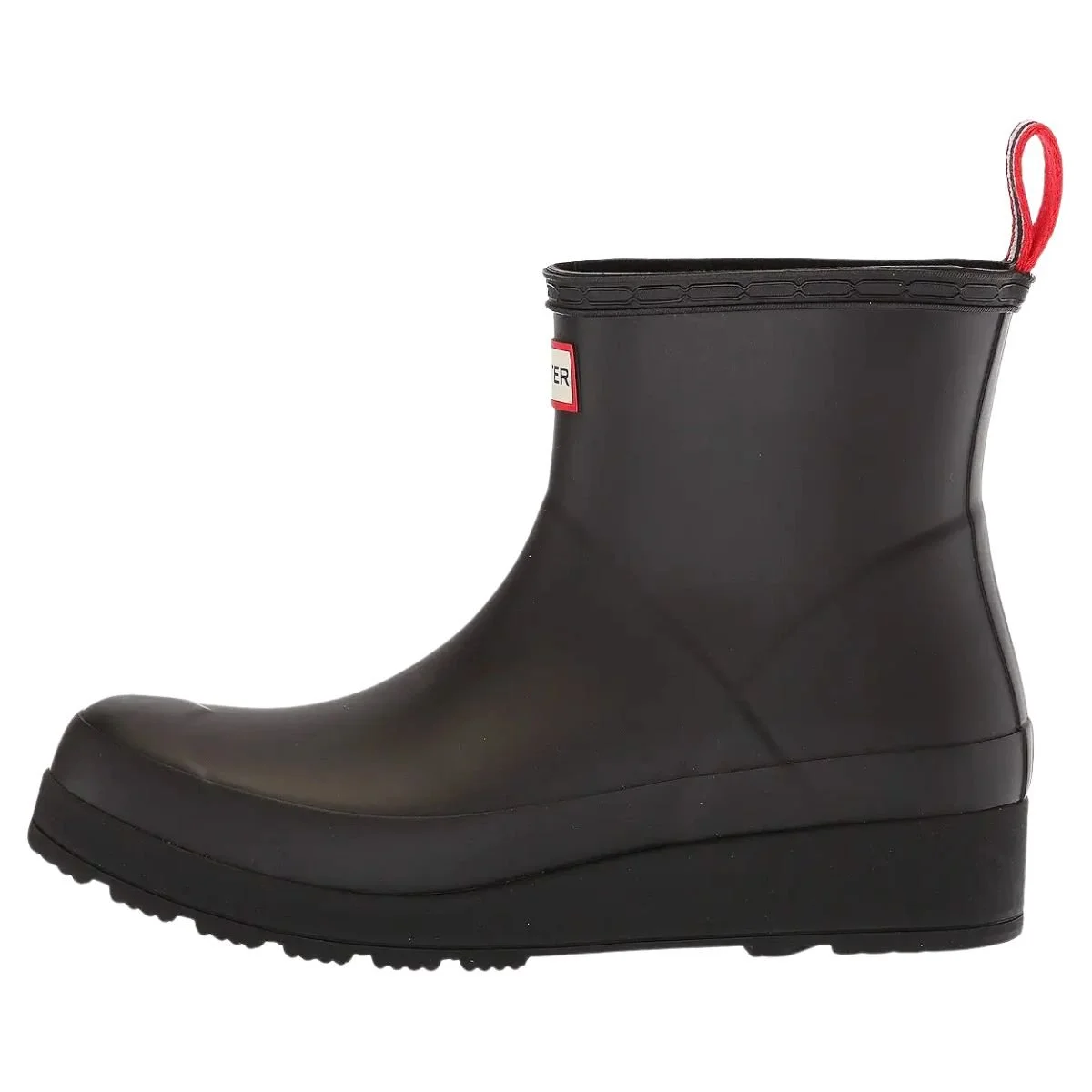
Price: $125
Sizes available: 5 - 11
Shaft height: 5 ¾ inches
Waterproof: Yes
Material: Natural Rubber
Footwear closure: Pull on
These boots were a fun, stylish, and pretty comfortable option for walking around town — but other boots just beat them out in terms of comfort, usefulness, and design.
If you’re looking for a fully rubber option for city walks or running errands, these are a great option, although we wished for another pull-on tab in the front.
Hunter Play Short


Price: $110
Sizes available: 6 - 12
Shaft height: 6 inches
Waterproof: Yes
Material: Rubber
Footwear closure: Pull on
The intention behind the Bogs Amanda Chelsea Rain Boots design was a great one — have two flaps of rubber meet behind elastic on the ankles, for even greater water protection. Unfortunately, the execution didn’t wow our testers. The separating flaps were difficult to navigate when pulling the boot on, and sometimes pinched ankles while out walking. The grip, comfy sole, waterproofing and style points are all major pluses, but we couldn’t get past those interior rubber flaps.
Bogs Amanda Plush II Chelsea Rain Boots


Price: $149
Sizes available: 5–11
Shaft height: 8"
Waterproof: No (partially)
Material: Waterproof full-grain leather
Footwear closure: Lace up
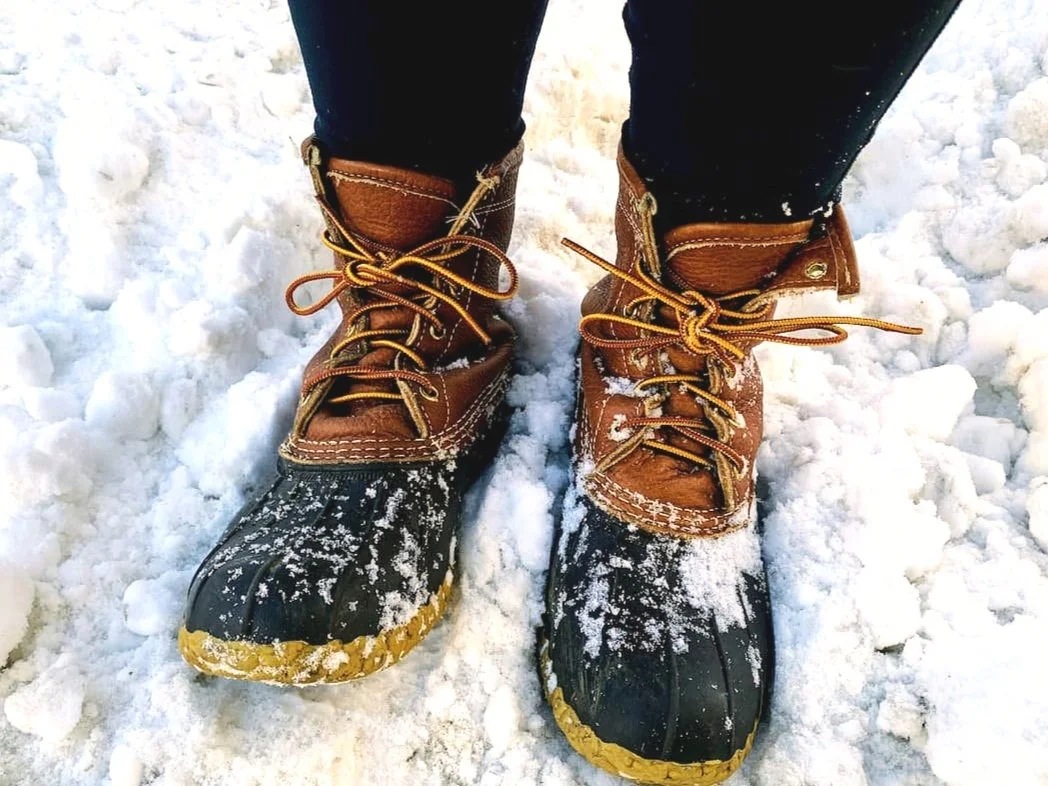
We couldn’t leave out a classic! For lace-up rain boots, L.L.Bean’s duck boot design does work well, but they were not fully waterproof in our testing. In puddles, water can seep through the laces and the tongue to infiltrate your socks.
L.L.Bean Boots

For drizzly days or smaller puddles after a nor’easter, these boots are fantastic — we’ve given them high marks in our Best Women’s Winter Boots and written an in-depth review of the L.L.Bean Boot, too. Ultimately though, fully waterproof boots won us over.

Price: $275
Sizes available: 6 - 11
Shaft height: 6"
Waterproof: Yes
Material: Waterproof leather, waterproof elastic
Footwear closure: Pull on
The Blundstone All-Terrain Thermal is a more robust version of the Blundstone Originals that we recommend as our best rain boots for walking around town. The All-Terrain Thermals are waterproof; the Originals are water-resistant. The All-Terrains are insulated, making them less suited for three-season conditions than the Originals. They're also about $75more for that insulation. We think most people looking for rain boots (as opposed to winter boots) will be happy with the Blundstone Originals and find they offer all the water resistance you need. But if you like the Blundstone look and need more warmth, consider the All-Terrain Thermals.
You can learn more in our in-depth review of the Blundstone All-Terrain Thermal boots.
Blundstone All-Terrain Thermal


What to look for in rain boots
Material
When you’re looking for hardy rain boots, make sure to utilize three main criteria: comfort, durability, and waterproofness. Most rain boots involve some form of rubber, which is waterproof and used in many shoes to protect you from moisture. Sometimes this can mean the entire boot is made of rubber, such as the XTRATUF Legacy Boots, or sometimes just the lower foot and toes can be encased in rubber, like the classic L.L.Bean Duck boots.
Like the Bean Boots or Blundstones, some boots use leather or suede for the uppers, which are generally waterproofed and seam-sealed. Nylon can also be waterproof-treated, but generally isn’t as durable as rubber or suede. When in doubt, we suggest a fully waterproof boot.
Waterproofing

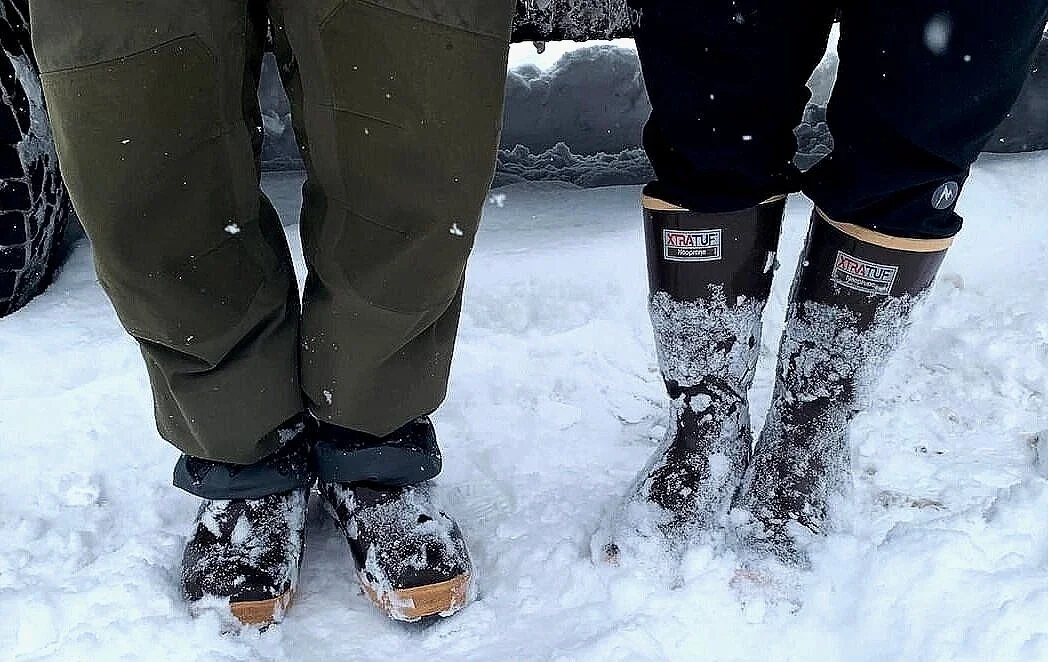
Comparison of the LL Bean Duck Boots (top) with XTRATUF rain boots (bottom).
The most important aspect for rain boots is the waterproofness! Not every rain boot will be waterproof, and there are varying levels of waterproofness (or water resistance) that you should look out for when making your choice.
Water-resistant boots will initially repel water, but prolonged submersion (think walking through puddles or steady rain) will soak through quickly.
Waterproof boots can mean two things, as evidenced by our testing:
That the bottom of the boot is waterproof, like the rubber on L.L.Bean duck boots, but the uppers of the boot are not fully waterproof. This can happen on duck boots, even if the boot has been treated with a waterproofing solution, including sealing seams. The boots can still have leakage-access points, like tongue gussets, laces, or not-so-sealed seams. Even sturdy boots like Blundstones can have water-resistant spots, like the deep ankle spots, where water can permeate with submersion.
The boot is waterproof-treated and molded in one contiguously shaped structure with minimal or no seams for water to access, or made from one external material for the upper shaft and lower part of the boots, like the XTRATUF Legacies. This gives little opportunity for water to permeate through seams or transitions to different materials.
Essentially, manufacturers can claim that their boots are waterproof for simply having a waterproofing treatment and waterproof bottoms. Our testers know moisture, however, and take the statement “waterproof” seriously. If they can’t withstand submersion in a river bank, deep puddle, or boggy mud for an hour at a time, we won’t call them waterproof.

Traction
Traction is a key factor in rain boots, as rain tends to make surfaces slick and dangerous. Not every boot we tested had a mud tire-esque grip like Blundstones or the Grundens Deck Boss, but others were made with tread in mind, like the XTRATUF Legacy and Hunter’s Original Tall Rain Boot.
If you’re just looking for a good rain boot to get you from the car to the coffeeshop, tread might not be your first priority; however, if you use your rain boots as work boots or shoulder-season-into-snow boots, tread could save you a bruised tailbone.
Many of our testers work and guide in their rain boots, whether it be on rivers, by the ocean, or on soggy rainforest trails. Their biggest tips? “Your rain boot tread should kind of look like snow tires. You want enough to grip through the mud down to dirt, and to catch if you step on a slippery root.”

Insulation and lining
Some rain boots come with insulation, as rain can also drop the temperature — or at least the humidity will make it feel colder. A light insulation can add comfort to the boot, but if you’re like the author and run warm, you may not want any insulation in your mid-summer rain boot.
Keep an eye on the sizing chart and description as you research your new rain boots. Some insulation may pack down, but it may also give you a more snug fit. If you need more insulation than offered by the rain boots in this guide, see our guides to the Best Women's Winter Boots and Best Men's Winter Boots.
Comfort and fit
You won’t wear the boots if they aren’t comfortable. The author knows that from experience when she showed up to downpours in Southeast Alaska in cheap, hard rubber Walmart rain boots. She quickly coughed up the money for pliable local favorites, XTRATUFs.
Look for rain boots that will fit your feet, ankles, and calves (if they’re taller) comfortably, but leave room for different thickness of socks. Too much room in the heel and ankle will give you blisters as the boot moves around on you, but the same can be said for too snug of a fit. Too loose of a boot will also trip you more easily as you fight to maintain balance as you walk.
Women’s boots generally have a slimmer heel and narrower foot, along with a narrower calf, but some women’s feet and legs fit better into wide options or men’s boots.

Shaft height
We love a taller rain boot. It gives you the advantage of stepping where you need to without fear of splashing, and makes it harder to swamp your boots with a taller shaft. However, tall boots are not always the most convenient (and they retain heat more easily than ankle-height boots), so if you plan to spend a lot of time in rainy weather, you may want to consider something closer to the ankle for ease of pulling on.
Ease of putting on and taking off
As with snow boots, this is the age-old struggle. Rain boots should fit well enough that they’re easy to pull on with a little resistance as your foot goes in. That means you still have a snug enough fit that you’re not swimming in the boots, but you’ve left enough room to not crowd your feet.
Some boots come with integrated handles for ease of pulling on, like Bogs Neoclassic boots. Others have tabs on the heel for ease of sliding off with the other foot, like the Blundstones, XTRATUF Deck Boots and Grundens Deck Boss.
Finding the perfect fit

Comparison of the XTRATUF Legacy (left), L.L.Bean Duck Boots (middle), and Hunter Original Tall (right).
Sizing matters
Wear the socks you'll use with the rain boots for accurate sizing. For example, hiking socks tend to be thicker and more cushioned than casual socks, and this can impact fit. If you tend to run cold in the rain and wear thicker socks, make sure you size appropriately when choosing between sizes. Consider half sizes and width options for the best fit.
Measure calf and ankle

Trust us, measurements count towards comfort! Measure your calf circumference for tall boots—some boots will even have a wide calf option, such as the XTRATUF Wide Calf Legacy with an adjustable strap and buckle.
One of our powerhouse lady testers sports muscular calves, and loves the adjustability of the strap and buckle that doesn’t detract from your ability to wear tall boots. If your desired boot doesn’t have a wide calf option, make sure that the ankle fit is still snug but not overly loose if you size up. Your boots should fit your calves comfortably, but not at the expense of ankle support!
Try them on
Seriously. Try them on before you slog through floods in your new boots. Put on both boots and stand up to assess your comfort level just hanging around. Ensure your toes have room to wiggle and the heels fit snugly, but don’t already start to rub. If they aren’t comfortable standing, they won’t be comfortable walking. If you can't make it into a store, we recommend purchasing from a place that has easy and free returns like Zappos.

The wrinkly bunching behind the ankle on these rain boots made it uncomfortable for walking.
Walking comfortably
Check to see if boots allow for natural foot movement. If they grip too tightly or slip around too loosely, you won’t walk comfortably. Not walking comfortably can lead to blisters and rolled ankles, both of which should be avoided.
Adjustable features
Some rain boots, like the XTRATUF Wide Calf Legacy, sport adjustable features like buckles, laces, or straps for a comfier and more secure fit where it counts. These may prove useful for a more comfortable fit. However, lace-up rain boots may also prove helpful to give you size variation or add a little extra ankle support by lacing up tight.
Orthotic consideration
If needed, consider using orthotic insoles for comfort. With that said, you may need to size up on your boots if you’re looking at using orthotic insoles—they can eat up space in generally narrow boot designs. For more recommendations, see our guide Should I use insoles with my hiking shoes?
Test on various surfaces
Take a longer walk on different surfaces to evaluate comfort. Check your boots out on sidewalks, mud, roots, rocks, and slick grass to make sure they hold up against all conditions. Don’t forget to splash through a few puddles to make sure they hold up!
Use size charts and reviews
Refer to the brand's size chart for guidance. However, in our experience, reading customer reviews for insights on fit is immensely more helpful. As someone who wavers between half sizes, customer reviews on narrow or large fit can make a huge difference. We're a big fan of retailers like Zappos that show whether shoes run large, small, or true to size in length and width.

Cleaning rain boots after wear helps keep them working for the long run.
Rain boots care and maintenance
You can see all our gear care tips in our section dedicated to Gear Cleaning, Repair, and Maintenance.
Cleaning basics
Regularly rinse off your boots from mud and dirt with water. Use a mild soap for deeper cleaning when needed. Do not use abrasive cleaners that can damage the surface of your boots—no wire brushes, no steel wool, etc. Instead, opt for using soft cloths or brushes for cleaning.

Wipe any oil from the street off of your rain boots. You may even want to use a gentle detergent.
Drying properly
Wipe boots dry with a clean cloth after use. Avoid direct heat sources like radiators for drying, as this can damage or even melt your boots. Make sure to place the boots in a well-ventilated area to avoid mold and mildew after rainy sessions.
Interior care
Turn boots upside down to allow water to drain. Use boot shapers, crumpled newspaper, or empty bottles to maintain the shape of taller boots. Use a boot dryer, fan, or hair dryer on cool to dry out interiors of boots. (Don’t leave the hair dryer unattended, though!)
Preventing odors
Allow boots to fully dry before storing to avoid funky odors, mold, and mildew. If they continue to smell after drying, sprinkle baking soda inside the dry boots to absorb odors. Although designed for apparel, see our guide to Best Sports Detergent for some detergent options that may help.
Storage tips
Keep rain boots in a cool, dry place. Excess heat (like next to a radiator) can damage your boots and permeate funky smells. Avoid storing them in direct sunlight to prevent material damage.
Conditioning the material
Apply rubber conditioner to prevent cracking before storing for drier weather. Use specific products recommended by the manufacturer for specific materials.
Regular inspection
Check for any signs of wear, cracks, or damage, and make sure to do so especially before putting away your rain boots for the drier weather. Timely maintenance can extend the life of rain boots.
Are rain boots eco-friendly?

Rain boots are essential for wet conditions, but their environmental impact varies widely depending on materials, production methods, and disposal practices. We here at Treeline Review think it's important to dive into some of the environmental manufacturing and life cycle analysis of bigger items like boots. Here’s what to consider when looking for sustainable rain boots:
Materials matter
PVC vs. natural rubber: Many traditional rain boots are made from polyvinyl chloride (PVC), a plastic that is non-biodegradable and difficult to recycle. In contrast, natural rubber is a renewable material that decomposes more easily and has a lower environmental footprint.
EVA alternatives: Some brands use EVA (ethylene-vinyl acetate) for lightweight, flexible rain boots. While EVA is more durable than PVC, it is still a synthetic material with limited biodegradability.
You can learn more about sustainability in rubber and rubber alternatives in our yoga mats guide.
Manufacturing and sustainability efforts
Ethical sourcing: Look for brands that source sustainably harvested rubber and use eco-friendly dyes and adhesives. Note that some brands advertise "non-Amazon rubber" as rubber plantations may be linked to Amazon deforestation.
Low-impact production: Some manufacturers prioritize carbon-neutral production or use recycled materials to reduce waste.
Fair labor practices: Choose boots from brands that follow ethical manufacturing standards as this can ensure workers are treated fairly.
Durability and lifespan
Longer-lasting boots reduce waste: Investing in high-quality, repairable boots extends their lifespan and keeps them out of landfills.
Get a style and color you like: If you love your boots, you are less likely to want to replace them and more likely to hold onto them for a long time.
Recyclable and biodegradable options: Some companies offer take-back programs or use compostable materials in their designs.
How to reduce your footprint
Choose brands with sustainability initiatives: Look for rain boots made from natural rubber, recycled plastics, or plant-based materials.
Proper care and maintenance: Extending the life of your boots through regular cleaning and proper storage minimizes unnecessary replacements. See our care and maintenance section on how you can best take care of your rain boots.
End-of-life disposal: If your boots wear out, check for recycling programs or upcycling options to keep them out of landfills.
Opting for eco-conscious rain boots helps minimize the environmental impact of your gear.
FAQ
-
Not always. Manufacturers can claim that their boots are waterproof for having a waterproofing treatment and waterproof bottoms. However, if boots cannot withstand submersion in a river bank, deep puddle, or boggy mud for an hour at a time like we tested, we won’t call them waterproof.
-
Absolutely! Not every rain boot is insulated, but waterproof boots are the first step towards keeping you warm and dry. Our testers wore Muck Boots and Xtratuf Legacies year round, including winter with the addition of warm ski socks. If you need more insulation, see our guides to the Best Women's Winter Boots and Best Men's Winter Boots.
-
They can, but keep an eye on the leaky spot. Waterproof patches can be applied, much like repairing a leaky boat. In a pinch, even a piece of duct tape over the leaky area (inside and out) can help keep the water out.
-
If your boots aren’t comfortable enough to wear for miles at a time, it’s time to look for new boots. Our testers walked for miles a day in their boots to make sure comfort and waterproofness were still equally comparable. Still, if hiking is your main purpose for a pair of waterproof boots, we recommend getting a dedicated pair of waterproof hiking boots or waterproof lightweight hiking boots.
-
Some rain boots are more environmentally friendly than others. Natural materials can be harvested in environmentally friendly processes. Natural rubber is naturally waterproof, and environmentally conscious suede can be treated with waterproofing, as well.
-
They are definitely helpful for keeping your feet dry and warm, but they can also retain moisture and heat. Make sure to dry your boots out thoroughly and keep a watch on your feet for too much dampness.
How we researched and tested

Wearing the XTRATUF Legacy while boating in Alaska.
To ensure that we reviewed the best boots for the rainy season, we researched the most popular rain boots and came up with over 30 different choices.
We tested rain boots on soggy Alaska trails, in rivers in Maine, on commutes in the Pacific Northwest, and during farmwork in Iowa. We tested on long walks in New York City, while digging out a flooded house in California, cleaning out the chicken coop in Portland, Oregon, and guiding clients on rafting trips. We also tested waterproof hiking boots in Iceland, Colorado, Washington, and Tennessee. In all, we’ve spent over four years testing rain boots and waterproof boots for women.
To be considered for each winning category, we measured each pair of boots against standardized criteria: good tread, waterproofness, great fit, and ease of pulling on and taking off. For our waterproof recommendations, the boots had to be considered waterproof (or at least water resistant) by our own testing and a majority of customer reviews. We also included a water-resistant option for everyday walking.
- Rainy commutes and long city walks
- Rivers, puddles, and deep mud
- Farm work and flood cleanup
- Rafting trips and soggy trails
- Submersion and side-by-side waterproofing tests
- Waterproofness
- Traction on slick surfaces
- Fit and walking comfort
- Durability
- Ease of getting boots on and off
About the author / Why you should trust us

The author guiding on the river in Alaska, wearing the XTRATUF Legacy boots.
Rain is a welcome commodity for me. I spent years in Southeast Alaska’s temperate rainforest, hiking, and rafting daily in inches of water a day. Moving to rain-soaked New England reinforced that. I wouldn’t give up the rain for a bone-dry desert day, ever—but I do prefer to keep my toes warm. And having owned four of the boots recommended here for years, I can confidently say that I know what works and what doesn’t.
I’ve been a backpacking, rock climbing, hiking, and rafting guide in Alaska and Colorado; many of my “summer” seasons up north involved more inches of rain than people in town. Spending 3 years on volunteer fire departments in Alaska and Maine has sent me out on Search and Rescue calls in downpours, ambulance calls in snowdrifts and lake-sized puddles, and fire calls where water would freeze as soon as it left the hose.
My gear expertise stems from 6 years of gear reviews for Backpacker Magazine, 6 years of guiding, years of wet-weather adventures, and a plethora of gear-head friends. In addition, I’ve written outdoor lifestyle pieces for REI’s Uncommon Path Magazine and Powder 7 Ski Shop’s Lift Line Blog. (For additional publications and upcoming articles, check out my website.)
Let it be known: no one in my family (including myself) is sponsored, an ambassador, or an employee of any of the companies mentioned here. This is unbiased, and we do this to help you find the best product for the price. Treeline Review doesn’t accept sponsored content, native advertising, or paid reviews.
You can read all of my articles on my author page.