I ran roads and trails in the HOKA Challenger 8 Running Shoes — here’s what stood out
An in-depth review of the HOKA Challenger 8 shoe for crossover road running and trail running
January 7th, 2026
Home > Gear Reviews > Footwear
Our Verdict
The HOKA Challenger 8 bridges the gap between trail running and road running. With the Challenger, you can run on trails or pavement, and we like to use them for both in the same run. For example, you can start a run on the sidewalk outside your front door, hop on a gravel path through the park, then get on a trail that leads up your local mountain.
The Challenger is the ideal running shoe for trail runners who don’t always want to drive to a trailhead just to run. They have plenty of cushion, so they’re great for any run, even recovery days. Since they have so much cushion, they’re not nearly as fast as a road running shoe or a trail shoe built for speed. But they’re faster and lighter than a burly trail running shoe, and we love them for long runs because of the extra cushion.
The star of the show here is HOKA’s signature midsole foam, which hasn’t changed in the newest version of the Challenger. This midsole is still a plush, soft, yet springy layer of EVA foam that cushions you on every footfall, then rolls forward as you push off for your next step.
The newest version of the HOKA Challenger makes mostly subtle changes. The biggest change between the Challenger 7 and 8 is that version 8 has 8 mm of heel-to-toe drop. Compared with the 5 mm in the Challenger 7, this is not a significant change. However, the difference in drop is noticeable.
We tested both the women's and the men's versions of the Challenger 8 running shoes this year. We tested the women's Challenger 8 on roads and trails around Tahoe, California. We tested the men’s Challenger 8 on trail and road runs in canyons in Colorado and Utah, as well as in the Mosquito Range between Buena Vista and Leadville, Colorado.
While we appreciate the versatility and comfort of the HOKA Challenger 8, it must be stated that this shoe has its limitations. Mainly, since this is a crossover shoe, it’s not great for rugged trails or fast road running. If you’re looking for a trail shoe, this isn’t for you. And if you’re looking for a road running shoe, this also isn’t the shoe for you. But if you’re looking for a shoe to wear on mixed-surface runs, you should consider the Challenger.
As backpackers, thru-hikers, and trail runners, we prefer to be on a trail for most runs. However, we’re not all lucky enough to have single-track access out our door. So, we often run on pavement for part of our runs. The Challenger 8 is a great shoe for anyone who’s like us. This is an excellent do-it-all shoe. Whether you’re a trail runner who wants a less aggressive shoe for crossover runs or a road runner who’s looking to get into running on smoother dirt trails, the Challenger 8 is a great option.
men's
Women's
We create reader-supported, mission-driven objective gear reviews independently selected by our editors. This story may contain affiliate links, which help fund our website. When you click on the links to purchase gear, we may get a commission — without costing you an extra cent. Thank you for supporting our work and mission of outdoor coverage for every body! Learn more.
HOKA Challenger 8 Specifications
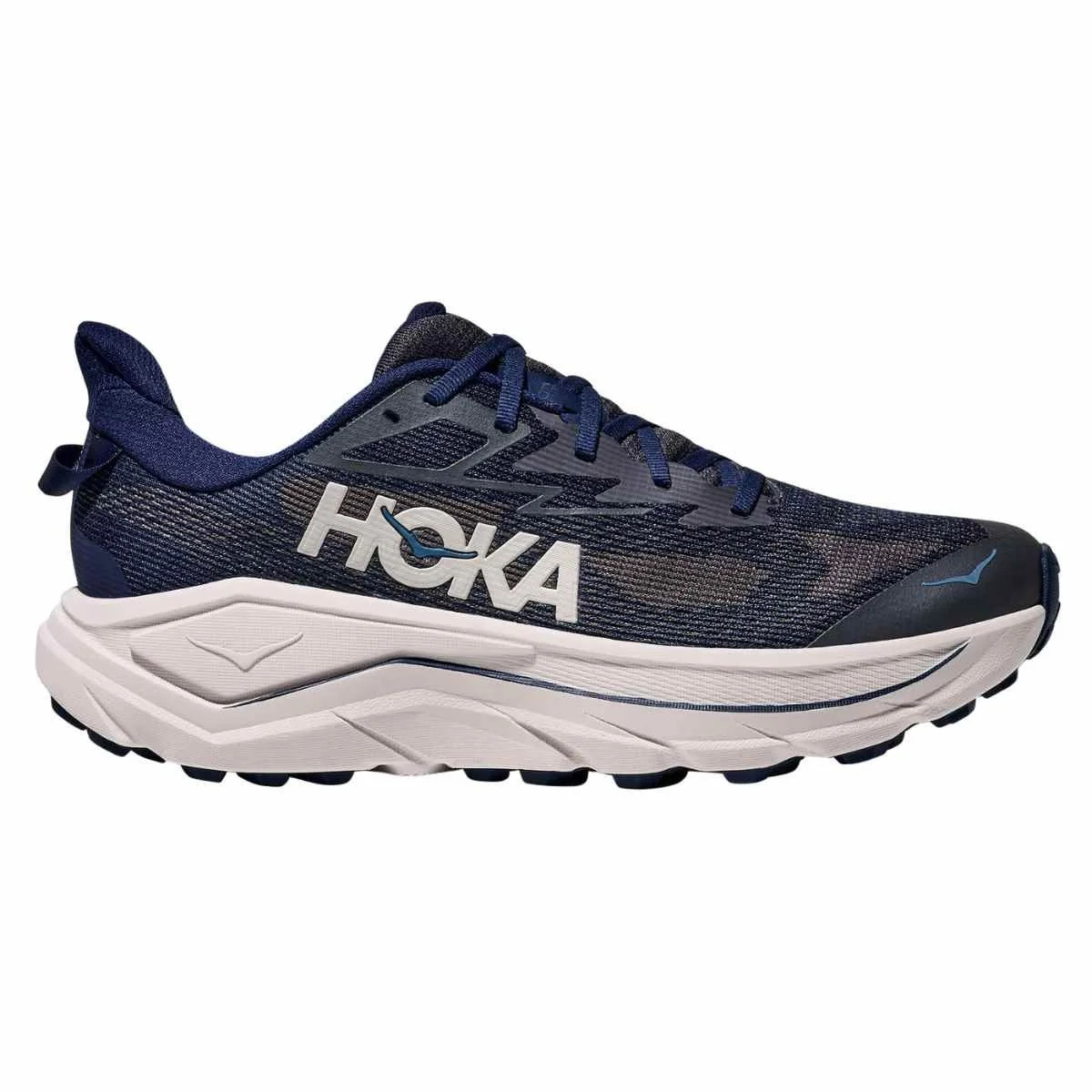
Cushion: Maximum cushion
Stability: Neutral
Heel-to-Toe Drop (mm): 8 mm
Stack Height: 42-34 mm (Men’s), 38-30mm (Women’s)
Lugs: 4 mm
Upper: Vegan mesh
Midsole: Compression-molded EVA
Outsole: Rubber
Weight (pair): 17.4 oz (men's), 14.6 oz (women's)
Comparison table
| TRAIL RUNNING SHOE | WEIGHT MEN'S | WEIGHT WOMEN'S | CUSHION | HEEL DROP | STACK HEIGHT |
|---|---|---|---|---|---|
| HOKA Challenger 8 Men's Women's |
8.7 oz | 7.3 oz | Maximum | 8 mm | 42/34 mm (men's), 38/30 mm (womenls) |
| Craft Xplor 2 Men's Women's |
11 oz | 8.9 oz | Moderate | 6 mm | 38.5/32.5 mm |
| Brooks Cascadia 19 Men's Women's |
10.7 oz | 9.8 oz | Maximum | 6 mm | 35/29 mm |
| Salomon Aero Blaze 3 GRVL Men's Women's |
9 oz | 7.2 oz | Moderate | 8 mm | 35/27 mm |
| Altra Lone Peak 9+ Men's Women's |
11.1 oz | 9.3 oz | Moderate | 0 mm | 25 mm |
Best for
Road-to-trail crossover running (though not highly technical trail running)
Runners who prefer lots of cushion
What we liked
Road-to-trail versatility
Supportive upper
Well-cushioned
Supportive midsole
Available in wide sizing
Improved fit in the forefoot and instep
Good traction
What could be better
Higher heel-to-toe drop isn’t for everyone
Not as fast as a road shoe nor as suited for technical trails
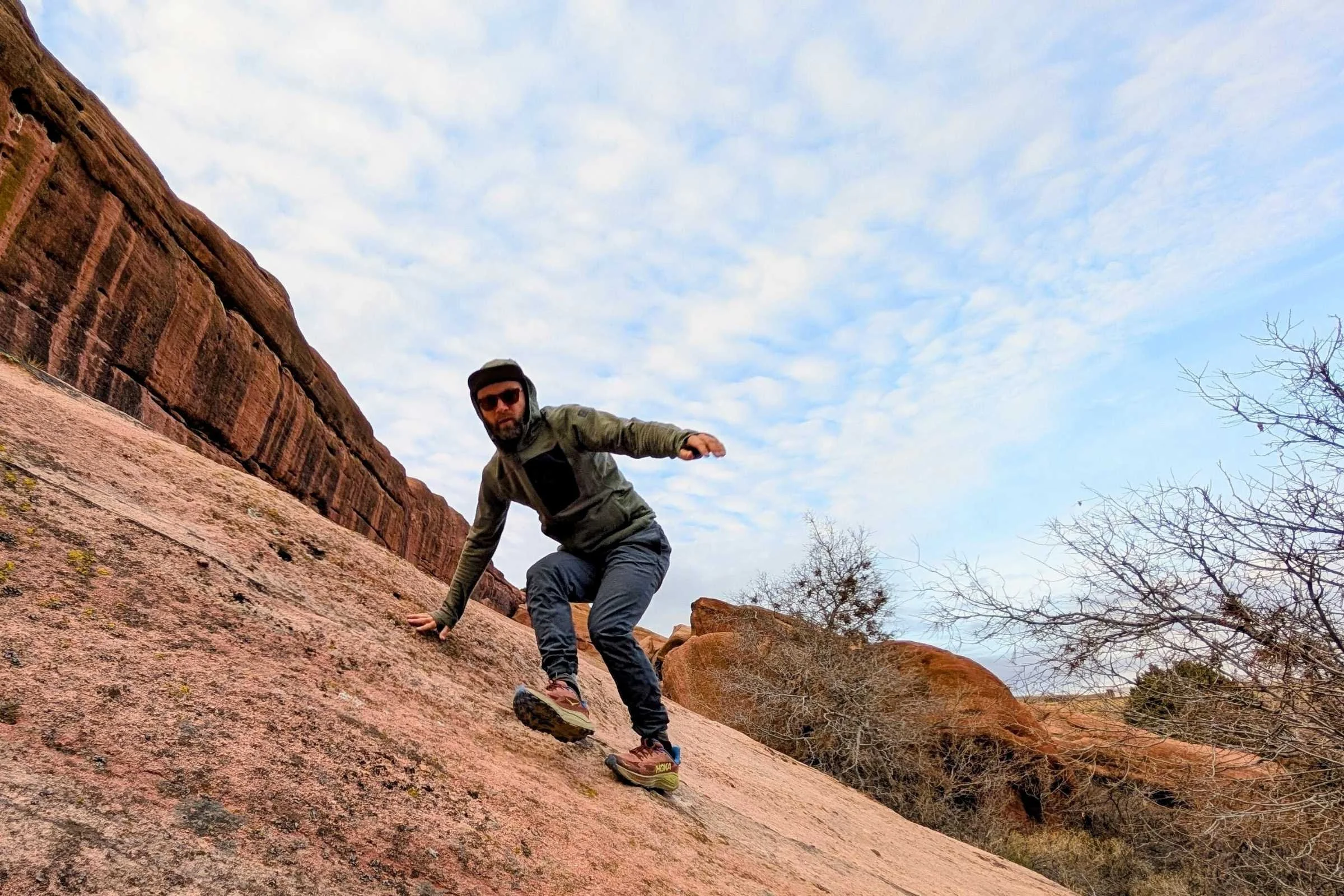
While not the stickiest outsole, it grips well enough on slickrock surfaces.
How we tested
We tested both the women's and the men's versions of the HOKA Challenger 8 running shoes. We tested the women's Challenger 8 on roads and trails around Tahoe, California, and the men’s on trails and roads in Colorado and Utah, including in the Mosquito Range between Buena Vista and Leadville, Colorado.
We’ve also tested previous versions of the HOKA Challenger. Our men’s tester, Sam, has long used the Challenger as his “road running” shoes, where he runs out his front door, then follows pavement to the nearest trail. Our women’s tester, Sara, has put over 500 miles on her Challenger 7 for crossover runs across California and expects the 8s to last just as long as the 7s.
We tested these shoes alongside other road running shoes, trail running shoes, and gravel running shoes to compare fit, comfort, responsiveness, traction, durability, and more.

Performance in the Field
Fit
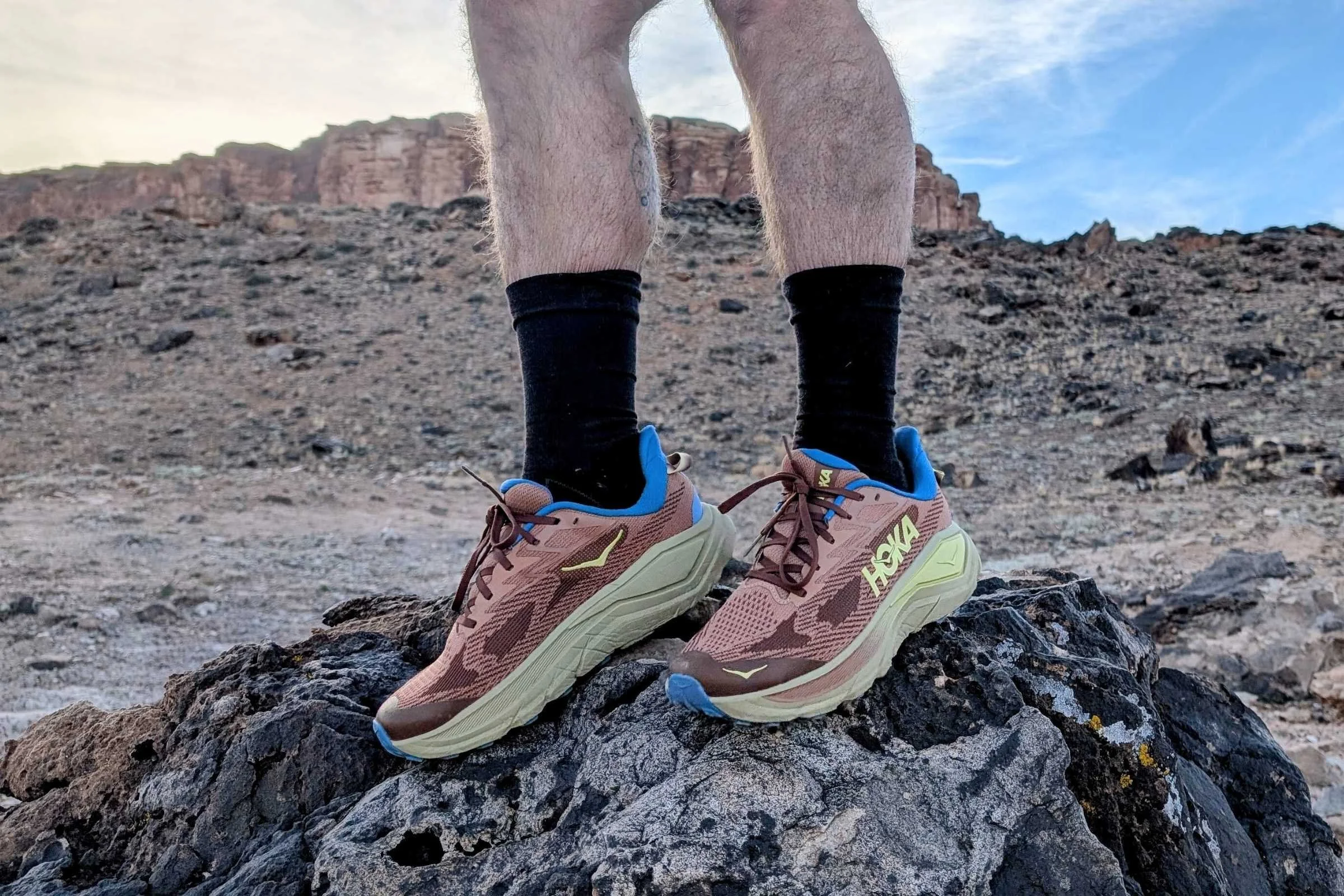
The Challenger 8 fits true to size. If you've worn other HOKA shoes, you'll wear the same size in the Challengers as in other models. If you haven't worn HOKAs before, we recommend trying the size you usually wear first, as that's likely your HOKA size too.
Sam, or men’s tester, usually wears a US men's 9.5. He’s worn the HOKA Challenger 7, Challenger ATR, Clifton 10, Speedgoat 6, Torrent, Mach 6, Stinson One7, Arahi 8, and Rincon 4 in that size. His pair of size 9.5 Challenger 8s fit as expected.
The Challenger 8 features a new last that HOKA claims offers improved fit in the forefoot and instep compared to the previous version. We think it feels pretty similar to the Challenger 7, but that’s not a bad thing because we loved how the Challenger 7 fit. The forefoot feels slightly wider without being sloppy, and the instep wraps more securely around the midfoot. This updated fit makes the shoe feel dialed right out of the box.
The Challenger 8 comes in wide (EE) and regular-width (D) sizing. This shoe runs slightly wide by default, or at least wider than narrower running shoes from brands like Salomon, La Sportiva, and Nike. Sam has wider-than-average feet. His foot measures wide on the Brannock Device, but he doesn’t wear the wide version of the Challenger 8 because the regular width fits his foot. He’s worn the Challenger ATR in a 9 wide, too. And while those fit, he had to lace them tighter. Ultimately, he found the regular-width (D) Challenger feels more secure on uneven terrain.
Our women's tester, Sara, wore the Challenger 8 in a women's 10, standard width. She also found the Challenger to be true to size.
All feet are different, so it's hard to predict sizing, but HOKA doesn't throw any curveballs with the Challenger 8's sizing. And the wide sizing makes these shoes even more inclusive.
Midsole and Cushioning
HOKA's signature midsole foam
HOKA's signature midsole foam is the star of the show in the Challenger 8, as it is in most HOKA running shoes. The HOKA midsole is made of a thick, soft, yet springy layer of EVA foam. This layer cushions your foot as it lands on the ground, then propels you as you push off for the next step.
HOKA's midsole is also slightly curved to encourage your foot to "roll" forward as you land on your heel and move to push off your forefoot. HOKA calls this a MetaRocker, and the result is subtle but effective. These shoes don't magically propel you forward on their own, but the curved shape does push you forward, albeit slightly.
Level of cushioning compared to other trail shoes/road shoes
The Challenger 8 has more cushion than many other running shoes. Most trail and road shoes have between 20 and 25 mm of stack height, which means they have approximately that much cushion. The Challenger has 42 mm in the heel and 34 mm in the forefoot for men's shoes, and 38 mm in the heel and 30 mm in the forefoot for women's shoes.
The cushion in these shoes protects your joints when running on pavement and protects you from sharp objects underfoot when running on trails. We especially like well-cushioned shoes when running on hard surfaces, so these shoes are great for pavement.
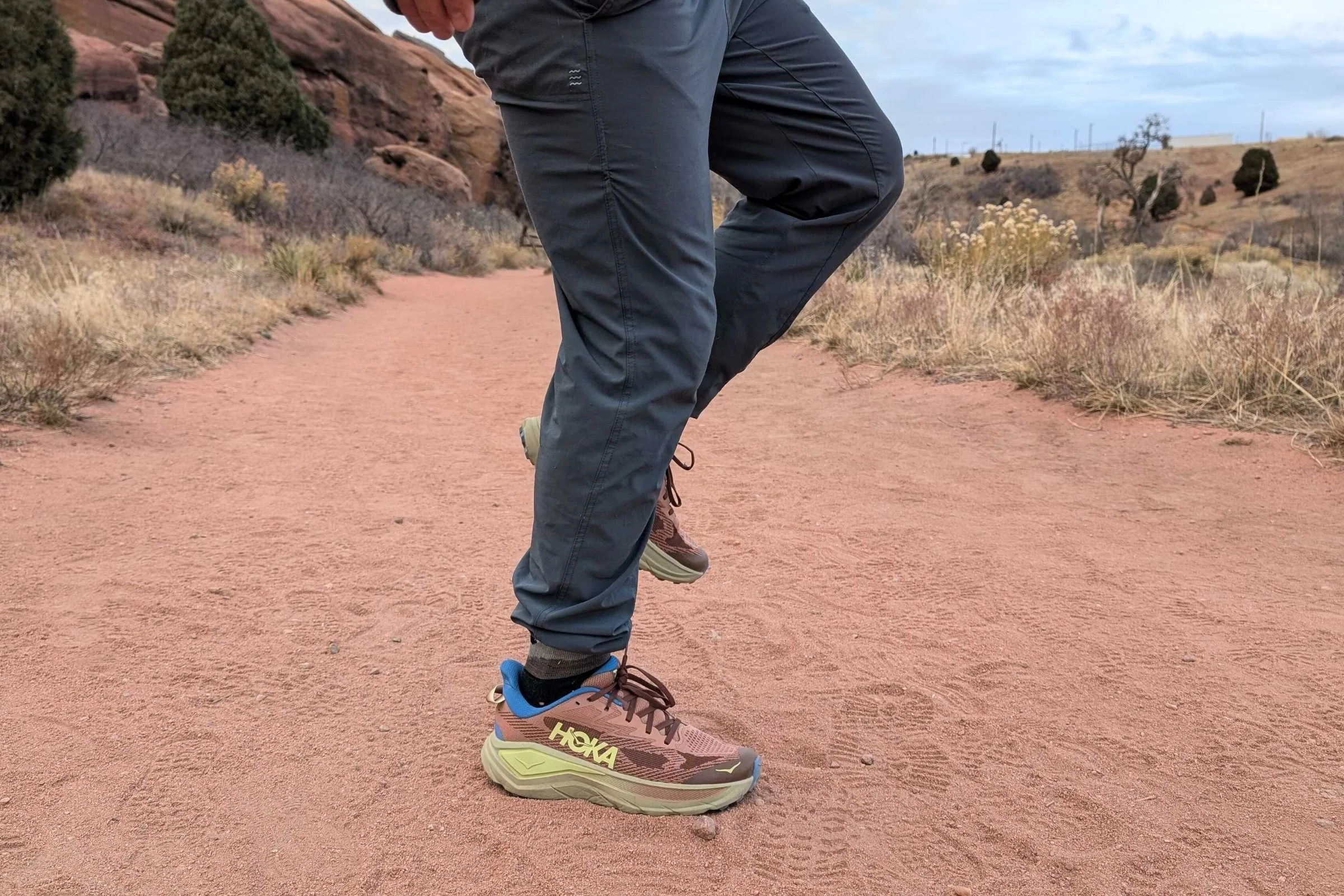
The Challenger 8 has tons of underfoot cushion.
Impact absorption and energy return
The Challenger’s generously cushioned midsole absorbs impact as your foot lands with every step. The Challenger 8 has even more cushioning in the heel than previous versions, so it will cushion your footfall even more, especially if you strike with your heel first as you stride. Most runners would benefit from a shoe cushioned like the Challenger. Those especially prone to landing hard on their heels with every step will benefit most from these shoes.
When your foot hits the ground, the shoes' cushioning takes the brunt of the impact, not your foot, knee, and hip. The midsole is also quite springy, which means you get good energy return when you push off on the forefoot. It’s not as springy as some running shoes, but we think it strikes a good balance between cushion and energy return.
Comfort
The Challenger 8 is comfortable out of the box. When running, the upper wraps around your foot in a supportive and comfortable way. The new fit in the forefoot and instep feels natural and secure, though not very different from the Challenger 7 (again, this isn’t a bad thing).
The padded tongue and heel collar make the shoes comfortable as well. When you tighten the laces, the padded parts of the shoe tighten against your foot, feeling secure without being too tight.
The cushioned midsole softens your landing with each step. These shoes feel more comfortable as you go farther because they prevent your feet and joints from fatiguing as quickly.
The benefits of this cushion are most evident on the road, but we find that a well-cushioned and comfortable shoe on trails is often more critical. Uphill traveling on trail runs is slower than running on roads, so you're on your feet for more time, even if you aren't running faster. And more cushioning under your feet for more time means your feet don’t get as tired, allowing for even more time on your feet and more time outside.
Stability and Support
The Challenger 8 is a relatively stable and supportive shoe overall. These shoes feel balanced. They give adequate arch support, and the footbeds prevent your feet from sliding.
“Stability shoe” in the running shoe world means a specific type of shoe that prevents your foot from overpronating. The Challenger 8 isn’t a stability shoe in this sense. It has the same amount of cushioning from the inside to the outside of the foot, providing a neutral platform. This means these shoes won't correct overpronation (your foot rolls inward). They provide average arch support, nothing more, which is best for most people.
However, in the general sense of stability and support, the Challenger never feels like we’re going to roll an ankle on uneven terrain. Even though they have a higher-than-average stack height, they support our feet on uneven, rocky terrain. The higher stack height doesn’t feel as stable as the HOKA Speedgoat 6, however, and if you’re looking for a shoe to run on rugged trails, we recommend that HOKA shoe.
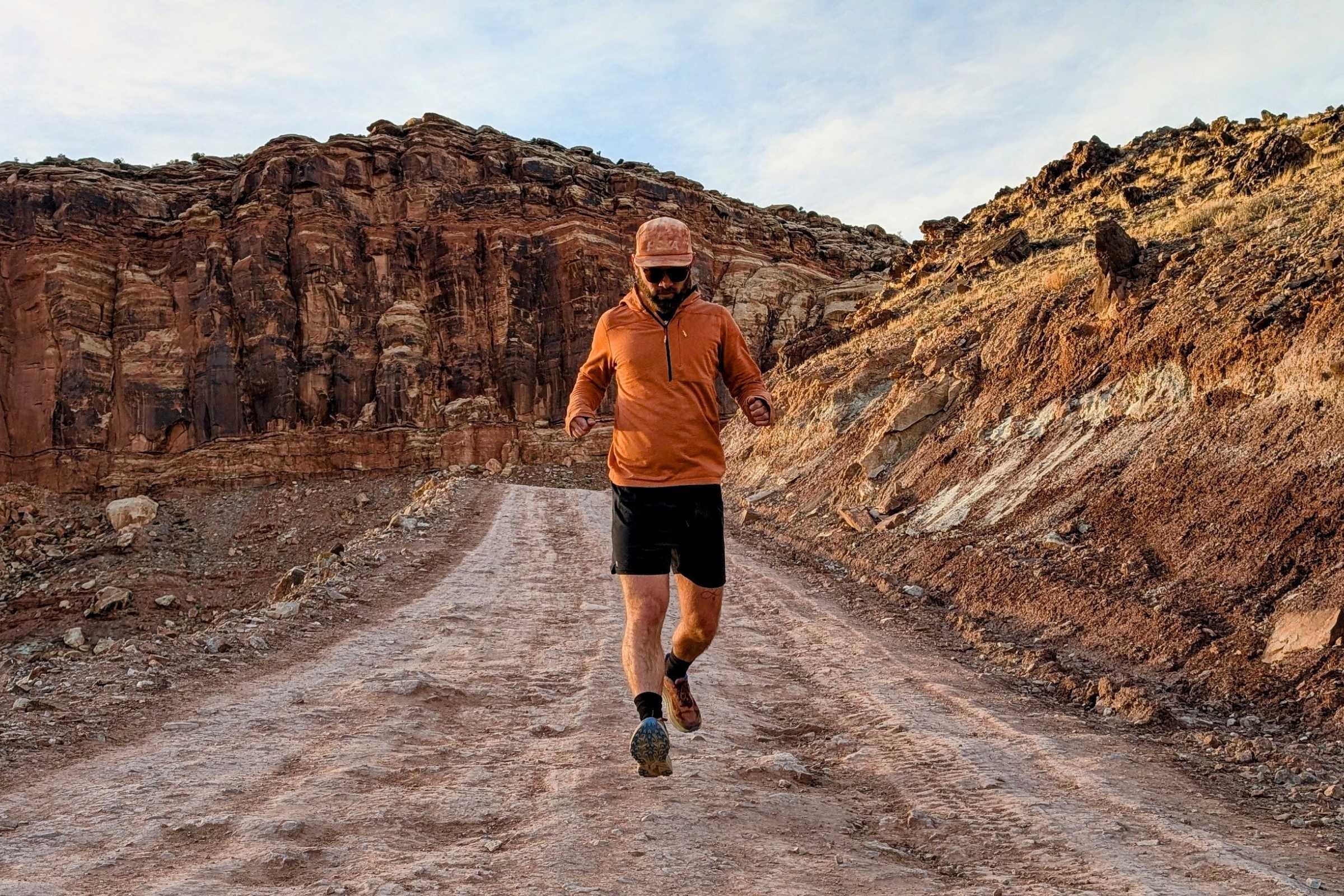
The Challenger descending a steep dirt road.
Ride
The Challenger 8 provides a soft, stable ride. HOKA’s MetaRocker technology propels your foot forward with each stride, creating a smooth ride as you run.
You don't have to worry about foot placement with these shoes because they'll absorb almost everything you step over. We can zone out while running on pavement and gravel paths, barely paying attention to where we place our feet. On trails, these shoes make your steps feel secure. The generous cushioning absorbs subtle variations on angled terrain and helps you maintain momentum on downhills.

The Challenger is at home on rough roads.
Outsole, Grip, and Traction
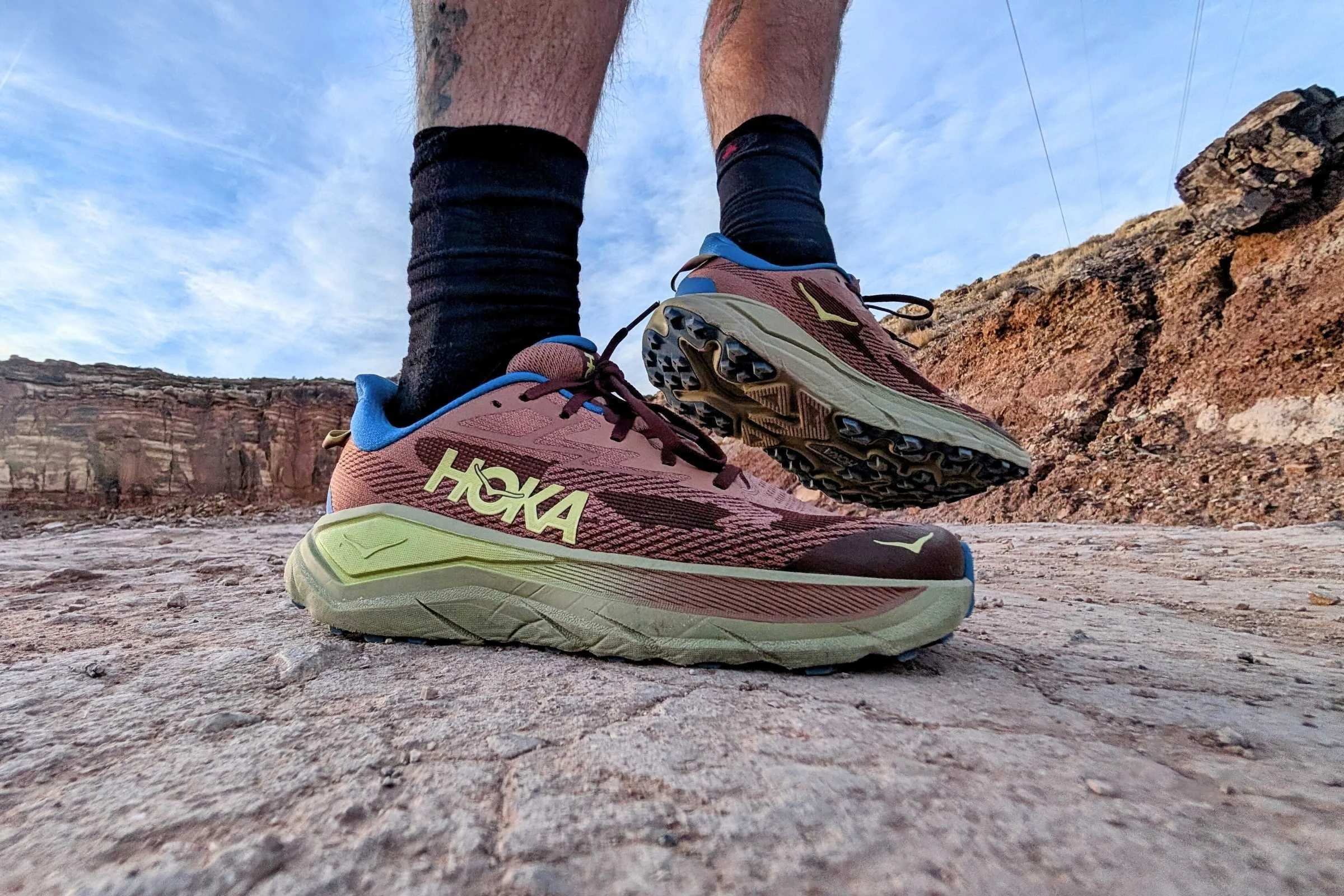
The Challenger 8 has an updated arrow-shaped lug pattern that is more aggressive than previous versions of the shoe. These lugs are 4 mm and are arranged in a multi-directional pattern, providing good traction on loose terrain. The new tread design offers better grip on a variety of surfaces, from loose dirt to wet rocks.
The new lug pattern on the Challenger 8 has sharper edges compared to the Challenger 7. The 7 had square lugs in the center of the tread, with arrow-shaped lugs along the edges only. The Challenger 8 has these same arrow-shaped lugs across the entire tread.
The rubber used on the outsole is HOKA's proprietary Durabrasion rubber. As you'd expect from the name, it's a durable, long-lasting rubber. This outsole is great for mixed-surface runs on pavement, gravel, and dirt, where you need more traction than a road shoe but don’t need as soft a rubber as the Vibram Megagrip used on shoes designed only for trail use, like the HOKA Speedgoat.
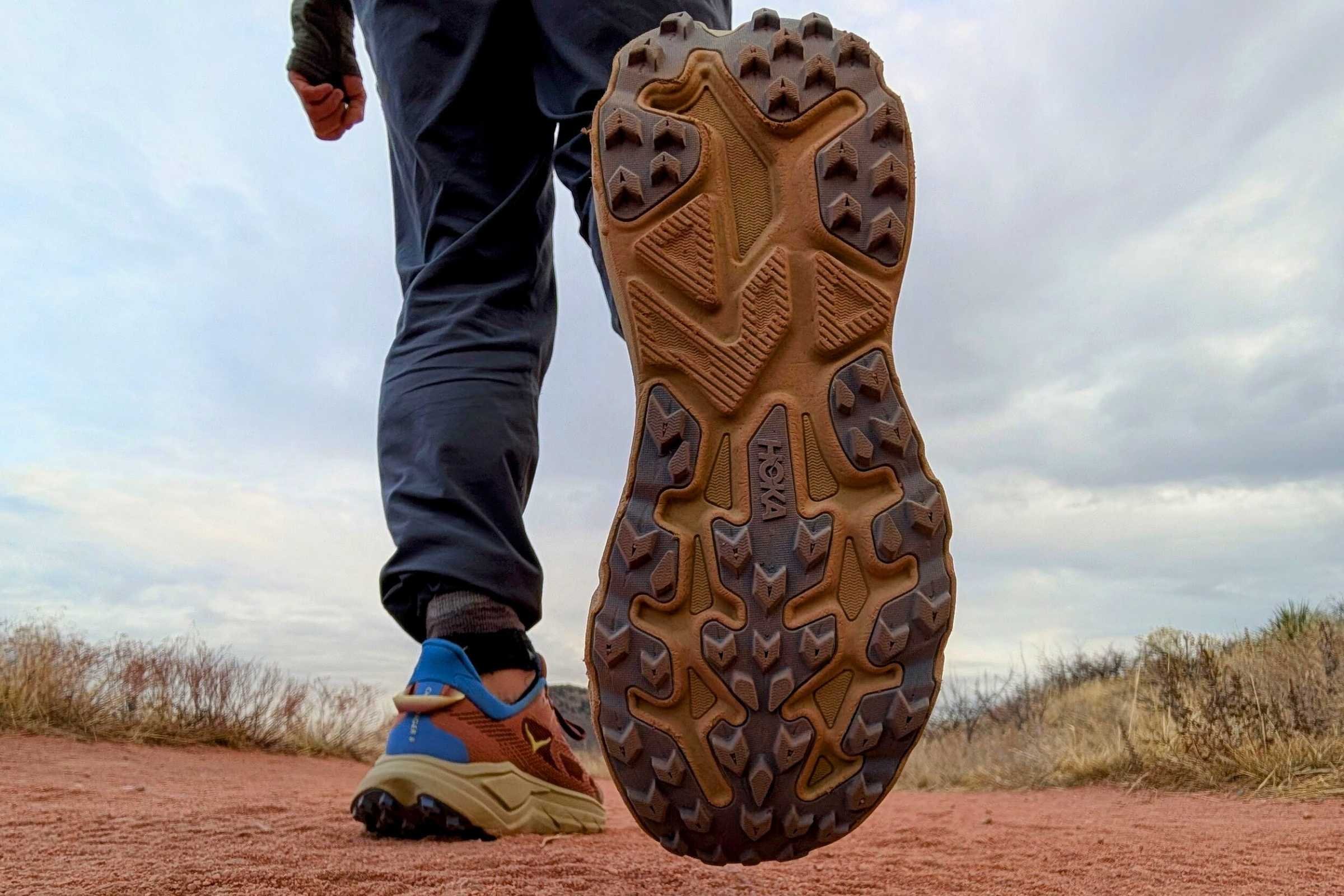
The Challenger has deep enough lugs for smooth dirt trails.
Versatility
The Challenger 8 is the perfect shoe for runners who want to do a little of everything. They're great for road runners who want to start doing trail runs. They're great for the runs that begin at your front door and go up the nearest trail. The Challenger has long been our go-to “road running” shoe because we often incorporate at least some dirt or gravel trails into every run, including road runs.
If we could have our way, we’d only run on trails. When the closest dirt trail is still a car ride away, sometimes you simply want to run and not drive then run. We love the versatility of the Challenger for this reason: they’re grippy enough for smooth dirt and gravel surfaces, but not as aggressive for days when we simply want to run on whatever surface is closest and not confine ourselves to pavement.
The Challenger 8 is also an excellent shoe for hiking and walking. We’ve even used them for backpacking on well-traversed trails, as you’d find on the Colorado Trail or Pacific Crest Trail. We’ve found they aren’t as durable for thru-hiking as some other trail running shoes, but they’ll hold up for weekend backpacking trips on smoother trails.
Responsiveness
The Challenger 8 is responsive at both high and low speeds. The curved MetaRocker midsole allows you to roll through each step. When running fast, this effect is more noticeable.
The midsole isn’t as springy and zippy as some trail running shoes, but it's pretty similar in responsiveness to other HOKA trail shoes, such as the HOKASpeedgoat.
Warmth
The Challenger 8 isn't a particularly warm shoe. The entire upper is a highly breathable mesh, making them better-suited to hot temperatures. However, we’ve put tons of miles on the Challengers during winters in Colorado. They’re not great for cold and snowy weather, but they’re warm enough when it’s cold and dry.
The previous Challenger 7 was also available in a GORE-TEX version. There isn’t a GORE-TEX version of the Challenger 8 yet, but we expect one to be available eventually.
Break-In Time
The Challenger 8 requires no break-in time. Our first steps in these shoes were on a 5-mile run on smooth singletrack trails in the Colorado foothills. They're immediately comfortable out of the box. Our women's tester thought they were immediately comfortable, too.
Upper and Breathability
The Challenger 8’s upper is made of breathable mesh. Since we’ve been testing these shoes in fall and winter, we’ve run in temperatures ranging from 70 to 30 degrees. They feel breathable enough that we wouldn’t hesitate to wear them in warmer temperatures, too. We’ve worn previous versions of the Challenger in temperatures up to 100 degrees without issue.
The mesh has woven sections throughout to reinforce it as well. They also have a rubber toe cap and a 3D, screen-printed laminated section on the entire toe area to reinforce that part of the shoe even more, where you’ll likely kick a few rocks.
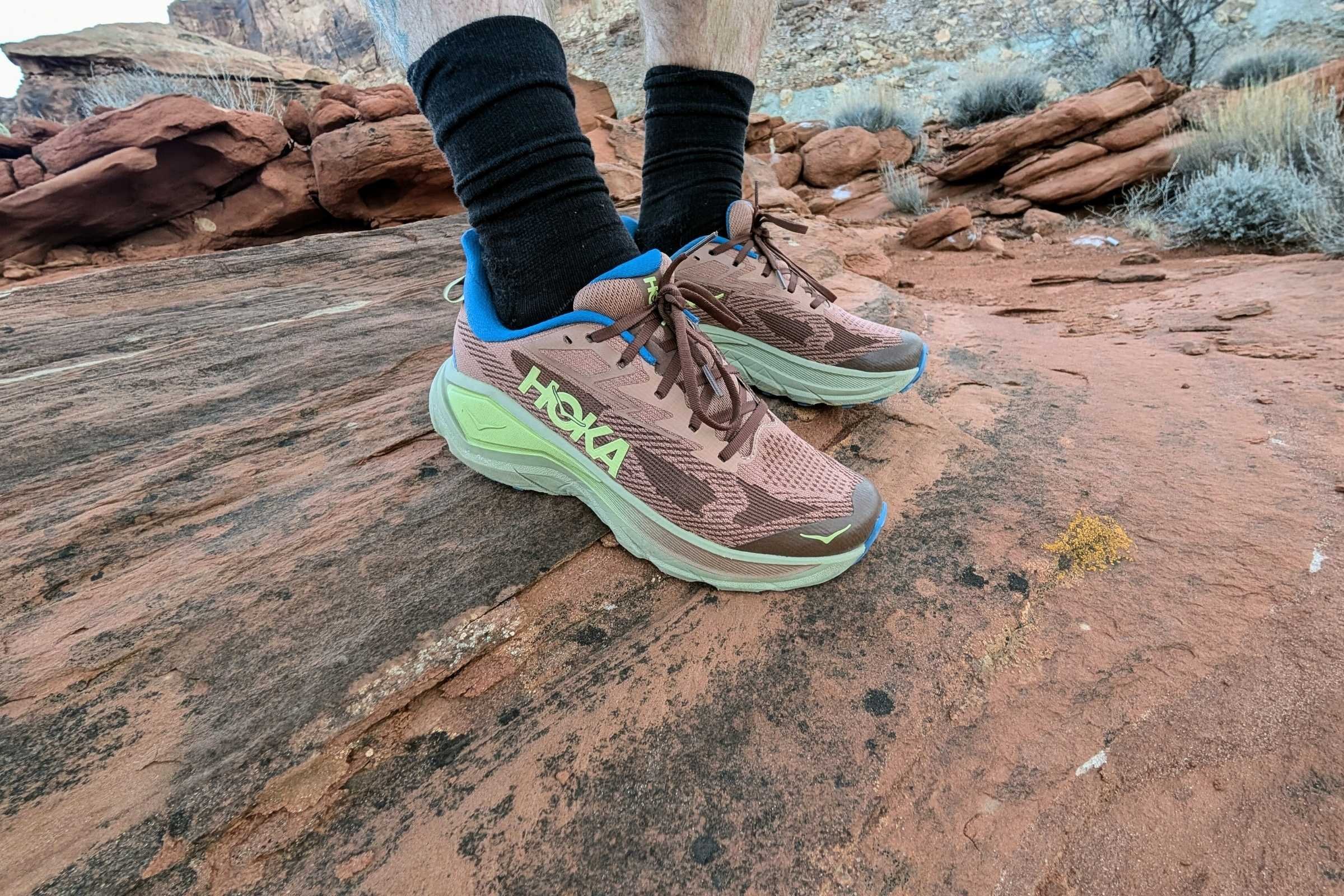
The Challenger has deep enough lugs for smooth dirt trails.
Durability and Longevity
We’ve logged over 500 miles on multiple pairs of the HOKA Challenger 7 shoes, and they're still in great shape. We’ve put close to 100 miles on the Challenger 8, and they’re still in great shape. We can’t see any reason why they wouldn’t be at least as durable as the 7s.
We wouldn’t expect the Challenger to last as long if you’re logging heavy trail miles, however. The outsole has a lot of exposed midsole foam, which doesn’t hold up as long on rocky terrain. It’s durable enough for the small rocks you find on gravel roads and crushed-limestone gravel paths, but large rocks will tear up this large section of exposed midsole foam.
Price and Value
At $155, the Challenger 8 is about on par for neutral, balanced, and cushioned running shoes. You can expect to pay about this much for other comparable shoes. For reference, the On Cloudvista 2 costs $160; the Altra Lone Peak 9 costs $145; the Craft Xplor 2 costs $150; and the Brooks Cascadia 19 costs $150.
Overall, the Challenger 8 provides great value. Some other trail shoes we’ve worn haven't lasted nearly as long as the Challengers, and these trail shoes are also more versatile than many others, since you can use them on a wider variety of terrains.
Sustainability/Ethical Company
HOKA's parent Company, Deckers Brands, is a United Nations Global Compact member, the world's largest corporate sustainability initiative, committed to ethical practices in labor, the environment, and anti-corruption.
According to HOKA, 98.72% of their footwear styles contain at least one preferred material (a recycled, renewed, or naturally sourced material). And, their goal is for 55% of all co-polyester fibers in footwear and 70% in apparel and accessories will come from renewable or post-consumer/industrial resources by 2030. They also aim to reduce energy usage in their footwear by 25% per shoe by 2030. You can read more about HOKA’s sustainability on their website.
Features
Volume
The HOKA Challenger 8 has a medium volume and accommodates most average foot shapes. They also come in wide sizes, which will better fit feet with higher-than-average volume.
Weight
These shoes weigh 19.4 ounces for a pair of men's size 9 and 17.4 ounces for a pair of women's size 7. This is slightly heavier than the Challenger 7, but the added weight isn’t noticeable on your feet.
Heel-to-Toe Drop
These shoes have an 8mm heel-to-toe drop, meaning the heel is 8 mm higher than the forefoot. This increased drop compared to the previous model may feel more natural for runners transitioning from traditional road shoes.
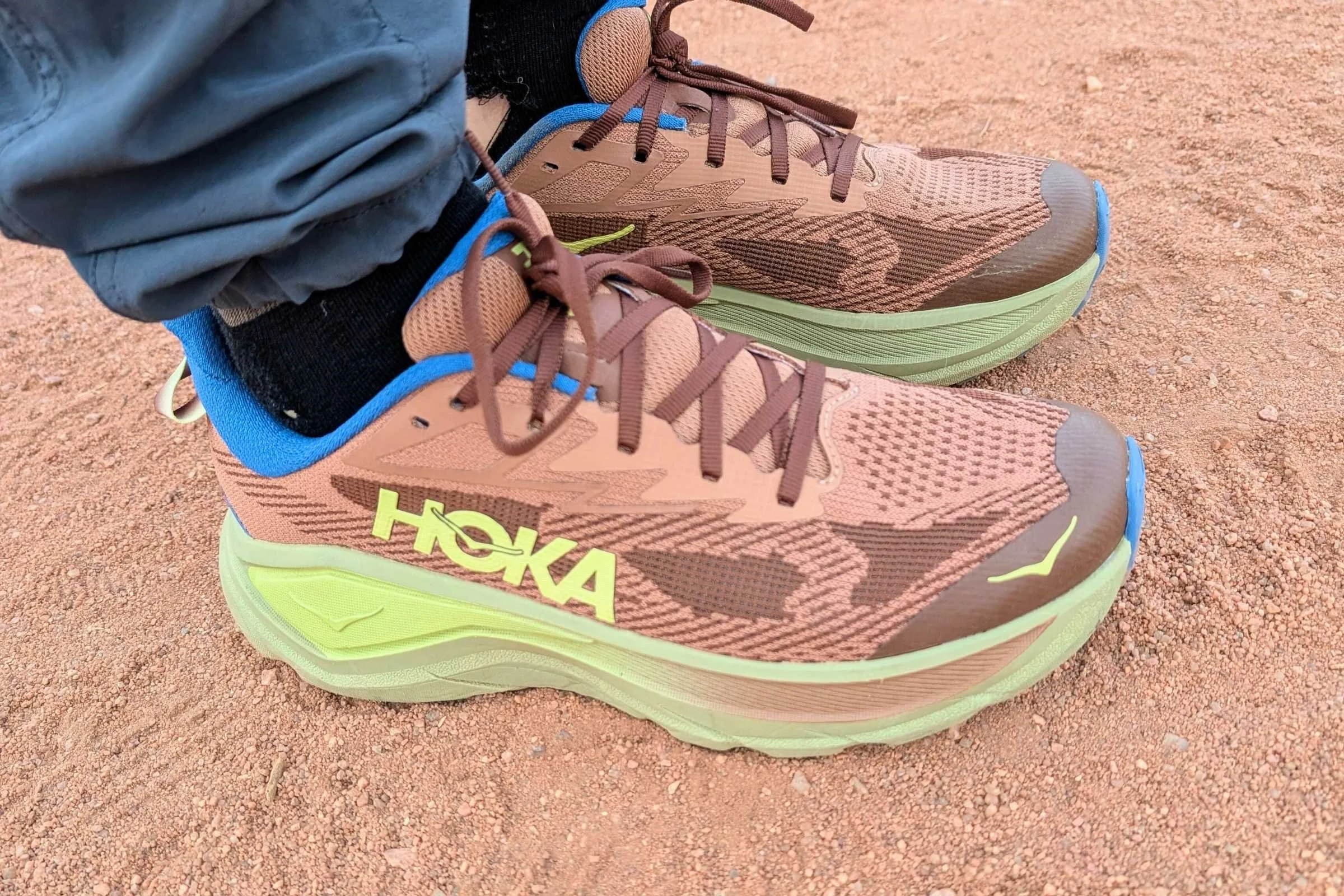
The Challenger 8 has 8 mm of heel-to-toe drop, whereas previous versions had less.
Laces/Lockdown
These shoes have traditional laces with an extra eyelet at the top for alternate lacing patterns. Overall, these shoes keep our feet securely in place during runs, so we don’t use the extra eyelets or alternative lacing patterns.
Reflective Material
The mesh uppers have reflective detailing built into the material. The outside of the heel cup is also reflective.
Meta-Rocker
These shoes have a MetaRocker midsole designed to provide a smooth, efficient ride, with a slight midsole rounding. This promotes a more natural running pattern and allows your foot to roll forward with each step.
Style and design
The Challenger 8 shoes come in six different colors for men and five colors for women. They come in a mix of bright colors, with some more subdued choices as well. We think they look pretty good overall.
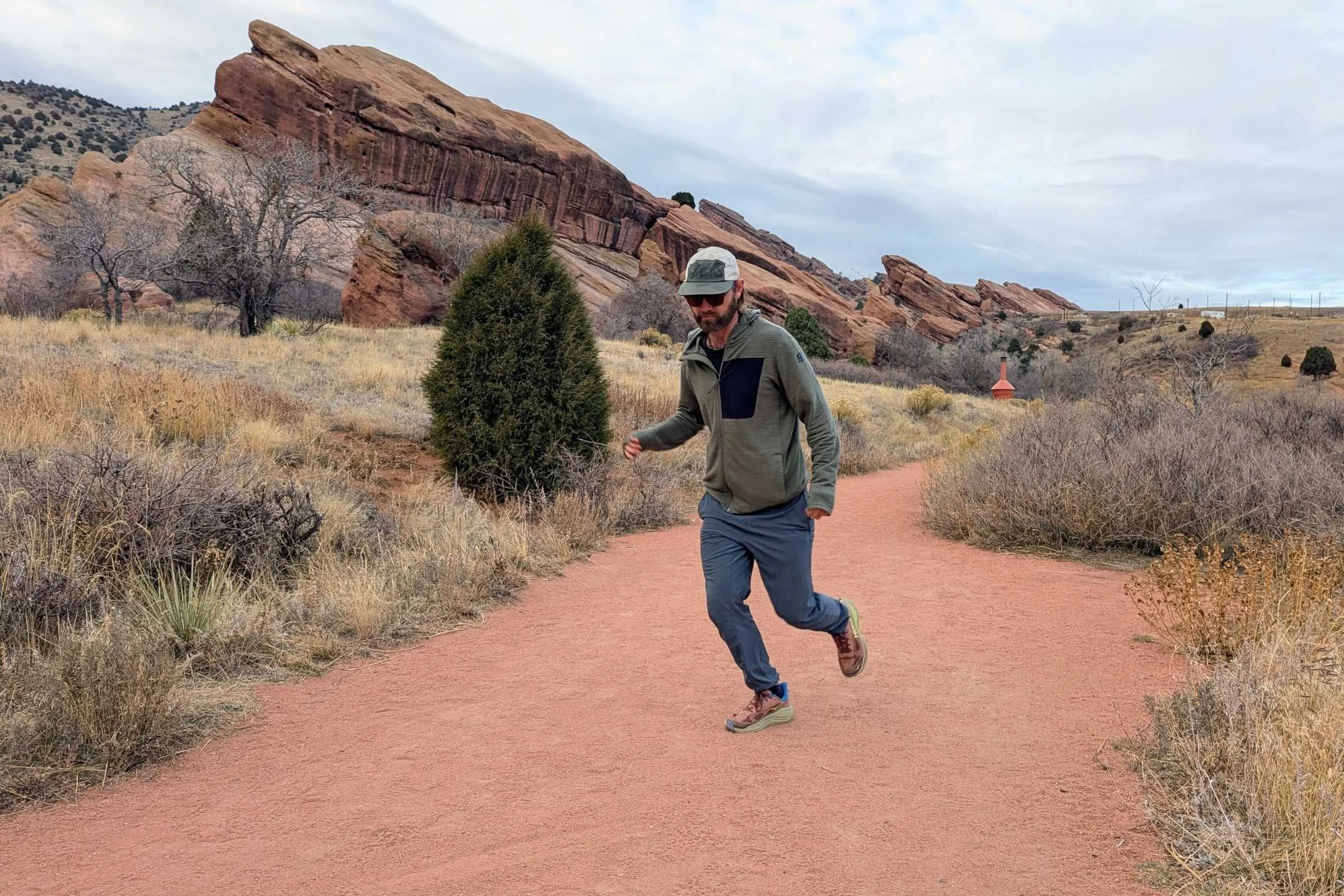
The Challenger 8 is great for hiking and mixed surface runs.
HOKA Challenger 8 vs HOKA Challenger 7
As mentioned above, we’ve long been fans of the HOKA Challenger. These are the significant differences between the Challenger 8 and Challenger 7.
Increased heel-to-toe drop
The Challenger 8 has an 8mm heel-to-toe drop, up from 5 mm in the Challenger 7. This increase in drop provides a slightly different feel and may be more comfortable for runners who are used to traditional running shoes or who prefer a bit more heel cushion.
Improved fit
The Challenger 8 features a new last that provides improved fit in the forefoot and instep areas. The forefoot feels slightly wider, which is more comfortable for longer runs and for people with higher volume feet. The improved instep makes the shoes wrap more comfortably around the middle of the foot. These improvements make the shoe feel securely wrapped around your foot. Honestly, though, we would’ve been happy even if the fit was the same as the Challenger 7, because we thought those fit really well, too.
Enhanced traction
The tread pattern on the Challenger 8 has been updated to provide better traction across various surfaces. The new arrow-shaped lugs provide greater grip on loose dirt, gravel, and moderate trail terrain than the Challenger 7, which had mostly square-shaped lugs.
Stack height
To accommodate the increased heel-to-toe drop, the Challenger 8 has a stack height of 42 mm in the heel and 34 mm in the forefoot for men's shoes and 38 mm in the heel and 30 mm in the forefoot for women's shoes. The Challenger 7’s stack height is 29 mm in the heel and 25 mm in the forefoot for women, and 31 mm in the heel and 26 mm in the forefoot for men.
Should I buy the HOKA Challenger 8 running shoes?
Buy if you often do multi-surface runs that include pavement, dirt, and gravel. They’re also great for road runners who want to occasionally run smoother trails, or really anyone curious about trail running or hiking. We also love them for hardcore trail runners who don’t necessarily want to buy a dedicated pair of road running shoes, but still want something less aggressive for longer runs on varied terrain.
Skip if you don’t need a versatile running shoe. Skip if you already have a pair of road running shoes and a pair of trail running shoes, and you prefer to stay on one surface for your entire run.
If you aren’t doing mixed-surface runs and don’t plan on starting, the Challenger won’t be very impressive. There are faster road running shoes than the Challenger. And there are trail running shoes that can handle technical terrain better, too.
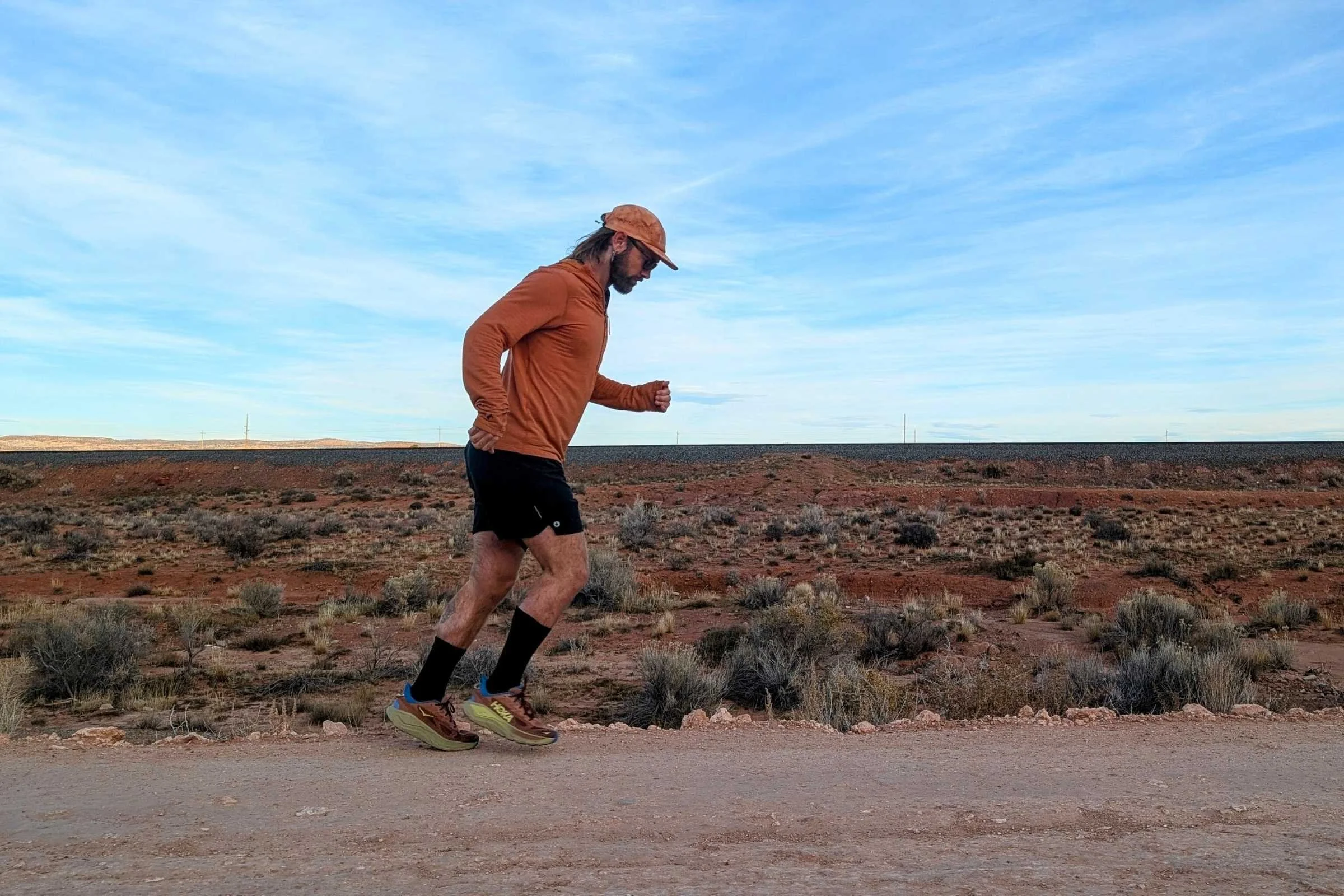
The Challenger isn’t the lightest and fastest shoe, but it’s well-cushioned and versatile.
Where to buy the HOKA Challenger 8 running shoes
The HOKA Challenger 8 running shoes are popular footwear, so you have options when it comes to retailers. Here are some of the pros of the retailers.
REI
Pros: 100% satisfaction policy for 1 year; 10% dividend for members.
Amazon
Pros: Free 2-day shipping with Amazon Prime membership
Zappos
Pros: 365-day free shipping on returns, fast delivery with free VIP program
Similar running shoes
Craft Xplor 2
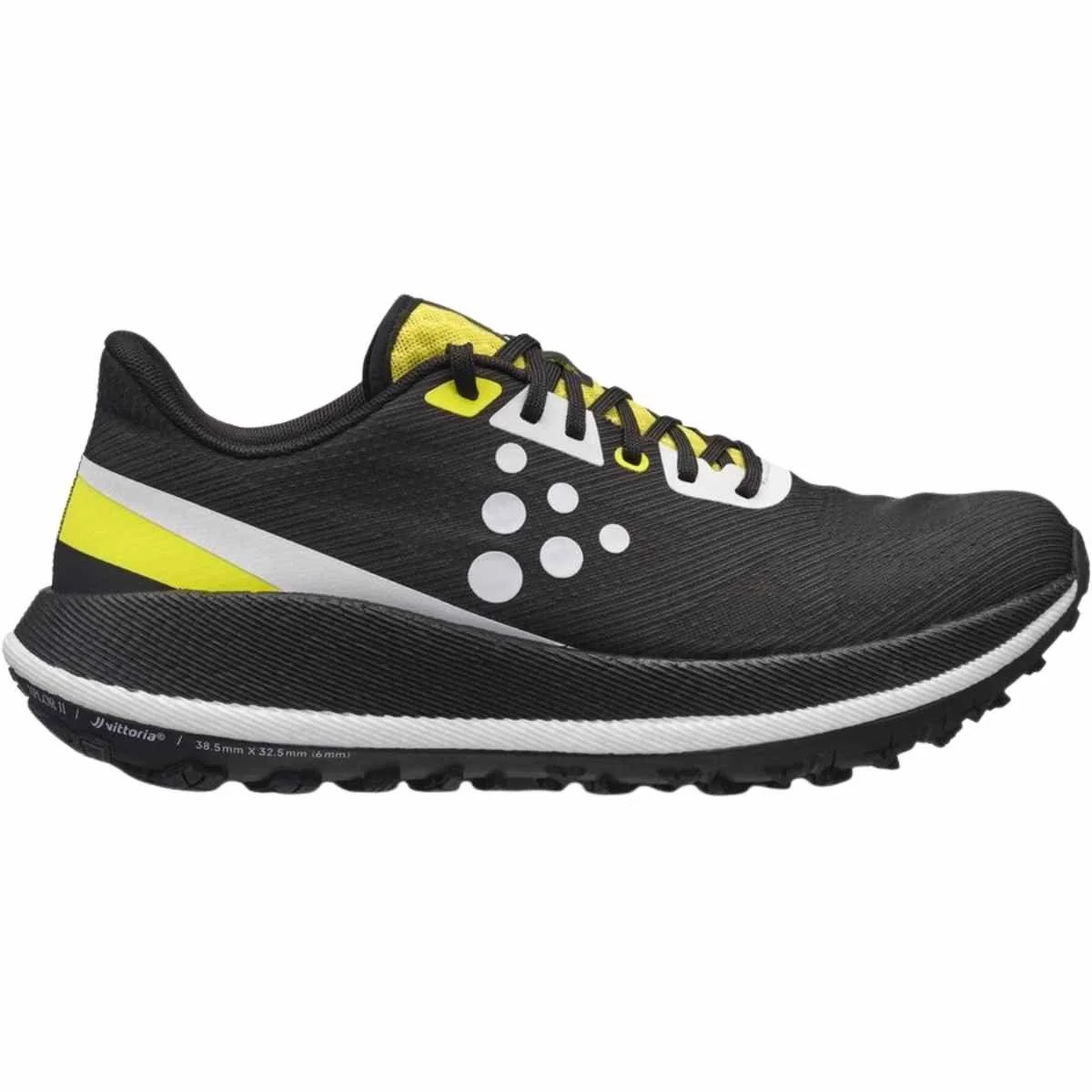
Price: $150
Weight (per shoe): 11 oz (men’s), 8.9 oz (women’s)
Heel-to-toe drop: 6 mm
Stack Height: 35 / 41 mm (heel/toe)
Closure Type: Lace-up
Rock plate? No
Cushioning: Moderate
The Craft Xplor 2 is a gravel-specific running shoe, which, like the Challenger 8, is intended for smoother dirt and gravel surfaces. The Xplor 2 has a slightly more durable outsole and feels a little faster, but the Challenger has more cushion. The Xplor 2 also has 6 mm of drop, compared to the Challenger 8’s 8 mm of drop.
The Craft Xplor 2 won Best Gravel Running Shoe in our Best Women’s Trail Running Shoes guide, and Best Overall in our Best Gravel Shoes guide. It is also featured in both our Writers’ Choice: Best Gear of 2025 and Editors’ Choice: Best Gear of 2025 guides.
Craft Xplor 2
men's
Women's
Brooks Cascadia 19

Price: $150
Weight (per shoe): 10.7 oz (men’s), 9.9 oz (women’s)
Heel-to-toe drop: 6 mm
Stack Height: 35/29 mm (heel/toe)
Closure Type: Lace-up
Rock plate? Yes
Cushioning: Maximum
The Brooks Cascadia 19 is a trail-specific shoe that offers excellent stability and is lighter than previous versions. Still, the Cascadia weighs about the same amount as the Challenger 8 and has less cushion. The Challenger 8 will perform better on roads in the long term than the Cascadia, but the Cascadia has better off-road grip and protection.
Brooks Cascadia 19
men's
Women's
Salomon Aero Blaze 3 GRVL
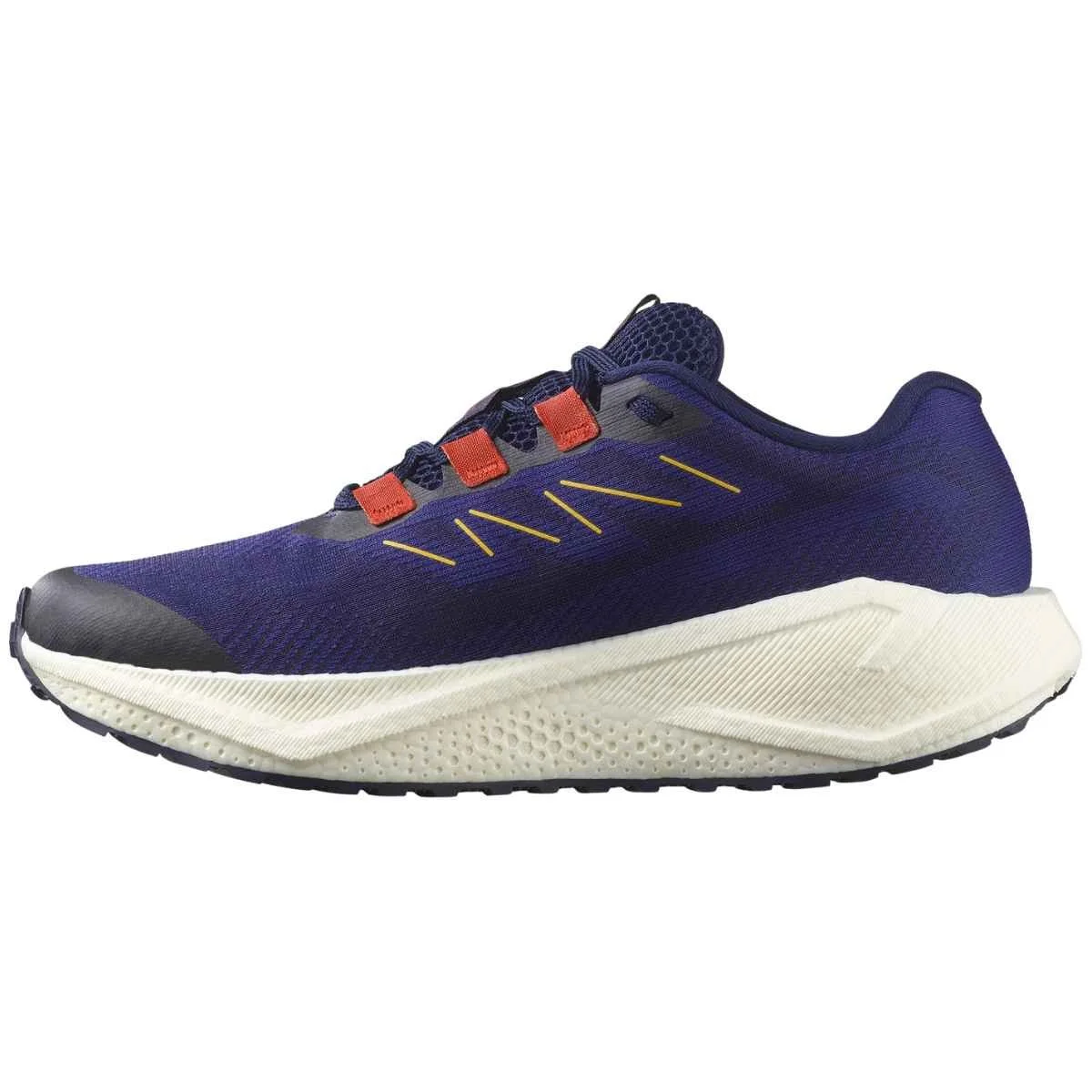
Price: $140
Weight (per shoe): 9 oz (men’s), 7.2 oz (women’s)
Heel-to-toe drop: 8 mm
Stack Height: 35/27 mm
Closure Type: Lace-up
Rock plate? No
Cushioning: Moderate
The Salomon Aero Blaze 3 GRVL is another crossover shoe, similar to the HOKA Challenger 8. The Aero Blaze 3 GRVL feels lighter, quicker, and closer to a road shoe than the Challenger. If you’re looking for a running shoe for mostly road runs, the Aero Blaze 3 GRVL is a good choice in terms of traction and comfort, but it’s not as well-suited for trails as the Challenger. This shoe won Best Affordable in our Best Gravel Running Shoes guide.
Salomon Aero Blaze 3 GRVL
men's
Women's
Altra Lone Peak 9/9+
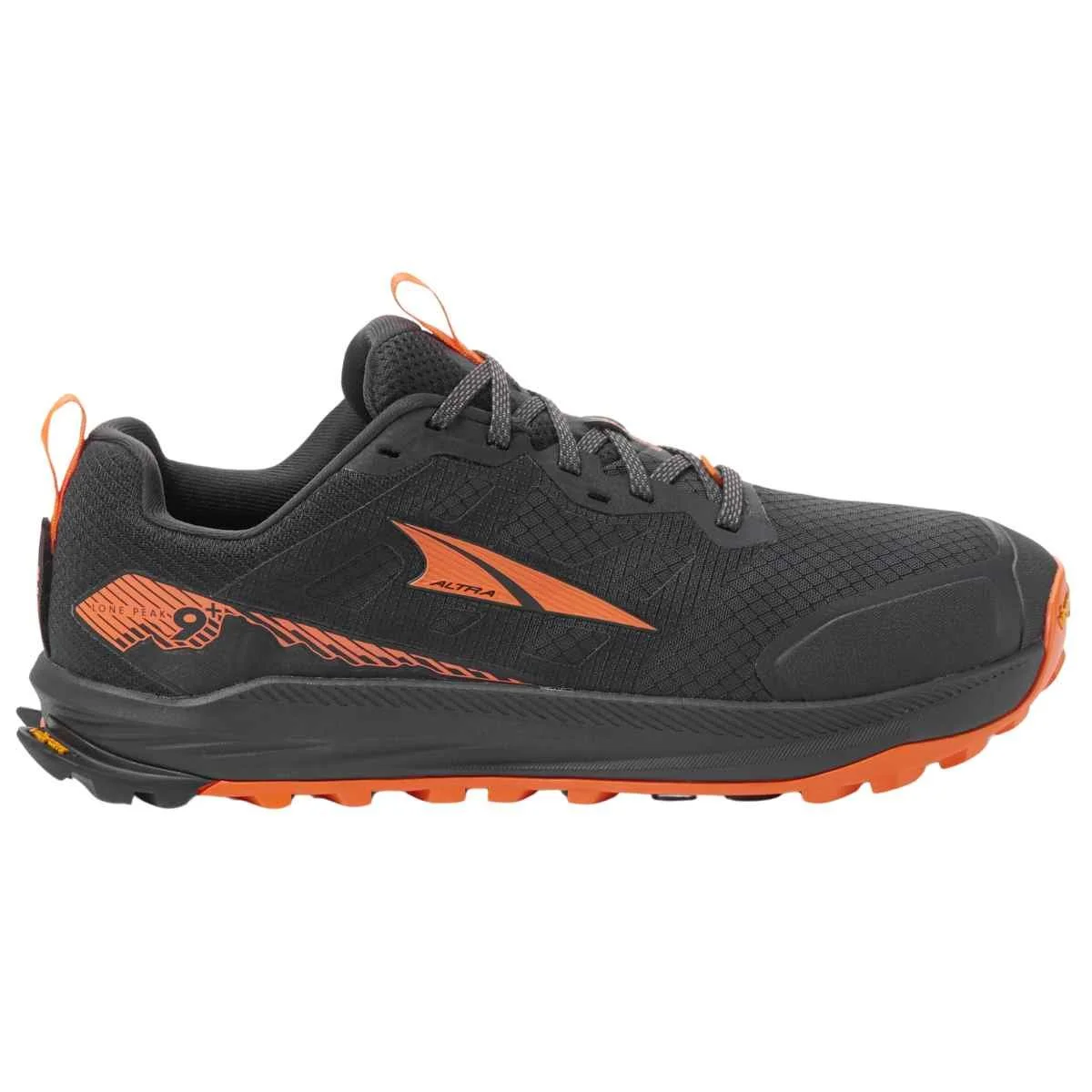
Price: $145/$160
Weight (per shoe): 11.1/11.2 oz (men’s), 9.3/9.5 oz (women’s)
Heel-to-toe drop: 0 mm
Stack Height: 25 mm
Closure Type: Lace-up
Rock plate? Yes
Cushioning: Moderate
The Altra Lone Peak 9 has zero heel-to-toe drop, compared to the Challenger 8's 8mm, and a more off-road-oriented design. The Lone Peak comes in both MaxTrac and Vibram Megagrip outsole versions (the Lone Peak 9+ has the Vibram Megagrip). The Lone Peak has deeper lugs with sharper angles than the Challenger 8 and Altra's signature wide footshape toe box. While the Challenger 8 in wide sizing is roomy, the Lone Peak 9's toe box is still considerably wider and designed for natural toe splay.
The Altra Lone Peak 9+ won Best for Long Distances in our Best Women’s Trail Running Shoes guide. Learn more in our in-depth review of the Altra Lone Peak 9 and 9+ trail running shoes. You can also learn about the waterproof version in our in-depth review of the Altra Lone Peak 9+ GTX trail running shoes.
Altra Lone Peak 9
men's
Women's
Altra Lone Peak 9+
men's
women's
Why you should trust us / About the author

Sam Schild is a thru-hiker, runner, cyclist, and mountain athlete based in Colorado. He’s been a runner since he was a child, when he ran five days a week as cardiovascular training for soccer. As he grew older, he stopped playing team sports and focused on running and cycling.
Sam regularly runs five days or more per week. He has completed countless ultra-distance, self-supported trail runs on trails throughout the American Southwest. He has thru-hiked the Pacific Crest Trail, Continental Divide Trail, Appalachian Trail, Arizona Trail, Pacific Northwest Trail, Grand Enchantment Trail, and the Colorado Trail twice, always in running shoes.
You can read more about Sam on his author page, website, or Instagram.