What It’s Like Running Trails in the Notace Yama T1 Running Shoes
A lightweight, minimalist, zero-drop trail running shoe with a wide toe box
December 29th, 2025
Home > Gear Reviews > Running
Our Verdict
I have always been a fan of the ethos “less is more.” However, when it comes to gear and footwear, I’m also a firm believer in “being prepared.” Notace’s founder, Cedric Scotto, has a strong shoe background—first at Altra, then Xero shoes, then Vivobarefoot, all brands which believe in supportive natural footshapes and zero-drop style shoes.
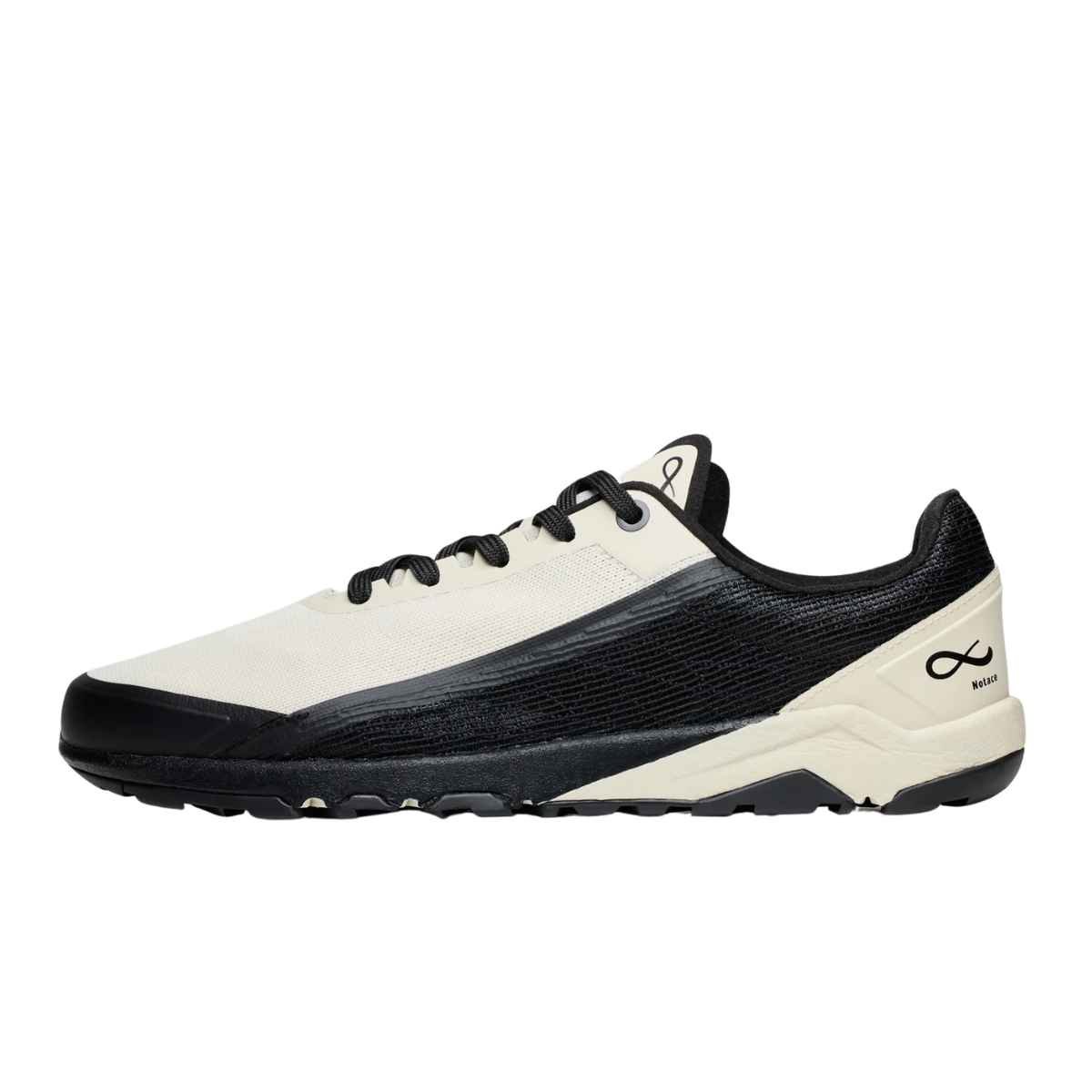
At the risk of incurring a few eye rolls, I have to say that Notace (pronounced “notice”) is doing something noticeably different. The upper is obviously designed with breathability in mind, and the outsole with grip in mind. At face value, the shoe is sleek and light. It’s got that track-shoe aesthetic, with a subtle design that doesn’t feel too forced or punchy. That’s just based on looks, though. Feeling the shoe on is completely different.
The Yama T1 still follows a minimalist ethos. But the Yama T1 is also meant to protect and support your foot at all costs, balancing a neutral base with a variety of features to support natural foot mechanics: flexibility, gentle support, comfortable movement, and grip for trails. From the moment I slipped into the slightly stretchy but secure wide toe box, I was hooked. Something about the shoe just felt right. Buyers beware though: this shoe is as minimalist as it gets while still being capable for the trail.
At the end of the day, I don’t think I would wear these for all types of trails/trail running, but I would wear them often on most trails. They are a great shoe if you are already familiar with neutral base, minimalist shoes, and want to prioritize overall foot comfort, flexibility, stability, and security above all else.
To learn more about our top trail running shoes, check out our Best Men’s Trail Running Shoes and Best Women’s Trail Running Shoes guides.
Notace Yama T1 Trail Running Shoe
men's
Women's
We create reader-supported, mission-driven objective gear reviews independently selected by our editors. This story may contain affiliate links, which help fund our website. When you click on the links to purchase gear, we may get a commission — without costing you an extra cent. Thank you for supporting our work and mission of outdoor coverage for every body! Learn more.
Notace Yama 1 Trail Shoes Specifications
Available sizes: 5.5–11 (women’s), 7–13 (men’s)
Claimed Weight: 7.5 oz
Actual Weight: 6 oz per shoe, 12 oz per pair (womens 7.5)
Heel-to-toe drop: 0 mm
Stack height: 15 mm
Cushion: Low
Stability: Neutral
Upper: Mesh and TPU overlays
Midsole: Engineered eTPU
Outsole: Rubber
Rock plate? No
Gaiter compatible? No
Comparison table
| TRAIL RUNNING SHOE | WEIGHT MEN'S | WEIGHT WOMEN'S | CUSHION | HEEL DROP | STACK HEIGHT |
|---|---|---|---|---|---|
| Notace Yama T1 Men's Women's |
7.5 oz | 7.5 oz | Minimum | 0 mm | 15 mm |
| Altra Lone Peak 9+ Men's Women's |
11.1 oz | 9.3 oz | Moderate | 0 mm | 25 mm |
| Altra Lone Peak 9 Men's Women's |
11.2 oz | 9.5 oz | Moderate | 0 mm | 25 mm |
| Topo Athletic Pursuit 2 Men's Women's |
10.5 oz | 8.6 oz | Moderate | 0 mm | 28 mm |
| HOKA Speedgoat 6 Men's Women's |
9.8 oz | 8.2 oz | Maximum | 5 mm | 35 - 40 mm |
Best for
Trail runners who want a minimalist, zero-drop shoe
Running on all but super technical trails
Trail runners who prefer a wide toe box
Crossover to walking and travel
What we liked
Wide toe box
Secure wrap and stability from the upper to the heel
Great grip and performance on trail
Comfortable all day
Versatility outside of trail running, for walking and travel
Reminiscent style of the track shoes of bygone days
What could be better
Wide toe box may not be for everyone
Laces are too long
Prioritizes stability and simplicity over excess material (meaning not enough cushion for some people)
How we tested
I tested these shoes for 50–70+ miles, on local singletrack and dirt trails in Golden (up Lookout Mountain and Apex Park), across the hills of the Front Range, and on various sidewalks and bike paths and mixed use trails. I also took them trail running and walking for a week around southern Durango, Colorado, and to Buffalo Creek outside Pine/Sedalia, Colorado for more trail testing.
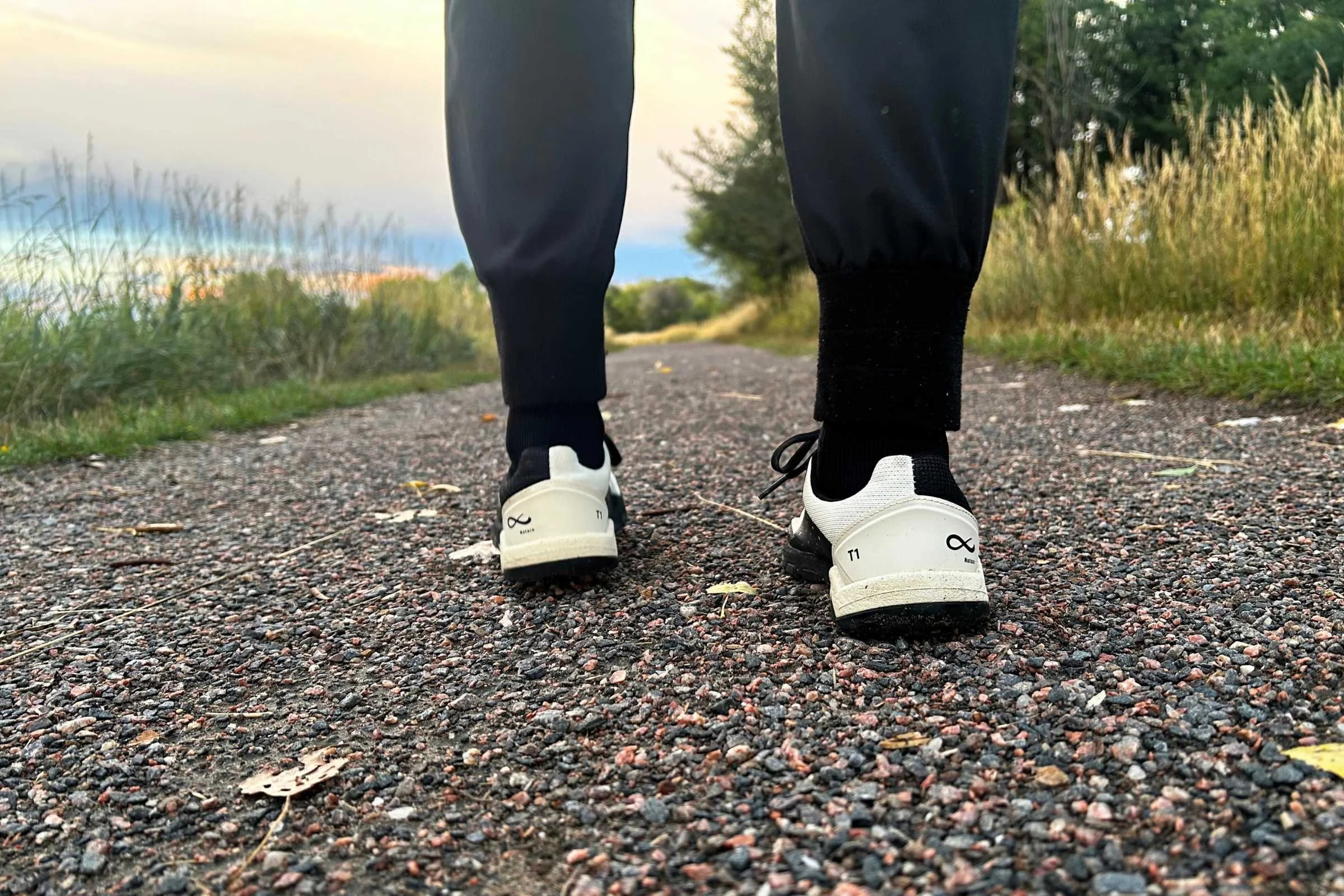
We tested this shoe on small gravel, loose dirt, and hardpack trails, as well as mixed-use bike and running paths.
Performance in the Field
Fit and Comfort
This shoe fits my narrow-to-medium-width foot incredibly well. Though my foot is on the narrower side, I’ve been actively testing and running in neutral and natural footshape shoes (with wider toe boxes to account for foot splay) for over four years now. I happened to test these shoes about 6 months after testing the Altra Lone Peak 9+, another zero-drop, natural footshape shoe.
The fit on these shoes, unlike Altras, as an example, feels slightly smaller, but also more secure. The upper seems to wrap the foot more, and the heel support is impeccable. The toe box is still wide, though. The brand recommends sizing up a half size, so take that into account. Another reason to size up: if you currently wear or add insoles into your shoes, go up a half size.
These shoes’ fit reminds me exactly of the fit of the Astral Loyak water shoes, which I wear almost daily in the summers if I’m paddling, portaging, or packrafting/rafting.
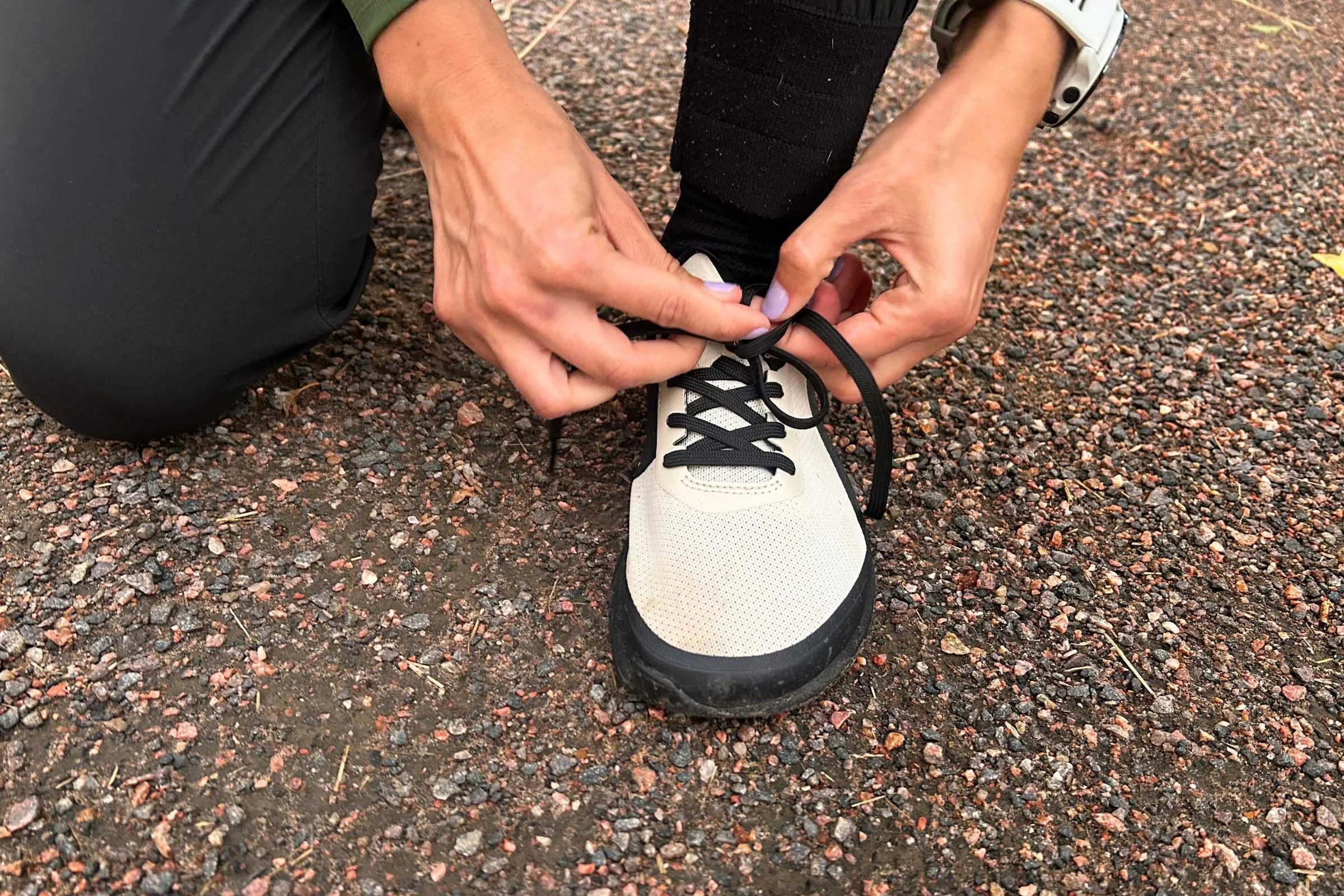
The toe box feels wider than most Xero shoes, and nearly the same width as the Altra Lone Peaks.
Upper and breathability
The upper is a fairly standard eTPU (engineered upper), with a large section around the sides that has a wrap up towards the top front of the shoe. The upper was extremely breathable, especially if using these shoes for walks, travel, or daily mileage (compared to running).
Midsole and cushioning
I appreciate that in these shoes, everything is simple. Nothing is overly done. There’s no extra cushion or materials when not needed. The stack height is only 15 mm.
Now remember, these are minimalist shoes. The most I’ve walked in them all day (daily mileage, not including running) was about 8 miles. For travelers (or people who put in a lot of steps at work), I know that number could easily be 8–15 miles a day, so I plan to take them on a few longer-mileage tests soon. But for now, they have felt comfortable, even when walking on uneven surfaces or gravel.
Comfort
The Yama T1 trail shoes are comfortable for natural foot movement, and feel very secure. The level of comfort the midsole and heel alone provides makes me happy, especially for the weight.
This shoe does not have much cushioning, and no rockplate, though, so if you think you will be using these on very rocky terrain often, consider whether that would be comfortable for you. Especially if you plan on taking these on rocky and loose terrain, consider the height of the shoe as well (it sits lower than other zero-drop trail shoes—a full 10 mm shorter than the Altra Lone Peaks, and even more than that compared to the Altra Timps). Read on for more feedback below when it comes to technical terrain.
Ride
Because the shoes are light and minimalist, the ride feels fairly responsive, especially compared to other “flat” feeling zero-drop shoes. We felt stable and nimble in these trail running shoes.
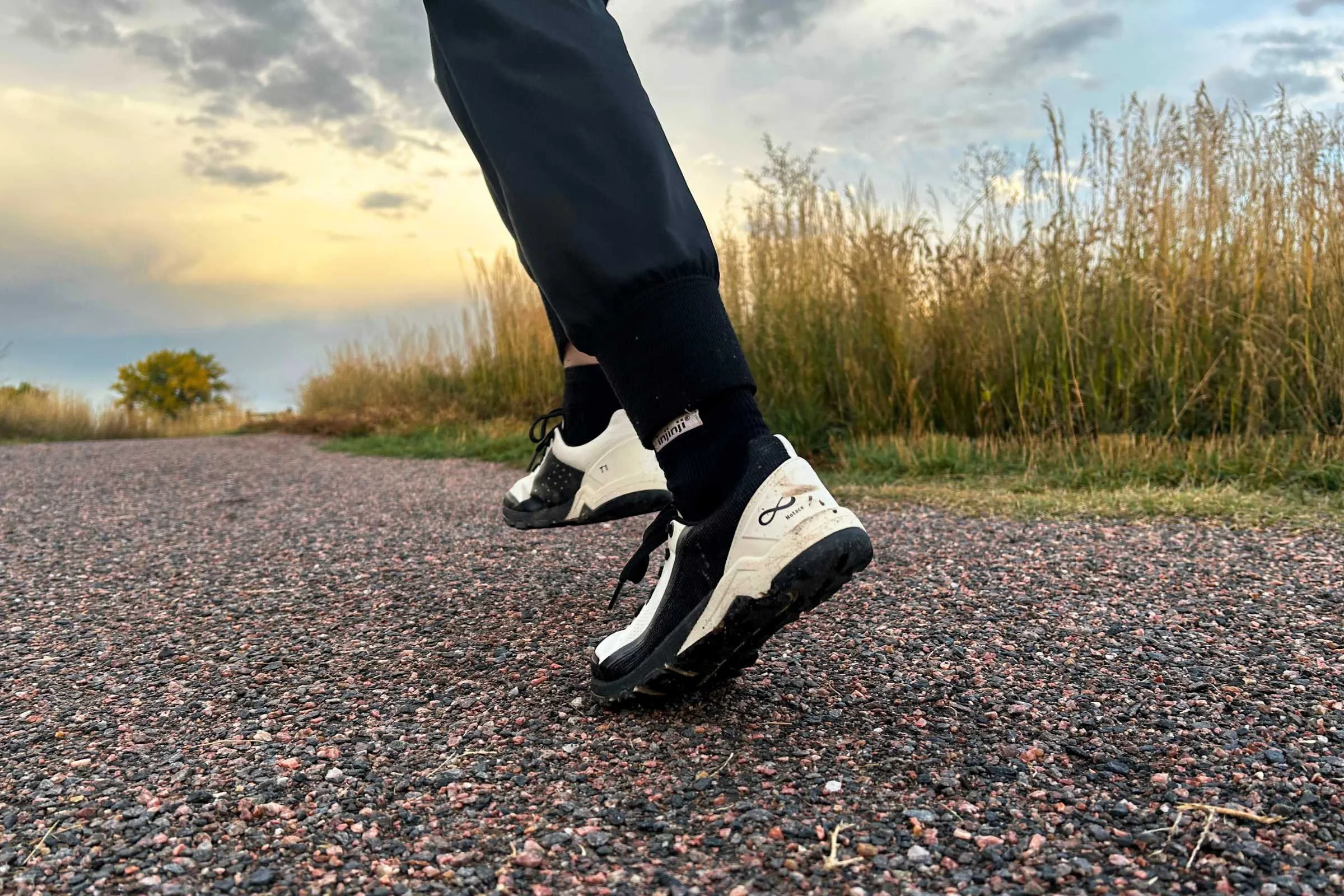
The ride on this shoe felt stable, and fairly responsive. The shoe feels light and fast, not “flat” like some other zero-drop shoes on the market.
Outsole and Traction
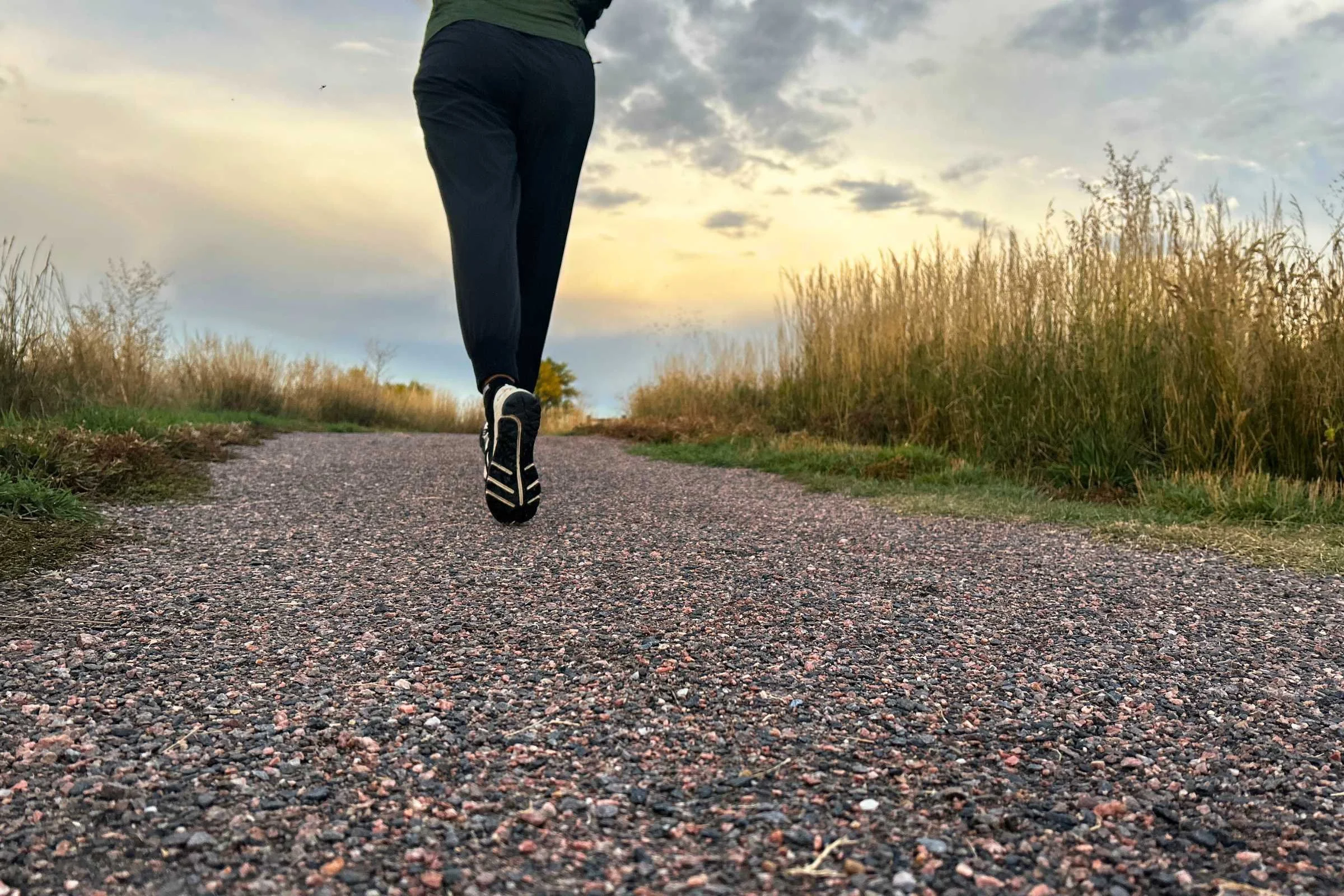
The type of rubber in the outsole is capable and grippy; the multidirectional lugs with forward-facing lugs in the back for breaking and stopping on descents and rear-facing lugs at the front for traction on the uphills just makes sense.
At first, I wasn’t sure how I would like these trail shoes compared to some of my daily drivers for trail running (an older model of the HOKA Speedgoat, and the Altra Lone Peaks). But after the first ~10 miles or so straight from my house to dirt trails to mixed pavement, bike paths, and gravel trails, my mind was at ease. The grip that is obtained by the outsole’s rubber and angled 3 mm, triangle and polygonal lugs isn’t just “great for minimalist shoes,” it’s great. Period.
Are they a shoe I’d want to run 20–30 miles in, or race in? I’m not sure yet. Are they a highly technically built shoe? No. But do they grip and perform well on different kinds of trail? Absolutely. In other words, these shoes are made for trail running, not just walkin’.
Durability
Durability is exceptional so far. We expect these shoes to last about as long as other trail running shoes–around 300 miles or so–though because they have less cushion and a lower stack, they may not last quite as long as more cushioned, high-stack shoes.
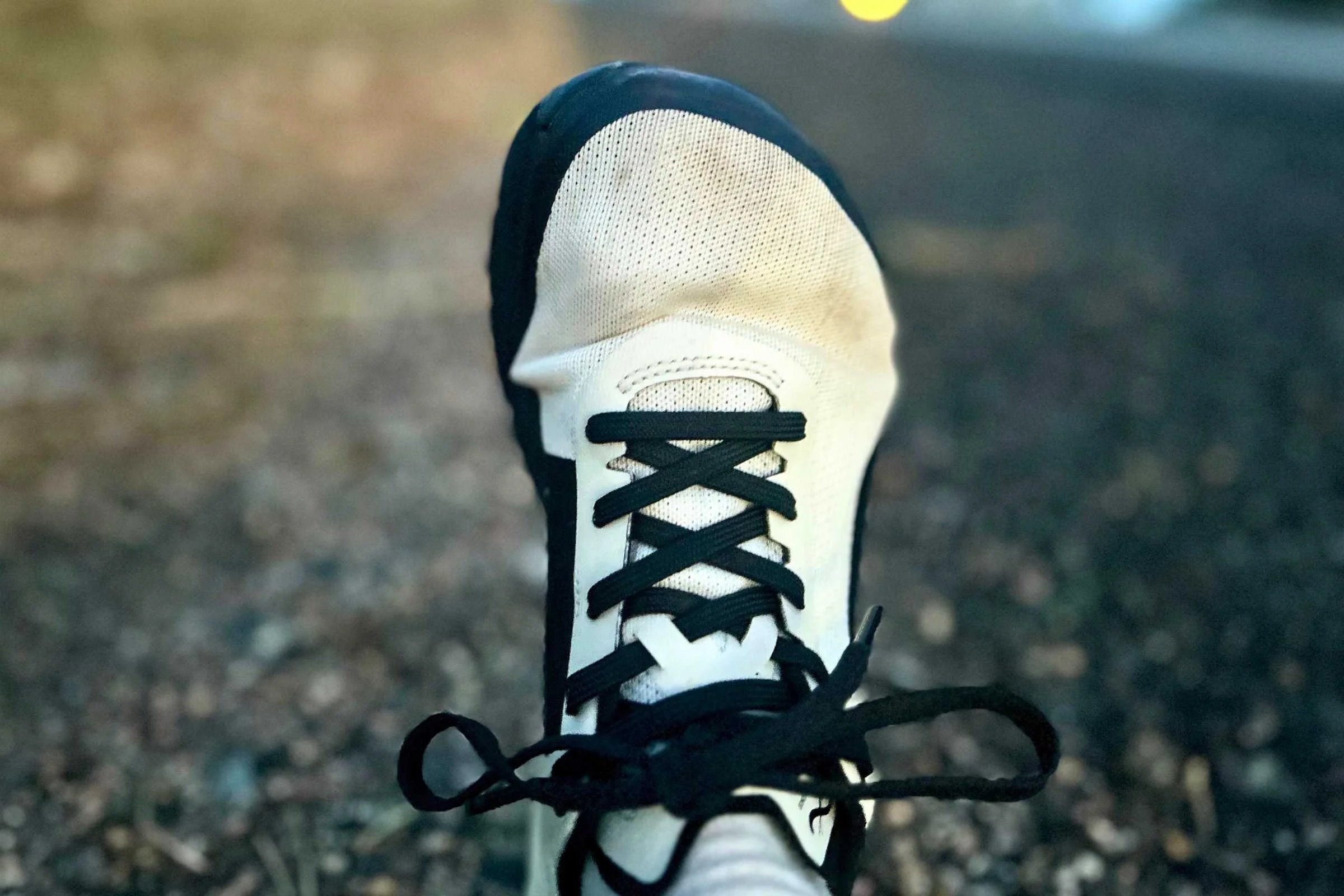
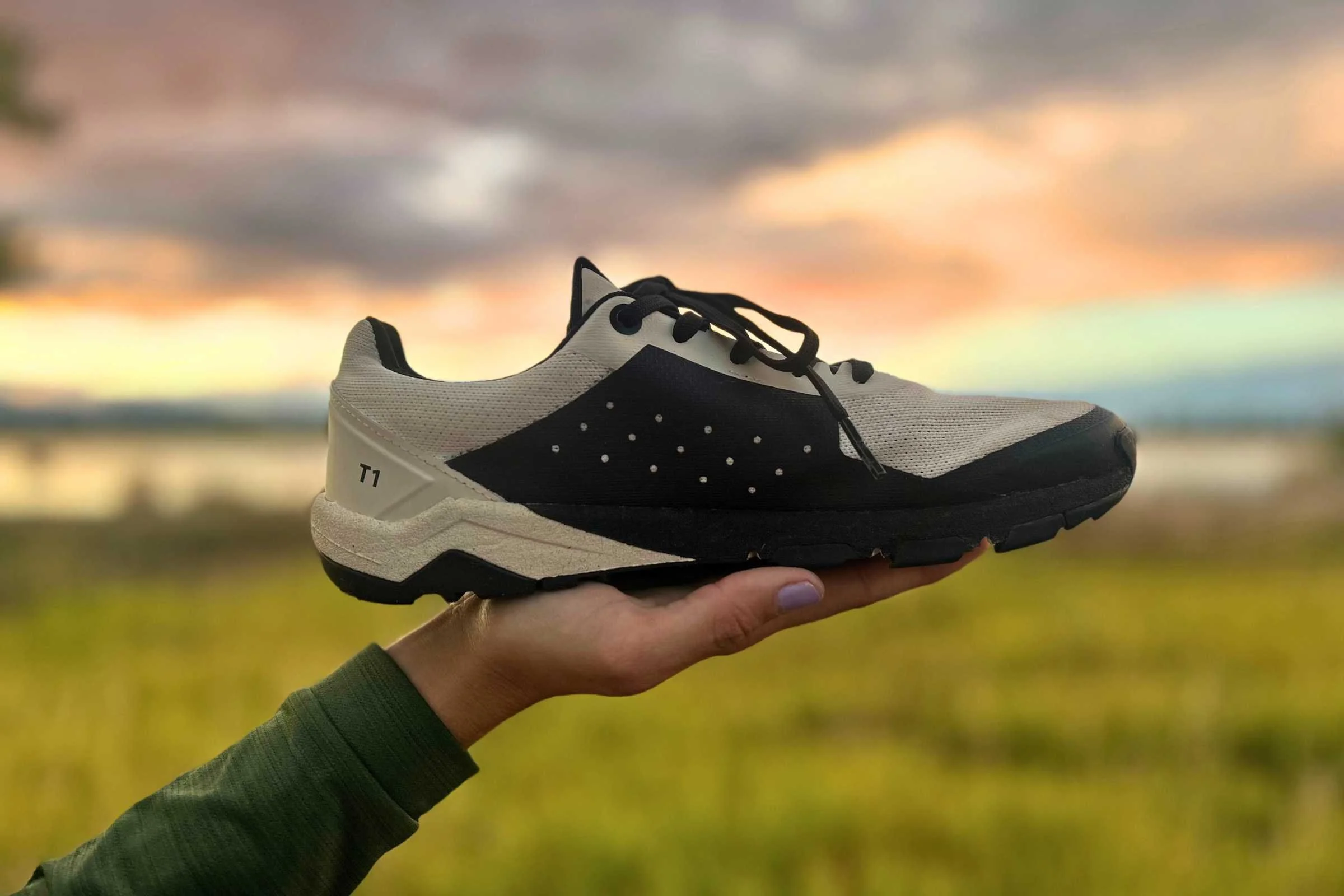
The Yama T1 upper after about 60 miles in the shoes. In the background, you can see a dirt and gravel shoulder on a hill I ran often in testing.
Features
Materials
The Notace shoes are made of an eTPU midsole, a suede heel liner, and a rubber outsole with 3mm multidirectional angled lugs. The grip on the Notace Yama T1s is eons better than most shoes I’ve tried from similar brands, namely Xero and Vivobarefoot (I like some of their shoes for walking, crossover use, and daily use or travel, but not for hard use on trails).
The Notace Yama T1s feel like the closest thing to a minimalist trail shoe that I’d actually trust to wear on trail, especially given their light weight. The breathability and low weight take them to another level.
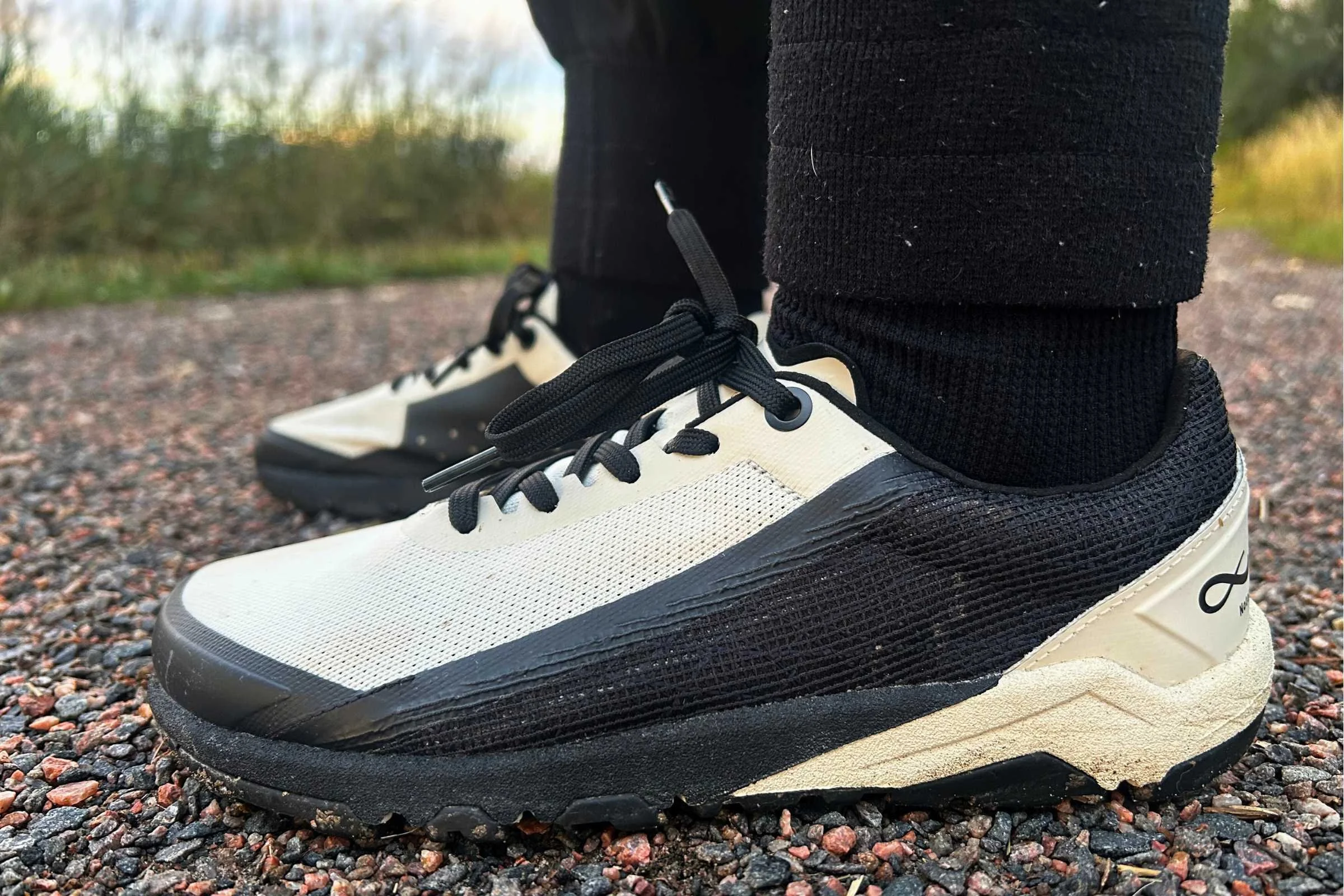
Toe Box
The engineered TPU and paneling across the exterior sides and top of the shoe is fantastic for both comfort and breathability. The shoe, especially the toe box, hugs my foot in all the right places, and feels very secure—some previous zero-drop shoes I’ve tried feel too roomy in the toe box, or just very empty and flat, not supportive. I’d compare these as more wide in the toe box than most Xero shoes and Vivobarefoot shoes I’ve tested, and close (very similar but maybe wider) to the toe box in the Altra Lone Peaks.
The Notace Yama T1 seems to balance the brand’s nonnegotiables in terms of design—natural footshape, neutral base, plus grip for trails—with exceptional security from heel to toe, and minimal cushion.
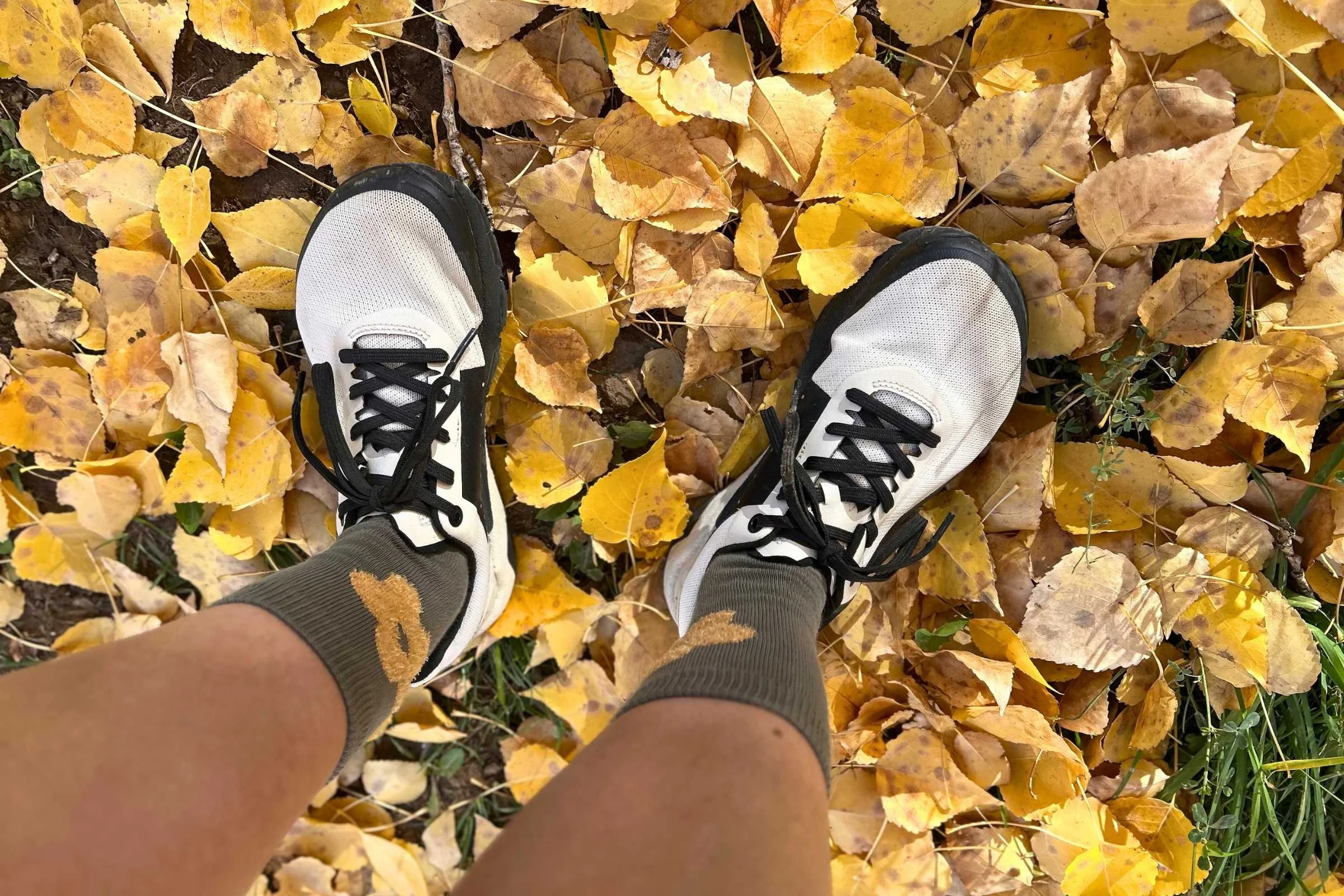
The toe box of the Notace Yama T1 trail running shoes is spacious and the fit is secure.
Heel-to-toe drop
This is a zero-drop shoe, so the stack height at the heel is the same as the toe. If you like to walk or run with a more natural gait, you might appreciate a zero-drop shoe.
Stack height
The stack height of the Yama T1 shoes is 15 mm, which is among the lowest of the trail running shoes we’ve tested. For reference, the Altra Lone Peak 9+ has 25 mm of stack and the HOKA Speedgoat 6 has nearly 40 mm of stack.
Weight
These shoes are wicked light. The stack height is only 15mm compared to 20-30mm on other similar shoes— there’s less weight overall, plus the uppers are light as well. On a sunny day, I can see light through the white uppers on these shoes. Their light weight is one of my favorite things about these shoes.
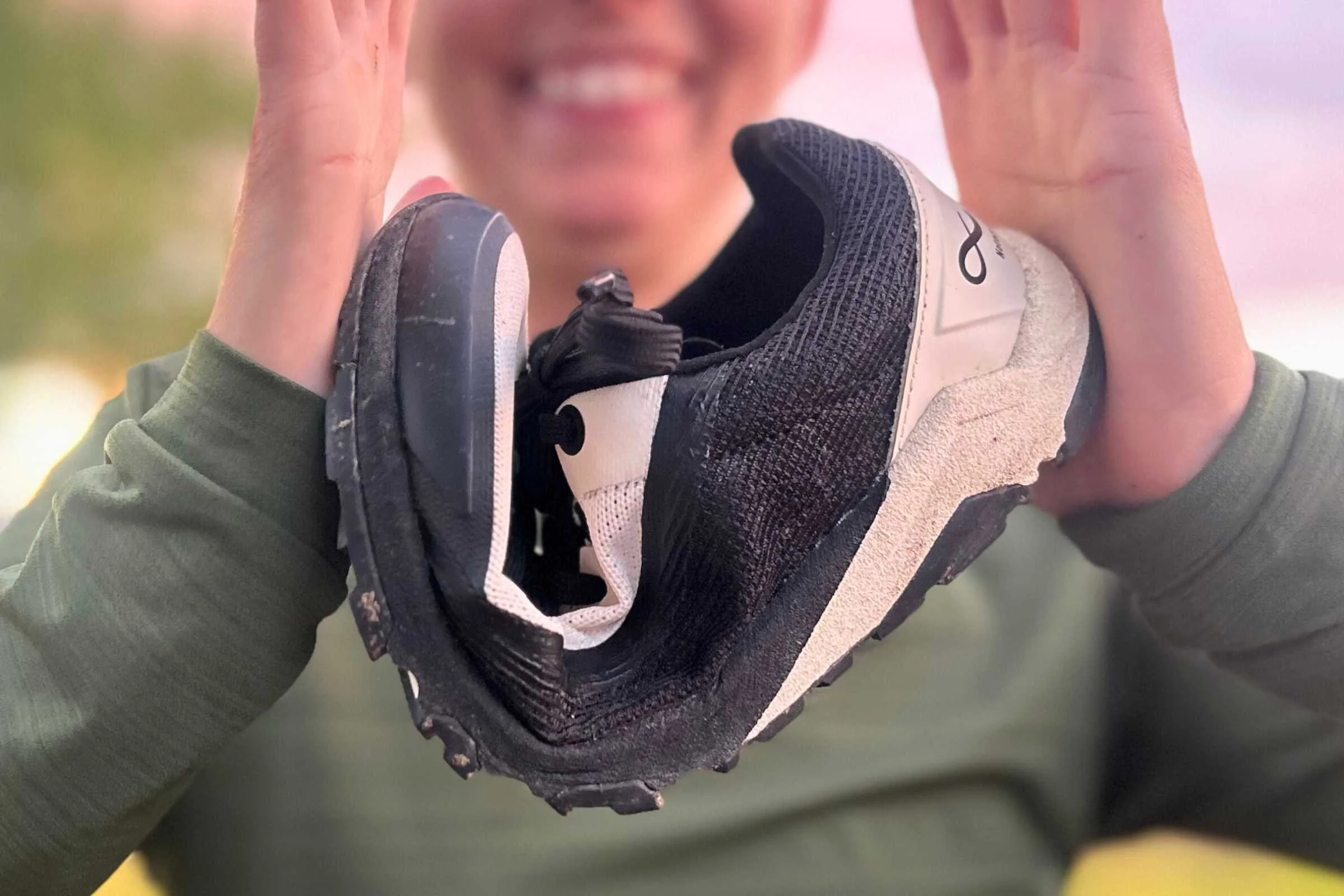
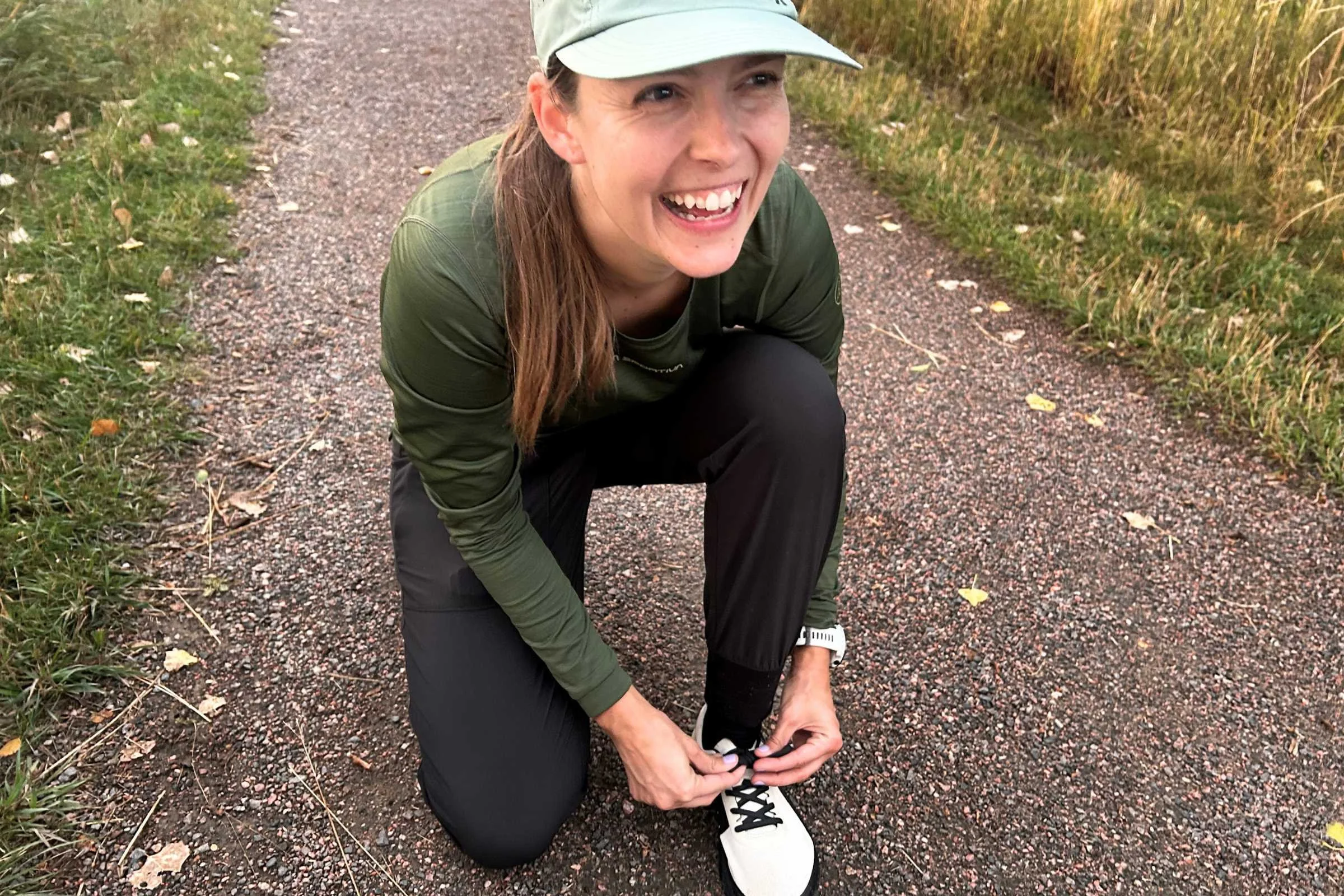
Mary demonstrates the shoe’s light weight and “squish” factor. This shoe is simple—just what you need, nothing you don’t. No excess foam or frills.
Sustainability
So far, the brand doesn't have any noteworthy sustainability initiatives to share. We also wish the brand used some recycled components where possible. This brand is new as of 2025, so we plan to update this section if any sustainability or material updates are announced.
Style
At face value, the shoe is sleek and light. It’s got that track-shoe aesthetic, with a subtle design that doesn’t feel too forced or punchy. The all-black look could be popular for those planning to wear these to work. Otherwise, the black/ivory combo is unbeatable.
Where to buy the Notace Yama T1?
The Notace Yama T1 trail running shoes are new footwear, and you currently must buy directly from the retailer.
Notace
You can sometimes find more options when purchasing directly from the retailer. Sometimes, purchasing directly from the retailer can make it easier if you need to make a warranty return, such as if there is a defect.
Should I buy the Notace Yama T1?
Buy if you like zero-drop shoes, but have struggled to find a capable, trustworthy, neutral, zero-drop shoe for trails.
Skip if you want a shoe that’s higher off the ground, or one with more cushion. Also skip if you typically seek out strong ankle protection in running shoes.
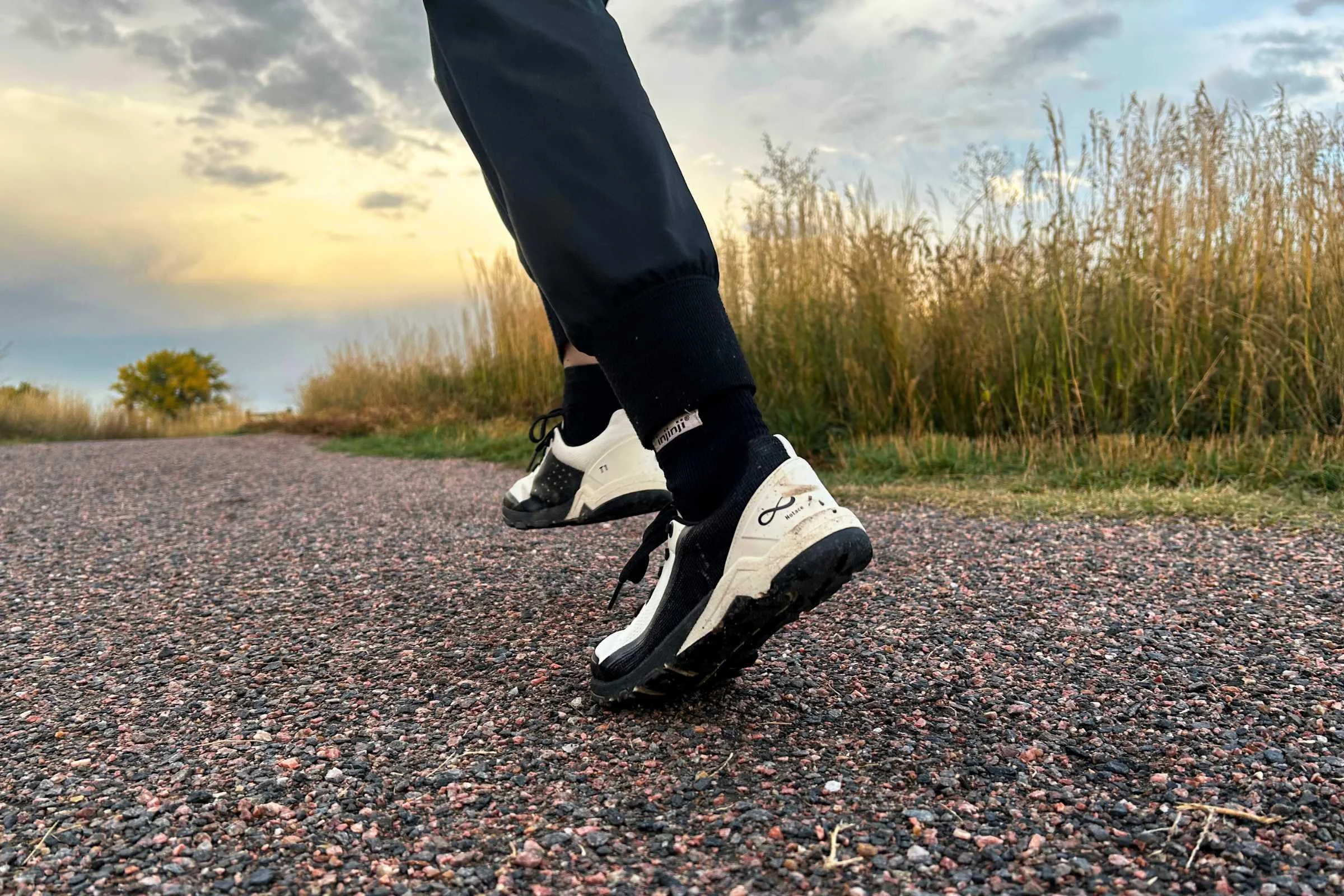
Mary running sprints across some local gravel trails.
Similar Trail Running Shoes
Altra Lone Peak 9+
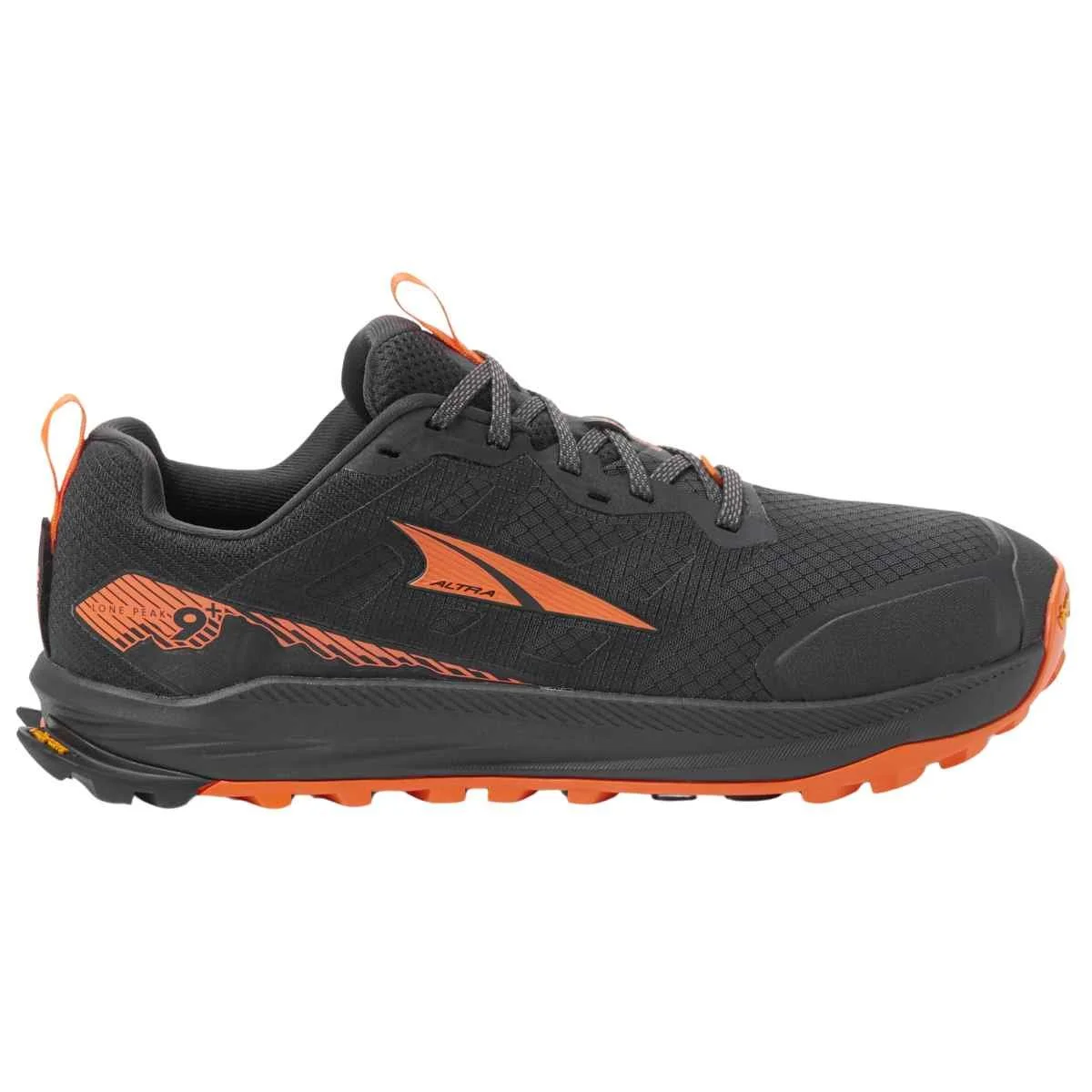
Cushion: Moderate
Stability: Neutral
Heel-to-Toe Drop: 0 mm
Stack Height: 25 mm
Lugs: 3 mm
Upper: 100% recycled ripstop mesh upper
Midsole: Altra EGO
Outsole: Vibram Megagrip
Weight (pair): 22.1 oz (men's 10.5), 18.6 oz (women's 8.5)
The Altra Lone Peak 9+ is a zero-drop trail running shoe with much more stack height than the Notace Yama T1. It also has a slightly wider toe box, and more cushion and materials between the upper and the wearer’s foot. The Altra Lone Peak originals offer wide sizing, but the 9+ does not—same as Notace. The rubber compound on the Lone Peak 9+ (now thanks to Vibram Megagrip) is slightly stickier than the outsole on the Notace. But both outsoles have great lugs and traction overall.
You can also learn about the waterproof version in our in-depth review of the Altra Lone Peak 9+ GTX trail running shoes.
Altra Lone Peak 9+
men's
Women's
Topo Athletic Pursuit 2
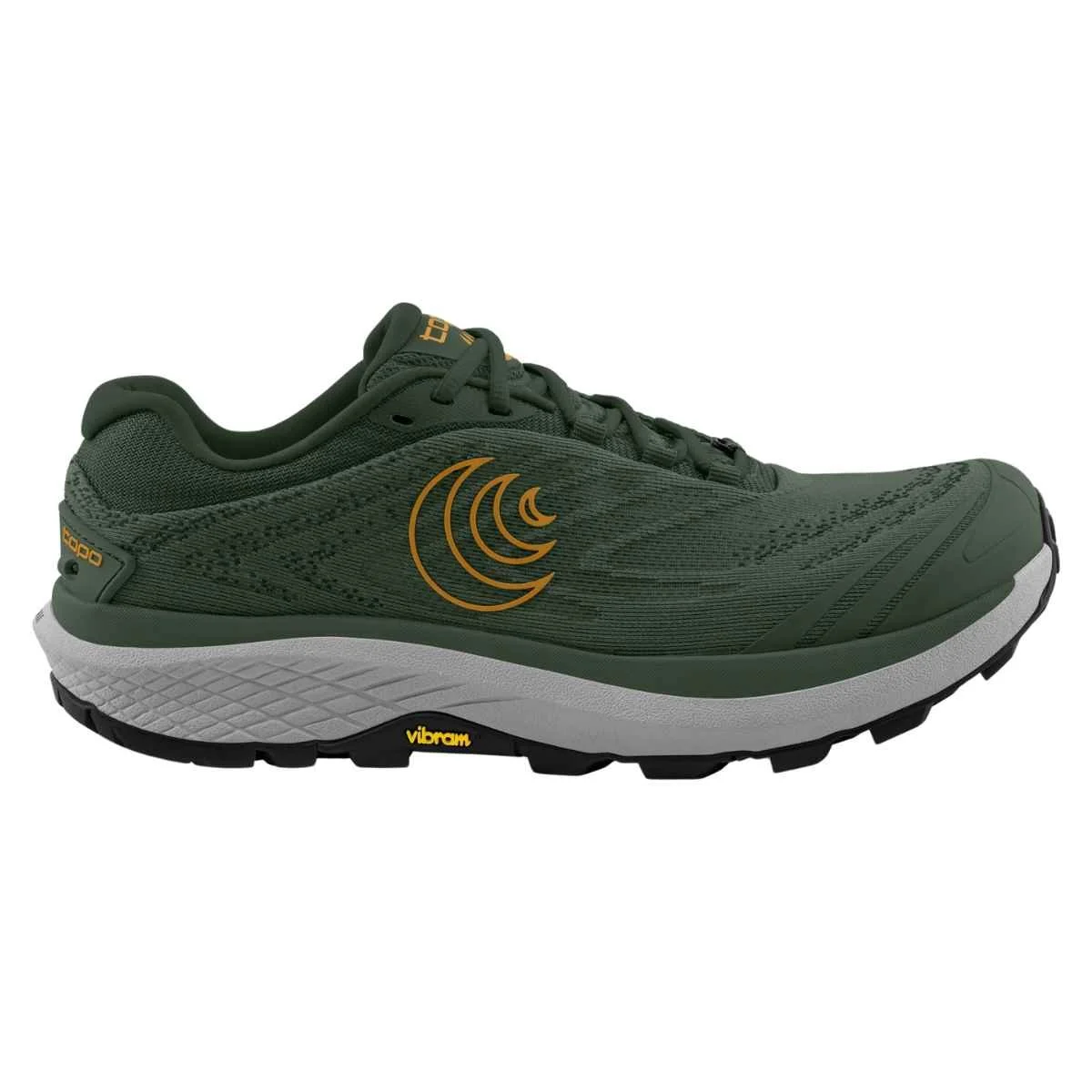
Cushion: Medium, balanced
Stability: Neutral
Heel-to-toe drop: 0 mm
Stack height: 28 mm
Upper: Recycled mesh
Midsole: Proprietary ZipFoam
Outsole: Vibram Megagrip
Weight: 10.5 oz (men's 9), 8.6 oz (women's 7)
This shoe has an even taller stack height than the Altra Lone Peaks at 28 mm, so it’s still taller than the Notace Yama T1s. It does have a great push-off and responsiveness though that’s reminiscent of that “road/track shoe” feel that Notace is going for (not just in style). The Topo Pursuit 2 is a neutral, zero-drop shoe, but it has more foam and cushion than the Notace does. One major difference worth noting is the Topo Pursuit 2 uses a Vibram Megagrip outsole, which we love. Plus, it also uses some recycled materials in the upper.
Learn more in our in-depth review of the Topo Athletic Pursuit 2 Trail Running Shoes.
Topo Athletic Pursuit 2
men's
Women's
HOKA Speedgoat 6
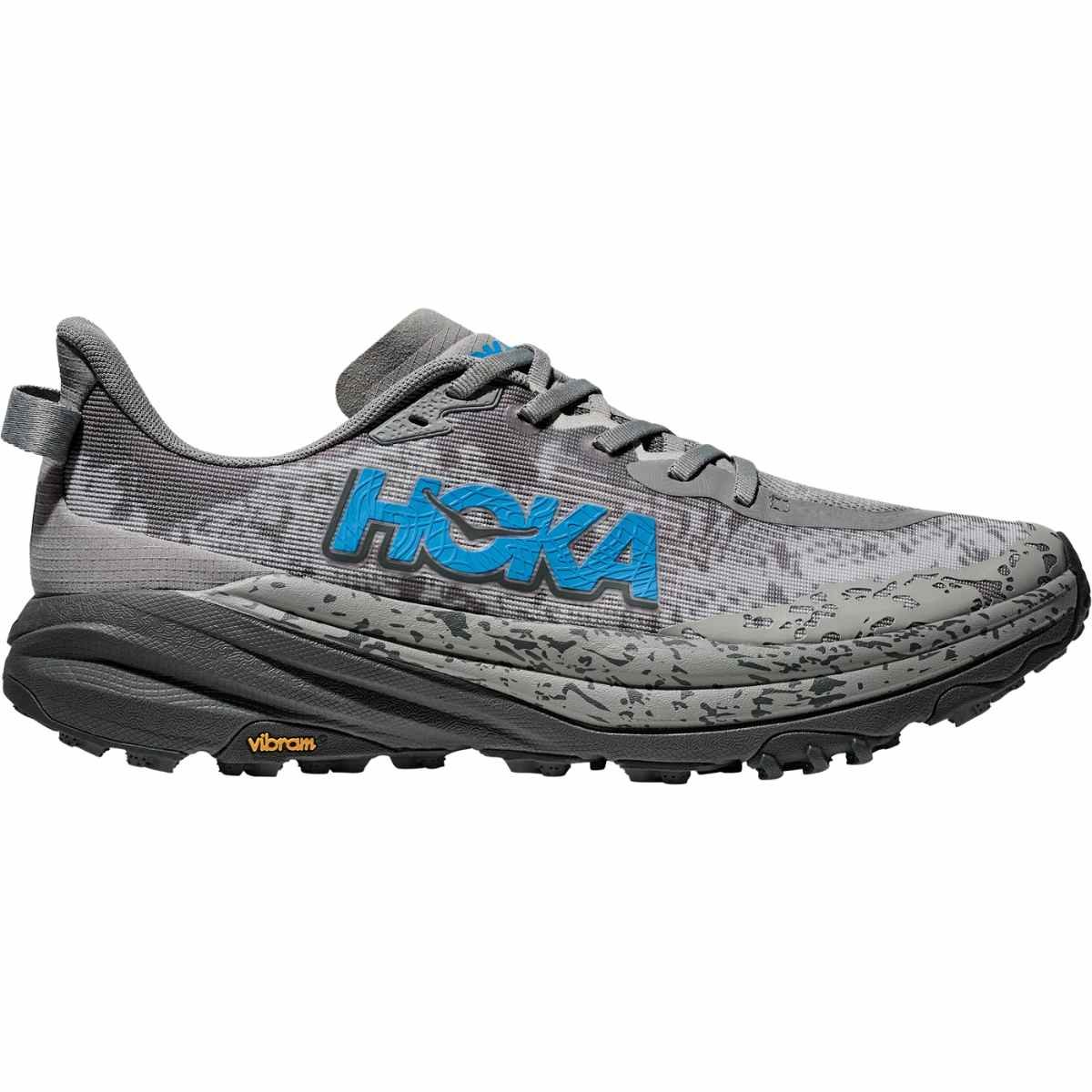
Cushion: Maximum
Stability: Neutral
Heel-to-Toe Drop: 5 mm
Stack Height: 40-35 mm (men’s), 38-33 mm (women’s)
Lugs: 5-millimeter directional lugs. Lugs in the front of the shoe point forward, while the lugs on the heel point back
Upper: Lightweight woven textile upper
Midsole: CMEVA
Outsole: Vibram Megagrip outsole
Weight (pair): 1 lb 3.6 oz (men’s), 1 lb 0.4 oz (women’s)
Like the Lone Peak 9+, the HOKA Speedgoat also uses a Vibram Megagrip outsole, but that’s where the similarities stop. The Speedgoat has 5 mm of drop, and even more cushion than both the Notace Yama and the Lone Peaks. The Speedgoat doesn’t have as wide of a toe box as the Notace Yama, but it does come in wide sizing like Altra. The shoe sits up even higher, and has a more forward feel, while the Notace Yama is zero-drop, and sits very low to the ground, and has much more groundfeel than the Speedgoat.
You can read our full, in-depth review of the HOKA Speedgoat 6 for more information.
HOKA Speedgoat 6
men's
Women's
Why you should trust us / About the author

Mary Murphy is an all-around outdoorsperson. Some of her favorite ways to spend time outside include hiking, backpacking, and trail running. She’s section-hiked on the CDT, CT, and AT; completed the Wonderland Trail; and backpacked around the U.S., Canada, Thailand, Vietnam, Korea, and Nepal. Once upon a time, Mary ran track and field (the 1600m and 3200m events) and cross country—thus, she absolutely loves the track aesthetic of the Notace shoe.
Mary has worked as a gear tester since 2019, and has been wearing and testing running shoes prior and ever since.
You can read more about Mary on her Treeline author page.