Smith Pilot Mips MTB Helmet: The $95 Helmet That Borrows Its Looks From Smith's $300 One
An affordable, design-forward helmet for trail riders on a budget
July 31, 2026
Home → Gear Reviews → Mountain Biking
Our verdict
We spent several days and dozens of miles testing the Smith Pilot Mips helmet. This is a solid option for trail riders looking for a cool-looking, design-forward helmet on a budget that doesn’t skimp on safety details, like Mips for rotational impact protection.
We tested this helmet in the hot and dry Southern Utah desert, as well as on high alpine and forested trails around Summit County, Colorado.
According to Smith, and clearly seen especially at the back of the helmet, the Pilot is intended to share the same design language and unique look of the brand’s popular and premium Forefront 3 helmet—but at a third of the cost.
The Pilot does not have as much coverage and is not as comfortable as the Forefront 3, but with that price difference, it’s a great option for trail riders who want a stylish helmet on a budget, without sacrificing quality.
Smith Pilot Mips
We create reader-supported, objective gear reviews independently selected by our editors. This story may contain affiliate links, which help fund our website. When you click on the links to purchase gear, we may get a commission, without costing you an extra cent. Thank you for supporting our work and mission of outdoor coverage for every body! Learn more.
Smith Pilot Mips Specifications
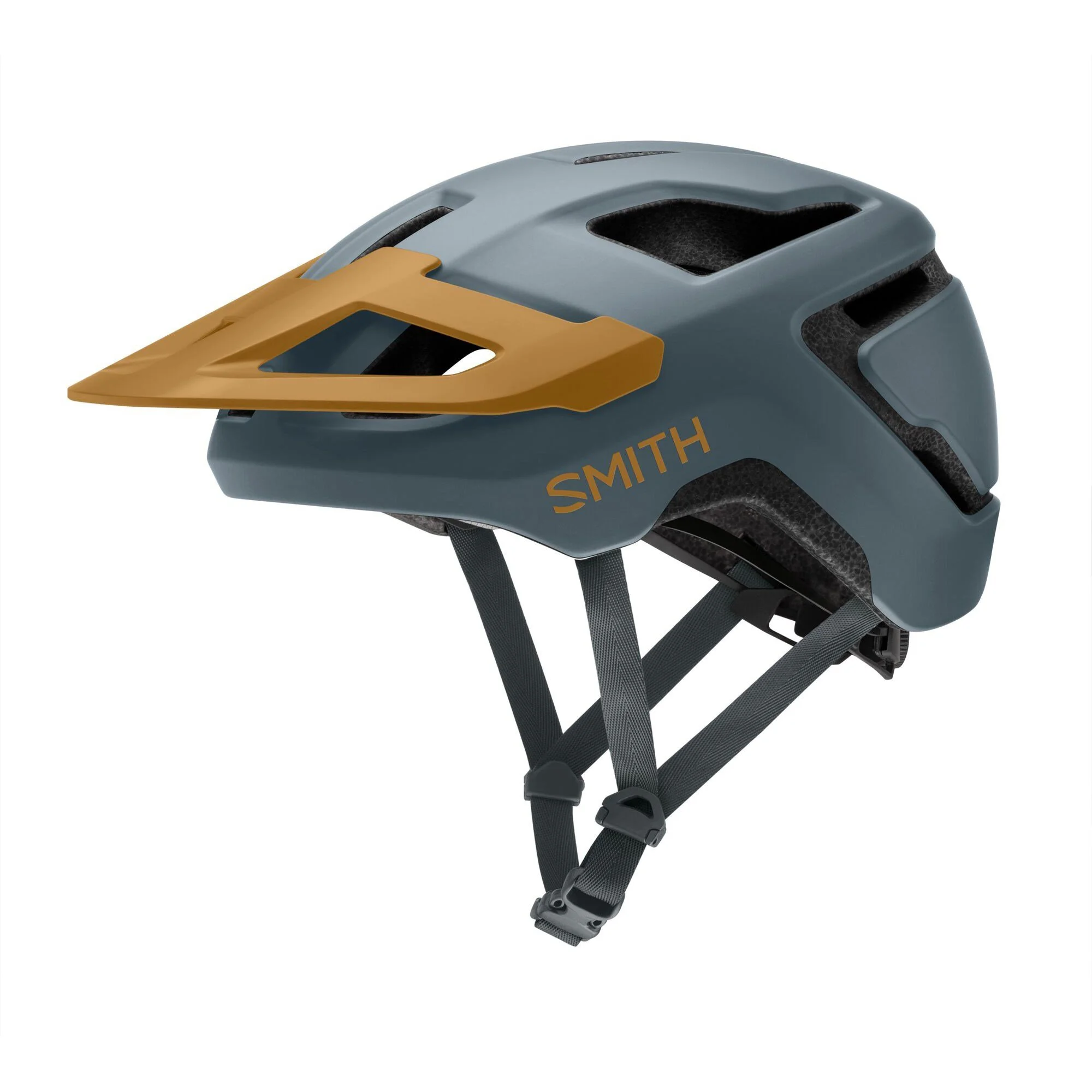
Price: $95
Weight: 370g (medium)
Helmet type: Trail
Safety tech: Mips
Construction: In-mold
Number of vents: 13
Visor: Fixed
Fit system: Dial fit system
Sizes available: XS-XL
Certifications: U.S. CPSC Safety Standard, CE EN 1078
Comparison table
| Mountain Bike Helmet | MSRP* | Rotational Impact Protection | Virginia Tech Rating | Visor | Venting | Sizing |
|---|---|---|---|---|---|---|
| Smith Pilot Mips | $95 | Mips | Not rated | Yes, fixed | 13 fixed | XS-XL |
| Giro Fixture Mips II | $85 | Mips | Not rated | Yes, fixed | 13 fixed | One size |
| Smith Engage Mips | $150 | Mips | Not rated | Yes, 2 positions | 21 fixed | S-XL |
| Smith Forefront 3 Mips | $300 | Mips Air Node, Koroyd | Not rated | Yes, adjustable | 20 vents, AirEvac | S-L |
Best for
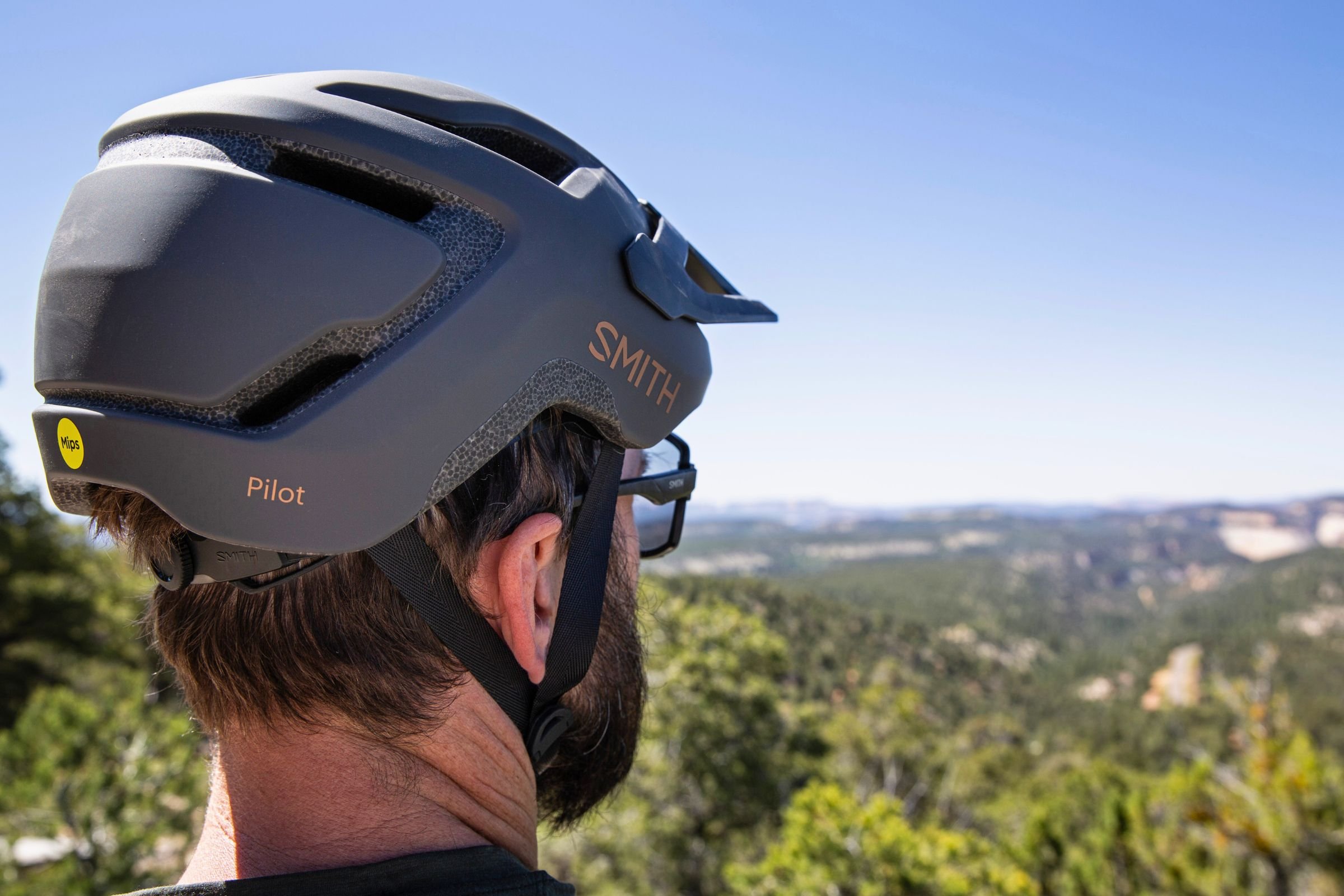
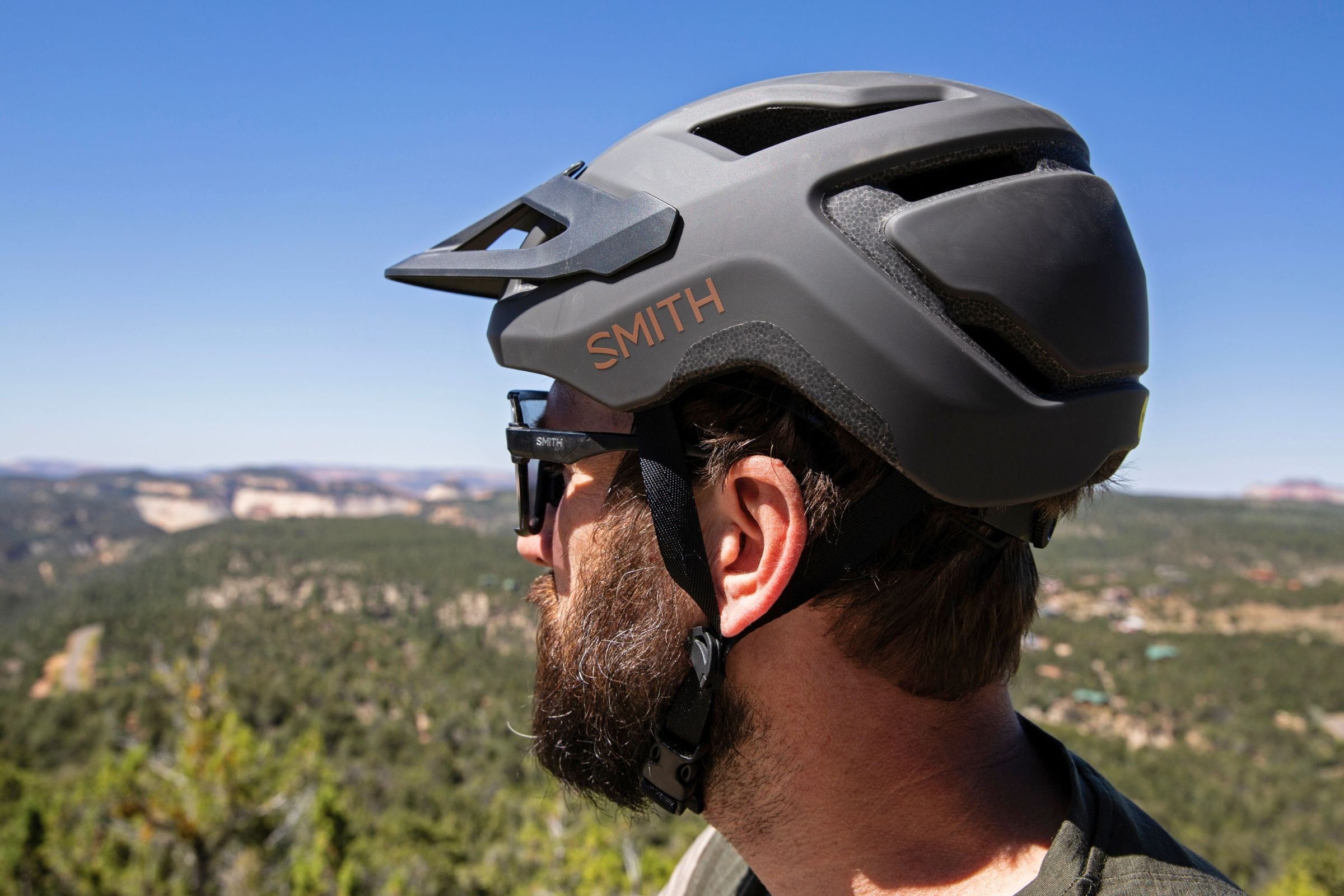
The Pilot Mips has average shell coverage for all-around cross-country and trail riding. Photo by Tom Callaghan.
Trail riding
Budget-oriented mountain bikers
Riders who want a stylish-looking helmet in an affordable package
What we liked
Good value
Very comfortable compared to other helmets at this price point
Stylish look and design
What could be better
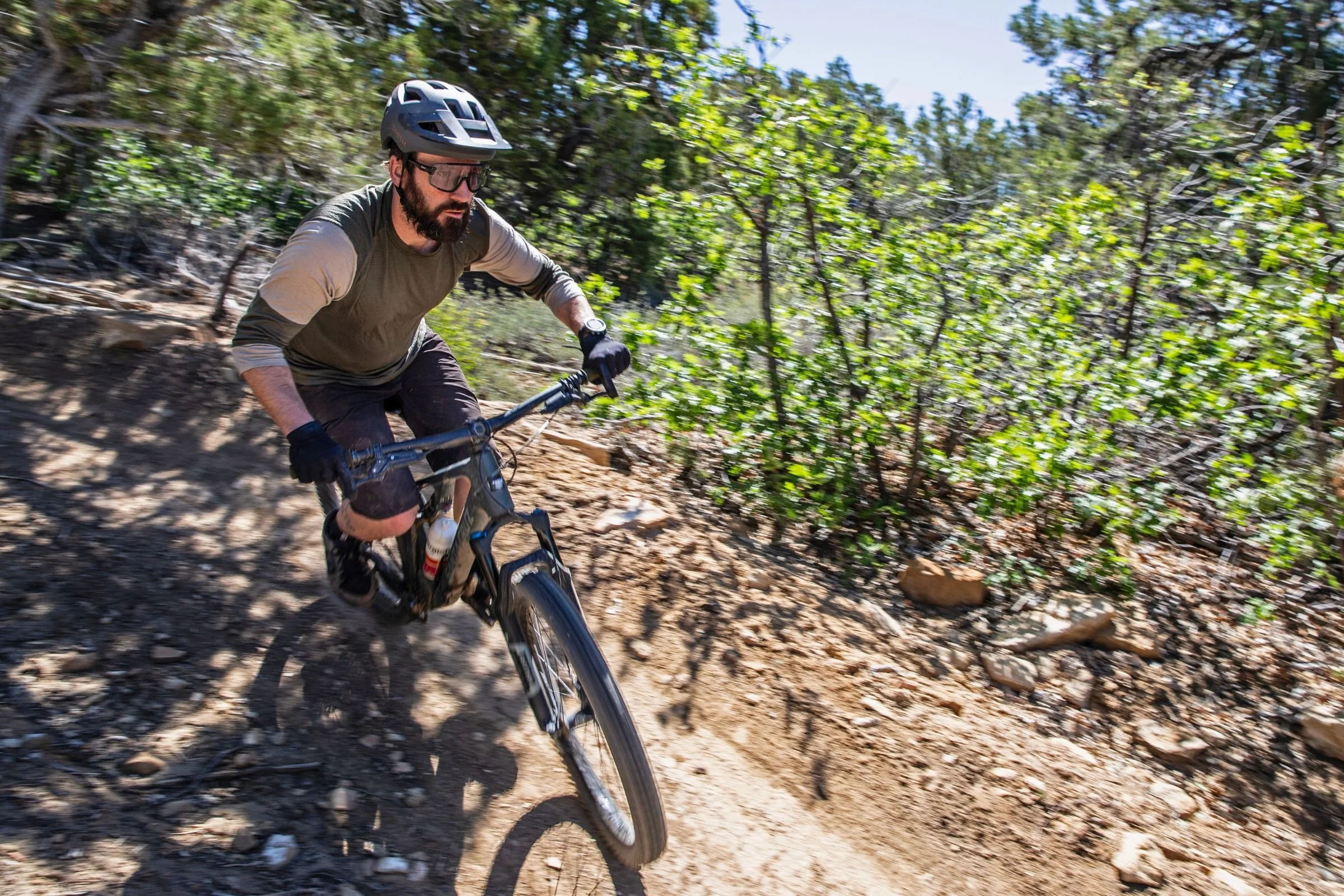
There is only one visor position for the Pilot, and it’s sometimes a little high to block the sun effectively. Photo by Tom Callaghan.
Not as much coverage as more expensive options
Venting is average at best
Fixed visor may be a little high for some riders’ preferences
How we tested
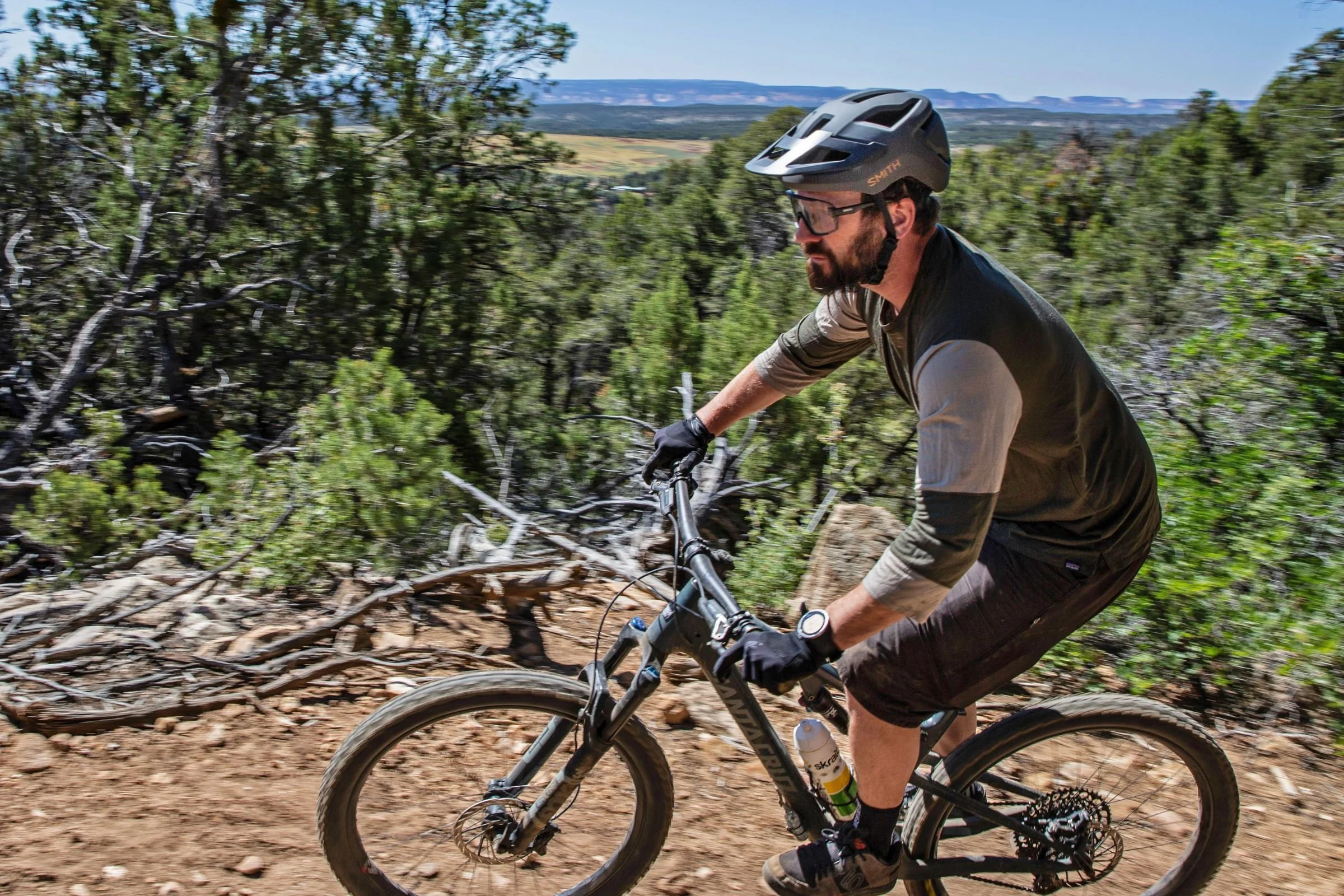
We spent time climbing trails in the desert heat to test the ventilation of the Smith Pilot Mips helmet. Photo by Tom Callaghan.
We spent dozens of miles pedaling and descending in the Smith Pilot Mips helmet. Our primary tester is an advanced-level rider who loves to pedal hard, descend fast, and runs hot.
We tested on dry and dusty trails in Southern Utah, often pedaling in full sun and heat in the high 80’s. We also tested in cooler weather on trails above 9,600 feet around Breckenridge, Colorado. We spent about as many miles climbing as we did descending (about 100 in total), and tested on rides that were both short and long.
As we tested, we also directly compared to other half-shell helmets for trail riding, like the Smith Engage Mips, the Smith Forefront 3, the Giro Fixture Mips, and others from our Best MTB Helmets guide. This helped us to assess where this helmet stands in the pack and how it compares to helmets at similar and very different price points.
Performance in the field
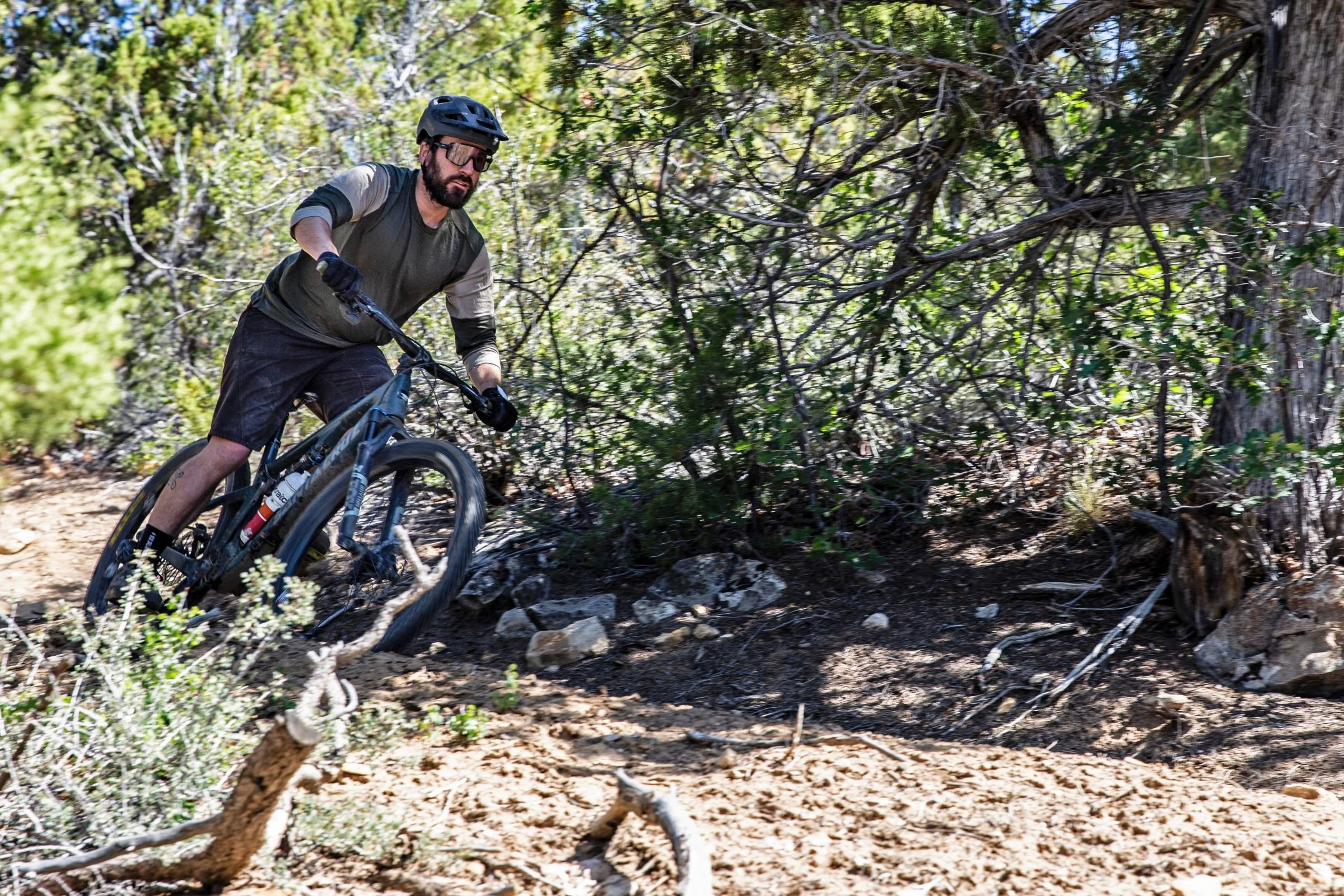
We tested for airflow, stability, and comfort on the downhills while wearing the Smith Pilot Mips helmet. Photo by Tom Callaghan.
Fit and comfort
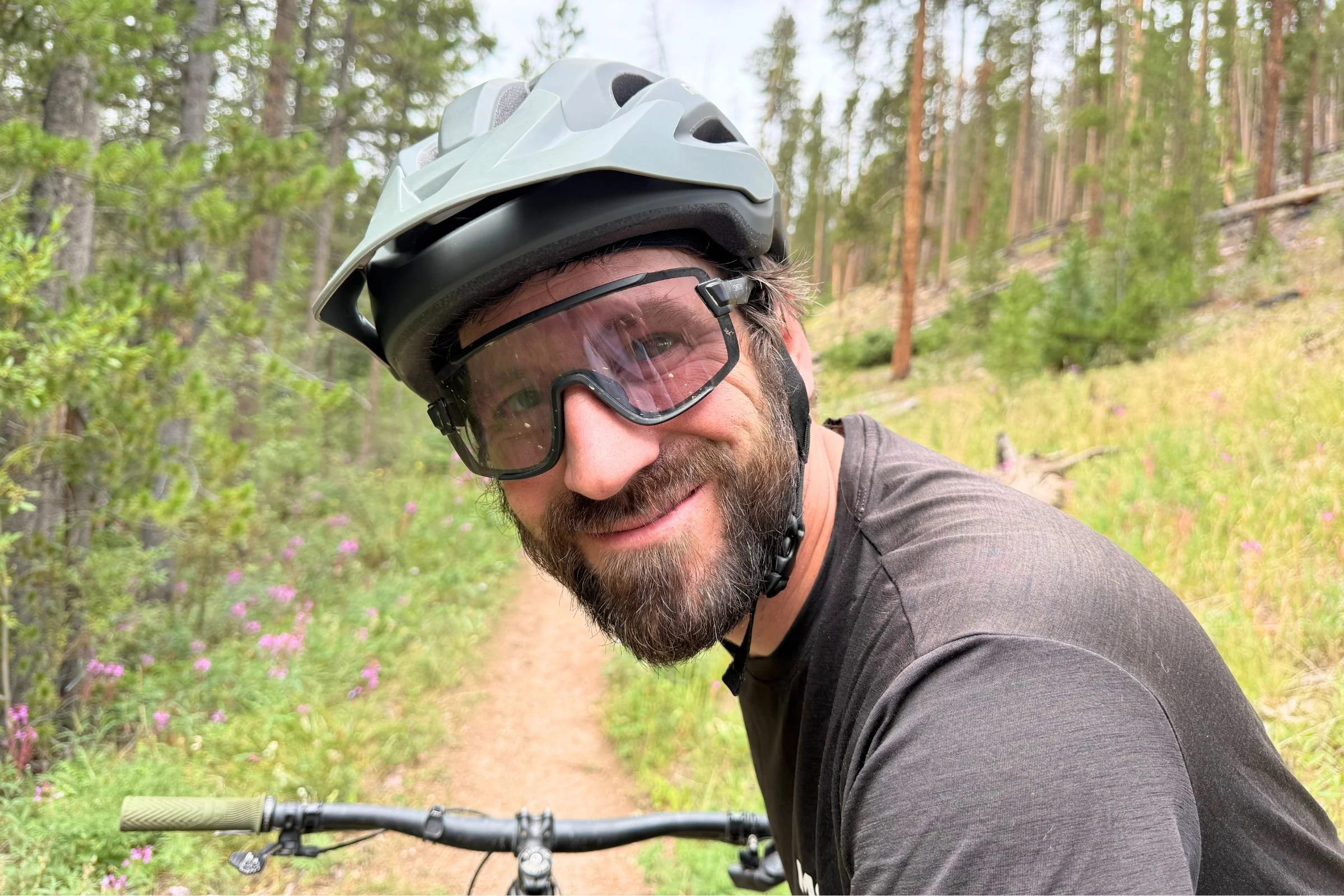
The Smith Pilot Mips helmet is comfortable and adjustable overall, especially for a helmet at this price. We didn’t find any pressure points when testing and wearing this helmet, and think that it is likely to fit a wide variety of head shapes.
One thing we did note in testing is that, compared to more premium helmets like the Smith Forefront 3, the Pilot feels like it sits on top of your head, rather than your head fitting snugly into the shell. But, at a third of the price of those premium options, we truly don’t have many qualms with the overall fit of this helmet. It’s plenty comfortable as a daily driver for average-length rides, and among our favorites of helmets we’ve tested at this price range.
It is notably more comfortable than other helmets we’ve tested at that price point.
Ventilation
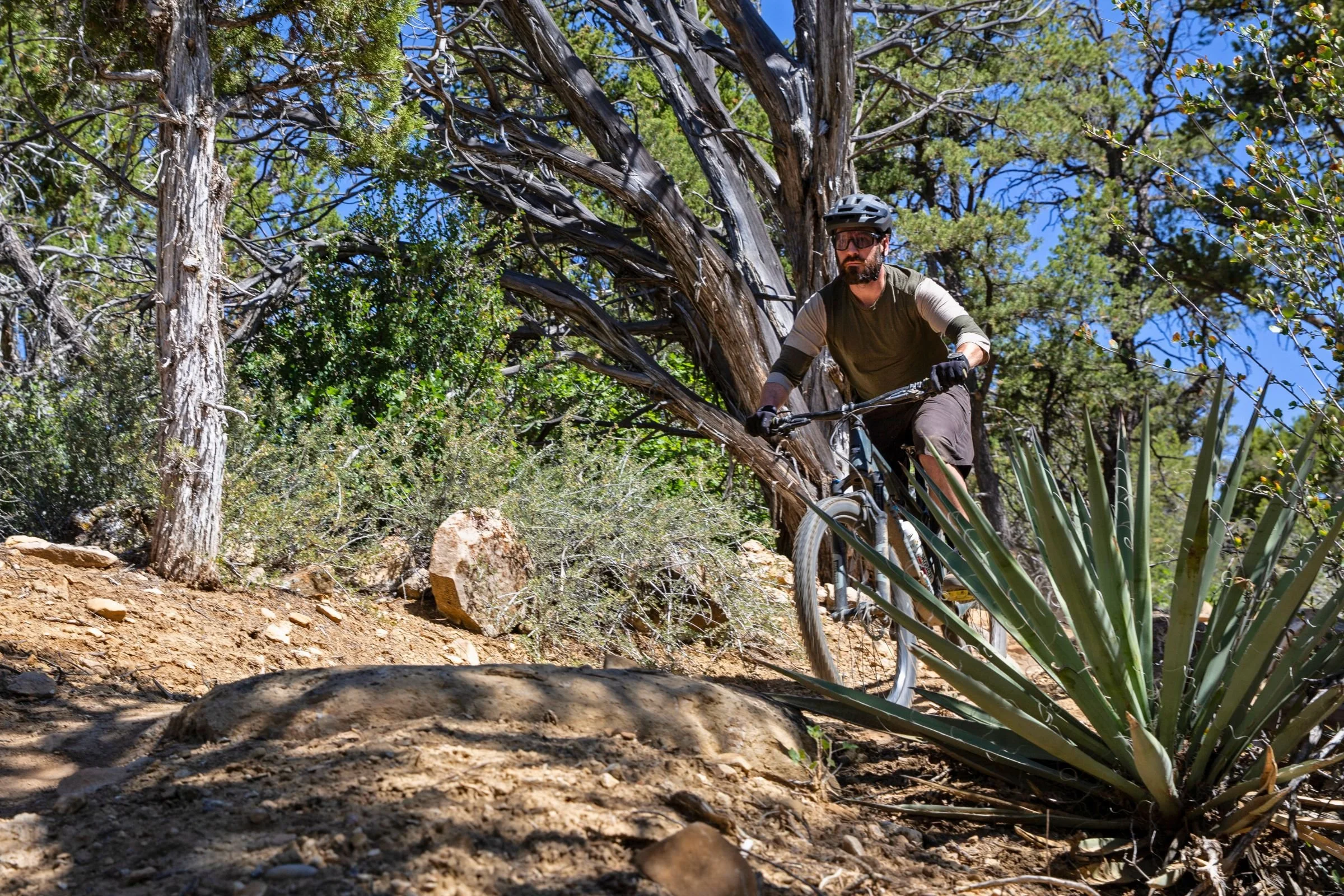
The Pilot Mips helmet has 13 vents for airflow. Photo by Tom Callaghan.
With 13 vents, the ventilation in the Pilot Mips helmet is about average and not particularly noteworthy. It vents enough to be sufficient for most rides, but if you’re expecting an especially airy helmet, you’ll simply have to spend more money to get that. So, given the price of the Pilot, we think the ventilation is about what we’d expect and certainly enough to get the job done on all but the hottest days or longest rides.
Protection and coverage
As the name implies, the Pilot Mips includes Mips technology for rotational impact protection. It is not the most premium version of Mips, but it is comfortable and effective, and we would not recommend a helmet without it (or similar technology), even at a budget price. So while the feature set may be more pared down in this affordable helmet, we appreciate that Smith didn’t skimp on the most critical details.
The coverage of the Pilot is moderate and sufficient for most cross-country and trail riding. It hits the key areas, but does not come as close to the ears or lower back of the head. If you’re not a particularly aggressive rider, this coverage should be plenty for daily rides. But if you ride hard and fast, consider spending more money on an option with greater coverage.
Stability and retention
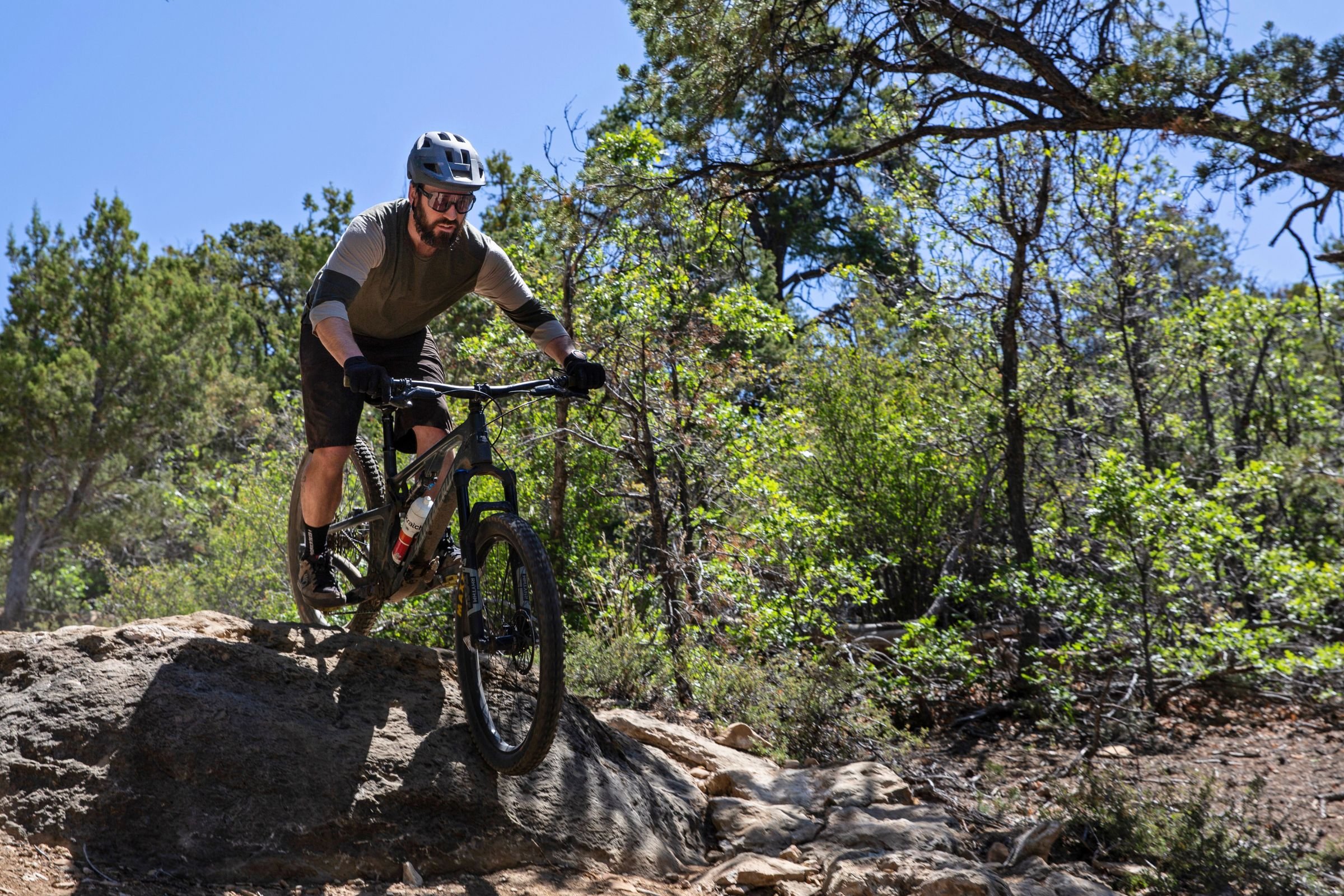
We tested the Pilot Mips helmet on chunky descents to test for stability and comfort. Photo by Tom Callaghan.
The Pilot has great overall retention and stability compared to other helmets at this price point that we’ve tested. While it understandably does not outperform more premium and expensive options, it does a solid job for the price.
Along with the dial system to tighten the inner harness, there is an option to adjust how far down that harness sits in comparison to the helmet shell. That extra bit of adjustment makes it more stable, secure, and comfortable than other helmets in this class.
Weight and feel
For a trail helmet with this modest amount of coverage, the weight of the Pilot Mips is about average. It’s comfortable, and the weight is relatively unnoticeable when wearing it—which is a good thing. It does not feel magically featherweight, but it also doesn’t feel heavy when it’s on, either. Counting grams in a helmet ultimately matters less than overall comfort and protection, so we think the Pilot strikes a nice balance here.
Usability
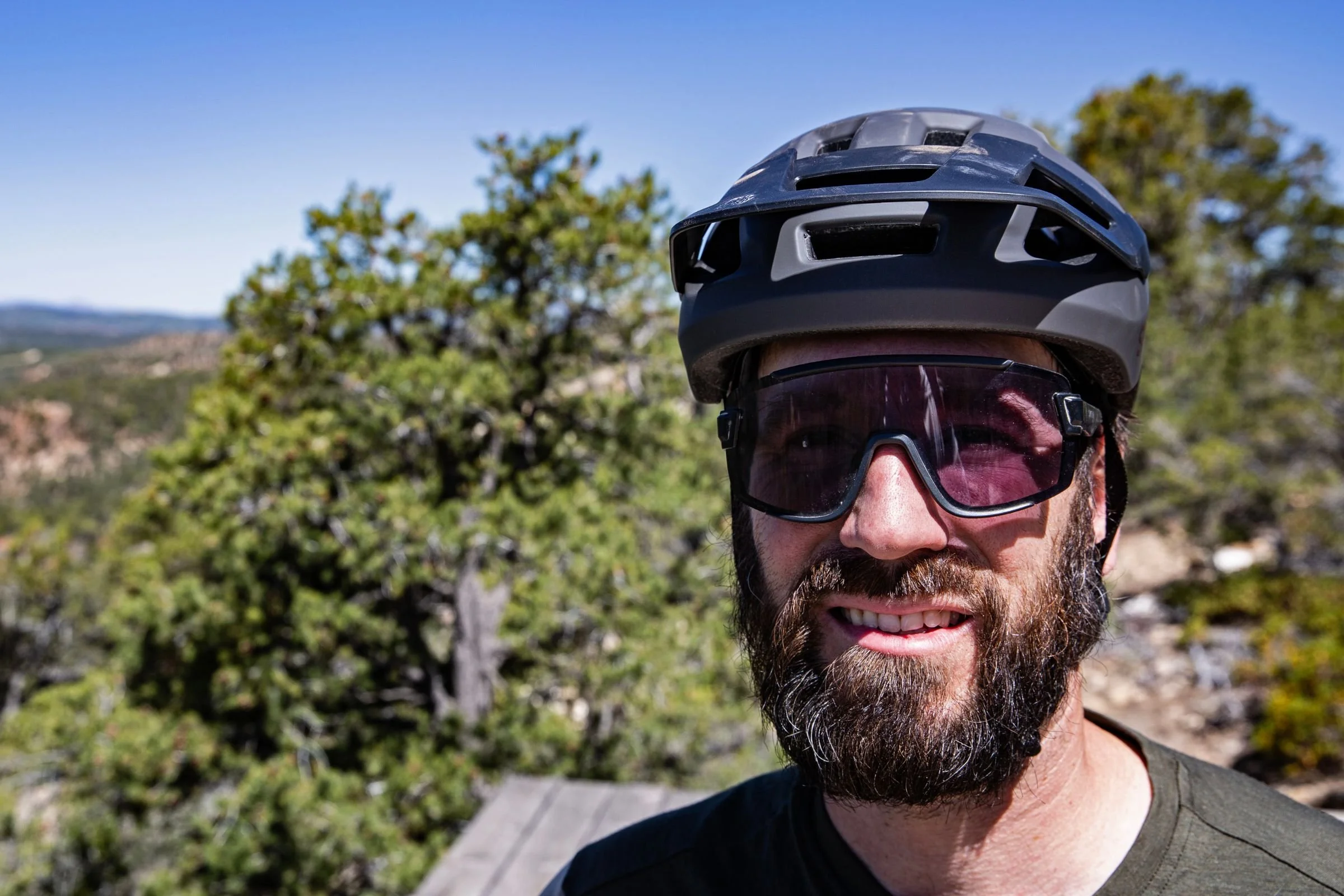
We tested the Pilot Mips helmet primarily with the Smith Wildcat sunglasses, but also with shades from POC, Zeal, and more. Photo by Tom Callaghan.
The dial to tighten the helmet is not the smoothest out there, but it is secure. It holds tight, even on chunky descents. It clicks into place firmly. But that dial can be a bit tricky to move easily with sweaty or gloved hands.
The helmet straps have a good deal of adjustability that allows you to dial in the fit as needed. This helmet has more adjustability in both the inner harness and straps than others we tested at this price point.
The vents and visor are positioned so that you can store sunglasses on top of the visor. This works reasonably well, but it’s not super secure and therefore not ideal to utilize while pedaling.
Durability
The overall build quality of the Smith Pilot Mips helmet feels solid, and on par with other durable Smith products and MTB helmets we’ve tested over the years. Over about a dozen days of testing, including travel on one road trip, we did not encounter any durability issues, and the helmet still functions and looks as good as new.
Features
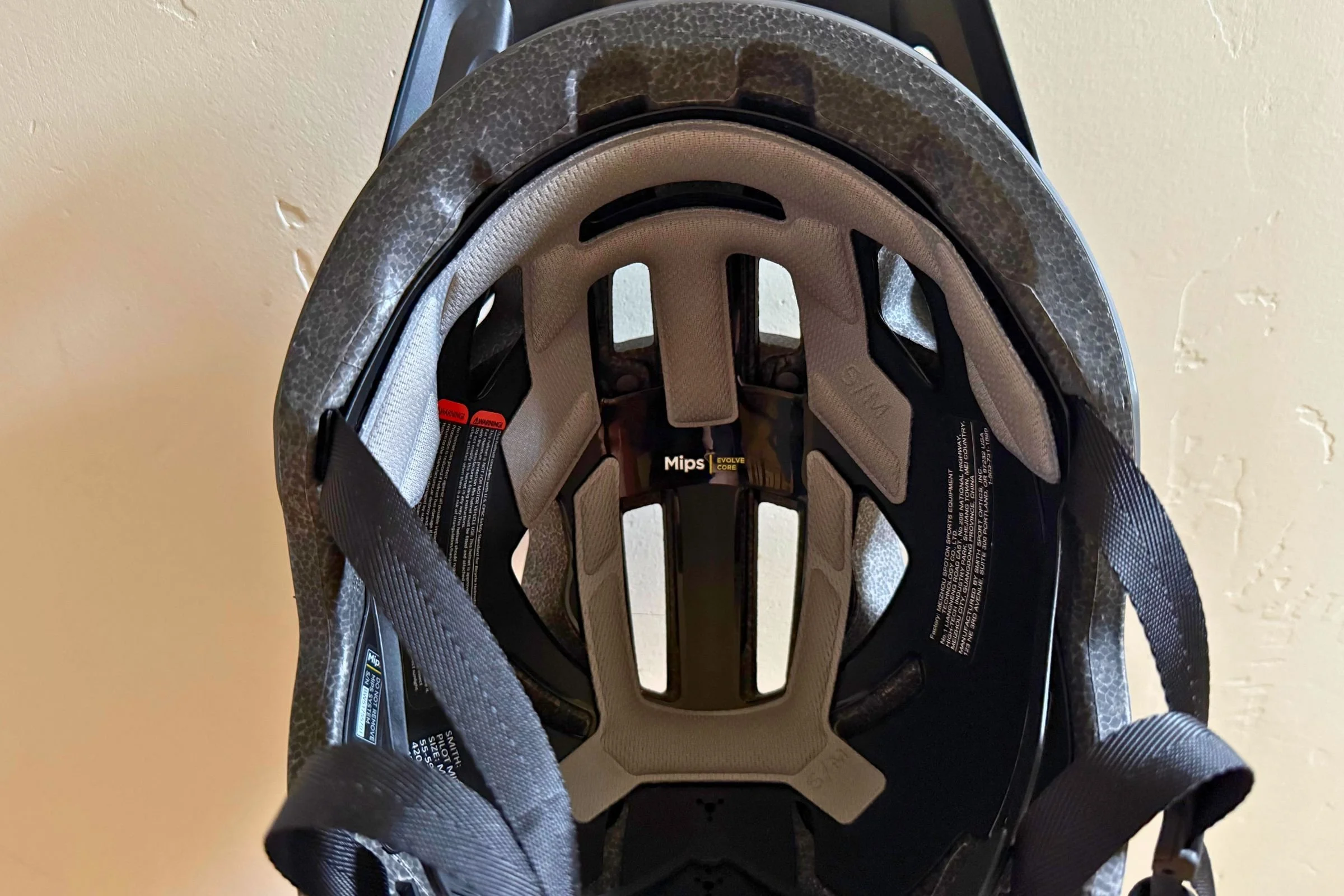
The Pilot helmet has Mips Evolve Core for rotational impact protection. Photo by Stasia Stockwell.
Rotational impact protection system
This helmet uses Mips for rotational impact protection. This is essentially the industry standard for this type of protection, and it’s comfortable and effective.
Fit adjustment dial
There is a two-way click dial at the back of the helmet for adjustment. It is a strong and secure dial.
Ventilation channels
The Pilot Mips helmet has 13 fixed vents throughout the helmet that provide airflow.
Lightweight shell construction
The Pilot helmet uses a lightweight in-mold construction for the shell, which helps to keep the weight low and comfort high.
Sustainability
Smith has committed to working towards zero plastic waste in their packaging.
Should you buy the Smith Pilot Mips MTB helmet?
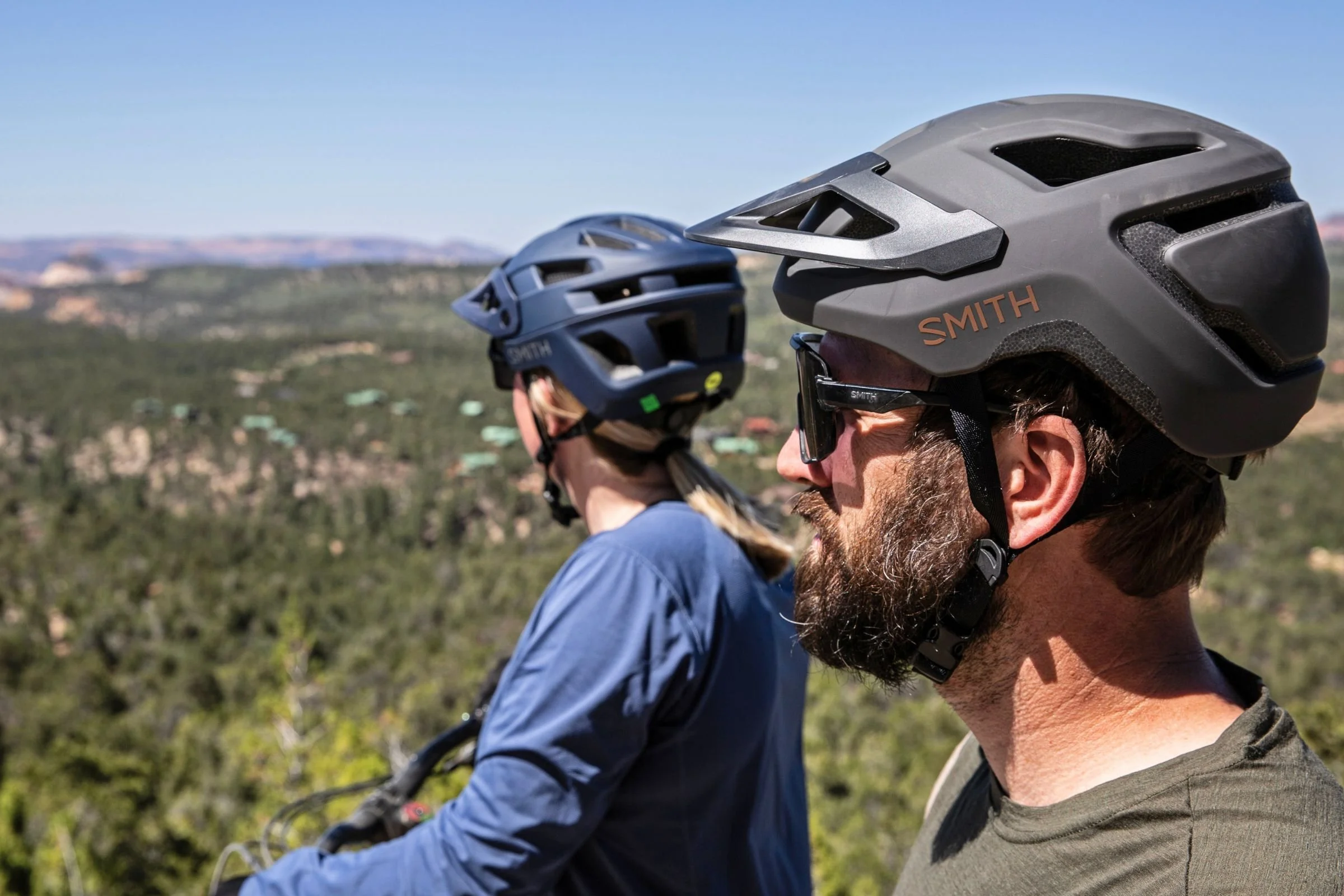
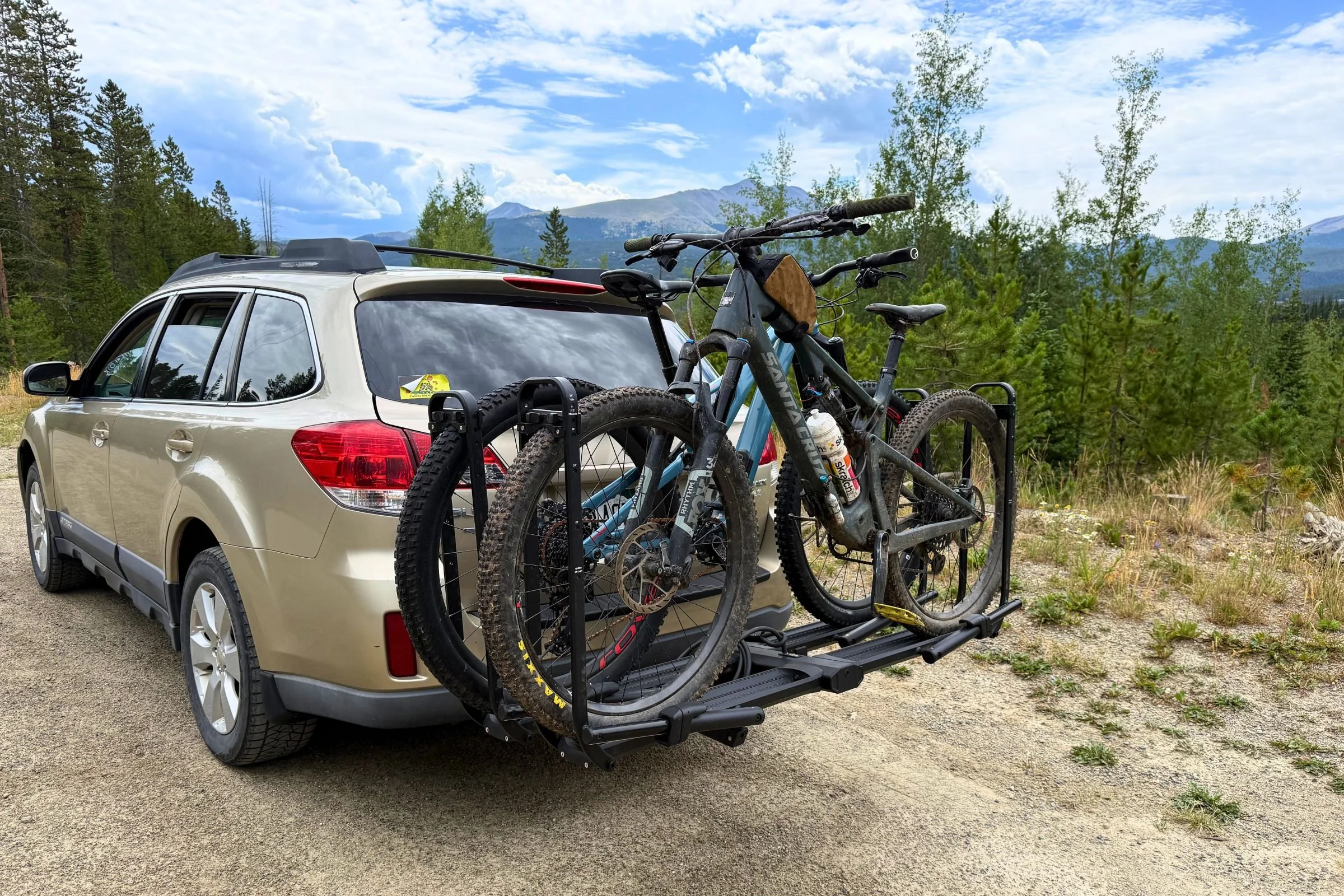
We tested the Pilot Mips directly against other helmets from both Smith and other brands, including the Smith Engage Mips, shown here with the Pilot. Photo by Tom Callaghan.
Buy if:
You’re a mountain biker on a tight budget
You prioritize affordability over premium features
You want a solid helmet with Mips at a good price
You like the design of the Forefront 3 helmet, but don’t want to spend a premium amount
Skip if:
You want maximum protection and coverage
You prioritize top-tier features, like a BOA Fit System, sunglasses storage, etc.
You need maximum airflow
Where to buy
The Smith Pilot Mips MTB Helmet is a popular gear item, so you have options when it comes to retailers. Here are some of the pros of the retailers.
REI
Pros: 100% satisfaction policy for 1 year; 10% dividend for members.
Amazon
Pros: Free 2-day shipping with Amazon Prime membership (can be same-day delivery in major metropolitan cities)
evo
Pros: 365 day returns, store locations in ski towns for easy last-minute pick-up, may offer rentals if you want to try before you buy, earn 10% back in Rewards, free membership gets discounts on services and rentals
Advice on where to buy
In general for gear, we recommend purchasing from a place with easy or free returns, like REI.
Similar MTB helmets
Smith Pilot Mips vs. Giro Fixture Mips II
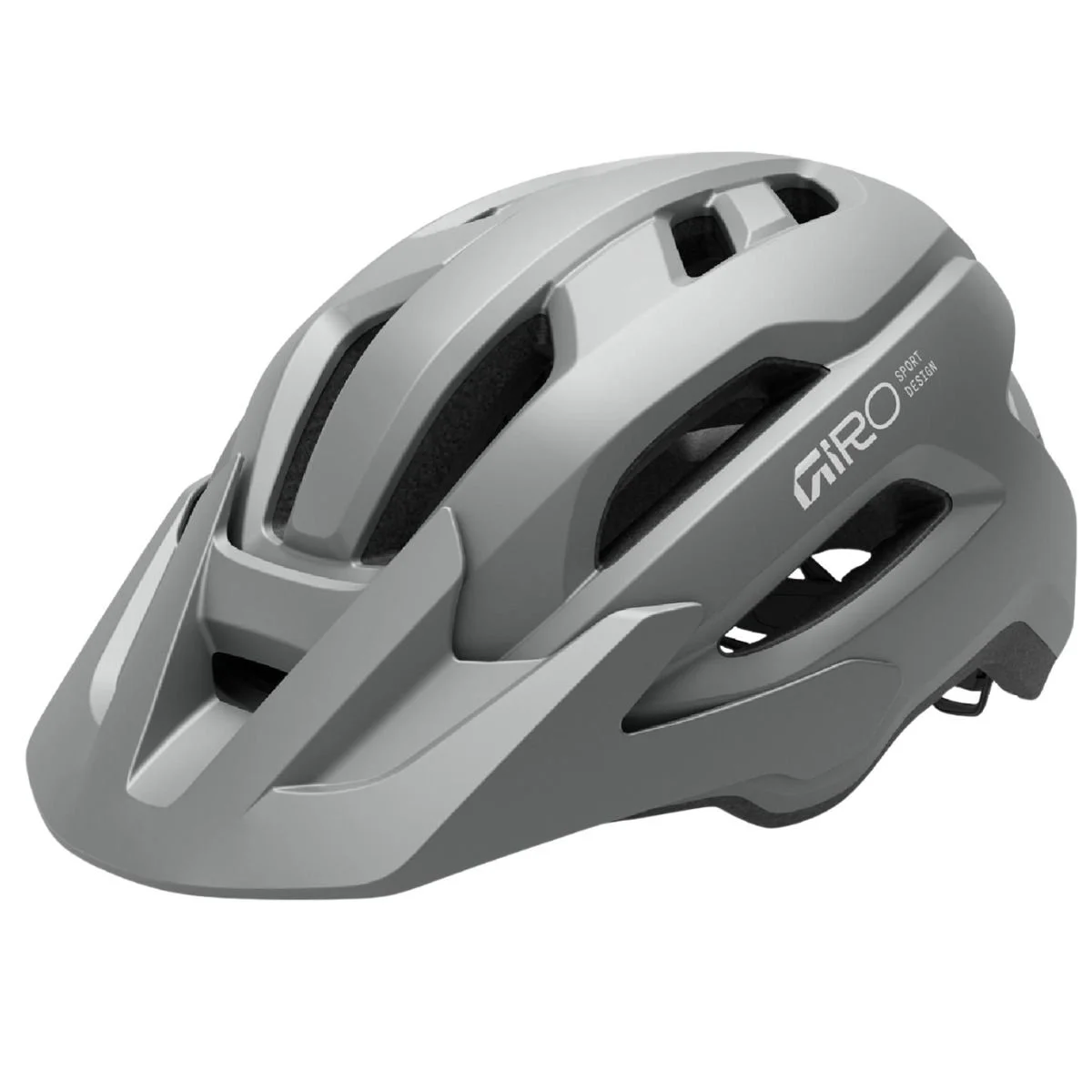
Price: $85
Weight: 330g (one size)
Impact Protection: Mips
The Giro Fixture Mips II is among the most affordable mountain bike helmets we’ve tested for this review. It’s a fairly basic and simple helmet design that offers ample coverage and protection for less aggressive trail and cross-country riders. And we appreciate that even at this price, the Fixture II doesn’t skip the Mips.
Rather than offering a range of sizes, the Fixture Mips II comes in one size that Giro claims should fit most heads. Our women’s tester with a XS-S sized head was able to crank the dial enough to get a secure fit, but the back part of the helmet shell did stick out a good bit, which we didn’t think was ideal. Our men’s tester with a very average medium-sized head found a decent fit, but noted that it did not feel as secure as others.
Ultimately, if every dollar counts, this is a helmet that will get the job done. But for $10 more, we think the Pilot is a better option for a sub-100-dollar helmet. Learn more in our in-depth review of the Giro Fixture Mips II helmet.
Giro Fixture Mips II
Smith Pilot Mips vs. Smith Engage Mips
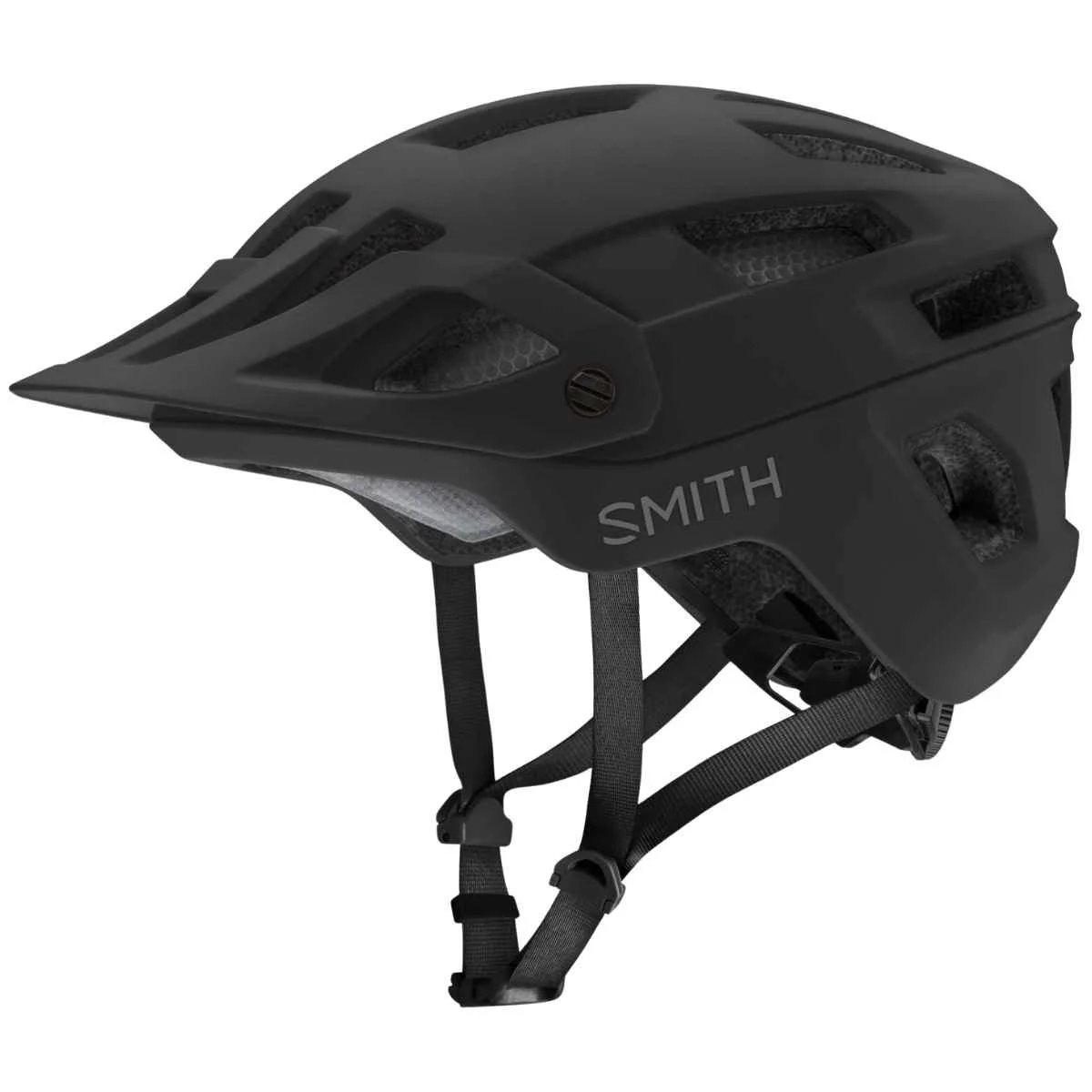
Price: $150
Weight: 350g (medium)
Impact Protection: Mips, Koroyd
The Engage is Smith’s mid-range priced helmet for all-around trail riding, with more coverage plus some Koroyd for additional impact protection (it has the same Mips system as the Pilot).
While the Pilot is the best option for riders who are truly on a tight budget, for $55 more (standard retail), the Engage feels like a worthy upgrade. Along with that additional coverage and Koroyd, you also get an adjustable visor. Plus, our testers found this helmet to fit better overall than the Pilot (or other budget options like the Giro Fixture Mips II). Rather than feeling like it sits on top of your head, the Engage feels like your head nestles snugly inside the helmet.
So if you’re willing to spend a little more, we think the Engage Mips helmet offers excellent, worthwhile value. For more, read our in-depth review of the Smith Engage Mips.
Smith Engage Mips
Smith Pilot Mips vs. Smith Forefront 3
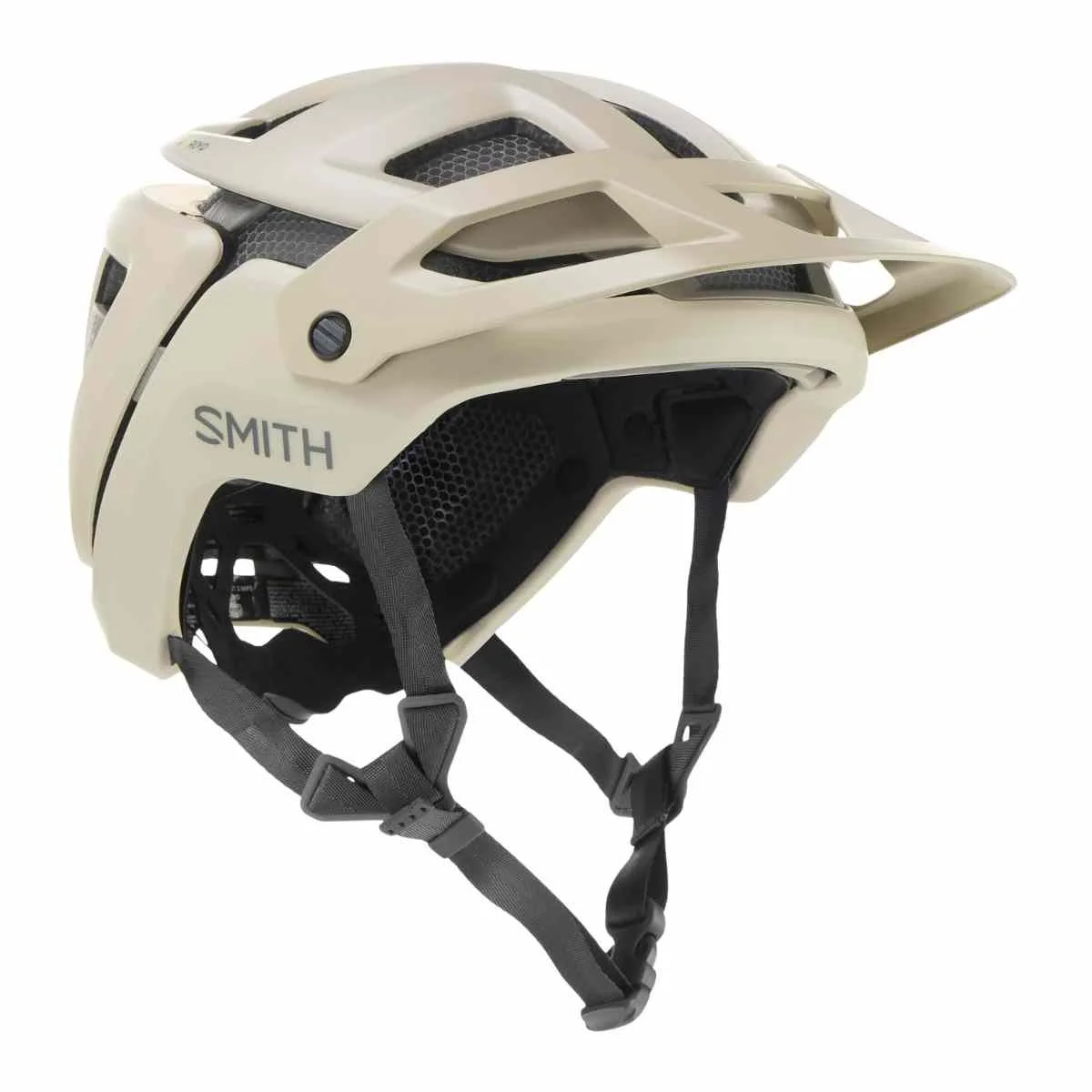
Price: $300
Weight: 410g (medium)
Impact Protection: Mips Air Node, Koroyd
The Forefront 3 is Smith Optics’ most premium half-shell trail MTB helmet, and it has the price tag to prove it. Upgrades you get with the Forefront 3 include better shell coverage, Koroyd for additional impact protection, Mips Air Node (which is sleeker and more comfortable than other Mips), and an incredibly comfortable and slick BOA Fit System. Lay-flat straps, an adjustable visor, and better sunglasses storage also add to this helmet’s premium build and price.
But, according to Smith, the Pilot shares similar design elements with the Forefront 3, and it’s clear that they both have a nice, unique style. If you like the Forefront 3 but don’t feel the need to spend the money for premium features, the Pilot Mips is a great option for riders on a budget. See our in-depth review of the Smith Forefront 3 mountain bike helmet to learn more.
Smith Forefront 3
Why you should trust us / About the author
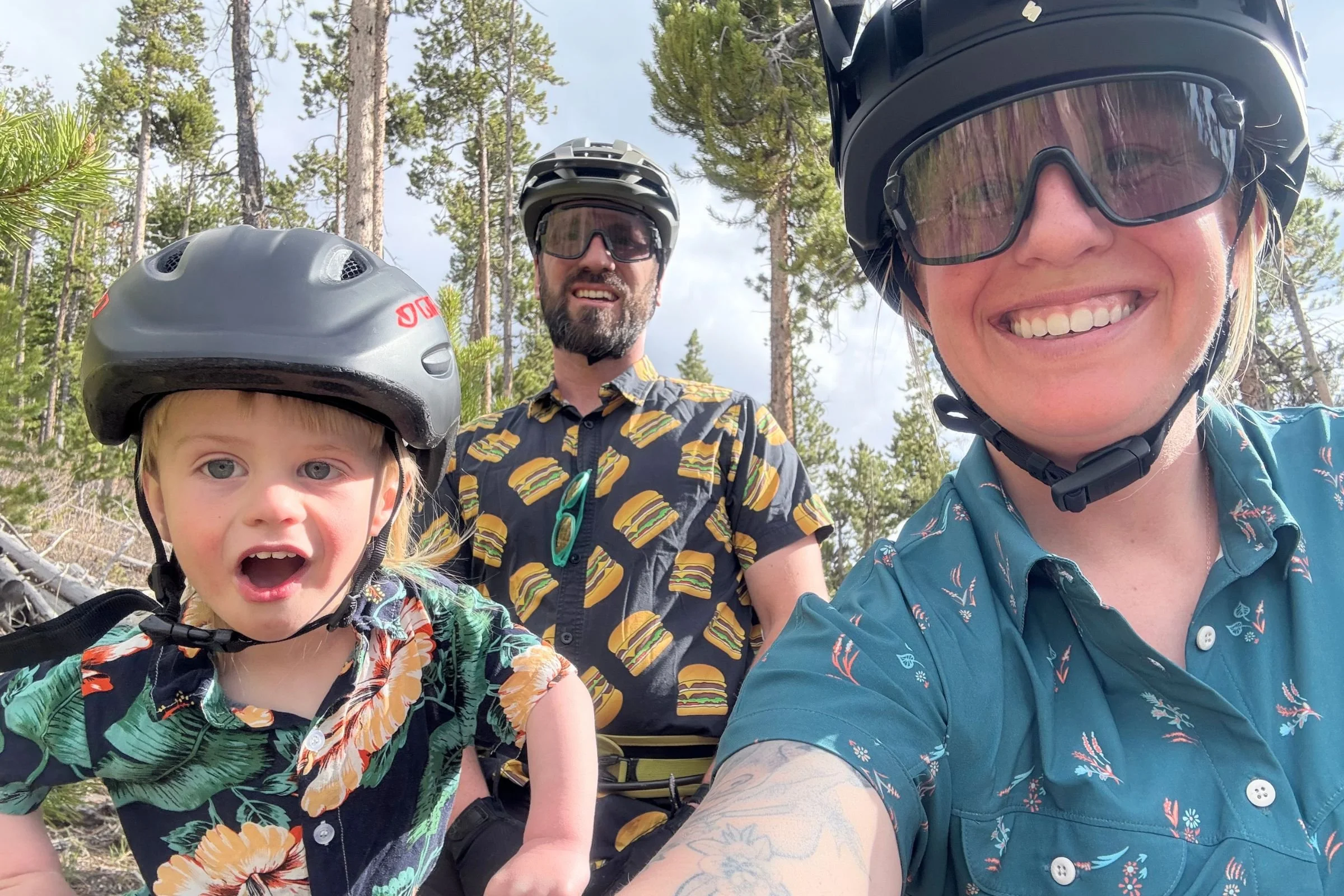
The author with her husband and son, who help with gear testing for Treeline Review, testing helmets together on a trail ride in Colorado. Photo by Stasia Stockwell.
A true mountain dweller, Stasia feels far more at home on a high alpine ridge than on a busy city street. She’s worked as a backpacking guide in Southeast Alaska, has held a WFR, AIARE 1, AIARE 2, and Avalanche Rescue Certifications, and is working to become an avalanche education instructor. She’s now a full-time writer and editor in the outdoor space and has been testing and writing about gear for over a decade.
Stasia learned to mountain bike as a kid in Utah, and rekindled her love for the sport after moving to Summit County, Colorado, and getting a new (and very much improved from her very old hand-me-down) full-suspension bike several years ago. She spends most of her summer days out on the singletrack. Stasia has been testing mountain bike helmets for several years and has learned what to look for in a great one. Thankfully, she has not had to do too much true impact testing—aside from the time she went OTB after just discovering she was pregnant with her first child. Whoops. (Everything was fine, and now that kid rides his own tiny bike, also often recklessly.)
Find more of Stasia’s reviews on her Treeline Review author page.