Giro Fixture Mips II Review: A Budget MTB Helmet That Doesn't Skimp on Mips
A simple and affordable helmet for budget-focused riders new to mountain biking who need a helmet to get them started
August 16, 2026
Home → Gear Reviews → Mountain Biking
Our verdict
After spending time testing the Giro Fixture Mips II helmet on trails around the mountains of Colorado, we’ve found that this helmet is a solid option for riders on a tight budget. There’s no getting around the fact that mountain biking can be expensive—whether that’s the bikes themselves or the important protection you need to ride them, like a helmet.
But while there are a lot of helmets costing hundreds of dollars, you don’t have to spend that much to get a suitable helmet for cross country and trail riding. We think the Giro Fixture Mips is a great choice for new mountain bikers in need of a solid helmet to get them started—as long as you’re able to find a proper fit in Giro’s one-size system.
The Giro Fixture Mips II is a simple, comfortable, and above all, affordable option that gets the job done. There aren’t a lot of bells and whistles to speak of here, but this is one of the most affordable mountain bike helmets out there that still has what we consider critical features, like Mips for rotational impact protection.
There is one caveat with this helmet: It only comes in one size, so if you have a particularly small or large head, this may not be the best option for you. But, if you’re a rider on a budget looking for a solid helmet and you typically wear a medium or large, then this is a good option at a very affordable price.
Giro Fixture Mips II
This story may contain affiliate links, which help fund our website. When you click on the links to purchase gear, we may get a commission without costing you an extra cent. This allows us to create reader-supported objective gear reviews. Thank you for supporting our work and mission of outdoor coverage for every body! Learn more.
Giro Fixture Mips II specifications
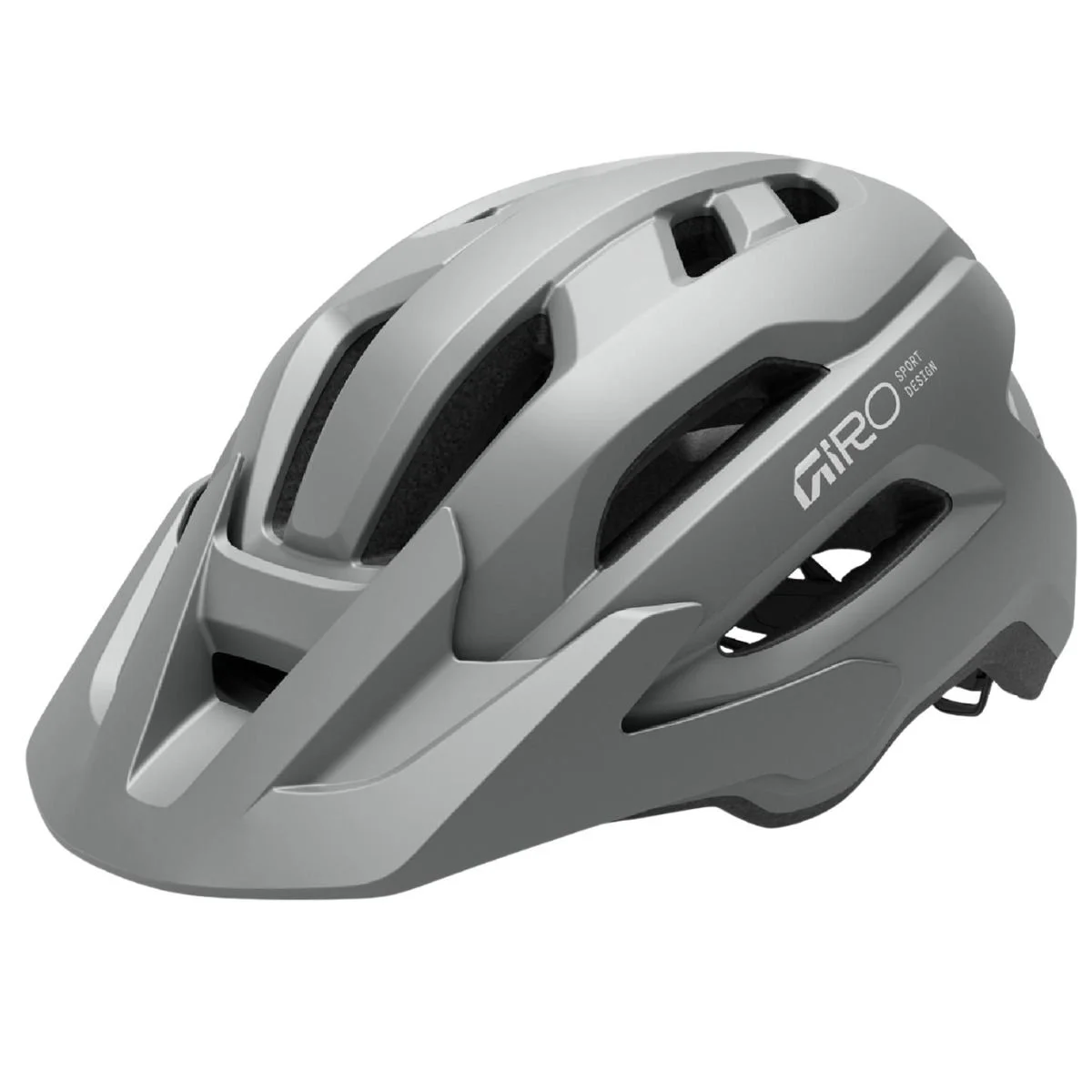
Price: $85
Weight: 330g (one size)
Helmet type: Trail
Safety tech: Mips
Construction: In-mold
Number of vents: 16
Visor: Yes, fixed
Fit system: Roc Loc Sport fit system
Sizes available: One size
Certifications: CE EN 1078
Comparison table
| Mountain Bike Helmet | MSRP* | Rotational Impact Protection | Virginia Tech Rating | Visor | Venting | Sizing |
|---|---|---|---|---|---|---|
| Giro Fixture Mips II | $85 | Mips | Not rated | Yes, fixed | 16 fixed | One size |
| Smith Pilot Mips | $95 | Mips | Not rated | Yes, fixed | 13 fixed | XS-XL |
| Smith Engage Mips | $150 | Mips, KOROYD | Not rated | Yes, 2 positions | 21 fixed | S-XL |
| POC Cularis | $260 | Mips Air Node | 5 stars | Yes, adjustable | 15 fixed | S-L |
Best for
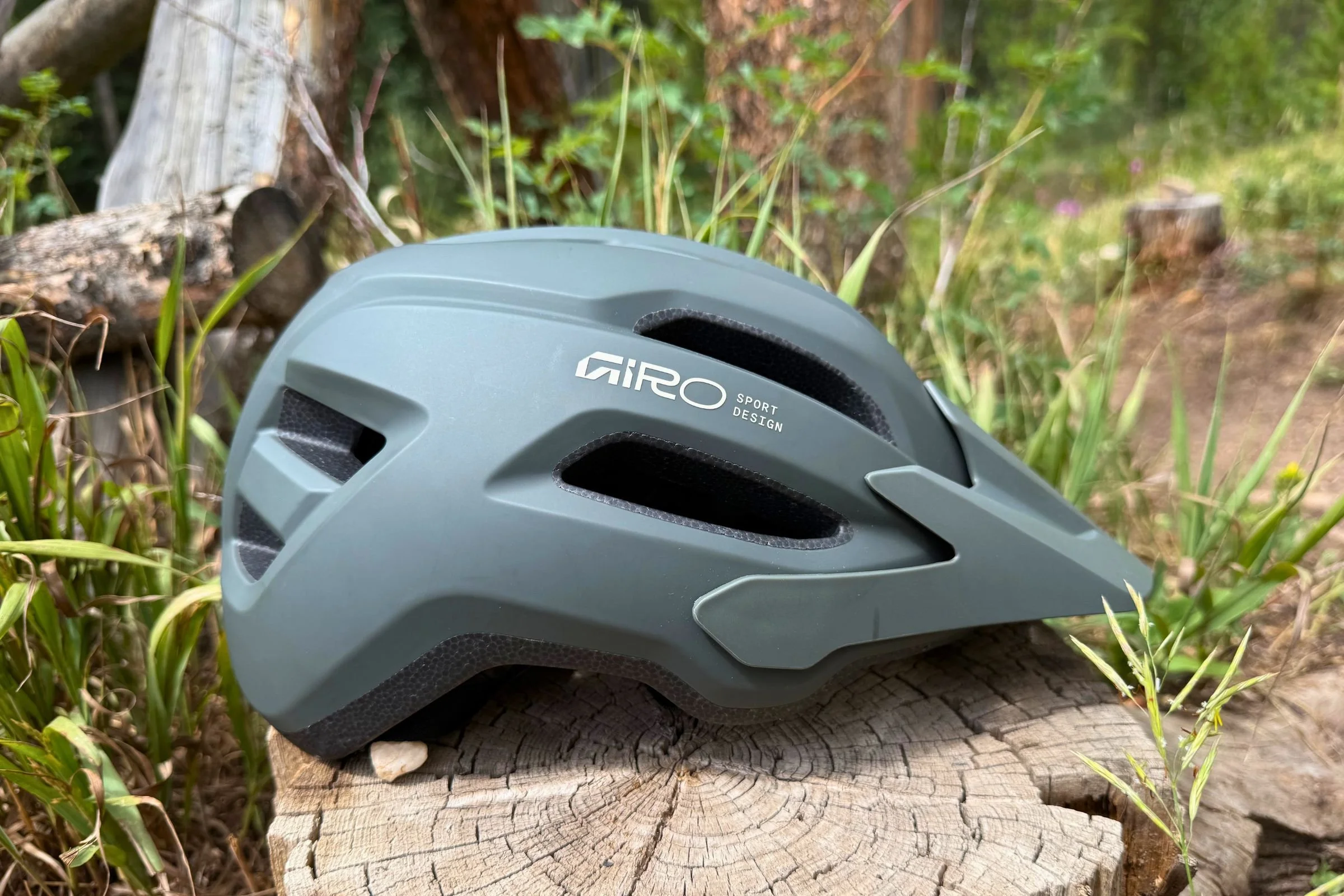
The Giro Fixture Mips II is a simple, budget-friendly helmet.
New mountain bikers looking for an affordable helmet to get them started
Riders on a budget
Riders who don’t mind a simple helmet design
Riders with a medium to large head size
What we liked
Good value
Very affordable while still including Mips
Decent ventilation for the price
What could be better
One-size fit system is not ideal for all head sizes
Fit not as comfortable or secure as more expensive options
How we tested
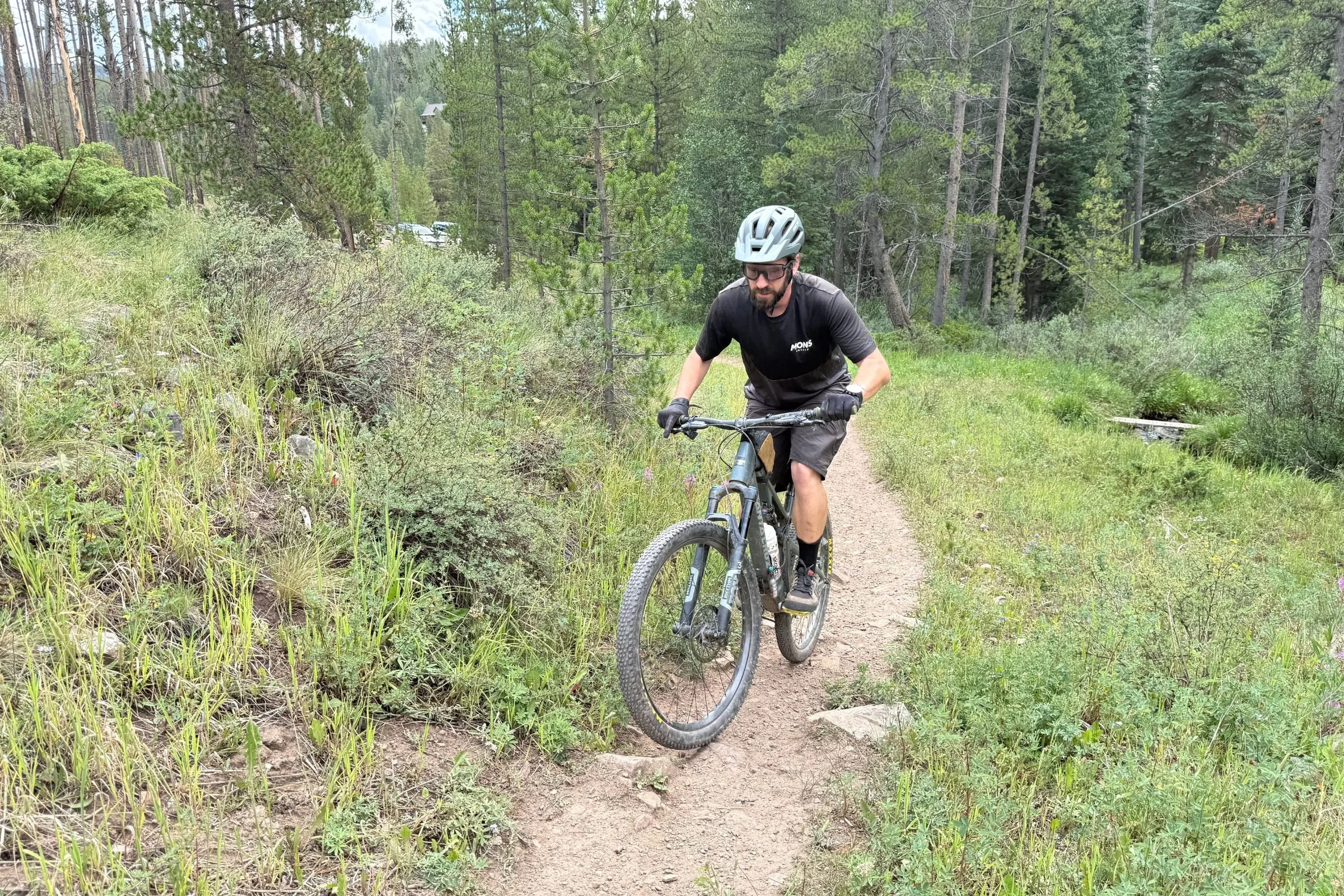
We tested the Giro Fixture Mips II on both climbs and descents.
We tested the Giro Fixture Mips II with two testers of different head shapes and sizes, given that this is a one-size helmet meant to fit a wide range. Our primary tester was a male who typically wears a medium helmet, and our second tester was a female with a small or extra-small head size.
The helmet worked for both testers, but fit our men’s tester much better because of his larger head size. Our women’s tester had to crank the dial as tight as it could possibly go to get a snug enough fit, and when she did that, there was a decent sized gap in the back between the helmet shell and her head. Not ideal, but in the end, the helmet did work for both testers.
We took the Fixture Mips II on a variety of trails, from rec path commutes to rough and chunky singletrack descents. All of our testing took place on trails around Summit County, Colorado. Some trails were fast and flowy while others were more rough. We spent time climbing and descending in the helmet. As for weather, we encountered everything from intensely hot sunny days in the high 80s, to rain and mud and wind. Some rides were short 30-minute jaunts, while others lasted multiple hours.
In our testing, we compared this helmet directly to others in our testing pool for our best MTB helmet story, including other budget-friendly helmet options, like the Smith Pilot Mips or Smith Engage Mips, or more premium options like the POC Cularis or Smith Forefront 3.
Performance in the field
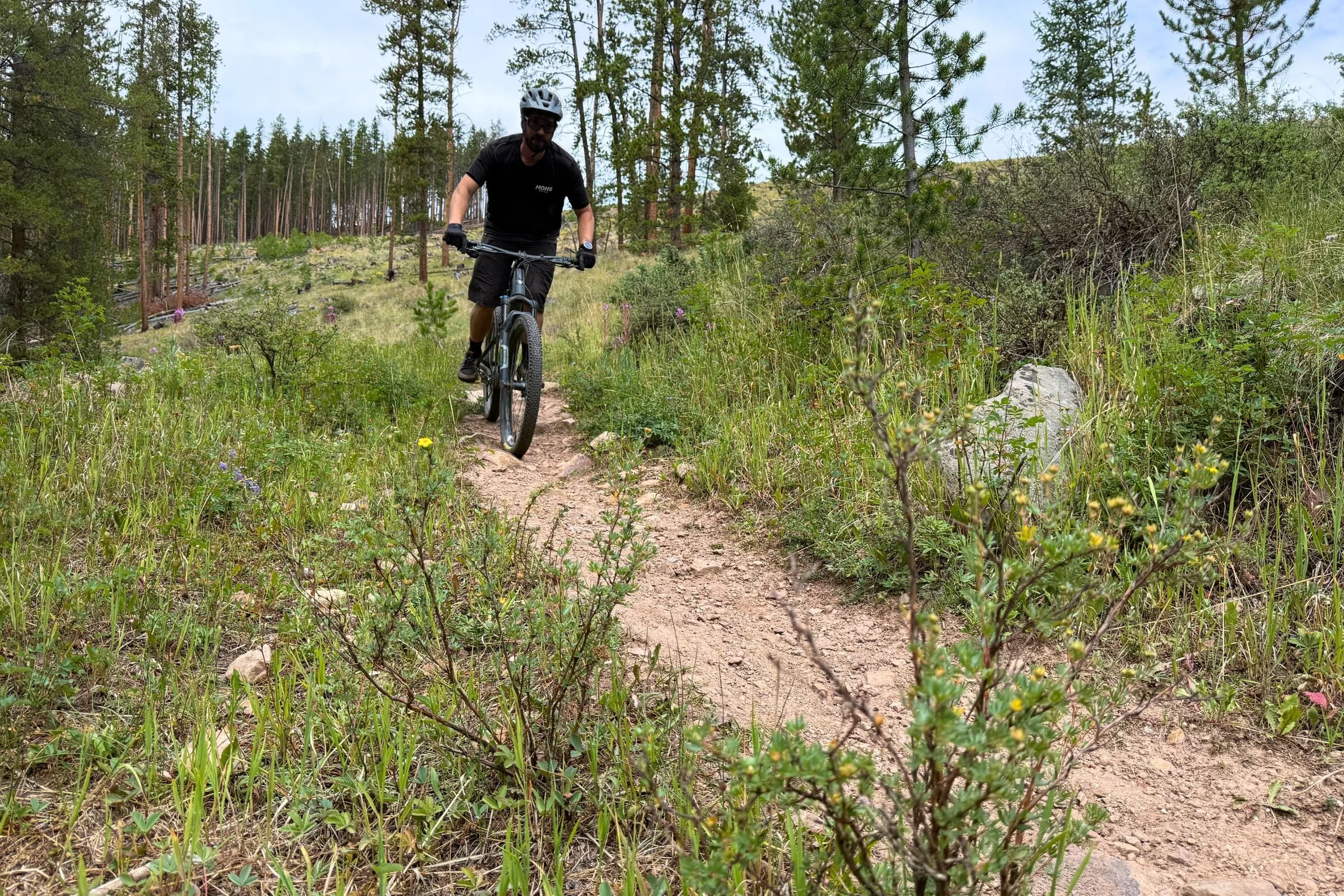
The Giro Fixture Mips II stayed solid on our men’s tester during fast and rough descents.
Fit and comfort
With this being a one-size-fits-most helmet, we found that the Fixture Mips II fits medium to large-sized heads best. Folks on the smallest and largest end of the spectrum may struggle to find a secure fit here.
However, the dial does have a fairly wide range to accommodate various head sizes. We understand why Giro did this—having only one size allows them to offer the helmet at a lower price. But, when other similar helmets are offered in multiple sizes for perhaps only $10 more, we think it’s worth it to get a more tailored fit—both for the sake of safety and comfort, given that a better fitting helmet is generally safer in the event of a crash, and a comfortable helmet is one you’re going to want to wear.
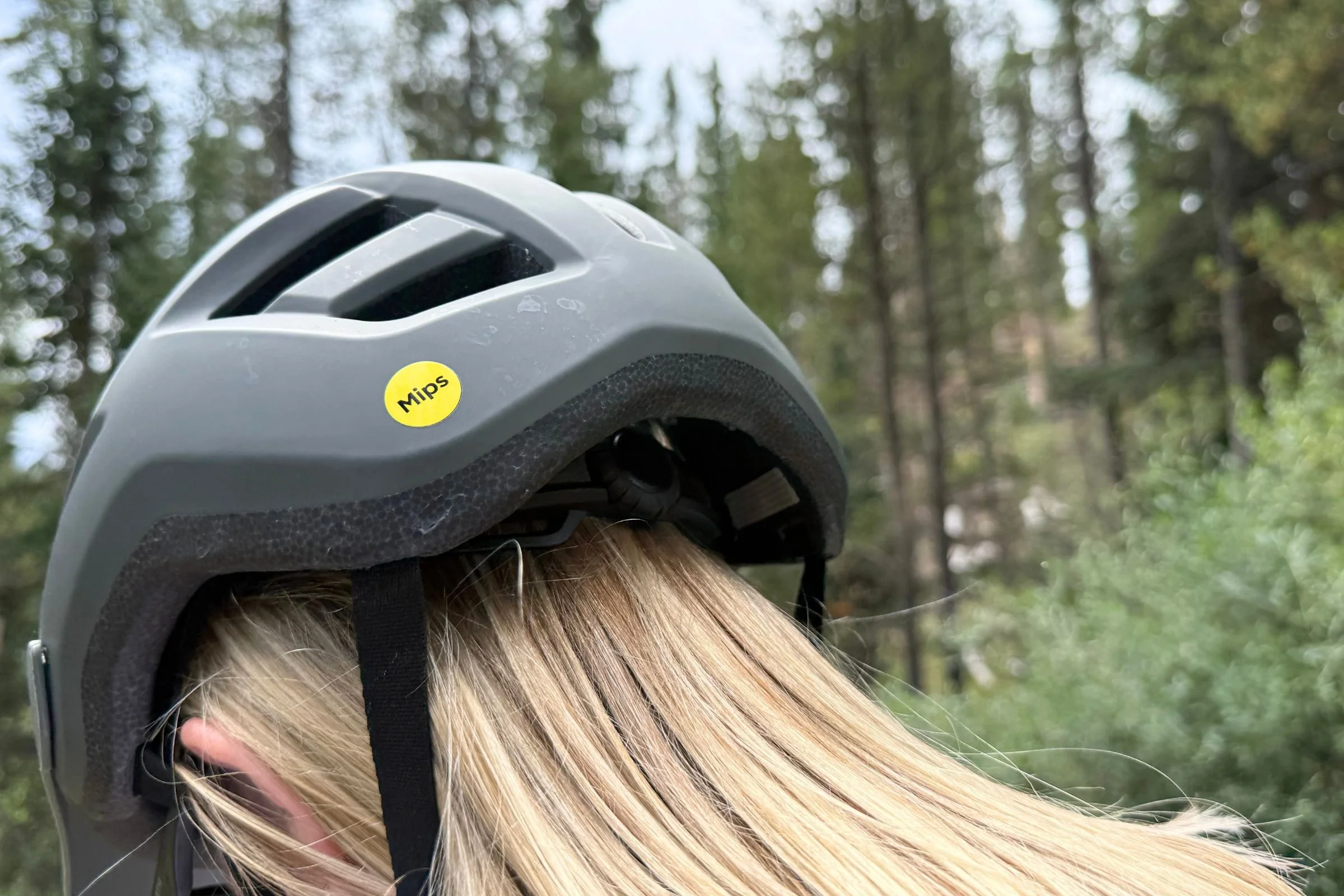
Our women’s tester has a small head, and there is a noticeable gap between the Fixture helmet shell and her head when it is tightened down.
Overall comfort is decent with this helmet. It was not uncomfortable for either of our testers, but it didn’t have that like-a-glove sort of fit and feel that both testers have found in other, more expensive helmets.
We appreciate that this design has lay-flat straps, which makes the helmet more comfortable around the ears and sides of the face—a feature that many other budget-oriented helmets lack. And, on long rides lasting multiple hours, our testers didn’t find any pressure points or areas of major discomfort.
The helmet feels flat on the top of the head compared to others we tested, so if you have a particularly round-on-top head shape, then you may at least want to try before you buy, or consider other options.
Ventilation
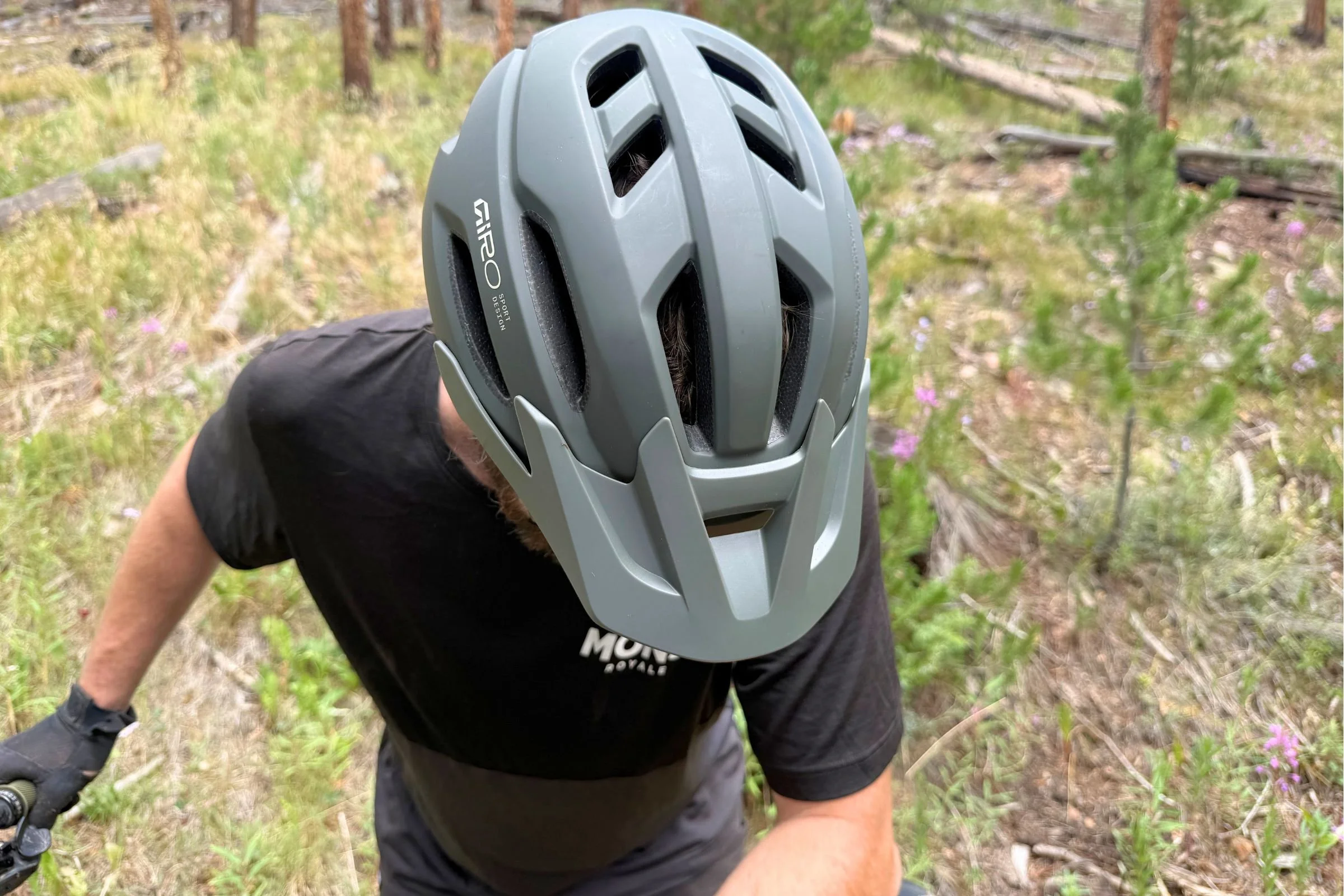
There are 16 vents for airflow on the Giro Fixture Mips II helmet.
With 16 vents, we think the Giro Fixture Mips II has good ventilation, especially for a helmet at this price. While it’s certainly not best in class, it’s overall better than what we would expect from a helmet on the low end of the price spectrum.
On hot days climbing under intense sun, we didn’t have any notable overheating or extra sweating issues due to lack of ventilation in the helmet. It provided reasonable airflow for long, mid-day summer rides.
Protection and coverage
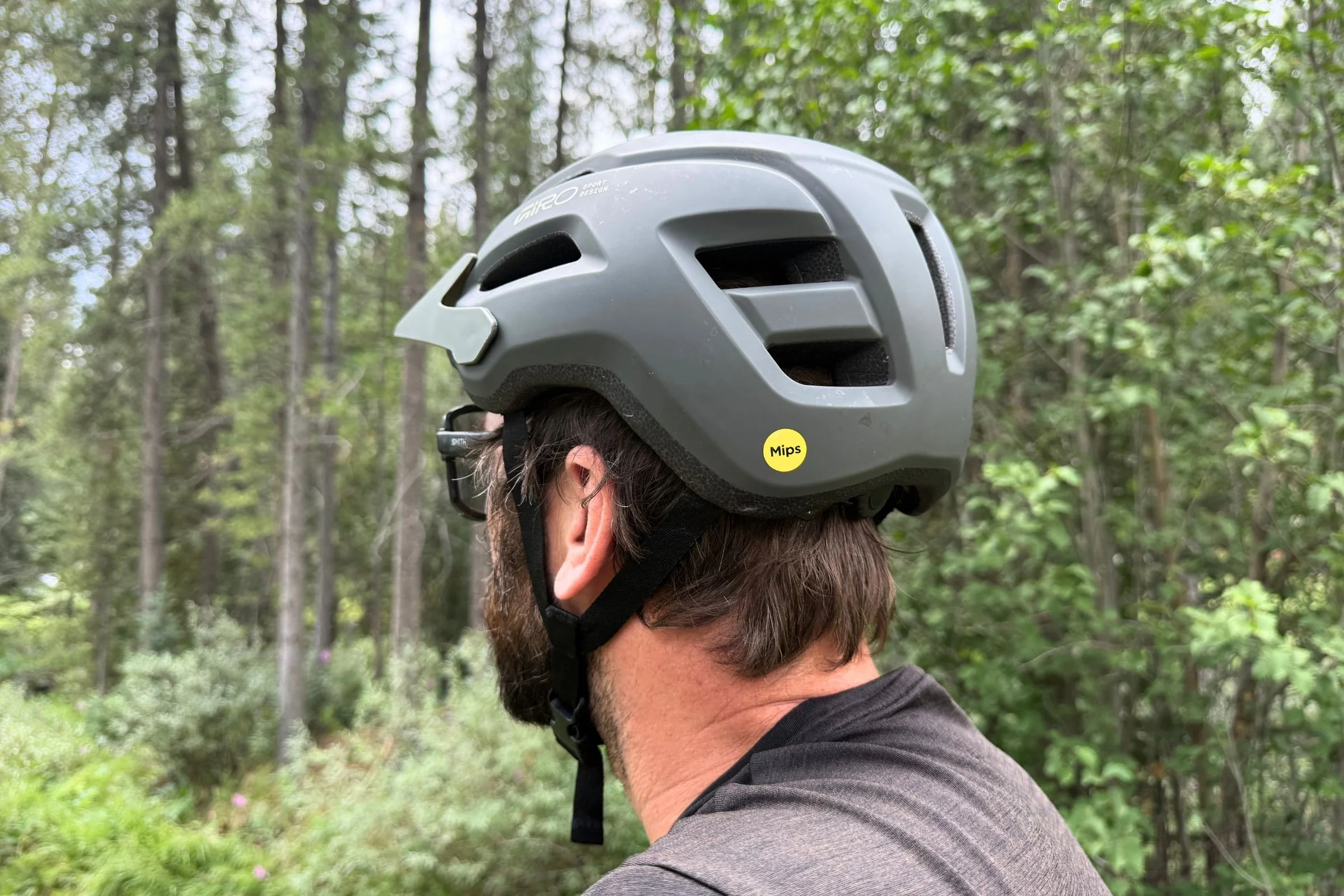
The Fixture Mips II has average coverage for a trail riding helmet.
The coverage of the Fixture Mips II is about average, leaning a bit on the low end. This is true of many helmets in this price range, as more coverage usually means the helmet will cost more money. It doesn’t come down particularly far to the temples or down the back of the head, but the coverage is sufficient for cross-country and trail riding, especially if you’re not a particularly aggressive rider.
Stability and retention
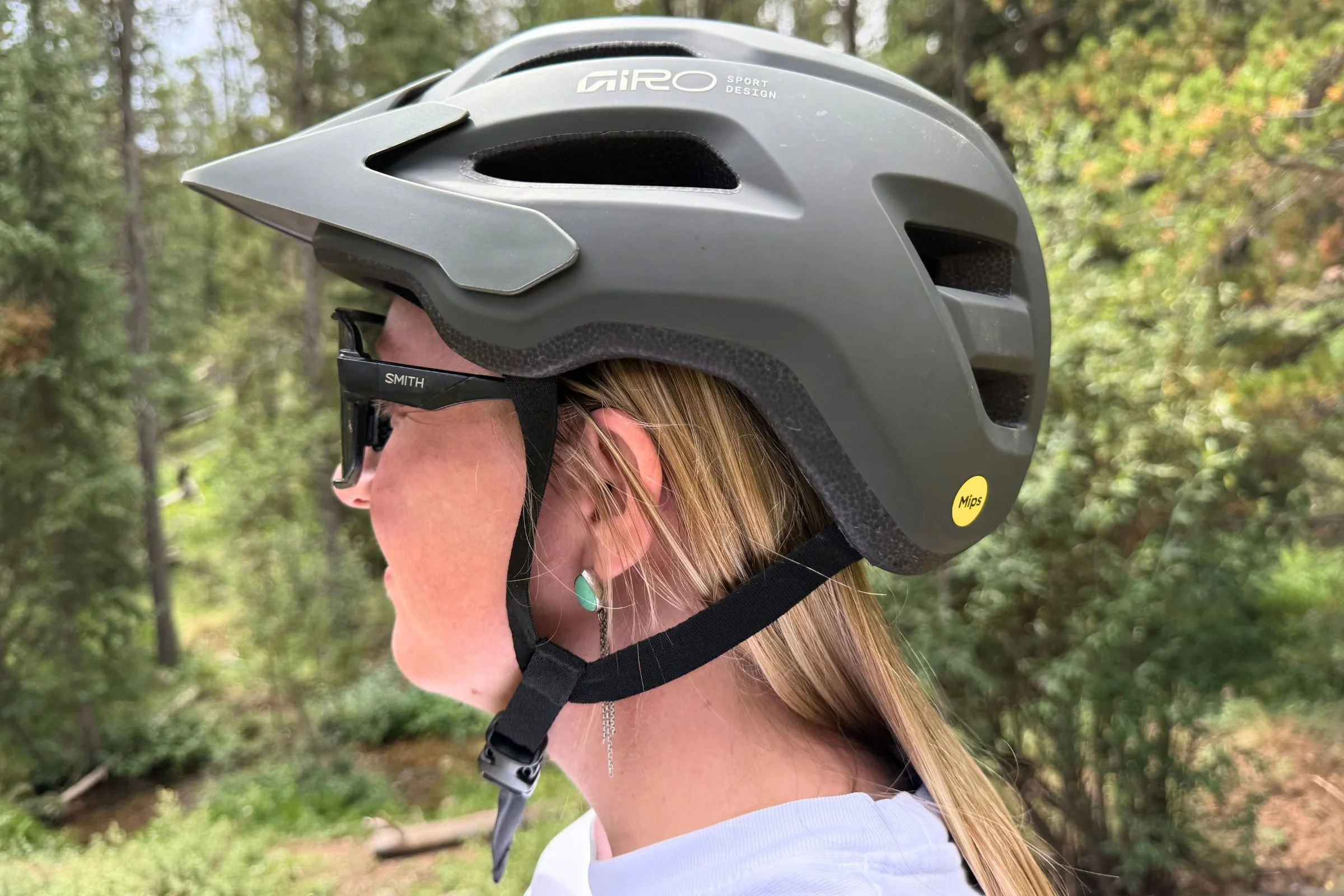
Our women’s tester, with a small head, in the one-size Fixture Mips II helmet.
The wide-range dial fits snug and secure, as long as your head size is within its range. Our women’s tester had to click the dial as tight as it could go, and even then she wished for another couple clicks to get a really secure fit. It worked, but it wasn’t ideal. Our men’s tester easily found a good fit near the middle point of the dial, with plenty of room to adjust in either direction.
Our men’s tester had no issues when descending chunky and rough terrain in the Fixture Mips II. It stayed snug and secure. And, the straps were more comfortable than other budget helmets we tested, though they had less options for adjustment overall.
Weight and feel
The weight of the helmet is about average, and it felt that way when riding, too. It wasn’t noticeably light or airy compared to others, but it also didn’t feel heavy, cumbersome, or uncomfortable.
Usability
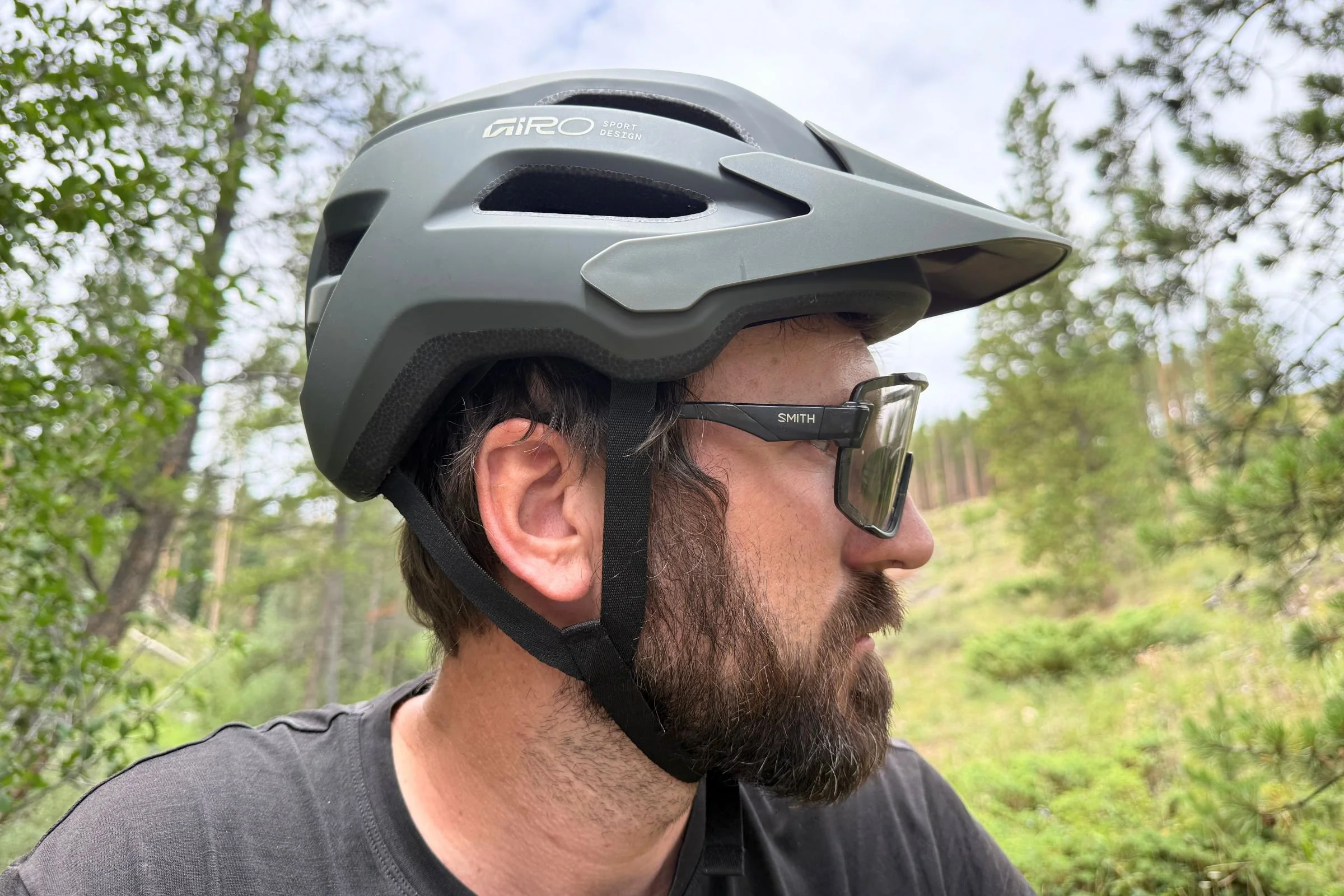
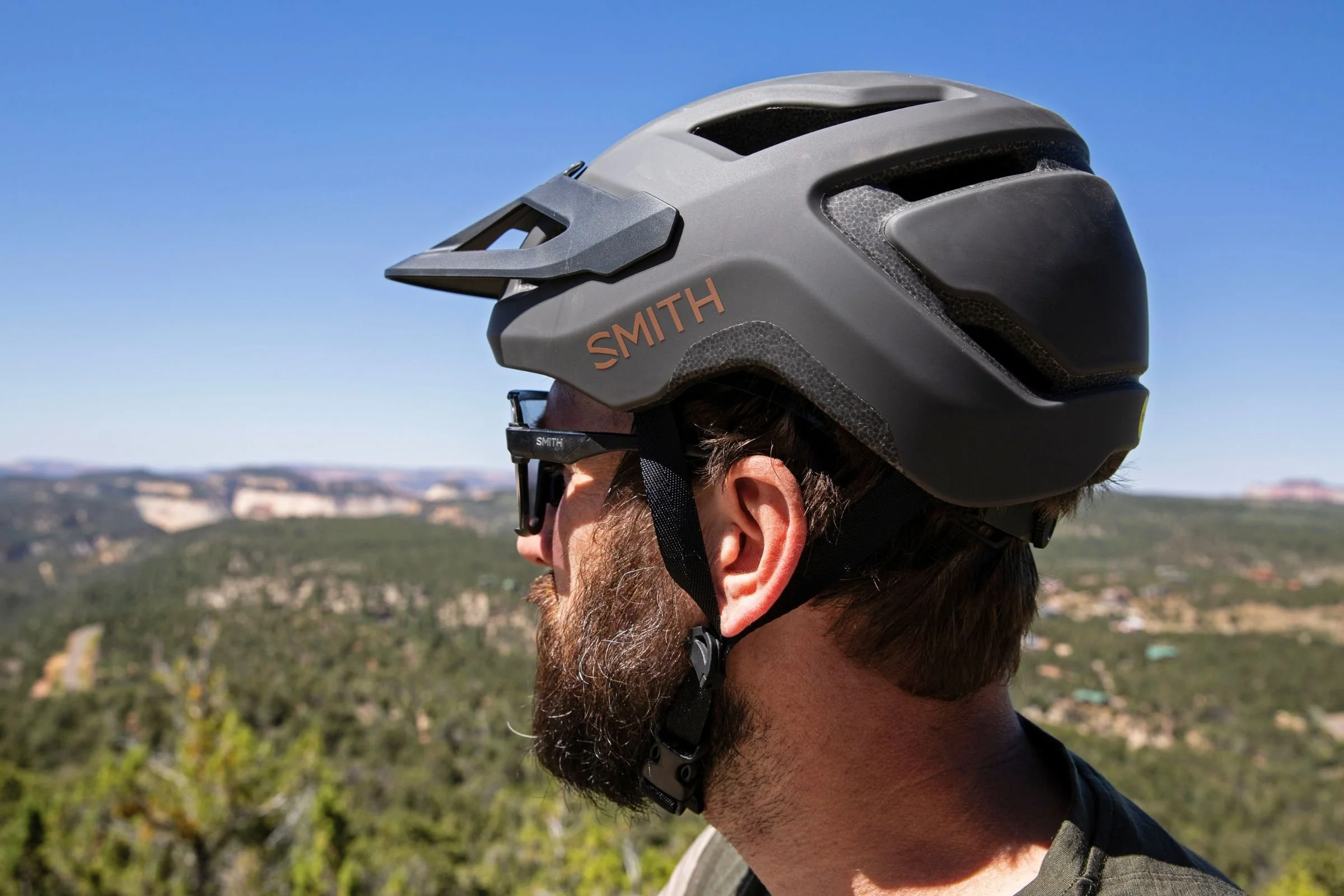
We like the visor angle on this helmet, and found it to be functional for most times of day and lighting conditions.
The visor of the helmet is not adjustable, but we think it sits in a good position to block the sun effectively at most angles.
The dial adjustment is easy to use and feels secure. It may not have enough adjustment range if your head is either very small or very large.
The chin strap has some adjustment, but not as much as others we’ve tested. However, we did find the straps to be comfortable.
Durability
In our time testing the Giro Fixture Mips II, we did not encounter any durability issues, whether while riding or while traveling with the helmet packed in the car. While it’s not the most burly or robust helmet shell we’ve ever tested, the build quality is good and materials are high quality, and we have no durability concerns so long as the helmet is cared for in a reasonable manner.
Features
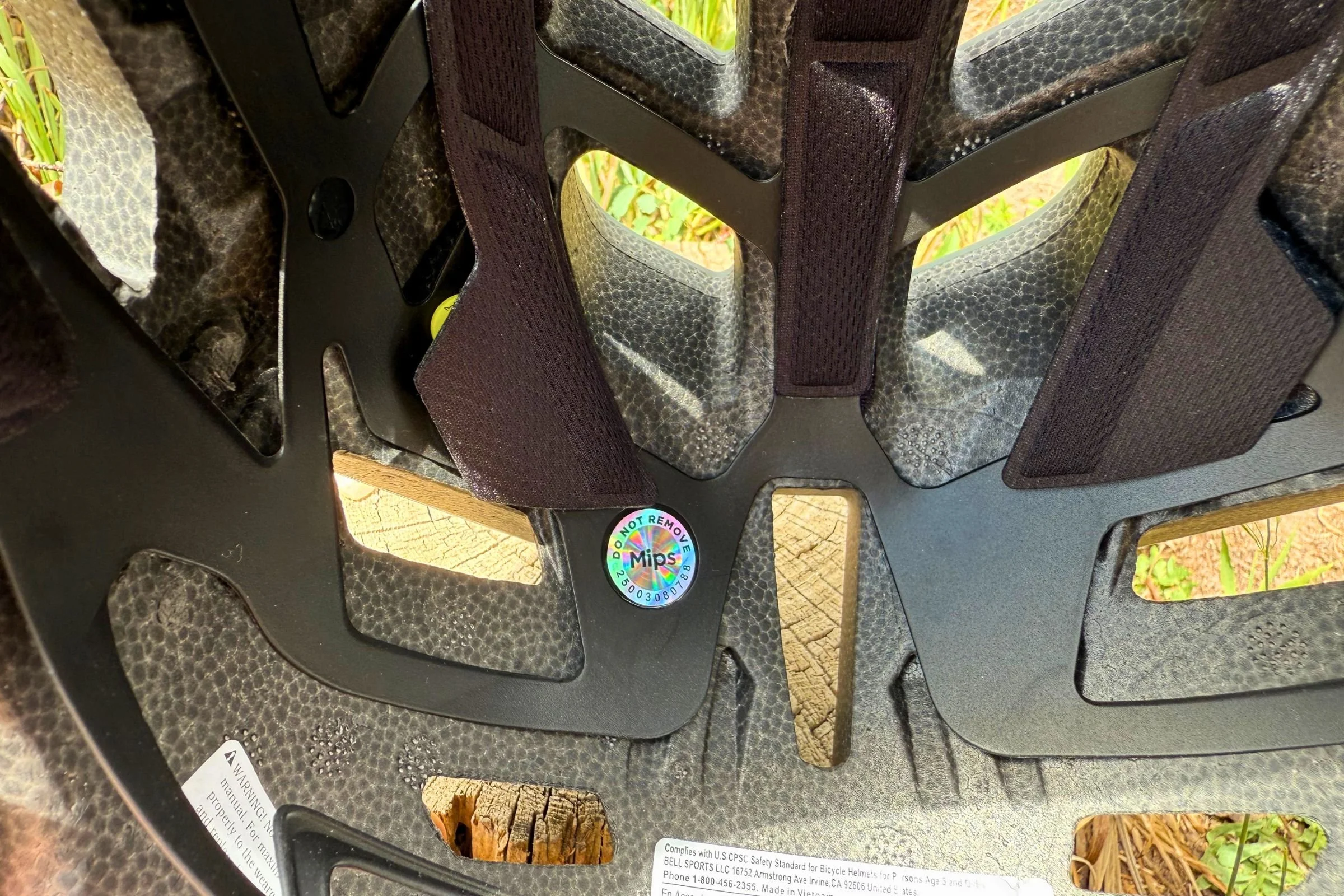
This budget helmet still has Mips integrated into the inside of the shell for rotational impact protection.
Rotational impact protection system
The Giro Fixture Mips II helmet uses standard Mips for rotational impact protection. Mips is considered the standard in rotational impact protection in mountain bike helmets. There is a lining inside the helmet that rotates against the helmet shell in the event of a crash, which helps to minimize rotational impacts to the brain.
Fit adjustment dial
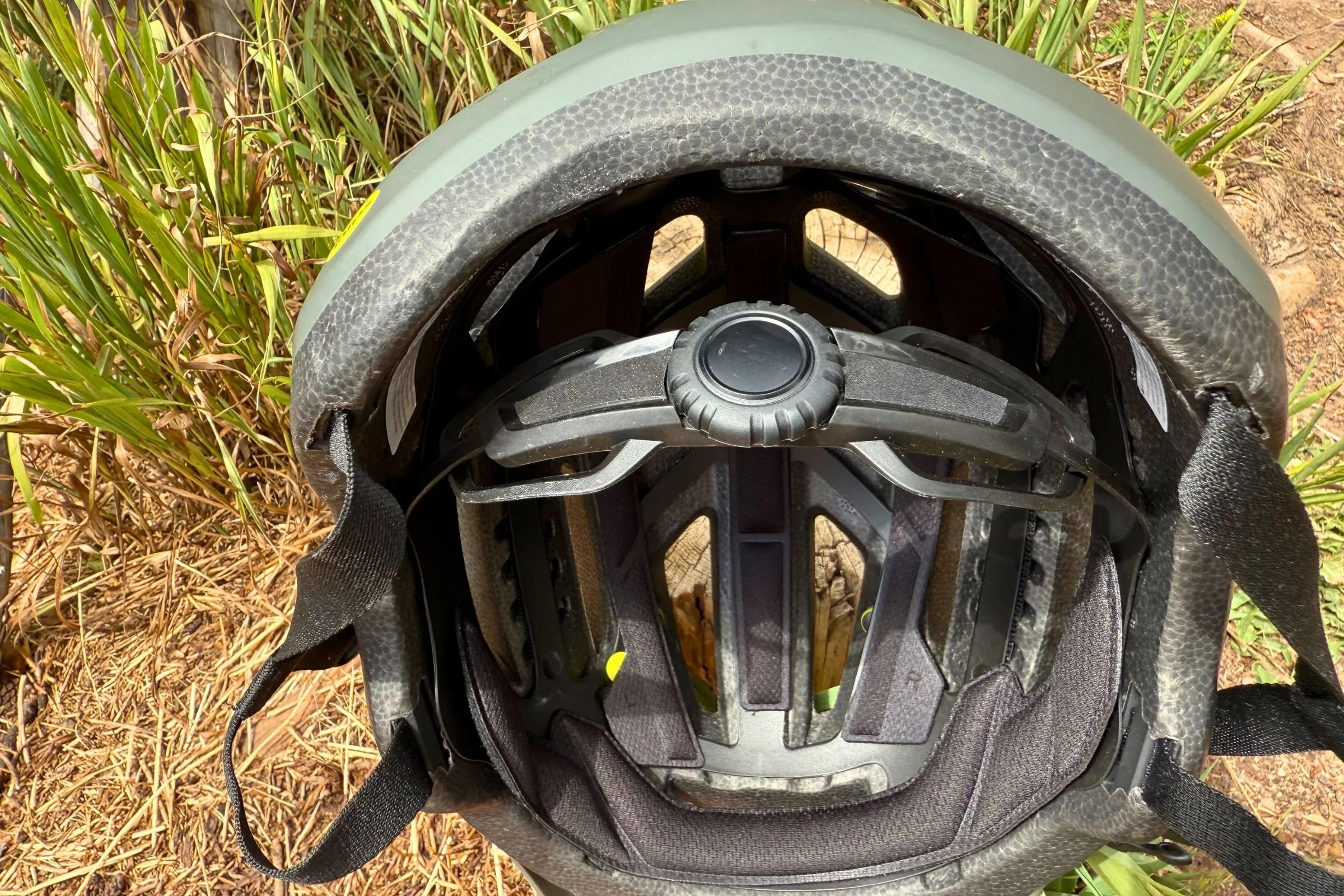
The Giro Fixture Mips II has a click dial with a wide range on this one-size-fits-most helmet.
There is a click dial with a wide range at the back of the helmet that adjusts the fit for a wide range of head sizes. This is a one-size helmet.
Ventilation channels
There are 16 vents throughout the helmet for airflow when riding.
Lightweight shell construction
The in-mold shell construction of the helmet makes it both lighter and cooler, with better airflow and venting and a lightweight feel when riding.
Sustainability
Giro has made efforts to use more recycled materials and reduce plastic packaging, particularly in their apparel lines and less so when it comes to hardgoods like helmets.
Should you buy the Giro Fixture Mips II MTB helmet?
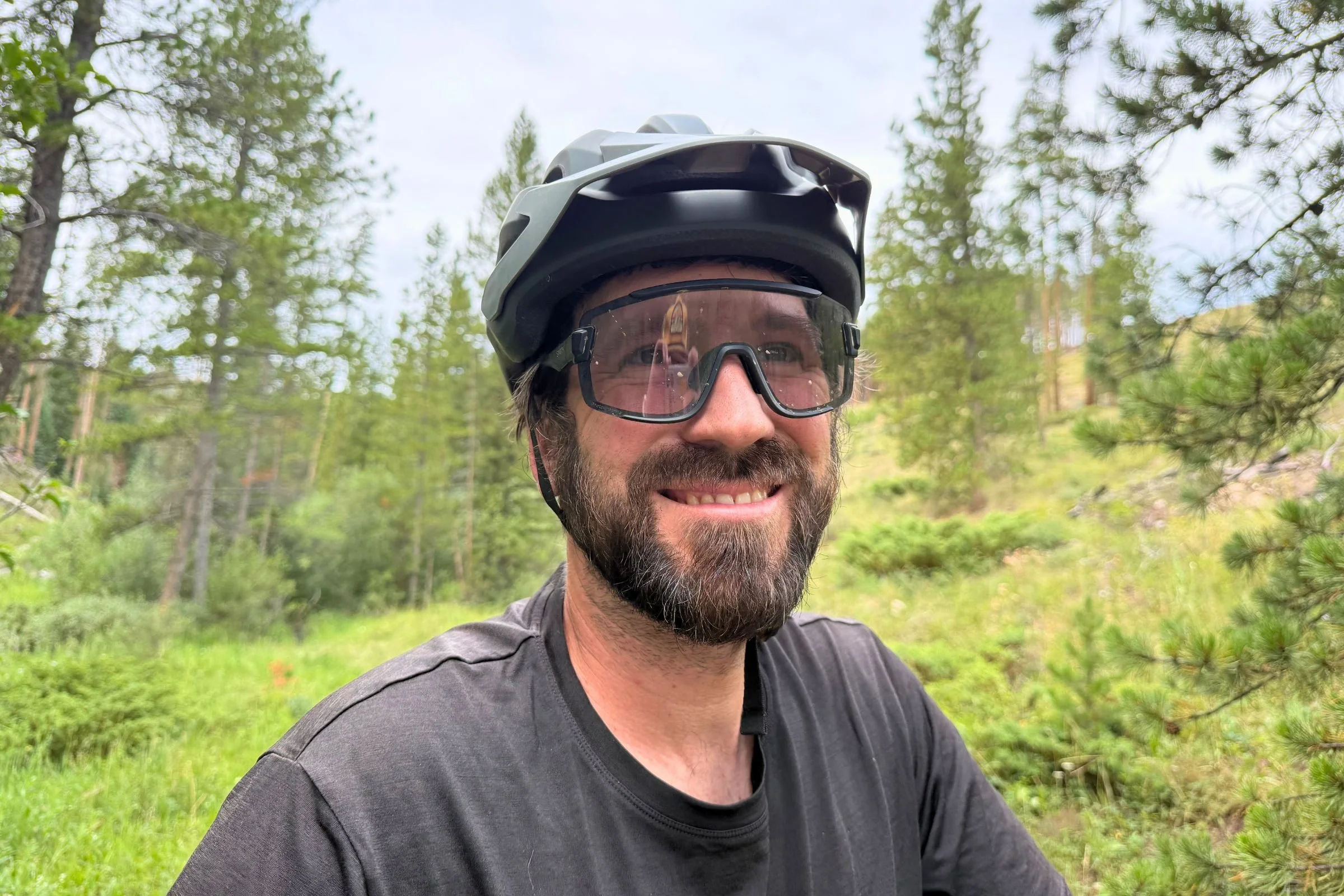
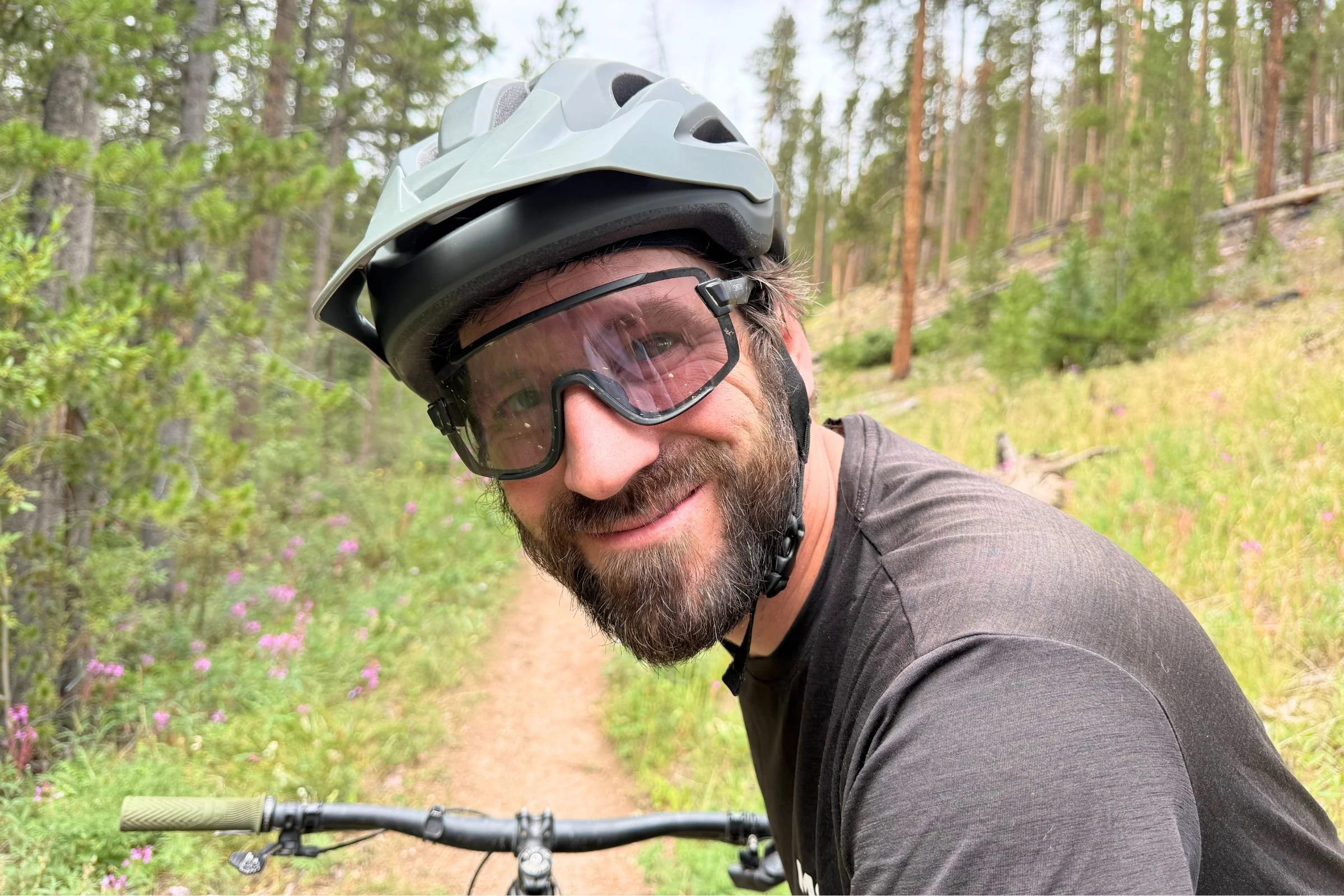
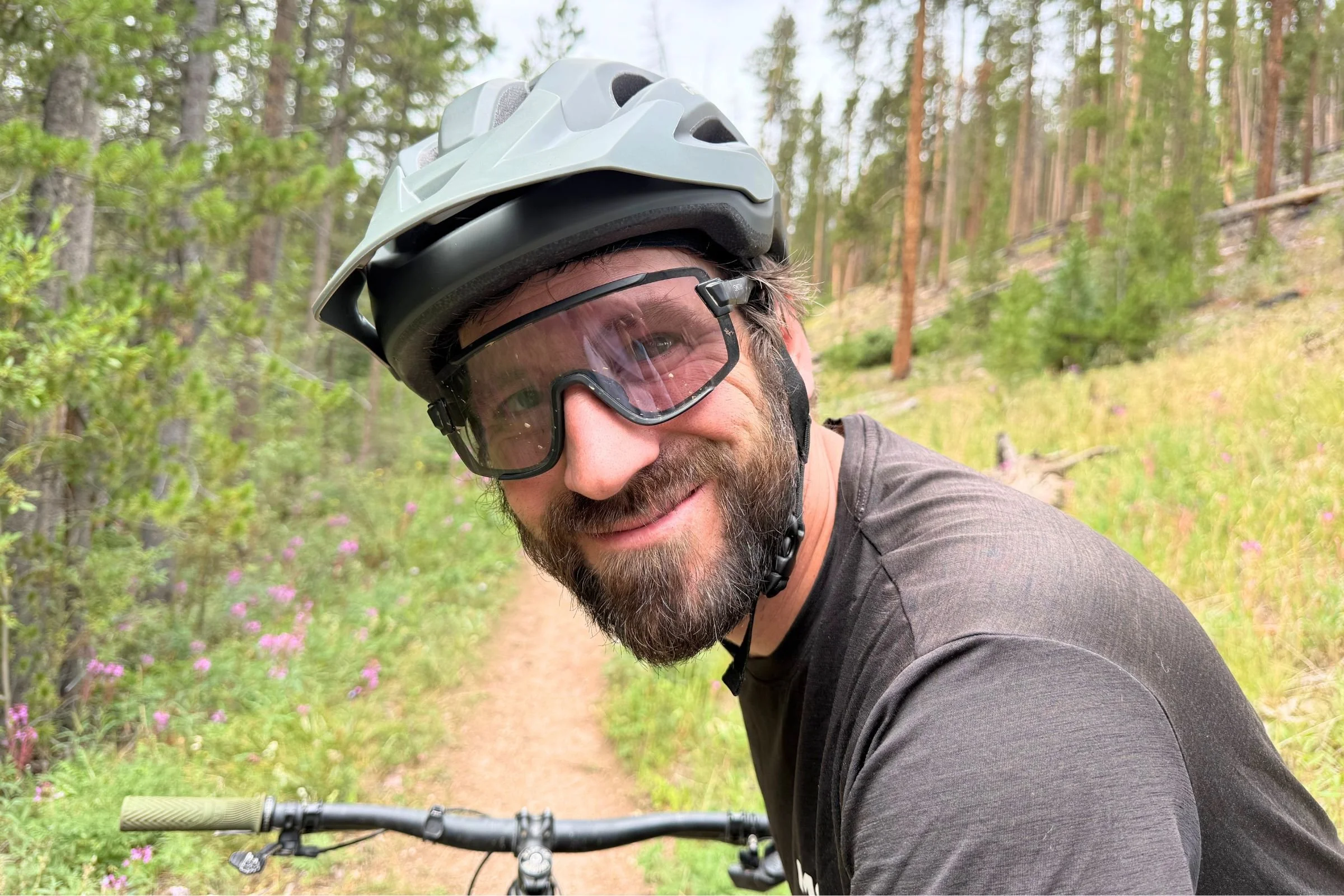
The Giro Fixture Mips II worked well with a variety of sunglasses options in our testing.
Buy if:
You’re a cross-country or trail rider looking for a solid helmet on a tight budget
You’re a new rider looking to find a good helmet to get you started
You have a medium to large sized head and fit well in the one-size option
Skip if:
You have a very small or very large head
You want specific sizing
You want more coverage and features and don’t mind spending more money
You’re an aggressive rider who needs more coverage
Where to buy
The Giro Fixture Mips II MTB helmet is a popular gear item, so you have options when it comes to retailers. Here are some of the pros of the retailers.
REI
Pros: 100% satisfaction policy for 1 year; 10% dividend for members.
Amazon
Pros: Free 2-day shipping with Amazon Prime membership (can be same-day delivery in major metropolitan cities)
Advice on where to buy
In general for gear, we recommend purchasing from a place with easy or free returns, like REI.
Similar MTB helmets
Giro Fixture Mips II vs. Smith Pilot Mips
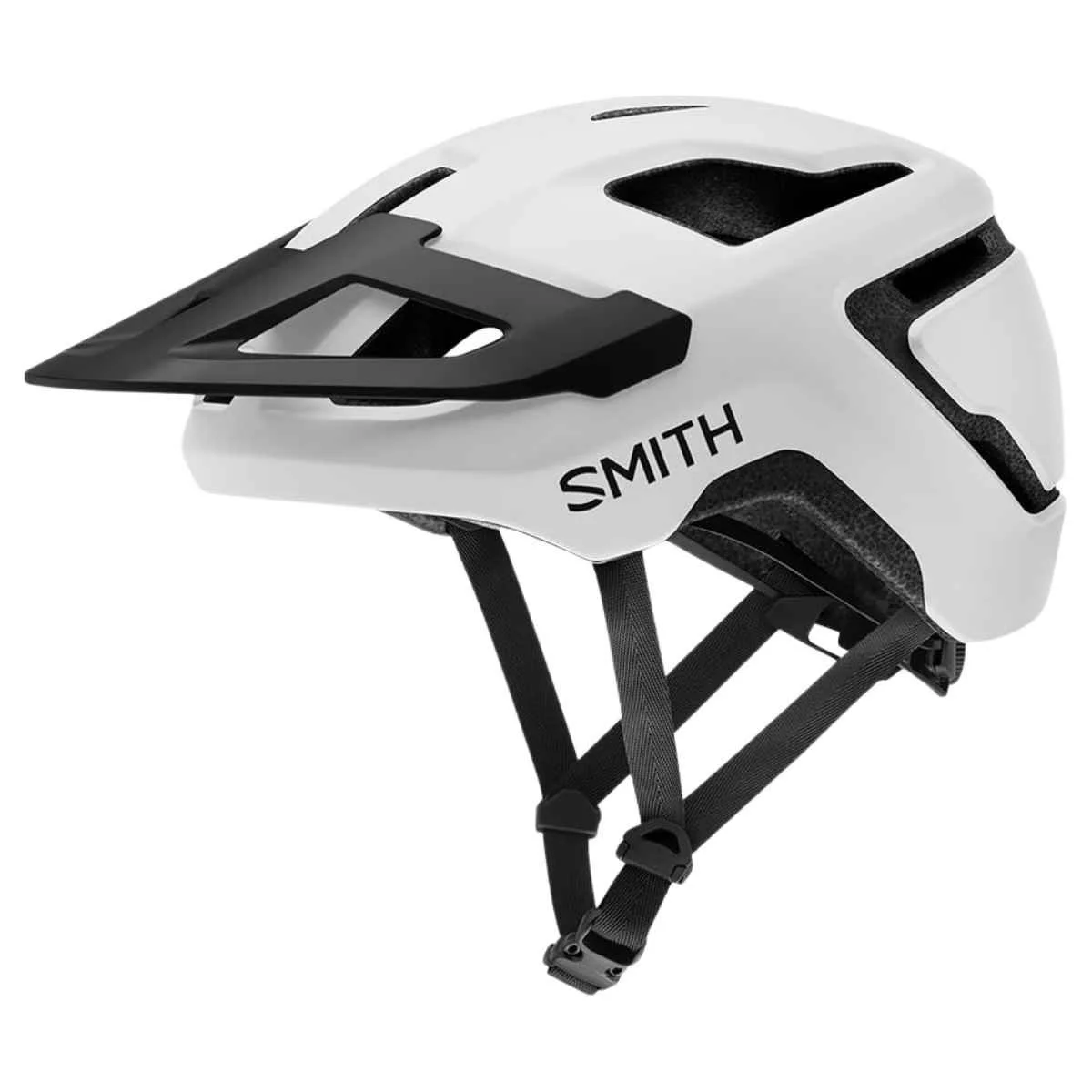
Price: $95
Weight: 370g (medium)
Impact Protection: Mips
The Pilot Mips is the newest budget-oriented option from Smith, and the closest in price to the Giro Fixture Mips II of any others in our test, costing $10 more. It has Mips for impact protection. We like the visor angle of the Fixture Mips II better and think that it’s more effective, and we like the Giro’s lay-flat straps. But, for $10 more, the Smith Pilot comes in different sizes and we think some riders will find a better fit in this case.
However, if your head is medium-sized, you may find just as good of a fit in the Giro, with the bonus of slightly better airflow and more vents. Learn more in our in-depth review of the Smith Pilot Mips MTB Helmet.
Smith Pilot Mips
Giro Fixture Mips II vs. Smith Engage Mips
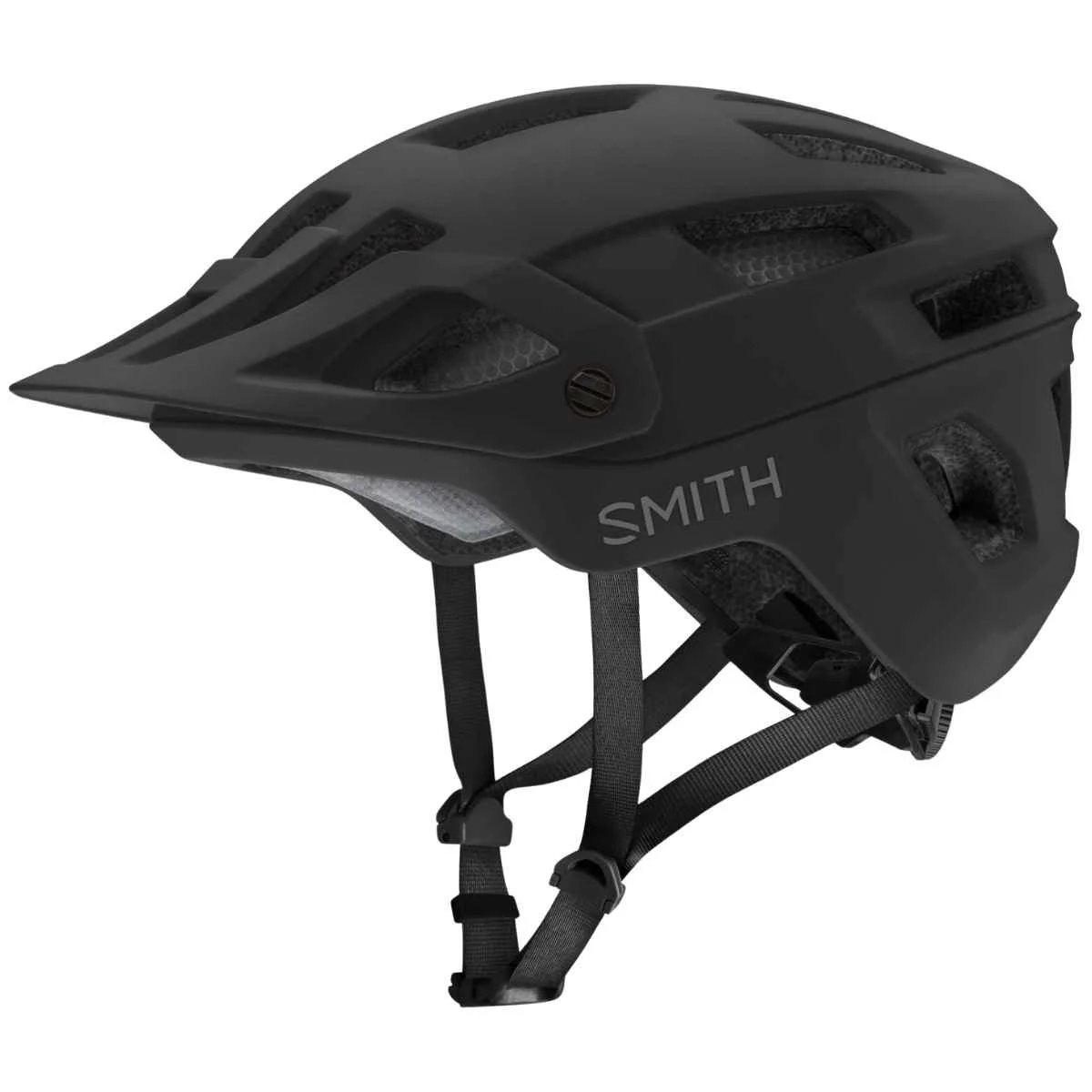
Price: $150
Weight: 350g (medium)
Impact Protection: Mips, KOROYD
The Engage is Smith’s mid-range priced helmet for all-around trail riding, with more coverage plus some KOROYD for additional impact protection (which helps protect against direct blunt impacts, as opposed to rotational impacts).
The Engage has more coverage and a better fit overall than the Giro Fixture Mips II, but it is more expensive. If budget is your highest priority, the Giro Fixture or Smith Pilot are your best bets. But, if you can afford to spend a little more without shelling out for premium prices, we think you get a lot more helmet with the Engage and a great value overall.
Smith Engage Mips
Giro Fixture Mips II vs. POC Cularis
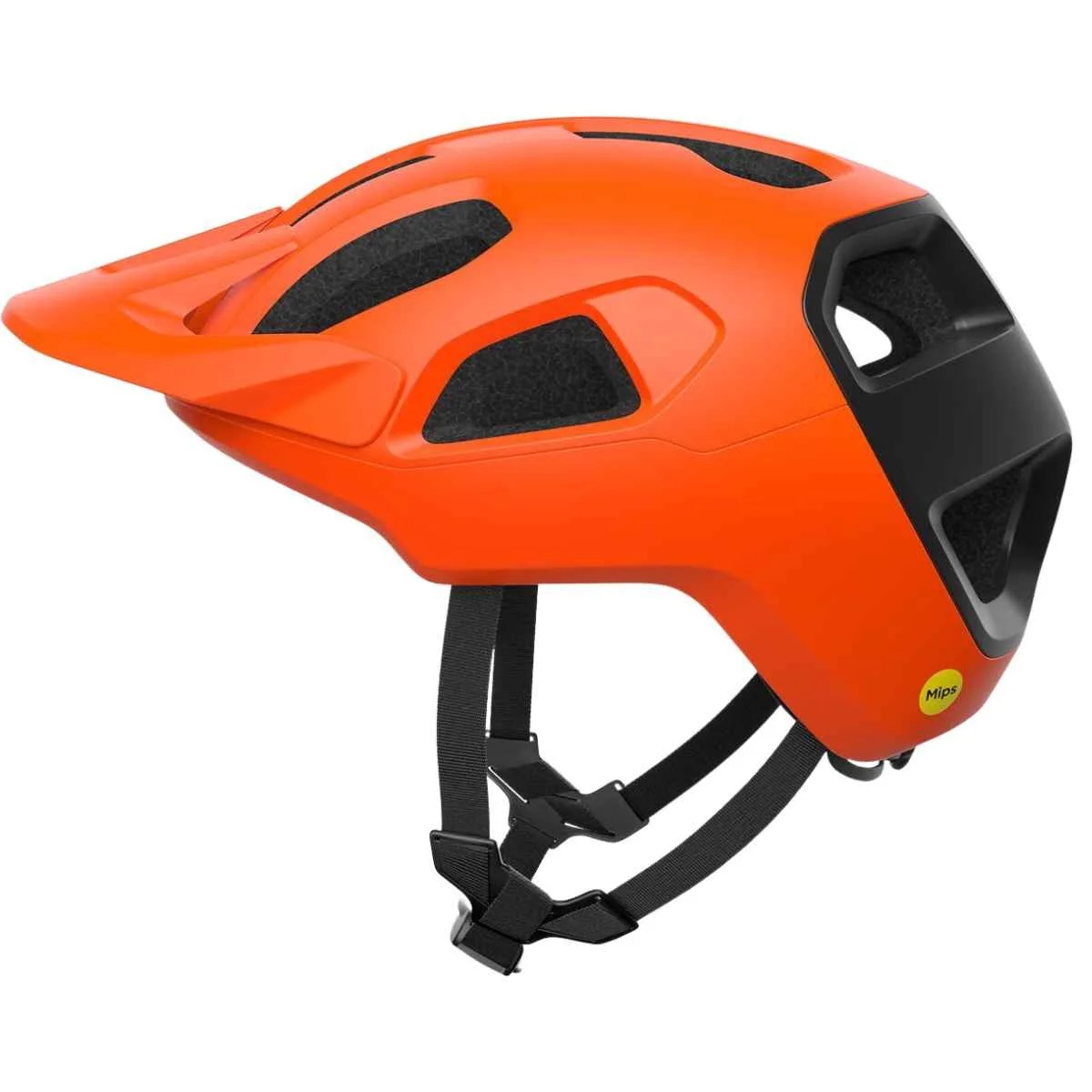
Price: $260
Weight: 350g (medium)
Impact Protection: Mips Air Node
The Cularis is one of POC’s higher-end helmets, though not at the top of the charts in terms of price or features. And because of its fit, comfort, and airflow, it’s our best overall winner in our review of the Best Mountain Bike Helmets.
This helmet has Mips Air Node and a magnetic buckle, and we found it to be more breathable and comfortable overall than many others in our test—but it does cost significantly more than the Giro Fixture Mips II. So, if comfort, airflow, and better coverage are top priorities, consider the Cularis. But if budget is your top priority, this helmet might break the bank.
See our in-depth review of the POC Cularis MTB helmet to learn more.
POC Cularis
Why you should trust us / About the author
A true mountain dweller, Stasia feels far more at home on a high alpine ridge than on a busy city street. She’s worked as a backpacking guide in Southeast Alaska, has held a WFR, AIARE 1, AIARE 2, and Avalanche Rescue Certifications and is working to become an avalanche education instructor. She’s now a full time writer and editor in the outdoor space and has been testing and writing about gear for over a decade.
Stasia learned to mountain bike as a kid in Utah, and rekindled her love for the sport after moving to Summit County, Colorado and getting a new (and very much improved from her very old hand-me-down) full suspension bike several years ago. She spends most of her summer days out on the singletrack. Stasia has been testing mountain bike helmets for several years and has learned what to look for in a great one. Thankfully, she has not had to do too much true impact testing—aside from the time she went OTB after just discovering she was pregnant with her first child. Whoops. (Everything was fine and now that kid rides his own tiny bike, also often recklessly.)
You can find more of Stasia’s work on her Treeline Review author page.