Smith Mainline Mips Review: Light Enough to Climb, Tough Enough to Send
At 770 grams with 21 vents, this DH-rated full-face is built for riders who earn some of their descents
September 29, 2026
Home > Gear Reviews > Cycling
Our verdict
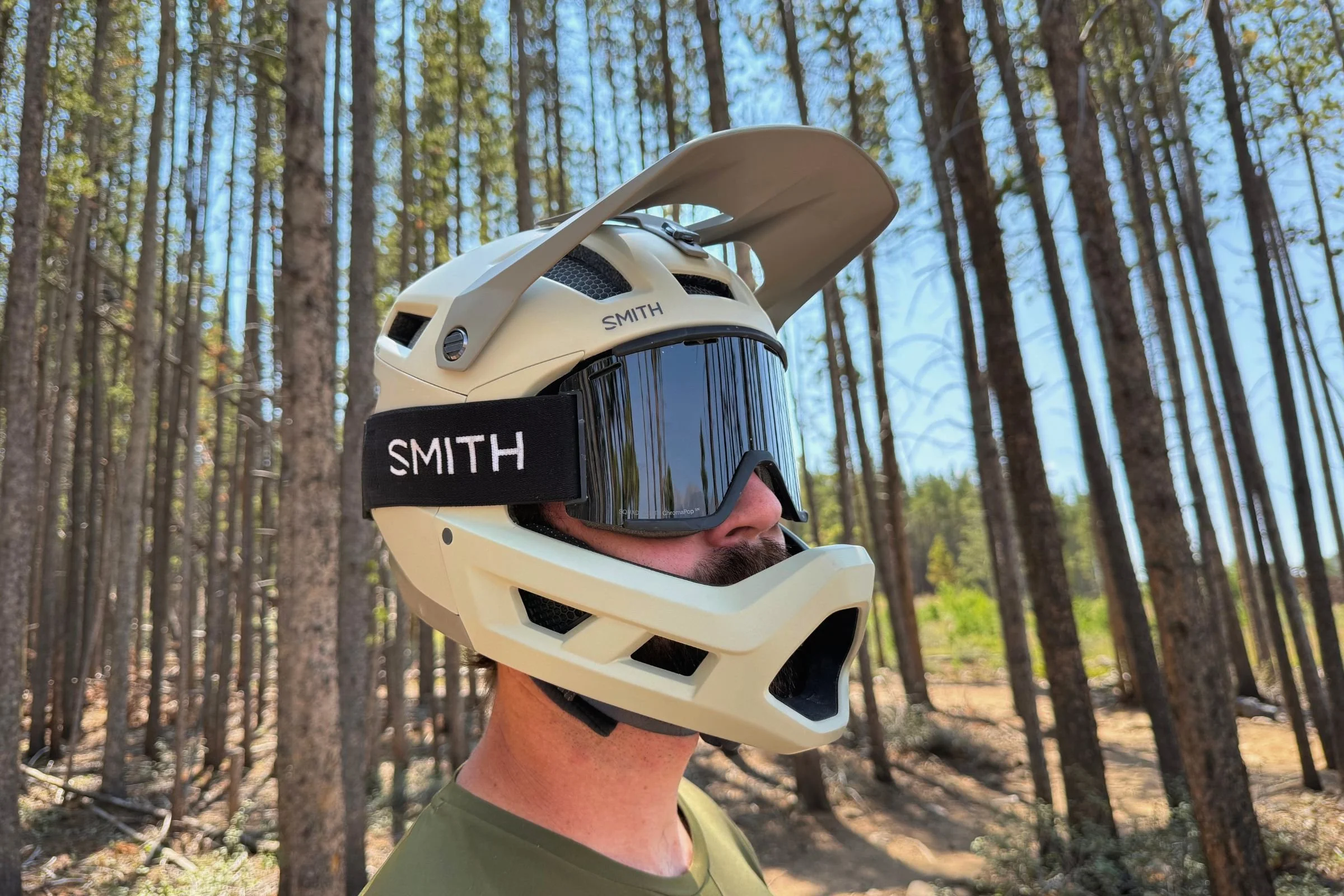
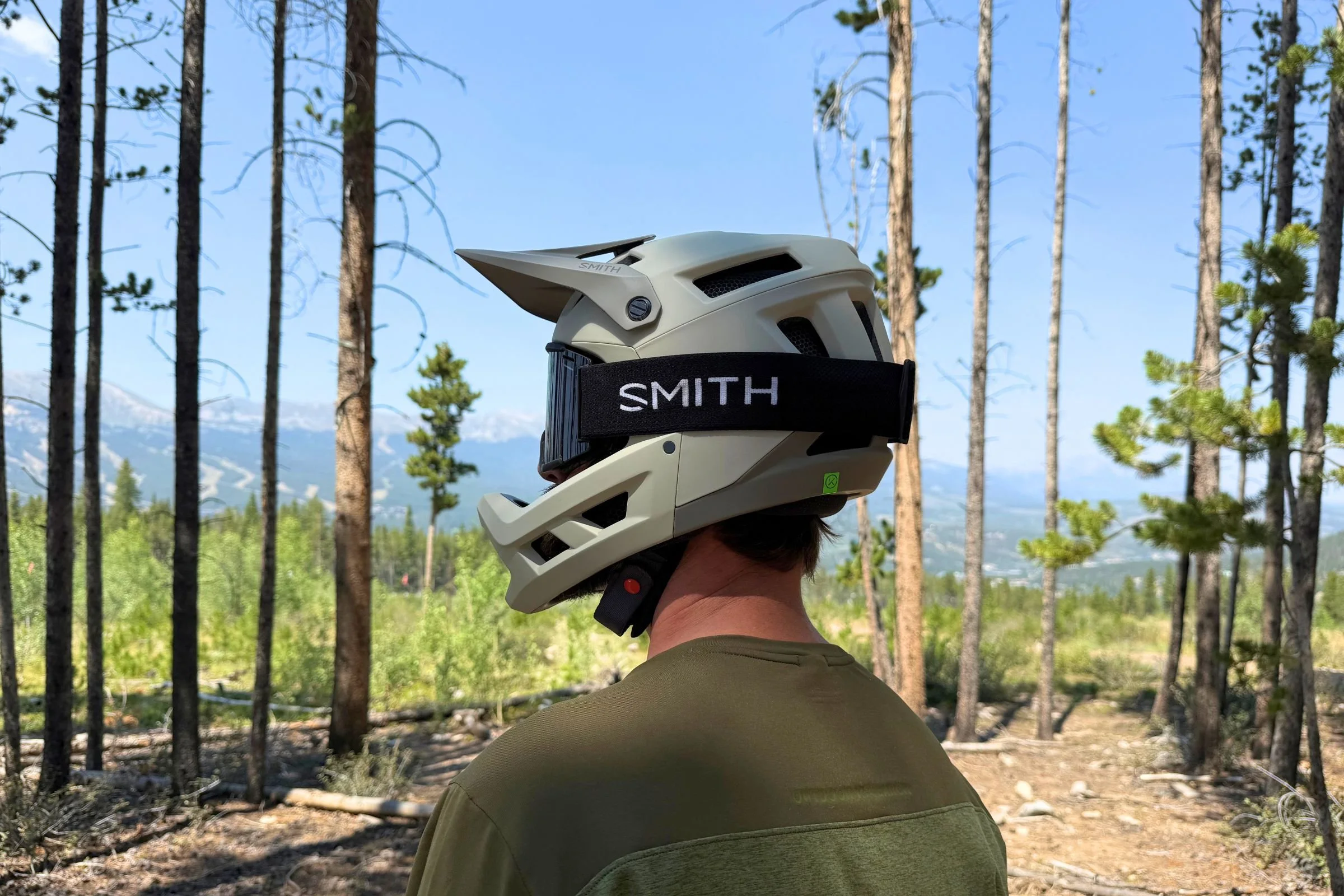
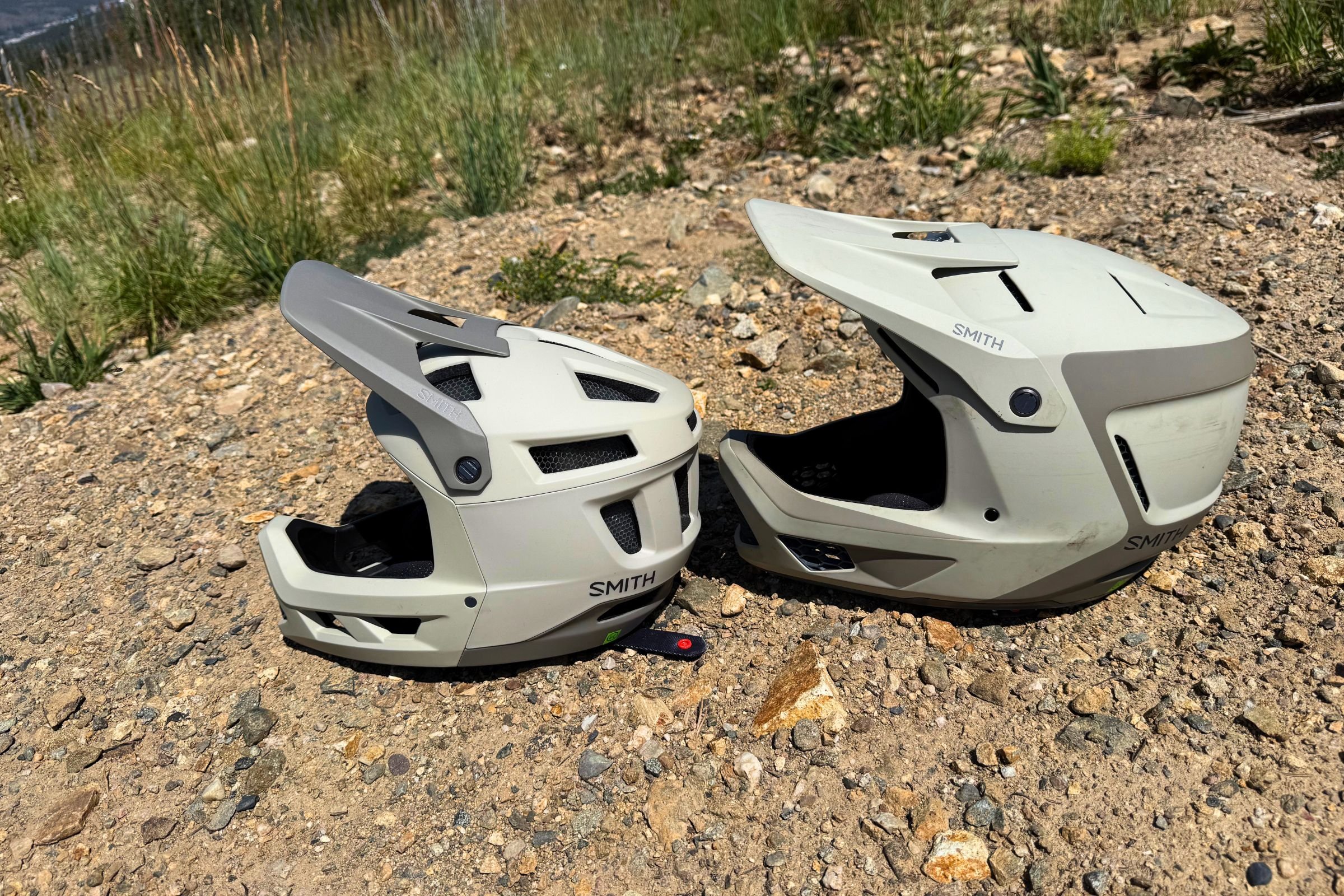
At $350, the Smith Mainline Mips is a downhill-certified full-face helmet that's light and airy enough to pedal in, handling bike-park laps and shorter climbs equally well. We tested the Mainline on downhill trails around Colorado and appreciated its balance of airflow and protection.
This is a comfortable, lightweight full-face helmet that provides enough airflow for some climbing when needed. It has both multiple forms of impact protection and multiple large vents for airflow.
If you need a high-coverage, full-face helmet for aggressive downhill riding, the Mainline may not feel like enough helmet. But if you want a full-face option that balances airflow, weight, and protection, and is versatile enough for use both inside and outside the bike park, the Mainline is a great choice.
Smith Mainline Mips MTB Helmet
We create reader-supported, mission-driven, objective gear reviews independently selected by our editors. This story may contain affiliate links, which help fund our website. When you click on the links to purchase gear, we may get a commission — without costing you an extra cent. Thank you for supporting our work and mission of outdoor coverage for every body! Learn more.
Smith Mainline Mips MTB Helmet specifications
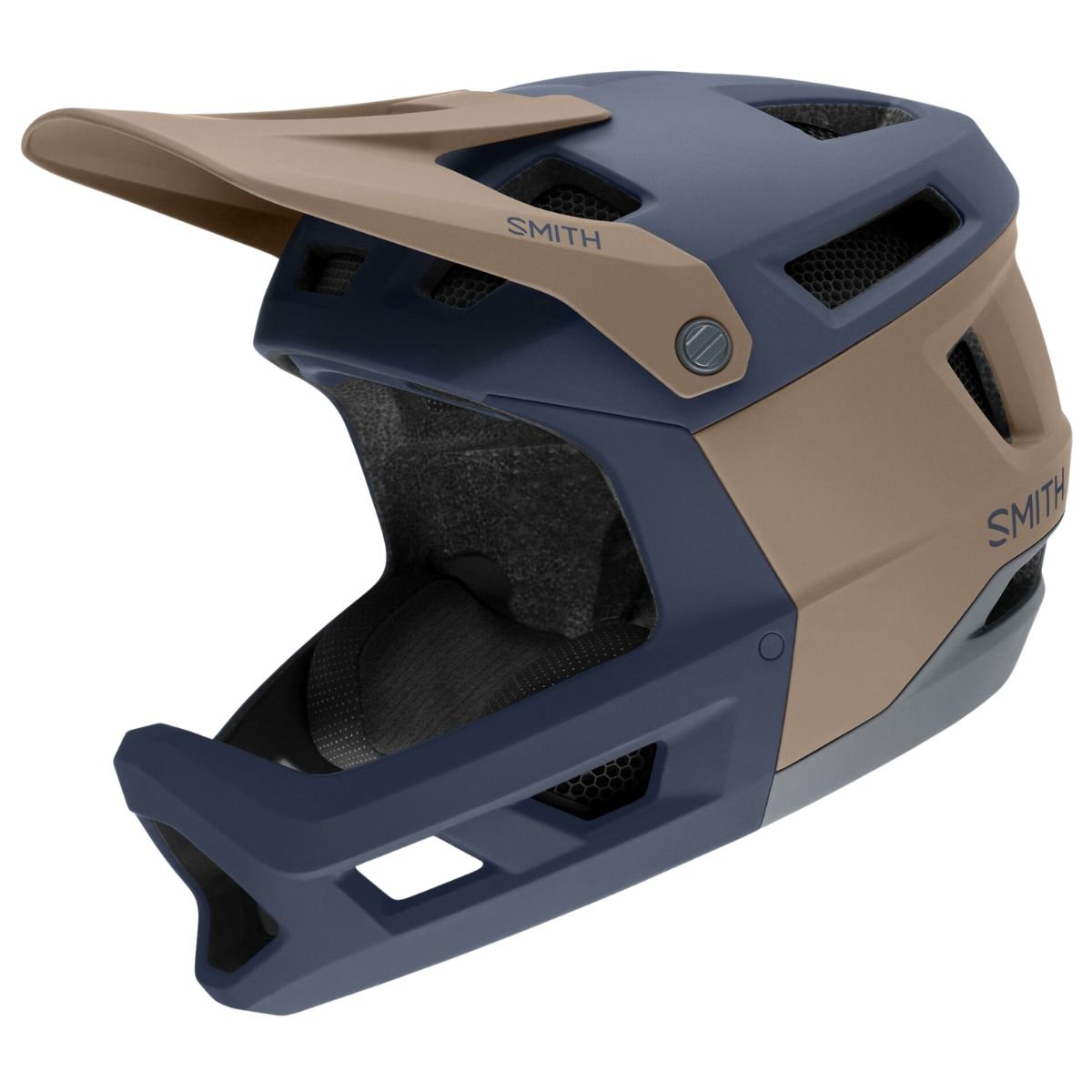
Price: $350
Weight: 770g (medium, as tested)
Helmet type: Full-face, enduro
Safety tech: Mips, KOROYD
Construction: In-mold
Number of vents: 21
Visor: Yes, adjustable
Fit system: Interchangeable padding in different sizes
Sizes available: S-L
Certifications: U.S. CPSC Safety Standard, CE EN 1078, NTA8776 E-Bike, and ASTM F1952 Downhill
Comparison table
| Mountain Bike Helmet | MSRP | Type | Rotational Impact Protection | Direct Impact Protection | ASTM Downhill Certified | Visor | Venting | Sizing |
|---|---|---|---|---|---|---|---|---|
| Smith Mainline Mips | $350 | Full-face, enduro | Mips | KOROYD | Yes | Yes, adjustable | 21 fixed | S-L |
| POC Otocon Race Mips | $400 | Full-face, downhill, enduro | Mips | Yes | Yes, breakaway peak | 20 fixed | S-L | |
| Smith Hardline Mips | $450 | Full-face, downhill | Mips | KOROYD | Yes | Yes, adjustable | 16 fixed | S-L |
| Fox Proframe RS | $400-$410 | Full-face, enduro | Mips | Yes | Yes, adjustable | 21 fixed | S-L |
Best for
Enduro riding and racing
Downhill mountain biking
Bike park riding
Technical downhill terrain
Riders prioritizing ventilation and weight savings in a full-face helmet
What we liked
Remarkably lightweight for a downhill-certified full-face helmet
Comfortable fit and padding
Effective ventilation
Secure fit
Multiple forms of impact protection (Mips and KOROYD)
Multiple padding size options
What could be better
Less protection and fewer impact-resistance features than heavier, downhill-specific full-face helmets
KOROYD limits airflow to a degree compared to helmets with large vents and no KOROYD in between them (but with this trade-off, you get more impact protection overall than a helmet without KOROYD in the vents)
How we tested
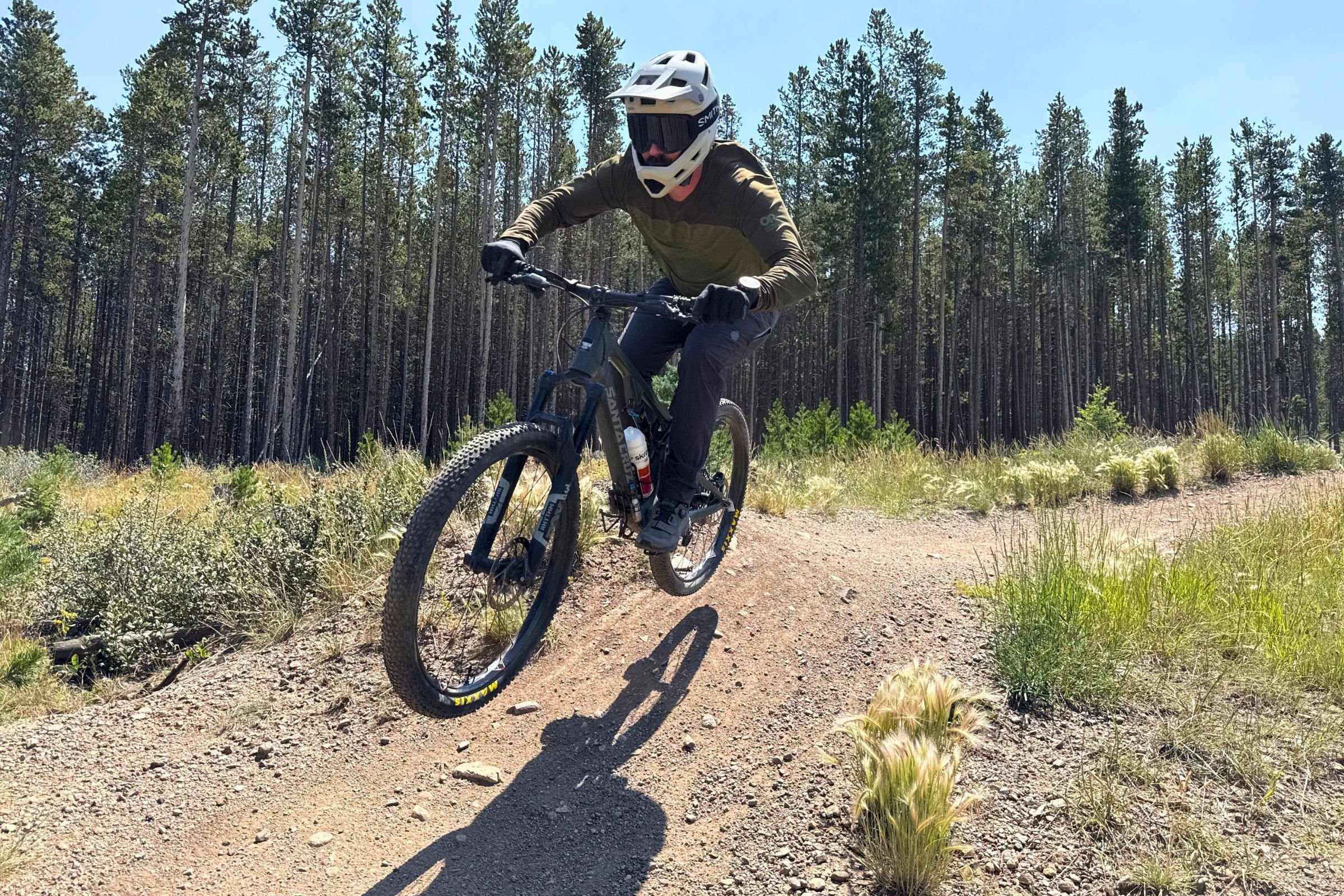
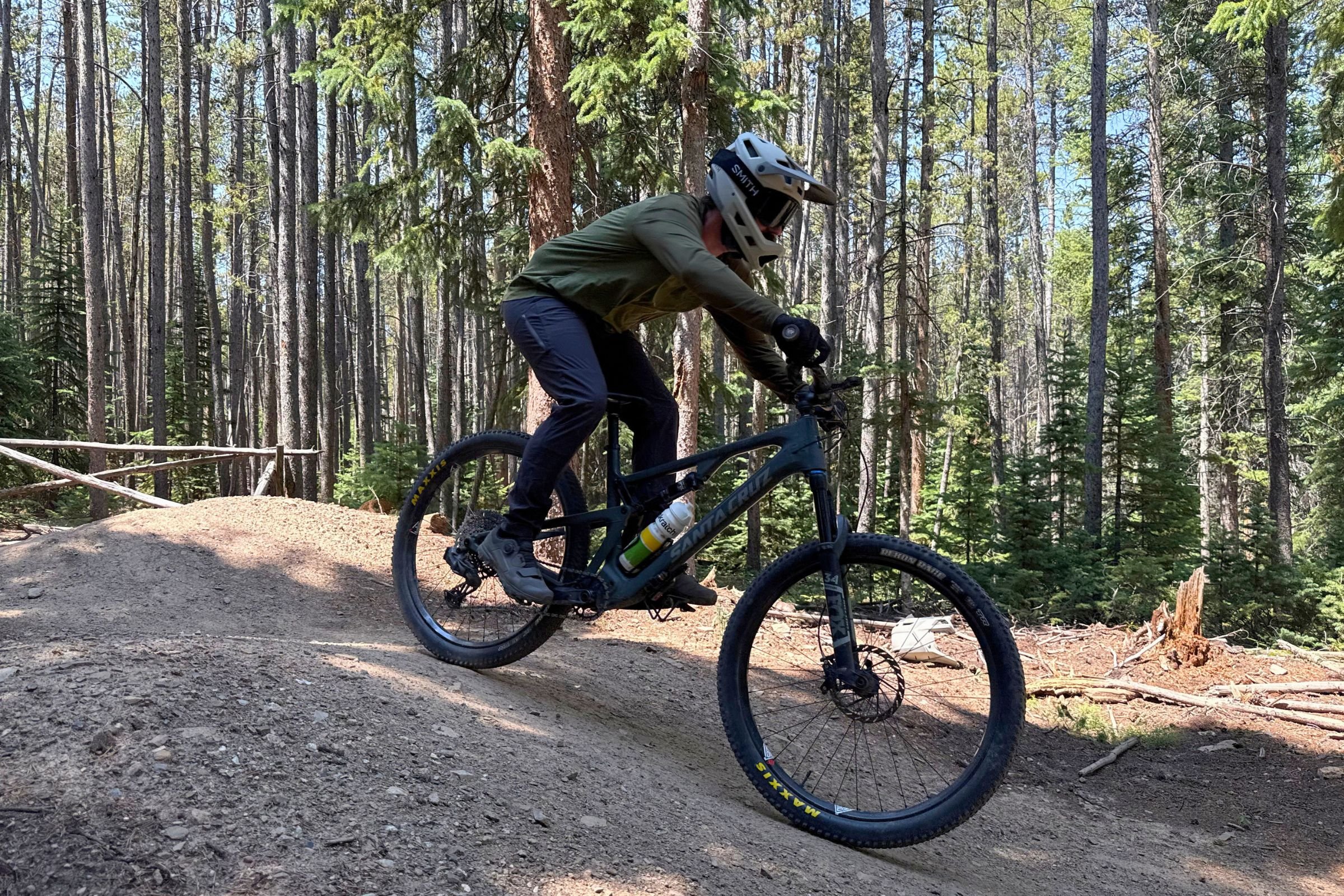
We tested the Smith Mainline Mips on downhill trails around Colorado, including both flow trails and technical descents. We also spent some time doing shorter climbs in this helmet to test airflow and heat retention.
Our time testing included longer days in varying weather—from hot and sunny to cool and cloudy—and shorter hot laps close to home. We tested the helmet's fit by swapping out different padding options for our primary tester to find the most secure and comfortable fit.
We also tested the Mainline alongside other full-face helmets, including the Smith Hardline Mips and the POC Otocon Race Mips. You can learn more about our testing in our Best Mountain Biking Helmets guide.
Performance in the field
Fit and comfort
The Smith Mainline helmet has a comfortable fit, and we did not encounter any issues during testing. Our primary tester typically wears a medium helmet in Smith and other brands, and a medium fit just right in the Mainline.
The variety of interchangeable pad sizes that come with the helmet helps to dial in the fit so it’s snug and secure. Our primary tester was able to swap different cheek pads, crown liners, and neck rolls to tailor the fit to his head shape. Throughout testing, we did not encounter any pressure points or areas of discomfort in the Mainline, and we think that with the included padding options (three different-sized cheek pads, two crown liners, and two neck roll options), it should fit a variety of head shapes well.
Ventilation
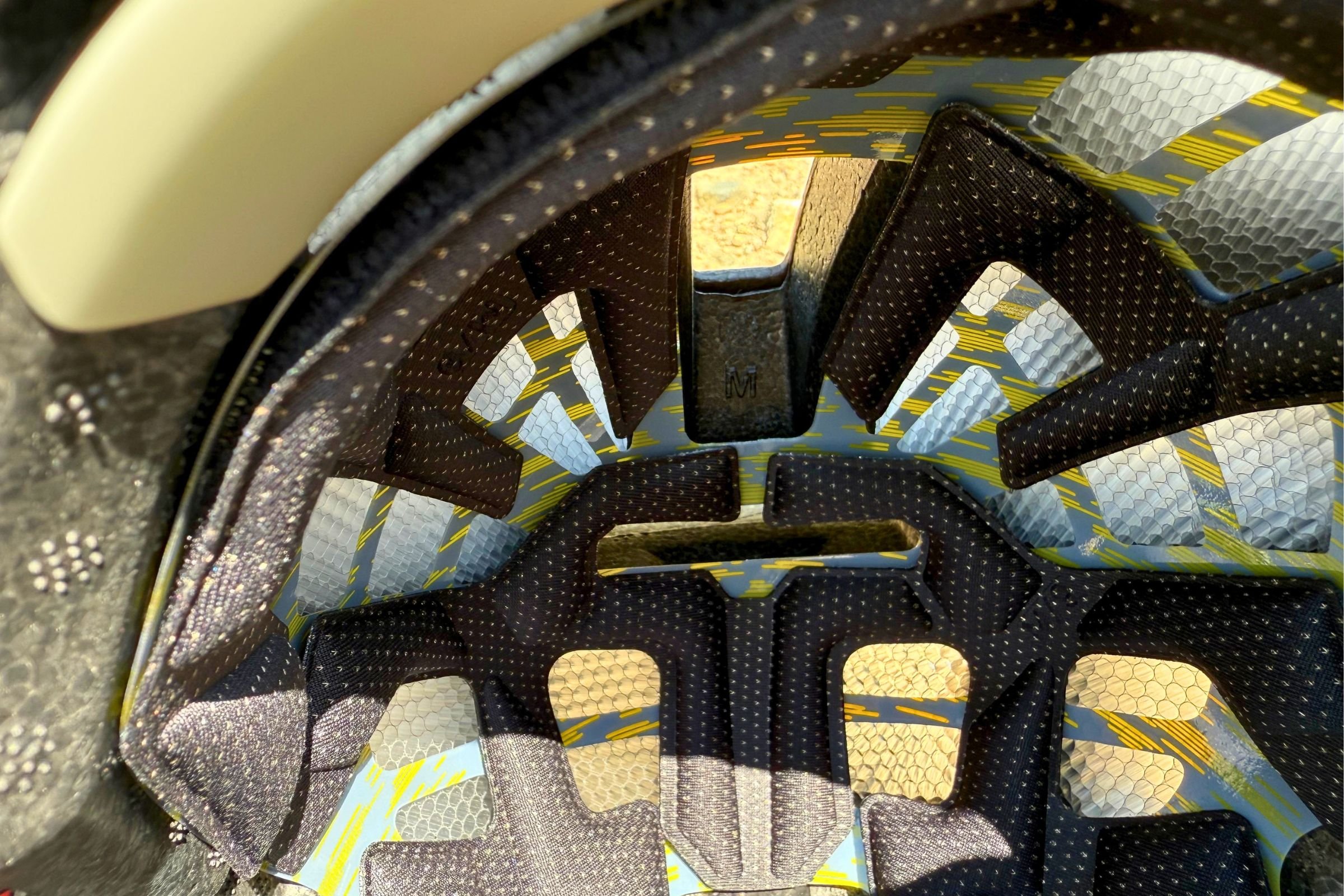
The Mainline has good ventilation overall, especially for a full-face helmet. There are 21 large vents throughout the helmet shell that allow for airflow from multiple directions. It’s important to note that while there are ample, large vents in this helmet, it also has KOROYD impact protection throughout the entire shell. This honeycomb-like structure still allows plenty of airflow, but it limits it more than fully open vents would. But in a full-face helmet especially, we think this trade-off is worth it since you’re getting full coverage and impact protection across the entire helmet without sacrificing airflow and venting.
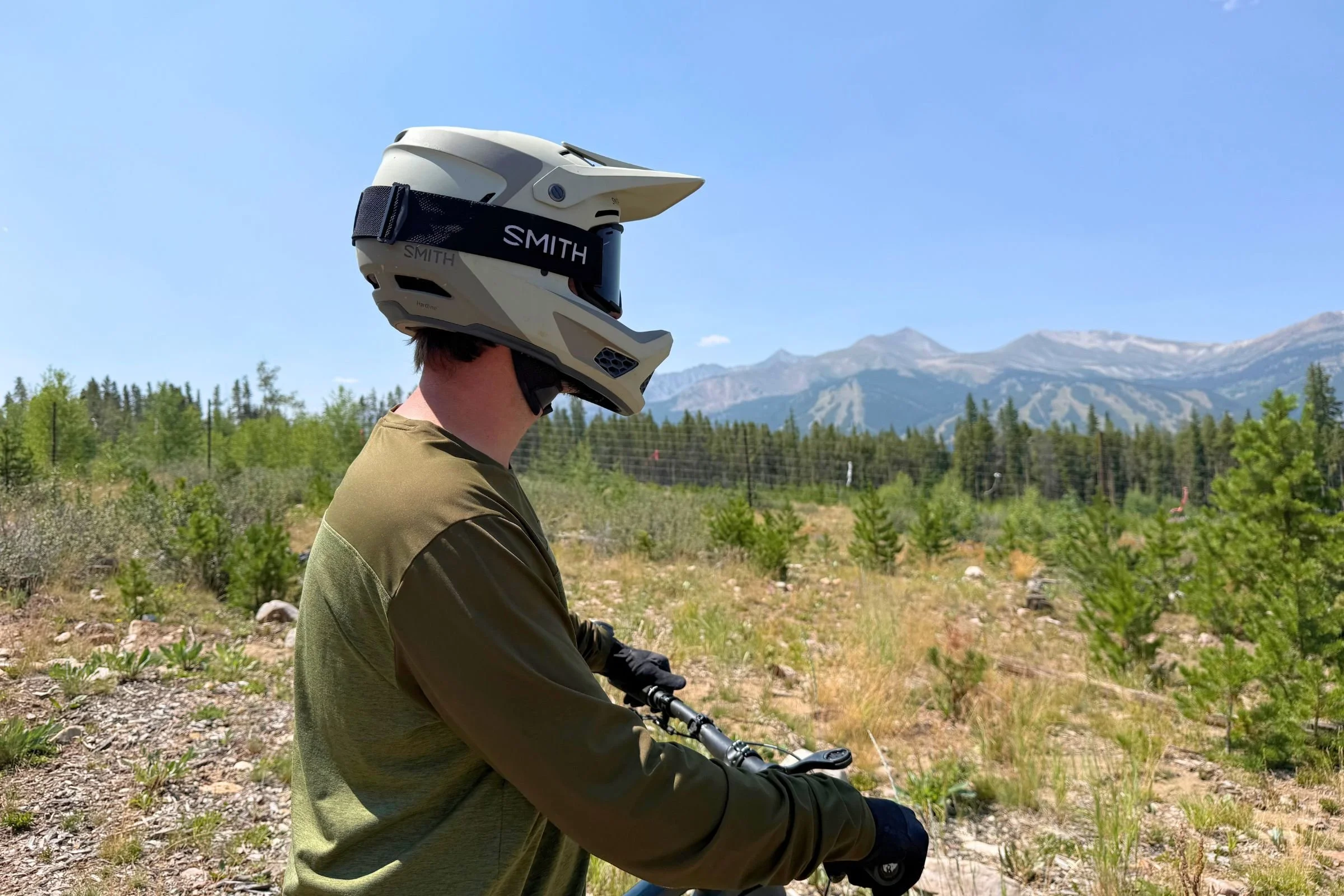
We tested it on hot, mid-summer days and were impressed by the helmet's airy feel. Of course, we’d always prefer to climb in a half-shell helmet when possible, but the Mainline gets pretty close to the airflow a half-shell offers and handles shorter climbs and hot days of downhilling very well.
Protection and coverage
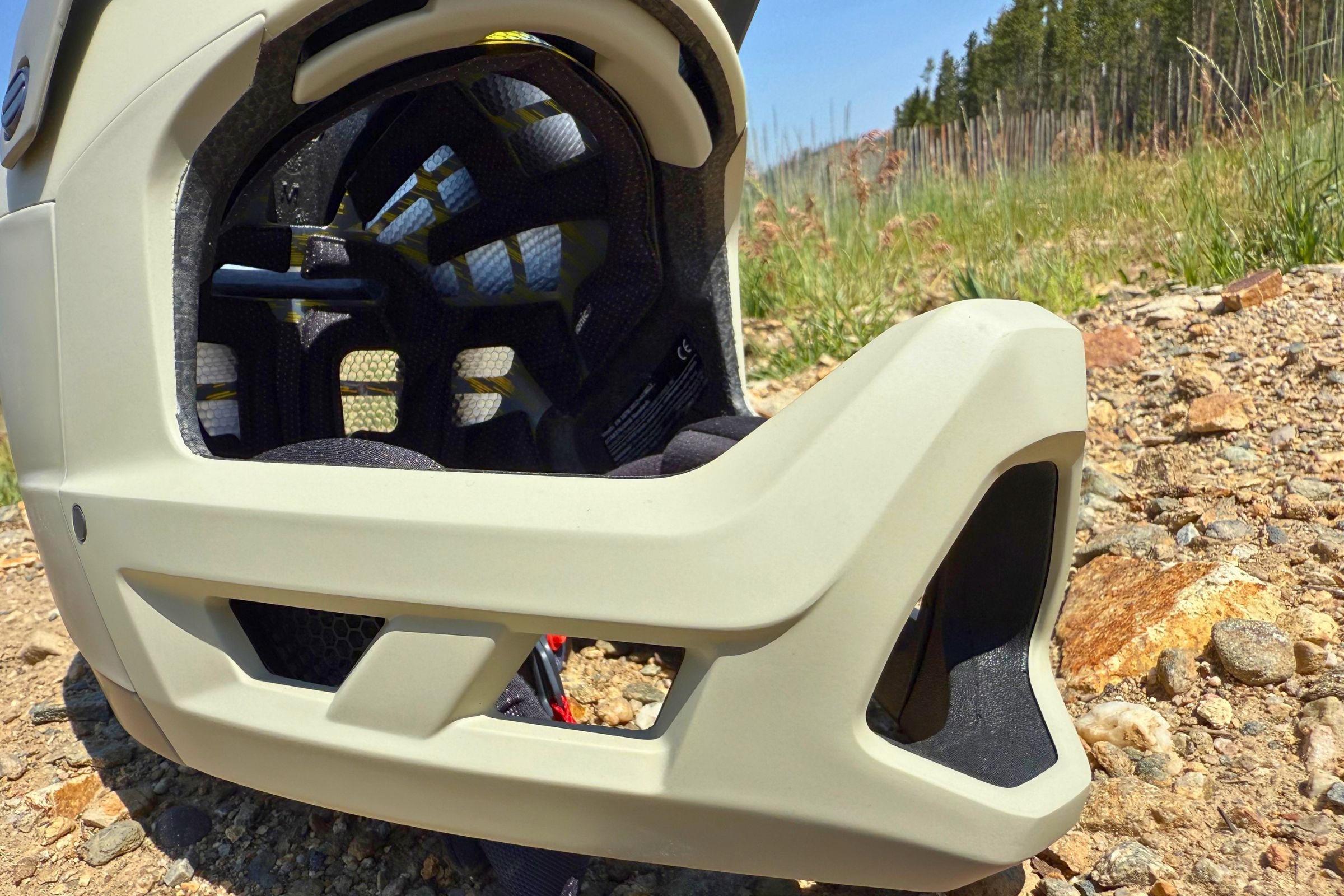
The coverage of the Mainline is high, which is expected in a full-face helmet. There are larger vents, and the helmet is made of lighter materials than many strictly downhill-oriented full-face helmets, but the shell still offers full head coverage.
Stability and retention
Thanks to the interchangeable pads in multiple sizes that come with the helmet, the Mainline is a stable and secure helmet, even when descending rough terrain. Once you take the time to dial in the fit by selecting the right pads for your head shape and size, this helmet should feel solid.
The D-ring chin strap can be a little finicky to thread while wearing bike gloves, but it is secure and more comfortable than a plastic buckle.
Weight and feel
While the Mainline is not the lightest full-face helmet on the market, it is among the lightest. At 770 grams for the medium size we tested, this helmet has a light, comfortable feel that’s great for long, hot days of riding.
Usability
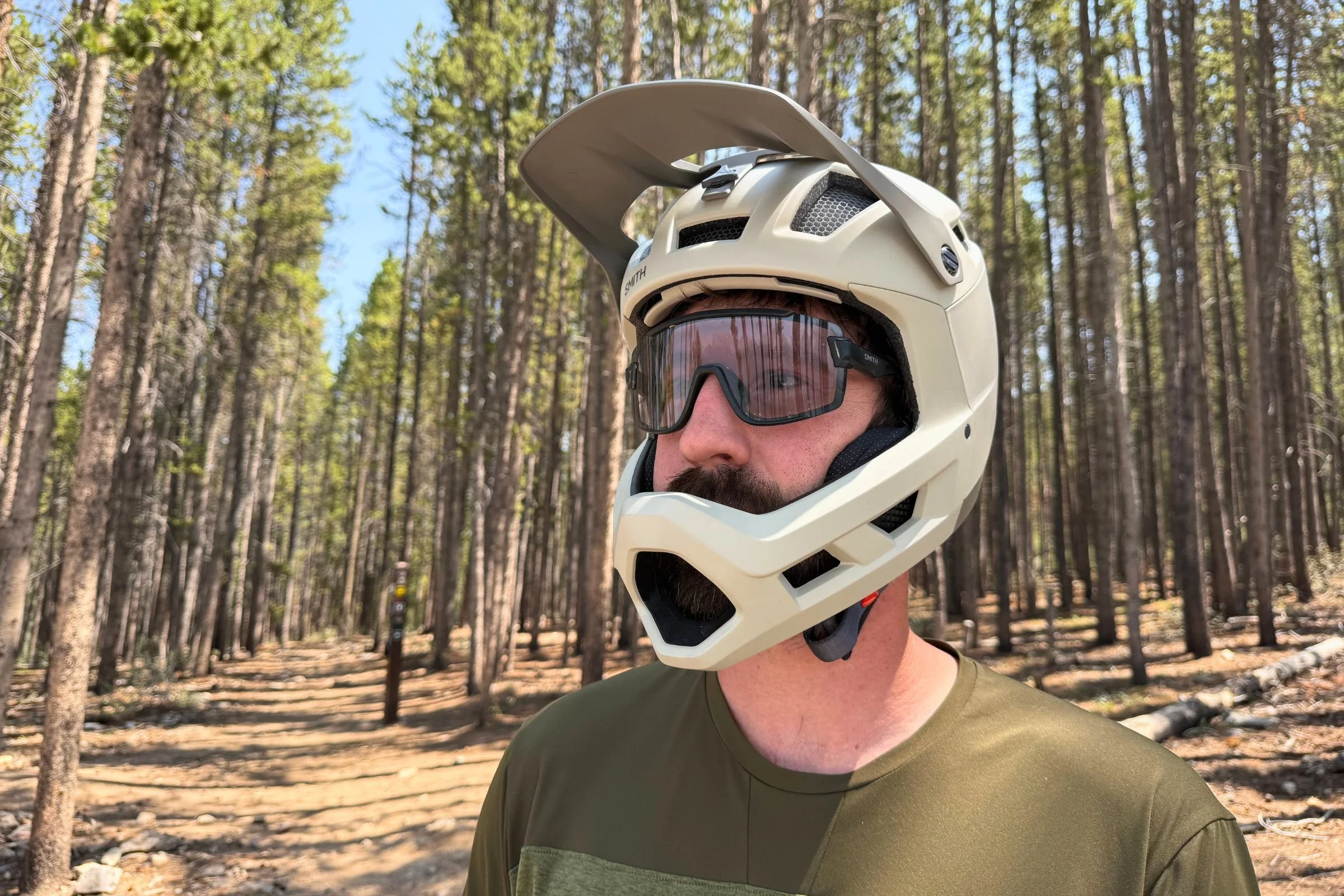
While it may take a couple of tries to get the right padding size configuration, dialing in this helmet is pretty easy and user-friendly. The pads are easy to swap out, and the visor is easy to adjust and secure once it’s in place. The D-ring chin strap can be a little tricky to thread while wearing bike gloves, but we got used to it after a bit of testing.
We tested the Mainline with both goggles and sunglasses, and while it works with both, we found it to be most comfortable with goggles. However, if you’re prioritizing overall airflow, shield-style glasses can pair well with this helmet, especially if you plan to climb or pedal in it at all.
Durability
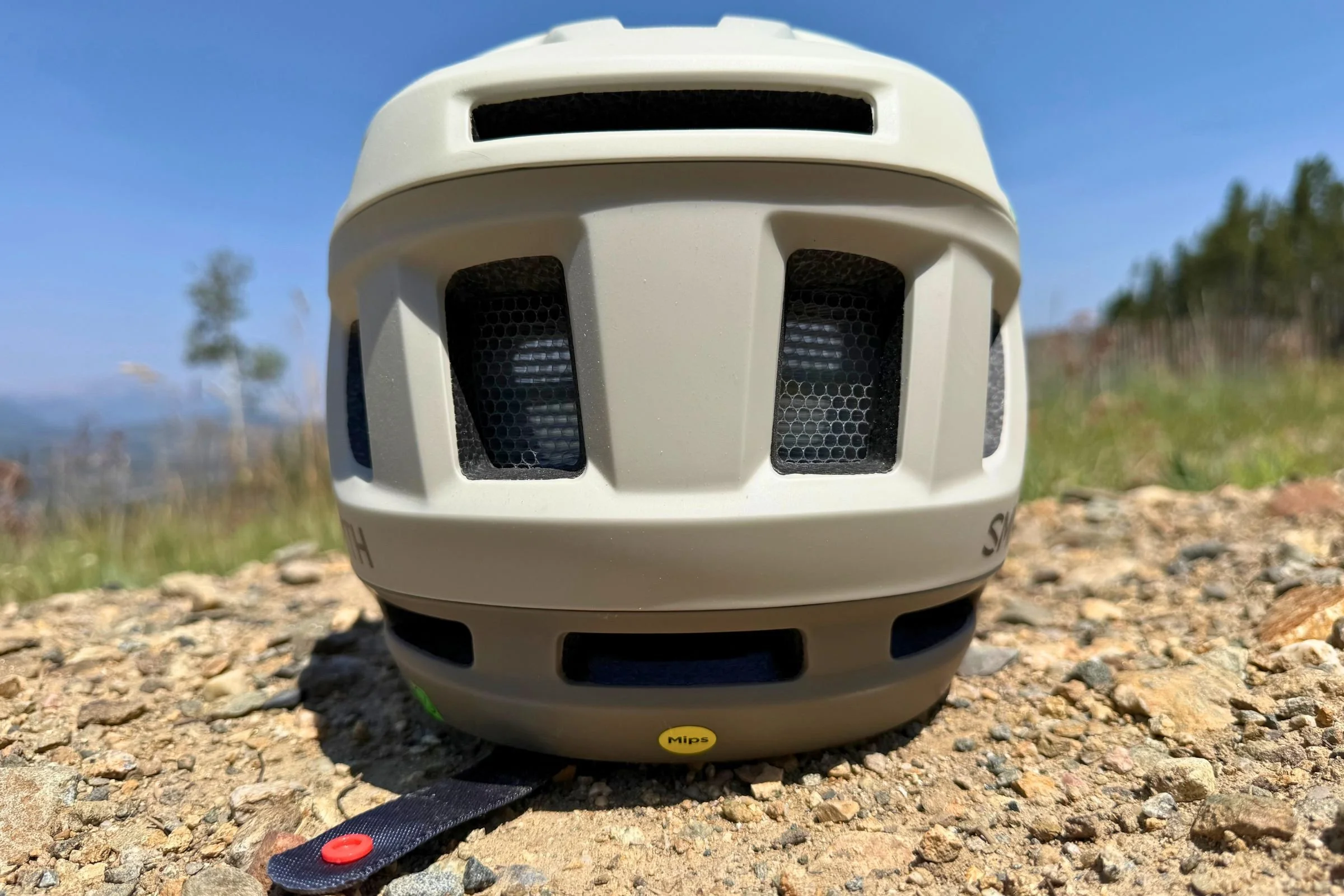
Throughout testing, which included multiple trips to the trailhead or bike park where the helmet was stored in a gear duffel, we did not encounter any durability issues with the Mainline. It does have a lighter shell construction, which suggests it may be more prone to denting than heavier, burlier full-face options, but we think the build quality is solid and have no concerns about premature wear and tear or overall durability.
Sustainability
Smith is working towards zero plastic waste in its packaging.
Features
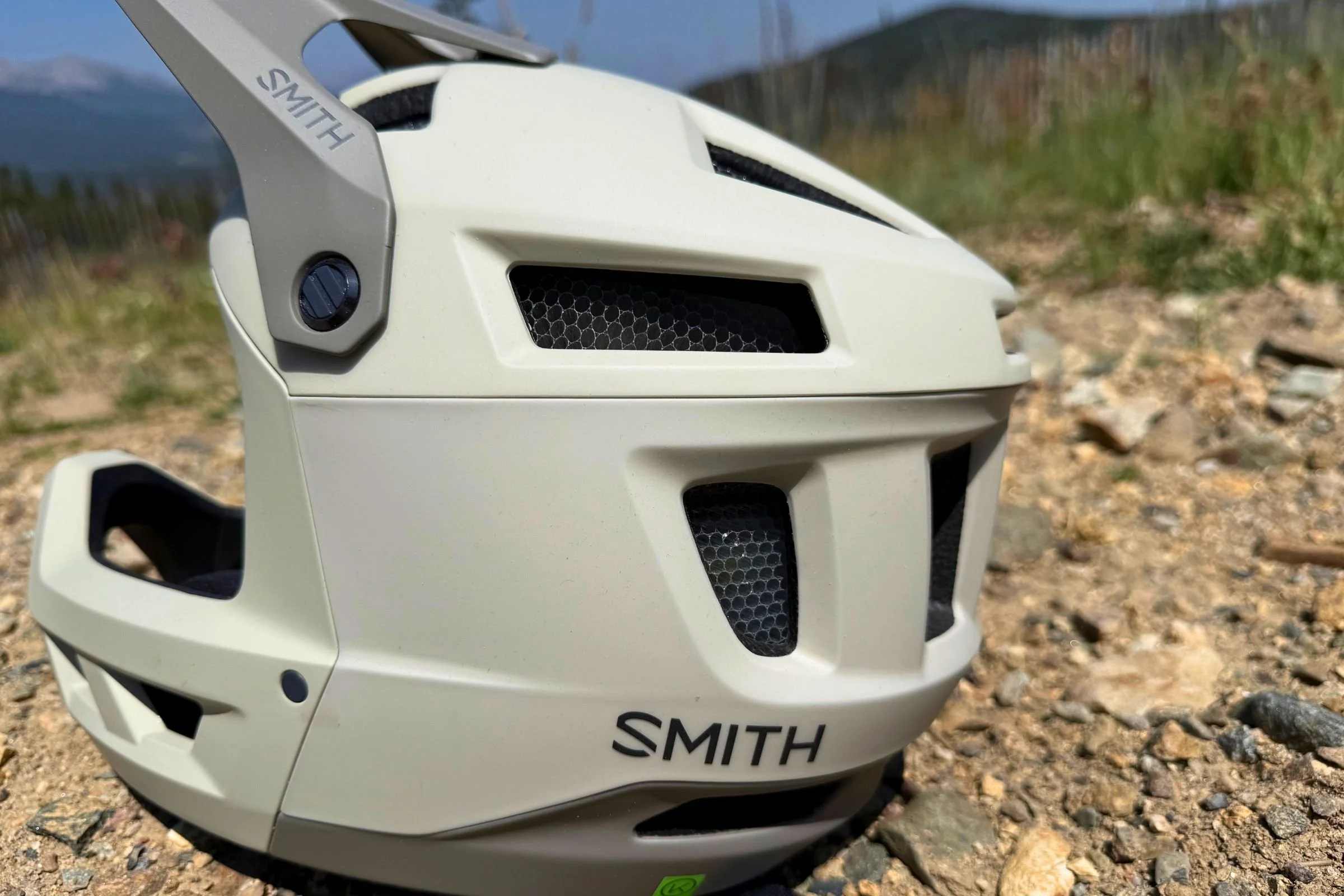
Rotational impact protection system
The Smith Mainline uses Mips for rotational impact protection. This is widely considered the industry standard. Mips works to reduce rotational impacts to the head and brain.
KOROYD impact protection
There is full KOROYD coverage throughout the helmet shell, which helps to reduce the force of blunt or direct impacts to the head. KOROYD looks a bit like a bunch of straws glued together (to put it simply), and that honeycomb-like structure crumples upon impact, taking much of the force that would otherwise directly impact your skull and brain.
Adjustable visor
There is a knob that adjusts and secures the visor in two different positions. It’s easy to use and secure once in place.
Interchangeable pads for fit
The Mainline comes with two sets of interchangeable crown pads, three sets of cheek pads, and two neck rolls, making it easy to customize the fit to your head shape and size.
Ventilation channels
There are 21 fixed vents in the Mainline helmet, providing ample airflow. Most of these vents have KOROYD honeycomb-like structures, but they still allow sufficient airflow. There are a few fully open vents across the helmet shell.
Lightweight shell construction
By using full KOROYD, which is lightweight and effective for impact protection, the Mainline sheds weight while still offering full downhill-rated protection.
Goggle compatibility
The Mainline is built to work with goggles, and specific vents in the helmet are designed to align directly with Smith mountain bike goggles for maximum airflow.
Should you buy the Smith Mainline Mips MTB helmet?
Buy if
You ride a lot of downhill trails but often pedal to get to them
You prioritize ventilation, weight savings, and comfort in a full-face helmet
You want a very light full-face helmet that still has DH safety certifications
You ride rough downhill trails or jump lines
Skip if
You want maximum protection exclusively for downhill riding
You want a budget option
FAQ
-
Yes. The Mainline is certified to ASTM F1952, the downhill mountain bike standard. It also meets the U.S. CPSC bike helmet standard, CE EN 1078 and NTA 8776, the Dutch standard for fast e-bikes. That's unusual for a helmet this light: it weighs 770 grams in a size medium.
-
Yes, for shorter climbs. We climbed in the Mainline on hot summer days and found its airflow comes close to a half-shell's. Its 21 vents keep air moving, though the KOROYD inside most of them lets through a bit less air than fully open vents would. For long climbs, we'd still carry a half-shell or ride with the full-face strapped to our pack.
-
It comes in three sizes: S (51–55 cm), M (55–59 cm) and L (59–62 cm). Our tester wears a medium in Smith and other brands, and the medium fit him well. The helmet includes three sets of cheek pads, two crown liners and two neck rolls, so you can fine-tune the fit for your head shape.
-
Yes. Smith designed the Mainline to work with its mountain bike goggles, and its AirEvac vents line up with them to help keep lenses from fogging. We tested it with both goggles and sunglasses. Goggles were the most comfortable, but sunglasses let in more air on climbs.
Where to buy the Smith Mainline Mips MTB helmet
The Smith Mainline Mips MTB helmet is popular, so you have plenty of retailer options. Here are some pros for each retailer.
REI
Pros: 100% satisfaction policy for members for 1 year; 10% member rewards.
Amazon
Pros: Free 2-day shipping with Amazon Prime membership (can be same-day delivery in major metropolitan cities)
evo
Pros: 365-day returns, store locations in ski towns for easy last-minute pickup, may offer rentals if you want to try before you buy, earn 10% back in Rewards, free membership gets discounts on services and rentals
Advice on where to buy
In general, for gear, we recommend purchasing from a retailer with easy or free returns, such as REI.
Similar MTB helmets
Smith Mainline Vs. POC Otocon Race Mips
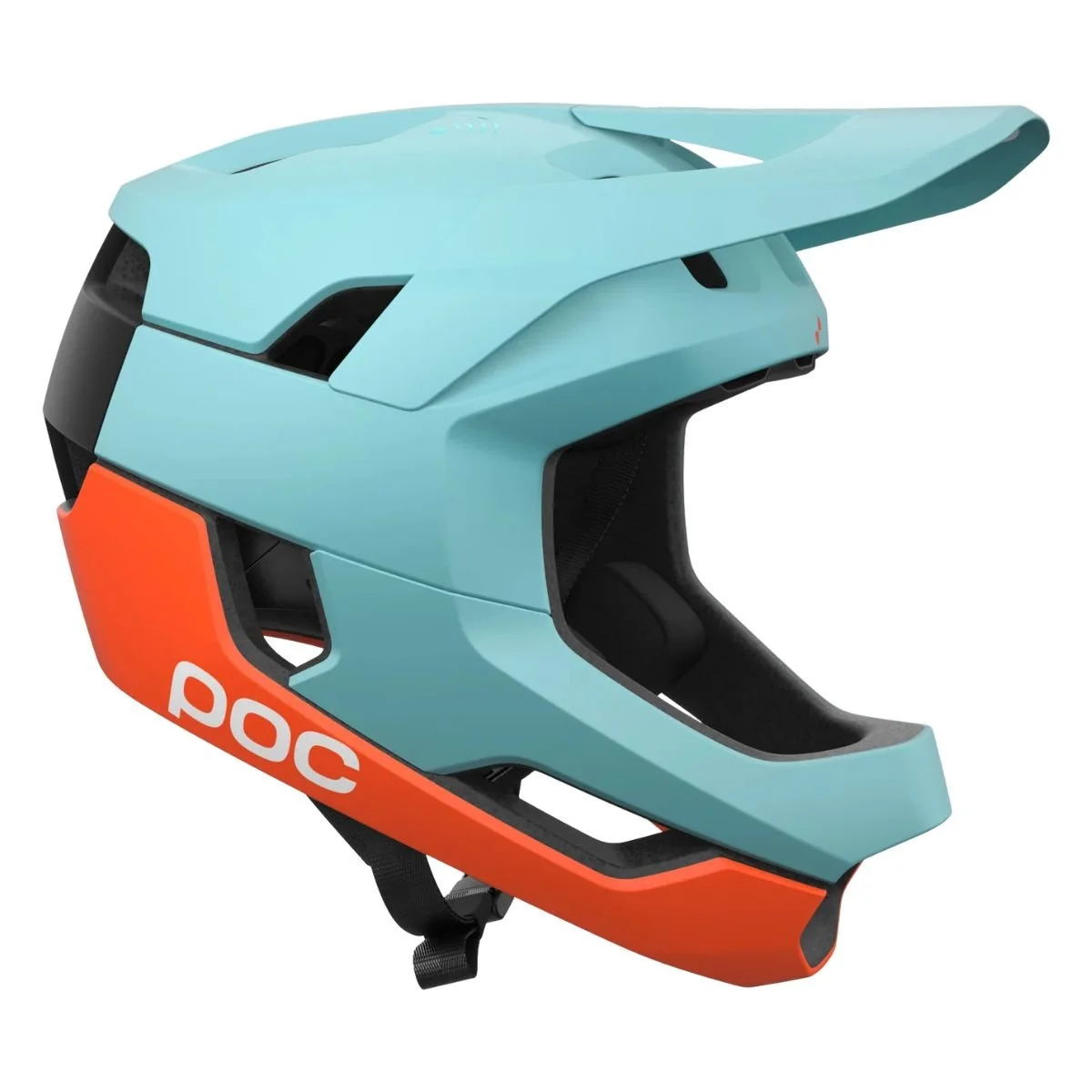
Price: $400
Weight: 750g (medium)
Helmet type: Full-face, enduro
Impact protection: Mips
The Otocon Race is an enduro full-face helmet that prioritizes low weight and ample airflow in a protective package, much like the Smith Mainline. This helmet is a little lighter (about 20 grams less in a medium), and the vents are unobstructed (since the Otocon does not use KOROYD, meaning those vents don’t have any impact protection), making it just a little airier and lighter than the Mainline.
The Otocon Race also has downhill safety certifications and a few extra safety perks, such as RECCO reflectors and an integrated medical ID.
We found the Mainline slightly more comfortable than the Otocon Race in our testing, but both helmets are great options for riders looking for a lightweight, pedal-friendly full-face helmet with lots of airflow.
POC Otocon Race Mips
Smith Mainline Vs. Smith Hardline
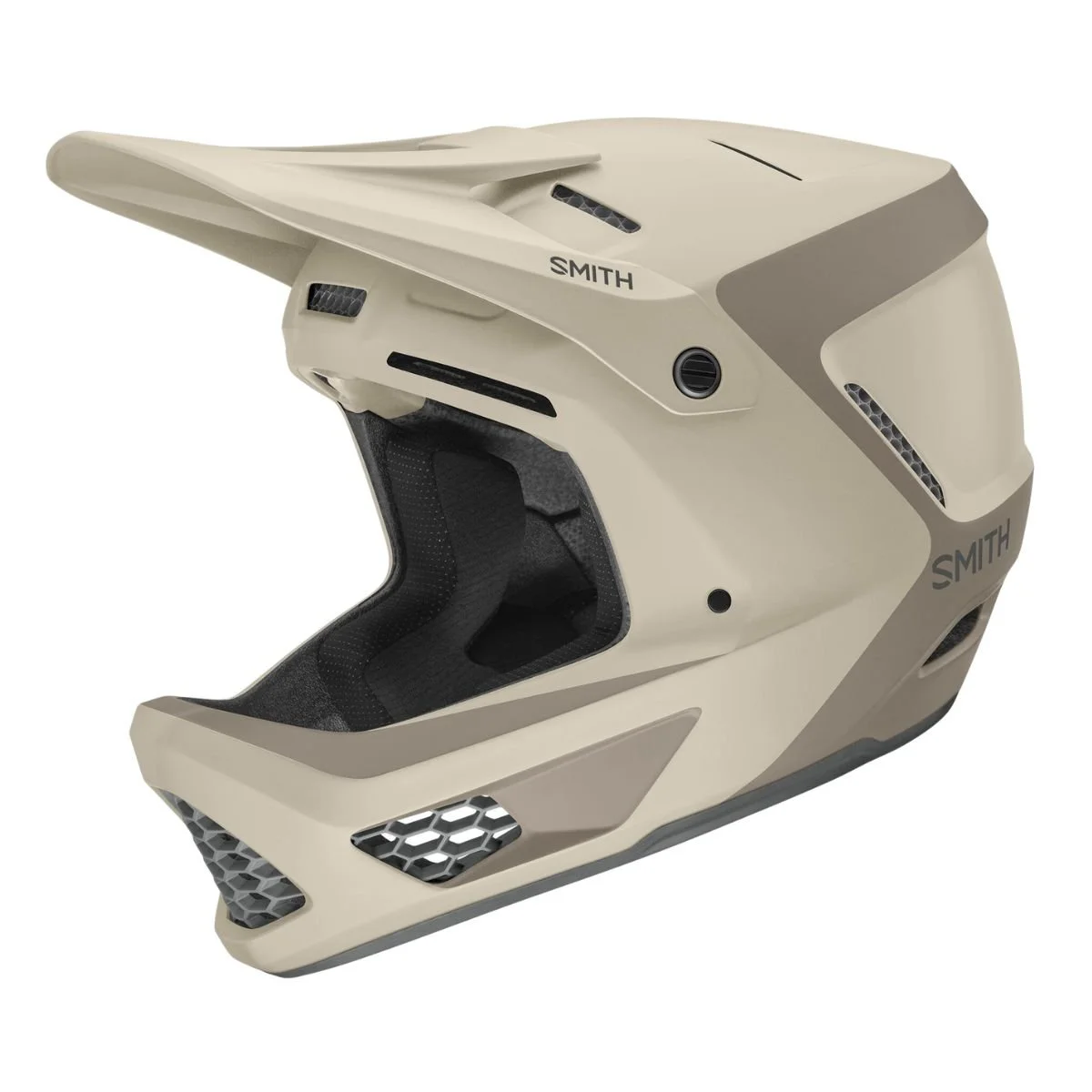
Price: $450
Weight: 990g (medium)
Helmet type: Full-face, downhill
Impact protection: Mips, KOROYD
The Hardline is Smith’s full-face helmet designed for dedicated downhill riding. It has a burlier shell with more coverage and additional features, such as a collarbone impact-protection zone. Like the Mainline, the Hardline uses both Mips and KOROYD for impact protection. But this helmet is heavier and has significantly less airflow than the Mainline.
If you plan to pedal at all in your full-face helmet, consider the Mainline or other enduro helmets like it. But if you exclusively ride via lift access in bike parks or shuttles, then the Hardline is a great option for full downhill protection. For more, read my full review of the Smith Hardline Mips.
Smith Hardline Mips
Smith Mainline Vs. Fox Proframe RS
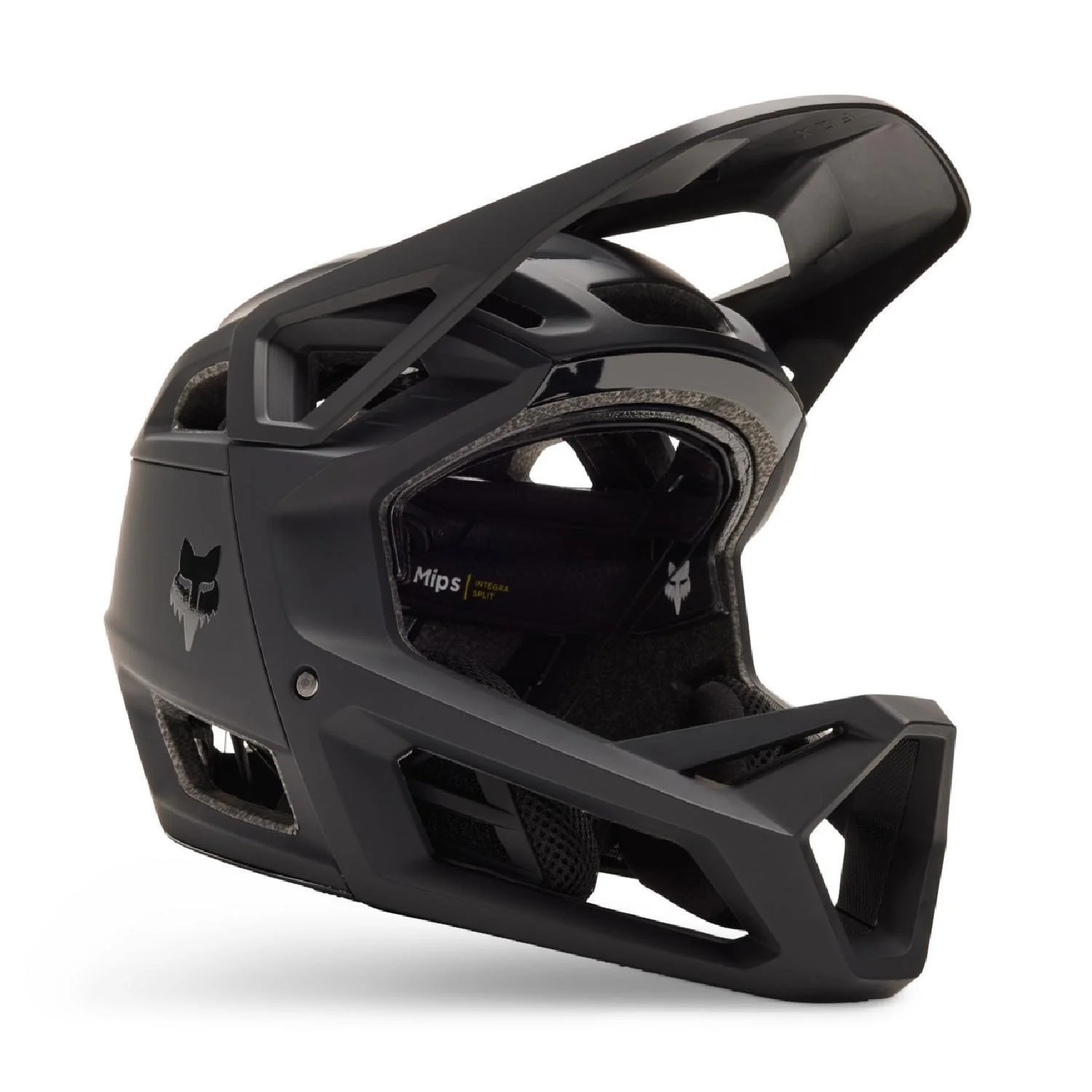
Price: $400-$410
Weight: 820g (medium)
Helmet type: Full-face, enduro
Impact protection: Mips
The Fox Proframe RS is another great lightweight option for an enduro full-face helmet with lots of venting and airflow.
The biggest difference between the Proframe RS and Mainline is that the Proframe RS adds a BOA fit system, which is easier to use overall and allows for finer-tuned adjustments.
Fox Proframe RS
Why you should trust us / about the author

A true mountain dweller, Stasia feels far more at home on a high alpine ridge than on a busy city street. She’s worked as a backpacking guide in Southeast Alaska, has held a WFR, AIARE 1, AIARE 2, and avalanche rescue certifications, and is working to become an avalanche education instructor. She’s now a full-time writer and editor in the outdoor space and has been testing and writing about gear for over a decade.
Stasia learned to mountain bike as a kid in Utah, and rekindled her love for the sport after moving to Summit County, Colorado, and getting a new (and very much improved from her very old hand-me-down) full-suspension bike several years ago. She spends most of her summer days out on the singletrack. Stasia has been testing mountain bike helmets for several years and has learned what to look for in a great one. Thankfully, she has not had to do too much true impact testing—aside from the time she went OTB after just discovering she was pregnant with her first child. Whoops. (Everything was fine, and now that kid rides his own tiny bike, also often recklessly.)
You can find more of Stasia’s work on her Treeline Review author page.