Best Men’s Water Shoes of 2026
The best draining, quick-drying, protective, and grippy shoes for water sports, hiking, swimming, beach days, travel, and more
May 27th, 2026
Home → Gear Reviews → Footwear
Water shoes do a lot more work than most people give them credit for. A good pair can mean the difference between moving comfortably through a slippery river crossing and stumbling around in waterlogged sneakers or undersupported sandals.
Whether you’re kayaking, paddleboarding, rafting, swimming, hiking wet trails, or spending the day in and around the water, the right pair brings together grip, drainage, protection, and comfort in a way regular shoes simply don’t. The challenge is finding a pair that feels agile in the water while still feeling comfortable once you’re back on land.
Over the past year, we tested water shoes where people actually use them: along rocky rivers, slick boat ramps, sandy beaches, and wet trails, as well as fully in the water. Most of our testing happened in the Pacific Northwest, with additional use on trips to Mexico and the Maldives. We wore them paddleboarding, boating, snorkeling, on beach days, and through plenty of back-and-forth between shoreline and water, while also putting in miles on mixed terrain to see which pairs held up beyond standard water use.
As we tested, we focused on the features that matter most in this category: drainage, wet-surface traction, toe and underfoot protection, and comfort once fully soaked. We also paid attention to drying speed, fit security, long-term durability, and whether each shoe felt versatile enough to keep on after the water activities for the day were over.
Of all the pairs we tested, the Astral Loyak came out on top, for its versatility across activities, standout grip, quick drainage, wet comfort, and a light, flexible feel that never comes across as flimsy. It also looks less technical than most water shoes, which makes it especially easy to wear for travel, river days, paddling, and everyday use. We’ve also included more specialized picks below, depending on your needs.
Looking for women’s water shoes? Check out our Best Water Shoes for Women guide.
We create reader-supported, mission-driven, objective gear reviews independently selected by our editors. This story may contain affiliate links, which help fund our website. When you click on the links to purchase gear, we may get a commission — without costing you an extra cent. Thank you for supporting our work and mission of outdoor coverage for every body! Learn more.
Comparison table
| MEN'S WATER SHOES | TREELINE AWARD | AVAIL SIZES | MSRP | TYPE | UPPER | OUTSOLE | WEIGHT (PER SHOE) | DRAINAGE |
|---|---|---|---|---|---|---|---|---|
| Astral Loyak | Best Overall Read why |
8 - 14 | $110 | Minimalist water sneaker | 100% rPET canvas and mesh | Non-marking, razor-siped G.15 Rubber | 7.4 oz | Toe/heel ports and mesh upper |
| Astral Loyak AC | Best Lightweight Read why |
5 - 14 | $120 | Minimal full-coverage shoe | Ultrafine ripstop mesh with TPU reinforcements and water-resistant laces | G.15 Rubber with Flex-Grip razor siping | 5.7 oz | Ultrafine mesh and drainage ports |
| SIMARI WP001 | Best Affordable Read why |
4.5 - 14.5 | $22 | Water sock | Soft mesh fabric | Rubber | 7.5 oz | Mesh upper and drainage holes in the outsole |
| Merrell Hydro Moc | Best for Beach and Casual Read why |
7 - 15 | $75 | Molded slip-on | EVA foam and BLOOM Performance Foam | EVA foam and BLOOM Performance Foam | 6.2 oz | Holes in the molded upper |
| Salomon Techamphibian 5 | Best for Hiking and Wet Trails Read why |
7 - 14 | $110 | Closed-toe hybrid | Synthetic textile fabric | Contagrip FD rubber | 17.5 oz | Mesh |
| NRS Kicker Wetshoes | Best for Swimming and Snorkeling Read why |
5 - 24 | $75 | Water sock | Petroleum-free 3mm Terraprene neoprene with titanium adhesive | 3mm patterned rubber sole with 2mm plastic shim | 10 oz | Ports in the footbed and channels in the outsole |
| NRS Paddle Wetshoe | Best for Paddling Read why |
6 - 14 | $110 | Bootie | Petroleum-free 3mm Terraprene neoprene with titanium adhesive | 3mm patterned rubber sole with 2 mm plastic shim | 10 oz | None |
| HOKA Hopara 2 | Best for Plantar Fasciitis Read why |
7 - 14 | $140 | Water shoe/sandal hybrid | 100% recycled knit upper, 100% recycled Cordura mesh overlays | Sticky rubber | 12 oz | Mesh and open heel design |
| KEEN Hyperport H2 Sandal | Best Closed Toe Read why |
7 - 15 | $120 | Closed-toe sandal | Washable polyester webbing | Aquagrip Wet Traction rubber with zonal siping | 9.2 oz | Open design |
| Teva Hydratrek Water Sandal | Best Water Sandals Read why |
7 -14 | $95 | Sandal | Recycled REPREVE polyester | Terragrip | 10.6 oz | Open design |
| Astral Brewer 3.0 | Best for Travel Read why |
5 - 14 | $150 | Water sneaker | 100% recycled (rPET) canvas quarters with breathable recycled mesh vamp, tongue, and liner | Nonmarking G.15 Rubber | 8.2 oz | Quick-draining mesh and canvas upper with midsole drainage ports |
The winners
Best overall water shoes: Astral Loyak
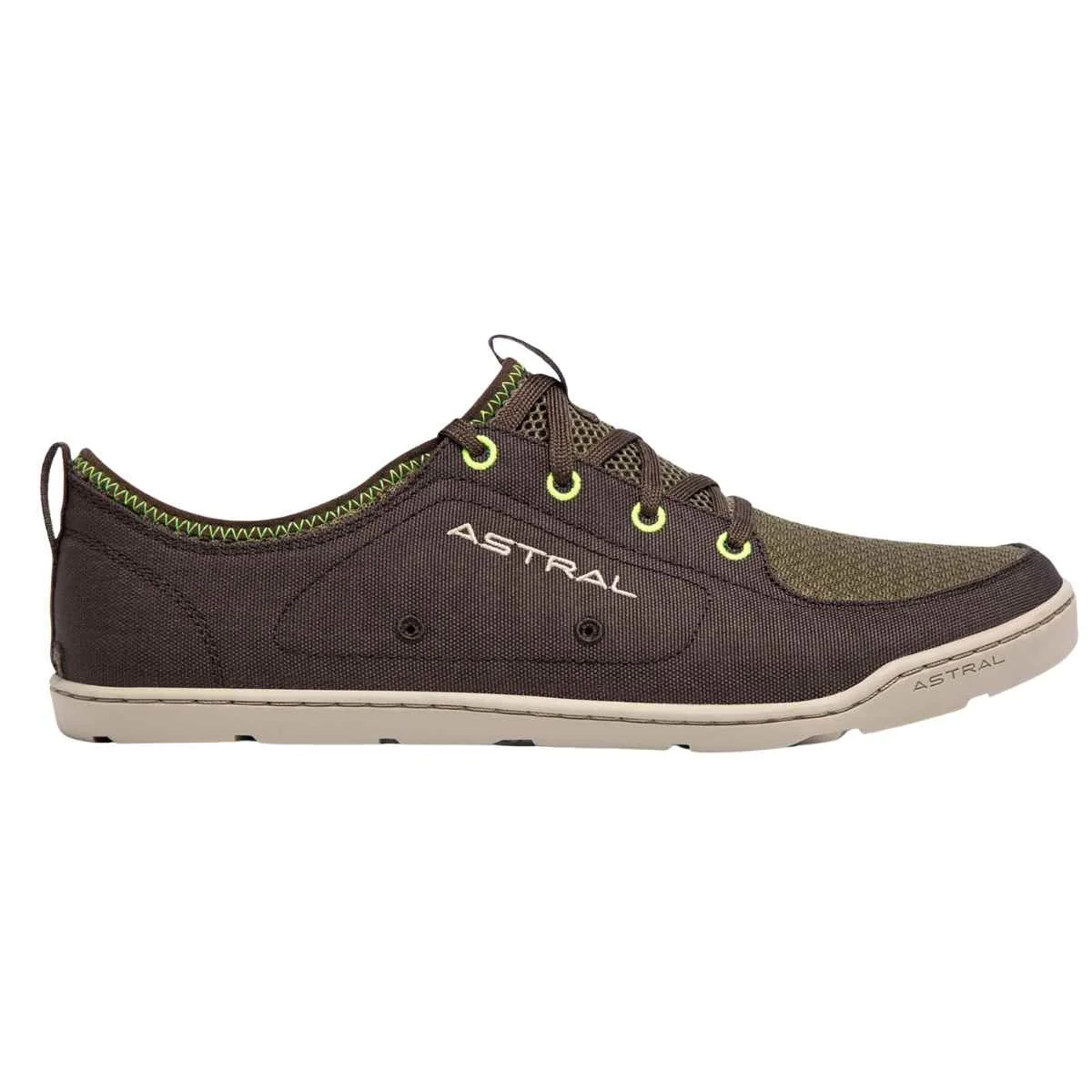
Price: $110
Type: Minimalist water sneaker
Upper:100% rPET canvas and mesh
Outsole: Non-marking, razor-siped G.15 Rubber
Drainage: Toe/heel ports and mesh upper
Weight (per shoe): 7.4 oz
What we liked: Excellent grip on slick surfaces, a secure and comfortable barefoot fit, and easy water-to-town versatility that makes it feel like a true do-it-all shoe
What could be better: The upper doesn’t dry as fast as mesh-only water shoes
A lot of water shoes are great at one specific thing, but for our best overall pick, we were looking for the one that could do a bit of everything well, which is why we landed on the Astral Loyak.
The Astral Loyak takes our top overall spot because it hits the best balance of features that actually matter in a water shoe: excellent grip, solid drainage, comfortable barefoot wear, and enough versatility that it doesn’t feel like a single-use piece of gear. This was the pair we kept reaching for on days that included paddleboarding, dock walking, beach use, and lots of moving between land and water.
For more, read our in-depth review of the Astral Loyak water shoe.
Astral Loyak
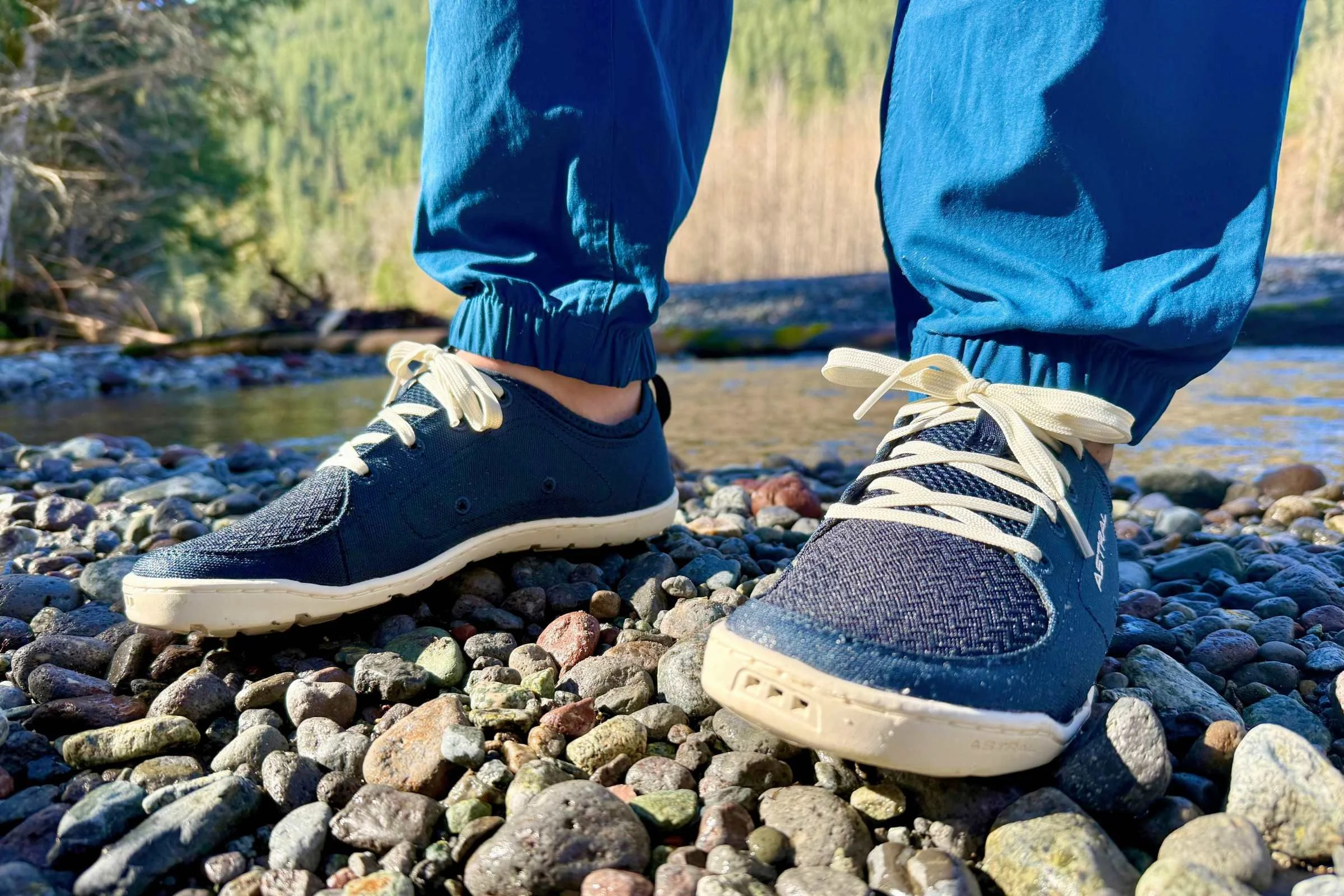
One of the biggest reasons it won is traction. Like the other Astral shoes we’ve tested, the Loyak feels especially confident on slick surfaces because the Flex Grip outsole uses sticky G.15 rubber that features razor siping (tiny cuts in the outsole) to help maintain traction when surfaces get slippery, and that extra bite was noticeable in testing.
Drainage is another strong point. Ports at the heel and forefoot, along with partial mesh in the upper, help the shoe clear water quickly so it doesn’t feel heavy and sloppy once you step back onto land. The textured insole also helps prevent your foot from sliding around once things get wet. The canvas portions do hold onto moisture longer than more minimal water shoes, but the overall wet comfort is still excellent. We found them comfortable to wear barefoot for hours at a time, with no rubbing or blister issues.
They’re also lightweight, flexible, and easy to pack, and the low-profile sneaker look is a big part of their appeal. You can wear them from paddleboarding to a post-adventure beer without looking like you’re wearing traditional water shoes.
They’re not the pair we’d choose for rough hiking, sharp technical terrain, or long stretches of true in-water use, but for most people who want one versatile water shoe that performs well and looks good doing it, the Loyak is the one.
Best lightweight water shoes: Astral Loyak AC

Price: $120
Type: Minimal full-coverage shoe
Upper: Ultrafine ripstop mesh with TPU reinforcements and water-resistant laces
Outsole: G.15 rubber with Flex-Grip razor siping
Drainage: Ultrafine mesh and drainage ports
Weight (per shoe): 5.7 oz
What we liked: Incredibly durable for a lightweight shoe, with excellent grip, a snug secure fit, and efficient drainage
What could be better: Not as supportive and stable for near-water traversing as more built-up shoes
The Astral Loyak AC is the stripped down version of our overall winner. It’s our pick for best lightweight water shoes because it stays impressively capable without feeling like much shoe at all. What makes it stand out is the combo of flexibility and durability. It feels light, nimble, and low-bulk on foot, but the ultrafine ripstop mesh upper gives it a surprising amount of toughness for such a minimal shoe. It feels airy and quick drying without coming across as fragile.
For more, read our in-depth review of the Astral Loyak AC.
Astral Loyak AC
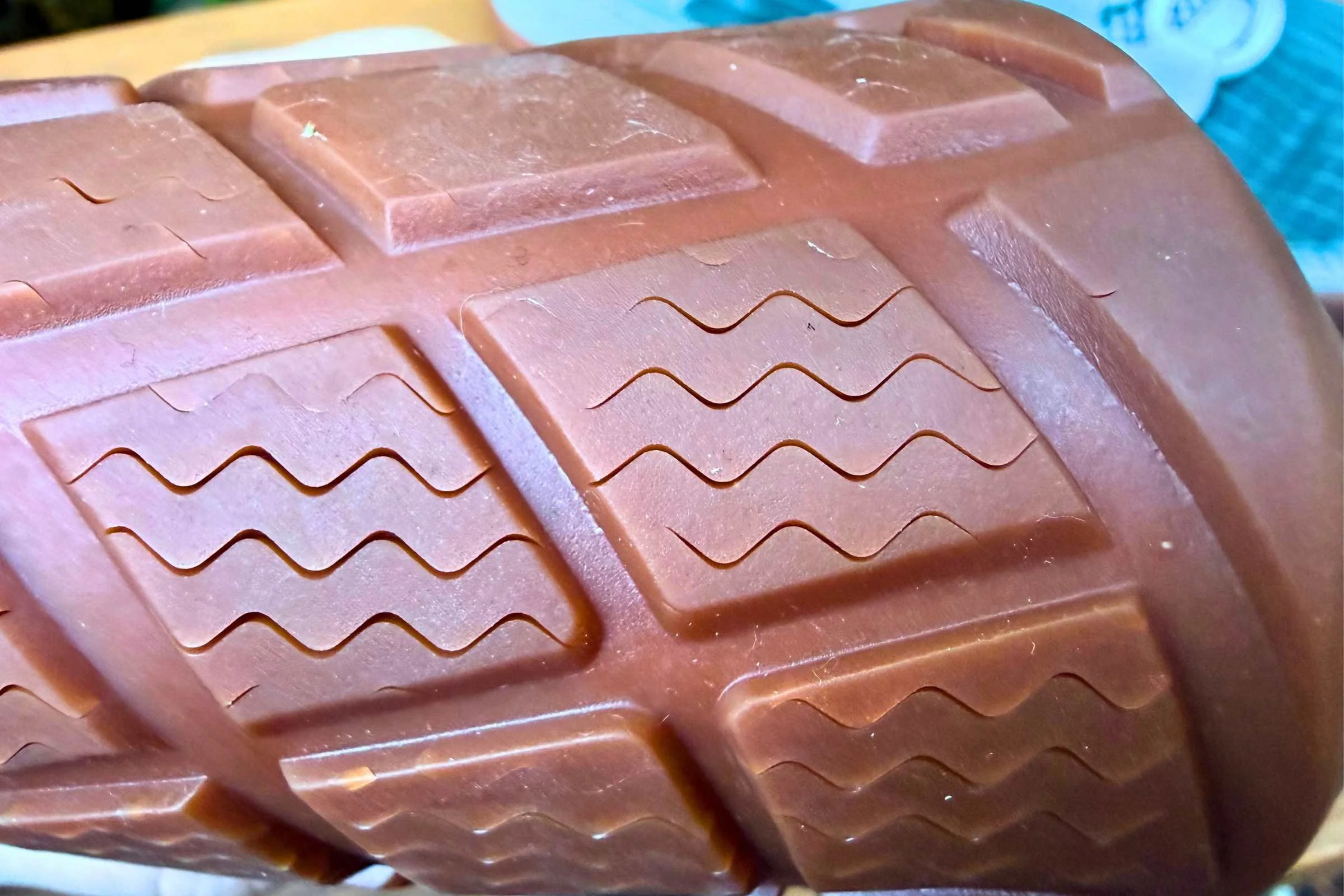
The Loyak AC also has exceptional grip. Like the standard Loyak, the AC uses razor siping, but its outsole feels especially well suited to in-water traction (it’s more sticky). Slick rocks, algae-covered surfaces, docks, and uneven shorelines all felt easier to deal with in this shoe than in many other lightweight options we tested. It also stayed comfortable once wet and didn’t start rubbing or loosening up in the way some others do.
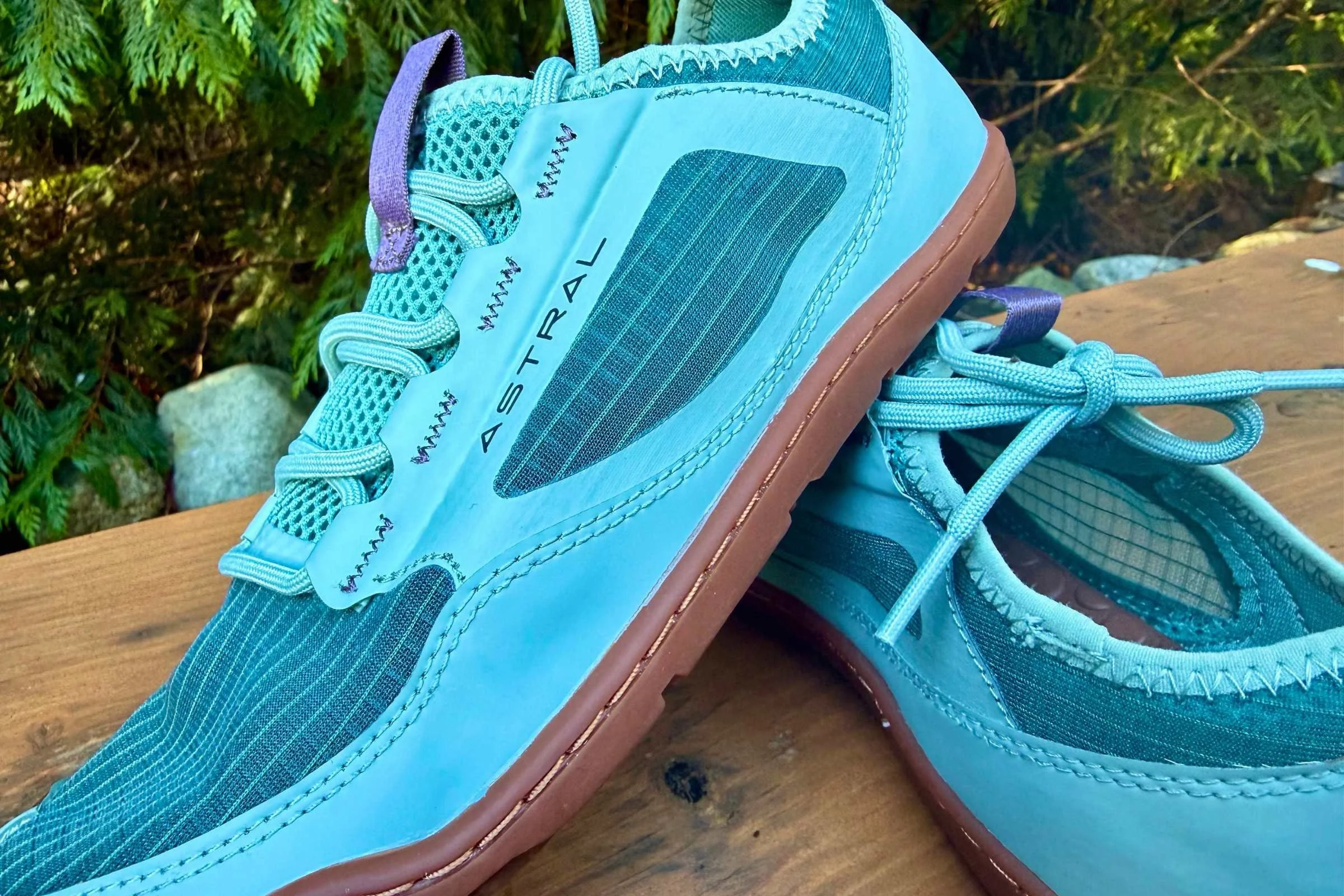
It also takes up very little space in a dry bag making it especially useful for paddle trips, beach travel, and casual river days, and it’s one of the fastest-drying of those we tested. The tradeoff is that you’re not getting the support or protection of something like the Salomon Techamphibian 5 or HOKA Hopara 2, but If you want a stripped-down lightweight water shoe that’s grippy, breathable, and comfortable when wet, this is the shoe we recommend.
Best affordable water shoes: SIMARI Water Shoes
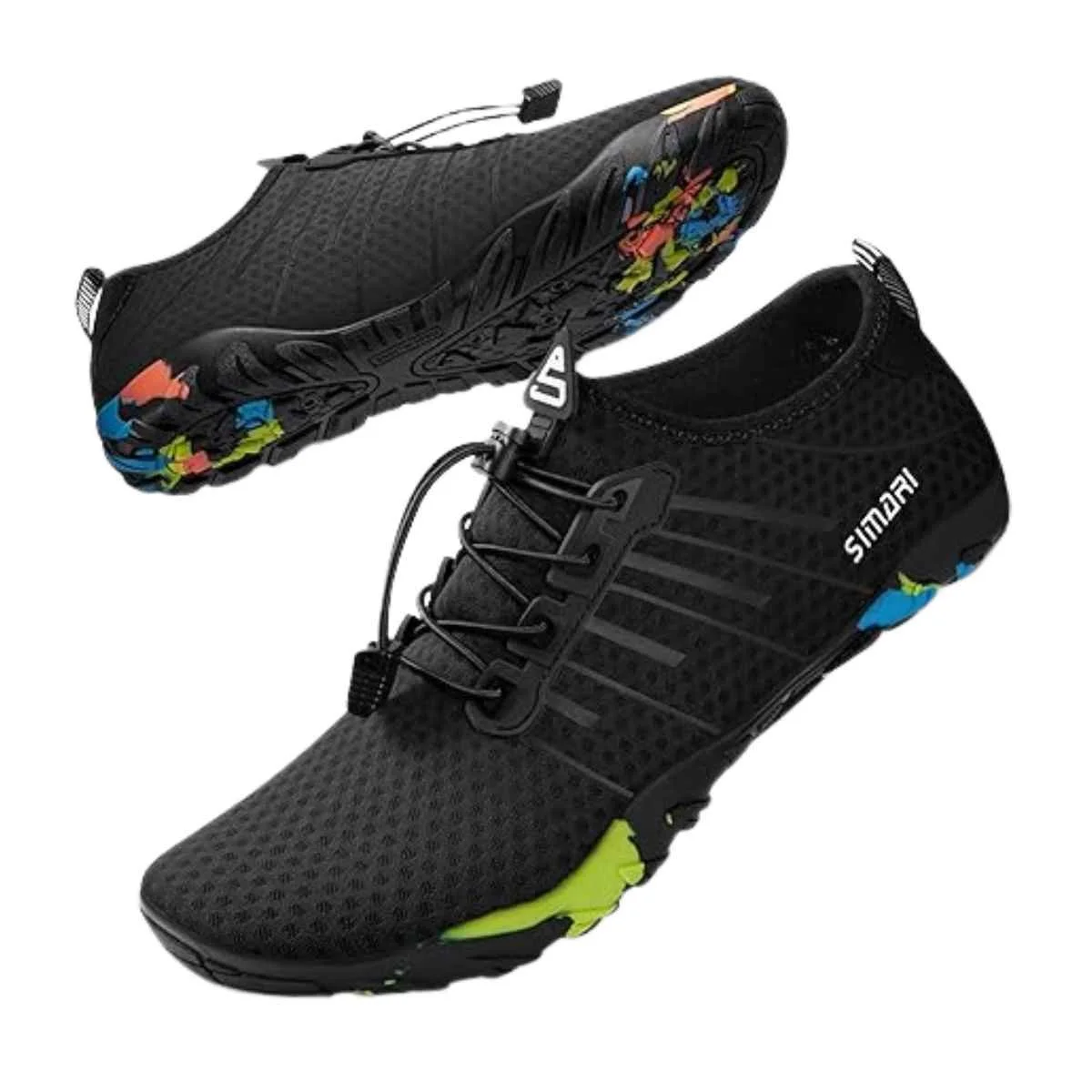
Price: $21.98- $28.98 depending on color
Type: Water sock
Upper: 92% polyester and 8% spandex
Outsole: Rubber
Drainage: Mesh upper and drainage holes in the outsole
Weight: 7.5 oz
What we liked: A simple sock-style water shoe that covers all the basics for causal beach and water use
What could be better: Not as durable or technical as the other water shoes on this list
If you want an inexpensive pair of water shoes for vacation, beach days, swim outings, or casual paddling, the SIMARI covers the basics without costing much. The shoes offer full-foot coverage, decent grip for light use, drainage holes in the sole, and enough comfort for the kinds of casual water activities most people are actually doing. They’re also lightweight, flexible, easy to pack, and quick to pull on when you want more protection than going barefoot.
SIMARI Water Shoes
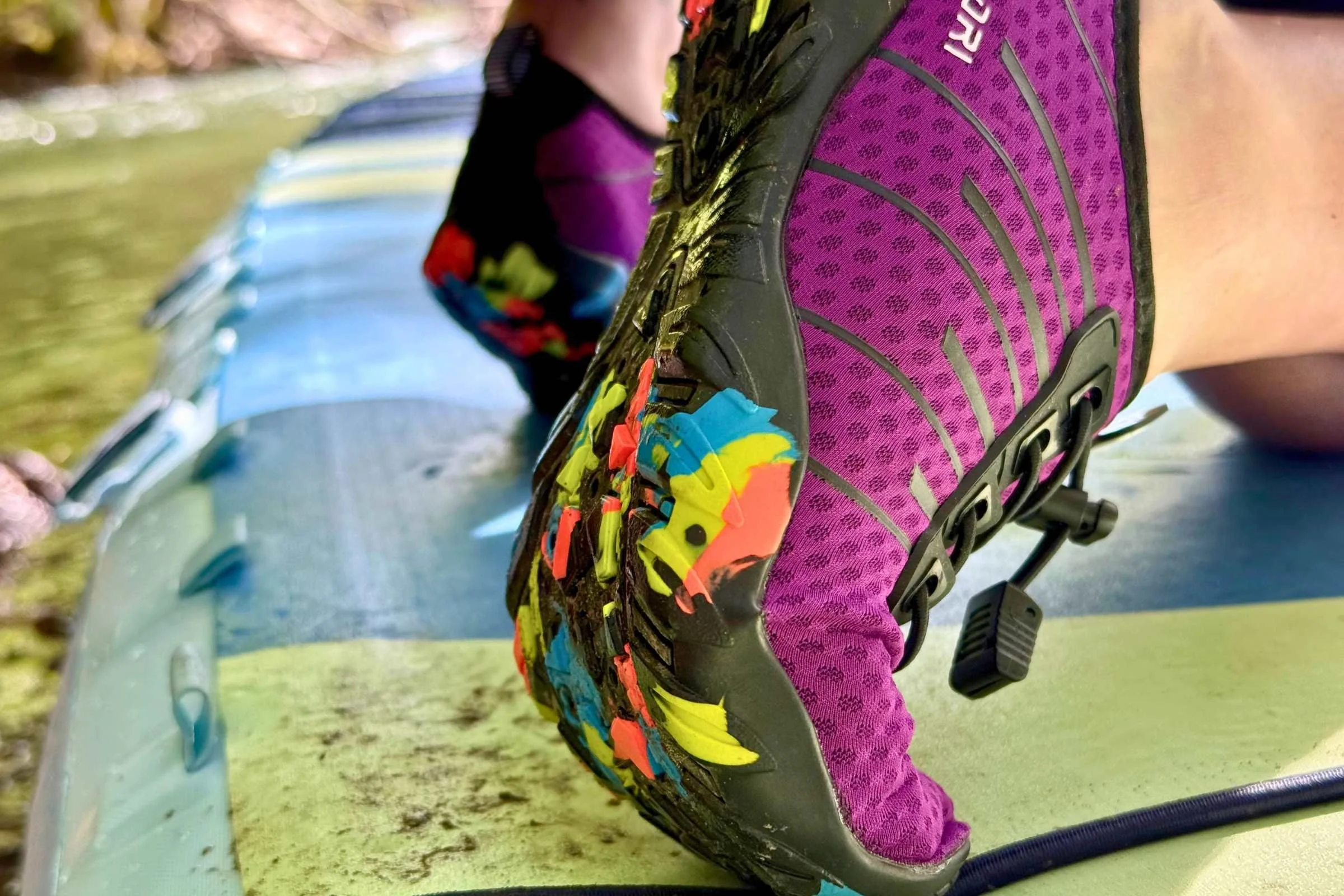
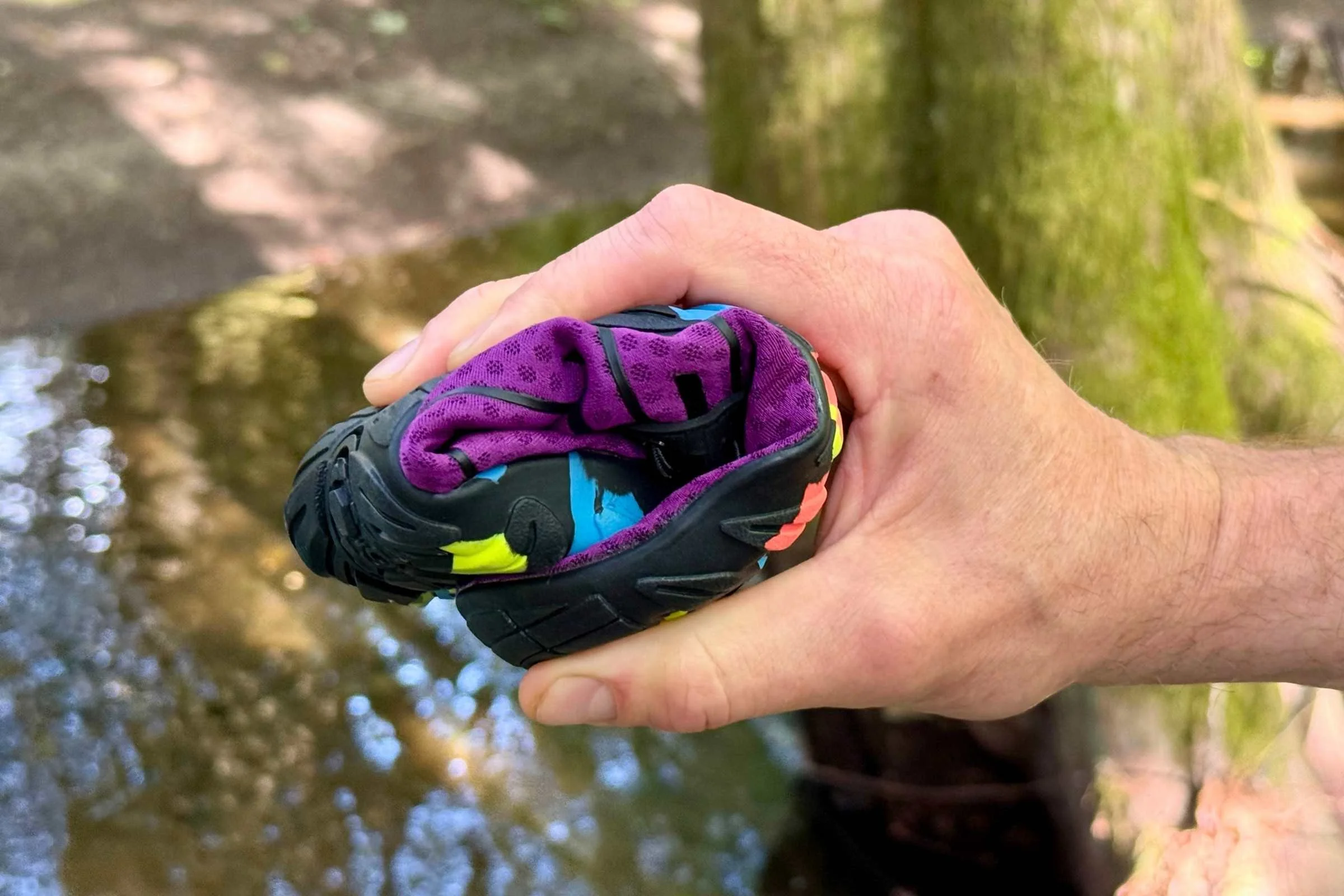
The fit stays secure thanks to the stretchy mesh upper and the cinchable drawcord, which helps keep them from slipping around when swimming, and it dries quickly once you’re back in the sun. They also pack down small, which makes them especially easy to throw in a suitcase, beach bag, or dry bag without thinking much about it.
There’s not much underfoot support or protection here, so they’re not the pair we’d choose for sharp rocks, rough shorelines, or uneven terrain. And while the grip is fine for mellow use, it’s not nearly as reliable on slick, algae-covered surfaces as a more performance-driven shoe like the Astral Loyak or Astral Loyak AC, but if your top priorities are affordability, packability, and simple comfort for swimming, beach use, and low-key days around the water, the SIMARI is likely all you need.
Our verdict is also backed up by the more than 28,000 Amazon reviewers, who at the time of writing have given the SIMARI 4.5-star rating.
Best water shoes for the beach and casual use: Merrell Hydro Moc
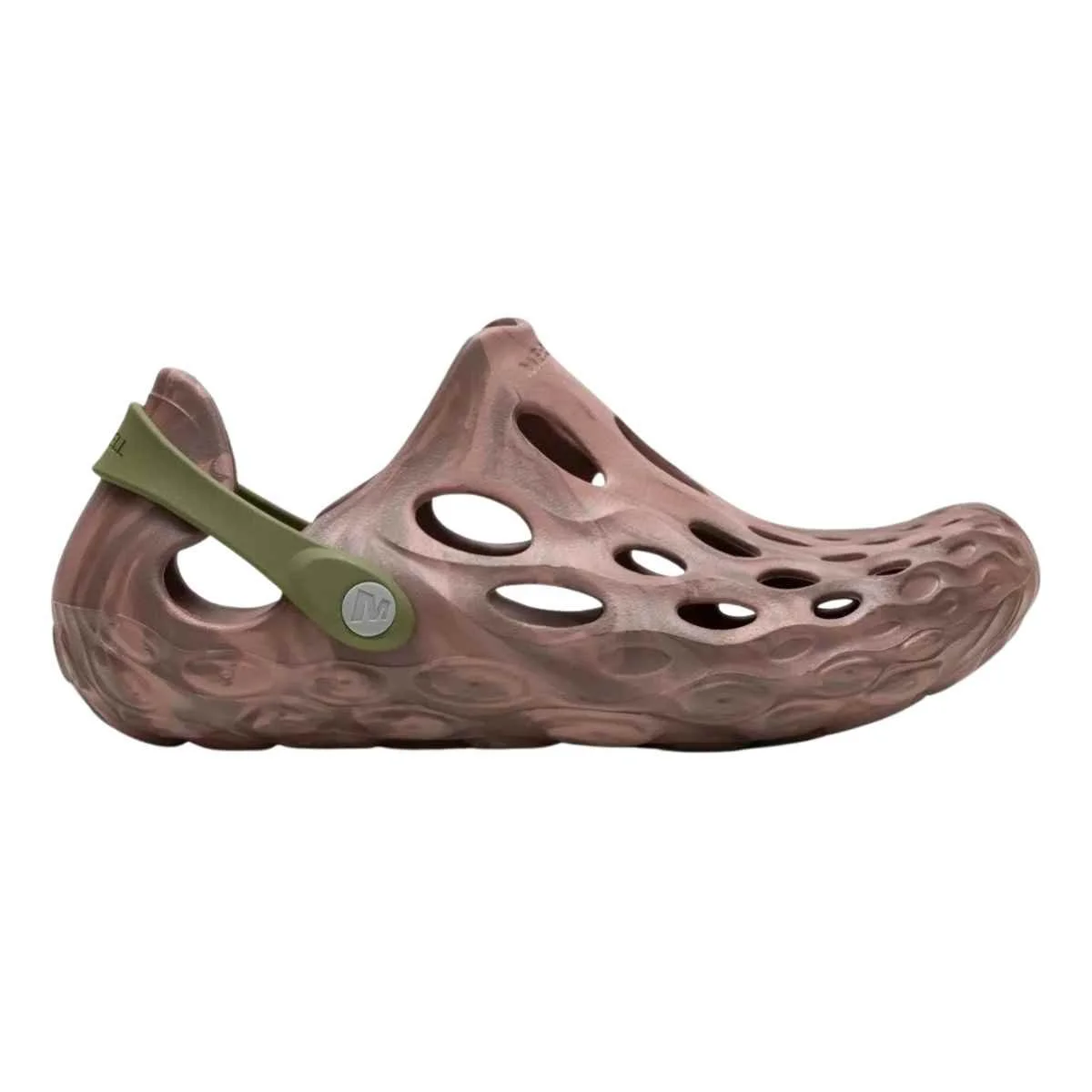
Price: $75
Type: Causal molded slip-on
Upper: EVA foam and BLOOM Performance Foam
Outsole: EVA foam and BLOOM Performance Foam
Drainage: through holes in the design?
Weight: 6.2 oz
What we liked: Lightweight, comfortable, quick to dry, and easy to slip on and off for beach days, camp, and casual summer wear
What could be better: Grip is only average, pebbles can sneak in through the cutouts, and the fit is not secure enough for slick river use
The Merrell Hydro Moc gets our pick for best men’s water shoe for beach and casual use because it does the easy stuff really well. It’s light, cushioned, quick to rinse off, and about as simple as it gets to pull on and head out the door, which works great for low-key time around the water. While a lot of the other winners in this guide are more technical, the Hydro Moc stands out for being the pair you reach for when simplicity and convenience matters most.
Merrell Hydro Moc
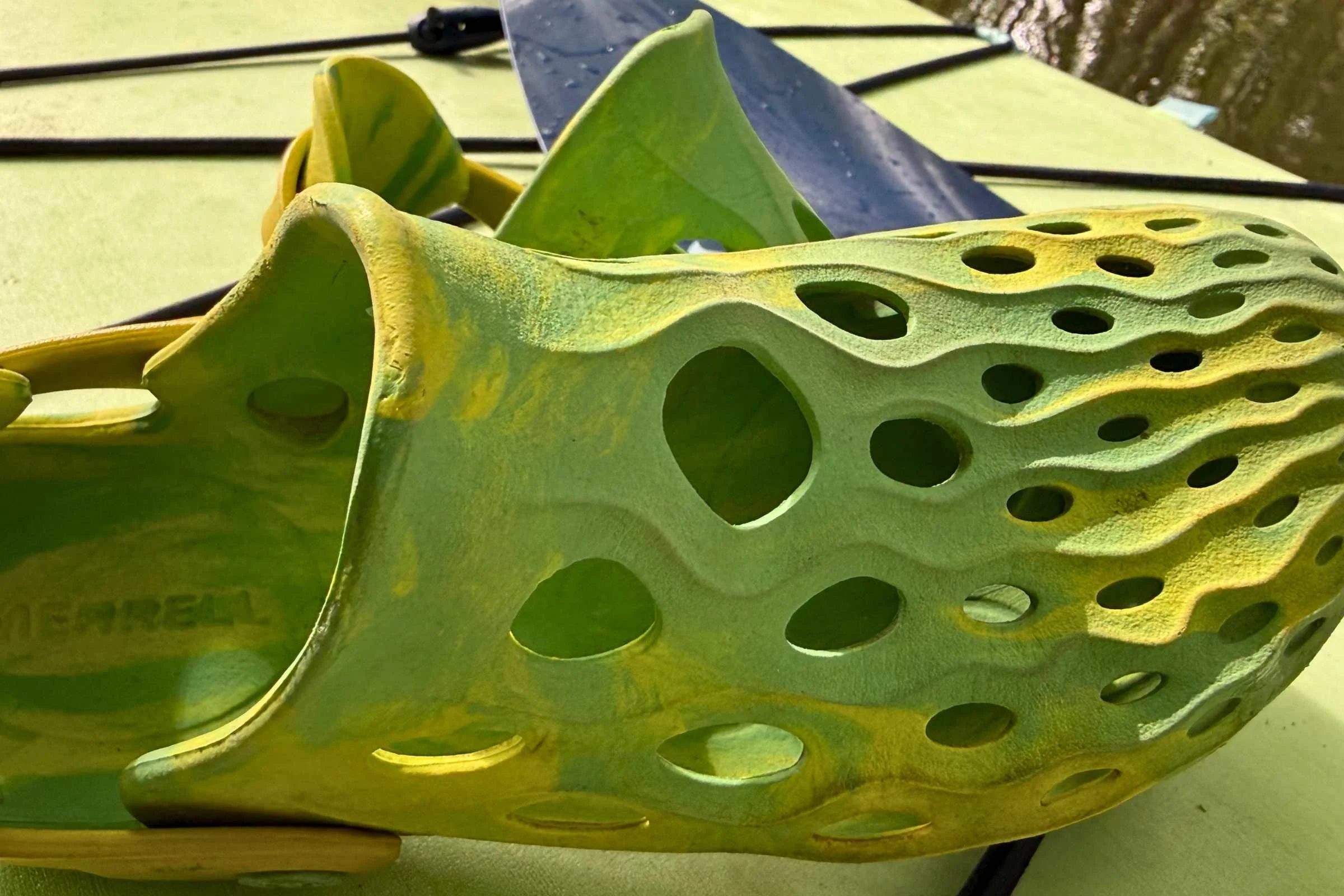
The Hydro Moc has an all-foam build. It’s a molded EVA foam shoe that also incorporates BLOOM performance foam, Merrell’s algae-based foam component. Because there’s no fabric upper to soak up water, it dries quickly and never really gets that soggy, waterlogged feeling some other water shoes do.
It also handles sand well. Grit doesn’t cling to it the way it can with mesh or neoprene shoes, and while the occasional pebble still gets in, it’s easy enough to dump out and keep moving. The heel strap helps keep the fit more secure when you want it, but it’s flexible enough that you can also wear it more like a slip-on.
The closed toe is another plus. It gives you more protection than a flip-flop or open sandal when you’re walking over shells, driftwood, or rough beach access points, and the foam underfoot has a soft, cushioned feel that makes it easy to wear for long stretches.
Where it falls short is traction and long-term outsole durability. Its grip is only average on slick surfaces, and like many foam shoes, the outsole will wear down faster than a rubber-soled option if you use it hard. But for beach use, camp, and everyday summer wear, it’s a convenient option to keep by the door.
The Hydro Moc comes in full sizes only; Merrell recommends sizing down if you’re between sizes.
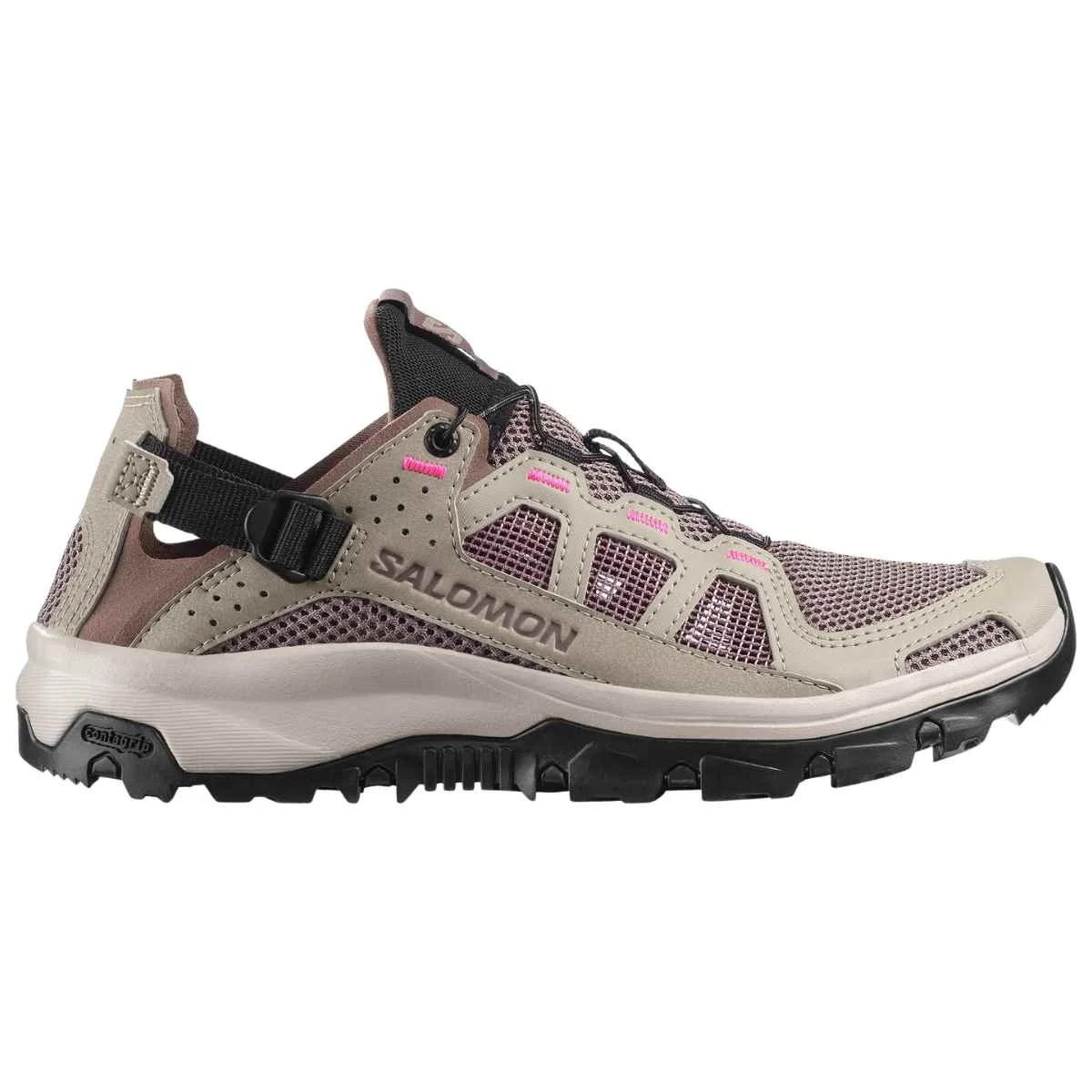
Best water shoes for hiking and wet trails: Salomon Techamphibian 5
Price: $110
Type: Hiking hybrid
Upper: Synthetic textile
Outsole: Contagrip FD Rubber
Drainage: Mesh
Weight: 17.5 oz
What we liked: Excellent grip, stable and protective without feeling overly bulky, and genuinely capable for hiking, creek crossings, and wet wading
What could be better: Less cushioned than some hybrids, and we noticed a bit of heel rubbing before break-in when worn barefoot
The Salomon Techamphibian 5 is our pick for best water shoes for hiking because it’s one of the few true trail-water hybrids we’ve tested that feels just as at home on land as it does in the water (it also ranks among the best wet wading shoes for fly fishing). If your summer plans involve wet trails, frequent creek crossings, hiking along riverbeds, or routes where soaked feet are just part of the deal, this shoe is designed for that kind of use.
For more, we’ve got an in-depth review of the Salomon Techamphibian 5, and if you’re curious what other hiking shoes we recommend, check out our guide to the best men's hiking shoes.
Salomon Techamphibian 5
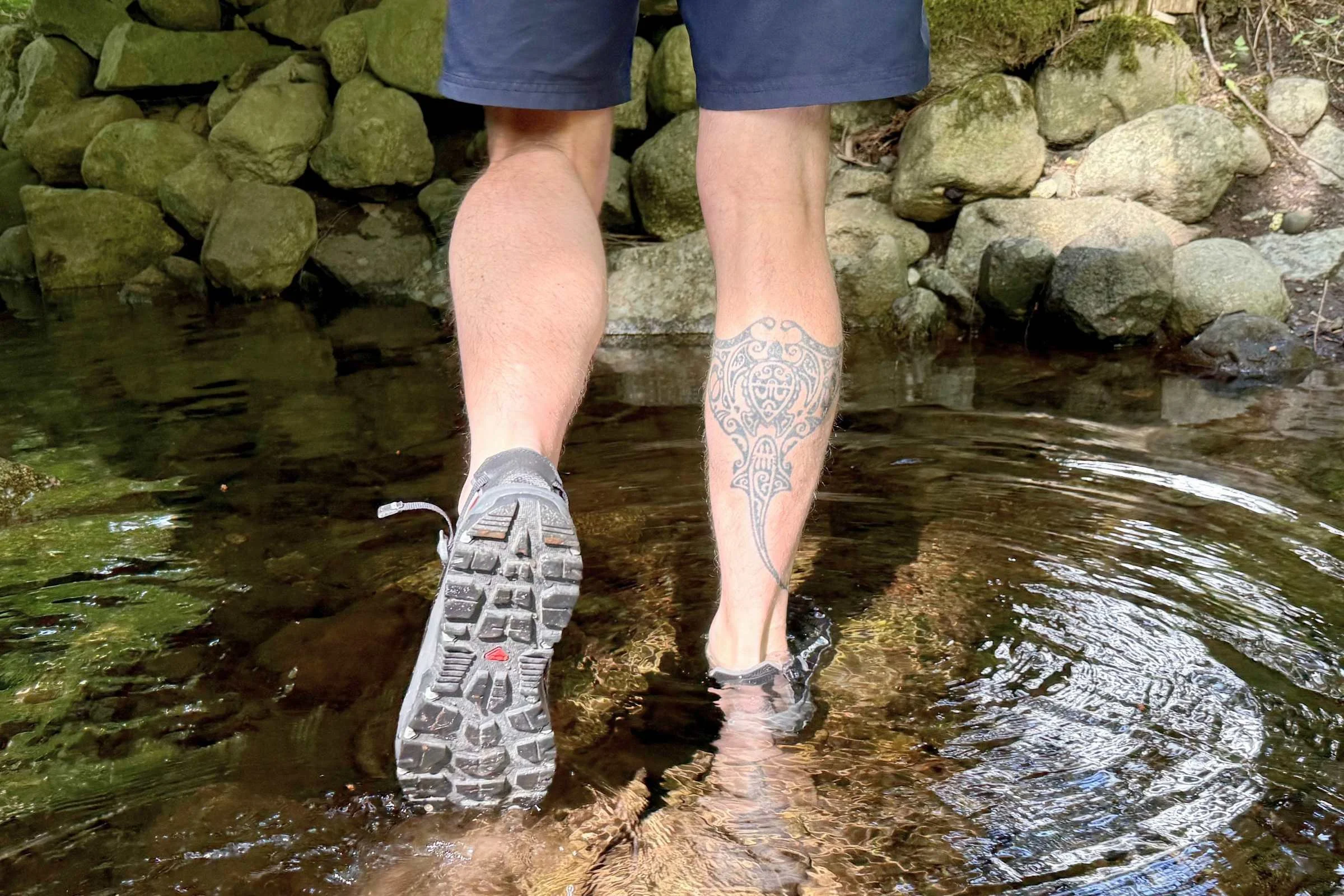
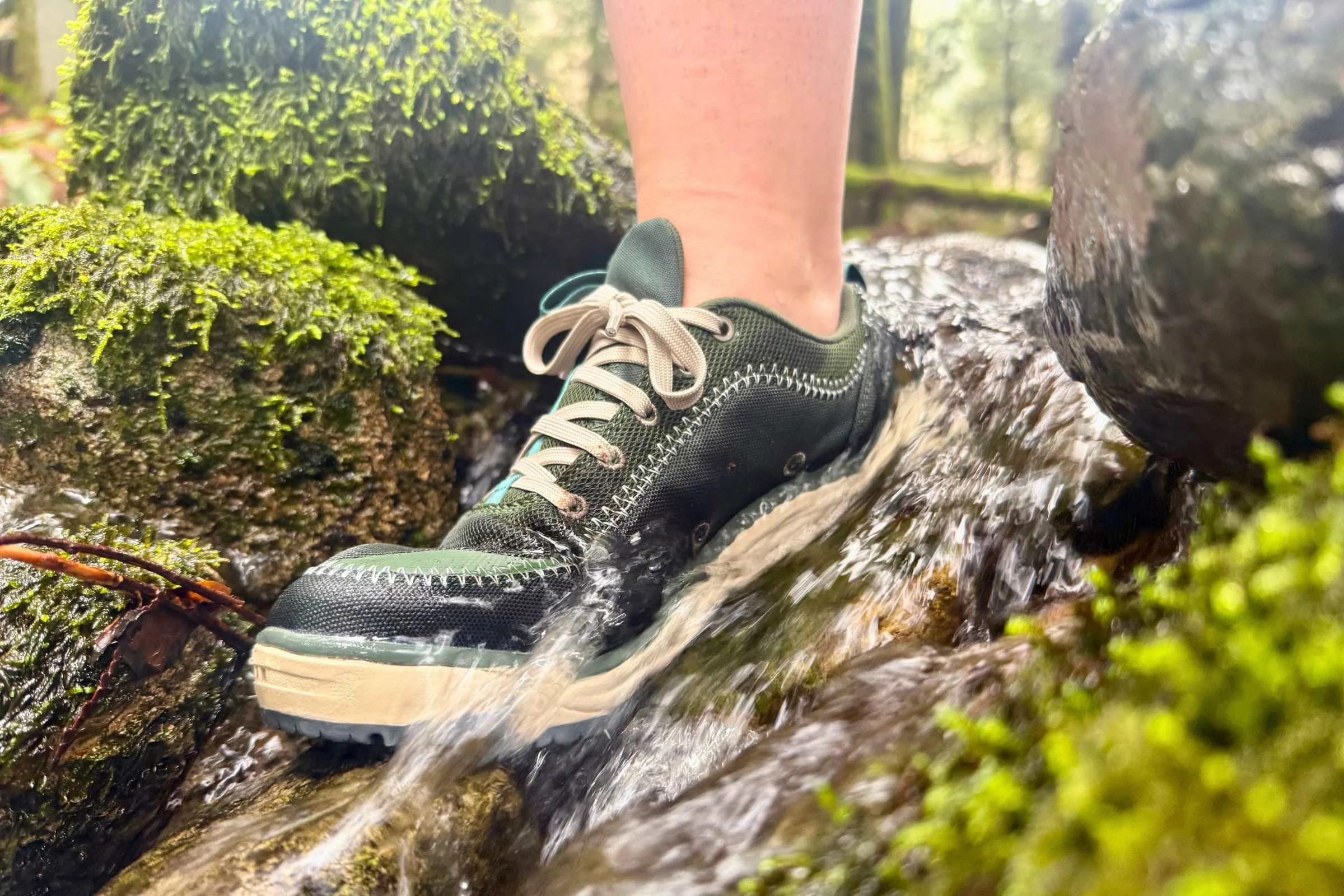
Wearing the Salomon Techamphibian 5 during a creek crossing in Squamish, BC.
What stood out most in testing was the way it balances trail feel with real protection. Compared to a more built-up hiking hybrid water shoe like the HOKA Hopara 2, the Techamphibian 5 keeps you a little lower to the ground, which gives it a more stable, connected feel on uneven surfaces. At the same time, it still has enough underfoot protection and toe coverage to handle rocky trails and wet entries without feeling flimsy. If you want a softer, more cushioned ride, the Hopara 2 is worth considering, but the Techamphibian feels more precise, nimble, and more trail-oriented overall.
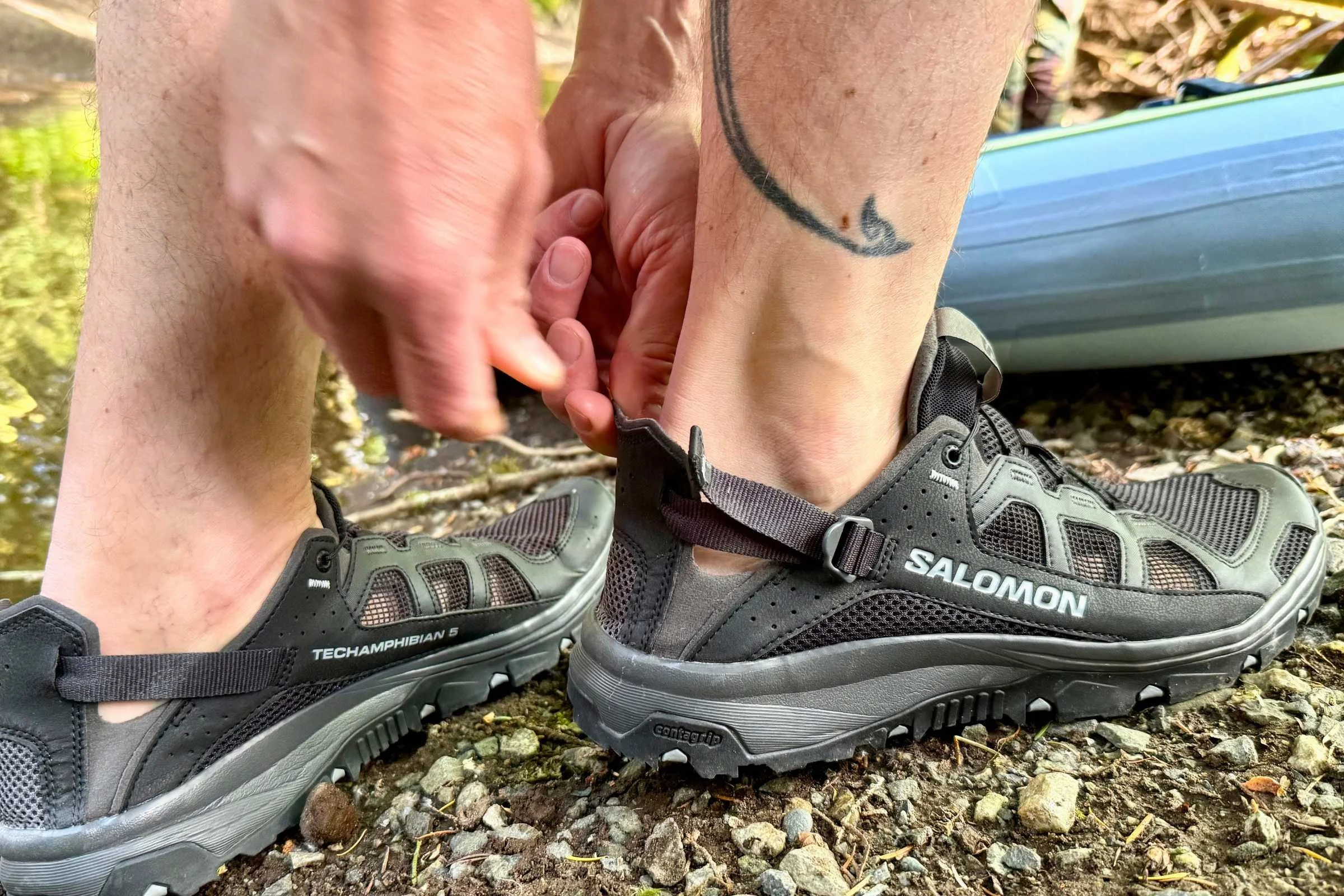
Grip is another big reason it won this category. The Contagrip outsole held well on wet rock, slick shorelines, algae-covered trail bridges, and even on the deck of a paddleboard. The upper also works well for mixed trail-to-water use; it drains efficiently, dries fairly quickly, and offers more structure and coverage than a typical sock-style or mesh-heavy water shoe like the Astral Loyak AC.
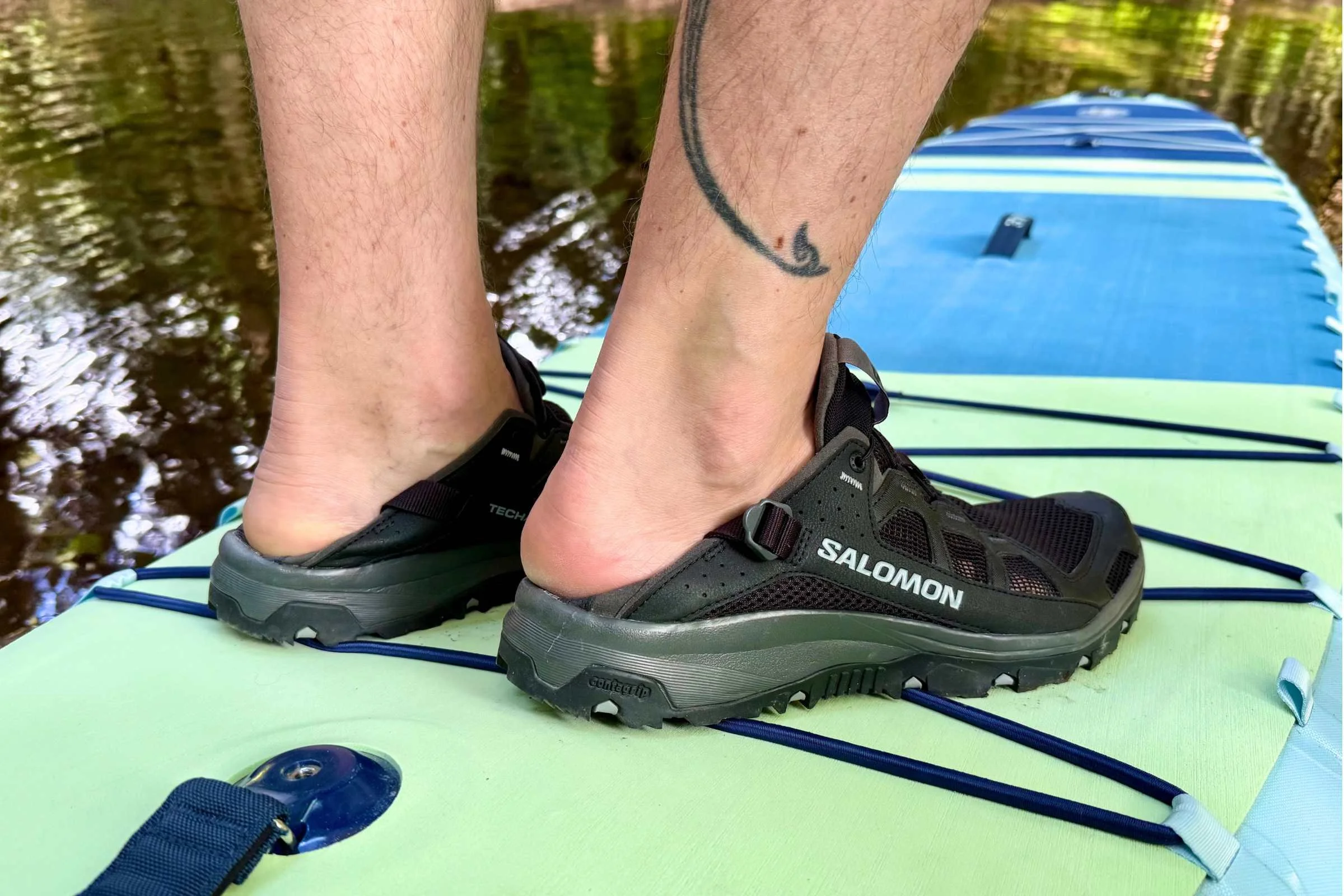
Its versatility also makes it a strong travel option. We found it especially useful on a trip to Mexico where our days bounced between the beach, nature outings, and hot city streets. It can be worn barefoot or with socks, though we did notice a bit of rubbing at the back of the shoe when wearing it barefoot straight out of the box, so we’d recommend breaking it in before a long day.
Overall, this is the most capable option we tested if you want one shoe that can genuinely handle both hiking and water.
Best water shoes for swimming and snorkeling: NRS Kicker Wetshoe
Price: $75
Type: Water sock
Upper: Petroleum-free 3mm Terraprene neoprene with titanium adhesive
Outsole: 3mm patterned rubber sole with 2mm plastic shim
Drainage: Ports in the footbed and channels in the outsole
Weight: 10 oz
What we liked: Warm, grippy, and more protective than most swim-friendly water socks, with a secure fit that stays comfortable when fully soaked
What could be better: Bulkier and slower to dry than minimalist options, and the added insulation can feel like too much in hot water or warm-weather use
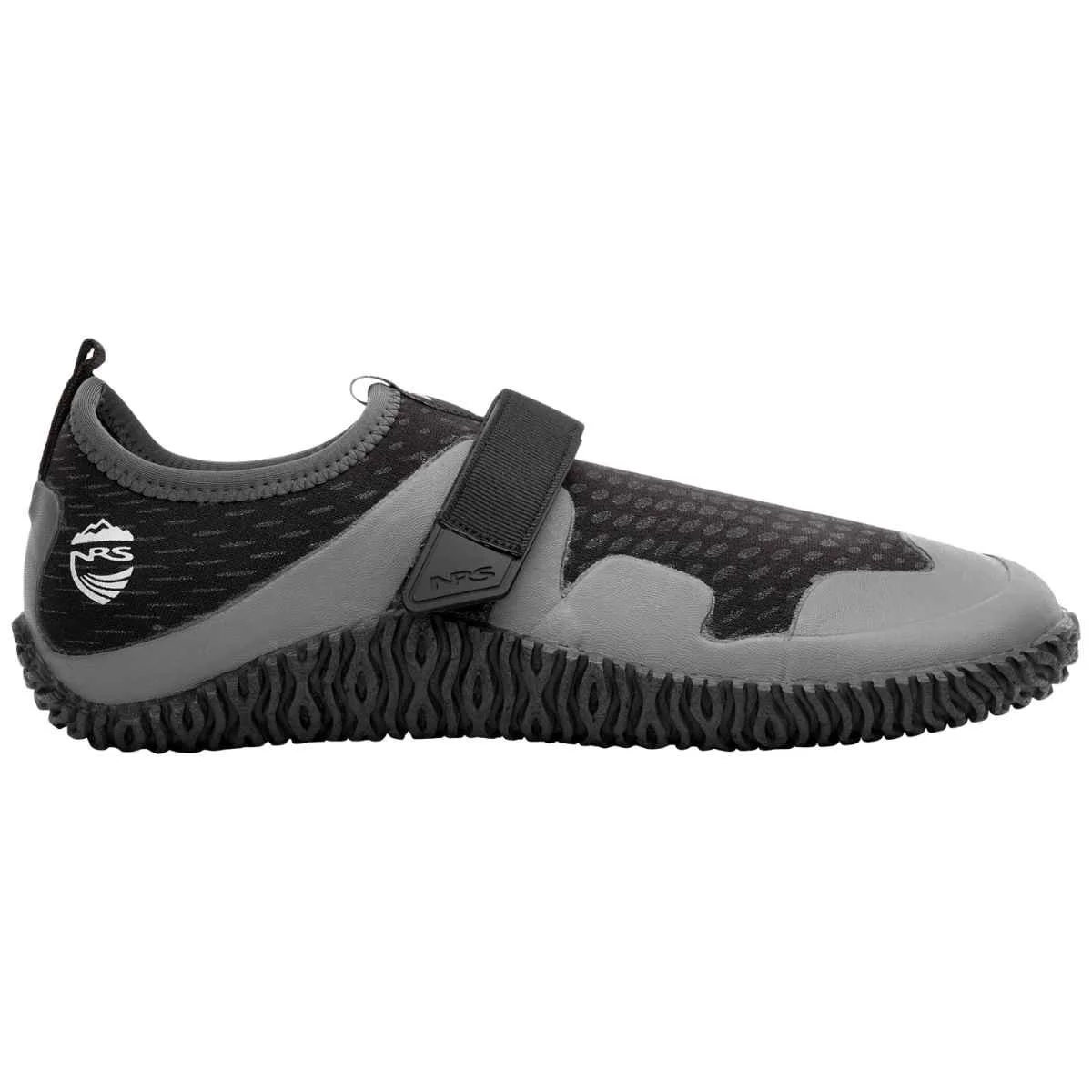
The NRS Kicker Wetshoe is our pick for best water shoes for swimming and snorkeling because it lands in a really useful middle ground of being more substantial than a thin swim sock, but not as built-up as a full paddling boot. For people swimming and snorkeling in cooler water (or those who just want warm feet), launching from rocky shorelines, or spending a lot of time getting in and out of the water, that extra warmth, grip, and underfoot protection goes a long way.
For more, read our in-depth review of the NRS Kicker Wetshoe.
NRS Kicker Wetshoe
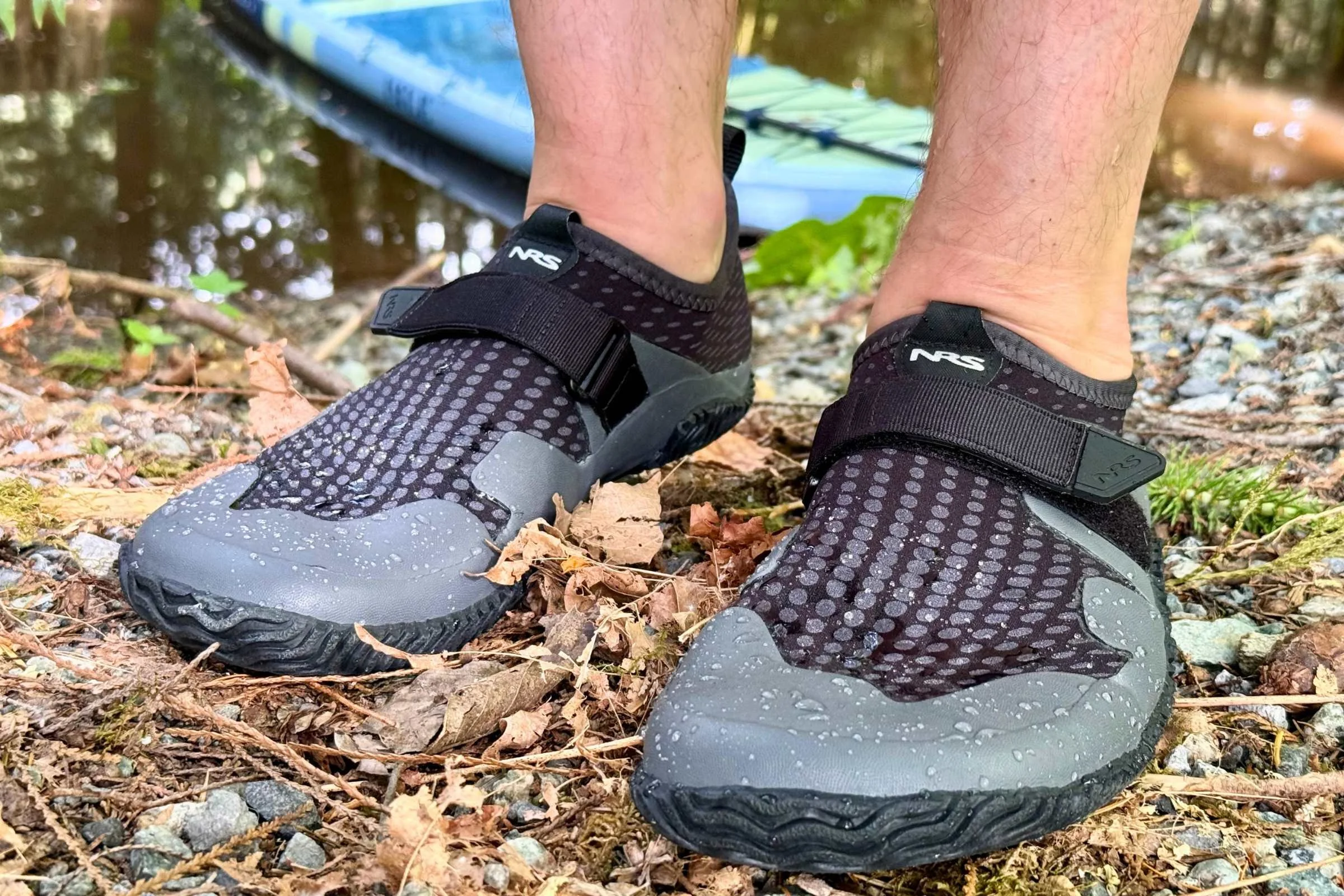
A big part of what makes the Kicker work so well is the 3mm Terraprene upper (a more sustainable alternative to petroleum-derived neoprene). It adds noticeable insulation without making the shoe feel too bulky, which made it a great match for the cooler Pacific Northwest conditions where we did most of our testing. At the same time, it never felt uncomfortably warm during milder summer use (in fact, we really enjoyed how comfortable our feet stayed).
It also stays secure once wet, which is not true of every swim-friendly water shoe. Some feel fine standing around, then start to shift or feel sloppy once you’re actually swimming or kicking around in the water. The Kicker stayed snug, thanks to the stretchy upper and hook-and-loop strap, and we liked the added grip from the sole’s pruned, fingerprint-like texture, which helps it cling better to slick surfaces. That traction really matters when you’re moving over wet rocks or carrying gear in and out of the water.
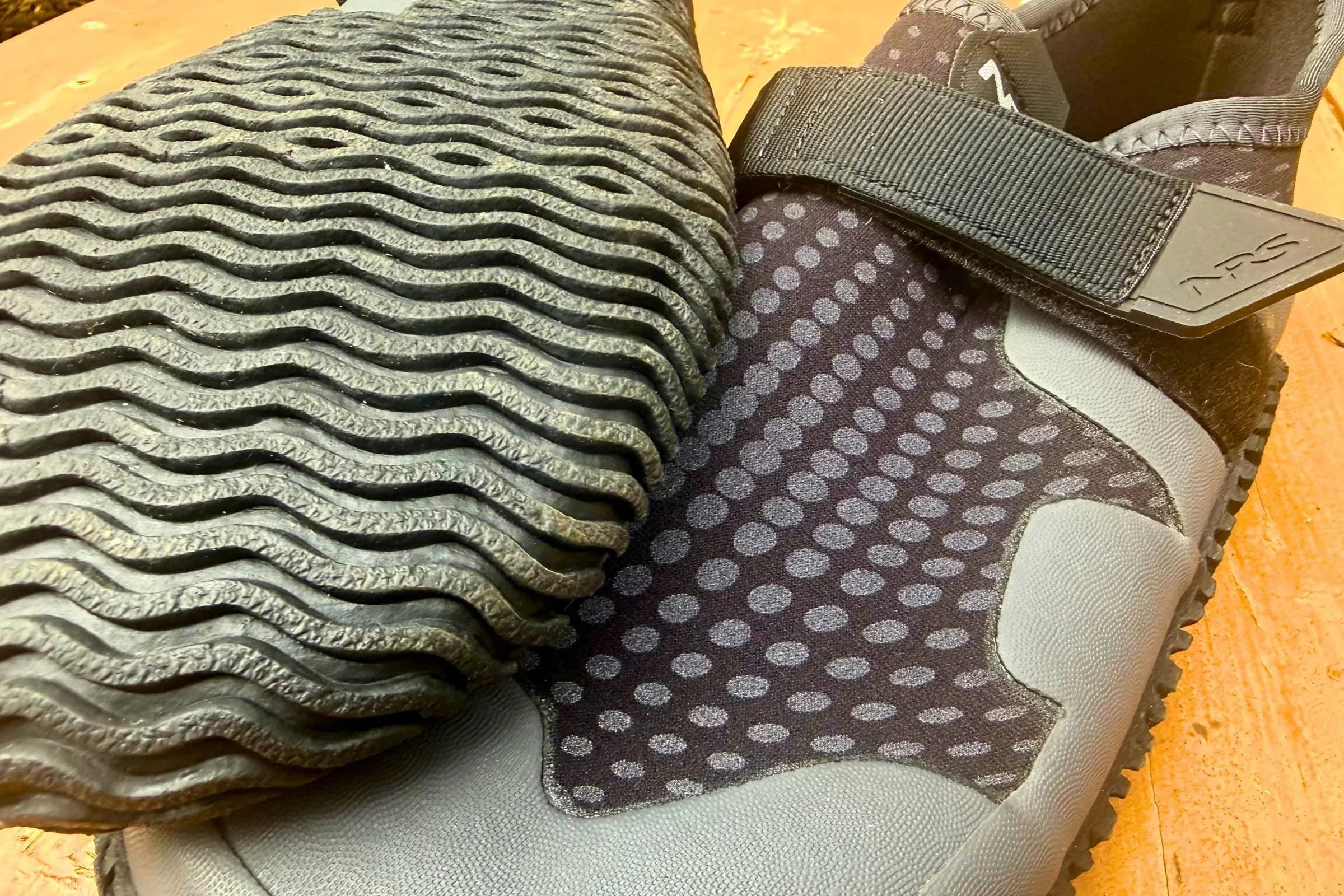
It’s not the lightest or fastest-drying option in the guide, and for casual use in warm water it can feel like more shoe than you need, but among the sock-style water shoes we tested, it’s the most capable. It’s also on the pricier side, but the thoughtful design, durable build, and more sustainable Terraprene construction make it feel worth the extra cost.
Best water shoes for kayaking and paddling: NRS Paddle Wetshoe
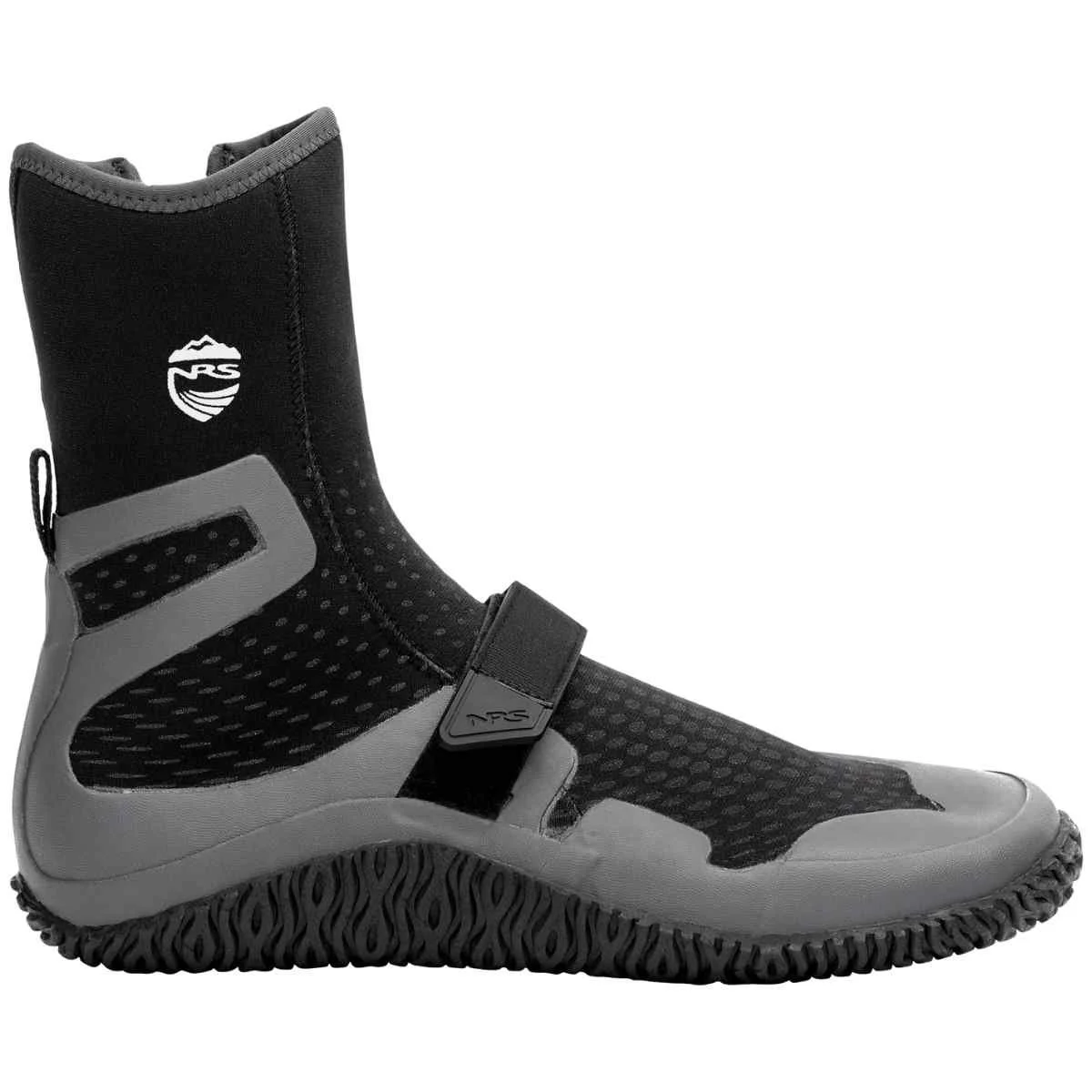
Price: $110
Type: Bootie
Upper: Petroleum-free 3mm Terraprene neoprene with titanium adhesive
Outsole: 3mm patterned rubber sole with 2 mm plastic shim
Drainage: 3mm patterned rubber sole with 2 mm plastic shim
Weight: 10 oz
What we liked: Warm, grippy, and more protective than most minimalist wetshoes, with a secure fit that stays put in and out of the water
What could be better: A little bulkier and slower to dry than more minimal options, and the hook-and-loop strap can snag on swimwear or other gear
The NRS Paddle Wetshoe is our pick for best water shoe for paddling and kayaking because it offers the warmth, coverage, and support you want when your feet are going to be wet for hours. For short summer sessions or mellow shoreline use, a lighter shoe like the NRS Kicker Wetshoe or Astral Loyak AC can be enough, but when the water is cold or the put-ins are rocky, the extra coverage the Paddle Wetshoe offers makes it much better equipped for that kind of use.
NRS Paddle Wetshoe
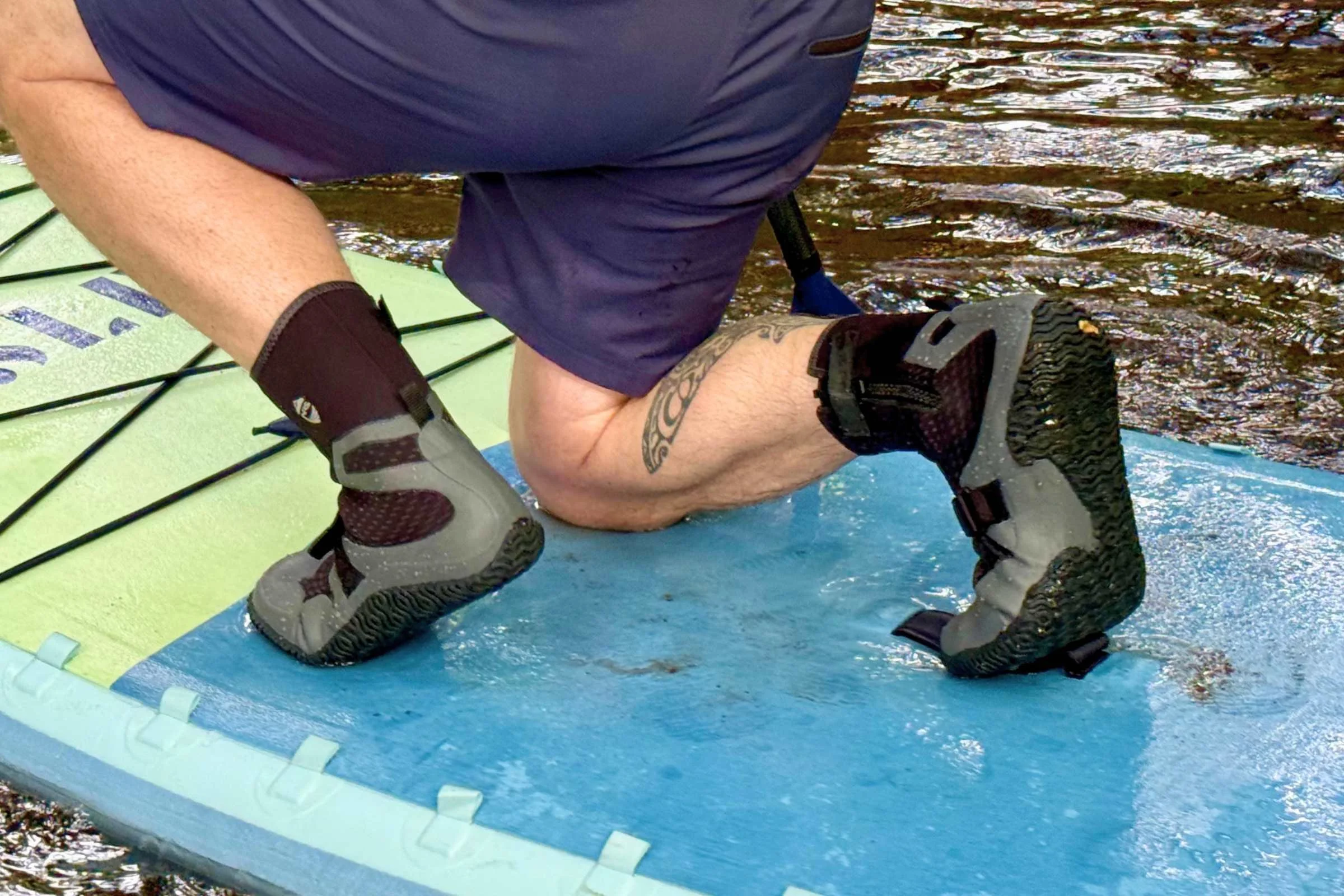
A big part of that comes down to the build. The 3mm Terraprene upper does a good job holding in warmth, while the 5mm neoprene insole adds another layer of cushioning and insulation underfoot. That extra comfort really stands out on long days spent moving between shoreline, your board, and the water. The taller cut also gives you more coverage around the ankle than a lower-profile wetshoe, which is useful when you’re carrying a kayak, stepping over slippery rocks, or dealing with muddy, uneven launches.
It also has more structure than most neoprene water shoes. Rubber reinforcement around the heel and back of the ankle helps the shoe feel more supportive and stable, and the gusseted zipper makes it easier to get on and off than you might expect. The adjustable strap keeps the fit secure when wet, while the naturally shaped toe box leaves enough room for your toes to spread out. We also really liked the outsole, which uses the same wet fingerprint-like texture as the NRS Kicker Wetshoe and felt especially solid on slick approaches.
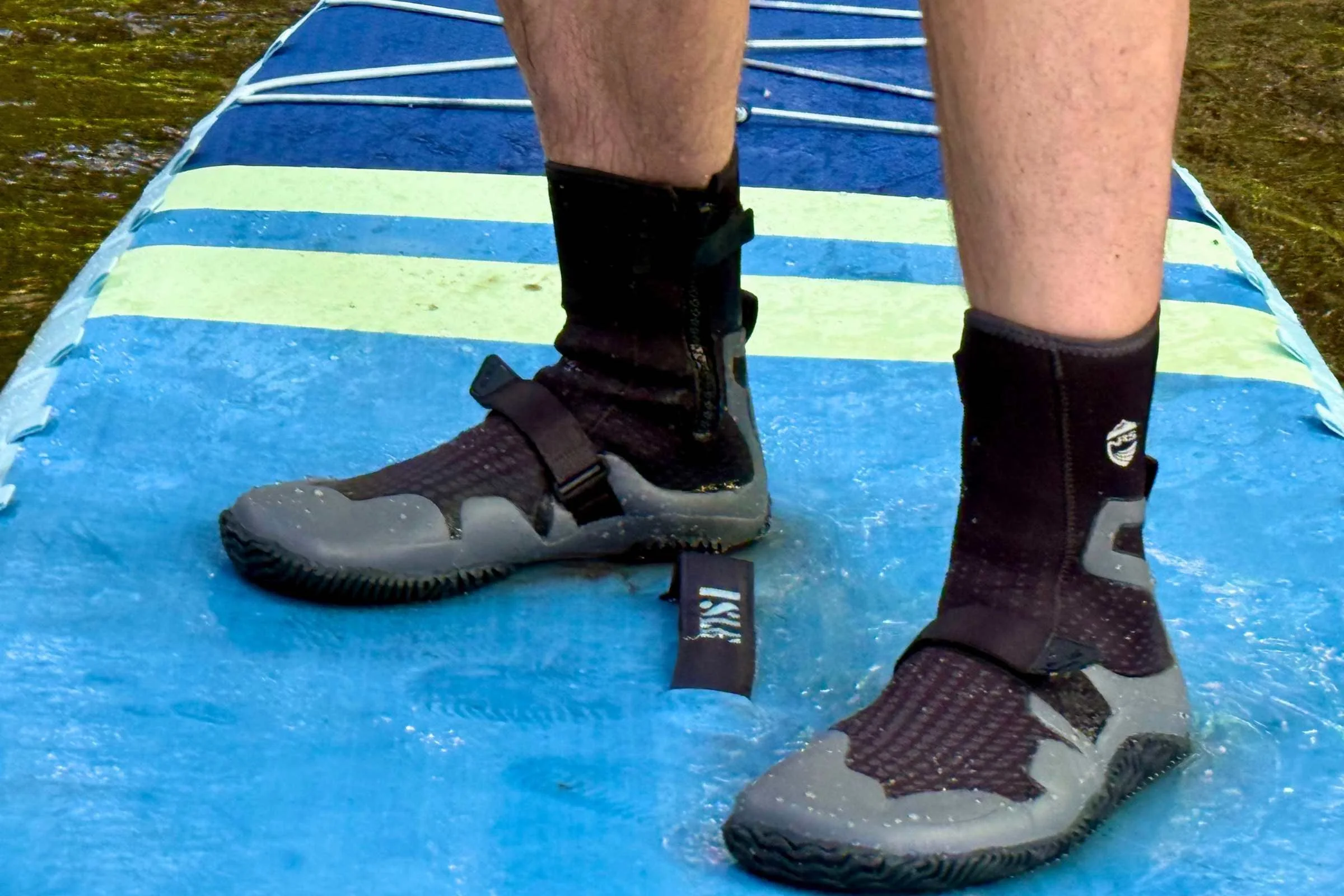
It’s bulkier and slower to dry than a mesh water shoe or thin water sock, and in hot weather it can feel like more shoe than you need, but for colder paddling conditions, repeated in-and-out-of-the-water use, and anyone who wants full ankle coverage with good grip and warmth, the Paddle Wetshoe is a strong pick.
Best water shoes for plantar fasciitis: HOKA Hopara 2
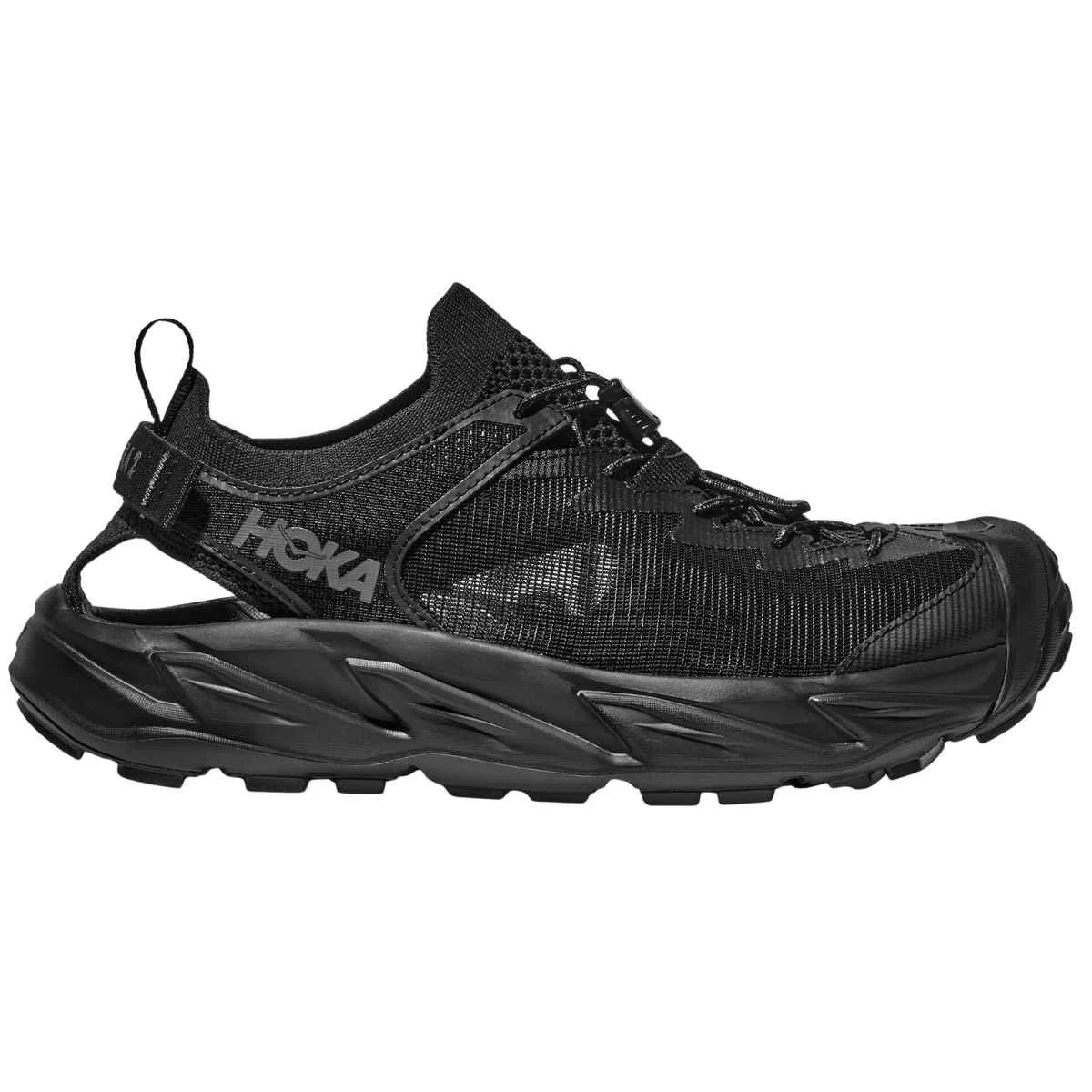
Price: $140
Type: Water shoe/sandal hybrid
Upper: 100% recycled knit upper with 100% recycled Cordura® mesh overlays
Outsole: Sticky rubber
Drainage: Mesh and open heel design
Weight: 12.0 oz
What we liked: A do-everything summer shoe with plush cushioning, a supportive feel underfoot, and more protection than most water shoes
What could be better: Feels bulkier than lighter options and doesn’t move through the water quite as effortlessly
The HOKA Hopara 2 quickly became one of our favorites simply because of how comfortable it is, and it’s our pick for best water shoes for plantar fasciitis because it offers far more cushioning, structure, and support than most aquatic shoes, which tend to skew thin, flat, and minimal. This is the kind of shoe we were happy to keep on all day, whether that meant walking to the water, spending time on mixed terrain, or just being on our feet for hours.
Read more in our in-depth review of the HOKA Hopara 2.
HOKA Hopara 2
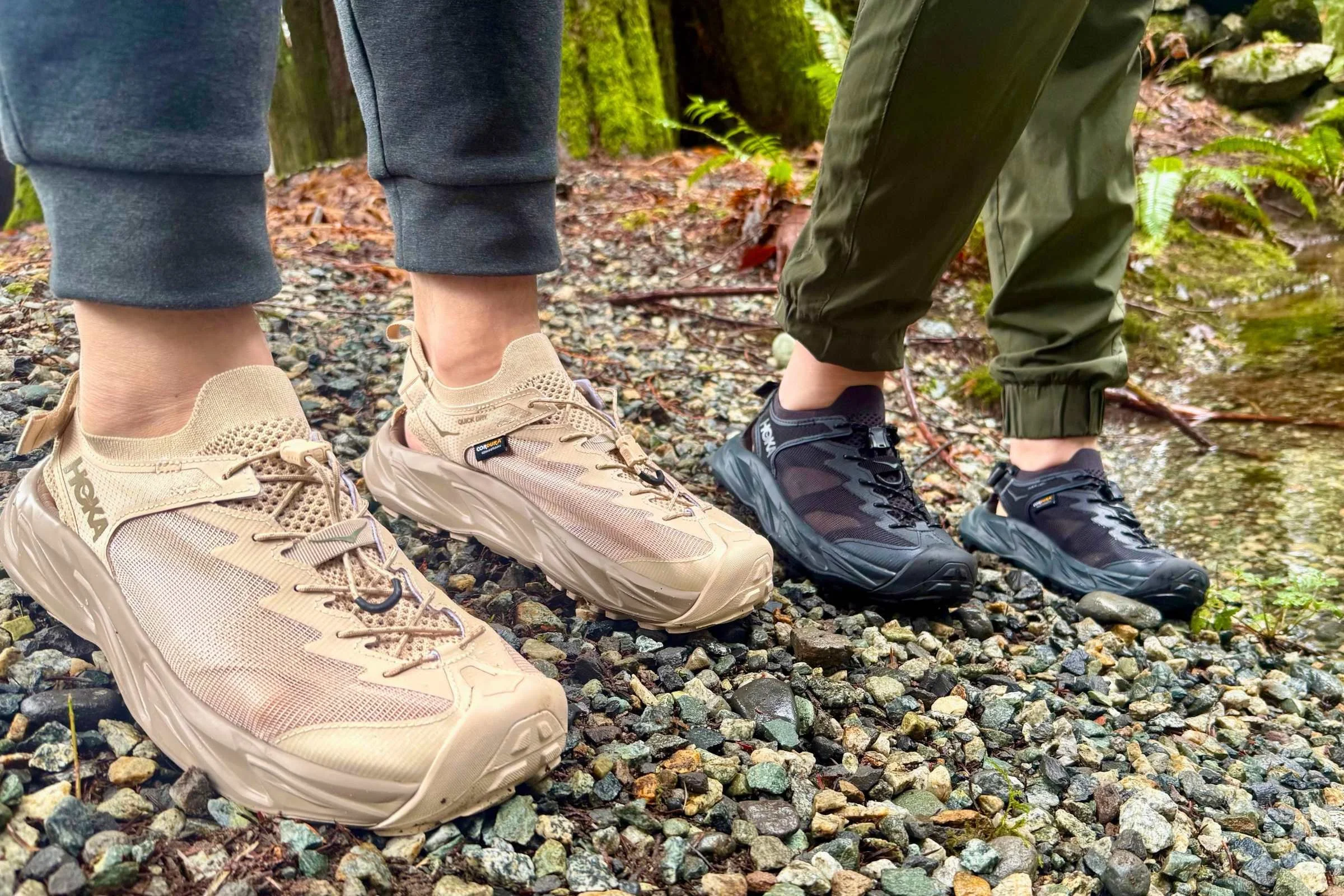
One of the reasons we feel good about recommending this shoe for folks dealing with plantar fasciitis symptoms like heel pain, arch pain, and soreness is that, like many HOKA shoes, the Hopara 2 have earned the American Podiatric Medical Association (APMA) Seal of Acceptance, which recognizes products found to support good foot health.
A lot of water shoes can start to feel unforgiving when you’re on your feet for hours, but the Hopara 2 has a much more cushioned, supportive platform that feels noticeably better on rocky terrain, longer walks, and hard surfaces like pavement or packed gravel. It’s a great camp shoe, and on warm days, it’s an often-reached-for shoe we rely on for casual errands around town.
For a more built-up hybrid, it also performs well in and around the water. The tightly woven upper drains well, dries relatively quickly, and does a better job than many water shoes of keeping out sand and silt (though the heel is open). The toe bumper adds useful protection, and the outsole has enough grip and structure to handle creek crossings, wet trails, and rocky shorelines, making the Hopara 2 a good choice if you need a water shoe for hiking and want something more cushioned than the Salomon Techamphibian 5.
The tradeoff is that it’s bulkier and less streamlined than more minimal options. It’s not the shoe we’d choose for extended swimming or for people who want something ultralight and low-profile. But it’s a good choice for those who want a water shoe with real comfort, support, and a more protective feel.
Best closed-toe water shoes: KEEN Hyperport H2 Sandal
Price: $120
Type: Closed-toe sandal
Upper: Washable polyester webbing
Outsole: Aquagrip Wet Traction with zonal siping
Drainage: Open side-design
Weight: 9.2 oz
What we liked: Excellent toe protection, impressive grip on wet surfaces, and a durable, supportive build that feels more capable than a typical sandal
What could be better: The open sides can let in sand and tiny pebbles, and it’s bulkier than lighter, more minimal water shoes
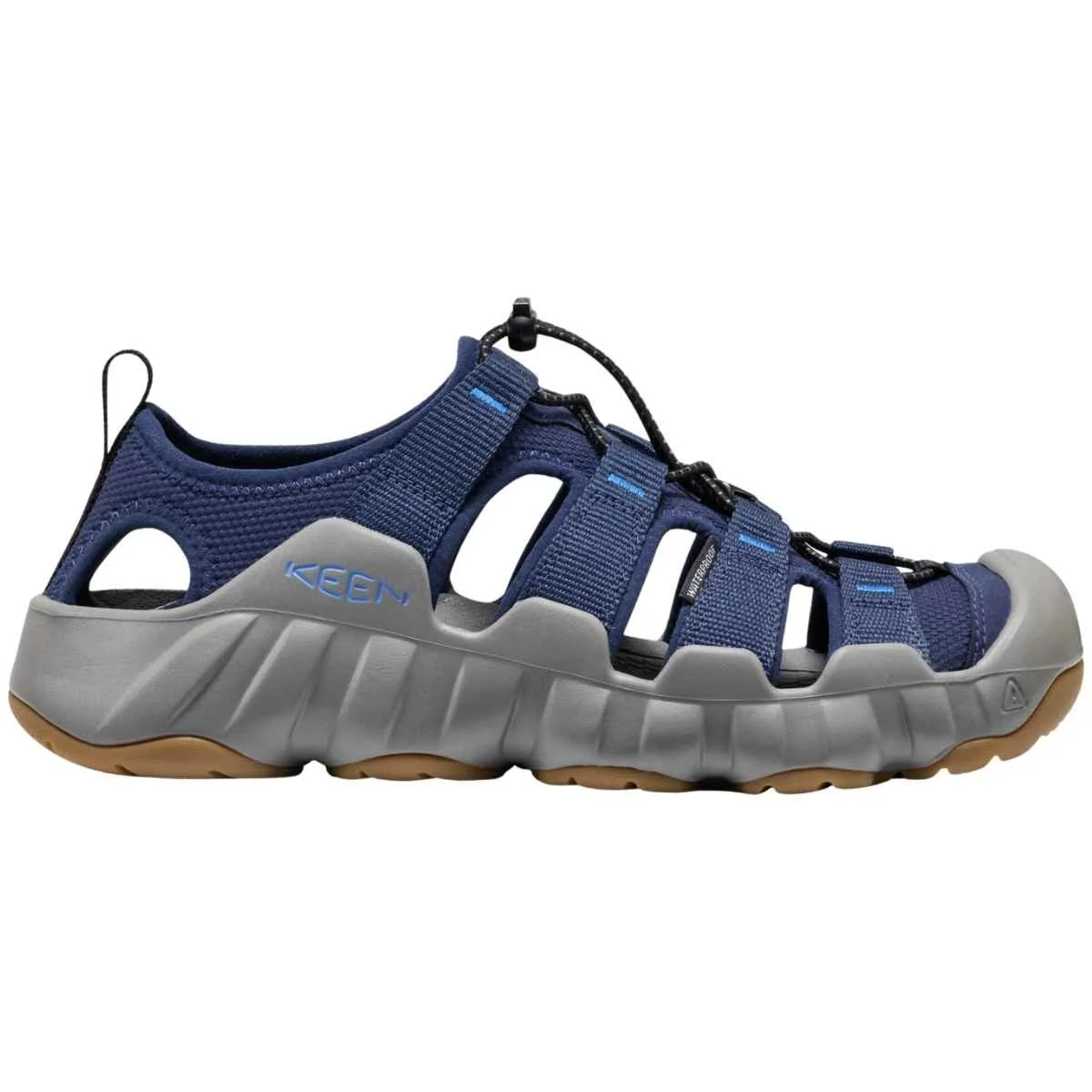
The KEEN Hyperport H2 is our choice for best closed-toe water shoes because it fills a really useful middle ground between sandal and shoe. cIt has the breathability and drainage of a sandal, but with much more structure and coverage, including KEEN’s signature oversized toe cap, than most designs.
That added protection is a big part of why it stands out. The fit is snug and the adjustable drawcord helps keep it secure when kicking your way through the water, stepping over driftwood, or maneuvering your kayak from the water to the shoreline.
KEEN Hyperport H2 Sandal
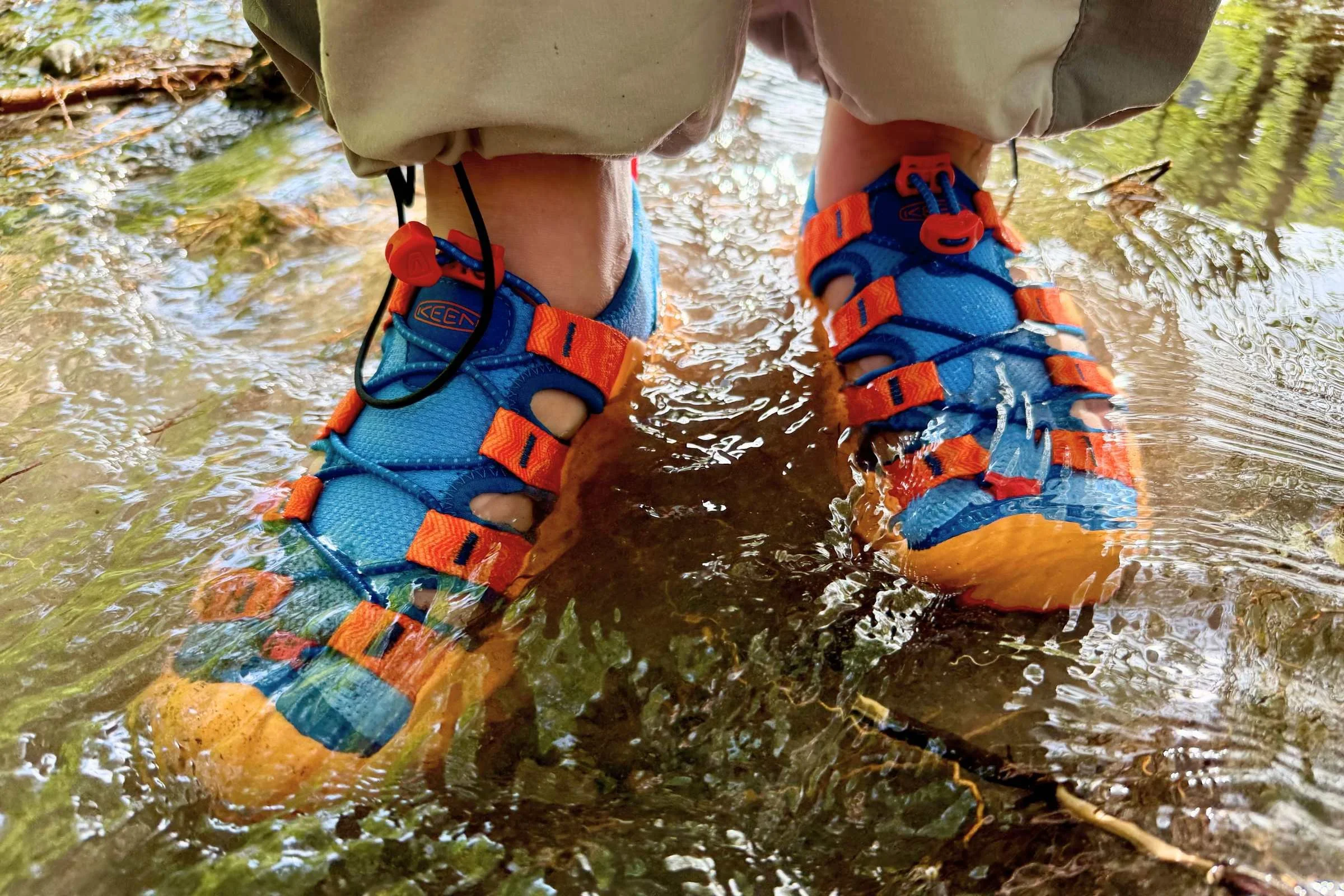
It also feels more capable underfoot than a typical water sandal. The outsole has more of a low-profile hiking-shoe feel, which gives it a sturdier, so you feel planted on uneven terrain. KEEN uses Aquagrip rubber in the Hyperport H2, and with the added siping in the high-contact zones, it holds well on slick rock and other wet surfaces where many sandals feel slippery. It’s not quite as cushioned as the HOKA Hopara 2 (another one of our favorite hybrid water shoes), but it's not far off.
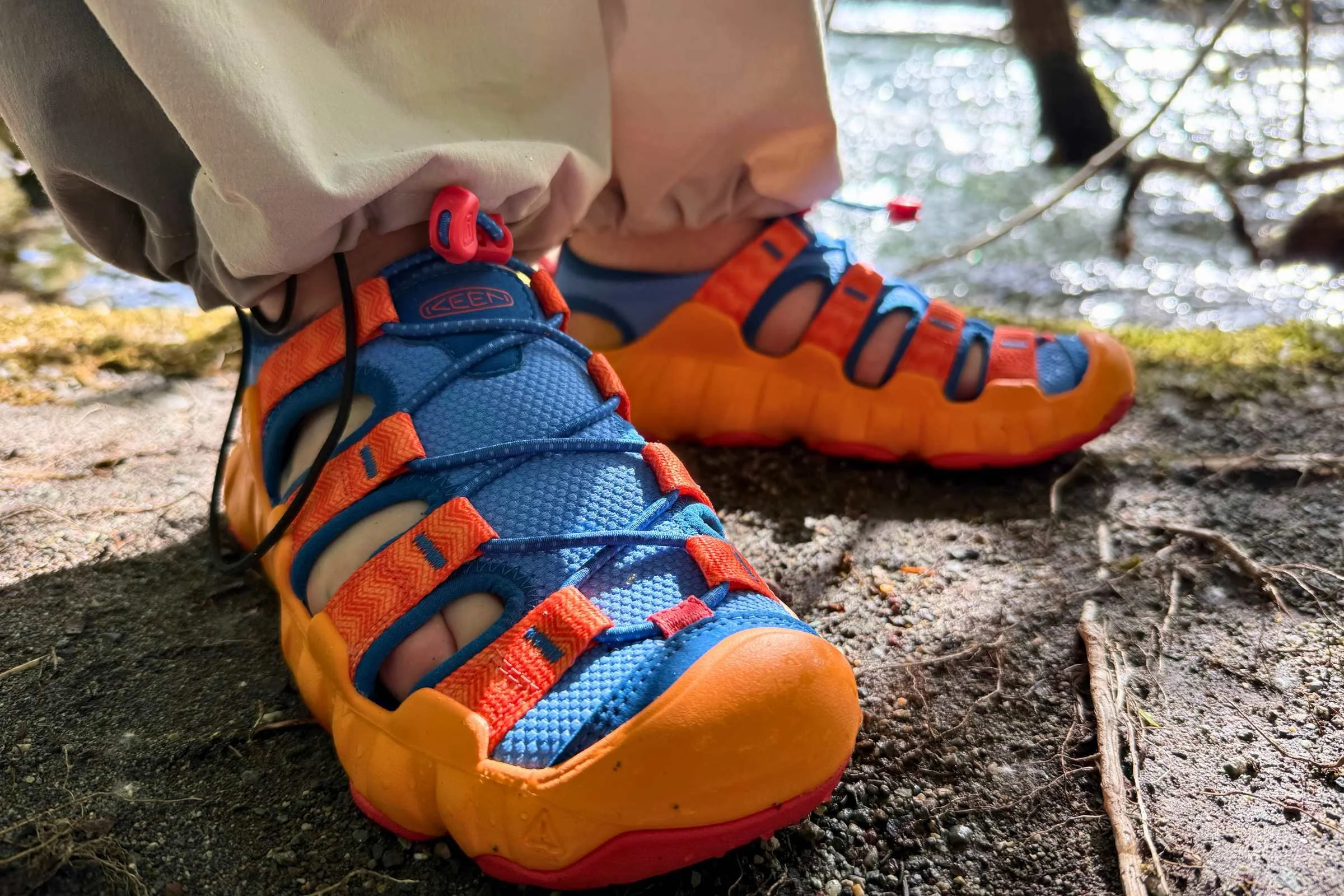
Durability is another reason this shoe rose to the top. The built-up outsole, protective bumper, and sturdy webbing upper give it a more robust feel than lighter minimalist water shoes like the foam-molded Merrell Hydromoc.
The Hyperport H2 has held up really well over the course of our testing, with almost no noticeable wear, and based on what we’ve seen so far, we’d expect it to last at least a few summer seasons of consistent use. The compromise is that the side cutouts can let in sand and small rocks, though they also make it easy for that debris to work its way back out (there was the odd time we’d find ourselves having to fish a larger pebble out).
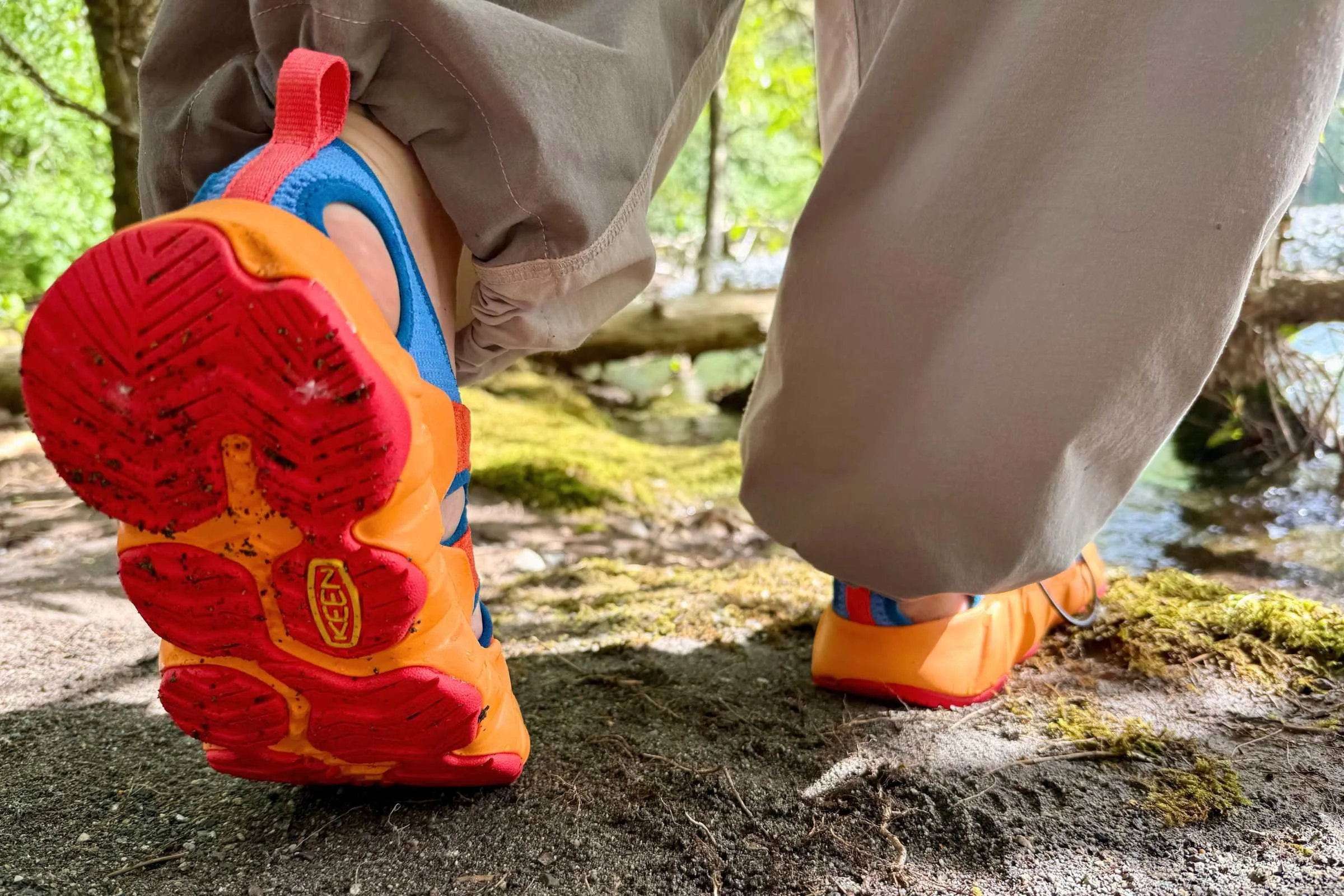
If you want a closed-toe water shoe that feels breathable, protective, sturdy, and more capable than most sandals, this is the one we’d choose.
Best water sandals: Teva HydratRek Sandal
Price: $95
Type: Sandal
Upper: Recycled REPREVE polyester
Outsole: Terragrip
Drainage: Open design
Weight: 10.6 oz
What we liked: Excellent grip, soft and comfortable underfoot, and padded straps that feel good all day
What could be better: Less customizable than some adventure sandals, and still more exposed than a closed-toe option around rocks and debris
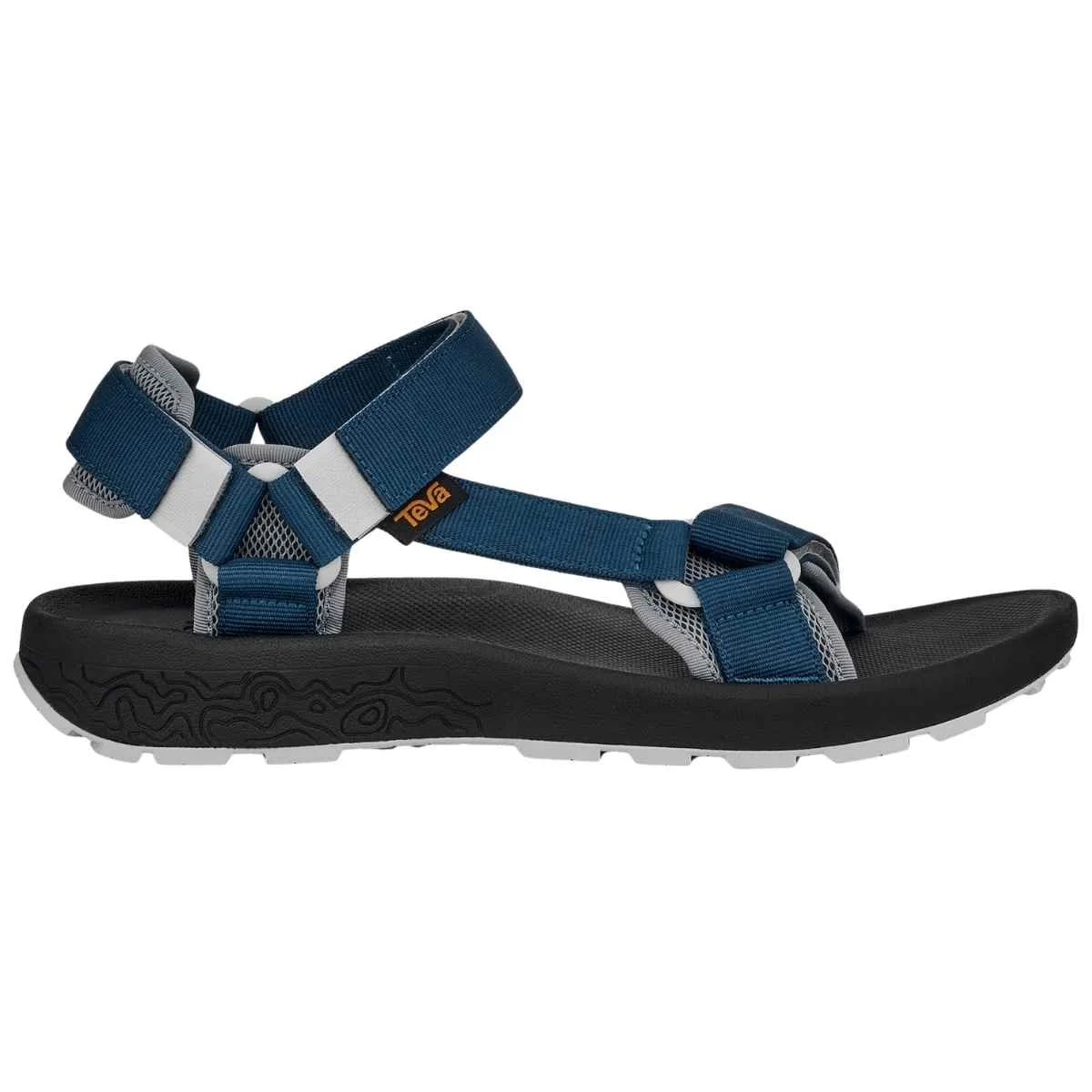
The Teva Hydratrek is our pick for best open-toe water sandal because it delivers where many sandals fail: traction. A lot of water sandals are comfortable enough for walking around, but once you get them on slick rock or wet docks, they can start to feel a little sketchy. The Hydratrek didn’t. The Hydratrek uses Teva’s Terragrip outsole, which is designed to keep more of the sole in contact with the ground while still shedding water, and it felt noticeably grippier than many of the sandals we tested.
Teva Hydratrek Sandal
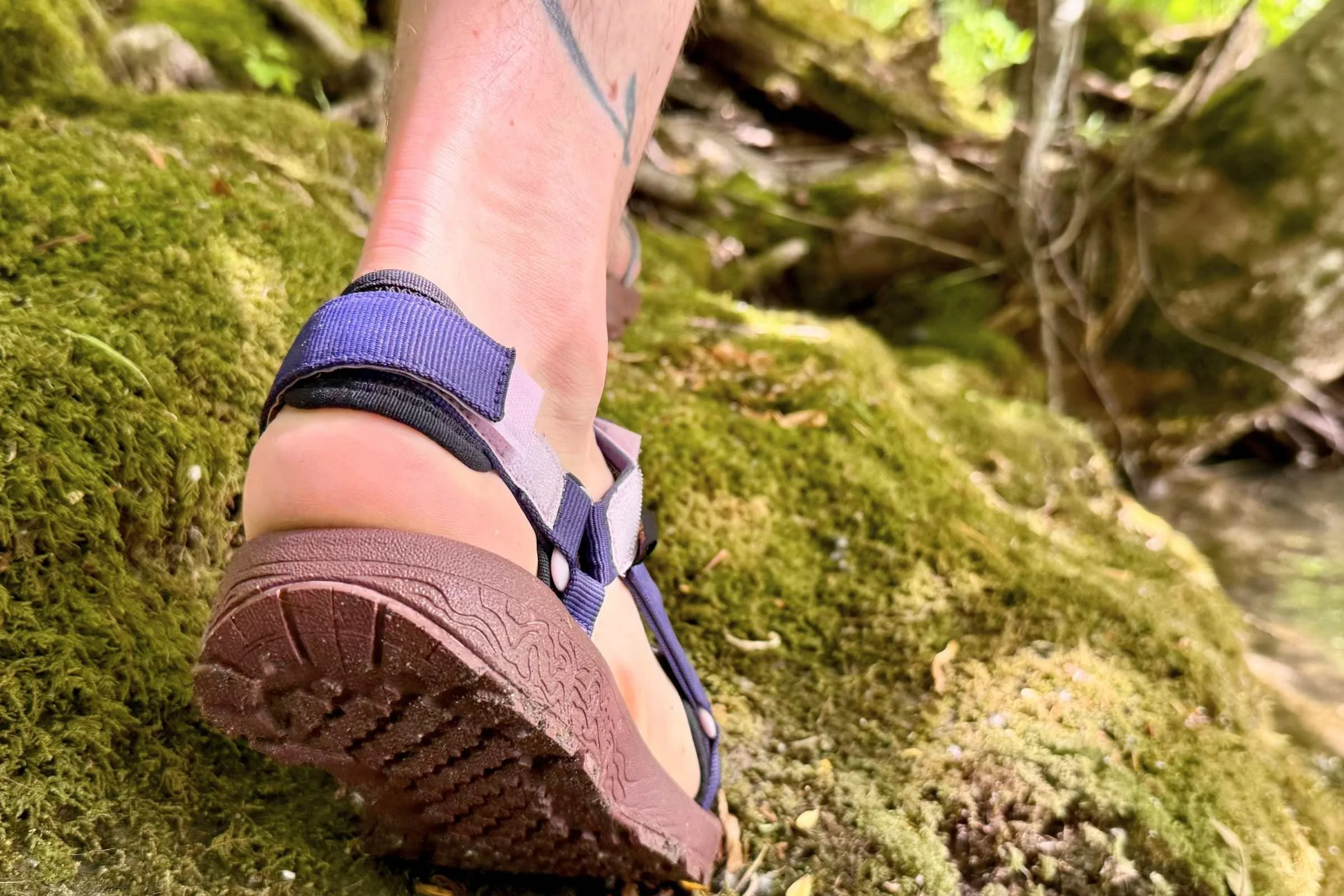
Comfort is the other big reason it won this category. The footbed has a softer, slightly springy feel that makes it easy to wear for long stretches, whether that means beach days, river hangs, camp, or boating. The textured topsole also helps keep your foot from sliding around once everything gets wet. We also liked the padded straps, which felt comfortable right away and didn’t need much break-in, though we did occasionally have to readjust the small padded section along the outside of the foot.
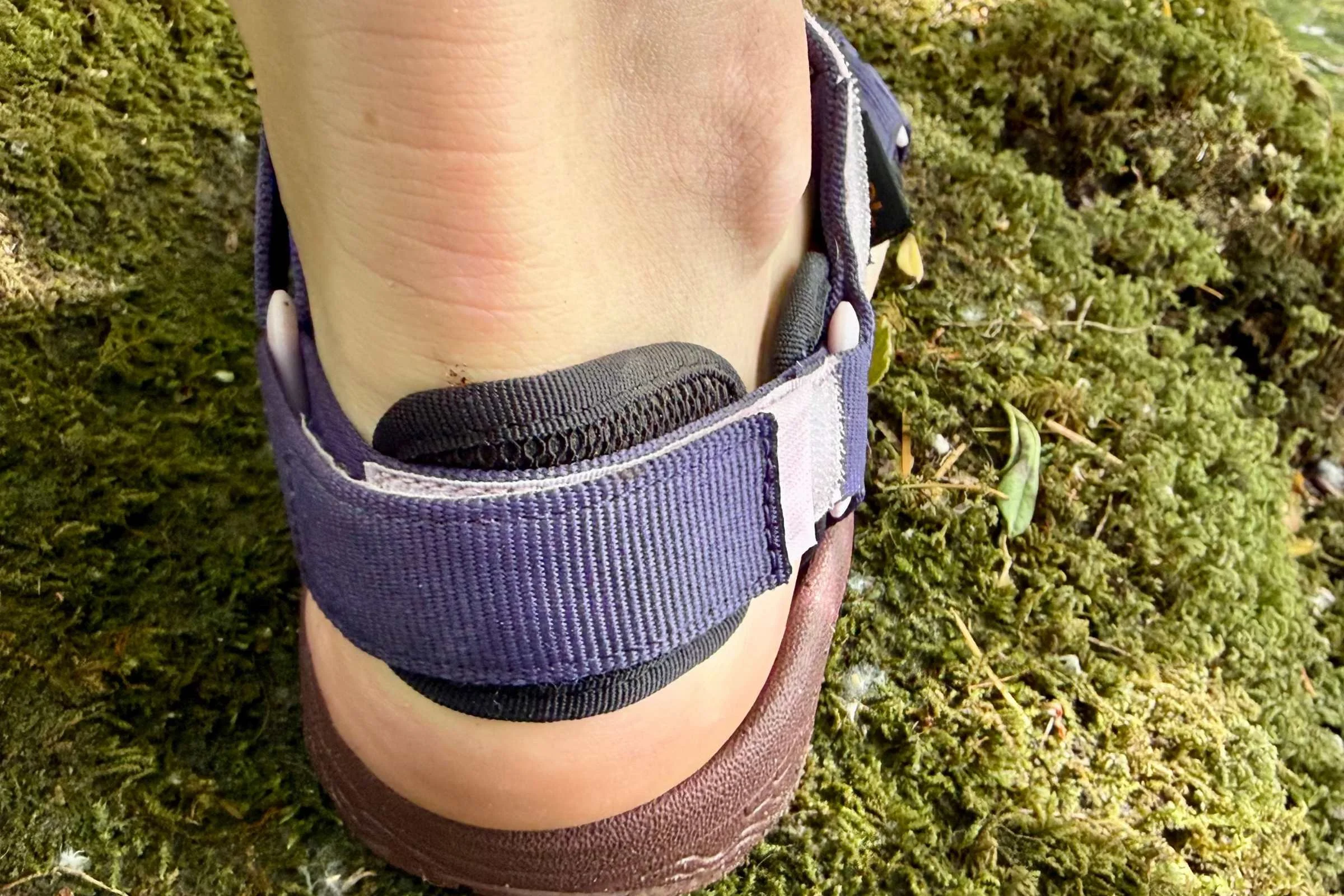
The quick-drying webbing is made with a durable recycled REPREVE polyester yarn, and the adjustable straps across the top of the foot and around the ankle help customize the fit. If you want a water sandal with standout grip, soft underfoot comfort, and straps that feel good from day one, the Hydratrek is an easy one to recommend.
Best water shoes for travel: Astral Brewer 3.0
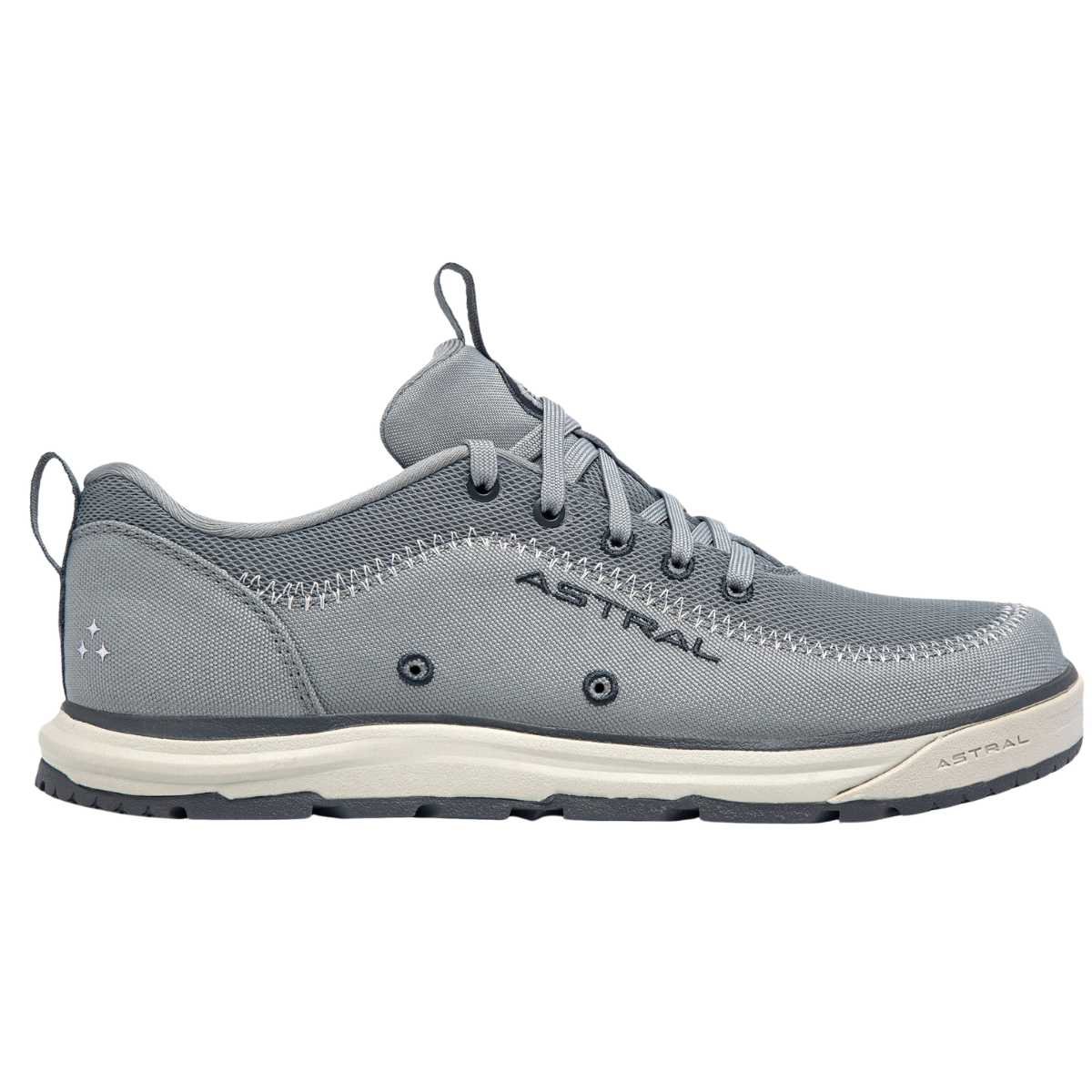
Price: $150
Type: Water shoe
Upper: 100% recycled (rPET) canvas quarters with breathable recycled mesh vamp, tongue, and liner
Outsole: Nonmarking G.15 Rubber
Drainage: Quick-draining mesh and canvas upper with midsole drainage ports
Weight: 8.2 oz
What we liked: Capable for river days, travel, and everyday wear without needing a shoe change
What could be better: Slower to dry than minimalist shoes and not a shoe you swim in for long
We chose the Astral Brewer 3.0 as our pick for best water shoes for travel because it’s the main pair we’d pack when we need one shoe suitable for the airport, beach, boating, casual water sports, light hiking, and exploring city streets.
For more on the Astral Brewer 3.0, read our in-depth review.
Astral Brewer 3.0
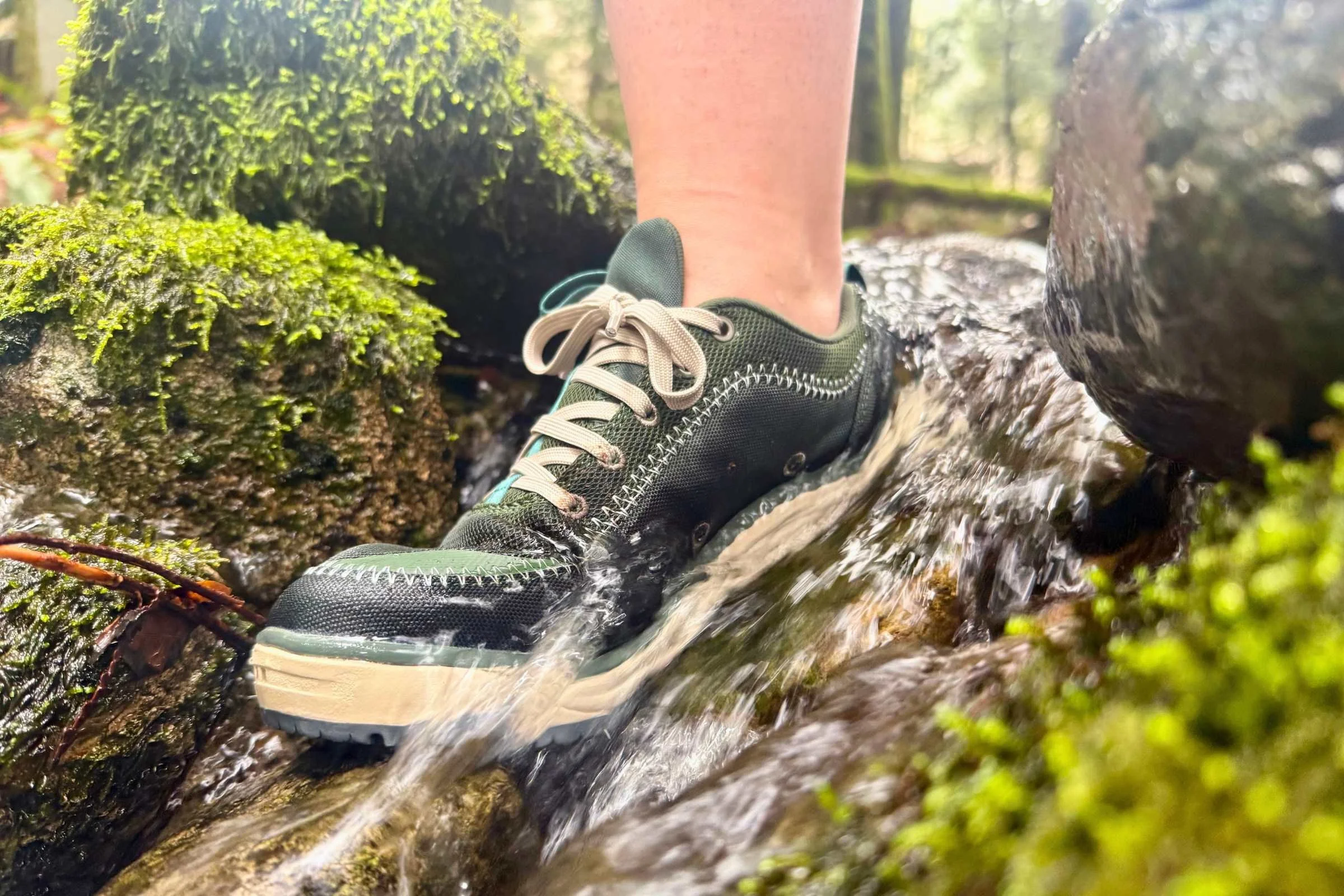
What made it stand out in this category was how well it handled that mix of use. It has a casual sneaker look, but a water-first design, so we liked it for the kinds of travel days where you’re bouncing between activities and don’t want to keep changing shoes, like walking a shoreline in the morning, hopping on a paddleboard in the afternoon, then heading into town after.
Like the other Astral shoes we’ve tested, the Granite Grip outsole and siped G.15 rubber gave it reliable traction on slick surfaces, while the low-profile build kept it feeling stable and easy to walk in on mixed terrain. And it’s comfortable to wear barefoot or with socks.
The upper helps it straddle that line between everyday sneaker and water shoe. The mix of recycled canvas and mesh drains well enough for beach use, river access, and paddling, and the midsole ports help water clear out quickly once you’re back on shore. It doesn’t shed water as quickly or dry as fast as more stripped-down water shoes, but on warmer days, we didn’t notice, and the payoff is that it looks better, feels more substantial, and works in more settings.
It’s not the right pick for technical hiking (for that we’d go with the Salomon Techamphibian 5 or the HOKA Hopara 2) or long, swim-heavy use (we like the NRS Kicker Wetshoe), but for travel, where versatility matters most, this is the pair we’d wear straight from the airport to the water.
Other water shoes we tested
Chaco Z1 Adjustable Strap Classic Sandal
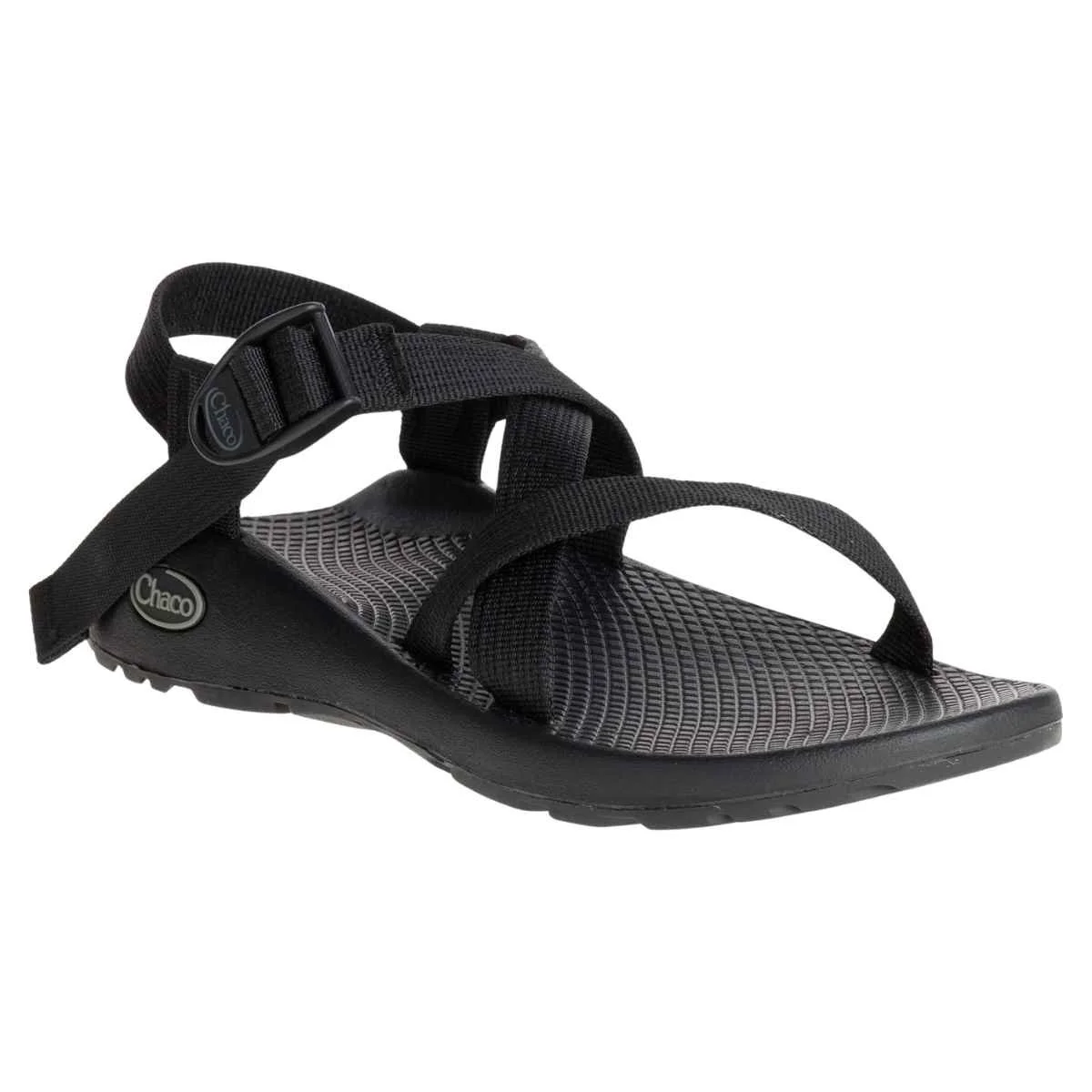
Price: $95
Type: Sandal
Upper: Polyester jacquard webbing
Outsole: ChacoGrip rubber
Drainage: Open design
Weight: 11.5 oz
The Chaco Z1 Classic remains a strong pick for people who care most about fit. The strap system is the big selling point here; once you take the time to adjust it properly, it can be dialed in much more precisely than most water sandals, which is especially nice if you have a hard-to-fit foot or just like a more locked-in feel.
It also has the kind of supportive, sturdy platform that works well for longer days around the water and holds up well over time (these sandals will last for years). We found the Teva Hydratrek a little softer and more comfortable straight out of the box, but the Chaco still earns its place as a solid runner-up for anyone who values adjustability and durability first.
Chaco Z1 Adjustable Strap Classic Sandal
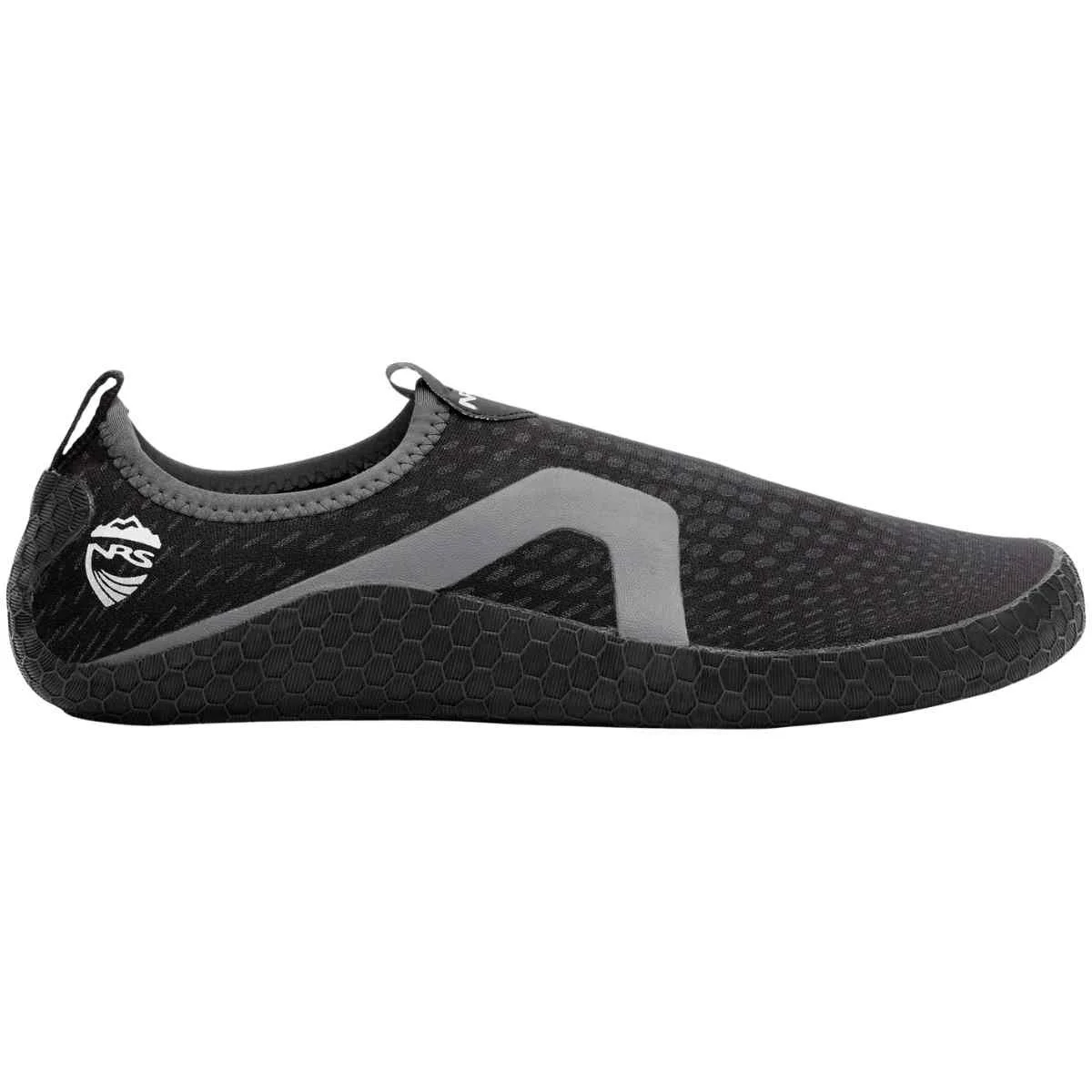
Price: $55
Type: Water sock
Upper: 1.5 mm Terraprene neoprene
Outsole: 1.8 mm patterned rubber sole with 2 mm plastic shim
Drainage: Ports in the footbed and channels in the outsole
Weight: 8 oz
The NRS Arroyo Wetshoe is a good choice if you want something stripped back and lightweight, but not so minimal that it feels disposable. It has a sleek, simple feel on foot and stayed put better than we expected in the water, even without the extra strap you get on the Kicker. One of our testers especially liked it on a trip to the Maldives, where the lighter, lower-profile build made a lot of sense. Grip is also a real strength here.
The main drawback is that it doesn’t dry as quickly as a very thin swim sock, and overall we still give the edge to the NRS Kicker for its slightly more secure fit, though if you want to avoid Velcro altogether, the Arroyo is the better call.
NRS Arroyo Wetshoe
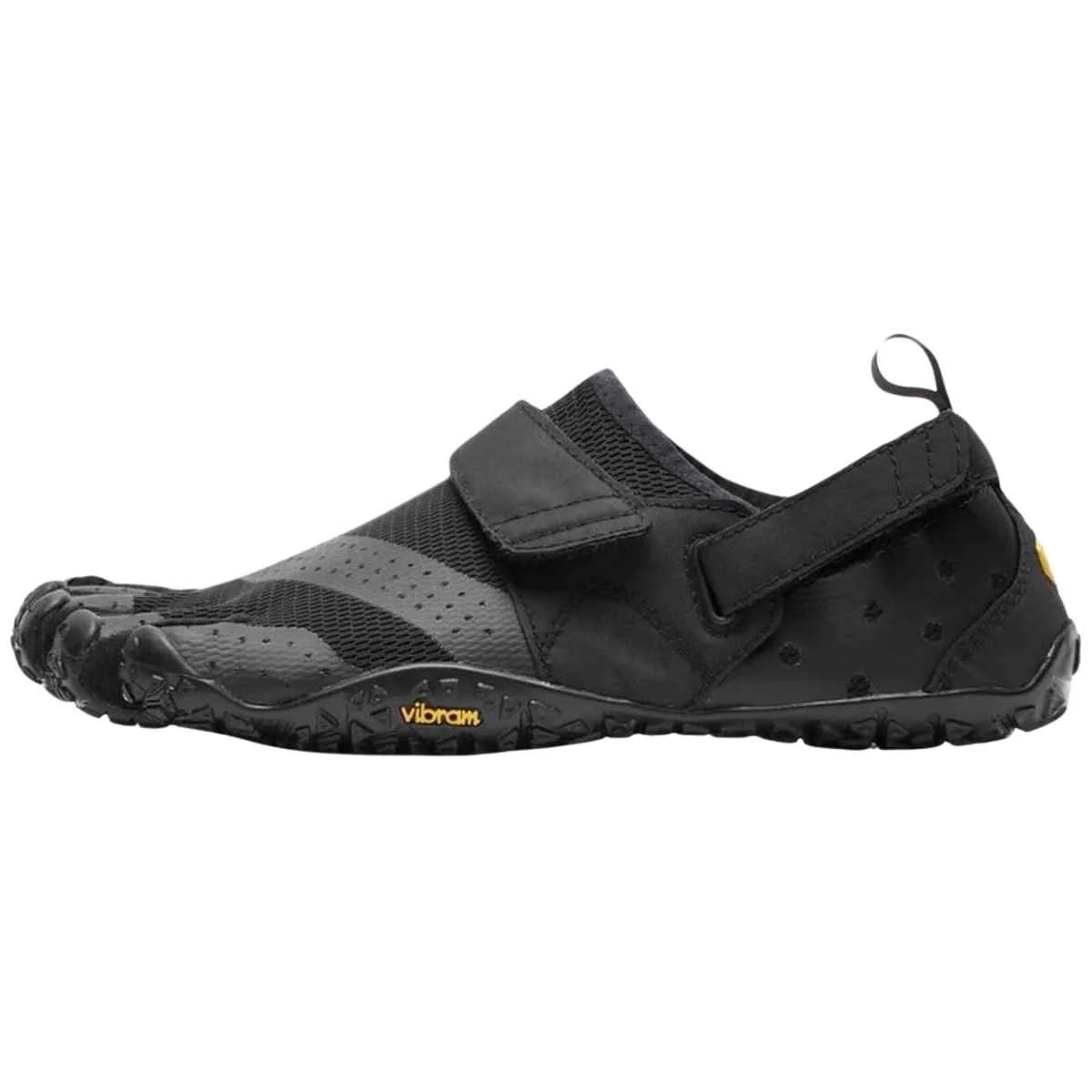
Price: $190
Type: Minimalist water shoe
Upper: Synthetic upper with adjustable hook-and-loop straps
Outsole: 3.7 mm Megagrip Outsole
Drainage: Drainage perforations in the upper
Weight: 4 oz
The Vibram FiveFingers V-Aqua is easily the most niche shoe in this group, but for the right person, it will be exactly what they want. If you like a true barefoot feel and want as much control and groundfeel as possible, this shoe delivers that in a way almost nothing else does. It feels especially good when you’re making your way over slick rocks, moving through shallow creek beds, or dealing with uneven, technical wet terrain where precision matters.
Vibram FiveFingers V-Aqua
That said, FiveFingers are not an easy sell for everyone. They take some getting used to, both in fit and in feel, and if you already know toe shoes aren’t your thing, this probably isn’t the pair that will change your mind.
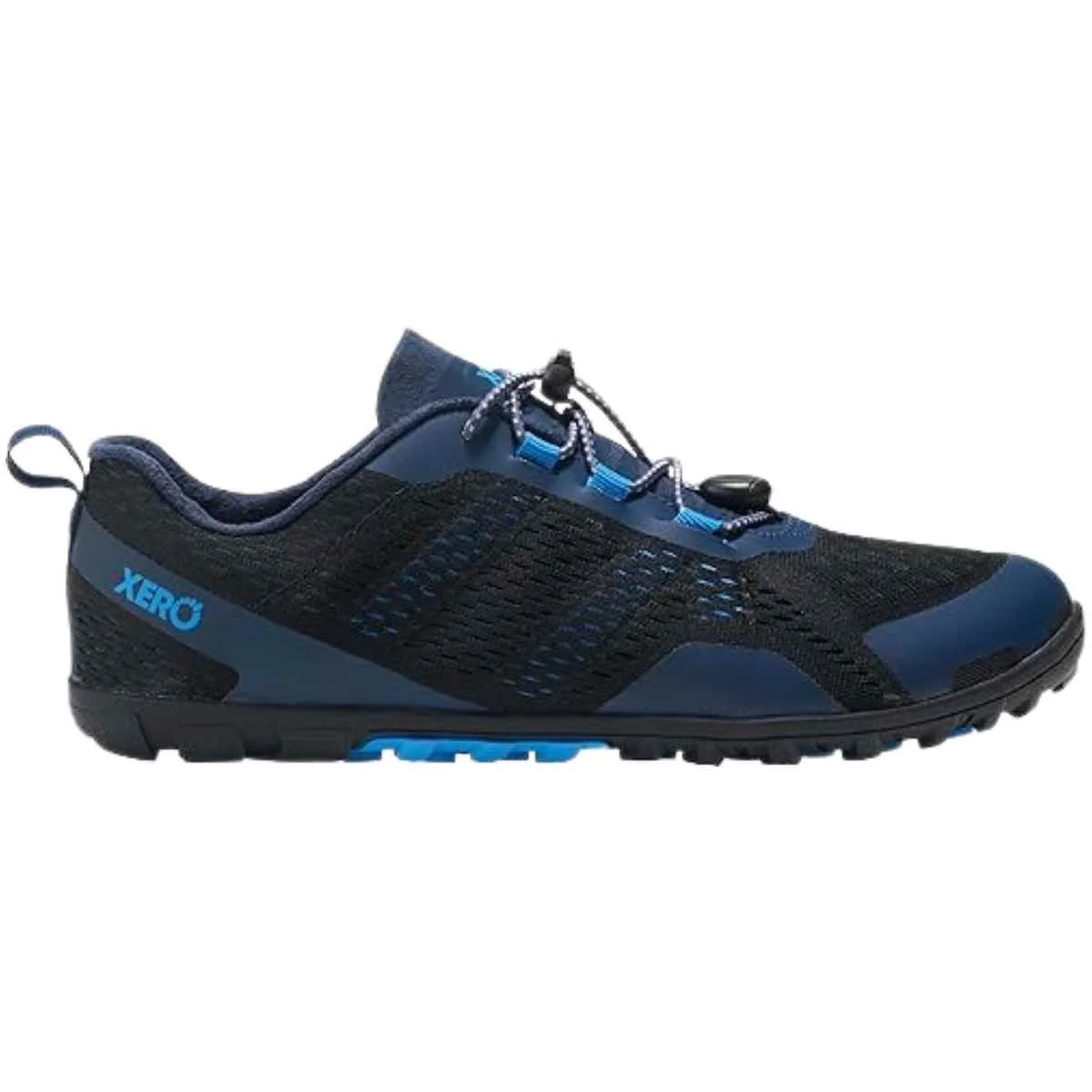
Price: $130
Type: Minimalist water shoe
Upper: Synthetic textile
Outsole: Rubber
Drainage: Open mesh design
Weight: 7.5 oz
The Xero Aqua X Sport is a nice option for those who want a water shoe that feels light, flexible, and close to the ground. It has that barefoot feel a lot of minimalist shoe fans are after, but still gives you enough coverage and grip for general use around the water. We liked how little space it took up in a bag and how easy it was to move in, whether for beach days, paddleboarding, or casual shoreline use.
Xero Shoes Aqua X Sport Water Shoes
As a barefoot-style shoe, it fits snug and close to the foot, with a foot-hugging, minimalist feel through the midfoot and enough room in the toe box to accommodate natural toe splay. You’re not getting much cushioning, structure, or protection compared to a more built-up hybrid, but if you like minimalist footwear and want something simple and packable for warm-weather water use, it’s a strong option.
What to look for in water shoes
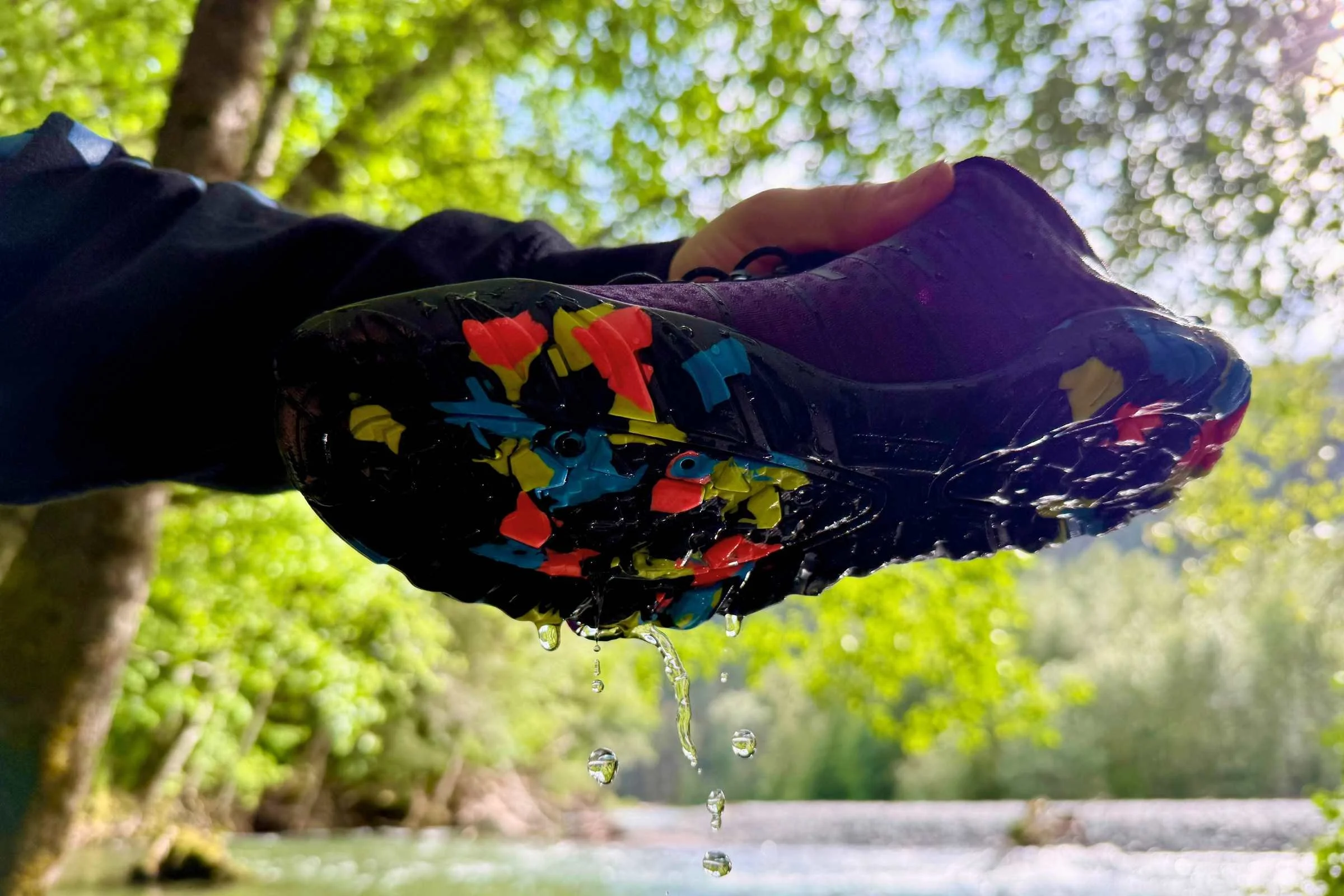
Quick drainage improves comfort during water hikes.
Not every water shoe is built for the same job, so the right features really depend on how and where you’ll be using them.
Drainage
One of the clearest signs you’re wearing a real water shoe (and not just a sneaker that got wet) is how quickly it sheds water. Look for things like mesh uppers, drainage ports or channels, and more open designs that let water escape fast. The best pairs don’t stay sloshy, heavy, or waterlogged once you’re back on land.
Grip
Traction matters a lot in this category, especially on slick rocks, wet boat launches, algae-covered surfaces, and uneven river bottoms. In a good water shoe, grip usually comes from sticky rubber, a well-designed tread pattern, and features like siping (tiny fine razor cuts in the rubber that help maintain contact on wet surfaces). A good water shoe should feel noticeably more grippy than a basic sandal or casual sneaker.
Protection
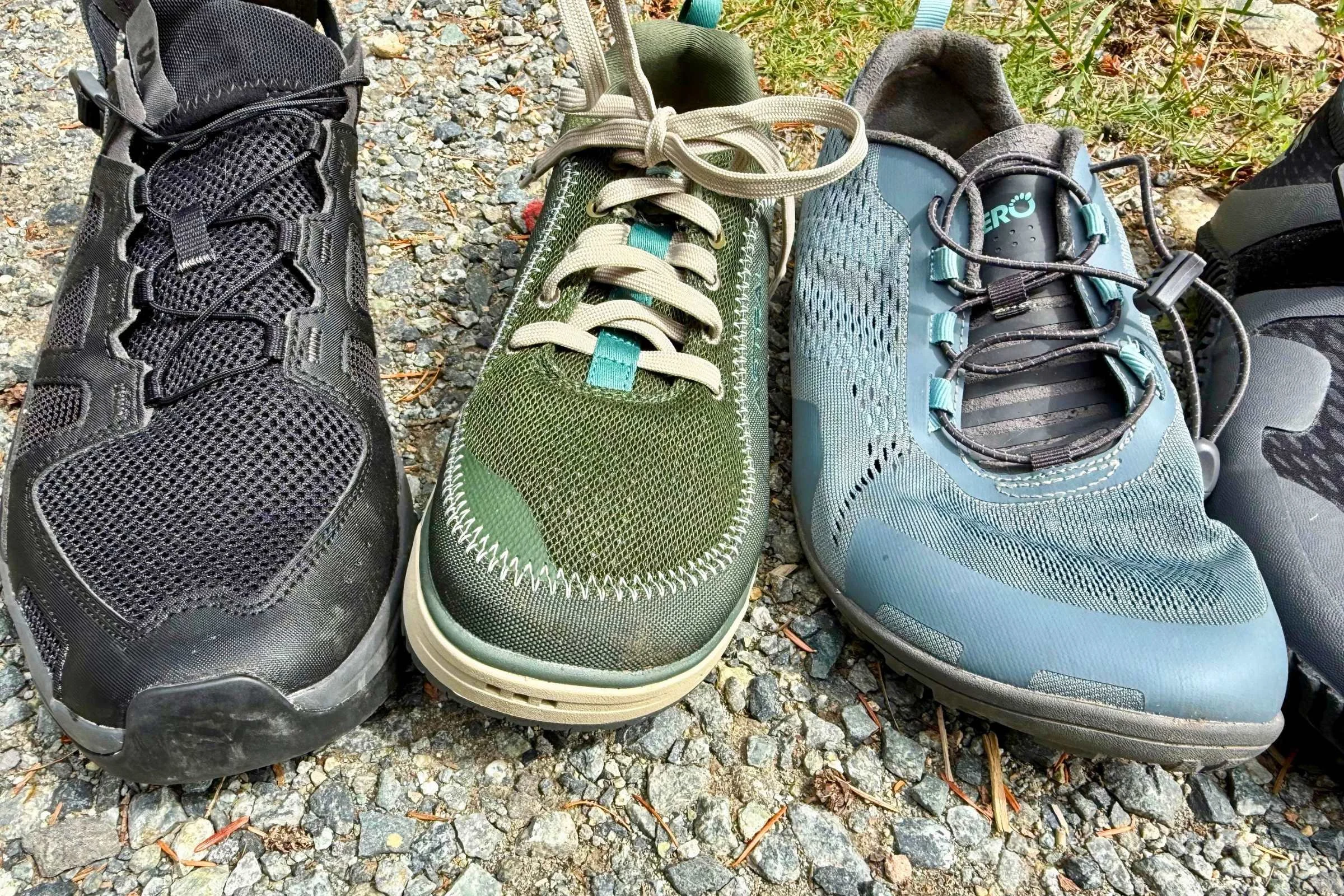
Toe protection will depend on the style of shoe and what activity it’s designed for, but for shoreline use, some toe coverage is useful.
How much protection you need depends entirely on the activity. For rocky rivers, rough shorelines, and mixed terrain, it’s worth looking for a closed shoe with features like a reinforced toe, sturdier sidewalls, and more substance underfoot. For swimming, snorkeling, or mellow beach use, something lighter and less built-up may be all you need. The goal is to get enough shoe for the activity without hauling around extra bulk you don’t need.
Fit security
A water shoe can check every other box, but if it won’t stay put when wet, it’s not doing its job. Look for features like adjustable straps, bungee lacing, snug heel hold, or uppers that wrap the foot securely without feeling restrictive. The right fit should feel locked in enough that your foot isn’t sliding around or threatening to slip out in moving water, but still give your toes plenty of natural movement upfront to help with traversing shorelines or slick surfaces.
Comfort when wet
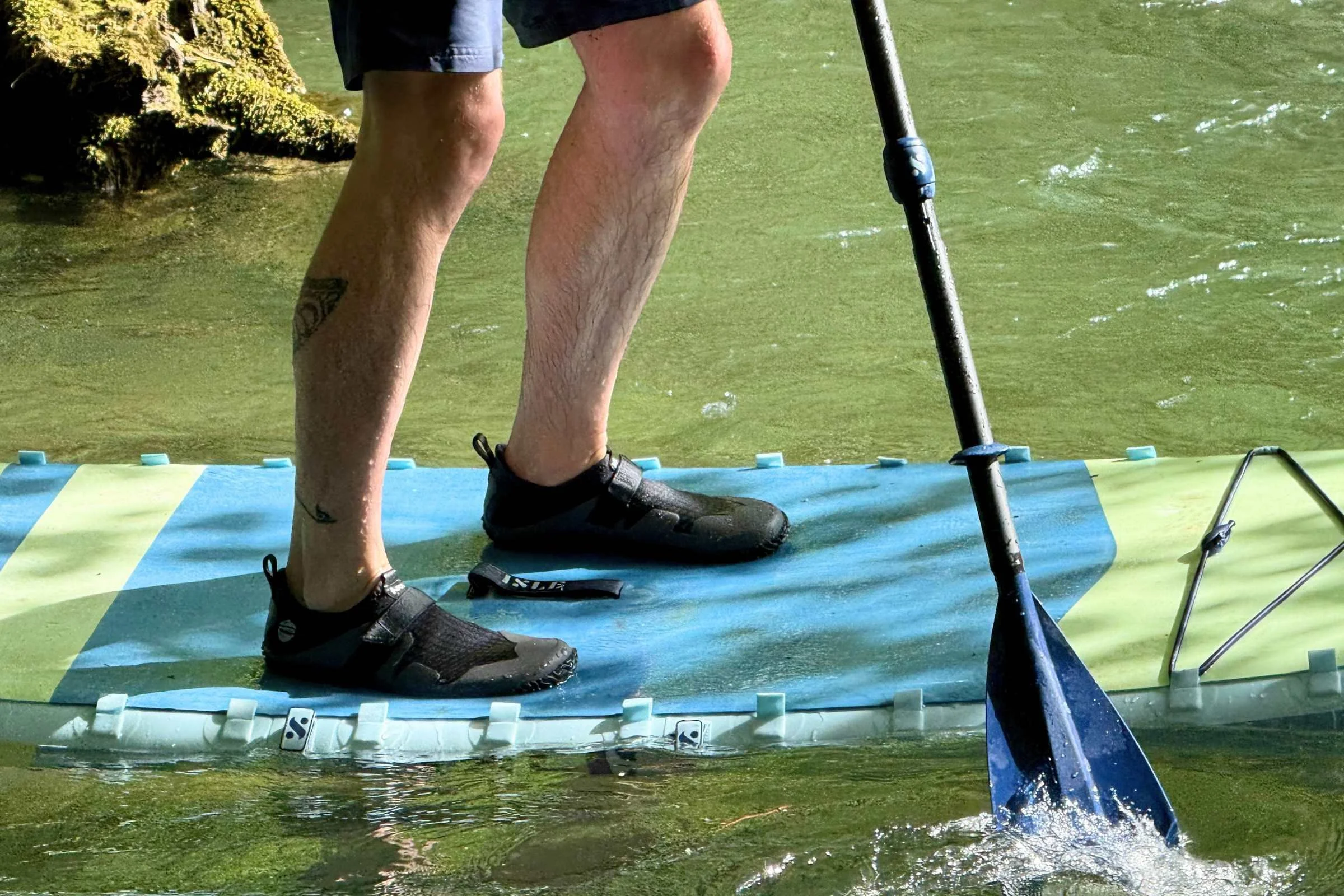
This is a big one. Plenty of shoes feel fine when dry, then start rubbing, sagging, or feeling overly heavy the second they’re soaked. The best water shoes stay comfortable against bare skin, don’t create hot spots, don’t pinch, and still feel secure after hours of swimming, wading, paddling, or walking around wet.
Drying time
Quick-drying shoes are just more comfortable overall, especially if your day includes a mix of land and water. Shoes that shed water fast tend to feel less clammy and less heavy once you’re back on the trail, at camp, or heading to the pub for a post-paddle pint. In general, thinner uppers, breathable mesh, and low bulk designs dry faster than heavier, more built-up ones.
Versatility
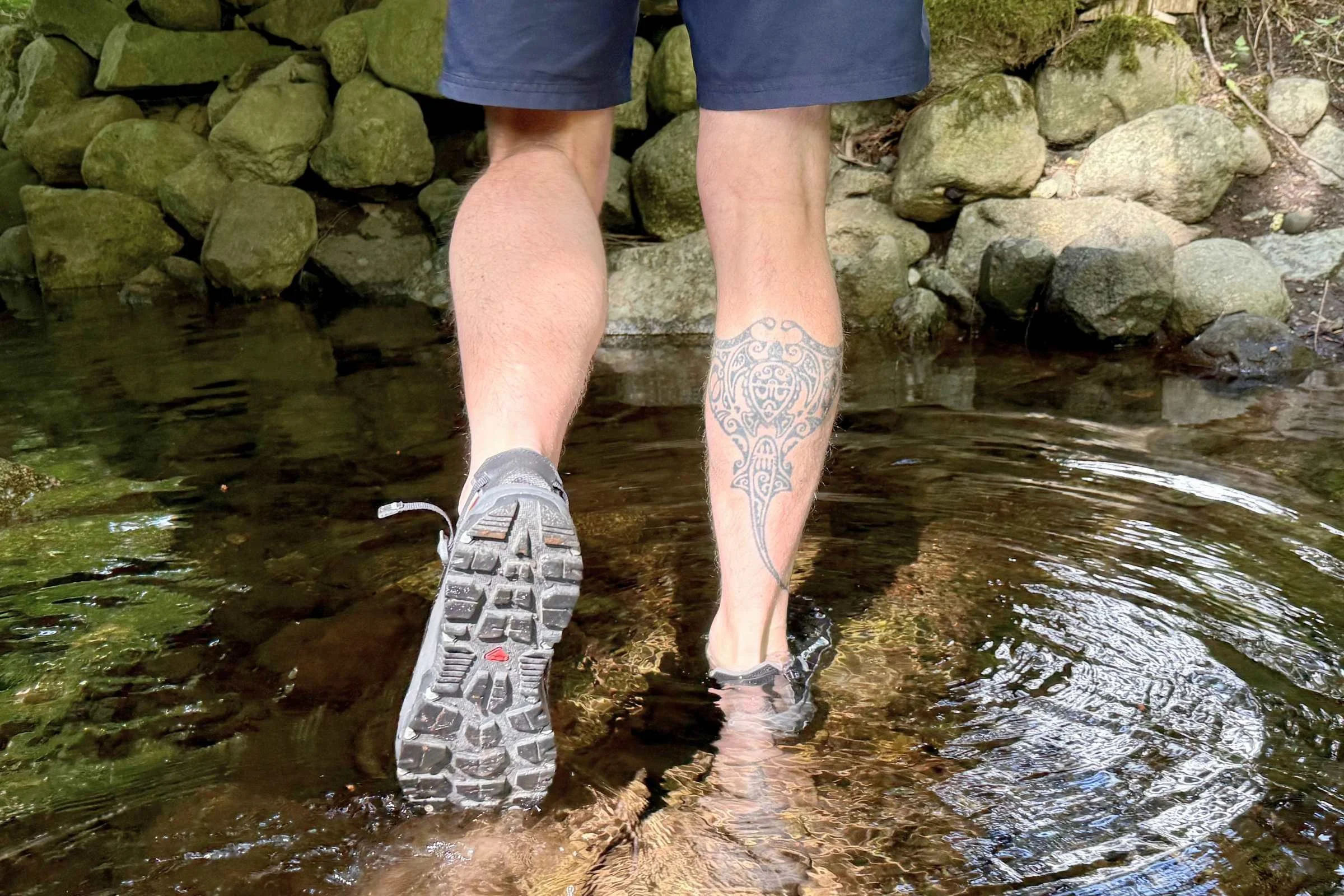
Some water shoes are made for one very specific use, while others can pull double duty across travel, paddling, beach days, casual wear, and short hikes. Versatile models usually have a more hybrid design, something between a sneaker, sandal, and water shoe, with enough support and coverage to handle mixed use.
If you want one pair to do a little of everything, look for something that feels comfortable all day and doesn’t feel too specialized for everyday wear.
Weight & packability
This one also comes back to the activity. If you’re traveling, boating, paddleboarding, or packing light, a flexible, lightweight shoe that’s easy to toss in a bag makes a lot of sense. But the lighter and more minimal the shoe, the more likely it is to give up some protection and structure. If your plans involve rougher terrain, rocky shorelines, or whitewater, a slightly heavier and more built-up shoe or sandal is often the better call.
Durability
Water shoes take a beating. Between rocks, sand, saltwater, sun, and constant use in and out of the water, they can see a lot of wear in a short amount of time. Durable pairs tend to have abrasion-resistant uppers, solid outsoles, reinforced stitching, and materials that can handle repeated soaking without falling apart too quickly. A good pair should make it through regular summer use without the outsole peeling off, the tread disappearing too fast, or the upper getting torn up early.
Types of water shoes explained
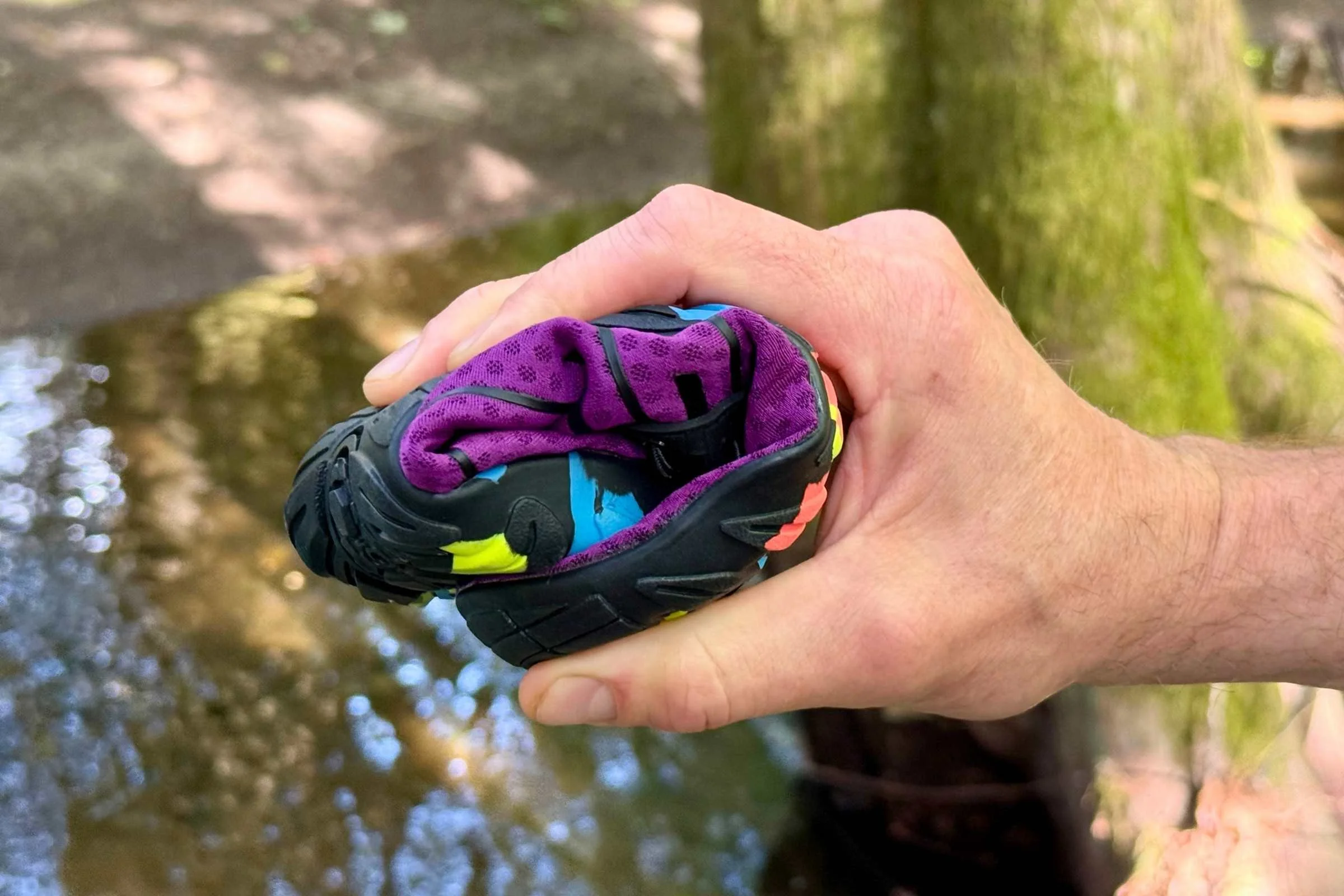
The most minimal water shoes are lightweight and flexible sock-style shoes.
Minimalist slip-ons: These are the lightweight, flexible, low-bulk styles that are easy to pack and easy to wear. They’re a good fit for travel, mellow beach days, paddle sports, and casual use in and around the water. One of our favorite versatile picks in this category is the Astral Loyak AC.
Water sandals: These are an open and breathable choice for hot weather and casual summer use. They dry fast and are often easy to adjust, but they leave your feet more exposed to rocks and other water or shoreline hazards. Some examples that we like are the Teva Hydratrek and the Chaco Z1 Classic.
Closed-toe hybrids: These styles bridge the gap between a sandal and a water shoe, combining breathability with more structure and coverage. That makes them a great option for rocky rivers, uneven shorelines, and short hikes or approaches that involve getting wet. A standout here is the KEEN Hyperport H2.
Water socks: Usually made from neoprene or a similar stretchy material, slip-on water socks work well for swimming, snorkeling, surfing, paddling, sandy beaches, pool use, and light protection from hot sand or minor scrapes, but they don’t offer much in the way of support or rock protection. Our top pick is the NRS Kicker Water Shoe.
Trail-style water shoes: These are more rugged, with better traction, more of an underfoot buffer, and enough structure to add support and stability for mixed terrain. They’re the choice if you plan to mix easy to moderate hiking with water activities (but for more technical routes or longer days, a proper hiking shoe is a more reliable pick). Two of our favorites are the HOKA Hopara 2 and Salomon Techamphibian 5.
Molded foam slip-ons: This style includes shoes like Crocs and the Merrell Hydro Moc. These slip-on styles are lightweight, easy to rinse off, and more protective than a sandal, which makes them useful for boating, beach days, camp, recovery wear, and casual time around the water. But they’re usually not secure or grippy enough for more technical use like rocky river scrambling or hiking.
Water shoes vs. waterproof shoes
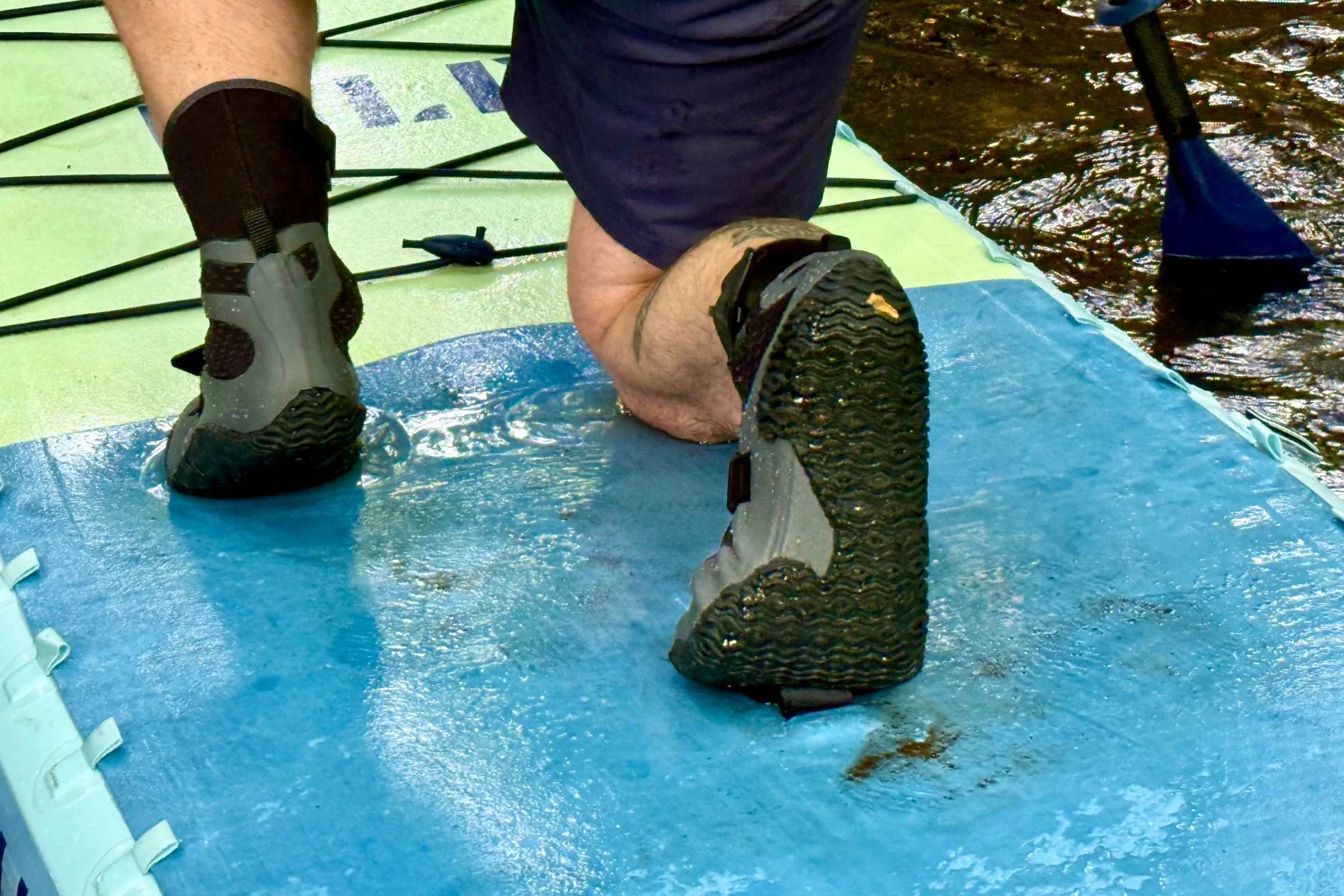
Sticky outsole tread designed for aquatic use is essential in a good water shoe.
Water shoes and waterproof shoes are meant for very different kinds of use.
Water shoes are built to let water in. They’re made to take on water, drain it quickly, dry quickly, and stay comfortable as you move back and forth between land and water. That makes them the better option for paddling, beach days, creek crossings, and any activity where soaked feet are part of the deal. Choose water shoes if getting your feet wet is part of the plan.
Waterproof shoes are built to keep water out. They’re a better fit for hiking in rain, muddy conditions, or shallow wet ground where your goal is to keep your feet dry. The downside is that if water does get in over the collar, they usually don’t drain well and can stay wet for a long time. Choose waterproof shoes if you want your feet to stay dry in wet or damp conditions.
Care and maintenance
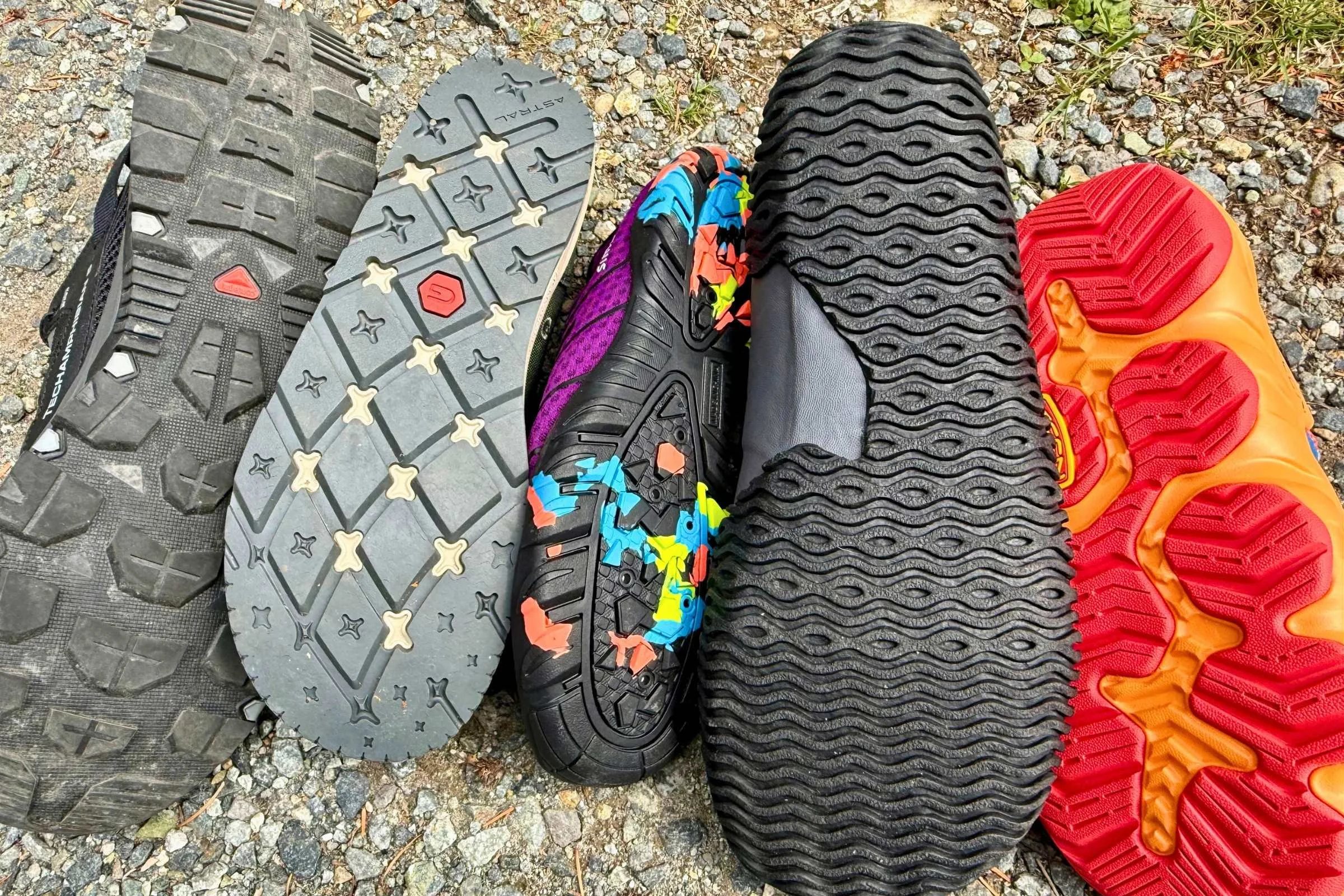
Checking out outsole wear on a handful of the water shoes we tested.
Here’s how to keep your water shoes lasting the longest:
Rinse them off after saltwater use: Ocean water is tough on shoes over time, so a quick freshwater rinse after beach or boat days helps wash away salt and prevent excess wear.
Let them dry all the way through: It’s best if you can let your water shoes dry fully dry between uses. If they stay damp, they’re much more likely to start smelling funky or develop mildew.
Take the insoles out when you can: If the insoles are removable, pull them out after use. It helps the whole shoe dry faster and doesn’t stay damp underneath.
Don’t leave them in the sun: Some sun while drying is fine, but leaving them in strong direct sunlight for extended periods can fade colors, dry out materials, weaken adhesives, and be especially hard on neoprene styles.
Dump out sand and grit: Sand, pebbles, silt, and other debris can collect inside the shoe and slowly wear away at the lining and upper (and cause rubbing), so it’s worth shaking them out regularly.
Don’t store them wet: Leaving wet shoes in a dry bag or hot trunk will leave them smelling funky and cause faster material breakdown.
Hand wash gently when needed: When your water shoes start to get grimy, hand washing with mild soap and cool water is usually the safest move. Delicate styles, especially neoprene ones, don’t do well with harsh detergent, bleach, or high heat.
Watch the wear points: Check the tread, upper, toe area, and mesh panels once in a while, since those are usually the first places to go. When the outsole smooths out or the upper starts tearing or separating, it’s time to start looking for a replacement pair.
FAQ
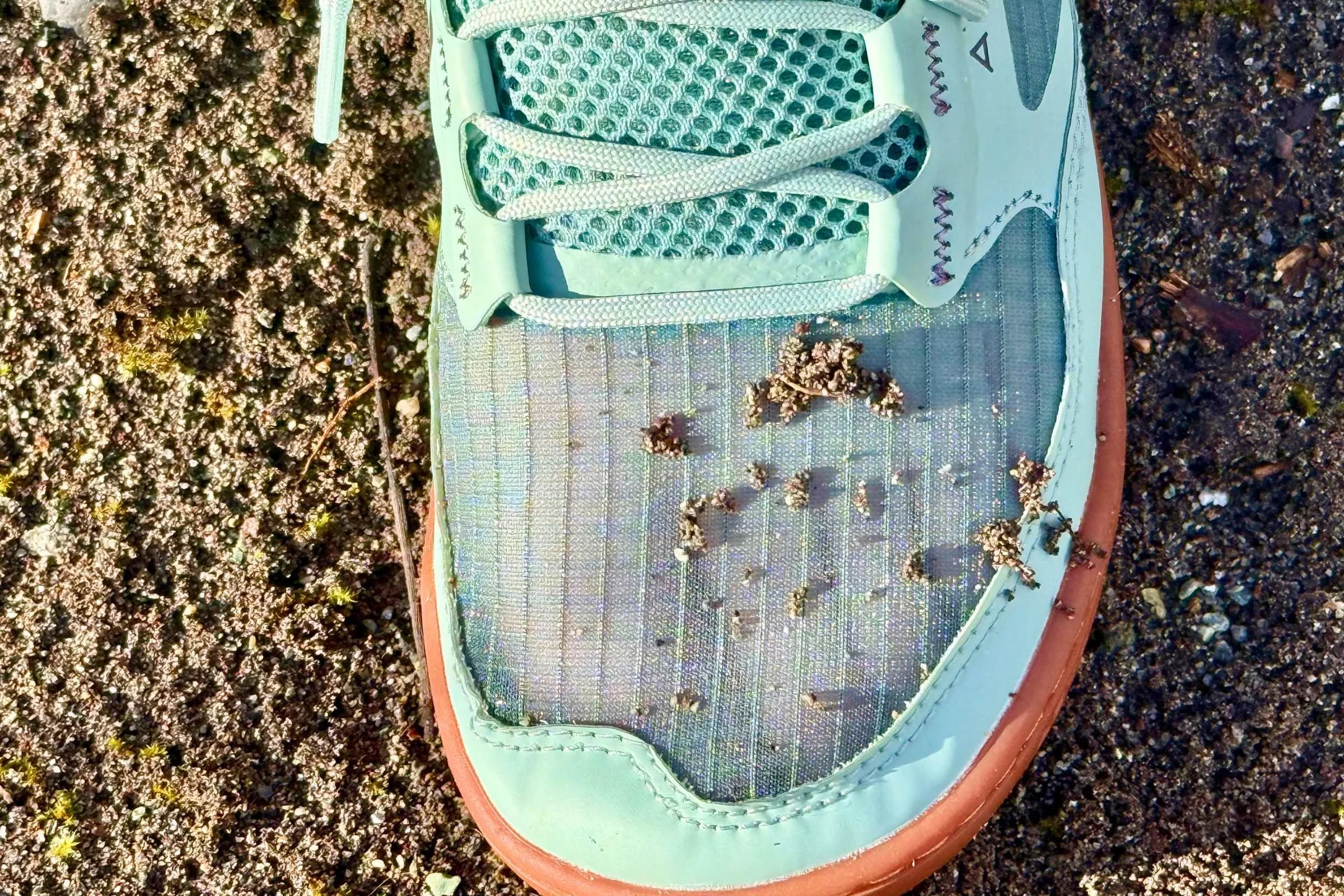
Water shoes need to allow water to evacuate the shoe quickly, while also keeping sand and grit out.
-
Water shoes are worth it if you spend a lot of time doing activities in or around the water, and there are enough different styles now that you can find one that matches the kind of use you have in mind. They offer more grip, protection, and security than sandals, flip-flops, or bare feet, especially in slick conditions and moving water. If you’re just hanging out on a soft sandy beach, you may not need them, but for travel, paddling, kayaking, snorkeling, creek crossings, and most other water-based activities, they’re often well worth packing.
-
Yes, some water shoes are specifically designed as hybrids that can handle both trail and water use (like the HOKA Hopara 2 and the Salomon Techamphibian 5). These styles are usually best for mild to moderate hikes in warm weather, especially when creek crossings, wet sections, or shoreline scrambles are part of the day. They tend to have the grip, structure, and underfoot protection of a hiker, while offering the breathability and drainage of a water shoe.
More minimal water shoes often aren’t up for the jon though, and are often better suited to short shoreline walks and quick approaches carrying a SUP or kayak from the car to the water. For rougher terrain and longer distances, most people will still be more comfortable in a dedicated hiking shoe.
-
Yes, water shoes are one of the best footwear options for kayaking since it almost always involves wet feet at some point, whether that’s at the launch, getting in and out of the boat, or stepping around on slick rocks. Water shoes handle that a lot better than regular sneakers, since they’re built to get wet, drain well, and keep traction on slippery surfaces. Closed-toe styles add more protection, while lower-profile options can feel more comfortable once you’re actually in the kayak. For kayaking, the big things to look for are grip, drainage, and a secure fit.
-
Sandals are the more open, airy option and tend to work best for casual, low-stakes use around the water. Water shoes offer more coverage and protection, and usually a more secure fit, which makes them the better choice around rocks, slippery surfaces, or moving water. There are also hybrid styles that land somewhere in between, combining the breathability of a sandal with some of the coverage and security of a water shoe. If you’re mostly lounging or having a mellow beach day, sandals are usually enough; if you need grip and protection, a water shoe is the better option.
-
It all depends on the water shoe. Most water shoes will protect your feet better than going barefoot, but if you’ll be dealing with sharp rocks underfoot or debris in the water, you’ll want a pair with a more built-up outsole, some underfoot cushioning and a closed, reinforced toe. Thin, minimalist styles are great for swimming, snorkeling, beach days, and other lower-impact use, but they won’t offer the same protection on rocky shorelines, rough riverbeds, or uneven terrain.
-
Most water shoes are designed to be worn barefoot, but many are also compatible with socks—it just depends on the activity. Sometimes adding a sock can compromise drainage and make the fit feel tighter. In other cases, adding a thin synthetic or neoprene sock can add warmth, prevent rubbing, and add comfort on long days. If you plan to wear socks with your water shoes, make sure you factor that in when choosing your size.
-
Absolutely! Water shoes help protect your feel on rocky or shell-covered beaches, around tide pools, on slick boat docks, and anytime you’re wading, exploring the shoreline, SUPing, or making your way over wet rocks. If your day involves lounging in soft sand, they may feel like overkill, but they’re useful if you plan to explore the beach or you’ll be in and out of the water. Minimalist sneaker-styles, water socks, slip-on EVA foam shoes, or sandal hybrids are all good contenders for the beach.
-
Water shoes should fit snugly enough to stay secure when wet, but not so tight that they pinch or cramp your toes. If they feel loose on land, they’ll usually feel even sloppier once they’re soaked, which can lead to rubbing, shifting, heel lift, or worse, slipping off in the water. It helps to look for styles with some adjustability like straps, bungee laces, or cinch systems so you can fine-tune the fit to your foot. At the same time, you still want enough room for your toes to move naturally, especially if you’re walking over uneven rocks or through moving water. The best ones feel secure right away and stay put without squeezing.
-
That depends a lot on how often you use them and how hard you are on them. A well-made pair can easily last a few summers, but repeated exposure to rough rough rocks, sand, pavement, saltwater, and sun will wear water shoes down faster. The first signs of breakdown usually show up in the tread or upper. Usually,the outsole starts to smooth out or separate from the upper, or the upper begins to stretch out and lose its shape, which tends to happen sooner on neoprene-style socks or boots. Since most water shoes are fairly lightweight and flexible, they usually won’t last as long as a typical everyday shoe if you’re hard on them.
-
In some cases, yes. There are plenty of hybrid hiking/water shoes built to handle easy to moderate trail use, especially on routes with creek crossings, wet approaches, or hot-weather conditions where getting your feet wet is part of the deal. These styles usually come with more coverage, outsoles designed for trail grip rather than slick docks, and more structure underfoot and around the toe than a typical water shoe. Still, most “water shoes” are too minimal to stand in for a true hiker, so for longer days or rougher terrain, a dedicated hiking shoe is usually still the better choice. Some shoes we’ve tested that can moderate handle trail use are the HOKA Hopara 2, Salomon Techamphibian 5, and the Astral Loyak.
Some water shoes are designed with hiking in mind and work well for easy to moderate trails, river crossings, and routes where you know your feet will be getting wet. These styles usually have more coverage, an outsole designed for trail use, and added protection underfoot and around the toe. But you need to look for those styles specifically; most water shoes are still too minimal, flexible, or stripped-down to replace a real hiking shoe. For longer mileage or rougher terrain, most people will still be better off in a dedicated hiking shoe.
For more in-depth info on hiking shoes, read our guides to the best women’s hiking shoes and the best men’s hiking shoes.
How we researched and tested
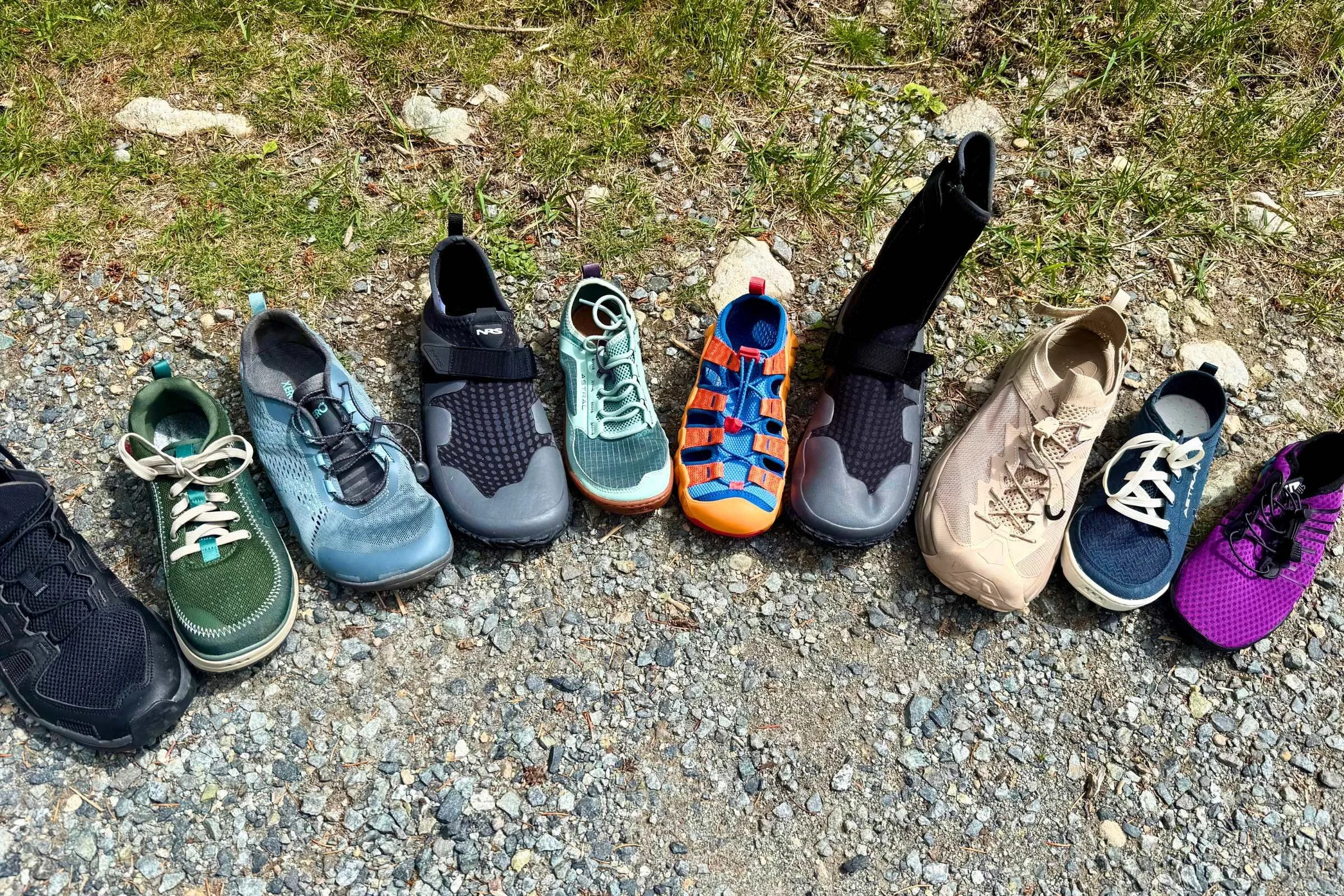
Just a selection of some of the men’s water shoes we tested.
Before testing began, we spent hours digging into water shoes by researching the bestselling models, new designs, and notable recent updates to narrow down the list of the most promising contenders. We then spent nearly a year putting them through real-world use outdoors, testing them on rivers, lakes, beaches, boat launches, and wet trails. We tested water shoes primarily in the Pacific Northwest, with some additional testing on trips to Mexico and the Maldives. Our testing included swimming, paddleboarding, boating, snorkeling, beach days, river hangs, and hikes with frequent stretches in and out of the water.
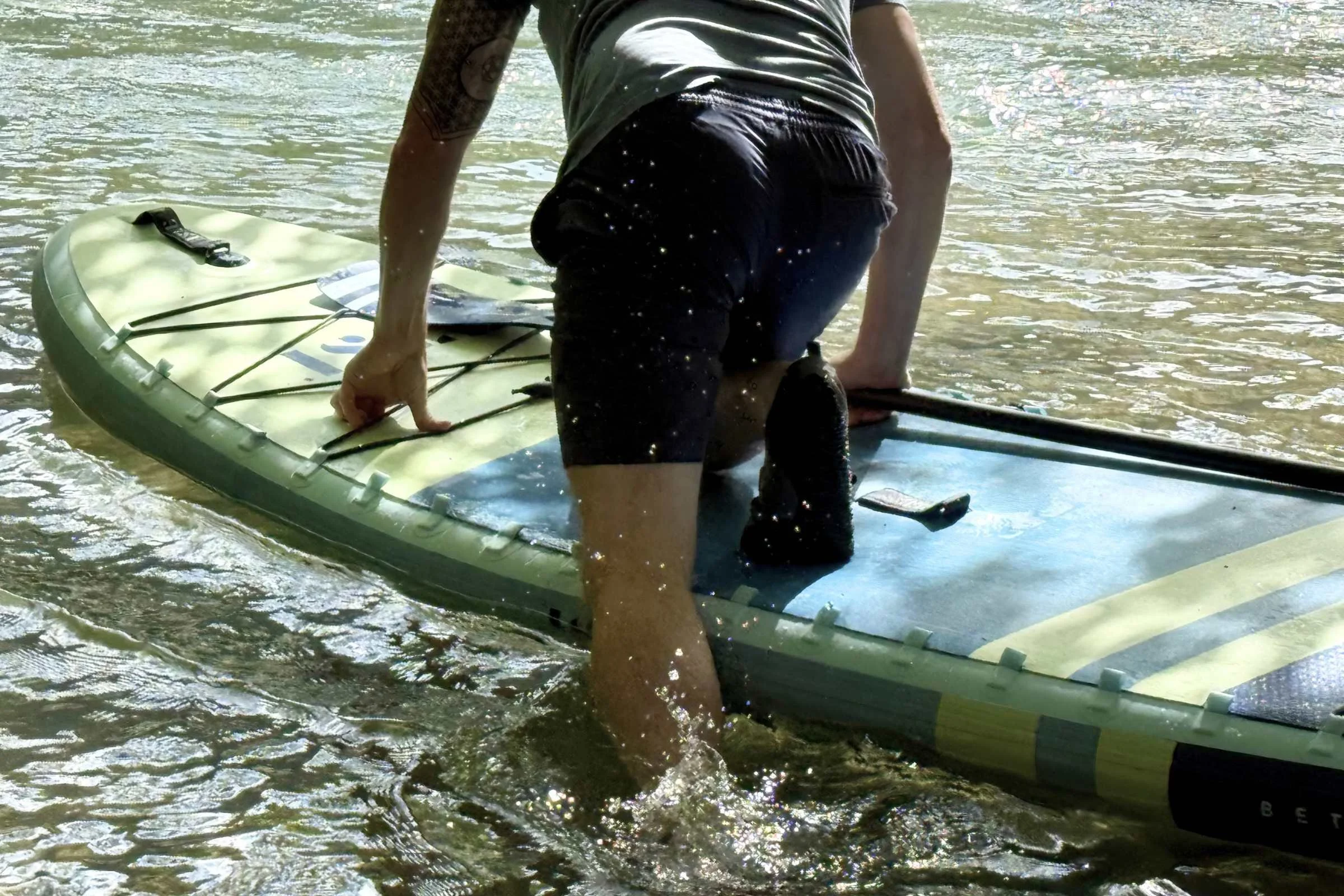
As we tested, we looked closely at features that matter most in water shoes: grip on slick surfaces, drainage, drying speed, comfort when soaked, wet-to-dry performance, and how well each shoe handled the type of activities it was built for. We also considered long-term durability, including how the uppers, outsoles, and overall construction held up after repeated soaking, abrasion, and exposure to water, sand, and sun.
- Rivers, lakes & beaches in the Pacific Northwest
- Swimming, snorkeling & paddleboarding
- Boating, river hangs & beach days
- Wet trails & mixed terrain
- Travel use in Mexico & the Maldives
- Grip on slick, algae-covered surfaces
- Drainage speed & wet comfort
- Drying time after submersion
- Toe & underfoot protection
- Durability after repeated soaking & abrasion
Why you should trust us / About the author
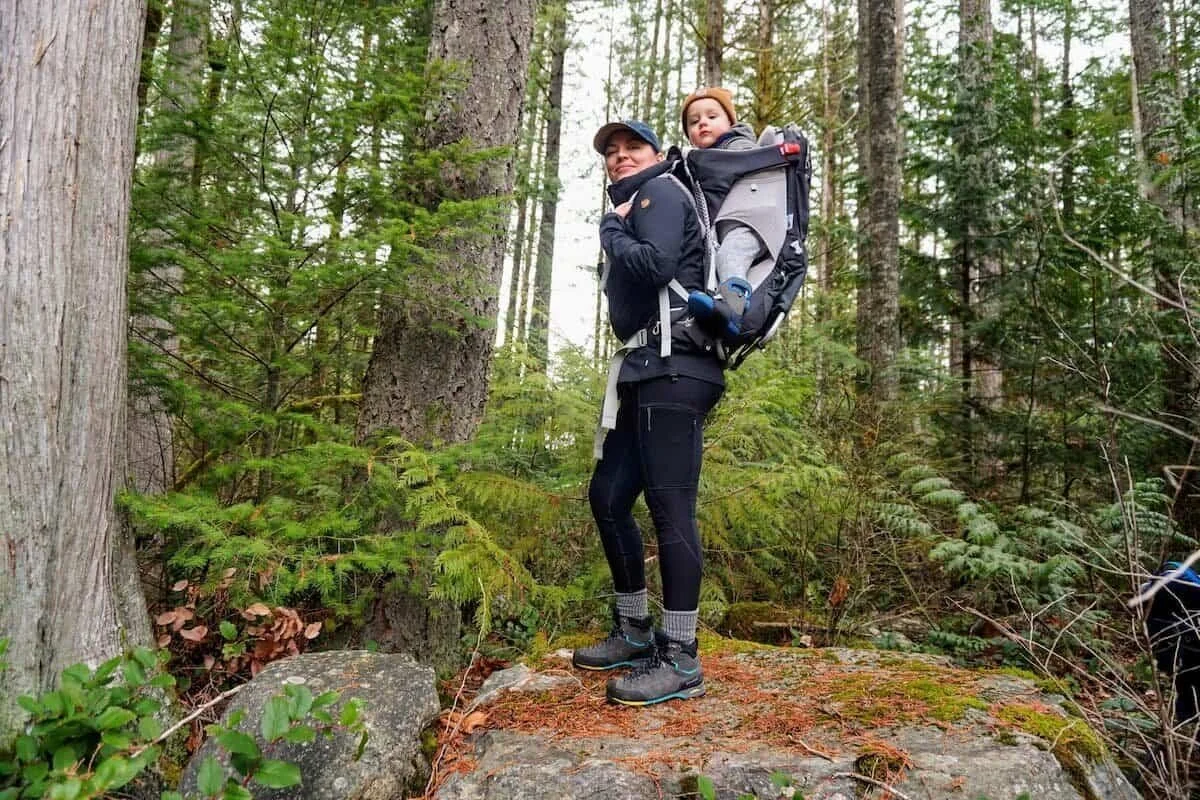
I’ve spent the past decade testing outdoor gear and writing about it for publications including The New York Times’ Wirecutter, Outside Magazine, REI Co-op Journal, Forbes Vetted, and The Wall Street Journal Buy Side, along with years of in-depth gear coverage here at Treeline. I’ve also written Treeline Review guides to the best child hiking carriers, best women’s hiking shoes and best men’s hiking shoes, among others.
Over that time, I’ve talked with many outdoor experts about what actually matters when choosing the right footwear. I've tested water shoes, recovery shoes, hiking shoes, hiking boots, trail runners and winter boots across every season in the coastal mountains of British Columbia (and beyond). My goal is always the same: to provide honest, real-world insights so you can find the right gear that suits the way you enjoy the outdoors.
You can see all of Ebony’s Treeline Review stories on her Treeline author page.