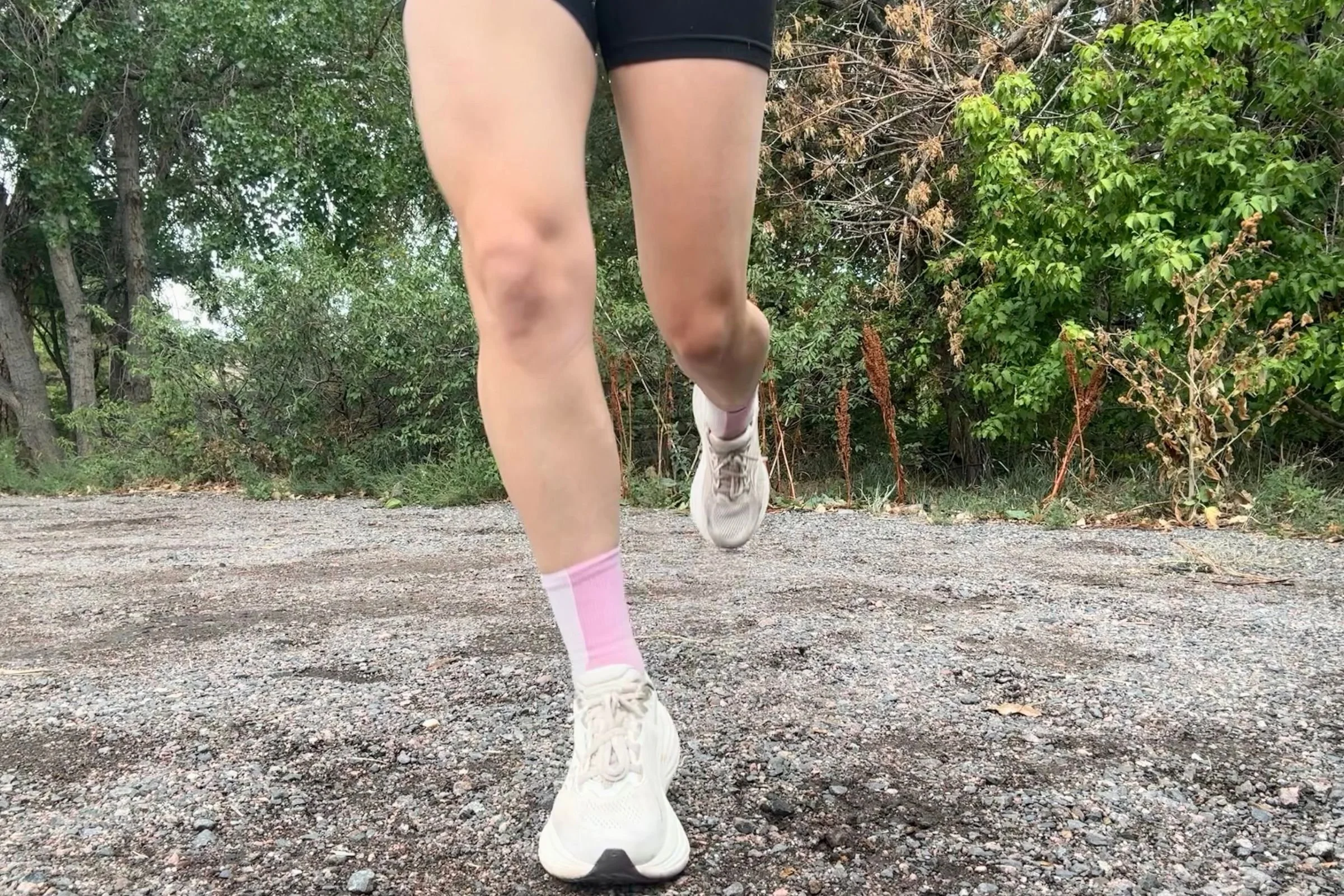
Best Running Belts of 2026
A guide to the best belts for hydration, fuel, and storage for runners

March 25th, 2026
Home > Gear Reviews > Running
One of the best things about running is that you don’t need much to do it. To get started, you only need shorts, a shirt, and shoes. But if you want to carry a few small items and don’t want to hold them in your hands, a high-quality running belt is the next piece of gear we recommend. A good belt lets you bring what you need — from a phone and keys to a few unexpected extras — without changing the stripped-down feel that makes running so appealing.
We started using a running belt in 2020 to carry a phone on our runs, and it was a game changer. Suddenly we could listen to music, podcasts, or audiobooks without holding a phone or wearing a vest. Over the past year, we tested 11 different running belts in real-world conditions to see which ones truly disappear while running and which ones bounce, shift, or chafe.
In evaluating these belts, we focused on bounce and stability, storage capacity, pocket layout and access, comfort against bare skin, breathability in hot weather, and overall versatility. We considered how well each belt carries essentials like a smartphone, wallet, and keys — and how some models handle surprisingly larger loads — while still feeling like you’re only wearing the clothes on your back. We also looked at where running belts excel compared to vests or backpacks, especially in warm conditions when shoulder straps can cause chafing.
Top Pick: The Ultimate Direction Utility Belt earns our Best Overall award. It stood out for its secure, bounce-free fit, low-profile design, multiple easy-access pockets, and lightweight comfort in hot weather. This is a belt that works for most runners in most conditions — whether you’re heading out for a quick jog, a long run, or mixing in hiking and biking.
We create reader-supported, objective gear reviews independently selected by our editors. This story may contain affiliate links, which help fund our website. When you click on the links to purchase gear, we may get a commission, without costing you an extra cent. Thank you for supporting our work and mission of outdoor coverage for every body! Learn more.
Comparison table
| RUNNING BELT | TREELINE AWARD | MSRP* | AVAILABLE SIZES | WAIST SIZE | POCKETS | MATERIAL | WATER CAPACITY |
|---|---|---|---|---|---|---|---|
| Ultimate Direction Utility Belt | Best Overall Read why |
$40 | XS - XL | 22-38" | 6 | 81% Polyester 19% Spandex, 70% Nylon 30% Spandex | Yes, 500+ mL |
| Raide Research LF 2L Running Belt | Best Upgrade Read why |
$149 | XS - XL | 27-37" | 5 (2 interior, 1 internal zip, 2 large stuff) | 150 gsm 70D stretch woven with a 3mm x 3mm UHMWPE Ripstop. Composition is 78% Nylon, 6% UHMWPE, and 16% Lycra | Yes, 650 mL Hydrapak flask |
| Flipbelt Classic Edition | Best Affordable Read why |
$39 | XS - XXL | 18-48" | 1 (360-degree pocket) | 92% Micropoly 8% Lycra | Yes, 500 mL |
| Nathan Zipster Max | Best for Phone and Keys Read why |
$44 | XXS - XL | 23-40" | 4 (2 zip, 2 open) | Nylon/spandex | Yes, 500 mL softflask |
| Ultimate Direction Ultra Belt | Best Hydration Belt Read why |
$85 | One size fits most | 26-40” | 1 main | Mesh/nylon/polyurethane | Yes, two 500 mL softflasks (1 L) |
| Janji Multipass Trail Sling | Best Sling Bag Read why |
$70 | One size fits most (19" adjustable straps, up to 51" waist) | up to 51” | 2 (1 main, 1 zip) | PU coated 100% polyester ripstop, 100% nylon straps | No |
| Ultimate Direction Comfort Belt Plus | Best Minimalist Read why |
$40 | XS - XL | 22-38" | 3 (1 zip, 2 open) | 81% Polyester 19% Spandex | No |
The winners
Best overall running belt: Ultimate Direction Utility Belt

Price: $40
Waist size: 22-38"
Number of pockets: 6
Available sizes: XS - XL
Material: 81% Polyester 19% Spandex, 70% Nylon 30% Spandex
What we liked: Comfortable, durable, tons of pockets, carries water, trekking pole loops, versatile
What we didn’t like: No secure key pocket
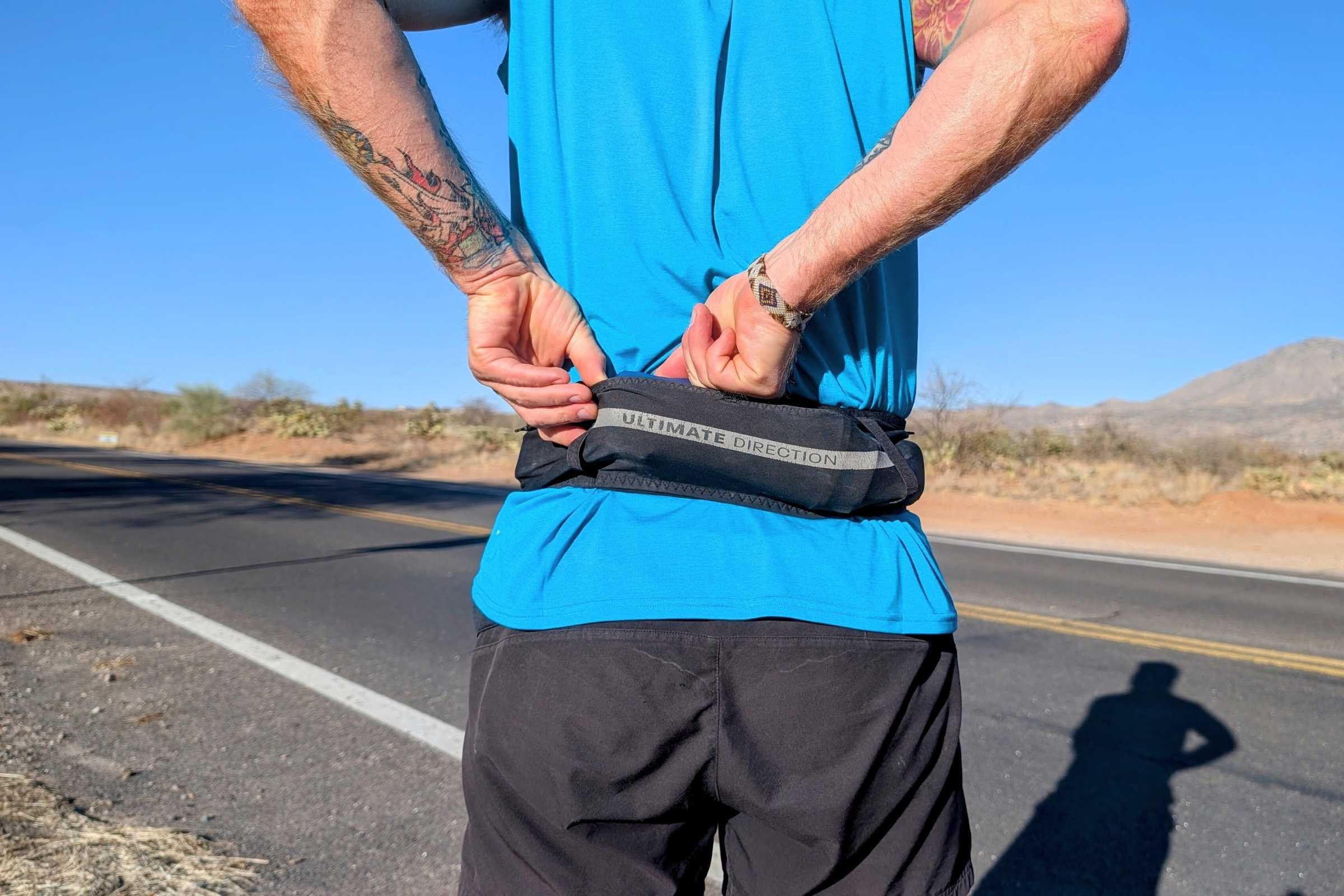
The Ultimate Direction Utility Belt is the best overall running belt because it has the capacity to hold everything you’d need for longer runs, the comfort and versatility for shorter runs, and the durability to use for every run for years to come. Most other running belts can’t carry as much as the Utility Belt, and if they can they uncomfortably bounce as you run.
Compare prices of the Ultimate Direction Utility Belt



-
We’ve used the first-generation Utility Belt since 2020. More recently, we got the newest version to see if it was any better. You can’t go wrong with either version and if you find the older model, it’ll probably be heavily discounted. But we think the newest version improves on the previous one.
The new version changed the pocket configuration and is made of a more comfortable stretch material. The old model has four pockets sandwiched between two layers of fabric. The new version has four pockets on the inside of the belt and one pocket that goes the length of the entire belt and is accessible from two places. The newer version uses a slightly softer and stretchier material than the older model as well.
-
We use the Utility Belt for city runs, where we only need to carry a smartphone, headphones, and a set of keys. It’s comfortable enough that you forget you’re wearing it, so you never think “I don’t want to carry that.”
We also use this belt for trail runs, where having a phone for navigation, water, snacks, and a jacket makes it possible to run for hours. Between the first generation and current version of the Utility Belt, we’ve run 1,000s of miles with it wrapped around our waist through parks in Denver and trail runs across Colorado.
-
It is made of three layers of stretch fabric sewn together to make a waistband-like belt with pockets between the fabric layers. There are four pockets on the inside of the belt and two on the outside. The entire outside layer of fabric is really the exterior of one massive pocket that wraps entirely around the belt, but it has two openings, so we’re calling it two pockets here. The two openings for this wraparound pocket sit on the front and back of the belt. These are perfect for storing a smartphone flat against your stomach and a soft 500 mL water bottle against the small of your back.
In the exterior pocket space along the sides, we usually store a light jacket on one side and a bar or two on the other side. The four interior pockets are awesome for carrying smaller items—quick snacks, electrolytes, headphones, chapstick, and keys. These pockets aren’t as big, and since there are four of them you can quickly find whatever you’re looking for.
On the back of the Utility Belt, there are two rubberized elastic loops for holding a set of trekking poles. This feature comes in handy on one of our favorite local trails. It’s only two miles but straight up a mountain—it gains 2,000 feet of elevation over those two miles. That’s too steep for trekking poles on the way up, but it’s far easier to use poles on the way down. So, we often use the Utility Belt to carry trekking poles to the top and then run down using the poles for stability.
The trekking pole loops and the massive capacity of the exterior wrap-around pocket make this belt sufficient for all-day outings if there’s enough water on a trail. We can cram a Katadyn BeFree water filter, a set of trekking poles, a burrito, two bars, gummy candy, electrolytes, a phone, chapstick, a light jacket, and our keys in this belt. That’s enough to stay out all day. No backpack required!
-
There isn’t much we’d change about this running belt. But if one of the interior pockets had a zipper or way to better secure a key, it might be better. We have a string on our key ring to attach it to the reflective cord loops that run along the top of this belt, but a secure key pocket would be nice. On the other hand, adding more to this belt might take away from the simple design that we love.
There are hundreds of positive customer reviews on Ultimate Direction’s website, and iRunFar and Backpacker Magazine have great things to say about this running belt. After trying tons of other running belts, we’re happy to report that we stumbled on the best one when we first started using one, and the newest version is the best yet. This is the number one belt we recommend to all our friends.
Best upgrade for a running belt: Raide Research LF 2L Running Belt

Price: $149
Waist size: 27-37"
Number of pockets: 5 (2 interior, 1 internal zip, 2 large stuff)
Available sizes: XS - XL
Material: 150 gsm 70D stretch woven with a 3mm x 3mm UHMWPE Ripstop. Composition is 78% Nylon, 6% UHMWPE, and 16% Lycra
What we liked: Holds a 650 mL soft flask, has adjustable suspension system and lightweight frame, durable materials with UHMWPE ripstop
What we didn’t like: Expensive
The Raide Research LF 2L running belt should be considered the best overall. But, it’s almost four times as expensive as the Ultimate Direction Utility Belt, which is almost as good as the Raide Research LF, so we couldn’t bring ourselves to say you need to spend this much for a running belt. However, the Raide Research LF is the best overall running belt when not considering price.
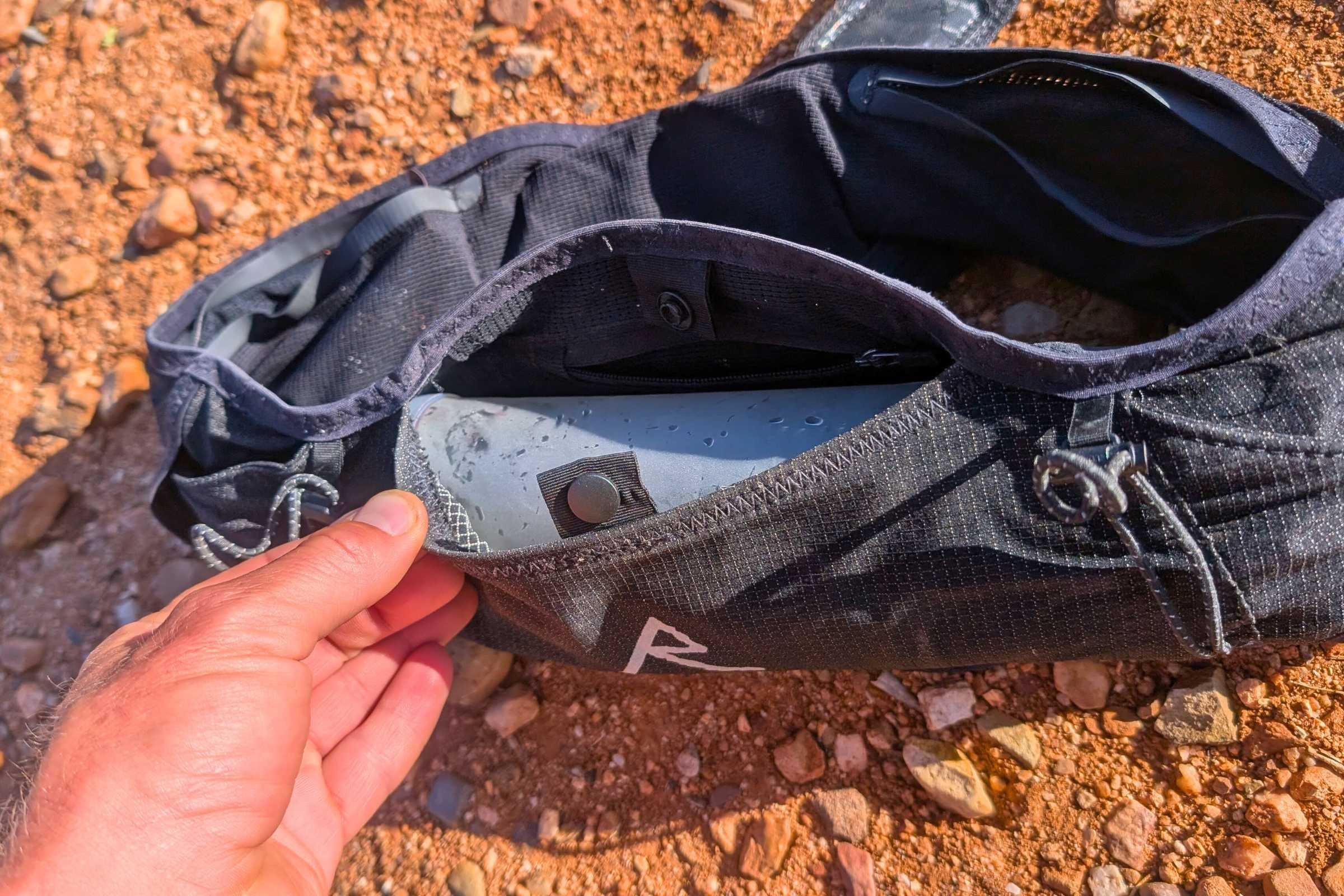
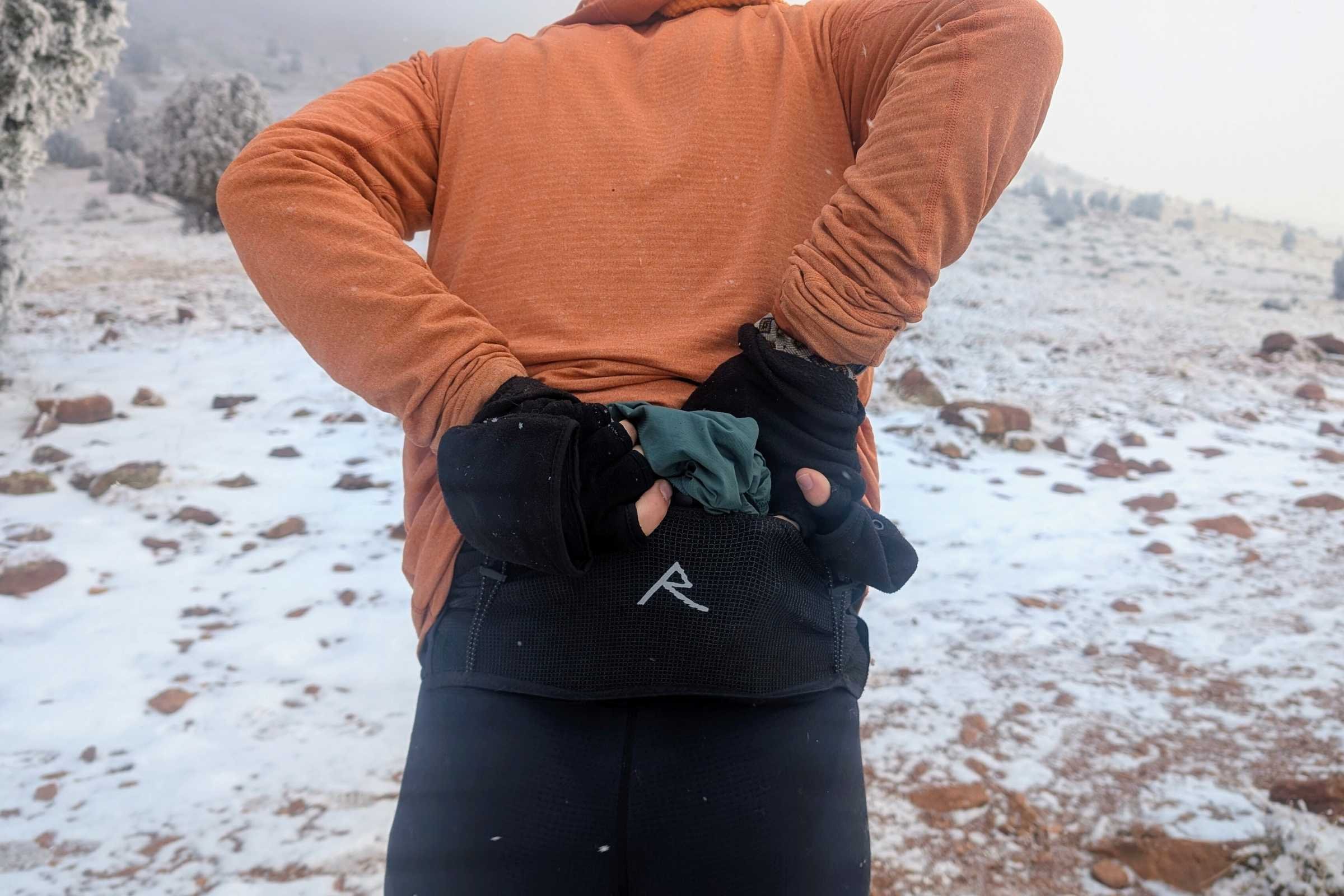
The Raide Research LF 2L running belt is our favorite running belt for long runs. It’s made of a durable stretch mesh with a UHMWPE ripstop. This is the same type of material more casually referred to as “stretch Dyneema,” and it’s super rugged. The belt features a massive back pocket that can hold the included 650 mL soft flask with locking cap plus a jacket and more. It also has a suspension system and minimal frame, which prevents the belt from bouncing even when it’s loaded with water, layers, and two trekking poles. With the wraparound pocket on the front, you can use this belt instead of a running vest for all but the longest runs.
Raide Research LF 2L Running Belt


-
After more than a year of testing, we’ve gone on countless runs, from short 3-mile city spins in Denver and Tucson to long 15-mile runs on trails in Colorado, New Mexico, and Arizona. We’ve worn it on several shorter mountain runs and peak bagging missions up the Organ Needle in New Mexico, Wasson Peak in Saguaro National Park, and more.
-
The UD Utility Belt doesn’t bounce much when you have 500 mL of water and trekking poles attached to the back, but it does bounce more than the Raide Research LF does, even when the Raide LF is holding more than the Utility Belt.
The Raide Research LF running belt has two velcro adjustment points attached to a minimal frame to create a suspension system that prevents bouncing. These adjusters, which attach to the back of the belt and run between two layers of fabric in the front, allow you to tighten the belt more or less, depending on the amount you’re carrying. Where these velcro adjusters attach to the back of the belt, a foam sheet braced with four vertical plastic stays keeps the belt from rounding away from your back as you tighten the belt. So, as you tighten the velcro straps, it pulls the rear framed portion tighter against your back and holds the load firmly in place as you run.
-
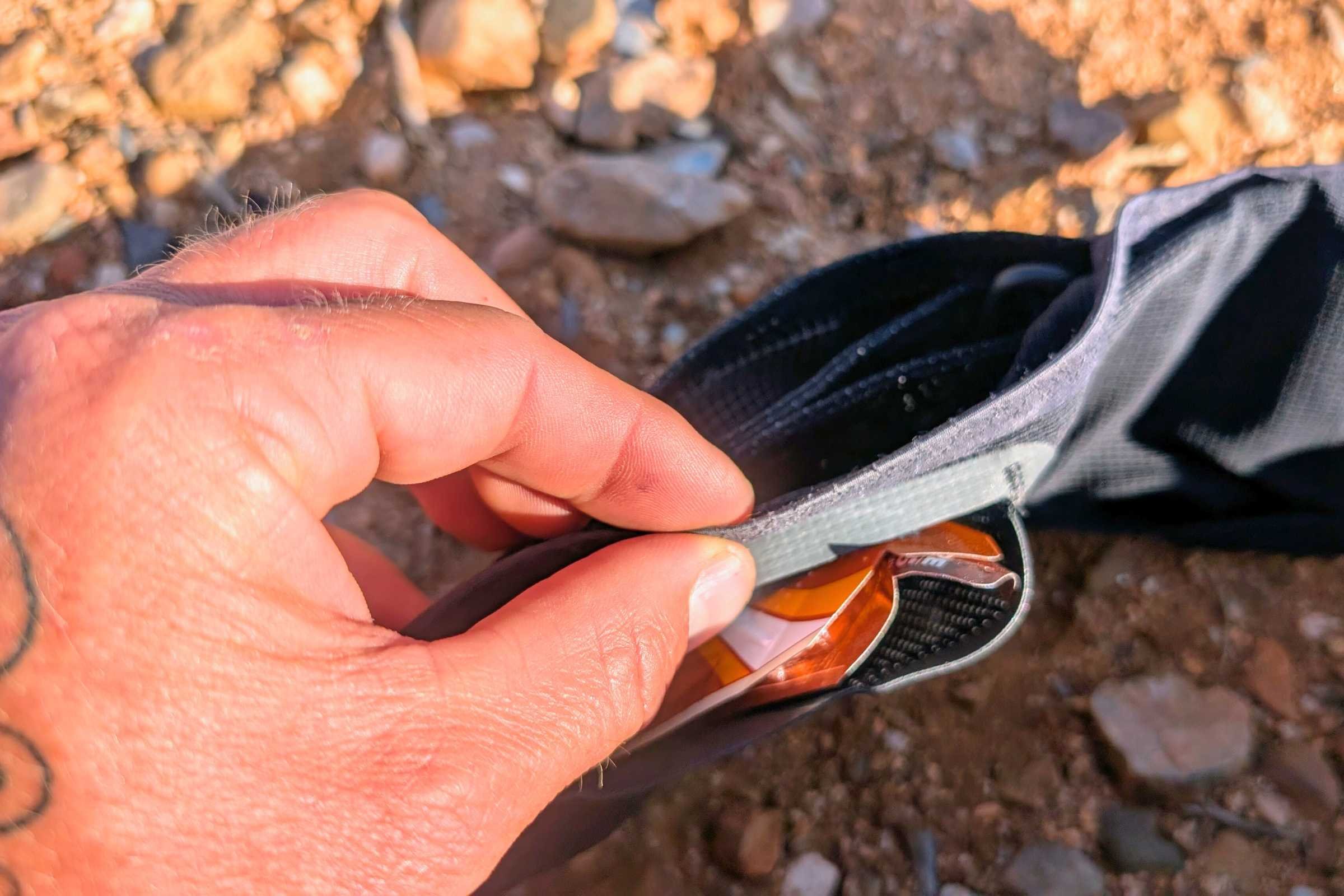
The rear pocket is huge. We’ve fit the 650 mL water bladder, a light jacket, and a GoPro camera with a tripod in this pocket. Even with this pocket stuffed full, you can attach a pair of running poles or trekking poles on the outside with the adjustable lashing loops. Inside the rear pocket is a small zippered pocket for a key and credit card. The rear pocket has a massive opening on the top, which makes it easy to stuff an absurd amount of things inside. It has a single snap closure to secure everything inside as well.
The front pocket is large enough for a smartphone and plenty of snacks. This pocket has two upward-facing openings, so you can quickly grab your phone or snacks as you move. Inside the belt are two more small pockets, each large enough for two gels.
-
The only drawback of this belt is the price. As we mentioned above, you could buy three Ultimate Direction Utility Belts, with enough money left over for dinner and a drink, for the cost of the $150 Raide LF belt. And that’s not even accounting for the fact that the UD Utility Belt is often on sale for even less than its $40 retail price. We love this Raide LF belt; we think it’s great. But most runners will do fine with the much-less-expensive Utility Belt.
-
If you have the cash for a running belt that costs more than some running vests, and need a running belt that can comfortably carry the most stuff without bouncing, we think the Raide Research LF 2L Running Belt is worth a look.
Best affordable running belt: Flipbelt Classic Edition

Price: $34
Waist size: 18-48"
Number of pockets: n/a
Available sizes: S-L fits 26-35"
Material: Lycra Spandex
What we liked: Soft material, carries water well, has a key clip
What we didn’t like: Small items can fall out of pockets, very stretchy so you might need to size down
The Flipbelt Classic Edition is a simply-designed running belt that’s more affordable than our overall favorite running belt, the Ultimate Direction Utility Belt. We also think this belt is slightly more comfortable than the Utility Belt, and if you don’t need quite as much carrying capacity as what that belt provides, then the Flipbelt Classic is the way to go.
We tested this belt during winter and spring runs in Colorado and Arizona. We love how it comfortably carries a light jacket, water, gloves, and other soft, bulky layers during cold winter runs in snowy conditions.
Compare prices of the Flipbelt Classic Edition


-
It’s made of incredibly soft and stretchy material, the coziest and most elastic of any belt we tested. This belt uses a similar design to the Ultimate Direction Utility Belt: two layers of stretch material sewn into a loop that you pull over your waist to wear.
Between these fabric layers is a single wrap-around pocket with four evenly distributed access points. We usually position one pocket opening just below our belly button, which means the other openings are on the sides of each hip and near the small of our back. But, since this belt is entirely symmetrical, you can rotate it to position the pockets any way you want.
It comes with a hard-sided water bottle with a sports cap. The bottle has a slight curve that rests nicely across our back. We were skeptical of using a hard-sided bottle initially, but it does make it easier to replace the bottle through the horizontal pocket openings while you run.
-
Our biggest gripe with this belt is how the horizontal pocket openings are positioned. The pocket openings sit in the middle (top to bottom) of the belt. The belt has a shock cord loop with a mitten clip to secure your keys in the belt, but no matter how much we tried to position the openings, any small items that weren’t clipped onto this would eventually make their way to the pocket openings and fall out.
We worked out a solution of keeping our chapstick and headphone case in a small ziplock bag, but this made it more difficult to access them. If you don’t plan on putting small items in your running belt, this won’t be an issue for you, but it is worth noting. We never had an issue with larger items, including the water bottle falling out. There is also a Flipbelt version with a zipper, and while we didn’t test this model, we expect it solves the small item storage problem.
-
Also, since this belt is so stretchy, we’d recommend sizing down if you’re between sizes. Sam, our main tester, has a 30-inch waist, so he got a size medium (for 29-32-inch waists). But after wearing the size medium for a few months, he’s convinced a size small would stay more securely in place. Maybe he lost weight from all that running, though.
-
The Flipbelt Classic has nearly 20,000 positive customer reviews on Amazon, and The Active Explorer and RunnersNeed also have great things to say about this running belt. If you’re looking for an ultra-comfortable and affordable way to store water, a phone, and a layer on your run, this is a great option.
Best running belt for phone and keys: Nathan Zipster Max

Price: $40
Waist size: 23-40"
Number of pockets: 4
Available sizes: XXS-XL, fits 23"-40"
Material: Nylon/spandex
What we liked: Secure zippered phone pocket, easy access non-zippered pockets, comfortable stretch material
What we didn’t like: Can’t carry water, small zipper pull is hard use while moving
Every running belt we picked as a winner holds a phone, but the Nathan Zipster Max has an ultra-secure zippered phone pocket that ensures it won’t fall out while you run. It has a second smaller zippered pocket for small valuables, such as a credit card and your keys, as well. The phone pocket and smaller zipper pocket are lined with water-resistant material to prevent your valuables from getting drenched in sweat.
Compare prices of the Nathan Zipster Max


-
We tested the Zipster Max while running in Colorado during the winter and spring, on countless city runs on urban trails and city streets. We also used it while running in the Chicago area on a spring trip to the Midwest. This running belt is great if you want to carry a phone, credit card, keys, and some food to fuel your run.
-
If you haven’t figured this out by now, we think running belts that come in multiple sizes made of stretch materials are best. Yes, they’re not adjustable, but we find a continuous loop of stretch material is the most secure, bounce-free way to carry smaller items while you run. Much like the Utility Belt and Flipbelt Classic, the Zipster Max uses a continuous loop of stretch materials to make a very comfortable running belt.
-
It has four pockets between two layers of stretch material. Two of these pockets, positioned in the front and back, have zippers. The other two pockets, which sit on either hip, have a large opening at the top that runs the length of the pocket.
-
The zipper pulls on the pockets are very small, making them hard to access while moving. We always have to stop to retrieve our phone out of the phone pocket, which makes it less ideal for trail running where you often need to check GPS maps for navigation. We solved this problem by using the phone pocket unzipped, then zipping it when we really wanted the phone to be secure (maybe someday we’ll get that new phone made out of pure gold and the zipper will make even more sense).
-
This running belt is very comfortable, and our favorite for when we don’t need to access our phone often but want to have it with us. The zippered phone pocket seems to make more sense for travelers or others who are trying to avoid pickpockets more than runners, but some runners want that extra security of a zipper, too. If that’s you, and you also don’t want to carry water on your runs, then this is the best option.
The Zipster Max has over 500 positive customer reviews on Amazon. We think this is an excellent choice for those who want to securely carry a phone and other valuables, whether that’s while running, walking the dog, or traveling.
Best running hydration belt: Ultimate Direction Ultra Belt

Price: $75
Waist size: 26-40”
Number of pockets: 1 main
Available sizes: One size fits most
Material: Mesh/nylon/polyurethane
What we liked: Carries a liter of water, adjustable fit, secure zipper pocket, external shock cord holds a jacket
What we didn’t like: Bounces when fully loaded, waistband isn’t as comfortable
The Ultimate Direction Ultra Belt is our favorite running belt for when you want to carry a lot of water on a run or hike but don’t want to wear a running backpack or running vest. This model has space to carry two 500 mL soft flask bottles and a zippered pocket that’s large enough for a smartphone and 3-4 Larabars (or other comparably-sized snacks).
Compare prices of the Ultimate Direction Ultra Belt


-
We tested this running belt while on longer trail runs in Arizona when we didn’t want to wear a running vest or backpack but needed to carry more than the ½ liter of water that most running belts are designed for. We ran and hiked to the top of several peaks in the dry Superstition Mountains with this belt, and it effectively carried everything we needed for those longer outings.
-
The Ultra Belt looks like someone squished a running hydration vest onto a fanny pack. The fanny pack portion, which is most comfortable worn behind you so the weight rests on your behind, has two water bottle holders. Like a running vest, the water bottle holders have a shock cord and a toggle to hold the included soft flasks in place.
-
Between the two water bottles, there is a zipper pouch. On top of the pouch, another shock cord zig-zags across to lash a jacket to the outside. It has an adjustable velcro waist belt to secure it in place. On the tip of the Velcro waistband is a teeny Velcro pocket that’s perfectly sized for a tube of chapstick.
-
With a full liter of water, a phone, keys, headphones, food, and a jacket lashed to the outside, this running belt bounces. This isn’t surprising; that’s a lot of weight to carry around your waist.
The bouncing isn’t a deal-breaker because there isn’t a better way to carry this much water without a hydration vest. But you should know that it bounces more than our other top picks for running belts. Remember though, when you drink all your water, it won’t bounce on the way back.
-
The Ultra Belt has many positive customer reviews online from everyday runners and professional reviewers alike. We found this model is best for those times when you don’t want to wear a vest or backpack but need to stay hydrated.
Best sling bag: Janji Multipass Trail Sling

Price: $56
Waist size: up to 51”
Number of pockets: 2
Available sizes: One size fits most (19" adjustable straps, up to 51" waist)
Material: PU coated 100% polyester ripstop, 100% nylon straps
What we liked: Works as a sling bag and funny pack, two secure zipper pockets, comfortable webbing, stabilizer strap to keep it in place
What we didn’t like: More of an everyday bag, not the best for running
The Janji Multipass Trail Sling is our top choice for a sling bag for running and everyday use. If you don’t want to wear a running vest or backpack but don’t want to wear a running belt either, this bag is a great option. We love using it as a daily carry bag—it’s smaller than a running backpack but bigger than a belt, and the stabilizer strap makes it surprisingly versatile for running, biking, and hiking.
Compare prices of the Janji Multipass Trail Sling


-
The Multipass Trail Sling is a larger capacity fanny pack at its core. It has one large zipper pouch and a second zipper pocket behind it, where you can store flat items against your body. The pouch has a honeycomb foam backing and 3-D mesh, which makes it very comfortable when you’re wearing it as a sling and protects your phone.
The strap is made of soft seat belt webbing, which is smoother and less abrasive than standard webbing (hey, Janji, this is a great opportunity to upcycle some material, wink wink!). The webbing buckles in front and adjusts from both ends of the buckle. The stabilizer strap, which stows in the rear pocket when you aren’t using it, goes under your arm and connects below the buckle. This works like a cycling messenger bag to keep the bag from sliding under your arm as you move.
-
While we love this bag for everyday use, it isn’t the best for running. When going out on a run, we’d rather use a running vest than this. Though the stabilizer strap works, the bag still bounces, especially when full. If you don’t fill it all the way and don’t carry water, it works well enough for running, and we love this for riding a bike. But it’s not the best for a dedicated running belt.
-
People love this bag. It has tons of positive customer reviews online, and iRunFar, The Strategist, Chasing the Outdoors, and Everyday Gear all have great things to say about this multi-use bag. We think this is a great everyday bag with tons of versatility.
Best minimalist running belt: Ultimate Direction Comfort Belt Plus

Price: $40
Waist size: 22-38"
Number of pockets: 3 (1 zip, 2 open)
Available sizes: XS - XL
Material: 81% Polyester 19% Spandex
What we liked: Small and minimal, magnetic buckle, secure zipper pouch, has trekking pole loops
What we didn’t like: Too small for longer outings, zipper pocket is best for smaller phones
The Ultimate Direction Comfort Belt Plus is the best running belt for carrying less. It has enough room for a smartphone, keys, food, headphones, and not much more. We tested this belt while trail running in Arizona on trail runs in the Catalina Mountain foothills and in Denver, Colorado.
View the Ultimate Direction Comfort Belt Plus


-
You can’t carry water with this model, so most of our runs were about an hour or shorter. The Comfort Belt Plus looks like the Ultimate Direction Utility Belt, but cut down to half the size. This smaller size is great for those shorter runs where you don’t need to carry as much but still want a place to store a phone and small items.
-
The minimalist design is comfortable and lightweight. Its magnetic buckle secures it around your waist, so you can quickly take it off and put it back on as needed. It’s made of stretch material, so it conforms to the shape of your hips. It has one zippered pocket large enough for a phone and two side pockets. The side pockets are open on the top, so they’re better for energy gels or bars than important items like your keys.
-
This belt is also our top choice for wearing with a running vest if you want slightly more storage than your vest can offer. It’s great with a vest because this belt also has trekking pole holder loops. Having a place to quickly stash your running poles is super useful, and we think that looped onto a running belt along your lower back is one of the best spots to store them. And of course, if you’re also wearing a running vest, you don’t need the bulk of a larger belt.
-
The zipper pocket, however, is pretty small. It’s large enough to hold our Google Pixel 7 phone, but only because the fabric stretches. It’s still surprisingly easy to get the phone into the pocket, but we can’t help but wonder how much better it would be with a slightly larger zipper pocket.
-
The Comfort Belt Plus is a relatively new item, so there aren’t a ton of reviews online yet. But we think this model is awesome if you just want to carry a phone or add trekking pole carrying capacity to your running vest setup.
Other running belts we tested
Ultimate Direction Race Belt

Price: $55
Waist size: 28-40”
Number of pockets: 2 (1 zip, 1 streth)
Available sizes: One size fits most
Material: 100% Silicone Coated Nylon, 82% Nylon 12% Spandex
What we liked: Large pouch pocket, interior zipper pocket, has key clip, two lash points
What we didn’t like: Velcro adjust waistband isn’t comfortable
The Ultimate Direction Race Belt is another great minimalist running belt candidate. Even though it looks small, you can carry a phone, a 500 mL water bottle, your keys, a couple of snacks, and a light jacket with it. It has a secure zipper pocket for a phone and keys, a larger pouch pocket for water and snacks, and a tiny velcro pocket on the velcro waistband. We ultimately didn’t choose this as a winner because the waistband material isn’t as comfortable as the stretch woven material on most of our top picks.
View the Ultimate Direction Race Belt

The Ultimate Direction Race Belt can carry a phone, a 500 mL water bottle, keys, a couple of snacks, and a light jacket.

Price: $40
Waist size: 23-45”
Number of pockets: 2 (1 zip, 1 stretch)
Available sizes: One size fits most
Material: Unavailable
What we liked: Carries a large 20 oz water bottle, secure zipper pocket for valuables
What we didn’t like: Bounces while running, not as much storage
The Nathan Peak Hydration Waist Pack includes a large 20-oz water bottle. This will work well if you mostly want to carry water for fast and light hiking or running, and the hard-sided water bottle is more durable than a soft flask or water bladder. However, this model doesn’t have much more storage than the water bottle pocket. It has one zipper pocket, which is just big enough for a smartphone, and no other pockets. It also bounces more than most of our top picks.
Compare prices of the Nathan Peak Hydration Waist Pack

Price: $35
Waist size: 28-48”
Number of pockets: 3 (1 zip, 2 stretch)
Available sizes: One size fits most
Material: 86% nylon/14% spandex
What we liked: Zipper pocket for smartphone, headphone cord port, side envelope pockets
What we didn’t like: Zipper pocket barely fits a smartphone, waistband webbing isn’t very comfortable
The Nathan Adjustable-Fit Zipster is an adjustable running belt with three stretch mesh pockets. One of these pockets has a zipper closure, and it’s flanked on both sides by pockets that secure with overlapping folds of woven stretch fabric. This belt would be better if every pocket used this simple overlapping fabric design because the zipper pocket is disappointing. The zipper pouch is barely big enough for a 6-inch phone. So, even with a smaller-than-average smartphone, it’s hard to zip the pocket shut.
View the Nathan Adjustable-Fit Zipster

The zippered pouch of the Nathan Adjustable-Fit Zipster is not big and barely fits a smaller-than-average smartphone.

Price: $55
Waist size: 28-51”
Number of pockets: 3 (1 zip, 2 stretch)
Available sizes: One size fits most
Material: 86% nylon/14% spandex
What we liked: Simple design, durable, large zipper pocket
What we didn’t like: Large webbing belt isn’t as comfortable
The Nathan Trail Mix Plus 3.0 has a large zipper pouch with holders for a 10-oz hard-sided water bottle on each side. This isn’t the most high-tech running belt, but it works. The main zipper pouch is large enough for a smartphone and plenty of snacks, and 20 oz of water is enough for longer days on the trail. It has a comfortable elastic waistband that wraps around your hips, but then that elastic gives way to simple nylon webbing. And that nylon webbing isn’t as comfortable as our favorite running belts.
Compare prices of the Nathan Trail Mix Plus 3.0
Why you need a running belt

Running belts let you carry more than you could with a hand-held bottle (or only the clothes on your back) but less than you could with a vest. A running belt is a great option if you want to carry stuff with you on a run and don’t want to wear a running vest. They’re similar to lumbar packs, or fanny packs, but with less bounce.
We like to use a running belt on shorter runs in the winter because it’s a great place to stash extra layers as you warm up. We also love wearing a running belt in hot weather because it’s cooler than a vest. You won’t get a sweat-covered back with a running belt, as you do with a running vest or backpack. And, you can wear them with a tank top or without a shirt at all and not have to worry about chafing from vest or backpack straps.
A good running belt doesn’t feel like you’re wearing much yet allows you to carry just enough. And getting far from the trailhead while not wearing much is a pretty cool feeling!
We discuss running belts and other running accessories in our Best Running Accessories guide.
What to look for in a running belt
Size and fit
A running belt should fit comfortably. It should be tight enough to prevent bounce but not too tight to be uncomfortable.
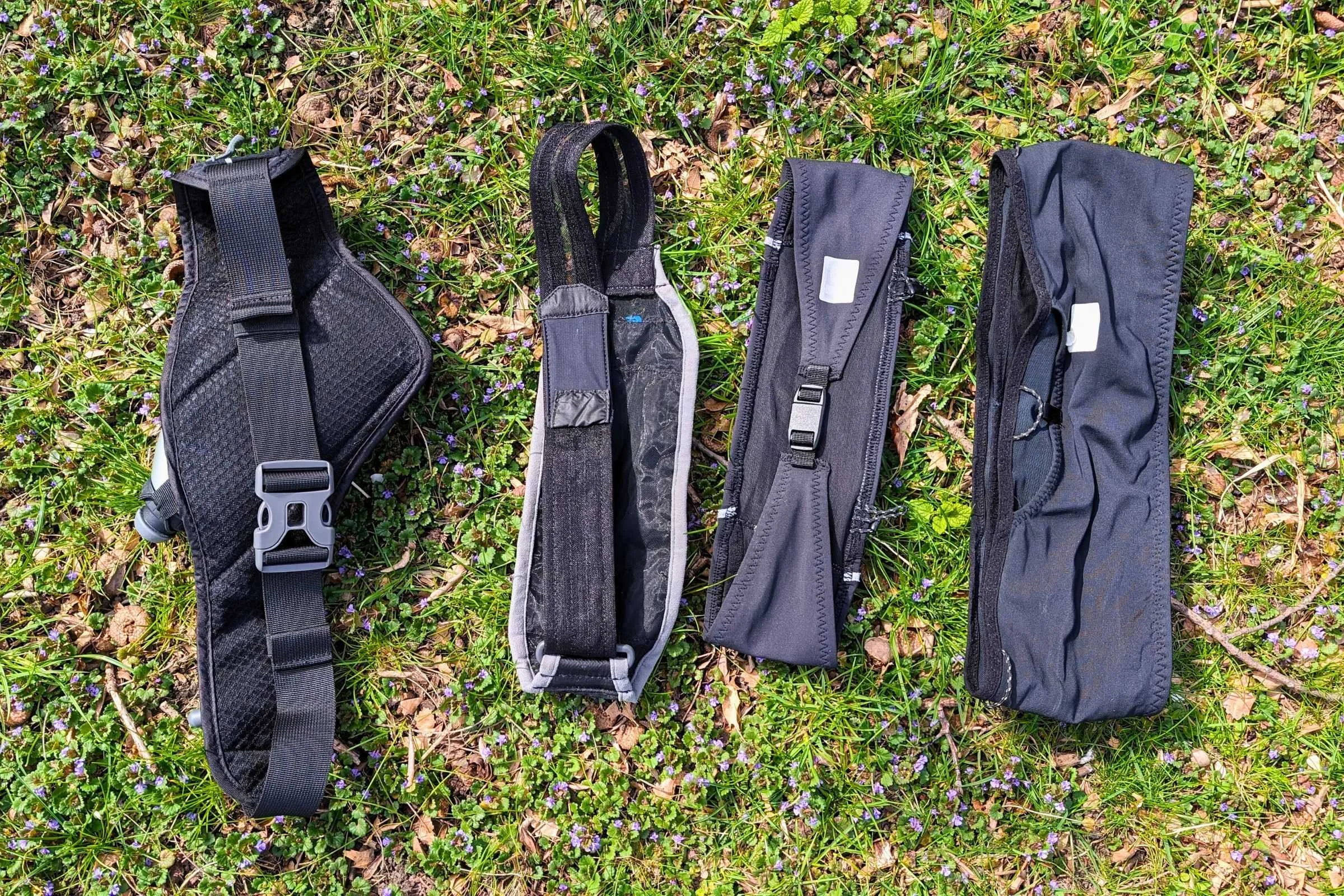
The Nathan Peak Hydration Waistpack and Ultimate Direction Race Belt have an adjustable waistband, while the Ultimate Direction Comfort Belt Plus and Ultimate Direction Utility Belt come in multiple sizes but aren't adjustable.
Storage capacity
Depending on what you’re using a running belt to carry, you’ll want it to have enough storage capacity for those things. If you only want to bring a smartphone and an energy gel, you don’t need a lot of storage. However, if you want to carry water, a jacket, and larger snacks for longer runs, you’ll need a belt with higher storage capacity.
Ease of access
Some running belts have easy-to-reach pockets, but some have small zippers that are difficult to manipulate. The best running belts have a few pockets that are easy to access while you move with other pockets that are more secure to hold items you might not need to access as frequently but definitely don’t want to lose, like your wallet and keys.
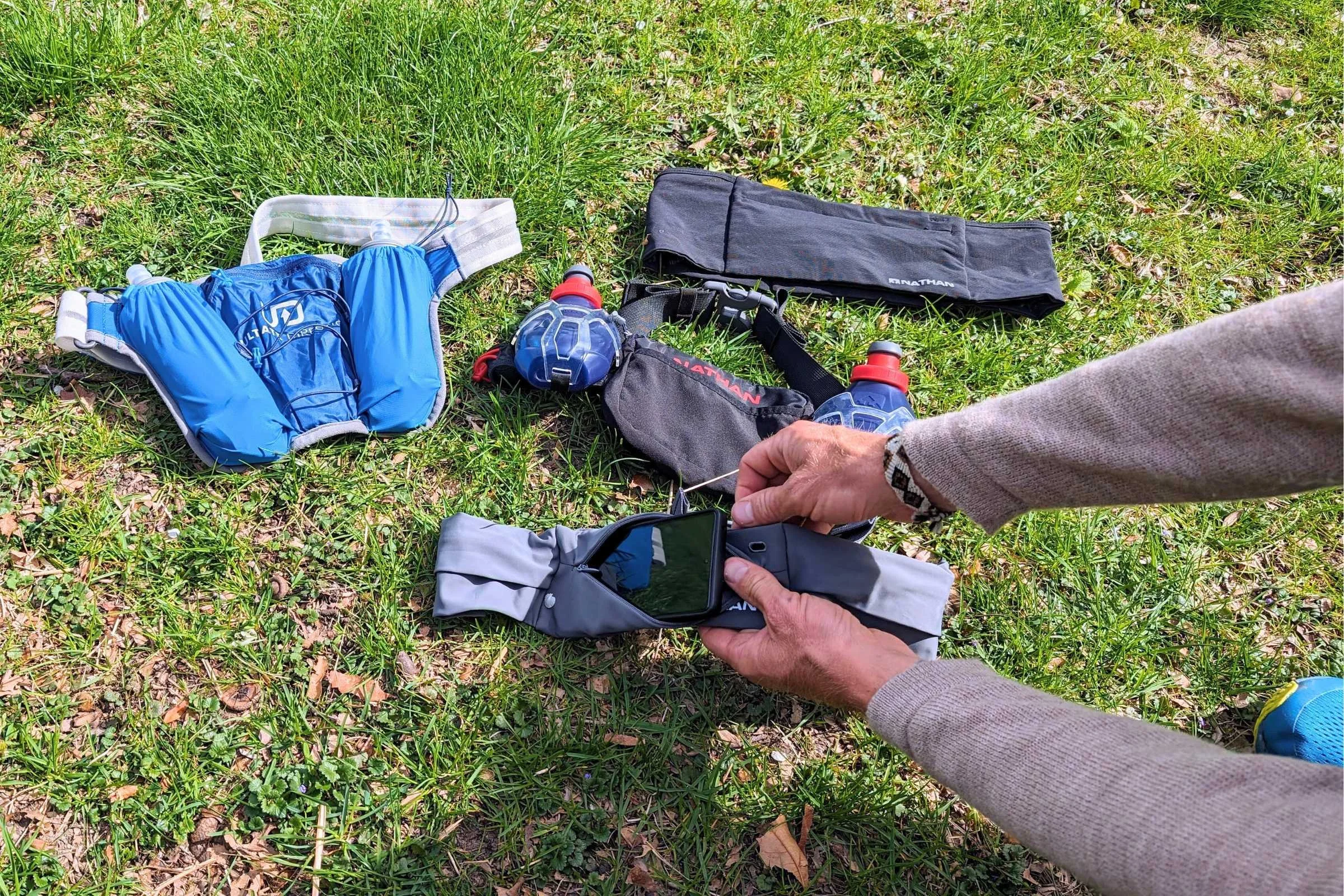
Nathan Adjustable-Fit Zipster, Nathan Trailmix Plus 3.0, Ultimate Direction Ultra Belt, and Nathan Zipster Max all have zipper pockets, which keeps your phone secure but also makes it harder to access.
Another thing to consider is how often you want to access your phone. If you don’t need it often and want a secure place to store it, a zippered phone pocket might be a good choice. But, that zippered pocket makes it harder to access the phone.
Hydration features
Many running belts have hydration features, such as a dedicated water bottle and harness for that bottle or a pocket for a soft flask. However, many belts aren’t capable of carrying water. If you want to carry water in your running belt, get a model with one of these hydration features.

Ultimate Direction Ultra Belt, Nathan Peak Hydration Waistpack, Flipbelt Classic Edition, Nathan Trail Mix Plus 3.0, and Ultimate Direction Utility Belt all have hydration features.
The Flipbelt Classic, Ultimate Direction Ultra Belt, Nathan Trail Mix Plus 3.0, and Nathan Peak Hydration Waist Pack all come with water bottles. The Ultimate Direction Utility Belt and Ultimate Direction Race Belt don’t come with a water bottle, but they can both hold one 500 mL soft flask water bottle.
If you're looking for standalone water bottles to use with your running belt or for handheld hydration, see our Best running water bottles guide for top recommendations.
Material
Running belts should be made of soft, non-itchy, and durable material. These belts often sit against your skin above the waistband of your running shorts. If a running belt’s material is uncomfortable against bare skin, you won’t want to use it.
Breathability
Running belts don’t cover nearly as much of your back as a running vest or backpack. Since they cover less area, running belts don’t cause your back to get massively sweat-drenched on hot days. If you’ve worn a backpack or running vest on a hot day, you know what we’re talking about.
You won’t magically stop sweating when you wear a running belt, but they do seem to help prevent you from getting as hot and sweaty compared to a running vest or backpack. Our favorite running belts are made of very breathable materials because they help keep you cool.
Durability
Like any outdoor product, a running belt should be durable. Running belts are often made of stretchy materials, which can lose their elasticity over time. The challenge with running belts is to find one that’s stretchy enough to be comfortable without wearing out quickly. Some running belts aren’t made of elastic materials but, as a result, are often not as comfortable.

Ultimate Direction Utility Belt Old vs. New. After four years of using the original, it has a few small tears but is still in great shape overall.
Reflective elements
Running belts with reflective elements are useful for being seen at night. However, if you wear a running belt under your shirt, then it might not be visible to others, no matter how reflective it is. If you want to take advantage of the reflective elements of a running belt, you should wear it over your shirt. If you’ll be running in the dark frequently and nighttime visibility is a priority for you, check out our Reflective Gear for Running in the Dark guide.
Comfort
Comfort is very important for running belts. They often sit right against your skin, so they must be comfortable. We think running belts made of stretchy materials are usually the most comfortable. But there are exceptions.
Chafing Prevention
A running belt should not chafe when you wear it. Bouncing and rubbing against bare skin causes chafing. This is why we think running belts made of stretch materials are the most comfortable. If a belt is made of elastic materials, it will conform to the shape of your waist and not bounce or rub against your skin. You may also want to consider using anti-chafing cream to prevent chafing while running.
Adjustability
There are many running belt options that are adjustable. This is useful if you’re sharing the belt between different sized people, if you don’t know what size you are, or for fluctuations between seasons and training regimes.

Some running belts are adjustable while others are sold in sizes. Adjustable options are helpful for folks who share running belts, who don’t know their size, or who fluctuate between sizes.
Versatility
Some running belts are versatile enough for short runs, where you only need to use a phone, and longer runs, where you carry water, food, a layer, and a headlamp. These are the best running belts. Some belts are great for short runs, while others work well enough for longer runs but don’t compress to a reasonable size for shorter outings.
Weather resistance
Weather resistance is worth considering with a running belt. However, since it sits against your body, you can likely cover your running belt with a jacket. So, weather resistance isn’t super important with a running belt. Really, the strongest weather a belt will probably see will be the sweat pouring off your body. We usually store our smartphones in a waterproof bag while using a running belt unless it has a dedicated waterproof pocket for a smartphone.
How to choose a running belt: tips for choosing the right running belt for your needs
Choose a running belt with enough capacity to carry everything you want to carry on a run. We love running belts with an accessible phone pocket and spots for 500 mL of water, an energy bar, and a light windbreaker. You might want to carry less than this or possibly more. Some options can comfortably carry less gear and some that can carry slightly more. But if you want to carry a lot more than a ½ liter of water, phone, snacks, and a light jacket, you’re better off using a running vest.

Choose a running belt that can carry the amount of water you’ll want on a run.
Choose a running belt that fits your body well. Many of our favorite belts come in multiple sizes and aren’t very adjustable, relying on stretch materials for slight body size and shape variability. If you get a size that is snug but not too tight, the belt will comfortably carry what it’s intended to carry. We prefer sizing down if you’re between sizes to get a more secure fit.
Becca Downs, a female runner and running coach at Treeline, has this to say about women’s fit and running belts: “Some women find running belts uncomfortable, especially folks with wider hips and smaller waists, since some sizes will slip up and bounce along the waist and others will feel too tight on the hips. In general, making sure it's snug on the hips and doesn’t ride up is the best bet for comfort.”
Our main tester, Sam, who is male, generally agrees with this fit assessment for men, too. But men have it easier when looking for a running belt that fits their body since they often don’t have as wide of hips as women. Of course, every body is different, regardless of gender. We recommend finding what feels most comfortable for you.

Make sure your running belt is comfortable, otherwise you won’t wear it.
Finally, choose a running belt that is comfortable. Unless you wear high-waisted shorts or tights, a running belt sits against your bare skin across the stomach and lower back. If the material is uncomfortable against your bare skin, you won’t want to wear it, or you’ll have to wear it over your shirt. And unless you’re wearing a longer shirt, we’ve found that when you tuck your shirt into the belt it doesn’t stay in place underneath as you bounce up and down on a run.
FAQ
-
You can carry a smartphone, water, snacks, keys, and a light jacket in many running belts. Some don’t have enough capacity to carry all this, but most running belts allow you to take a phone at least and a couple of energy gels.
-
You can absolutely use a running belt for activities other than running. We’ve used them for hiking, backpacking, walks around town, and riding bikes.
-
Make sure your running belt wraps tightly around your torso to prevent it from bouncing during a run. If you get the correct size, a good belt won’t bounce while you run. Ensure you don’t overpack it because that will also cause it to bounce.
-
Running belts are safe for water and sweat-proof phones. If your phone won’t become damaged from sweat and the belt has a secure pocket to hold it, then it is safe for your phone.
-
You can wear a running belt over or under your clothing. We find it’s more comfortable to wear a running belt over our shorts but under our shirt. Unless your shirt is long, it tends to come out from under a running belt as you bounce up and down if you wear a running belt over your shirt.
-
You can absolutely use a running belt during a race or marathon. Since there are regular aid stations at running races, you usually don’t need much more than what you can carry in a running belt.
Running belt care and maintenance tips

Keep your running belt clean to help prevent chafing. Like a shirt and shorts, a running belt rides against your skin. So, excessive salt buildup can cause your skin to chafe if the belt bounces. Follow the manufacturer's care instructions for your running belt. Generally, hand-washing a running belt with mild soap as needed is best. After hand washing, let it air dry.
We wash our running belts about as often as we do our running vests, that is, about once a season. If you notice your belt has visible salt build-up or smells bad, we recommend you wash it.
Take care when packing your running belt so that sharp objects like your keys don’t puncture the pocket material. Most models are relatively durable, but the pointed end of a key can puncture the material if you pack it with that sharp edge pressing into a pocket.
How we researched and tested

We tested running belts on 5-20 mile runs in all seasons.
I have regularly used running belts to carry stuff on runs since 2020, when I first purchased an Ultimate Direction Utility Belt. Since then, I’ve put thousands of miles on that belt and refined what I like in a running belt. I used my experience with that first-generation Utility Belt to research other models to test. After that, I added every model I deemed worth testing into my running rotation.
I used these running belts on runs ranging from 5 to 20 miles in the winter, spring, summer, and fall. I took them on trail and road runs in Colorado, Arizona, New Mexico, and Illinois in temperatures ranging from zero to 100+ degrees Fahrenheit.
I tried to carry the same items with every belt: a Google Pixel smartphone (6.1 by 2.9 inches), wireless earbud headphones in the case, chapstick, a Larabar (or comparably-sized snack), an Outdoor Vitals Nebo windbreaker jacket, a set of keys, and 500 mL of water.
Some models couldn’t hold water, food, phone, keys, and a jacket. Some had room for even more as well. In those cases, I carried as much as I could fit in each belt to test how well they carried what they were designed to hold.

We tested these belts on runs (or frolics, as pictured here) in Colorado, Arizon, New Mexico, and Illinois, in temperatures ranging from 0-100 degrees Fahrenheit.
The amount each belt could carry dictated how far I could run. If you can’t carry water in a belt, then I usually didn’t take it on runs longer than an hour. I did use them in conjunction with a running vest to add capacity in some situations. A running belt is a great way to add slightly more carrying capacity to a running vest for long runs as well.
- Runs from 5 to 20 miles
- Trail & road runs in 4 states
- All seasons & temps from 0–100°F
- Carried same items in every belt
- Tested with & without running vests
- Bounce & stability when loaded
- Comfort against bare skin
- Storage capacity & pocket access
- Hydration compatibility
- Durability & material quality
About the author / Why you should trust us
Sam Schild is a thru-hiker, trail runner, cyclist, and mountain athlete based in Colorado. He has been running since he was a kid, when he ran five days a week as cardiovascular training for soccer. As he grew older, he stopped playing team sports and focused on running and cycling.
After moving to Colorado, he started backpacking, which led to hiking and trail running on the local trails. Since then, he has completed countless ultra-distance self-supported trail runs on trails throughout the American Southwest. He has thru-hiked the Pacific Crest Trail, Continental Divide Trail, Grand Enchantment Trail, Arizona Trail, and the Colorado Trail twice. During a typical week, when he’s not thru-hiking, he still runs five days a week. He has been wearing a running belt on every sub-10-mile run since he got his first running belt in 2020 to carry his phone, keys, wireless headphones, plus a 500 mL soft flask of water when it’s hot or a jacket when it’s cold.
You can read more about Sam on his author page or his website.