Merrell Trail Glove 7 Review: The Trail Shoe We Prefer for Indoor Workouts
A comfortable and flexible minimalist gym shoe with great traction on polished surfaces
July 9th, 2026
Home > Gear Reviews > Footwear
Our verdict
Despite its name, what we love the Merrell Trail Glove 7 for is its everyday athleisure versatility beyond the trails, particularly in the gym. We love how approachable and easy it is to wear all day with minimal transition time, yet it has the breathability, flexibility, and elevated traction to stay comfortable during moderate to intense workouts.
We wore this shoe for several months of sweaty days spent moving heavy gear across glossy warehouse floors, late-winter urban explorations, and sweltering indoor rowing sessions. We’re impressed with their forefoot flexibility and the excellent breathability of their mesh upper. It’s definitely a “vibe,” but we also like the cool athletic style and many available colors of the Trail Glove.
Though its traction isn’t the best on rugged trails, it's well above average for indoor and gym use, like tire pushes and lunges. It runs narrower than many other barefoot shoes, though the mesh upper makes it somewhat more forgiving than the fit might suggest. Ultimately, we think this shoe is an excellent choice for gym rats needing great traction and unrelenting breathability for their workouts.
Merrell Trail Glove 7
Men's
Women's
Women's
We write mission-driven gear reviews. To find the best gear, we combine expert reviews, everyday user opinions, and rigorous independent trail testing—never pop-up or display ads. We are reader-supported and may make a small commission from some qualifying affiliate links. Learn more.
Merrell Trail Glove 7 Specifications
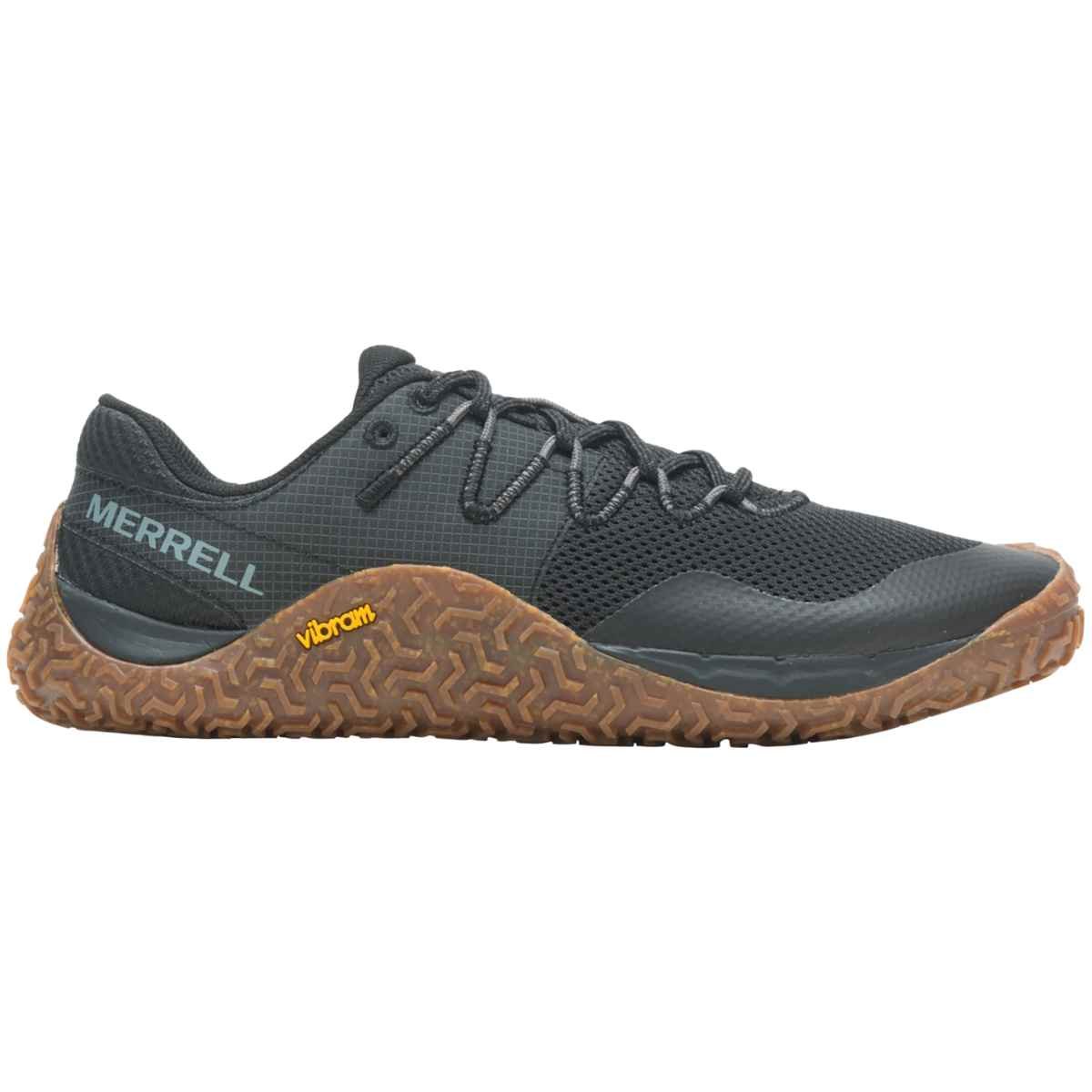
Price: $130
Drop: 0 mm
Stack height: 14 mm
Weight per pair: 14.2 oz
Upper: Recycled mesh
Outsole: Vibram Ecostep recycled outsole (30% recycled rubber)
Sole flexibility: Medium-high
Toe box: Standard
Closure: Laces
Waterproof: No
Vegan: Yes
Sizing: Half sizes available; women’s 5-11, men’s 7-15
Best use: Gym, every day, moderate hiking
Best for
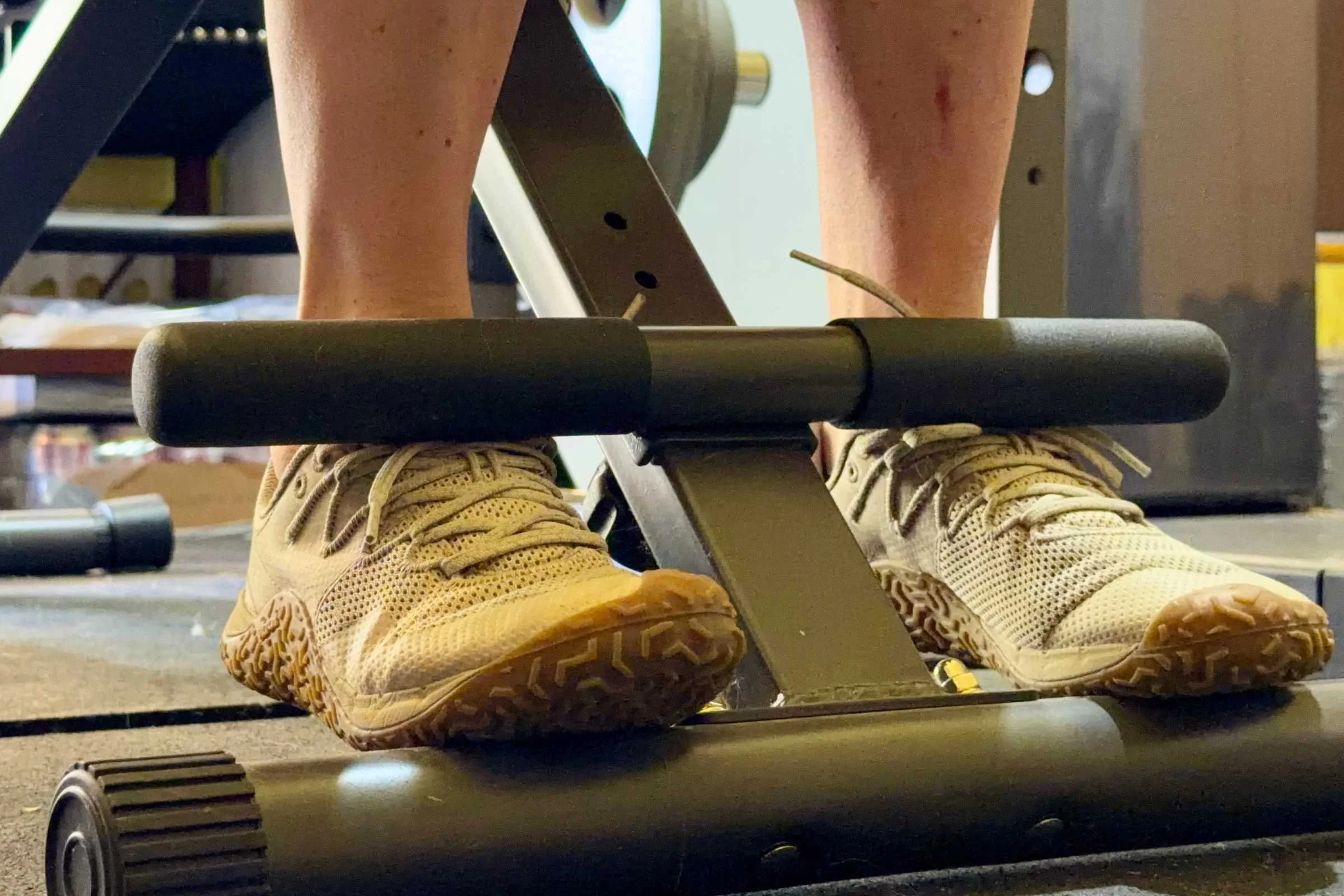
Wearing the Merrell Trail Glove 7 to work out on a weight bench. Photo courtesy Maggie Nichols
Gym-goers who want a flexible, zero-drop shoe with good grip
Moderate hikers who like flexible soles
Everyday athleisure fans
Comparison tables
Men’s
| MEN'S BAREFOOT SHOE | WEIGHT (PAIR) | STACK | DROP | SIZES | WIDTH(S) | MSRP |
|---|---|---|---|---|---|---|
| Merrell Trail Glove 7 | 18.4 oz (9) | 14 mm | 0 mm | 6 - 15.5 | Medium | $130 |
| Lems Primal 3 | 17.2 oz (10) | 9.5 mm | 0 mm | 4.5 - 15 | Wide | $125 |
| Xero Shoes Mesa Trail II | 15.6 oz (9) | 9 mm | 0 mm | 6.5 - 15 | Medium | $120 |
| Altra Lone Peak 9 | 22.4 oz (10.5) | 25 mm | 0 mm | 7 - 16 | Medium, wide | $145 |
| Vivobarefoot Primus Lite 3.5 | 18.9 oz (9) | 2 mm | 0 mm | 7 - 15 | Medium, wide | $150 |
Women’s
| WOMEN'S BAREFOOT SHOE | WEIGHT (PAIR) | STACK | DROP | SIZES | WIDTH(S) | MSRP |
|---|---|---|---|---|---|---|
| Merrell Trail Glove 7 | 14.2 oz (9) | 14 mm | 0 mm | 5 - 11 | Medium | $130 |
| Lems Primal 3 | 17.2 oz (11.5) | 9.5 mm | 0 mm | 6 - 12 | Wide | $125 |
| Xero Shoes Mesa Trail II | 13.4 oz (7) | 9 mm | 0 mm | 5 - 12 | Medium | $120 |
| Altra Lone Peak 9 | 19.0 oz (8.5) | 25 mm | 0 mm | 5.5 - 12 | Medium, wide | $145 |
| Vivobarefoot Primus Lite 3.5 | 18.9 oz (7) | 2 mm | 0 mm | 4.5 - 11 | Medium, wide | $150 |
What we liked
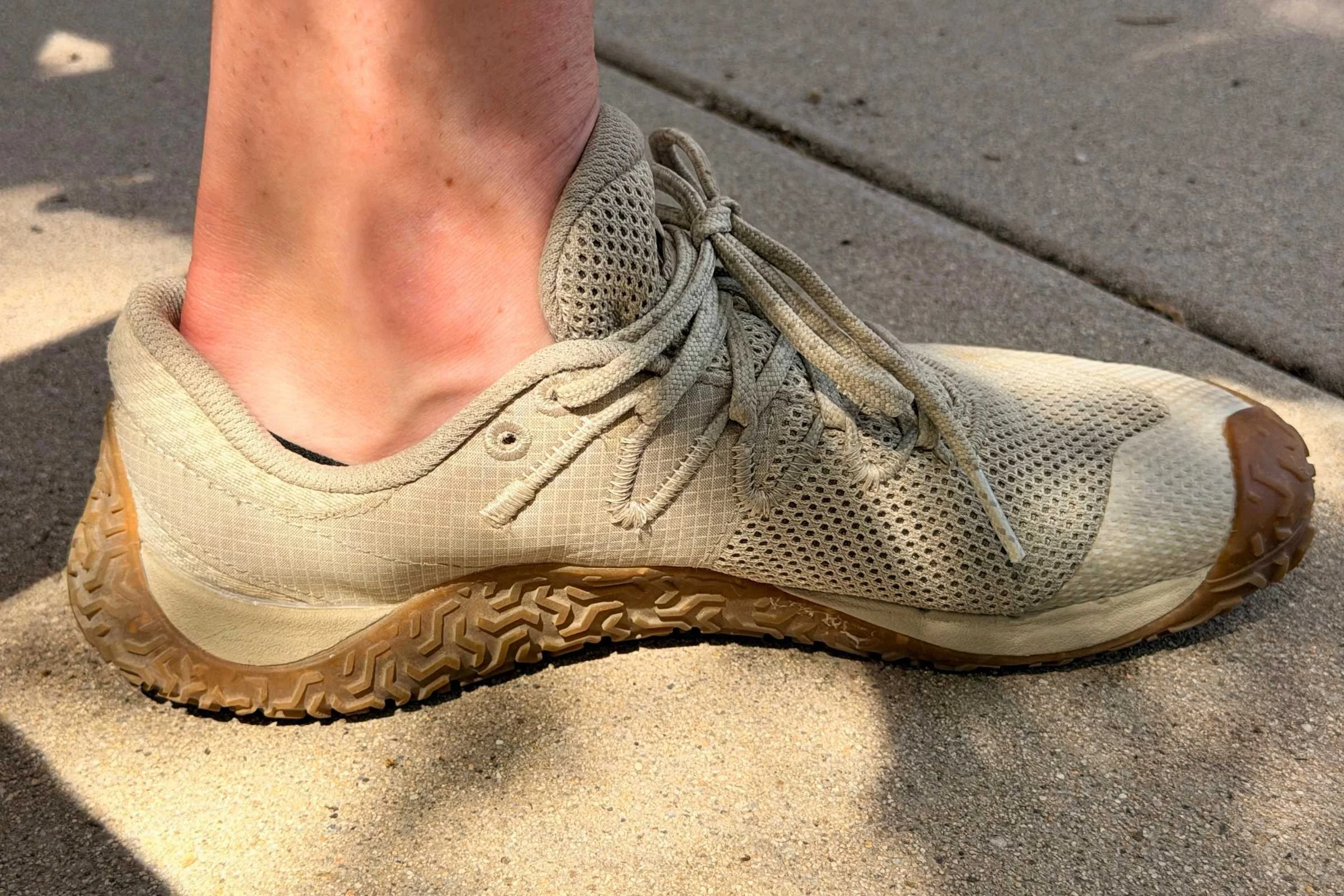
Walking on pavement in the Merrell Trail Glove 7. Photo courtesy Maggie Nichols
Great flexibility without having to feel every pebble underfoot
Excellent breathability during sweaty workouts
Great traction on highly smooth and polished surfaces
Cool athleisure style
What could be better
Runs somewhat narrow
Tread traps small pebbles and gravel
How we tested
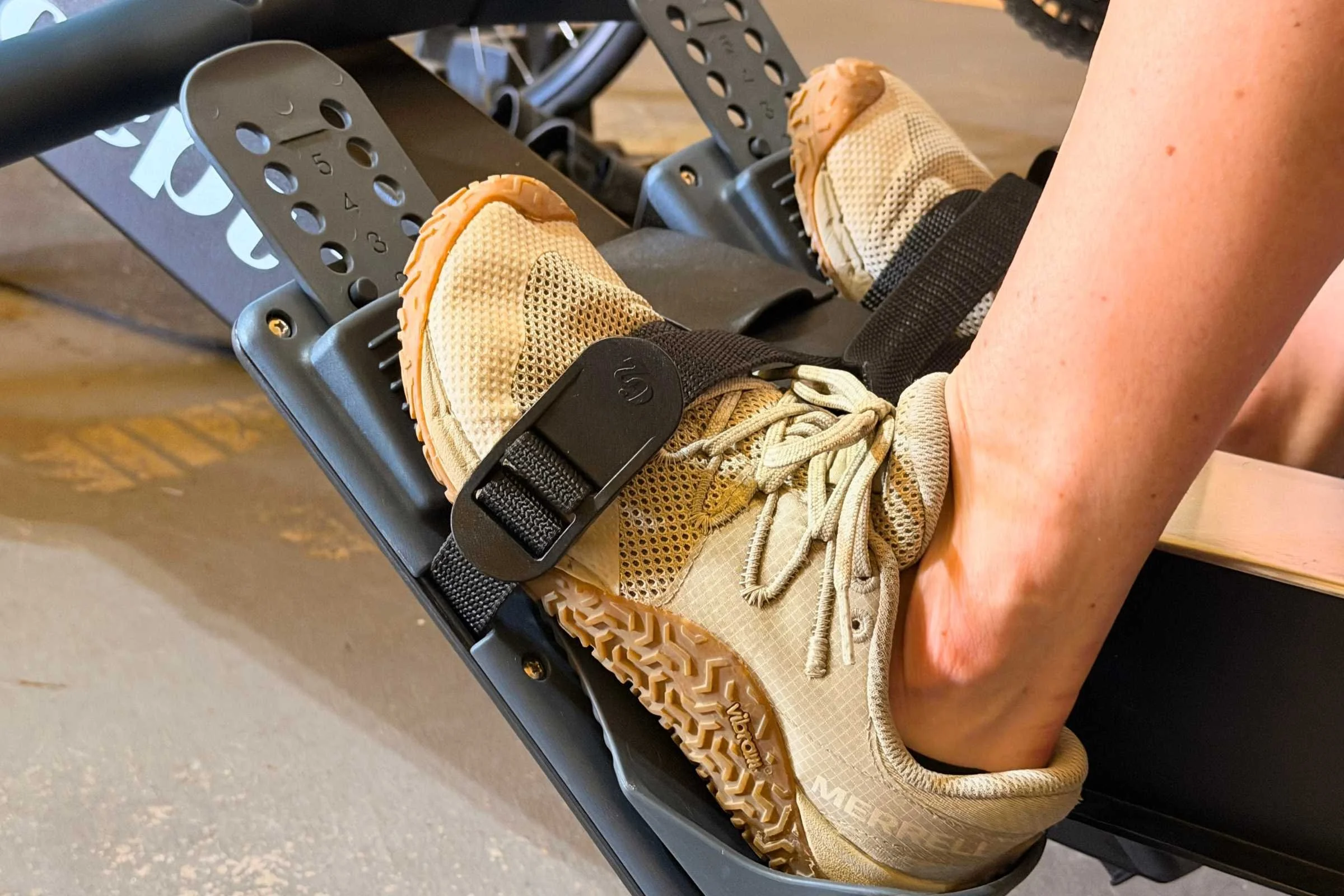
Strapped into a rowing machine, the Merrell Trail Glove 7 is a great gym shoe. Photo courtesy Maggie Nichols
Both our men’s and women’s main testers are barefoot enthusiasts, and have been for well over a decade. We put the Merrell Trail Glove 7s through their paces across three seasons of wear, braving snowstorms, mud puddles, and heatwaves. We worked out, went to work, walked the dog, and ran errands in these shoes. We wore them for miles at a time, jogging down streets, hiking trails, exploring cities, and hauling gear.
We got nitty gritty with lacing systems and inspected their durability after crashing through vegetation. After wearing them for days at a time, we made direct comparisons with other barefoot shoes we tested and teased apart which ones are best for which purposes.
Performance in the field
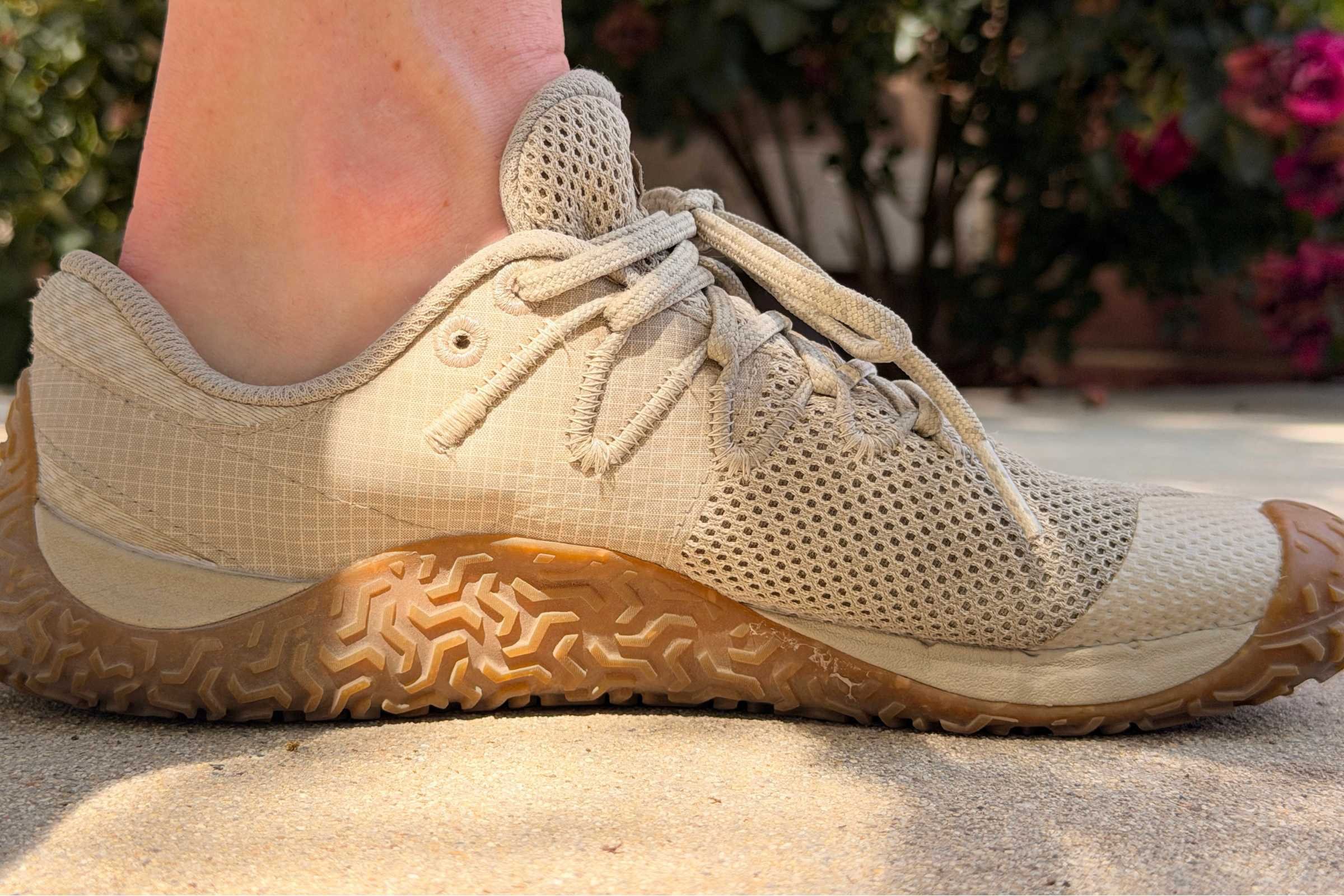
Seen from the side, the Merrell Trail Glove 7 instep rises well above the sole of the shoe. Photo courtesy Maggie Nichols
Ground feel and sensory feedback
On the scale of barefoot shoes, the Merrell Trail Glove 7 is just higher than average in terms of ground feel. Though its 14 mm-thick soles put more between your feet and the ground, what’s underfoot is softer and more forgiving than some thinner barefoot shoes we tested.
This cushioning smooths over the sharpest sections of trails without totally dulling the feeling of undulation underfoot. Under the heel, sensations are more muted, but below the forefoot, the Trail Glove still provides a good level of feedback that feels useful without being overwhelming for someone relatively new to barefoot shoes.
Fit and toe box
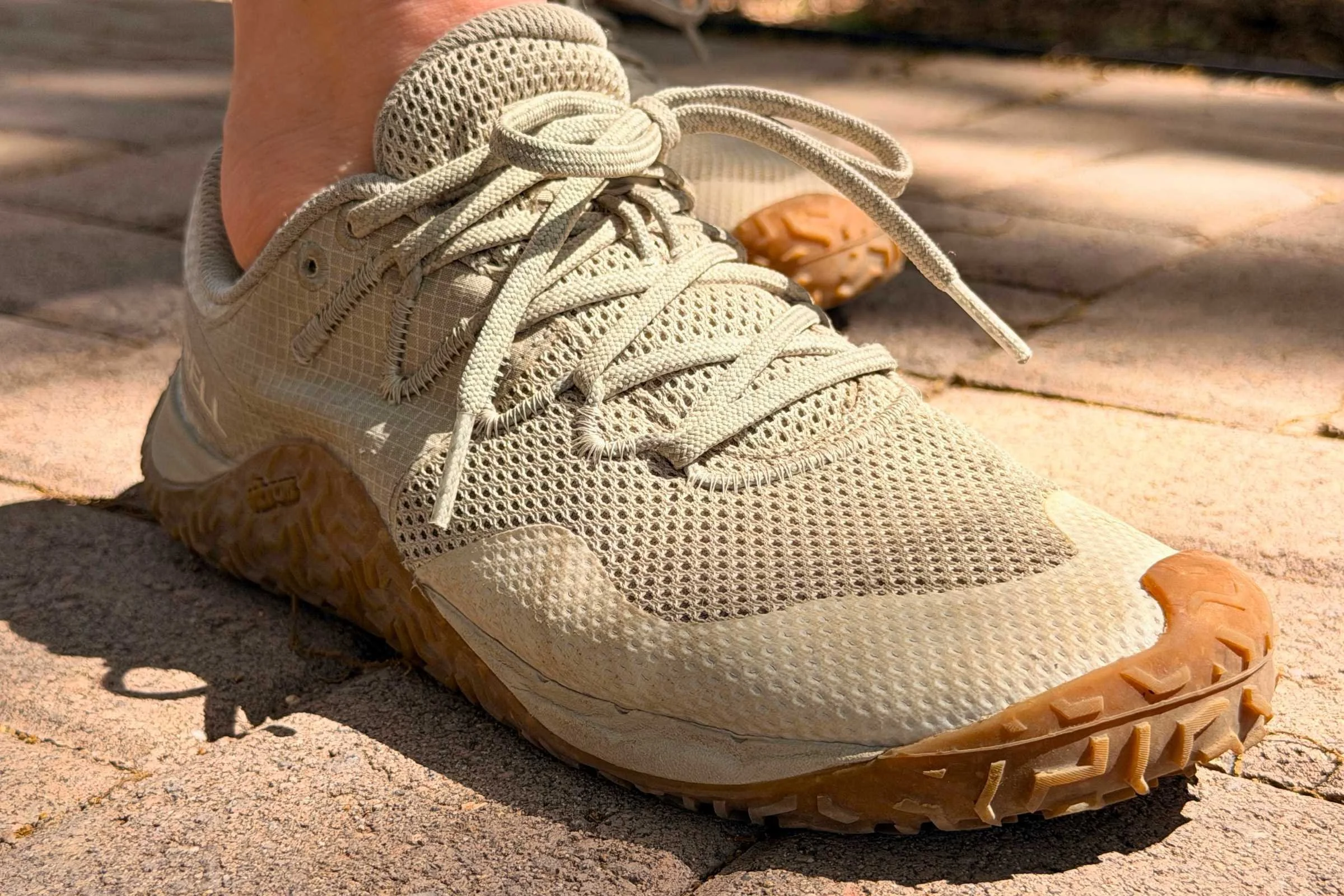
While most barefoot shoes emphasize a wider toe box for foot splay in stride, the Trail Glove width is more similar to conventional shoes. However, its upper is thinner and more flexible, and the edges of the sole allow feet to spread moderately over the sides with minimal constriction. Perhaps an unconventional approach to “wide toe box”, we found that this design works for all but the widest-footed wearers.
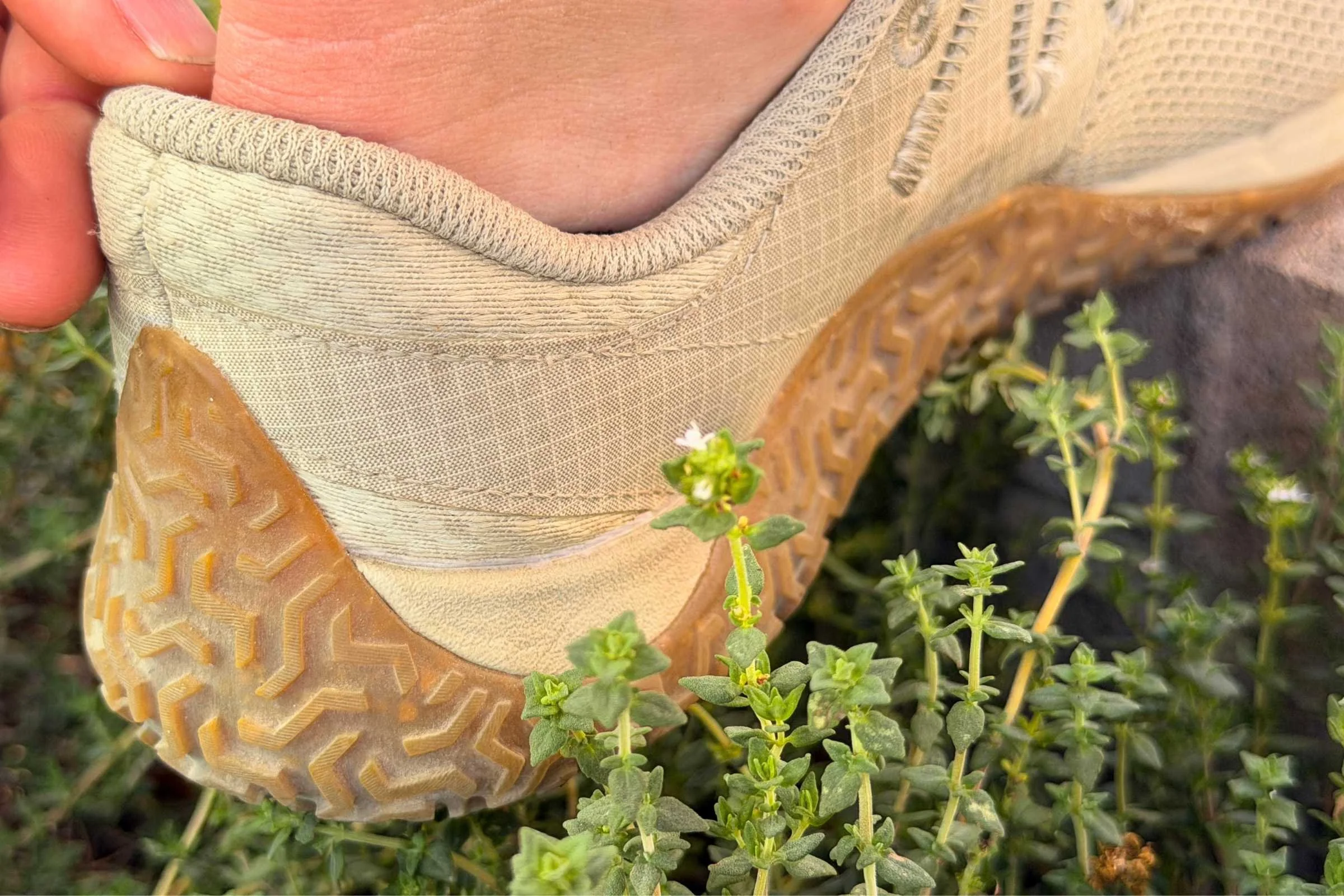
The Merrell Trail Glove 7 has a high heel backing. Photo courtesy Maggie Nichols
The heel cup features a more conventional construction, with thicker padding around the shoe opening that provides a more secure fit around your ankle. Along the instep and midfoot, zigzagged laces are visibly sewn onto both sides of the upper, anchoring the traditional laces. Though these sidewall adjustment laces don’t extend all the way down to the sole, as Xero shoe adjustment straps do, they still let you somewhat customize the fit and snugness of the Trail Glove through the midfoot — which we found very useful when dialing in our shoes to support big movements in the gym.
Traction and outsole grip
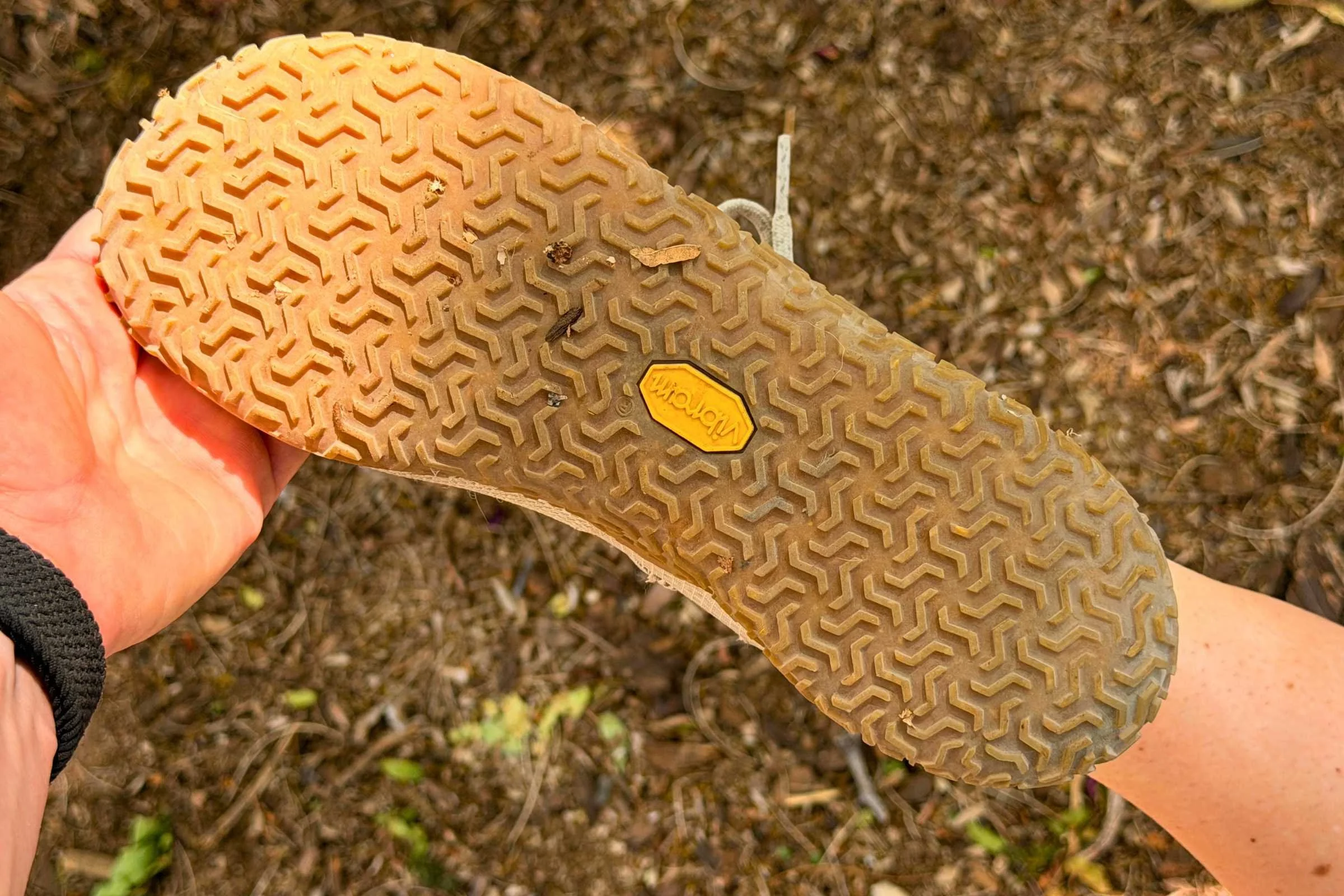
A view of the Merrell Trail Glove 7 tread shows fine lines that have a tendency to collect small rocks. Photo courtesy Maggie Nichols
Though the Trail Glove 7 is designed for trail use, we found others with better traction on trails. Instead, our testing showed us just how great the small, flexible, 2.5 mm-thick tread of these shoes is on polished floors, particularly when we’re pushing ourselves — and these shoes — to their limits.
Hiking on gravelly trails resulted in small pebbles getting frequently trapped between the countless maze-like lines of the soft rubber tread pattern. But when we needed to push a 100 lb tire across a studio or move a 200 lb solid wood bar across a polished warehouse floor, the grip of the Trail Glove 7 proved its worth many times over. Through trial and error, we learned that what these shoes lacked in intense trail traction, they made up for on smooth flooring, where other indoor and gym-specific shoes fell short.
Flexibility and natural movement
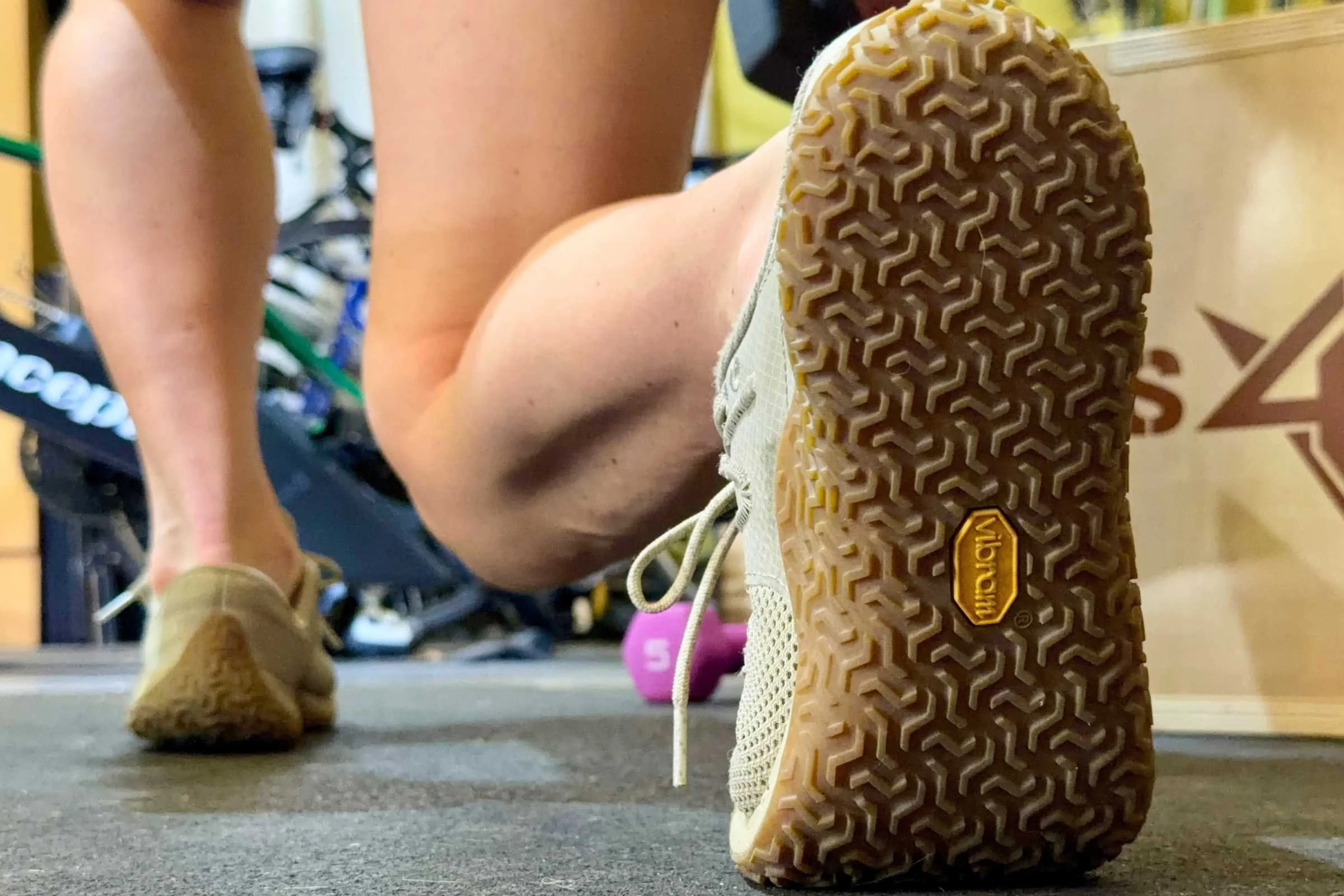
Doing lunges in the Merrell Trail Glove 7. Photo courtesy Maggie Nichols
The flexibility of the Trail Glove 7's soles is focused in the forefoot. From the heel through the midfoot, their flexibility is rather limited, trending instead toward structured support. Yet their forefoot flex was enough that we felt our stride could be fairly natural. And it’s located in just the right section of the shoe to facilitate big movements — like weighted lunges, rowing, and climbing metal posts.
With the sole extending upward around the midfoot and instep (and covering the back of the heel), the upper of the Trail Glove 7 feels secure when moving. As those patches of sole wraparound fade to nothing around the forefoot, the fabric's impressive flexibility becomes more apparent. By concentrating flexibility in the parts of the foot that flex the most, the Trail Glove feels more flexible on the foot than it does when bending it in hand. We’re impressed by how well that translates into feeling pretty natural underfoot, while still offering some of the structure and protection of conventional shoes.
Comfort over time
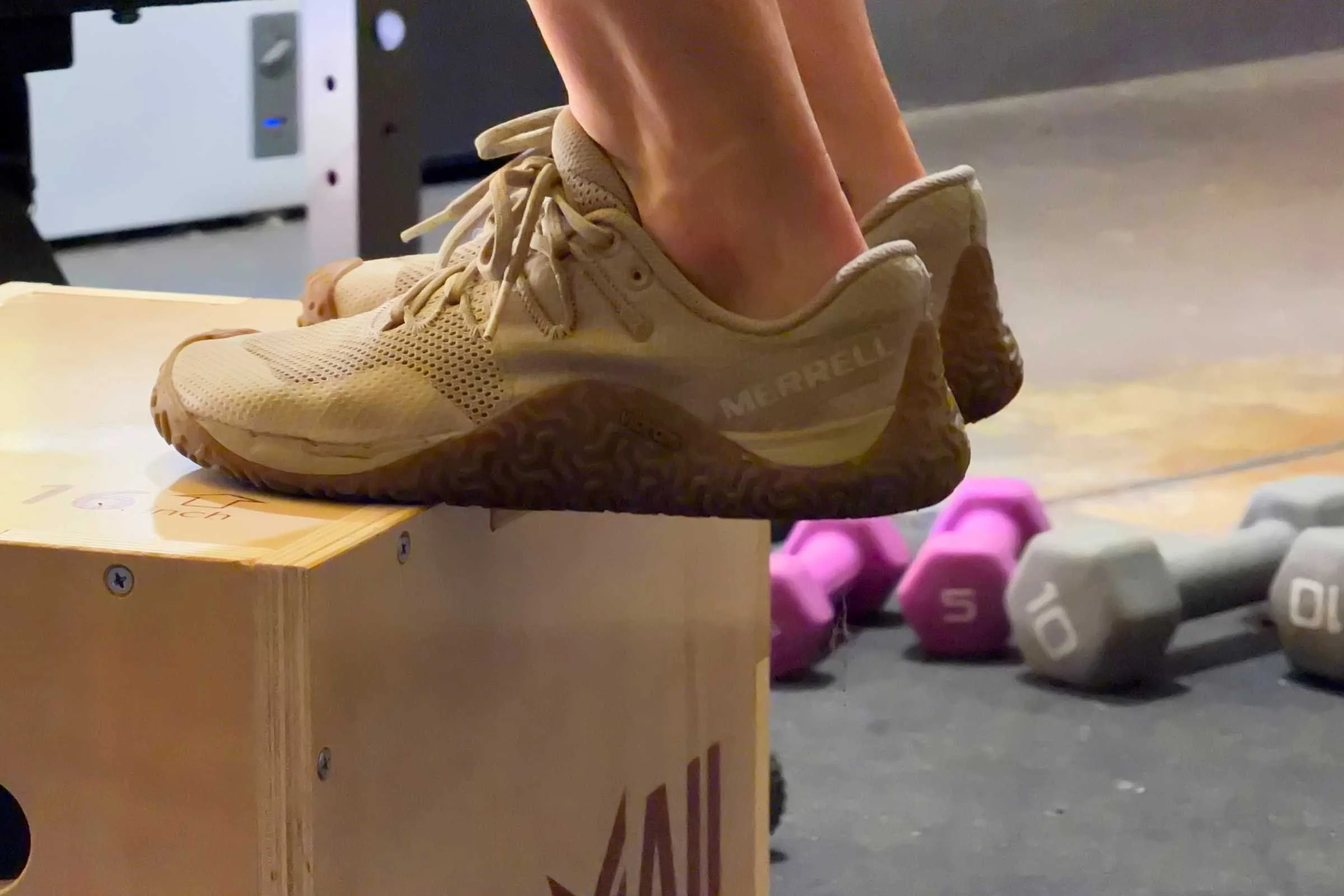
Wearing the Merrell Trail Glove 7 for box jumps. Photo courtesy Maggie Nichols
As far as barefoot shoes go, the Trail Glove 7 is easier to transition into from conventional shoes than many others. It still provides rigidity in key areas of the foot that are unused to movement after a lifetime in “regular” shoes, like under the heel and midfoot.
With 14 mm underfoot, the Trail Glove also provides more cushioning and is more forgiving than most other barefoot shoes, which tend to be thinner and not as soft. We still recommend a thoughtful transition for wearers coming from conventional footwear, but folks already somewhat used to low-drop or barefoot shoes will find these easy to get comfortable in, right out of the box.
Durability
The Trail Glove 7 doesn’t just feature a toe cap — the actual sole of the shoe simply wraps up over the end of the toe. And up the back of the heel. And on each side of the midfoot. That offers an impressive amount of accidentally-kicking-random-objects protection.
The outsole of these shoes is made with Vibram recycled material, typically associated with increased durability. At the same time, the individual tread patterns are rather thin and flexible–not traits we would typically associate with longevity. That said, we wore these shoes for months of long workdays on our feet and daily visits to the gym, and they currently show no signs of wear anywhere (just dirt!).
Features
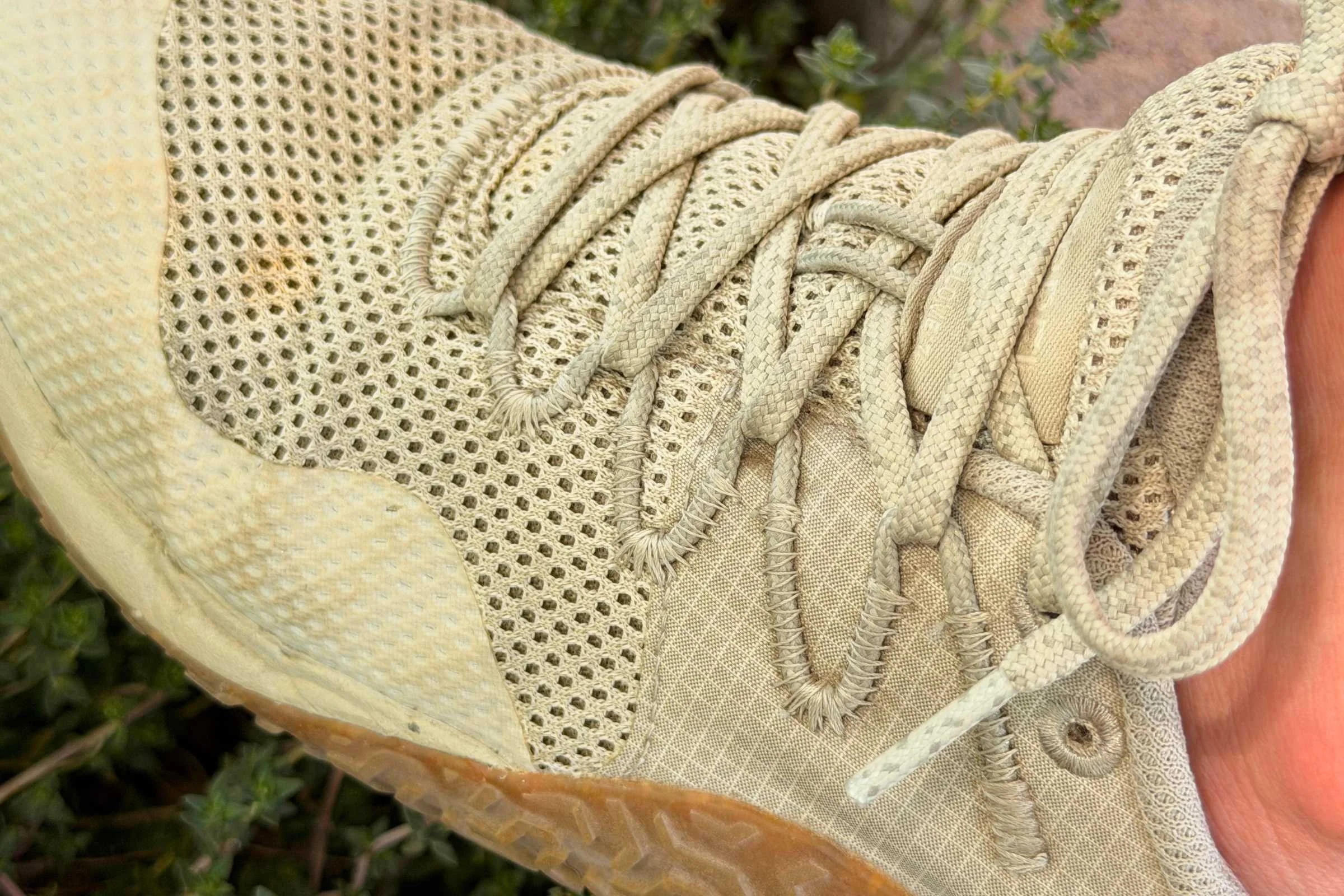
Showcasing the lateral lace adjustments and lacing of the Merrell Trail Glove 7. Photo courtesy Maggie Nichols
Zero-drop – heel and forefoot ride the same distance from the ground, encouraging a more natural gait
Stack Height – the thickness of all underfoot components between your foot (or sock) and the ground
Vibram Ecostep Recycled Outsole – contains 30% recycled rubber, known for enhanced traction on wet surfaces and greater longevity
100% Recycled Mesh Upper – uses recycled synthetic materials (also true of laces and webbing), while the structural design of the mesh facilitates airflow and breathability
Merrell Barefoot 2 – pattern of construction that keeps the foot in a natural position, with heel and forefoot the same distance from the ground
FloatPro Foam midsole – provides some cushioning from debris underfoot and softens the transition from conventional shoes
Cleansport NXT – proprietary treatment of construction materials to facilitate natural odor control
Should you buy the Merrell Trail Glove 7?
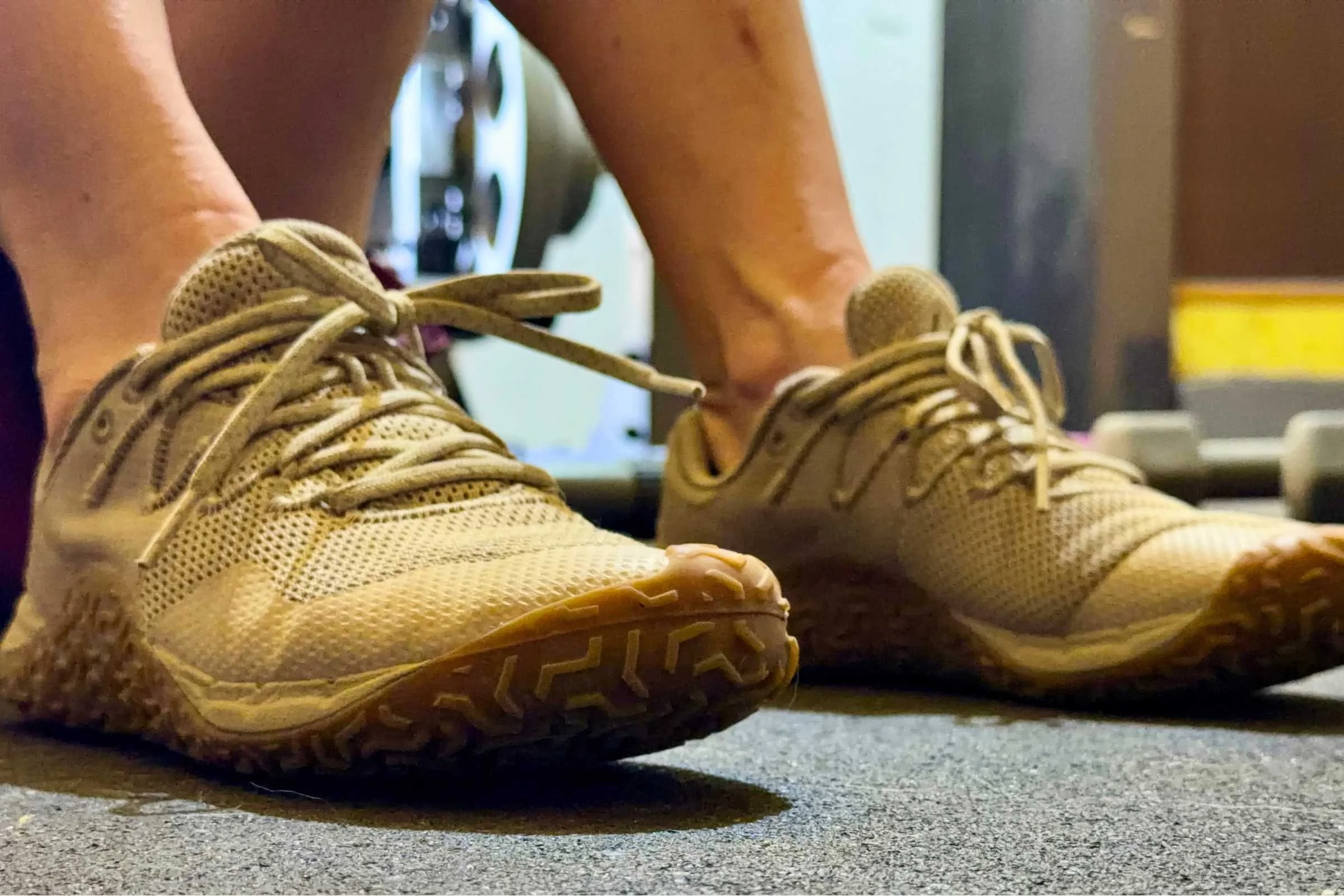
Wearing the Merrell Trail Glove 7 for crunches. Photo courtesy Maggie Nichols
Buy if:
You want a barefoot shoe for CrossFit or the gym
You’re seeking an athleisure shoe that can still perform under duress
You’re fairly new to the barefoot scene and want a good transition shoe
Skip if:
You need top-tier trail traction
You have very wide feet
You often walk over small-grained gravel
Where to buy
The Merrell Trail Glove 7 barefoot shoes are popular footwear, so you have options when it comes to retailers. Here are some of the pros of the retailers.
REI
Pros: 100% satisfaction policy for 1 year; 10% dividend for members.
Amazon
Pros: Free 2-day shipping with Amazon Prime membership
Returns and advice on where to buy
In general for shoes, we recommend purchasing from a place with easy or free returns, like REI. Trying on shoes is an important way to get the sizing right. With both those retailers, if your funds allow, you can buy two sizes and easily return one. Additionally, check reviews to see whether other users recommend sizing up or down.
Similar barefoot shoes
Merrell Trail Glove 7 vs Lems Primal 3
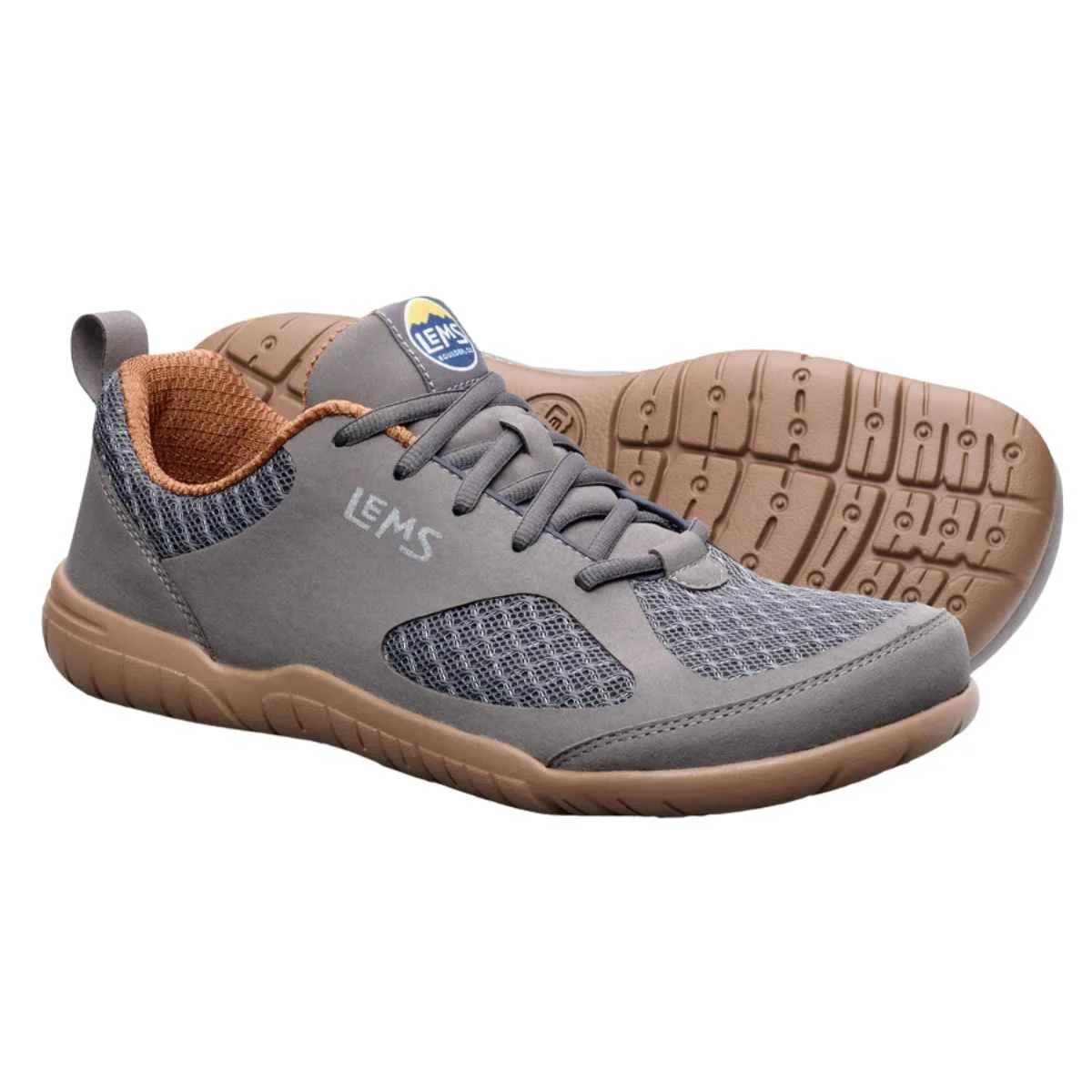
MSRP: $125
Stack height: 9.5 mm
Weight (per pair): 1 lb 1.2 oz
Upper: Super-soft microfiber + open-weave mesh (100% vegan)
Outsole: Injection Blown Rubber (IBR)
Flexibility: Medium
Grip: Medium-high
Ground feel: Medium-low
Despite being marketed for slightly different uses, we actually found a lot of overlap in the activities where these two shoes excel — everyday wear and moderate-intensity activities. Where the Trail Glove has the leg up on smooth-surface traction and a secure fit, the Primal offers a wider toe box, thinner sole, and the ability to go sockless on cork insoles. The Lems Primal 3 are our best overall pick in our Best Barefoot Shoes guide.
Lems Primal 3
Men's
Women's
Merrell Trail Glove 7 vs Xero Mesa Trail II
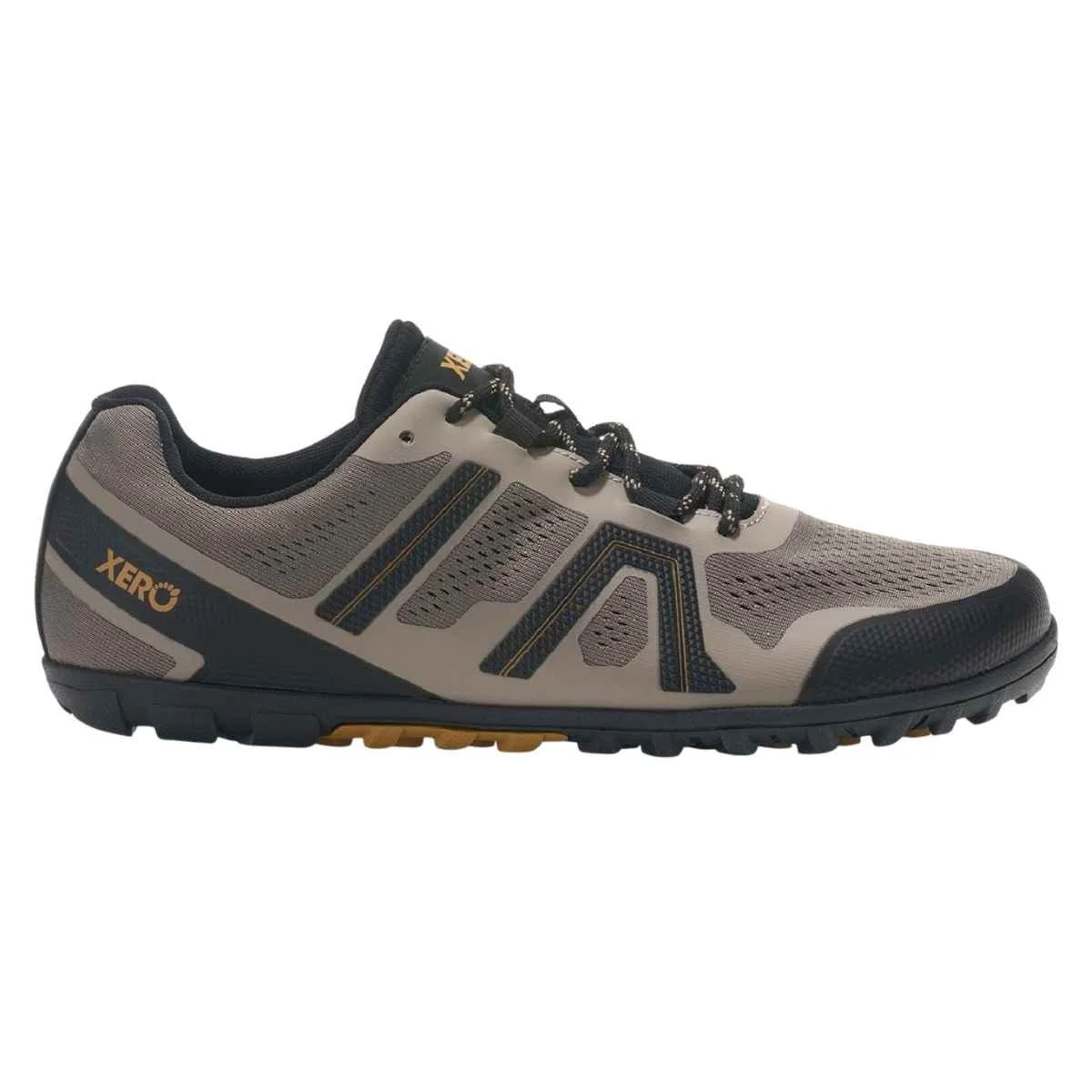
MSRP: $120
Stack height: Not stated
Weight (per pair): 15.6 oz (men’s), 13.4 oz (women’s)
Upper: Synthetic mesh
Outsole: FeelTrue rubber
Flexibility: High
Grip: High
Ground feel: High
We’re not opposed to wearing the Trail Glove 7 for hikes and trail runs, but for traction when you need it most and a truly barefoot feel, we reach for the Mesa Trail II. The multidirectional caret-shaped (^) lugs of the Mesa Trail kept us moving forward over loose gravel slopes where the shorter tread of the Trail Gloves picked up small pebbles and folded, letting us slip at inopportune moments. These are the winners of best hiking shoes in our Best Barefoot Shoes guide. We also have a full review of the Xero Mesa Trail II.
Xero Mesa Trail II
Men's
Women's
Merrell Trail Glove 7 vs Altra Lone Peak 9
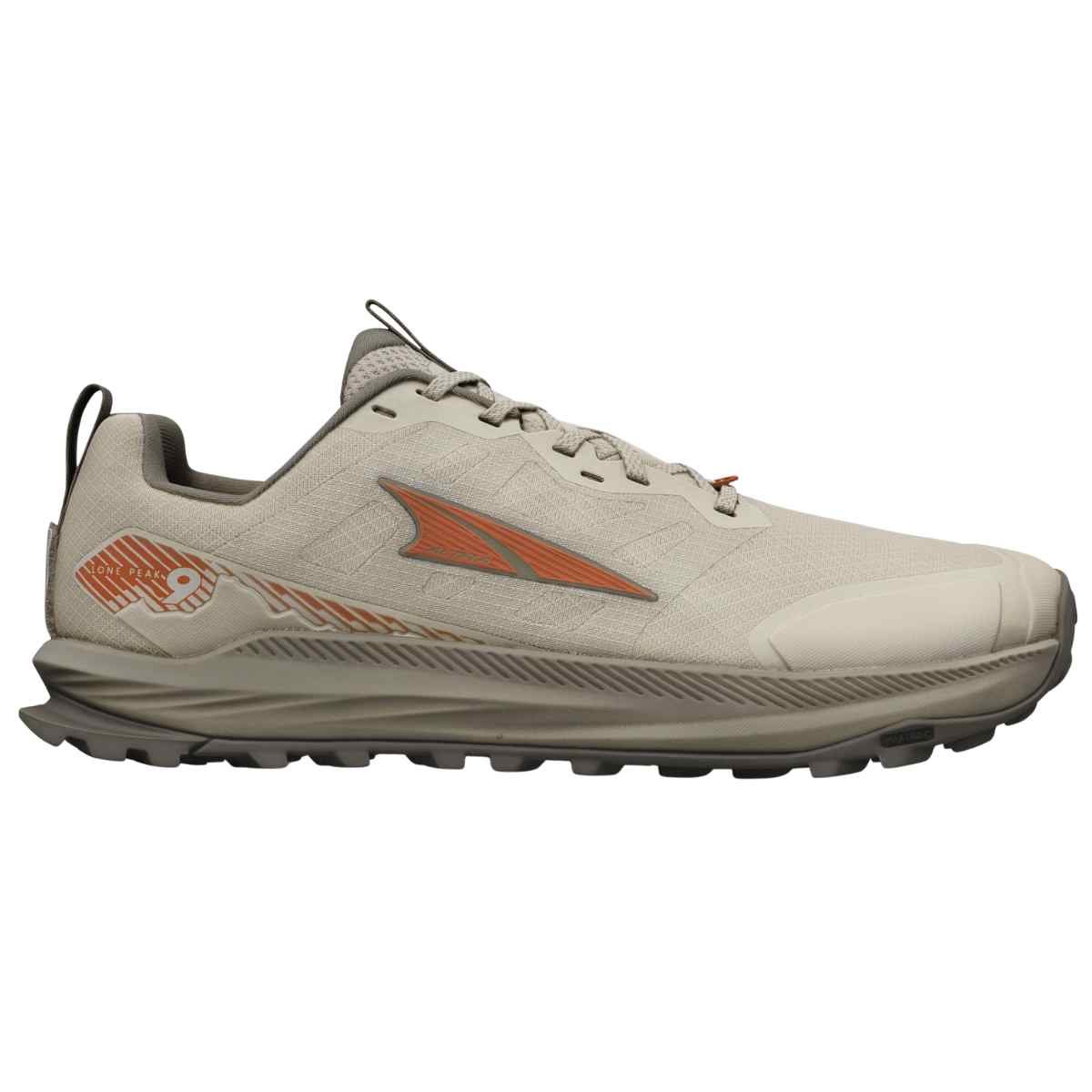
MSRP: $145
Stack height: 25 mm
Weight (per pair): 1 lb 6.4 oz (men’s), 1 lb 3 oz (women’s)
Upper: Ripstop mesh
Outsole: MaxTrac rubber
Flexibility: Medium
Grip: Exceptionally high
Ground feel: Moderate
When you need the best traction on the trails, the Altra Lone Peak 9 is the zero-drop shoe we recommend. It has serious grip — and the 9+ GTX version works even better in wet, sloppy terrain. While the Lone Peak is zero-drop, its 25 mm stack height is too much for some barefoot enthusiasts, who might prefer the more flexible 14 mm of the Trail Glove 7. Learn more in our in-depth review of the Altra Lone Peak 9/9+ and the Altra Lone Peak 9+ GTX trail running shoes.
Altra Lone Peak 9
Men's
Women's
Merrell Trail Glove 7 vs Vivobarefoot Primus Lite 3.5
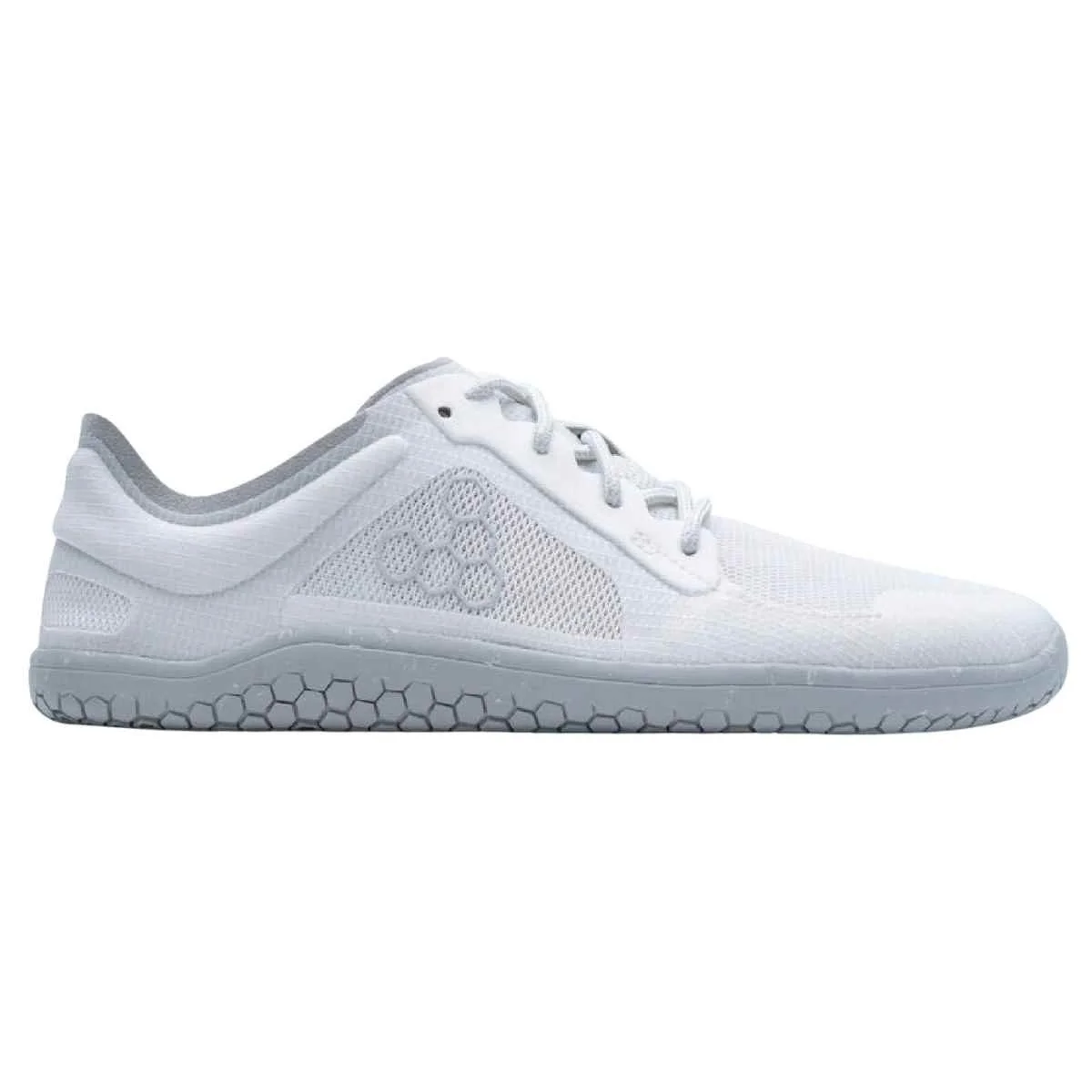
MSRP: $150
Stack height: 2 mm
Weight (per pair): 1 lb 2.9 oz
Upper: rPET mesh
Outsole: Rubber
Flexibility: Medium-high
Grip: Medium
Ground feel: High
While these two shoes have somewhat similar, narrower shapes than many other barefoot shoes, the Merrell Trail Glove 7 maintains a seriously flexible upper that’s more accommodating of foot splay. On the other hand, the Vivobarefoot Primus Lite 3.5 has stiffened sections on each side of the upper, which feel uncomfortably restrictive, even on average-width feet.
Vivobarefoot Primus Lite 3.5
Men's
Women's
Why you should trust us / About the author
Maggie is an avid trail runner based in Reno, Nevada, hitting her neighborhood trails at least four days a week and taking hikes in her backyard Sierra Nevada Mountains and through the deserts of northern Nevada as often as possible. She likes to compete in both trail and road races and is no stranger to the podium. She worked as a professional backcountry guide for over 15 years, backpacking, hiking, and kayaking, from places like Texas and Utah to the U.S. Virgin Islands and the Galapagos Islands, mostly in a pair of Chaco sandals.
Maggie started her barefoot journey running in some of the early Vibram Fivefinger shoes back in 2009. Though she added some cushion to her runs after a few years pounding cement, she is still adamant about running in only zero-drop shoes. She has logged thousands of miles in nine pairs and iterations of the Altra Lone Peak trail shoe line over the past decade.
Not only is Maggie a passionate advocate for wearing barefoot shoes, she also studied hand and foot evolution and morphology at university and completed a Master’s thesis on chimpanzee hand and foot manipulation of tools. She spent 7 years teaching anatomy and osteology labs at the university level, giving her a high level of familiarity with the more than 100 bones that make up human hands and feet.
When not running, Maggie loves to be as barefoot as possible, feeling the ground and honing her foot stability and strength. She explores her natural backyard with her dog, Isla, and travels the world with a pair of barefoot shoes on her feet and Altra Lone Peaks in her bag.