POC Cularis MTB Helmet Review
A comfortable, airy, and protective MTB helmet for all-around trail riding
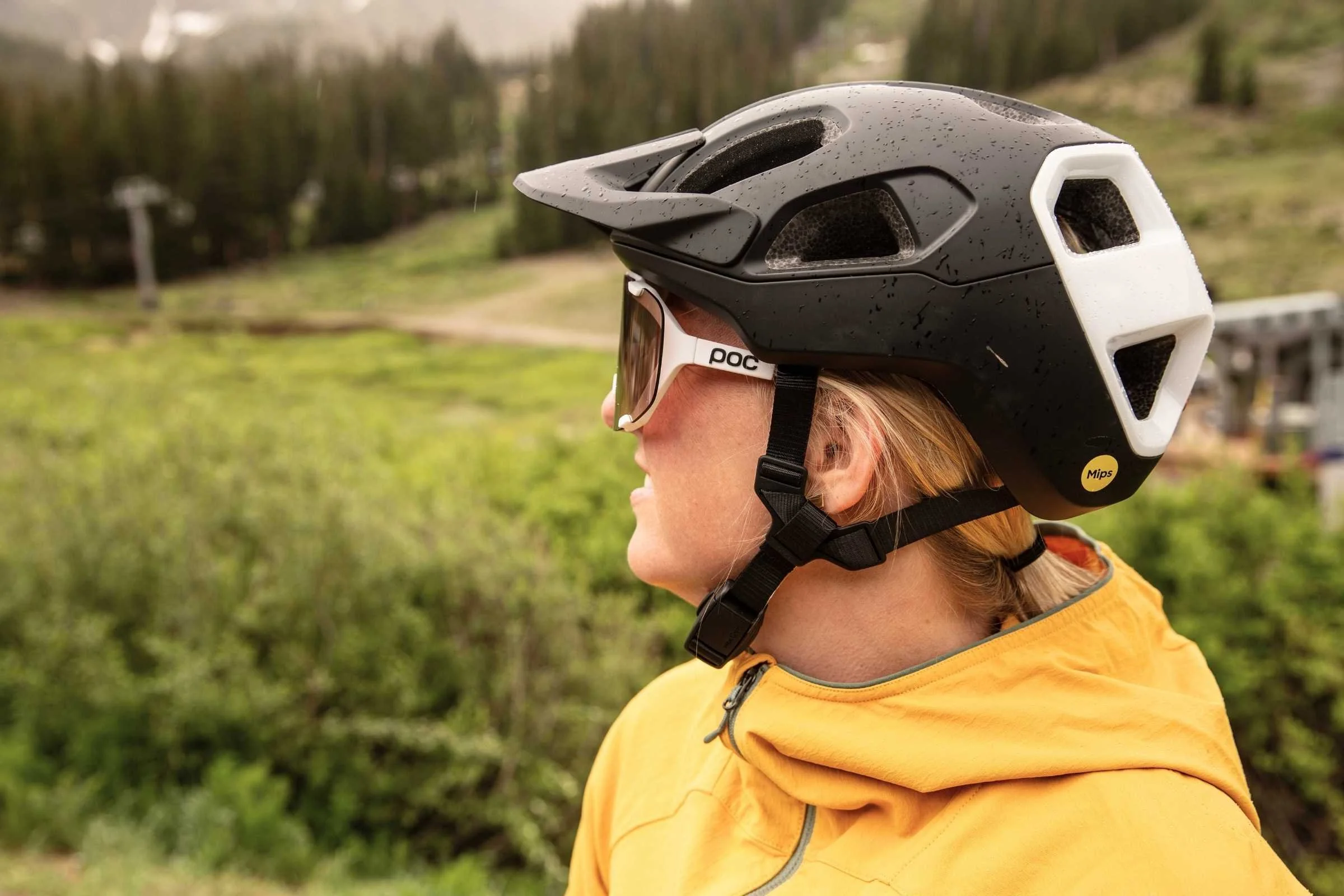
Photo by Tom Callaghan
June 26th, 2026
Home → Gear Reviews → Mountain Biking
Our verdict
We’ve now spent more than a whole year testing the POC Cularis helmet through all types of terrain and weather, from drizzly days in the forest, to the high alpine and high desert. It impressed us through it all, making it one of our favorite helmets for all-around trail riding and our top overall pick in our Best MTB Helmets guide.
The POC Cularis is a comfortable helmet with good coverage and exceptional airflow. While it may not work for every head shape, our testers found this helmet to be very comfortable, even for very long days in the saddle riding over rough terrain.
We think you get what you pay for with the Cularis: a high-end helmet with high-end features (like a magnetic buckle and adjustable visor). It doesn’t boast the highest top-of-the-line components for everything, but it also costs less than helmets that do. While far from being the most affordable, we think the POC Cularis is a good value overall and an excellent choice for trail riders looking for a solid brain bucket.
POC Cularis MTB Helmet
We write mission-driven gear reviews. To find the best gear, we combine expert reviews, everyday user opinions, and rigorous independent trail testing—never pop-up or display ads. We are reader-supported and may make a small commission from some qualifying affiliate links. Learn more.
POC Cularis MTB Helmet Specifications
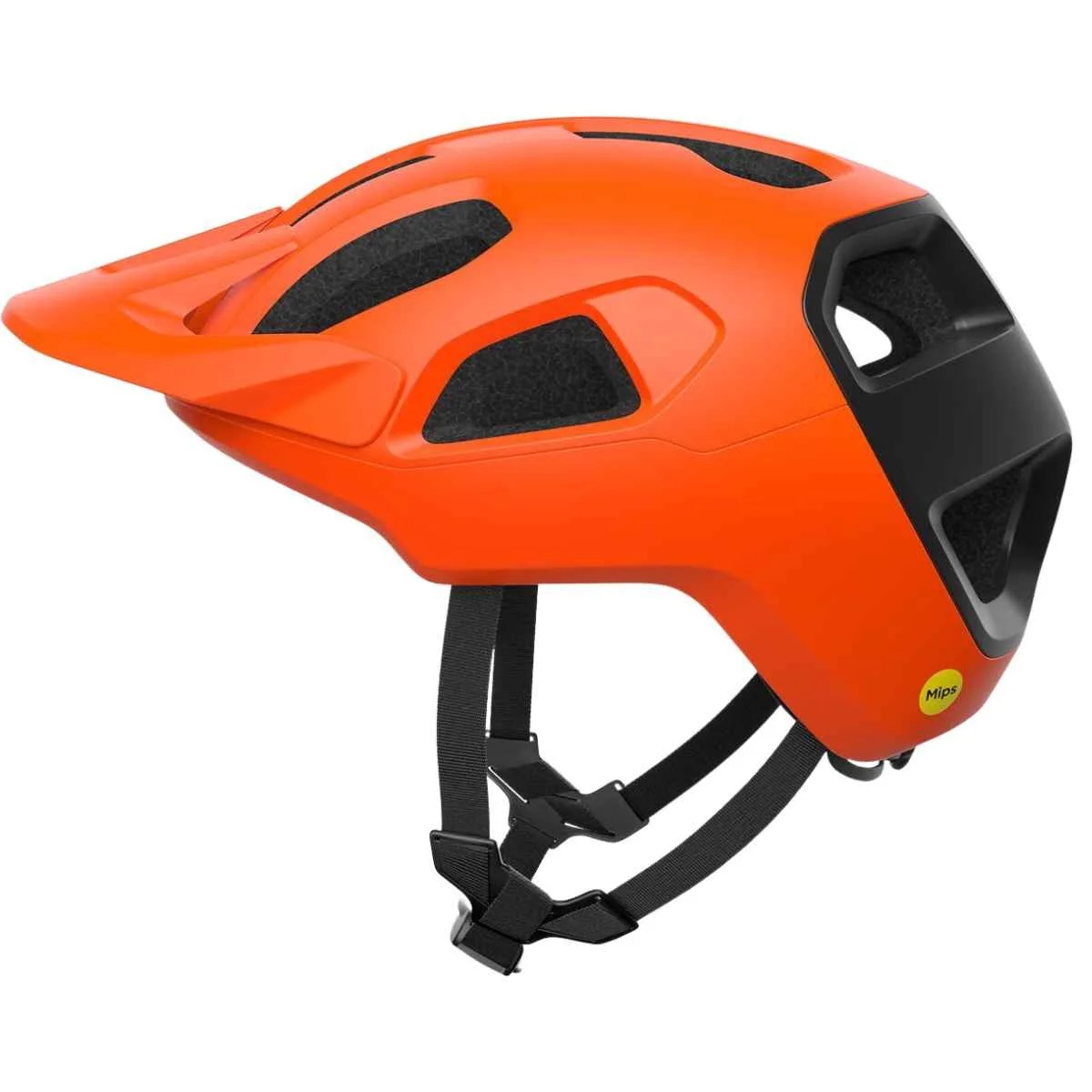
Price: $260
Weight: 350g (size small, as tested)
Helmet type: Trail
Safety tech: Mips Air Node
Construction: In-mold PC shell
Number of vents: 15
Visor: Adjustable
Fit system: Dial fit system
Sizes available: S-L
Features: RECCO reflector, Fidlock magnetic buckle
Certifications: CPSC 1203, CE EN 1078
Best for

The author testing the POC Cularis on Arapahoe Basin’s singletrack in Colorado. Photo by Matt Derrick.
Trail riding
Long rides
Technical terrain
Riders prioritizing a comfortable helmet with a good balance of coverage and venting
Comparison table
| MTB HELMET | MSRP* | ROTATIONAL IMPACT PROTECTION | VIRGINIA TECH RATING | VISOR | SIZING |
|---|---|---|---|---|---|
| POC Cularis Mips | $260 | Mips Air Node | 5 stars | Yes, adjustable | S-L |
| POC Cularis Pure | $210 | Mips Air Node | 5 stars | Yes, removable and interchangeable | S-L |
| Smith Optics Forefront 3 | $300 | Mips Air Node, Koroyd | Not rated | Yes, adjustable | S-L |
| Giro Manifest Spherical | $280 | Mips Spherical Technology | 5 stars | Yes, adjustable | S-L |
What we liked
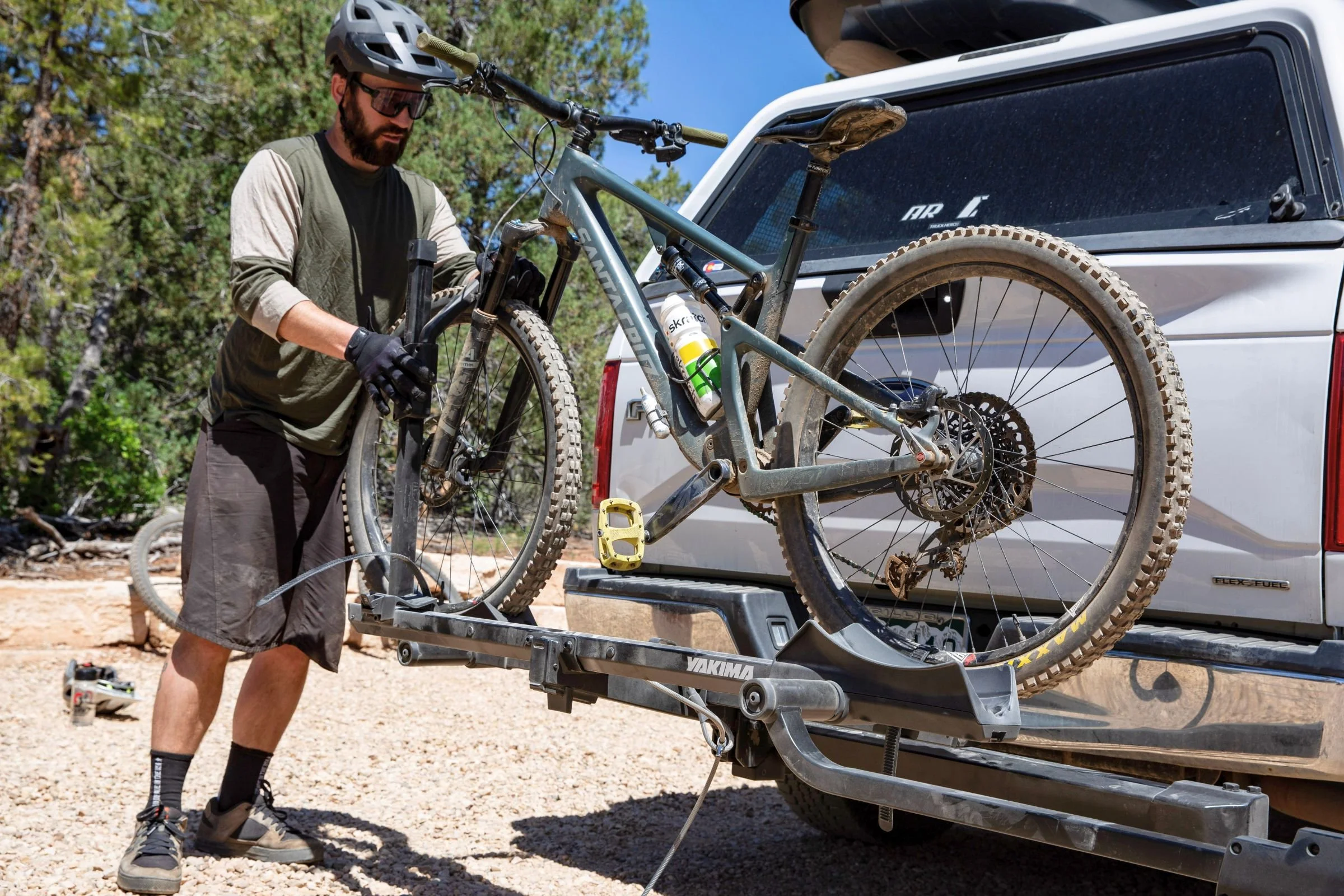
We tested the POC Cularis helmet on hot days in the Southern Utah desert. Photo by Jon Stockwell.
Comfortable fit
Very effective ventilation
Secure retention system
Good coverage for all-around trail riding
Relatively low-profile look and fit
What could be better
Fit may not suit all head shapes
Visor adjustment can be sticky
How we tested

We tested the POC Cularis on multiple high alpine rides at Arapahoe Basin in Colorado. Photo by Matt Derrick.
We have spent multiple seasons testing the Cularis helmet, with hundreds of miles of pedaling spent with this lid on our head. We’ve tested this on the rugged high alpine trails and flowy singletrack around Summit County, Colorado, in the southern Utah desert, and beyond. We rode in hot, dry, and sunny weather in Colorado and Utah, and in cool, drizzly weather in Colorado on trails around Arapahoe Basin. No matter the trail or weather, this helmet impressed us. We even used this helmet for a 50-mile mountain bike race in Colorado’s San Juan Mountains.
Most of our time testing was spent trail riding around Colorado and Southern Utah, from flowy singletrack to chunky high alpine trails. We climbed just as much as we descended to test for airflow, comfort, and overall performance. Our testing days ranged from hour long hot laps to all-day epics deep in the backcountry. On those longer rides, the comfort and ventilation in this helmet really stood out.
We tested this helmet against multiple other helmets, including high-end, mid, and budget options in our Best MTB Helmets guide. Throughout testing, this helmet became the go-to pick for our lead tester and writer, which only helps to solidify our positive thoughts on this helmet.
Performance in the field

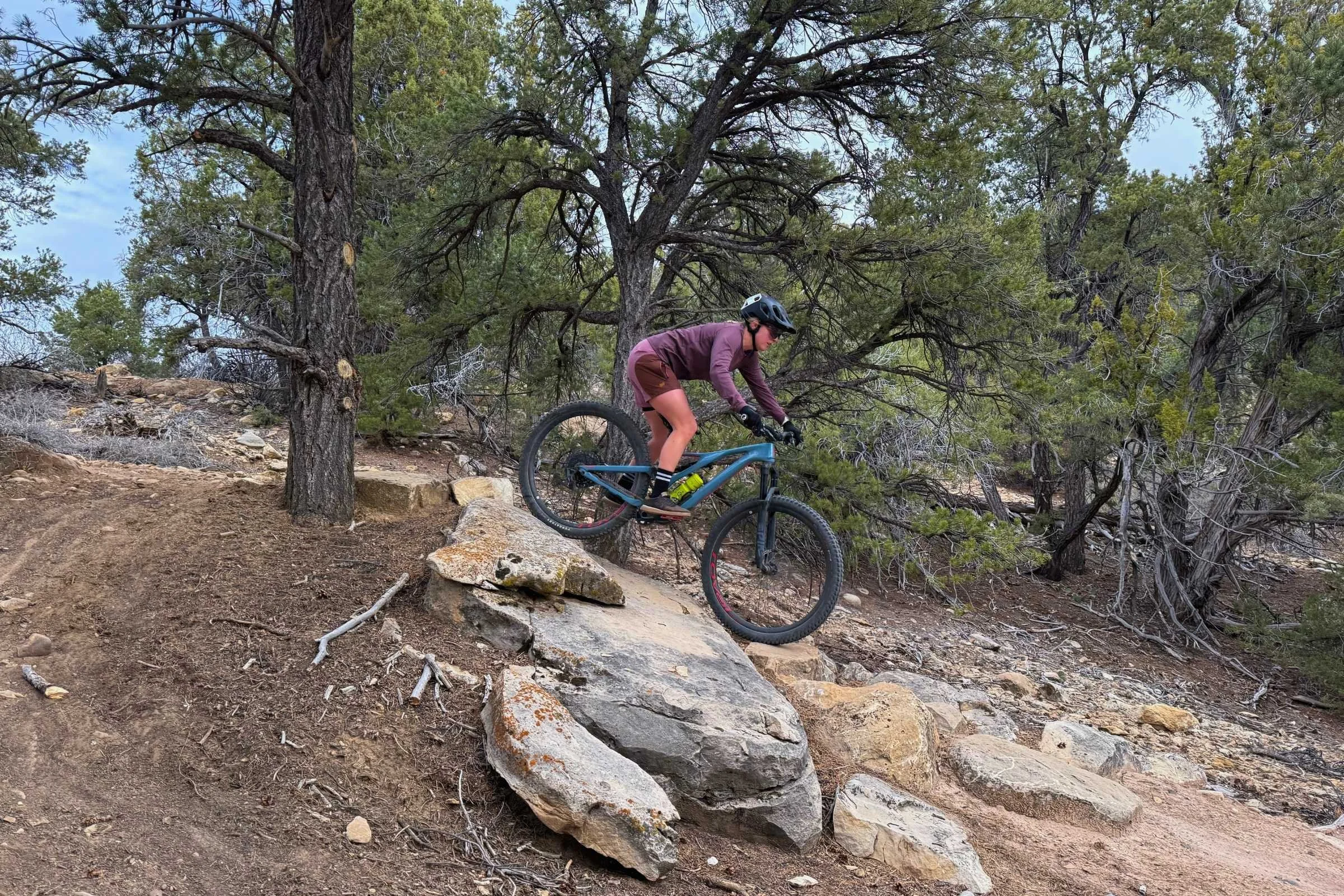
Stasia rides her bike near-daily when there isn’t snow on the ground. Here, she’s riding in Zion Canyon with her family while wearing the POC Cularis. Photo by Stasia Stockwell.
Fit and comfort
The POC Cularis is among the most comfortable mountain bike helmets we’ve tested. The fit is likely to work well for most heads, though the shape seems to trend ever so slightly towards an oval, so if you have a very round head or are worried about pressure points on the sides of your head, we’d recommend trying before you buy.
Additionally, we found this helmet to run slightly small compared to similar helmets from other brands, like Smith Optics, Giro, or Sweet Protection. Our primary tester wears a small and with Smiths and most other brands, she has to crank the dial all the way. But, with the Cularis the dial landed a little more in the middle of the fit range. So if you’re on the fence for sizing, you may want to consider sizing up.
This helmet ended up being our tester’s top choice for long trail rides deep in the backcountry on rocky high alpine trails and on flowy desert singletrack too, primarily because of its comfort and ventilation. In testing, we found no pressure points at all and could essentially set the helmet at the beginning of a ride and then completely forget about it. This helmet was also our choice for a grueling 50-mile mountain bike race in the San Juan Mountains, with 6,000 feet of climbing. On days like that, comfort matters more than just about anything, and this helmet proved its worth.
Ventilation
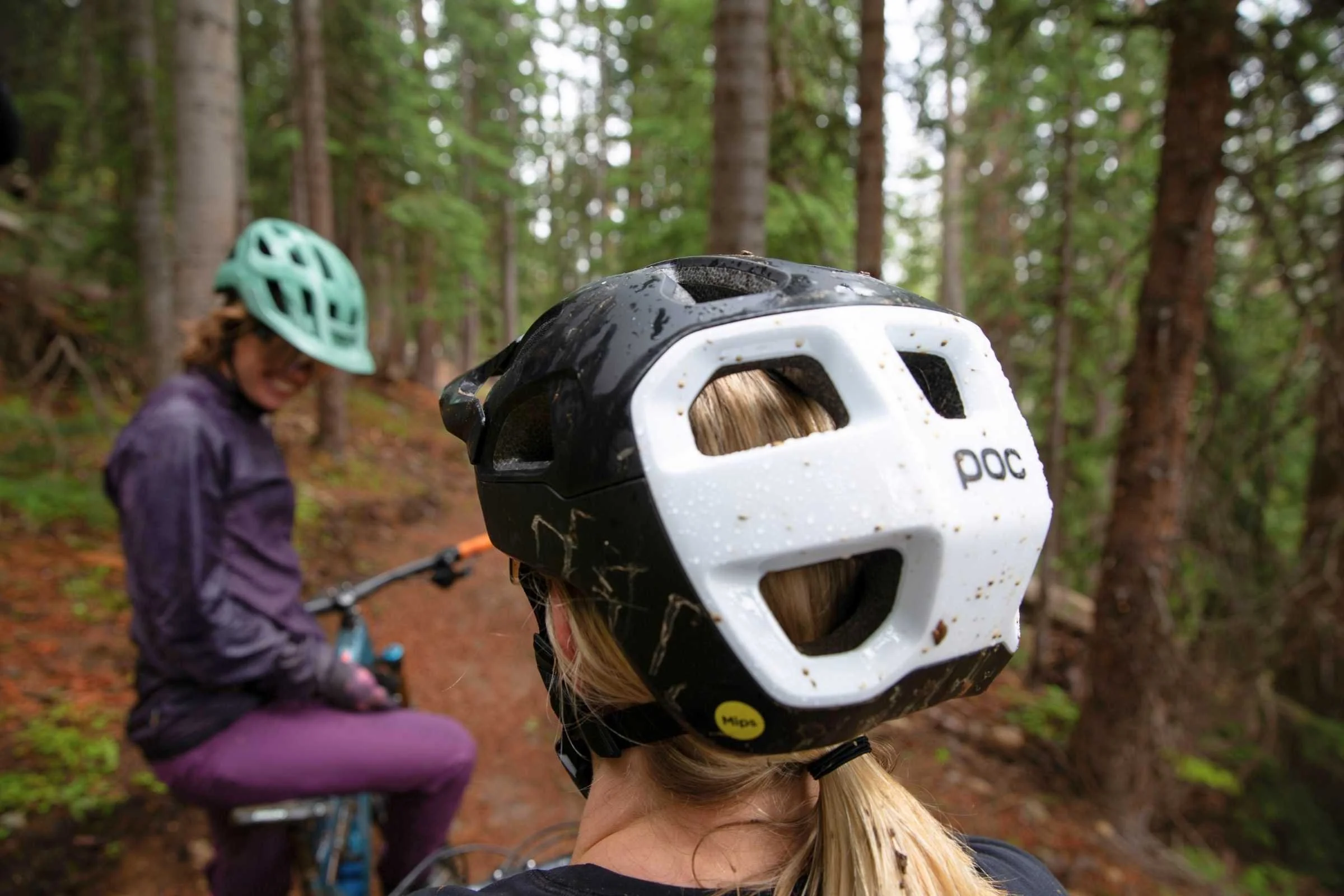
The Cularis has ample venting for riding in all types of summer weather. Photo by Matt Derrick.
The POC Cularis may not boast the most amount of vents in sheer numbers, but it is one of the airiest we’ve tested. The vent channels are large and well placed, and we never felt like this helmet was causing us to overheat, even on hot days riding in the Southern Utah desert. There also is not an excessive amount of padding in the helmet, which does not downgrade comfort at all but helps to keep the helmet light and the air flowing freely.
Protection and coverage
We’d say that the POC Cularis has above average coverage on the whole, and good coverage overall for all sorts of trail riding. It’s not as high coverage as some enduro-oriented helmets, like the POC Kortal Race Mips or the Smith Optics Forefront 3, but it’s not far off, either.
Plus, it’s in the top five for the highest-rated mountain bike helmets from Virginia Tech, which is the gold standard for safety ratings. (When the helmet first debuted, it held the number one spot on Virginia Tech for some time, but as of writing this it now holds the number four spot since newer helmets have been tested.)
The Mips Air Node liner used in this helmet for rotational impact protection is the same as what’s used in the Smith Optics Forefront 3. We think this is the most comfortable and least noticeable iteration of Mips technology so far, to the point where if it wasn’t called out in the helmet, you’d think it didn’t even have Mips at all.
Thankfully, we did not have to do any impact testing in the field—no major crashes or head injuries to report. But, when you have a helmet this comfortable that also scores a 5-star safety rating from an independent tester like Virginia Tech, it’s pretty easy to trust that this thing will do its job when it needs to.
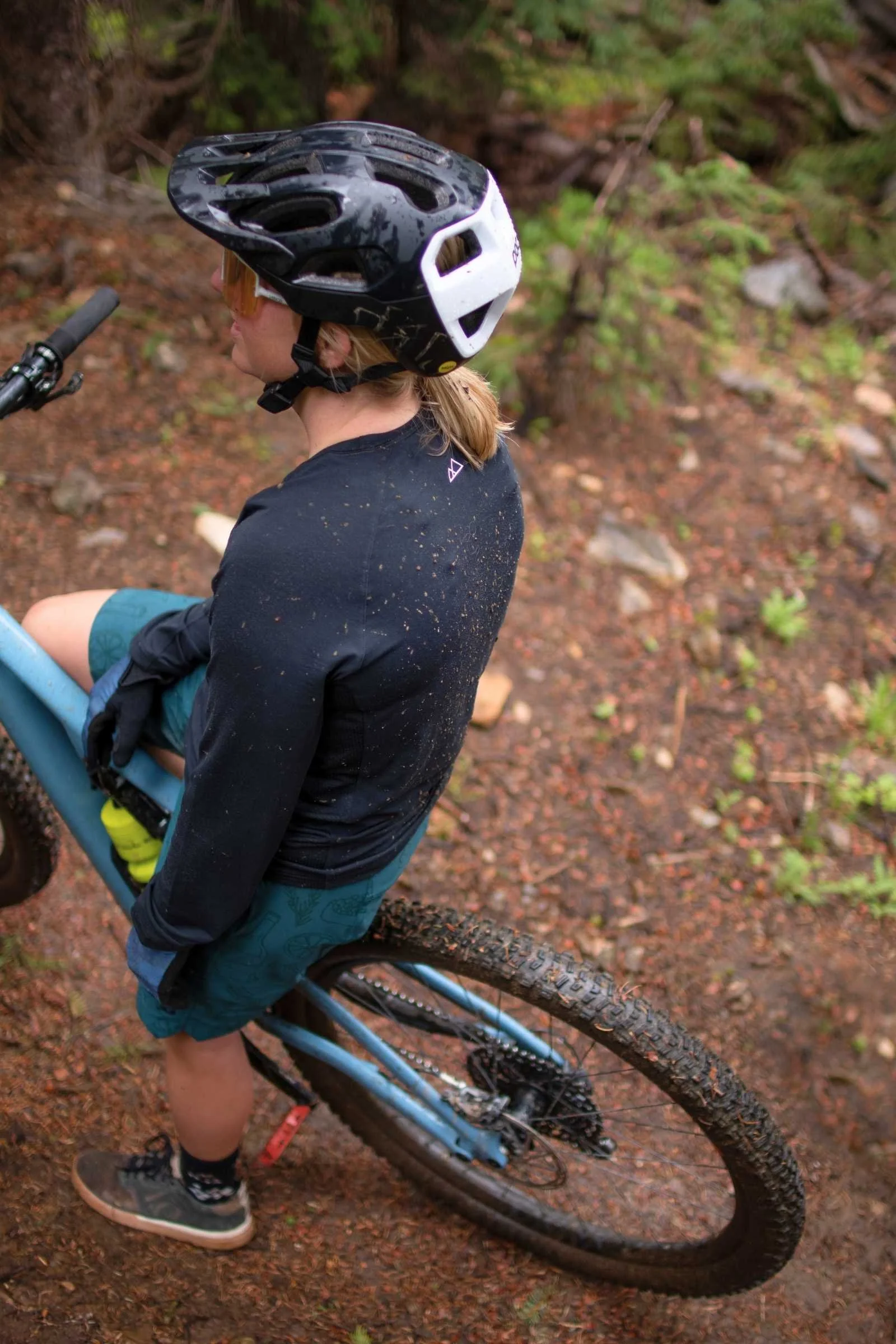
We love the POC Cularis for all-around trail riding. Photo by Matt Derrick.
Stability and retention
The Cularis uses a dial fit system that is smooth and functions well overall, though it’s not quite as slick or comfortable as the newer BOA systems on helmets like the Smith Optics Forefront 3, which is the most comfortable retention system we’ve tested. But still, the dial system on the POC Cularis doesn’t leave a whole lot to be desired. The helmet itself is very comfortable and the dial adjustment stays solidly put, even for very long rides on chunky terrain.
We used this helmet on six-hour rides with very chunky and long descents and the helmet never needed to be adjusted, and stayed secure the whole time, never rattling or shaking against our MTB sunglasses.
Weight and feel
While not the lightest trail helmet on the market, the Cularis is on the lighter side—and we noticed that on the trail. Or rather, we forgot about it because the comfort and light weight of the helmet makes it hardly noticeable that you’re wearing one. The Mips Air Node certainly helps with this, but it’s the combination of the overall design, from the weight to the Mips to the ventilation, that comes together to make such a comfortable and well-rounded trail helmet. This is POC’s lightest trail helmet, and it’s one of the top three lightest in our test.
Usability
While not quite as slick as high-end BOA systems, the click dial system on the Cularis is simple, effective, and easy to use. We had no issues with it over hundreds of miles of testing and never had to worry about adjusting it mid ride.
This helmet also features a Fidlock magnetic buckle. We don’t think this is a high-priority feature, but it is definitely nice to have and makes taking the helmet on and off even easier, especially with bike gloves on.
The visor on the Cularis is adjustable, but it takes some effort to get it to move, to the point when we first tried we were worried we might break it (we didn’t). While it’s not the easiest visor to adjust, it stays put very well once it’s in place.
Durability
After over 600 miles of testing across all types of trails, including plenty of rough and chunky ones, we’ve yet to encounter a single durability issue with the POC Cularis. Our testing also included multiple road trips and camping trips where the helmet was tossed in a duffel for transport. Still, not even a dent in the shell after all that.
Features
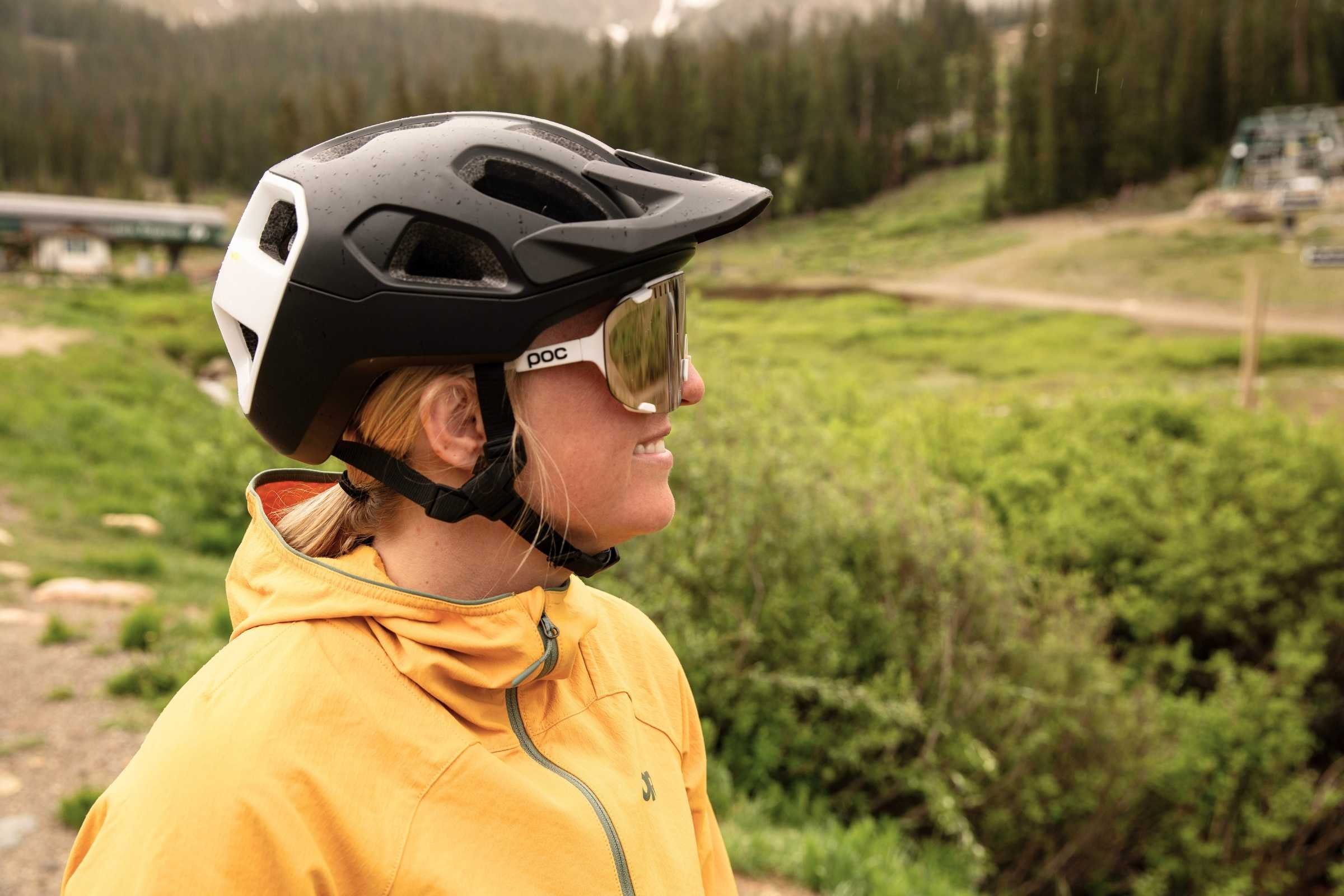
The POC Cularis helmet has 15 vents and an adjustable visor. Photo by Tom Callaghan.
Rotational impact protection system
The POC Cularis uses Mips Air Node technology for rotational impact protection. This is the most refined version of Mips to date, as of 2026.
Adjustable visor
The visor on the Cularis is adjustable to three different positions. The visor is also a breakaway visor that mitigates damage and injury in a crash.
Fit adjustment dial
The Cularis has a 360-degree fit system that is easily adjustable with a dial at the back of the helmet.
Ventilation channels
There are 15 large and well placed vents on the Cularis for maximum airflow when riding.
Lightweight shell construction
The Cularis helmet is made with a PC shell and EPS liner for lightweight performance that doesn’t sacrifice impact protection.
Padding system
The padding system in the Cularis is light and minimal but effective, balancing both comfort and airflow. The Mips Air Node rotational impact protection system integrates with the interior lining and padding of the helmet.
Sunglasses storage
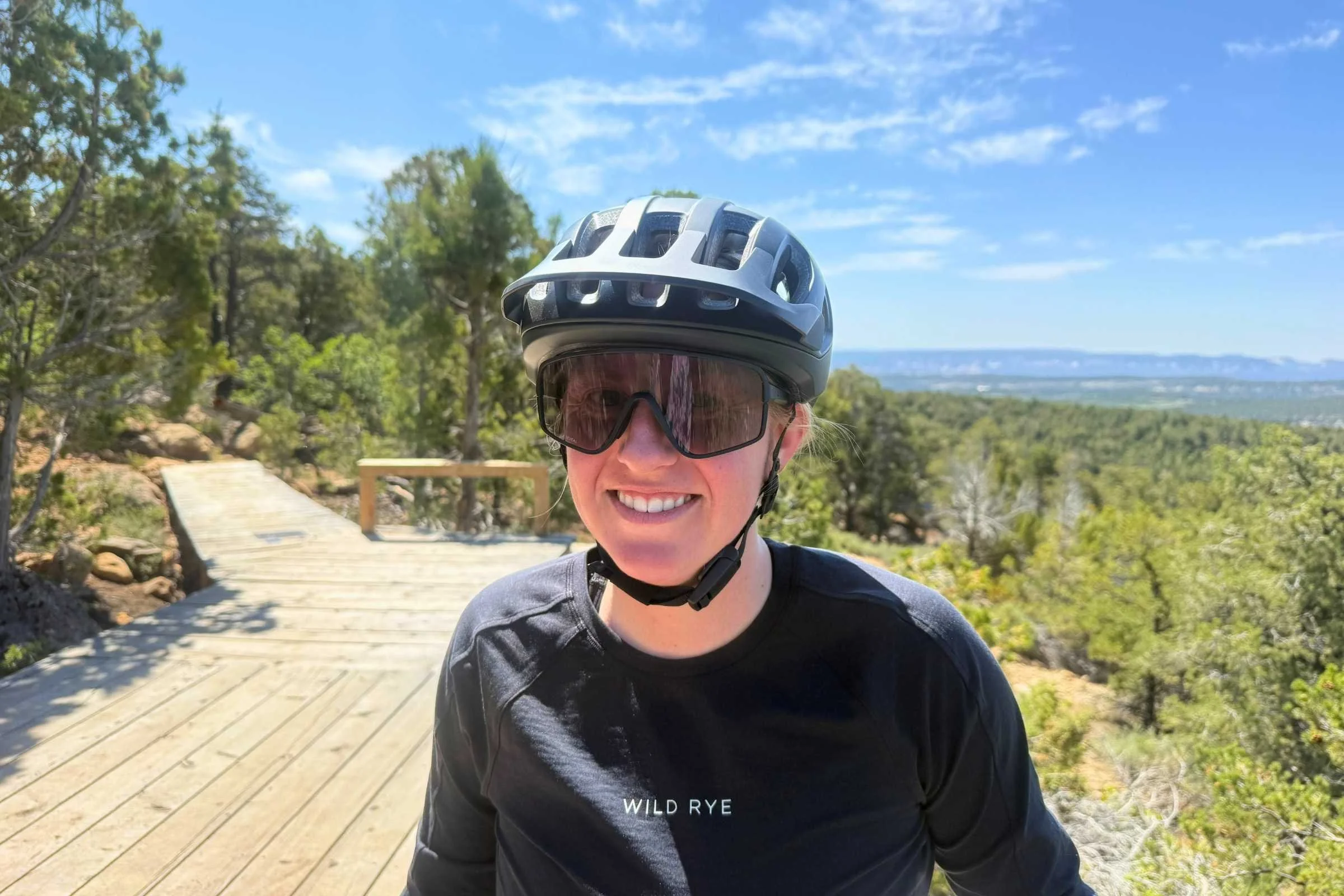
We tested the Cularis helmet with a variety of different sunglasses, including the POC Devour and the Smith Wildcat, and Glade Ramble which is pictured here. Photo by Jon Stockwell.
The vents at the front of the helmet are spaced to hold sunglasses and have small rubber pieces to help hold MTB sunglasses arms in place.
Lay-flat straps
The straps on the Cularis helmet are threaded so that they lay completely flat against the sides of your face without twisting or rubbing (a key comfort feature that less-expensive helmets often do not have).
Sustainability
POC assesses their supply chain and ensures the use of premium, durable materials that are sourced as sustainably as possible, and the packaging they use is often made of recycled materials. While we don’t think any of these sustainability initiatives are groundbreaking, we have noticed that POC products, including this helmet, are made with durable and long-lasting materials, which we think is great.
Should you buy the POC Cularis MTB helmet?

The author testing the POC Cularis on trails in Colorado. Photo by Tom Callaghan.
Buy if:
You’re a trail rider looking for an excellent all-around helmet
You prioritize comfort and ventilation without wanting to sacrificing safety
You want a relatively lightweight helmet with both good coverage and ventilation
Skip if:
You have a tight budget and need an affordable option. For affordable helmets we like, see our in-depth review of the Smith Pilot MTB helmet and in-depth review of the Smith Engage MTB helmet.
You have a very round head shape that doesn’t match this fit
Where to buy
The POC Cularis MTB Helmet is a popular gear item, so you have options when it comes to retailers. Here are some of the pros of the retailers.
Amazon
Pros: Free 2-day shipping with Amazon Prime membership
Backcountry
Pros: Frequent sales for Expedition Perks members (free to join), fast shipping, Gearhead chat customer service is excellent
evo
Pros: 365 day returns, store locations in ski towns for easy last-minute pick-up, may offer rentals if you want to try before you buy, earn 10% back in Rewards
Advice on where to buy
In general for apparel and gear, we recommend purchasing from a place with easy or free returns. If your funds allow, many people find it is faster to order two sizes and return whichever one didn't fit as well. Additionally, check reviews to see whether other users recommend sizing up or down.
Similar MTB helmets
POC Cularis Pure
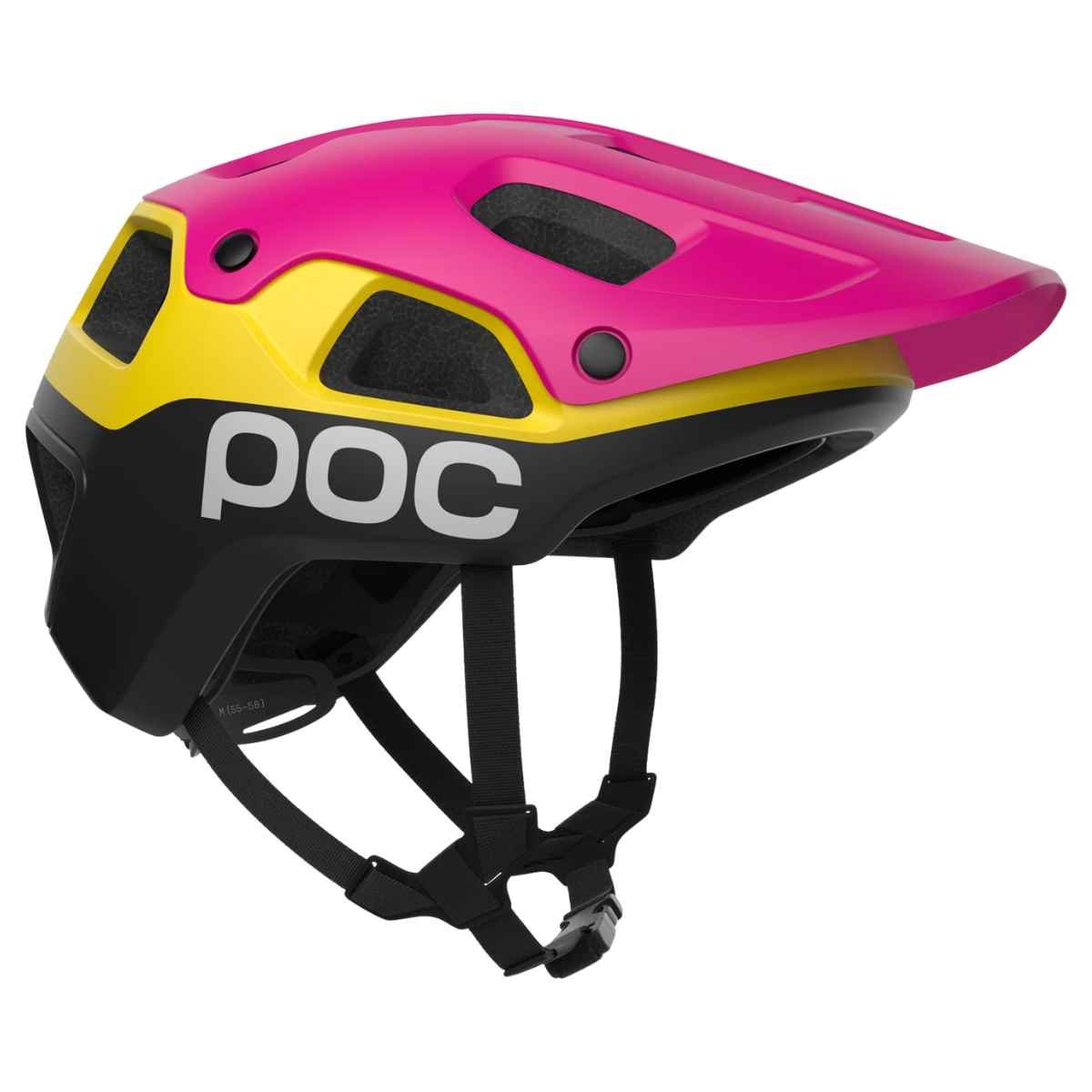
Price: $210
Weight: 380g (medium)
Impact Protection: Mips Air Node
The Cularis Pure is POC’s latest iteration of this helmet. It’s essentially identical to the original Cularis aside from the visor. With the Cularis Pure, you get a removable and interchangeable visor that allows you to block off the vents. While we think this is a pretty niche feature that most riders don’t need, if it’s something that appeals to you—whether for riding in cold and wet weather or having the option to have no visor at all—then this version could be a good choice.
But perhaps the biggest bonus is that the Pure is $50 cheaper than the regular Cularis. So, if you don’t mind sacrificing your adjustable visor to save some money, definitely consider this.
POC Cularis Pure
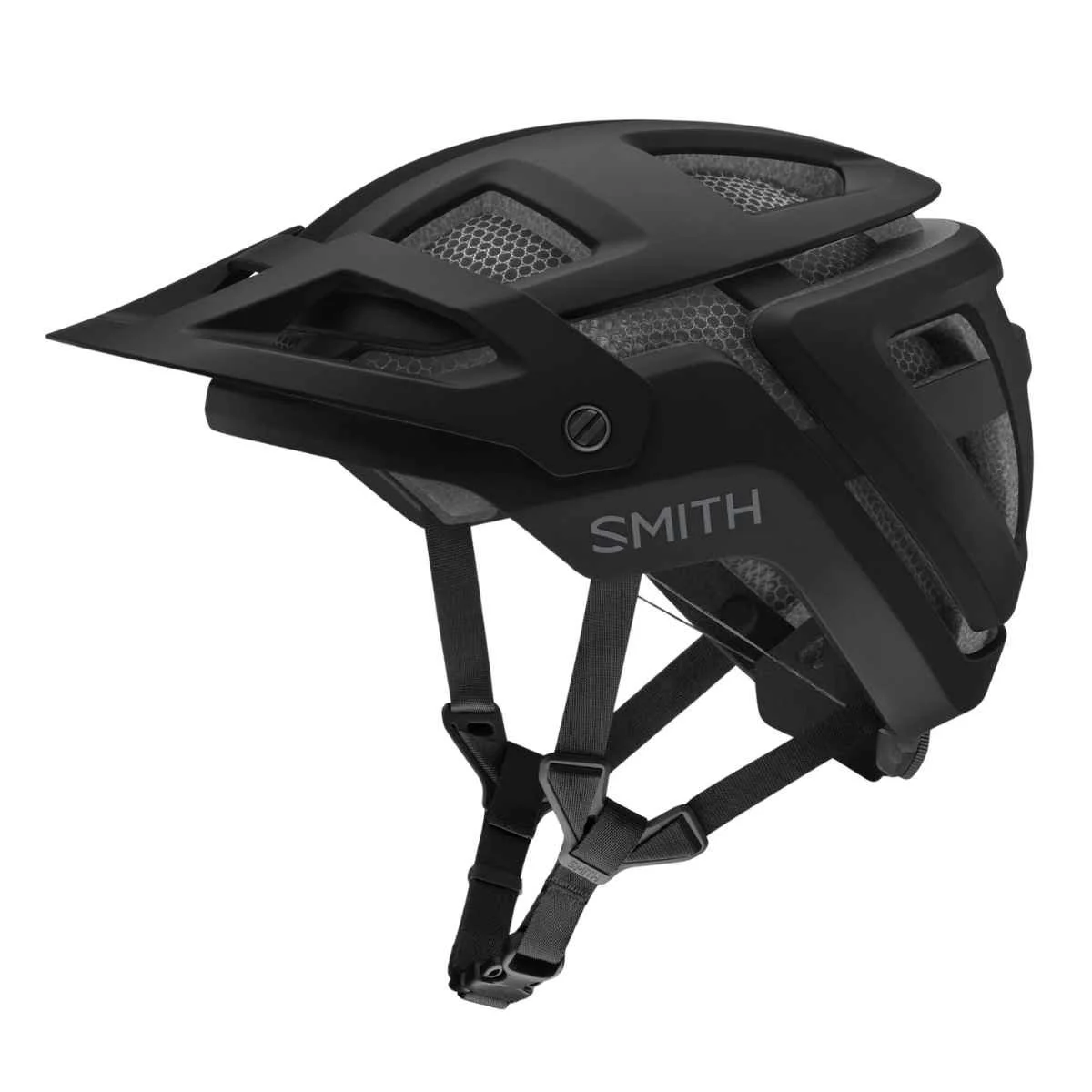
Price: $300
Weight: 410g (medium)
Impact Protection: Mips Air Node, Koroyd
The Smith Optics Forefront 3 is among the most popular helmets for trail riders, thanks to its good coverage, multiple forms of impact protection, comfortable fit, and stylish look. The Forefront 3 has more coverage and the addition of Koroyd for direct impact protection, and it’s also heavier. But the Cularis has significantly better airflow and is a little less expensive.
We named this the best looking helmet in our Best MTB Helmets guide. Learn more in our in-depth review of the Smith Optics Forefront 3 MTB helmet.
Smith Optics Forefront 3
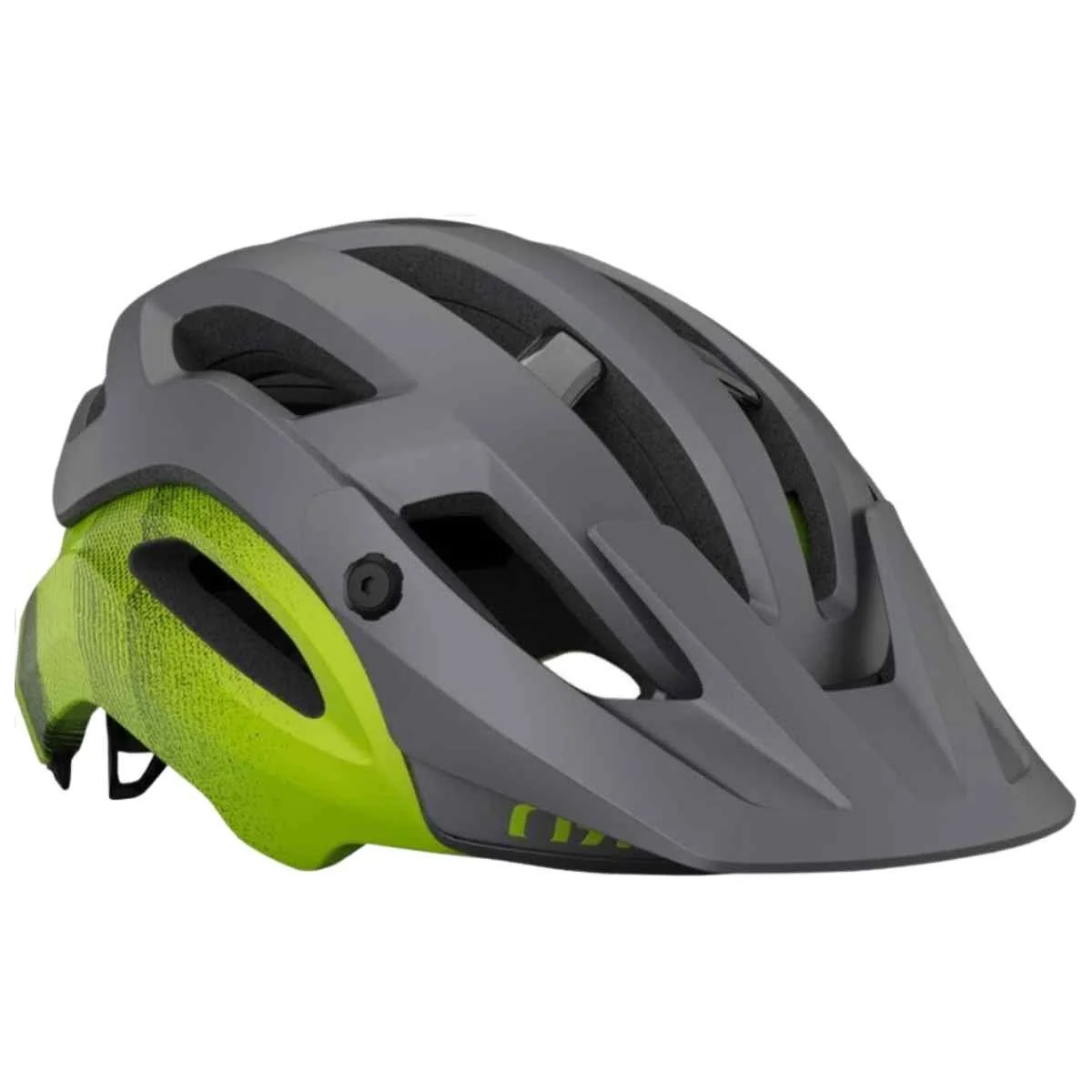
Price: $280
Weight: 340g (medium)
Impact Protection: Mips Spherical Technology
The Giro Manifest Spherical is another mountain bike helmet we’ve tested that landed itself in the top ranks for comfort. Like the Cularis, this is one of the most comfortable MTB helmets we’ve ever worn. Airflow and comfort are neck-and-neck between these two helmets, with the Giro edging out the POC just barely in these categories. But the Manifest Spherical is slightly more expensive.
Giro Manifest Spherical
Why you should trust us / About the author
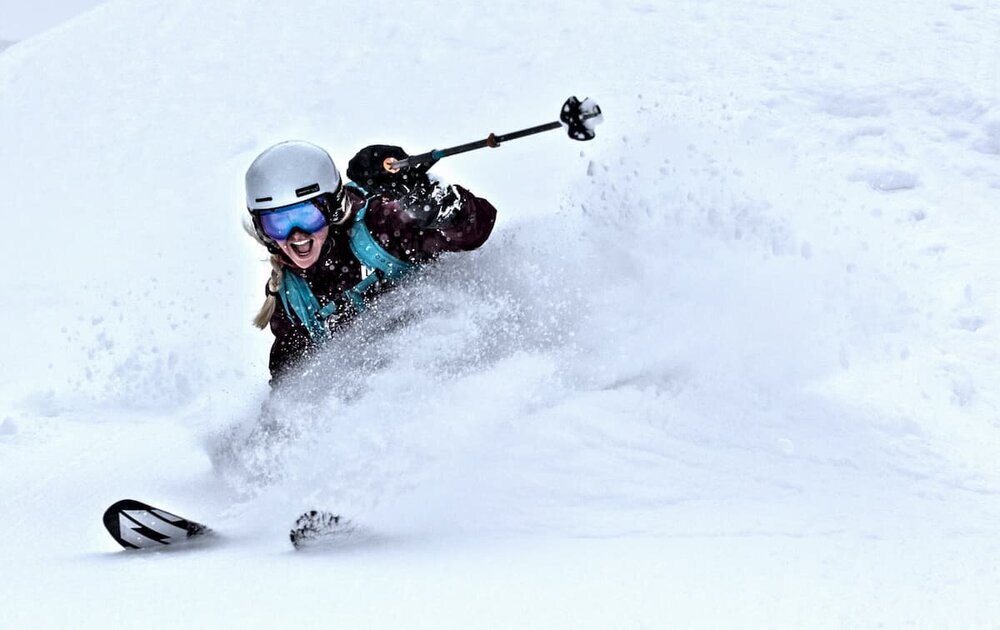
A true mountain dweller, Stasia feels far more at home on a high alpine ridge than on a busy city street. She’s worked as a backpacking guide in Southeast Alaska, has held a WFR, AIARE 1, AIARE 2, and Avalanche Rescue Certifications and is working to become an avalanche education instructor. She’s now a full time writer and editor in the outdoor space and has been testing and writing about gear for over a decade.
Stasia learned to mountain bike as a kid in Utah, and rekindled her love for the sport after moving to Summit County, Colorado and getting a new (and very much improved from her very old hand-me-down) full suspension bike several years ago. She spends most of her summer days out on the singletrack. Stasia has been testing mountain bike helmets for several years and has learned what to look for in a great one. Thankfully, she has not had to do too much true impact testing—aside from the time she went OTB after just discovering she was pregnant with her first child. Whoops. (Everything was fine and now that kid rides his own tiny bike, also often recklessly.)
You can find more of Stasia’s work on her Treeline Review author page.