Salomon Genesis 2 Trail Running Shoes Review: Beginner-Friendly Without Feeling Basic
An in-depth review of the Salomon Genesis 2 for trail running, hiking, and backpacking
October 20th, 2026
Home > Gear Reviews > Footwear
Our verdict
The Salomon Genesis 2 is a durable, lightweight, and comfortable trail running shoe. It’s one of the least expensive trail running shoes I’ve tried, but it performs as well as shoes that cost up to $35 more. We’ve dubbed it the Best Trail Running Shoe for Beginners in our Men’s Trail Running Shoes guide, but it’s much more than what you’d traditionally think of as a “budget” shoe.
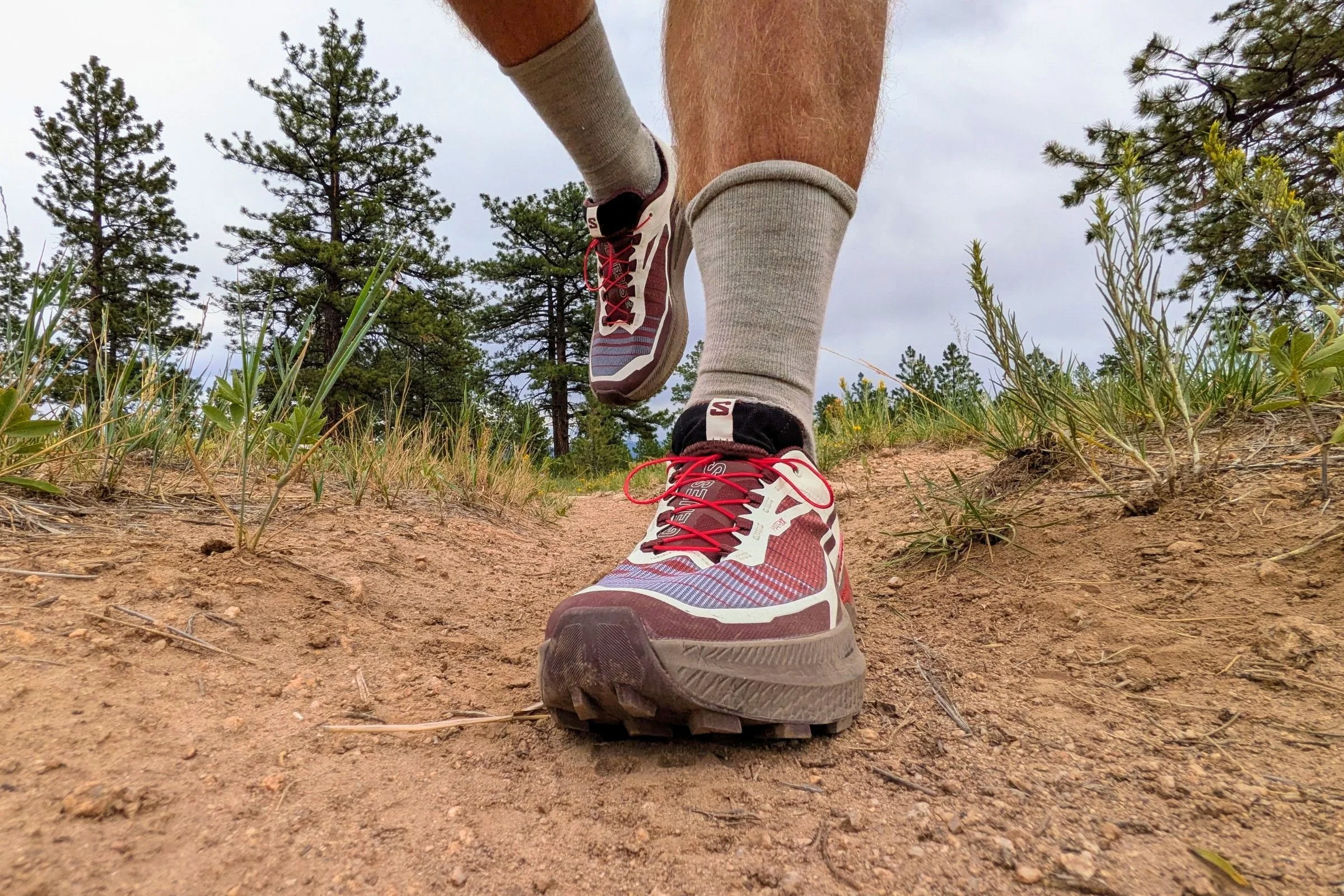
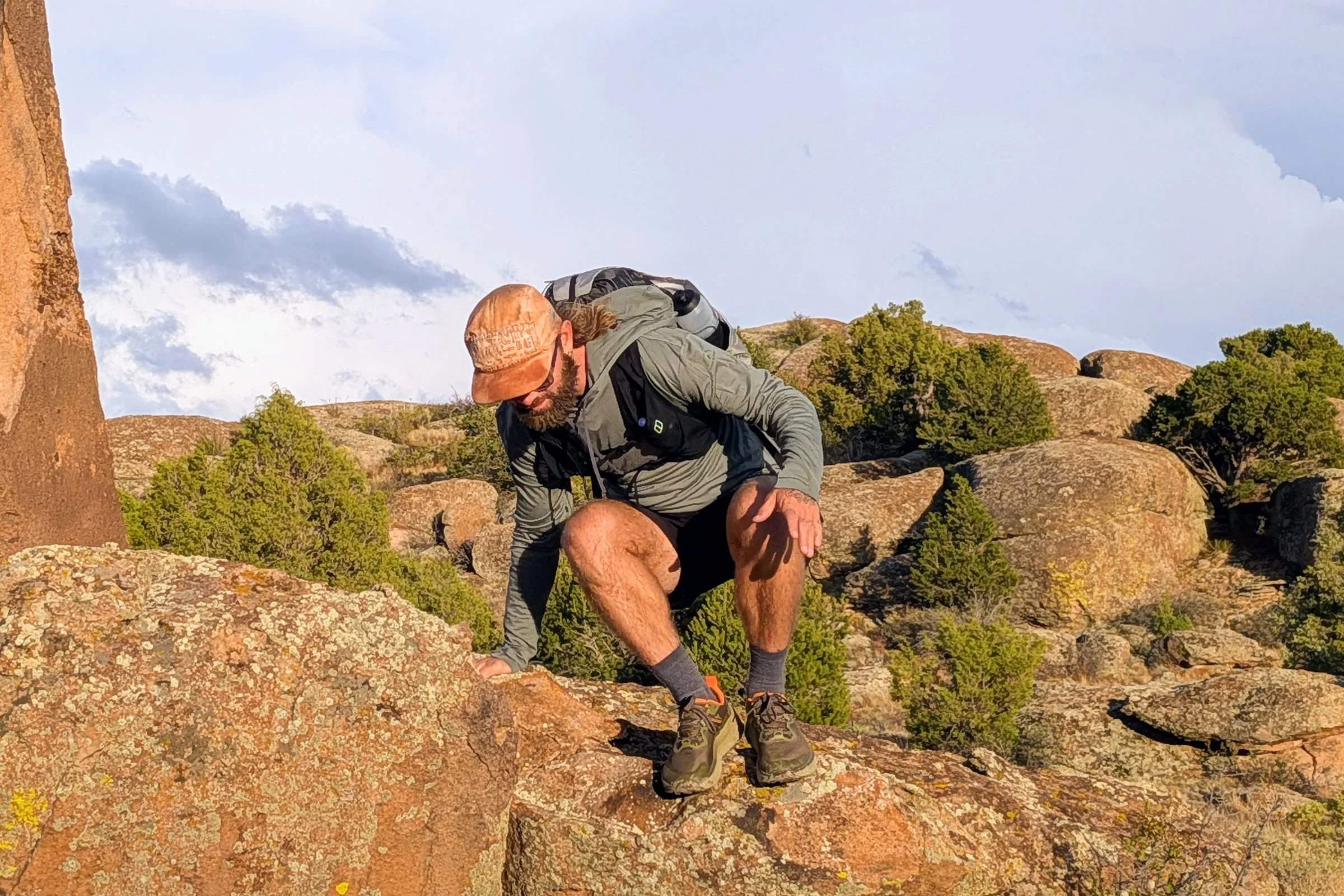
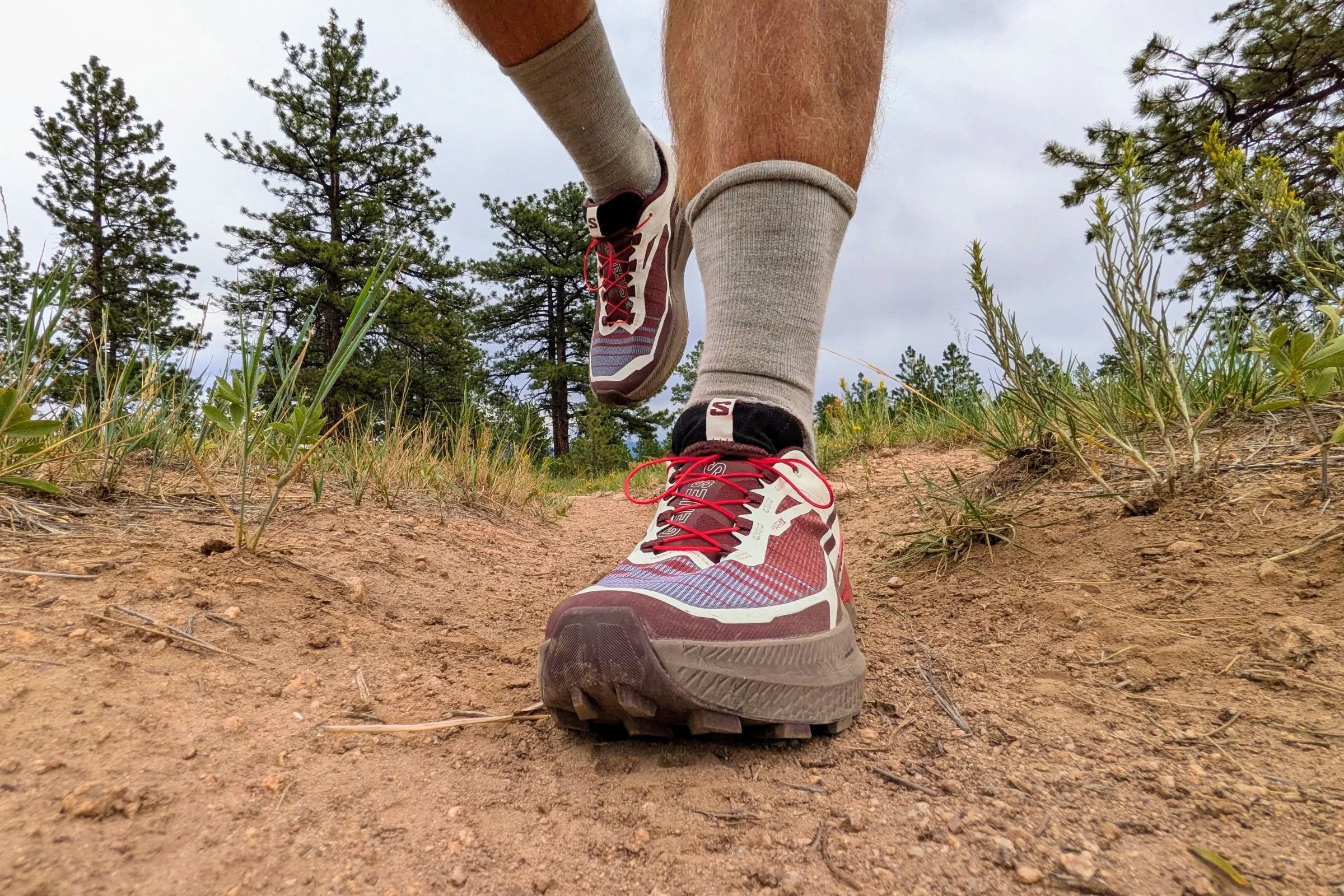
I tested the Salomon Genesis 2 while mountain and trail running in Colorado. I’ve run dirt roads, rocky trails, scrambled granite ridges, and traversed scree fields in these shoes. I’ve summited mountains, run trails in Colorado national forests, and I’ve run along the Colorado Trail.
They have an extremely tear-resistant Matryx upper. Matryx is a textile that uses individually coated, high-tenacity Kevlar and technical yarn woven together. We’ve tested a few pairs of shoes with a Matryx upper, and we’ve never seen this material tear or develop holes. So far, after putting in 3 months of running on technical trails, the Genesis 2 upper doesn’t have any tears.
Aside from that extremely durable upper, the Genesis 2 also has a grippy outsole, a firm yet springy midsole, and Salomon’s quickLACE system that never comes untied.
Salomon Genesis 2 trail running shoes
Men's
Women's
If you liked the Salomon Sense Ride trail running shoes, the Genesis is a worthwhile replacement. The Sense Ride has the same Salomon contaGRIP outsole, a similar lug pattern, the same quickLACE system, and a similar overall fit as the Genesis. The Genesis features an upgraded, more durable Matryx upper that's extremely tear resistant.
The biggest drawback of the Genesis 2 is Salomon’s narrower fit. They fit many people’s feet just fine, but if you have wider feet, they might not fit yours. I have wider-than-average feet, and while the Genesis fit my feet OK, they wouldn’t be my top choice for a 20+ mile long run.
But if you don’t have wide feet and you’re looking for an affordable trail running shoe with a durable upper and grippy outsole, the Genesis 2 is a great option.
We create reader-supported, objective gear reviews independently selected by our editors. This story may contain affiliate links, which help fund our website. When you click on the links to purchase gear, we may get a commission, without costing you an extra cent. Thank you for supporting our work and mission of outdoor coverage for every body! Learn more.
Salomon Genesis 2 trail running shoes specifications
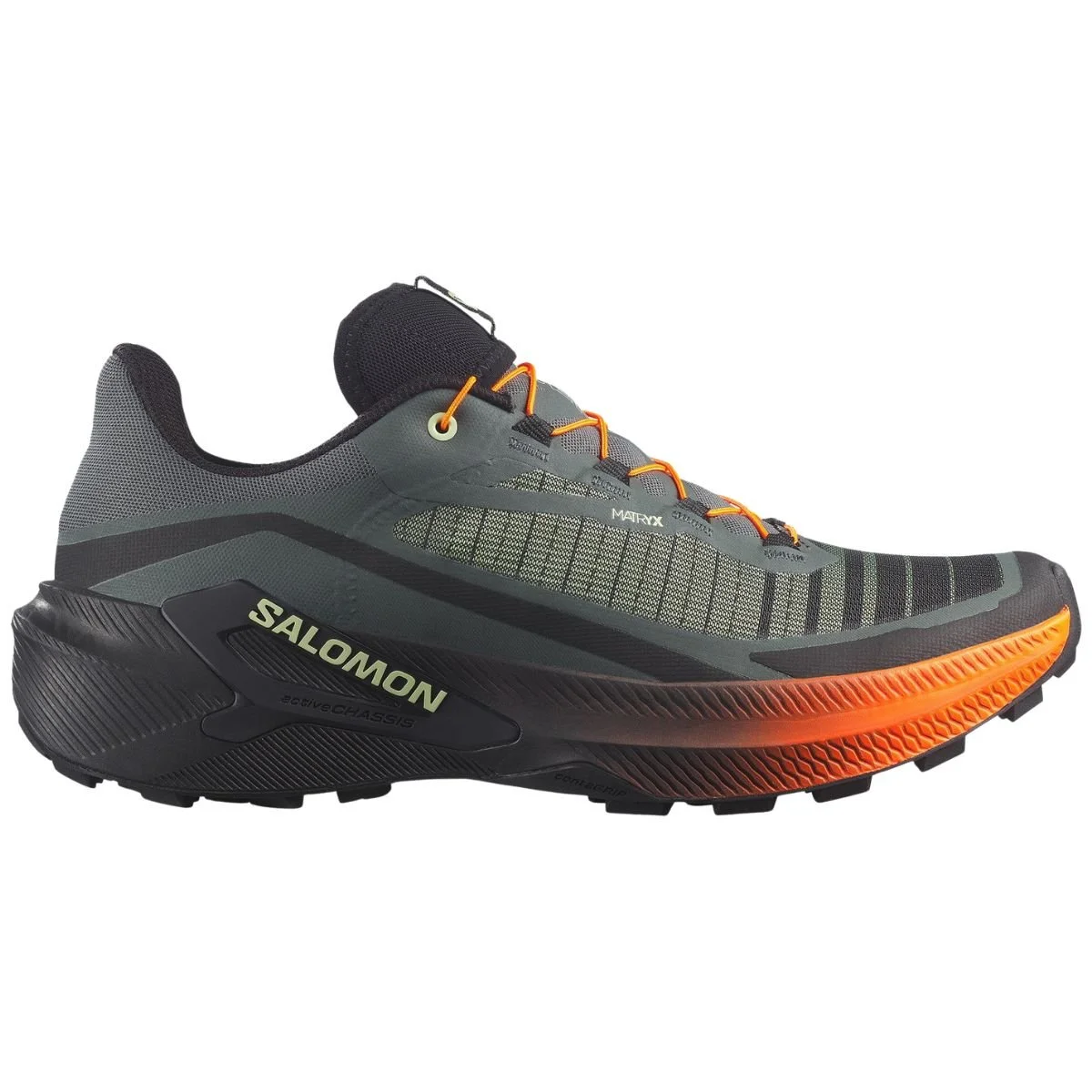
MSRP: $150
Cushion: Moderate
Stability: Neutral
Heel-to-Toe Drop: 8 mm
Stack Height: 33.5 - 25.5 mm
Lugs: 4 mm
Upper: Matryx
Midsole: optiFOAM
Outsole: All-Terrain contaGRIP
Weight (per shoe): 9.9 oz (men’s), 8.5 oz (women’s)
Comparison table
| TRAIL RUNNING SHOE | MSRP | M's Weight | W's Weight | Cushion | Heel Drop | Stack Height | Rock Plate |
|---|---|---|---|---|---|---|---|
| Salomon Genesis 2 Men's Women's |
$150 | 9.9 oz | 8.5 oz | Moderate | 8 mm | 33.5 - 25.5 mm | No |
| La Sportiva Prodigio 2 Men's Women's |
$170 | 9.3 oz | 7.9 oz | Maximum | 6 mm | 34 - 28 mm | Yes |
| Salomon Speedcross 6 Men's Women's |
$150 | 10.5 oz | 9.2 oz | Moderate | 10 mm | 32 - 22 mm | No |
| HOKA Speedgoat 7 Men's Women's |
$165 | 9.7 oz | 8.3 oz | Moderate | 4 mm | 37.3 - 33.3 mm | No |
Best for
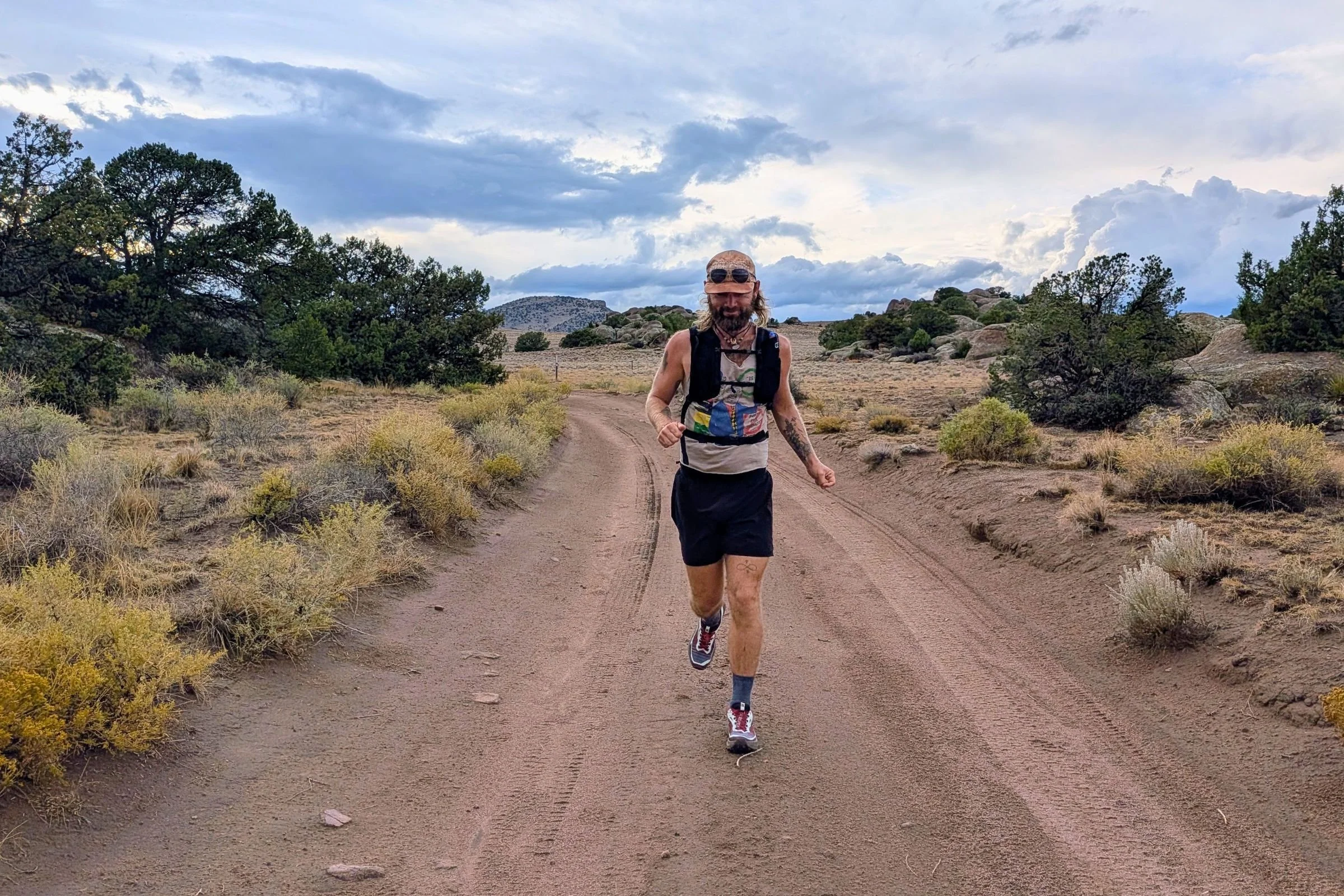
Technical trail running
Gravel and dirt road running
Long-distance trail running
Speed work or more agility-focused running on trails
Hiking and backpacking
Scrambling
What we liked
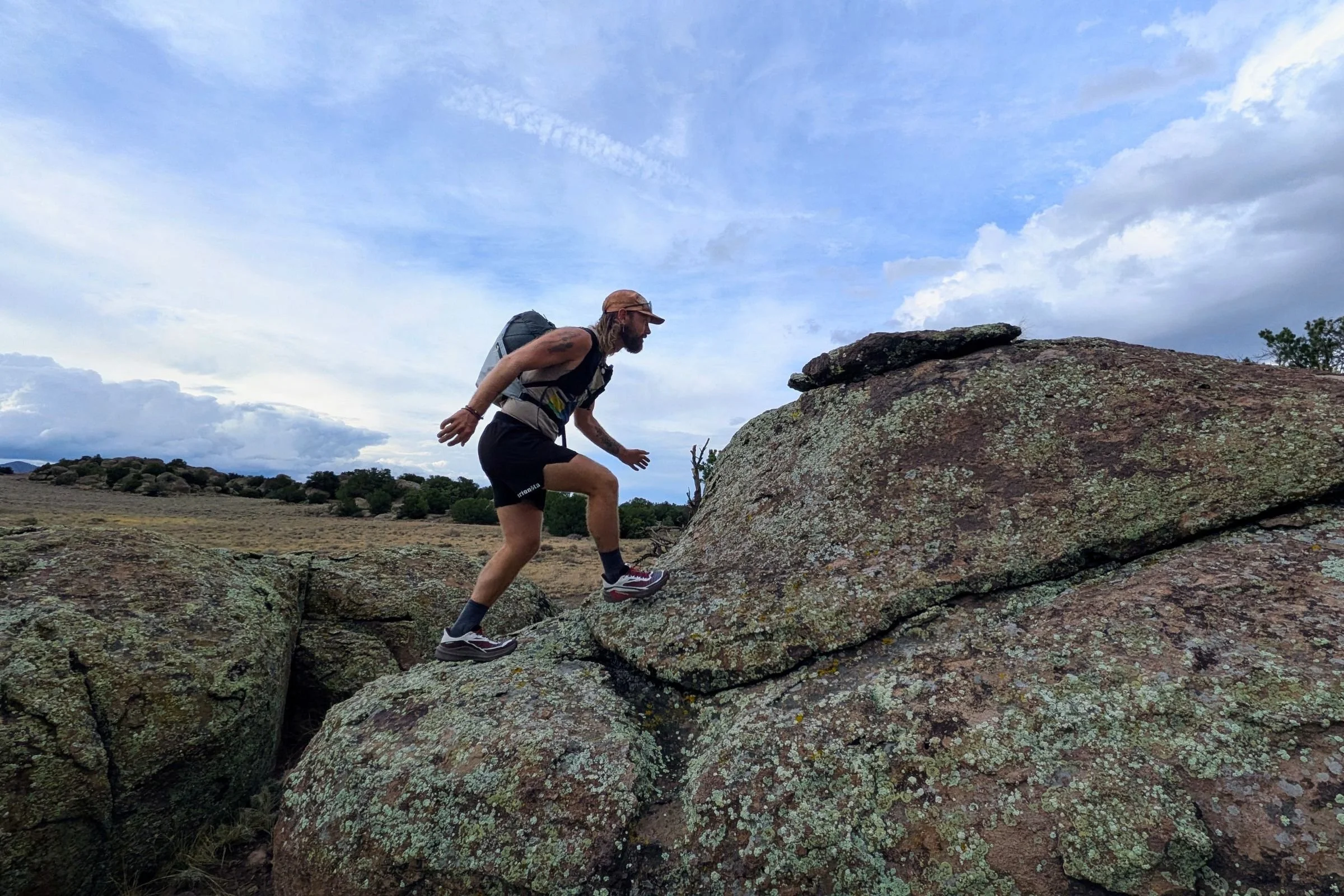
ContaGRIP outsole sticks to rock, dirt, and varied terrain in wet or dry conditions
Matryx upper is extremely durable
Higher heel-to-toe drop is great for newbie runners and those who prefer more cushion under their heel
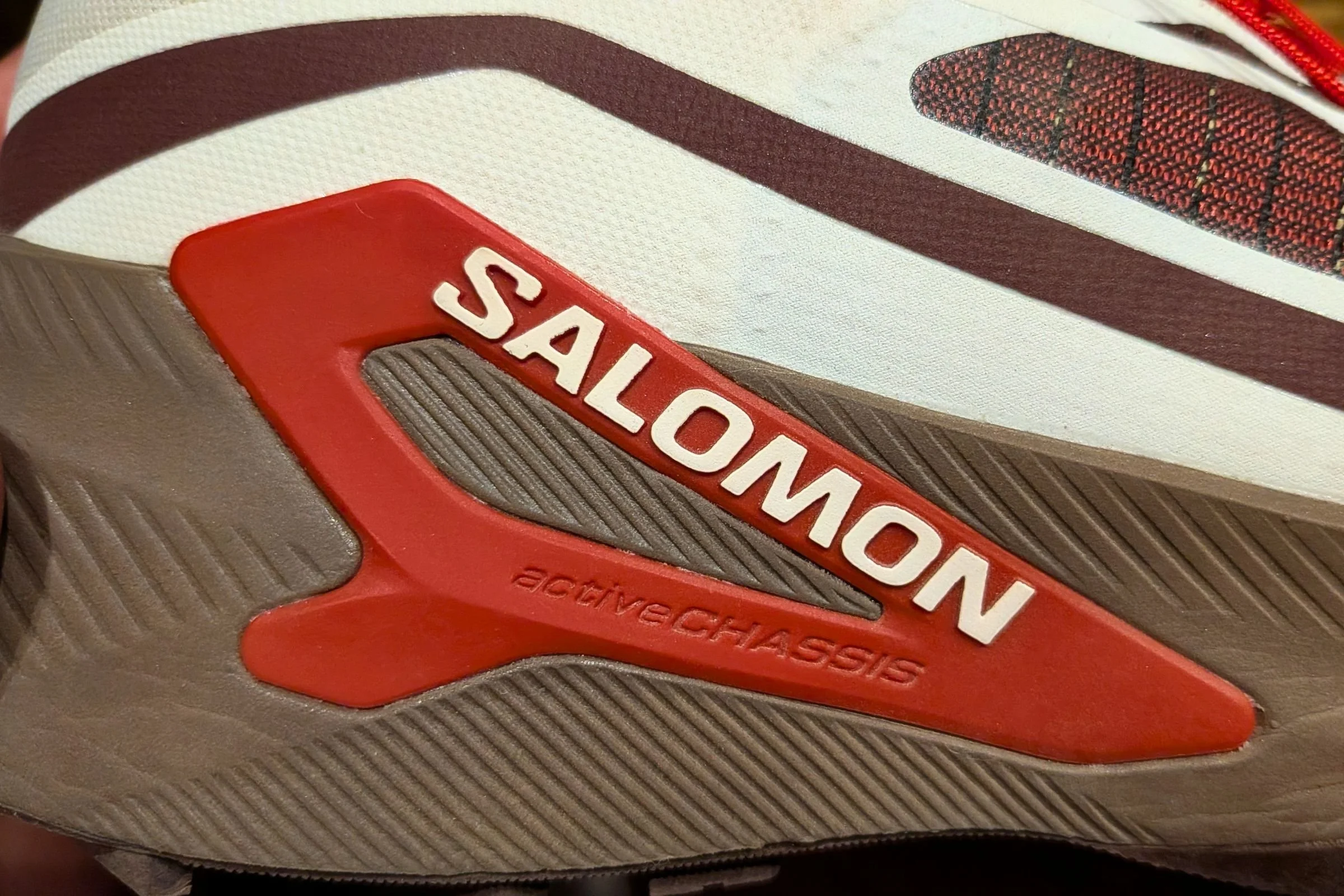
Firm, yet responsive midsole with activeCHASSIS insert feels efficient and stable over uneven terrain
Salomon quickLACE system never comes untied
What could be better
Salomon shoes run narrower than others
Higher (8-mm) heel-to-toe drop isn’t for everyone
How we tested

I tested the Salomon Genesis 2 while trail running, backpacking, hiking, and scrambling in Colorado and Utah in the summer and fall. I ran on high-elevation trails in Leadville, Buena Vista, and Salida, as well as on southern Colorado trails in the La Garita Mountains. I ran dirt roads, scrambled through unique rock formations, and ran singletrack trails over the 3-month testing period.
Trail conditions tested ranged from smooth dirt paths to rocky desert doubletrack, sand, dirt, and bare rock. I ran uphill on steep, rocky trails and on flatter dirt doubletrack roads to connect singletrack sections. Most of my testing happened in hot, clear summer conditions, but I also experienced some rain during a particularly wet monsoon season in southern Utah. I used the Genesis in temperatures ranging from 40 degrees to nearly 100 degrees Fahrenheit.
I tested the Genesis 2 alongside several other trail running shoes from our Best Men’s Trail Running Shoes guide.
Performance in the field

Fit and comfort
The Genesis 2 trail running shoes are comfortable right out of the box. I’ve worn them for countless 3-4 hour runs and hikes, and have never had any issues. If you have wide feet, you might find these shoes to be too narrow for you, though.
The Genesis fits true to size. I normally wear a men’s size 9.5 shoe, and that’s the size I got for these shoes, too. If you’ve tried Salomon shoes before, these will fit similarly to other models.
Salomon shoes run narrower than many other brands, such as Altra and HOKA. If you find the Altra Lone Peak is too wide for your feet, then the Genesis is a good shoe to try. If your foot fits the HOKA Speekgoat, then the Genesis will probably also fit your foot, though the Genesis will fit tighter through the midfoot than the Speedgoat.
Fit in toe box
The toe box is roomier than some Salomon running shoes. The toe box is about as roomy as the Salomon Speedcross or La Sportiva Bushido III. They don’t have nearly as wide a toe box as the Altra Lone Peak or Olympus.
Fit in midfoot
The tongue attaches to stretch fabric on either side, and that fabric attaches to the midsole. This system holds your midfoot firmly in place.
Fit in heel cup
They have a padded ankle collar and heel cup that keep your heel locked in place. Since they have Salomon’s quickLACE system, these shoes don’t have an extra set of eyelets near the ankle for the heel lock lacing technique. These shoes always hold my heel in place well, so I never wanted to use alternate lacing patterns. But those alternate patterns aren’t an option if you do feel like you need them.
Midsole and cushioning
The Genesis 2 has 33.5 mm of stack in the heel and 25.5 mm in the forefoot. It has a firm yet springy midsole. The midsole foam is Salomon’s own optiFOAM, which sits on the firmer side of the running shoe midsole spectrum.
Level of cushioning compared to other trail shoes/road shoes
Compared to other trail and road running shoes, the Genesis has about average cushioning. They don’t have quite as much cushion as the HOKA Speedgoat (37.3 - 33.3 mm), but they have almost as much cushion as the La Sportiva Prodigio 2 (34 - 28 mm).
Impact absorption and energy return
The Genesis 2 midsole is soft enough to absorb impact on every footfall, but it’s firm enough to provide a snappy return when you push off the ground. The activeCHASSIS midsole helps return energy by rolling your foot forward from heel strike onto your forefoot as you push off for the next stride.
Stability
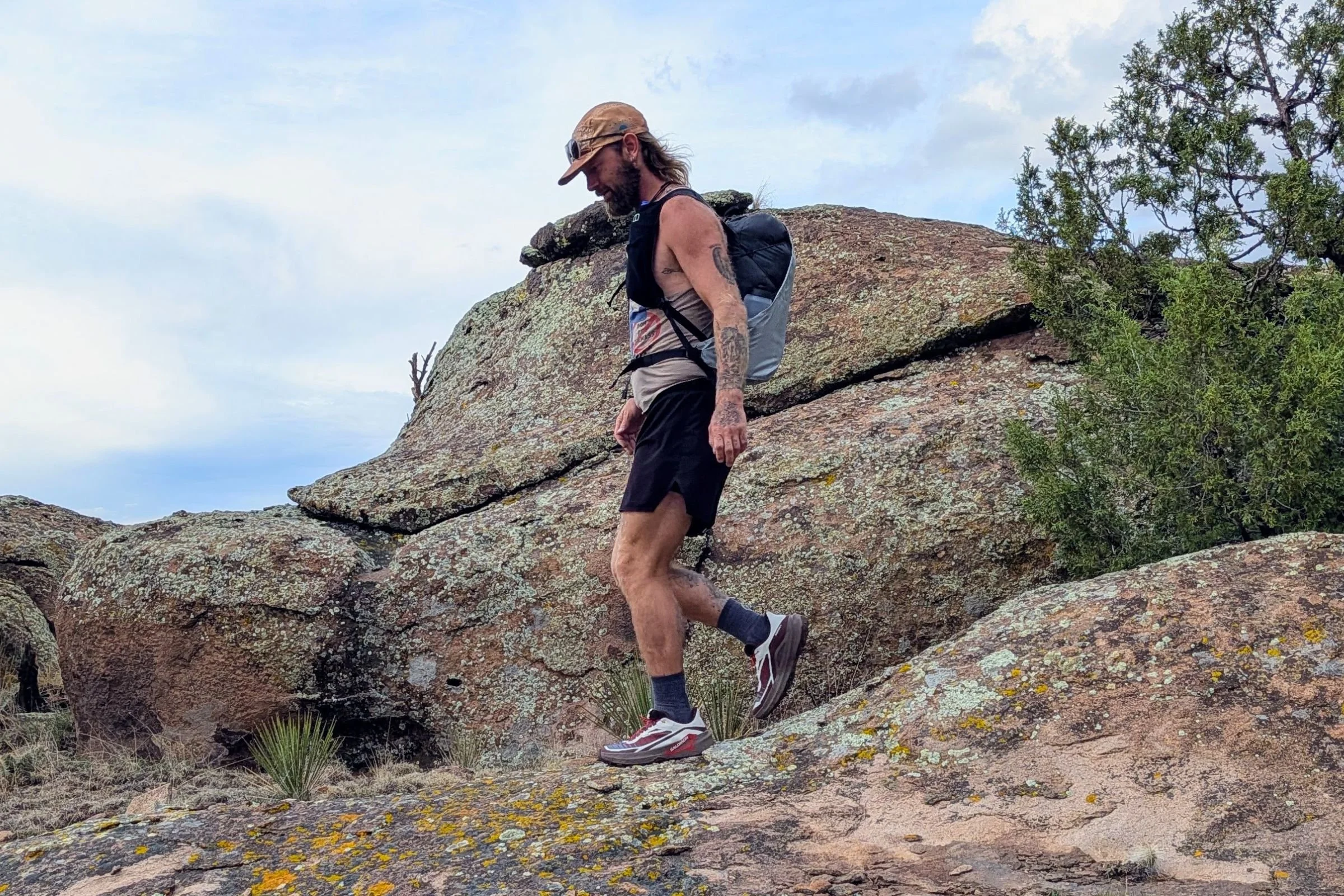
The Genesis 2 is very stable. They feel firm and planted underfoot, and they don’t feel like they would easily tip over, as some trail shoes do. I find higher heel-to-toe drop shoes, like these, often feel less stable. But the Genesis feels solid underfoot and inspires confidence.
As an aside, in the running shoe world, a “stability shoe” is designed to support the foot and reduce excessive inward rolling, known as overpronation. The Genesis is not a stability shoe in this sense. It is a neutral shoe.
Support
The Genesis is a neutral support shoe. “Neutral” support means that it isn’t designed to prevent overpronation (as a stability shoe does, see above).
However, it provides more support than a minimalist shoe with no arch support and little underfoot cushioning.
Arch support
While this is a neutral shoe, the insole and midsole provide subtle arch support, more than some trail running shoes. The midsole is made of Salomon’s optiFOAM, which is firm and doesn’t feel mushy, but still cushions underfoot.
Lateral support
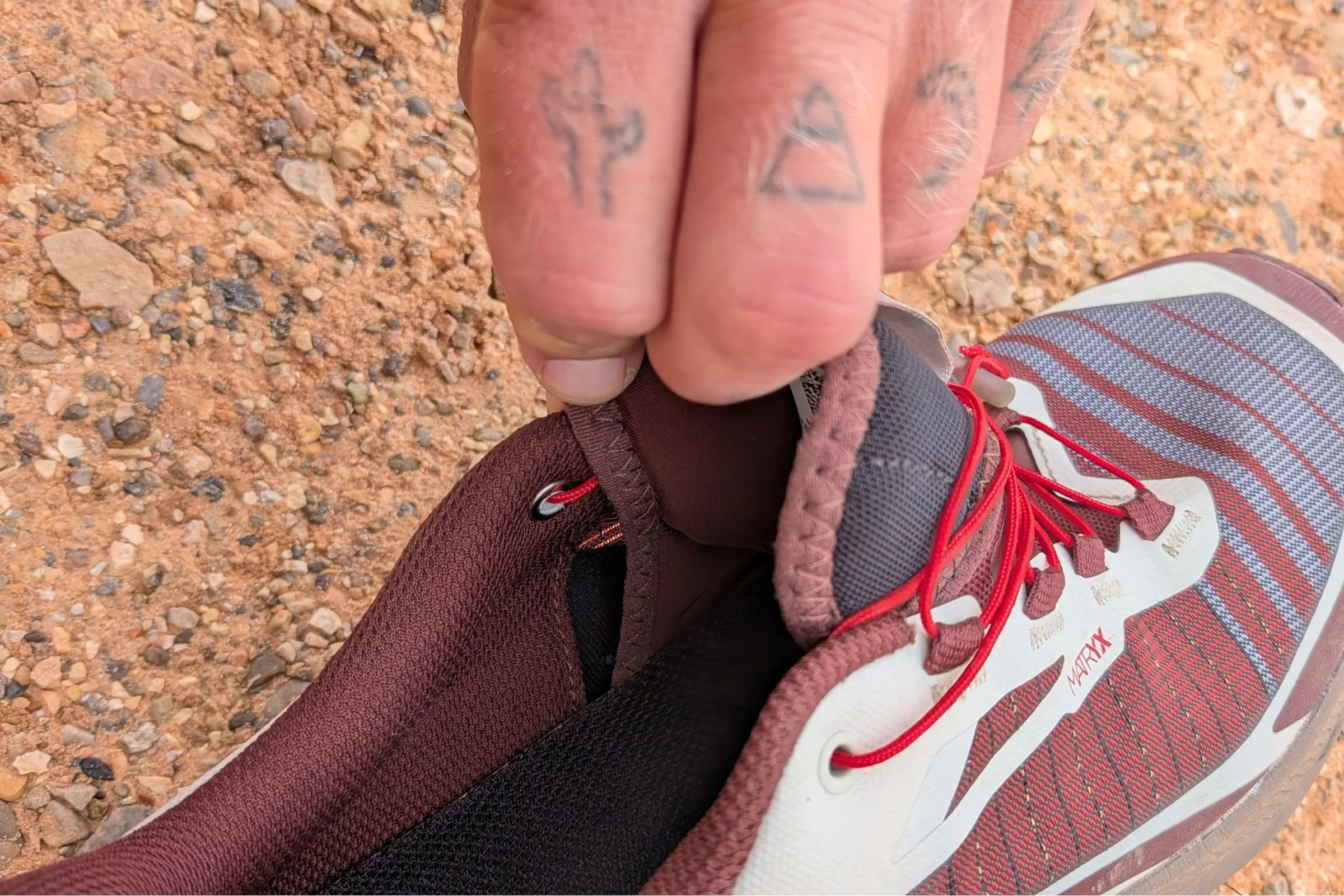
The Genesis 2 has excellent lateral support. The Matryx upper with Salomon’s quickLACE system keeps your foot locked in place as you push off to the side. The tongue connects via an elastic strip to the midsole, creating what’s essentially a bootie that wraps around your entire midfoot and adding more lateral support.
Ride
The Genesis provides a quick and efficient ride. These shoes aren’t super bouncy; rather, they predictably roll you forward as you stride. The activeCHASSIS prevents your foot from flexing as much and provides a stiffer platform to push off of, much like a carbon plate does.
These shoes feel firmer underfoot than the HOKA Speedgoat or Altra Lone Peak. The Genesis feels more solid while still rolling your foot forward, similar to how HOKA’s Meta-Rocker does. Compared to the Lone Peak, the Genesis feels slightly bouncier. You’ll get more ground feel with the Lone Peak, but the Genesis cushions you underfoot more and feels faster on the turnover compared to the Lone Peak.
Outsole, grip, and traction
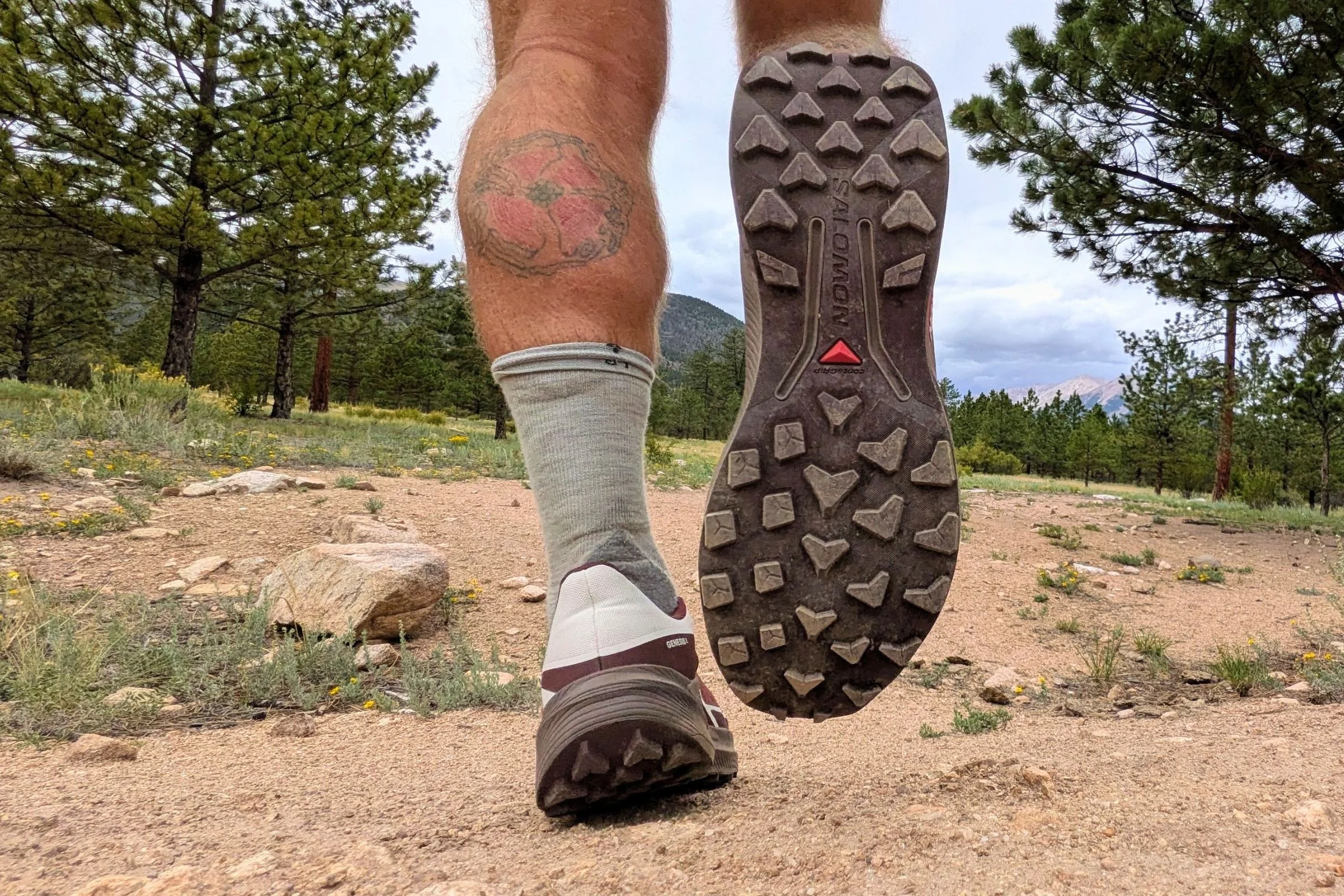
The Genesis 2 has a grippy rubber outsole. The rubber compound is Salomon’s contaGRIP rubber, which is some of the grippiest rubber I’ve used. It’s about on par with the Vibram Megagrip rubber used on the HOKA Speedgoat and Altra Lone Peak 9+. Aside from shoes that use Vibram rubber on their outsoles, Salomon and La Sportiva use the grippiest rubber in their trail running shoes.
The contaGRIP rubber outsole covers the entire tread as well. This provides better grip and also makes the outsole last longer because it doesn’t leave any midsole foam exposed to tears and premature wear.
The outsole has a combination of V-shaped lugs on the outer two-thirds of the forefoot and on the entire heel. It also has square lugs on the inside third of the forefoot. The V-shaped lugs point forward on the forefoot and back on the heel, which gives traction as you push off going forward and as you slow down with your heels while going downhill. The square lugs on the interior third of the forefoot put more rubber in contact with the ground in a higher wear area, which adds longevity and grip on hard-packed dirt and bare rock.
Performance on various terrains
The Genesis has 4-mm lugs and a sticky rubber outsole. The lugs are deep enough to bite into loose dirt and mud, but they don’t grip as well in mud as deeper lugs do.
The Genesis excels in traction over slickrock, hard-packed dirt, and other rocky terrain. If it had deeper lugs, it would be better in mud, but then it wouldn’t be quite as grippy on hard pack and slick rock.
Wet and dry conditions
The Genesis 2 outsole rubber is grippy in wet and dry conditions. I’ve crossed countless streams in these shoes, and the rubber often gets wet. I haven’t noticed a drop in grippiness when they’re wet and have never slipped during a stream crossing.
Versatility
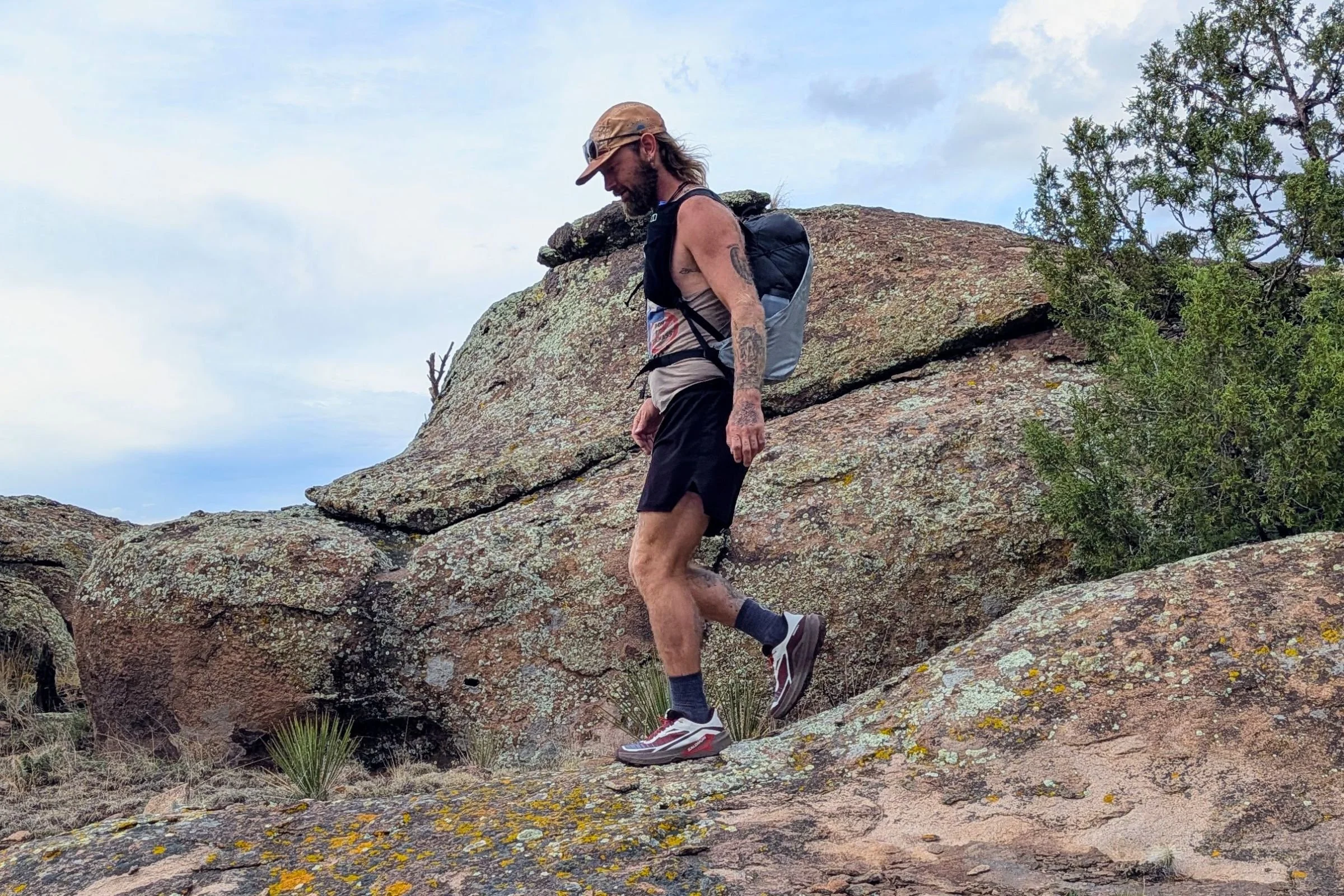
The Genesis is versatile enough to run, hike, or backpack on everything from singletrack trails to dirt and gravel roads. It can hold its own on short paved sections, too. It excels on steep, rocky terrain, whether that’s running, hiking, or a combination of both.
Responsiveness
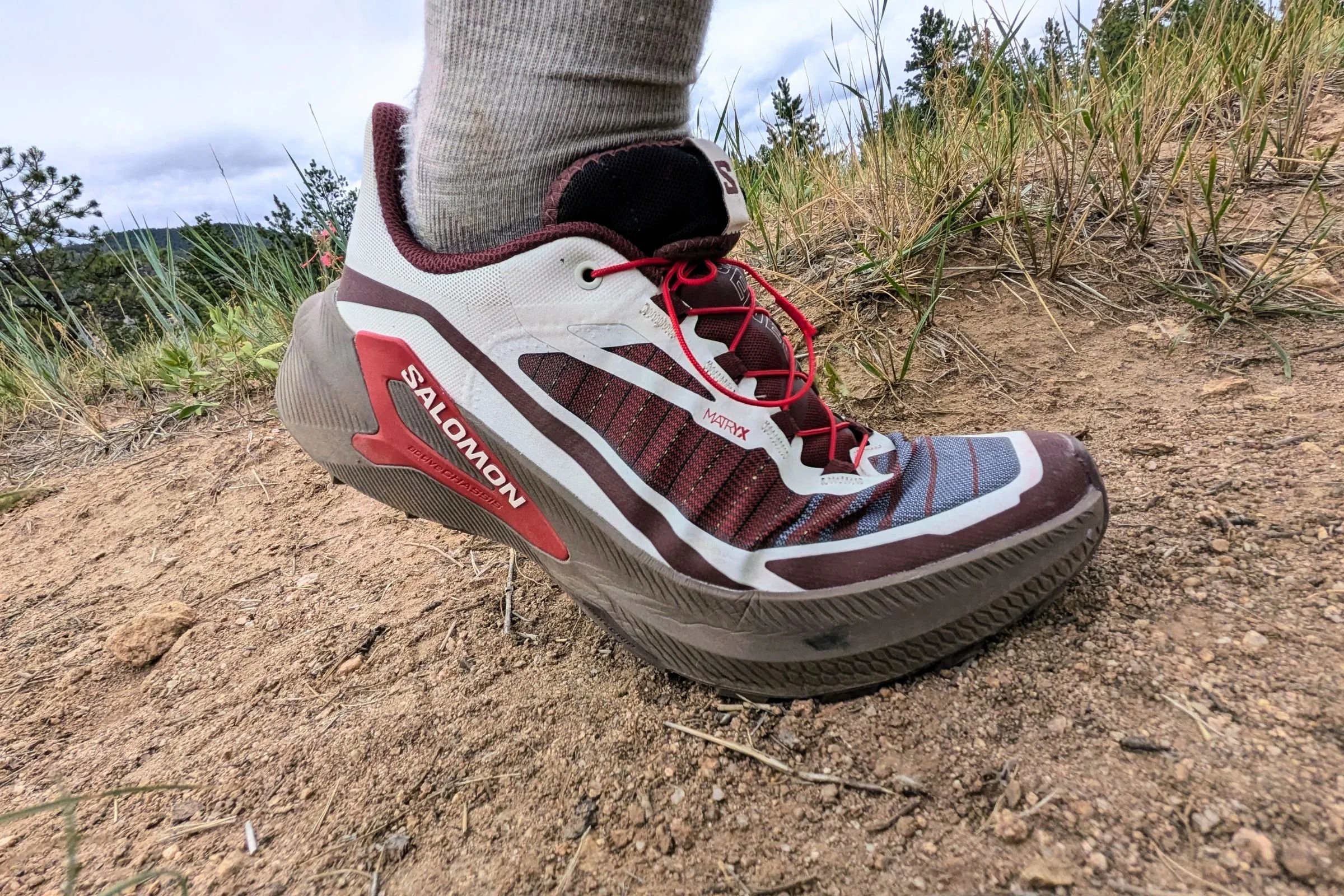
The optiFOAM midsole feels responsive without feeling mushy or too springy. The activeCHASSIS insert in the midsole makes the midsole stiff and responsive, because when you push off with your forefoot the shoe doesn’t flex, so it transfers all of that force to the ground.
Warmth
The Genesis has a breathable Matryx mesh upper, so it won’t be very warm in cold conditions. If you’re looking to use these in cold weather, you should consider thicker socks or a winterized waterproof shoe.
Break-In time
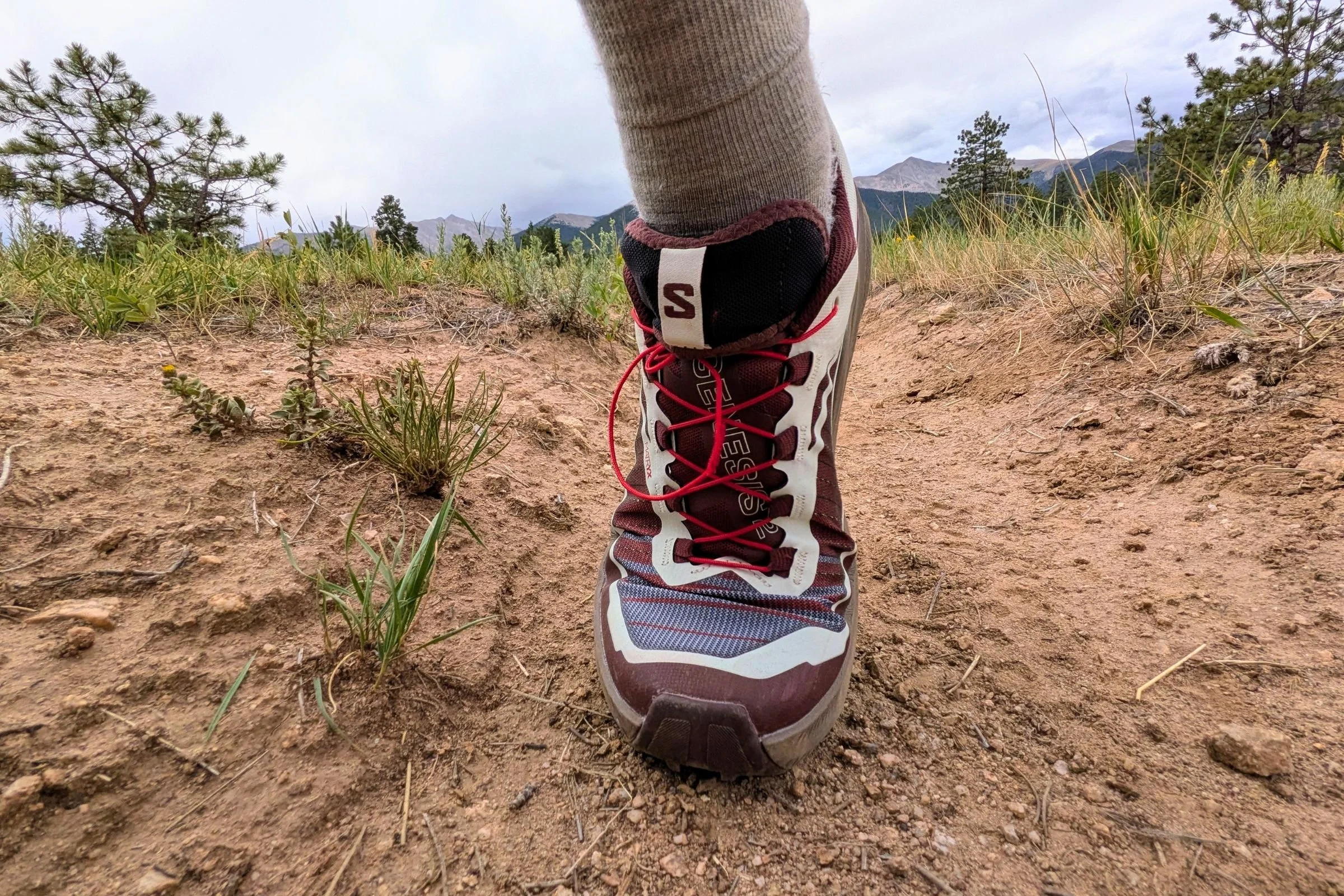
I pulled these shoes out of the box, put them on to check the fit, and then immediately went on an 8-mile trail run. They’re very comfortable right out of the box, and I had no issues on that first run. I also haven’t had issues as the shoes continue to wear. Since the Genesis 2 has a high drop, if you’re used to low or zero-drop shoes, you may need to gradually transition to these shoes.
Upper and breathability
These shoes are very breathable. I’ve run in temperatures near 100 degrees in them and they’ve never caused my feet to overheat.
Durability and longevity
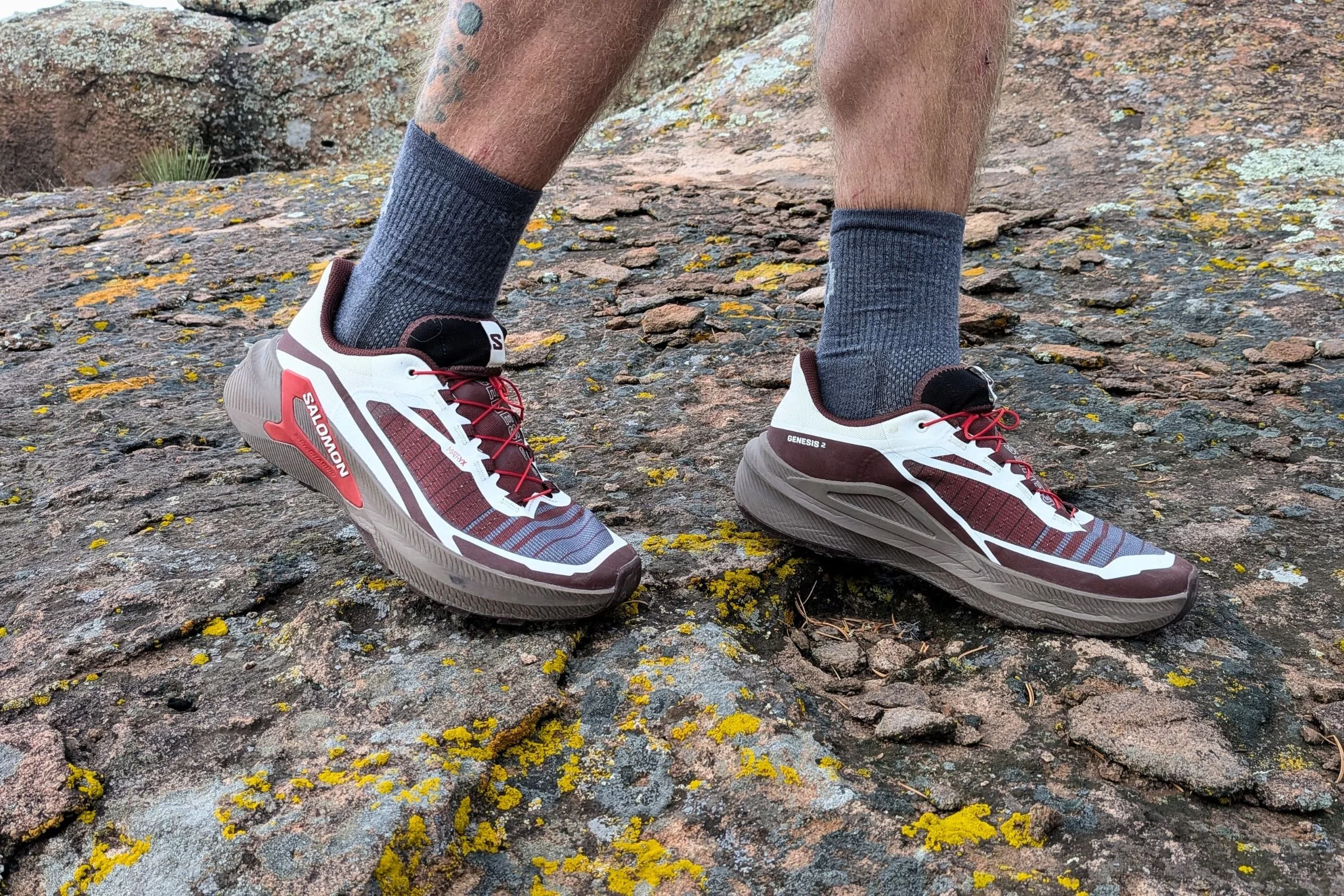
The Genesis is a relatively durable shoe overall. The upper is made with Matryx mesh that is very abrasion resistant. The outsole rubber covers the entire underfoot tread, with no section of exposed midsole foam you could tear on rocks underfoot.
After a 3-month testing period and nearly 100 miles of use, these shoes don’t show any signs of premature wear. I would expect them to last 300-400 miles or more.
Midsole durability
The optiFOAM is a lightweight EVA foam that will last about as long as other EVA midsole foams. EVA is the most common type of foam used in running shoe midsoles. I expect the midsole to flatten out before anything else on the shoe breaks down, and based on my experience with other shoes, I suspect that will happen after 300-400 miles with the Genesis 2.
Wear and tear in upper materials
The Matryx upper is extremely abrasion resistant. I’ve used other shoes, such as the Merrell Long Sky 2 Matryx and Brooks Cascadia Elite, made with the same upper materials, going off trail through fields of sharp talus rocks, and have never had this upper material tear on any shoes. The upper materials on the Genesis 2 will likely last longer than the rest of the shoe’s materials.
Outsole longevity
The contaGRIP outsole is a softer, grippier rubber, so it will wear out faster than some outsole materials. However, the outsole rubber covers the entire bottom tread, so it doesn’t leave any midsole foam exposed to rocks underfoot that would cause it to tear prematurely.
As a general rule with running shoes, the longer the outsole lasts, the less grippy it will be. That said, the contaGRIP outsole on my pair of Genesis 2 still has plenty of life left after 3 months of use and nearly 100 miles.
Price and value
At $150 per pair, the Genesis 2 is one of the least expensive trail running shoes I’ve tested. They perform about as well as shoes that cost up to $35 more, such as the La Sportiva Prodigio Max or HOKA Speedgoat. These shoes are a great value.
Sustainability/Ethical company
As a brand, Salomon has committed to these sustainability goals by 2030:
100% of their key products are eco-designed or circular (made with recycled materials or recyclable).
30% absolute reduction in their carbon footprint compared to 2019.
Promoting more inclusive access to mountain sports for all through the Salomon Foundation.
You can read more about Salomon’s goals on their sustainability page.
Features
Volume
The Genesis is a narrower-than-average volume shoe. It has a wider toe box than some Salomon models I’ve worn in the past, but it's lower volume overall than other shoes. I do wear my typical size in Salomon, so they don’t run small, just narrow.
Weight
The Genesis weighs 10.48 oz per shoe in my test pair (men’s size 9.5). REI lists 9.91 oz.
Stack Height
The Genesis has a 33.5 mm stack height in the heel and 25.5 mm in the forefoot.
Salomon quickLACE system
The Genesis 2 has Salomon’s quickLACE system that uses durable cord and a locking clip that doesn’t require you to tie the laces. This system is easier to tighten and loosen, and never comes untied when you don’t want it to. I’ve tested many other pairs of Salomon shoes with this same quickLACE system, and over all those shoes and countless miles, they’ve never come untied.
ContaGRIP Rubber Outsole
It has a rubber outsole made with Salomon’s own rubber compound, which they call contaGRIP. This rubber is one of the grippiest I’ve tested and performs well in both wet and dry conditions.
Matryx Upper
The mesh upper is made with abrasion resistant Matryx material. This Matryx upper uses individually coated, high-tenacity Kevlar and technical yarn to achieve a high level of abrasion resistance.
ActiveCHASSIS midsole insert
The midsole features Salomon’s activeCHASSIS, which stiffens the midsole for better power transfer from your feet to the ground.
OptiFOAM midsole
The midsole is made with Salomon’s own optiFOAM EVA foam. This midsole is lightweight and provides excellent cushion for running.
EndoFit Upper construction
The Genesis has an internal fit sleeve that wraps from the tongue down to the midsole. The sleeve, which Salomon calls “endoFit” construction, hugs the foot to provide a precise fit.
Reflective Material
There are two reflective strips on the toe and a reflective logo on the outside near the heel. If you’ll be running in the dark, check out additional safety gear in our Best Reflective Gear for Running in the Dark guide.
Who should buy the Salomon Genesis 2?
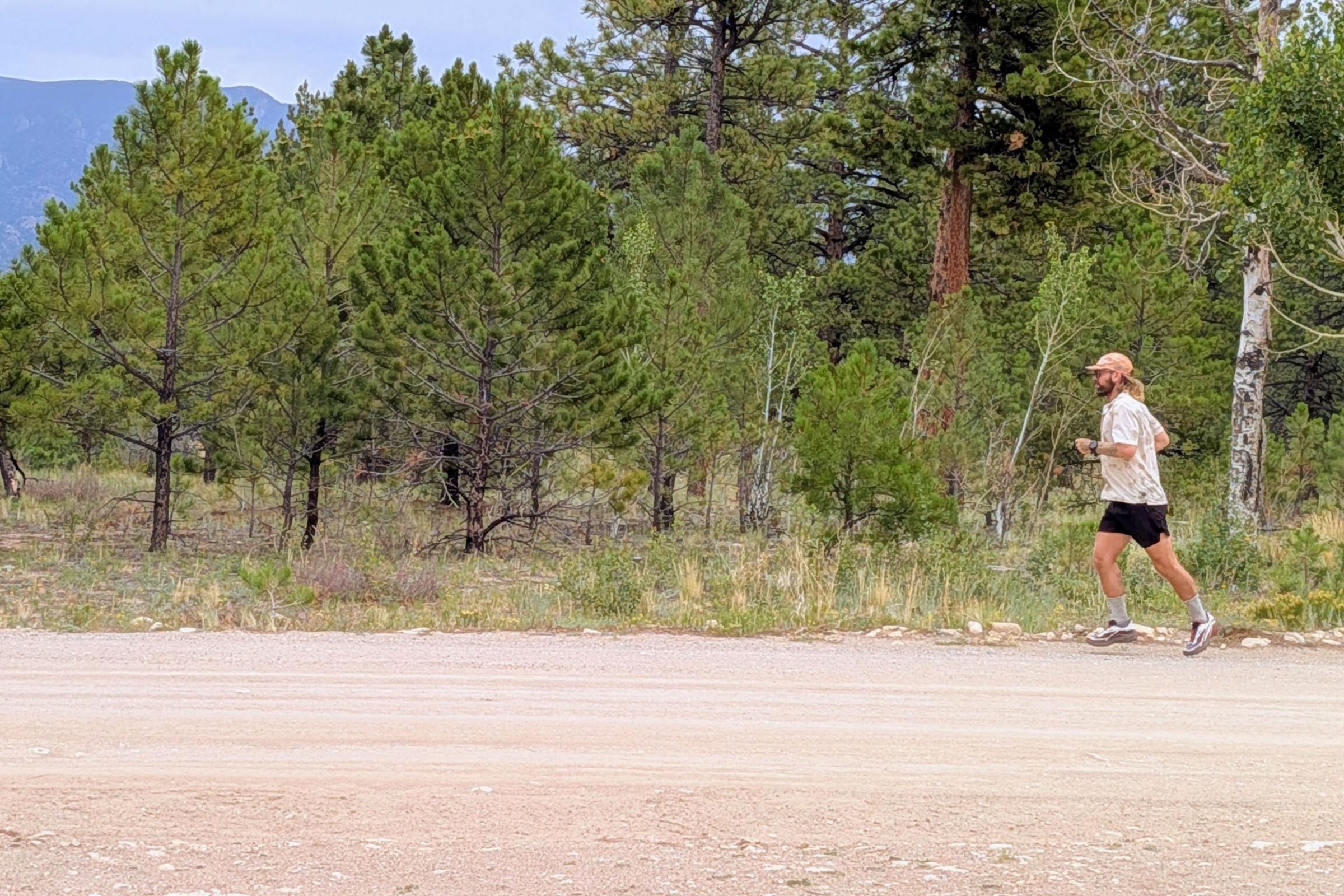
Buy if you're looking for an affordable trail shoe for trail running, hiking, and general off-road use, you prefer a higher-drop shoe, and you don’t have wide feet.
Skip if you want a trail shoe with a lower heel-to-toe drop or have wider feet.
Where to buy the Salomon Genesis 2
The Salomon Genesis 2 trail running shoes are popular footwear, so you have options when it comes to retailers. Here are some of the pros of the retailers.
REI
Pros: 100% satisfaction policy for 1 year; 10% dividend for members.
Evo
Pros: 366-day returns, store locations in ski towns for easy last-minute pick-up, may offer rentals if you want to try before you buy, earn 10% back in Rewards, free membership gets discounts on services and rentals
Backcountry
Pros: Frequent sales for Expedition Perks members (free to join), fast shipping, Gearhead chat customer service is excellent
Returns and advice on where to buy
In general for shoes, we recommend purchasing from a place with easy or free returns, like REI. Trying on shoes is an important way to get the sizing right. With a retailer like that, if your funds allow, you can buy two sizes and easily return one. Additionally, check reviews to see whether other users recommend sizing up or down.
Similar trail running shoes
La Sportiva Prodigio 2

Cushion: Maximum
Stability: Neutral
Heel-to-Toe Drop: 6 mm
Stack Height: 34 - 28 mm
Lugs: 4 mm
Weight (per shoe): 9.3 oz (men’s), 7.9 oz (women’s)
The Genesis feels similar to the La Sportiva Prodigio 2 in fit and feel at first. However, the Genesis feels firmer through the midsole, while the Prodigio 2 feels slightly quicker and more playful. With a 34 - 28 mm stack, the Prodigio 2 doesn’t have as much heel-to-toe drop as the Genesis (33.5 - 25.5 mm). The Prodigio 2 is slightly lighter than the Genesis, but it doesn’t have as durable an upper. The Prodigio 2 costs $20 more than the Genesis, too.
Learn more in our in-depth review of the La Sportiva Prodigio 2 trail running shoes.
La Sportiva Prodigio 2
Men's
Women's
Salomon Speedcross 6

Cushion: Moderate
Stability: Neutral
Heel-to-Toe Drop: 10 mm
Stack Height: 32 - 22 mm
Lugs: 5 mm
Weight (per shoe): 10.5 oz (men’s), 9.2 oz (women’s)
The Salomon Speedcross 6 is another Salomon trail running shoe with deeper lugs for increased traction in muddy conditions. If you regularly run or hike in wetter conditions, where you need the deepest lugs possible, the Speedcross is a good option. The Speedcross (32-22 mm stack) has less cushion than the Genesis and more heel-to-toe drop. The Speedcross also costs the same amount as the Genesis.
Learn more in our in-depth review of the Salomon Speedcross 6 trail running shoes.
Salomon Speedcross 6
Men's
Women's
HOKA Speedgoat 7
Cushion: Moderate
Stability: Neutral
Heel-to-Toe Drop: 4 mm
Stack Height: 37.3 - 33.3 mm
Lugs: 5 mm
Weight (per shoe): 9.7 oz (men’s), 8.3 oz (women’s)
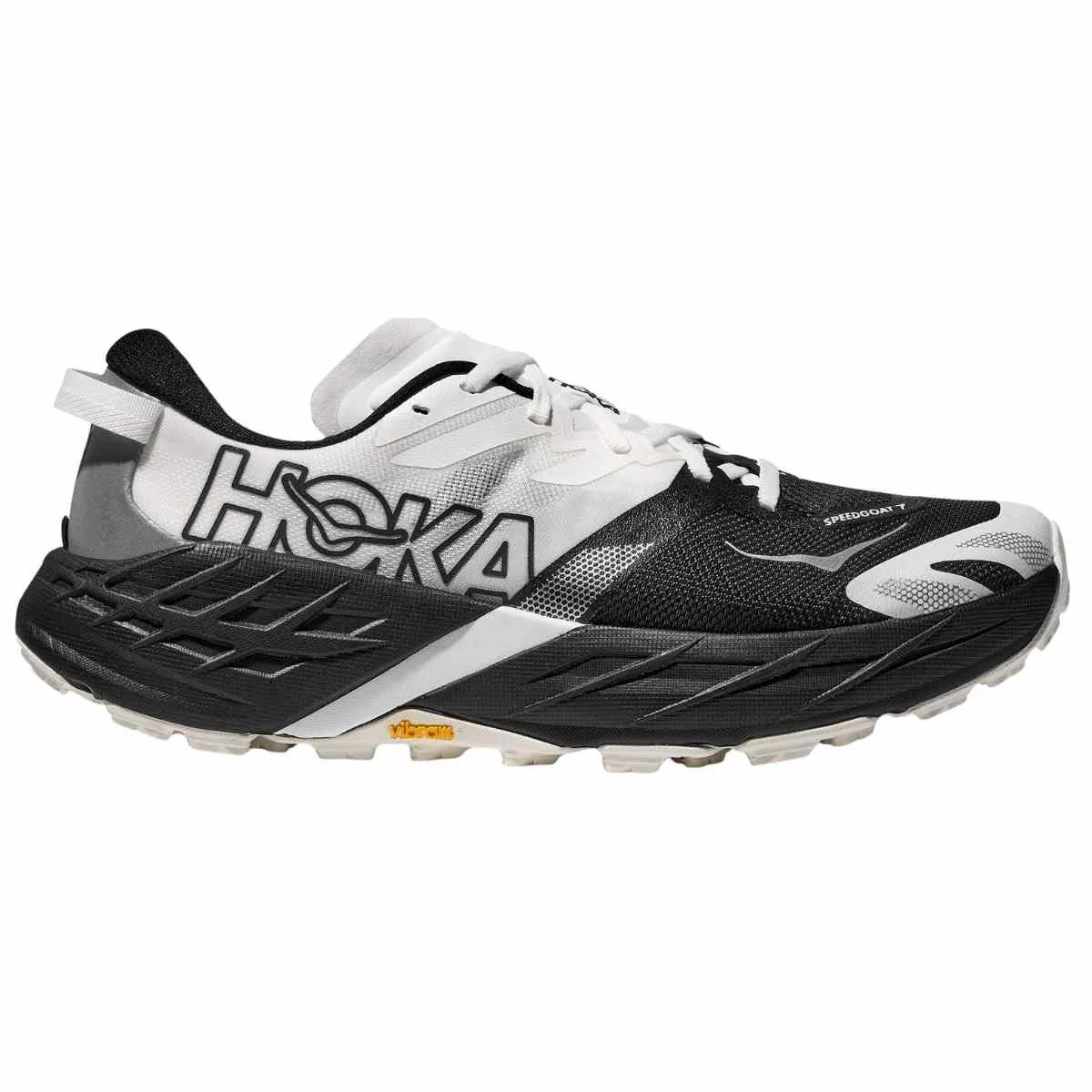
The HOKA Speedgoat 7 is another trail running shoe you might want to consider. At 37.3 - 33.3 mm of stack, the Speedgoat has more cushion than the Genesis, but less drop. The Speedgoat has a grippy outsole, much like the Genesis, and similarly shaped lugs. The Speedgoat’s midsole feels bouncier than the Genesis. The Speedgoat costs $15 more than the Genesis 2.
Learn more in our in-depth review of the HOKA Speedgoat 7 trail running shoes.
HOKA Speedgoat 7
Men's
Women's
Why you should trust us / About the author

Sam Schild is a thru-hiker, trail runner, cyclist, and mountain athlete based in Colorado. He's been a runner since childhood, when he ran five days a week as cardiovascular training for soccer. As he grew older, he stopped playing team sports and focused on running and cycling. Sam tests men’s running shoes for Treeline Review and wrote the men’s Trail Running Shoes, Road Running Shoes, and Gravel Running Shoes guides.
After moving to Colorado a decade ago, he started trail running on the local trails. Since then, he has completed countless ultra-distance self-supported trail runs across Colorado and the American Southwest. He has thru-hiked the Pacific Crest Trail, Continental Divide Trail, Appalachian Trail, Pacific Northwest Trail, Grand Enchantment Trail, Arizona Trail, the Hayduke Trail, and the Colorado Trail twice, always in trail running shoes.
You can read more about Sam on his author page, website, or Instagram.