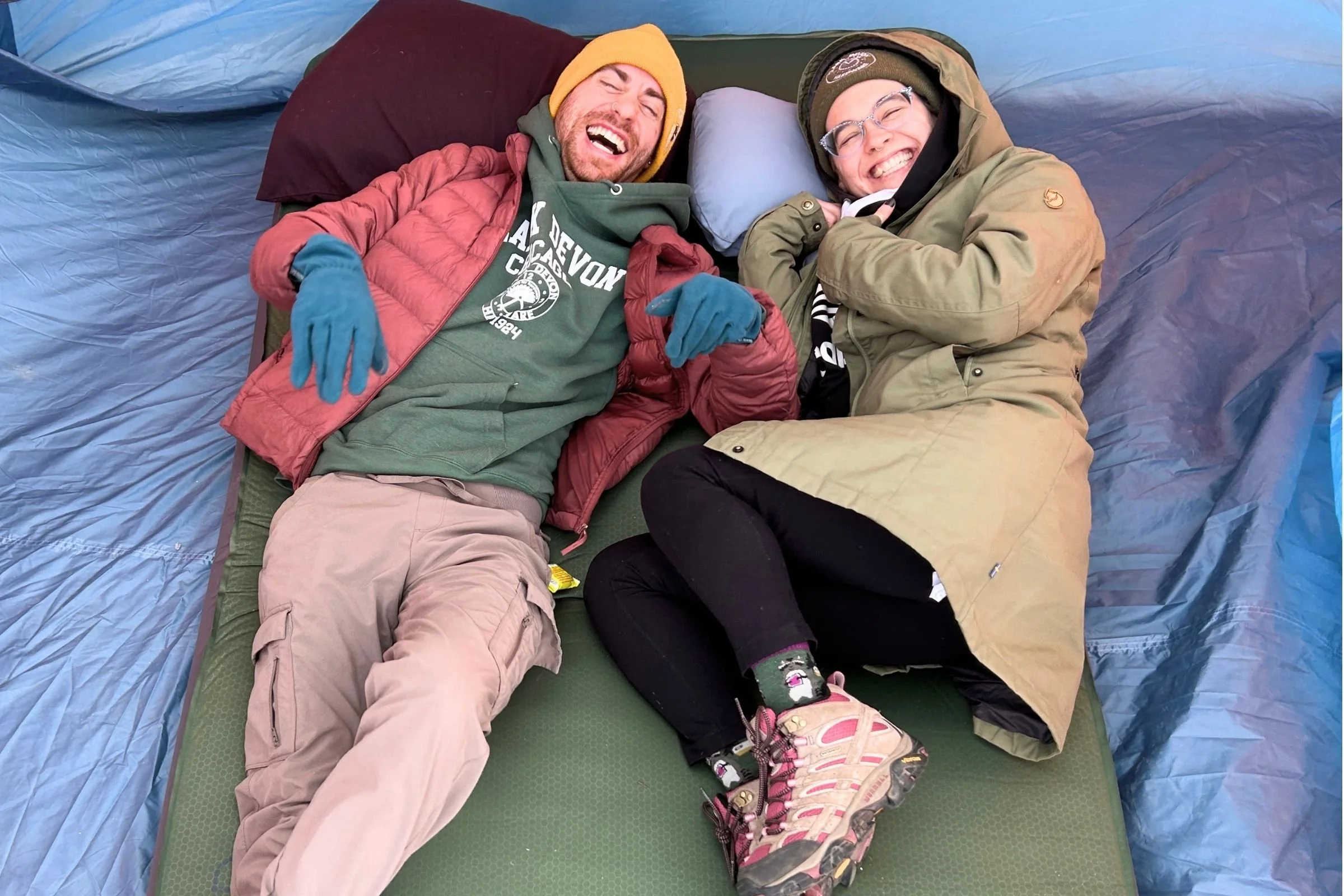
Best Camping Mattresses of 2026
The Most Comfortable Mattresses for Camping — From the Ultralight to the Best for Couples and Families
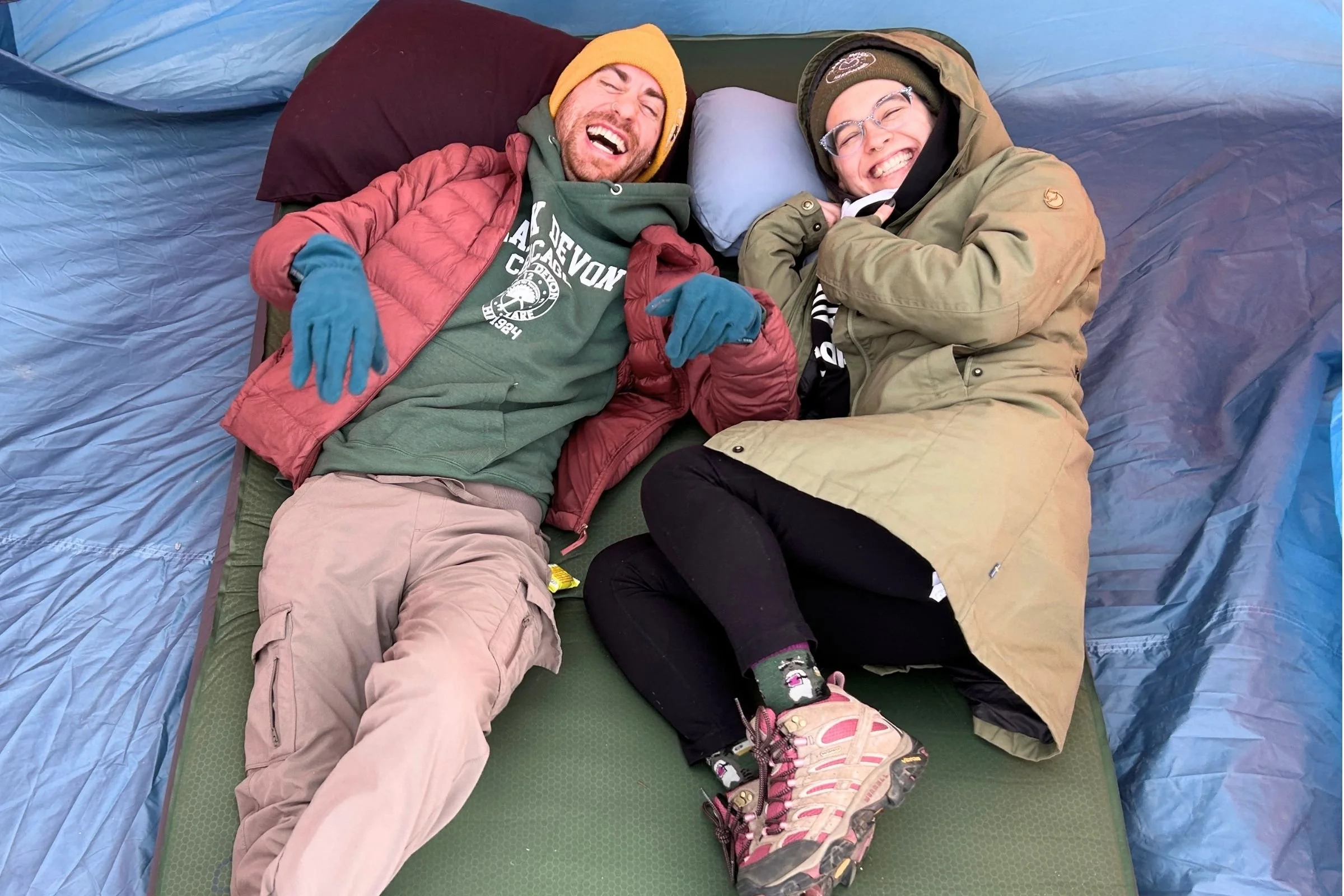
September 2nd, 2026, updated with a new overall winner, a year’s worth of testing notes, and commentary on price changes
Home > Gear Reviews > Camping
A camping mattress does two jobs that are easy to underestimate until you've spent a night without a good one: it cushions you from the ground and insulates you from it. Even on a warm night, the ground pulls heat away from your body faster than the air does, and a thin or poorly insulated mattress will leave you cold and stiff by 3am regardless of your sleeping bag rating.
I run BOAT (the Bus for Outdoor Access & Teaching), a National Geographic-highlighted non-profit focused on making camping more accessible. I have spent the last decade as a guide and program administrator rolling out, patching, and sleeping on hundreds of camping mattresses across every condition imaginable — from ice shelves carved into quinzhees to desert rock faces to flash flood territory. For this guide, I was joined by Sam Schild, a full-time van dweller who logged 90+ nights on the HEST Dually, and Gabi Reyes-Acosta, who tested plus-size options across national parks in the Sawtooth, Grand Teton, and Stanislaus.
What separates a genuinely good camping mattress from one that disappoints comes down to R-value and thickness working together, how quickly and reliably it inflates and deflates, how durable the materials are under real camping conditions, and whether the dimensions fit the person sleeping on it. Warranty and repair programs also matter more than most people expect until they need one.
Top Pick: The EXPED Megamat earns our Best Overall award. It stood out for its 3.9-inch thickness and R-value of 8.1 that kept testers warm across cold nights, generous sizing options that accommodate a wide range of sleepers, durable 50D polyester and TPU-coated fabric construction, and EXPED's lifetime warranty and repair program that we've tested ourselves.
Read More: Best Backpacking Sleeping Pads and Best Camping Cots
We create reader-supported, objective gear reviews independently selected by our editors. This story may contain affiliate links, which help fund our website. When you click on the links to purchase gear, we may get a commission without costing you an extra cent. Thank you for supporting our work and mission of outdoor coverage for every body! Learn more.
Camping Mattress Comparison Table
| CAMPING MATTRESS | TREELINE AWARD | BASE PRICE | THICKNESS (IN) | R-VALUE | SELF-INFLATING? | WEIGHT (LBS) | PACKED SIZE (IN) | DIMENSIONS AVAILABLE (IN) |
|---|---|---|---|---|---|---|---|---|
| EXPED MegaMat | Best Overall Read why |
$260 | 4.00 | 8.1 | Yes | 4.6 | 7.9 x 26.5 | 72 x 25.6, 77.6 x 30.3 |
| EXPED MegaMat Duo | Best for Couples Read why |
$400 | 4.00 | 8.1 | Yes | 7.4 | 11 x 22 | 72 x 41.3, 77.6 x 52, 80 x 59.8 |
| HEST Dually | Most Comfortable Read why |
$529-679 | 3.90 | unavailable | No | 24.0 | 78 x 25 x 7.8 | 64 x 50, 78 x 50, 72 x 60 (plus 4 other options) |
| Therm-a-Rest NeoLoft Sleeping Mattress | Best Lightweight Read why |
$250 | 4.60 | 4.7 | No - but there is a pump bag | 1.6 | 5.7 x 9.5 | 73 x 22, 73 x 26, 78 x 26 |
| Therm-a-Rest MondoKing 3D | Best Self Inflating Read why |
$260 | 4.25 | 7.0 | Yes | 4.4 | 10.3 x 26 | 25 x 77, 30 x 80 |
Going camping? See our Camping section for our most popular stories.
The Best Camping Mattresses
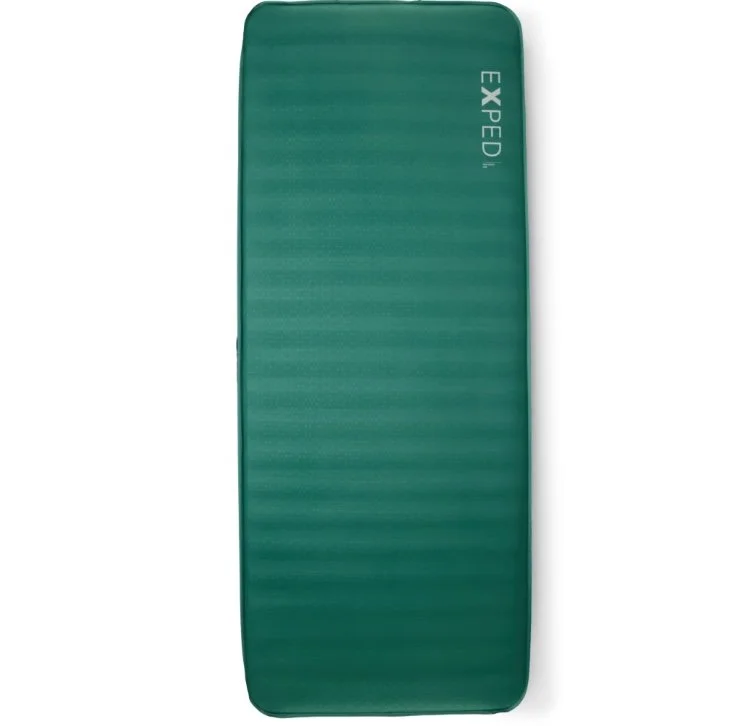
Best Overall Camping Mattress: EXPED Megamat
Thickness: 4.0 in
R-value: 8.1
Self-inflating: Yes
Weight (lbs): 4 lbs. 9 oz
Packed Size: 7.9 x 26.5 inches
Dimensions available: Medium Wide: 72 x 25.6"/ Long X-Wide: 77.6 x 30.3"
Surface Material: Bottom - 75D Polyester, Top - 50D Polyester / TPU Polyether Film Laminate
Why we like it: comfort good enough for first-time campers, super durable material, great insulation
What we don't like: takes longer to inflate, surface fabric isn’t as soft as other mattresses
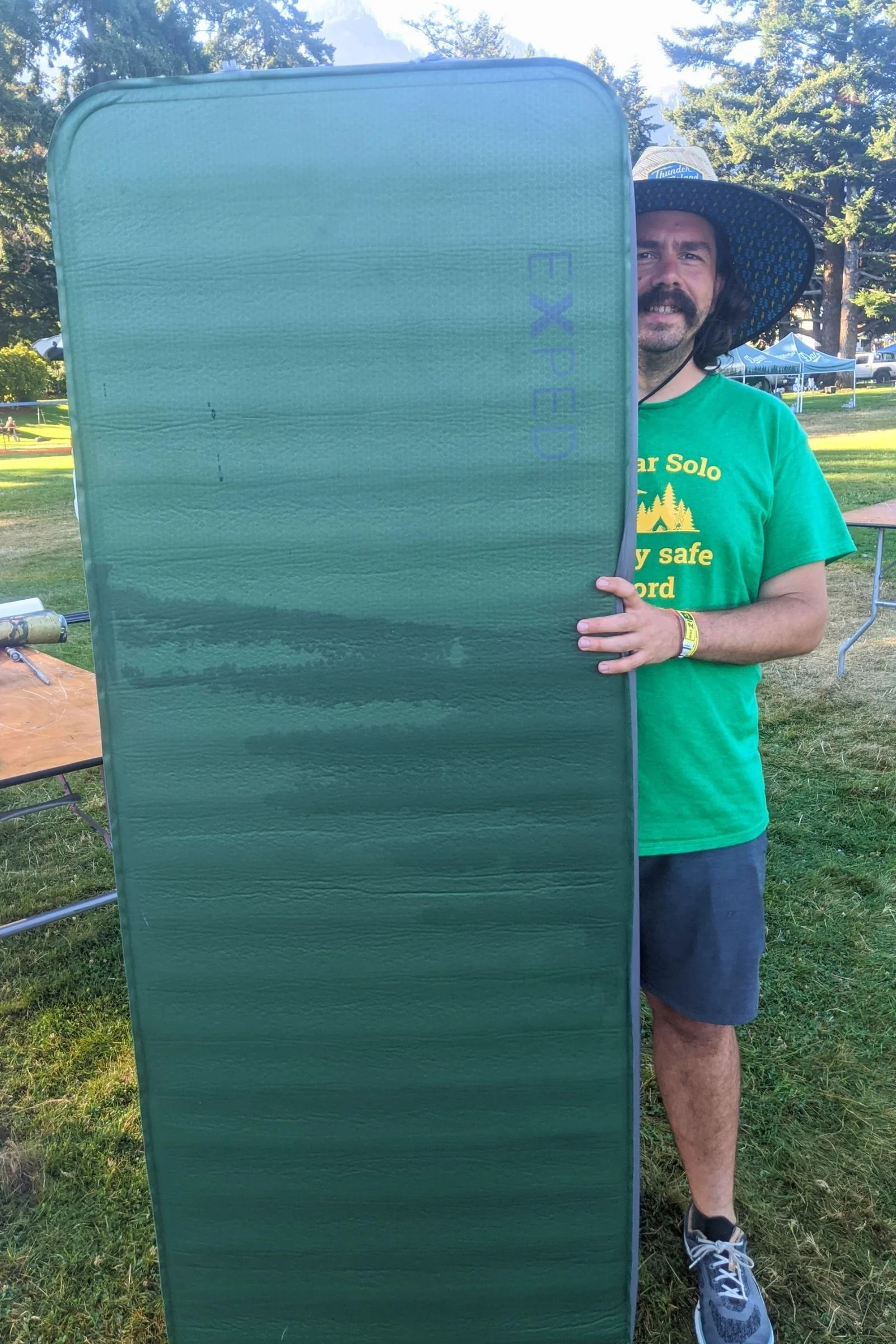
The EXPED MegaMat is our winner for Best Camping Mattress. Its thickness, ease of use, and comfort make it a great choice for campers, especially those who traditionally have a hard time sleeping outdoors. It also boasts some of the best warmth and durability of the mattresses we tested.
Like many mattresses we tested, it's a hybrid air mattress with an expanding foam interior — not strictly an air bed or a foam mattress — adding to its comfort and packability.
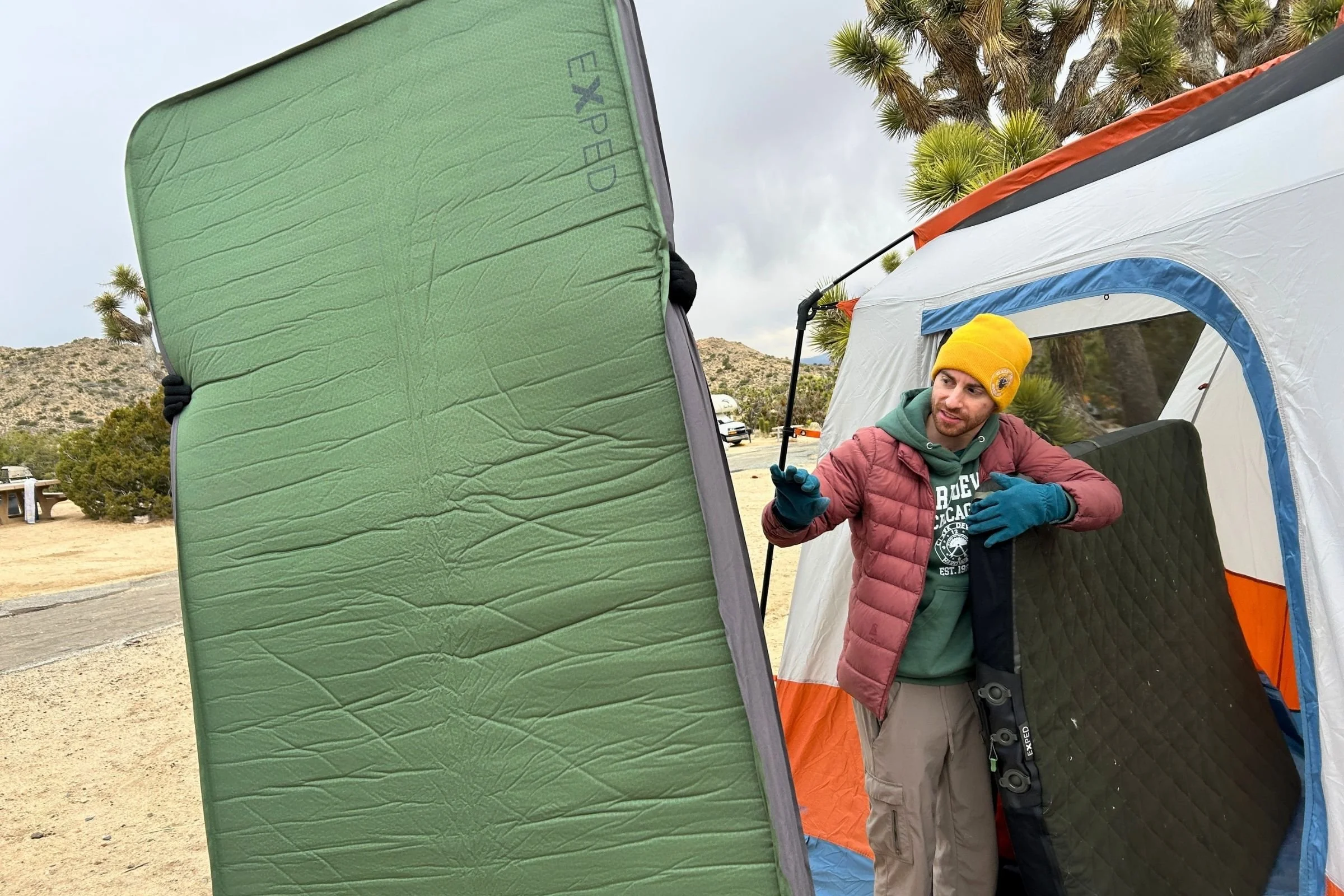
In testing, we found the EXPED MegaMat comfortable enough for first-time campers who were skeptical of sleeping outdoors. On a camping trip in Joshua Tree, one New Yorker who had never been camping before told us the next morning, "That actually wasn't bad!" We consider that a victory.
You can read more in our in-depth, long-term review of the EXPED MegaMat.
EXPED Megamat
-
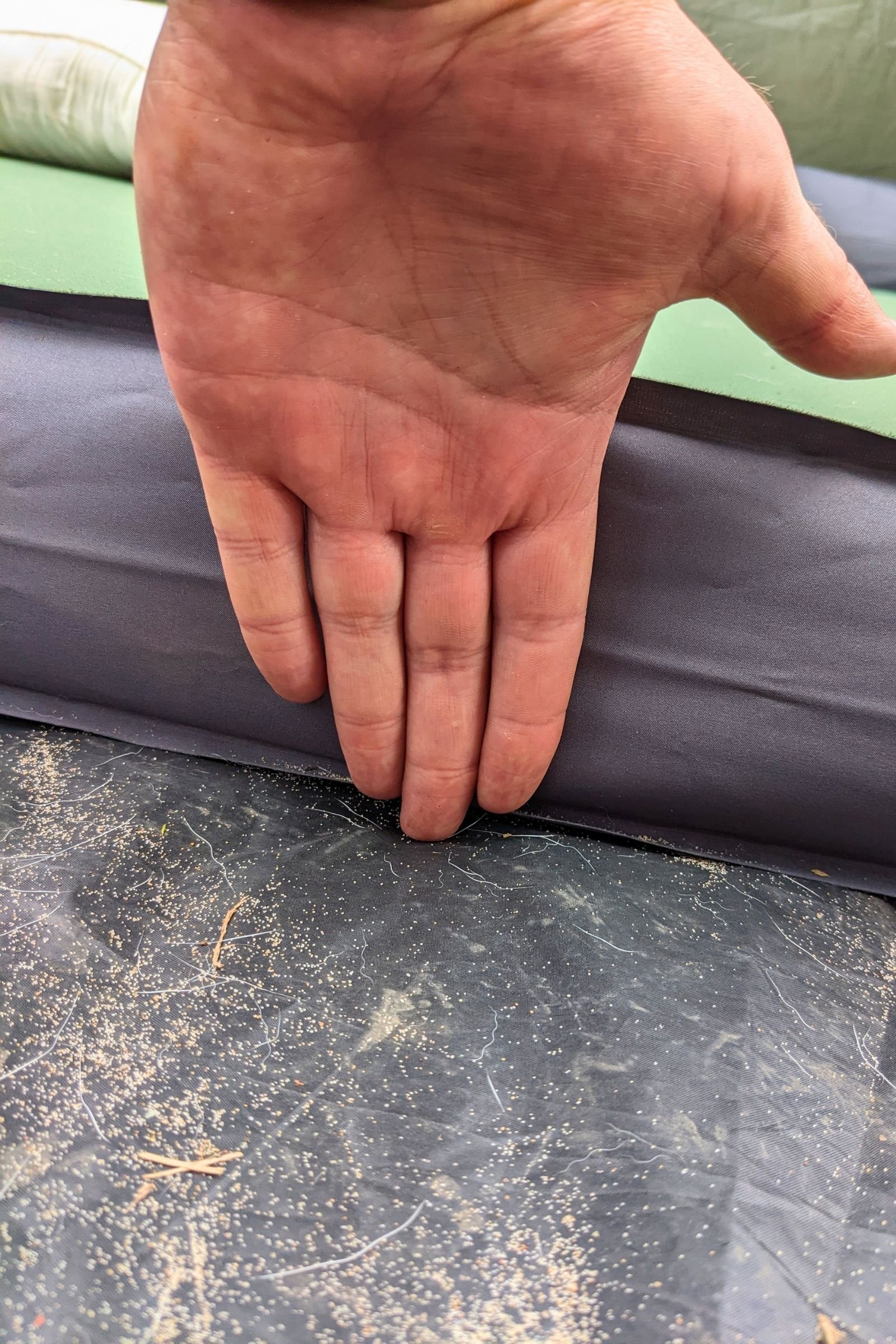
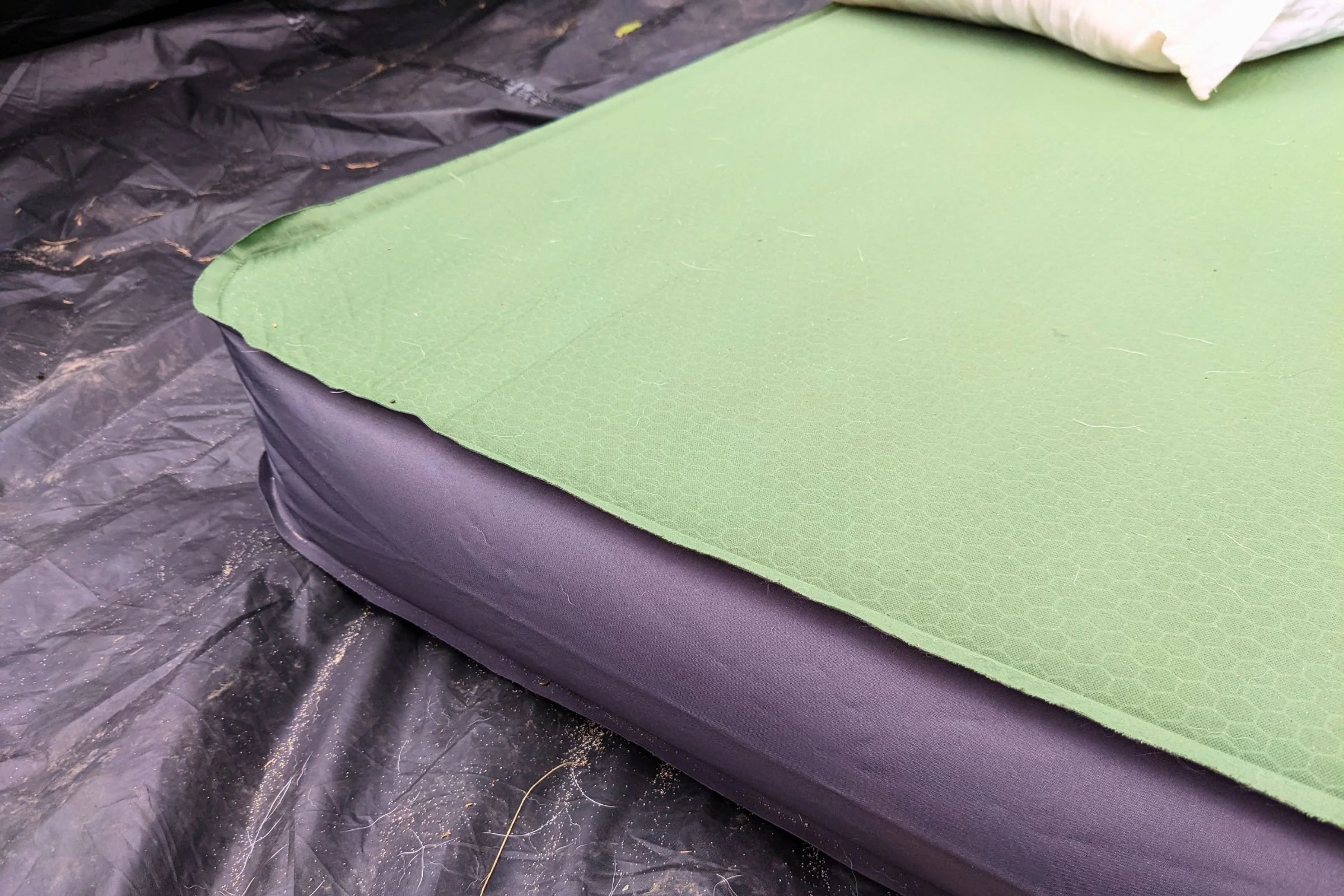
Aside from its generous dimensions (more on that below), the EXPED MegaMat is 3.9 inches thick mattress that was plenty comfortable for first-time campers who we skeptical of sleeping on the ground. The foam against the back gives it plenty of home mattress-like comfort. Paired with the air mattress inflation, it gives it height (and packability) for a restful night of sleep. We've even used it at home as a spare guest bed!
The fabric of the pad itself was not as "soft" as the Sea to Summit, and the nylon fabric feels a little less soft and porous than the polyester of the Comfort Deluxe.
As a warm sleeper, I'm often sleeping with skin directly on the pad — I found it less comfortable than cooler sleepers I had tested, especially when I was still a little wet or sweaty (this was a humid, midwestern camping trip next to a lake).
-
The EXPED MegaMat has among the best sizing options available. EXPED is the only brand (aside from Hest Sleep System) that offers such a variety of dimensions.
One thing we like about the EXPED MegaMat is that it's also available in a more insulated version, the EXPED MegaMat Max (which has an R-value of 10.6 vs. 8.1). Still, the 8.1 R-value is among the highest in the lineup for mattresses.
-
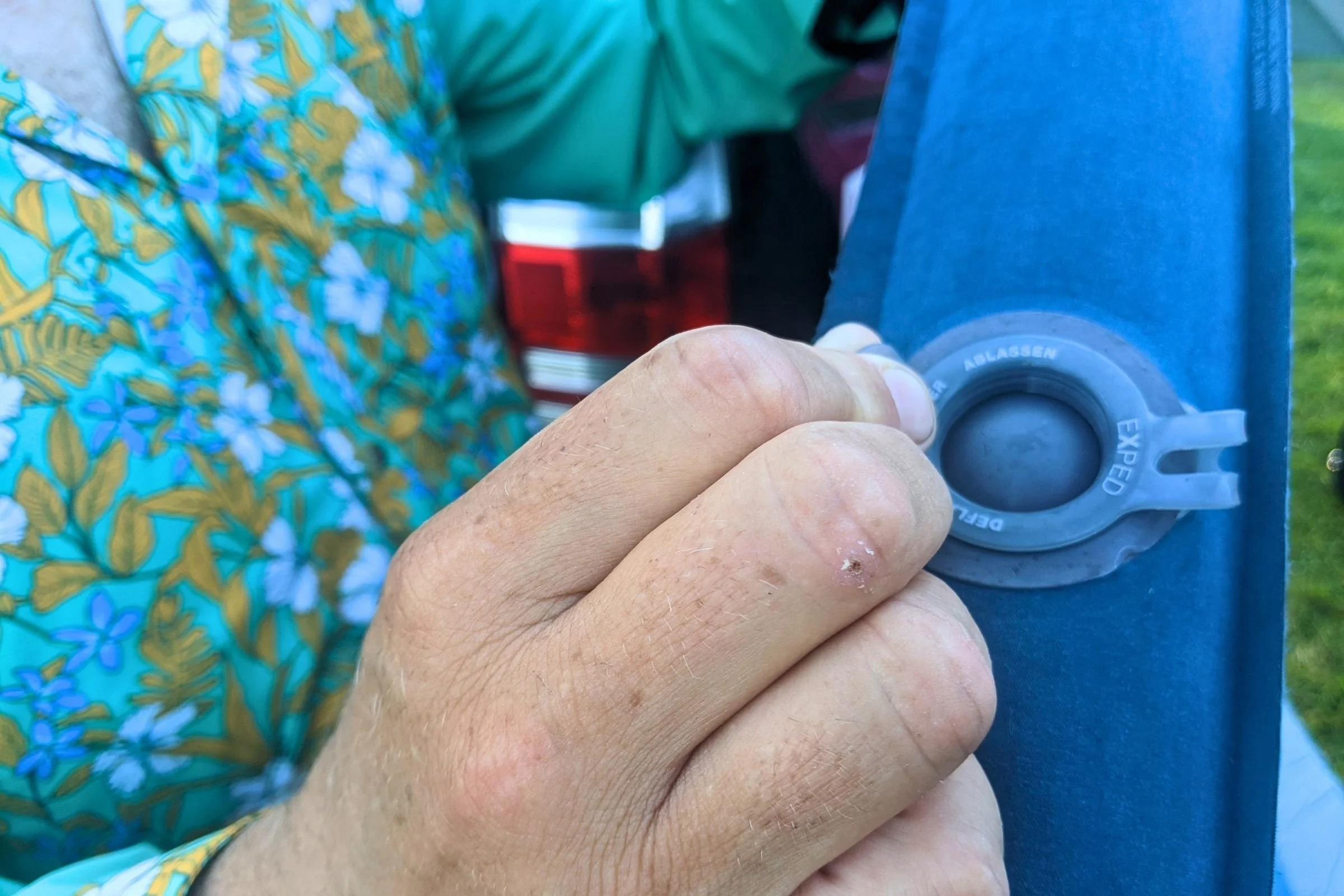
Admittedly some of the most appealing features were not the pad itself, but the equipment that came with it. A small, hand-held battery powered inflator — my first experience with something like that — made the inflation process quick and efficient.
This pad inflated to a firmer surface than many others. When fully inflated, it's almost a solid surface.
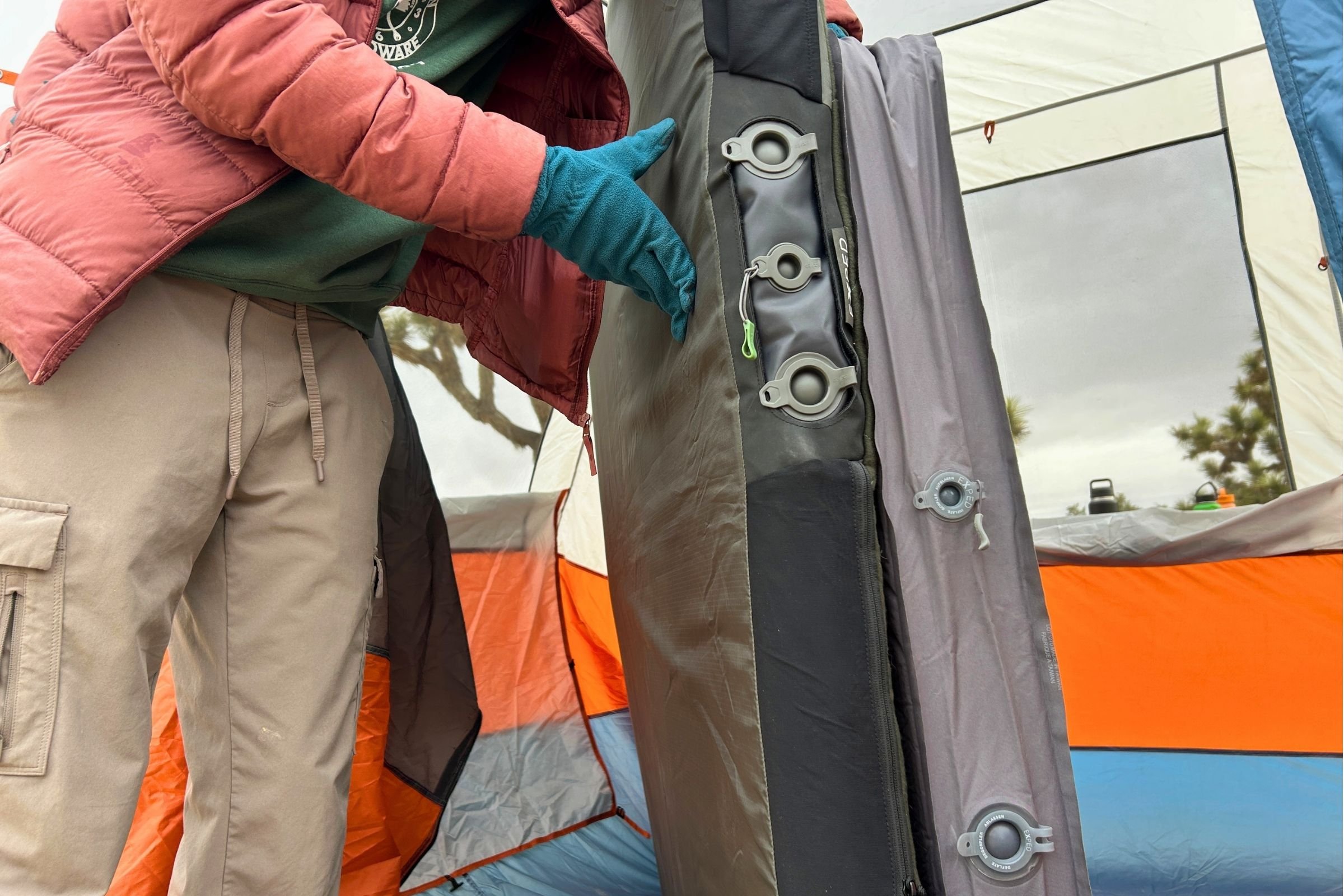
The deflate valve offers a relatively easy way to release little bits of air at a time for those who want a mattress with some give. For me, this resulted in a fairly comfortable sleep.
-
Like other large pads, it was difficult to deflate quickly. That said the storage bag that comes with it honors a tough reality other manufacturers seem to forget: most of us will never get the pad as small as factory conditions. Having a flexible, buckle-based carrying case (with a shoulder strap!) made it easy for me to get the pad safely stowed, even if it wasn't as small as it could've been. This was a huge blessing when camping with others, sparing me the embarrassment of holding up the group just to pack my pad.
-
As a warm sleeper, I'm often sleeping with skin directly on the pad — I found it less comfortable than cooler sleeping testers. This was true especially when I was still wet or sweaty when testing in a humid, midwestern camping trip next to a lake. The R value is higher than comparable pads. In a dry or winter setting, like our testing in Joshua Tree National park in the winter, it worked well. For testing during summer at Indiana Sand Dunes State Park, it was too warm.
-
One thing that puts the EXPED MegaMat Duo over the top as my pick for the best overall mattress is the brand’s commitment to repairing gear and keeping it out of the landfill.
EXPED products purchased directly from the brand or an authorized retailer carry a five-year warranty against defects in materials and workmanship. For covered defects, EXPED will repair or replace the affected part at its discretion.That being said, we've had friends send it in for repairs after a mattress "ran into a cactus." We've heard stories of EXPED mattresses repaired after being punctured by bear claws. We personally have had great customer service with EXPED (note: we never identify ourselves as gear reviewers to test unbiased customer service). We can attest to their excellent repair and return policy.
Best Camping Mattress For Couples: EXPED Megamat Duo

Thickness: 4.0 in
R-value: 8.1
Self-inflating: Yes
Weight (lbs): 7 lbs. 5.8 oz / 9 lbs. 11.2 oz
Packed Size: 22 x 11 inches / 28 x 12 inches
Dimensions available: Medium Double: 72 x 41.3"/ Long Wide Double: 77.6 x 52"/ Queen: 80 x 59.8
Surface Material: Bottom - 75D Polyester, Top - 50D Polyester / TPU Polyether Film Laminate
Why we like it: generous width dimensions, comfort good enough for first-time campers, super durable material, great insulation, backed by a lifetime warranty and repairs
What we don't like: takes longer to inflate, surface fabric isn’t as soft as other mattresses
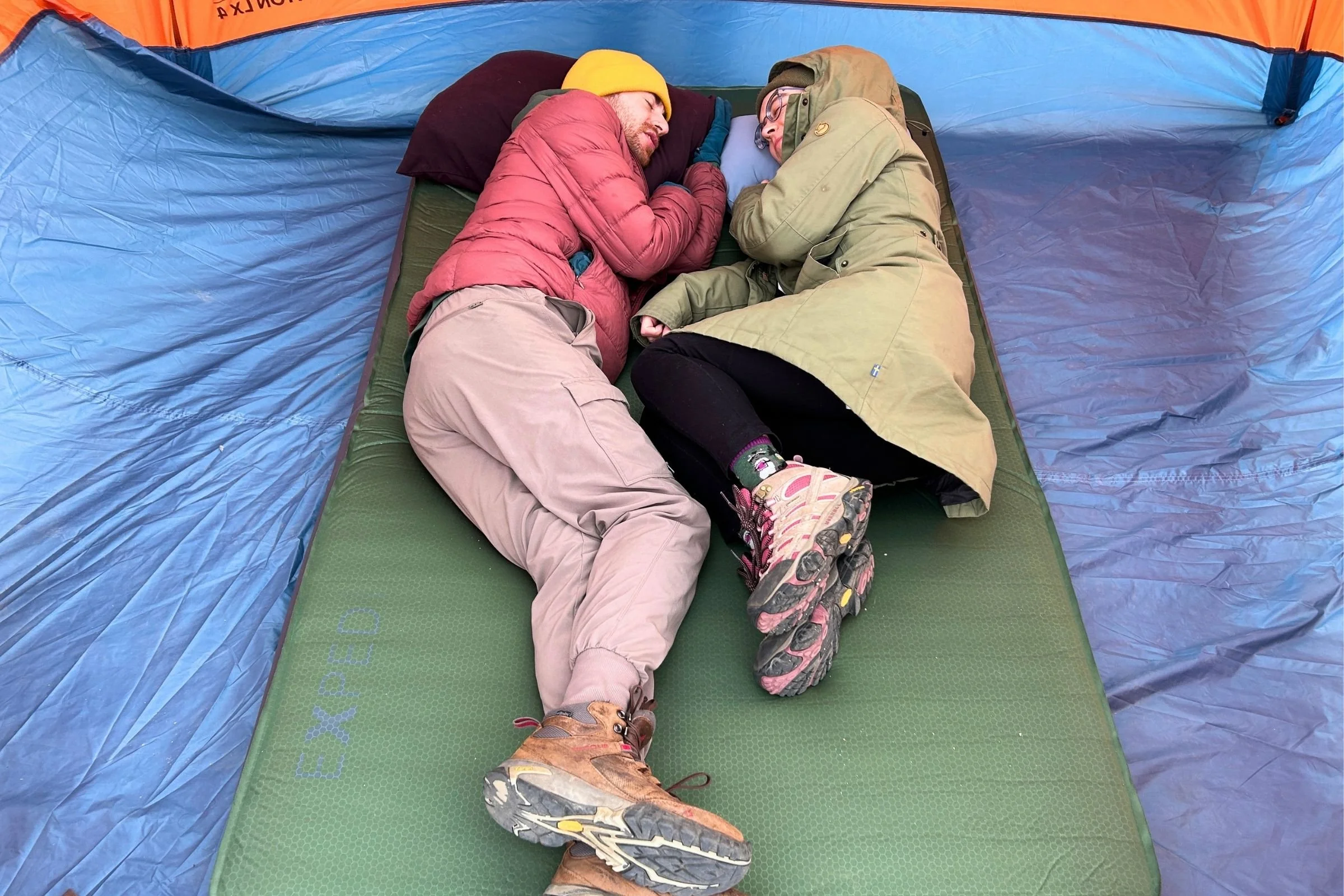
The EXPED MegaMat Duo is a much-lauded air mattress that is our winner for Best Couples Camping Mattress. Its thickness, ease of use, and generous width make it a great choice for two campers who want to share a mattress.
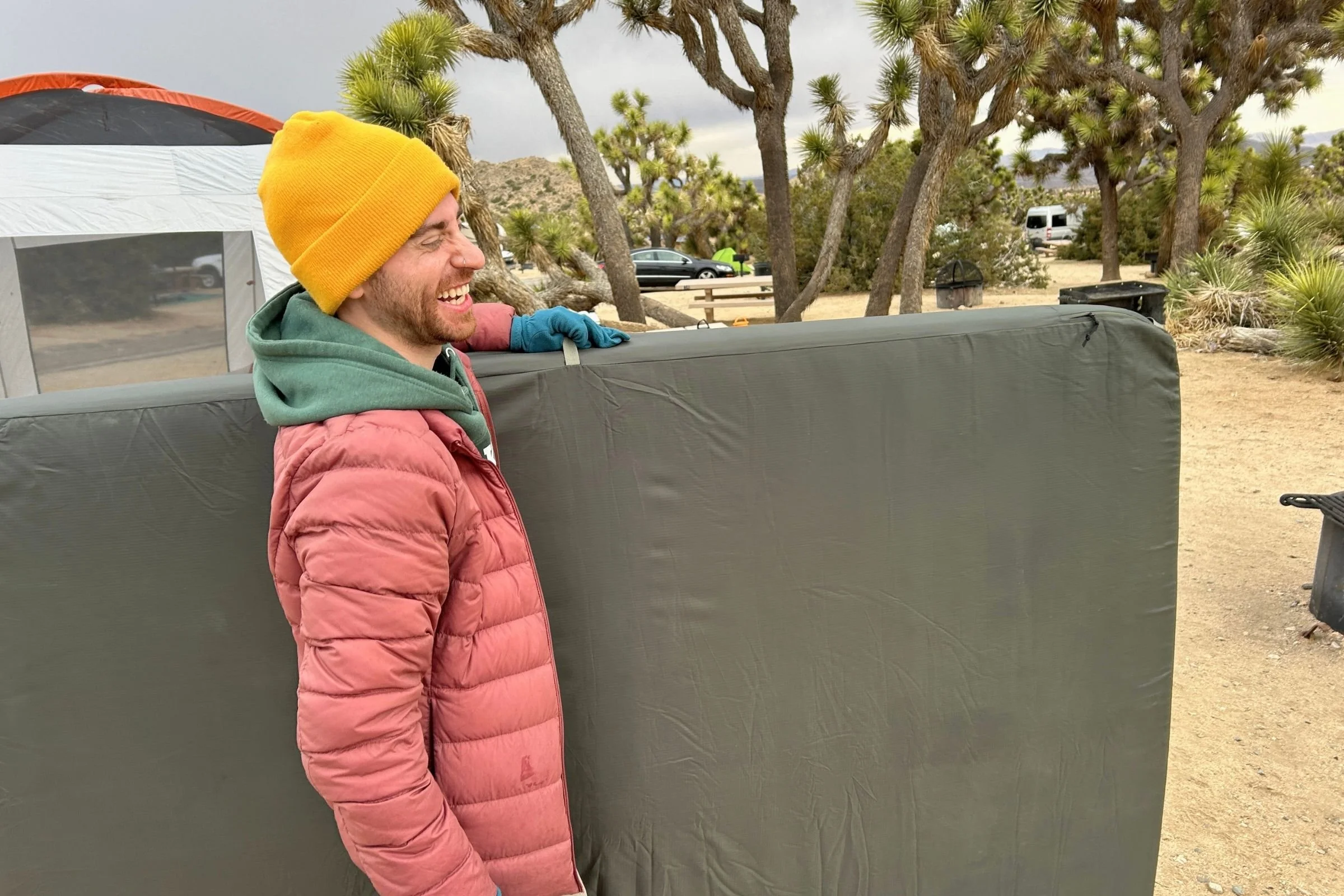
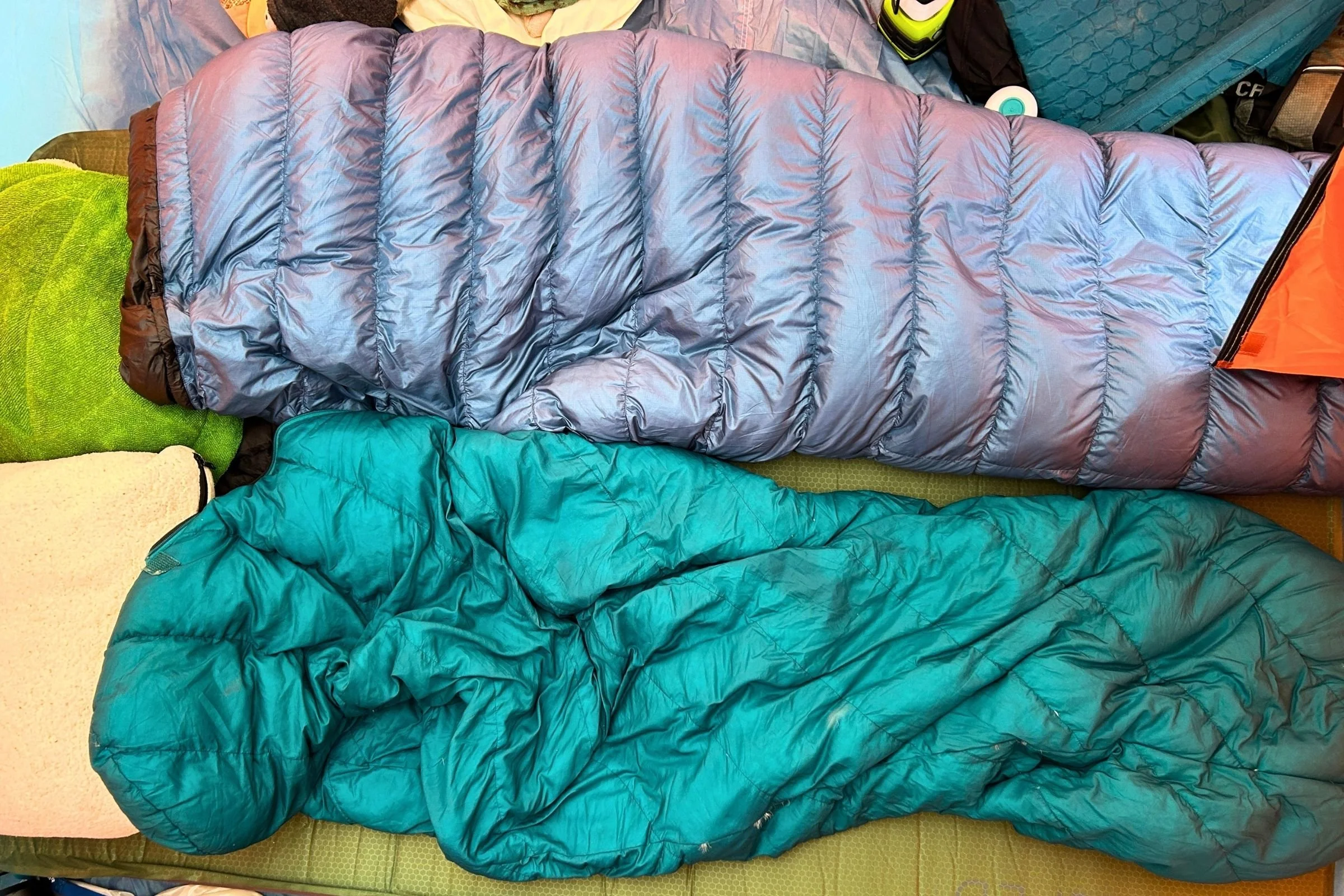
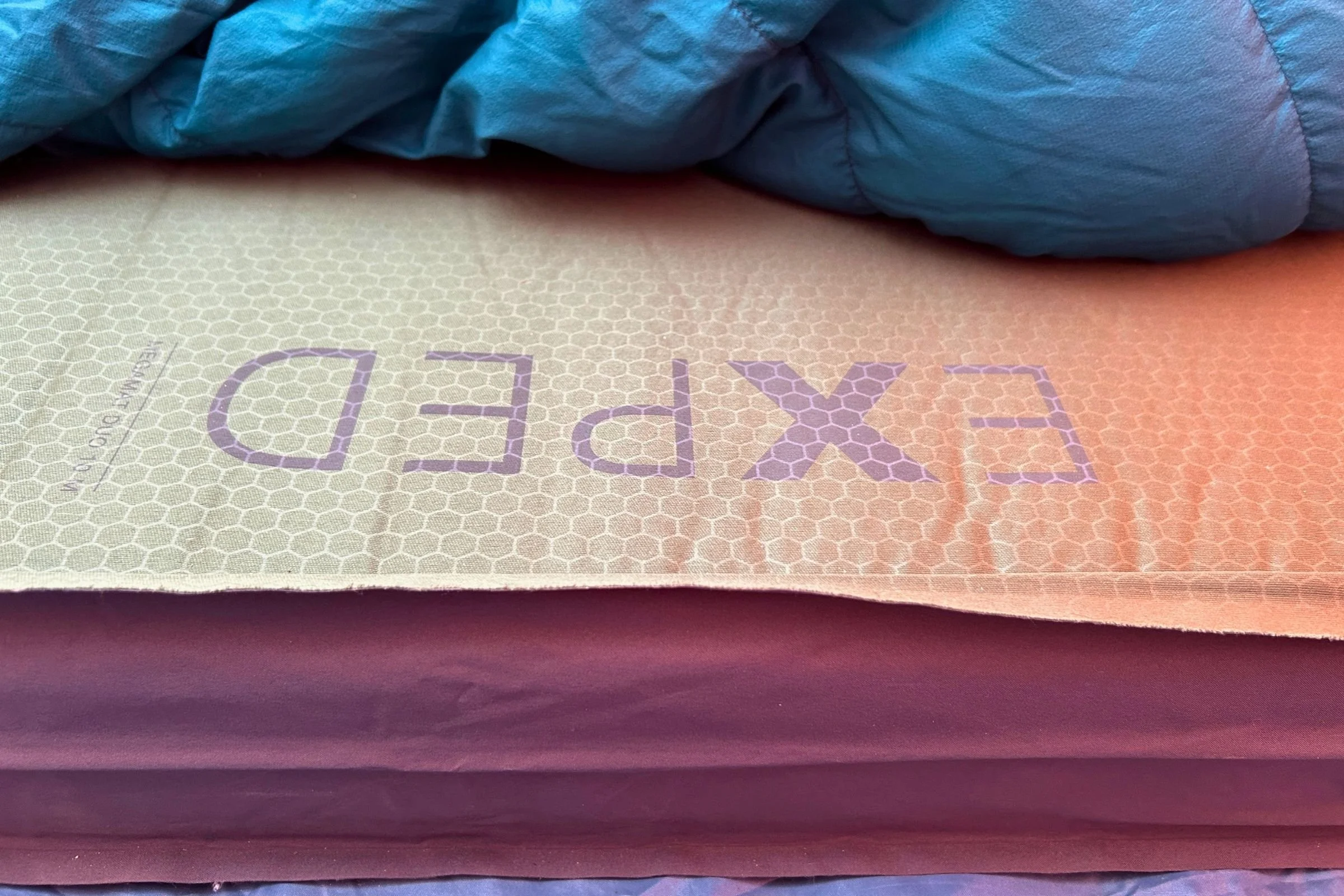
The EXPED MegaMat Duo is a beast of a mattress and serves as a true two-person solution. Like the Sea to Summit Comfort Deluxe, it's just shy of a queen-size mattress (shorter by ~8 inches on either end). And they recently added a Queen size to their lineup.
Like the solo version, it also boasts some of the best warmth and durability of the mattresses we tested.
As with the solo version, the MegaMat Duo is backed by EXPED's 5-year warranty and repairs, so you can feel confident about investing in a couple's camp mattress that will last. You can read more in our in-depth, long-term review of the EXPED MegaMat.
Compare Prices Of The EXPED Megamat Duo



-
Aside from its generous dimensions (more on that below), the EXPED MegaMat is 4 inches thick mattress that was plenty comfortable for first-time campers who we skeptical of sleeping on the ground. The foam against the back gives it plenty of home mattress-like comfort. Paired with the air mattress inflation, it gives it height (and packability) for a restful night of sleep.
-
The EXPED MegaMat has among the best sizing options available. If the length or width isn't enough in the double medium size, the MegaMat Duo goes up to almost a full queen mattress size. EXPED is the only brand (aside from HEST Sleep System) that offers such a variety of dimensions.
As with the solo version, one thing we like is that the EXPED MegaMat is that it's also available in a more insulated version, the EXPED MegaMat Max (which has an R-value of 10.6 vs. 8.1). Still, the 8.1 R-value is among the highest in the lineup for mattresses.
-
As with the solo version, the inflation and deflation on this mat were a highlight. We used the EXPED Mega Pump to both inflate and deflate this mattress and found it took minutes. The deflate works so well that you can really fit the whole mattress back inside the stuff sack it came in.
-
Like other large pads, it was difficult to deflate quickly–unless you have the battery-operated inflator. We highly recommend the MegaPump. The deflation worked so well, we could get the pad as small as factory conditions. Really!
-
One thing that puts the EXPED MegaMat Duo over the top as my pick for the best overall mattress is the brand’s commitment to repairing gear and keeping it out of the landfill.
EXPED products purchased directly from the brand or an authorized retailer carry a five-year warranty against defects in materials and workmanship.
With two people on the mattress, that are more opportunities for failure. A two-person mattress is an investment, and we want to recommend one that will last a long time.
Most Comfortable Camping Mattress: HEST Dually
Thickness: 3.9 in
R-value: unavailable
Self-inflating: No
Weight (lbs): 20 (short), 24 (long), 26 (wide)
Packed Size: 78 x 25 x 7.8
Dimensions available: 64 x 50 (short), 78 x 50 (long), 72 x 60 (wide), plus 4 other options
Surface Material: Bottom - TPU-coated nylon, Top - stretch woven nylon twill
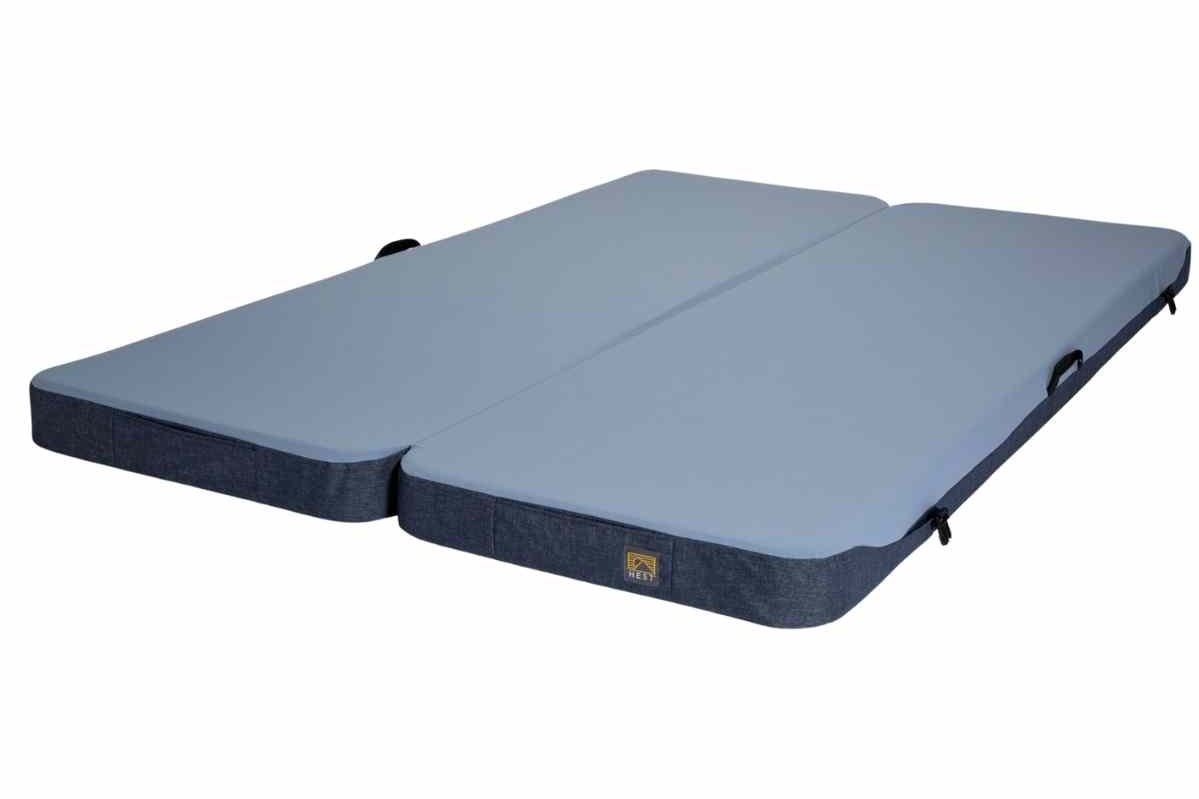
Why we like it: As comfortable as our home mattress, removable cover for cleaning, folds in half to transport, doubles as a couch, dirt and water-resistant bottom, lots of sizes with some made to fit in a van
What we don't like: expensive
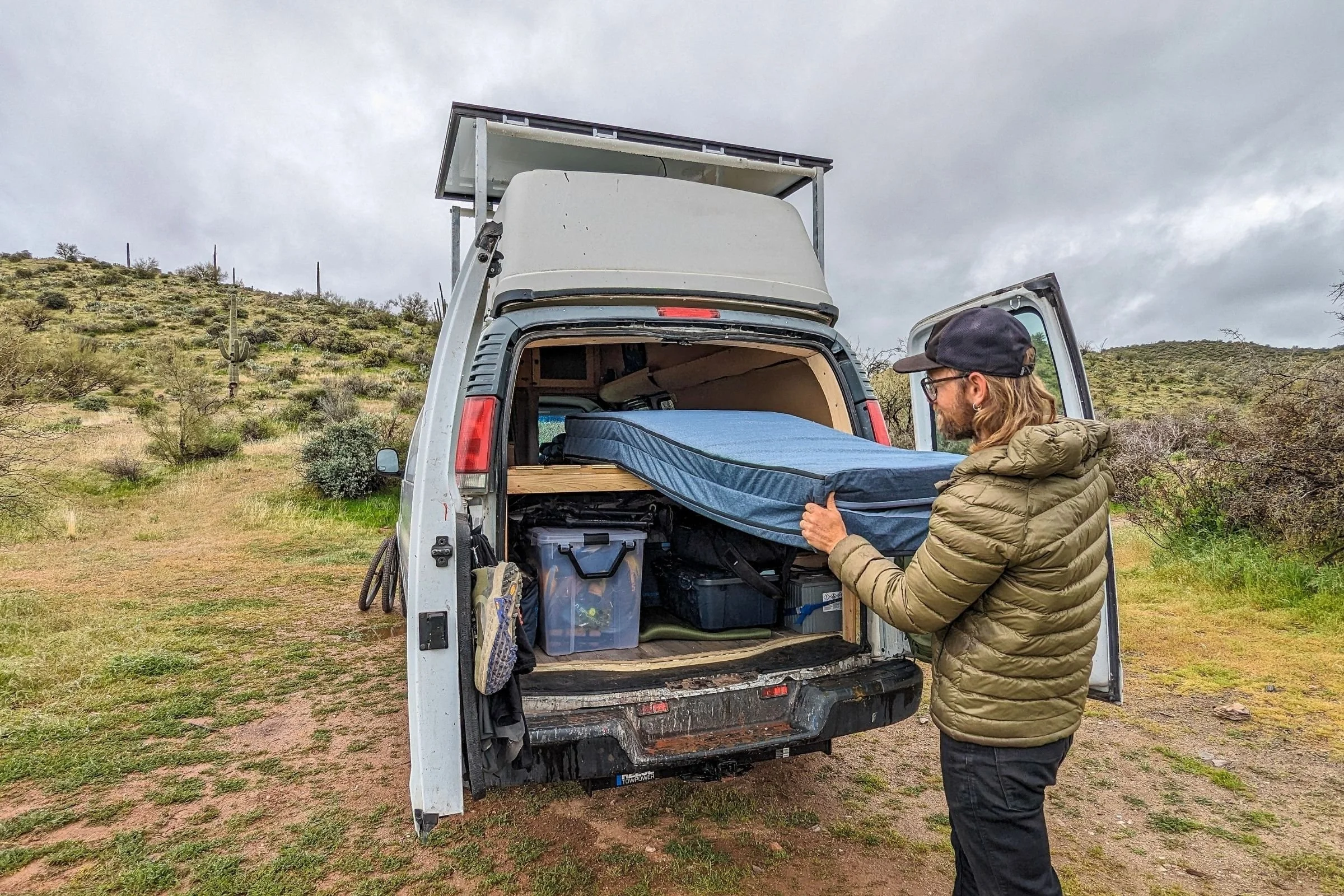
Treeline Review writer Sam Schild writes: “As a full-time van dweller, I sleep on a HEST Dually mattress whenever I’m not in the backcountry. I’ve slept in many places, but I never dreamed that a camping mattress would be the most comfortable mattress I’ve ever slept on.
But after 90 nights of sleeping on the Dually, I can say this is quite possibly the most comfortable way to sleep outside. With the exception of the occasional night in hotels after a long day of thru-hiking through snow and freezing rain, when comfort simply seems higher because of literal external conditions, this mattress is perhaps the coziest surface I’ve ever slept on. Maybe it’s because I’ve taken it to some really cool places, but I’m not exaggerating. The Dually will seriously level up the way you sleep outside.” See his in-depth, long-term review of the HEST Dually for all the details.
Compare prices of the HEST Dually
-
The HEST Dually is a two-layered memory foam mattress with a plush top layer and a supportive bottom layer. The result is a mattress that feels oh-so-soft to the touch without being so soft that it causes you to sink to the ground, even if you sleep on your side like me. Compared to my old folding memory foam mattress, the Dually feels softer on top, yet it doesn’t cause you to sink so far into the mattress when you lay down. And the foam doesn’t lose its softness in cold temperatures, as my old memory foam mattress did.
-
The Dually comes in four rectangular sizes to fit two people of most sizes or two people and a furry friend. It also comes in two van-specific shapes that fit perfectly across the back of most standard cargo vans and into the slightly narrower opening for the rear doors. And it comes in a rooftop tent size as well if you sleep outside on top of your car.
-
This mattress is very easy to use. It folds in half and has clips to keep it folded, so you can store it off to one side when you’re not sleeping on it. It also has a carry handle for transporting it. Even when folded in half, it’s quite large and a little floppy, so I wouldn’t want to carry it that far. But compared to other folding mattresses this is about as easy to carry. And when it’s time for bed, you simply unfold it then it’s ready to sleep on.
It has a durable cover that unzips so you can easily wash it. The cover's TPU-coated nylon bottom allows you to throw it anywhere. The top is a soft and stain-resistant twill that feels as comfortable as any bed sheet.
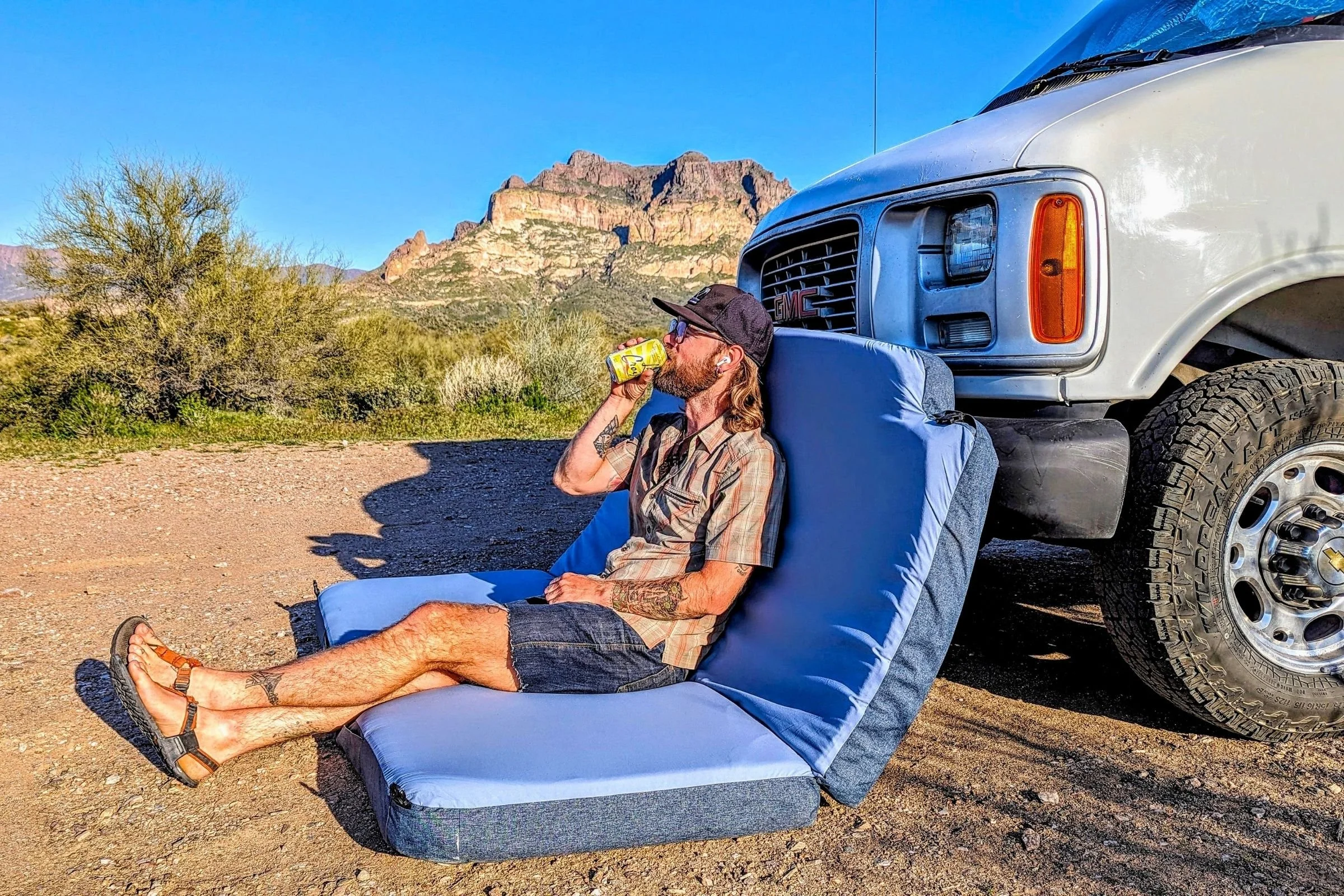
Since it folds, you can prop it up against a wall or rock to use as a couch. The cover easily unzips to remove it for washing, and the dirt and water-resistant bottom means you can plop it down anywhere. It also has two cell phone storage pockets on the foot end.
Best lightweight camping mattress: Therm-a-Rest NeoLoft

R-value: 4.7
Thickness: 4.6"
Weight (lbs): 1 lb 9 oz (regular)
Inflation: Air pad; inflated with the included pump sack
Lengths: 73", 78"
Why we like it: Comfort, no slipping or caving, different in and out valves, compact and lightweight enough to use for backpacking
What we don't like: not as durable as dedicated camping mattress
It’s rare that I open a new piece of gear and have a “wow” moment, but the Therm-a-Rest NeoLoft made it happen. Side sleepers often find inflatable camping mattresses don’t offer enough padding for a comfortable night of sleep in the backcountry.
The Therm-a-Rest NeoLoft is our winner for Best Lightweight Camping Mattress for campers who want a lightweight sleeping pad that can do it all.
This sleeping pad has changed our idea of “comfortable” sleep can be when backpacking; it is thick, lofty, and light and packable. And, it can keep you warm in fall into winter with its higher R-value. The pad is just as thick as camping mattresses that weigh twice as much, yet packs down to the size of a Nalgene.
It’s extremely worth it if you are a camper and sometimes backpacker who knows you’d benefit from the compactness and weight this pad provides.
Compare Prices Of The Therm-a-Rest NeoLoft


-
We recommend this camp mattress for anyone who both car camps and backpacks often and wants one pad that can provide 3-season (or even 4-season) comfort and reliability. If you are looking to upgrade your car camping and/or backpacking sleep system, you should consider this pad.
-
The Therm-a-Rest NeoLoft rectangular sleeping pad comes in a regular, regular wide, and large options. (The large option is both long and wide.) The regular pad, which we tested, is 22 inches across by 73 inches — definitely on the longer side for comparable pads of this size and weight. Some similar camping mattresses only measure 66-70 inches long.
-
It’s the best value if you know you need a pad with this R-value or higher, or know you’d benefit from its comfort and packed vs. unpacked size. And, a great option for those looking for something like a bed or cot — providing the comfort, loft and height without the having to invest in both a cot and a mattress. Because the packability of a pad this thick, lofty, and roomy really can’t be beat for backpacking or camping when you have a smaller vehicle to pack gear. Finally, if comfort is a priority, you really can’t put a price tag on a good night’s sleep.
Best Self-Inflating Camping Mattress: Therm-a-Rest MondoKing 3D

Thickness: 4.25 inches
R-value: 7
Self-inflating: Yes
Weight (lbs): 4.4 lbs (regular)
Packed Size: Large: 10.3 x 26 inches
Dimensions Available: L: 25"W x 77"L | XXL: 30"W x 80"L
Surface Material: 50D top and bottom
Why we like it: Durability, insulation, comfort, generous length and wider dimensions than other mats, ease of warranty and repair program
What we don't like: Surface fabric isn't quite as soft as others
The Therm-a-Rest MondoKing is the best self-inflating camping mattress for folks who prize a comfortable, warm night of sleep outdoors. With a generous thickness of 4.25 inches and an R-value of 7, the MondoKing feels warm on cold nights and comfortable on uneven ground. The MondoKing has some of the most luxurious dimensions for a solo camping mattress: 25" x 77". We found its self-inflating easy to use inflate/deflate valves to make it one of the fastest pack-down times in the morning.
Compare Prices Of The Therm-A-Rest Mondoking 3D Sleeping Pad
-
One thing we liked about the Therm-a-Rest MondoKing is its durability. At a robust 50D top and bottom, it has tougher, more durable fabrics than the other sleeping pads we tested. The reality is camping is tough on gear. While the surface fabric is not as soft as the Sea to Summit Comfort SI, you'll likely feel your sleeping bag's fabric more than the camping mattress's fabric.
In the unlikely event that a durability problem arises, Therm-a-Rest has one of the industry's best warranty and customer service programs. Treeline Review has worked with Therm-a-Rest's return program many times and has always been pleased (note: we never identify ourselves as gear reviewers to test unbiased customer service).
The MondoKing is longer, thicker, and more insulating than our former winner, the Sea to Summit Comfort Insulated (review below).
Related: read our latest review of Therm-a-Rest’s ultra-comfortable NeoLoft sleeping pad.
-
The MondoKing is a self-inflating camping mattress that benefits from some foam for comfort and insulation. The biggest downside of MondoKing is its inflate time.
Whereas other high-comfort pads struck me with their ability to get full or near full in minutes, the MondoKing took 3-4 times as long (almost 30 minutes) to get full, and I still had to use the attached inflation bag to do the rest.
As a part foam, part air mattress, we expected it to take a while to inflate compared to all foam mattresses.
That said, while it's not as "set it and forget it" as other camping mattresses, it was the only high-comfort pad to include its own inflation bag. That's something I mostly see with backpacking-focused pads. It was nice to have the ability to make the pad firmer if I wanted it. This also translated into a much more compressible and packable sleeping pad.
The previous version of the MondoKing had some valves we didn't like as much, but the newest version has separate inflate and deflate valves that are much easier to use and intuitive enough for those new to car camping.
-
While the MondoKing has a lot of similarities to the Sea to Summit Comfort that won last year's award, a few reasons put it over the top. We already talked about the better durability and Therm-a-Rest's stellar repair policy. But aside from that, MondoKing's dimensions are among the most generous in the industry.
The MondoKing is slightly thicker than other pads at 4.25 inches (vs. Sea to Summit's 4 inches). Its R-value for insulation is better at 7 (vs. the 6.5 on the Sea to Summit).
Sure, the MondoKing weighs more, but we don't care as much about that for car camping. Plus, it is 5" longer than the Sea to Summit, so we fully expect it to weigh more.
-
The MondoKing costs more than our former winner, the Sea to Summit Comfort Insulated. But we think getting a longer, thicker, more insulating pad is worth it. This mattress is backed by a renowned repair and lifetime warranty standing behind it.
For the camper, van or truck dweller, or base camper, the MondoKing is a car camping mattress built to last, with comfort, quality components, and excellent insulation and comfort for a good night's rest.
Best Foam Camping Mattress: HEST Sleep System Sleeping Pad
Thickness: 7 inches
R-value: 11.8
Self-Inflating: Partial, comes with pump
Weight (lbs): 26 pounds
Packed size: 14 x 25"
Dimensions available: 78 x 25"
Surface Material: Moisture-wicking stretch nylon twill on top with polyurethane-coated nylon on the bottom
Why we like it: basically feels like a mattress at home, great for side, front, and back sleepers, excellent insulation, surprisingly good packability
What we don't like: price, too big for smaller tents, heavy
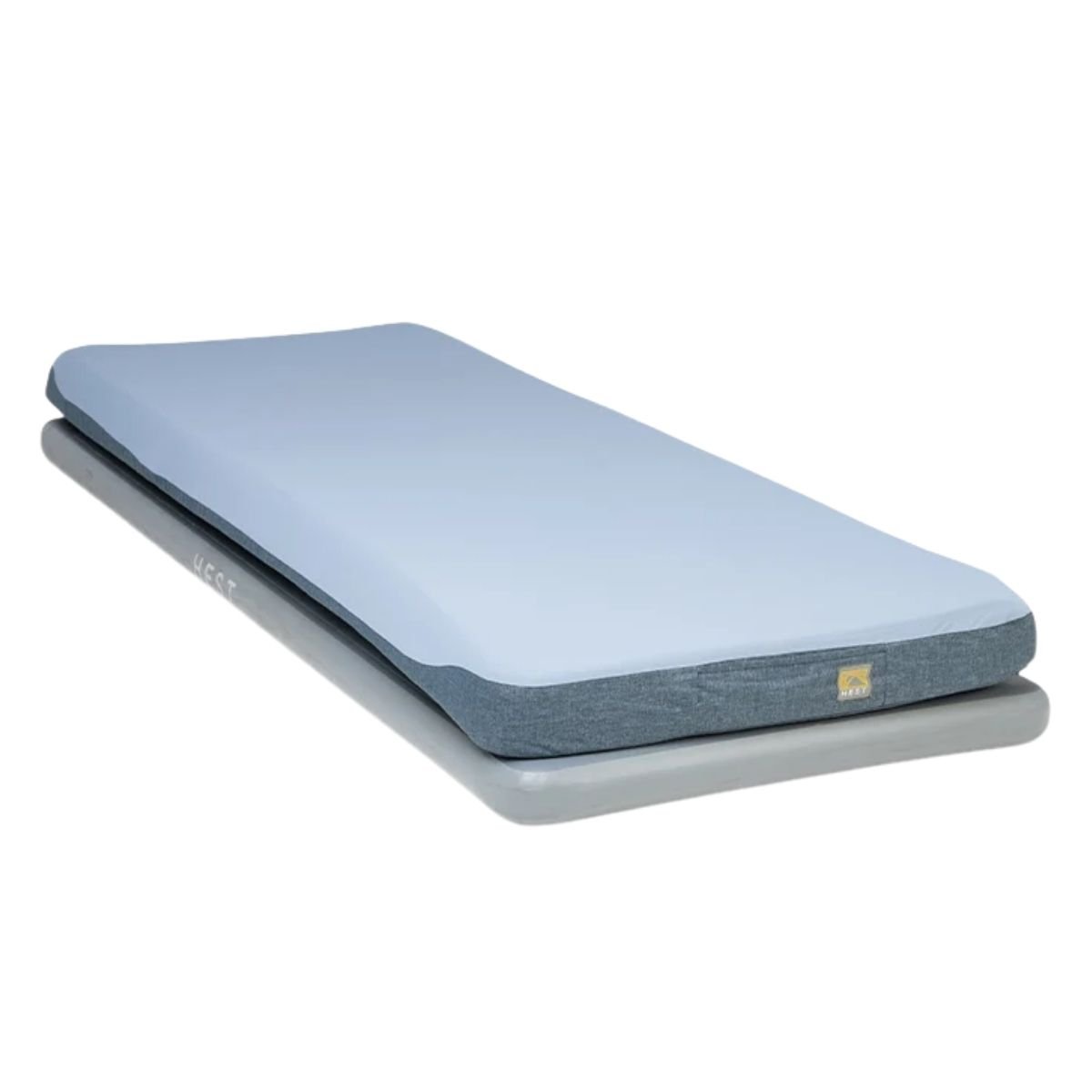
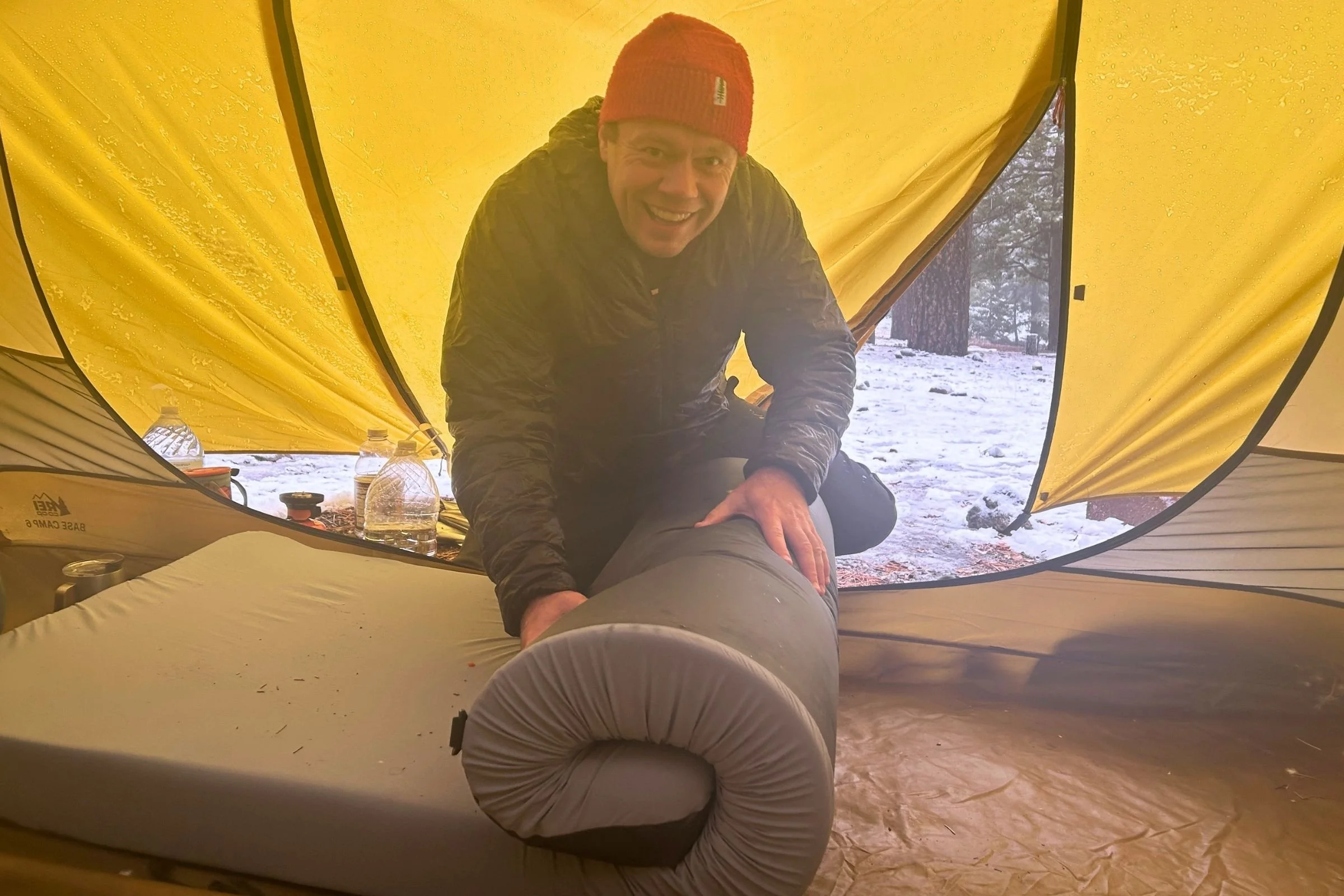
Sleeping pads are fairly simple, and it’s rare to see leaps forward in innovation. The HEST Sleep System camping mattress is the best foam sleeping mattress we tested.
The consensus among testers is that the HEST camping bed basically feels like a mattress at home — with the durability and packability required of a camping air mattress. Regardless of how you sleep (side, front, back, or otherwise), how cold you sleep, or the weather, you will be in good shape with this mattress.
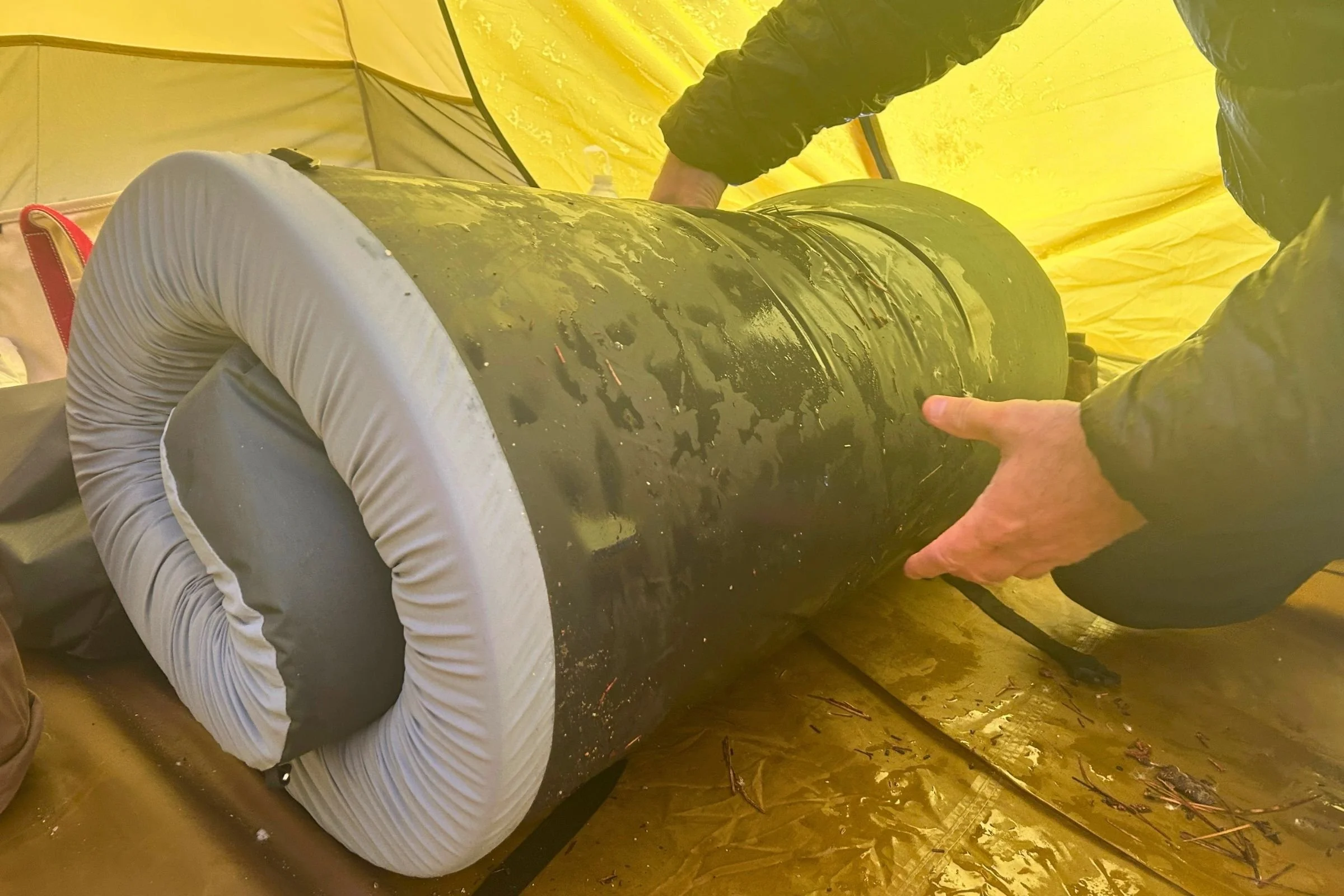
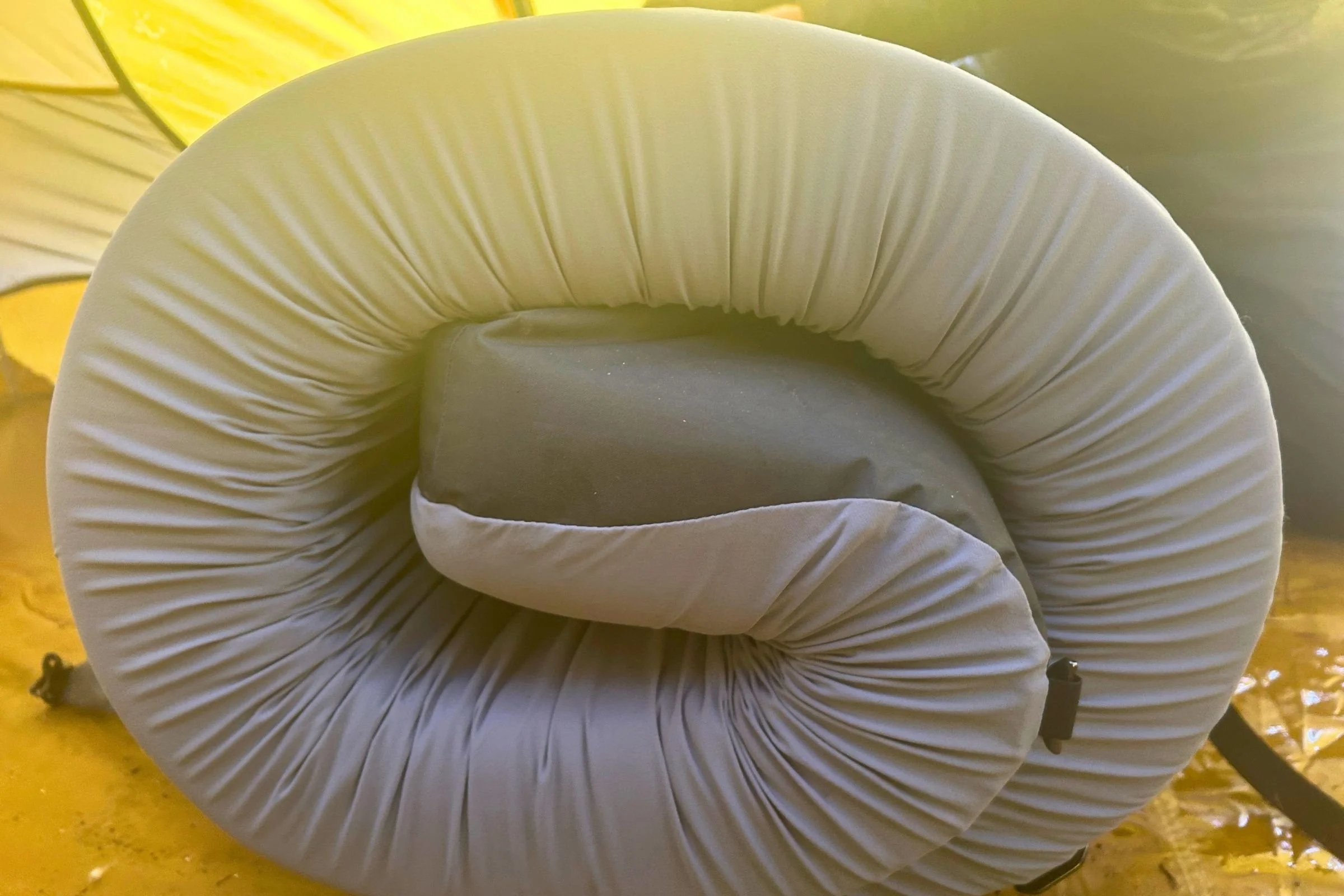
The HEST Sleep System Sleeping Pad defies categorization. The top of this camping bed is memory foam, typically found in “at-home” mattresses. Below the memory foam is a layer of polyurethane foam, a more durable material. If you know you want a foam mattress and are willing to pay for the benefits of the best night of sleep while camping, the HEST Sleep System is the best foam camping mattress you can get.
View the HEST Sleep System Sleeping Pad
-
The base material mimics a stand-up paddleboard — long threads of polyester that inflate like an air mattress but are substantially more durable and tear-resistant. The result is a camp bed with quality more typically found in a memory foam mattress you might buy for use at home — but with the durability and packability required for a camping trip.
-
The HEST Sleep System works well in extremely cold camping situations. Our main tester lived out of his truck driving back-and-forth between Colorado, Montana, Wyoming, Nebraska, and Illinois at all times of year. He'd sleep in the back of a truck on the HEST Sleep System on long road trips in the Midwest in winter. We've camped in the snow with this mattress and even with sleeping bags that weren't quite rated to the outside temperatures, the HEST Sleep System kept us warm from below.
-
Sometimes when camping in wet and cold conditions, water can get in the tent. We found the outer material on the HEST Sleep System to be extremely waterproof and quick drying while protecting the memory foam.
-
The Dually is lighter weight and a little more user-friendly than the Sleep System. The HEST Sleep System is warmer and a little more comfortable. What is best for you depends on where you are camping, how you typically sleep, and temperatures and time of year you will be camping.
Best Budget Camping Mattress: REI Co-Op Campwell Sleeping Pad

Thickness: 2.5"
R-value: 7
Self-inflating: Yes
Weight (lbs): 3 lbs 8 oz (Reg) / 4 lbs 8 oz (XL)
Packed Size: 6.5" x 26" | 9" x 30"
Dimensions available: Regular: 72" x 25" | XL: 78" x 30"
Surface Material: 150D
Why we like it: Value for the price, quick self-inflation, quiet when rolling around, stays cool and dry in humidity, durable enough for teenagers, lots of insulation
What we didn't like: Not as thick or comfortable as other pads, the surface material is not as soft as other pads
At a reasonably priced $129, the REI Campwell is more expensive than a foam folding mattress, but it is much more comfortable and is still affordable for an inflatable sleeping pad. It's thinner than other sleeping pads we considered and could also double as a backpacking sleeping pad.
The REI Co-op Campwell Sleeping Pad offers a lot of value for what it's got, and that's why we think it's the best sleeping pad for campers who want a comfortable night of sleep. Whether you're camping indoors at a sleepaway camp or outdoors for a week of camping in a tent, this is a good option, especially for kids, due to its price, durability, and compactness.
View the REI Campwell Sleeping Pad


-
Comfort is the biggest appeal of this sleeping mat, which is otherwise a straightforward rectangle. For an air mattress, this self-inflating mattress is relatively thin. You'll find thicker options if you’re willing to spend a bit more. Some thin pads are less effective for side sleepers (and I am one). I find thicker sleeping mats more comfortable, but the Campwell sleeping pad offered just enough support for my hips.
We liked the soft polyester fabric on top, which stayed cool and dry even in humid weather. I spent two summers testing this sleeping pad in North Carolina and Wisconsin. Unlike other pads we tested, this air mattress is quiet throughout the night.
-
The REI Campwell sleep pad self-inflates quickly — mine reached a tolerable firmness in less than 5 minutes and was perfect for my preferences after 10 minutes. The process was simple and efficient — just roll it out, open a tab, and wait. While many pads require additional inflation, this air mattress did not.
-
Others share my views on the comfort of this air mattress. Backpackers.com ranked it 5 stars in comfort (though appropriately noted it’s not great for backpacking), and Outdoor Gear Lab called it a “fantastic pad for the money.”
-
The REI Campwell sleeping pad is fairly large and heavy. It may be too long to comfortably pack alongside other gear while car camping.
Thicker pads are also warmer — the camp bed is squarely in the “3 seasons” range. If you are a cold sleeper or know you need more hip support, the low price of this air mattress may not be worth it. In all other cases, the comfort is incredible for the price.
-
While an obligatory shout-out must be made to foam pads or the camping cot, which often are under $50, for the purposes of this review, we focused on the higher-end camping mattress. But it’s worth naming if money is your top priority, an air mattress could be a comfortable (but fragile) option, and foam pads are cheap and indestructible (but not all that comfortable).
The real reason to go for the REI Campwell sleeping pad is balance. It is comfortable, affordable enough, and efficient at inflating — key metrics of any air mattress.
Other camping mattresses we tested
NEMO Eclipse All-Season Sleeping Pad
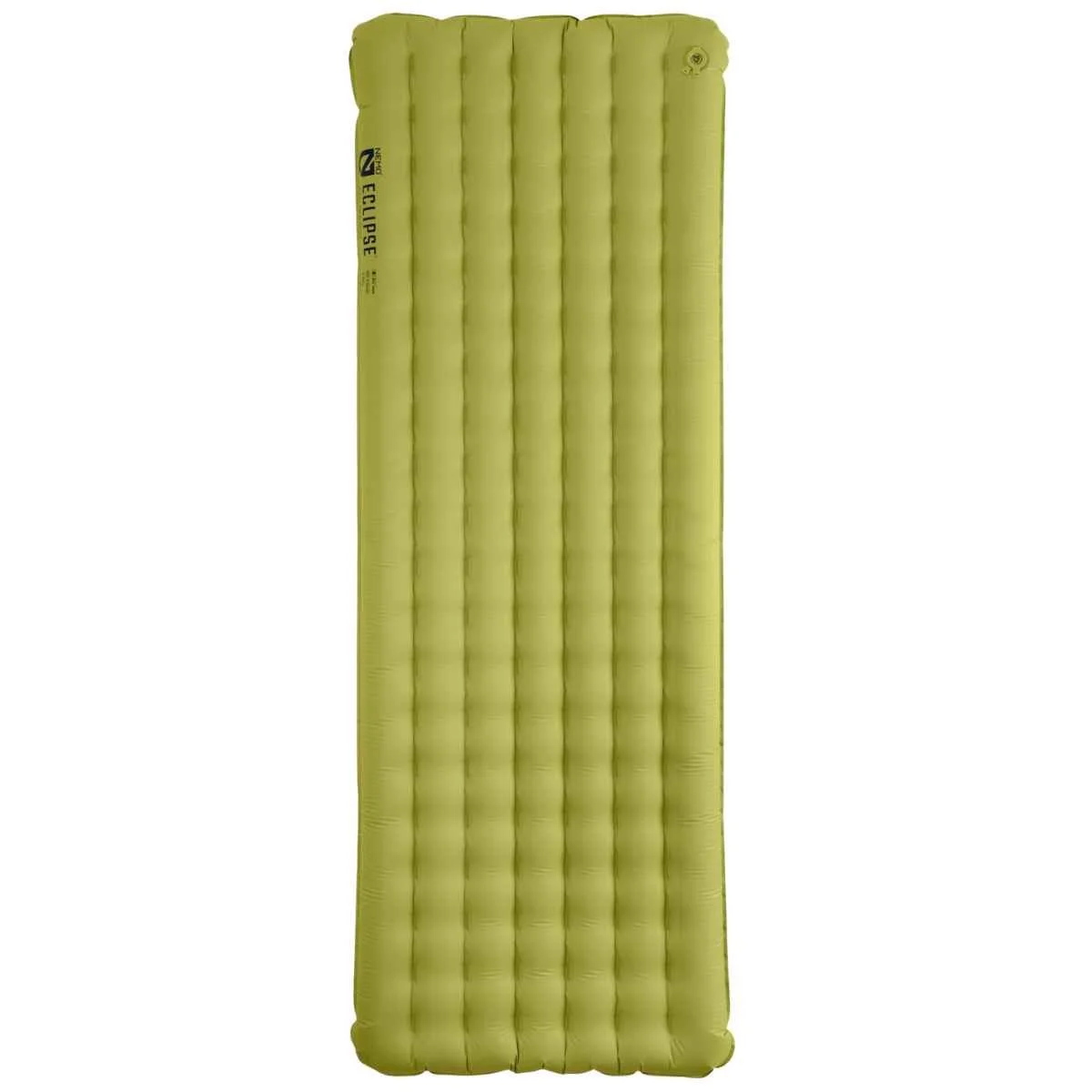
Thickness: 4 inches
R-value: 6.2
Self-inflating: No - but there is a pump bag
Weight (lbs): 6.2
Dimensions available: 72 x 20, 72 x 25, 76 x 25
Surface Material: recycled 40-denier (40D) textured nylon ripstop
The NEMO Eclipse All-Season Sleeping Pad—at 4 inches—is now the thickest pad NEMO makes, and its 6.2 R-value makes for warm, comfortable nights sleeping on the ground. It's a comfortable pad that can double as your backpacking mattress and your camping mattress. And it is one of the best deals for camping mattresses out there.
We tested this sleeping pad dispersed camping, river camping, car camping, and backpacking from Colorado to California, and in a few places in between.
The thing that most impressed us after testing is the overall comfort-to-weight ratio, comfort-to-size ratio, and general warmth and performance. This is a very comfortable pad suitable for side-sleepers in a lightweight and small package.
Ultimately, we find the Therm-a-Rest NeoLoft to be more comfortable as a car camping mattress, but less packable, so a better option for camping. The NEMO Eclipse is a better option for backpacking. If you're on the fence, think about which activity you do more.
For more, see our in-depth, long-term review of the NEMO Eclipse All-Season Sleeping Pad.
NEMO Eclipse All-Season Sleeping Pad
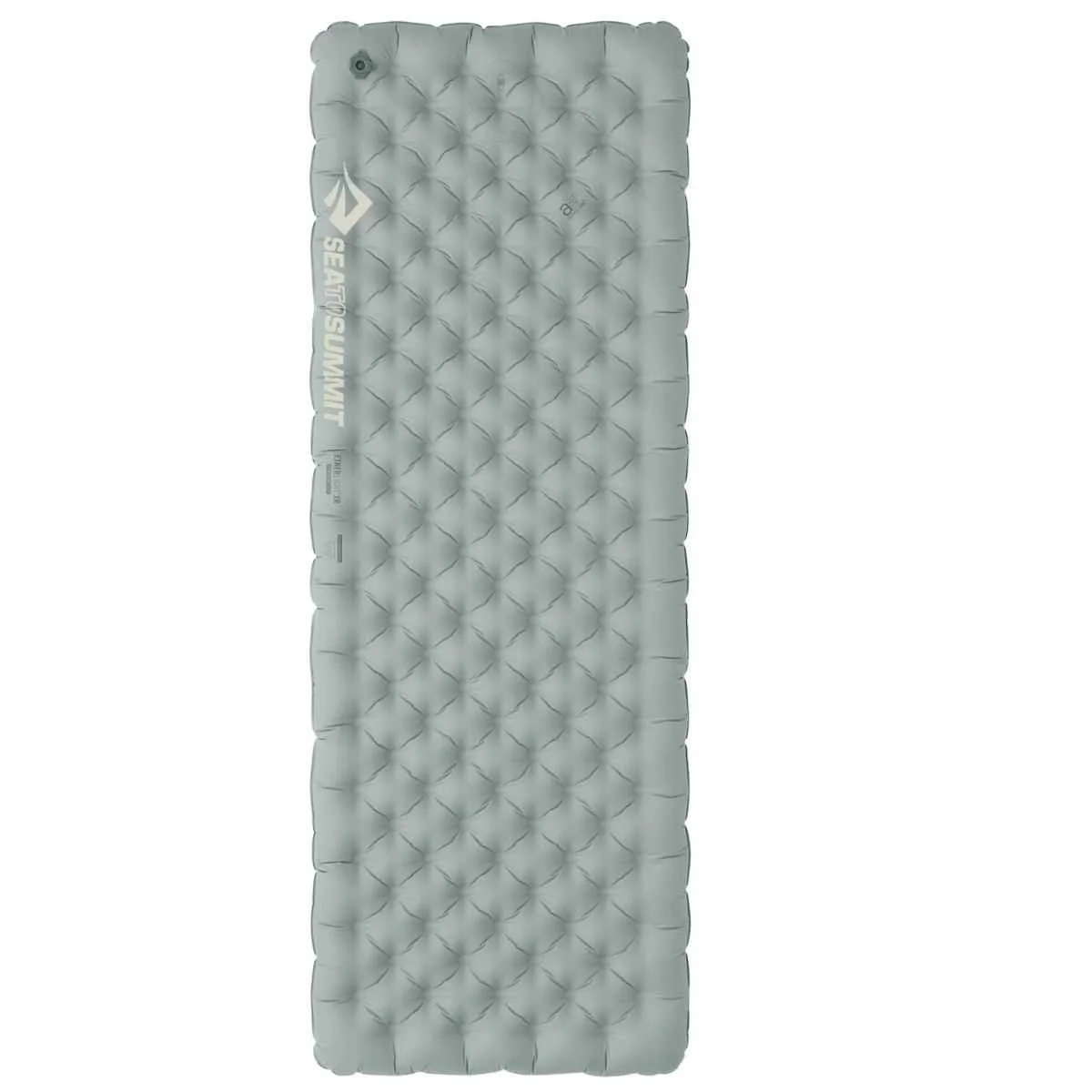
Thickness: 3.9 inches
R-value: 4.1
Self-inflating: No - but there is a pump bag
Weight (lbs): 1.0
Dimensions available: 72 x 21.2, 77 x 25.2
Surface Material: Hybrid 30-denier and 40-denier nylon
The Sea to Summit Ether Light XR Insulated Air sleeping pad is the newest iteration of plush sleeping pads that can double as car camping mattresses.
For side sleepers, people who roll around, or backpackers who bottom out on their sleeping pad, inflatable pads can be uncomfortable.
The Sea to Summit Ether Light XR solves that with their innovative Air Sprung cells, which operate like springs on a mattress back home. Each cell holds weight and diffuses it so it's always comfortable. It has the best pump sack in the inflatable sleeping pad industry. Plus, it costs a little less than similar premium sleeping pads we've tested.
Ultimately, we find the Therm-a-Rest NeoLoft to be more comfortable as a car camping mattress, but less packable, so a better option for camping. The Sea to Summit Ether Light is a better option for backpacking.
For more, see our in-depth, long-term review on the Sea to Summit Ether Light XR sleeping pad.
Sea to Summit Ether Light XR
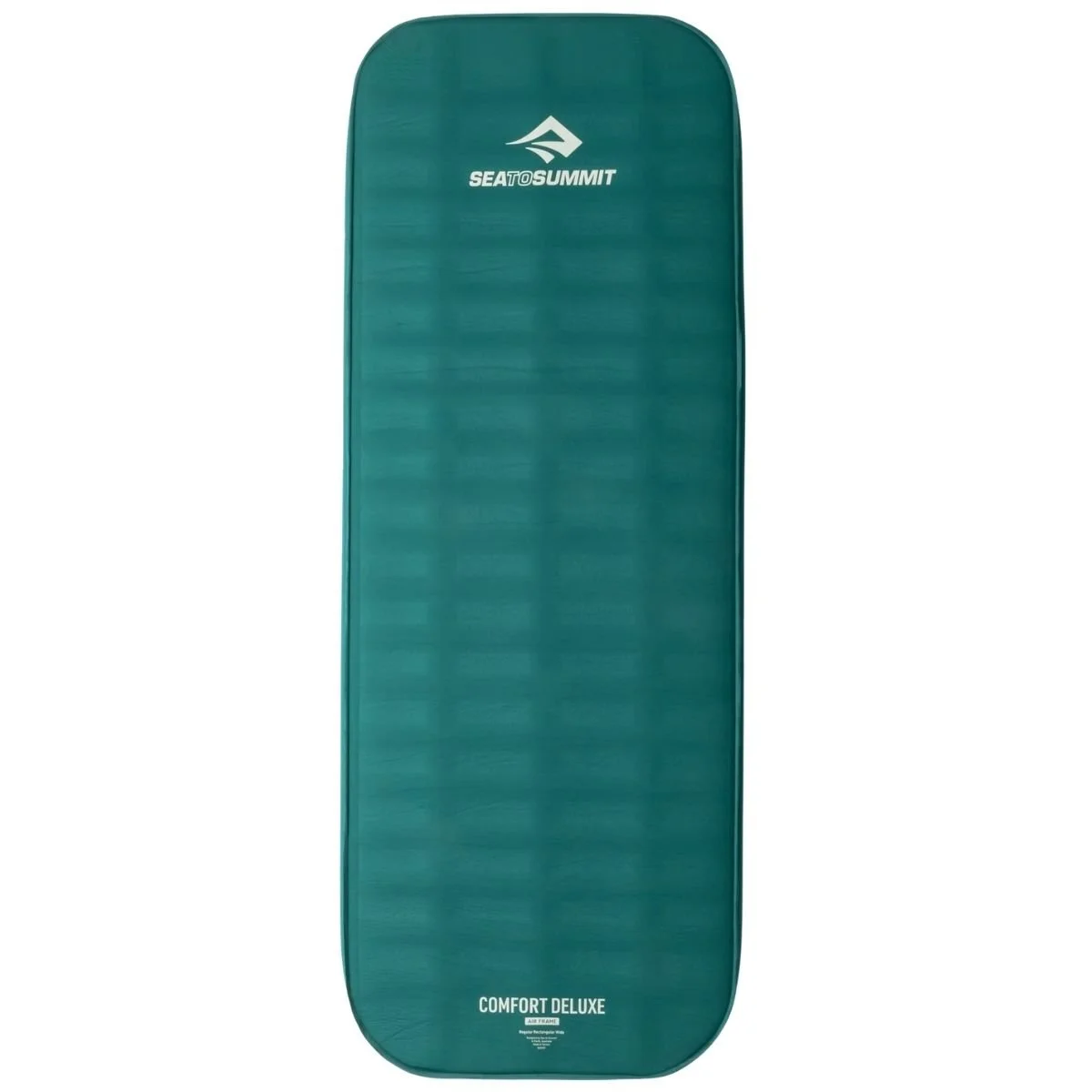
Thickness: 4 inches
R-value: 6.5
Self-inflating: Yes
Weight (lbs): 3 lbs. 8 oz. / Long Wide: 5 lbs. 5 oz.
Dimensions available: Long Wide: 78 x 29.9inches/ Regular Wide: 72 x 25.2 inches
Surface Material: 30-denier knitted polyester fabric is soft and warm to the touch
The Sea to Summit Comfort Deluxe mattress was our former winner for Best Camping Mattress, and we still love it. It marries comfort, convenience, affordability, and flexibility.
Ultimately, the Sea to Summit Comfort Deluxe is the camping mat with everything we want in a camping pad — comfort, convenience, and flexibility — at a reasonable price. The Sea to Summit Comfort Deluxe is the most comfortable of all of the pads the author slept on and he's since purchased his own Comfort Deluxe and has taken it on every camping trip since.
But after a year of testing, we've had some durability issues. Online forums echo our experience, and customer service wasn't able to help.
The Sea to Summit Deluxe has some of the best features we’ve seen on a double pad. Still, we think given the cost of camping mattresses, going with a model with an easy warranty process is important.
You can read more in our in-depth review of the Sea to Summit Comfort Deluxe camping mattress.
Compare Prices Of The Sea To Summit Comfort Deluxe


This air mattress is comfortable at over 4 inches thick. You can easily make the pad harder or softer by blowing into or letting air out of the one-way valve. This makes the Sea to Summit Comfort Deluxe ideal for both side sleepers and back sleepers.
One Treeline writer slept three nights apiece on different mattresses and said, "The Sea to Summit Comfort Deluxe is the most comfortable of all of them." He's since purchased his own Comfort Deluxe and has taken it on every camping trip since.
This camping mat is also large enough and warm enough to accommodate most body types and temperatures. At one point, I ended up using it on the seat of the bus that I run my outdoor wilderness program out of. I got rolled up in it and found it performed like a blanket. With an R-value of 6.5, it’s suitable for cooler temperatures where you may need a 4-season tent.
The fabric is knit polyester, which is soft, comfortable, and relatively quiet when rolling around at the night. Additionally, Sea to Summit sells separately a silk-cotton hostel-approved liner that works with this pad or for warm nights where you don't want a sleeping bag.
It’s rare to find a 4-inch sleeping mat that truly self-inflates, but mine inflated to a comfortable level within 10 minutes in cool weather. On a hot sunny day, it was ready for sleep in less than a minute. That’s a tremendous convenience when you need to set up quickly.
The catch is that this same system is relatively hard to deflate and pack up, as the foam doesn’t compress quickly (good at night, but bad in the morning if you’re trying to get moving!). While I could lie on the pad and mostly deflate with relative ease, I was never able to get it fully folded back into the original stuff sack. While this was challenging for other mattresses (MegaMat: I'm looking at you), the Comfort SI was the most difficult.
One thing to note is this pad is quite large and may not be ideal for those without storage. I’d likely purchase a secondary, larger bag to hold it rather than try to get it back to its original packed size. This is common for self-inflating pads, which are very difficult to get back to their original size due to the natural tendency to inflate. The result is some lost time packing up — but you can easily make up for that with practice.
The Sea to Summit Comfort Deluxe is modestly priced compared to other mattresses we considered (our budget winner is $100 less, and our high-end winner is $200 more). That price, paired with what you get for the price, makes the Comfort Deluxe well worth it for a pad that earns its name — a deluxe experience based on thick, soft, comfortable padding.

Thickness: 3 inches
R-value: 6.9 (estimate)
Self-inflating: Yes
Weight (lbs): 4 lbs 14 oz
Packed Size: 7" x 21"
Material: Air pad
Surface Material: Soft brushed suede-like top fabric for extra comfort
The ALPS Mountaineering Apex Self-Inflating Air Pad was a strong contender against the REI Campwell Sleeping Pad for the best budget camping air bed. But it receives less consistent glowing reviews around comfort from customers and experts. Unlike the Camp Bed, it also doesn’t have an independently tested R-value for insulation. We estimated a number based on how it performed compared to other pads but can’t be sure. We ultimately decided the Camp Bed was a better budget choice.
View the Alps Mountaineering Apex Self-Inflating Air Pad
What is a camping mattress and why you need one

A camping mattress isn’t just for comfort but can also keep you insulated from the ground.
Most people think of a sleeping pad as a comfort item, something to take the edge off sleeping on hard ground. That's part of it, but it's not the main point. A sleeping pad's real job is keeping you warm.
Here's why: sleeping bags trap heat in lofted insulation. But the moment you lie down, your body weight compresses that insulation underneath you and it stops working. The bag can't insulate against what it can't loft. Meanwhile, the ground is essentially an infinite heat sink. It will pull warmth out of your body all night long through a process called conductive heat loss. Even on a mild summer night, sleeping directly on the earth will leave you colder than you'd expect. A sleeping pad creates a barrier of air, foam, or both that slows that heat loss down.
This is also why a sleeping pad will often keep you warmer than a camping cot. A cot gets you off the ground but leaves cold air circulating underneath you. A pad traps that warmth.
All camping mattresses work on the same basic principle: find an efficient insulator, cover it in something durable, and design it to compress small enough to travel. Where they differ is in materials. Some rely on self-inflating foam, some on air chambers, some on both. Those material differences make a significant difference in practice, in how warm you sleep, how comfortable you are, and how easily the whole thing packs up in the morning.
Whether you're car camping in a national park, living out of a van, or running a summer camp program where you're sleeping outside for months on end, a camping mattress is not optional gear. It's as fundamental to sleeping outside as your tent or sleeping bag, and skipping it is a reliable way to have a miserable night regardless of how good everything else in your kit is.

The REI Campdreamer XL pad while car camping next to the Nemo Quasar backpacking sleeping pad behind it.
What To Look For In A camping mattress

Pads and sleeping bags together create a “sleep system.” Note that above, the rectangular pad goes with a rectangular sleeping bag, and the mummy pad with a mummy bag. While not required, advanced campers may want to choose their pad and sleeping bag in tandem.
We explained our key criteria below, but here are some ways we measured those criteria. If you decide to look into other pads, make sure you consider the following:
Insulation
Sleeping pads are measured using an “R-value.” The R-value is a standard measure of insulating material — even the walls in your home have a rating! The higher the R-value, the warmer the pad. “R” stands for “resistance.” Specifically, it’s thermal resistance, or how long it takes heat to leave a warm area and escape to a cold one, through the material. Pads don’t generate heat, they just hold onto it — so a higher R-value means the heat escapes more slowly through the material, keeping you warmer longer.
Durability
Interior insulation type and thickness influence how warm you’ll stay, but the sleeping surface of a pad also matters. Some pads, like those made of foam, may be made of their insulating material. Others, like blow-up pads, require a tough outer layer, so punctures don’t ruin the pad.
Foam or air
There are a few broad categories of pads that meet different needs (and can be combined in different ways). In particular, you’ll need to decide if you want a:
FOAM PAD: essentially just a roll of insulating material, the same all the way through — heavier but incredibly durable and reliable.
BLOW-UP PAD OR AIR MATTRESS: a bag that you inflate with interior structures or materials to keep the air still and hold heat (dead air space alone offers an R-value of ~0.8! but these pads add more!)
HYBRID FOAM AND AIR MATTRESS: many of the highest-end camping mattresses have some foam and some air mattress features. This allows you to get the packability of an air mattress but the comfort and insulation of foam.
SELF-INFLATING AIR MATTRESS: similar to the blow-up pad, it uses pressure differentials to fill themselves up (though most need a bit more air blown in to get comfortable).
Sustainability
Good materials should be durable enough to last and, ideally, recyclable or responsibly disposed of if they want. Materials vary widely, but virtually all pads use some sort of porous foam to hold air. Some inflatables use thinner polyester threads to create closed cells that hold still air, which for all our technology remains one of the best (and least expensive) insulators.
Shape
Pads are typically rectangular, but the width, depth, and length vary significantly to meet different body sizes. Others shift their depth or width from top to bottom, either to save space (wider at the shoulders, narrow at the feet like some bags) or to increase comfort (i.e., a little raised area to serve as a “pillow”).
Adjustability
Is there only one way to inflate it (i.e., blowing in air), or does it have a foot pump? Can it use a battery-operated pump or a rechargeable pump? Can you release some air to get comfortable while you’re on it? Is it comfortable when fully inflated (hard) or less so (soft)? A good pad lets you adjust the firmness to fit your needs (though a non-inflatable pad may have fewer features to do so).
Design
How are the seams sealed? How easy is it to find and use the valve? Can you release only some air through a valve to soften it while you sleep? Does your pad have a one-way valve to keep air from blowing in?
Pad dimensions
Size is important both for comfort and effectiveness. You generally want to fit your whole body on your pad (though some ultralight backpacking folks aim to just support their core), with some room to roll if you are a more active sleeper. Among the brands we considered, there are many options designed to fit your body. No matter what pad we recommend, the best camping mattress for you is the one that will fit your body’s needs.
Related: Best Gear For Plus Size People
Packability and packed size
Packed size matters when you either have a lot of gear competing (think a family camping trip) or not a lot of space (backpacking). In some cases, the packed size of a sleeping pad is a deal breaker, though in others, it may not matter as much.
Weight
Weight only matters if you plan to carry it a lot — but if you do want to get into backpacking, a light pad makes a big difference. See our Best Backpacking Sleeping Pads recommendation for pads specifically designed for this purpose.
Noise
I once slept in a tent with someone whose sleeping pad made it sound like the tent was tearing every time they moved. You want materials that are quiet as you shift around in the night.
Slip
Older pads were notorious for low friction with synthetic sleeping bags, leaving people slipping off of the pad onto anything but flat ground. Newer pads’ technologies have more grip, but some are still better than others. For example, nylon surface fabric has less friction than knitted polyester, which tends to stretch as you roll, adding friction as the fabric pulls against the movement.
Price
How Much Should I Expect To Pay For A Camping Mattress?
You can find pads all over the spectrum — from $40 to $50 (or even lower for a basic piece of foam) to a $500 pad that’s essentially a small mattress. We try to find you the best bang for your buck while still thinking about getting such great quality sleep that you might think you’re “glamping.”

Different pads may work well for different sleep styles (side, front, back, etc…).

The Sea to Summit Ether Light (shown here) was versatile for both back sleepers and side sleepers.
How To Choose A Camping Mattress For You
Choosing a camping mattress almost always comes down to a mix of R-value (how warm does it need to keep you), type (foam, self-inflating, or manually inflating), size, weight, and comfort.
My advice would be to do the following:
How cold do you sleep?
First, identify how cold it is when you camp (and how cold you sleep). Select an R-value range accordingly. For context, we scoped R-values from 2 to 11. 2 — 4 is ideal for temperatures above 50 degrees (summertime camping), 4 to 6 gets you into the shoulder seasons (above 35 degrees), and 7+ you can start flirting with winter camping temperatures around 20 degrees. At lower temperatures than that, you may want an R-value in the double digits or to double up pads.
Do you want foam, an inflatable air mattress, or something with both?
Second, identify what type of pad you want. In general...
If you beat up on gear, have plenty of storage space, and are OK with a rugged experience, consider a solid foam sleeping pad like the NEMO Switchback. You can read more about it in our Best Backpacking Sleeping Pads guide.
If you can reliably avoid sharp rocks or cactuses, want a lightweight pad, and want to be comfortable but are open to less comfort than what you have at home, consider a manually inflating pad like the Ether Light.
If weight is no issue, and you’re looking for ease of use and maximum comfort, try a self-inflating pad or a camping bed that involves a manual air pump (like the HEST Sleep system or the REI Kingdom).
Based on that category, start to select the specific pad you want!
There are a few “musts” I’d look out for, including (for any inflatable pad) one-way valves, quiet surface fabrics, and a durable surface.
Care and maintenance

Sleeping pads are relatively easier than other outdoor gear to care for.
Sleeping pads are straightforward to care for. Check the manufacturer's instructions before cleaning or repairing, since materials vary and some require specific treatment.
Keep the pad clean and dry. Wipe it down with a damp cloth if it gets dirty and let it air out completely before storing. Keeping boots out of the tent goes a long way toward keeping the pad clean in the first place.
Before setting up camp, scan the ground for sharp rocks and sticks. Punctures are the main way inflatable pads fail, and most of them are preventable. Inflate the pad at home before any trip to catch leaks early. If you suspect a slow leak, submerge the inflated pad in water and look for bubbles, then mark the spot, let it dry fully, and patch it. See our How to Repair a Sleeping Pad guide for field fixes and step-by-step instructions. Most brands also offer warranty and repair services worth checking before replacing a damaged pad.
Inflate to a comfortable level rather than fully hard. Overinflation reduces comfort and puts unnecessary stress on the seams.
Store the pad clean, dry, and away from sharp objects. A storage bag helps protect it between trips.
FAQ
-
Camp mattresses and sleeping pads come in a variety of sizes, weights, and styles, and some are made for specific seasons, too. Ones designed for winter or cold weather will often have some sort of extra insulation built in to keep you warm. A basic camping mattress should be usable in most seasons, with exceptions for extreme weather (like if you’re on a winter expedition, you’ll want gear made specifically for those conditions).
-
Camping often means that you’ll have to pitch your tent on slightly uneven or hard terrain. Of course, look for the flattest spot with the fewest obstacles and undulations in order to be as comfortable as possible. It’s okay in general to use your camp mattress on uneven terrain, so long as it is not too rough, rocky, or sloped. You should avoid areas with sharp rocks or other objects that could poke a hole in an inflatable mattress.
-
How long your campaign mattress will last depends mostly on what kind you have, how often you use it, and how good of care you take of it. Less expensive mattresses are often made of cheaper materials that won’t last as long (for the most part). Similarly, ultralight camp mattresses will be made with lighter and inevitably less durable materials, so it’s important to take good care of these to make them last as long as possible. Ultimately, there is no set amount of time that a camping mattress should or will last, but the best way to ensure you get the most out of yours is to buy a high quality one and take good care of it.
-
Camping mattresses are suitable for any type of sleeper, whether you prefer to lay on your back, side, or stomach. Whether a camping mattress is appropriate for someone with back pain is entirely dependent on the individual. They are not inherently bad for your back, but for folks with back issues they could cause discomfort. Opting for a softer and plusher camp mattress can often help with this.
-
No one is stopping you from sleeping in a tent without a mattress or sleeping pad, but it’s not likely to be very comfortable. Most places you’ll pitch your tent will be on hard and often slightly uneven surfaces, so you’ll want the added comfort of a mattress or pad. Additionally, if you’re camping in cool or cold weather, a mattress or sleeping pad will also help insulate against the cold ground and will keep you warmer at night. Overall, if you’re tent camping it’s best to have a camp mattress or sleeping pad.
-
How thick your camping mattress is depends on personal preference. There are some camp mattresses that are as thick as an air mattress you might use at home, and they’re designed for ultimate comfort at camp. They’re also heavy, bulky to pack, and can be expensive. On the other end of the spectrum, there are ultralight sleeping pads that will be far more minimal and only a couple of inches thick when inflated, or even less if they’re made of closed cell foam. If you prioritize comfort over everything else, consider a thicker camp mattress. But if you’d rather have one that is light and packable and easy to fit into a smaller tent, opt for one that is a lower profile.
-
Not everyone sleeps soundly at camp for various reasons, but there are ways to make your camp bed more comfortable. First, find a camp mattress that is suited to your needs and fits your body well (some are made longer, shorter, wider, or narrower, and in varying thicknesses). If you often find yourself cold at night, are snow camping, or feel the hard ground beneath you, consider layering a foam mattress or sleeping pad underneath an inflatable one for added comfort and insulation. If you’re car camping and have the space to spare, a thicker mattress might do the trick. It’s also important to have a comfortable sleeping bag with a temperature rating that is suited for the weather you’re camping in. This will help you stay cozy all night long. Lastly, a camp pillow can often make your camp bed more comfortable.
How We Researched & Tested

While the concept behind all pads is the same, they come in very different sizes and shapes. Above, a lightweight mummy pad (Sea to Summit Ether Light Extreme), a midweight rectangular pad (the REI Campwell), and a double-wide self inflating mattress (Sea to Summit Comfort Deluxe).
We've spent four years testing camping mattresses in conditions ranging from damp spring ground in Wisconsin to the hardest concrete we could find, including a walk-in fridge, to get a consistent read on insulation performance across different pad types. We tested with both self-identified warm sleepers and cold sleepers, because a pad that works well for one doesn't always work for the other.
Most of our contenders came from brands with proven track records in the category. We focused on companies starting with quality materials rather than chasing novelty, with a few exceptions for pads doing genuinely interesting things with existing technology.
Beyond controlled testing, the real proving ground was the field. We've tested these pads over months at sleepaway camps in the Midwest and California, on weekend trips in national parks, and through the outdoor program I run that has put more than 200 people through camping skills training. That kind of volume gives you a different perspective than a single reviewer spending a few nights on each pad. You start to see patterns quickly: which pads hold up to repeated use by people who don't know how to take care of gear, which ones are intuitive enough for first-time campers to set up without help, and which ones generate complaints the next morning.
We also tested specifically for plus-size campers, in partnership with Treeline Review writer Gabi Reyes-Acosta, who tested pads in the Sawtooth National Forest, Grand Teton National Park, and Stanislaus National Forest. That testing added a dimension that most camping mattress reviews skip entirely.
Throughout all of it, we focused on five things: how warm the pad kept us relative to its stated R-value, how comfortable it was for different sleep positions, how easy it was to inflate and deflate, how well the surface material held up to repeated use, and how the pad performed when things went wrong — leaks, punctures, and valves that didn't seal.
- Months of use at sleepaway camps
- Weekend trips in national parks
- Warm- and cold-sleeper comparisons
- Dedicated plus-size testing
- Controlled insulation tests on varied surfaces
- Warmth relative to stated R-value
- Comfort across sleep positions
- Inflation and deflation ease
- Surface durability under repeated use
- Leaks, punctures, and valve reliability
About The Author / Why You Should Trust Us

I run BOAT (the Bus for Outdoor Access & Teaching), a non-profit focused on helping make it easier for people to get out on camping trips. As a guide and program administrator for the last decade, my teams and I have rolled out, rolled up, rolled around on, blown up, patched, and (of course) slept on hundreds of camp pads.
Sleeping pads have kept me warm and separated from ice shelves I’ve carved into beds in quinzhees, stopped me from slipping onto cactus-infested desert rock faces, and in one case, kept me just a few critical inches above a flash flood.
I’ve used a camping mattress to get comfortable nights of sleep in cars, tents, hammocks, and right out on the ground. I bring that experience to my review here.
I’m not sponsored by any of these companies, nor am I an ambassador. But I’ve purchased dozens of pads for different ages, groups, areas, and activities — and I’m happy to share what I can!
This review is unbiased, and we do this to help you find the best camping mattresses for the price. Treeline Review doesn’t accept sponsored content, native advertising, or paid reviews.
You can see all of Micah Leinbach's camping gear reviews here.