Best Calf Compression Sleeves of 2026
Do calf compression sleeves actually help with shin splints and recovery? We tested 14 pairs to find out.
August 18th, 2026
Home → Gear Reviews → Running
If you ask a runner what their favorite sock is, they will likely have an answer for you, which is why calf sleeves exist separately from compression socks. Compression calf sleeves allow runners to wear their tried-and-true favorite socks while getting the benefits of compression on their runs. We know runners who have very particular feelings about socks, and compression sleeves aren’t trying to break up that union.
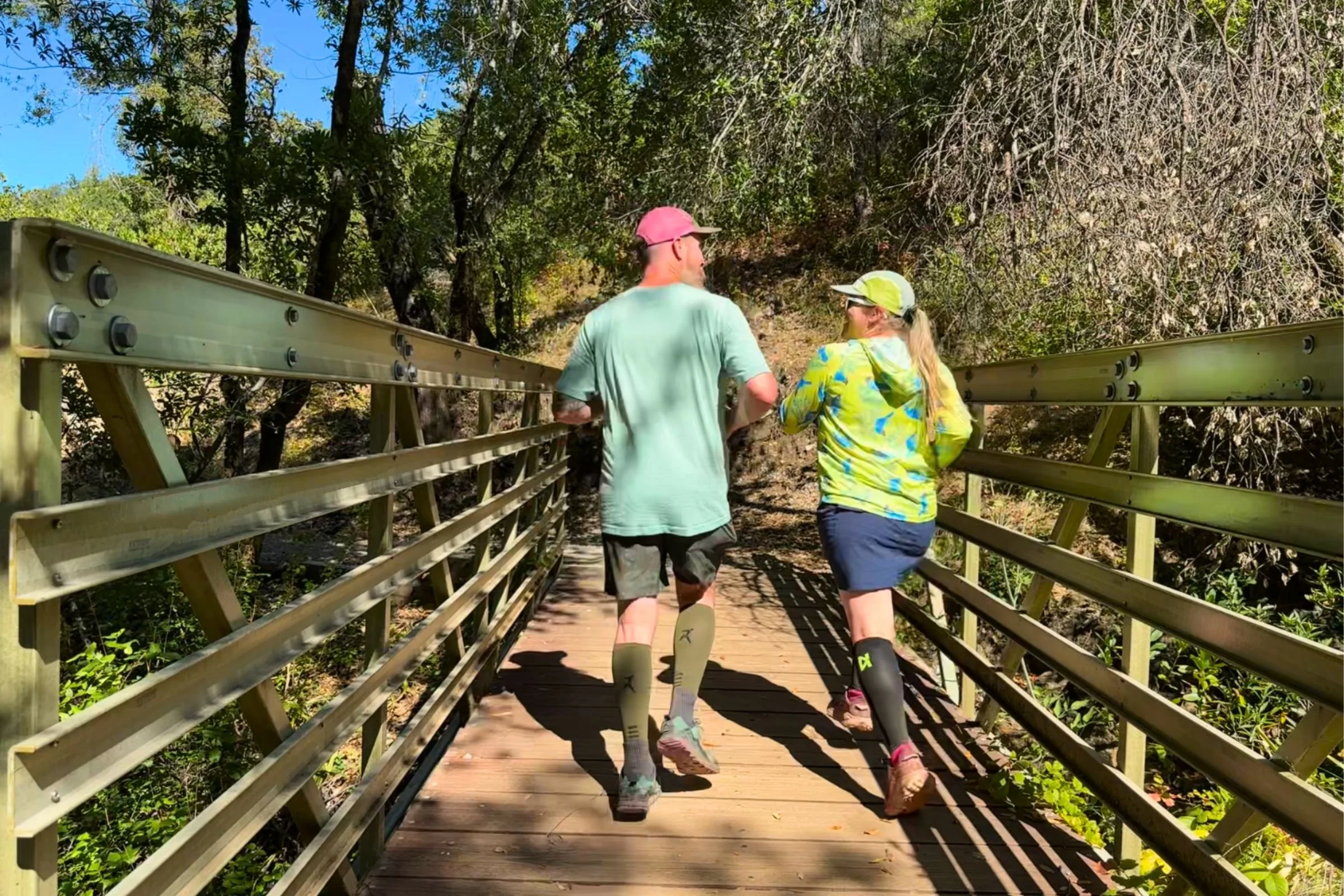
We tested 14 different calf compression sleeve models. We had women’s and men’s testers on both the east and west coasts of the United States. Our testers have run ultramarathons, marathons, and road and trail races, and are members of running clubs in their communities. We tested them by running, hiking, and traveling in the compression sleeves. Testing included wearing each pair for a full day to assess how they held up over extended wear. We also tested each pair on the same course for hill runs and on a combination of long, speed, and recovery runs. In addition to running, we tested on long travel days in airports and on planes.
We looked at compression sleeves in terms of compression level (light, moderate, firm) and whether they were medical-grade and graduated compression. We considered the fabric, softness, durability, and thickness of the materials. We evaluated the inclusiveness of the size range and the number of sizes offered. Price was a factor in our evaluation as well as overall value for that price.
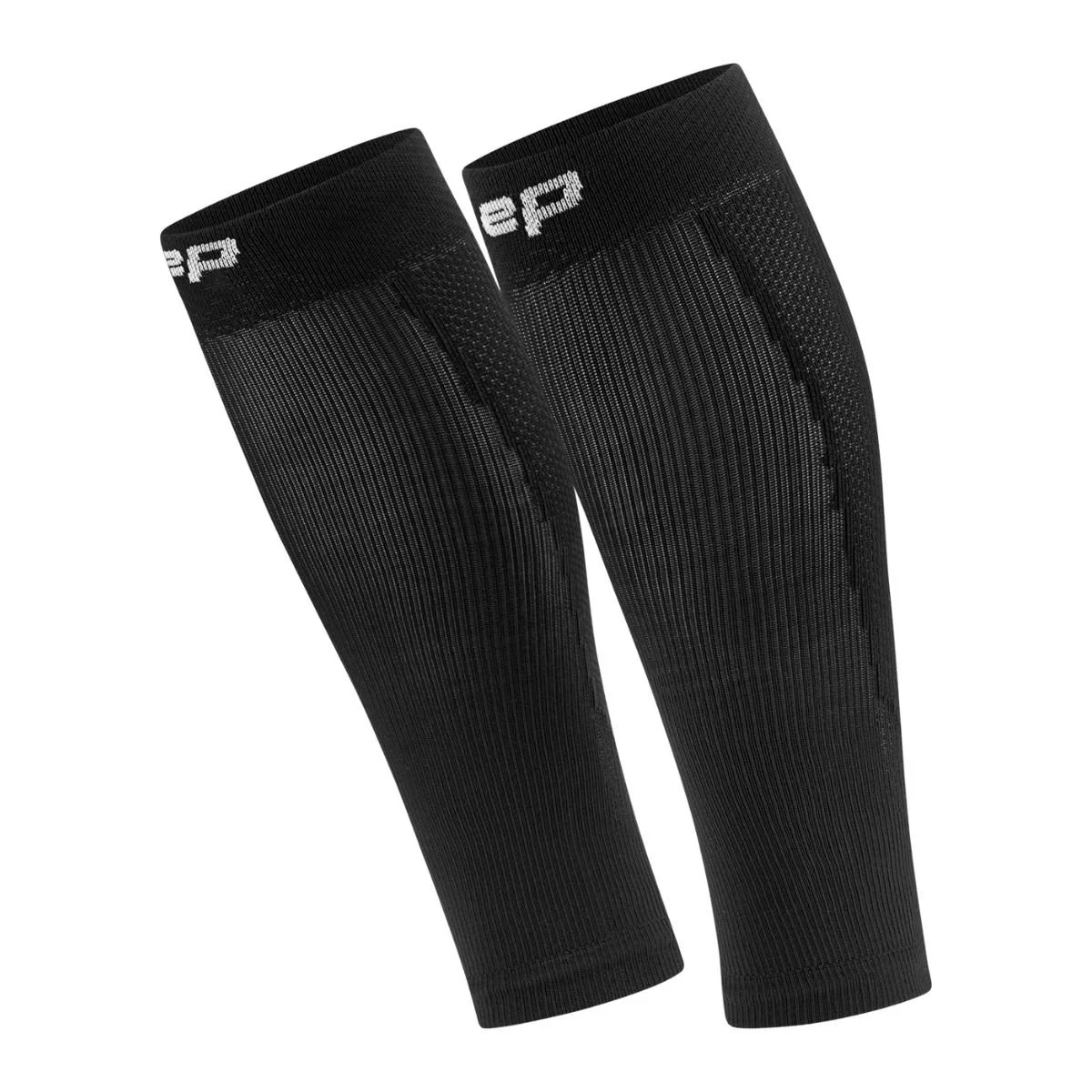
Our best overall winner is the CEP Core Run Calf Compression Sleeves 5.0 in Men’s and Women’s for $45. If we had to choose one sleeve that can do it all, we would run in these. Day after day, the CEP Core Run Calf Compression Sleeves 5.0 were the ones we were most excited about wearing in our rotation, making them the clear winner for best running compression sleeve.
We create reader-supported, mission-driven objective gear reviews that are independently selected by our editors. This story may contain affiliate links, which help fund our website. When you click on the links to purchase gear, we may get a commission — without costing you an extra cent. Thank you for supporting our work and mission of outdoor coverage for every body! Learn more.
Comparison table
| PRODUCT | TREELINE AWARD | MSRP | COMPRESSION LEVEL | FABRIC | ANTI-SLIP BAND | SIZES (M/W) |
|---|---|---|---|---|---|---|
| CEP Core Run Calf Compression Sleeves 5.0 Men's Women's |
Best overall Read why |
$45 | Medical grade | 79% polyamide, 21% spandex | No | 12.5-20/9.5-17.5 in |
| Cambivo Calf Compression Sleeve Unisex |
Best budget Read why |
$14 | Moderate | 58% nylon, 24% polyester, 18% spandex | No | 9-18.5 in |
| Zensah Featherweight Compression Leg Sleeves Unisex |
Best for shin splints Read why |
$40 | Firm | 52% polypropylene, 41% polyamide, 7% elastane | No | 9.5-18.5 in |
| Zensah Compression Leg Sleeves Unisex |
Best for recovery Read why |
$40 | Light/moderate | 90% nylon, 10% spandex | No | 9.5-18.5 in |
| Rymora Calf Compression Sleeves Unisex |
Best plus size Read why |
$20 | Moderate | 54% nylon, 39% polyester, 7% elastane | No | 8.5-30 in |
| CEP Core Run Ultralight Calf Compression Sleeves Men's Women's |
Best lightweight Read why |
$45 | Light/moderate | 79% polyamide, 21% spandex | No | 12.5-20/9.5-17.5 in |
| OS1st CS6 Performance Calf Sleeves Unisex |
$40 | Medical grade | 76% micro-nylon / 24% lycra spandex | No | 9.5-20 in | |
| 2XU X Compression Calf Sleeves Unisex |
$35 | Moderate | 88% nylon, 12% lycra | No | 11.75-19.75 in | |
| Blitzu Compression Calf Sleeves Unisex |
$17-23 | Moderate | 85% nylon, 15% spandex | No | 11-26 in | |
| Run Forever Sports Calf Compression Sleeves Unisex |
$18 | Moderate | 60% nylon, 25% polyester, 15% spandex | No | 8.5-24 in |
The winners
Best overall calf compression sleeve: CEP Core Run Calf Compression Sleeves 5.0
Price: $45
Compression level: Light to moderate 20-30 mmHg
Graduated compression: Yes
Fabric: 79% polyamide, 21% spandex
Anti-slip band: No
Size range: Men’s III-V 12.5-20 in / Women’s: II-IV, 9.5-17.5 in
Unisex / Men's / Women's: Women’s and men’s
Machine washable: Yes
What we liked: Comfortable for long hours of wear
What we didn't like: Price
If we had to choose one pair of calf compression sleeves to run in for the rest of our days, it would be the CEP Core Run sleeves. These calf sleeves are on the pricier side, but with these running sleeves, you really do get what you pay for.
CEP Core Run Calf Compression Sleeves 5.0
Men's
Women's

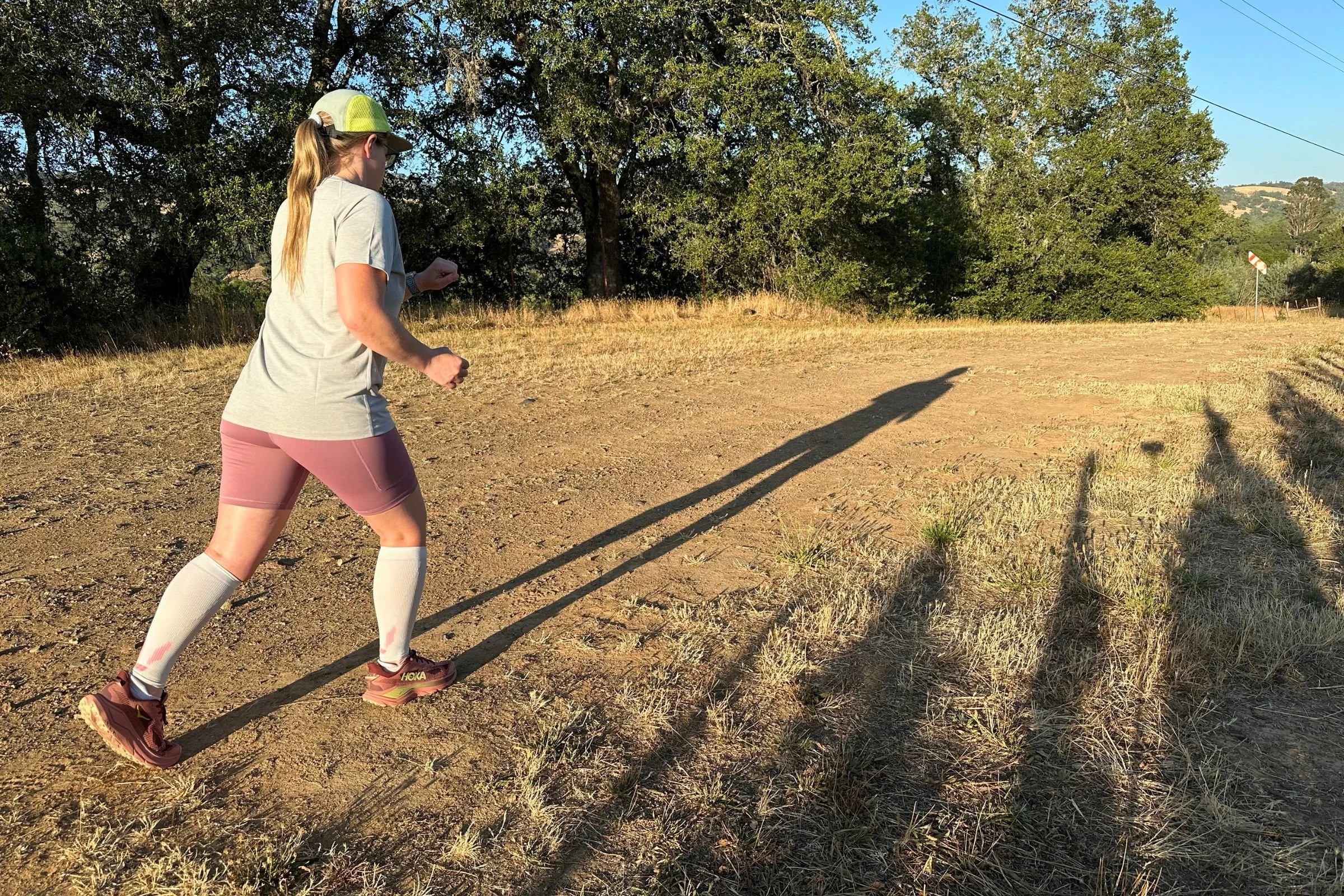
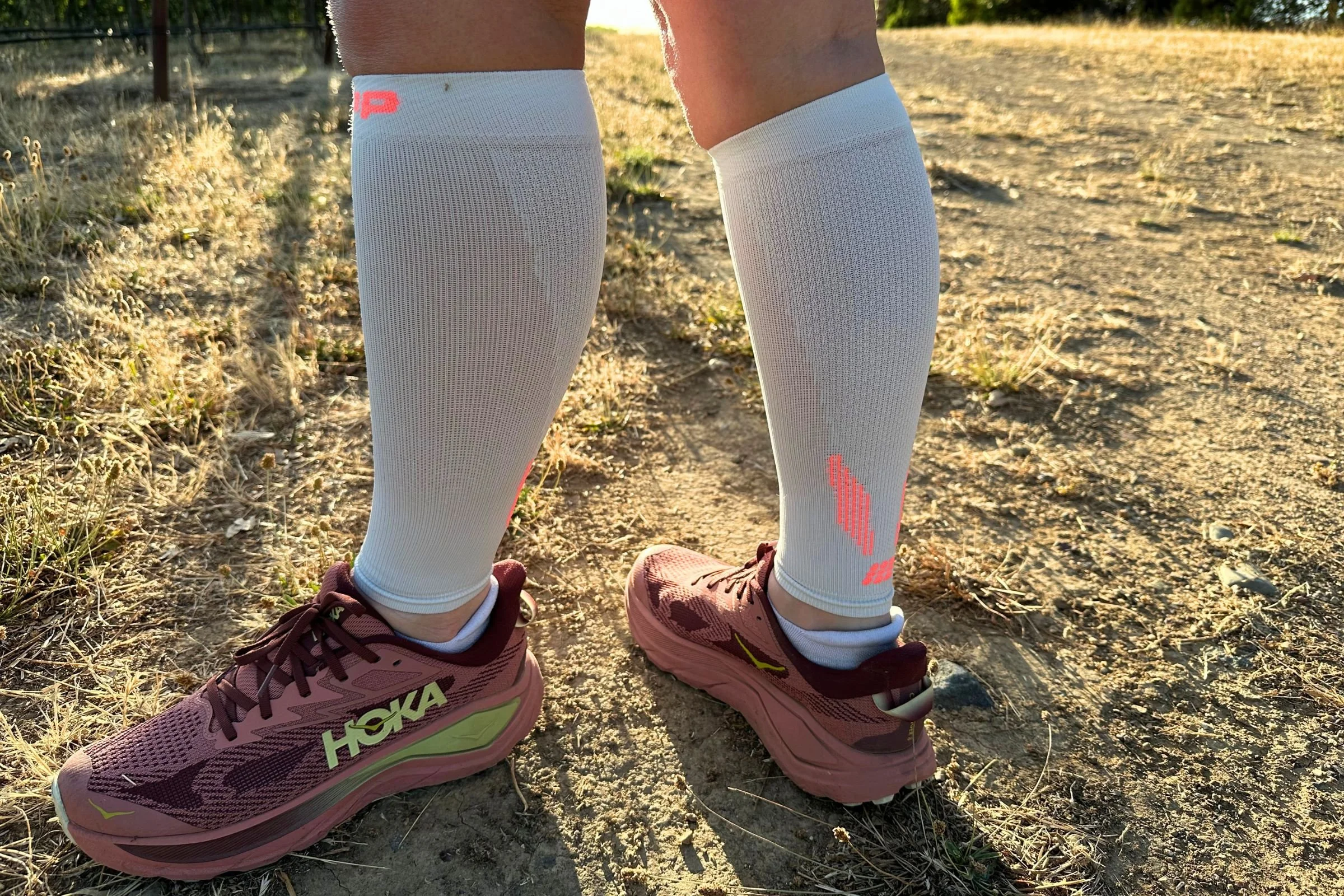

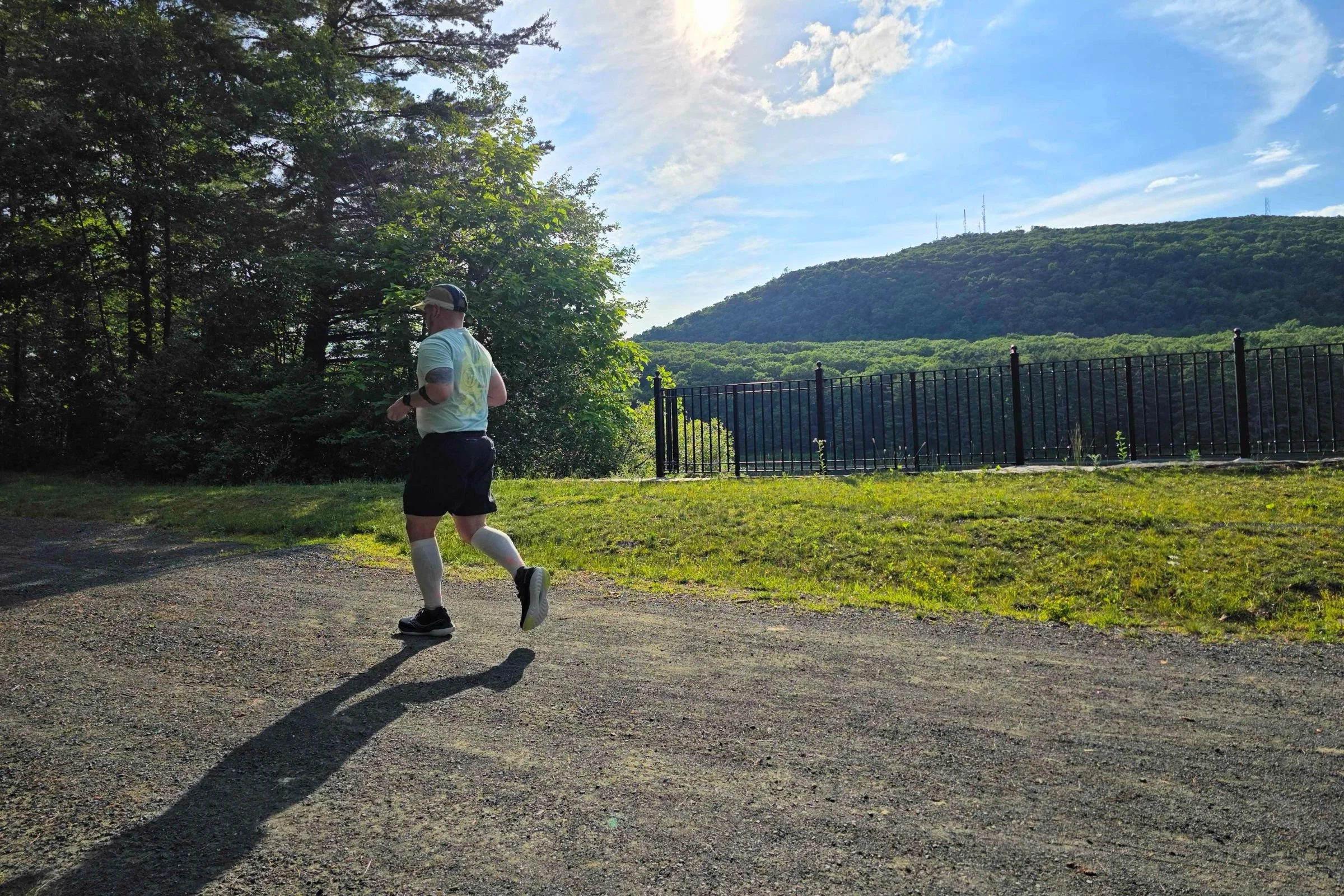
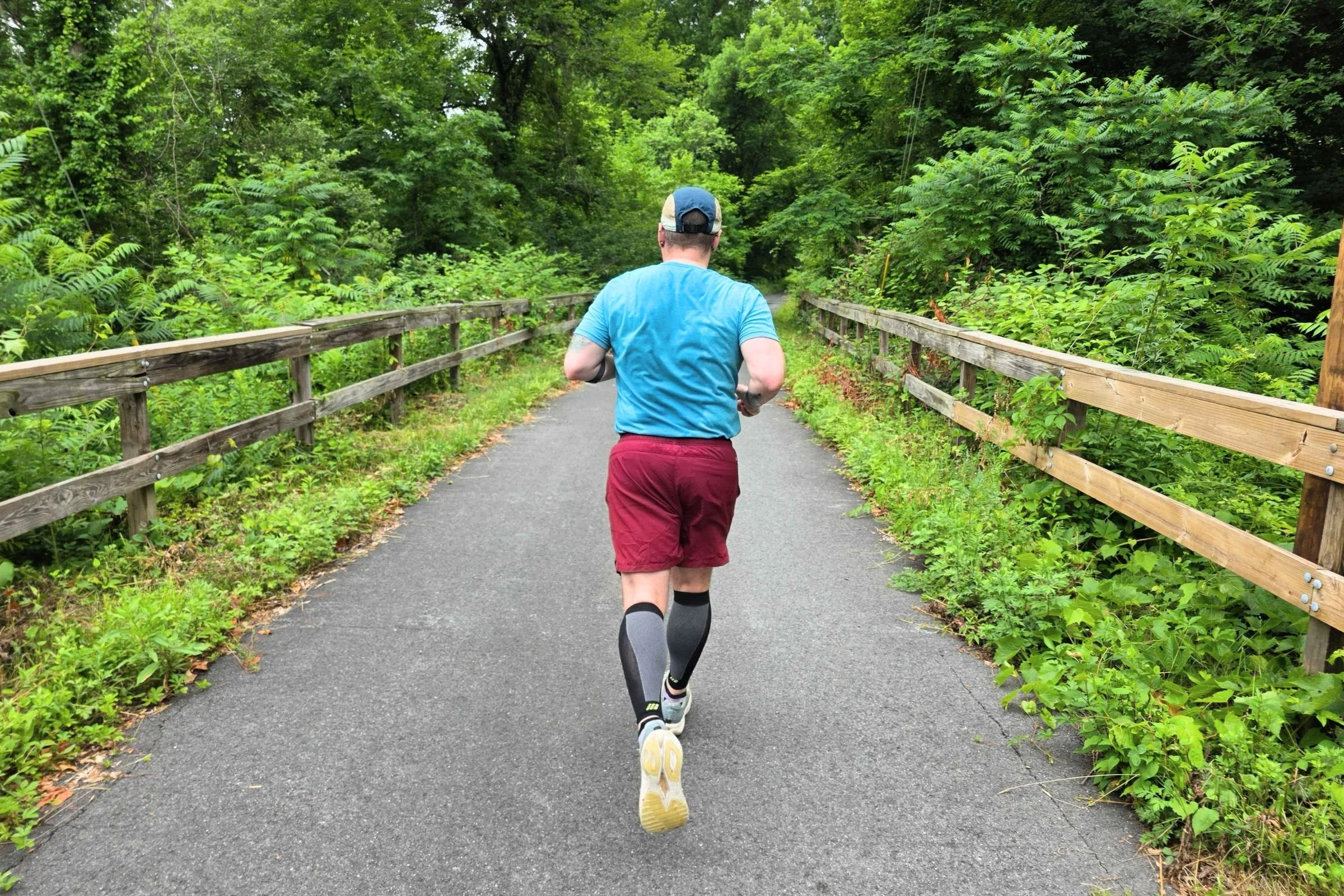
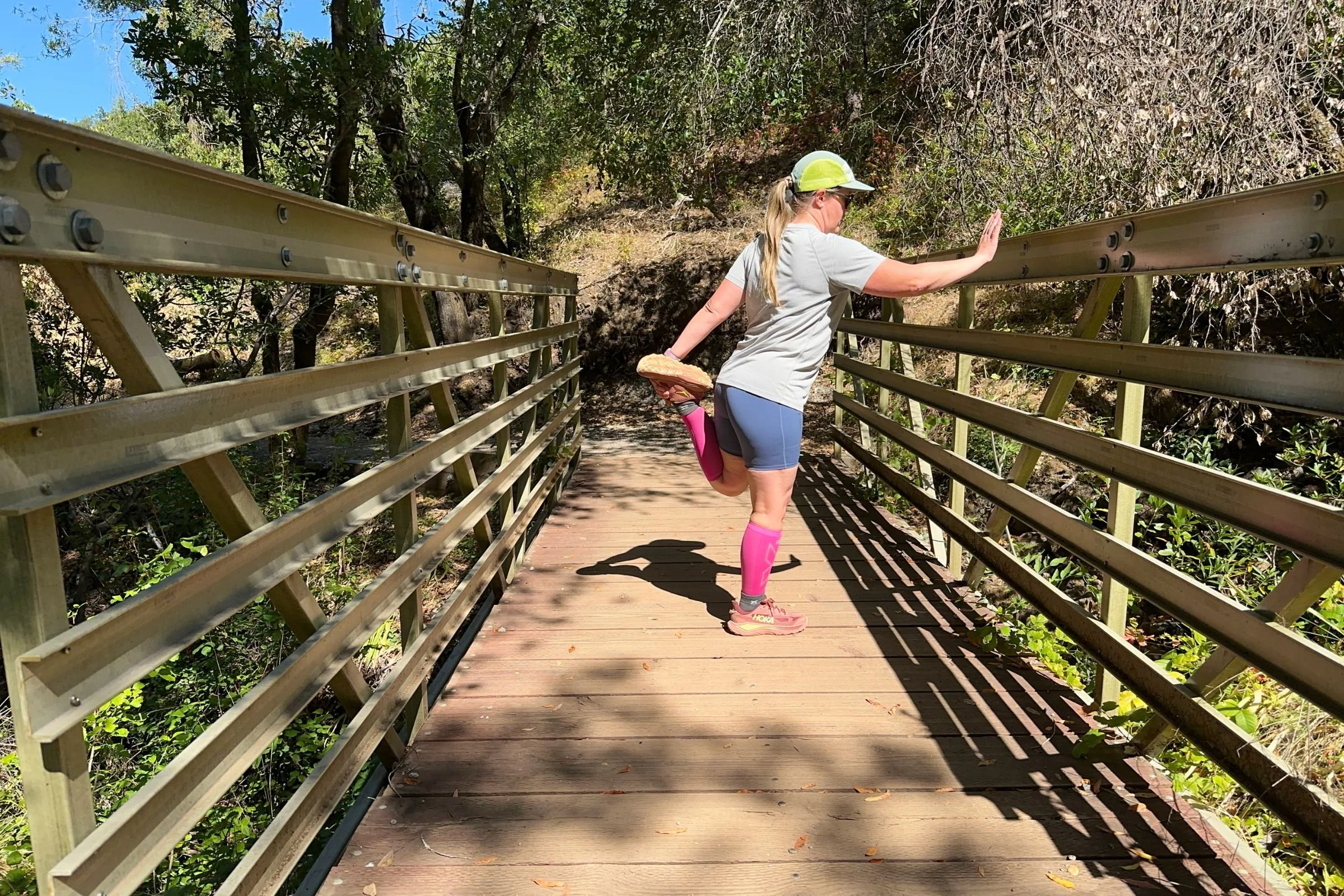
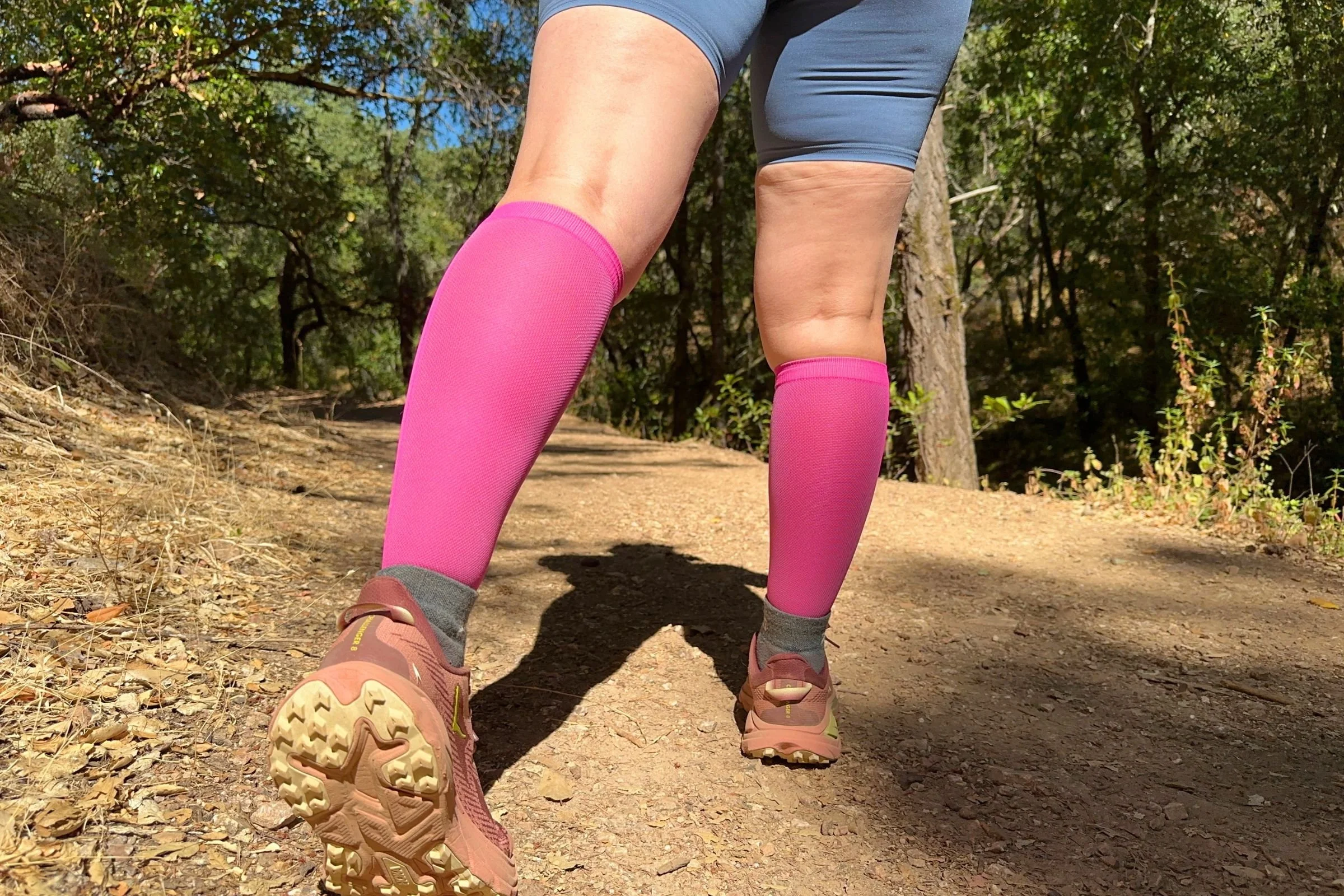
The compression worked well over a full day of wear, including trail and road runs. We never experienced any issues with it falling down during a run or being uncomfortable over a full day of wear. We tested these during hot summer days, and the compression felt consistent even when we were sweating. The sleeve material is breathable and allows for some airflow.
There was no issue with the CEP sleeves feeling tight or restrictive on the ankle or at the top under the knee. We also didn’t find any hot spots or irritation from the materials used. Our men's tester found that these sleeves reduced calf cramping compared with running without them.
Both of our testers found the CEP Core Run Sleeves to be more flexible than those from other brands we tested, and that the size chart seemed to run true to size.
The CEP Core Run Sleeves are similar to the CEP Core Run Ultralight but are thicker and provide more robust support and less bounce.
In addition to wearing these for runs, we also wore them while traveling and found them comfortable for a full day navigating airports and public transit. We found that the sleeves reduced swelling and fatigue after a long day of travel compared with not wearing sleeves.
Best budget calf compression sleeve: Cambivo Calf Compression Sleeve
Price: $14 (or $32 for 3 pairs)
Compression level: Moderate
Graduated compression: Yes
Fabric: 58% nylon, 24% polyester, 18% spandex
Anti-slip band: No
Size range: S-XXL; 9-18.5 in
Unisex / Men's / Women's: Unisex
Machine washable: Machine wash, line dry
What we liked: Price, comfort
What we didn't like: Less technical design than other sleeves we tested
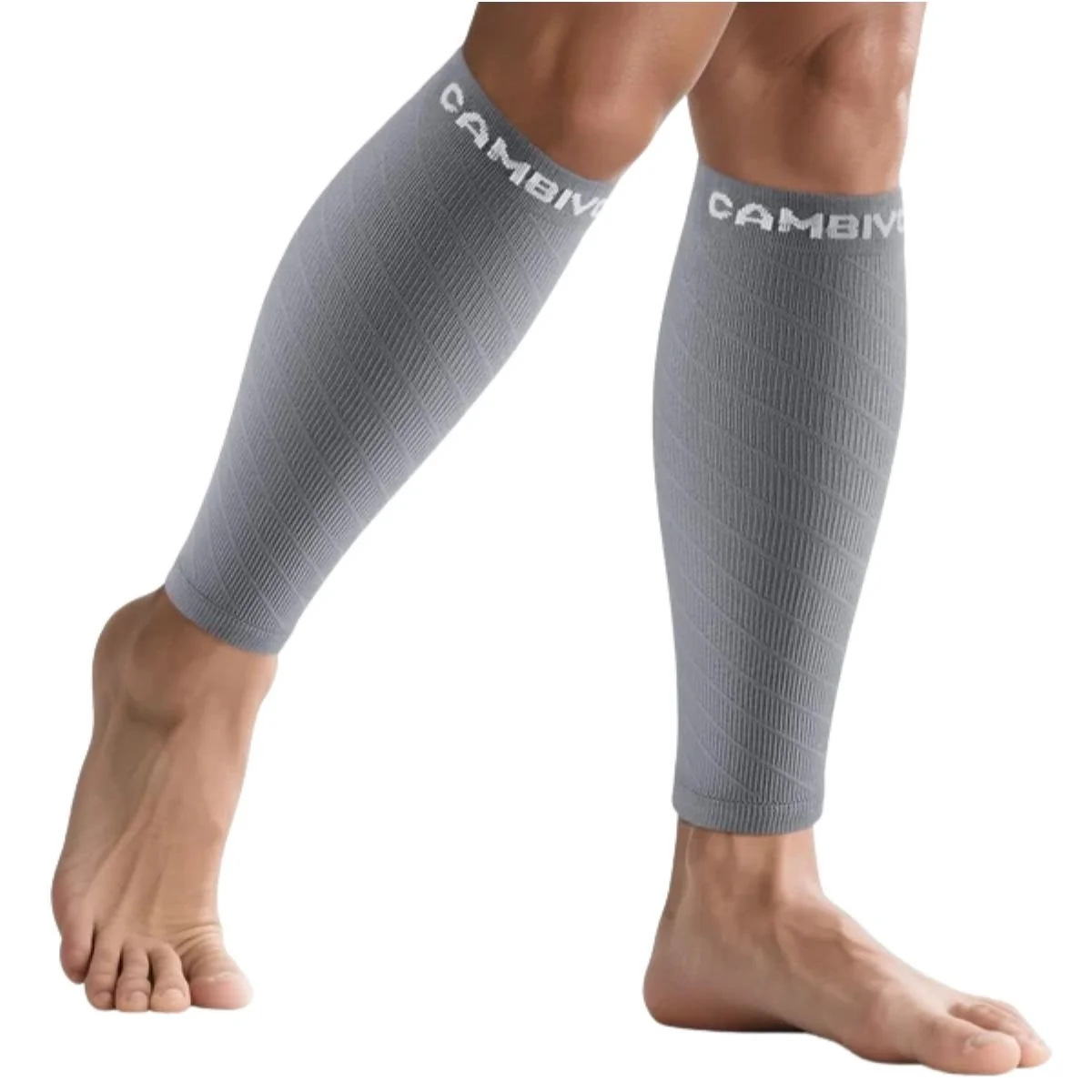
The Cambivo Calf Compression Sleeves are the best budget calf sleeves we tested. You'll find many affordable brands on Amazon, but not all sleeves are equal. We found that the Cambivo calf sleeves are not only affordably priced but also comfortable to wear for several hours at a time without irritation.
Cambivo Calf Compression Sleeve
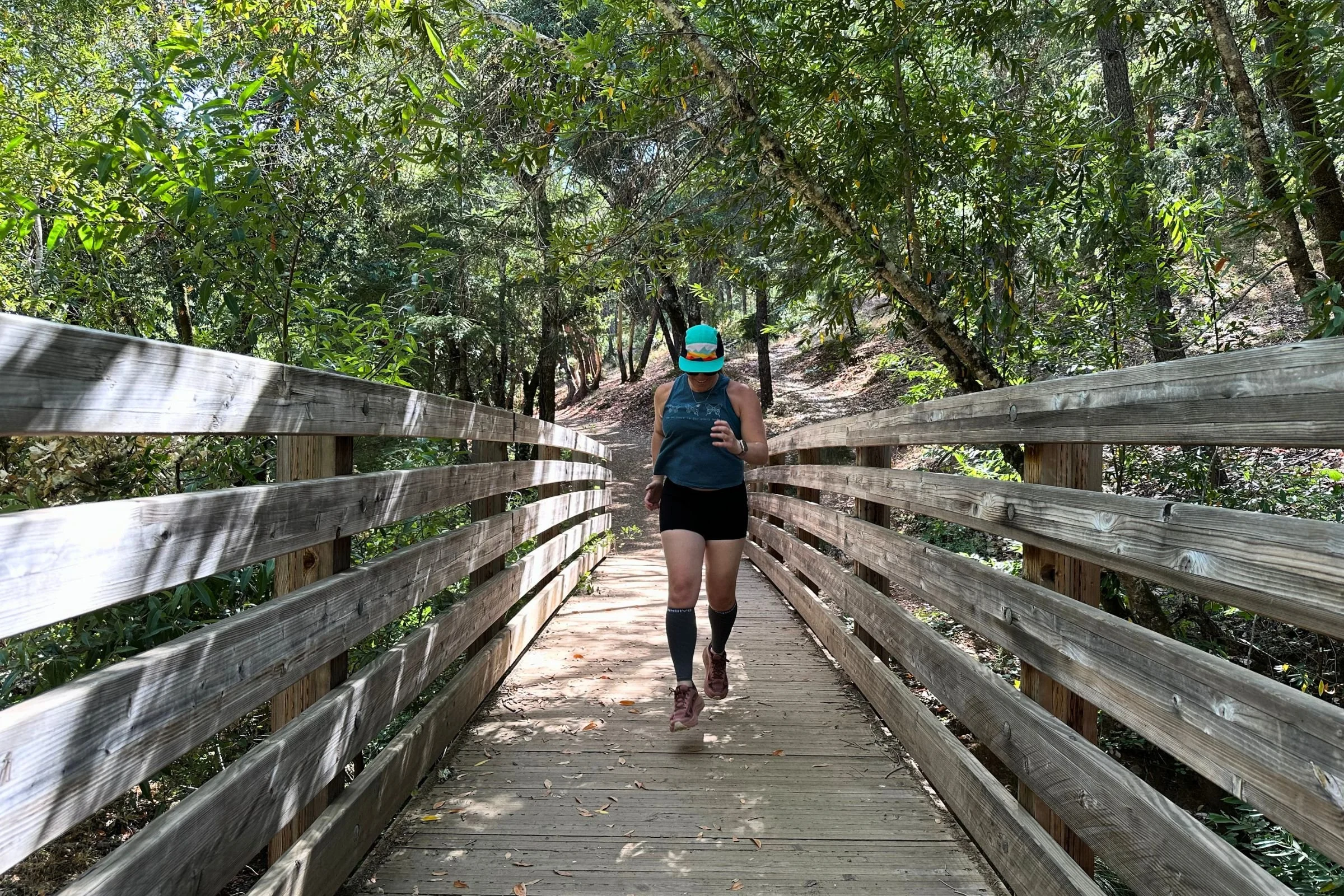
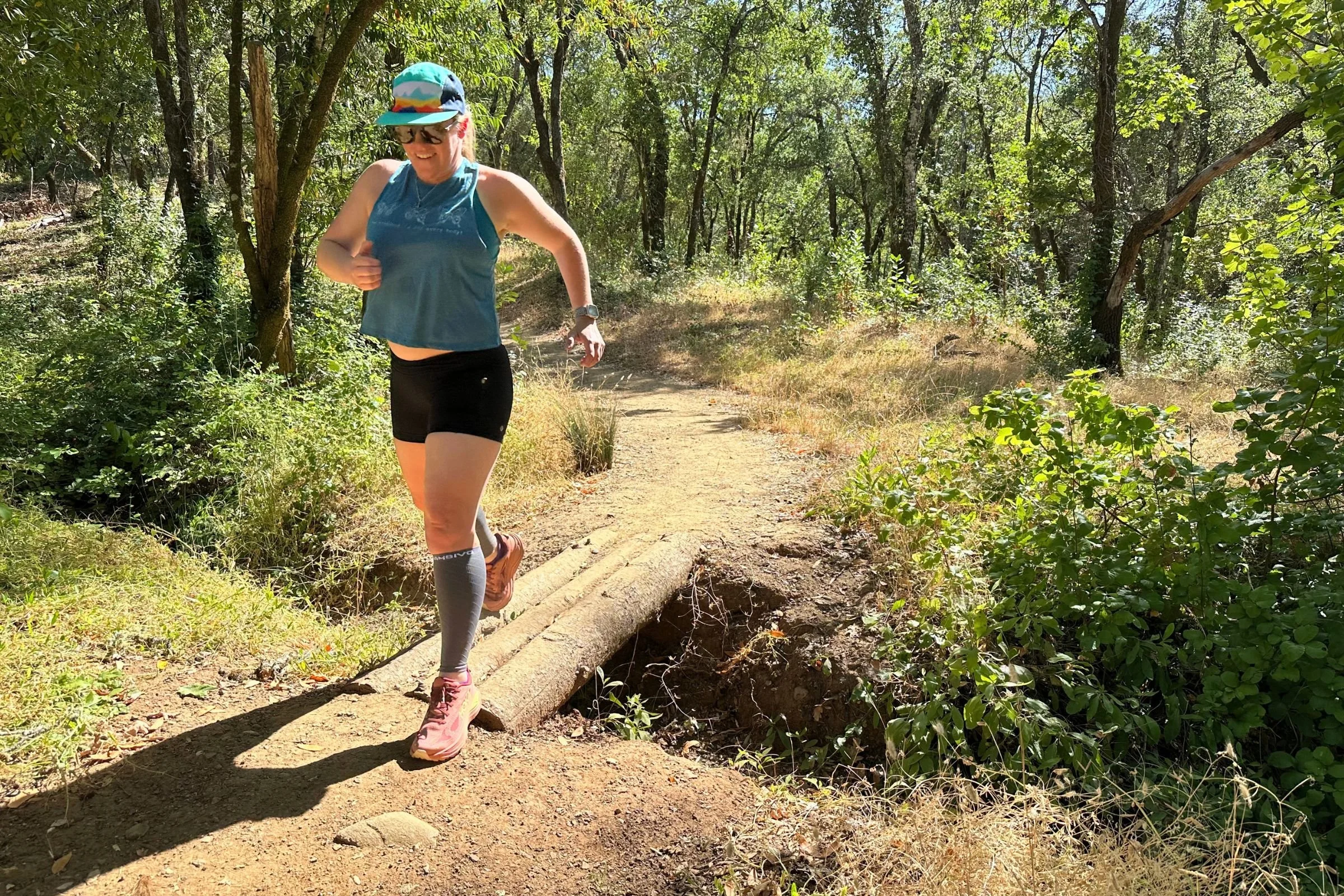
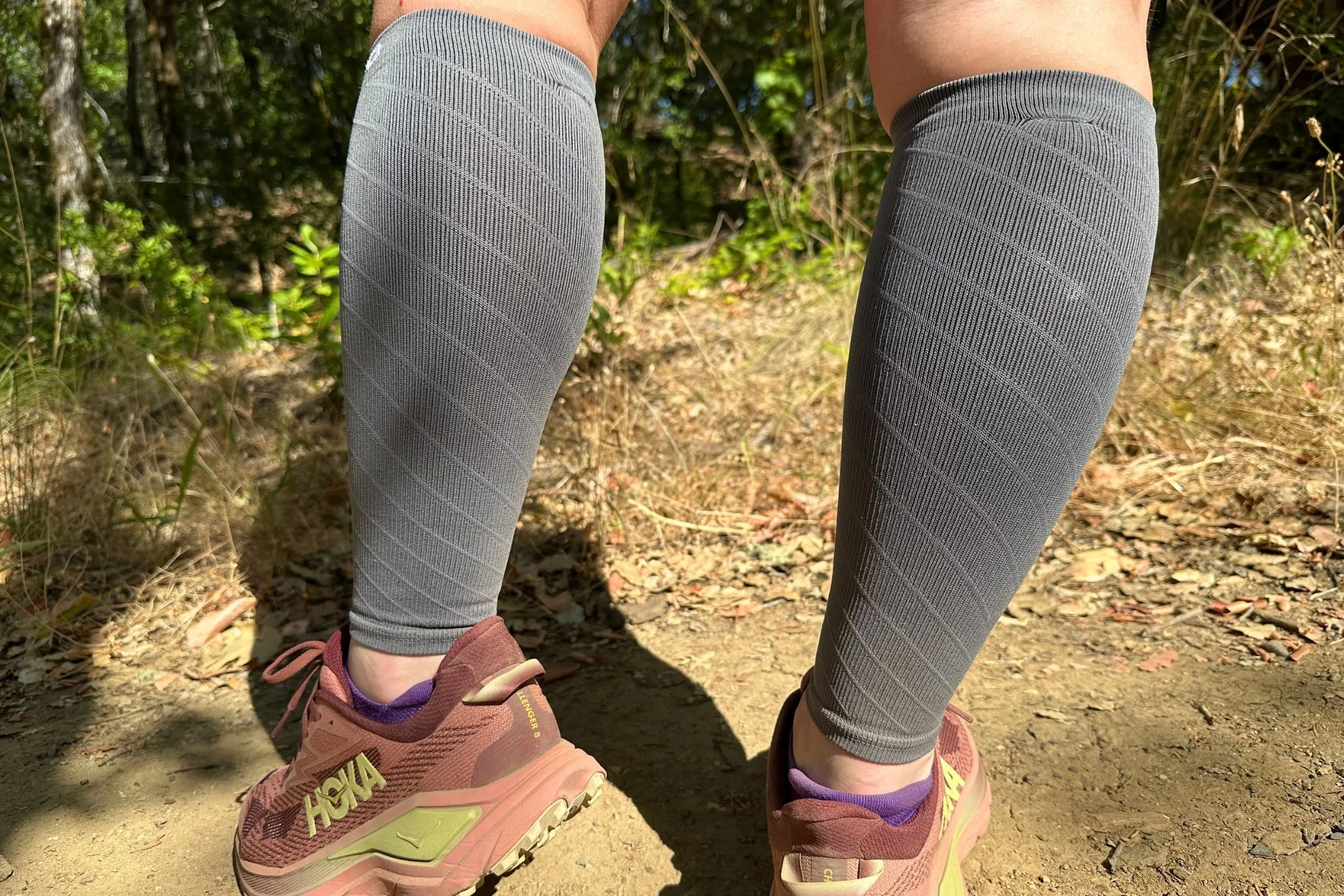
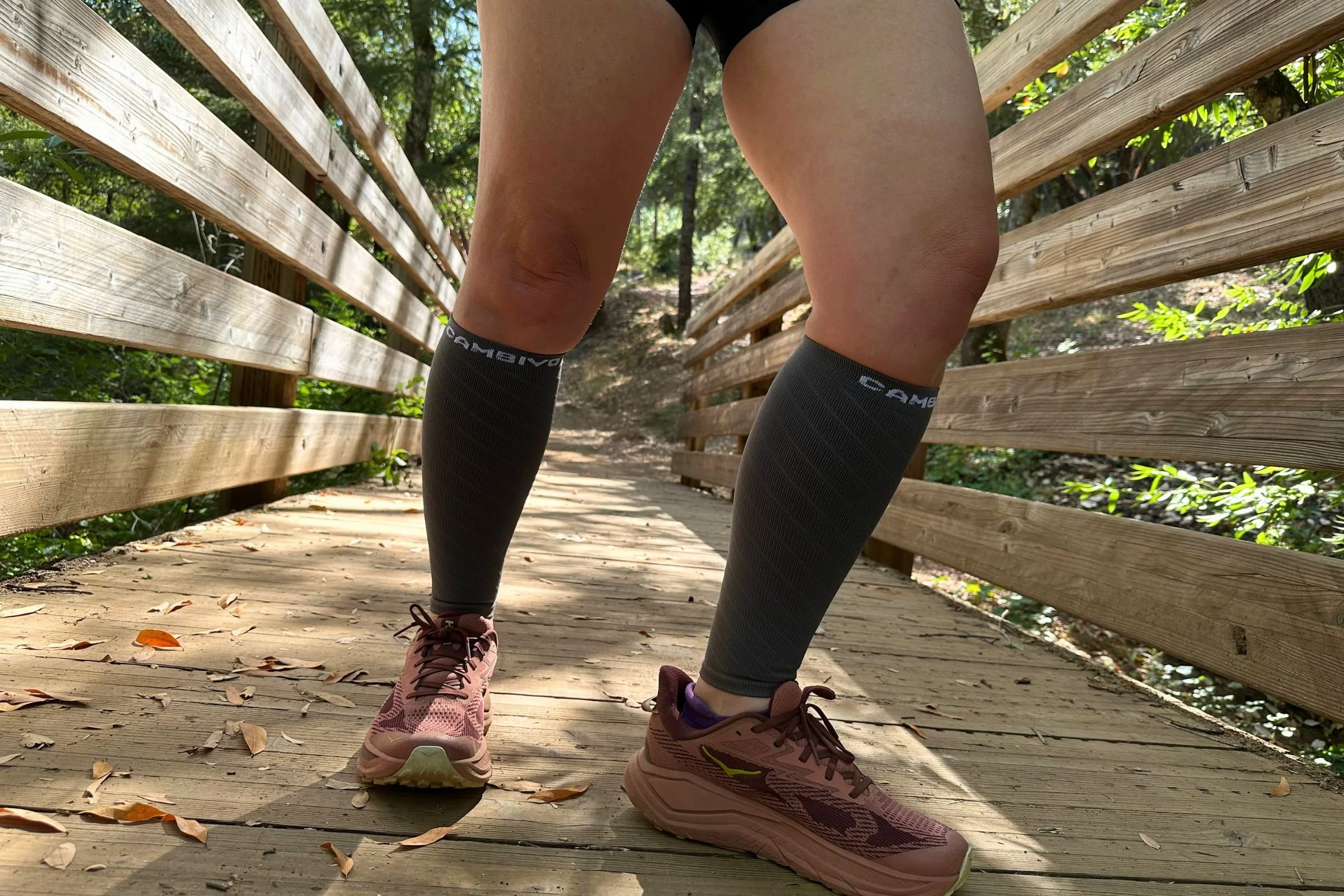
Although the Cambivo Calf Compression Sleeves are our budget winner, they felt more durable than some of the others that we tested. Other sleeves developed runs or holes after only a few runs, or, in the case of one pair, as we opened the package. The Cambivos are still going strong after two months of use.
The biggest issue with these sleeves is that there is not a clear front or back. Additionally, there is no specific construction to provide targeted compression to the shins or calf. Instead, it has graduated compression in a sleeve with a clear top and bottom but no front or back. This means you are not getting the same level of support as you would from more expensive models with built-in shin- and calf-specific support.
We like the Cambivo sleeves for trail runs that might be overgrown, where we are worried about snagging. We would prefer to have support on our calves and risk snagging a more budget-friendly option than snagging our more expensive sleeves.
We found these still provide moderate support and reduce bouncing in the calves, but we didn’t get the same targeted support feeling we got from the CEP models or the Zensah models with shin and calf mapping. There is a tag inside each of these sleeves that may irritate some sensitive users, so we recommend removing it before starting your run.
Best calf compression sleeve for shin splints: Zensah Featherweight Compression Leg Sleeves
Price: $40
Compression level: Firm
Graduated compression: Yes
Fabric: 52% polypropylene, 41% polyamide, 7% elastane
Anti-slip band: No
Size range: S-XL; 9.5-18.5 in
Unisex / Men's / Women's: Unisex
Machine washable: Yes, line dry recommended
What we liked: These have a left and right sleeve, high compression
What we didn't like: Price
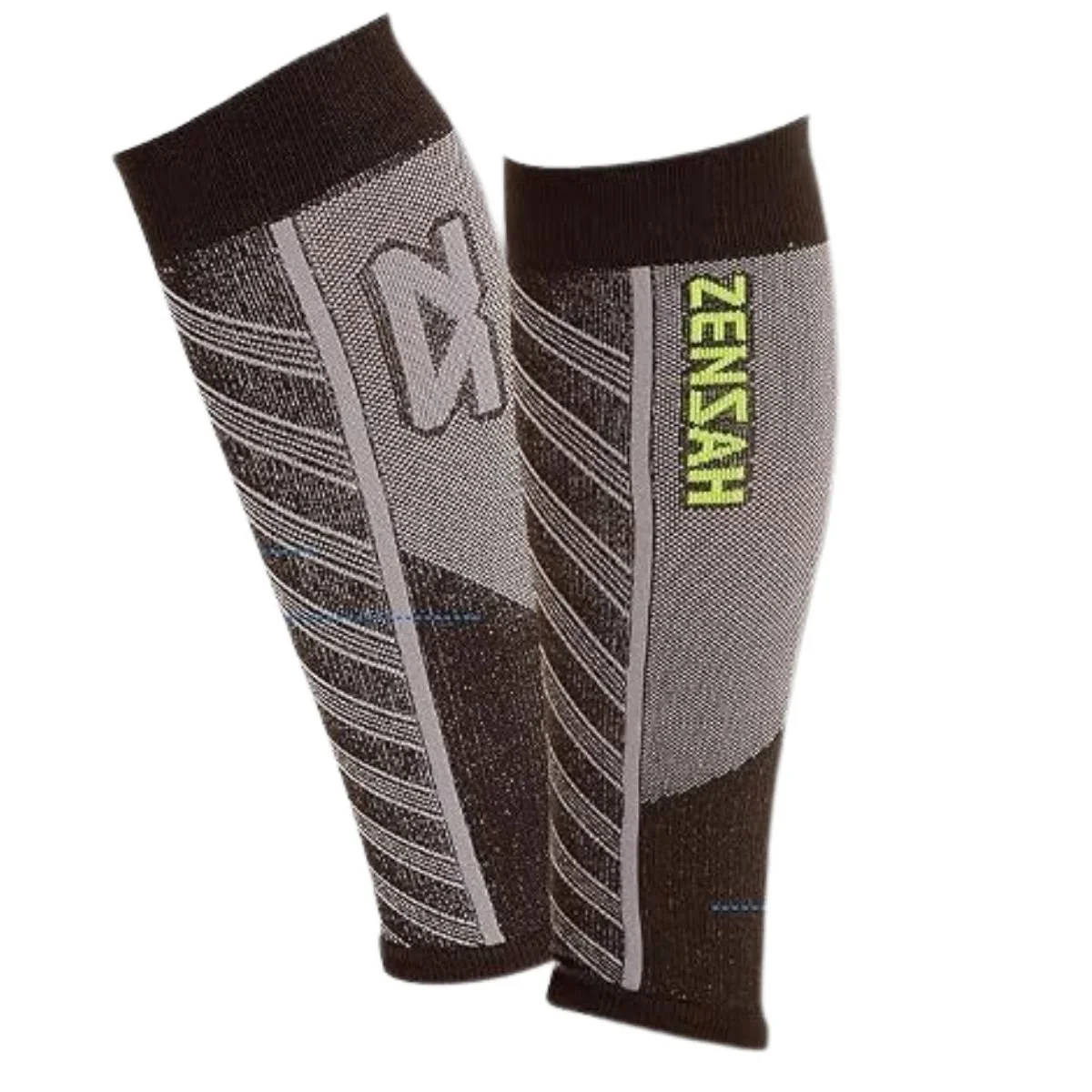
Of all the models we tested, the Zensah Featherweight Compression Leg Sleeves are the best sleeves for shin splints. It was the only model we tested with distinct left and right sleeves, and we liked the shin-specific chevron pattern that provided extra support to our shins during hard workouts. Both of these features excel at targeting compression toward a runner's shins to improve blood flow and help reduce shin pain during runs.
Zensah Featherweight Compression Leg Sleeves
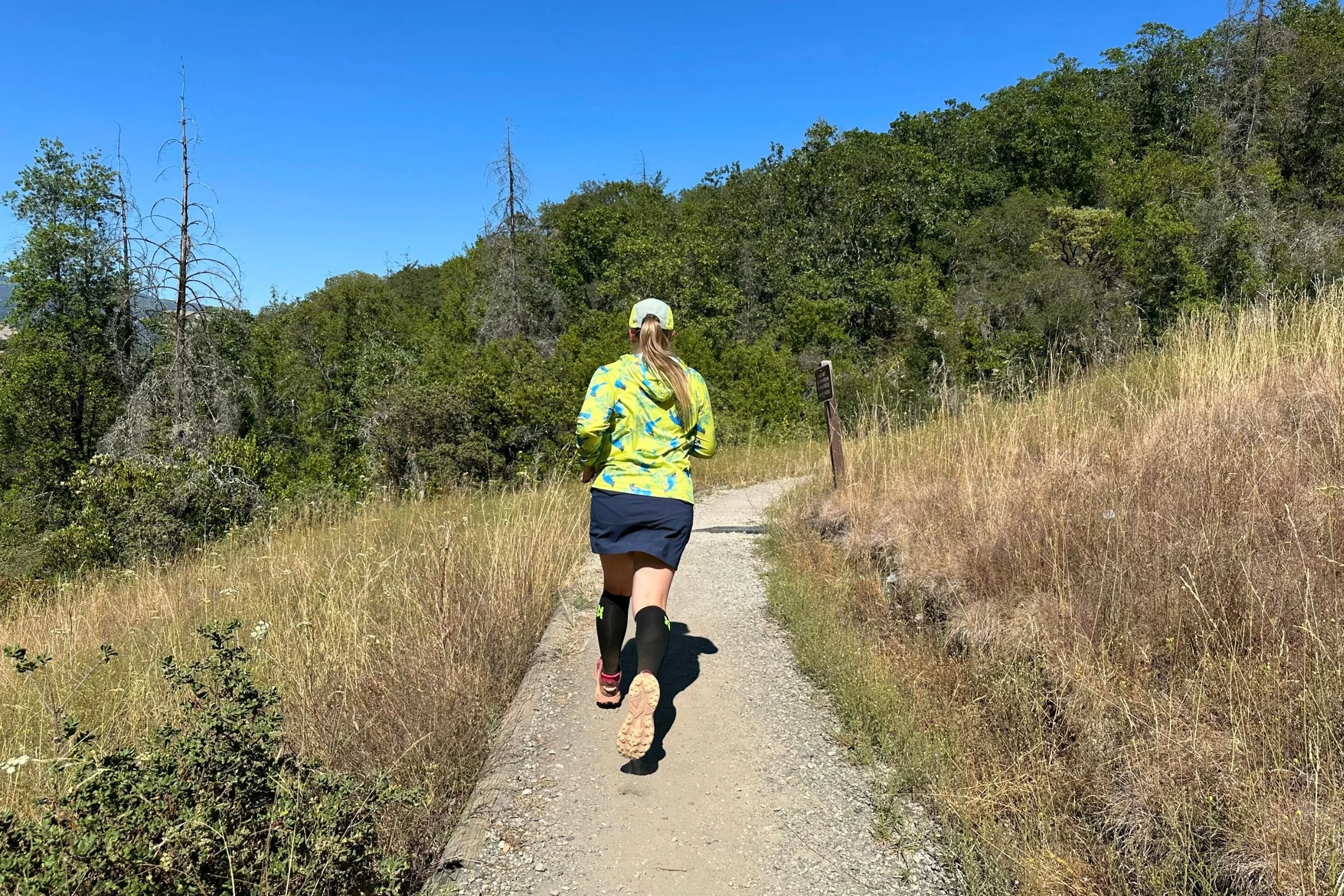
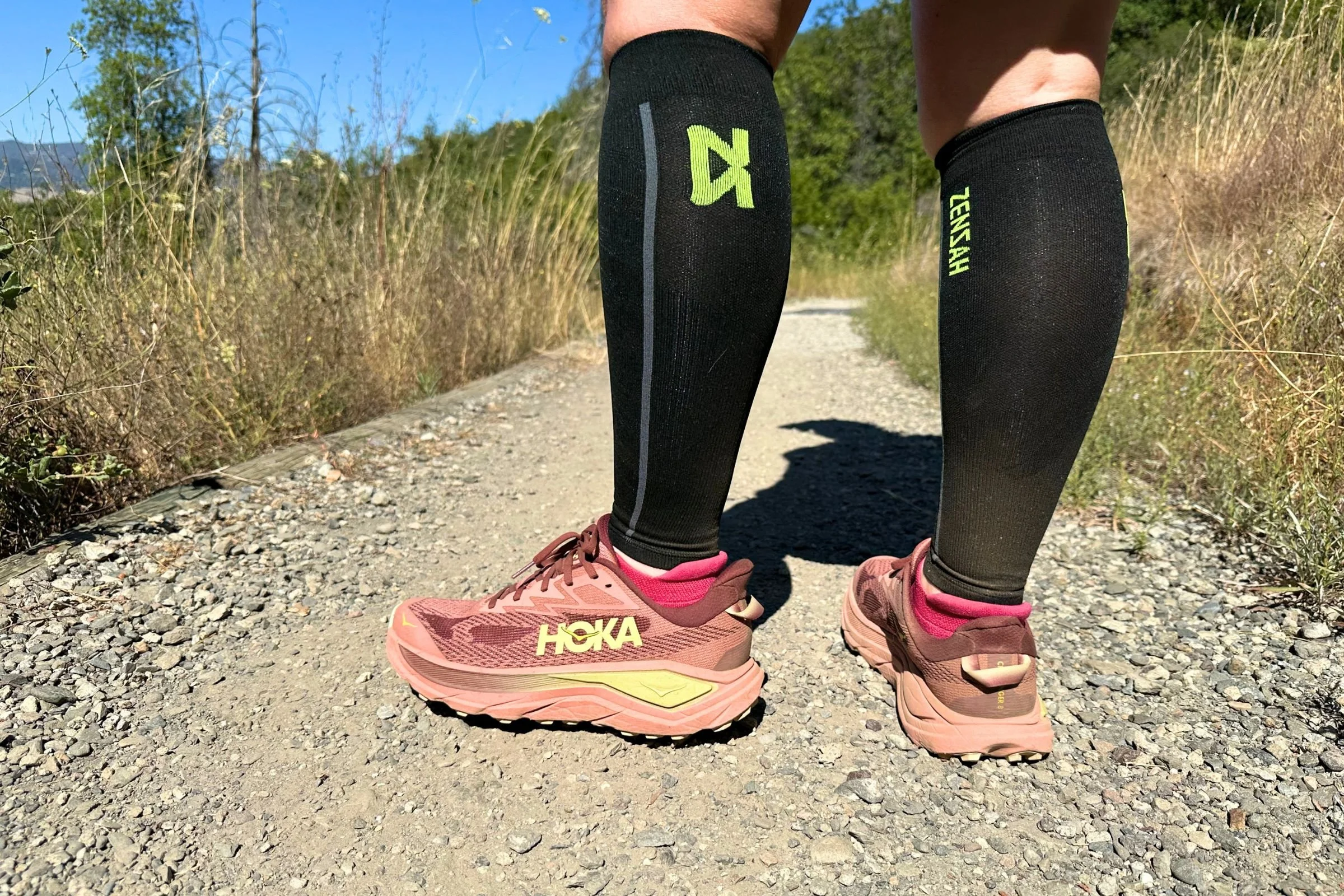
Although the Zensah Featherweight Compression Leg Sleeves are lightweight and breathable, they are still very compressive and among the most compressive of all the models that we tested. Even with the higher level of compression, we didn’t feel restricted in the sleeves or have marks on our calves or hot spots after wearing them.
It is worth noting that while we have personally found that the sleeves help with shin splint pain, there is conflicting scientific evidence on whether this is due to the placebo effect or if they are actually helping. If you are experiencing persistent shin pain, you should talk to your doctor. Compression sleeves are not meant to replace professional medical advice.
Best calf compression sleeve for recovery: Zensah Compression Leg Sleeves
Price: $40
Compression level: Light to Moderate
Graduated compression: Yes
Fabric: 90% nylon, 10% spandex
Anti-slip band: No
Size range: XS-XL; 9.5-18.5 in
Unisex / Men's / Women's: Unisex
Machine washable: Yes
What we liked: These come in lots of different colors, durable fabric
What we didn't like: Price, not as supportive as other models
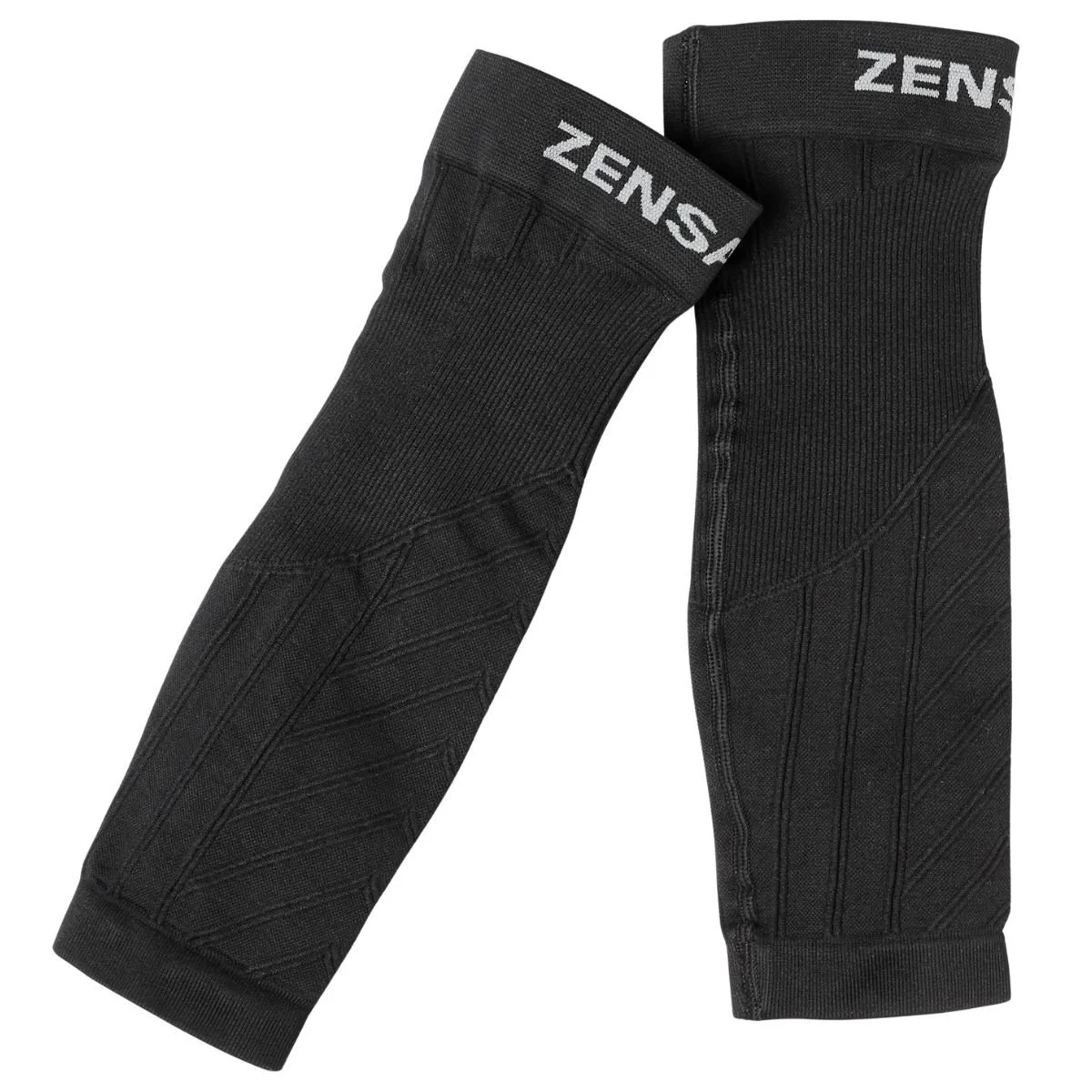
The Zensah Compression Leg Sleeves are the best calf compression sleeves for recovery. We have been wearing these sleeves for years. Our women’s tester started wearing these for shin splints and marathon recovery over ten years ago and still keeps them in rotation.
Zensah Compression Leg Sleeves
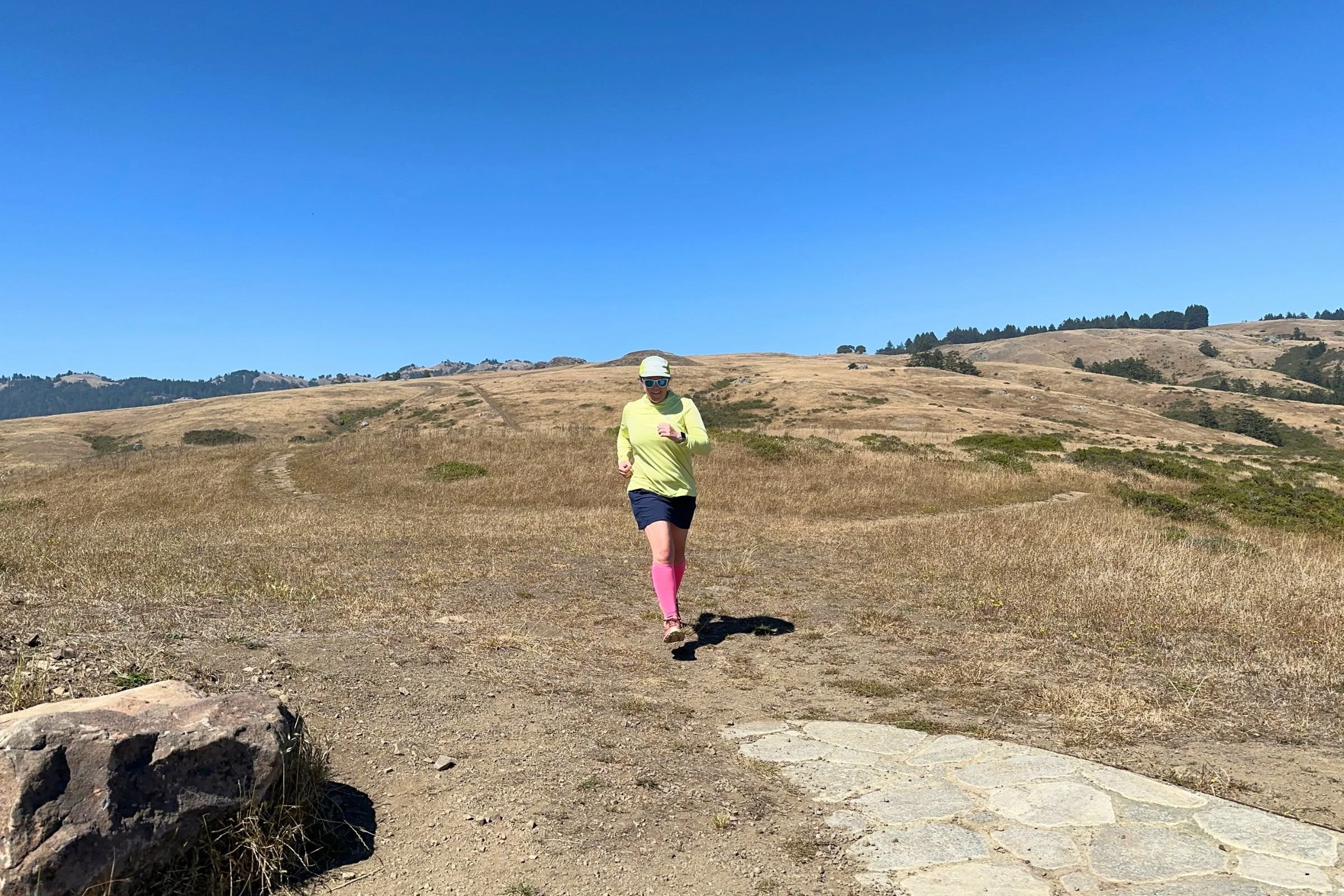
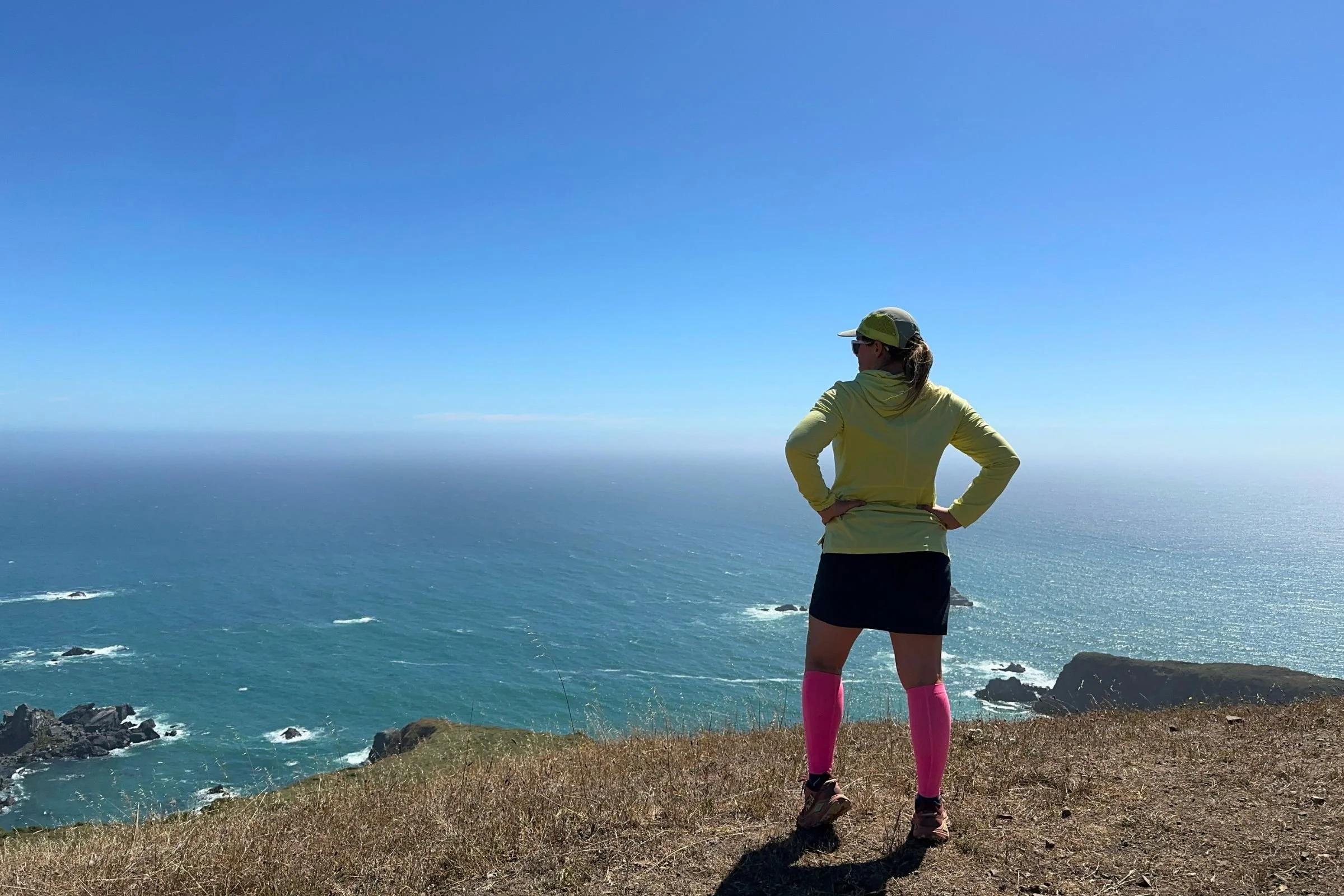
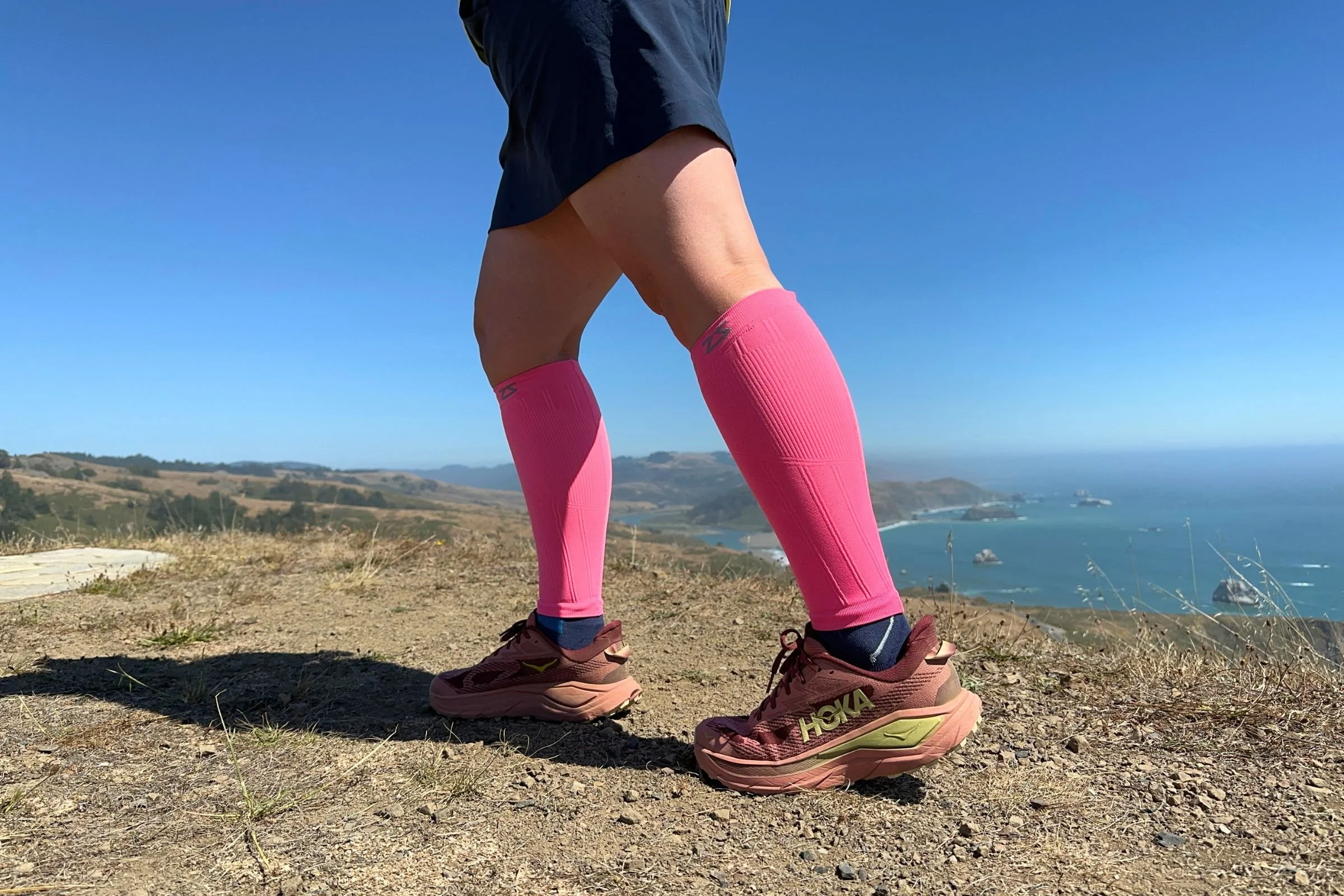
The fabric is very soft to the touch yet durable and resistant to snags and abrasions. We have worn them overnight for sleeping, especially after hard run days involving steep hills where we neglected to wear sleeves during our run. We also took these on Pacific Crest Trail thru-hikes and wore them nightly for recovery while sleeping. We have found that muscle soreness is reduced with wear, and that post-workout cramping subsides when we put these on.
Zensah lists these as sleeves for runners, active professionals, and recovery. We like them best for recovery. We also have worn them for travel and for working on our feet all day, especially after a long run, but we prefer other models for active running. The reason is that the Zensah Compression Leg Sleeves feel slightly less compressive and provide a little less support than some of the other models we tested.
The fabric is very stretchy, and these are among the easiest sleeves to put on and take off. Those are features that make them more comfortable for post-workout recovery than other calf compression sleeve models we tested.
Best plus-size calf compression sleeve: Rymora Calf Compression Sleeves
Price: $20
Compression level: Moderate
Graduated compression: Not stated
Fabric: 54% nylon, 39% polyester, 7% elastane
Anti-slip band: No
Size range: XS-4XL; 8.5-30 in
Unisex / Men's / Women's: Unisex
Machine washable: machine wash, line dry
What we liked: Most size inclusive of any brand we tested, comfortable for all-day wear
What we didn't like: Fabric can snag on tree branches
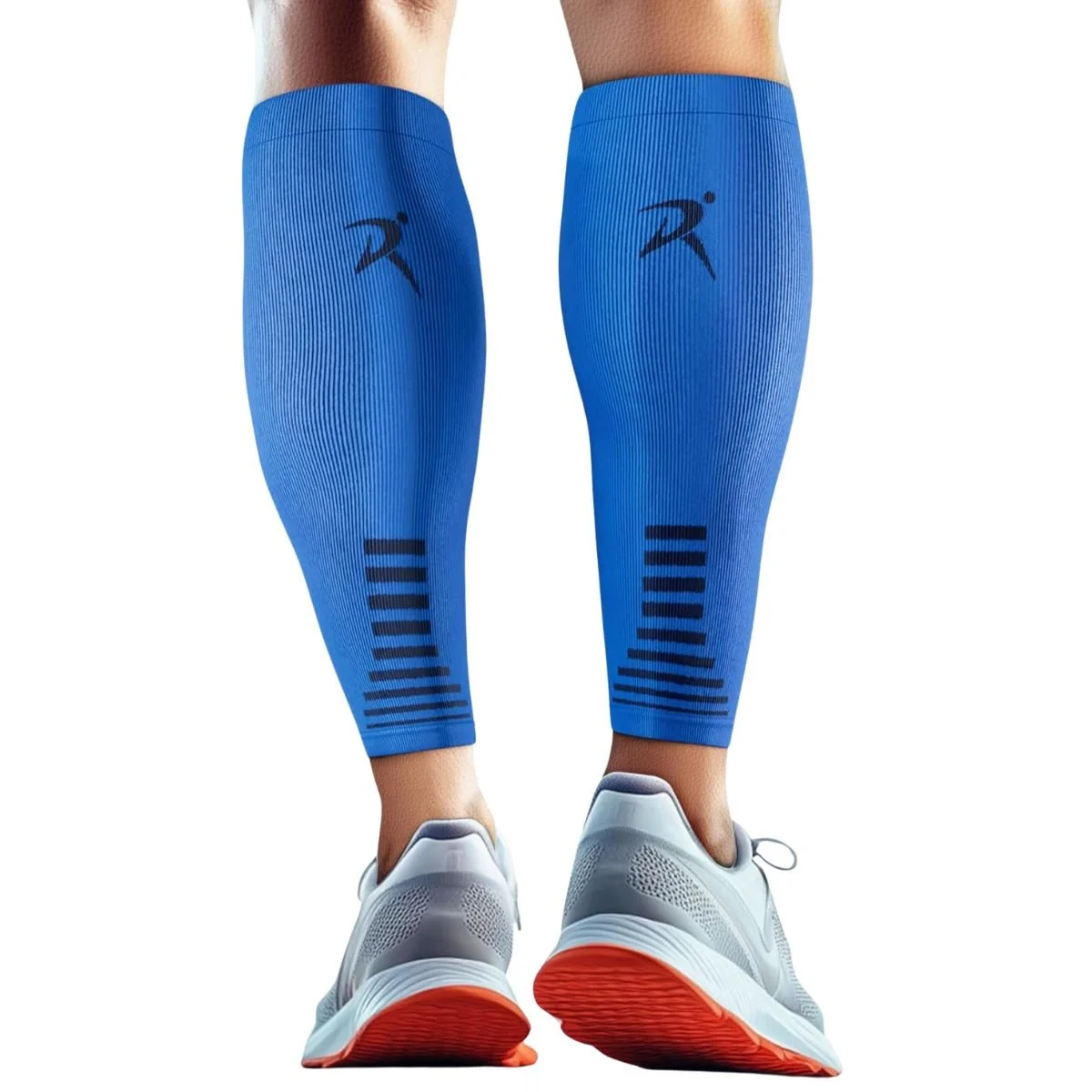
The Rymora Compression Calf Sleeves are the best calf sleeves for size inclusiveness. We liked the larger size range of the Rymora Compression Calf Sleeves. This is the only brand with such a large size range, up to 30 inches. With eight sizes available and recommendations to size up or down for more or less calf support, this sleeve can fit more users than other models we tested.
Rymora Calf Compression Sleeves
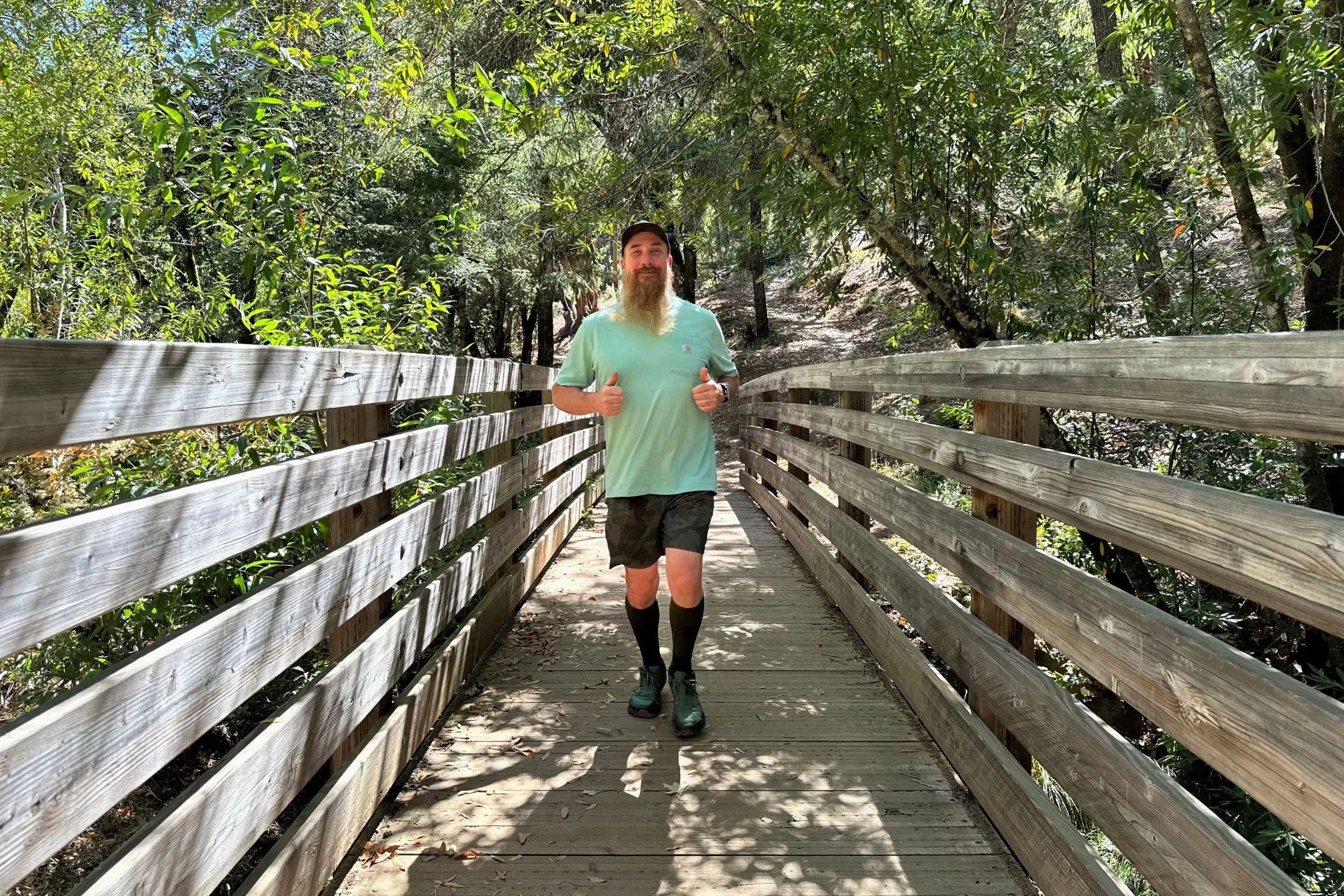
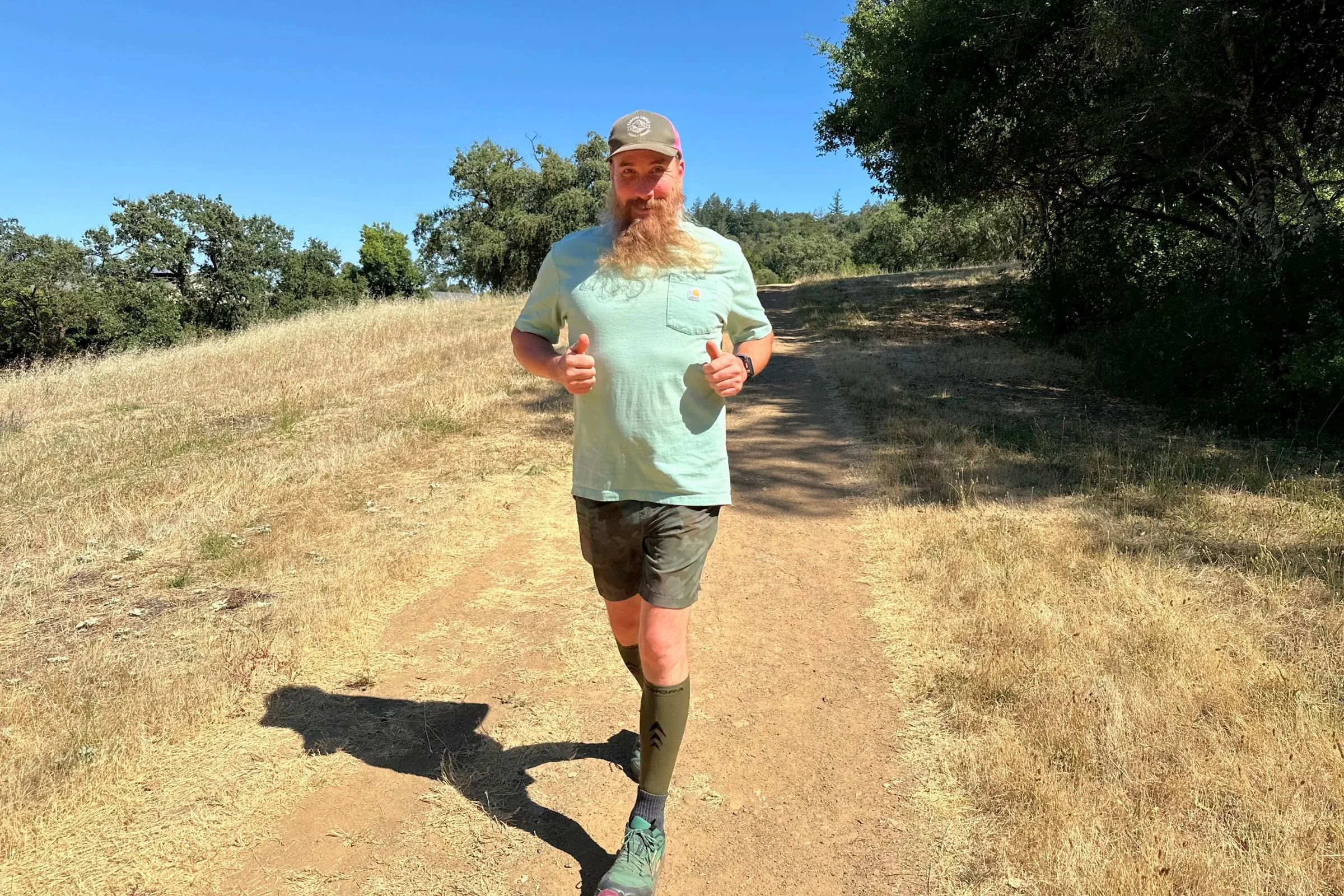
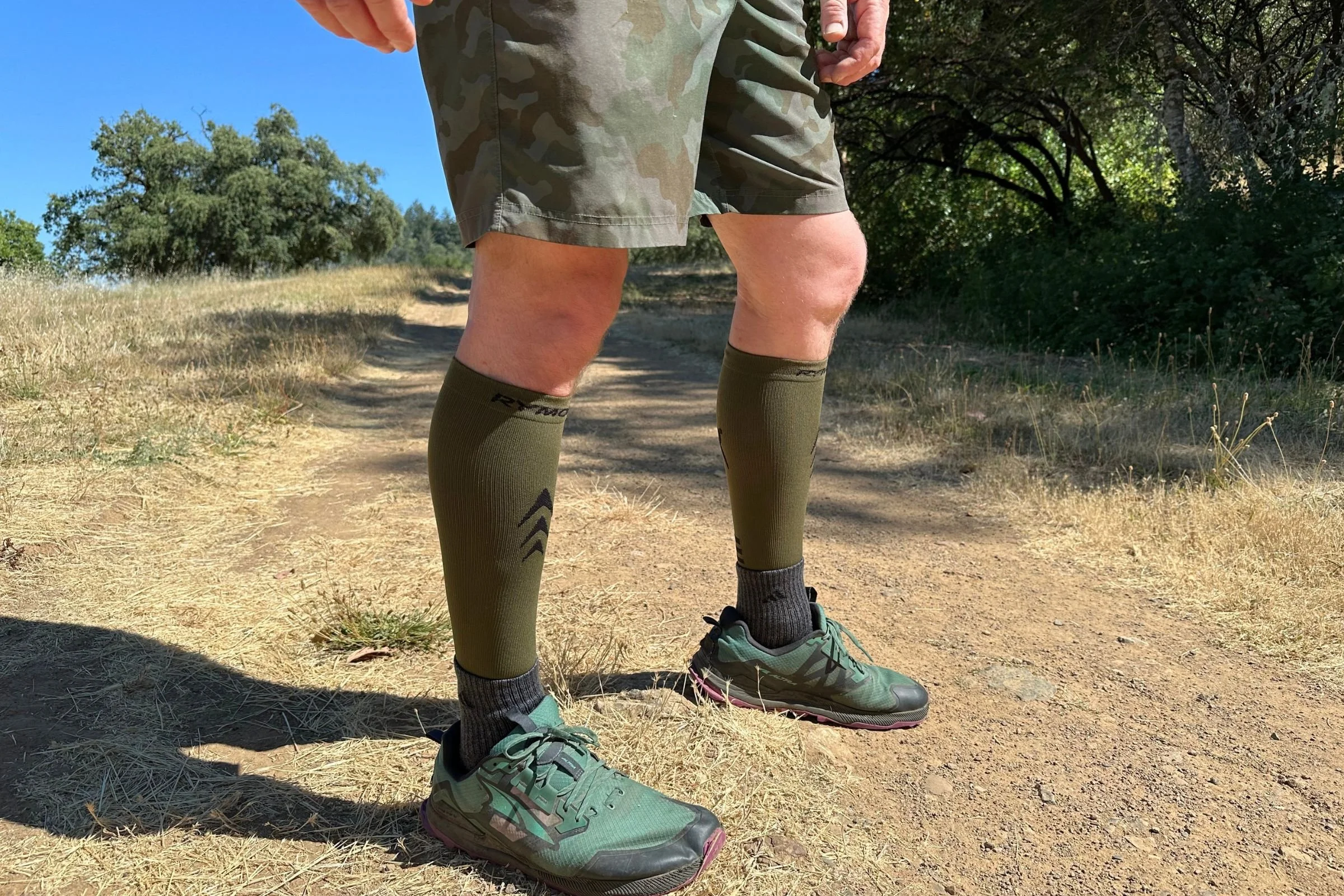
These are a budget brand like the Cambivo, but they are a little more expensive and made of a slightly thinner material than the Cambivo.
The fabric on these sleeves is a little thicker than the CEP, but they still feel supportive during running, walking, and hiking, and we had no issues with slipping or movement during exercise. On warmer days, we were more aware of the sleeves, and they were less breathable than those from other brands, but they still provided good compression, even when wet.
We wore the Rymora Compression Calf Sleeves for running, backpacking, and traveling and were able to wear them for long periods of time without issues. One of our testers sized up for less compression and more comfort, while another sized down for more compression. Both testers felt supported and comfortable during runs.
Best lightweight calf compression sleeve: CEP Core Run Ultralight Calf Compression Sleeves
Price: $45
Compression level: Light to moderate 20-30 mmHg
Graduated compression: Yes
Fabric: 79% polyamide, 21% spandex
Anti-slip band: No
Size range: Men’s III-V (men’s); 12.5-20 in/ Women’s: II-IV; 9.5-17.5 in
Unisex / Men's / Women's: Women’s and men’s
Machine washable: Yes
What we liked: Great support during hot weather
What we didn't like: Price, fabric feels more delicate than other models we tested
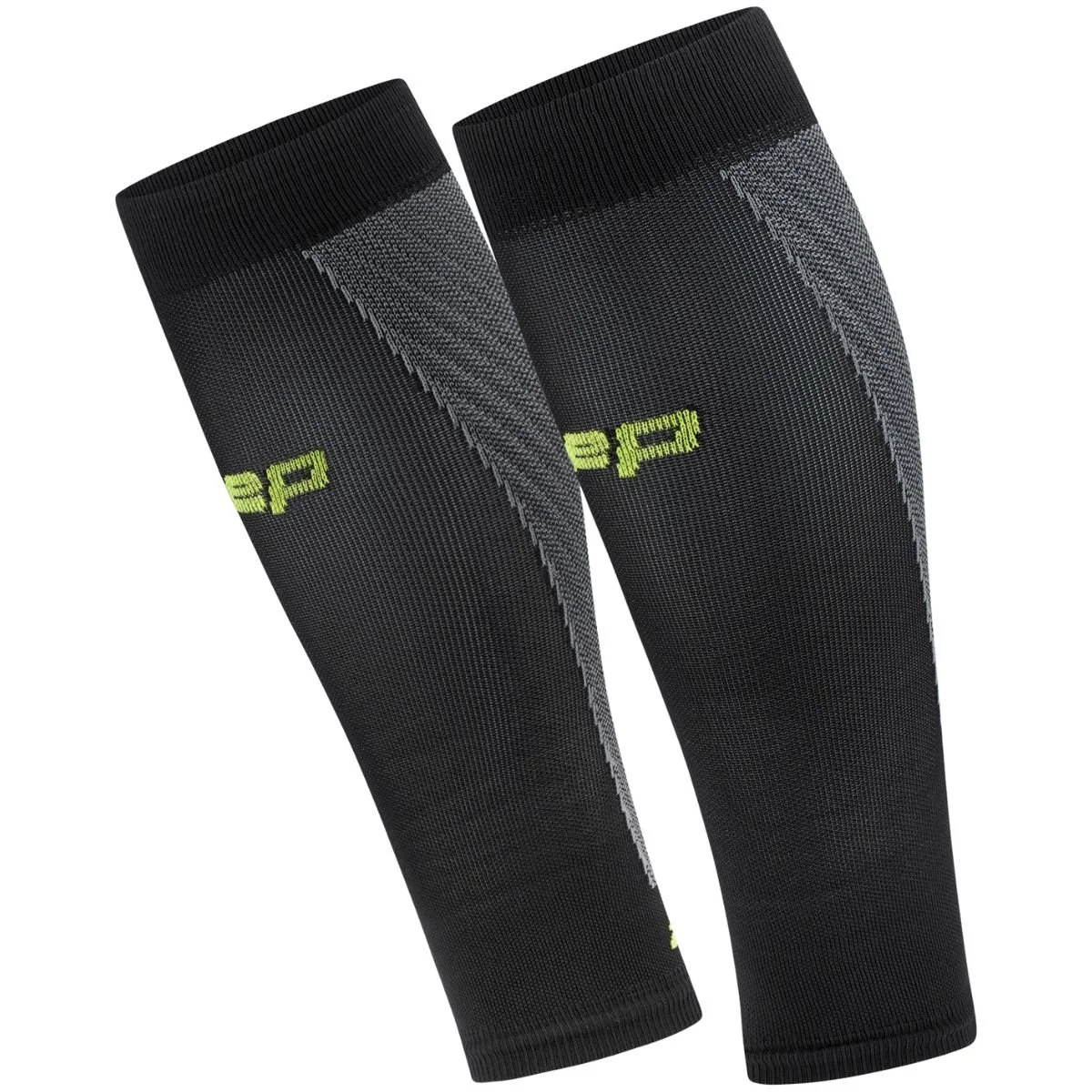
The CEP Core Run Ultralight Calf Compression Sleeves are the best lightweight calf sleeves we tested. We were grateful to have these for the hottest days of our testing. They are the most breathable of all the sleeves that we tested and perform the best on hot days.
CEP Core Run Ultralight Calf Compression Sleeves
Men's
Women's
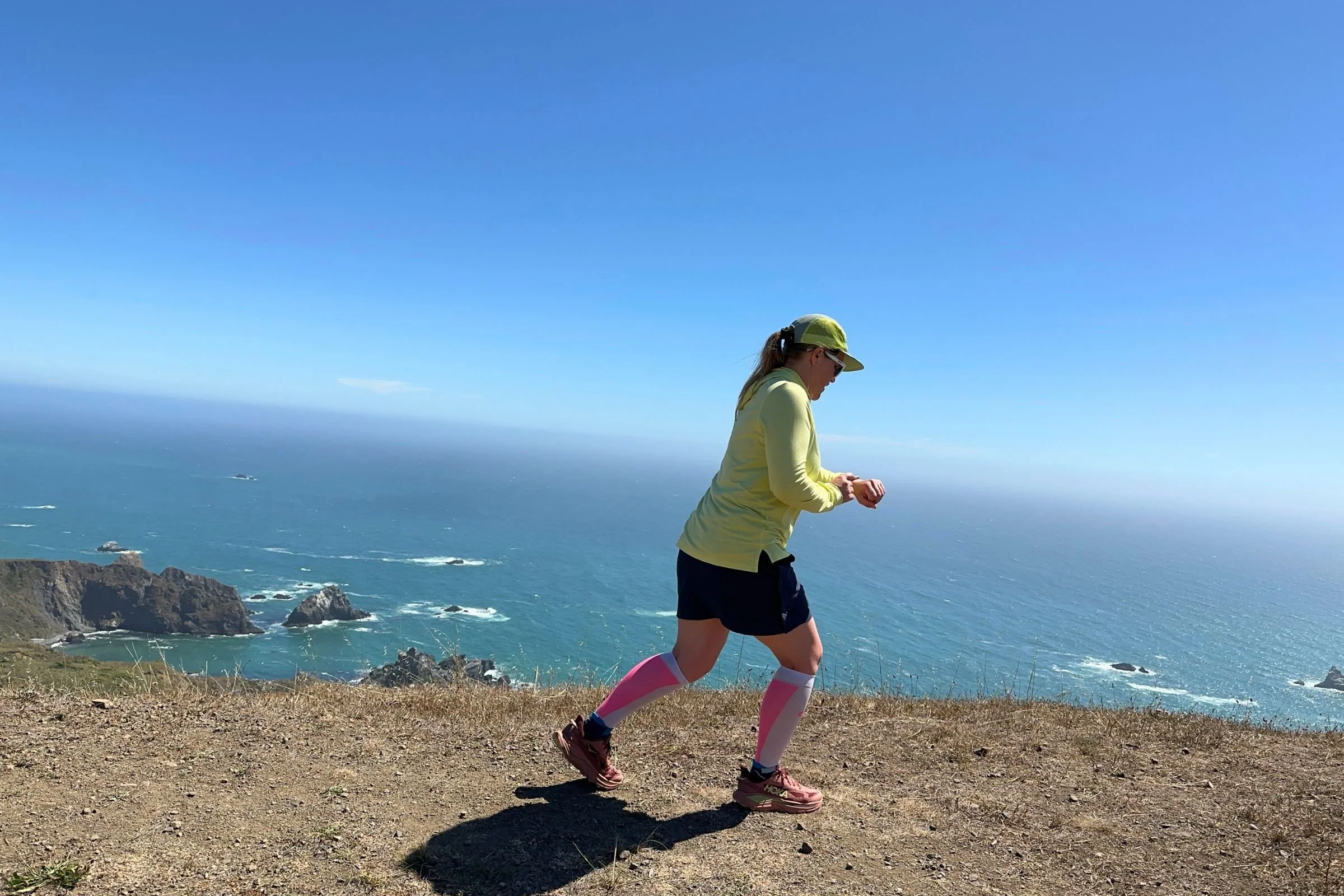
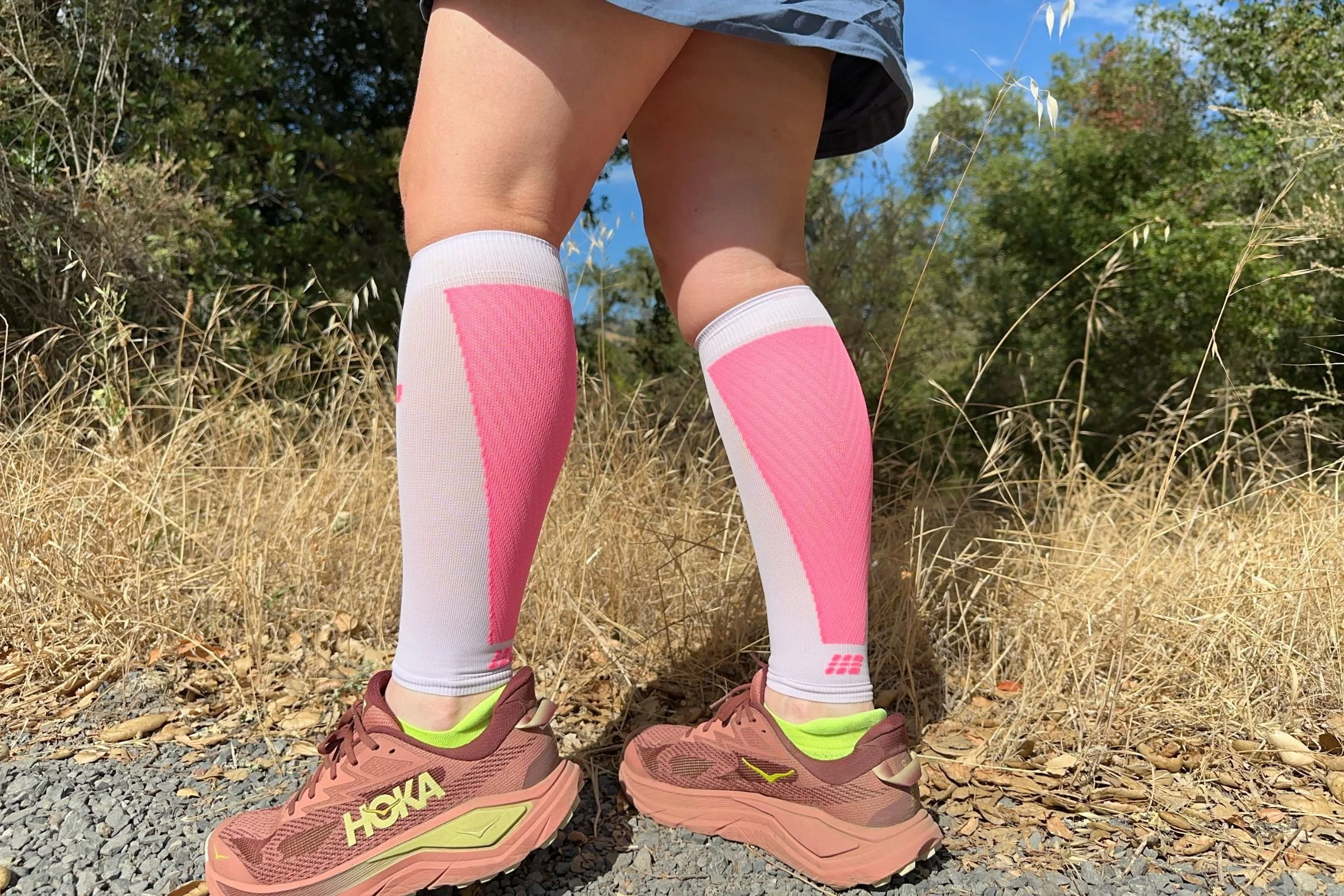
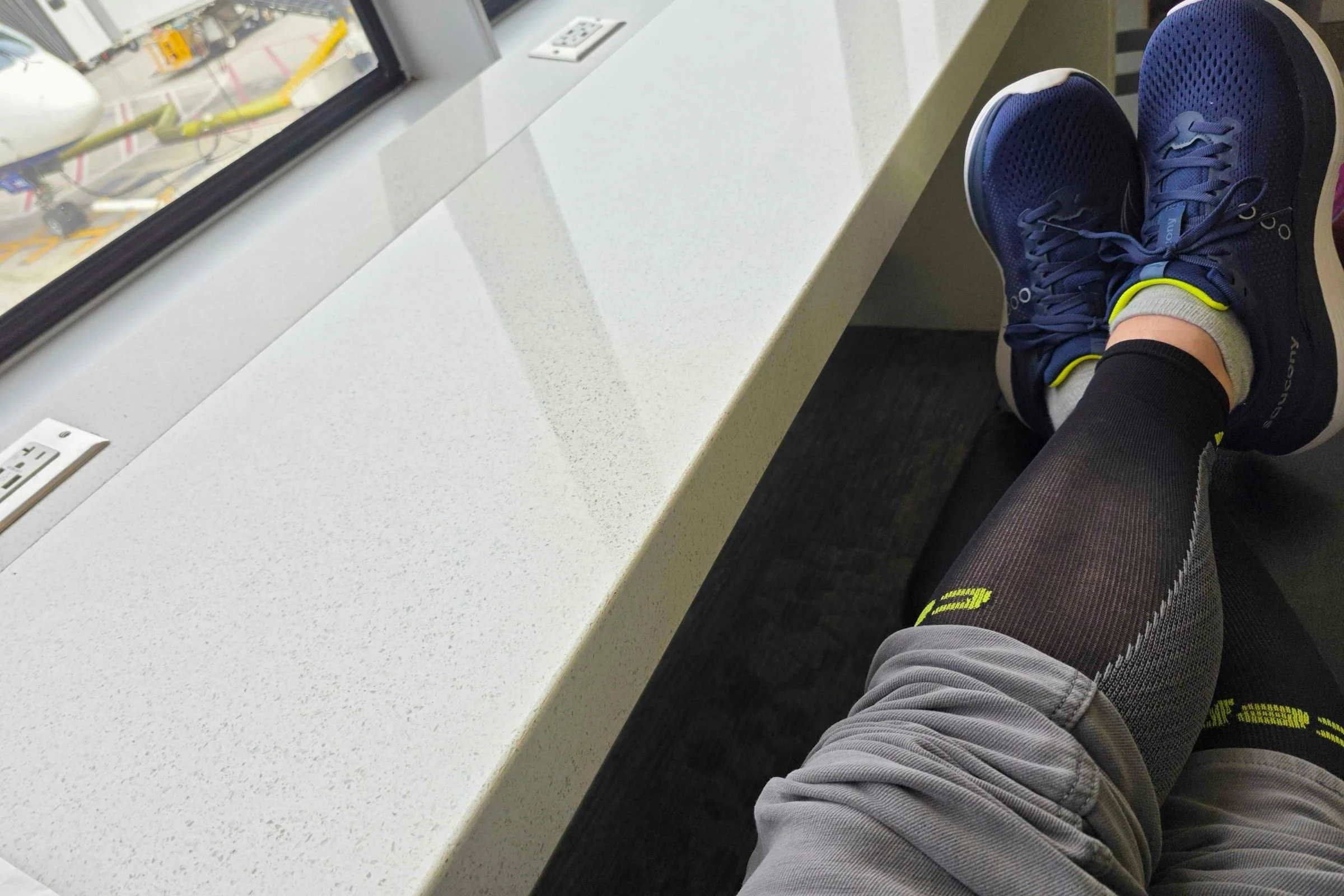
In addition to wearing these for running, we also wore these for traveling and hiking throughout the summer. They performed well over a full day of wear, and we found them the most comfortable of all the sleeves for a long day of wear.
As would be expected, the compression in the CEP Core Run Ultralight was a little lighter than the comparable CEP Run Calf Compression Sleeves 5.0. Both our men’s and women’s testers agreed that these were less compressive overall; however, they were very comfortable to wear. Because of that comfort, we think these sleeves are a good choice for people who are new to wearing compression. The lighter weight and feel can make the transition to wearing compression sleeves more enjoyable.
Other calf compression sleeves we tested
OS1st CS6 Performance Calf Sleeves
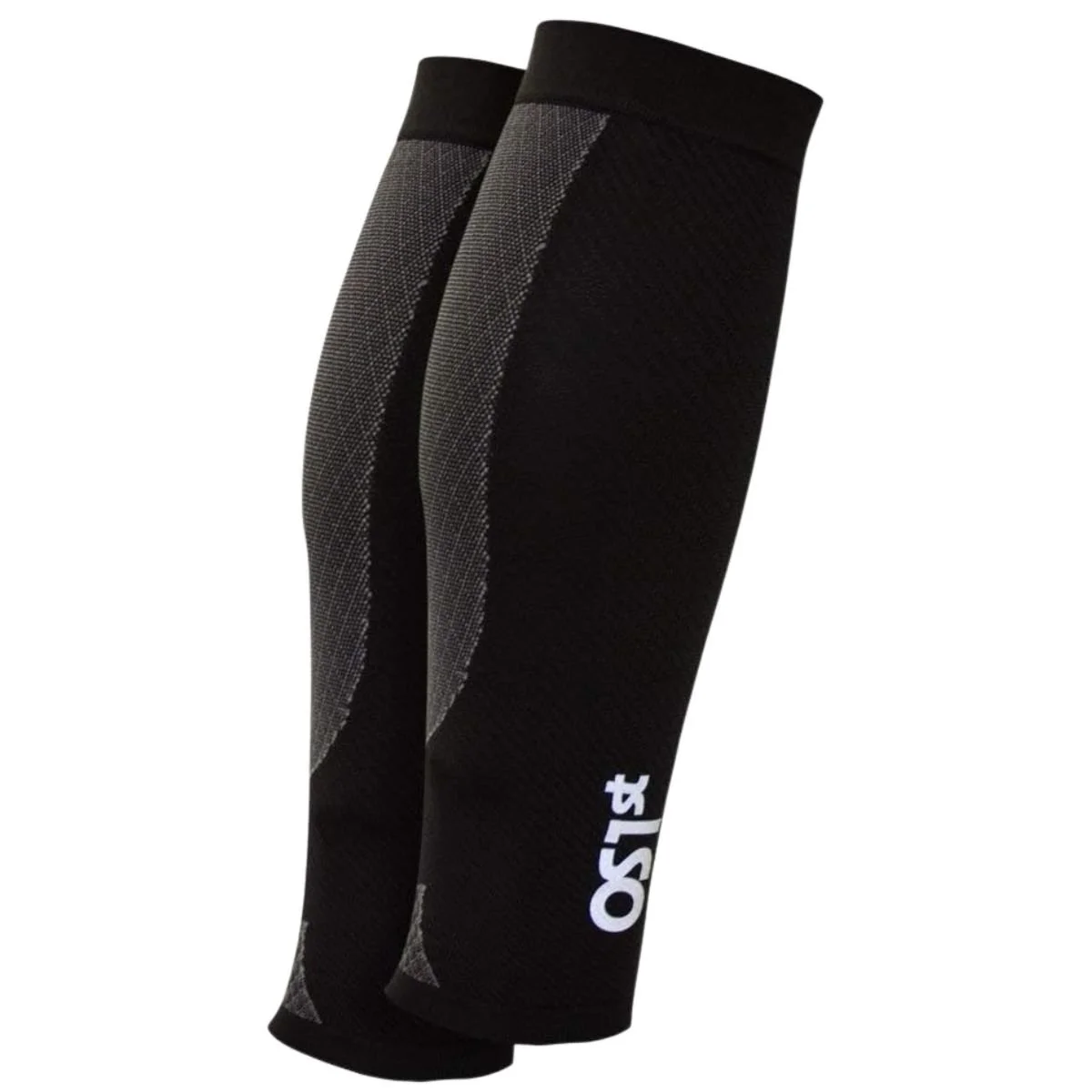
Price: $40
Compression level: Medical grade compression with graduated compression zones 10-30 mmHg
Graduated compression: Yes
Fabric: 76% micro-nylon, 24% lycra spandex
Anti-slip band: No
Size range: S-XL; 9.5-20 in
Unisex / Men's / Women's: Unisex
Machine washable: Yes
Only two of the brands we tested have medical-grade compression: OS1st and CEP. Of all the sleeves we tested, the OS1st CS6 Performance Calf Sleeves felt like they offered the strongest compression. They are made of a very durable, thick compressive material, which is better suited for cooler weather.
OS1st CS6 Performance Calf Sleeves
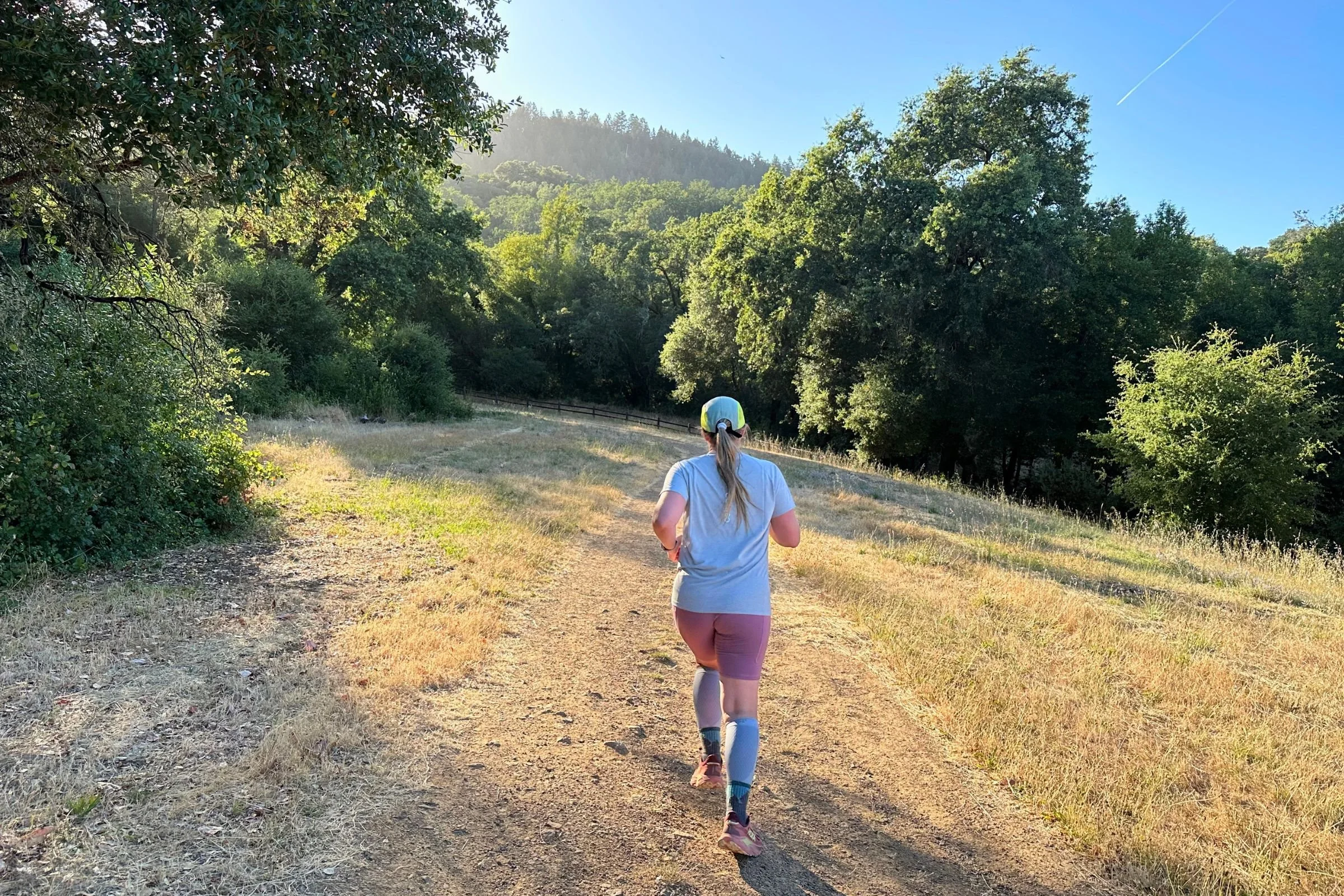
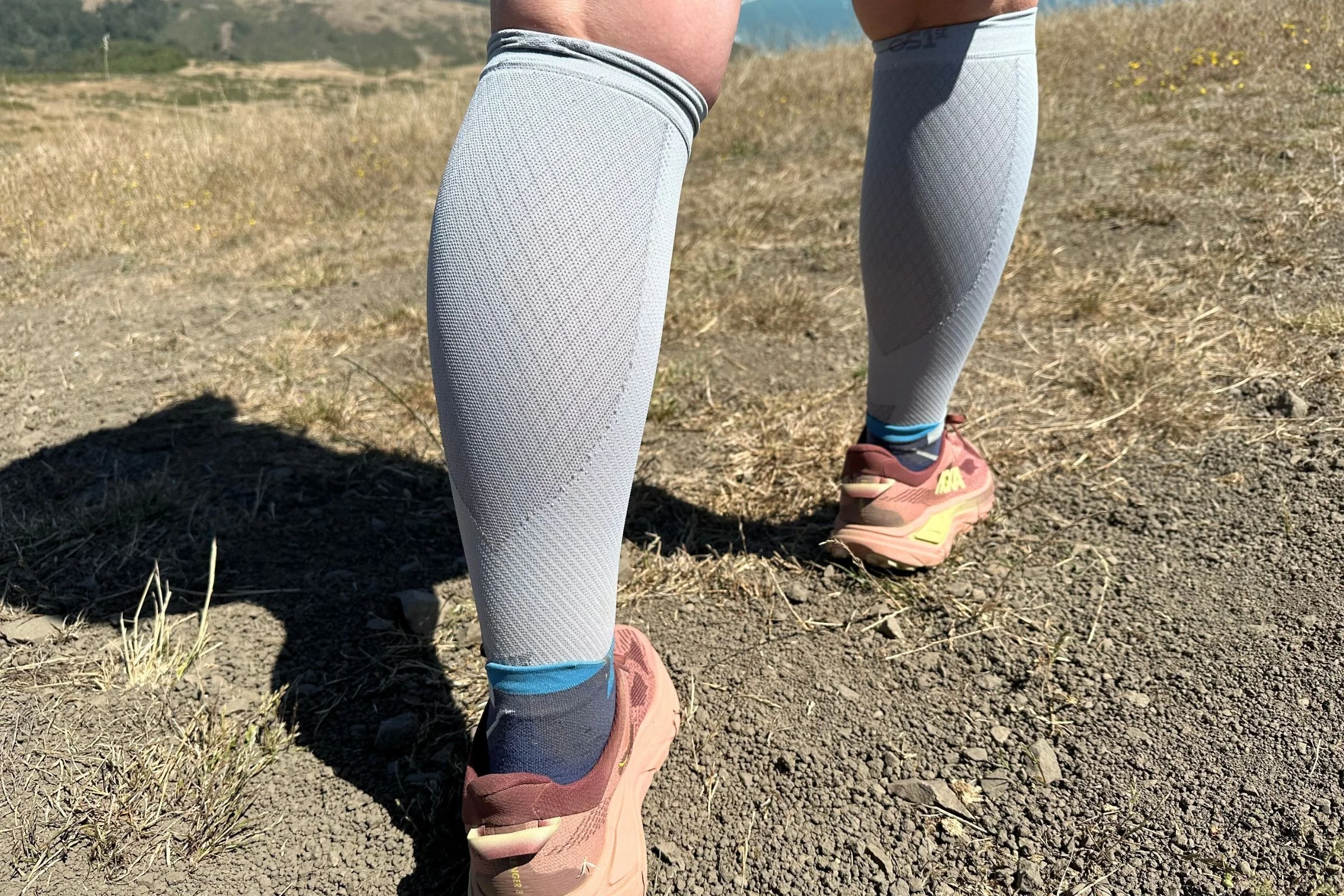
We found the sleeves to be on the stiffer side, even after washing, and they caused irritation at the ankle and at the top under the knee. This would be a good option for someone specifically looking for medical-grade compression and a more robust sleeve fabric. We felt very supported in our calves and on our shins while running hills. We had a hard time wearing them for long periods, except when we were actively running.
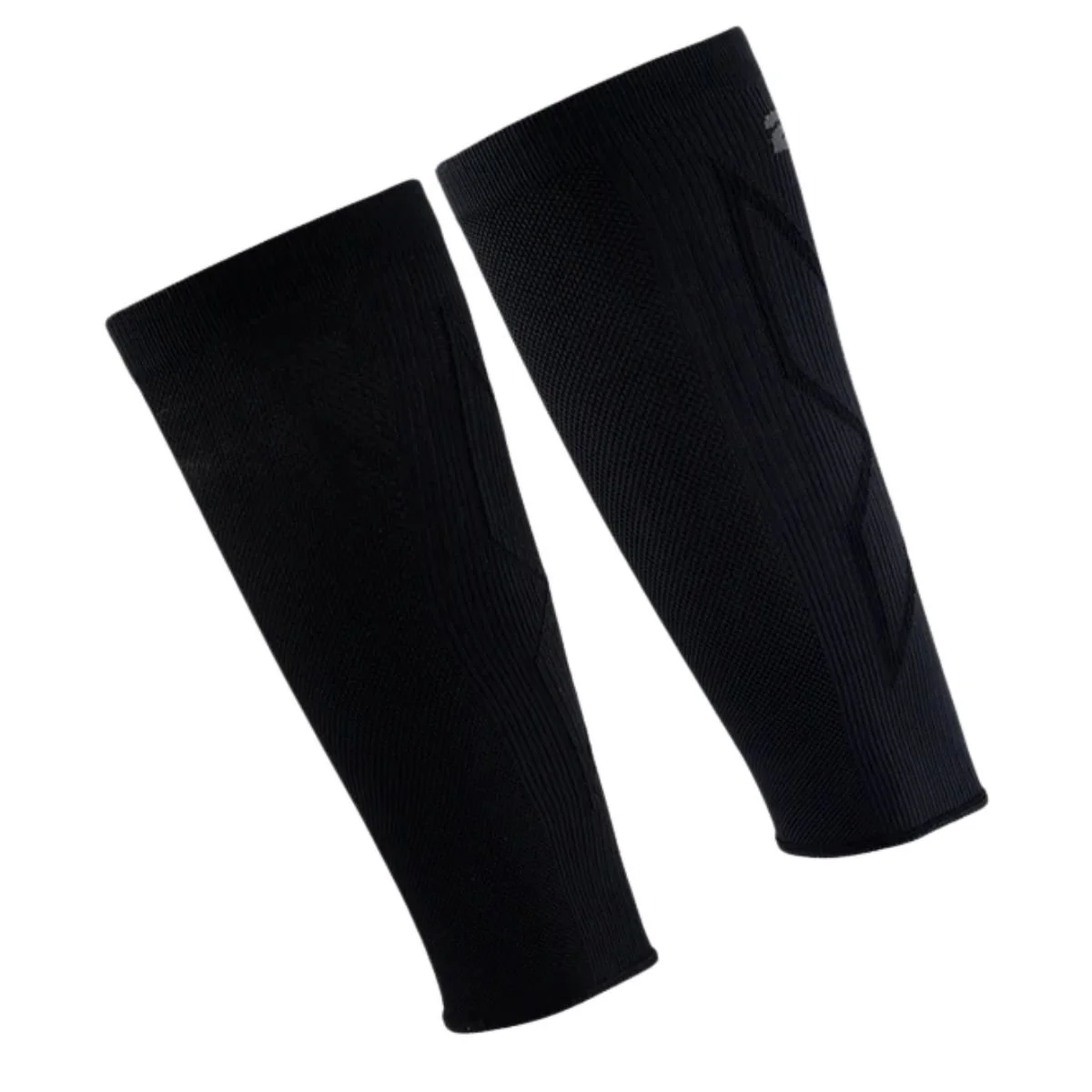
Price: $35
Compression level: Moderate
Graduated compression: Yes
Fabric: 88% nylon, 12% lycra
Anti-slip band: No
Size range: XS-XL 11.75-19.75 in
Unisex / Men's / Women's: Unisex
Machine washable: Machine wash, line dry
We have been wearing the 2XU X Compression Calf sleeves for over a year now and enjoy them for runs and recovery. They are breathable and lightweight.
They feel more compressive and tighter than some of the other sleeves we tested. As a result, they are not as comfortable to wear in the long term. They aren’t quite as soft and comfortable as some of the others that we tested. We prefer similarly priced CEP and the Zensah sleeves.
If you are interested in the 2XU sleeves, we recommend sizing up if you are between sizes, as these tend to run small compared to what is listed on the size chart.
2XU X Compression Calf Sleeves
Price: $17-$23 (varies by size)
Compression level: Moderate
Graduated compression: Yes
Fabric: 85% nylon, 15% spandex
Anti-slip band: No
Size range: S-3XL; 11-26 in
Unisex / Men's / Women's: Unisex
Machine washable: Yes
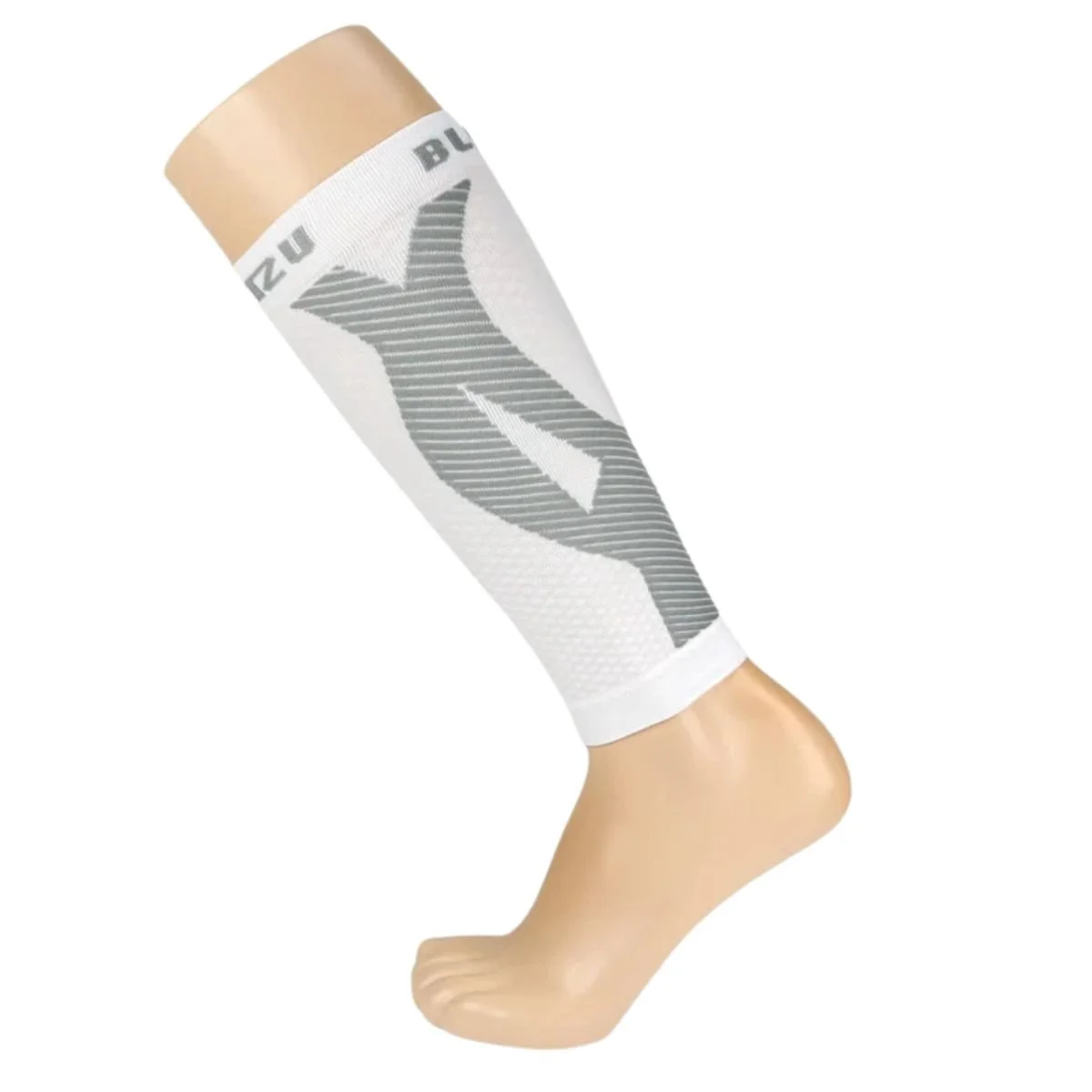
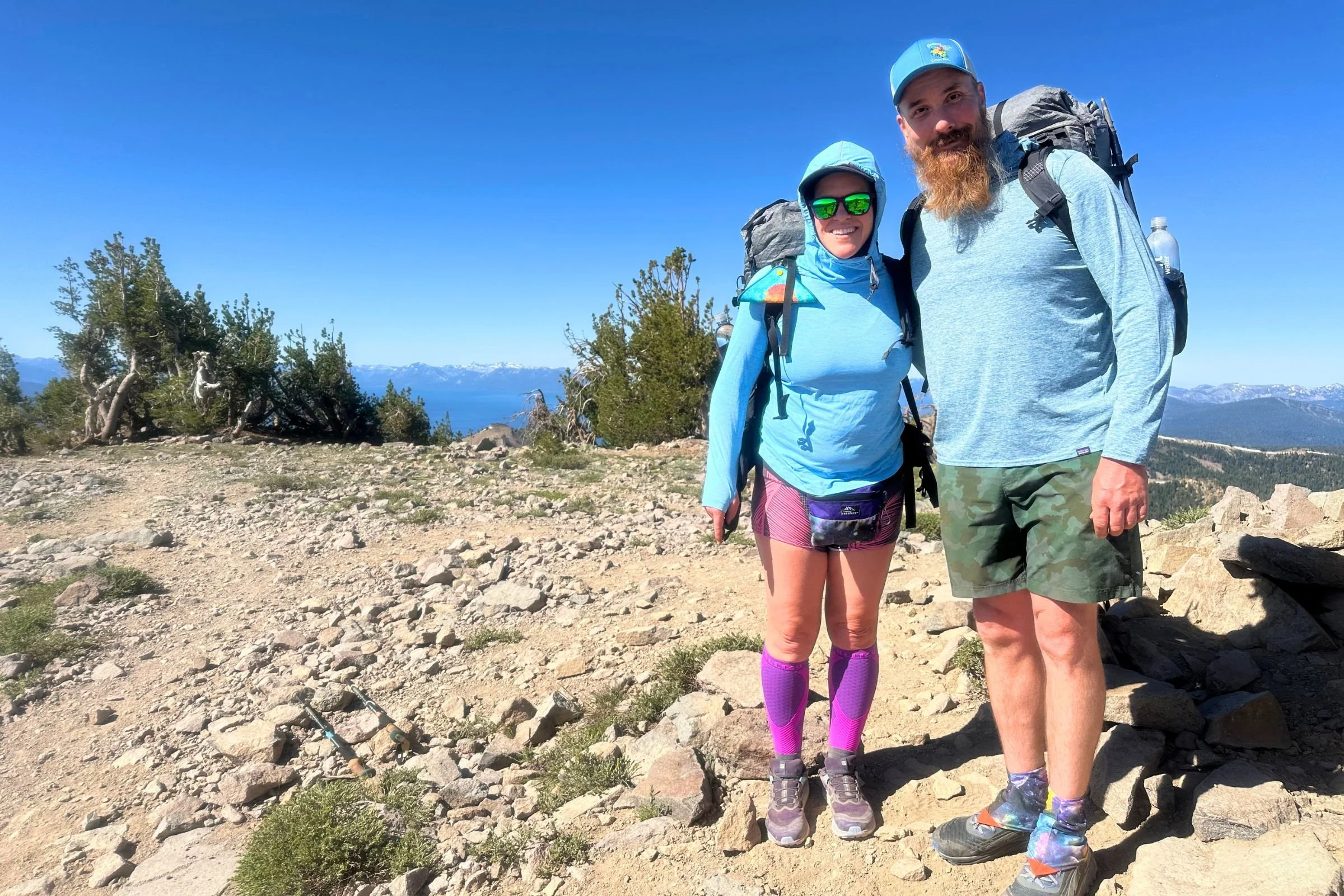
We have been wearing the Blitzu Compression Calf Sleeves for a few years now. Both our men’s and women’s testers have used these as a budget sleeve for trail running, especially where there is a risk of damaging the sleeves while running on brushier trails.
Before we tested the other sleeves for this story, we thought these would likely be our budget winner. The reason is that they have mapped compression to provide targeted support to shins and calves. After testing, we found these less comfortable to wear for a full day of running and activity than the Cambivo and Rymora sleeves. We also found that these left indentations on our legs after wearing them for longer periods, causing some discomfort.
We like that these are made of a more robust material than some of the other sleeves we tested, and they stand up to snags and branches for those overgrown trail runs. There are also many colors to choose from. We recommend sizing up if you are between sizes, as they tend to run smaller than others according to the size chart.
Blitzu Compression Calf Sleeves
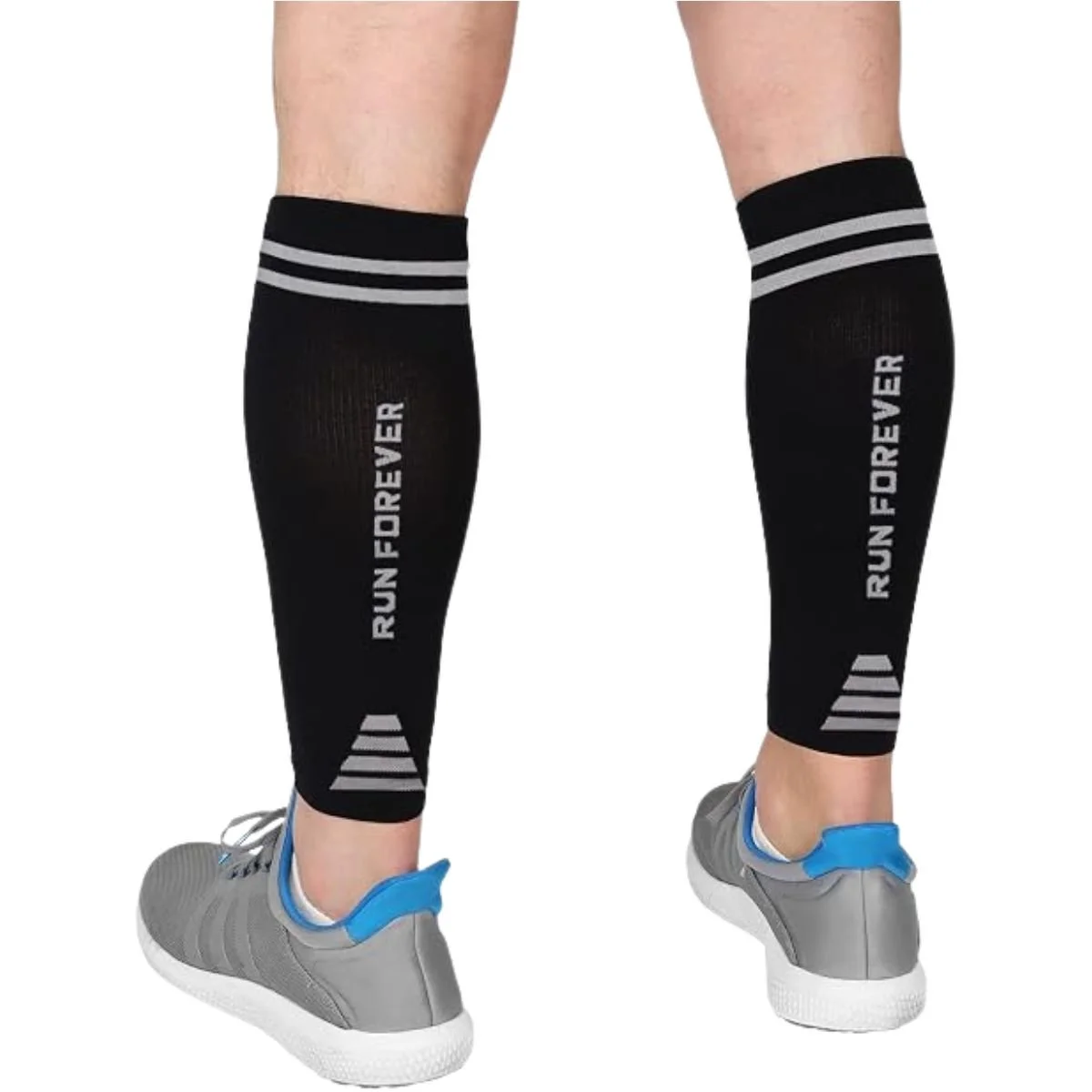
Price: $18
Compression level: 20-30 mmHg
Graduated compression: Yes
Fabric: 60% nylon, 25% polyester, 15% spandex
Anti-slip band: No
Size range: XS-3XL 8.5-24 in
Unisex / Men's / Women's: Unisex
Machine washable: Machine wash, line dry
We were excited about the inclusive sizing in the Run Forever Sports Calf Compression sleeves and the wide range of color choices. We snagged these sleeves while taking them out of the package, before we even tried them on. For something so delicate, we can’t recommend this as a winner, but we still tested them and wore them for runs.
We still prefer the Cambivo or Rymora for a lower-priced sleeve option and would only recommend these if you were looking for a specific sleeve color to match an outfit for race day or a special event. Overall, the compression was most similar to the Cambivo—there are no targeted mapping areas on the sleeve, so you get the same compression front and back.
Run Forever Sports Calf Compression Sleeves
Benefits of calf compression sleeves
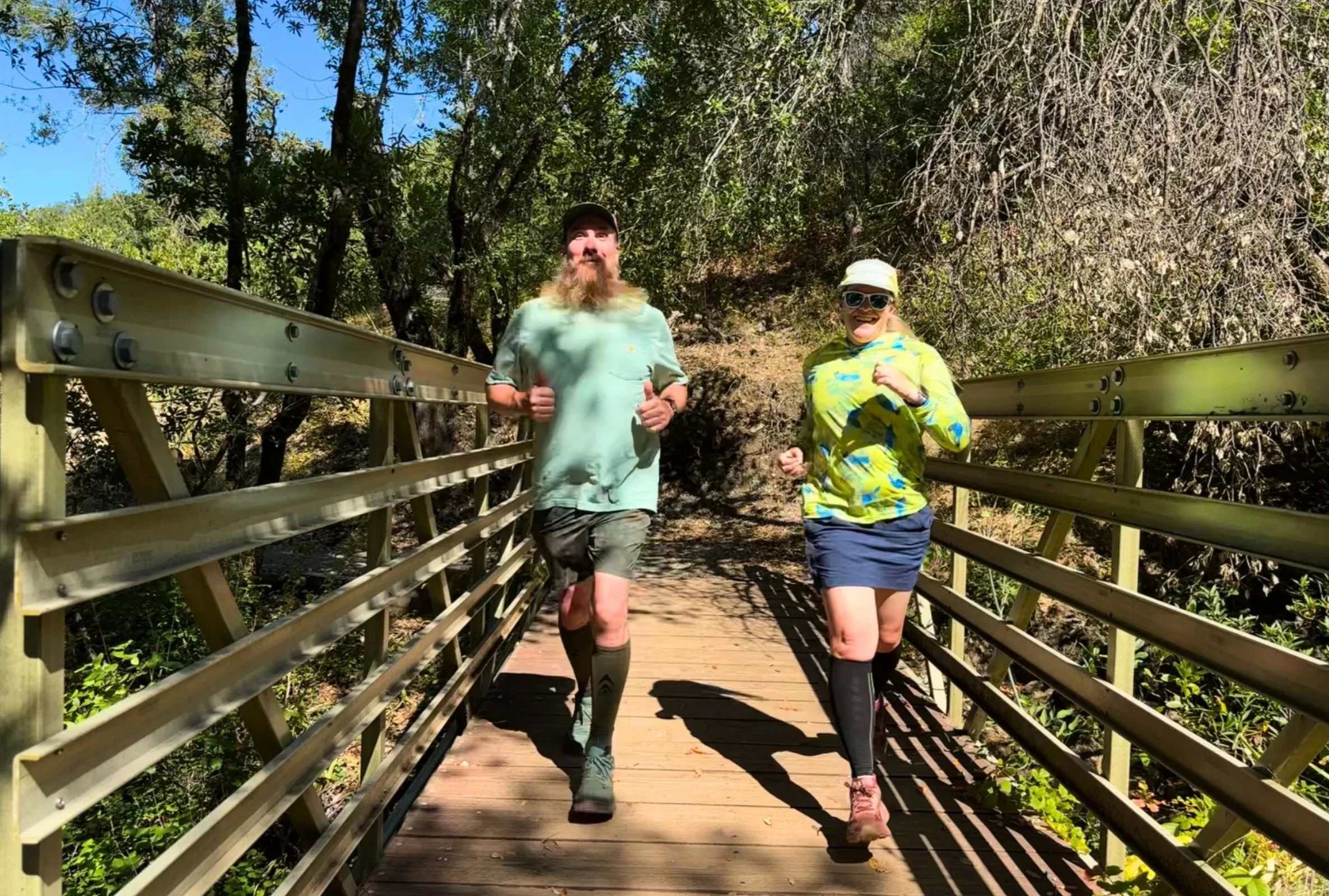
Shin splint relief and prevention
Shin splints are pain along the shin bone caused by stress or micro-tears in the connective tissues surrounding the tibia. There is no clinical evidence that compression sleeves help or treat shin splints in any way.
However, anecdotally, in our personal experience and testing (running the same route that caused shin splints with and without sleeves over a period of years), sleeves reduce the occurrence of shin splint pain. Many users report similar anecdotal findings.
Reduced calf fatigue on runs
There is scientific evidence that supports the idea that calf compression sleeves reduce calf fatigue during runs, albeit only slightly. The compression sleeves add graduated pressure to help reduce vibrations created during your run that can cause your calves to tire more quickly. They also help reduce lactic acid buildup in your muscles.
Post-run recovery
There is conflicting research on the benefits of compression for recovery. While subjects have experienced increased blood flow with compression, results are inconclusive. Compression sleeves may help with the recovery process and jump-start blood flow from your calves back to your heart through graduated compression. In our testing for this guide, we felt better when we wore the sleeves than when we didn’t.
Calf support on climbs and descents
Many runners find that wearing sleeves helps reduce muscle bouncing on steep uphill and downhill sections. We have found that our calves are working overtime on steep ascents and love the shin support on long descents. Wearing a compressive sleeve helps stabilize the lower leg and reduce vibrations that may cause discomfort.
Pairing with your preferred running sock
Sleeves are great because they give you flexibility in what you wear on your foot, unlike a compression sock with a built-in sock. We like being able to wear our wool running socks with our synthetic sleeves, something that we can’t do with compression socks. It is also easier to transition to a recovery mode on the couch after a run with a recovery sleeve. We can take off sweaty socks, relax with our feet up, and keep the sleeves on.
What to look for in calf compression sleeves
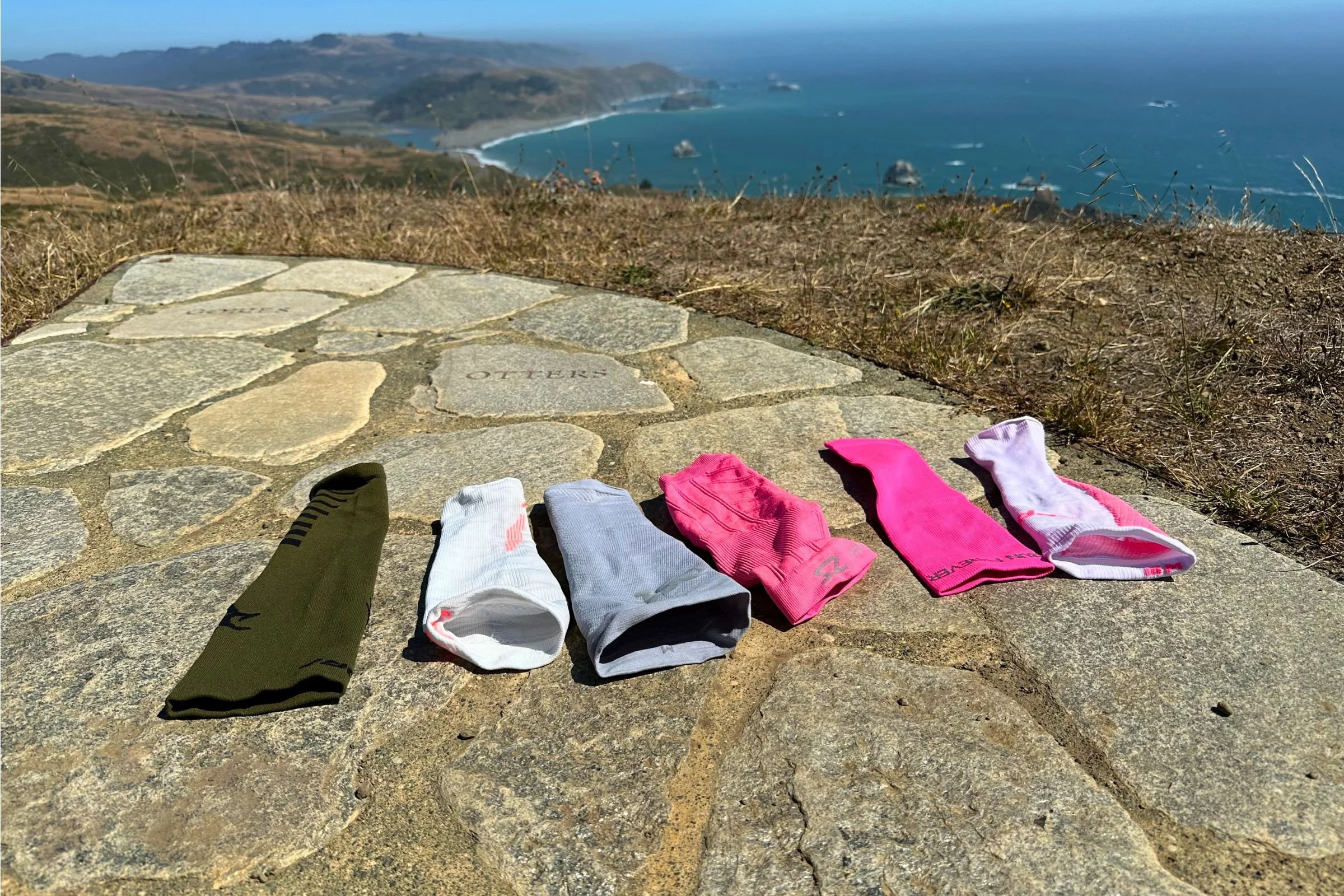
Compression level and mmHg
Depending on the use case for your compression sleeves, you may want something that provides more or less compression. Some sleeves have ratings measured in mmHg or millimeters of mercury, which is related to how blood pressure is measured. The higher the number, the greater the level of compression.
Most of the sleeves we tested for this story that had measurement ratings were between 10-30 mmHg, and that rating will be dependent on buying the correct size for your calf measurement.
Graduated vs. uniform compression
Graduated compression means that a sleeve has a compression gradient. With graduated compression, the bottom of the sleeve will be tighter than the top. The idea behind graduated compression is that it assists with blood flow back to the heart and, in turn, helps you feel more energized. Uniform compression squeezes all the way up the calf equally, without gradually loosening towards the top. Most of the sleeves we tested for this story have graduated compression.
Sleeve vs. sock — when a sleeve makes sense
Compression socks are all-in-one, which can be complicated if your calf and foot don’t fit a specific size and shape. Compression sleeves allow for a custom fit between your socks and calves, so you don't have to choose an all-in-one compression sock that fits your foot perfectly but doesn't fit your calf as well.
Sleeves allow for more sock choice, especially if you prefer to run in wool or alpaca socks and want a synthetic sleeve for compression. Compression sleeves can be worn with almost any sock, from no-show to crew length, as long as the overlapping sock isn’t causing discomfort.
Fabric and breathability
The sleeves we tested for this story ranged in fabric feel and breathability. More breathable materials are desired for hot days and high-effort activities, while some thicker materials provide greater compression and warmth on cold days and may be more comfortable on recovery days. Depending on your personal preferences and heat tolerance, there will be a trade-off between breathability and the desired level of compression.
Anti-slip design
By their nature as compressive sleeves, all the models we tested have a natural anti-slip design and should stay in place above your calf. If you are having issues with your calf sleeves slipping, it is likely due to improper sizing, with them being either too loose or so tight that they roll down your calf. Properly reading the size charts for the brand you are buying helps ensure that your sleeves don't slip.
Calf sizing and fit
Your calf size might be different from your pant size. It is not the same measurement. To measure your calf size, you will need a soft tape measure or string. Measure your calf at the widest point. We recommend doing this both flexed and relaxed, and using the larger number. If you are on the cusp between two sizes, follow the manufacturer's sizing recommendations. Typically, sizing up provides a more relaxed fit, best for recovery or travel days, while sizing down provides a more compressive fit for hard run days.
Durability after washing
Sleeves should not lose durability after washing. We recommend using a lingerie bag to protect sleeves in the washing machine and line-drying as much as possible. Even the thickest sleeves we tested dried out overnight and were ready for another day of wear. We personally have sleeves that we have been using for over ten years with proper care, and there has been minimal loss of compression over that time.
Price and value
There is a wide range of prices for compression sleeves, with some high-end models costing five times as much as our budget winner. We have found that some of the higher-priced models provide more value over time because they have lasted for years without needing replacement. If you are new to compression sleeves and are not sure whether to make them part of your regular routine, a budget pair can be a great option.
Choosing calf compression sleeves by use case
Calf compression sleeves can be a helpful accessory for your running wardrobe. Here’s what to consider depending on what you’re looking for.
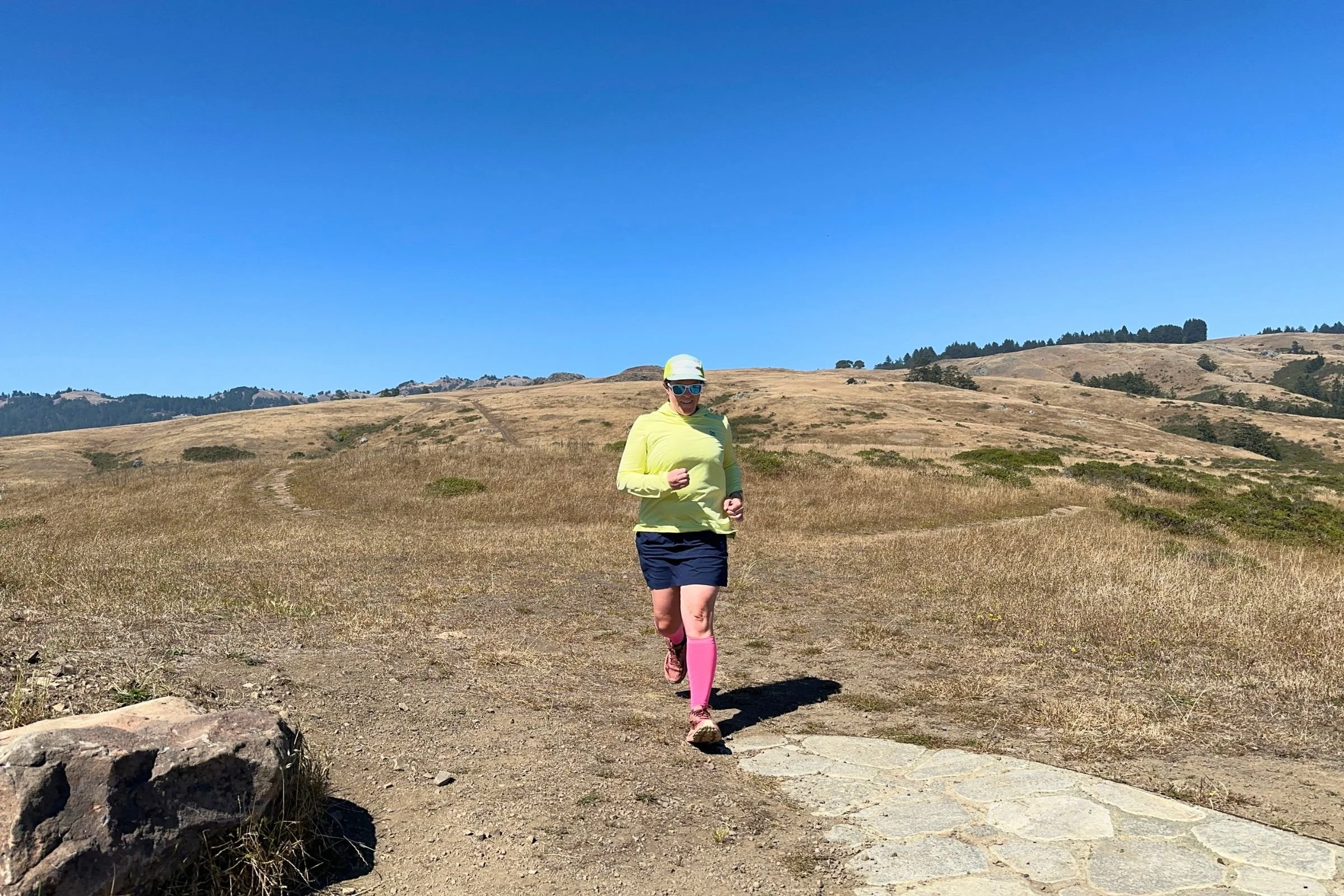
Road running
Road running can be harder on your body than trail running, so many runners like to wear a more compressive sleeve when running on the road vs. on the trail. You can also choose a more delicate fabric for road running, since you are less likely to encounter spiky bushes or branches that can snag it.
Almost all of the sleeves we tested would work well for road running, and road running is a great opportunity to use some of the more delicate, highly breathable options.
Trail running
Trail running has different obstacles than road running, so we recommend more durable options for trail running, where your sleeves are likely to encounter brush, rocks, and dirt. The Zensah and OS1st sleeves were among the most durable sleeves we tested.
Long-distance running and ultramarathons
For long-distance running, we recommend a sleeve that stays comfortable throughout your run. The last thing you want to worry about is chafing from your sleeves hours into a training run or ultra race. The CEP sleeves were among the most comfortable for all-day wear while still providing a compressive feel.
However, what is most comfortable for long distance also depends on where you are running and the weather. You may want something more robust or something lighter if it is really warm outside. As long as the sleeves you are wearing are comfortable, they should be suitable for a long-distance effort.
Recovery
For recovery, we really like sleeves that focus on comfort and that we can forget we are wearing. The Zensah Compression Leg Sleeves, our recovery winner, are the most comfortable sleeves we tested. They have a soft feel and provide enough compression to help with recovery without feeling tight or restrictive. We would avoid wearing the most compressive sleeves for recovery as they end up feeling the least comfortable.
Shin splint management
If you are looking for a sleeve to help manage shin splint pain, look for one with specific shin detailing. Not all of the sleeves we tested had shin-specific support. The Zensah sleeves have chevron support at the shin, and the Blitzu sleeves also have shin-specific support. If shin support is important to you, those are great models to consider.
Warm or cold weather
We tested sleeves with varying degrees of breathability and thickness for this story. In general, thinner, more breathable sleeves are best for warmer weather, and thicker sleeves, especially the OS1st sleeves, are better for cooler-weather runs. You can always wear thinner sleeves in winter with running pants over them, but some of the thicker sleeves will provide extra warmth.
Hiking, cycling, and other non-running activities
You can also wear compression sleeves for hiking and cycling. If that is the case, consider the more durable and robust options for these use cases. For cycling, the chain can get caught on the sleeve and create snags. For hiking, rocks and sticks can also create snags. Consider how much time you plan to spend taking breaks on the ground and how much abrasion you might encounter with your sleeves on. More durable choices would be good for these cases.
Care and maintenance
Cold water, gentle cycle, or hand wash; hang to dry. We like to use a lingerie bag in the washer to protect the sleeves from damage in the washer. The sleeves we tested are all made of quick-dry materials, dry overnight after washing, and are ready to wear again.
No fabric softener—it degrades elasticity
Replace when compression feels loose or the sleeve slides during activity
Clean after wearing. Salt from sweat and oils from sunscreen can degrade materials, especially when left on the fabric long term.
It is best to avoid storing in extreme heat, such as in your car in the middle of summer, as that can degrade stretchy fabrics quickly.
FAQ
-
Calf sleeves start at the ankle and go up right below the knee, while compression socks are socks that have the sleeve attached. With a compression sleeve you have more flexibility in sock choice or you can wear none at all. Compression socks may be harder to fit properly because your calf and shoe size need to fit into a range that shares a specific sock size. Calf sleeves have more flexibility in sizing and pairing with different types of socks.
-
Anecdotally yes, however research is mixed. Many runners, including our own testers, find that compression sleeves help with shin splints by reducing vibrations and micro tears. However, calf compression sleeves are not a medical fix—if you are experiencing shin pain, it’s best to consult with a medical professional.
-
You can do either or both. We have found that wearing sleeves during a run reduces leg fatigue and helps combat shin splints, especially on road runs with lots of downhill. Wearing sleeves after your run helps with delayed onset muscle soreness and helps with blood flow to the heart.
-
You want your sleeves to be tight enough that they are staying in place but not so tight that they are cutting off circulation or leaving marks on your legs. It is important to measure your calves to get the right fit and follow the manufacture’s size chart for the brand that you are purchasing so you get a proper fit. You should be able to slide your fingers under the sleeves and put them on without much struggle. If you can't, it is a sign they are too tight.
-
Many compression sleeves are designed for all day wear. We tested 14 pairs of sleeves all day to see how they performed and if they were comfortable after hours of wear. Some of the sleeves were more comfortable than others to wear for longer periods of time. We recommend a recovery sleeve for all-day wear, the Zensah were our favorite.
-
Follow the size chart from the manufacturer. Most sizes will cover a range with some overlap. If your measurement fits into multiple sizes, you can size up for less compression and size down for more compression. Less compression may be more comfortable if you are wearing them for recovery and more compression may be desirable if you are wearing them for high intensity runs.
-
The compression in the sleeves is designed to stay up during any activity. As you sweat, the moisture helps keep the sleeves in place. If your sleeves are not staying in place, that is a sign that you need to get a smaller size. By design, calf sleeves should not have issues with sliding down or not staying on your calf. They should be tight enough to stay put during your entire workout.
-
Absolutely. We have worn calf compression sleeves hiking and backpacking. Calf sleeves can assist with fatigue on days with long climbs or long downhill sections to combat shin splints. Our women’s tester always backpacks with compression sleeves.
-
It depends on how well you care for them. We have pairs of Zensah sleeves that are over 10 years old that we have washed on cold and line dried over the years. We still have this pair in rotation. The cleaner you keep your sleeves, the longer they will last. Mud and dirt will break down the materials faster.
-
The short answer is yes, however, a taller sock will have more overlap with your sleeves and may cause discomfort. The advantage of wearing calf sleeves vs. compression socks is that you can mix your socks and sleeves so you have a combination that is tailored to your needs. For example, you can wear wool socks with synthetic sleeves or high cushion socks with light compression sleeves.
-
Most of the sleeves we tested provide sun protection. Check the UPF rating for your sleeves to determine the protection level from the sun. If you are going to wear sunscreen under your sleeves, make sure it is fully absorbed before putting on your sleeves so there is no additional friction.
-
Yes. If you are going to wear leggings with compression sleeves, put the sleeves on first so they are making contact with your skin.
-
Compression sleeves go under your socks and should be making contact with your skin. You want to make sure that the socks you choose to wear with them are not too tight. We prefer to wear ankle socks or ¼ crew socks with our compression sleeves.
-
You can absolutely wear just one sleeve at a time. Some of the brands like Zensah sell single sleeves for those who are experiencing an injury on one side.
How we researched and tested
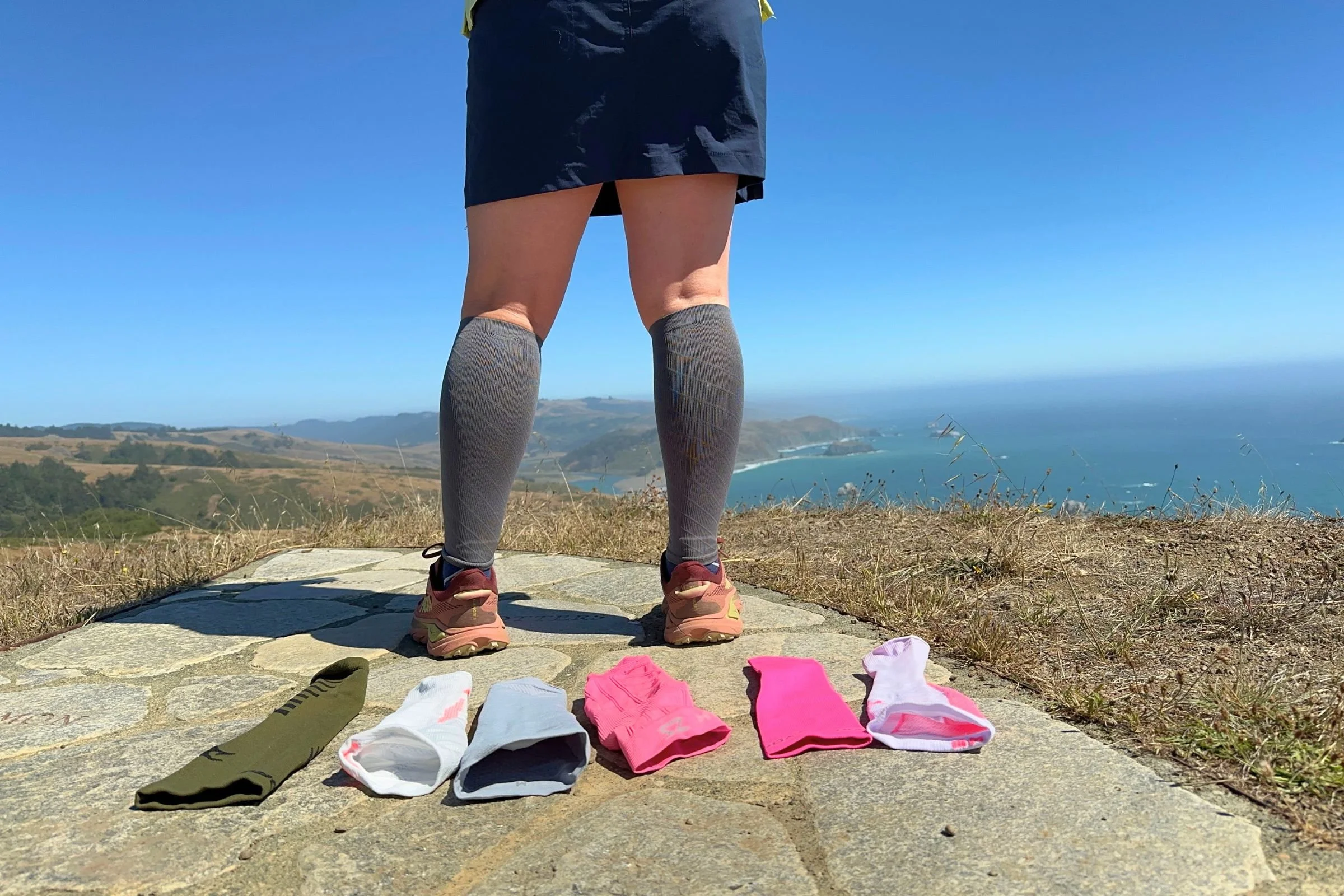
We tested 14 calf compression sleeves side by side. We had three testers on the West Coast and East Coast, including runners of different sizes, shapes, genders, and running types. Our testers used sleeves on trails, roads, and runs of varying distances and efforts, up to a marathon.
Every pair of sleeves we tested was worn for a full day to see how they performed and held up after a long day of wear. In addition to wearing each pair for a whole day, each pair was worn on multiple runs and washed multiple times to test durability.
Our testers followed each manufacturer's sizing recommendations based on calf circumference. If our testers were between sizes, we sized down for testing in this story to have a more compressive sleeve geared toward wearing during activity, rather than focusing on a looser sleeve for recovery.
To test durability after washing, we machine-washed and line-dried all the sleeves using a lingerie bag in the washer to protect the delicate sleeves from other items in the washer. We washed all the sleeves in the washing machine on a gentle cold cycle and line-dried them.
Some of the winners were close, and to make final determinations, we wore one sleeve on each calf so we could compare them side by side during runs.
- Road and trail runs
- Long, speed, recovery, and hill workouts
- Full-day wear for every pair
- Multiple runs and wash cycles
- One sleeve per calf for direct comparisons
- Compression level and support
- Comfort during extended wear
- Fit and stay-put performance
- Breathability and fabric feel
- Durability, sizing, and value
Why you should trust us / About the author

I have run two of the world marathon majors and hope to run the rest at some point. I have also run countless road and trail races occasionally, even getting age group awards; the half marathon is my favorite distance. I have been wearing compression sleeves for my running and races for the last 15 years. I am a regular at my local running club and love finding new trails to explore. I first discovered compression sleeves after running a marathon that had a steep uphill followed by a long, steep downhill, and I had horrible calf and shin pain the week after. A friend told me about compression sleeves, and I started wearing them for running and recovery and haven’t looked back since.
I have always been an avid outdoorswoman, and I hiked the PCT twice, packing compression sleeves for overnight recovery both times. When testing compression sleeves for Treeline Review, I used my prior experience with compression sleeves and created a standard test for each sleeve to ensure my reviews were fair.
I often carry compression sleeves and socks when I travel and use them regularly for adventures, and I find they help with soreness and general fatigue. I also love that they come in fun colors and can be another way to brighten up my outfits.
Find more of Sara Kruglinski’s work on her Treeline Review author page.