Best Hiking Boots for Women of 2026
The best hiking boots based on fit, comfort, traction, durability, style, and more
August 14, 2026, updated with 5 more boots and a new winner for Best Waterproof
Home → Gear Reviews → Footwear
Choosing between hiking boots and hiking shoes can feel overwhelming if you're new to the trail. Your footwear determines how comfortable you'll be on an adventure and how well protected your ankles stay, and the wrong call can turn a good hike into a miserable one by mile four.
I've hiked and backpacked thousands of miles over the past decade, including all 2,200 miles of the Appalachian Trail and 500 miles of the Colorado Trail, and wore a pair of hiking boots for the first 800 miles of the AT, where I learned firsthand about proper sizing, break-in time, and durability. For this guide, my fellow testers and I put more than a dozen pairs of women's hiking boots through nearly 500 miles across 13,000-foot Colorado peaks, Pacific Northwest creeks, Canadian glaciers, and high desert terrain, comparing traction, waterproofing, and support along the way.
What separates a genuinely good hiking boot from one that disappoints comes down to how well the ankle support holds up without restricting movement, how quickly the boot breaks in, how the outsole grips wet rock and loose gravel, and whether the waterproofing actually holds after full submersion rather than just a splash. Boots make the most sense for new hikers, anyone carrying a heavy pack, those with prior foot or ankle injuries, and cold-weather hikers, while hiking shoes suit people who want to travel light and fast.
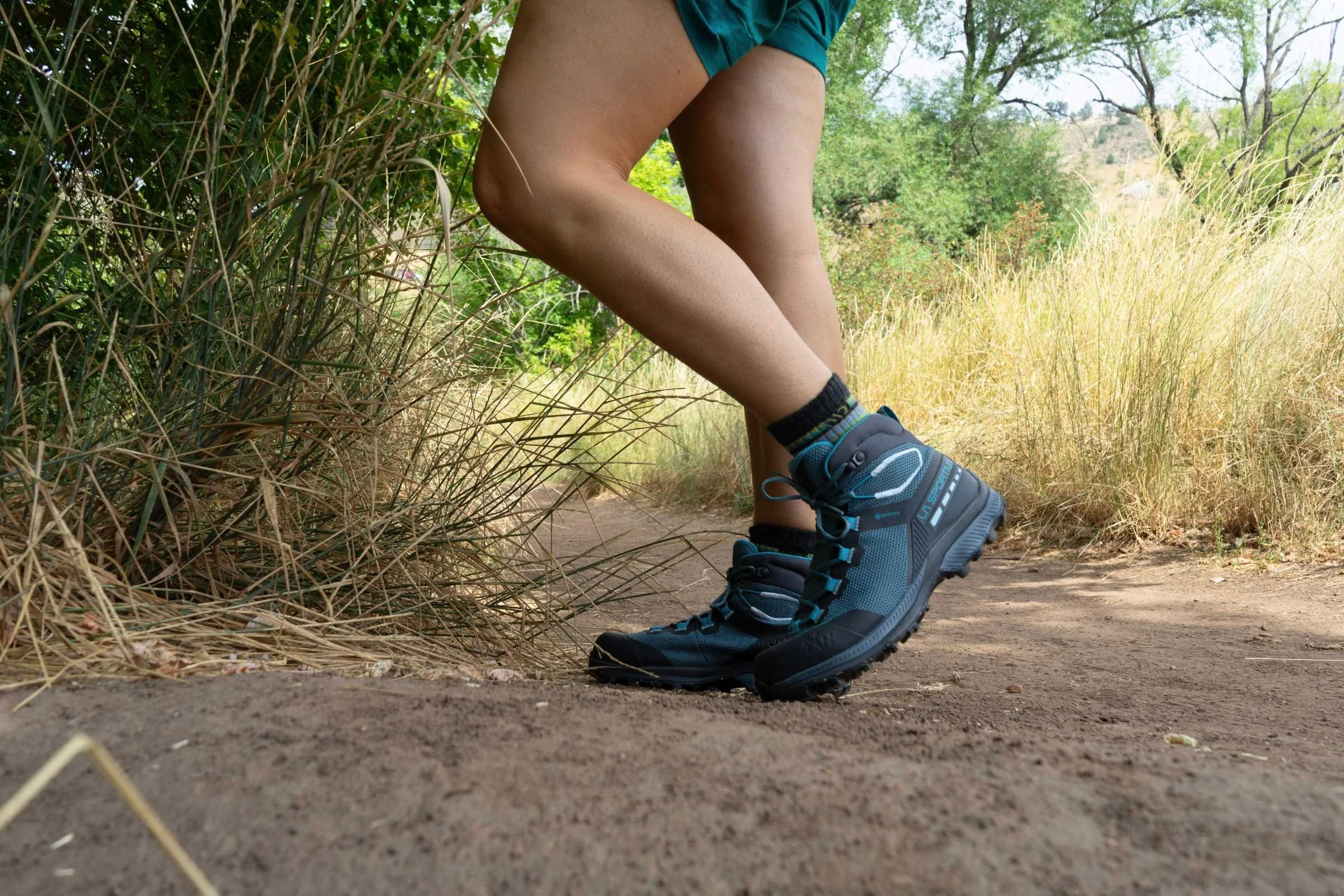
Top Pick: The La Sportiva TX Hike Mid GTX earns our Best Overall award. It stood out for an air-mesh upper that's lightweight and breathable, a microfiber heel stabilizer that held our feet in place through technical, twisting terrain, and waterproofing that kept stream water out in Washington's wettest forests and held up on Canada's glaciers. It blends the agility of a trail runner with the support of a boot, which is why we keep coming back to it day after day.
Looking for men's? See Best Men's Hiking Boots
We create reader-supported, mission-driven objective gear reviews that are independently selected by our editors. This story may contain affiliate links, which help fund our website. When you click on the links to purchase gear, we may get a commission — without costing you an extra cent. Thank you for supporting our work and mission of outdoor coverage for every body! Learn more.
Comparison table
| Product | Treeline Award | MSRP | Weight (pair) | Size Range | Outsole | Upper |
|---|---|---|---|---|---|---|
| La Sportiva TX Hike Mid Leather GTX | Best overall Read why |
$209 | 1 lb 12 oz | 36-43 | Vibram Ecostep EVO | Roughout leather |
| Columbia Newton Wander | Best affordable Read why |
$110 | 1 lb 9.8 oz | 5-12 | Omni-Grip | Suede leather |
| Salomon X Ultra 5 GORE-TEX | Best lightweight Read why |
$190 | 1 lb 11.6 oz | 5-11 | All Terrain Contragrip rubber | Matryx |
| La Sportiva Ultra Raptor 3 | Best waterproof Read why |
$219 | 1 lb 9 oz | 36-43 | FriXion® XF 2.0 | Ripstop mesh, polyester |
| KEEN Targhee IV Mid Waterproof | Best for wide feet Read why |
$190 | 2 lb 2.6 oz | 7-15 | All Terrain Contragrip rubber | Leather and textil |
| Asolo Acadia Mid LTH GTX | Best for narrow feet Read why |
$200 | 1 lb 15.2 oz | 7.5-14 | Rubber | Water-resistant suede |
| Salewa Pedroc 2 Powertex Mid | Best for backpacking Read why |
$200 | 1 lb 9.4 oz | 5-11 | Pomoca Speed Hiker 2 | Suede, high-resistance nylon |
| Merrell Moab 3 Mid WP | Best for day hiking Read why |
$175 | 1 lb 12.9 oz | 5-12 | Vibram TC5+ | Pigskin leather/mesh |
| Oboz Sawtooth X Mid Waterproof | Best for beginners Read why |
$200 | 2 lbs 0.6 oz | 5-12 | True Tread rubber | Nubuck leather/ mesh |
| Scarpa Rush TRK GTX | Best for ankle support Read why |
$239 | 2 lbs 0.8 oz | 36-42 | Supergum | Suede |
| Oboz Bridger Mid Waterproof | $220 | 2 lbs 0.4 oz | 46154 | Granite Peak carbon rubber | Nubuck leather | |
| Oboz Sawtooth Ascent Mid Waterproof | $175 | 1 lb 14.8 oz | 46155 | Vibram XS-Trek | Suede leather, mesh | |
| Oboz Katabatic RT Mid GTX | $220 | 1 lb 11.8 oz | 46154 | Vibram Megagrip | Ballistic recycled polyester mesh | |
| Danner Mountain 600 EVO GTX Mid | $280 | 2 lbs 3.2 oz | 5-11 | Vibram Fuga | Full-grain leather | |
| La Sportiva Spire GTX | $219 | 1 lb 10 oz | 36-43 | Vibram XS Trek | Mesh | |
| Lowa Renegade Evo GTX Mid | $280 | 2 lbs 2.2 oz | 5-12 | Vibram Rene Trac | Nubuck leather | |
| Scarpa Rush 2 Pro Mid GTX | $189 | 1 lb 10.2 oz | 36-42 | Presa HIK-01 Supergum | Nubuck leather |
The winners
Best overall women's hiking boots: La Sportiva TX Hike Mid GTX

Price: $219
Weight: 1 lb 13 oz (per pair)
Waterproofing: GORE-TEX
Material: Air-mesh upper with TPU overlays, synthetic lining, compression EVA co-molded stabilizing insert, microfiber heel stabilizer, Vibram Ecostep EVO rubber outsole
Available sizes: Women’s EU 36-43 (US 5.5-11), Men’s EU 38-49.5 (US 6-15.5)
What we liked: Overall agility, sticky rubber, support, and comfort
What we didn't like: Minimal cushion
If we had to wear one boot for the rest of our lives, we’d pick the La Sportiva TX Hike Mid GTX boot. The TX Hike is a unicorn–t’s the type of shoe that’s hard to find, but completely magical to take for a ride. The air-mesh upper is lightweight, and breathable, while the microfiber heel stabilizer keeps our feet in place even while twisting, turning and rock-hopping through technical terrain. These boots blend a high-performing design with comfort that keeps us going all day long.
Learn more in our in-depth review of the La Sportiva TX Hike Hiking Boots.
La Sportiva TX Hike Mid GTX


While we wore the 2023 model of this shoe for testing, it’s nearly identical to the updated versions except that the 2025 version switched to a new colorway and from traditional GORE-TEX to ePE GORE-TEX (which is PFAS free and comes with a reduced carbon footprint).
Our love affair with the TX Hike comes out of its ability to handle literally any terrain. While Colorado is our home-base, these boots also kept stream water from penetrating the upper in Washington’s wettest forests, and later tackle Canada’s glaciers with minimal foot traction without issue.
The La Sportiva TX Hike’s ability to offer the agility of a trail runner while maintaining the support of a boot is the factor that keeps us coming back to these shoes day after day.
Best affordable women's hiking boots: Columbia Newton Wander

Price: $110
Weight: 1 lb 9.8 oz (per pair)
Waterproofing: Omnitech
Material: Suede upper, techlite midsole, omnigrip rubber outsole
Available sizes: 5-12
What we liked: Affordability, flexible right out of the box, great on loose rock
What we didn't like: Slightly bulky feel
We took the Columbia Newton Wander boots to the summit of two thirteen thousand foot peaks in the Colorado Rockies as soon as we pulled them out of the box. While some boots would cause chafing and hot spots without a proper break-in period, the Newton boots felt flexible and supportive as soon as we slipped them over our feet. The approach to the first summit was steep, and gravel covered, yet the Omni Grip rubber outsole on these boots kept us fixed to the earth during a climb that had previously challenged our favorite Vibram trail runners. At the same time, the pliable materials created the perfect blend of support and comfort while we trekked.
Learn more in our in-depth review of the Columbia Newton Wander hiking boots.
Columbia Newton Wander


But our biggest moment of surprise occurred when we walked through a creek in these boots. Oftentimes, an affordable price tag means that the construction of a boot suffers. But even after complete submersion, these boots managed to keep our feet dry. Color us surprised! What’s more is that the price tag of these boots is about half that of many of the other models on this list, making them one of our favorite picks from an accessibility standpoint. Admittedly, these boots sacrifice a touch of durability, and they don’t come with the same custom fit as higher-priced boots. But we still found them to be a great, affordable option.
The Newton is a great option for new hikers and backpackers and those who are getting to know their footwear preferences because of their affordability and reliable construction.
Best lightweight women's hiking boots: Salomon X Ultra 5 Mid GTX
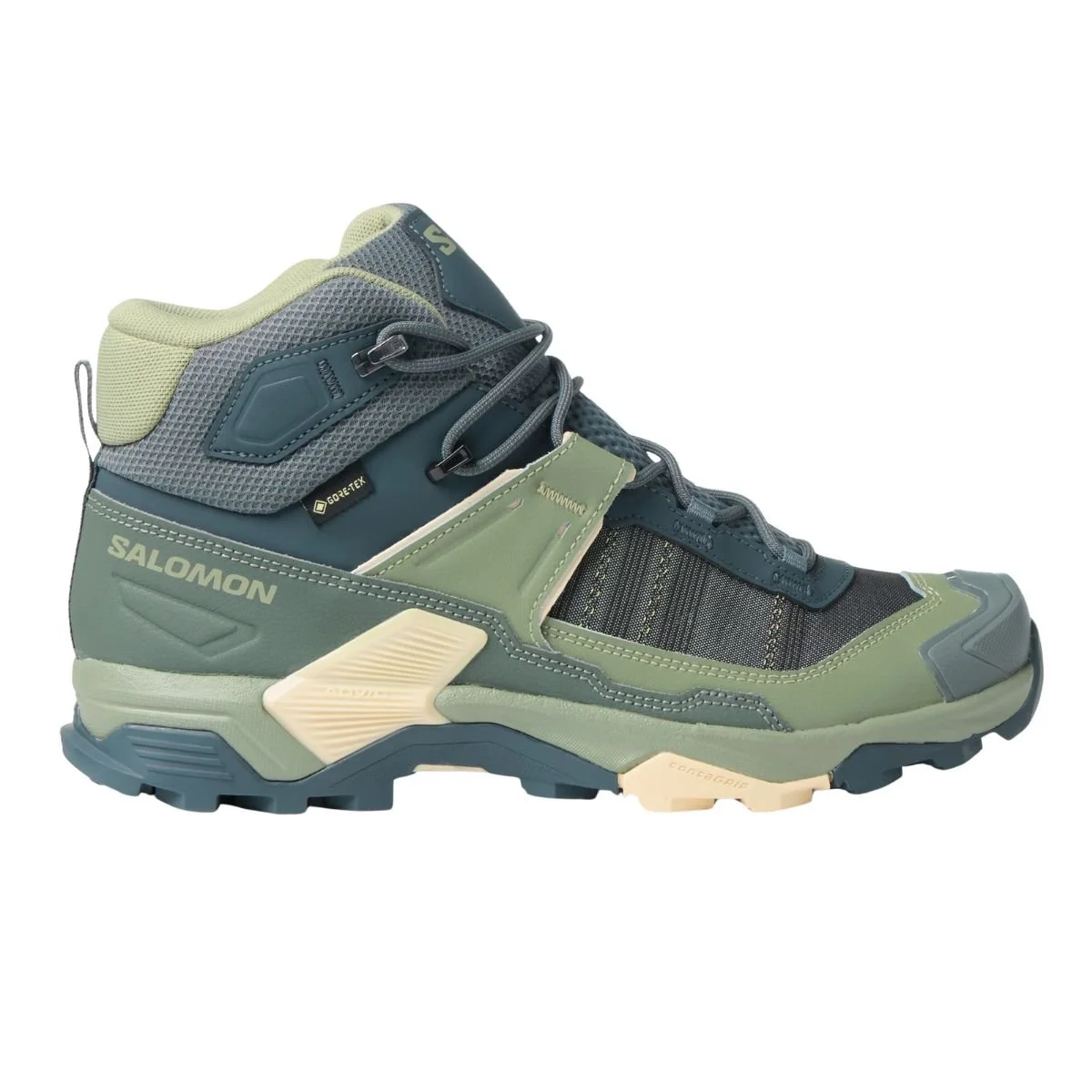
Price: $190
Weight: 1 lb 11.6 oz (per pair)
Waterproofing: GORE-TEX
Material: Synthetic upper, textile lining, energy cell midsole, all terrain contragrip rubber outsole
Available sizes: 5-11
What we liked: Lightweight and comfortable, grip, stability
What we didn't like: Shock absorption
The Salomon X Ultra 5 Mid GTX boot redefines the balance between protection and weight in boots by giving hikers a 1-pound 11.6-ounce boot that also offers sole and ankle protection for moderate hikes. Compared to other boots, these boots are 4-5 ounces lighter, catering to long days on trail without foot fatigue. And we noticed! Learn more in our in-depth review of the Salomon X Ultra 5 Hiking Boots.
Salomon X Ultra 5 Mid GTX


At the same time, the X Ultra 5 Mid boots are ready for the trail right out of the box, requiring a minimal break-in period. They’re fairly cushioned, and the Contragrip rubber outsole provides plenty of friction to keep your feet attached to the ground even on wet and gravel-ridden trains.
We wore the Salomon X Ultra 5 Mid GTX boots predominantly in Colorado in late summer when temperatures crested above 80 degrees. Despite the consistent heat, we found that our feet never became swampy or overly heated (while, admittedly, they felt warmer than our trail runners).
While the Salomon X Ultra boots are ideal for hikers who want a little extra ankle protection, we found that their shock absorption is sub-par, which could deter hikers with sensitive feet and those who spend a lot of time on rocky or bouldery terrain. Overall, we think they’re a good pick for moderate hikes without a large backpack.
Best waterproof women's hiking boots: La Sportiva Ultra Raptor 3 Mid GTX
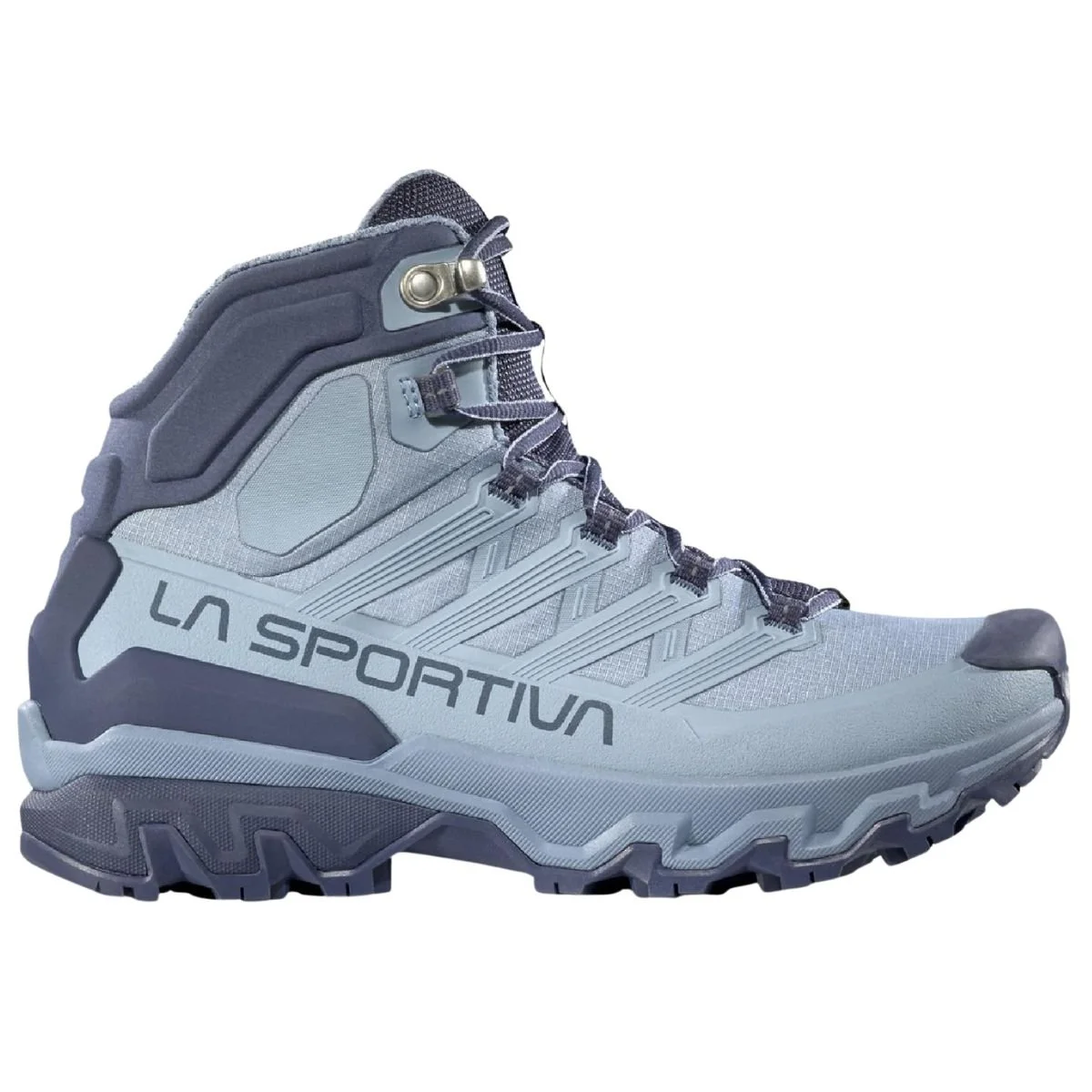
Price: $219
Weight (pair): 1lb 9 oz
Waterproofing: GORE-TEX ePE Extended Comfort (PFAS-free, bluesign approved)
Material: Ripstop mesh, recycled ripstop mesh with TPU lacing harness, rubber toe cap, dual-density CM-EVA, FriXion White outsole
Available sizes: 5.5-11
What we liked: Grip, agility, water resistance
What we didn’t like: Narrow fit, moderate ankle support, need a break-in period
The La Sportiva Ultra Raptor 3 GTX Mid Hiking Boots are one of the most agile, lightweight, grippy boots we’ve tested. After wearing them non-stop for a week of outdoor adventure in Iceland, we realized that they aptly handle mud, ice, snow, and river crossings every time we head into the mountains. After two months of testing, we realized that they not only support trekking in ideal conditions, but they’re also the kind of boots you want to be wearing when hikes don’t go according to plan.
Read more about them in our in-depth review of the La Sportiva Ultra Raptor 3 Mid GTX boots here.
La Sportiva Ultra Raptor 3 Mid GTX
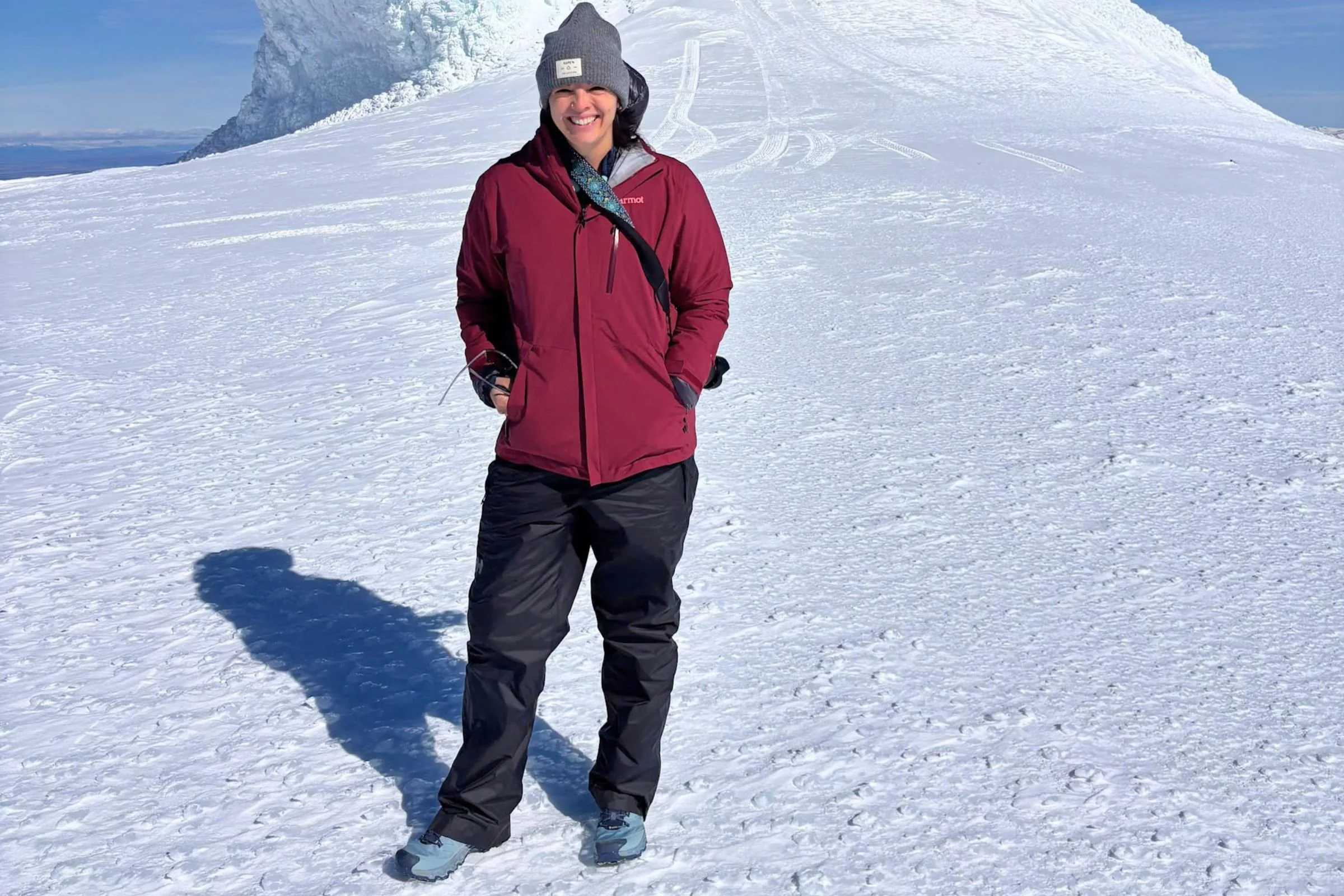
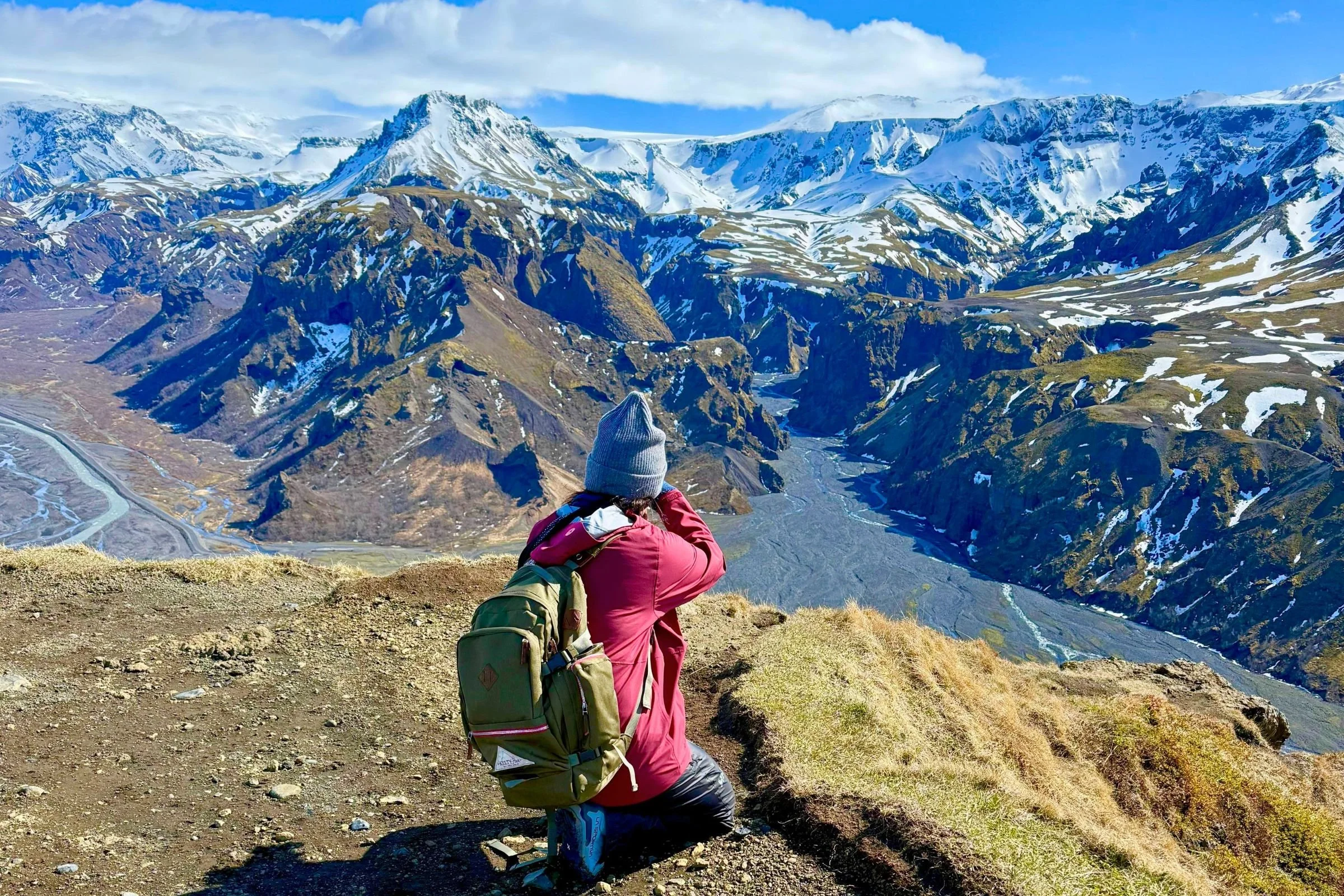
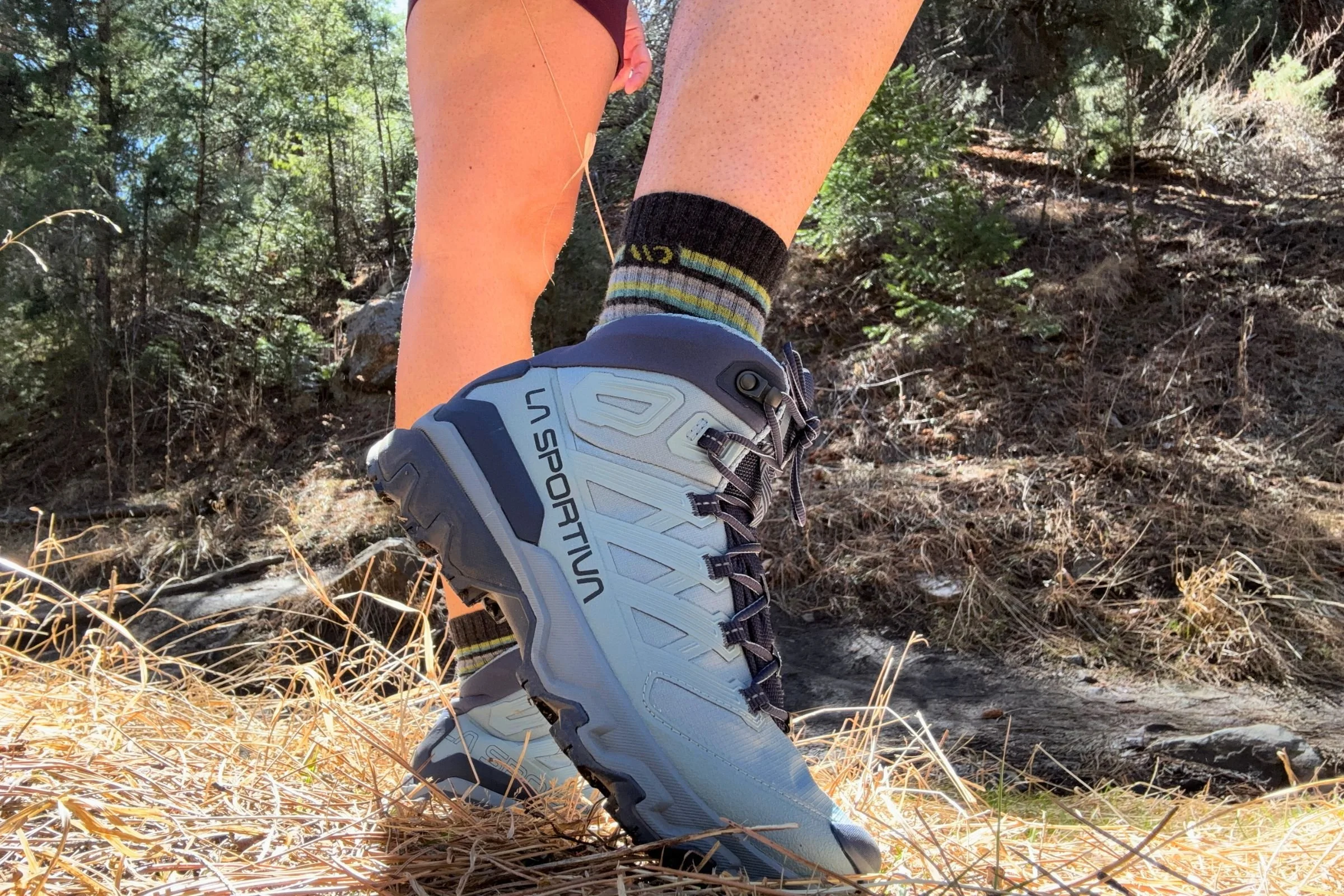
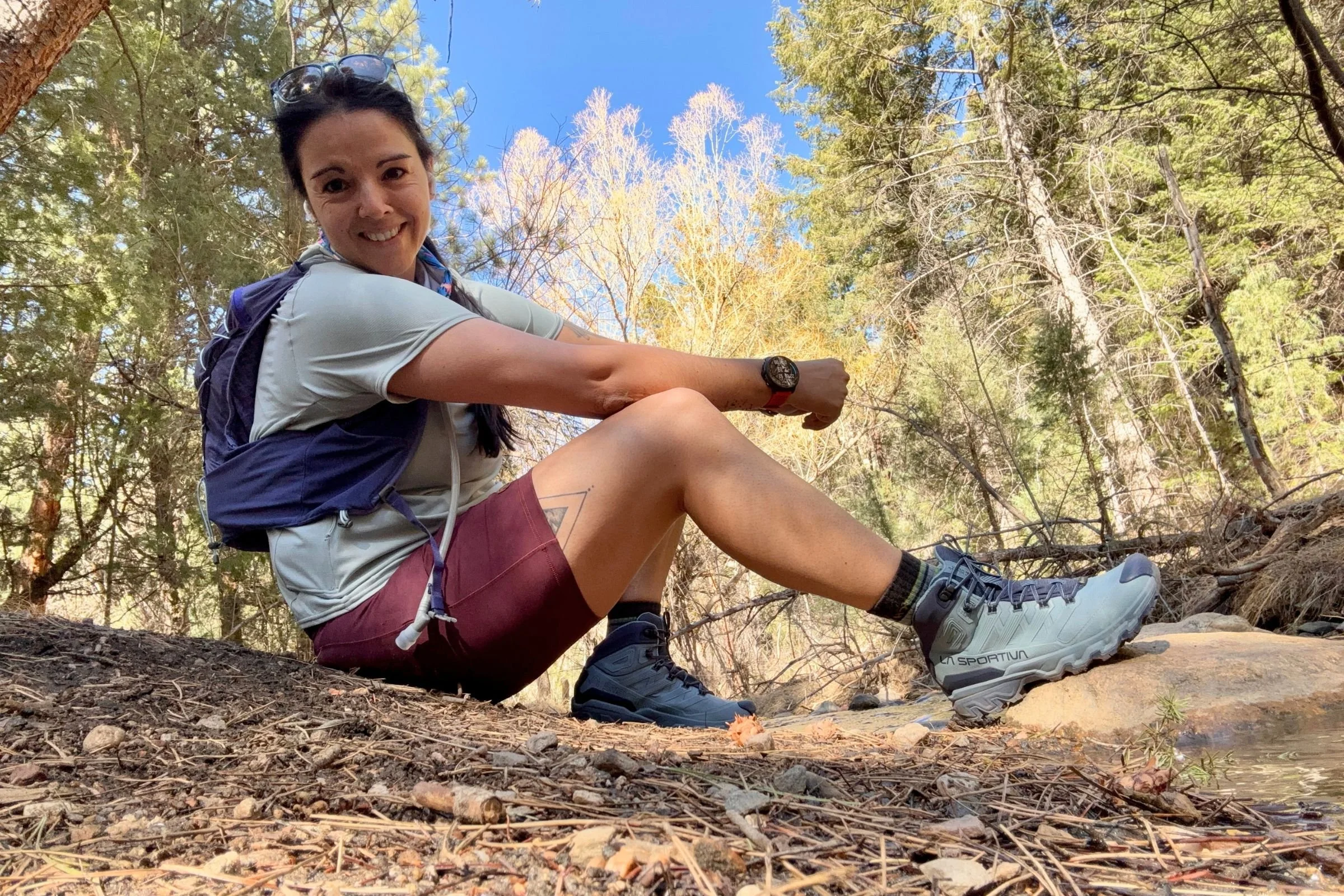
Just a few ounces heavier than our lightweight pick, the La Sportiva Ultra Raptor 3 is also one of our favorite picks for long days in the mountains with variable terrain. We wore these boots for about 35 miles while evaluating qualities such as grip, durability, breathability, and weather resistance, and we directly compared them to more than 10 other pairs of hiking boots.
The biggest drawback is that they require a short break-in period, unlike most La Sportiva boots. But their agility and reliability make them one of our favorite boot models we’ve tested, and we truly love these boots.
Best women's hiking boots for wide feet: KEEN Targhee IV Mid Waterproof

Price: $190
Weight: 2 lbs 2.6 oz
Waterproofing: KEEN.DRY waterproof membrane
Material: Nubuck leather upper, mesh lining, luftcell polyurethane midsole, higher-traction TPU outsole
Available sizes: 5-12
What we liked: Spacious, durable upper, ankle protection, multi-directional lugs
What we didn't like: Breathability
The KEEN Targhee has been a classic boot for hikers for years, and the Targhee IV Mid continues to stand up to this time-tested assessment. It’s durable, great in wet conditions, supportive, and consistent, whether we’re tackling fourteeners or walking through the airport.
Learn more in our in-depth review of the KEEN Targhee IV Waterproof Hiking Boots.
KEEN Targhee IV Mid Waterproof


The Targhee IV boots especially excel when it comes to accommodating hikers who need a wider fit. The sizable toe box gives hikers plenty of room to create stability with their toes. The mid-foot width is spacious without being too roomy. And yet the heel cup keeps everything set in place, ensuring that our feet are ready for dynamic hikes. It even comes with multi-directional lugs to keep our feet from slipping on slick or wet surfaces.
We found that this boot isn’t the best option for hikers who prefer a cushioned fit, but they are compatible with aftermarket insoles which can help to alleviate this issue. Once you’ve found the right insole fit, this boot is likely to last for hundreds of miles and years to come. We get more into the benefits of insoles in Should I use insoles in my hiking shoes?
Best women's hiking boots for narrow feet: Asolo Acadia Mid LTH GTX

Price: $200
Weight: 1 lb 15.2 oz
Waterproofing: GORE-TEX
Material: Water-resistant suede upper, monodensity EVA midsole, rubber outsole
Available sizes: 6-14
What we liked: Bunion fit, weatherproofing, re-solable, rugged
What we didn't like: Prone to scratching
The Asolo Acadia Mid LTH GTX boots feature one of the most unique fits that we’ve encountered. The middle of the foot is snug and ideal for those with narrow feet, while the toe box features a “bunion fit,” or a wide toe box that gives your digits plenty of space to utilize. The result is a really sturdy boot with comfort in all the right places.
To learn more, check out our in-depth review of the Asolo Acadia Mid LTH GTX Hiking Boots.
Asolo Acadia Mid LTH GTX


In addition to its iconic fit, the Asolo Acadia Mid also comes with reliable GORE-TEX waterproofing, lightweight mesh to reduce dry-time, and a water-resistant suede. Our only caveat is that the external materials are prone to surface-level scratching, which can detract from the look of the boot. But their overall performance is ideal in uneven terrain, varying weather conditions, and situations where you need an aggressive outsole.
We also found that the La Sportiva Ultra Raptor 3 GTX hiking boots are a solid option for hikers with narrow feet. They provide quality traction, weatherproofing and comfort. But the Asolo Acadia Mid LTH GTX still slightly edged the La Sportiva Ultra Raptor 3 out of this category due to their unique bunion fit, which keeps the middle of the foot locked in place while offering extra space for your toes to splay.
Best women's hiking boots for backpacking: Salewa Pedroc 2 Leather Mid

Price: $200
Weight: 1 lb 9.4 oz
Waterproofing: Powertex
Material: Suede and nylon upper, Pomoca Speed Hiker 2 outsole, dual-density recycled footbed
Available sizes: 5-11
What we liked: Designed for speed, lightweight style, PFAS-free style
What we didn't like: Narrow toe box
One of the qualities we loved about the Salewa Pedroc 2 Leather Mid Boot is its lightweight support and durability. We found that these are an ideal option for someone who’s looking to make the switch from a trail running shoe to a boot since it doesn’t come with the same heftiness of some competitors.
For a few extra ounces, they also performed really well against gravel and questionable bushwhacks, and offered added arch support (which is a must-have for lengthy adventures since it helps reduce the likelihood of injury for those with medium to high arches).
Salewa Pedroc 2 Leather Mid

Testing the Salewa Pedroc in moderately aggressive terrain
After taking these boots into the Colorado backcountry for a few nights of backpacking, we were pleasantly surprised by the minimal break-in period, forgiving materials, and comfort of these boots. Their ability to balance a lightweight design with support is the main reason we’ve selected them as our favorite backpacking boot.
While the neck construction isn’t as rigid as some boots, these are an excellent option for backpacking due to their light weight and arch support. If you know you need a rigid neck, such as if you have had ankle issues, there are better boot options. But if you like to day hike in trail runners and want a minimalist boot for backpacking with a backpack equipped for a few days, the Salewa Pedroc 2 are an excellent bet.
Best women's hiking boots for day hiking: Merrell Moab 3 Mid Waterproof

Price: $175
Weight: 1 lb 12.9 oz
Waterproofing: Merrell DRY
Material: Pigskin leather/mesh upper, Super Rebound compound midsole, Vibram TC5+ outsole
Available sizes: 5-11
What we liked: Sturdy, stable boot with rugged upper materials
What we didn't like: Mesh is prone to tearing
We tested the Merrell Moab 3 in both a low and a mid version, and in both waterproof and non-waterproof versions. Our mid version testers spent more than a year getting to know their boots when they found that they easily adapt from city walking to technical, challenging mountain trekking. They have a minimal break-in period compared to some boots, and they’re versatile. Learn more in our in-depth review of the Merrell Moab 3 Hiking Boots.
Merrell Moab 3 Mid Waterproof


As a time-tested hiker favorite, the Merrell Moab is the kind of boot that can tackle just about anything, which is exactly what our testers found. The low version of this boot provides hikers with similar reliability with reduced ankle support, which makes it ideal for day hikes and less technical terrain where grip is key.
Best women's hiking boots for beginners: Oboz Sawtooth X Mid

Price: $200
Weight: 2 lbs 0.6 oz
Waterproofing: B-Dry single-layer membrane
Material: Oiled nubuck and cordura mesh upper, adaptive foam midsole, nylon shank, true tread outsole
Available sizes: 5-12
What we liked: Price point, aggressive outsole, arch support, wide toe box
What we didn't like: One of the heaviest boots on this list
The Oboz Sawtooth has been a hiking favorite for people across the globe for about a decade, making a name for itself as a reliable, hefty, and long-lasting boot option. We found these qualities to be present in the most recent version of the boot during our own testing, quickly becoming enamored by the durability of the upper materials and the intense outsole.
Another quality that stood out for us was the arch support, which is often absent in hiking boots. Our testers have medium arches that are prone to experiencing pain without proper support but even after a 6-mile day hike in the backcountry, our arches were supported and pain free.
Oboz Sawtooth X Mid


However, as a boot that weighs more than two pounds, it's one of the heaviest options on this list, which makes it more likely to contribute to foot fatigue and stubbed toes. Still, we think that the price tag of these boots slightly offsets the weight of them, making them a really nice entry-level option for new hikers.
The Oboz Bridger Mid boots are another solid option for beginner hikers and backpackers because of their out-of-the-box comfort. But they come with a slightly more expensive price tag, which is why the Sawtooth ultimately claimed the win.
Best women's hiking boots for ankle support: Scarpa Rush TRK GTX
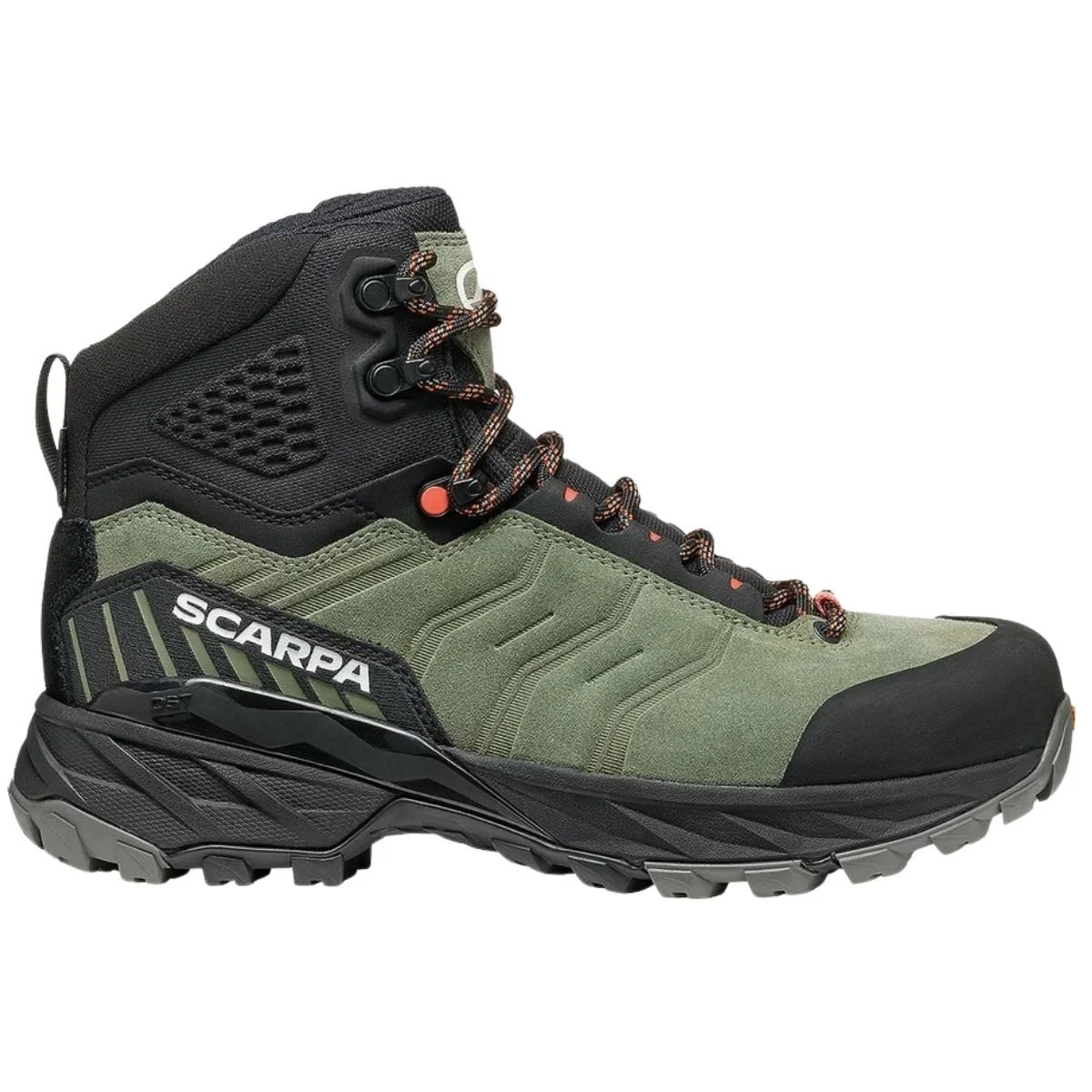
Price: $239
Weight: 1 lb 16.8 ounces
Waterproofing: GORE-TEX
Material: Suede and fabric upper, Supergum outsole
Available sizes: EU 36-42 (US 5-10)
What we liked: Fit, Supergum outsole, superb stability
What we didn't like: Long break-in period
The Scarpa Rush Trk GTX is like a bulldozer for your feet. The rigid, compact upper materials keep the boot’s surface intact even while navigating pricker bushes and jagged rocks (as we found on a hike gone awry). What’s more is that the Supergum outsole kept our feet locked to the ground even in steep places, which is ideal for advanced backcountry adventures.
Scarpa Rush TRK GTX


The 3D auto-fit ankle collar is really the star of the Scarpa Rush Trek show, though. It utilizes fabrics with a bit of stretch, to allow hikers to maintain dynamic movements. Yet the molded foam and eyelet closures allow them to easily reinforce your ankle when it counts the most. We found that this was the perfect tool to combat both half ankle-rolls and sprains that leave you wondering if you’ll be able to make it back to the trailhead since it limits movement without preventing you from sticking the next move.
Other hiking boots we tested
Oboz Bridger Mid Waterproof
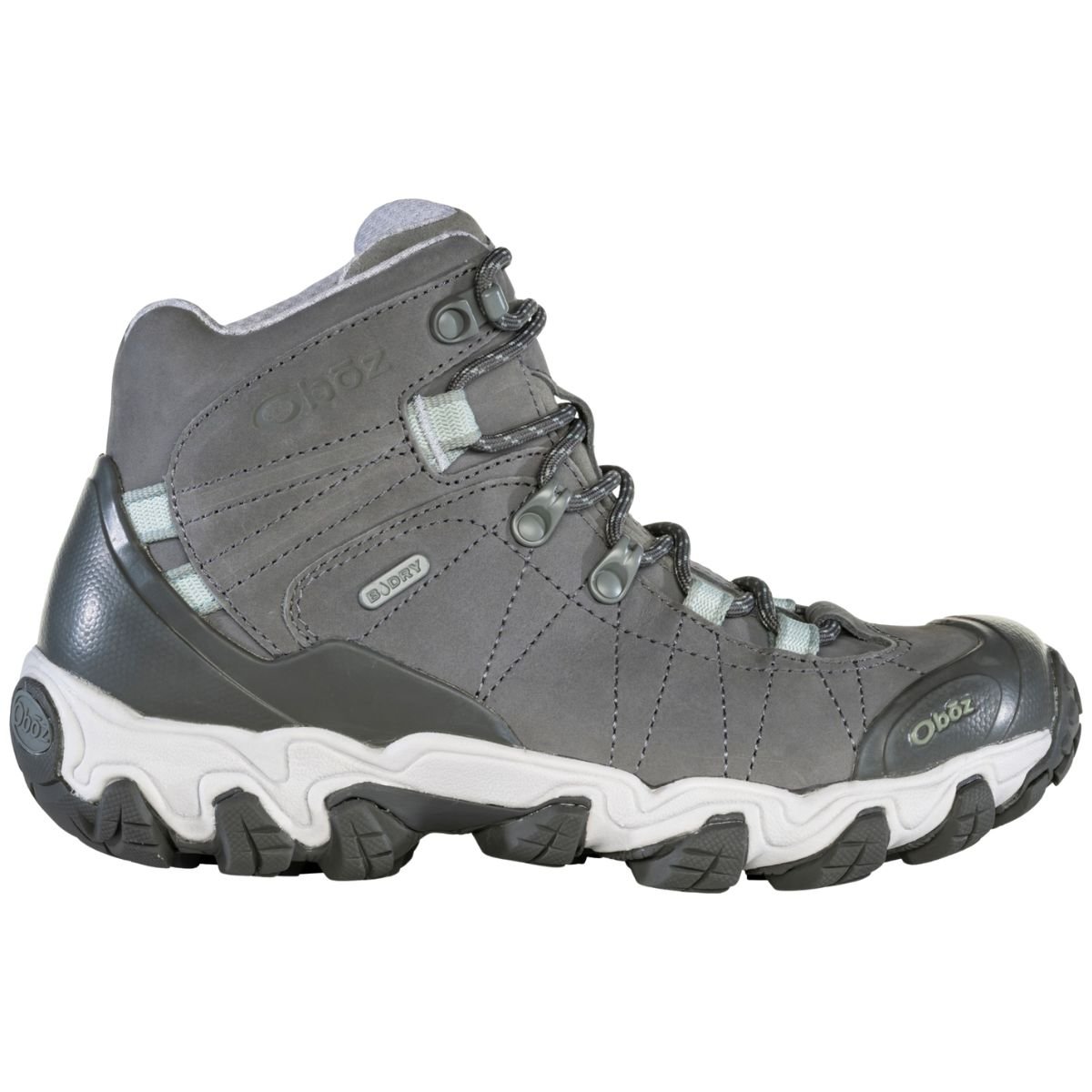
Price: $220
Weight: 2lbs 0.4 oz
Waterproofing: Oboz B-DRY waterproof membrane
Material: Nubuck leather, dual-density EVA foam, Granite Peak rubber outsole
Available sizes: 5-12 (regular and wide)
While many hiking boots these days adopt a minimalistic design that favors a lighter and more flexible construction, they often forfeit longevity. The Oboz Bridger Mid Waterproof hiking boots, however, offer the stability and confidence of a traditional hiking boot without feeling like a brick, supporting movement through uneven and slippery terrain.
Read more about the Oboz Bridger Mid Hiking Boots in our in-depth review.
Oboz Bridger Mid Waterproof
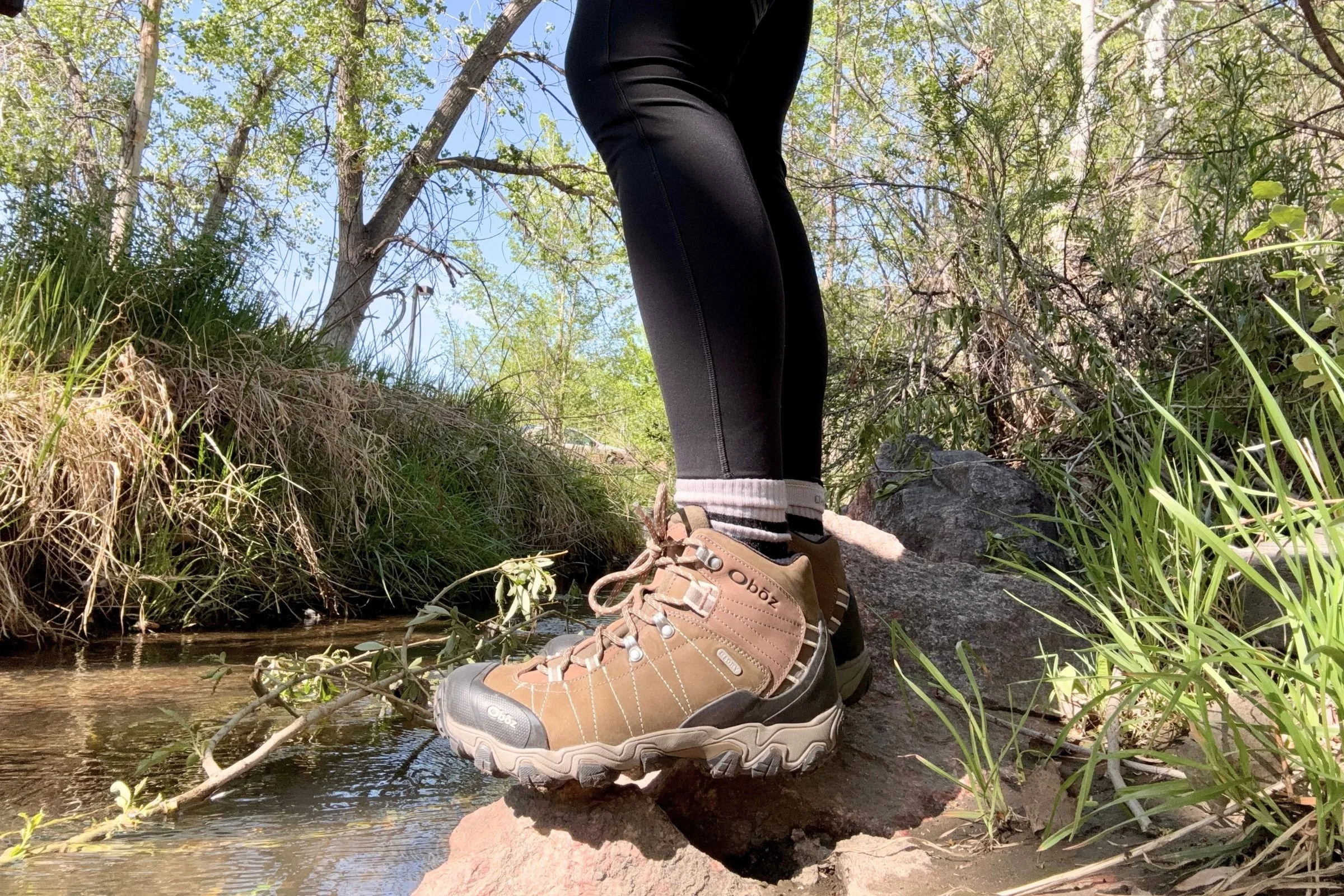
We wore these boots for 30 miles across Colorado’s foothills, urban landscapes, and 13,000-foot mountains to evaluate qualities like comfort, grip, durability, breathability, and weather resistance. Then we directly compared them to more than 10 other pairs of hiking boots.
One of the biggest drawbacks of these boots is that they’re more prone to contributing to foot fatigue—especially when wet—compared with other hiking boots. Yet their rigid upper materials and sturdy outsole, support, and heel cup make them one of our favorite boots for rugged trails where protection is vital for overall comfort.
But even with their hefty design, and noticeable price tag, we love these boots due to their extreme comfort, heel cup, and durability.
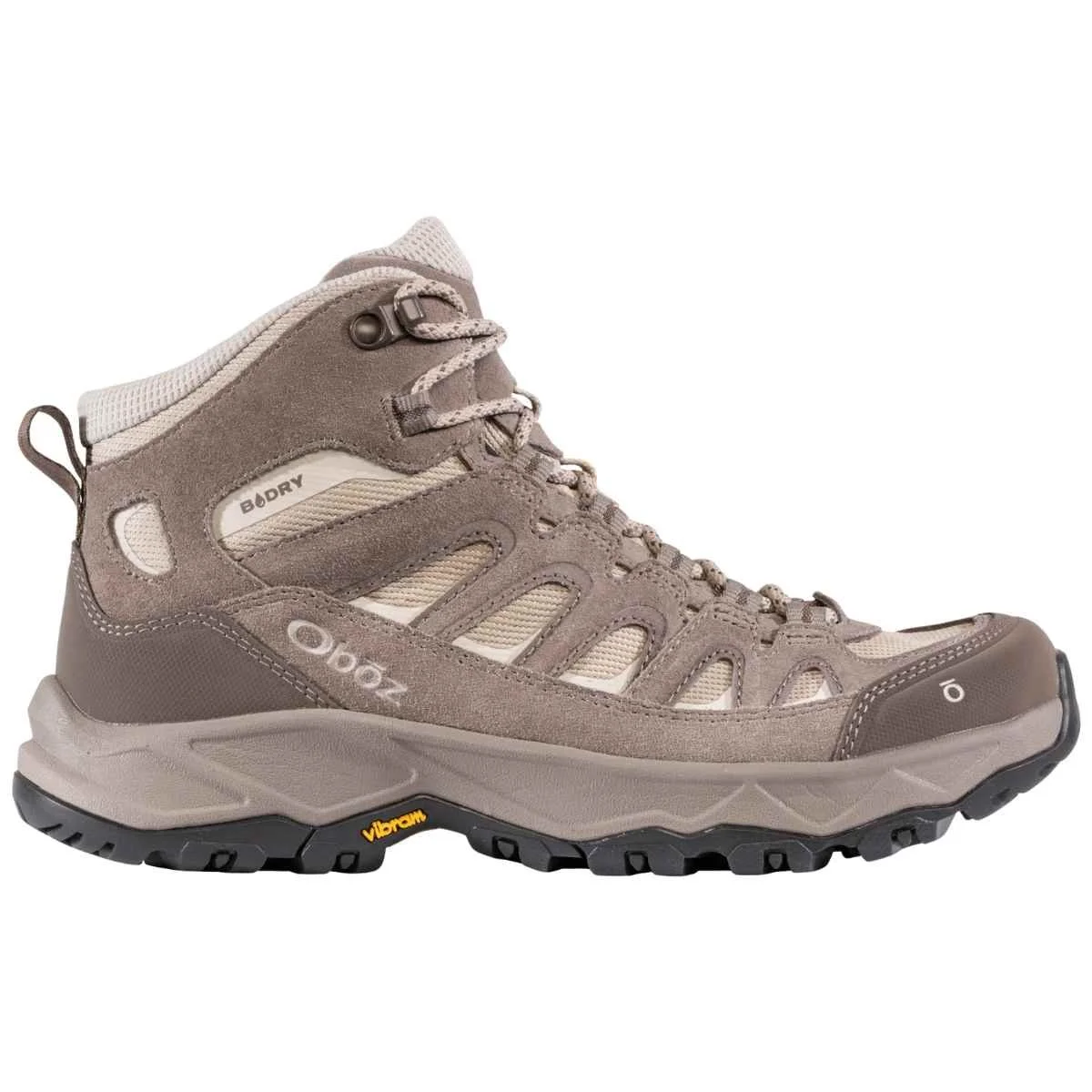
Price: $175
Weight: 1 lb 14.8 oz
Waterproofing: Oboz B-DRY waterproof membrane
Material: Waterproof nubuck leather, textile overlay, EVA foam, TPU chassis, Oboz Trail Tread rubber outsole
Available sizes: 5-13 (regular and wide)
Last year, Oboz released the Sawtooth Ascent Mid Waterproof Hiking Boots, which retains many of the original qualities of early Sawtooth boots, while updating the fit and features. The result is a boot with lighter protection, a more aggressive outsole, and a supportive-yet-lightweight chassis.
Read more about them in our in-depth review of the Oboz Sawtooth Ascent hiking boots.
Oboz Sawtooth Ascent Mid Waterproof
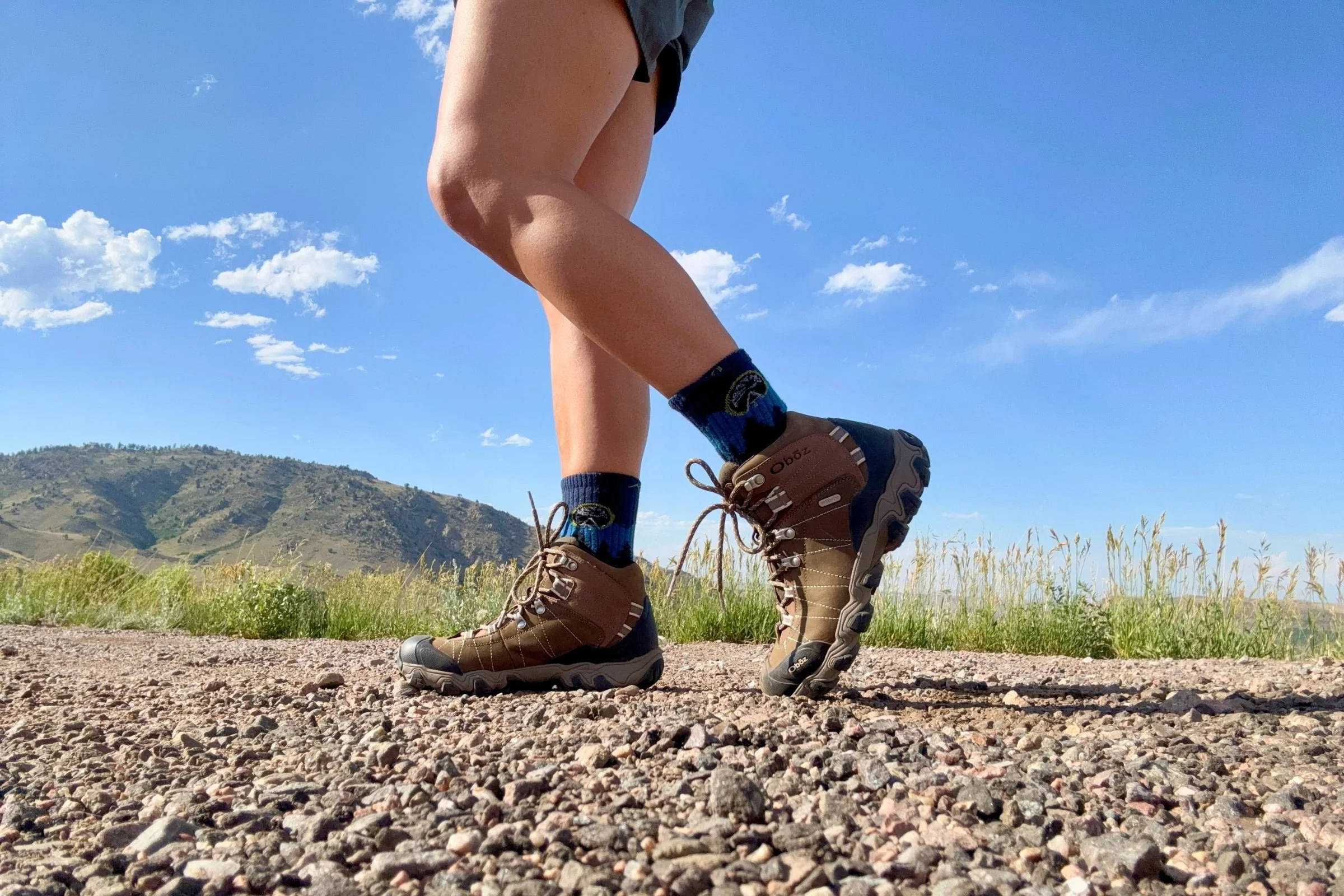
Throughout weeks of testing across three different states in conditions that ranged from hot and muggy to stormy and muddy, the Sawtooth Ascent impressed us with its ability to prioritize comfort while maintaining protection. These boots offer a strong option for hikers who are looking for a secure mid-height boot without the weight and stiffness that’s often associated with more traditional hiking boots.
Admittedly, the Sawtooth Ascent comes with a few flaws, like sub-par breathability and slightly less support for hikers who regularly carry heavy loads. But their lightweight structure, agile composition, and performance-oriented design make them a strong boot option for avid hikers.
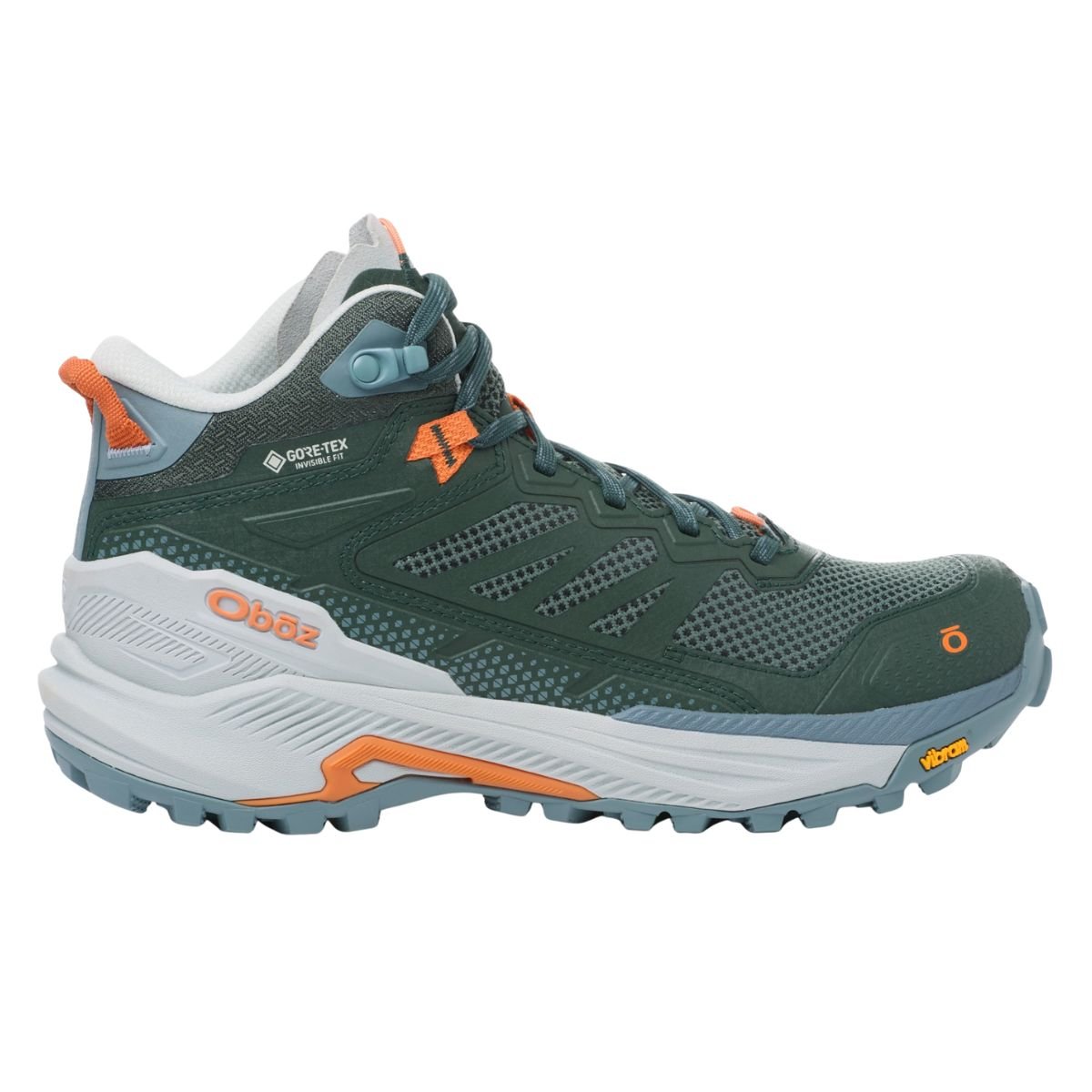
Price: $210
Weight: 1 lb 11.8 oz
Waterproofing: GORE-TEX Invisible Fit membrane
Material: Ballistic recycled polyester mesh with TPU overlays and toe cap, EVA midsole with O Fit Insole, Vibram Megagrip outsole
Available sizes: 5-12
The Oboz Katabatic RT Mid GTX Waterproof hiking boots offer the kind of traction that you want while you’re navigating exposed snow fields in Colorado. While the Katabatic LT focuses on maximizing speed and minimizing weight, the RT comes with a more durable upper and a Vibram Megagrip outsole that noticeably enhances traction on wet rock, snow, and even ice.
Check out our in-depth review of the Oboz Katabatic RT Mid GTX here.
Oboz Katabatic RT Mid GTX
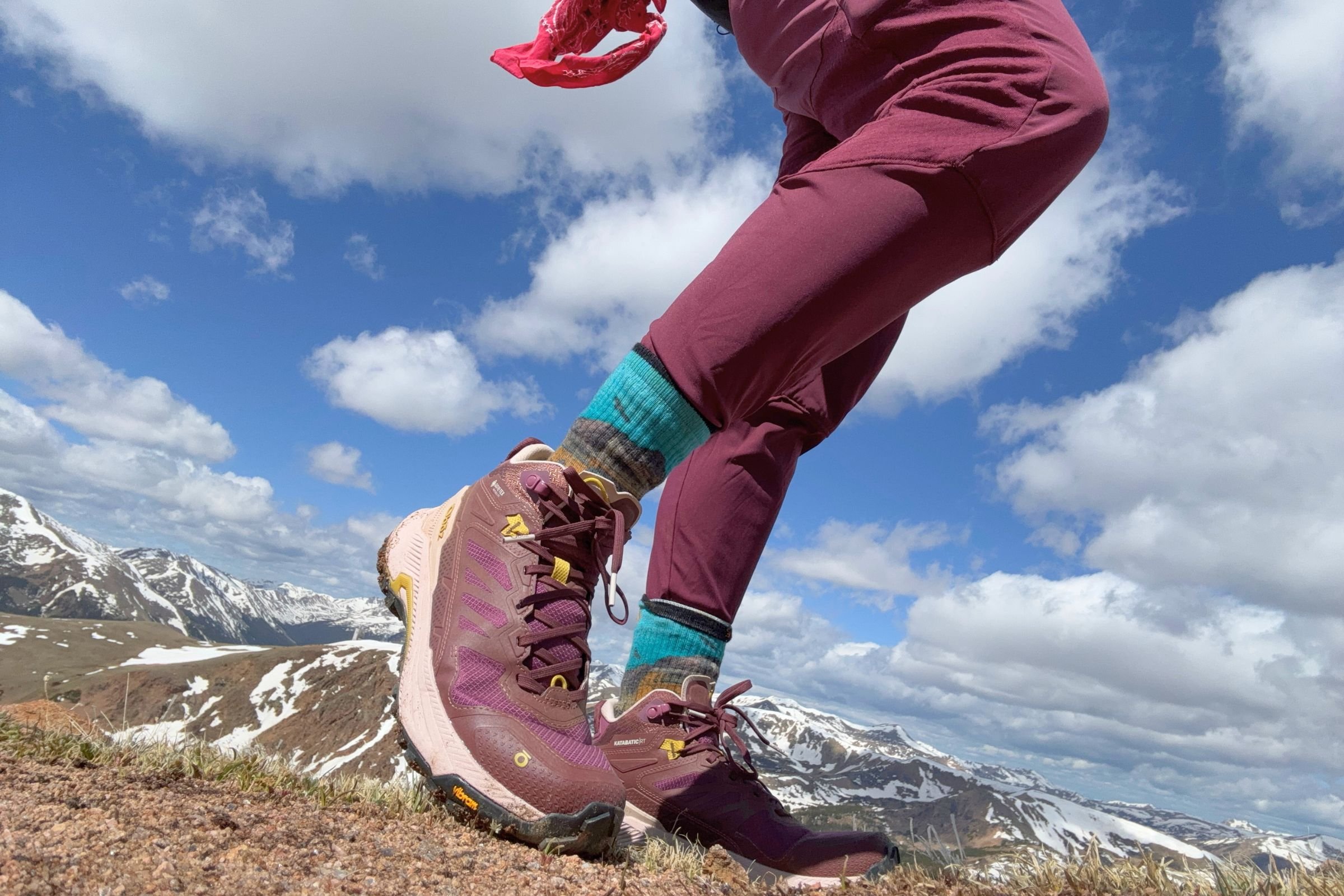
Over three months of testing in Colorado, we encountered loose scree, snowfields, and steep alpine terrain, but the Katabatic RT consistently surprised us with its ability to support long mountain endeavors with minimal foot fatigue.
While the Oboz Katabatic RT Mid GTX are a solid boot option for rugged day hikes, peak bagging, and lightweight backpacking, they didn’t claim a winning spot in this guide because the toe box runs small, which can cause chafing on the pinky side.

Price: $280
Weight: 2 lbs
Waterproofing: GORE-TEX
Material: GORE-TEX liner, TPU shank, Vibram Fuga + Traction outsole, Eco Ortholite footbed
Available sizes: 5-11
The Danner Mountain 600 EVO is a comfortable, foot-loving boot with a reliable GORE-TEX liner, and a Vibram outsole. While we loved the fit, style, and durability of these boots, we found that a few other boots beat this option out when it came to traction and grip. But we’d still slip these on to hit the town, or tackle beginner to intermediate hiking trails. We wore a pair of Vasque boots along 800 miles of the Appalachian Trail. Out of all of the boots on this list, the Danner Mountain 600 EVO felt the most similar, which is a testament to its durability, and softening materials. You can check out our in-depth review of the Danner Mountain 600 Leaf, which is a slightly less burly, more day-hiking-friendly model in the Mountain 600 series.
Danner Mountain 600 EVO GTX

Price: $219
Weight: 1lb 15oz
Waterproofing: GORE-TEX
Material: Recycled polyester laces, mesh / Nano-Cell 2.0 / PU TechLite upper, GORE-TEX lining, Ortholite hybrid insole, compression molded EVA midsole, Vibram outsole
Available sizes: 38-47.5 EU (7-14.5 US)
The La Sportiva Spire GTX shoe narrowly missed our list, simply because it isn’t available in a mid or high version. But with testers who often struggle with plantar fasciitis and arthritis in their feet, we found that these shoes provided the rigid midsole they needed to keep them hiking pain free all day long.
La Sportiva Spire GTX

Price: $280
Weight: 1 lb 18.22 oz
Waterproofing: GORE-TEX
Material: Heinen Terracare nubuck upper, double injection DuraPu/Dyna PU midsole, Vibram outsole
Available sizes: 5.5-12
The Lowa Renegade EVO GTX boot is a global best seller for a reason. But we had a hard time stomaching the price tag and weight of these boots (more than a pound per shoe). They’re one of the most expensive boots on this list and also one of the heaviest. You can read more in our in-depth review of the Lowa Renegade Evo GTX boots.
Lowa Renegade EVO GTX

Price: $189
Weight: 1 lb 7.2 oz
Waterproofing: GORE-TEX
Material: Nubuck leather and fabric upper, 2D Eva-CM midsole, Presa HIK-01 Supergum outsole
Available sizes: 36-42 EU (5.5-10)
It’s possible that our testers ended up with a pair of Scarpa Rush 2 Pro GTX shoes that didn’t quite fit right, but we experienced pinky toe rubbing and chafing while wearing these shoes on a short day hike in Colorado. The durable construction of these shoes seems like it could provide some hikers with a reliable, long-term footwear option for hiking, but make sure to head to a local outfitter to find the right fit.
Scarpa Rush 2 Pro GTX
What to look for in women's hiking boots
Comfort
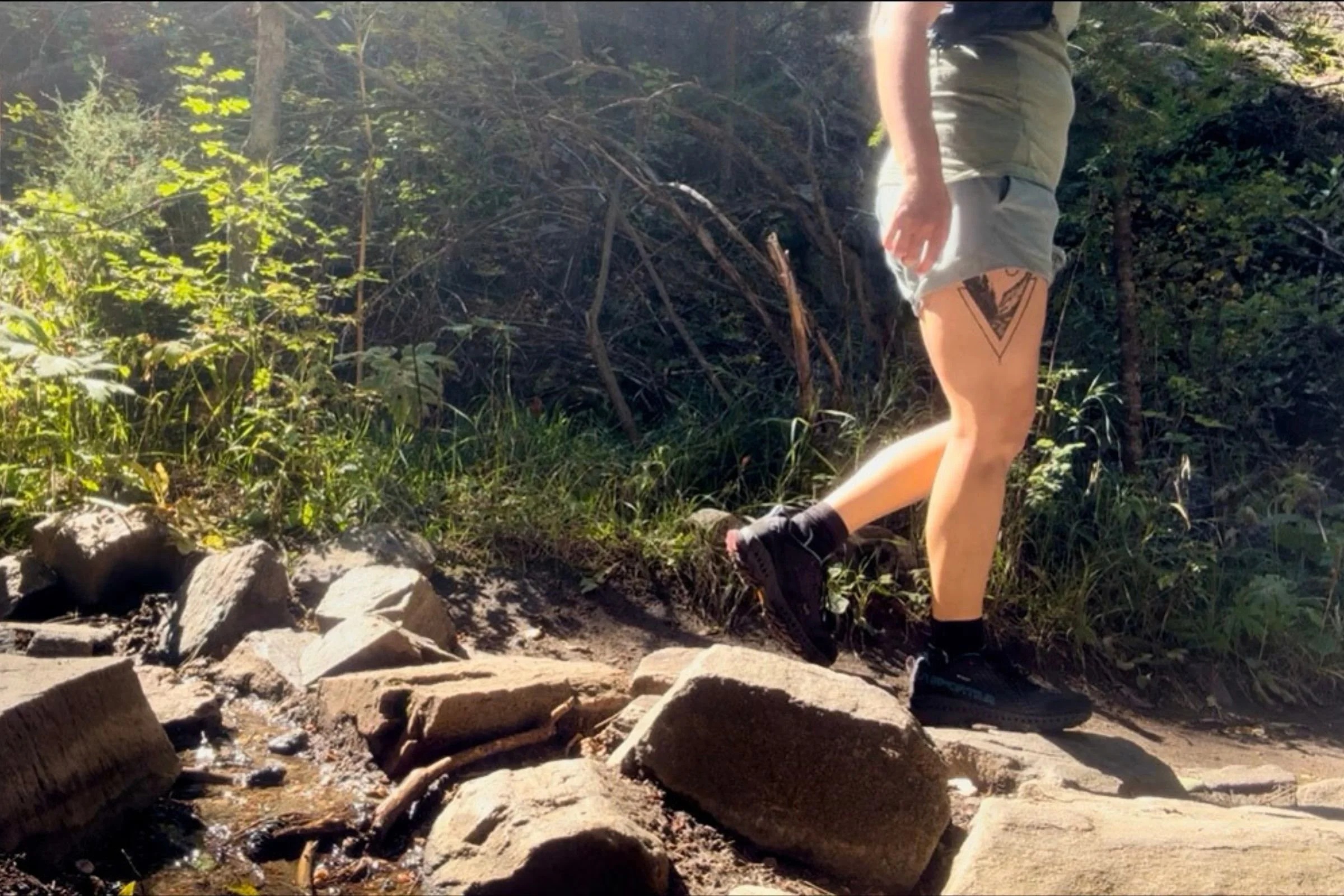
Going for a hike to test women’s La Sportiva Spire GTX boots
Comfort is key when it comes to finding the right boot. A boot that chafes or traps moisture will quickly land itself in the donation pile while a boot with padding in the right places and arch support is more likely to last for years to come. If you have the chance to try your boots on before you buy them, make sure to test them on an incline to ensure that they don’t pitch or rub your feet.
Ankle support
One of the main reasons why hikers might opt for a hiking boot over a shoe is because of the extended ankle support it provides. Ankle support should be comfortable without drastically restricting movement.
Waterproofing
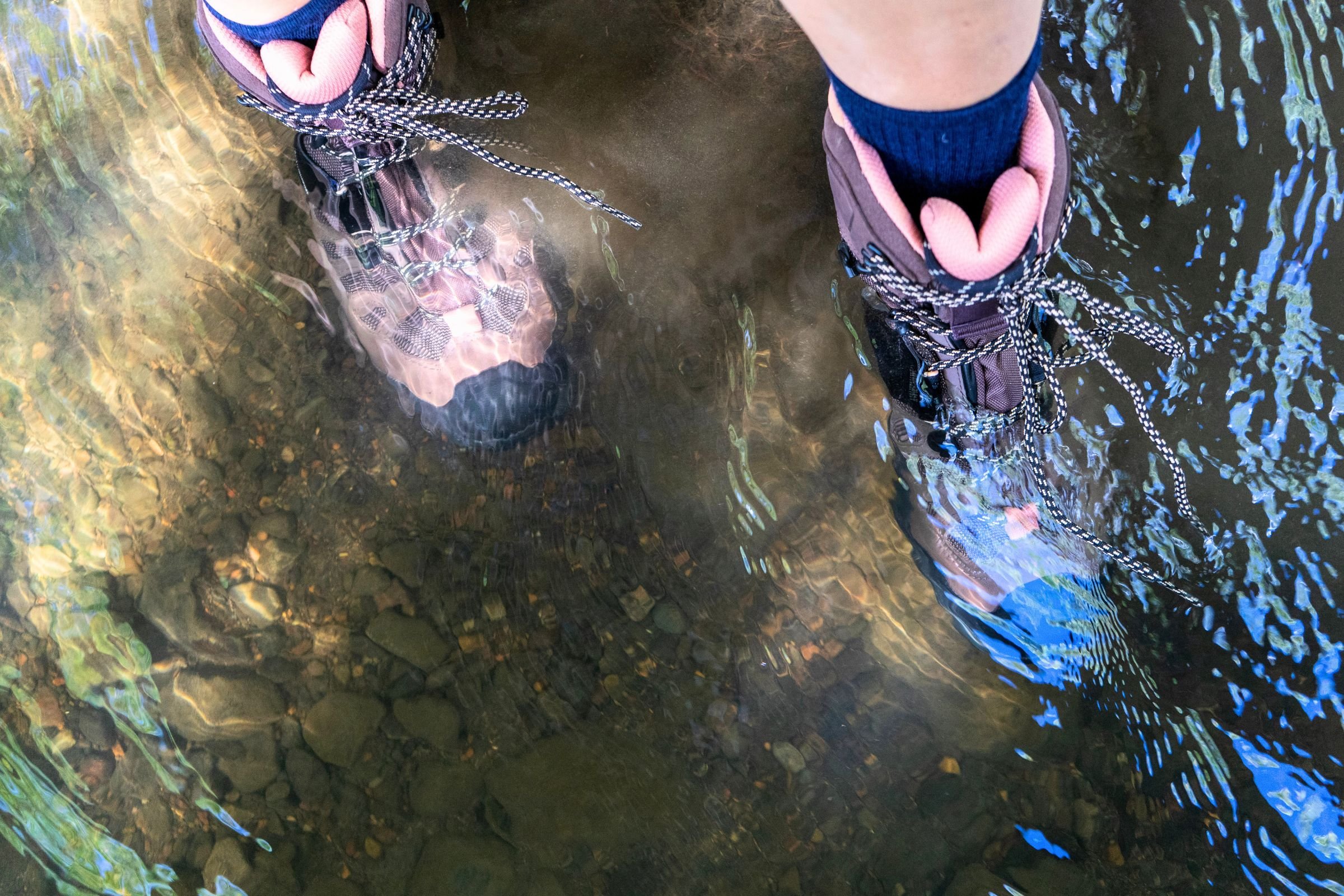
Testing the Salomon hiking boots by wading through a creek
Weatherproofing isn’t an essential component of hiking boots, but it can really come in handy during stream crossings and winter outings. More adventurous or advanced hikers might benefit from prioritizing this feature in cold conditions, just make sure to consider that waterproof boots tend to be less breathable. If waterproofing is your top criteria, see our Best Waterproof Hiking Boots guide for models that excel at keeping your feet dry.
BreathAbility
Breathable boots refer to boots that come with specific design elements like synthetic or mesh materials that permit the natural evaporation process to happen. This component is ideal for warmer weather but isn’t as prominent a factor in cold-weather situations.
Traction
Traction refers to a boot or shoe’s ability to grip the surface beneath it, and it’s often determined by the outsole material and pattern, and lug size. Boots have varying levels of traction (depending on the sole, type of rubber, lugs, etc.), ranging from minimal to aggressive.
Weight
Most boots weigh between 1.5 and 5 pounds per pair. While heavier boots may provide more protection, they can also contribute to greater fatigue over the course of a long excursion. For this reason, hikers should look for a pair of boots that prioritizes both protection and refinement to reduce fatigue. Most day hikers and backpackers find that a medium to lightweight option will provide the right balance between comfort and durability.
Upper materials (leather vs. synthetic)
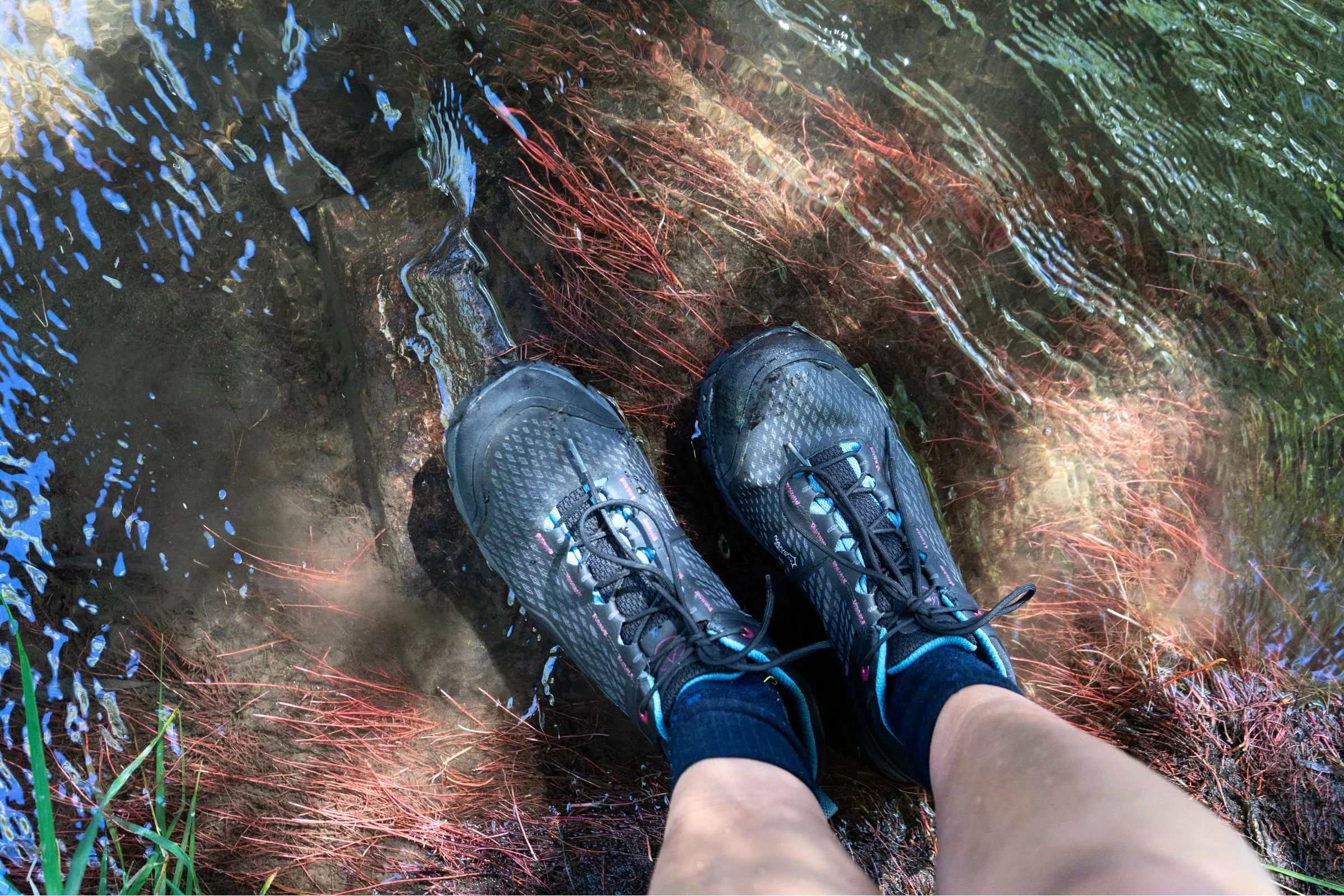
Testing the waterproofness of the La Sportiva Spire GTX hiking boots
A boot’s “upper” refers to the external material that wraps around your foot. Most commonly, the upper part of the boot is made out of leather, a synthetic material, or a blend.
Midsole cushioning
The “midsole” refers to the material that’s situated between the insole and the outsole of the boot. It’s the piece of the boot that’s designed to absorb shock and impact protection. While some hikers might opt for a firm midsole in highly technical terrain, many long-distance adventurers prefer a midsole with added cushioning for long-term comfort.
Durability
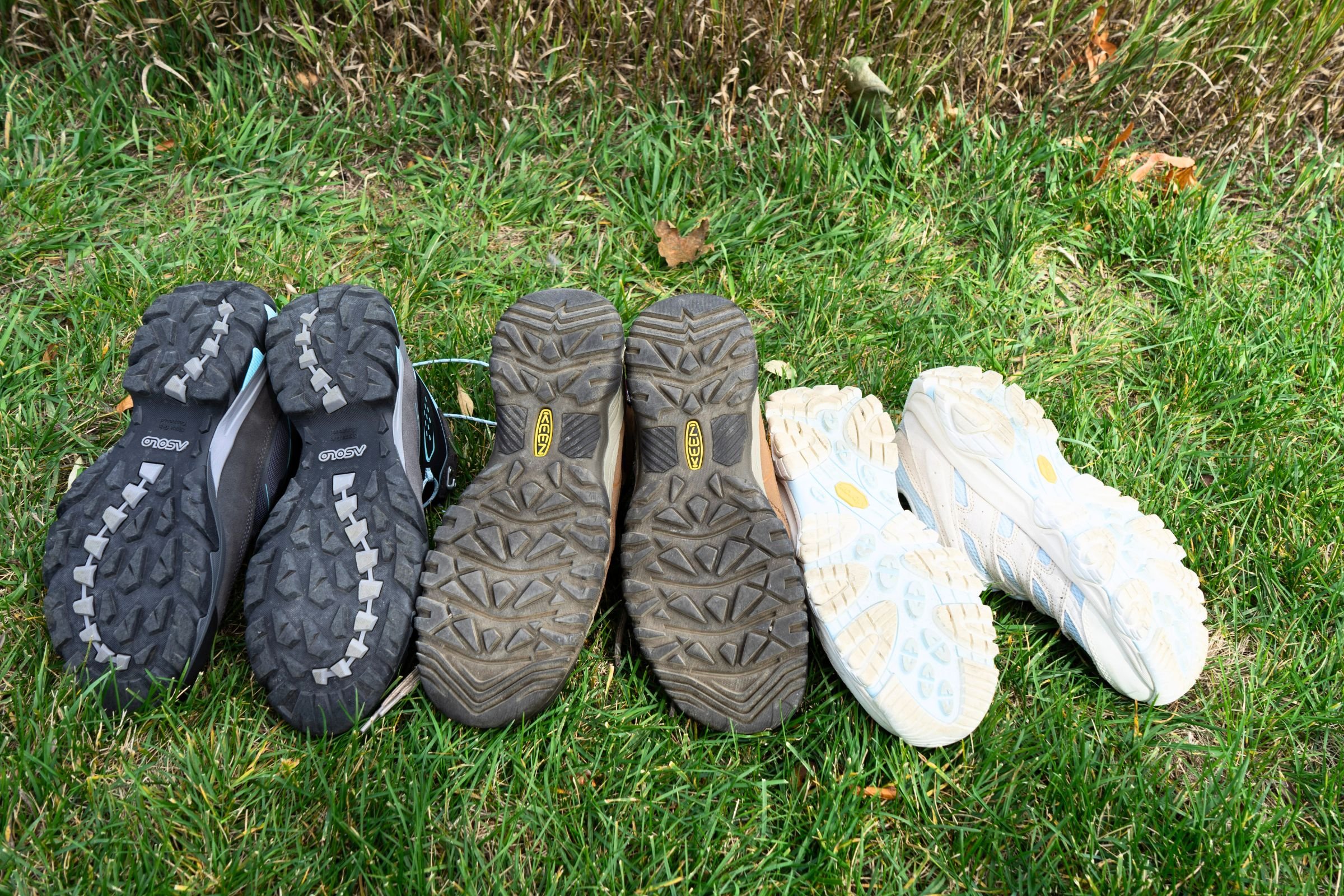
Tread of several of the boots we tested
A quality pair of hiking boots will last 500 to 1,000 miles of usage while maintaining enough integrity to keep your feet protected. But their longevity can be influenced by terrain, the weight that you carry while hiking or backpacking, and general boot care. During boot testing along the Appalachian Trail years ago, we learned that one factor that contributes to boot health is its ability to dry. For that reason, we often take our boots off during breaks on the trail to let the moisture evaporate.
Sizing and boot fit specifics for women
Women’s hiking boots are built a little bit differently from men’s boots in that women tend to have a narrower heel and a higher arch. While sizing and fit varies from brand to brand, most women-specific boots accommodate these slight anatomical differences. However, we believe everyone should choose the boot that fits them best, so if you find women’s boots tend to not fit right it may be worth trying on a men’s pair.
Why you should buy hiking boots
If you’re new to hiking and backpacking, it can be difficult to determine whether you should equip yourself with a hefty hiking boot, lightweight hiking boot, a minimalist hiking shoe option, or even a trail running shoe.
Navigating these categories mostly comes down to personal preference, but hiking boots are often the best option for adventurers who want to prioritize ankle protection amidst uneven terrain, loose rock, and steep descents.
Hiking boots vs. hiking shoes: When to choose boots
Hiking shoes offer a lightweight footwear option with moderate tread and weatherproofing capabilities. Many hikers love this option because it allows the foot to maintain dynamic movement, and it dries quicker than boot counterparts.
Contrarily, hiking boots tend to be heavier than trail runners and sneakers. But they provide unmatched protection and warmth in winter conditions, and on uneven or sharp trails. While boots are usually heavier than trail runners or sneakers, they might be the right choice in snow and ice, or for those who prefer enhanced ankle protection and an extra barrier between sharp and abrasive terrain. Pack weight can put a lot of strain on your feet and ankles, which is another reason you might opt for a good pair of boots.
Finding the right footwear isn’t always simple. Pennsylvania backpackers, for example, might be more inclined to prioritize ankle protection to avoid twisting an ankle in the state's glaciated, rocky terrain while hikers in Florida might be more inclined to prioritize breathability due to the state’s humidity. This list dissects some of the best hefty hiking boots that are available today, and evaluates the conditions when they might be the right fit.
How to choose the right hiking boots for you
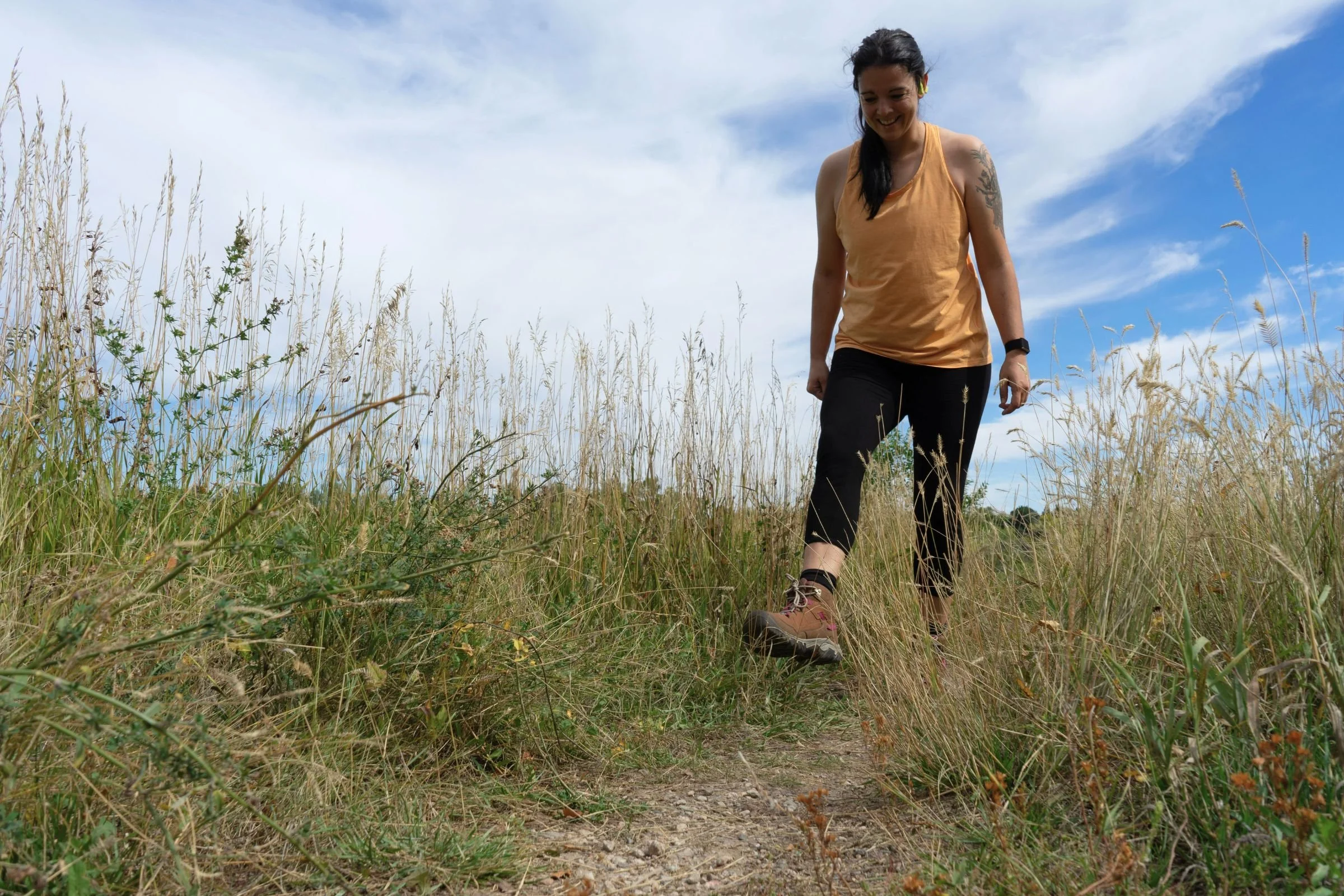
Walking down a gravel trail to test the KEEN Targhee IV Mid Waterproof women’s hiking boots
Assessing which pair of boots will fit your needs begins by evaluating your hiking style and environment. Are you someone who solely hopes to day hike or do you frequently backpack? What about winter hiking and mountaineering? Day hikers who mostly stick to maintained trails can get away with a pair of boots with minimally aggressive tread, while backpackers and mountaineers will require a heftier shoe with slip-resistant designs and other intermediate features like hooks for gaiters, reinforced toe caps, or crampon shelves.
Beginner Considerations
Beginners hikers and backpackers should prioritize boot comfort, the appropriate fit, and ease of use while selecting their first shoe. Many beginner trekkers find success when outfitting themselves with a midweight boot since it’s neither too minimalist nor hefty. Instead, it provides a middle-of-the-road option that can accommodate varying terrain as the hiker learns about their style and preferred hiking environment.
Foot Type and Comfort
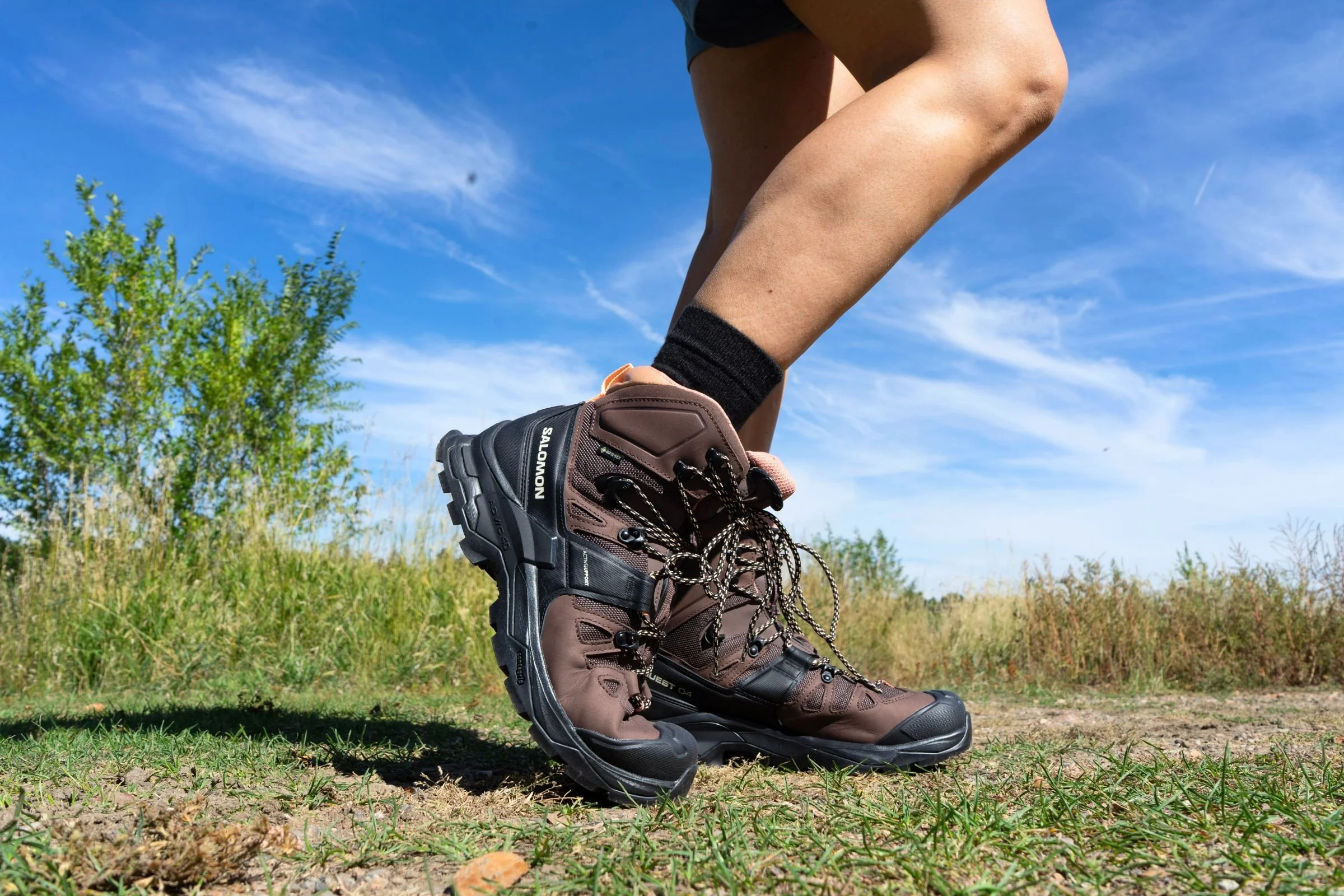
Close up of side view of Salomon hiking boots
If you’ve never stepped foot on a hiking trail or had your feet measured in a store before, it might be worth visiting your local hiking store to get acquainted with your foot type. The human foot comes in many different shapes, widths, and heights, which can make it challenging to find a customized fit. But determining whether your foot has high arches or extra width will help you find the right shoe fit.
Another consideration relates to foot swelling. Many runners wear a shoe that’s about a half size bigger from their standard shoe size to accommodate foot swelling over the course of the day. Hikers that expect to spend more than a few hours on trail can benefit from a similar strategy to prevent rubbing and discomfort from swollen feet.
Most boots require a break-in period that involves softening the materials from usage. Those with sensitive feet might be more tolerant to softer materials like synthetic fabrics and suede.
Terrain and Climate Type
Hiking in Italy’s Dolomites is quite different from hiking in Florida. The Dolomites have a tendency to be sharp and rocky while Florida is humid and often has wet or muddy terrain. Terrain plays a significant role in determining which kind of boot is best for a particular hiking trip. For example, in the Dolomites, a hiker might opt for a cushioned midsole with a sticky outsole for extra comfort and traction on sharp rocks, while hot and wet conditions might call for a boot that prioritizes breathability to allow moisture to evaporate and lower the risk of developing blisters.
Pack Weight
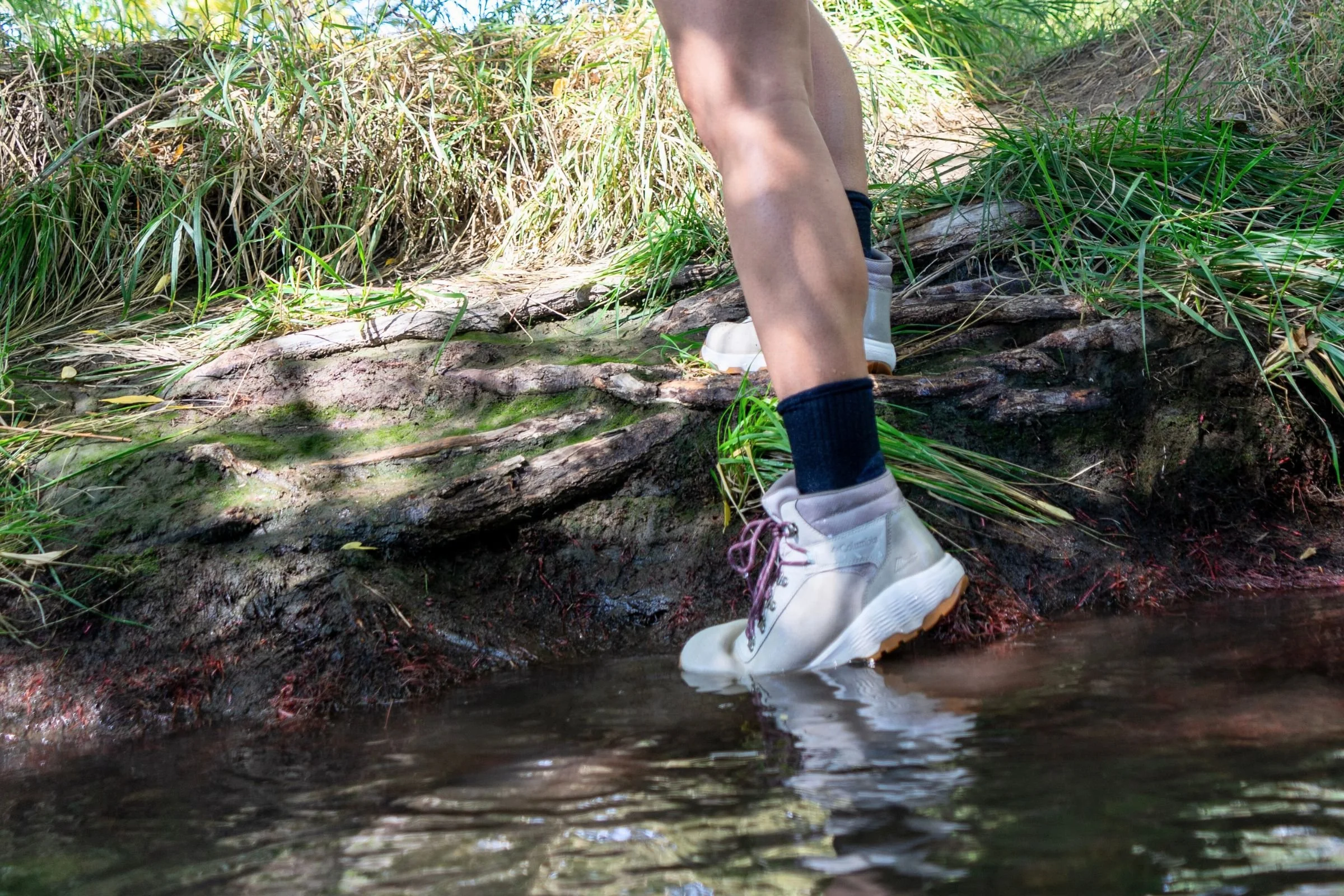
Dipping toes of hiking boots in water to test waterproofness of the Columbia Newton Wander
Hikers who carry heavy packs can usually benefit from a more supportive shoe or boot since it can help to reduce the likelihood of ankle injuries while providing extra protection from the ground. A hefty boot also tends to be more durable than shoes, which can come in handy while you’re challenging your footwear with a heavy load.
Budget Considerations
While most boots have a lifespan that doubles that of the standard trail running shoe, they also come with a higher price tag. For this reason, entry-level hikers might look for a beginner hiking boot to help them grow accustomed to their foot’s needs and preferences, before investing in a high-quality boot that may come with a higher price tag.
Types of hiking boots explained

In order to find the right boot, it may be helpful to learn about the different types of hiking boots.
Lightweight vs. Traditional Hiking Boots
Lightweight hiking boots are most commonly made with synthetic materials or mixed materials to provide a flexible, breathable, boot with a quick break-in process. This style of boot is best for day hikes, well-maintained trails, and light loads since they’re usually less durable and supportive.
On the other hand, traditional hiking boots usually come with full-grain leather or heavy-duty uppers, which provide more ankle support and better durability. The soles tend to be stiffer as well, which can help to protect your feet. This style of boot is best used for multi-day trips and rough terrain, but they tend to have a longer break in period and trap more heat.
Insulated vs. Non-Insulated Boots
Insulated winter boots contain an interior lining that’s often made of fleece or a similar material. They’re designed to keep the feet warm in snow, ice, and cold weather, and are most commonly used in winter endeavors like mountaineering, snowshoeing, and winter hiking. Non-insulated boots are designed for three-season use. They’re cooler and more breathable than insulated boots, and they can be paired with thick socks to combat mildly cool temperatures. But they shouldn’t be used in extreme winter conditions.
Mid-cut vs. High-cut Boot Heights
Boots most commonly come in either a mid-cut or high-cut style. Mid-cut options end just above the ankle while higher-cut boots can easily reach the middle of the calf. Mid-cut boots offer more flexibility, giving your feet and ankle the ability to make dynamic movements while high-cut boots are designed to provide stiffer protection, especially while carrying a heavier pack.
In short, mid-cut boots are a reliable option for day hiking, and backpacking with a light to moderate load, while high-cut boots are ideal in winter conditions or for those who backpack with an extra heavy pack.
Crampon Compatible vs. Standard Boots
Standard hiking boots usually come with flexible soles that provide comfort on dirt, rock, and mixed terrain while crampon-compatible boots are designed with stiff soles for mountaineering and ice travel. Crampon-compatible boots create added stability in the shoe as well as special grooves or welts that allow the user to fix the crampons to the boots.
Crampon-compatible boots are widely accessible across most boot brands today, but they’re truly only necessary for winter athletes or those who like to recreate in the high country. Standard boots are adequate for most day-to-day hiking in the winter and work with winter traction devices.
How to break in hiking boots
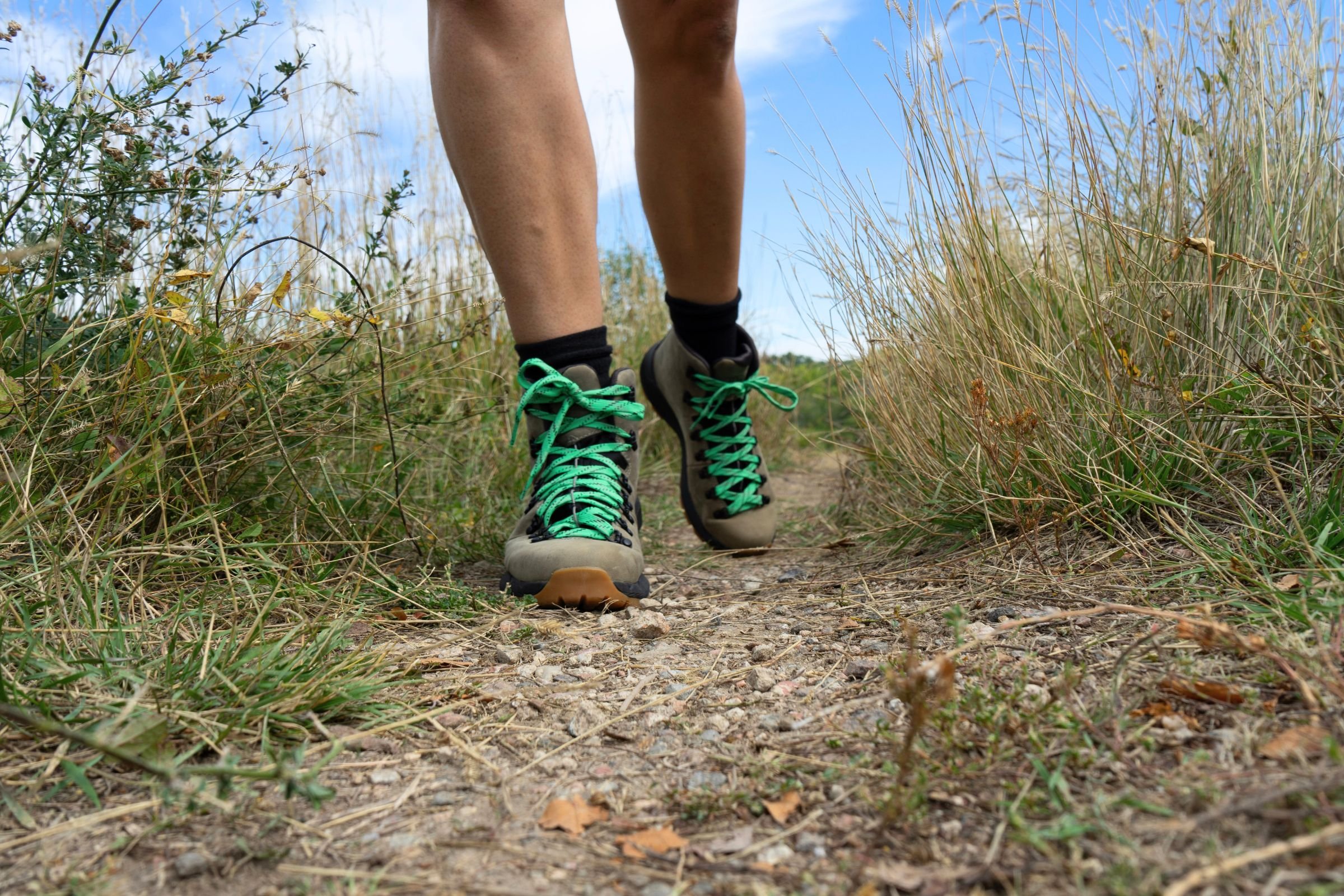
Hiking in a pair of women’s hiking boots on a gravel trail
Most hiking boots come with a break-in period that involves one to three weeks of regular wear. But this timeframe can vary based on usage, boot style, and material. The more a hiker uses their boots, the faster they’ll soften. Additionally, lightweight, synthetic boots generally require a shorter break-in period than traditional leather boots, which are stiffer and more resistant to change.
Here’s how to break-in your hiking boots:
Before you get started with the break-in process, make sure you have the right fit. This will help you to avoid hot spots and unnecessary discomfort.
If you’ve opted for a leather pair of boots, apply conditioner to soften the material.
Make sure to use moisture-wicking socks and insoles that accommodate your foot.
Start by wearing your boots indoors. Walk around the house for thirty minutes to let the material respond to your feet.
Over the course of the first few days, start to take them outside for 30-minute walks, and work the material by flexing your toes. Make sure to take them out to uneven surfaces.
Start carrying a pack. If you expect to predominantly day hike, just grab your standard hiking pack and take it with you on short hikes. Backpackers might opt to begin carrying a heavier pack for short hikes in the neighborhood.
Gradually increase the amount of time you spend in your boots.
Pro tips: Don’t overdo it. If your feet start to experience hot spots, take them off or apply moleskin or bandages around the area in question. And avoid the “speed” break-in tactics that involve heating your boots and soaking them in water since those methods can cause premature deterioration or even warping.
A quality pair of hiking socks can also help with increased comfort as you break in your hiking boots.
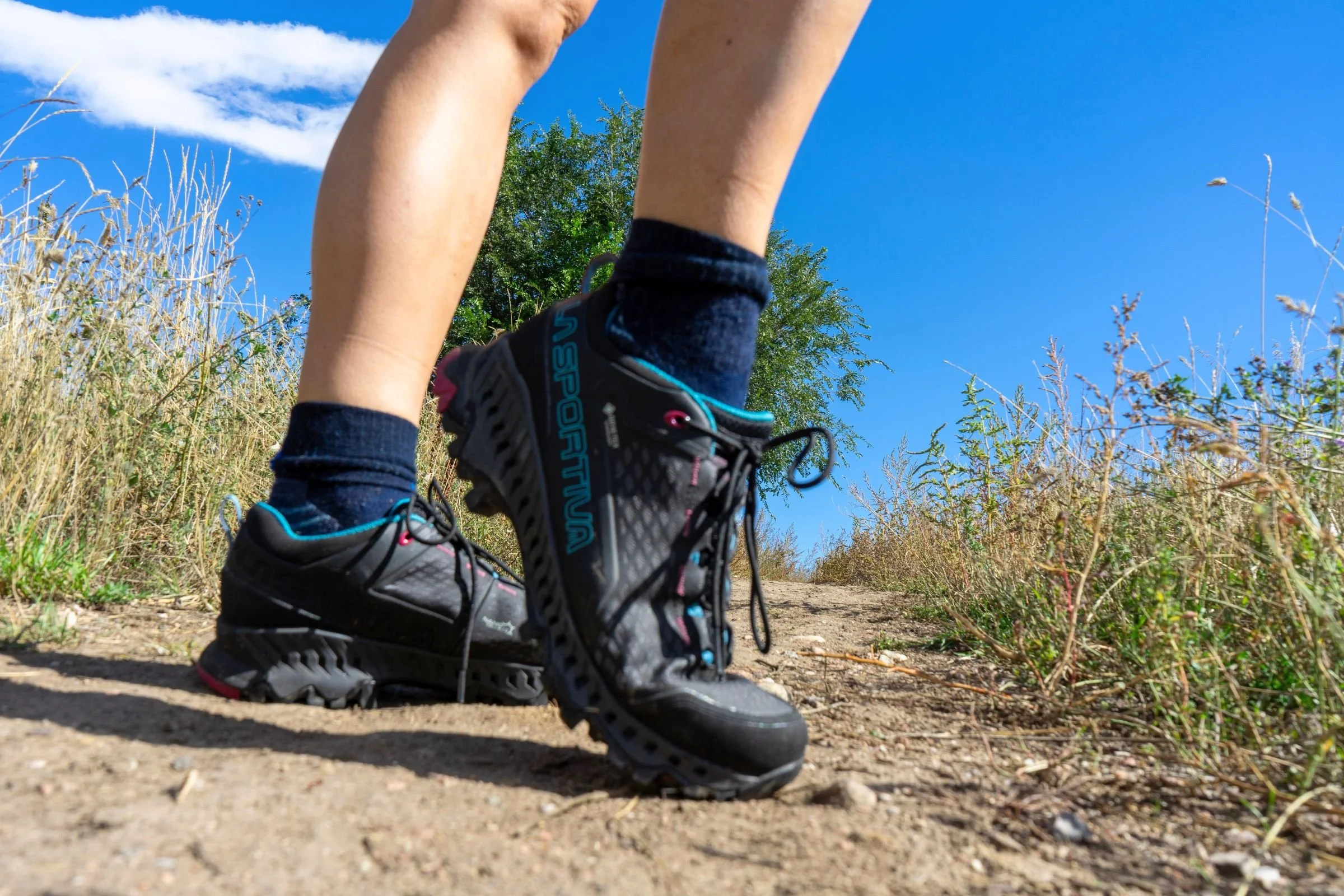
Modeling the La Sportiva Spire GTX hiking boots while out on the trail testing.
Hiking boot fit and sizing tips
A proper boot fit helps to ensure that your feet stay comfortable even long into your hike. First-time hikers and backpackers should go to a hiking or running store to find the appropriate measurements for their feet. The best time to go is later in the day after your feet have begun to swell. Make sure to evaluate the length, width, and arch of the foot. Bring the socks you’d expect to wear in your boots while you’re trying on your first pair of boots.
The heel of the boot should fit snuggly, while the toe box should provide a little bit of extra space. Most hikers find that leaving about a thumb’s worth of space between your big toe and the end of the boot is adequate. The boot should provide enough room for your toes to wiggle without any pinching. Walk up and down a ramp to ensure that your feet are comfortable on an incline as well.
Women’s boots fit slightly differently than men’s by featuring a more narrow heel and a taller arch. Most brands offer gendered options. Just keep in mind that unisex or men’s boots will provide a wider girth than most women’s hiking boot options.
Care and maintenance tips
Boots generally have a longer lifespan than alternative footwear types, but proper care and maintenance also helps to ensure they’ll be your closest trail companion for years to come. When you make it home from your hike, brush dirt off of your boots and rinse the soles to ensure that debris doesn’t cause premature deterioration. Allow your boots to air dry at room temperature by removing the insoles while leaving them in a well-ventilated area.
For a more extensive cleaning, most boots can be cleaned with lukewarm water and a mild soap or boot-specific cleaner. Avoid harsh detergents, which can cause damage to the materials. For best results, remove the laces prior to cleaning your boots. Scrub the boots with a soft cloth or brush before allowing them to dry. Some hikers stuff their boots with newspaper to encourage them to dry. Avoid harsh light during the drying process since the sun can cause deterioration of the upper materials and connective glues.
Leather boots can be treated with a conditioner every three to six months to prevent cracking. Synthetic boots don’t typically call for a conditioner, but every once in a while they may benefit from a DWR coating to ensure that they maintain their waterproof exterior.
Store your boots in a cool, dry place.
FAQ
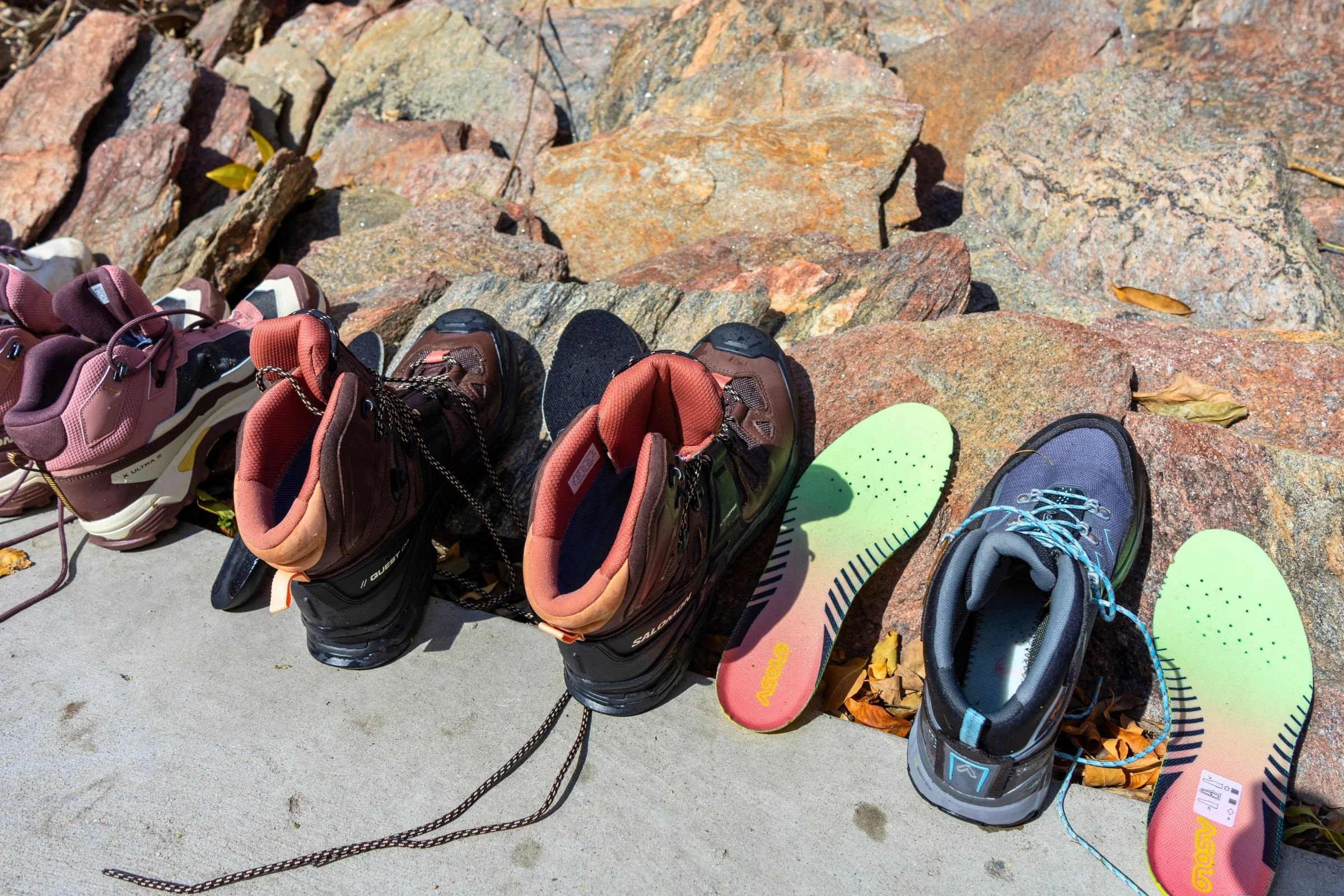
Top down view and insoles of many boots we tested
-
Hiking boots are a great pick for beginner adventurers because they offer added protection for those who are just starting to learn about their footwear preferences. They’re also ideal for those with pre-existing foot or ankle injuries since they provide added protection, and those who tend to carry a heavy load while backpacking and tackle aggressive terrain.
Hiking shoes provide a lightweight alternative for those with more experience because they reduce foot and body fatigue to allow you to travel light and fast. They’re also an ideal pick for hikers with fewer ankle stability requirements who prefer more agility.
-
A standard pair of boots lasts 500 to 1000 miles of hiking, depending on the terrain type, the hiker’s gait, how much weight they’re carrying, and environmental factors like weather and trail conditions. Frequent, heavy usage will shorten the lifespan of a hiking boot. Once you start to notice high wear on the tread of your boots, or holes or tears on the boots upper, it might be time to upgrade to a new pair.
-
Waterproof hiking boots can be a great option for day hikers who find themselves crossing creeks often, or winter hikers. Non-waterproof boots tend to be more breathable, which is the ideal option for hikers in warm climates or endurance athletes who need their feet to stay dry to prevent hot spots.
-
Hiking boots should fit snuggly around the ankle without causing pinching or compression. The toes of the foot should be able to move freely, as well. Common issues that hikers run into is a narrow boot design, which can cause chafing (most commonly on the pinky toe side of the foot). If your big toe regularly touches the front of the boot, or you find your feet regularly developing hot spots, it might be time to size up. Contrarily, if your heel regularly slips out of its cup or your foot is able to slide forward, chances are your boots are too big.
-
Yes! Hiking boots can be a great pick for backpacking trips if you’re someone who prefers extra ankle and sole protection while trekking. But determining whether or not to opt for a lighter alternative like a hiking shoe or trail runner largely comes down to personal preference.
For example, I wore a sturdy pair of hiking boots for nearly half of the Appalachian Trail before realizing that the wet conditions made a trail runner my preferred footwear option along the east coast. Today, I often opt for a lightweight or midweight boot to accommodate joint pain in my feet by restricting movement in dry settings.
-
New hiking boots can be really tough on your feet, but taking time to slowly break your boots in over the course of a few weeks and wearing the right socks can help to prevent blisters. Learn more tips in our How to Take Care of Your Feet While Hiking guide.
-
Most beginner hikers and backpackers can get away without shelling out a bunch of cash on a premium pair of hiking boots. However, expensive hiking boots often come with premium features like crampon compatibility, waterproofing, and added durability. For this reason, some intermediate and advanced hikers and backpackers may find that a higher-caliber boot might be worth the expense. I leveled up my footwear game when I began regularly wearing microspikes and crampons in the Rocky Mountains. As someone who both backpacks and climbs, I found that having a boot with more versatile features was the right solution to my variable hobbies.
-
One of the benefits to opting for a hiking boot over a trail runner is that hiking boots can often be resoled. This means that, as long as the upper is in good condition, a hiking boot can adopt a new sole to give the user tons of extra miles of usage. Brands like Asolo, Danner, Lowa, and Scarpa often offer resoling options due to their durable upper. But keep in mind that resoling a pair of boots can cost $80 to $250, which may make a new boot purchase the better option for some hikers. While I haven’t personally resoled a boot, I have resoled climbing approach shoes with relatively unscathed upper materials. This approach saved me about half of the cost of a new pair of shoes, but barring the savings wouldn’t feel worthwhile.
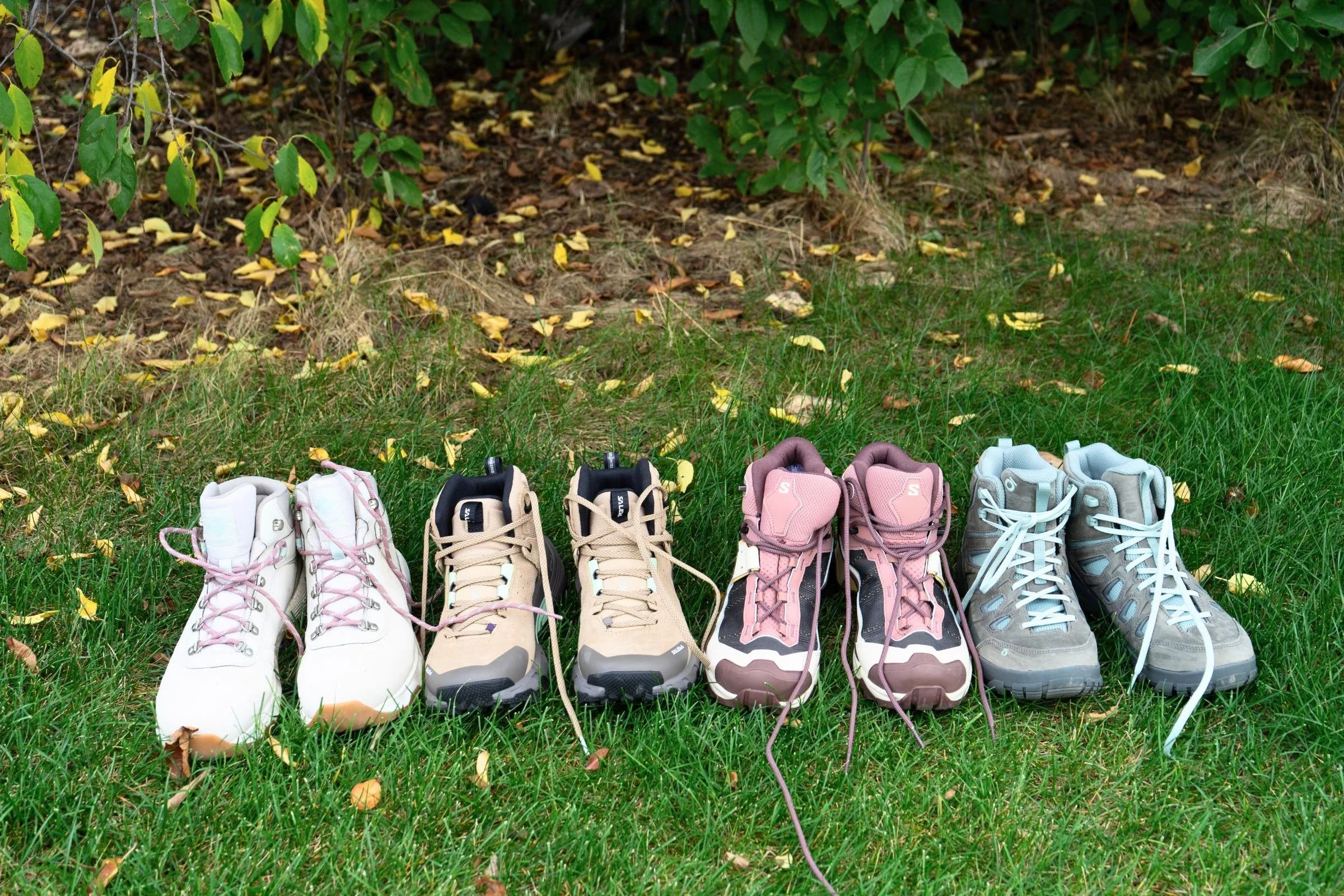
Some of the hiking boots we tested
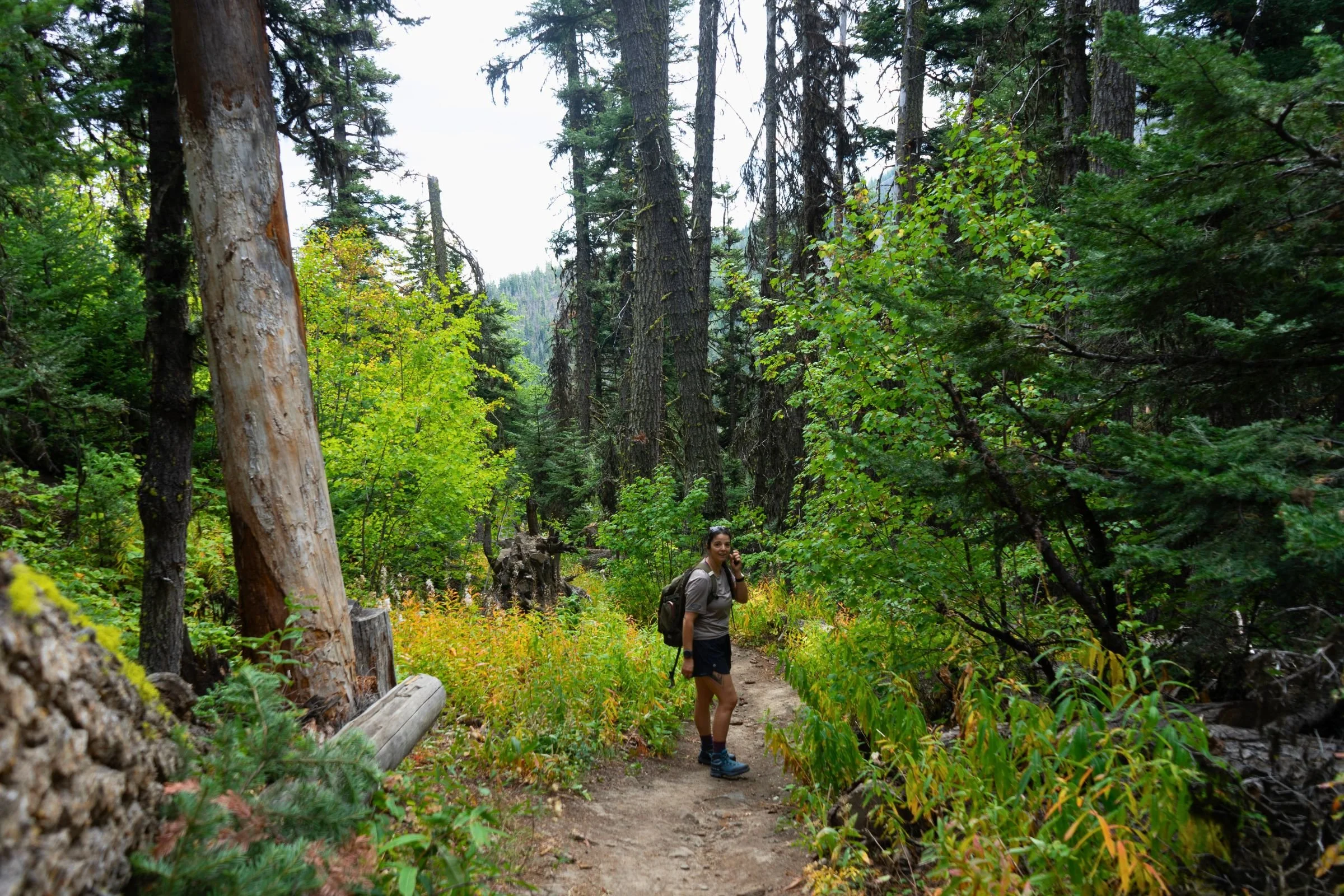
Hiker testing the La Sportiva TX Hike Mid GTX boots on trail
How we researched and tested
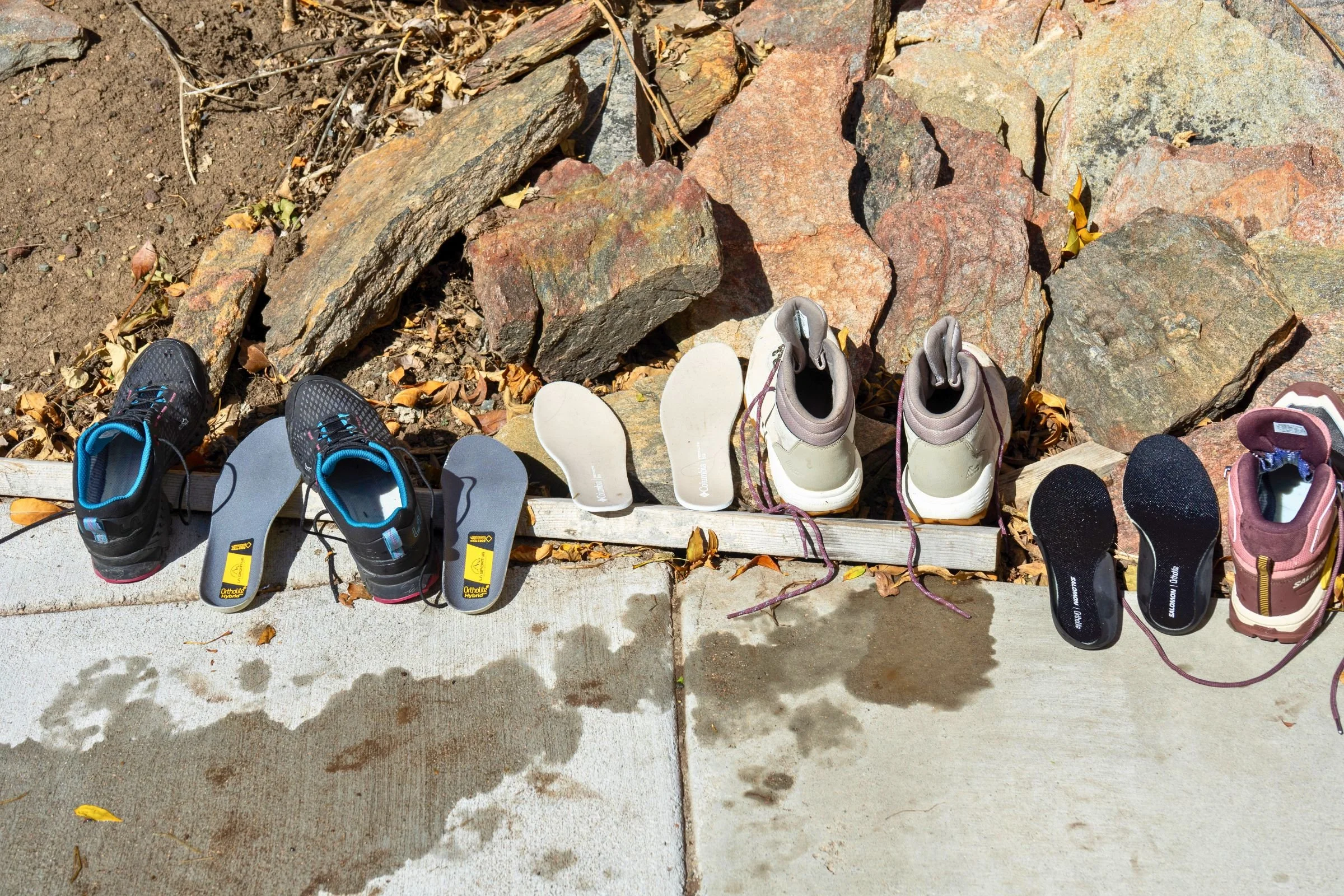
Testing the waterproofness of all the boots we tested. You can see the insoles of several wet boots here.
Finding the right hiking boot isn't something you can do from a desk. To evaluate these boots over almost 18 months of testing, we wore each pair on real trails across genuinely varied terrain, from Washington's wet Pacific Northwest forests to Colorado's high alpine peaks, Utah's high desert, to and glaciers in Iceland and Canada. We also tested on humid, warm, swampy trails in Michigan and Tennessee and while in wet caves. In total, we hiked nearly 500 miles across these regions to evaluate each boot's comfort, durability, traction, waterproofing, and agility.
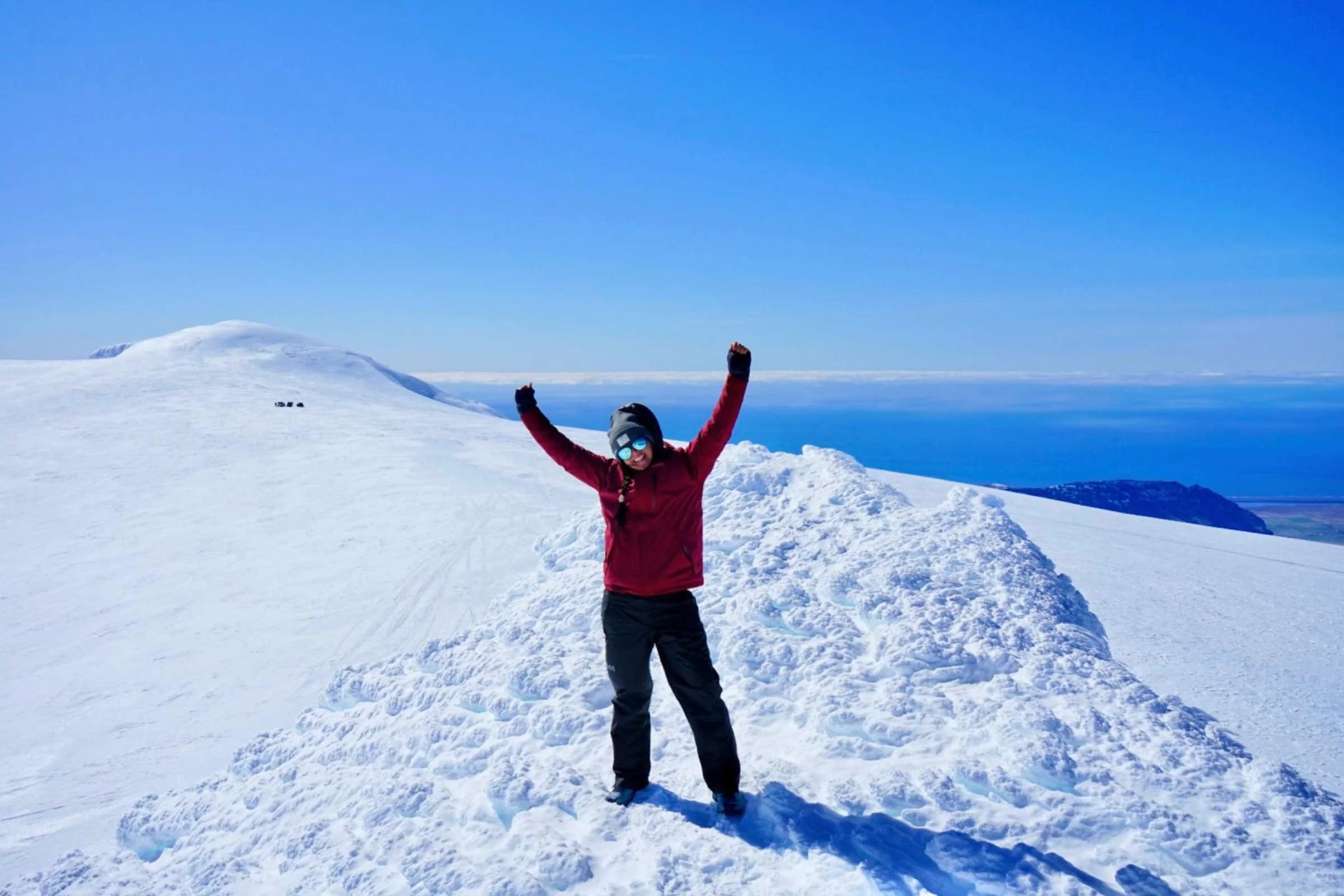
The author Summits a Glacier in Iceland wearing the La Sportiva Ultra Raptor 3 hiking boots.
The testing conditions were intentionally varied. We tackled thirteeners in the Colorado Rockies, where loose gravel and steep ascents tested outsole grip and ankle support under real load. We navigated Pacific Northwest creeks and wet forests, where waterproofing and breathability mattered in equal measure. We walked across glaciers in Iceland and Canada in boots that weren't designed for crampon use to understand their limitations in cold and icy conditions. And we bushwhacked through scrubby high desert terrain that tested upper material durability in ways that maintained trails simply don't.
For waterproofing specifically, we submerged each boot in a Colorado creek and timed how long it took for water to penetrate the upper and how quickly the boot dried afterward. This was one of the most revealing tests. Some boots, like the La Sportiva Ultra Raptor 3, kept water out even after several minutes of complete submersion. Others that claimed waterproofing passed the initial splash test but let water in under sustained saturation. And several boots, including the La Sportiva Ultra Raptor 3, took a full day to dry after the creek test, which is a meaningful data point for anyone planning a multi-day trip in wet conditions.
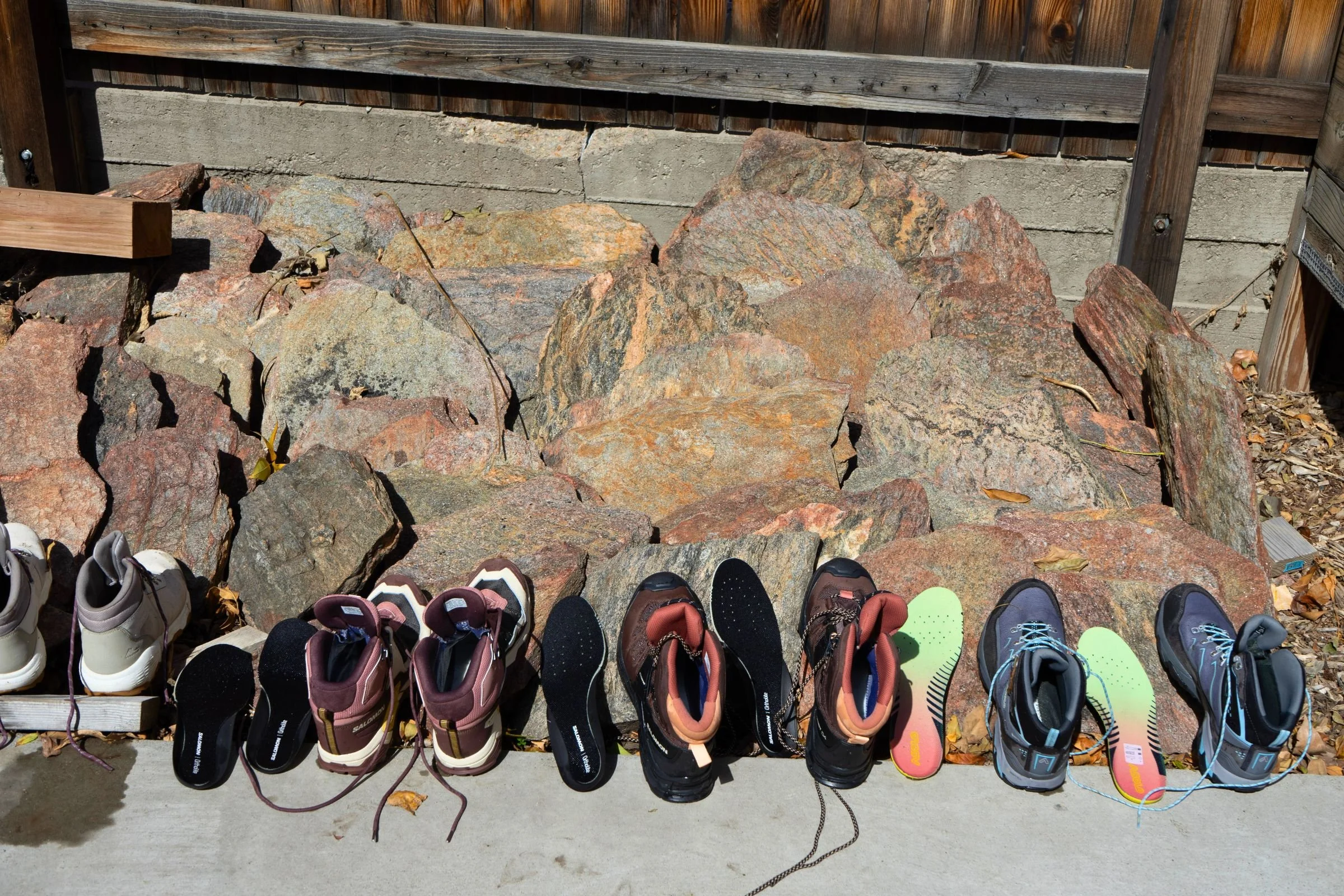
Women’s hiking boots we tested for this guide, lined up with their insoles removed.
We also tested break-in periods honestly, wearing several boots straight out of the box on demanding terrain rather than giving them a gradual indoor introduction first. The Columbia Newton Wander went directly to the summit of two Colorado thirteeners on its first outing. The Salomon X Ultra 5 was ready to go with minimal break-in. Others, including the Scarpa Rush TRK GTX, required more time before they felt fully dialed in.
Durability was assessed over the full testing period rather than after a single outing. Our testers bring the perspective of people who have worn hiking boots across thousands of miles of long-distance trails, including the full Appalachian Trail and Colorado Trail, which gave us a useful baseline for understanding how upper materials, midsoles, and outsoles hold up under sustained use rather than just initial impressions. Boots that looked great out of the box but showed early signs of wear, like mesh tearing or outsole separation, were noted and factored into the final rankings.
For the comparison table, all specs including weight, outsole material, upper material, waterproofing type, and size range come directly from manufacturers. Waterproofing performance and drying time observations are from our own field testing.
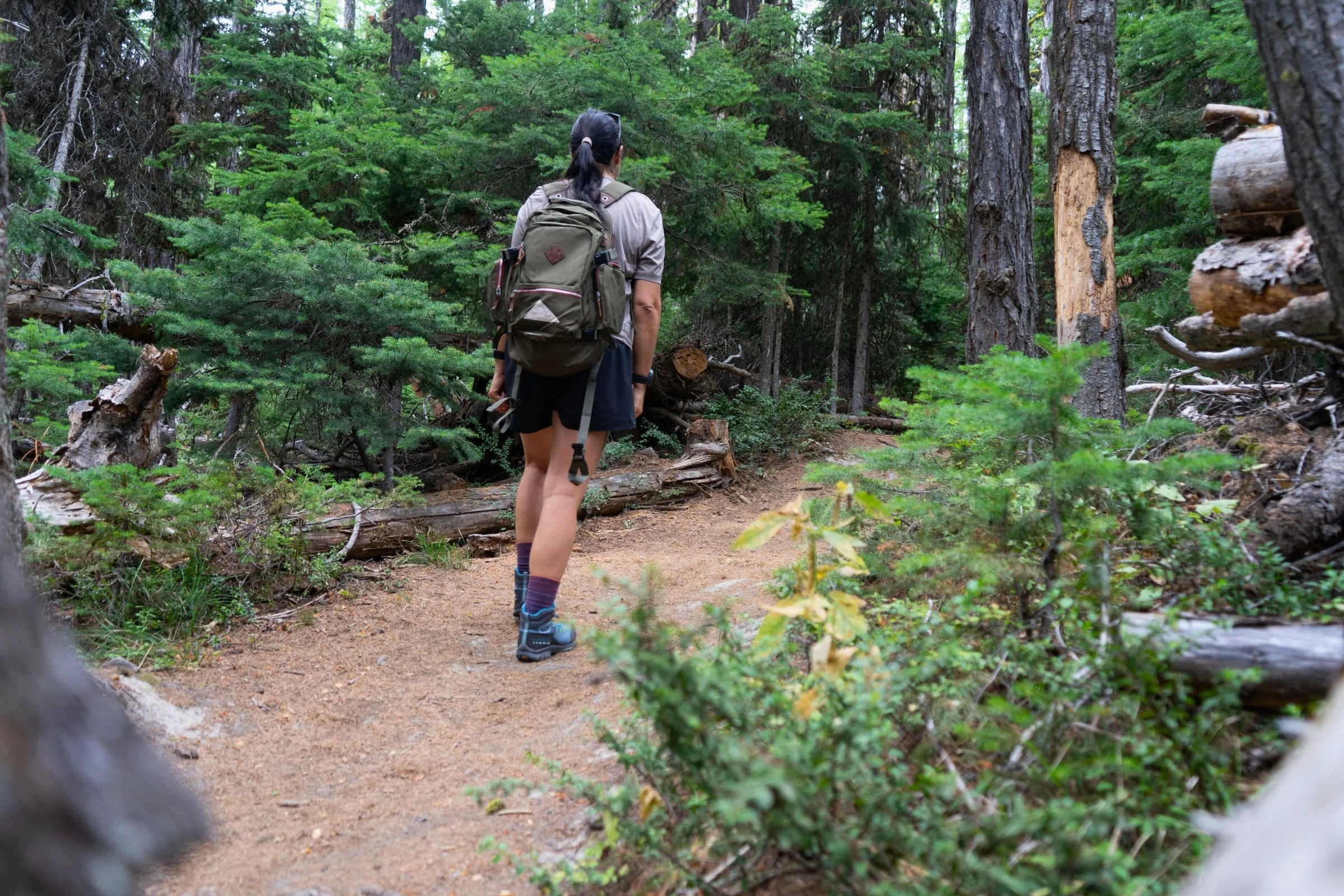
Heading out on trail to test the La Sportiva TX Hike Mid GTX boots.
- Steep alpine climbs and descents
- Creek crossings and wet forests
- Glacier and cold-weather travel
- High-desert and scrub terrain
- Full-submersion waterproofing tests
- Comfort on long hikes
- Traction on wet and loose terrain
- Waterproofing and drying time
- Ankle support and agility
- Break-in time and durability
Why you should trust us / About the author

Over the past decade, Skylis has hiked and backpacked thousands of miles including all 2,200 miles of the Appalachian Trail and 500 miles of the Colorado Trail. Skylis wore a hefty pair of hiking boots for the first 800 miles of the Appalachian Trail, where she learned all about proper sizing, the break-in process, and shoe durability. Today, Skylis lives in Colorado where she spends all of her free time recreating in the mountains.
Learn more on Mary-Beth's author page.