Black Diamond Spot 400 Headlamp Review
An in-depth review of our favorite battery-operated headlamp that keeps going and going

September 29th, 2025
Home > Gear Reviews > Electronics
Our verdict
The Black Diamond Spot 400 is the latest iteration of Black Diamond’s much-lauded Spot series. The Spot excels at all the key metrics: brightness, waterproofness, functionality, and especially battery life—all at a reasonable price.
With 200 hours of illumination on the low setting, we chose the Spot 400 as the winner of Best Battery-Operated Headlamp.
We love the comfortable fit of the headband and how user friendly the headlamp is. We used the Spot 400 on an 800-mile long Arizona Trail thru-hike, spending hours night hiking, and never had to replace the batteries. We also used the Spot 400 to finish out a multi-year section hike of the Pacific Crest Trail.
Our main critique of this headlamp is that it’s heavy compared to some other options out now due to its batteries. Nonetheless, we think the Black Diamond Spot 400 is an excellent choice for hikers, backpackers, and nighttime recreators who want a reliable headlamp that provides long-lasting light and who prefer a battery-operated headlamp versus a rechargeable one.
Black Diamond Spot 400
We create reader-supported, objective, mission-driven gear reviews independently selected by our editors. This story may contain affiliate links, which help fund our website. When you click on the links to purchase gear, we may get a commission – without costing you an extra cent. Thank you for supporting our work and mission of outdoor coverage for every body! Learn more.
Black Diamond Spot 400 Specifications

Price: $55
Weight (including batteries): 2.7 oz
Bulb type: LED
Light Output: high - 400 lumens, medium - 200 lumens, low - 6 lumens
Maximum Beam Distance: 100 meters
Power Source: 3 AAA batteries
Run Time (High): 2.5 hours
Run Time (Low): 200 hours
Waterproof Rating: IPX8
Comparison table
| HEADLAMP | MAX OUTPUT (LUMENS) | WEIGHT W/ BATTERY (OZ) | RUN TIME ON HIGH / LOW (HOURS) | MAX BEAM | FLOOD LIGHT | MSRP* |
|---|---|---|---|---|---|---|
| Black Diamond Spot 400 | 400 | 2.7 | 2.5/200 | 100 m | Yes | $55 |
| Black Diamond Spot 400 R-Rechargeable | 400 | 2.58 | 4/225 | 100 m | Yes | $65 |
| BioLite Range 400 | 400 | 2.6 | 6/200 | 90 m | Yes | $60 |
| Petzl Actik Core | 600 | 3.1 | 2/100 | 115 m | Yes | $85 |
| Nitecore NU25 MCT UL | 400 | 1.6 | 2.5/10.5 | 131 m | Yes | $37 |
Best for
Hikers, thru-hikers, and campers who need reliable light at night
Long-distance trips (due to its long battery life)
Providing solid visibility for setting up camp and cooking in the dark
People who prefer the convenience and ease of recharging offered by AAA batteries vs. rechargeables
People who want a higher waterproof rating headlamp
What we liked
Battery life
Waterproofness
Price
Reliability
Intuitive buttons
What could be better
Weight
Uses batteries
How we tested
We’ve brought Black Diamond’s Spot 400 on a variety of backpacking and thru-hiking trips over the years to see how well it performs in the field. We tested the Spot 400 while night hiking through desertous landscapes on an 800-mile long Arizona Trail thru-hike. We also tested the Spot 400 while finishing the last stretch of a multi-year section hike of the Pacific Crest Trail. We even tested the Spot 400 on trips to Rocky Mountain National Park when pursuing early morning summits and rock climbing expeditions.
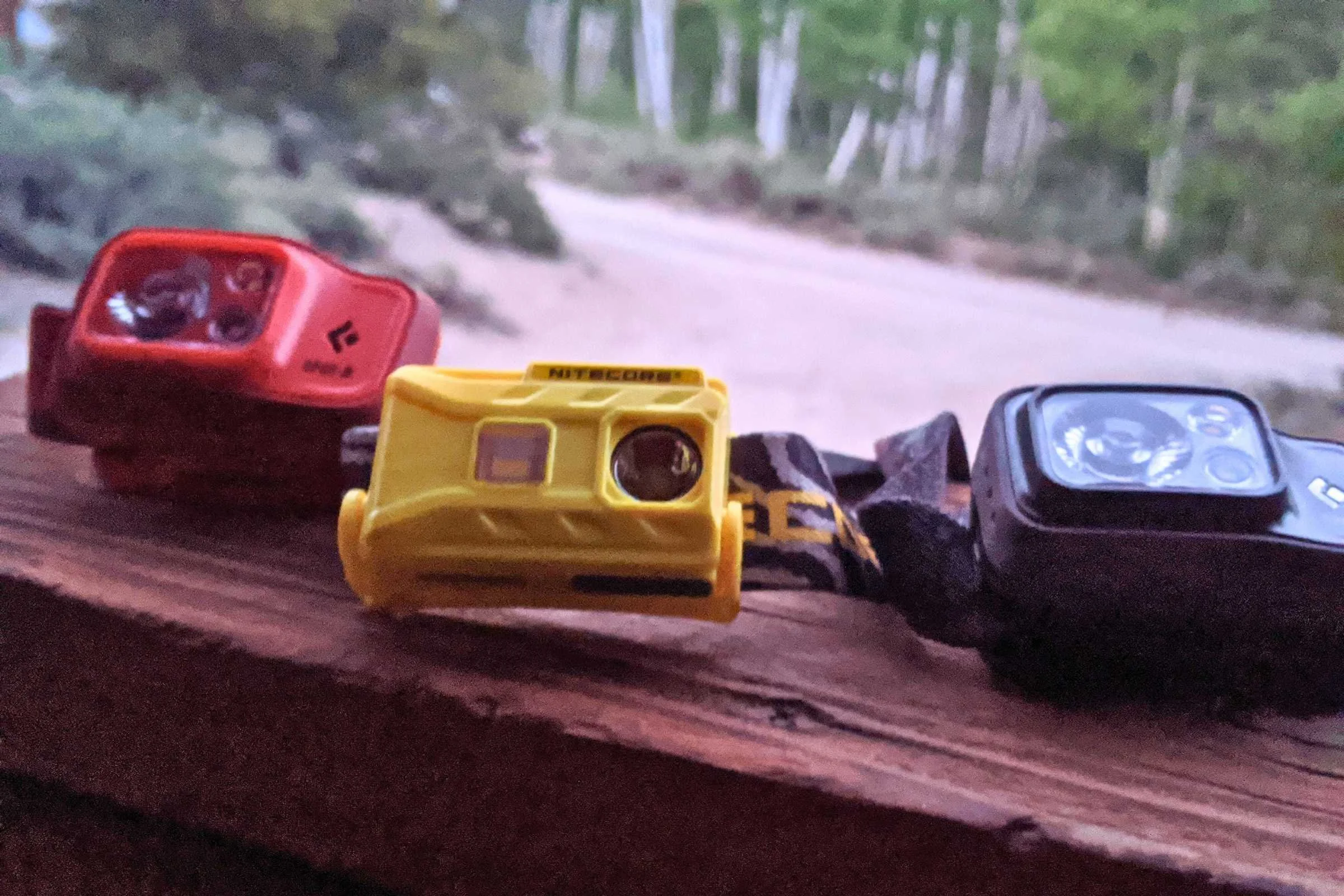
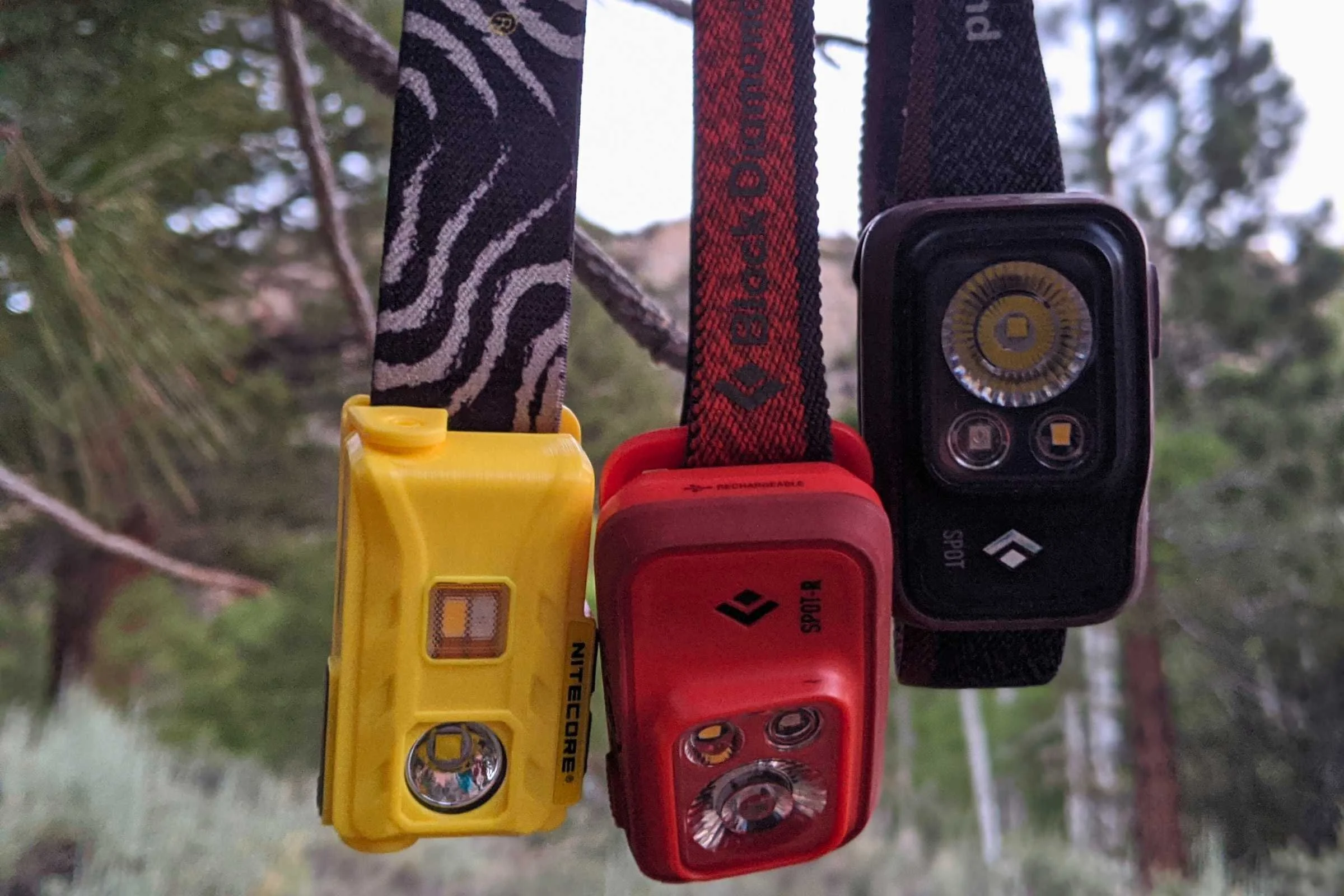
Our testers compared the lumen output, battery life, water resistance, and overall value of the Spot 400 compared to our other top-performing headlamps, like the BioLite Range 400 and the Nitecore NU25 UL.

Performance in the Field
-
The Black Diamond Spot 400 comes with spotlight, flood light, red light, and strobe mode. Spotlight is great for seeing objects in the distance, preferably during nighttime outdoor activities.
We found the floodlight is best for close work, like organizing gear or cooking. We like that the Spot 400 has a floodlight option because similarly priced options like the BioLite Range 400, do not have a floodlight. If you know you want a flood light, that alone could be a good indicator to go with the Spot 400 over the BioLite Range.
The red night-vision mode is handy for preserving your night vision and is much more considerate for others in your camp at night. There is also a strobe light mode for emergencies.
While some headlamps, like our previous Best Upgrade winner (the Black Diamond Storm 400), have more modes, we’ve found too many lighting options get confusing. When there are over 7, it’s more gimmicky than useful.
The Spot has just the right amount of functional features that you’ll actually use.
-
The Spot 400 has 400 lumens of power, up from 350 lumens in the previous model. The LED headlight is dimmable, a very useful feature that allows you to customize the amount of light necessary. At maximum brightness in spotlight mode, the Spot 400’s light can reach 100 meters—up 20 meters from the last model.
The Black Diamond Spot also has a “PowerTap” feature. You can instantly switch from full and dimmed power by pressing a button on the right side of the headlamp. This is a helpful feature to quickly boost the light to check out the sound of rustling brush in the distance.
Another nice feature is a brightness memory. The headlamp will return to the previous brightness setting when turned on.
-
The Black Diamond Spot 400 uses 3 AAA batteries for 2.5 hours of run time on maximum power and 200 hours on low power. That competes with the longest battery life of even rechargeable headlamps we considered, including the BioLite Range 400, which has the same run time on its lowest setting.
A three-battery setup has become the standard for battery-run headlamps, but we like that with the Spot 400, those 3 AAA will give you a lot more battery life than some of the other models we considered. We were able to use the same batteries in the Spot 400 for the entire 800 miles of the Arizona Trail, a lot of which was spent hiking at night, using more lumens.
Over time, as to be expected with battery-operated devices, the terminals where the batteries are housed have started corroding . We suspect this might be from leaving in old batteries for too long (whoops) and recommend taking out batteries for long-term storage or after being out in wet weather.
Although we haven’t tested it, Black Diamond does make a BD 1500 Rechargeable Battery that is compatible with all their headlamps and lanterns. But given that the price of the rechargeable battery is $25, at that point you might as well be purchasing a rechargeable headlamp.
-
To keep track of your battery life, there is a six-setting battery meter. In addition, there is a lock feature to prevent the headlamp from being accidentally turned on. The lock feature is a must have, in our opinion. We’ve had too many accidents with headlamps turning on after jostling in our backpack only to have their battery drained. The battery meter is a nice feature to plan replacements as needed, especially when using headlamps on a thru-hike.
-
Black Diamond redesigned the Spot 400 with a lower profile and a more ergonomic design than some previous Spot models. The thinner band and lighterweight plastic housing are noticeable improvements after hours of night hiking and using headlamps in camp.
As a result, we’ve found the 400 has a more comfortable and stable fit when running or hiking than older models of the Spot. In addition, the Spot 400 is slightly lighter than earlier Spot models (2.7 oz vs 3.0 oz on the Spot 350). This means even after hours of night hiking, we barely felt the weight of the headlamp.
We really like that you can detach this LED headlamp from the band. This allows the headlamp to be attached to the webbing of backpacks, harnesses, or waistbelts, which is an excellent feature for people who prefer wearing a headlamp lower on their bodies to reduce shadow.


Features
-
The Black Diamond Spot 400 has an IPX8 waterproof rating. This means that it is designed to withstand water submersion of up to three feet for 30 minutes. However, we recommend caution regarding this waterproof rating.
Black Diamond states that water may enter the battery compartment if the headlamp is submerged, and it should be completely dried out if used in wet conditions. Still, we think this rating is good enough that you can wear it while night hiking in the rain.
-
The Black Diamond Spot 400 weighs 2.7 ounces with batteries—not the lightest headlamp, but also not the heaviest out there. Still, the weight of is one of our only criticisms when headlamps like the Nitecore NU 25 UL weigh less than 2 oz.
The elastic headband is comfortable, but there is surprisingly nothing notable about the fabric, unlike the Spot 400 R, which uses Repreve recycled textiles.
The light is capable of tilting for different light angles, in addition to being removable from the elastic headband. We found this to be a plus, as we could clip it to other locations like the inside of our tent or our waistband. -
The Spot 400 has two main buttons on the top of the lamp—the power button and mode button.
The power button is a larger, oval shape. Pressing the power button turns on the headlamp as well as controls the brightness. The smaller, circular button allows you to cycle through the proximity, distance, dimming, strobe, and red settings.
We think a locking feature is an essential element on a headlamp, and the Black Diamond 400 locking system is the most intuitive of the headlamps we’ve tested. Press down both the power and mode buttons for several seconds until a red light flashes to indicate that the light is locked, assuring that it won’t turn on accidentally in your backpack. This allows you to save battery when your headlamp is jostling in your backpack.
-
The Spot 400 offers seven lighting modes—proximity, distance, dimming, strobe, and red light with dimming and strobing. We have found that beyond seven options on a headlamp can be a bit of a nuisance instead of helpful.
At its highest level of illumination, the Spot 400 puts off 400 lumens, which provides plenty of visibility for night hiking or setting up camp in the dark.


Other Models
Black Diamond Spot 400 vs Spot 350
In our last review of headlamps, the Spot 350 won our overall winner for the best headlamp (and before that, the Spot 325 and Spot 300 was our overall winner!).
The new Spot 400 is almost the same as the Spot 350 in terms of price, settings, weight (2.7 oz vs. 3.0 oz), and battery life. The main difference is that the Spot 400 has some weight savings and is 50 lumens brighter—without sacrificing battery life. The Spot 400 max beam is also 20 meters farther than the Spot 350.
The Spot 400 is lighter weight (2.7 oz vs. 3.0 oz) with a more ergonomically designed headband and lightweight plastic casing than the Spot 350. The Spot 400 is also available in more colors. It has the same ease of use and intuitive button system as the Spot 350. It improves an already great headlamp, most notably with brightness and weight savings.

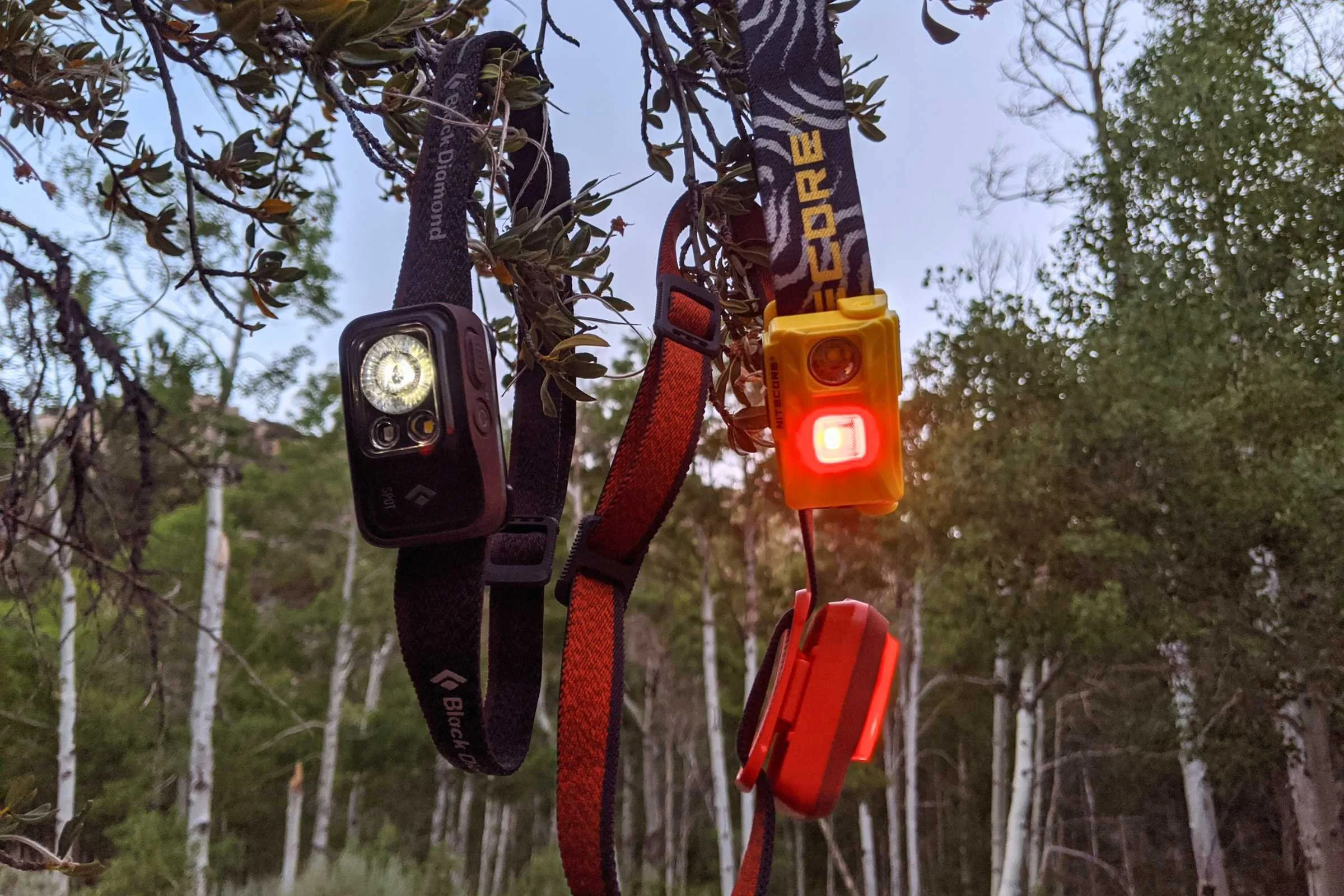
The Black Diamond Spot 325 (left) and 350 (right) both won our Best Overall Headlamps in our Best Headlamps guide. We’ve been fans of every model we’ve tested.
Black Diamond Spot 400 vs Spot 400-R Rechargeable
The Black Diamond Spot 400 also comes in a rechargeable version for $15 more. The Black Diamond Spot 400-R Rechargeable Headlamp features the same 400-lumen beam and lighting options as the Spot 400, but with a longer run time (4 hours on high, 225 hours on low) and slightly lighter weight (2.6 oz). The biggest difference, however, is this model uses an integrated rechargeable 1500 mAh lithium-ion battery rather than the three AAA batteries required for the Spot 400. Unfortunately, this rechargeable battery uses micro-USB charging, which is being phased out and becoming less convenient. We look forward to an update that uses USB-C instead.
Should I get a Battery Powered or Rechargeable Headlamp?
One of the main things to consider when buying a headlamp is batteries or rechargeable. An obvious reason for a rechargeable headlamp is sustainability—you’re not throwing away batteries that take forever to decompose and can leak harmful materials into the ground.
On the other hand, rechargeable batteries are more prone to self-discharge (the gradual loss of battery power even when the batteries are not in use) than standard batteries. For this reason, the Black Diamond Spot 400 would be a good headlamp to keep in an emergency pack with a fresh set of batteries.
If you’re looking for the same amount of lumens with a rechargeable battery, the BioLite Range would be a worthwhile option. Some people also like the option of being able to charge their headlamp with an external battery while hiking in the dark, a situation that can come up while thru-hiking.
To learn more about criteria to consider when purchasing a headlamp, we offer guidance on what to look for in a headlamp.
Who should buy the Black Diamond Spot 400 headlamp?
Buy if you want a battery operated headlamp with high lumens, ad long battery life, and a flood light within a reasonable price range.
Skip if you want a rechargeable headlamp that’s ultra lightweight and/or has a rear light for extra visibility.
Where to buy
The Black Diamond Spot 400 Headlamps is a popular gear item, so you have options when it comes to retailers. Here are some of the pros of the retailers.
REI
Pros: 100% satisfaction policy for 1 year; 10% dividend for members.
Amazon
Pros: Free 2-day shipping with Amazon Prime membership
Similar products
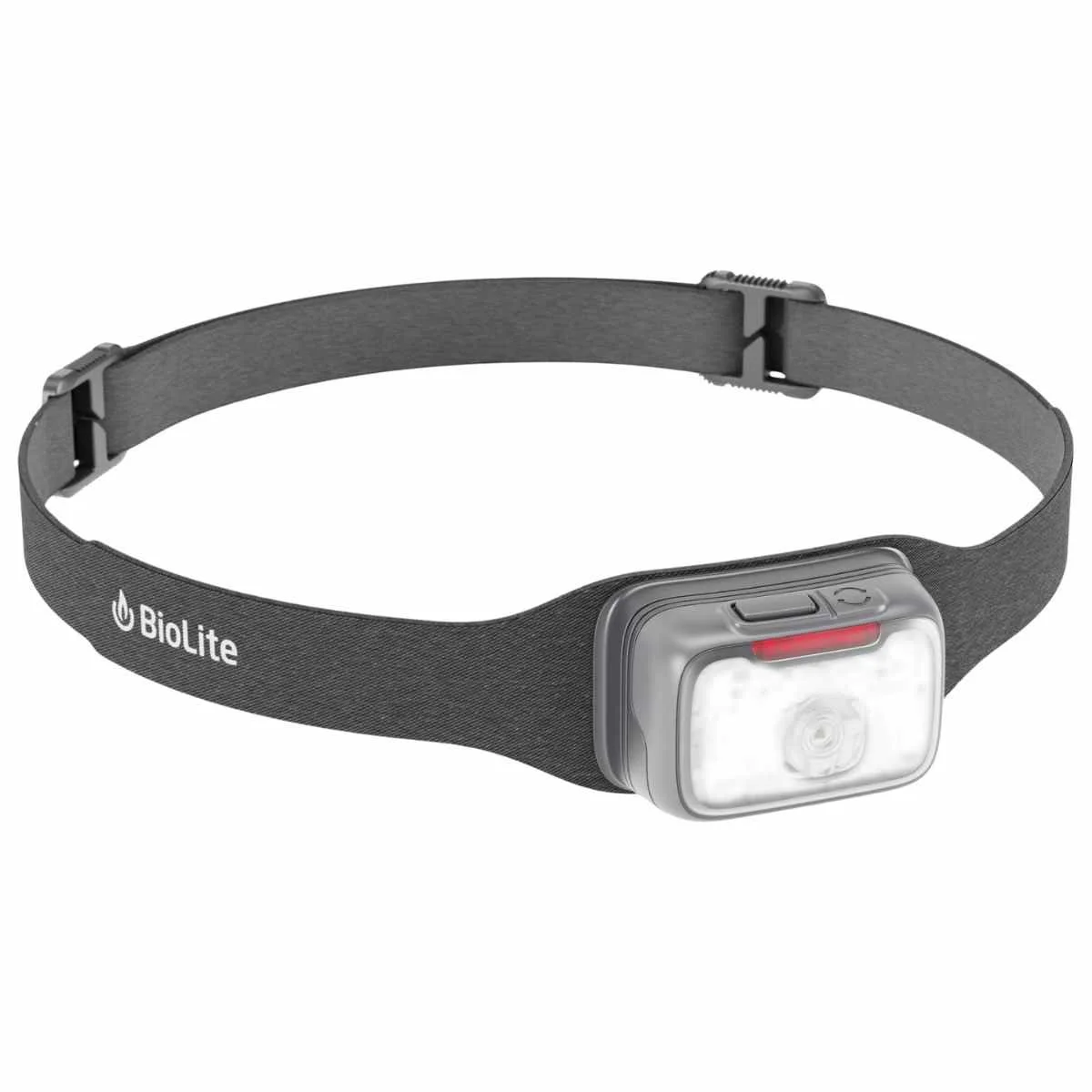
BioLite Range 400
MSRP: $60
Power Source: USB Rechargeable Lithium-Ion battery (USB-C) for fast charging
Run Time (High): 6 hours
Run Time (Low): 200 hours
Weight (including batteries): 2.6 ounces
Maximum Beam Distance: 90 meters
Waterproof Rating: IP67 Submersible
What we like: Comfort and fit of headband, USB-C fast charging, best battery life of its class, weight, ability to tilt light, fully submersible waterproof and dustproof, no battery in back means you can lie down in your tent and read
What we don’t like: No floodlight, difficult to pass through charge
The BioLite Range 400 is the newest iteration of BioLite headlamps and is the best yet from that brand, using the newest technology to create a headlamp that has the brand's signature fit and comfort, along with fast charging, impressive durability, and the best battery life we've seen in a headlamp. For these reasons, it won our title for Best Overall Headlamp.
For more information on this headlamp, see our in-depth review of the BioLite Range 400.
BioLite Range 400

MSRP: $37
Power Source: USB Rechargeable Lithium-Ion battery (micro USB)
Run Time (High): 0.5 hours
Run Time (Low): 160 hours
Weight (including batteries): 1.6 ounces
Maximum Beam Distance: 81 meters
Waterproof Rating: IP66
What we liked: Weight, value for price
What we didn't like: Short run time on high, headband is not comfortable
The Nitecore NU25 MCT UL has been a favorite headlamp of thru-hikers, alpine climbers, ultralight backpackers, and fast and light adventurers due to its 1.6-oz weight and reliability. After Treeline writers spent a year testing the Nitecore NU25 on the AT, PCT, camping trips, and guiding ultralight backpacking trips in the Sierra, we agree that the Nitecore NU25 is the Best Ultralight Headlamp. This lightweight, rechargeable headlamp has all the features we want from a headlamp at an impressive 1.6-oz weight and more affordable price.
Nitecore NU25 MCT UL

MSRP: $85
Power Source: 3 AAA or Petzl CORE lithium rechargeable batteries
Run Time (High): 2 hours
Run Time (Low): 130 hours
Weight (including batteries): 2.8 ounces
Maximum Beam Distance: 115 meters
Water Resistance: IPX4
What we like: Ease of use, reliability
What we don’t like: Price
ThePetzl Actik Core headlamp is an excellent choice for people who want to save on batteries or be more environmentally conscious without abandoning a battery-powered headlamp. The Actik Core is a hybrid headlamp that can run on AAA batteries or rechargeable Petzl CORE lithium batteries. With this hybrid rechargeable headlamp, you can have the benefits of a rechargeable battery with the security of a battery backup, which is why it won our title for Best Headlamp for Camping, and why we praise it in our guide to Eco-Friendly Gar Swaps as well.
Petzl Actik Core
Why you should trust us / About the Authors
Mike Unger is one of few people in the world to have thru-hiked the PCT end-to-end both as a northbounder and southbounder. He’s a double Triple Crowner, having completed the PCT, Appalachian Trail, and Continental Divide Trail each twice. He spends a considerable amount of time night hiking on these trails. As a result, he's spent cumulatively months testing headlamps on technical terrain in rough, real conditions.
You can see all articles by Mike Unger on his Treeline Review author page.
Naomi Hudetz is Chief Operating Office at Treeline Review. Some of her favorite long-distance hikes (ok, they’re all my favorite) include the Triple Crown (Pacific Crest Trail, Continental Divide Trail, and Appalachian Trail), Pacific Northwest Trail, Great Divide Trail, Tahoe Rim Trail, Arizona Trail, Grand Enchantment Trail, Idaho Centennial Trail, Blue Mountains Trail, among others. She’s carried a headlamp on all of these trails, often night hiking on desert trails or doing camp chores by headlamp after a long day of hiking or while packing up to get started in the morning.
You can see all of Naomi’s Treeline Review stories on her author page.
Liz Thomas has thru-hiked the PCT as a northbounder and completed the PCT a second time as a section-hiker over ten years. A former Fastest Known Time (FKT) record holder on the Appalachian Trail, she has also hiked the PCT and CDT and is a Triple Crowner. She’s co-founder and editor in chief of Treeline Review. As a former FKTer who enjoys night hiking, Liz continues to test headlamps while hiking in the dark. Additionally, she regularly hikes in the dark before work and uses headlamps while living off-grid in the Sierra each summer.
You can read all her gear articles here and on her personal website, as well as on Wikipedia.