Triple Crowners Tested the Nitecore NU25 MCT Series Headlamp. Here's the Honest Verdict.
An in-depth review of the updated affordable, ultralight headlamp

May 8th, 2026
Our verdict
The Nitecore NU25 has been a longtime favorite headlamp of thru-hikers, alpine climbers, and ultralight backpackers alike due to its sub 2-oz weight and reliability. Similar models from the brand have been long-term winners for Best Ultralight Headlamp. Its newest iteration, called the Nitecore NU25 MCT UL (multiple color temperatures), offers even more features and a more comfortable headband.
This lightweight, rechargeable headlamp has all the features we want at an impressive sub-2-oz weight and affordable price. It has a red light, battery indicator, USB-C charging, and lock function. The newest iteration adds cool, warm, and white lights.
We tested the newest version, the NU25 MCT UL, on a thru-hike of the Ouachita Trail as well as on backpacking trips in the San Gabriel Mountains in Southern California.
With the Nitecore NU25 MCT UL, the most recent iteration, the brand has made changes to the previous NU25 UL model, like increasing the max lumens to 400 and upping the run time on the highest setting, without increasing the price or weight. The addition of warm, cool, and white lights is also a big change. All the colors and modes are handy, but they can get confusing.
The Nitecore NU25 MCT UL is a good option if you are a climber, thru-hiker, or ultralight backpacker looking to minimize gear weight. It is especially a good option if you would benefit from a headlamp with softer or less harsh light. It's also a good option if you want to spend less on a headlamp than the Black Diamond Spot 400, but want higher performance than the Petzl Tikkina. Whether you’re fast and light, ultralight, or just looking for a quality rechargeable headlamp for just in case situations, the Nitecore NU25 MCT UL is a solid choice.
Nitecore NU25 MCT
We create reader-supported, objective gear reviews independently selected by our editors. This story may contain affiliate links, which help fund our website. When you click on the links to purchase gear, we may get a commission — without costing you an extra cent. Thank you for supporting our work and mission of outdoor coverage for every body! Learn more.
Comparison table
Other headlamps
| HEADLAMP | MSRP | Weight | Headstrap | Charging Port | IP Rating | Max Output | Max Beam | Max Run Time | Battery | Red Light? |
|---|---|---|---|---|---|---|---|---|---|---|
| Nitecore NU25 MCT UL | $37 | 47 g | Elastic cord | USB-C | IP66 | 400 lumens | 144 yards | 45 h (low) / 2.6 (high) | 700 mAh Li-ion | Yes |
| Nitecore NU25 MCT | $40 | 50 g | Headband | USB-C | IP66 | 400 lumens | 144 yards | 45 h (low) / 2.6 (high) | 700 mAh Li-ion | Yes |
| BioLite Range 400 | $60 | 75 g | Headband | USB-C | IP67 | 400 lumens | 98 yards | 200 h (low); 6 h (high) | 1634 mAh Li-ion | Yes |
| Black Diamond Spot 400 (with BD 1500 battery) | $55 | 72 g | Headband | USB-C | IPX8 | 400 lumens | 109 yards | 225 h (low); 4 h (high) | 1500 mAh Li-ion | Yes |
| Petzl Actik Core | $88 | 88 g | Headband | USB-C | IPX4 | 625 lumens | 126 yards | 100 h (low); 2 h (high) | 1250 mAh Li-ion | Yes |
Other Nitecore Models
| HEADLAMP | MSRP | Weight | Headstrap | Charging Port | IP Rating | Max Output | Max Beam | Max Run Time | Battery |
|---|---|---|---|---|---|---|---|---|---|
| Nitecore NU25 MCT UL | $37 | 47 g | Elastic cord | USB-C | IP66 | 400 lumens | 144 yards | 45 h (low) / 2.6 (high) | 700 mAh Li-ion |
| Nitecore NU25 MCT | $40 | 50 g | Headband | USB-C | IP66 | 400 lumens | 144 yards | 45 h (low) / 2.6 (high) | 700 mAh Li-ion |
| Nitecore NU20 Classic | $25 | 38 g | Elastic cord | USB-C | IP66 | 360 lumens | 119 yards | 97 h (low) / 2 h (high) | 500mAh Li-ion |
| Nitecore NU25 360 (First Gen) | $50 | 28 g | Headband or | USB-C | 360 lumens | 70 yards | 45 h (high) / 0.5 (low) | 650 mAh Li-ion | |
| Nitecore NU25 400 UL (old version, discontinued) | 45 g | Elastic cord | USB-C | 400 lumens | 70 yards | 45 h (low) | 650 mAh Li |
Nitecore NU25 MCT UL specifications

Price: $37
Weight (including batteries): 1.66 oz (47 g) for UL version
Bulb type: LED with multiple color temperatures
Max Light Output: 400 lumens
Maximum Beam Distance: 432 feet (132 meters)
Power Source: USB-C 700 mAh rechargeable lithium-ion battery
Run Time (High): 2 hours, 40 minutes (400 lumens)
Run Time (Low): 45 hours (6 lumens)
Waterproof Rating: IP66
Impact Resistance: 3 ft (1 m)
Best for
Ultralight thru-hikers, backpackers, and trail runners
People who like the Nitecore headlamps and want the ability to control the warmth and coolness of their light
Night hiking, night running, or alpine ascents
400 lumens of illumination for a reasonable price
Having a quality headlamp "just in case"
What we liked
Light weight
Value for price
Lightweight
Ease of tilting
USB-C charging
What could be better
Short run time on high
Cannot run headlamp at the same time as charging
Headband not super comfortable
Switching between modes is confusing, especially compared to the updated Nitecore NU 20
How we tested
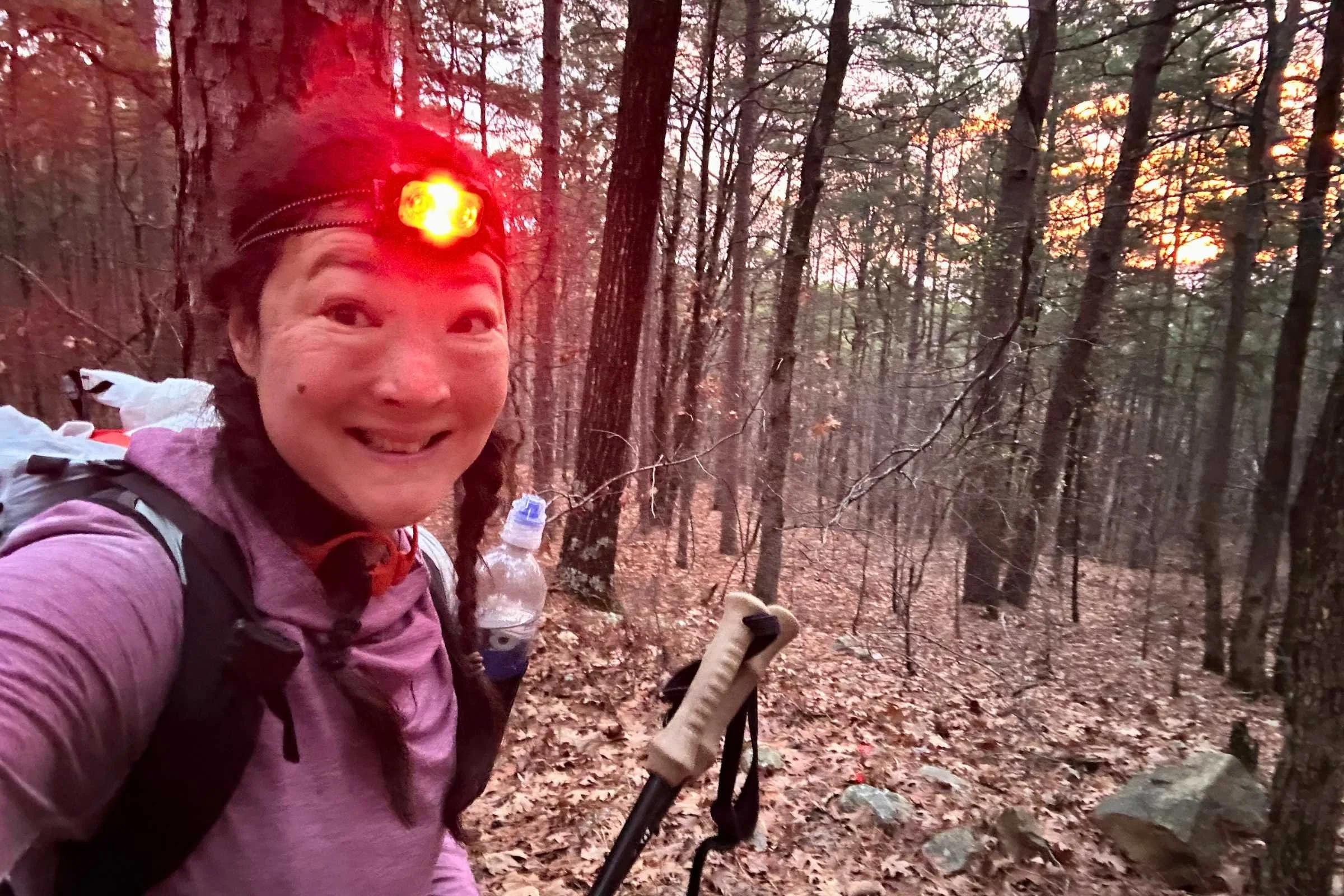
Testing the Nitecore NU25 UL MCT during extensive night hiking on a December and January thru-hike of the Ouachita Trail.
Previously, Treeline writers spent years testing the Nitecore NU25 on thru-hikes of the Appalachian Trail, Pacific Crest Trail, and while camping and guiding ultralight backpacking trips in the Sierra.
We’ve tested the NU25 models over thousands of miles while night hiking, setting up camp, and trail running in the evening, in wet, stormy, and dry conditions. One tester relied on the NU25 for guiding ultralight backpacking trips in the Sierras. Treeline Review writer Sam Schild used it for his entire thru-hike of the Appalachian Trail.
Then, Nitecore changed the product but kept the NU25 name.
Then they changed the NU25 again and changed the name to NU25 MCT version.
We tested the most recent version, the NU25 MCT UL, on the Ouachita Trail, and numerous shorter backpacking trips and overnighters in the San Gabriel mountains in Southern California and backpacking in Joshua Tree National Park.
We've tested the original Nitecore NU25 and Nitecore NU25 MCT alongside other highly reviewed headlamps to rank them in our Best (and Brightest) Headlamps guide.
Differences between NU25 models
NU25 MCT and NU 25 (old)
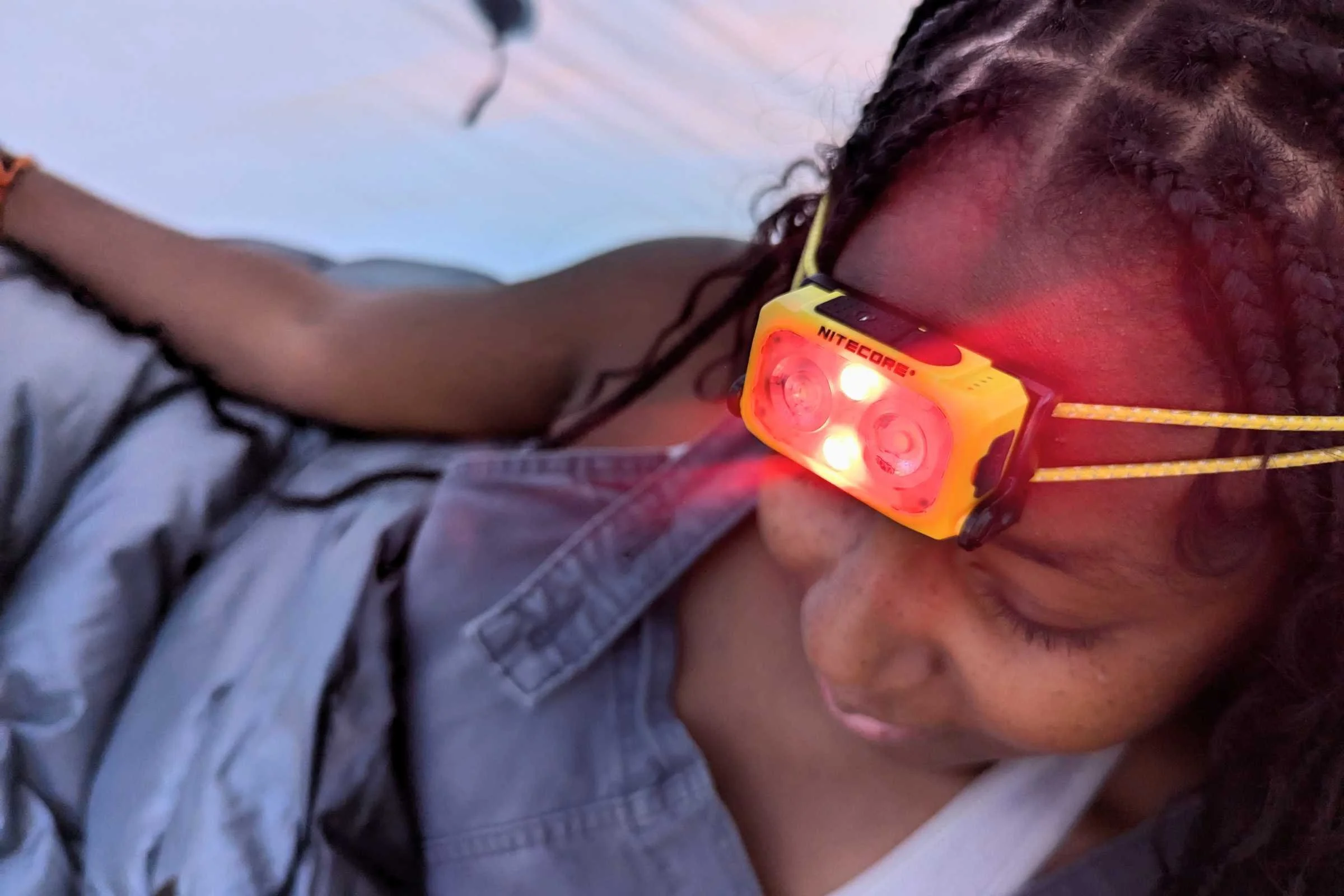
We tested the previous model of the Nitecore NU25 UL, which did not have the MCT feature, and is no longer available.
The newest iterations have:
Three white colors: white, warm, and cool light. For each of those "colors" of light, there is a flood beam, spot beam, and another beam
Revised headband
IP66 rating, meaning it is dust-tight and protected against powerful water jets
Nitecore NU20 UL Classic
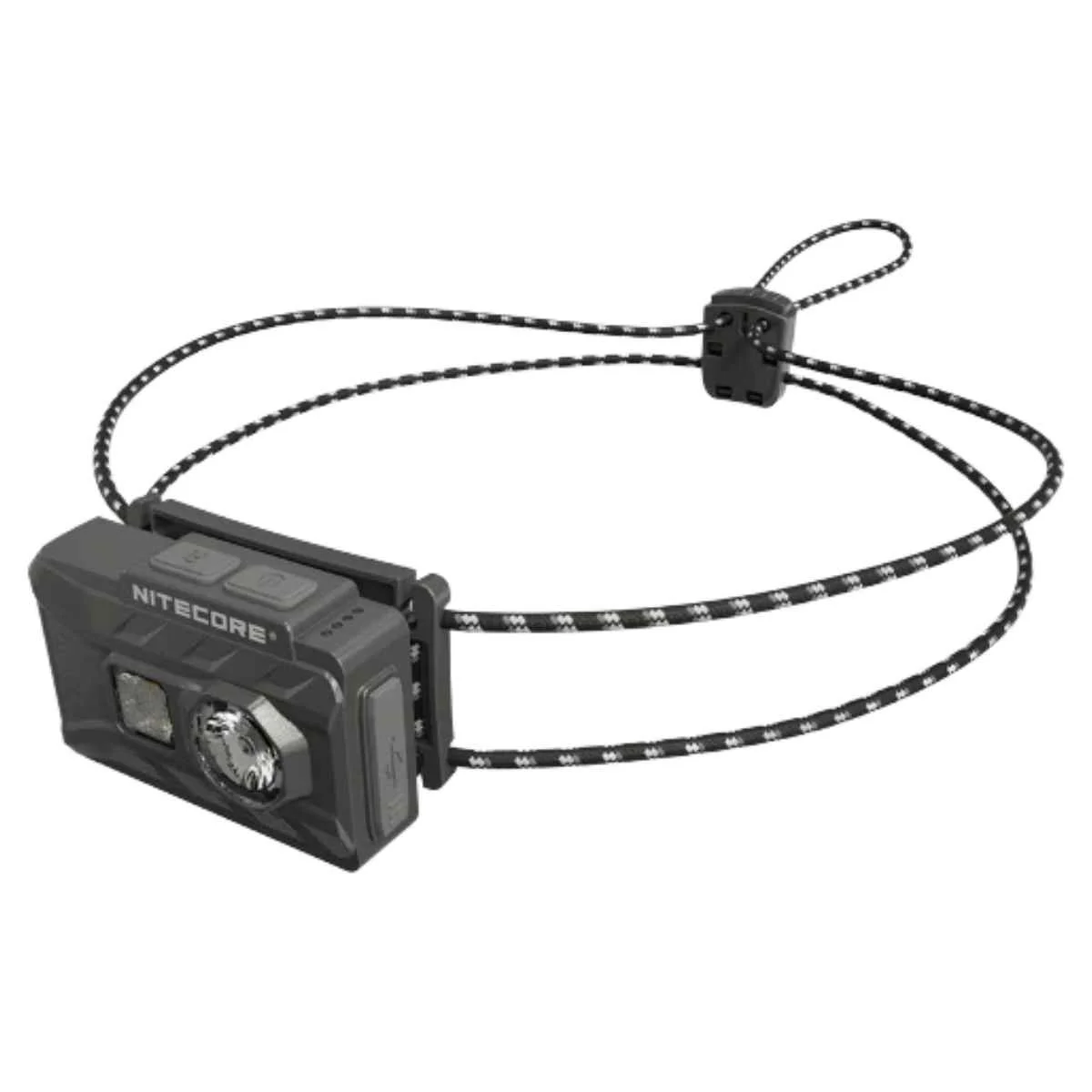
This model has a lot of similarities to what used to be called the NU25 classic. Unlike the MCT, it doesn't have the three versions of white light. It's simple, lightweight, and more affordable than the MCT. It's inexpensive and comes with a very low light setting.
NU20
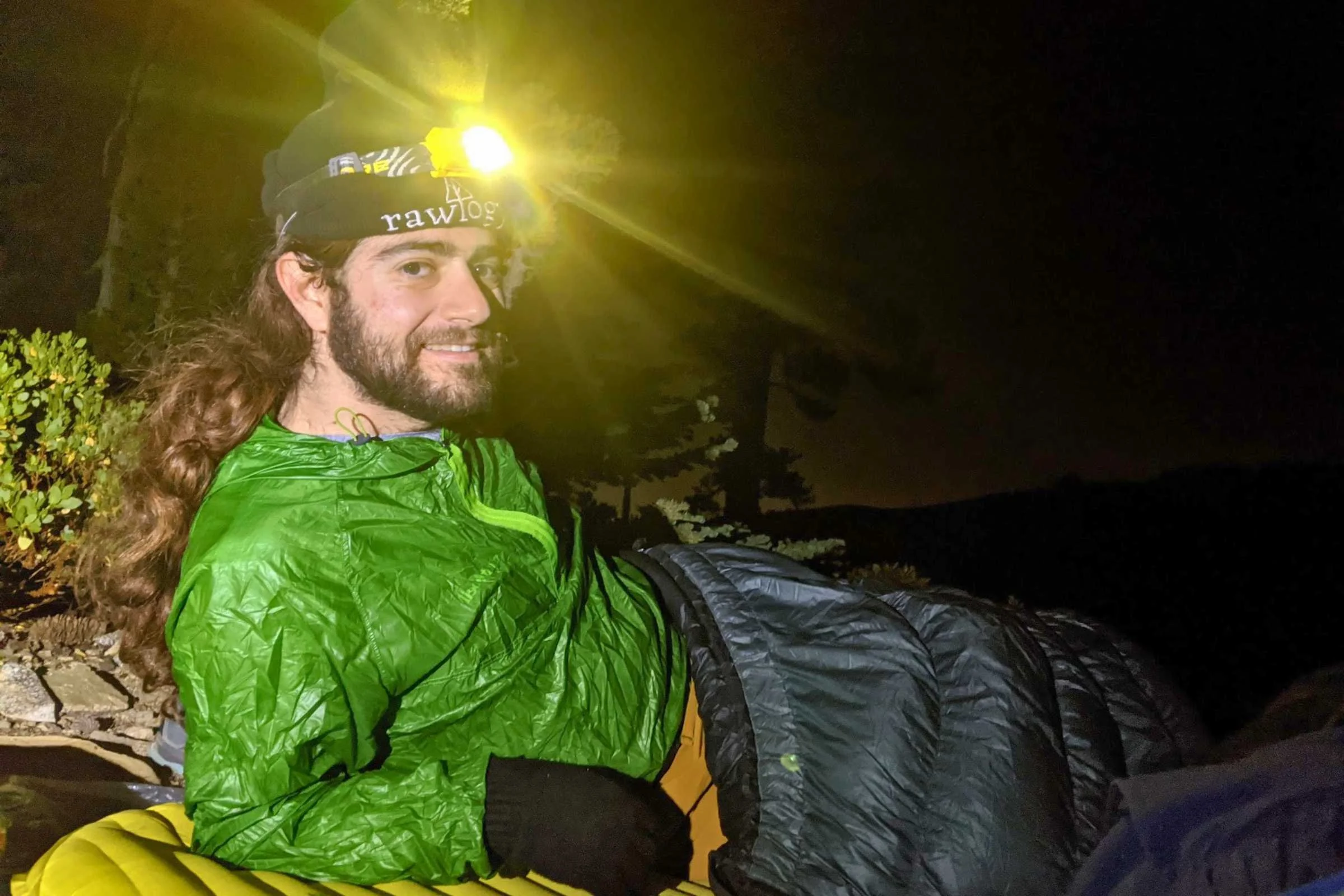
This model isn't made anymore, but was the first version we tested. This was great and is very similar to the new NU20. The big drawback of this design was that it used MicroUSB.
Updates in the newest model
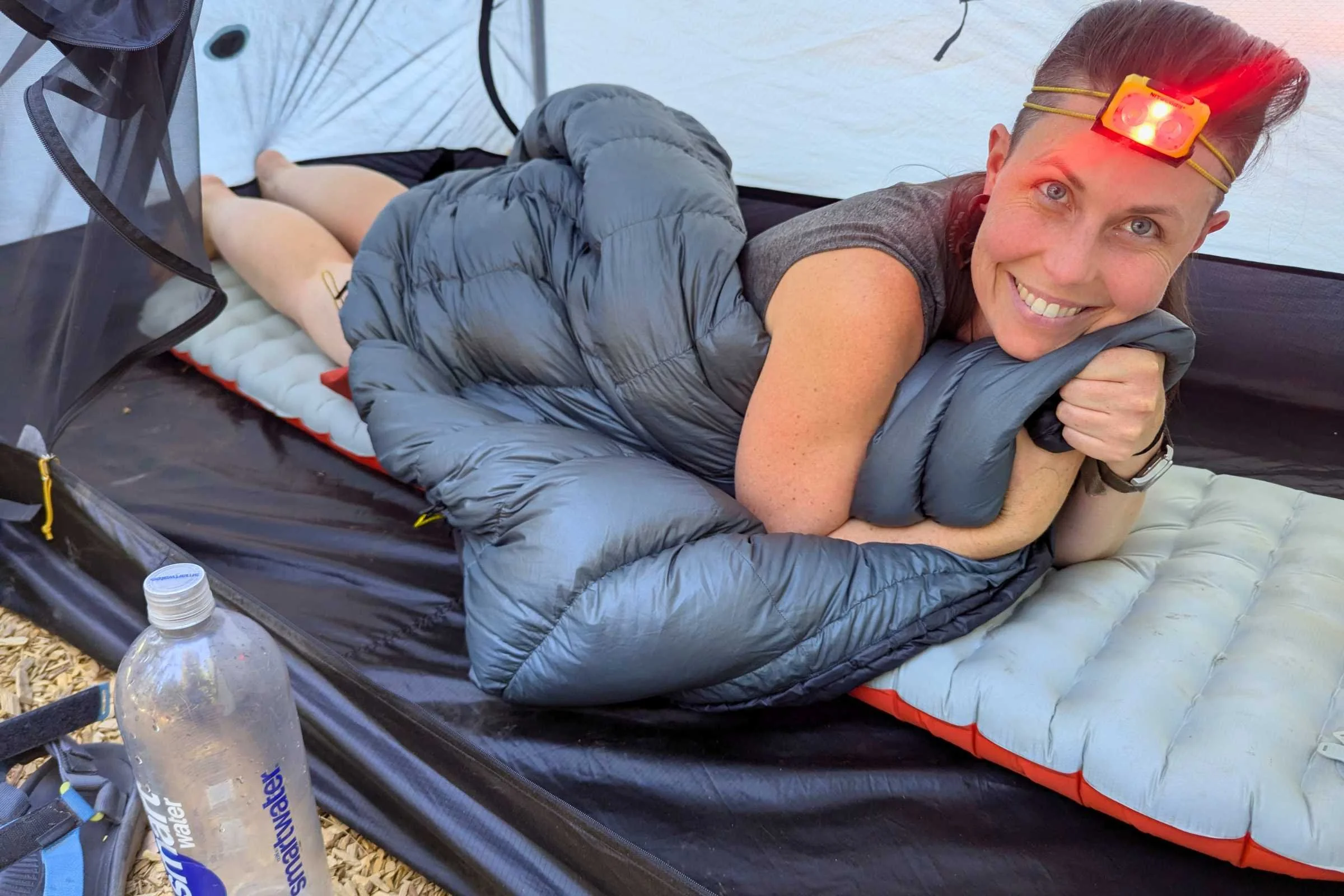
The big difference is the multitemperature lighting (and the related button sequence and programming).
The new version has a larger battery, but because the NU25 MCT is a higher 400 lumen headlamp, in the real world, that translates to not a ton of extra battery life for most users in most settings.
The old version had a lowest setting of 1 lumen. They've bumped that up to 6 lumens now.
The mid range is now 60 lumens, up from 38 lumens.
One cool feature of the NU25 MCT is it has a brighter red lamp.
The older version used micro-USB for charging and only had IPX6 water and dust resistance.
Performance in the Field
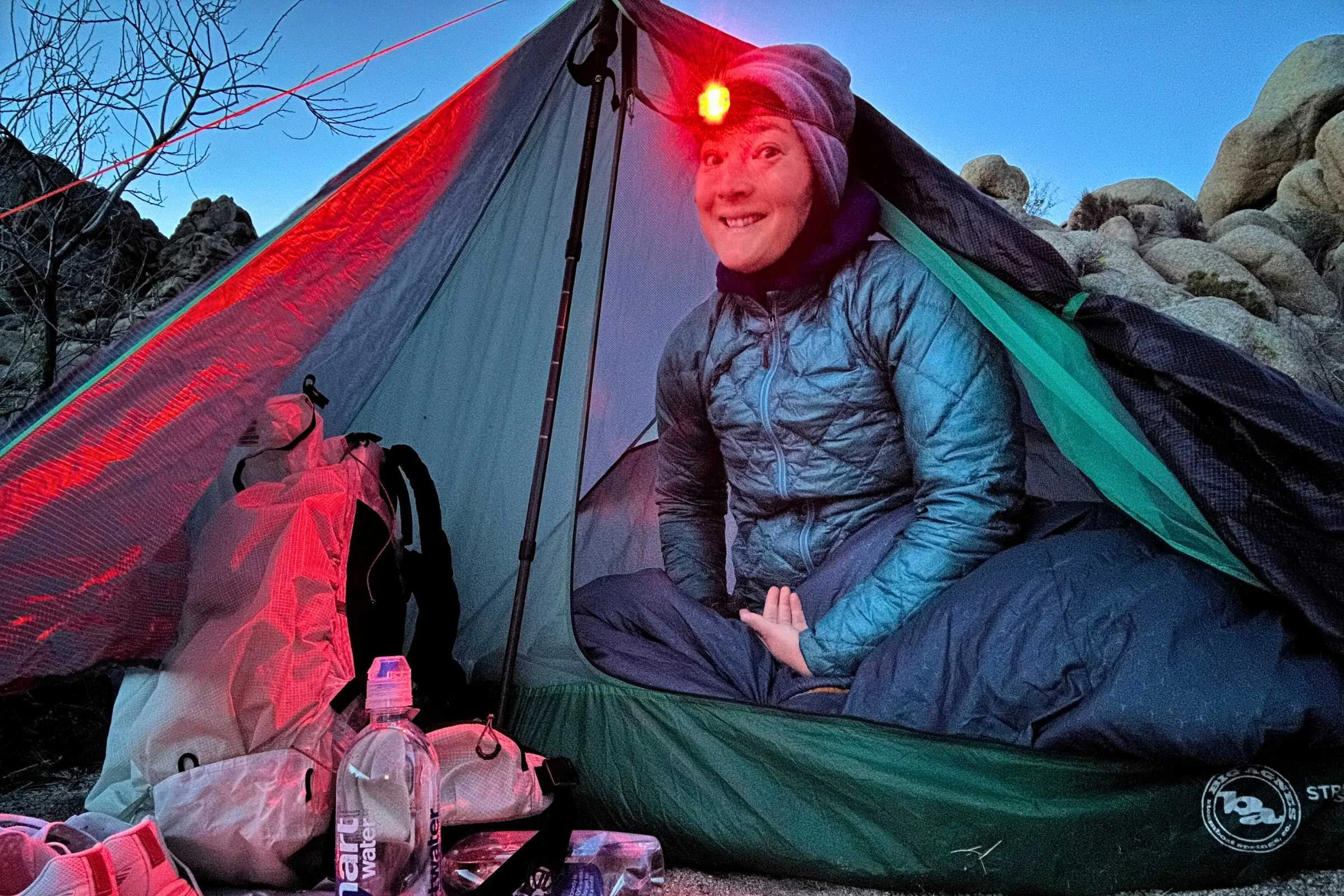
Testing the Nitecore NU25 MCT on a thru-hike of the Boy Scout Trail in Joshua Tree national park.
Lighting and Brightness
The Nitecore NU25 MCT UL has an impressive 400 lumen maximum beam output–matching similar headlamps we tested. Given the ultralight weight of the Nitecore NU25 MCT UL, we were impressed that its lighting modes and lumen capabilities are fairly comparable to those of heavier lights we tested, like the BioLite 425 and Spot 400.
Multi color temperature LED lighting
The NU25 MCT series uses Multiple Color Temperature (MCT) LED lighting options for different scenarios based on lower or higher kelvin levels. Kelvin is the measurement of the color temperature of light—a lower kelvin is softer and warmer, while a higher kelvin is brighter but cooler in temperature. The 3,000K warm light setting performs better in inclement weather, like rain and fog. The 4,500K neutral white light is our go-to for setting up camp, and the cool white light is 6,500K has better visibility for night hiking.
Red light
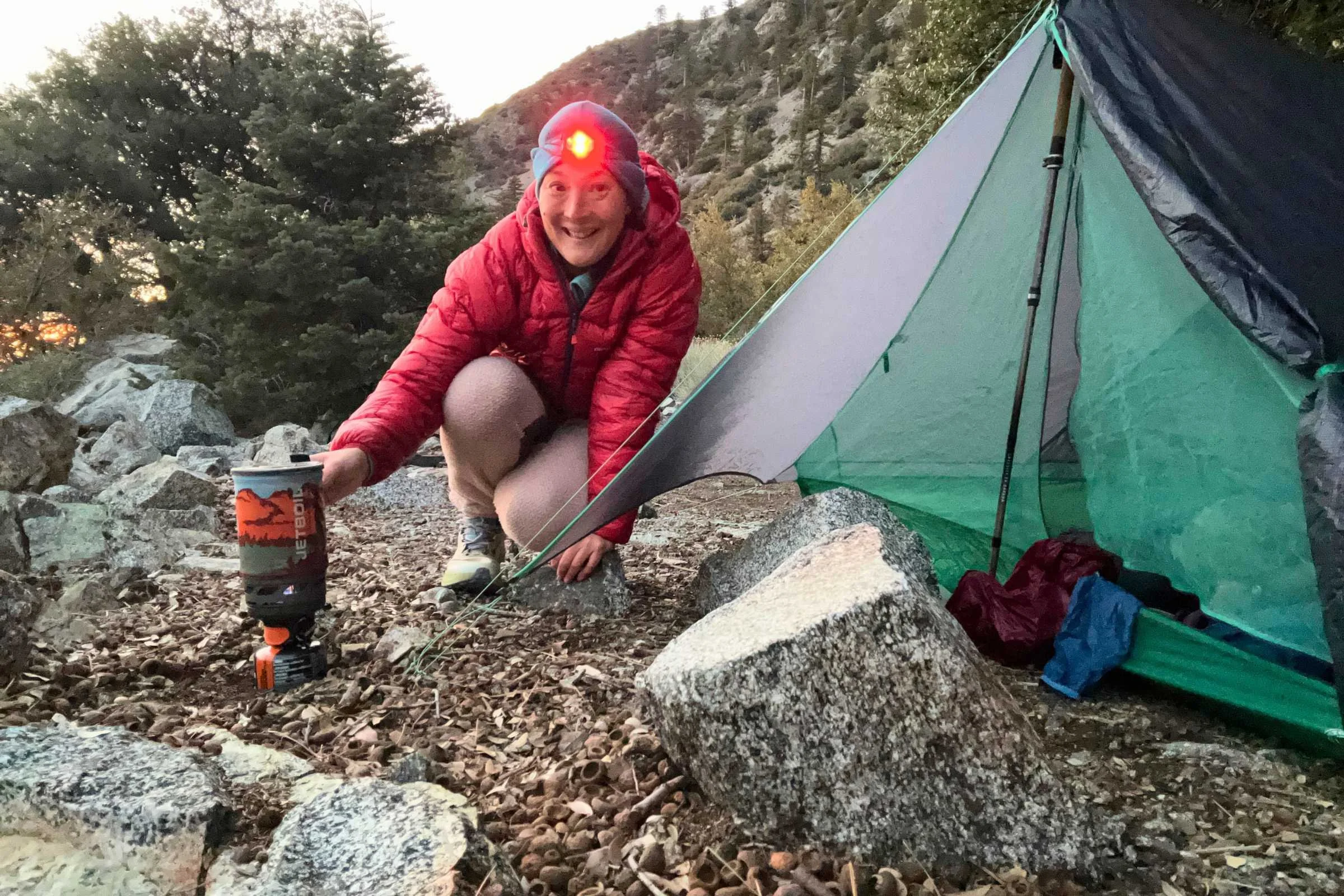
The NU25 MCT UL also features a red light, which we love for practicing Leave No Trace principles and for conserving battery life while reading or writing in our tent at the end of the day, while our hiking mate is trying to sleep. The red light on the NU25 MCT UL seems brighter than the earlier version of the NU25 or NU20 and is reported at 6 lumens vs. the previous version's, which was 1 lumen.
Switching between lighting modes

Switching between lighting modes on the Nitecore NU25 MCT series is not as straightforward as I would have liked. There’s one button to turn on the headlamp, and one button to change the modes, which is clearly labeled “mode.” But the NU20 (both classic and the new version) is more straightforward. The NU25 is trickier because it has so many modes, but it's not the worst we've seen in a headlamp.
Charging
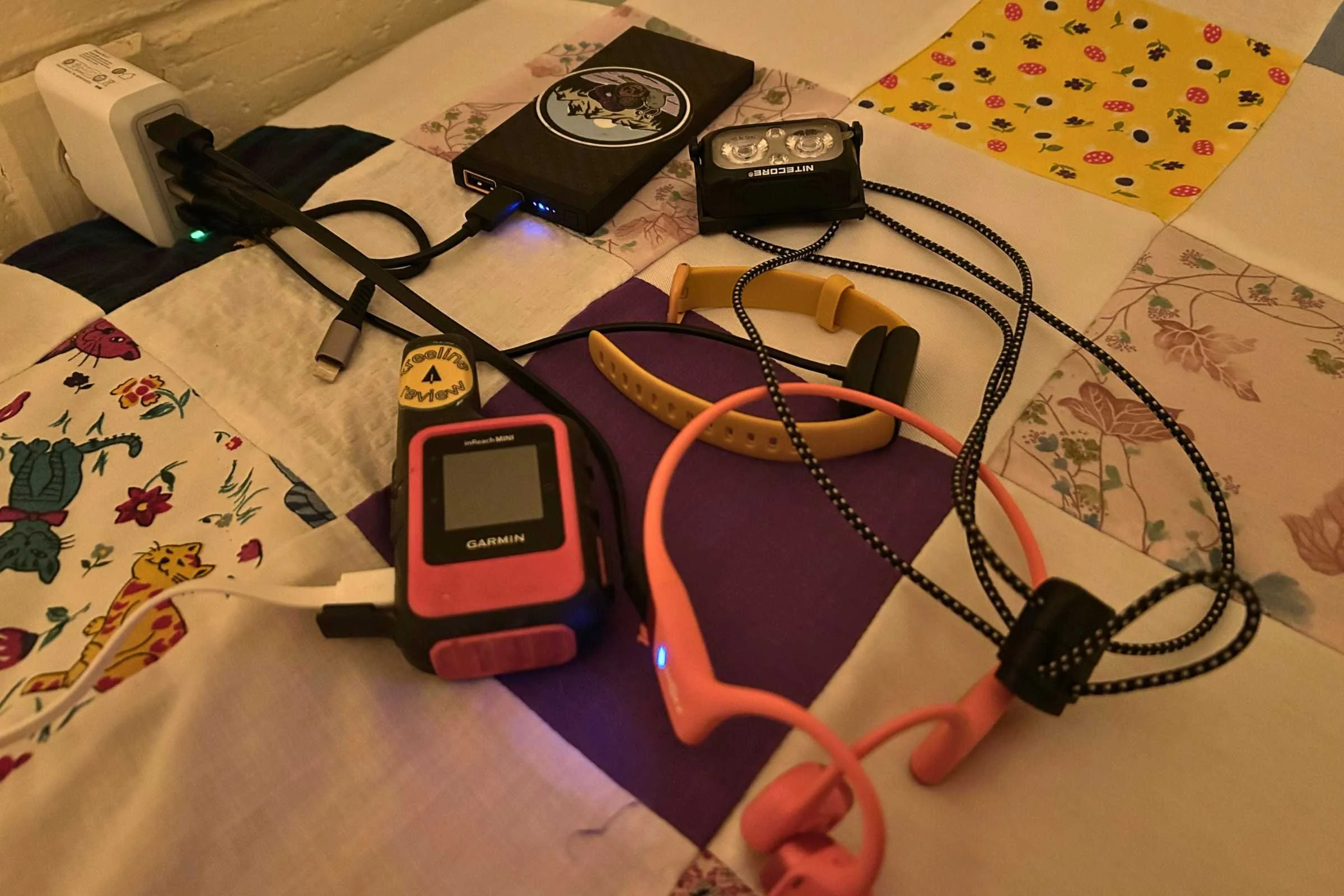
Charging the Nitecore NU25 MCT at a hotel on a town day on the Ouachita Trail alongside other electronics.
The Nitecore NU25 MCT series is rechargeable and uses USB-C, which is becoming much more common than Micro-USB. On longer thru-hikes in the darker months where we were doing a lot of night hiking, we found that we had to be on top of charging our NU25 MCT UL fairly consistently in order for the battery not to run out. That being said, we do appreciate that the NU25 MCT only takes about an hour to reach full charge. We find it’s easy to plug it into an external battery while taking a lunch or snack break.
Unlike other headlamps, like the BioLite Dash 450, you can’t use the headlamp while it charges. And while this usually isn’t an issue, it can be nice in case of an emergency on trail.
Comfort and fit

The narrow band on the UL version of the NU25 MCT is minimalist, but sufficient. If you want more of a band, get the non-UL version.
With the Nitecore NU25 MCT series, you have the choice of a UL headband (called the Nitecore NU25 MCT UL) or a standard sport headband (called the Nitecore NU25 MCT). We've tried all three types of headbands offered by Nitecore (elastic cord, headband, and hybrid) and find the classic to be the most comfortable. Which one you should opt for depends on how often you plan to night hike and whether you plan to run at all.
Given that the plastic casing that holds the lighting and battery unit is so lightweight, the Nitecore NU25 MCT never gave us a headache, regardless of which headband we went with. Ultimately, the thin, elastic headband is more stable than we’d expect, and many user reviews online echo that opinion.
We also liked that the headlamp glows in the dark, but not every backpacker may like that feature, depending on how stealthy you need to be or how sensitive you are to light.
Because the straps are so thin, users with different head shapes and hair styles/textures might experience some slippage. However, we did not personally experience this.
Water and Dust Resistance
The Nitecore NU25 MCT has an IP66 rating for dust and water resistance, meaning it is dust-tight and protected against powerful water jets. It is also impact resistant to 1 meter..
That being said, it cannot be submerged. If you’re anticipating a torrential downpour, we recommend the BioLite Range 400, which can be fully submerged in water.
Most of the other headlamps we tested didn't have certifications for dust resistance, so we appreciated that the Nitecore NU25 MCT is fully protected against dust, so long as the flap is securely over the USB-C panel.
Features
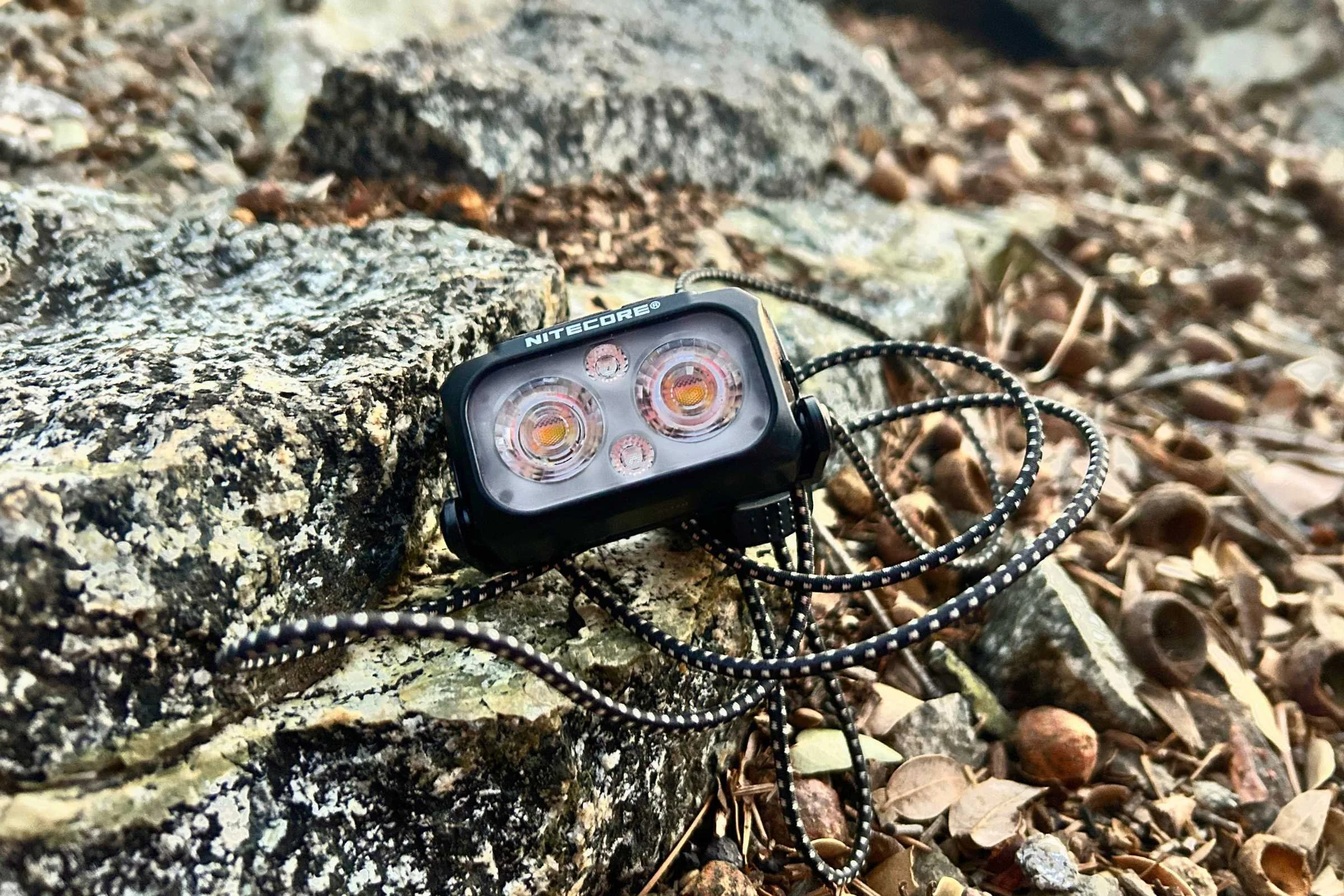
Weight and Construction
The NU25 MCT UL weighs 1.66 ounces, and is only rivaled in weight by the Black Diamond Deploy (which doesn't have a red light mode).
The NU 25 MCT UL power cord headband is thin—just two straps secured to the top and bottom of the lamp, adjustable with a small tab that rests on the back of the head. The power cord material is both reflective and glows in the dark. The NU 25 MCT is also available in a sport headband, which we didn't test in this particular model, but have tested in the earlier version of the NU25 Classic.
To learn more about reflective gear, check out our guide on Best Reflective Gear for Running in the Dark.
Batteries and battery life
The Nitecore NU25 MCT series are rechargeable headlamps that use USB-C, a change from the previous models. The 400 MCT lumen series has an included built-in 750mAh Li-ion battery that is about a third the weight of three AAA batteries. The battery life—especially when using the high output mode—requires a more dedicated charging routine than the BioLite Range 400.
Given this is an ultralight headlamp, we didn't expect the battery life to be on the same level as headlamps with batteries that are three times the weight.
The NU25 MCT also comes with a battery life indicator light on the side. Press the mode button while the headlamp is off to check the battery level.
Control button
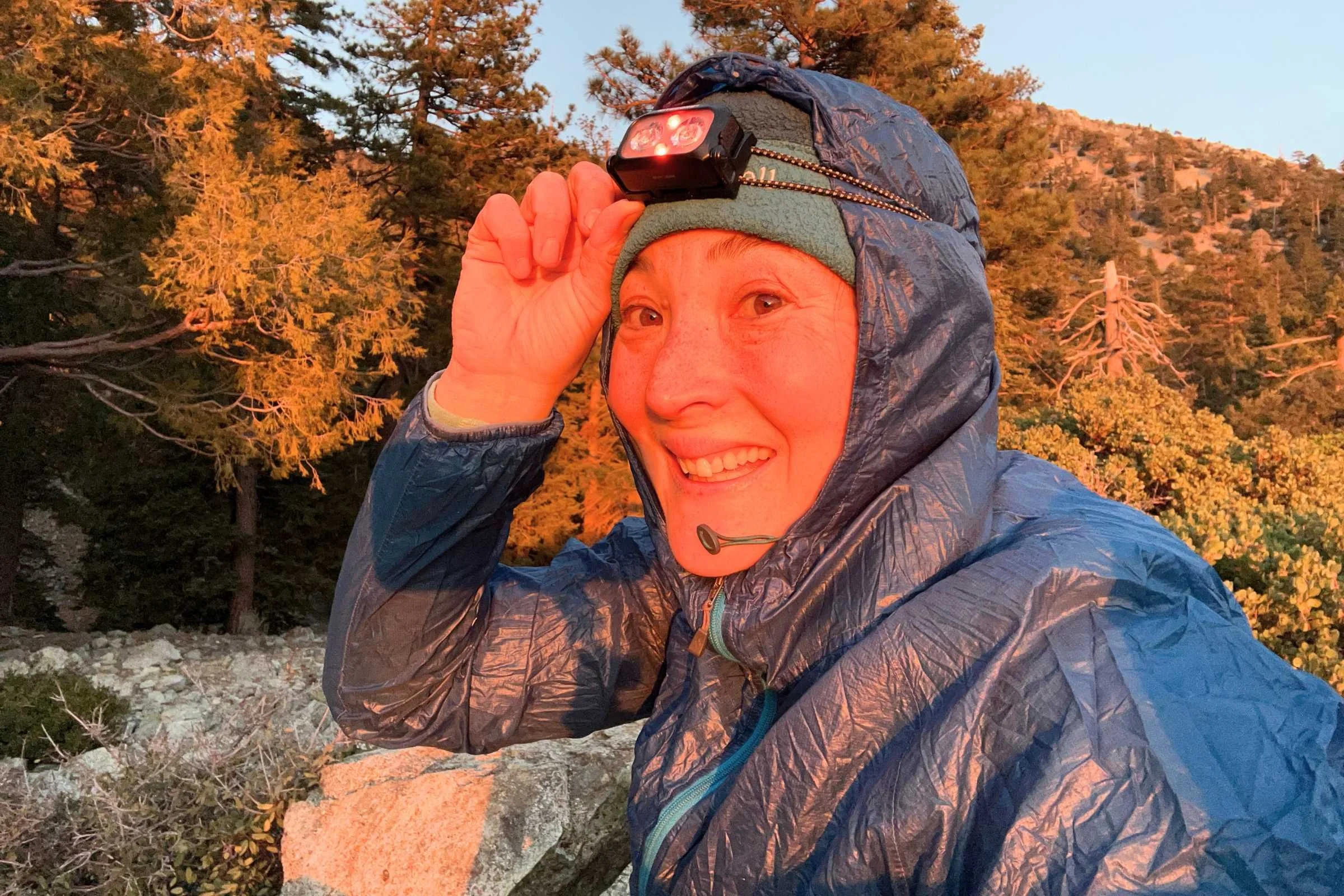
The Nitecore NU25 MCT series has two main buttons at the top—one larger power button and one smaller button that says “mode.” The power button turns the lamp on and lets you cycle through the different color temperatures, while the mode button lets you switch between low, high, and slow-flashing lighting.
The buttons are large enough and textured, so they’re fairly easy to differentiate from one another. Still, with all the modes, it was fairly confusing and more complicated than it needs to be, especially at the end of an exhausting day of hiking. Customer reviews reported people getting the hang of it after a few days. After two weeks on trail, we concluded there are too many modes.
Lighting Modes and Visibility
The NU25 MCT series features four brightness levels and three special modes (red caution, SOS, and beacon).
A special feature of the NU25 MCT is that the LED lights provide three different “color temperatures” of white—warm, neutral, and cool—that can be adjusted depending on weather or visibility preference.
Adjustable tilt angle
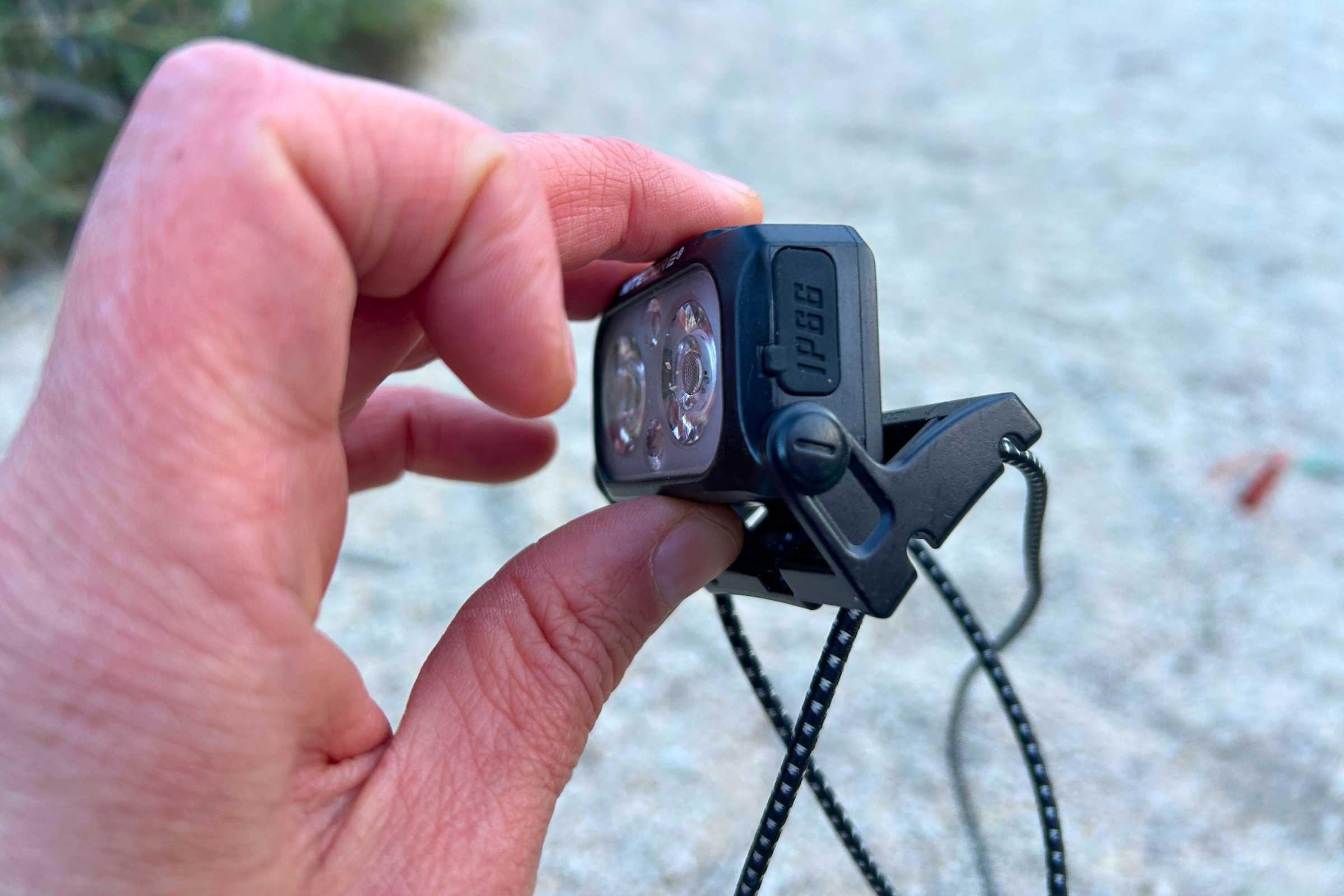
The NU25 MCT series has a 90° adjustable light, which is helpful in almost every situation – night hiking, setting up camp, or in the tent. We found it to be stable and secure, even while night hiking.
Diffusing stuff sack
The NU25 MCT comes with a stuff sack that doubles as a light diffuser. If you don't mind the weight penalty of the stuff sack, you can hang the light diffuser in the tent so that the entire tent is illuminated at once, rather than the light moving as you turn your head. If you're sharing a tent, this also means only one headlamp is needed in the tent, saving on battery life.
Nitecore NU25 MCT Compared to Other Headlamps
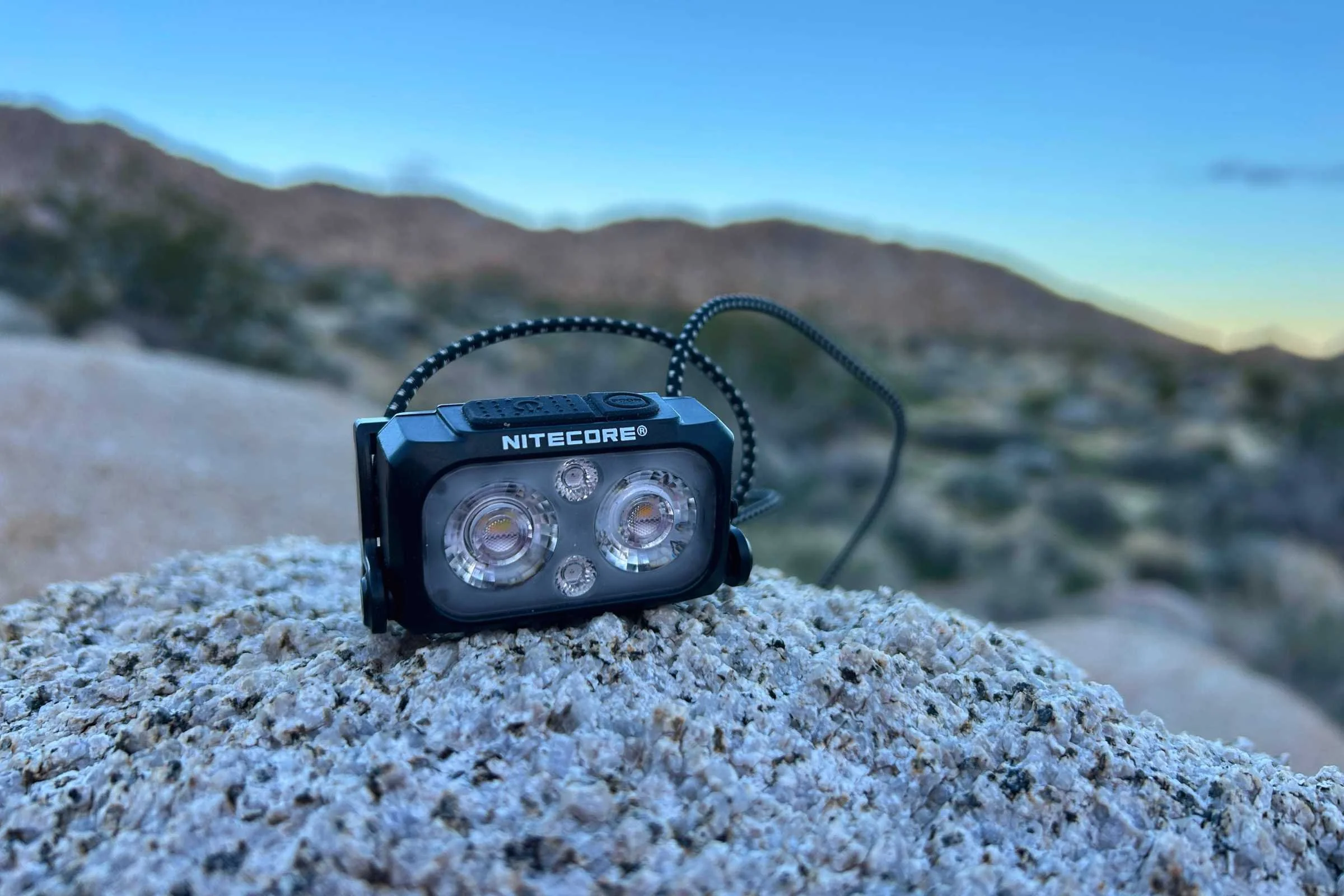
If you’ve read this far, you can see there are many reasons why so many of us at Treeline have been fans of Nitecore headlamps over the years. But there are other headlamps that deliver features the NU25 MCT series lacks.
If you need help deciding, read the section on What to Look for in a Headlamp in our Best (and Brightest) Headlamps guide.
Nitecore NU25 MCT vs BioLite Range 400
The BioLite Range 400, for instance, while more expensive, has a more comfortable headband, can be used while charging, and also holds its charge for longer. If you’re willing to spend more money for a premium headband design and extra charge, the Range 400 is a really great choice, which is why it won our Best Overall Headlamp.
Nitecore NU25 MCT vs Black Diamond Spot 400
If you’re looking for good run time at an affordable price, another excellent headlamp is the Black Diamond Spot 400. It won our Best Battery-Operated Headlamp title for its impressive duration of 4 hours on its highest setting and its high waterproof rating. Because it's operated with 3 AAA batteries,, it weighs 1.4 ounces more than the NU25 MCT UL, including the AAA batteries.
Nitecore NU20
If you're looking for something ultralight and affordable, the Nitecore NU20 has most of the features of the classic NU25 (the non-MCT version) while still charging with a USB-C.
We found the Nitecore NU20 to be a better option for people who are fans of the classic NU 25 and just want that headlamp with a USB-C charger.
Who should buy the Nitecore NU25 MCT UL
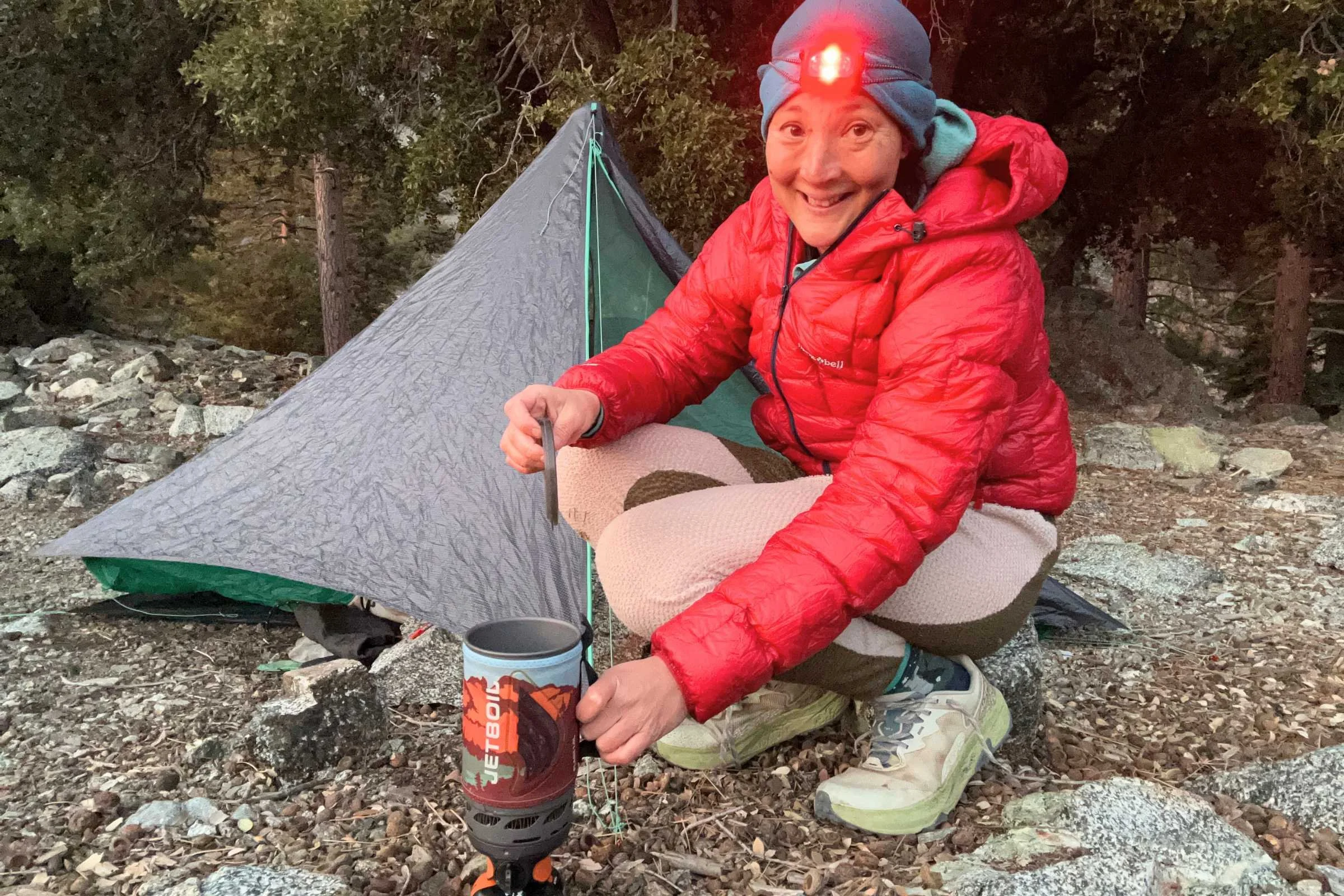
Buy if you’re an ultralight backpacker, thru-hiker, or climber who wants a rechargeable, lightweight headlamp that still performs well, or you simply want a quality headlamp for recreating in the dark at an affordable price.
Skip if you prioritize comfort and battery life over weight, and don’t mind spending a bit more money for extra features. If you want a headlamp like the old NU25, go with the NU20.
Similar products
Nitecore NU25 MCT UL vs Nitecore NU20 Classic
Power Source: Lithium-ion (USB-C)
Run Time (High): 2 hours
Run Time (Low): 97 hours
Weight (including batteries): 38 g
Maximum Beam Distance: 119 yards
Waterproof Rating: IP66 Submersible
Price: $25
What we like: Weight, price, simplicity
What we don’t like: No floodlight, difficult to pass through the charge
The newest version of the Nitecore NU20 is what the brand is most similar to the old Nitecore NU25 (non-MCT style). Confused yet? Nitecore didn't make it easy to understand the differences between the headlamps. But if you want an ultralight, affordable, simple headlamp, this is the one most ultralighters (and r/ultralight followers) prefer over the new MCT.
In its newest iteration, it has USB-C charging, which is the one thing the old NU20 couldn't do.
Nitecore NU20 Classic
Nitecore NU25 MCT UL vs BioLite Range 400
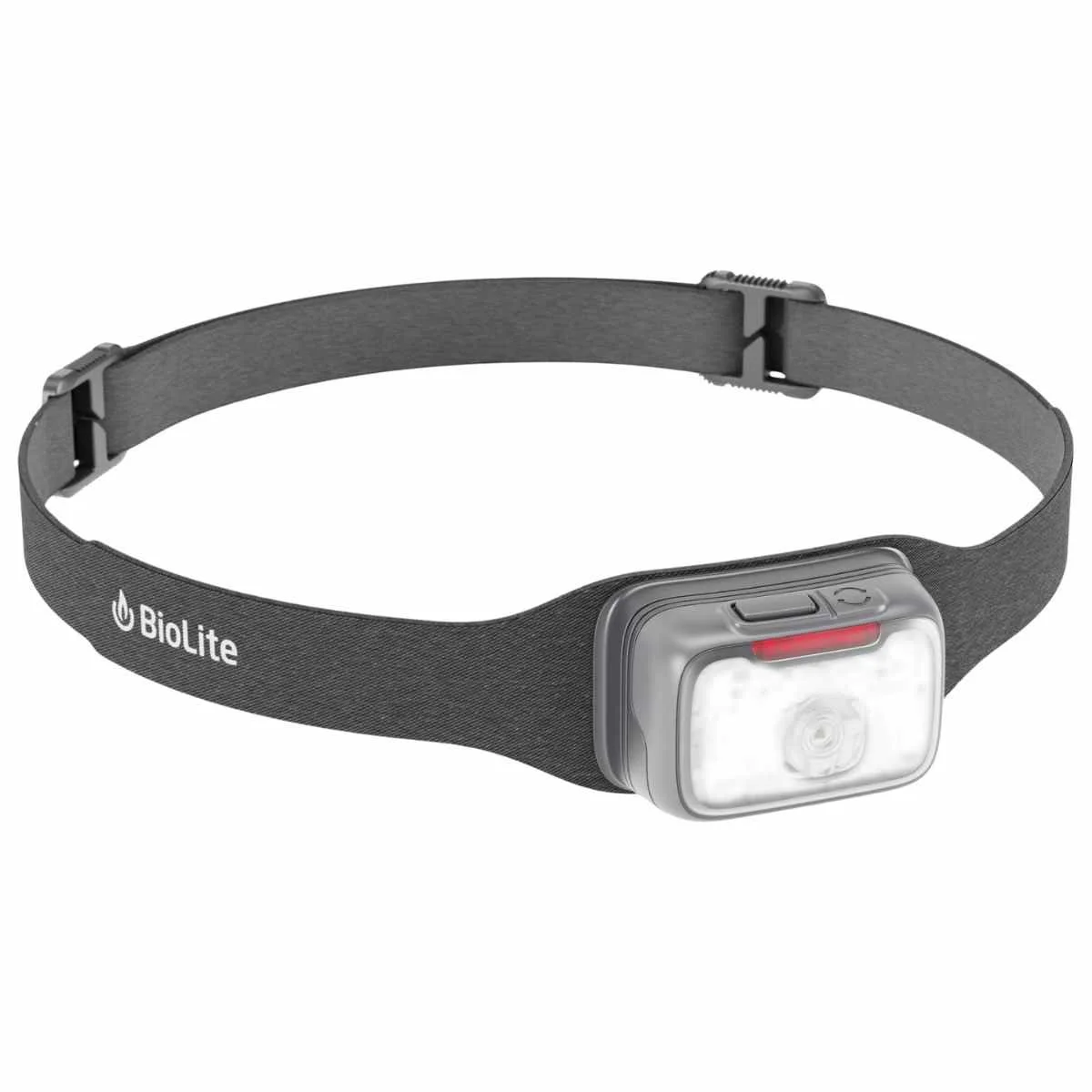
Power Source: Lithium-ion (USB-C)
Run Time (High): 6 hours
Run Time (Low): 200 hours
Weight (including batteries): 2.6 ounces (75 g)
Maximum Beam Distance: 98 yards (90 meters)
Waterproof Rating: IP67 Submersible
Price: $60
What we like: Comfort and fit of headband, USB-C fast charging, best battery life of its class, weight, ability to tilt light, fully submersible waterproof and dustproof, no battery in back means you can lie down in your tent and read
What we don’t like: No floodlight, difficult to pass through the charge
The BioLite Range 400 won our title for Best Overall Headlamp. It uses the newest technology to create a headlamp that has the brand's signature fit and comfort, but has fast charging, impressive durability, and the best battery life we've seen in a headlamp. If you’re willing to spend more money on a headlamp that provides more comfort and longer running time, then the Range 400 is an excellent choice.
You can read more in our in-depth review of the BioLite Range headlamp.
BioLite Range 400
Nitecore NU25 MCT UL vs Black Diamond Spot 400

Power Source: 3 AAA batteries
Run Time (High): 4 hours
Run Time (Low): 180 hours
Weight (including batteries): 2.7 ounces
Maximum Beam Distance: 100 meters
Waterproof Rating: IPX8
Price: $50
What we like: Battery life, waterproofness, price, reliability, intuitive buttons
What we don’t like: Not as light weight as rechargeables
The Black Diamond Spot 400 won our title for Best Battery-Operated Headlamp due to its performance in all the key headlamp metrics: brightness, waterproofness, functionality, and battery life, all at an affordable price. If you want the long-term reliability of a battery powered headlamp, the Spot 400 is our go-to choice.
Learn more in our in-depth review of the Black Diamond Spot.
Black Diamond Spot 400
Nitecore NU25 MCT UL vs Petzl Actik Core

Power Source: 3 AAA or Petzl CORE lithium rechargeable batteries
Run Time (High): 2 hours
Run Time (Low): 130 hours
Weight (including batteries): 3.0 ounces
Maximum Beam Distance: 90 meters
Water Resistance: IPX4
Price: $85
What we like: Ease of use, reliability
What we don’t like: Price
ThePetzl Actik Core headlamp is our Best Headlamp for Camping because it’s ideal for people who want to save on batteries or be more environmentally conscious without abandoning a battery-powered headlamp. We love that the Actik Core is a hybrid headlamp, so you can choose between AAA batteries and the rechargeable Petzl CORE lithium batteries. If you want an intuitive, reliable headlamp for camping and other everyday use, the Actik Core is a worthwhile option.
Petzl Actik Core
Garage Grown
Pros: Small ultralight cottage focused retailer
Hyperlite Mountain Gear
Why you should trust us / About the Author

Mike Unger is one of few people in the world to have thru-hiked the PCT end-to-end both as a northbounder and southbounder. He’s a double Triple Crowner, having completed the PCT, Appalachian Trail, and Continental Divide Trail each twice. He spends a considerable amount of time night hiking on these trails. As a result, he's spent cumulatively months testing headlamps on technical terrain in rough, real conditions.
You can see all articles by Mike Unger on his Treeline Review author page.
Naomi Hudetz is Chief Operating Office at Treeline Review. Some of her favorite long-distance hikes (ok, they’re all my favorite) include the Triple Crown (Pacific Crest Trail, Continental Divide Trail, and Appalachian Trail), Pacific Northwest Trail, Great Divide Trail, Tahoe Rim Trail, Arizona Trail, Grand Enchantment Trail, Idaho Centennial Trail, Blue Mountains Trail, among others. She’s carried a headlamp on all of these trails, often night hiking on desert trails or doing camp chores by headlamp after a long day of hiking or while packing up to get started in the morning.
You can see all of Naomi’s Treeline Review stories on her author page.
Liz Thomas has thru-hiked the PCT as a northbounder and completed the PCT a second time as a section-hiker over ten years. A former Fastest Known Time (FKT) record holder on the Appalachian Trail, she has also hiked the PCT and CDT and is a Triple Crowner. She’s co-founder and editor in chief of Treeline Review. As a former FKTer who enjoys night hiking, Liz continues to test headlamps while hiking in the dark. Additionally, she regularly hikes in the dark before work and uses headlamps while living off-grid in the Sierra each summer.
You can read all her gear articles here and on her personal website, as well as on Wikipedia.