Arc’teryx Beta SV Jacket Review
A hardwearing GORE-TEX jacket for a wide range of mountain uses
June 12th, 2026
Home → Gear Reviews → Apparel
Our verdict
The Arc’teryx Beta SV Jacket is a premium hardshell for people who spend time outside in serious wet, windy, and snowy conditions. It’s the most protective shell in Arc’teryx’s all-mountain Beta lineup, built with 3-layer GORE-TEX PRO ePE for winter hiking, skiing, alpine travel, and exposed days where reliable waterproof protection is a must.
We tested the Beta SV jacket (and pants) over roughly three months of late-winter and early-spring use in the Coast Mountains around Squamish and Whistler, British Columbia, including winter hiking, cross-country skiing, resort skiing, and heavy coastal rain.
The Beta SV was protective, durable, and breathable in the kind of mixed winter weather that the Pacific Northwest is known for: rain turning to wet snow, slushy trails, gusty winds, and cold, damp days where staying dry is a must. The jacket layers well over baselayers, fleece, and light insulation, with enough room and mobility for active winter use (say, for winter climbing) without feeling overly bulky. It also feels like a shell that will last for many, many years. Plus, it’s backed by Arc’teryx’s solid repair and warranty program, which adds peace of mind when you’re investing in a shell at this level.
The trade-off is that the Beta SV is expensive and more technical than most casual hikers or everyday rain-jacket users need. But if you regularly head out in harsh winter weather and want a durable, high-protection shell that can grow with you into bigger mountain conditions, it’s one of the best you’ll find.
Arc’teryx Beta SV
Men's
Women's
For more waterproof shells, check out our Best Men’s Ski Jackets and Best Women’s Ski Jackets guides.
We create reader-supported, objective gear reviews independently selected by our editors. This story may contain affiliate links, which help fund our website. When you click on the links to purchase gear, we may get a commission — without costing you an extra cent. Thank you for supporting our work and mission of outdoor coverage for every body! Learn more.
Arc’teryx Beta SV Jacket Specifications
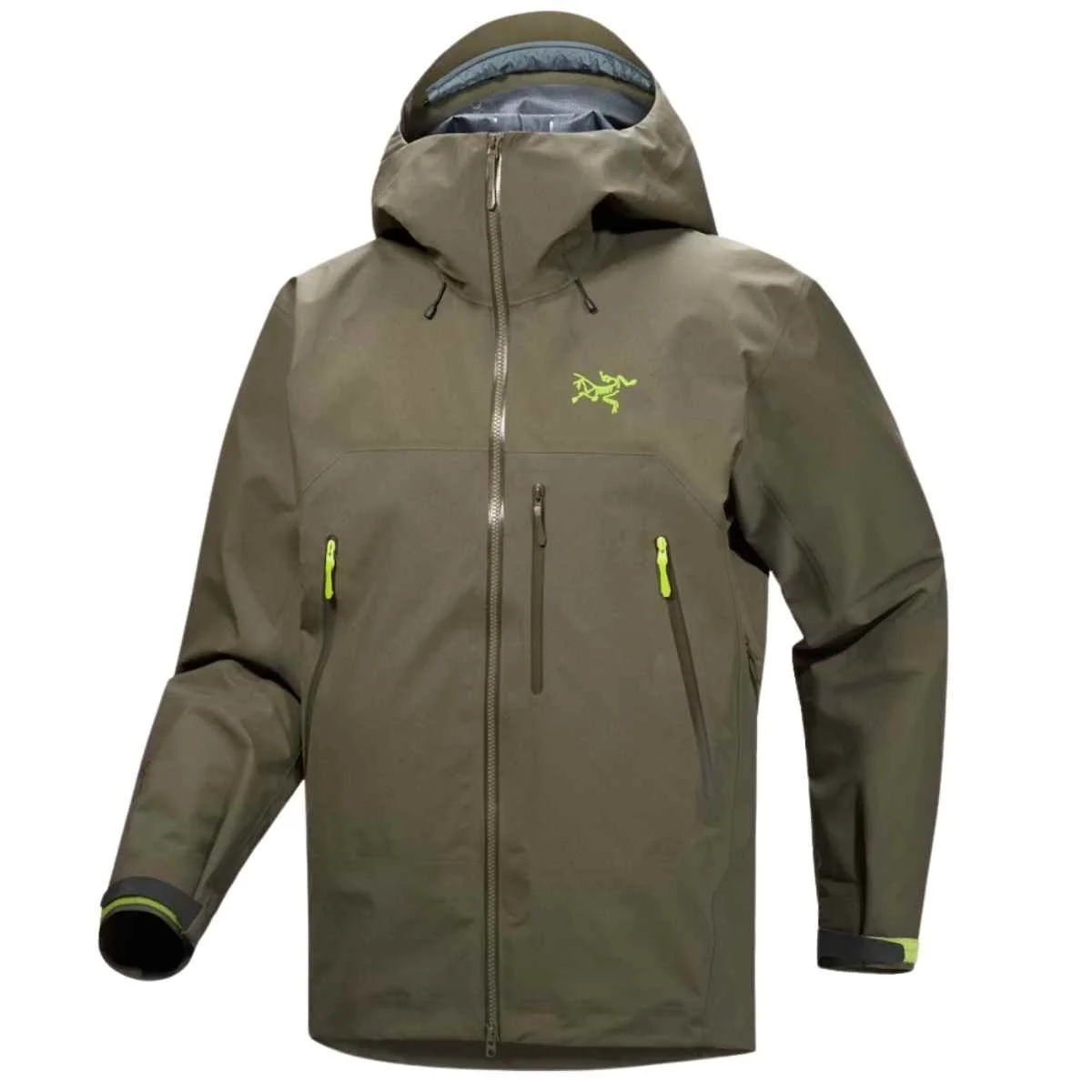
Price: $800
Weight: 15.1 oz (women’s); 1 lb 0.9 oz (men’s)
Waterproofing: 3L GORE-TEX PRO ePE
Face fabric: 100d nylon (recycled plain weave, 135 gsm, FC0 DWR - 100% nylon with ePE and PU membrane with 100% nylon backing)
Seams: Fully seam-taped
Hood: Helmet-compatible StormHood with adjustable cinchcord
Venting: Pit zippers
Pockets: Zippered chest pocket, 2 zippered hand pockets, zippered Internal chest pocket, internal dump pocket
Hem & cuffs: Adjustable hem; adjustable cuffs
Zippers: Water-resistant zippers
RECCO reflector: Yes
Sustainability: Contains materials that meet the Bluesign criteria; recycled content; PFAS (Per- and polyfluoroalkyl substances) compliant
Best for
Harsh-weather hiking and backpacking
Ski touring, resort skiing, and winter travel
Alpine climbing and mountaineering
Wet coastal mountain climates
Long days in wind, snow, and rain
Hikers, skiers, climbers, and mountaineers who want maximum durability and weather protection
Comparison table
| SKI JACKET | MSRP* | BEST FOR | TYPE | INSULATION | SIZES | POCKETS | SEAM SEAL | SHELL | PIT ZIPS? | POWDER SKIRT? |
|---|---|---|---|---|---|---|---|---|---|---|
| Arc'teryx Beta SV Men's Women's |
$800 | Resort, touring, everyday, backcountry | Hardshell | None | XXS - XXXL | 5 | Full | 3L GORE-TEX PRO ePE | Yes | No |
| Arc'teryx Alpha SV Men's Women's |
$900 | Backcountry | Hardshell | None | XS-XL | 2 hand pockets, 1 chest | Full | 3L GORE-TEX Pro | Yes | No |
| Arc'teryx Beta AR Men's Women's |
$650 | Resort, hiking, backpacking | Hardshell | None | XXS - XXXL | 3 | Full | 3L GORE-TEX PRO ePE | Yes | No |
| Arc'teryx Beta SL Men's Women's |
$500 | Hiking, backpacking, mountain biking, climbing, everyday | Hardshell | None | XXS - XXXL | 2 | Full | GORE-TEX ePE | Yes | No |
| Arc'teryx Sabre Men's Arc'teryx Sentinel Women's |
$750 | Resort, Versatile | Hardshell | None (also available insulated) | XXS - XXL | 2 hand, 1 internal zip, 1 internal mesh, 1 sleeve | Full | 3L GORE-TEX ePE Gen 2 | Yes | Yes |
| Outdoor Research Foray 3L Men's Outdoor Research Aspire 3L Women's |
$260 | Hiking, backpacking, everyday | Hardshell | None | XXS - XXXL | 3 | Full | AscentShell Dry 3L | Yes | No |
| Patagonia Torrentshell 3L Men's Women's |
$189 | Hiking, backpacking, everyday | Hardshell | None | XXS - XXXL | 2 | Full | H2No Performance Standard 3L | Yes | No |
What we liked
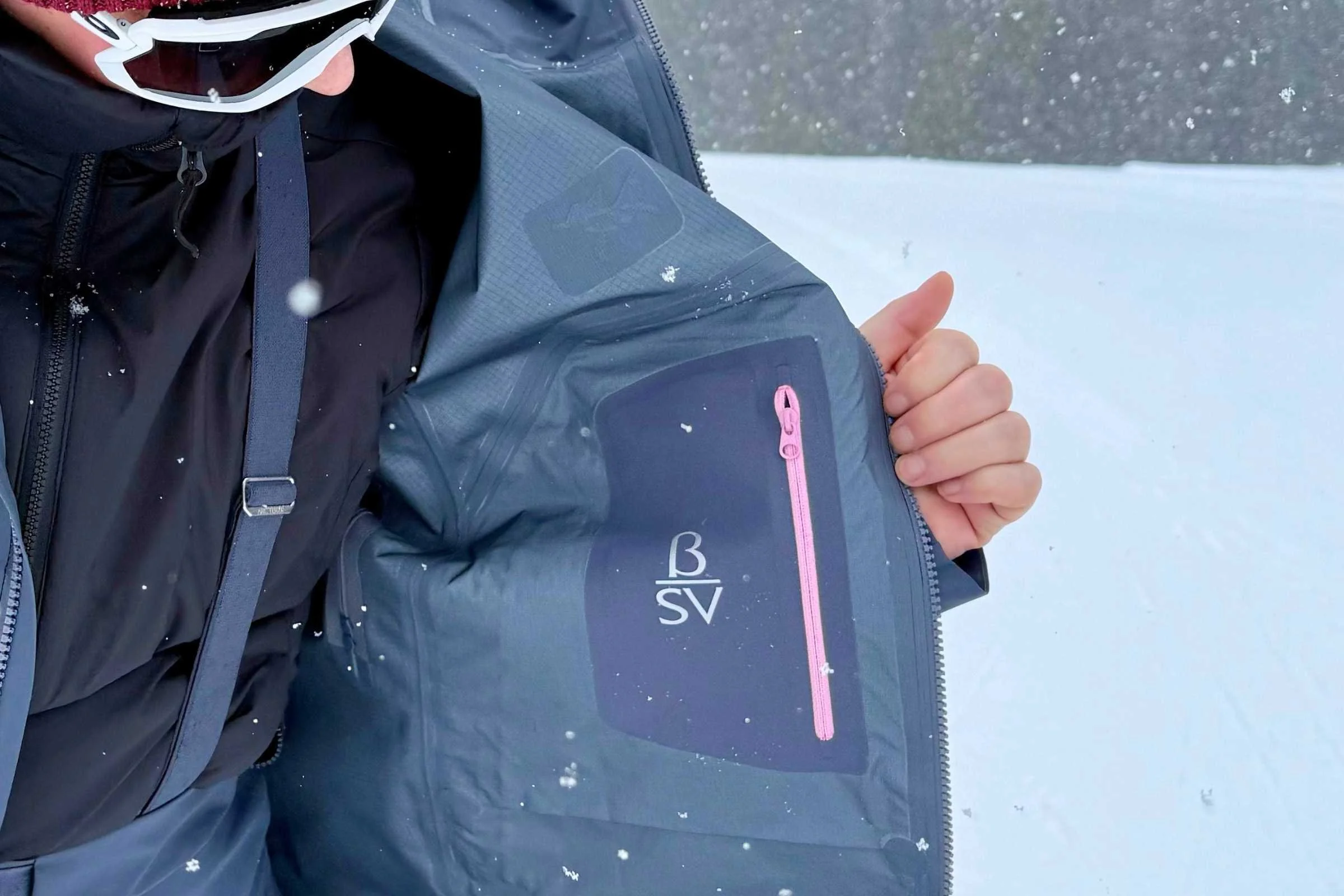
We love the pop of light pink on the zipper on the inside pocket.
Seriously great weather protection for rain, snow, wind, and slush
Extremely durable face fabric built for hard mountain use
Excellent hood coverage, especially with a helmet
Open pit zips make it easy to vent heat fast
Premium construction and details throughout
What could be better
Size inclusivity
Very expensive for anyone who doesn’t truly need severe-weather protection
More jacket than most people need for casual hiking or everyday rainwear
Makes a noticeable “swishing” sound when you move (like many technical hardshells)
How we tested
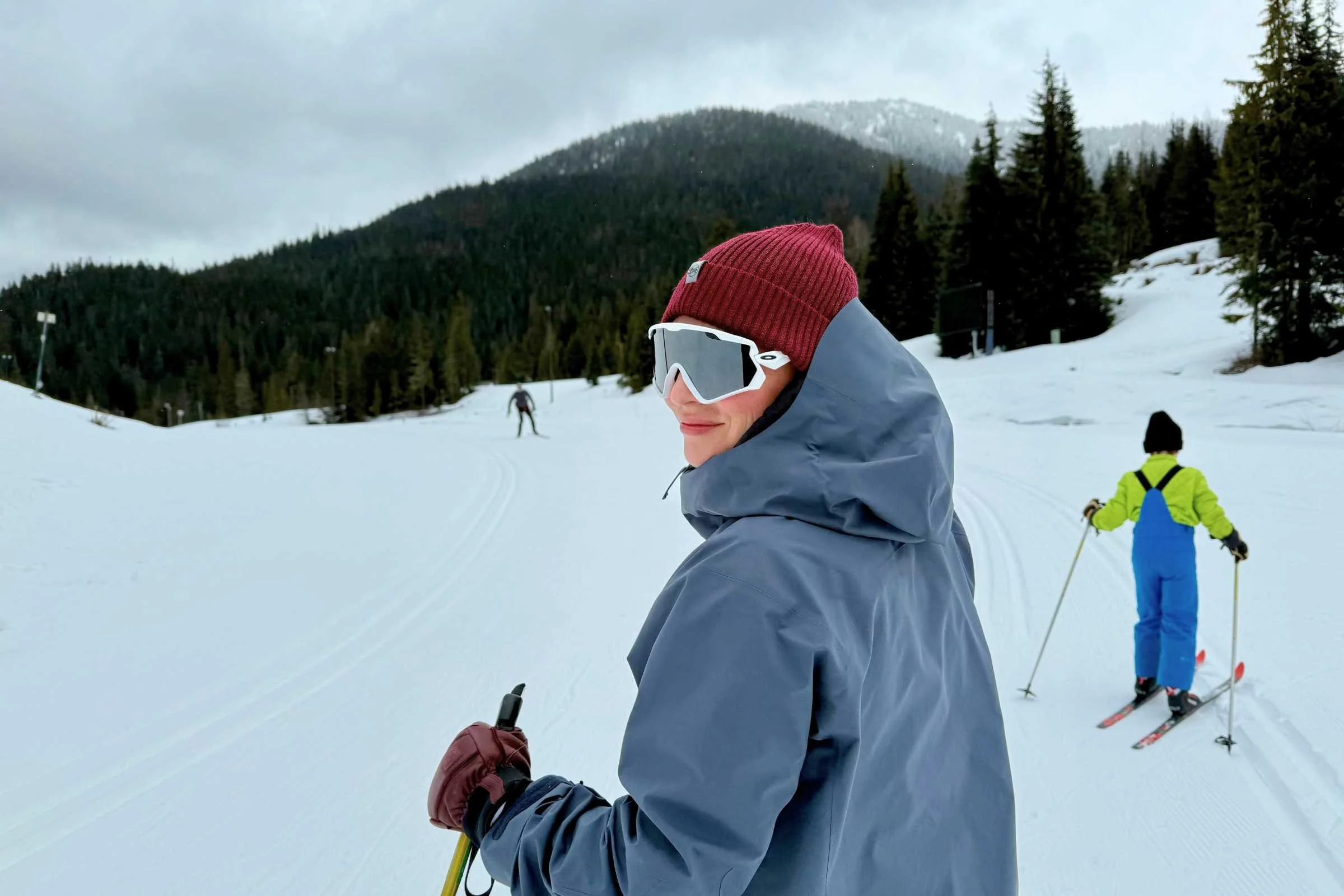
Testing the Beta SV on cross-country skis. It’s built for much harsher weather, but heavy, wet snow still gave us a good taste of what it can do.
We tested the Arc'teryx Beta SV for roughly three months in late-winter and early-spring conditions around Squamish and Whistler, B.C., an area notorious for winters that mix snow with heavy rain—with this year including a couple of record-breaking rain stretches. We’ve used the Beta SV jacket for cross-country skiing, resort skiing, winter and wet-weather hiking, and everyday mountain town wear in heavy coastal rain.
Our testing exposed the Beta SV to a mix of rain, wet snow, wind, slush, and cold, damp conditions, but not yet the truly severe alpine weather it’s built to handle. We haven’t taken it into sustained storm skiing, multi-day ski touring, ice climbing, or prolonged high-alpine exposure, so our testing should be read as a first few months of average wet winter use rather than a full test of the jacket’s upper limit.
Underneath the shell, we wore a mix of lightweight synthetic and merino baselayers, fleece midlayers, and light insulated jackets—depending on temperature and activity level. We assessed how the jacket and pants layered over those systems, how they moved while skiing and hiking, how well they vented during higher-output efforts, and how comfortable they felt in wet, stop-and-go winter conditions.
We also compared the Beta SV against other 3-layer hardshells we’ve used, such as the Arc’teryx Beta SL Jacket and the Patagonia Torrentshell 3L, focusing on waterproof protection, fabric feel, mobility, pocket layout, hood and cuff design, breathability, and overall weather protection.
Performance in the field
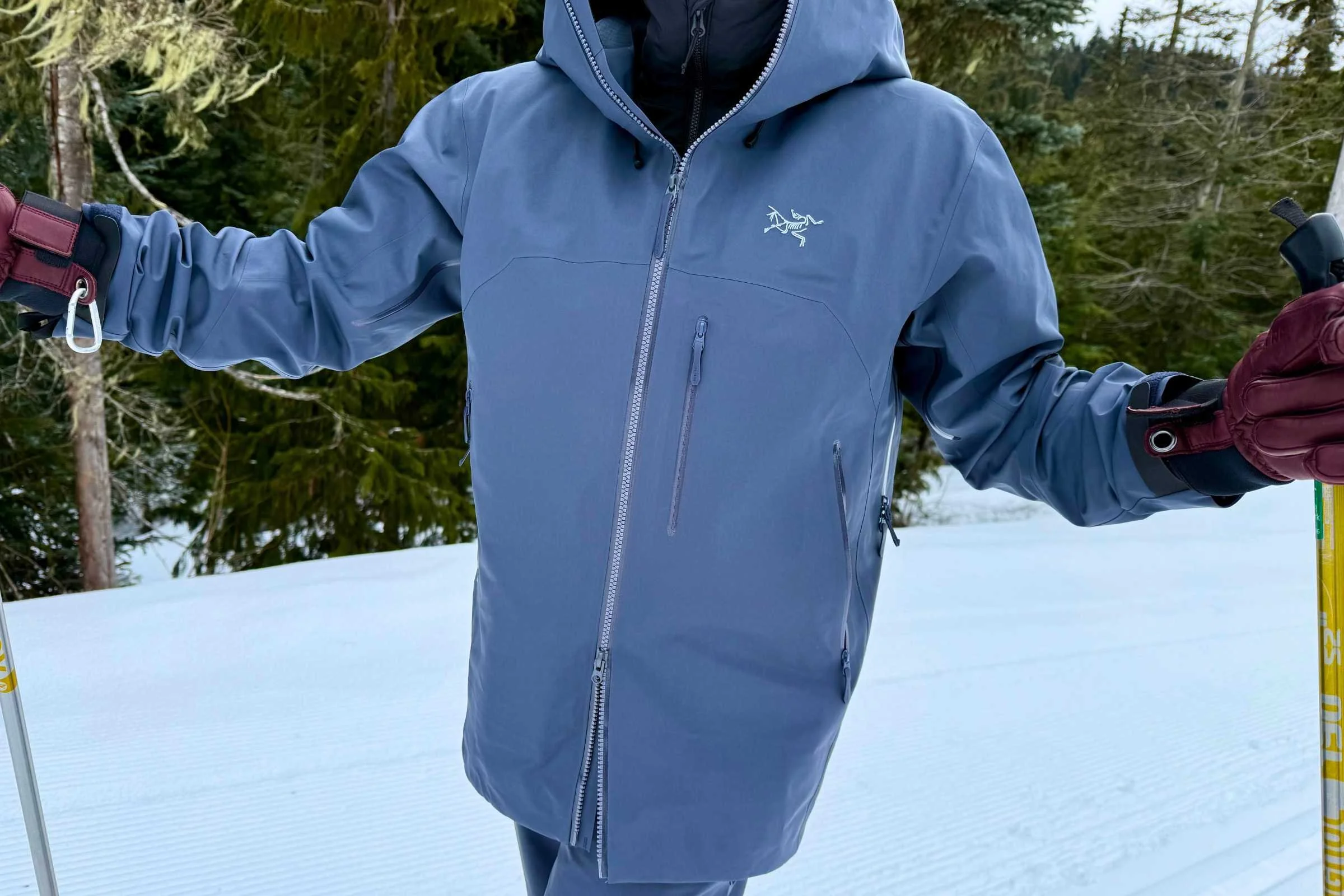
The front two-way zipper allows you to open the jacket from the bottom for extra ventilation or easier access to layers underneath.
Weather protection
Weather protection is what the Beta SV is all about. To situate it within the Arc’teryx family: the Alpha line is more specialized for climbing and alpinism, while the Beta line is built around versatility across activities and conditions. Within those lineups, Arc’teryx also uses designators to further separate jackets by best use case: SL for Superlight, AR for All-Round, and SV for Severe Weather. This means the Beta SV sits at the top for durability and weather protection.
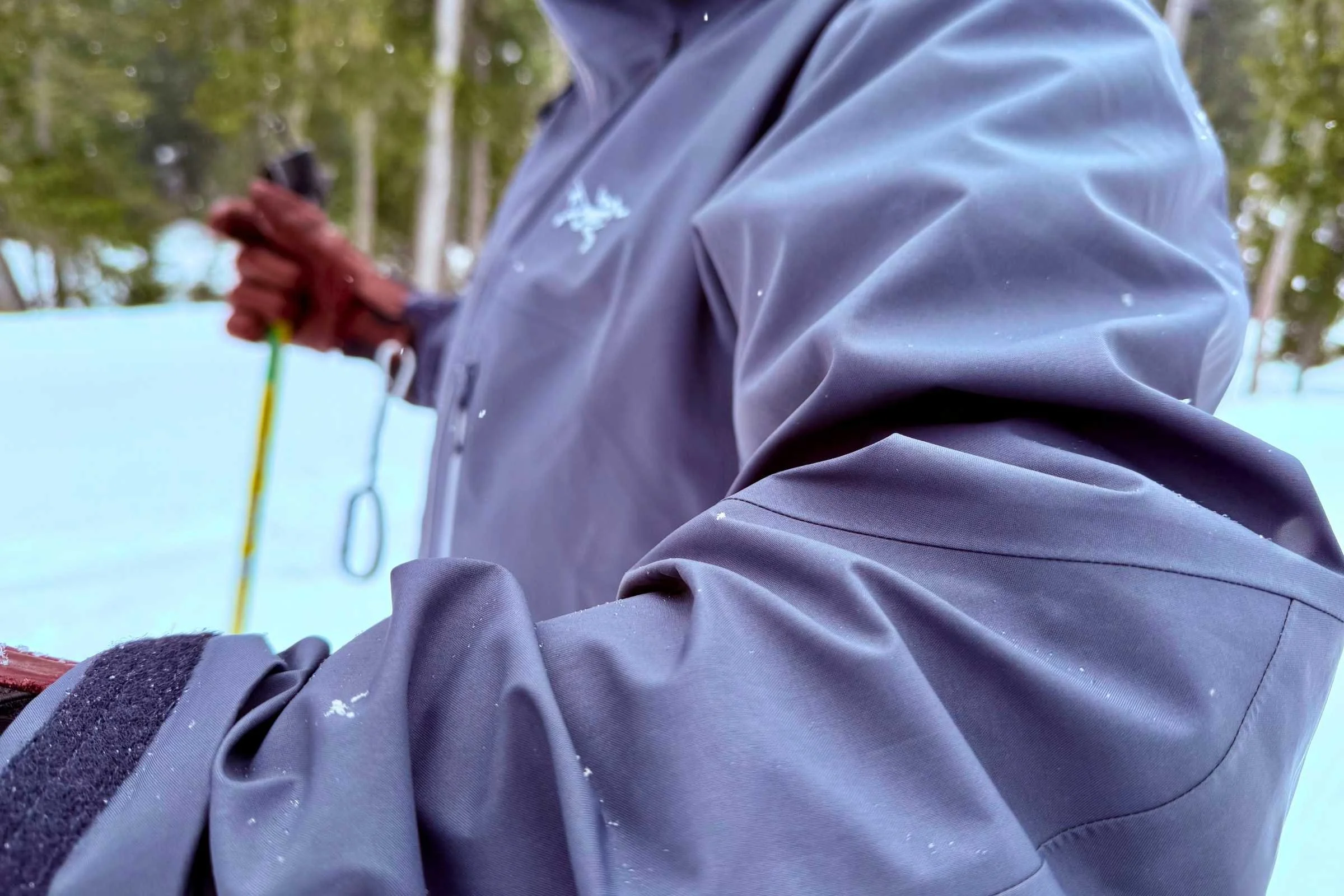
A closeup of the 100-denier GORE-TEX Pro ePE face fabric.
It uses 3-layer 100-denier GORE-TEX PRO ePE, which is waterproof, windproof, breathable, and made without intentionally added PFAS. Real talk: it feels like a serious shell fabric. It’s stiff enough to feel protective, light enough to actually wear all day, and tough enough that you don’t feel like you need to baby it. (For reference, the Alpha SV is also made with the same burly shell fabric, but with a more climbing-specific cut and set of features; the Beta SV is more geared for skiing, hiking, winter travel, and general mountain use.)
While testing, it felt as close to impenetrable against rain, wet snow, and wind as you can get. We wore it during wet ski days, windy chairlift rides, winter hikes, and classic Coast Mountain conditions where the weather flips quickly. Water beaded off the face fabric instead of soaking in, and the hood and brim kept rain from running straight into our faces. In the wind, nothing cuts through.
We also wore it in the shower for 10 minutes to mimic hard, sustained rain, and not a drop got through. That’s not a substitute for years of storm testing, but it did confirm what we were already feeling outside: this is a jacket built for the kind of weather where you really do not want your shell to fail.
Breathability
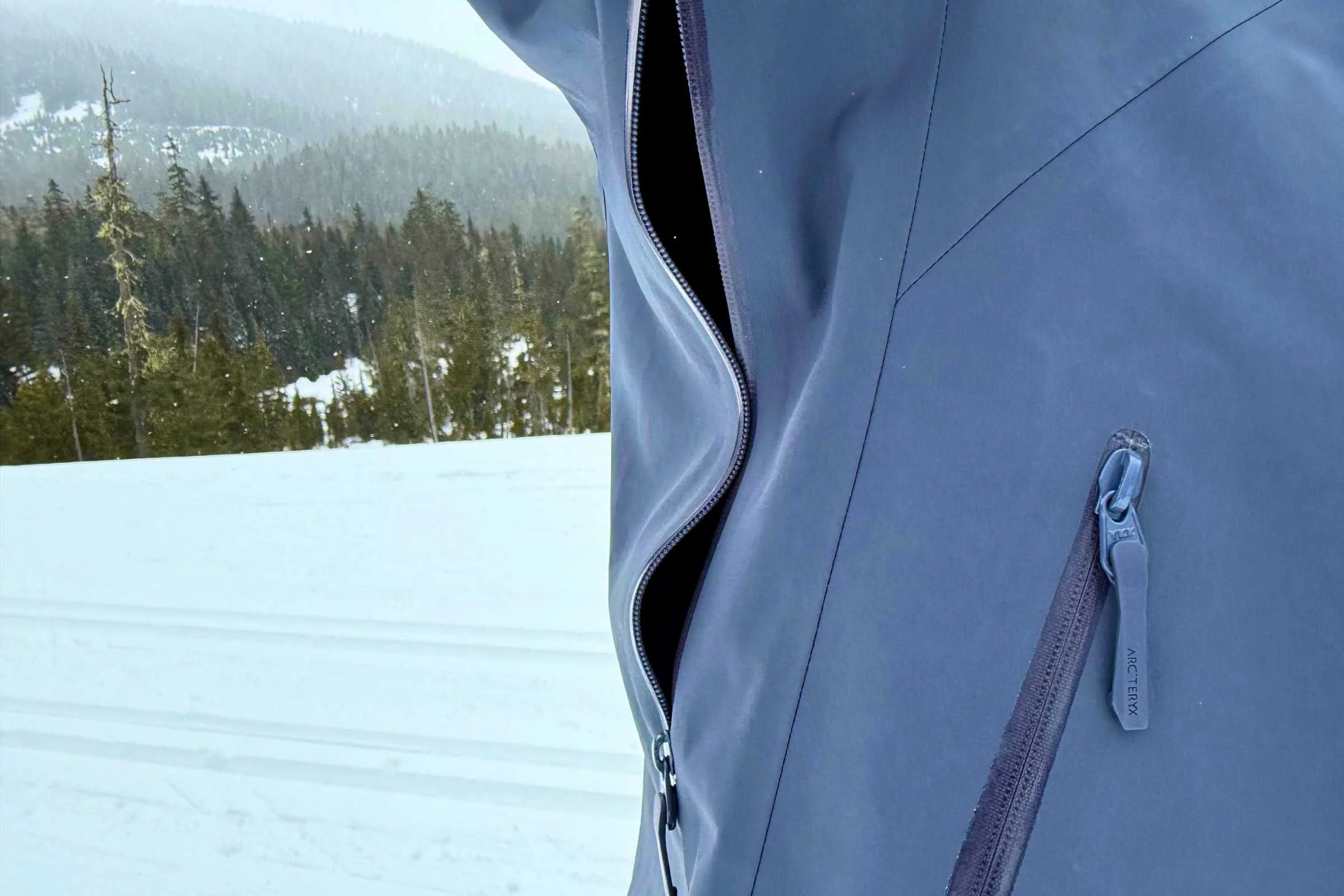
Open pit zips allow you to dump heat very quickly.
The Beta SV was surprisingly breathable for such a durable, protective shell. We never felt clammy in it, even while working hard on uphill cross-country ski tracks where we started to really sweat. The pit zips help a ton when you need to dump heat fast, and the two-way front zipper gives you another easy way to vent from the bottom without opening the whole jacket.
Fit and mobility
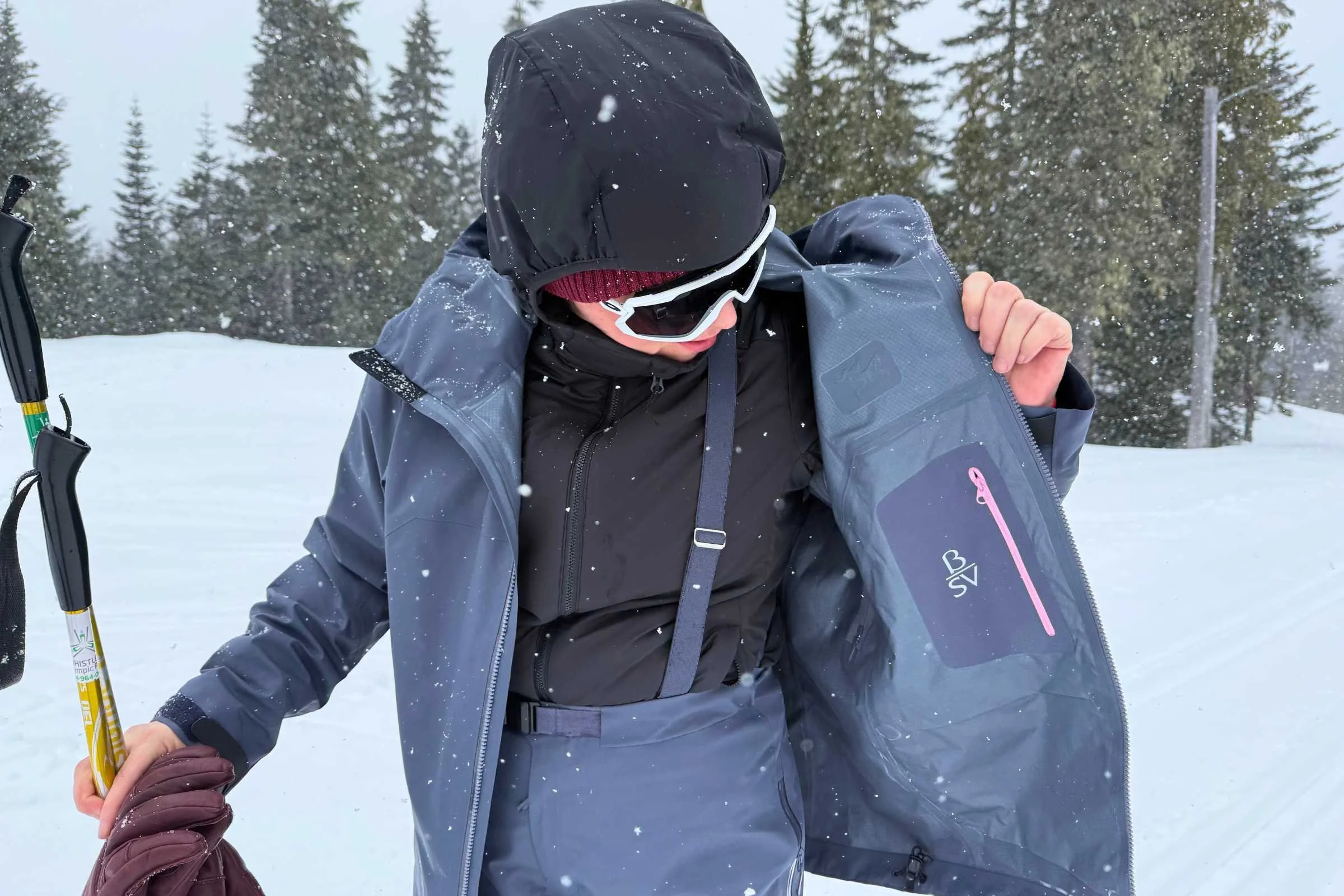
Layering a lightweight hoodie and merino wool base layer under the Beta SV.
For a burly hardshell, the Beta SV still feels easy to move in. According to the size chart, we fell right between a medium and a large, and we’re glad we went with the large because it easily accommodated our layers without feeling oversized. For skiing, we wore it over an Ibex merino wool baselayer, a lightweight Arc’teryx fleece, and our Ibex Wool Aire Hoodie (which we ended up ditching when the sun came out). We had no issues pole planting, trekking uphill, bending or reaching, and the jacket never felt stiff in a way that limited what we were doing.
Hood performance
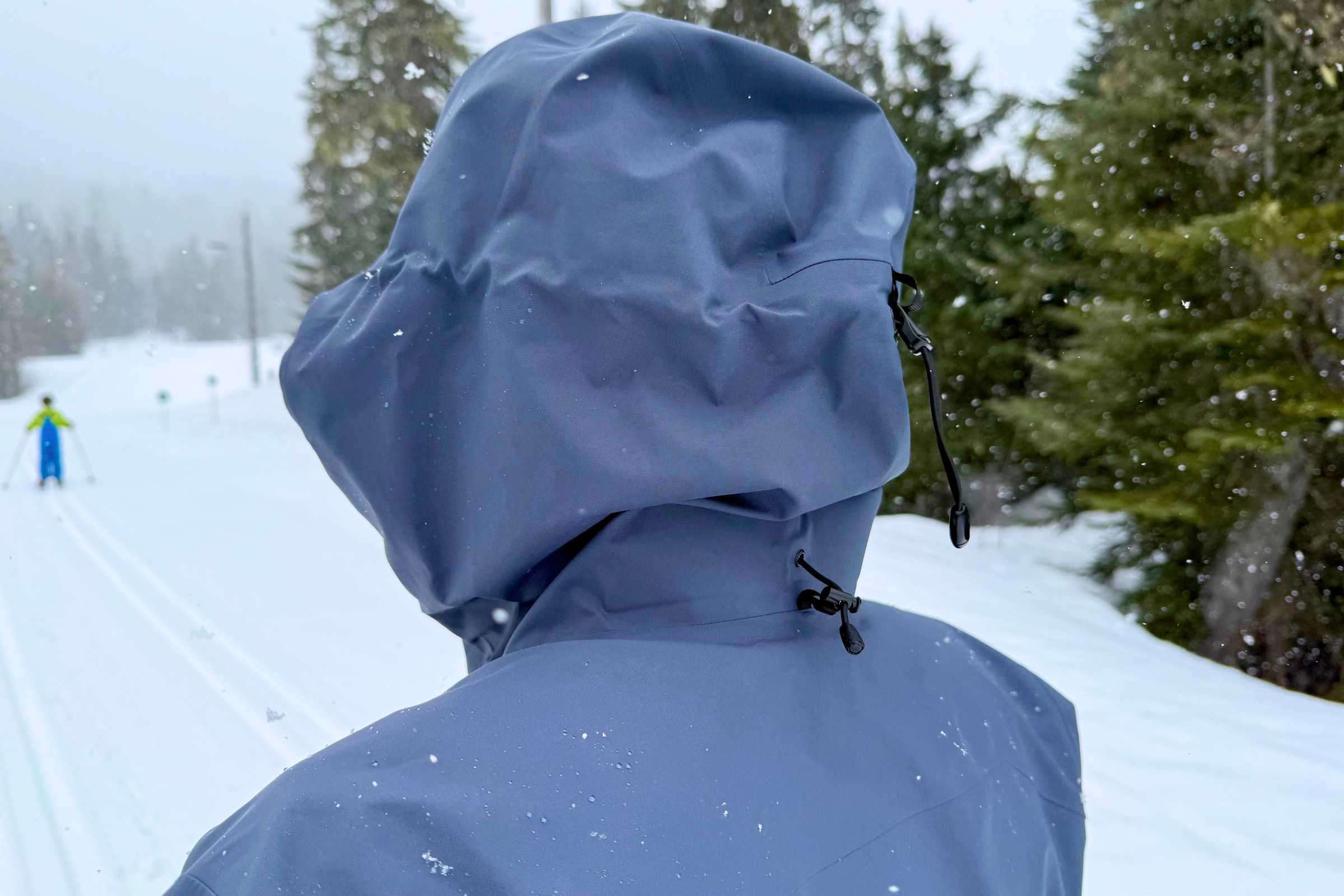
Multiple adjustment points allow the hood to work with or without a helmet.
The StormHood is one of the strongest parts of the Beta SV. With a helmet on, it gives excellent coverage without blocking your vision, and it moves well with the jacket so you can still turn your head side to side and see. The brim also does a good job shedding water away from your face, so rain beads off instead of dripping straight down into your eyes.
Without a helmet, the front panel sits a little higher on the face, which is great for blocking wind and snow but can feel like it's in the way when you don’t need that much coverage.
Durability
The Beta SV is the most durable shell in Arc’teryx’s all-mountain Beta lineup. Compared to other shell fabrics we've tested over the years, the fabric feels extremely tough for how light the jacket is. This doesn’t feel like the kind of fabric that’s going to rip easily (one of my son’s ski poles caught the jacket while we were out, and it didn’t leave a mark). We can’t speak to years of wear yet (the jacket just came out three months ago), but this is the kind of shell we’d expect to keep wearing for a long time.
Like almost every hardshell we've tested, this jacket has that crinkly hardshell sound and feel, but that’s the trade-off for how protective and hardwearing the jacket is. The zippers and seams haven’t shown any signs of breaking down, and based on the heavy use we’ve put into older Arc’teryx shells like the Beta SL, we’d expect these high-wear areas to hold up very well.
Weight and packability
For how protective the Beta SV is, the weight feels reasonable, but this is definitely a durable hardshell, not a featherweight rain jacket. Our women’s large jacket weighed about 16 ounces, which is still light enough to bring on serious mountain days, and we had no issue carrying it in a daypack for ski days and winter hikes when we weren’t wearing it the whole time. It feels stiffer and more substantial than lighter shells like our older Beta SL, and while you can absolutely stuff it into a pack, it doesn’t disappear the way a thinner, softer shell does.
The GORE-TEX PRO ePE fabric has some structure, and you notice it when it’s packed away or when you’re pulling it in and out of a full pack. But that same stiffness is also part of what makes the jacket feel so durable and ready for rough weather. It gives up some packability and softness in exchange for better durability, coverage, and weather protection, which feels like a fair trade.
Versatility
The Beta SV is the burliest shell in Arc’teryx’s all-mountain Beta lineup, but the Beta line is designed with versatility at its core. If you want the most durable and protective option for ski touring, winter hiking, alpine travel, and rough weather, this is the one to get. It’s built for winter and shoulder-season use, but it can easily carry into three-season mountain wear, especially for cool, wet hikes, exposed ridgelines, and those sudden summer downpours that make you glad you packed a real shell.
It’s a lot of jacket for casual wear or occasional rain, though, and most people can save money by stepping down to another Beta model such as the Beta SL (or a different brand altogether) if they don’t need that level of protection. But if you want one jacket you can do almost everything in, the Beta SV has the features you need without feeling cluttered with extras.
Features
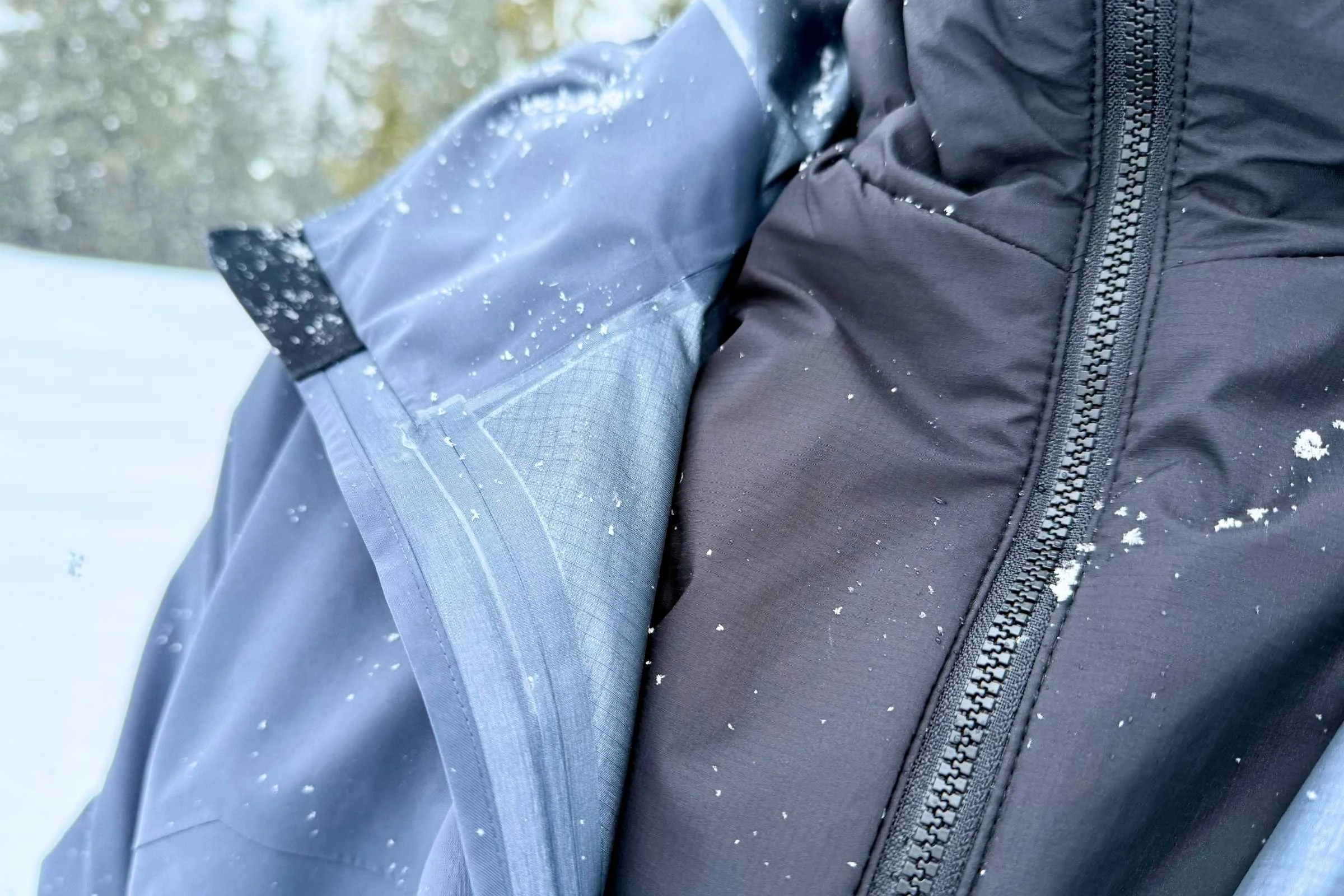
The inside of the jacket consists of a micro-grid liner and fully taped seams.
GORE-TEX Pro ePE construction
The Beta SV uses 3-layer GORE-TEX PRO ePE fabric that’s waterproof, windproof, breathable, and built for durable protection in heavy rain, snow, and rough mountain weather. It’s thinner than previous versions, the ePE membrane is made without intentionally added PFAS, and the lightweight grid backer helps the shell breathe while protecting the inside of the jacket from abrasion and wear. This is one of the tougher, more protective shell fabrics you’ll find in an all-mountain jacket.
Because this newer PFAS-free DWR doesn’t shed oil and grime quite the same way the older GORE-TEX did, it benefits from more regular washing to keep the face fabric clean so it can breathe and bead water properly.
For information on maintaining GORE-TEX shells, check out our guide on How to Clean and Repair GORE-TEX and Other Shells.
Helmet-compatible StormHood
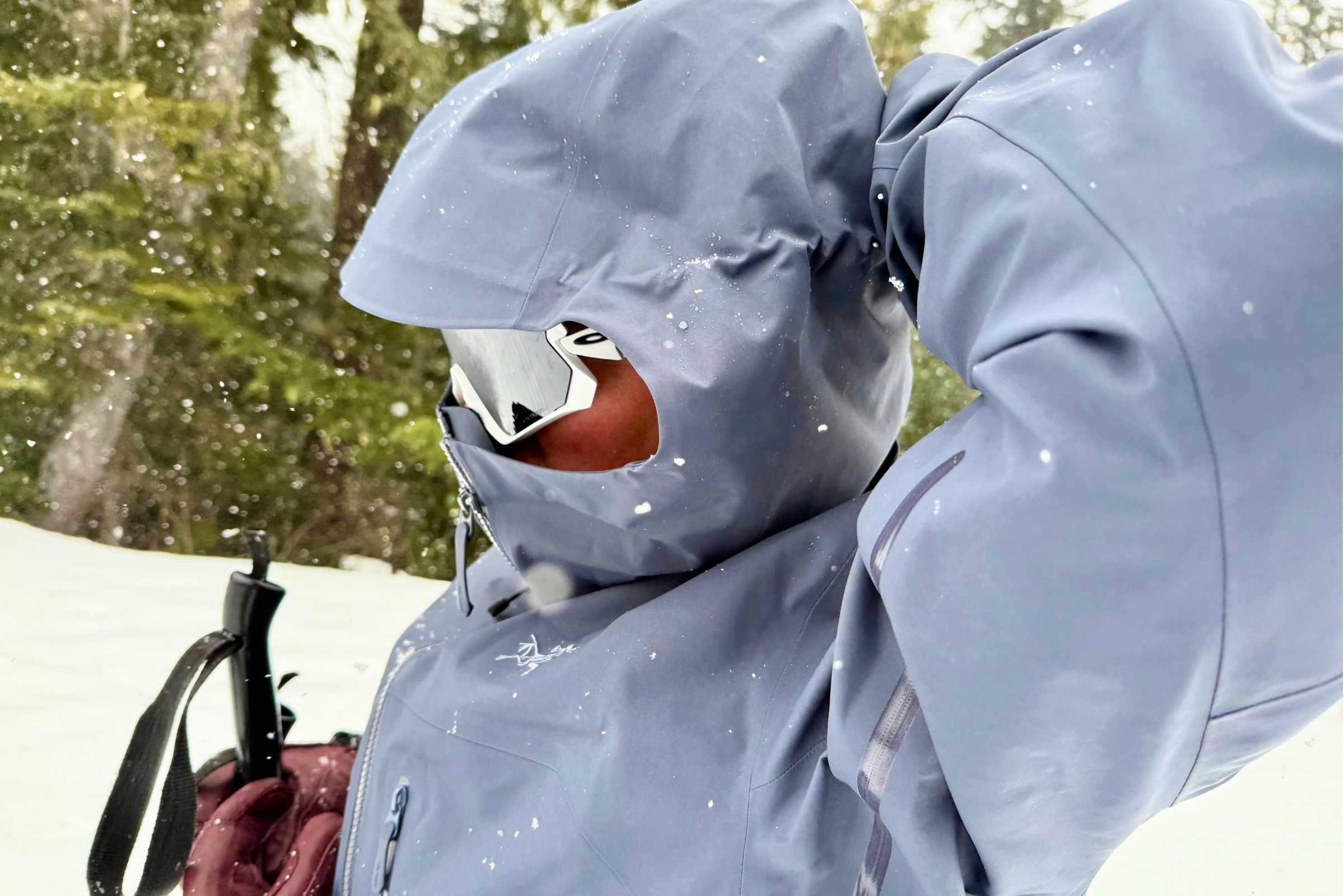
It’s a lot of hood without a helmet, but you can cinch it down so it still feels secure and protective in bad weather.
The StormHood is designed to fit over a climbing or ski helmet without blocking your vision. It cinches down easily, so you can still get a secure fit without a helmet. If you never wear a helmet, the extra coverage can feel like a lot and may sit high enough to get in the way around your mouth or chin.
Taped seams
The Beta SV uses fully taped seams to seal the tiny holes created when the fabric panels are sewn together. Arc’teryx uses its Micro Seam Technology (very narrow seam allowances and narrow seam tape to cover stitched areas with less excess material), which helps reduce bulk and weight while keeping the shell waterproof and a little more breathable than it would be with wider/heavier seam tape.
Pit zips
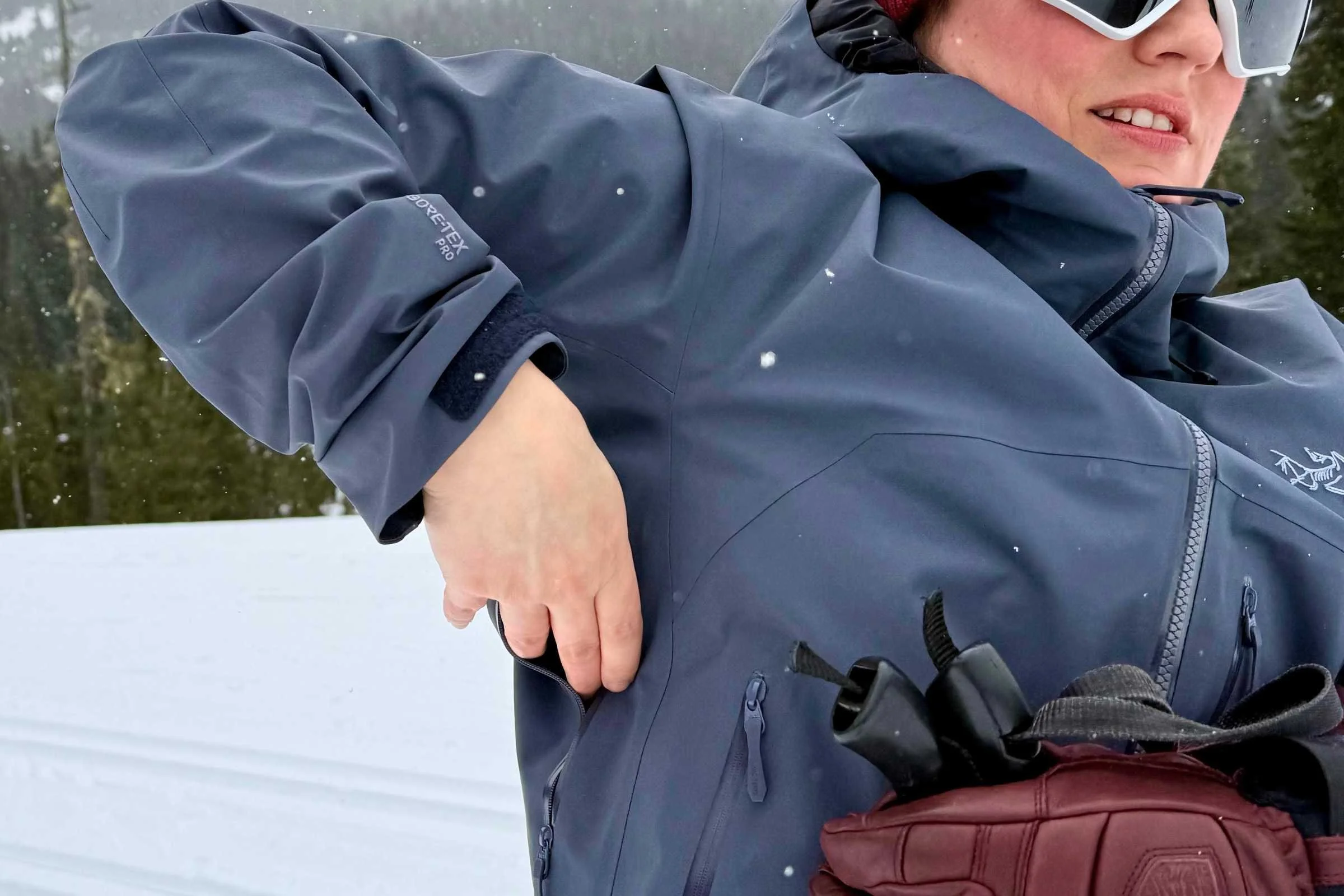
Opening the pit zips to cool off.
The Beta SV has long underarm pit zips that open directly to the inside of the jacket, with no mesh backing, so they dump heat fast when you’re working hard. That open design is great for quick ventilation during ski touring and winter hiking, though it exposes the shell directly to the elements.
Two-way front zipper
The Beta SV has a two-way front zipper, which lets you open the jacket from the bottom without fully unzipping it. It’s useful when you’re wearing a climbing harness or ski touring backpack and need access to layers. It also provides easy ventilation without needing to open the whole jacket.
Chest pocket and harness-friendly hand pockets
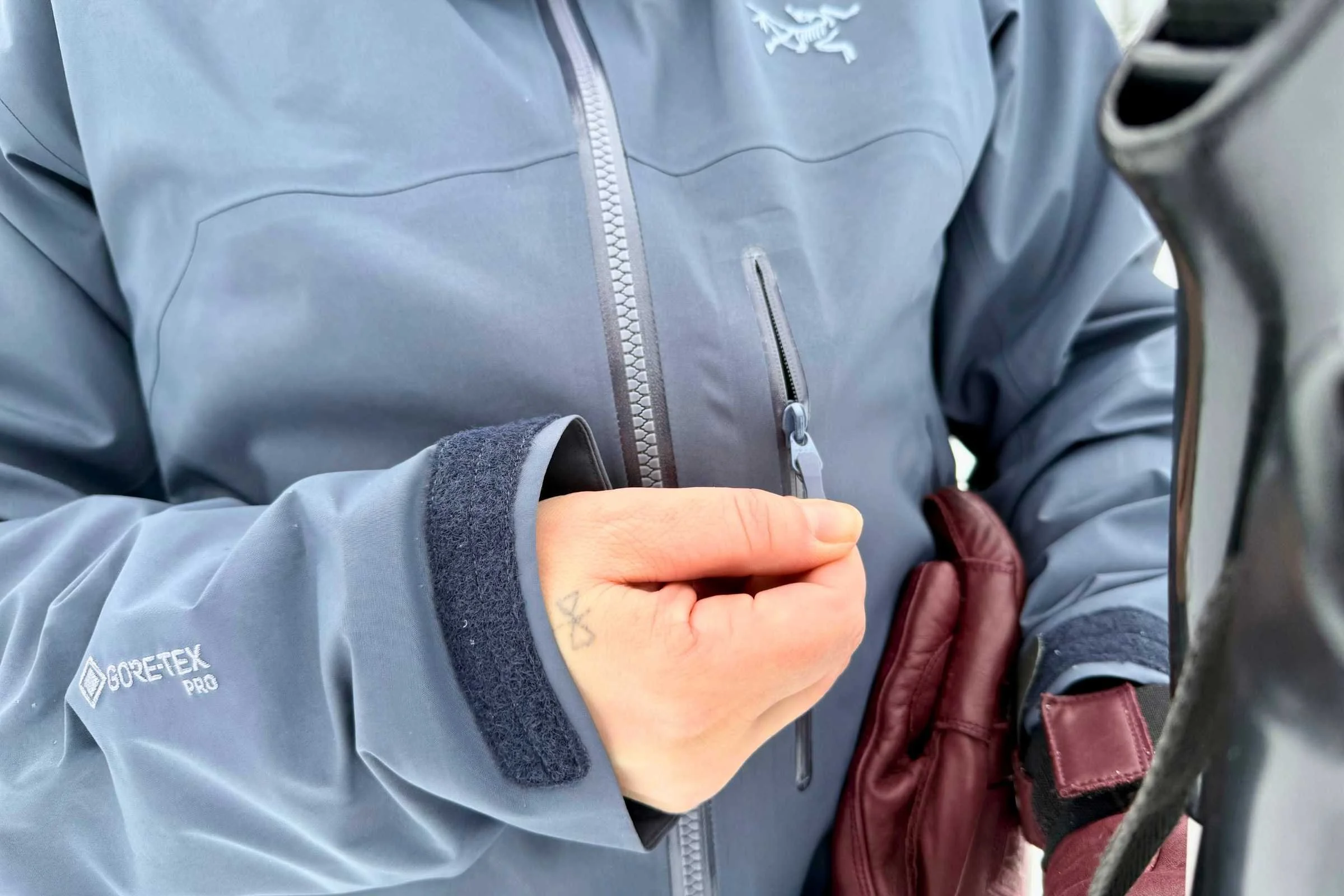
The weatherproof zipper on the front pocket allows you to safely stash small items.
The Beta SV has one zippered chest pocket and two zippered hand pockets, giving you a few places to stash small essentials like a phone, snacks, gloves, or a pass. The hand pockets are positioned to remain accessible with a climbing harness or hip belt, making them more useful for skiing, hiking, and alpine use than lower-placed pockets.
WaterTight external zippers
The Beta SV uses Arc’teryx’s WaterTight external zippers, which do an excellent job of blocking rain and snow from getting through the openings.
Adjustable cuffs
The cuffs can be tightened over gloves or loosened for ventilation, which gives you some flexibility depending on your layering system.
Adjustable hem
The hem cinches down to help keep the weather out from below. It’s a small detail, but it makes a difference in wind, heavy rain, or when you’re wearing the jacket over multiple layers.
Internal pocket
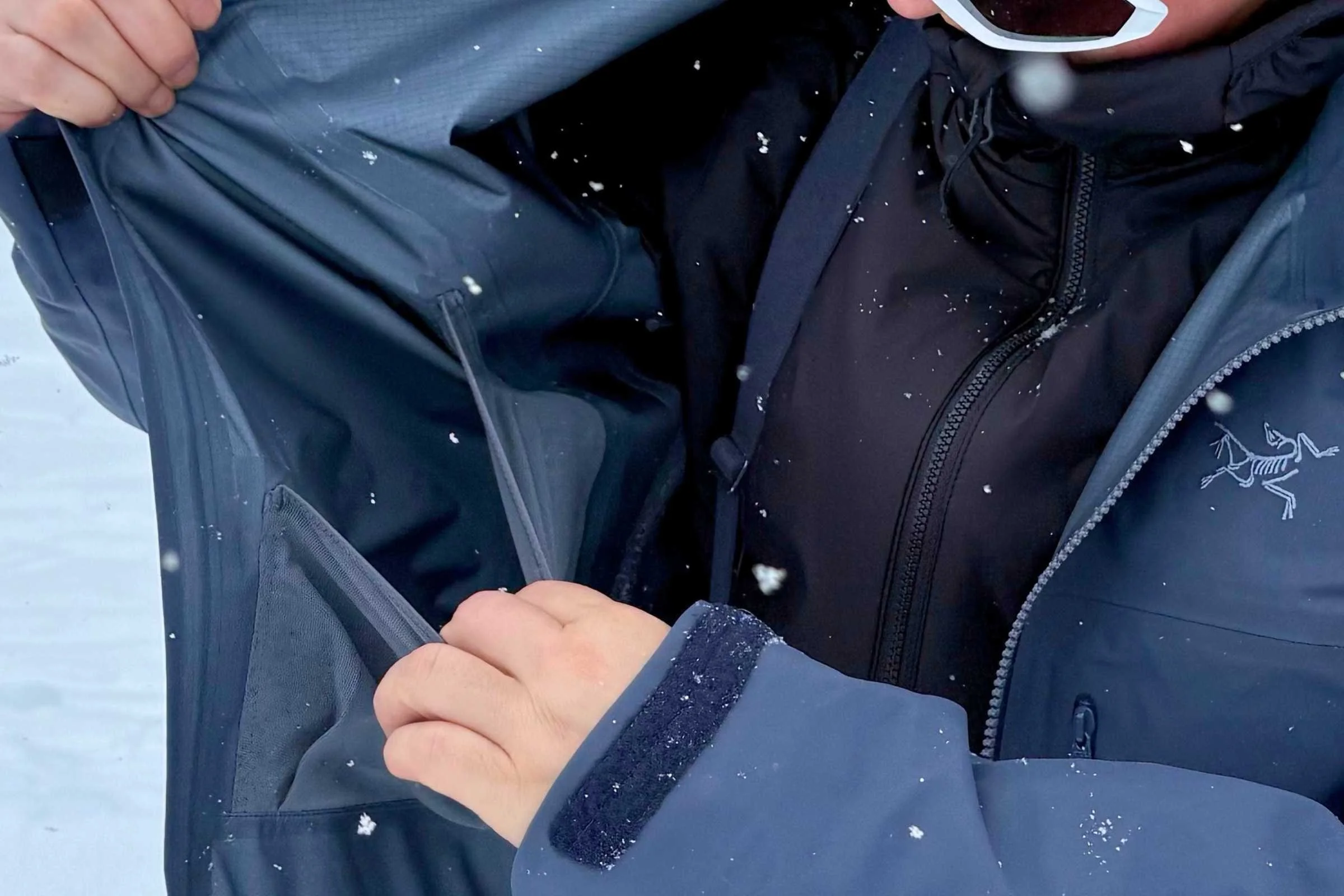
A stretchy mesh inside pocket allows you to quickly stash items like gloves or sunglasses.
The internal pocket gives you a protected place to stash small essentials. It’s useful for items you want to keep dry or close to your body, like a phone or lightweight gloves.
RECCO reflector
The built-in RECCO reflector is a passive safety feature that works with RECCO detectors used by some ski patrols and rescue teams to help locate someone in an emergency. It’s not a replacement for avalanche safety gear or training, but it’s a useful added feature.
Regular fit
The Beta SV has a “regular fit,” which means it’s roomy enough to layer over a baselayer or fleece without feeling baggy. The jacket is also cut to move with your body, with articulated elbows and gusseted fabric panels under the arms that keep it from feeling restrictive during active use.
Similar hardshell jackets
Arc’teryx Beta SV vs Arc'teryx Alpha SV

If your main use is climbing or technical alpine travel, the Arc’teryx Alpha SV uses the same serious GORE-TEX PRO ePE protection, but with a more harness-compatible, climbing-specific cut and feature set than the Beta SV.
Arc'teryx Alpha SV
men's
Women's
Arc’teryx Beta SV vs Arc’teryx Beta SL
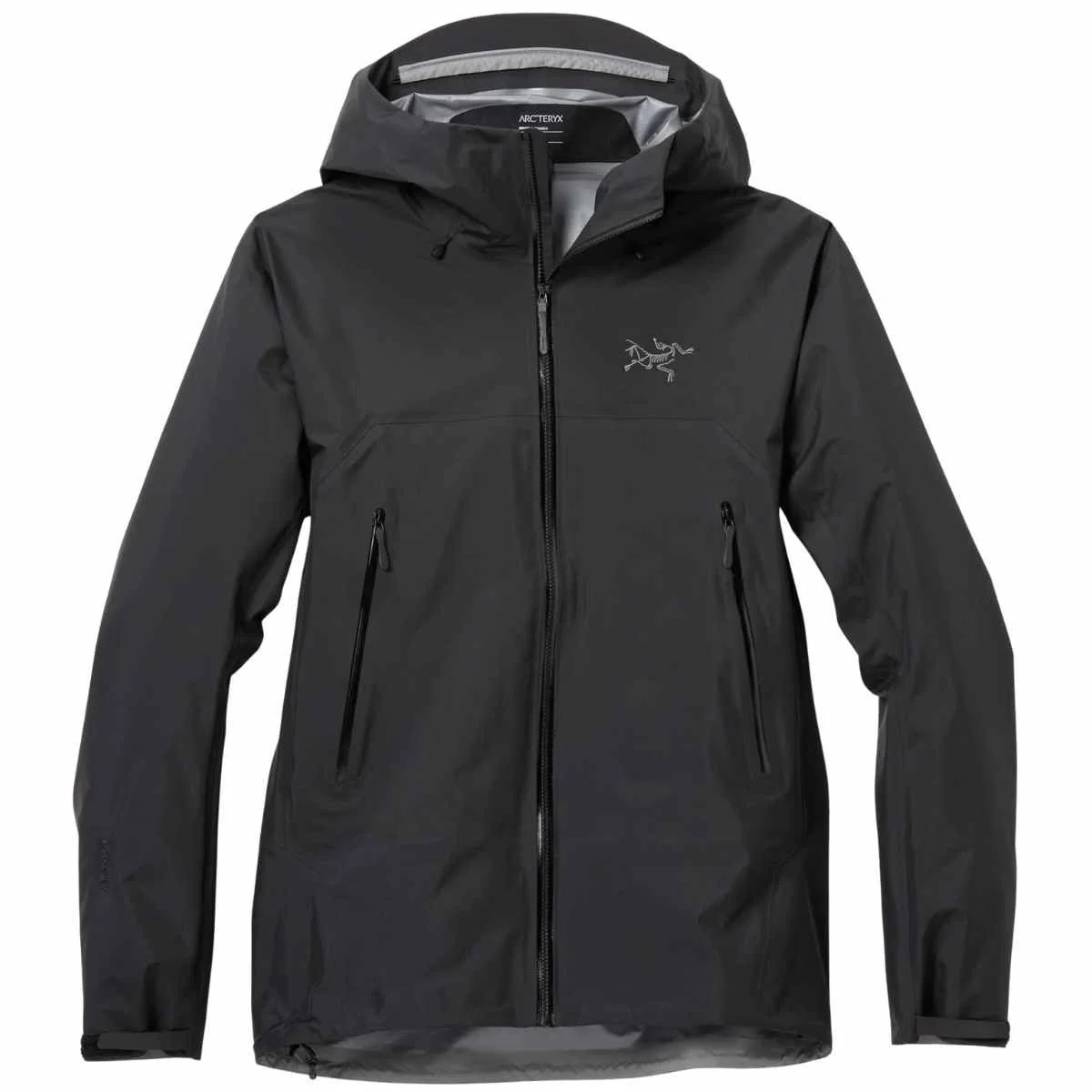
The Beta SL is the jacket to consider if you like the all-mountain versatility of the Beta line but want something lighter, softer, and more packable than the Beta SV. It won’t feel as burly or protective, but it makes more sense for hiking, backpacking, travel, and everyday wet-weather use. Learn more in our in-depth review of the Arc’teryx Beta SL jacket.
Arc'teryx Beta SL
Men's
Women's
Arc’teryx Beta SV vs Arc’teryx Beta AR
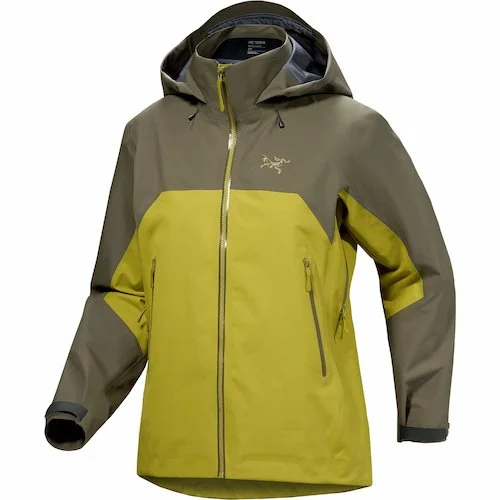
The Beta AR is the middle child of the Beta line and the closest alternative to the Beta SV. It uses the same GORE-TEX PRO ePE membrane, but in a hybrid construction: burlier fabric across the shoulders, yoke, and arms where packs and gear cause the most wear, with a lighter-weight version on the body to cut weight and bulk. It also swaps the SV's StormHood for the slightly lower-profile (but still helmet-compatible) DropHood.
At $650, the Beta AR saves you $150 and covers most of the same ground: winter hiking, ski touring, shoulder-season storms, and all-around mountain use. Choose the Beta SV for maximum durability and full-coverage protection across the jacket; choose the Beta AR for nearly the same protection in a slightly lighter, less expensive package.
Arc’teryx Beta AR
Men's
Women's
Arc’teryx Beta SV vs Arc’teryx Sentinel
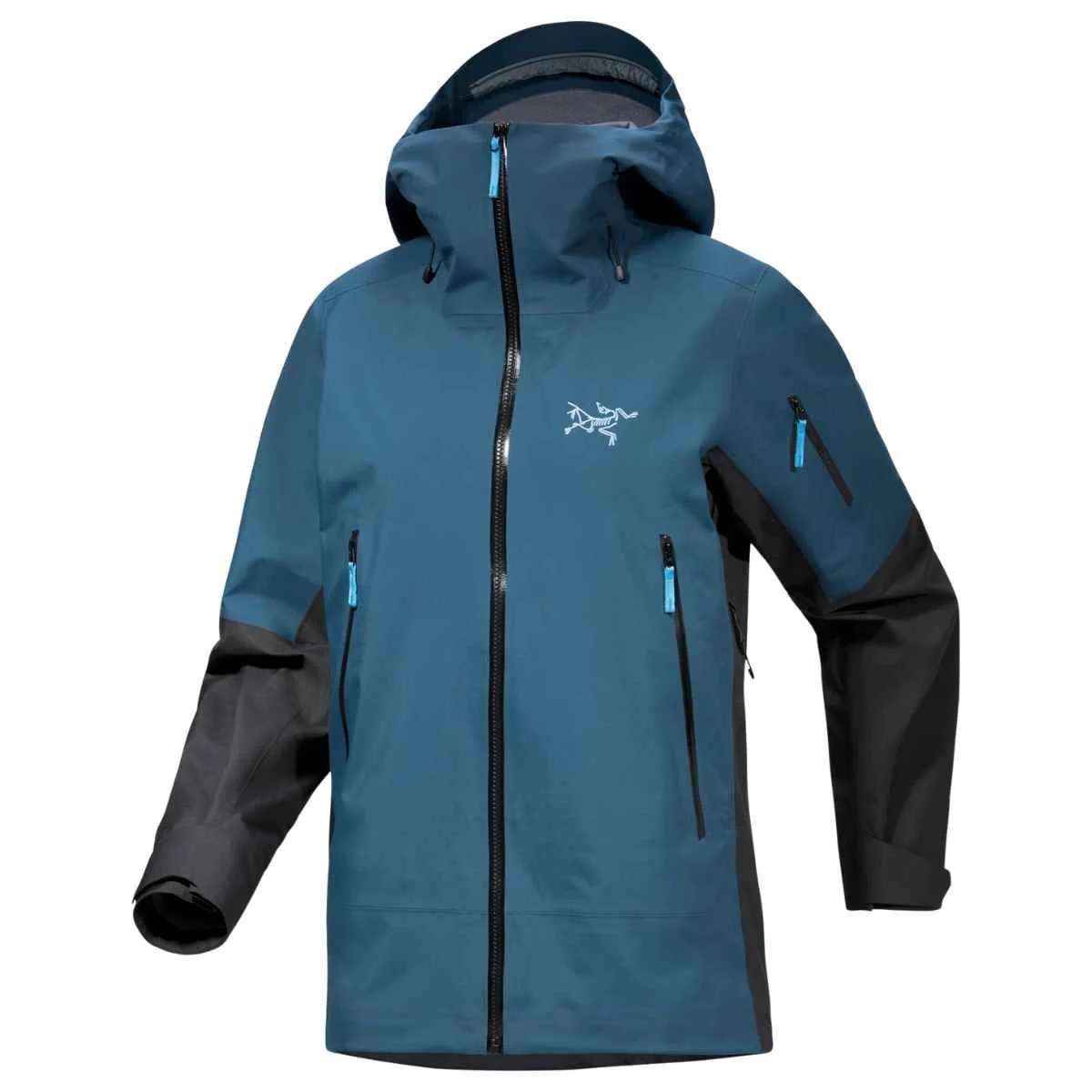
The Sentinel is the better pick if your main goals are resort skiing, snowboarding, or powder days—it’s the top pick in our guide to the best women’s ski jackets. It has more snow-specific features than the Beta SV, such as a powder skirt, pass pocket, and a roomier snow-sports fit. Learn more in our in-depth review of the Arc’teryx Sentinel jacket.
Arc’teryx Sentinel (Women's)
Arc’teryx Beta SV vs Arc’teryx Sabre

The Arc’teryx Sabre is the top pick in our guide to the best men’s ski jackets, and has more ski-specific features than the Beta SV, including a powder skirt, sleeve pass pocket, internal dump pockets, and a more relaxed fit. The Beta SV is the more versatile all-mountain shell; the Sabre is designed specifically for the ski hill. Learn more in our in-depth review of the Arc’teryx Sabre jacket.
Arc’teryx Sabre (Men's)
Arc’teryx Beta SV vs Outdoor Research Foray / Aspire 3L
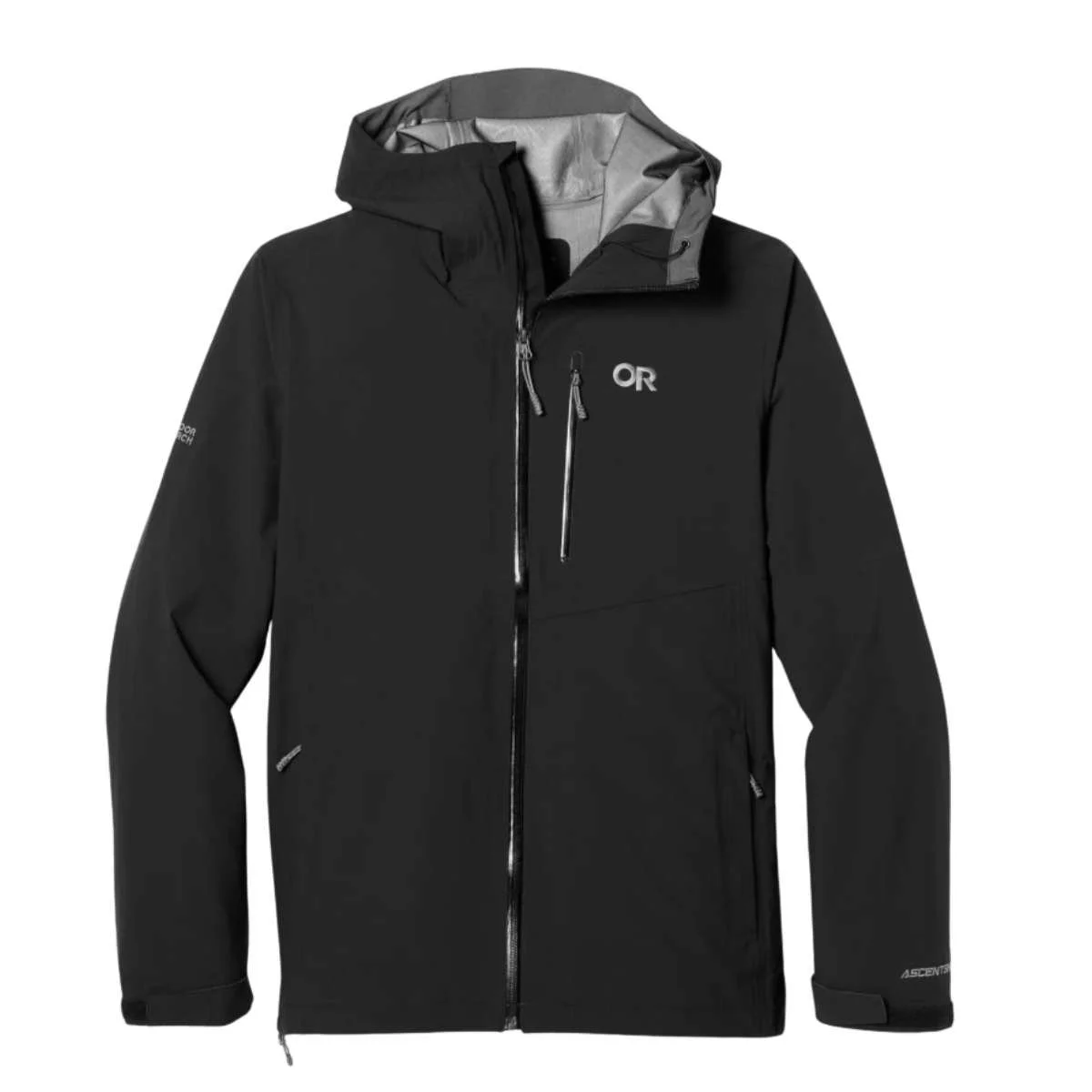
The Outdoor Research Foray (men’s) and Aspire (women’s) 3L are good contenders if you want a more affordable 3-layer rain shell with strong ventilation and a softer, stretchier feel. They’re not as alpine-ready or protective as the Beta SV, but they’re a practical choice for hiking, backpacking, and long wet days on trail. Learn more in our in-depth review of the Outdoor Research Foray 3L jacket.
Outdoor Research Foray / Aspire 3L
Foray (Men's)
Aspire (Women's)
Arc’teryx Beta SV vs Patagonia Torrentshell 3L

The Patagonia Torrentshell 3L is the more budget-friendly pick for people who need dependable rain protection but don’t need a high-end mountain shell. It’s simple, durable, and much less expensive than the Beta SV, making it a better fit for casual hiking, travel, and everyday rainwear. Learn more in our in-depth review of the Patagonia Torrentshell 3L jacket.
Patagonia Torrentshell 3L
men's
Women's
Should you buy the Arc’teryx Beta SV Jacket?
Buy the Arc’teryx Beta SV Jacket if you’re regularly exposed to severe mountain weather like heavy rain, snow, wind, or long periods of exposure, or if you want one bombproof shell that can handle just about everything, even when it’s a little overkill for some of the things you do.
The Beta SV is best suited to ski touring, resort skiing, winter hiking, alpine climbing, and other cold, wet mountain activities. The Beta SV is not the lightest or most affordable shell in the Arc’teryx lineup, nor is it as climbing-specific as Arc’teryx’s Alpha line (which is more built for technical alpine and ice climbing), but it’s a more versatile choice if you want one hardwearing jacket for a wide range of mountain uses.
If you’re heading into rough weather and want the most protective and durable all-mountain shell Arc’teryx makes, this is the jacket to buy.
Skip the Arc’teryx Beta SV Jacket if you’re looking for a casual commuter jacket or you don’t need the severe weather protection this technical hardshell provides.
The Beta SV is durable, weatherproof, and built for harsher mountain conditions, but it’s expensive, and many people will be better served by a lighter, simpler, and more affordable shell that still handles normal rain and snow well, like the Arc’teryx Beta SL or the Patagonia Torrentshell 3L Rain Jacket.
If high-alpine pursuits aren’t your thing, consider a jacket that’s a step down from the Beta SV.
Where to buy the Arc’teryx Beta SV Jacket
In the case of the Arc’teryx Beta SV jacket, you find more options when purchasing directly from the retailer. Sometimes, purchasing directly from the retailer can make it easier if you need to make a warranty return, such as if there is a defect.
Why you should trust us / About the author
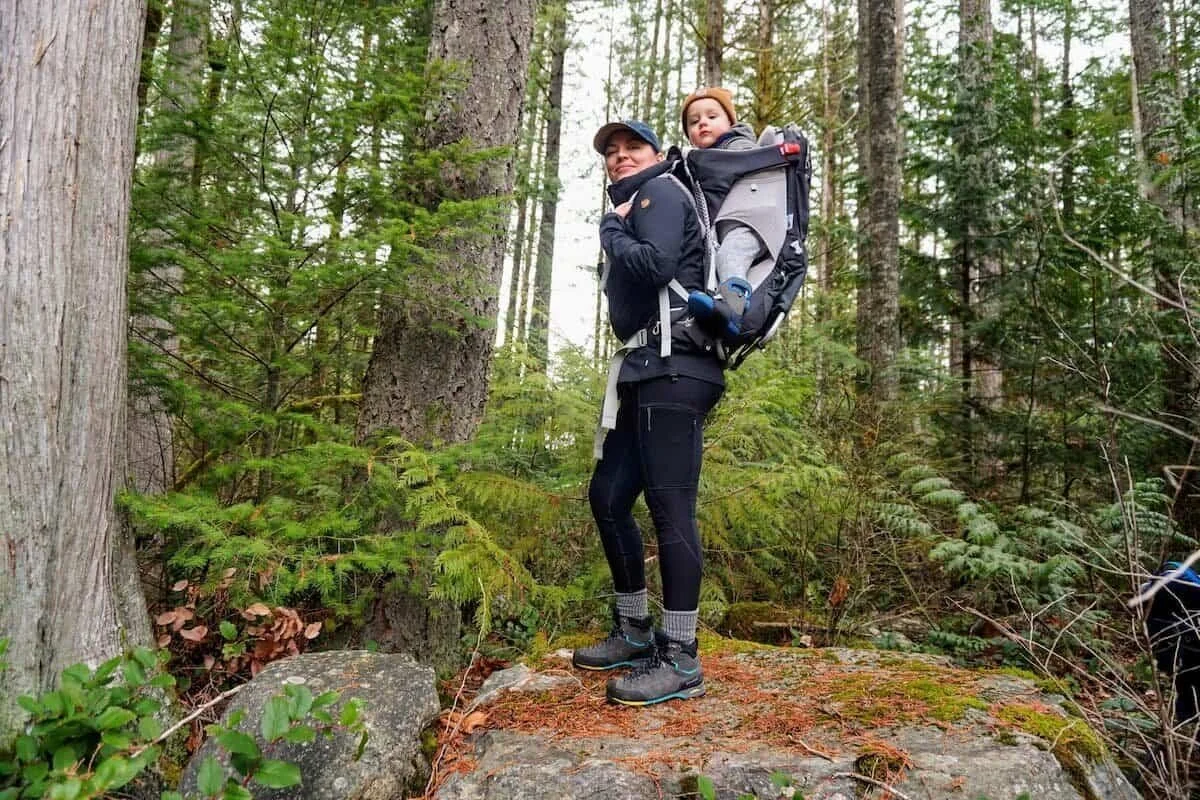
Ebony Roberts has spent the past decade testing outdoor gear and writing about it for publications including The New York Times’ Wirecutter, Outside Magazine, REI Co-op Journal, Forbes Vetted, and The Wall Street Journal Buy Side, along with years of in-depth gear coverage here at Treeline Review. She’s also written Treeline guides to the best child hiking carriers, best women’s hiking shoes, best men’s hiking shoes, and other outdoor gear, including foldable kayaks, rain gear, camp gear and more.
Over that time, she’s tested everything from water shoes and winter boots to waterproof layers and insulated jackets across every season in the coastal mountains of British Columbia, with plenty of exposure to heavy rain, wet snow, wind, slush, and big temperature swings. Her goal is always the same: to provide honest, real-world insight into how gear actually performs, so you can find the right pieces to help you enjoy your time outside.
Find more of Ebony Roberts’ reviews on her Treeline Review author page.