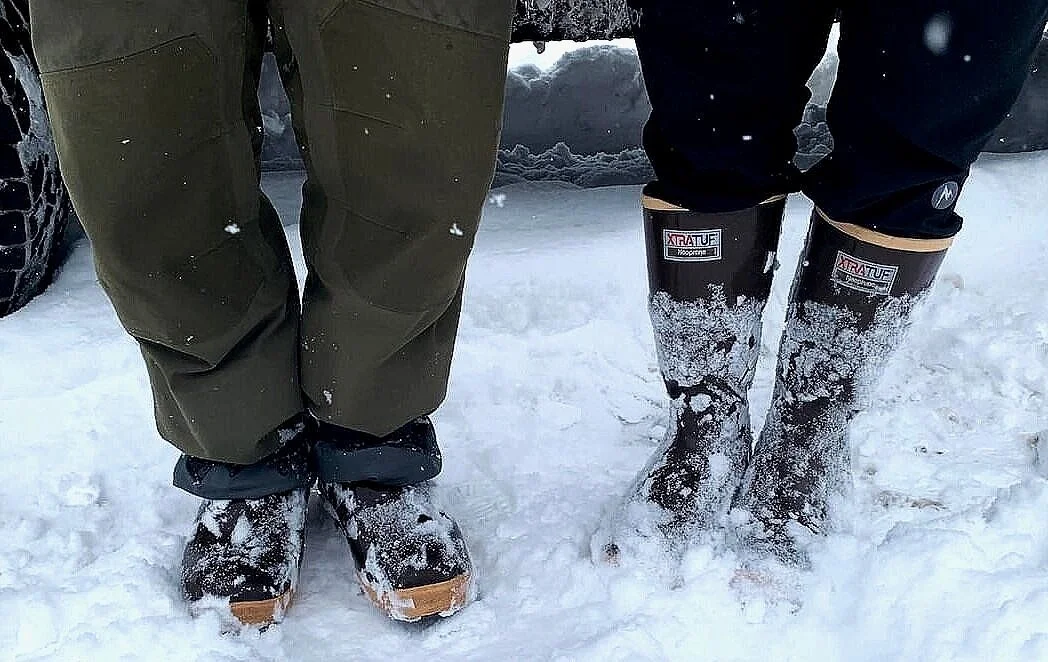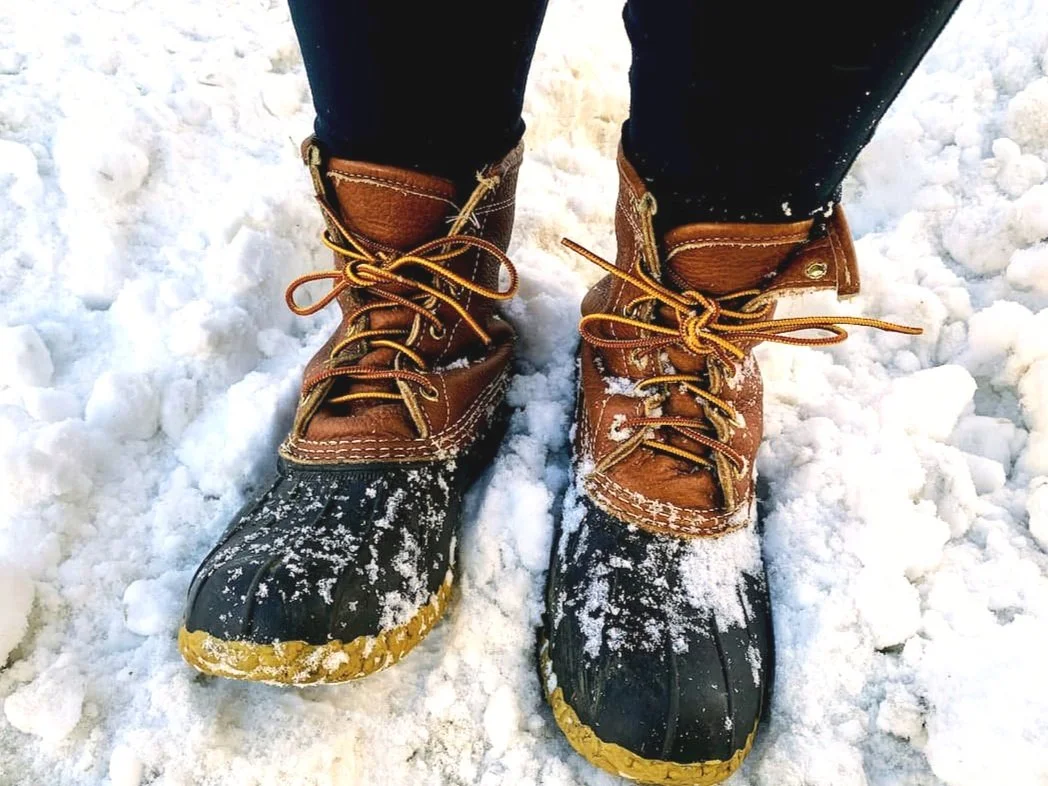
Best Camp Shoes of 2026
Camping sandals, slippers, clogs, and recovery shoes for backpacking, van life, or using around the campsite

June 14th, 2026, updated with a new ultralight winner, new best slip on camp shoe, new best camp shoe for water, best camp clogs, and best camp shoes for van life
Home > Gear Reviews > Footwear
Camp shoes are the pair you swap into the moment you unlace your hiking boots at the end of the day, and the difference between a good pair and a bad pair is something you feel immediately in your feet and ankles after miles on trail. They need to be light enough to justify carrying, easy to slip on when you're tired, and comfortable enough to actually recover in.
We spent two years testing camp shoes on car camping trips, backpacking trips, river trips, and desert travel across the West, testing everything from versatile clogs to ultralight sandals to insulated down booties. We even changed our top pick partway through — Crocs were a shoe we used to make fun of, and after a year of testing we found ourselves reaching for them again and again.
What separates a genuinely good camp shoe from one that stays in the bottom of a pack comes down to how comfortable it is after a long day rather than just the first five minutes, how easy it is to get on and off one-handed at camp, whether it handles water well enough for stream crossings and camp chores, and how well the weight justifies what you're carrying.
Top Pick: Despite some initial hesitation, we had to admit to ourselves the Crocs Classic Clog earns our Best Overall award. After multiple years of use across dozens of camping and backpacking trips, these are the camp shoes we reach for the most. They stood out for versatility no other camp shoe matched: fully waterproof, light enough to backpack with, comfortable enough for all-day wear, tough enough to scramble sandstone boulders in southern Utah, and available in enough colors and sizes to fit nearly anyone.
Related: Best Hiking Sandals
This story may contain affiliate links, which help fund our website. When you click on the links to purchase gear, we may get a commission. This allows us to create reader-supported, objective gear reviews, independently selected by our editors — without costing you an extra cent. Thank you for supporting our work and mission of outdoor coverage for every body! Learn more.
Comparison Table
| CAMP SHOE | TREELINE AWARD | STYLE | WATERPROOF? | WEIGHT (PAIR) | INSULATION | BEST FOR | MSRP* |
|---|---|---|---|---|---|---|---|
| The Winners | |||||||
| Crocs Classic Clog Unisex |
Best overall Read why |
Clog | Yes | 12.0 oz (39) | None | Car camping, backpacking, water sports | $50 |
| Teva ReEmber Terrain Slip On Women's Men's |
Best slip-on Read why |
Slip-on | Resistant | 21.0 oz (38) | Synthetic quilted | Van life, car camping | $100 |
| Chaco Z/1 Classic Sandals Women's Men's |
Best camp shoes for water Read why |
Sandal | Straps absorb water | 21.2 oz (38) | None | Durability, water sports, hiking | $95 |
| Bedrock Sandals Cairn Evo Sandals Unisex |
Best for backpacking Read why |
Sandal | Straps absorb water | 15.6 oz (42) | None | Backpacking | $115 |
*Price reflects MSRP. See our Deals page for discounts on our favorite gear.
The Best Camp Shoes
Best Overall Camp Shoes: Crocs Classic

Style: clogs
Weight: 10 oz (W’s 7, pair)
Waterproof: yes
Insulation: none
Best for: car camping, backpacking, water sports
What we liked: versatile, comfortable, and affordable
What we didn’t: loose-fitting design is not as supportive
If you’re looking for a versatile camp shoe on a budget, Crocs will serve you well. The Classic Clogs are functional and comfortable and even light enough to pack into camp if you want to. While there are less expensive options (like a pair of flip-flops from a big box store), these are the most affordable camp shoes in our test while offering far more functionality than most cheaper options. You can spend more on fancier features, but if budget is a top priority and you want a solid camp shoe, these clogs offer unbeatable value. Plus, Crocs are a stylish option right now that can be worn from camp to town.
Crocs were one of the items that made our list of Gear that Changed my Mind. We used to make fun of these shoes and even had originally chosen a different overall winner for this story because of it. But after two years of testing, we find ourselves reaching for them again and again. And if you’ve been skeptical of Crocs, we think you should give them another try as camp shoes.
Compare Prices Of The Crocs Classic

-
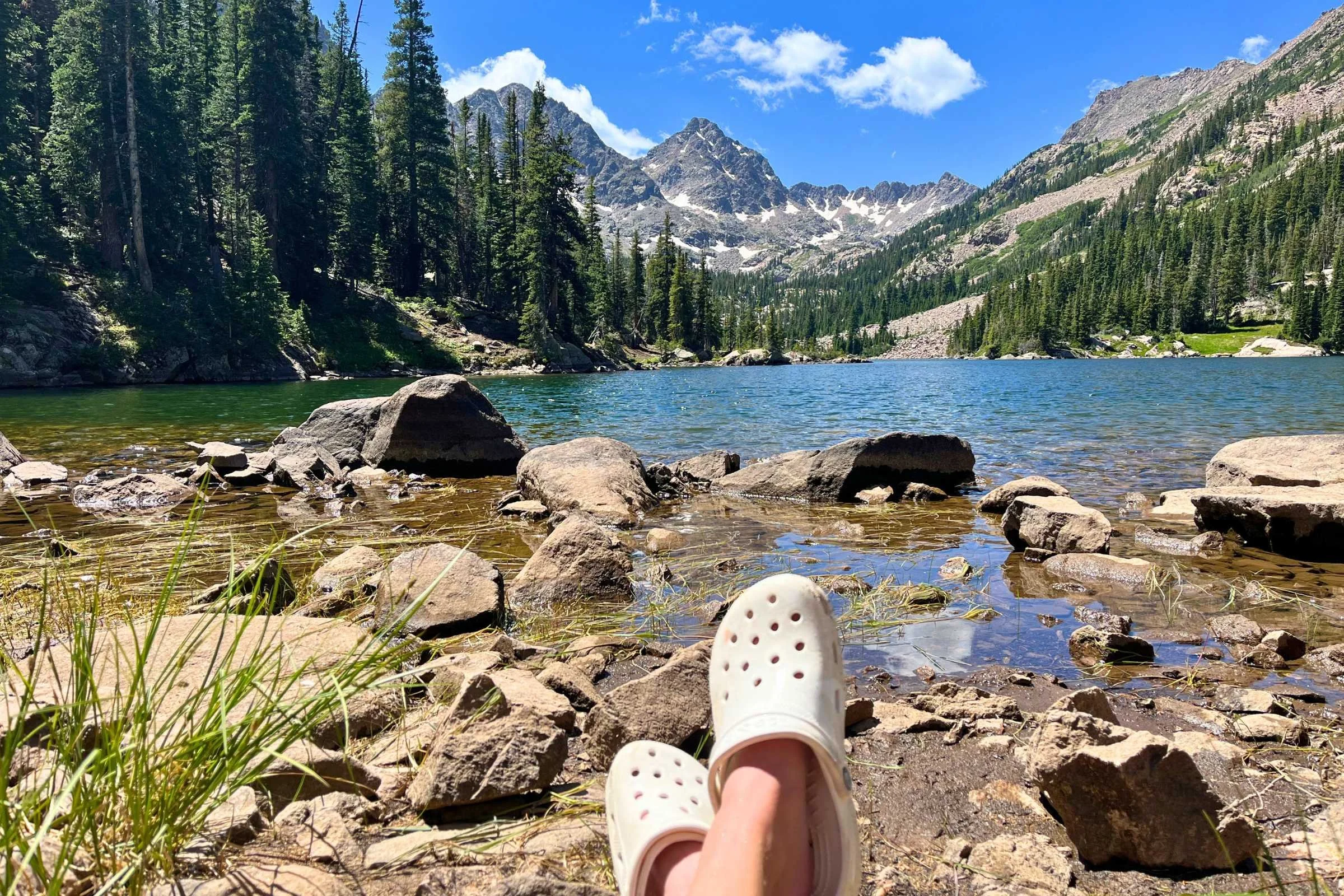
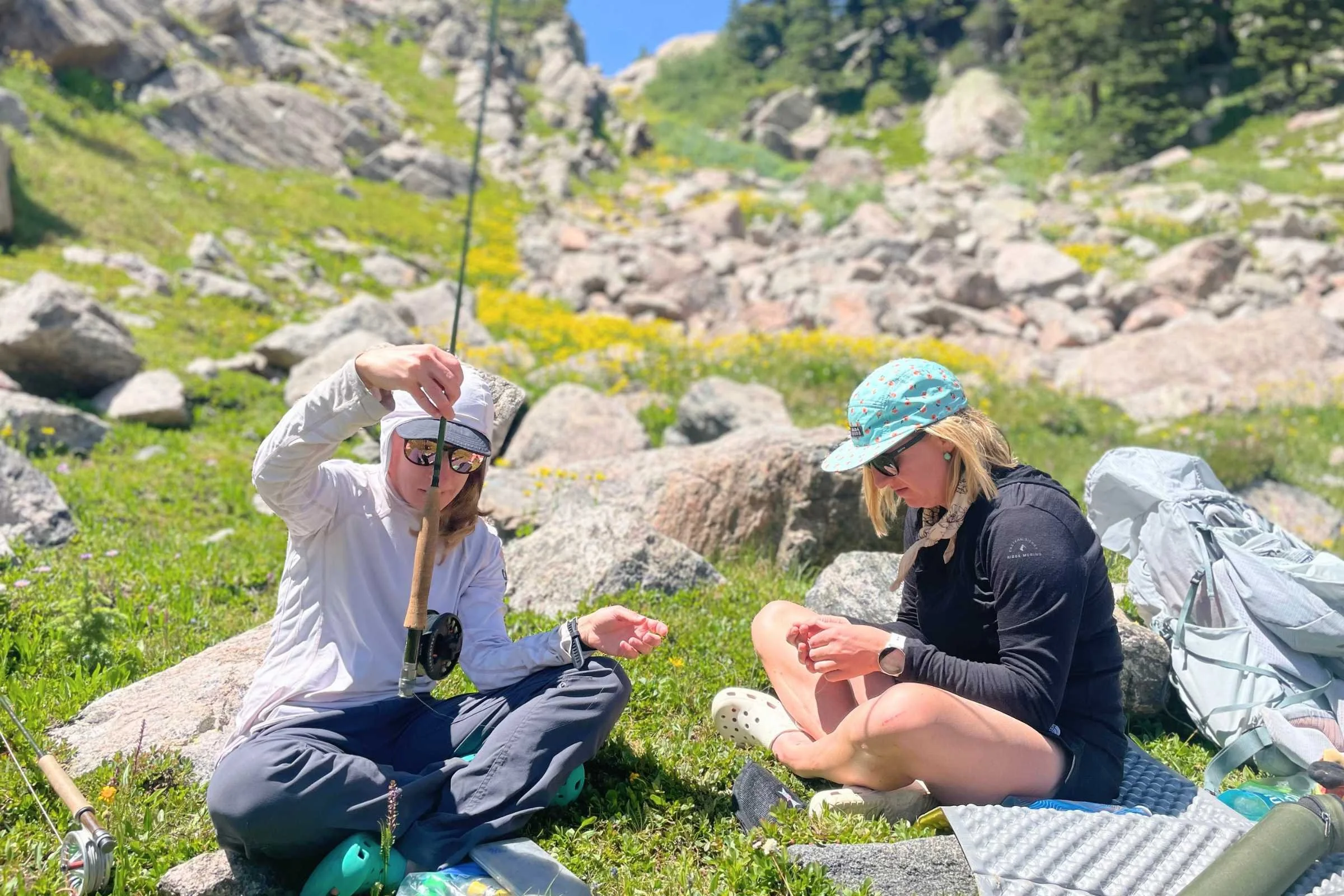
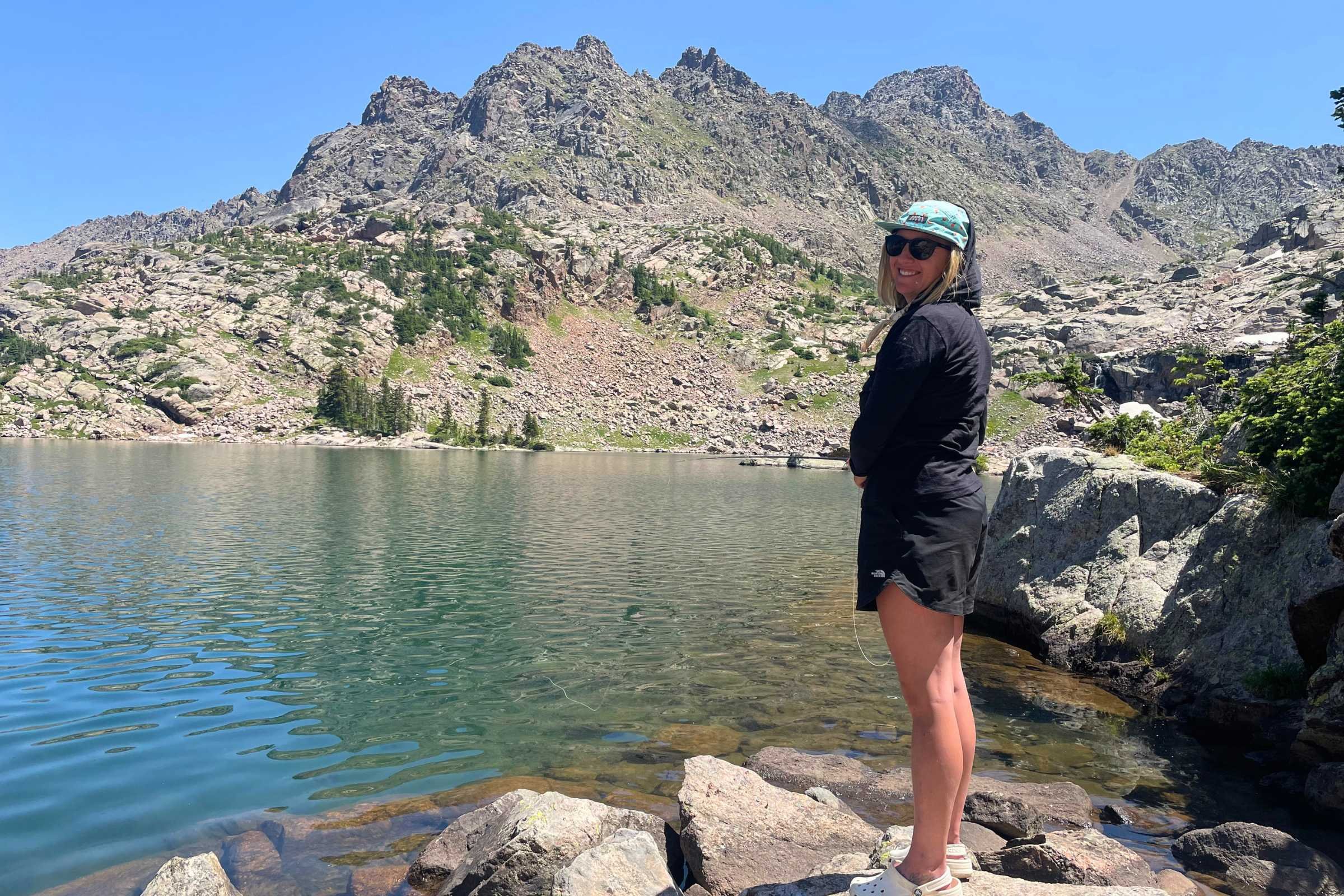
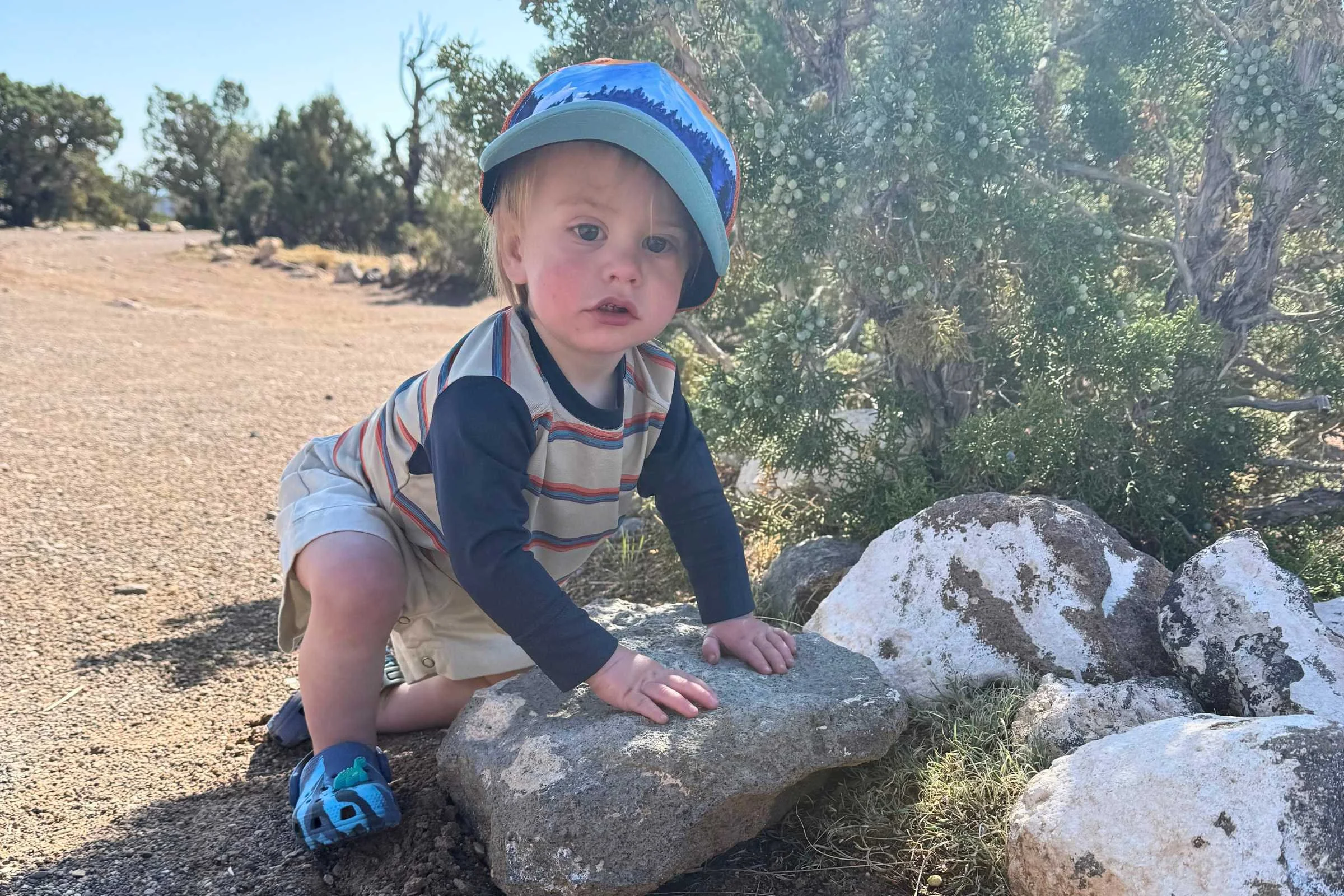
Our primary tester has used Crocs Classic Clogs as her primary camp shoe for years now. She uses them camping and backpacking in Colorado’s mountains, on desert trips around Escalante, Utah, and even river trips around Colorado. The shoes have proven to be reliable companions through it all. After years of consistent use on camping and backpacking trips around the West, the Crocs Classics have yet to fail us.
-
This shoe is not new; Crocs Classic Clogs have been around for decades. And there is a reason they’re still here: They’re functional, versatile, comfortable shoes that won’t break the bank. Crocs are made from a soft, foam-like closed-cell resin (Crocs calls their proprietary material “Croslite”). The foam is cushy underfoot and fully waterproof, and many folks wear these not just as camp shoes but also for working all day on foot. They can be slipped on easily and have a strap that can keep the heel in place—what some Crocs evangelists call “sport mode.”
-
Whether you love the style of Crocs or not, it’s easy to admit that these shoes are comfortable.
They’re not quite cloud-like recovery shoes, but the foam-like resin is very cushy and remains comfy even after being on your feet for an extended period of time—whether you’re cooking for the whole crew or strolling around camp.
-
The traction on the clogs is more than enough for most camp activities—in fact, the traction surprised our testers when scrambling up to a high alpine lake while backpacking in Colorado’s Gore Range. And the fact that they’re waterproof makes these shoes even more versatile—and very easy to clean.
The soles have a reasonable amount of traction, enough to scramble up sandstone boulders when camping in southern Utah and while scrambling around camp while backpacking in Colorado’s Gore Range. We've even heard stories of thru-hikers who have hiked hundreds of miles in their Crocs after their main hiking shoe failed them.
-
Crocs also boast excellent durability, especially for the price. After multiple years in the same pair, used on dozens of camping and backpacking trips, riverside hikes, and with frequent around town wear, they’re still in great shape with no durability issues. Thru-hikers have been known to hike dozens of miles in Crocs when their hiking shoes have failed them, which is another testament to both their comfort and durability.
-
The holes in the top and sides of the clogs help with airflow, so these shoes work even when camping during the hot summer months. While these shoes are not insulated, they are close-toed, and the fit is roomy enough to wear with some thick wool socks for warmth. They’re not the best for snow camping—consider the Feathered Friends for that instead—but for everything else, we love the Crocs Classics.
-
Crocs come in a rainbow of colors, many of which can often easily be found at deep discounts. Plus, there are charms and other options available to customize them and add personal flair and style.
-
A pair of Crocs Classic Clogs weighs just under one pound. They’re not as packable as other options but are reasonably light. We’d consider these light enough for average backpackers, especially if you want only one camp shoe when car camping and packing your gear into the backcountry. Ultralighters and minimalists may find better options with other shoe models, but these still make a reasonable backpacking shoe and an even better overall camp shoe.
-
While Crocs don’t necessarily excel in one category (like warmth or weight-savings), they offer a lot of functionality for the price. They are also the most versatile shoes in our test. They can be worn with or without socks; they can get wet; they are light enough to backpack with; and they’re tough enough to take a beating from regular car camping use. You could use Crocs Classics for just about any scenario where you’d need a camp shoe.
-
These shoes aren’t made of recycled materials, and unfortunately, the material that makes them both comfortable and waterproof is a derivative of crude oil, and these won’t biodegrade. But Crocs has initiatives to reduce carbon emissions (their goal is a net-zero carbon footprint by 2030). A couple of years back, they announced they would start implementing a bio-based version of their Croslite material in their designs.
Best slip-on camp shoes: Teva ReEmber Terrain Slip On
Style: puffy clog/shoe
Weight: 1 lb 1.3 oz (W’s 8, pair)
Waterproof: no, water-resistant
Insulation: synthetic quilted upper
Best for: van life, car camping
What we liked: versatile design, very durable, made of recycled materials
What we didn’t: they’re on the heavy side
The Teva ReEmber camp shoe has become nearly ubiquitous in outdoor recreation. There’s a reason for that. Teva has designed a camp shoe that can’t seem to be beat.
The ReEmber has all the main ingredients—comfort, warmth, durability, and traction—with the added flair of good style. Even before I began testing for this story, these shoes were my go-to for car camping. Almost every single media review we perused when researching for this story included them.
After testing nearly a dozen other camp shoes side-by-side, the Teva ReEmber are the clear overall winner for best camp shoes for folks looking for an ideal all-around camp shoe.
Compare Prices Of The Teva ReEmber Terrain Slip On
Men's
Women's


-
I’ve been testing my pair of the Teva ReEmber for over five years. They’ve been on camping trips every season, from Colorado’s mountains to the southwest desert and beyond. I’ve worn them in snow and rain and on cool, clear nights around the campfire, and they’ve remained comfortable through it all. I’ve taken them on many brief hikes, and the traction is good for a camp shoe, and the sole is very durable and has not worn out even after years of use.
-
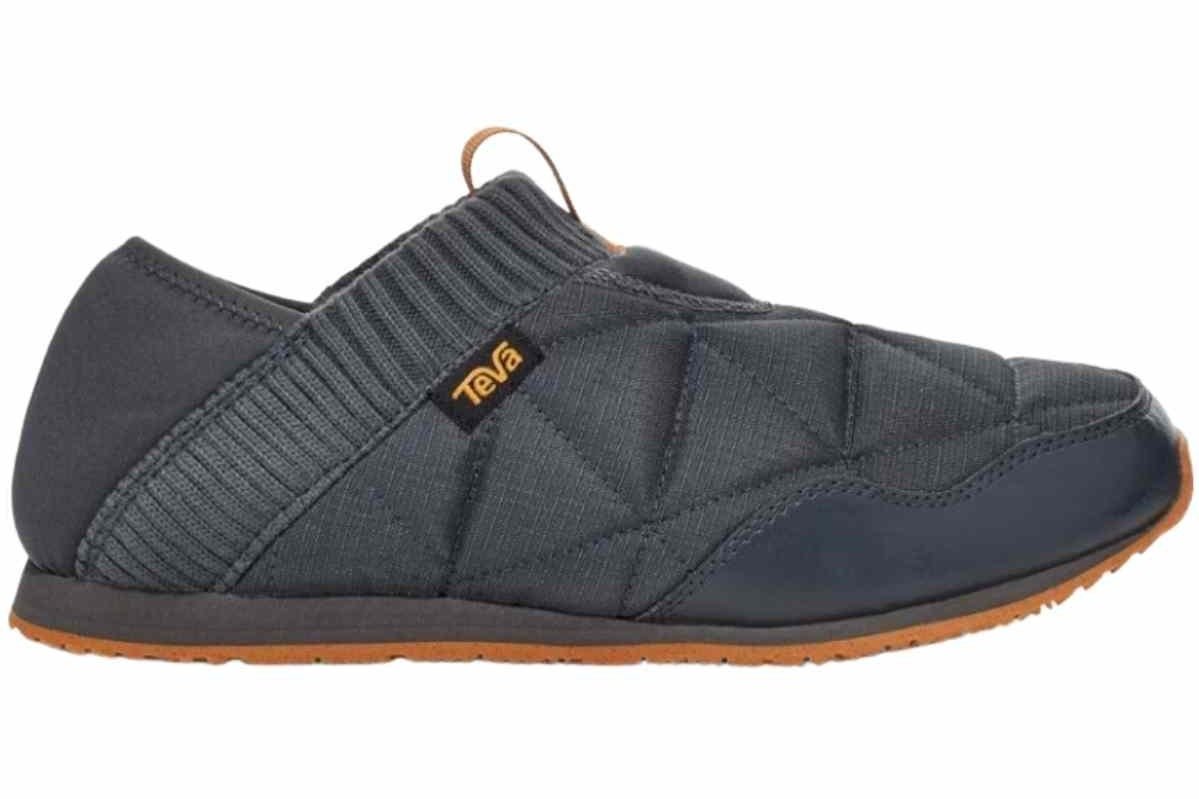
The clever design of the ReEmber shoes makes them stand out. The shoes can easily be slipped on and worn like slippers. But the back has a layer of stretchy fabric that can be pulled around the heel, transforming these from slippers to shoes. When worn as slippers, the back piece of fabric comfortably folds underneath your heel so you can slide the shoes on and off without bending down.
-
These shoes are not waterproof, and they’re definitely not water shoes, but they are treated with a water repellent to fend off light precipitation. If there is a downside to these shoes, it’s this. While we think these are the coziest camp shoes for most uses, if you need a pair of shoes that can get wet, consider the Crocs Classics instead for greater versatility.
-
The tops of the shoes feature a quilted fabric that looks a bit like a puffy shoe, making them a warm and cozy option. This was ideal when taking ski road trips in Colorado, Utah, and Oregon and van camping. Few things were better than pulling ski boots off and slipping into these shoes at the end of the day. The insole is cushy and comfortable, and the outsole offers good traction for cruising the trails around camp. The Re-ember camp slippers come in a wide variety of color options, including a gender neutral version.
-
The ReEmber shoes weigh a little over one pound for a pair. They’re far from the lightest in our test, but this also makes them some of the most durable camp shoes we’ve used.
We’ve been testing a pair for over six years, and after a slew of camping trips in every season, including a stint of adventure-van living when we used the shoes daily, they still function, and we’ve had no durability issues to date.
-
These shoes are ideal for campers looking for a cozy, comfortable option in all but the warmest climates. These camp slippers are not just lounge shoes. If you want to take them for a short hike, they’re up for that; your feet will be comfortable, and you don’t have to worry about ruining them since they’re so tough. But that functionality and durability come with the cost of added weight. These are not backpacking shoes; folks looking for a light and packable camp shoe will find better options. But if you’re a car camper looking for a comfortable, warm, and highly functional camp shoe, the Teva ReEmber can’t be beaten.
-
The design of the original Ember Moc and the newer ReEmber is the same. What’s different is the materials used. Teva is implementing recycled materials in almost every part of this shoe. We like Teva’s gender-neutral version, with plenty of colorways.
Best Camp Shoes for Water: Chaco Z/1 Classic

Style: sandal
Weight: 1 lb 6 oz (W’s 8, pair), 1 lb. 13.8 oz. (M's 9, pair)
Waterproof: yes (the straps do absorb water)
Insulation: none
Best for: people who want to buy one pair to last a decade, trips with water, trips with hiking
What we liked: durable and versatile sandals for camping, hiking, and water sports
What we didn’t: heavy
The Chaco Z/1 Classic are the best camp shoes for water. They are nearly ubiquitous at campgrounds. They are durable, supportive, and functional camp sandals have stood the test of time. Chacos won awards in other Treeline gear reviews, too, including as the best hiking sandals and best sandal for wet wading and fly fishing. Its wide and comfortable footbed also makes it a winner in our Best Plus Size Outdoor Gear guide.
I’ve worn these sandals for camping, hiking, backpacking, river trips, river crossings, and more for the last 15 years, and they’ve remained a trusty partner for my feet. As camp shoes for water, they offer grip, support, and stability; you can get them wet or wear them with some good wool socks at the riverbank if you need them to be warmer. You can kick back and relax in them on the beach and take them out for a big hike if you want to. We have yet to find a more functional and durable camping shoes for water.
Compare Prices Of The Chaco Z/1 Classic
Men's
Women's


-
We’ve used Classic Chacos for more than a decade. They’ve served us well at campgrounds, in the backcountry, on the river, hiking up slickrock, and more.
While older models utilized a Vibram sole, the newer versions use Chaco’s proprietary rubber sole, and after testing these on some loose, rocky trails in Colorado, we’ve found them to offer great traction that’s just as good as the Vibram soles on the Bedrock sandals (similar to what Chaco used to use).
After years and years in these shoes, we can’t deny their functionality and durability.
-
The Z/1 Classic is Chaco’s original sandal design, with webbing-like straps that wrap around the foot. (A similar model with a strap around the big toe is available, but we find this version more comfortable.) These sandals have a sturdy and supportive base that offers great traction on the sole. The entire strap on these shoes is made of one large piece of webbing routed through the base, making them easy to adjust at multiple spots on the shoe. Classic Chaco sandals are available in a wide variety of colors and patterns, with the option to customize a pair on their website.
-
These sandals aren’t light—a pair weighs around a pound and a half (or more for larger sizes). Compared to Bedrock Cairn sandals, they are several ounces heavier and much bulkier. There are also many other minimalist sandal options out there (from brands like Mayfly, Xero, Luna, and more) that are far lighter and more packable.ut these are very durable and functional when weight isn’t a concern. We’ve had pairs last nearly a decade with consistent use.
-
The Chaco Z/1 Classics are ideal for campers who want a sandal rather than a slipper. They’re particularly useful for campers who also want a shoe capable of some adventures.
Along with many nights around the campfire, we’ve used these sandals for hikes, river crossings, rafting trips, and we’ve even backpacked in them (though we’d still recommend boots or trail runners).
Fording rivers is much easier in these shoes since they’re stable and have good soles that grip on wet, slick rocks. I’ve used them for river crossings on backpacking and hiking trips in Glacier National Park, Colorado’s Gore Range, while guiding trips in Southeast Alaska, for fly fishing along Colorado’s Arkansas River, on rafting trips in Colorado and British Columbia, and they’ve always served me well.
While the straps absorb water, we’d consider these shoes essentially waterproof and practical for when your feet are bound to get wet. So if you’re looking for the perfect combination of adventure sandals and camp shoes, these have stood the test of time.
-
One of the standout aspects of Chaco sandals (compared to many similar models on the market) is their durability. You can keep them in use longer and, therefore, out of the landfill. Chaco also offers a repair program where you can send your shoes in to be resoled or get new straps to help keep them in rotation.
Best Backpacking Camp Shoes: Bedrock evo Cairn

Style: sandals
Weight: 13.6 oz (W’s 8, pair)
Waterproof: yes (straps do absorb water)
Insulation: none
Best for: backpacking
What we liked: simple, durable, lightweight, and packable design
What we didn’t: expensive, barefoot-style shoe is not for everyone
Unlike car camping, weight matters when you reach for your backpack and hit the trail on foot to head to camp. But that shouldn’t mean you have to sacrifice functionality and durability. For this reason, among others, we think the Bedrock Evo Cairn sandals are the best camp shoe for backpackers.
These have an ideal blend of durability, functionality, packability, and comfort for backpackers. They’re lightweight and packable but still durable and have a good sole for traction, and they’re also an award winner in our best hiking sandals guide. These are an excellent option for backpackers and folks who want a more minimalist camp shoe.
View The Bedrock Cairn


-
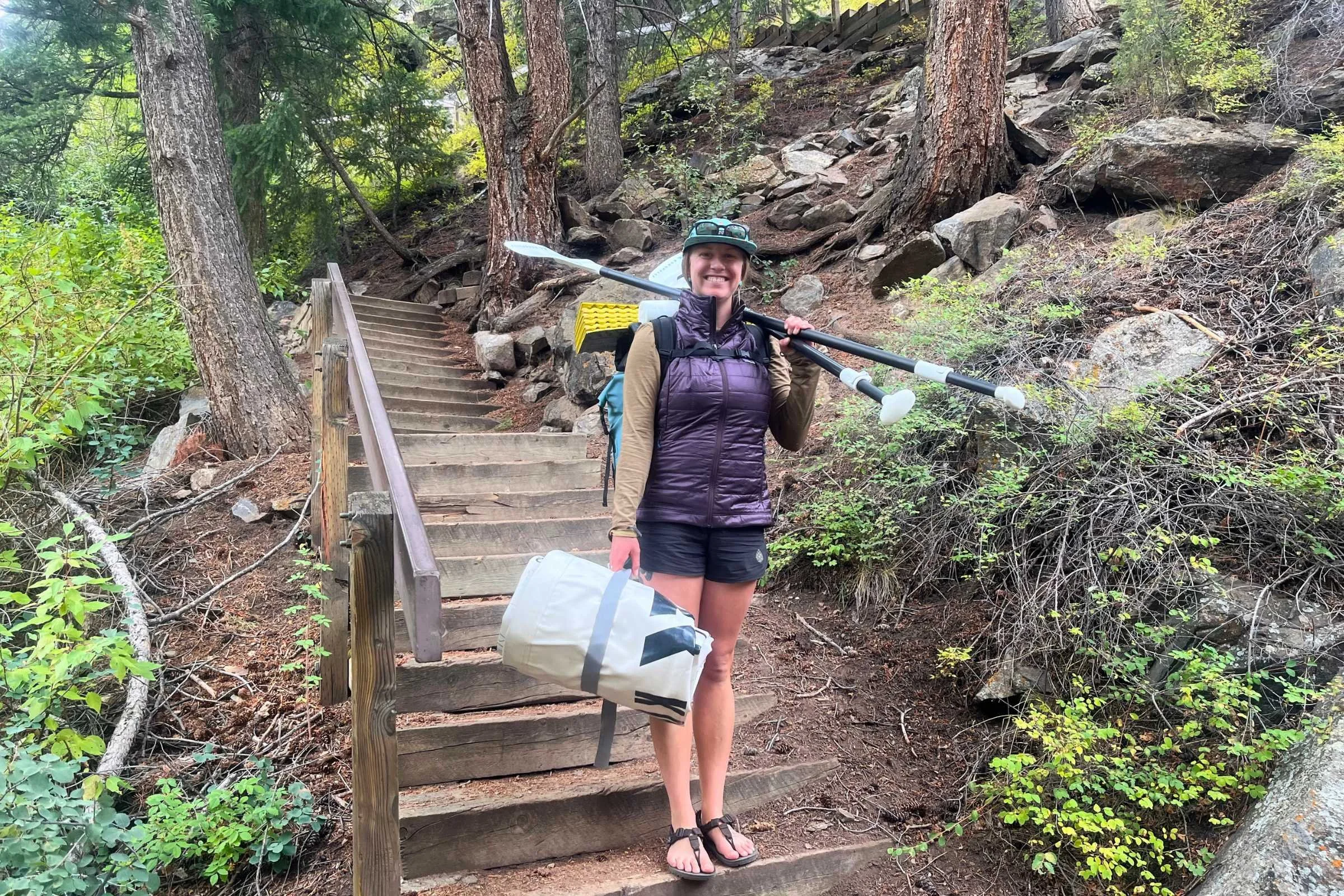
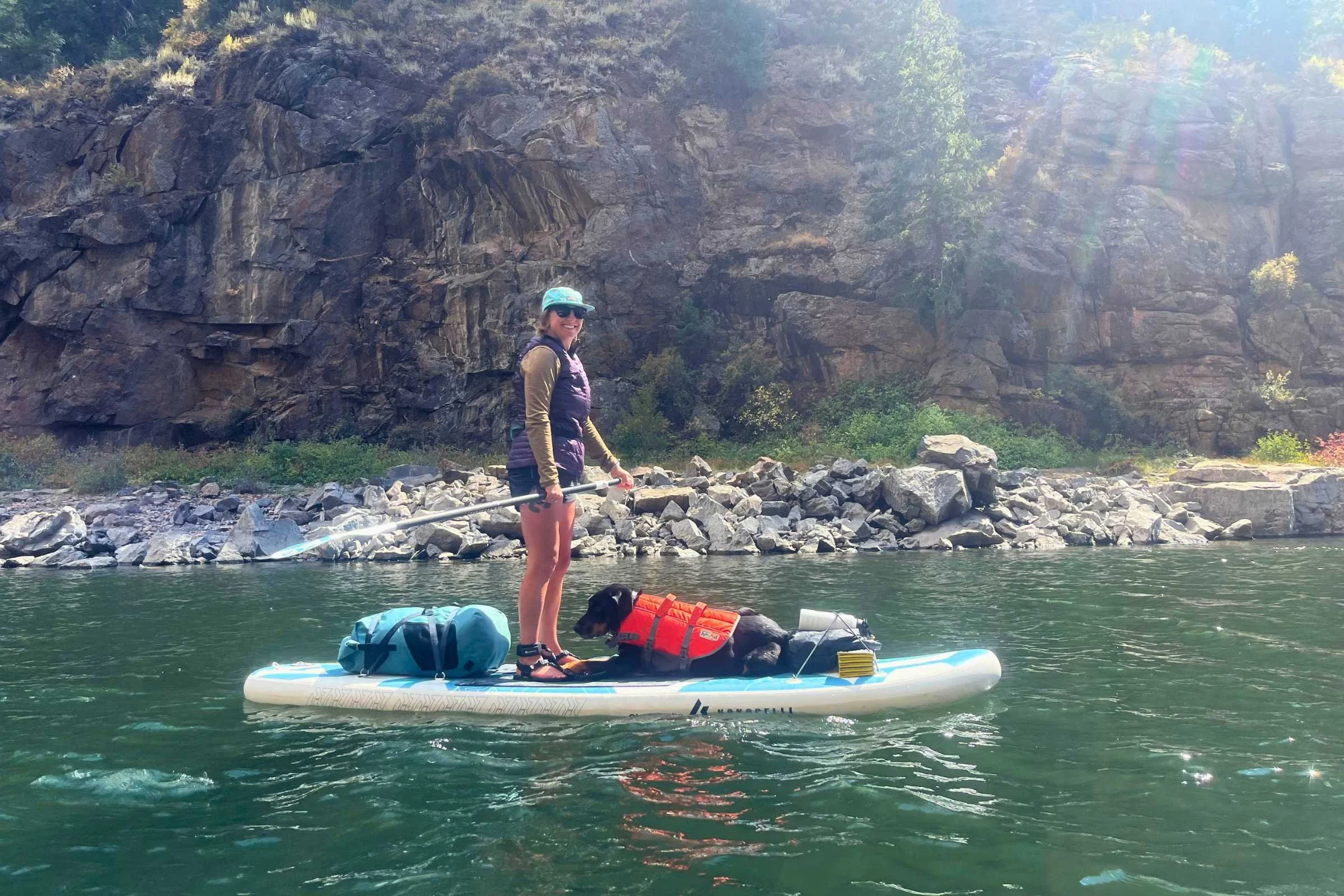
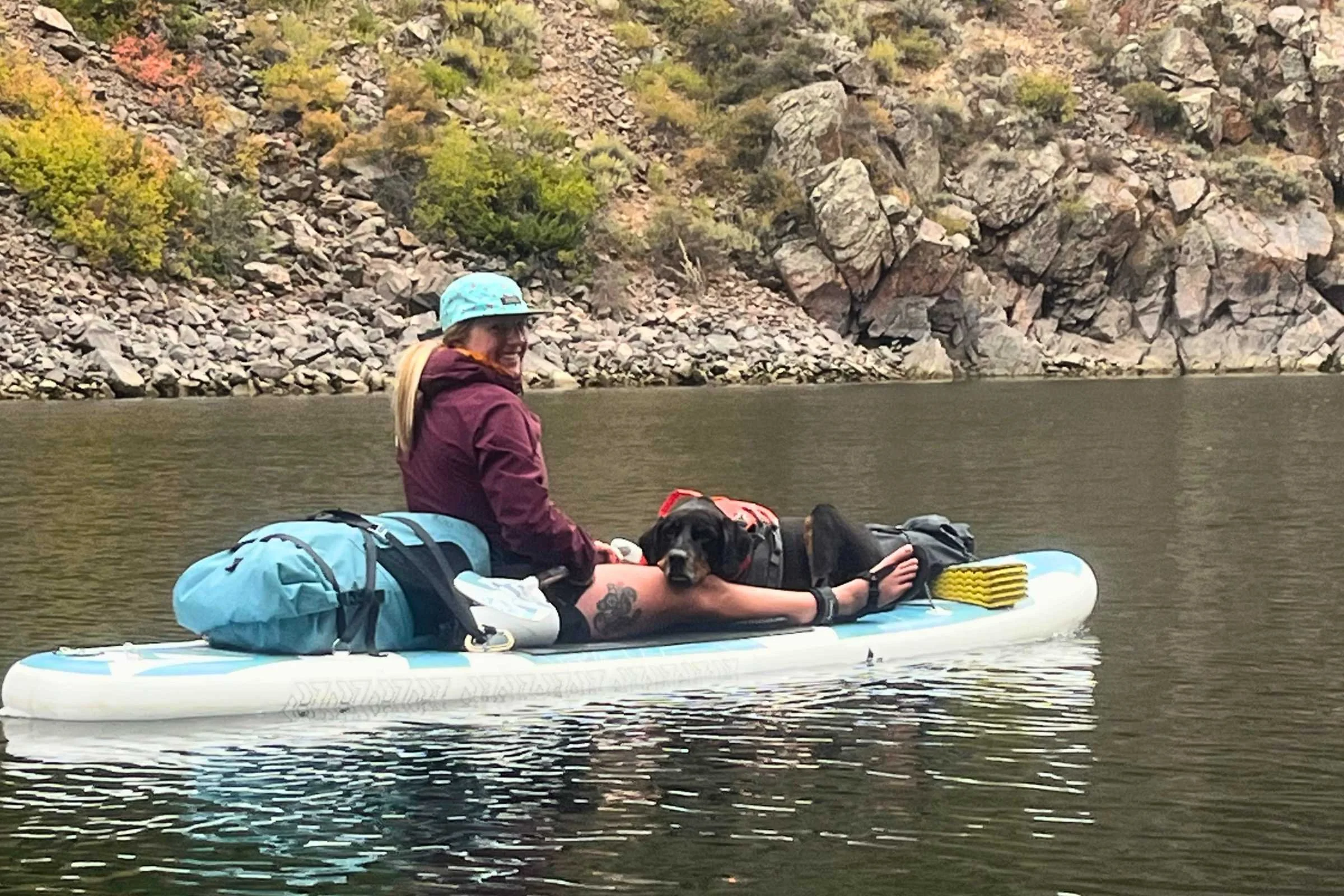
We used these sandals while camping around Colorado’s Collegiate Peaks. After a day spent in trail running shoes, these sandals were incredibly comfortable. The lack of straps (or anything at all) on the outsides of the sandals helped my feet breathe and stretch out. When I first pulled the shoes out of the box, I was worried the in-between-the-toes strap would bother me, but it doesn’t.
These shoes are comfortable (despite not offering extra footbed support), and I found myself reaching for them not just for overnight trips but even for walking around town. Vibram soles have proven durability, and we think these sandals are well made for how light and minimal they are. It is worth noting that we found these sandals to run slightly small, and they’re only offered in full sizes. If you’re a half-size or on the fence, we recommend going for the next size up.
-
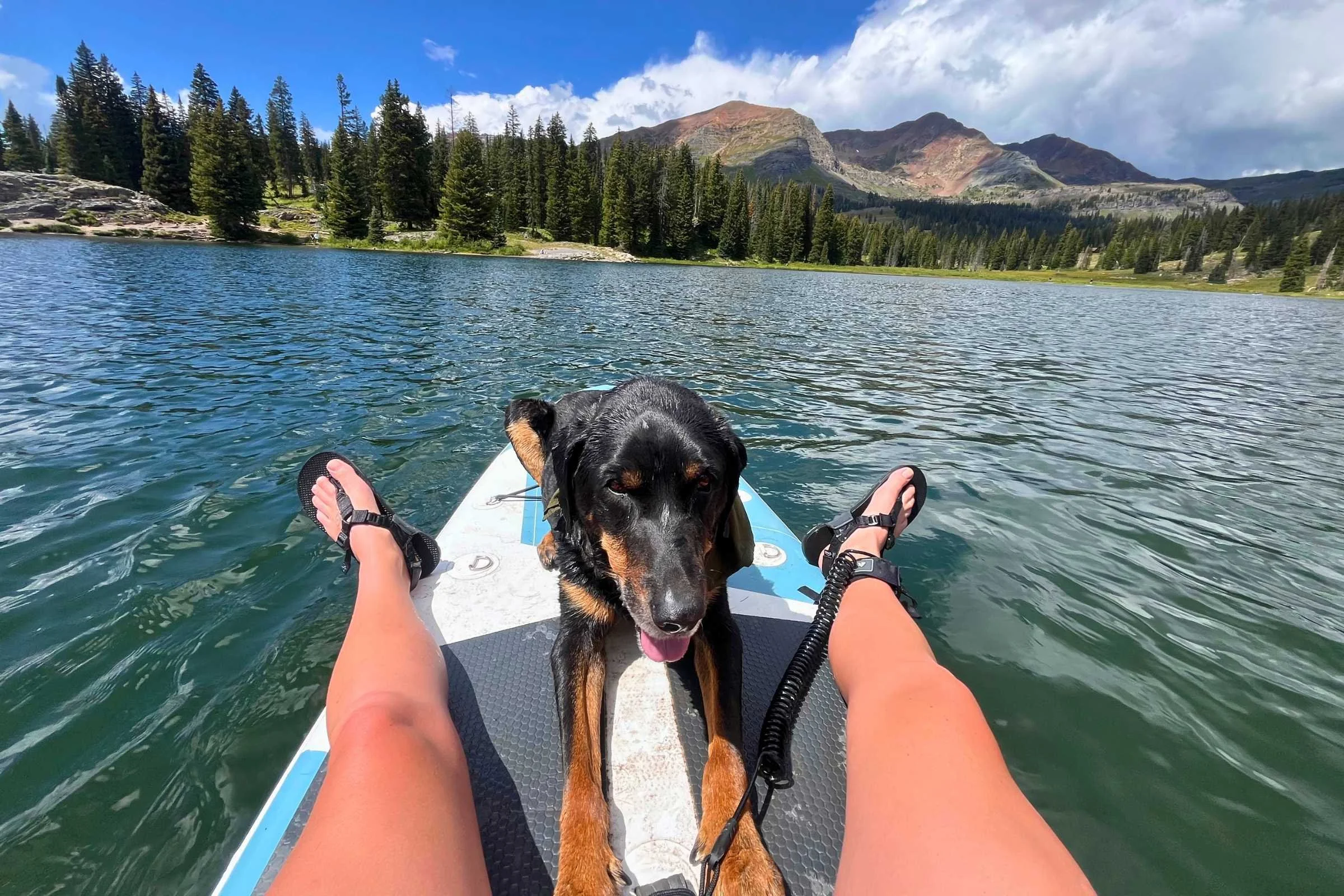
The Cairn sandals are simple yet functional shoes. They are barefoot-style sandals meant to be minimalist. The shoes are made of sandal straps between the big toe and around the heel for added security. These straps are adjustable to tailor the fit to your foot.
The footbeds are simple and flat (though there is an option available, the Cairn 3D, with a more substantial footbed if you prefer that and don’t mind spending a little more).
They have a Vibram sole that provides excellent traction.
We used them for hikes around camp near the Collegiate Peaks in Colorado and they gripped without issue even on steep sections with lots of loose rocks and dirt.
The only downside to the design of these sandals is that they can’t be worn with socks unless they’re toe socks. The Cairn sandals have a wide selection of options for strap colors.
-
We found these sandals useful in many environments, including day hiking in Oregon’s Cascades, car camping near Colorado’s Collegiate Peaks, and for hanging out by rivers and lakes, but they're ideal for backpackers.
We wouldn’t consider them ultralight, but at under 14 ounces (for most sizes), they’re light enough for most backpackers and easy to pack because of their low-profile design.
They’re sturdy enough to hike in (we’ve read reviews from other hikers who have done long treks in these sandals alone), the soles have great traction, and they’re useful for river crossings and other water activities. Though the straps are more minimal than other sandals, like Chaco Z/1 Classics, they are secure. We used them for wading in rivers and lakes around Central Oregon and had no issues.
On top of that, they’re durable for how minimal they are, so you don’t have to worry about your camp shoes failing you when you’re deep in the backcountry.
There are warmer, cushier options for car campers, and there are more ultralight sandals from cottage brands (like Mayfly) that are far lighter, but these blend the perfect combo of functionality, durability, comfort, and lightweight packability for backpackers.
-
Bedrock sources Bluesign and recycled materials whenever possible and aims to produce durable sandals that last a long time. They offer repairs for straps and soles. Additionally, the company is part of the 1% For The Planet program and aims to give back to environmental causes.
Best Camp Shoes For Recovery: Oofos Ooahh Slide

Style: recovery slide
Weight: 9.7 oz (W’s 8, pair)
Waterproof: yes
Insulation: none
Best for: runners, MTBers, hikers, climbers, anyone whose activity of choice is hard on your feet or comes with less than comfortable shoes
What we liked: incredibly comfortable and impact-absorbing
What we didn’t: not as much traction or stability as others
Sometimes comfort and recovery are what hanging at camp is all about. Whether you’ve been logging miles in your hiking boots or like running to your campsite, these recovery sandals offer all the comfort you could dream of. That’s why they’re the winner in our Best Recovery Shoes and Sandals guide. They won’t be the all-terrain vehicles some other camp shoes are, but that’s not what they’re made for. These sandals are meant to be soft pillows for your feet after a long day of adventures, and wearing them after days of trail running and mountain biking in Colorado, we realized that’s precisely what they are.
Learn more in our in-depth review of the OOFOS OOahh Recovery Slides.
Compare Prices Of The Oofos Ooahh Slide
Men's
Women's


-
We tested these sandals at camp in Colorado after days of running, mountain biking, and hiking along the river. After multiple miles of trail running on rough surfaces near Breckenridge, a day’s worth of mountain biking near Salida, and a 6 hour spring ski touring adventure with feet jammed into ski boots, these were the perfect shoes to wear while relaxing afterwards.
Any camp shoe should feel great to slip on after a day spent in hiking boots, running shoes, or bike shoes, but these are extra cushy and comfy thanks to the foam and arch support. They feel like heaven after adventuring on foot all day, and I even wore them around the house after camping trips and ski days, too. The comfort and cushion of these shoes are superior to any others in our test.
-
The OOFOS OOahh Slides are a slip-on sandal made from plush, closed-cell foam designed to absorb impact to give your feet and joints a break. The foam is fully waterproof, and the sandals are easy to clean after kicking around in the dirt at camp. Because these are cushy slides, they’re ideal for relaxing at camp and not meant to be taken to the trails. The simple design makes it easy to slip these on with a pair of cozy socks, too. These shoes were also the winners of our Best Recovery Shoes story. The only downside to these shoes we found is that the strap runs slightly narrow, and they may feel a bit constricting for folks with wide feet. The sandals are available in many different colors, from simple black to muted yet colorful shades.
-
These will do the trick if you’re looking for a camp shoe to offer support and comfort for your feet after big adventurous days. These sandals are not meant to be all-terrain camp shoes; they’re designed to be clouds for your feet to rest on at the end of the day.
-
The OOahh Slides offer fairly good durability, but they’re not meant to cruise around rugged terrain like others in our test. OOFOS does not have a specific sustainability statement on their website, but they do a lot to give back to cancer fundraisers within the running community.
Best Camp Booties: Feathered Friends Down Booties

Style: down booties
Weight: 8.1 oz (size small, pair, with foam footbeds)
Waterproof: water-resistant outer shell
Insulation: 800-fill European goose down
Best for: winter camping, hut trips, winter cabin trips, summer high alitude or alpine trips
What we liked: insanely warm, very light, durable, and water-resistant shell
What we didn’t: not versatile
When the three-season tent won’t cut it, and the winter tent comes out, your regular camp shoes probably need to step aside, too.
Winter camping can be either a fun adventure or a masochistic experiment; the difference is in having the right gear. There’s nothing better to keep your feet warm when winter camping than a good pair of down booties, and Feathered Friends nailed the design of theirs.
These are less like shoes and more like sleeping bags for your feet, and that’s what you want when camp includes building a snow shelter, mountaineering, a winter hut trip, or even high alpine camping in the summer. You’ll find the Feathered Friends in our Winter Camping Gear Checklist for this reason.
View The Feathered Friends Down Booties


-
We used these shoes on ski trips in Colorado to keep our feet toasty before and after long, cold days outside in the snow. They are comfortable and easy to slip on and off.
They’re great for relaxing around camp or at the base of ski resorts, and work well enough for short walks near and around camp, but they’re not ideal for longer strolls and not suited for hiking.
These are like little sleeping bags for your feet, so we enjoyed kicking back and relaxing in these while our toes warmed up.
-
These booties are indeed down sleeping bags for your feet. They’re filled with 4 ounces of 800-fill power European goose down and have an outer liner shell material of ultralight Pertex that’s water resistant. The soles have a durable waterproof material to help keep your feet warm and dry when walking around on snow. They also have removable foam insoles. They come in a handful of different colors, including blue, purple, red, green, and classic black or gray.
There are certainly other down booties out there that will keep your feet toasty, but we love Feathered Friends because they’re a smaller brand with very high quality products made in the USA and with sustainable materials, like ethically sourced down.
Feathered Friends is the winner of our Best Backpacking Sleeping Bags guide for a reason—the quality of craftsmanship and materials cannot be beat.
-
These booties are the ultimate winter and cold-weather camp shoes. If warmth is your top priority in a camp shoe, these will keep your toes toasty without weighing down your pack—whether you’re snowshoeing or backcountry skiing to a hut or are weight-conscious because you’re carrying a 4-season tent.
These are designed as a winter camp bootie, and because they’re intended to be worn on snowy surfaces, the soles are simple and don’t have much traction. But the warmth and coziness of these cannot be beaten. If you love winter camping, hut trips, mountaineering, or just have feet that get cold easily and need a camp bootie, put these at the top of your list.
-
100% of the down that Feathered Friends uses in all their gear, including these booties, is ethically sourced and certified by the Responsible Down Standard. The company aims to produce gear that lasts decades if not a lifetime, and they offer a limited lifetime warranty. They can provide repair referrals for gear that is beyond warranty.
Best Ultralight Camp Shoes: Zpacks Ultralight Camp Shoes
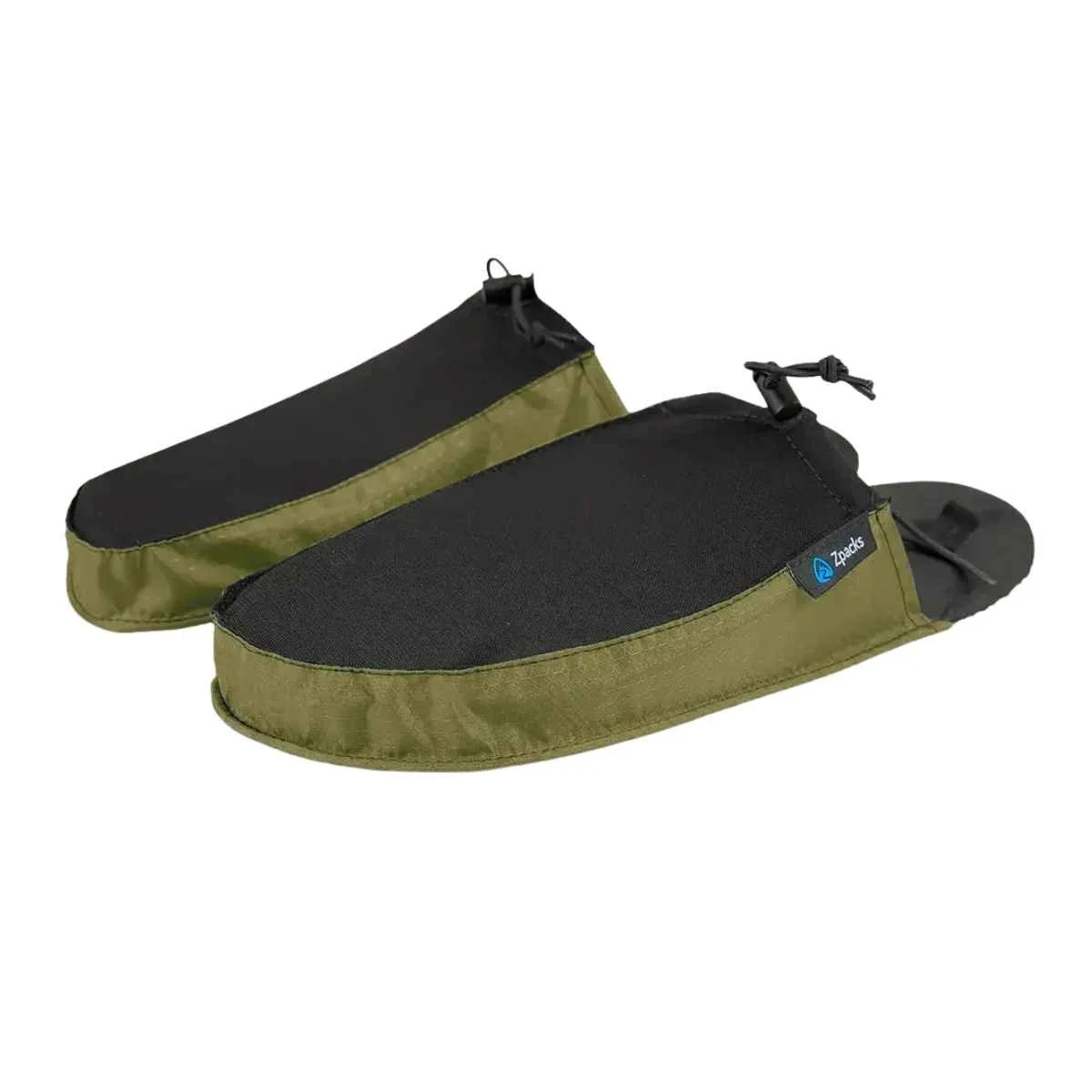
Style: Slip-on
Weight: 2.3 oz
Waterproof: No
Insulation: None
Best for: Ultralight backpacking
What we liked: Incredibly light and packable, easy to wear with socks
What we didn’t: Less durable than heavier options, low support and lots of groundfeel
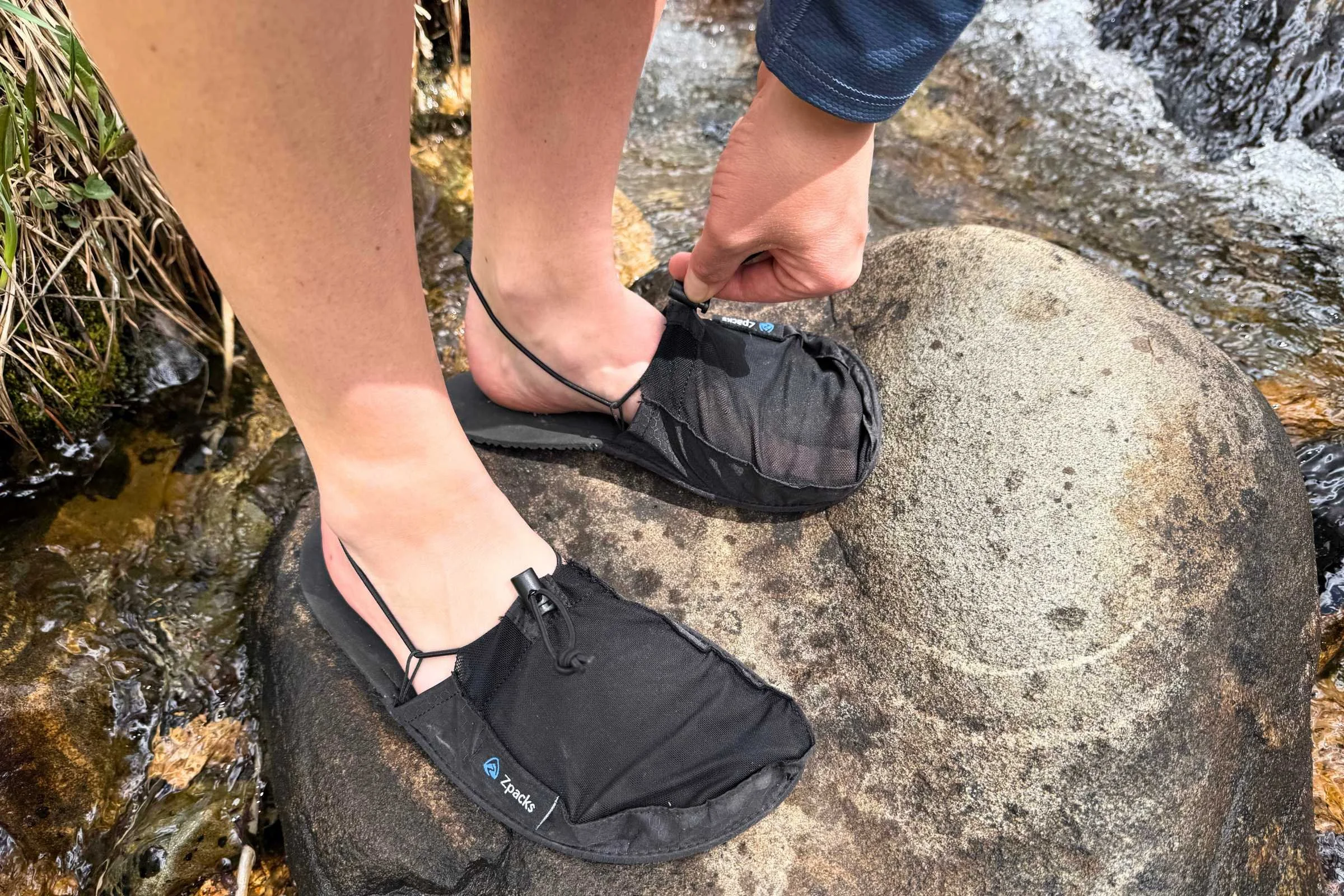
The Zpacks Ultralight Camp Shoes are ideal for backpackers, bikepackers, and other adventurers who need to shave ounces wherever possible, but don’t want to sacrifice the comfort and functionality of a pair of camp shoes. These shoes have the best ratio of weight savings and packability to functionality of any in our test.
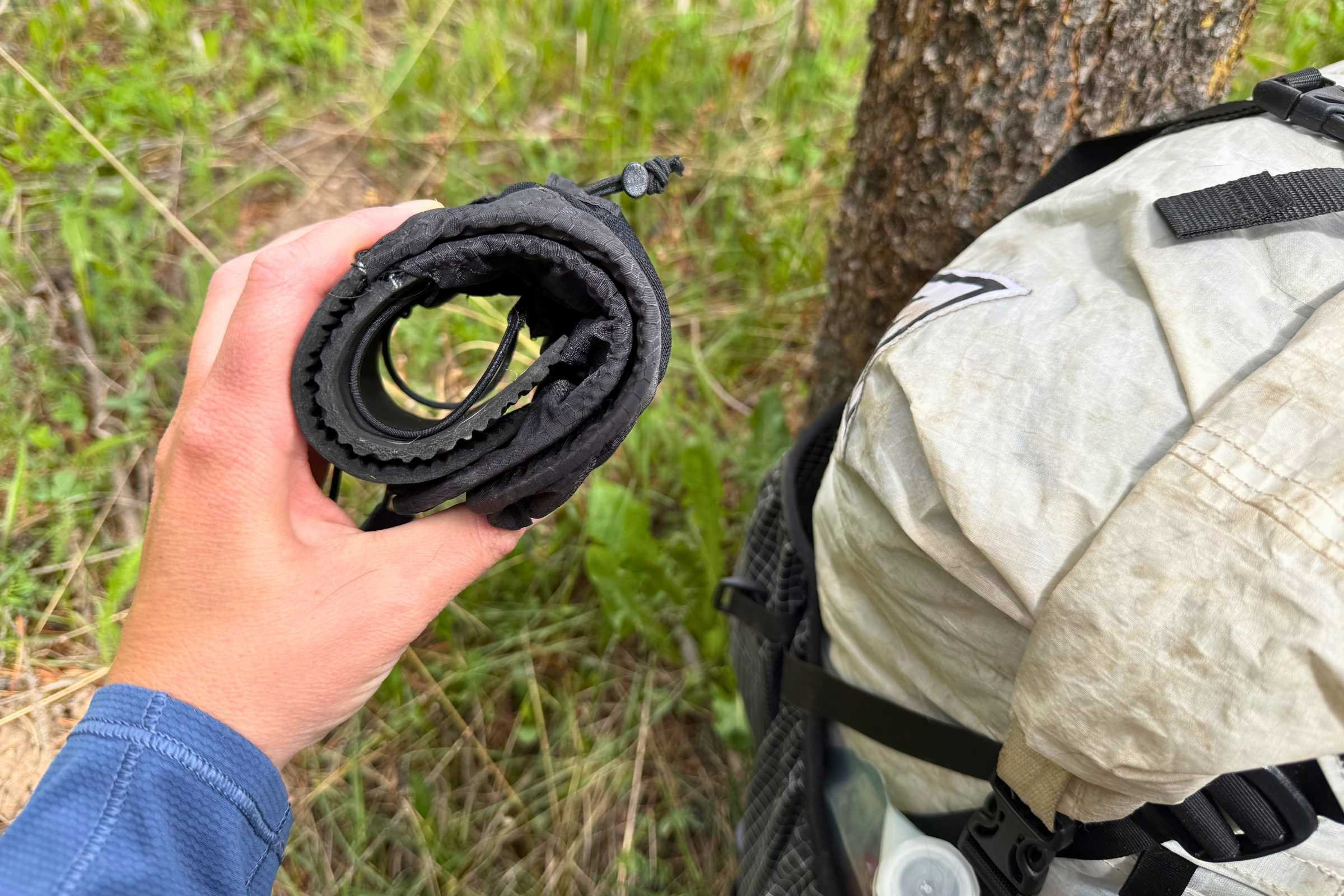
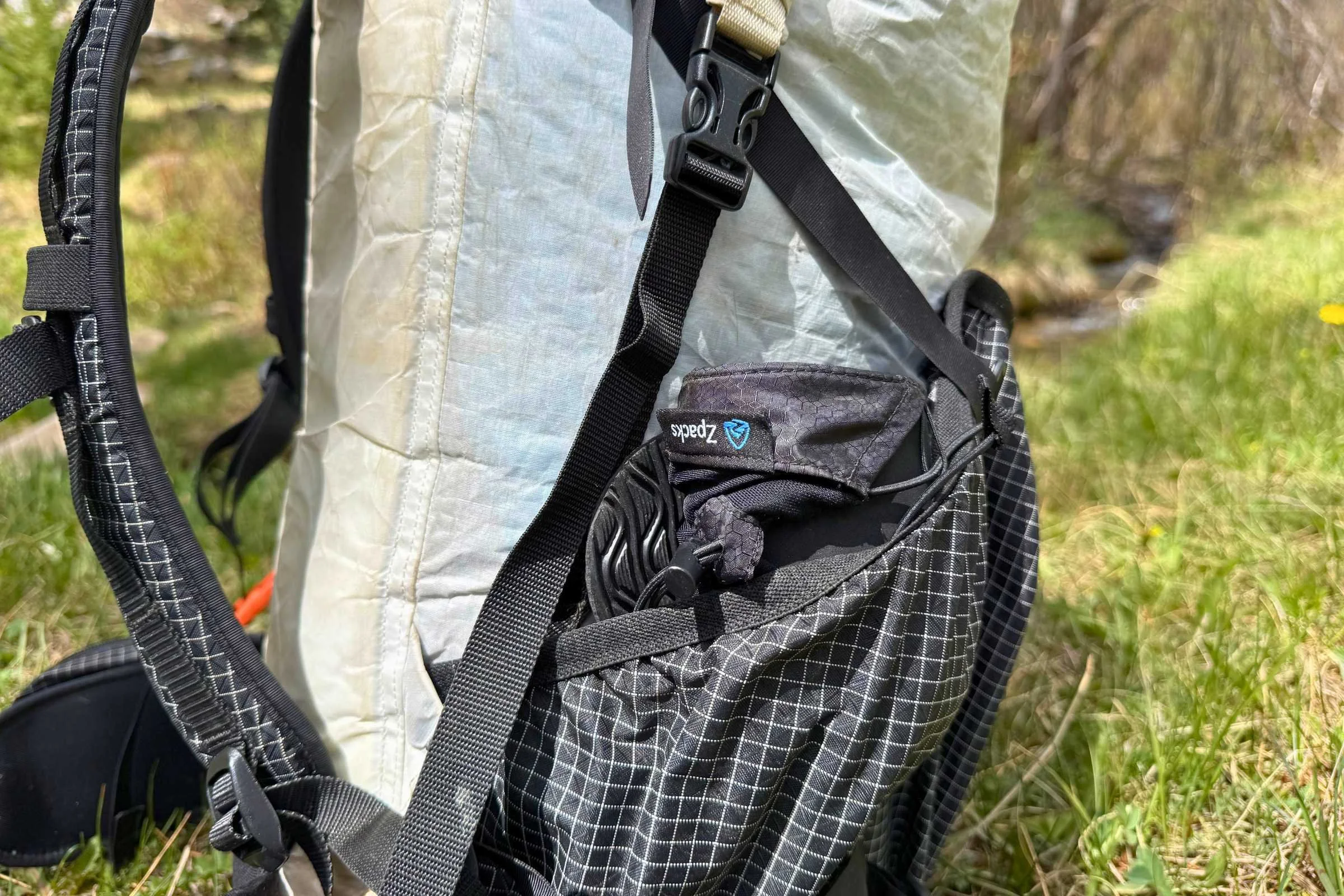
After testing these shoes on short overnights around Colorado, we’ve been impressed with how well they perform given their scant weight. And, we love that they can pack flat or be rolled up and stored in a bottle pocket.
If you’re going ultralight but don’t want to spend your time at camp in dirty trail runners or just totally barefoot, these are made for you.
Compare Prices Of The Zpacks Ultralight Camp Shoes
-
We tested these shoes on a handful of overnight trips in the Colorado mountains, mostly in cool and dry fall and spring conditions. We like the clog-like style of these shoes, which makes them comfortable and easy to wear with or without socks, depending on the temperature and how our feet felt.
Wearing them with socks helped to lessen some of the groundfeel. These shoes are indeed ultralight, so a thick and cushy midsole isn’t something you get—and it’s not something you should expect, either. But that sole is enough to stop prickly pine needles and the like from stabbing worn out and tired feet while walking around camp.
-
The Zpacks Ultralight Camp Shoes have a slip-on, clog-like design. They have a 4mm sole that is just thick enough to protect your feet from the bare ground—just don’t expect a super plush feeling at only 2.3 ounces for a pair. The upper is made with nylon ripstop sides for durability, and a LYCRA top for stretch and comfort. There is also an adjustable cord that wraps around the heel to hold the shoes on.
While not waterproof, the upper materials are thin and dry quickly when they get wet. And as far as traction, it’s a bit like cushion and support: don’t expect much in a pair of shoes this light. But, these shoes do the trick at an ultralight weight and very reasonable price.
The other highlight of these shoes is not just how light they are, but also how packable. We were able to store them flat in a pocket or slip them inside the pack body, or roll them up to stash them in a side bottle pocket.
-
Ultralight backpackers, bikepackers, and other multi-day adventurers will love how feathery light and packable these shoes are. They are minimal, and that’s to be expected. These shoes are ideal for folks who just need to sit and relax, and let tired feet breath and rest after a long day on the trail.
If you’re a more traditional backpacker who wants to spend more time exploring around camp in your camp shoes, you’ll probably want to consider the Bedrock sandals or a pair of Crocs Classics instead. But if you have a scale that you weigh your pack and its contents with, you’ll probably love the Zpacks Ultralight Camp Shoes.
-
Zpacks limits the amount of packaging their products are shipped with, including these shoes, which were packaged without plastic or extra tags. They also aim to make their shipping as sustainable as possible, often using biodegradable or recyclable materials for shipping.
Best Camp Clogs: Bedrock Mountain Clogs
Style: Clogs
Weight: 12.5 oz per clog
Waterproof: No
Insulation: None
Best for: Car camping, daily around town wear
What we liked: Stylish, comfortable, durable, good traction
What we didn’t: Not waterproof, feet can get sweaty without socks
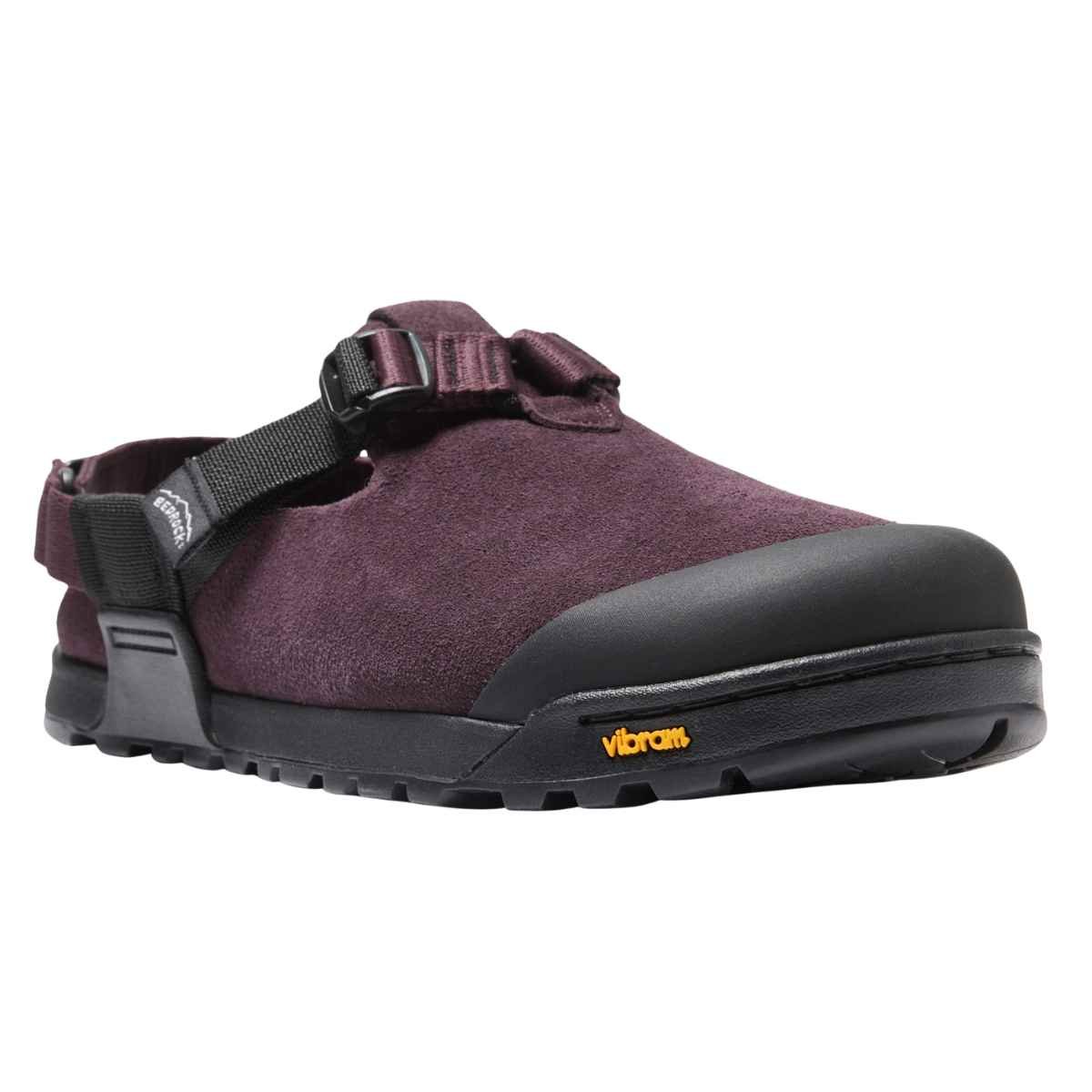
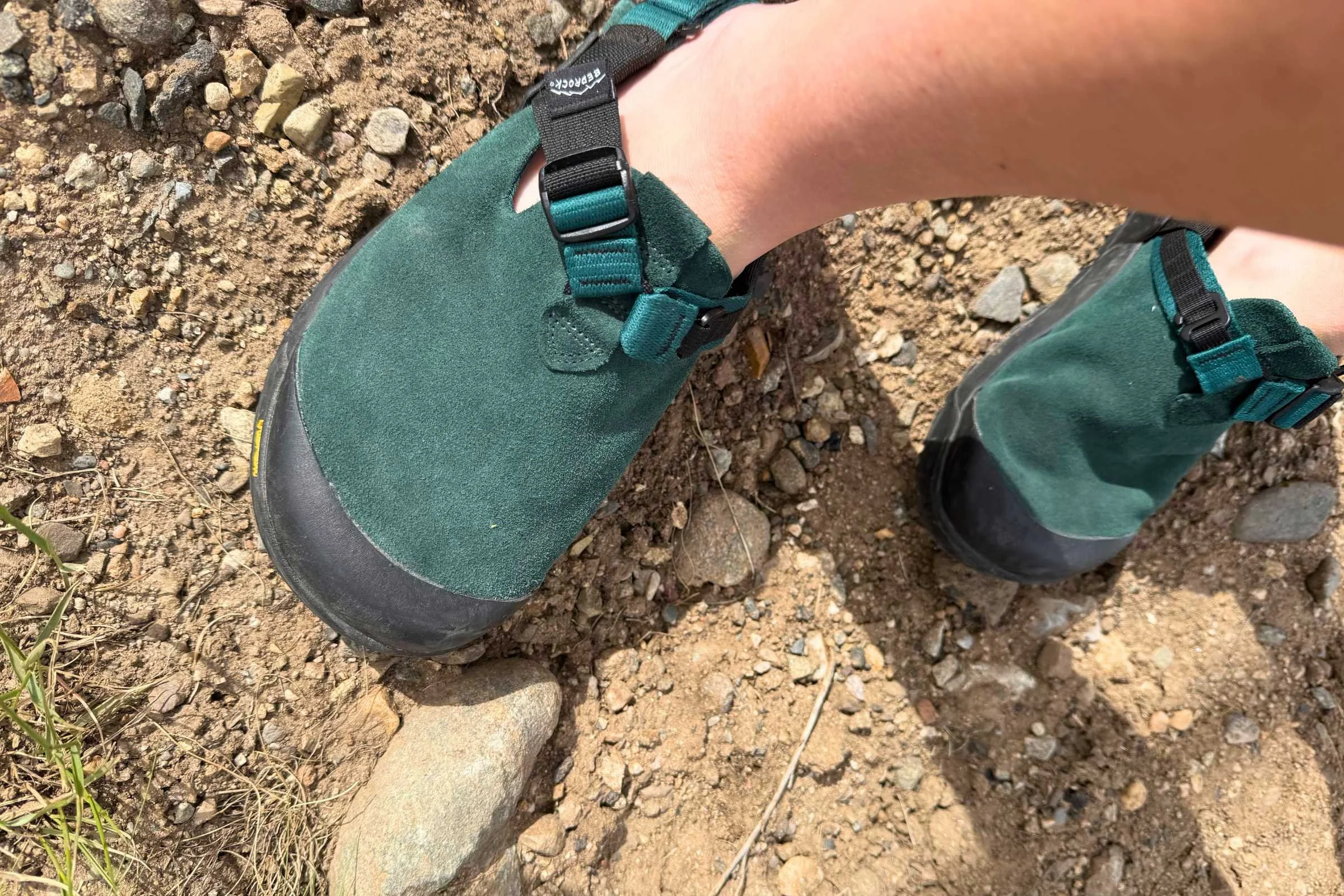
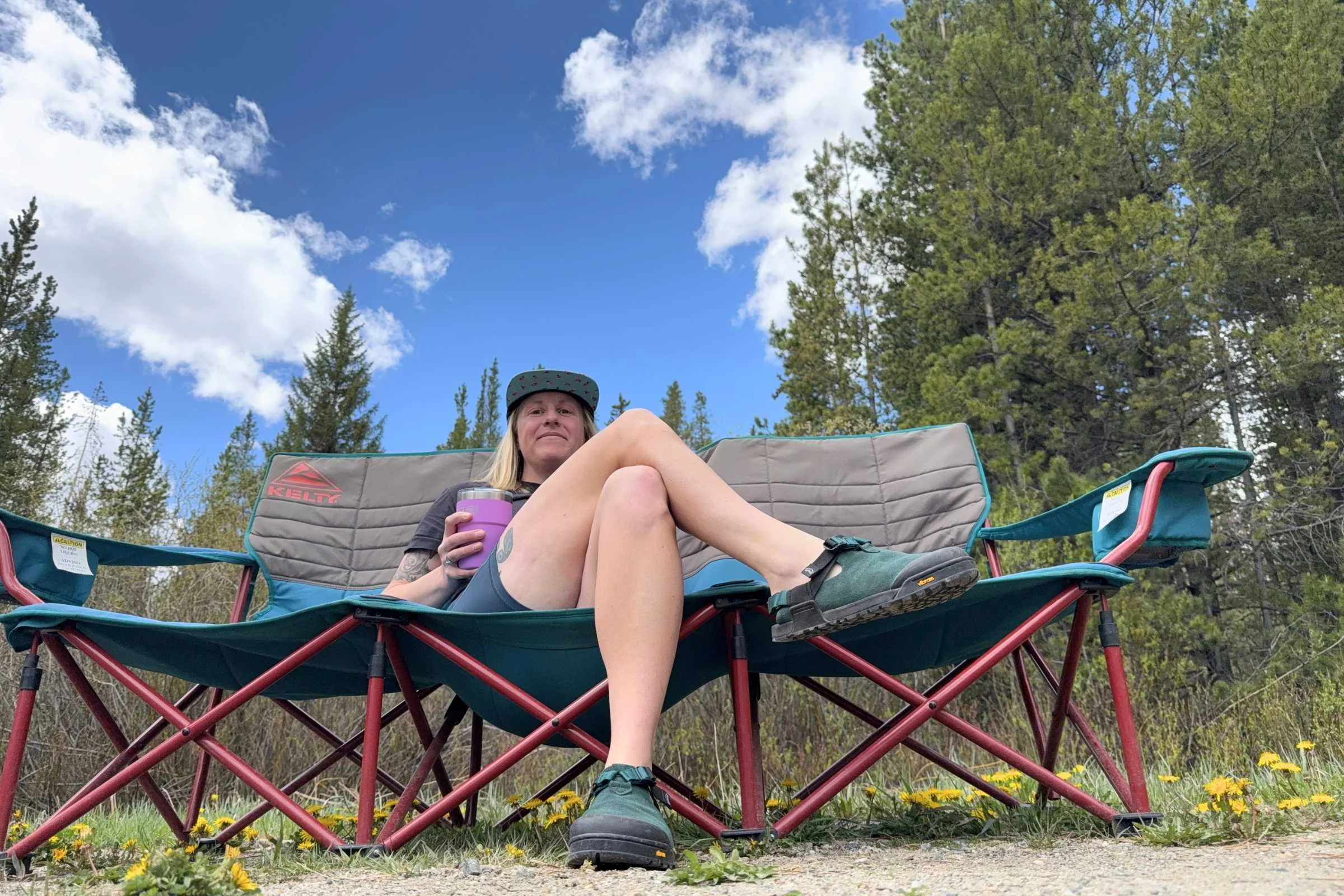
If you’re looking for a pair of camp shoes that transition seamlessly from lounging by the fire pit to kicking back at the coffee shop after you’ve packed up the tent, the Bedrock Mountain Clogs are the ticket.
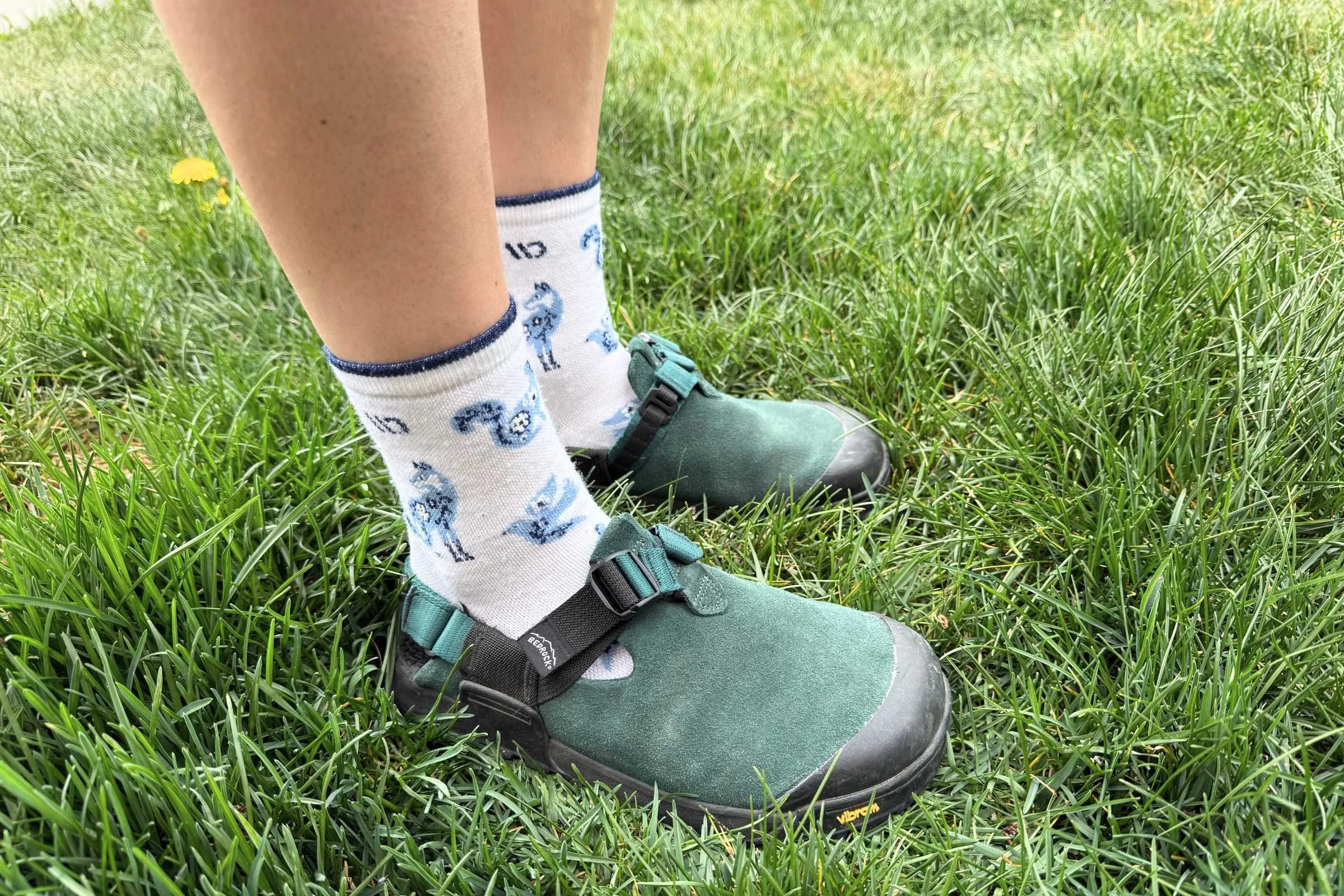
They’re comfortable and made with quality materials, and the Vibram Megagrip outsole provides ample traction for roaming around camp or venturing out on short hikes. But with their casual look and leather or suede upper, they have a distinct and stylish look that takes them seamlessly to the town.
We tested these clogs from the campground to Telluride’s Mountainfilm festival, and lots of walks and hikes in between, and they transitioned seamlessly between it all. Ultralight these shoes are not, but they excel when it comes to style, comfort, and durability.
Bedrock Mountain Clogs
-
We tested the Bedrock Mountain Clogs on multiple trips, including multiple camping trips around the Colorado mountains. In those scenarios, we loved having the Vibram Megagrip sole for walking around the campground or heading out on short hikes.
The shoes are breathable enough to wear on warm days, though on super hot days you may prefer sandals. Our feet got a little sweaty when we wore these on warm days sans socks. But, as it happens in the Colorado mountains, when the sun dips, these shoes are great on their own or paired with a cozy pair of socks for lounging at camp.
We also brought the shoes to Telluride’s Mountainfilm festival, where we paired them with casual outfits and wore them all around town, and even while biking from place to place. They were incredibly comfortable for all day wear, and we felt reasonably stylish in them, too.
-
The Bedrock Mountain Clogs, as the name implies, have a classic and fairly simple clog shape and design. They have a thin but cushy and comfortable midsole that sits on top of a Vibram Megagrip outsole, which is excellent for traction when exploring around camp.
The upper is made with either nubuck leather or leather suede (we tested the suede), depending on which color you choose. They’re also available in a fully synthetic option made with synthetic suede.
The inside of the clogs have a mesh lining, which adds to their comfort. They work well with or without socks, and when worn with bare feet that mesh lining is an especially noticeable upgrade for comfort.
Like Bedrock sandals, the clogs also have multiple adjustment points to dial in the fit, including two straps over the top and an adjustable heel strap.
-
We think the Bedrock Mountain Clogs are ideal for campers who want a stylish and durable camp shoe that looks and functions just as good in the backcountry as it does in the frontcountry. The durable materials and solid, grippy outsole make them great camp shoes, while the casual clog look allows them to look at home in town, too.
-
The Bedrock Mountain Clogs are made with durable materials, and we think these are a pair of shoes that you’ll be able to keep around for a long time, especially with proper care of the leather materials. Additionally, Bedrock has a Re-Soul & Repair program that helps keep shoes going for even longer.
Bedrock does not use any plastic in their packaging, and they’re also a part of 1% for the Planet.
Best Camp Shoes for Van Life: Glerups Booties

Style: wool booties
Weight: 1 lb (size 38, pair)
Waterproof: no
Insulation: felted wool
Best for: car camping
What we liked: made with sustainably sourced natural materials (felted wool), comfortable, stylish, durable
What we didn’t: not waterproof, not as easy to clean
For van life, comfort and grip matter more than weight. That is why the Glerups booties win our award for best camp shoes for van life.
These slippers come with a rubber sole that offers more durability, traction, and waterproofing than regular slippers, making them ideal to be worn around camp. The felted wool is sustainably sourced and super cozy, not to mention subtly stylish, too.
I spent every day of an entire summer camped out in my van on a mountain pass in Colorado and wore the Glerups booties every day around camp.
The Glerups were great camp shoes for van life in the chilly morning and evening temps in the alpine, and thermoregulated well enough to keep on for all but the hottest days. I got dirt in them and spilled things on them and they remained fairly clean looking and never smelled bad at all.
Compare Prices Of The Glerups Booties


-
I wore my first pair nearly every day for over five years—for van life, car camping trips, on ski hut trips, and at home before the wool finally got a hole in the toe (which could certainly be repaired).
I was honestly surprised by the excellent durability of the felted wool upper. I spent every day of an entire summer camped out in my van on a mountain pass in Colorado and wore these every day around camp.
They were great for the chilly morning and evening temps in the alpine, and thermoregulated well enough to keep on for all but the hottest days. I got dirt in them and spilled things on them and they remained fairly clean looking and never smelled bad at all.
The only downside (other than the price) is that you can’t hose these down like other camp shoes if they get muddy. To clean Glerups, the company recommends giving them a good shakeout to rid dust and dirt, or using a vacuum to suck up dirt if really necessary; you shouldn’t ever throw them in the wash.
-
Glerups booties are primarily made from sustainably and ethically sourced felted wool. This means that not only are they more environmentally friendly than shoes made from mostly or all synthetic materials, they’re also insulating, thermo-regulating, and fend off odors. For the sole, the brand offers options including leather and natural rubber.
Treeline Review testers have used both for many years and prefer the boots with the rubber soles for optimal traction, waterproofing, and durability outdoors. The grid pattern on the bottom offers a reasonable amount of traction.
-
These are great camp shoes for car camping, van life, or anything of that nature. They also make an excellent pair of house shoes, of course. They’re heavy and not packable enough to be ideal for backpacking or other adventures when you’ve got to carry your gear, but they’re one of our favorite shoes to wear while hanging around the campfire. We’ve given shoutouts to these shoes in our men’s and women’s winter boots reviews, and in multiple gift guides. It’s safe to say these are a favorite among Treeline writers and testers.
-
Thanks to the felted wool these are made of (which is both sustainably and ethically sourced), this camp shoe is fairly light on the environment, all things considered. We also love how durable they are, which means you can get a ton of use out of them and they stay out of the landfill for that much longer. As is often the case with high-end natural materials like wool, these booties aren’t cheap. But we still think they offer a good value because of how durable, functional, cozy, and environmentally friendly these are.
Other Camp Shoes We Tested
Mayfly Imago

Style: minimal sandals
Weight: 1.8 ounces
Waterproof: yes
Insulation: none
Best for: ultralight backpacking
What we liked: lightest camp shoe we could find, very packable
What we didn’t: not durable or versatile
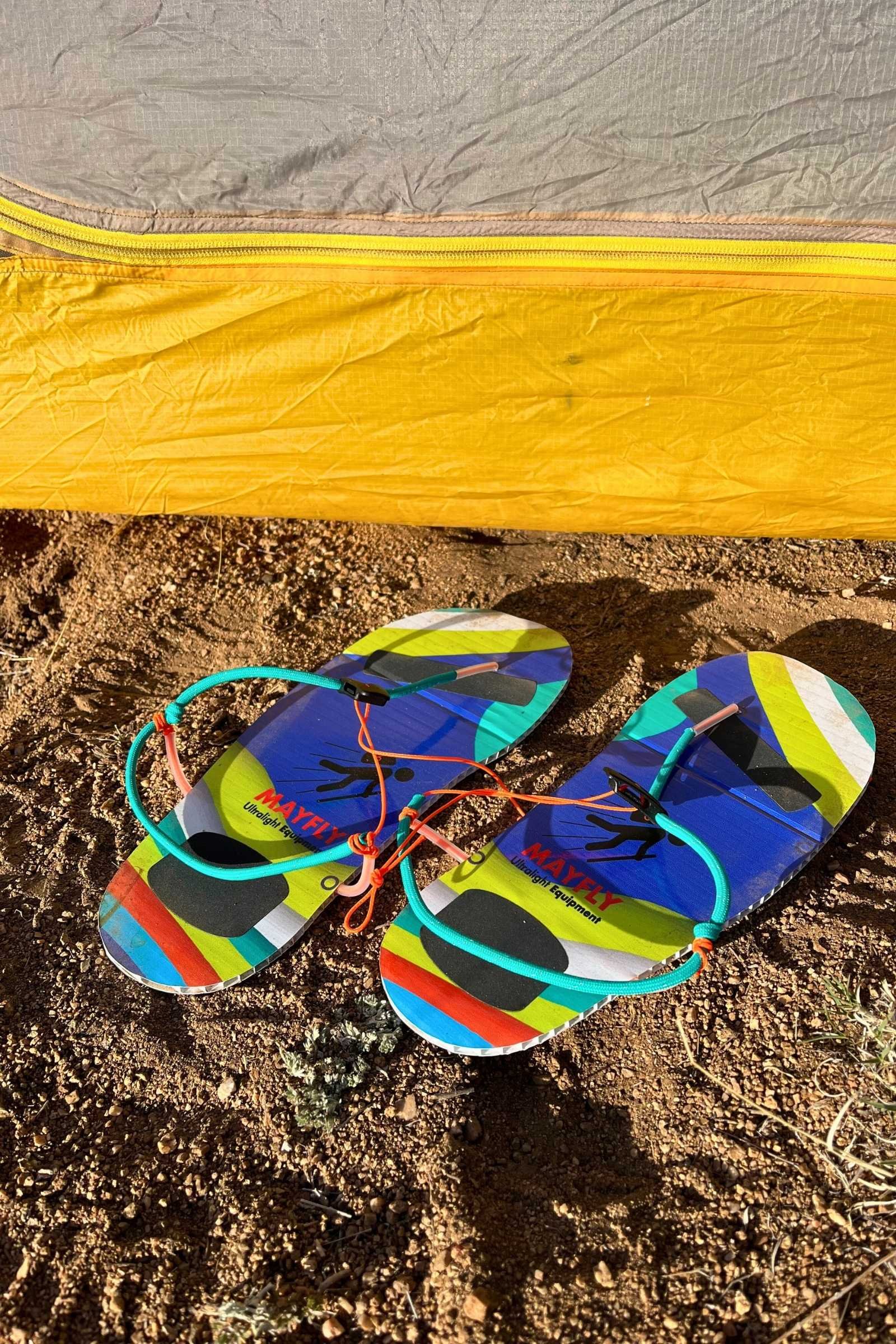
If you’re an ultralight backpacker or thru-hiker needing a camp shoe that will add as little weight as possible to your pack, Mayfly has a creative solution that weighs less than two ounces. The Imago sandals are extremely light camp sandals that offer the bare minimum to reach that weight. Treeline founder and Editor in Chief Liz Thomas has used these as her camp shoes for thousands of miles of backpacking and recommends these sandals for hikers and outdoor adventurers who are in need of the lightest and most packable gear.
We think these are great shoes for a very specific use, that being ultralight outdoor adventures when weight savings and packability take priority over everything else.
Ultralight and durability don’t often go together, and that’s the case here. These shoes are not meant to be worn for miles, but that’s not the point. They’re meant for hikers looking for a shoe that will allow them to get around camp for short distances to give the feet a break from wet or form-fitting hiking shoes.
Compare Prices Of The Mayfly Imago


Chaco Ramble Puff Clog
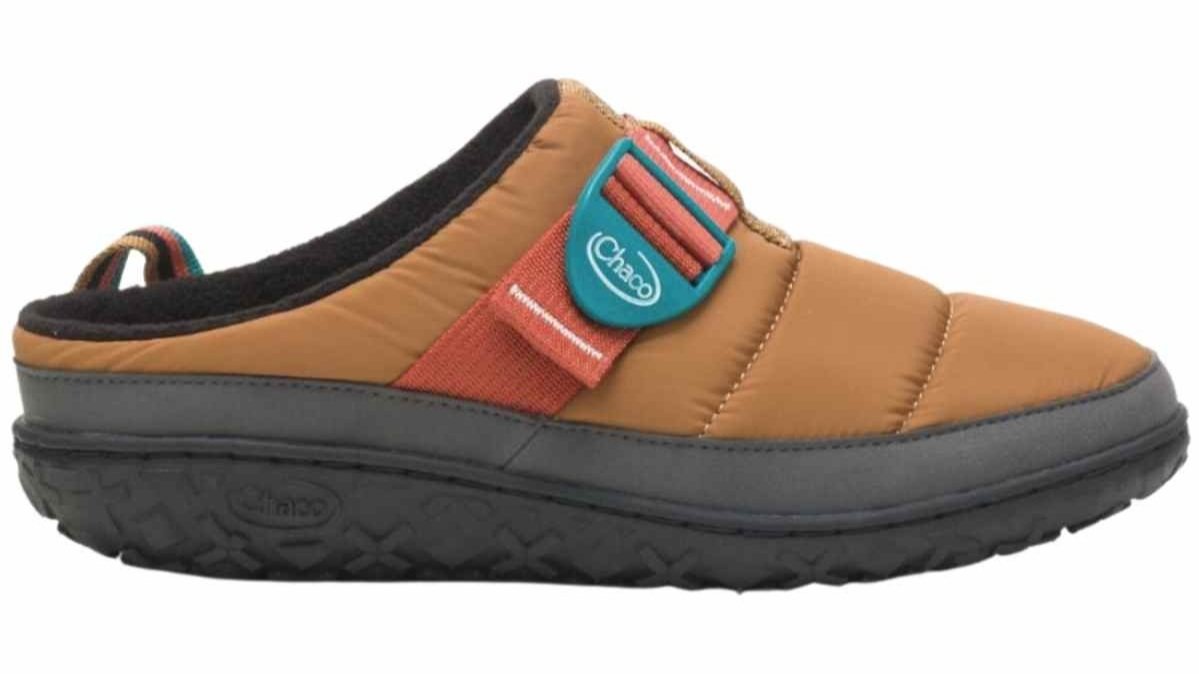
Style: puffy clog/shoe
Weight: 10.8 oz
Waterproof: no, water resistant
Insulation: yes, synthetic quilted
Best for: car camping, van life
These Chaco Ramble Puff puffy camp clogs are wonderfully comfortable, toasty warm, and surprisingly light. We wore them on chilly nights at camp when temps dipped into the low 30s, and with some wool socks underneath, these kept our feet cozy, thanks to the quilted upper and fleece lining.
Compare Prices Of The Chaco Ramble Puff Clog
Men's
Women's


The shoes are also much lighter than you might expect, and we’d even entertain packing them for cold-weather backpacking (if weight isn’t a huge concern). The traction on the soles is good enough for hikes around camp.
The Ramble Puffs are both lighter and warmer than the ReEmber. Still, we found the Teva ReEmbers slightly more versatile (because of the collapsible heel) and more durable overall (the soles especially) than the Chacos. But the Ramble Puff Clogs are so comfortable and cozy that I wanted to leave them on all the time, and they make an excellent all-around camp shoe.
Merrell Hydro Moc

Style: clog
Weight: 14 oz
Waterproof: yes
Insulation: no
Best for: car camping, water sports, street style
Crocs take the cake for our best overall camp shoe choice thanks to their versatility, comfort, and friendly price point. But if you’re looking for a similar close-toed foam shoe with a bit of a different look from Crocs, the Hydro Mocs are worth considering. They offer a more precise fit than Crocs, which is helpful if you need them for river crossings and other in-water activities. But, the Merrill Hydro Moc has a greater tendency to get rocks and debris stuck during river crossings, while the Crocs Classics shed that debris better. And overall, we found Crocs Classics to be more comfortable overall, and more reasonably priced.
Compare Prices Of The Merrell Hydro Moc
Men's
Women's

Style: slide sandal, recovery
Weight: 6 oz
Waterproof: yes
Insulation: no
Best for: recovery
The Hoka Ora Recovery 3 slides are another good option for a pair of recovery sandals to be worn around camp.
They offer support and cushion, but it’s worth noting that they fit a bit large. Ultimately, we found the foam in the soles and footbeds of the OOFOS to absorb more impact than other shoes.
Although we did find them more cushy and comfy than the OOFOS, a good recovery shoe needs to take the impact off your feet. But if you’d prefer a recovery shoe with stiffer foam, consider these.
Additionally, the Hoka slides cost less than the OOFOS, and won an award in our best recovery shoes guide for being an affordable option. While we think the OOFOS offer optimal comfort and cushion, these are a great choice for folks on a budget. You’ll find the Hoka Ora Recovery 3 slides in our Best Recovery Shoes guide.
Compare Prices Of The Hoka Ora Slide
Camp shoes by trip type
Not every camp shoe works for every trip. Here's how to match what you bring to where you're going.
Car camping and van life. Weight doesn't matter, so prioritize comfort and versatility. The Teva ReEmber is the obvious choice here and for good reason. It's warm enough for chilly evenings, durable enough for walking around camp, and the collapsible heel means you can wear it as a slipper or a shoe depending on what you need. If you run cold at night, the Chaco Ramble Puff is worth considering. If you camp near water regularly, a waterproof foam clog like the Crocs Classic handles both worlds.
Backpacking and thru-hiking. Weight and packability are the primary filters. The Bedrock Cairn is the best all-around backpacking camp shoe for most people. It's light, packs flat, can get wet, and has enough sole to be useful on short camp walks. If you're going truly ultralight and every ounce counts, the Mayfly Imago is the answer. For longer thru-hikes where foot recovery matters as much as weight, some hikers bring lightweight recovery sandals like the OOFOS slides and accept the extra weight as a worthwhile trade.
River trips and water-based camping. You need something that can get wet, drains quickly, and has enough grip for slick surfaces. Chacos are the classic choice for a reason. They handle everything from river crossings to camp walks to short hikes, dry reasonably fast, and last for years of hard use. The Bedrock Cairn is a lighter option if you don't need the ankle support. Avoid insulated options entirely since wet insulation is worse than no insulation.
Winter camping and mountaineering. This is the one scenario where most camp shoes on this list don't make sense. When you're camping in snow or at high altitude, your camp shoe is doing a very different job than airing your feet out after a trail run. The Feathered Friends down booties exist specifically for this context. They keep your feet warm inside a tent, in a snow shelter, or on a hut trip in a way that no other shoe on this list can. Pair them with a moisture-wicking sock liner for the best result. Just keep them away from wet ground since the water-resistant shell has limits.
High alpine and shoulder season camping. This is a middle ground that doesn't get talked about enough. You might not need full down booties, but sandals alone won't cut it on a cold July morning at 11,000 feet. A puffy clog like the Teva ReEmber or Chaco Ramble Puff worn with a wool sock is the move here. It's a combination that covers a wide temperature range and works for most three-season alpine camping.
Desert camping. Breathability matters more than insulation and nights rarely get cold enough to need anything heavy. Sandals are ideal here. The Chacos or Bedrocks handle rocky terrain around camp well, and waterproofing is less critical unless you're crossing streams. The Crocs Classic works well too for anyone who wants something closed-toed to keep sand and dust out.
Travel and camping hybrids. If you're traveling to a destination before camping, you probably want one shoe that works in both contexts rather than packing a separate camp shoe. The Crocs Classic is genuinely versatile enough to wear in town and at camp. The Teva ReEmber is slightly less town-friendly but works well for airports, hostels, and campgrounds on the same trip. Chacos handle both contexts well if you don't mind the look.
Care and maintenance
Camp shoes take a lot of abuse. They get wet, muddy, sandy, and worn around campfires, and how you care for them depends significantly on what they're made of.
Foam clogs and recovery sandals like Crocs and OOFOS are the easiest to maintain. Rinse them with water after muddy or sandy use and let them air dry. Most can be scrubbed with mild soap and a brush for anything more stubborn. Avoid leaving them in a hot car or in direct sun for extended periods since heat degrades foam over time, which is exactly what ruins the cushioning that makes recovery shoes worth having.
Sandals with straps like Chacos and Bedrock Cairns can handle more aggressive cleaning. The Chaco straps are machine washable if you remove them from the footbed first, or you can scrub them by hand with soap and water. The webbing will absorb water and takes longer to dry than the footbed, so hang them somewhere with airflow after water crossings or washing rather than stuffing them into a bag wet.
Puffy clogs and insulated slippers like the Teva ReEmber and Chaco Ramble Puff are more finicky. Spot clean the exterior with a damp cloth and mild soap. Don't machine wash or submerge them since the synthetic insulation can clump and lose loft if saturated and dried incorrectly. Let them air dry completely before storing.
Down booties require the most care. The Feathered Friends booties have a water-resistant shell but down loses its insulating properties when wet, and once it clumps it doesn't always recover fully. Spot clean the shell only and never submerge them. If the down gets wet, dry them thoroughly at low heat or by air before storing. Store them loosely rather than compressed so the down retains its loft.
Wool booties like the Glerups can be hand washed in cool water with a gentle wool detergent. Don't wring them or put them in the dryer since wool will shrink and felt further with heat and agitation. Reshape them and let them air dry flat.
For all camp shoes, letting them dry completely before packing them away is the single most important habit. Packing damp shoes leads to mildew and odor that is very hard to fully remove, and in the case of down booties, can permanently damage the insulation. If you're packing out of camp with wet shoes, keep them in an exterior pocket or a separate bag rather than next to gear you want to keep dry and clean.

Bedrock Cairn (left) and Chacos (right). The Bedrocks are lighter weight than the Chacos.
do I really need camp shoes: the case for camp shoes
Sure, you can use whatever shoes you use for hiking or other adventures when you’re hanging at camp, but that’s not ideal for your feet. There are multiple reasons why it’s worth adding a camp shoe to your gear list.
They Let Your Feet Breathe
Camp shoes let your feet recover after a day adventuring on them. Whether you’re hiking, biking, running, or doing any other sort of outdoor adventure before you pitch your tent, your feet will probably want a break at the end of the day. Keeping your feet in the same shoes for hours on end makes them more prone to blisters and soreness, and swapping for a more comfortable pair at the end of the day gives your feet a rest by not keeping them confined to more restrictive footwear like running shoes, hiking boots, ski boots, and more.
Many camp shoes also give your feet a chance to breathe. If they’ve been sweating in a pair of boots all day, nothing feels better than airing them out in a comfortable pair of sandals.
They Let Your Hiking Shoes or Boots Dry Out
Oftentimes we find ourselves arriving at camp with wet shoes that need to dry out. If you don’t have camp shoes to swap out you’re left with either bare feet or stuck wearing your soppy shoes until bedtime.
They Help Your Feet Recover
Certain types of camp shoes (like foam recovery sandals) also do a great job at helping your body recover after a long day on the trails. These shoes are not only comfortable for the arch support and cushion they offer, but they’re even easy on joints like your ankles, knees, hips, and even your back.
They Make it Easy to Get In and Out of Your Tent
Camp shoes also offer a convenience factor that most other shoes don’t. They’re typically easy to slip on and off, which makes them great for getting around camp, especially if you need to leave the tent for a midnight bathroom break.
They May Reduce the Impact on Fragile Vegetation
Camp shoes with less aggressive tread than hiking boots and other beefier shoes may not harm delicate landscapes as much. Either way, practice Leave No Trace when you’re out and camp and travel on durable surfaces and established trails whenever possible.

Comparison of the Chaco Ramble Puff (left) with the Teva ReEmber (right) camp shoes.
What to Look for in a Camp Shoe
Fit and comfort
As we’ve said before, comfort is the primary thing to look for in a camp shoe. Comfort can come from cushion, breathability, insulation, and more, but it’s important that your shoes fit comfortably to give your feet the break they deserve. We think it's best to err on the roomy side for camp shoes in order for them to be the most comfortable (but not so big that they’re not functional or prone to giving blisters).
Support
Some camp shoes have support while others don’t, and some are designed specifically with support and cushion in mind. Typically, camp shoes that lack support are meant to be lighter and more packable for activities like backpacking. Heavier camp shoes often have more cushion and support and are great for car camping. If support is a top priority, there are many great options, you’ll just have to sacrifice a little weight in your pack. Our favorite is the Lem’s Switchback Knit hiking sandals, which use an EVA midsole (similar to trail running shoes) to provide comfort.
Use Case
Think about what you plan to use your camp shoes for—yes, camping of course, but what kind? If you’re backpacking, you’ll need a shoe that is light and packable. Many backpackers also like to have camp sandals or shoes that are waterproof so they can be used for river crossings. If you’re camping in cold weather, insulation will be important. And if you want a shoe that’s functional at camp and stylish back in town, you can find that too. Think about your priorities and look for those features first.
Weight
Weight is an important factor in choosing camp shoes for many folks, especially if you have to carry all your gear to camp. If you’re car camping, weight is not as important and you can opt for a pair with other features. But if you’re a backpacker or thru-hiker, bikepacker, mountaineer, or you simply need to save weight and space, there are options that are both light and packable.
Versatility
Most camp shoes are versatile to at least some extent, but some are more so than others. Often, shoes designed with a very specific purpose (like ultralight backpacking or winter mountaineering), will serve that purpose very well but not be as versatile. Other options, like a durable pair of camp sandals or slipper shoes can be worn for multiple activities.
Durability
We want all of our outdoor gear to be durable, and that’s one of the top criteria we look for in testing. But sometimes durability has to be sacrificed in order for other priorities to be met (like weight savings or budget). Some of the most durable camp shoes in our test are on the heavier side. If durability is important to you, know that you’ll probably have to sacrifice some weight to get it. If a lightweight camp shoe is most important, they likely won’t be as durable, so it’s worth keeping that in mind when you wear them.
Packability
If you’re packing your gear into camp, you want a pair of camp shoes that can easily fit in your pack. Look for shoes with a low-profile and lightweight design. Car campers don’t need to worry about this quite as much, but it’s still a helpful feature to keep in mind.
Breathability
If you want your feet to air out at camp, it will be important to choose a camp shoe that’s breathable. It can be very detrimental to your feet to leave them in wet shoes or boots, and it’s important to let them air out and dry out when possible. Most camp shoes with insulation will not be particularly breathable, and it’s often ideal to opt for sandals in this case. With many of the sandals in our review, they can be worn with socks for warmth when needed.
Traction
Your camp shoes are going to be worn outdoors, and so at least some sort of traction is ideal. (The only shoes in our test with essentially no traction are the down booties, but those are meant for a specific use.) If you’re going to use your shoes for longer walks around camp or even short hikes or river crossings, look for a pair with good soles with grippy lugs.

We used the Bedrock Cairn for wading in rivers and lakes around Central Oregon and had no issues.
Water resistance
Having camp shoes that are either water resistant or waterproof makes them more versatile. They can then easily be used for stream crossings, gathering water to filter, and more. If you want shoes that can get wet, look for a pair of sandals or foam shoes, like Crocs.
Warmth and insulation
Nights at camp can get chilly quickly, depending on where you’ve pitched your tent. Insulated camp shoes, like puffy clogs and slippers, are great for times like this. If you’re camping in particularly harsh and cold conditions—especially mountaineering and snow camping—a pair of super insulated down booties will fend off things like frostbite (but they won’t be nearly as versatile as other options).
Value
You want your gear to offer good value for what you get. Some camp shoes cost more than others, and most often that’s because you’re paying for useful features like traction, cushion, or insulation. If budget is your top priority, there are good options out there for a great pair of camp shoes at a low price. But if you pay more for those extra features, they’ll usually serve your feet well at camp.
How to choose a camp shoe

Cooking up dinner in camp while wearing camp shoes.
What kind of camping are you doing?
The most important thing to consider when selecting a camp shoe is your primary use. Yes, camping, of course, but what kind? If you’re car camping, weight will be less of a concern, and you can opt for features like comfort and insulation. If you’re backpacking, then you’ll want a camp shoe that’s light and easy to pack. If you’re camping near a river or want a shoe that can get wet, pick something that works as a water shoe and a camp shoe.
What activities are you doing on your camping trip? What shoes will you be wearing for most of the day?
If you want your camp shoe to also be useful on short hikes or for water sports or other activities, consider a versatile option like Chaco sandals or Bedrock Cairns. If most of your day is spent in other shoes (running shoes, hiking boots, etc.), then a shoe that allows for comfort might be ideal.
Is your priority weight or durability?
These two features often have an inverse relationship. It’s almost always the case that you sacrifice durability as you decrease weight. We don’t mean to say that one is better than the other—they’re just made for specific uses. Backpackers and thru-hikers should pick a shoe that’s as light as possible without sacrificing functionality. Car campers will be better off with a sturdier, more durable shoe that will likely last longer.
What weather will you be using your camp shoes in?
Many places where folks love to camp can get chilly at night, so having a camp slipper or something insulated is often a cozy luxury that’s worth having. But if you rarely camp in chilly temps, then a pair of sandals will likely suffice. Both of these options can be quite versatile overall. If you’re winter camping in snow and freezing temps, you’ll want a camp shoe with added insulation, like a down bootie.

The Mayfly ultralight sandals are best for folks who want the lightest camp shoe possible but are for a select group of ultralight enthusiasts.
How much traction do you need?
Traction is an important feature in camp shoes, so consider this when buying. If you’re going to use these shoes for things like short hikes and river crossings, traction should be at the top of your priority list. I
f features like comfort or weight savings are important, then you may have to sacrifice other features, like traction.
If you’re mostly hanging around the campsite, then excellent traction may not be as crucial and you can prioritize other features.
What sort of features do you want?
Consider what’s important to you in your camp shoes. Would you rather them be warm or able to go in the water? Do you want a recovery shoe to relax after big days, or something more minimalist? Consider the type of sole on the shoes. Some have better traction than others for folks who want to take walks and short hikes in their camp shoes.

Some of the camp shoes we tested lined up side-by-side.
How we tested
We started by researching dozens of models of camp shoes on the market. We studied specs and read media and customer reviews. Based on our findings, we narrowed our search to the best of the bunch and tested them ourselves. In total, we tested nearly a dozen camp shoes—some models for up to 5 years.
We car camped, backpacked, winter camped, and van camped while testing these shoes, mainly in the mountains of Colorado, though we tested in other climates like Zion National Park and other parts of southern Utah and in central Oregon’s Cascade mountains, too. We tested for comfort, traction, support, and durability; we considered weight, packability, and other features.
- Car camping, backpacking & van life
- Winter camping & snow conditions
- Colorado mountains, Zion & Oregon Cascades
- River crossings, hikes & campsite walks
- Some shoes tested for up to 5 years
- All-day comfort vs. first-five-minute comfort
- Ease of on/off after long trail days
- Water handling & drying speed
- Weight vs. durability tradeoffs
- Traction on varied camp terrain
FAQ
-
Camp shoes are sort of like outdoor slippers, but the 4X4 version that’s meant to be used on more than cushy carpet. But they’re arguably more important than a good pair of slippers for just that reason: if you don’t have shoes outside, it’s not cushy carpet that’s under your feet. Camp shoes have many uses, from being a cozy option to kick around the campfire to allowing you to dry out wet feet and hiking boots at the end of a long day. They can also help your feet rest and recover, stay warm on cold nights, and even be used for things like river crossings if you’ve got the right pair.
-
Many camp shoes are designed to be worn with or without socks, so for the most part, the choice is yours. Insulating camp shoes can be worn with socks for extra comfort and warmth, and even most sandals can be worn with socks, making them more versatile.
-
Camp shoes should, above all, be comfortable. If you’re doing a lot of walking around camp or going for short hikes in them, a pair that fits securely is important. But generally, we think it’s best to air on the roomy side with camp shoes. This gives your feet room to stretch out and breathe, and saves space for a thick and cozy pair of socks if you want. If you’re on the fence with sizing for camp shoes, it’s generally a good idea to size up (though we comment on sizing notes with specific pairs we tested).
-
Camp shoes can be anything from down booties and puffy clogs to the most minimal sandals you can imagine. Whether you want shoes or sandals will depend on what type of camping or backpacking you’re doing and what other activities you want to use your camp shoes for.

About the author: Why you should trust us
A true mountain dweller, Stasia feels far more at home on a high alpine ridge than on a busy city street. She’s worked as a backpacking guide in Southeast Alaska, has held a WFR cert, AIARE 1, AIARE 2, and Avalanche Rescue certifications, and is working to become an avalanche education instructor. She’s now a full-time freelance writer and editor working primarily in outdoor recreation. Her bylines can be found in Backpacker, 5280, and REI’s Uncommon Path, among others, and she’s been testing and writing about gear for nearly a decade. She is also the managing editor of the new print zine, Trails Magazine.
Stasia has been camping since before she could walk and has been an avid backpacker for more than ten years. Working as a guide, she often pitched a tent more than she was at home, and she has a great deal of experience in knowing what to pack—and what not to pack—for backpacking and camping trips, as well as what makes a good camp shoe.
Stasia is a lifelong skier, hiker, mountain biker, and trail runner passionate about lowering barriers to entry for outdoor sports. When she’s not writing or cooking, you’ll find her in the mountains, probably above treeline, and probably testing gear.
To see all Stasia’s Treeline articles, see her author profile.