Revi Gear The Challenger [Pro] Mips Snowboard Helmet Review
An extremely comfortable, feature-rich snowboard helmet for riders who want top protection
November 16th, 2026
Home > Gear Reviews > Ski & Snow
Our verdict
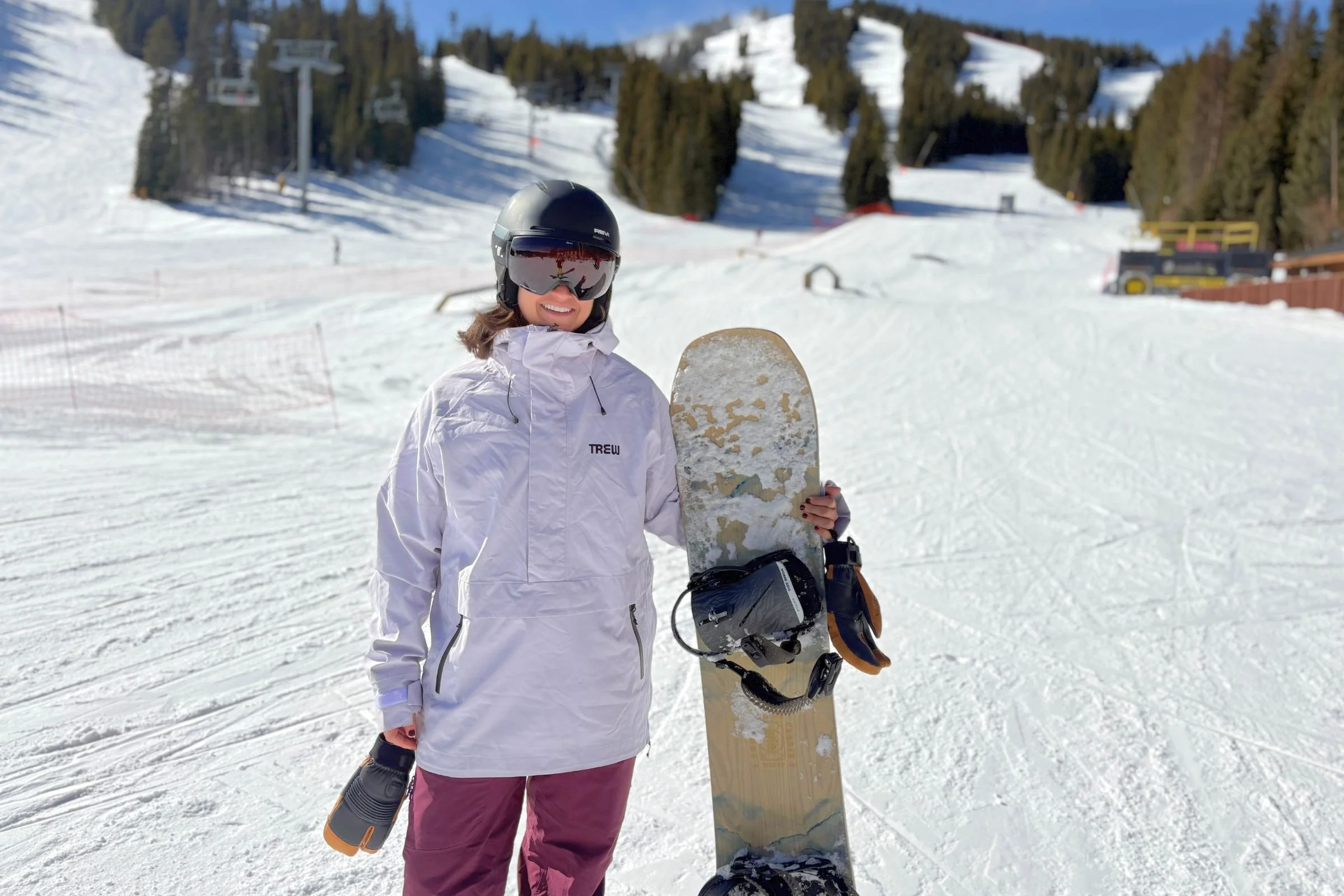
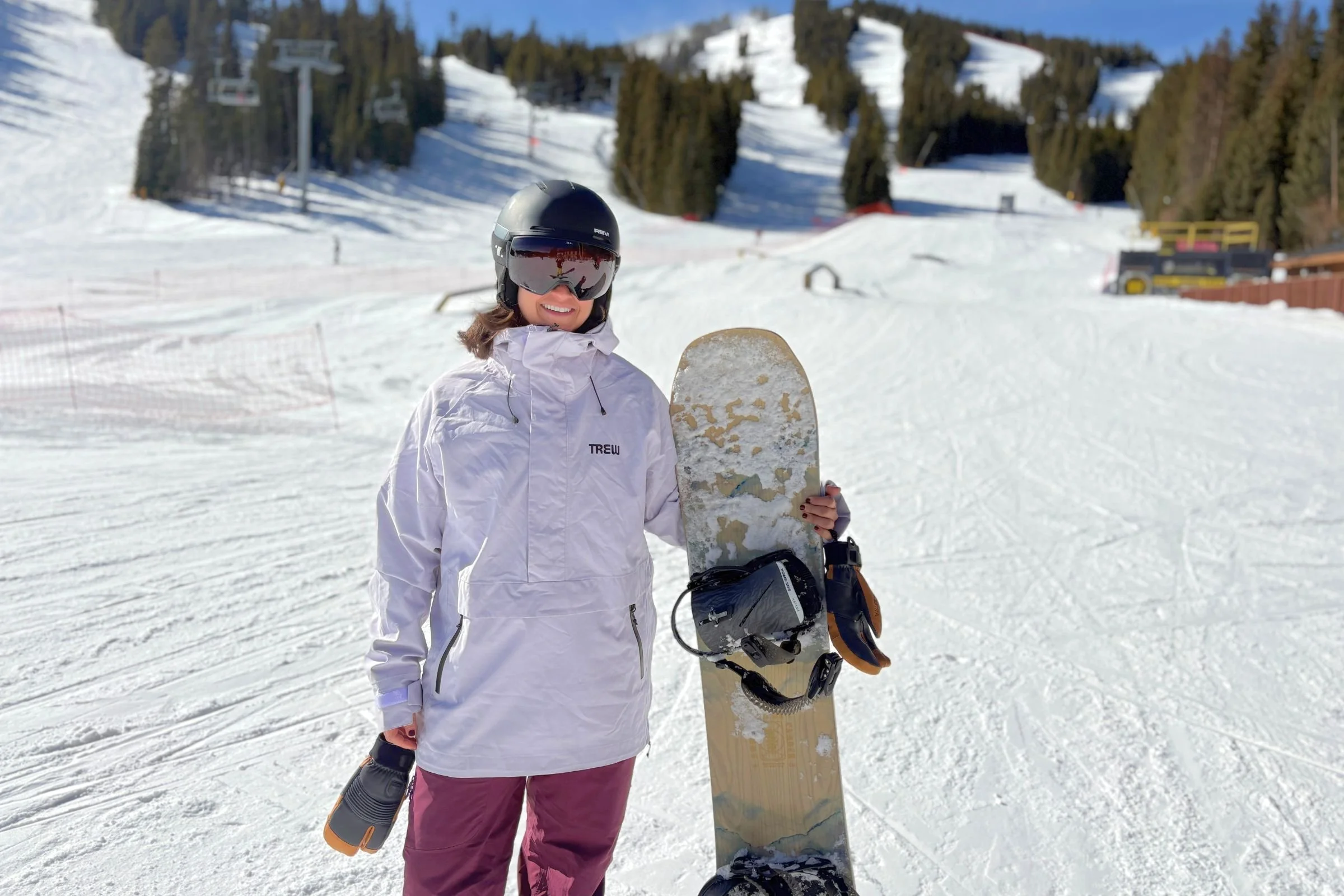
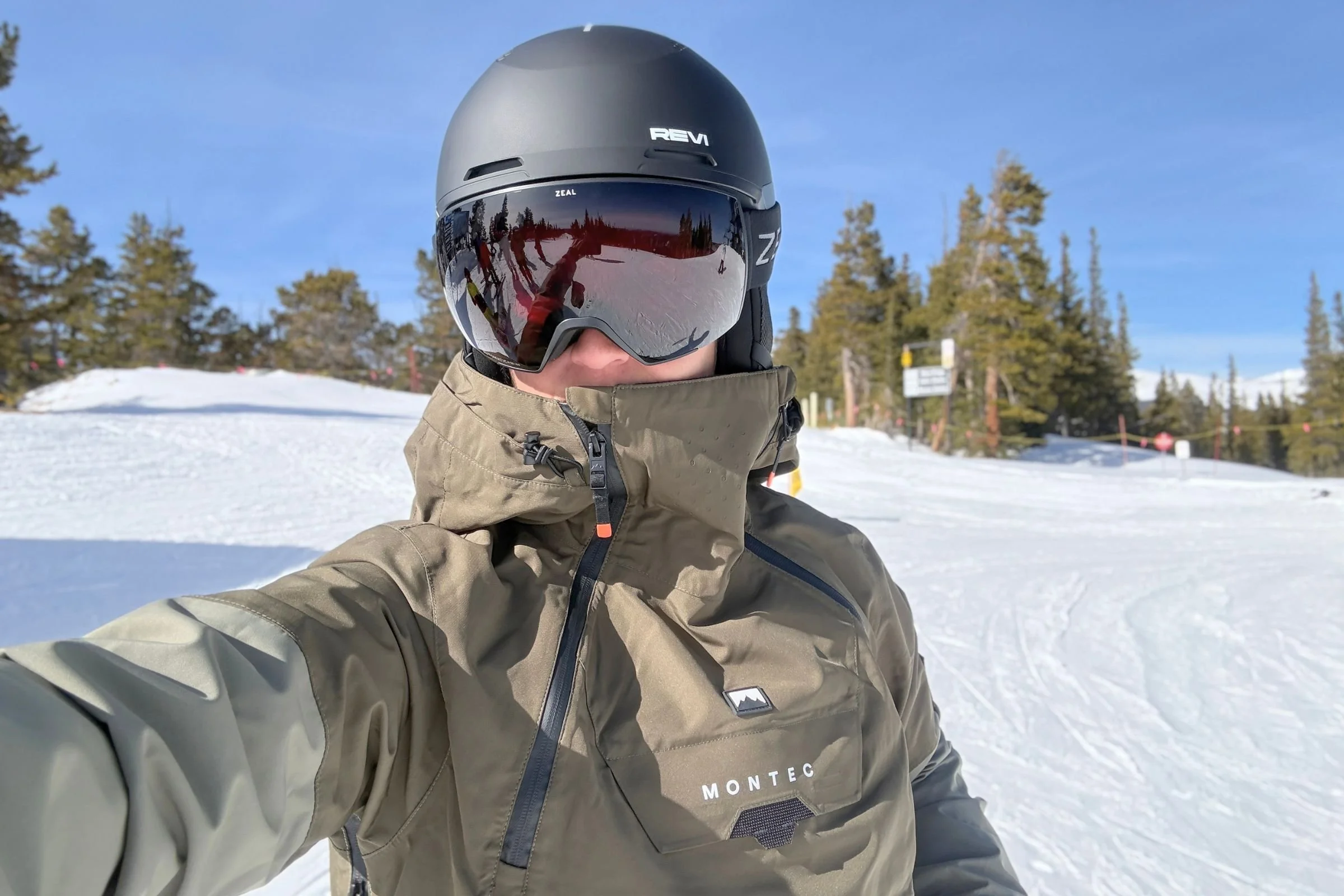
The Revi Gear The Challenger [Pro] Mips is easily my favorite new helmet, and I’ve worn and tested a lot of helmets over the past few years. This isn’t surprising, as it’s made by Elizabeth Shilko, an life-long skier who wasn’t happy with any helmets that she was checking out in the stores. Her solution? Make her own.
The Revi Gear The Challenger [Pro] Mips has all the features a snowboarder wants in a helmet—a Fidlock buckle, adjustable vents, a dial-fit system—paired with plenty of high-tech protection in a sleek, low-profile helmet without the bulk. I wore it snowboarding on a few cold, snowy days and quite a few warm spring days, and it never felt bulky, overloaded, or cumbersome. As Revi Gear is a young company (founded in 2025), we don’t yet know the full durability of its helmets season to season, but we are hopeful given the construction and testing methods used by Revi.
I wore it for full days and barely noticed it was on. I also felt confident in its four layers of protection, which are designed to help manage direct impacts and rotational forces. I’d recommend this helmt to riders at any level, from beginners who are still taking falls to experienced riders pushing it hard in the park. It is ideal for in-bounds riding, and could be used when touring, too, though it might feel a bit too warm if your day touring is full of sunshine.
The price is on the higher end for helmets, but is about the same for similar helmets that offer the same features and protection, and I think it’s worth it. The Challenger [Pro] Mips meets ASTM F2040 (North America) and EN 1077 (Europe) standards, both of which look at impact absorption, retention systems like chin straps, and positional stability or roll-off resistance.
Revi Gear The Challenger [Pro] Mips
If you are just starting out and aren’t sure how much money you want to invest in snowboarding gear, the Revi Gear The Challenger [Pro] Mips is a bit steep. But if you might need that extra level of protection because you ride hard and push yourself, the Revi Gear The Challenger [Pro] Mips is ideal. It offers top protection and has all the features that are sometimes missing from other helmets.
We create reader-supported, mission-driven objective gear reviews independently selected by our editors. This story may contain affiliate links, which help fund our website. When you click on the links to purchase gear, we may get a commission — without costing you an extra cent. Thank you for supporting our work and mission of outdoor coverage for every body! Learn more.
Revi Gear The Challenger [Pro] Mips specifications
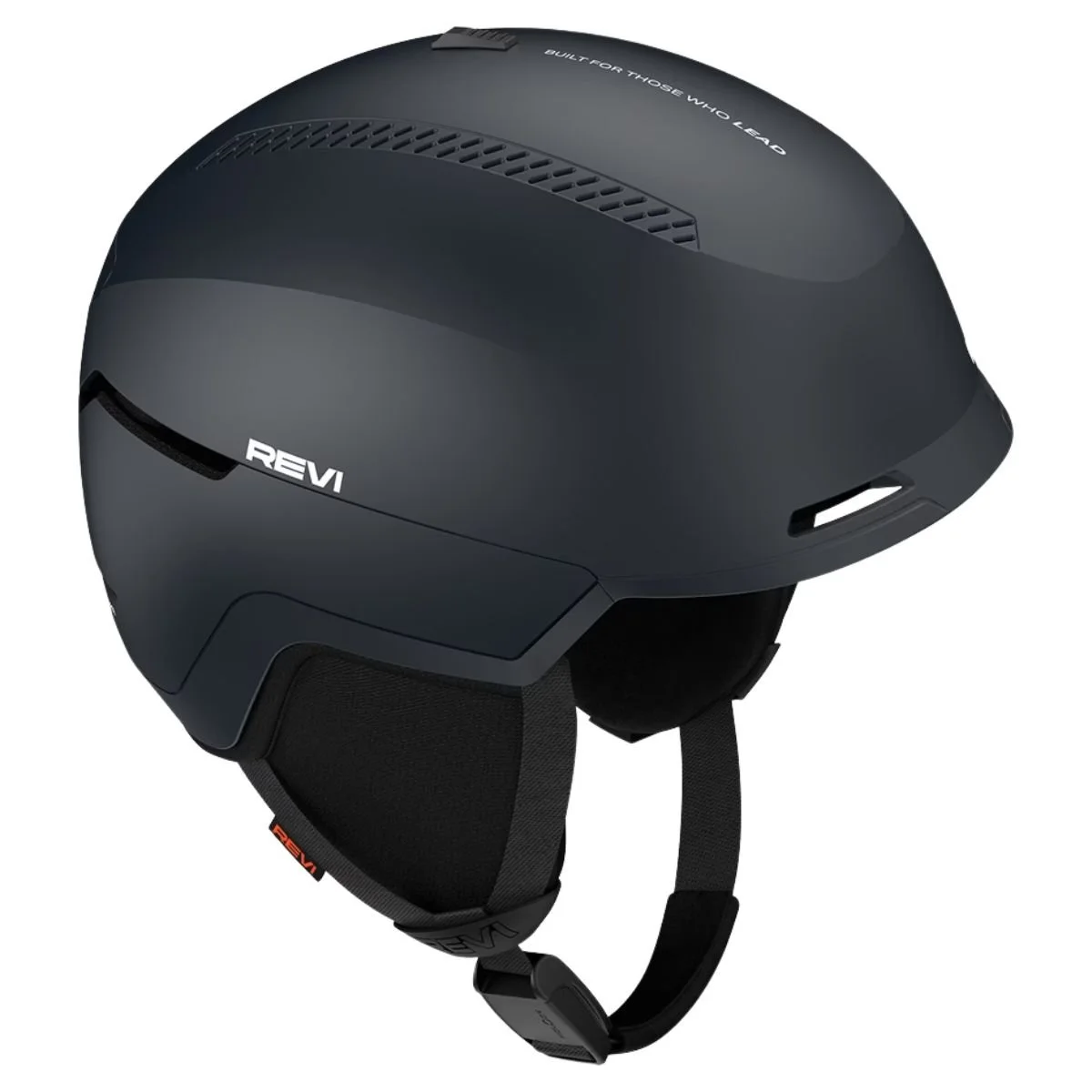
Price: $275
Weight: Per home scale, 590 grams for a small
Impact protection: Mips, ESA Shock Absorption System
Construction: Hybrid shell
Fit adjustment: Dial
Vents: Nine vents, two that are adjustable
Sizes: S (51-54 cm), M (55-58 cm), L (59-61 cm)
Removable ear pads: Yes
Buckle type: Magnetic Fidlock
Audio compatible: Yes; drop-in
Goggle retention: Secure clip
Certifications: ASTM F2040 + EN1077 certified
Warranty: One-year limited warranty covering manufacturing defects in materials or workmanship; if you crash, send Revi Gear a photo and they’ll provide a discounted rate to replace
Best for
Any rider who wants all-around protection from direct impacts and rotational forces
Riders who prefer hollow or boxed ear pads that allow for extra hearing ability and less muffled sounds
Cold winter weather where you want extra protection from a wrap-around liner and full ear pads
Moderate to warmer spring weather, as the liner and ear pads are removable
Any type of rider who needs a helmet that provides all-day comfort and protection, no matter if that’s in the trees, park, or fast groomers
Comparison table
| SKI HELMET | MSRP | VENTS | VISOR? | ADJUSTABLE? | AUDIO COMPATIBLE? | REMOVABLE EAR PADS? |
|---|---|---|---|---|---|---|
| Revi Gear The Challenger [Pro] Mips | $275 | 9 (2 adjustable) | No | Yes | Yes | Yes |
| Anon Merak WaveCel | $290 | 19 (8 adjustable) | No | Yes - BOA 360 | Yes | Yes |
| Smith Method Pro Mips | $185 | 9 | Yes | Yes | Yes | Yes |
| Dakine Charger Mips | $145 | 11 (4 adjustable) | No | Yes | Yes | Yes |
What we liked
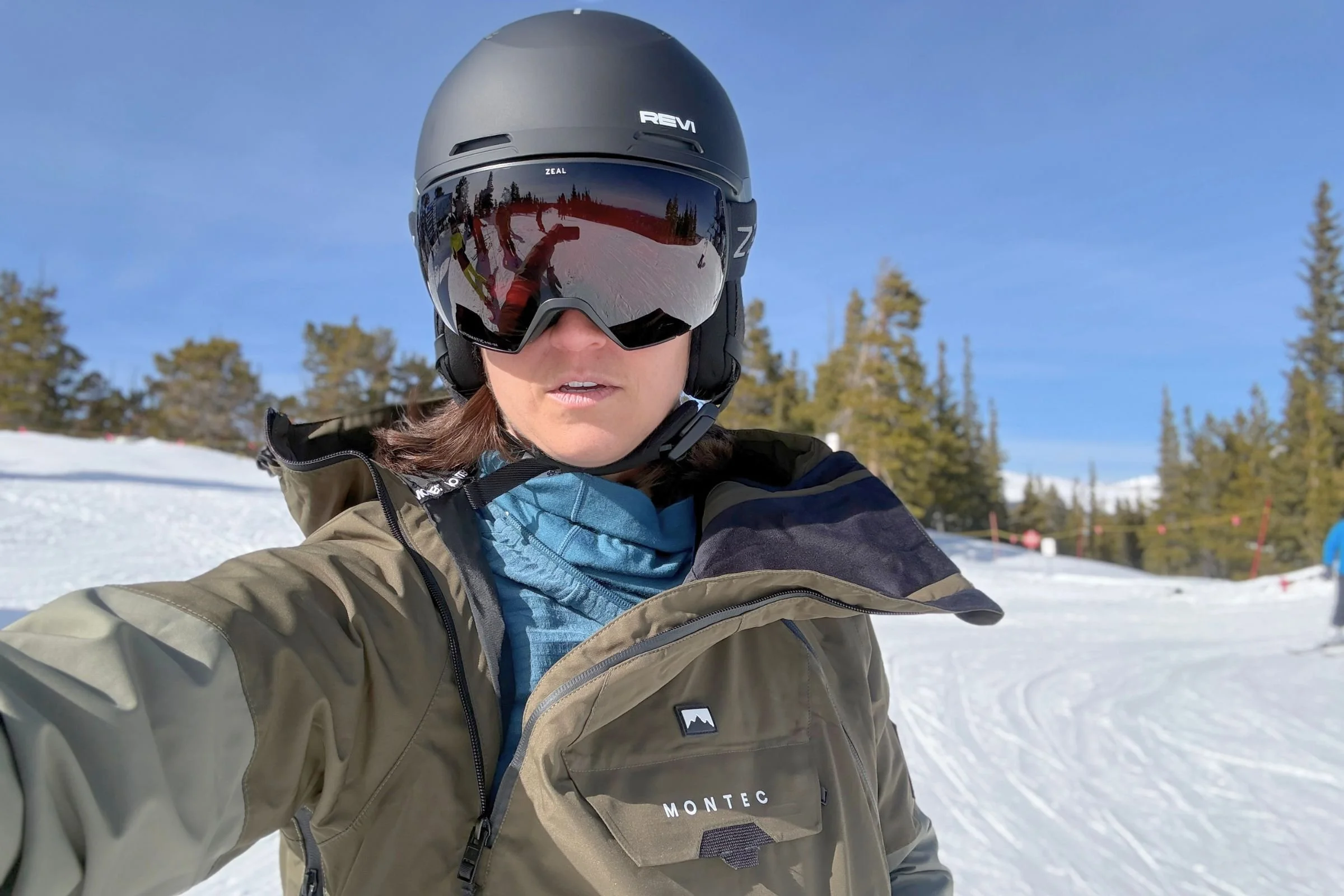
Hollowed-out or box earpads are not the most common, but easily the most comfortable, with no pressure on the ears and no hindrance of sound
Bright, fun colorways; not just the typical black, white, or gray
Incredibly comfortable for all-day wear
Four layers of protection and every feature that makes using a helmet easier, like adjustable vents, a magnetic buckle, and a secure goggle retainer
What could be better
Not all of the vents are adjustable, which wasn’t great on really windy or snowy days
The full, wraparound liner is too warm for touring days or for anyone who runs hot
How we tested
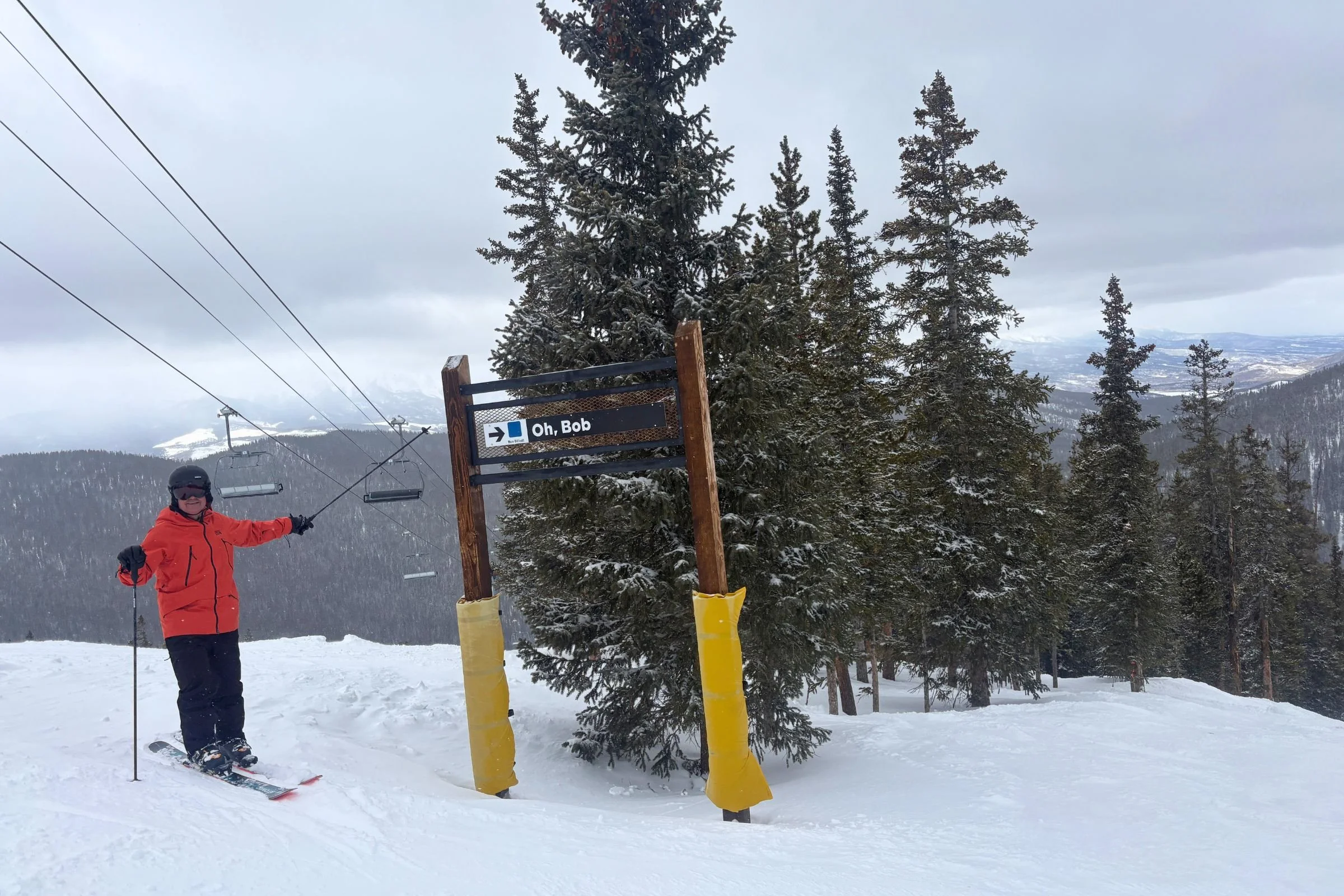
We tested the Revi Gear The Challenger [Pro] helmet over multiple days at various ski resorts, including Eldora Mountain Resort, Breckenridge Ski Resort, Keystone Resort, and Beaver Creek Resort during the 2026 winter season; we also used it for two backcountry touring days. We don't intentionally test the helmet's protective performance for safety reasons, but we do judge each helmet based on its integrated technology and construction.
Over the season, conditions included sunny, very warm spring days when I definitely worked up a sweat, as well as days when the wind howled and temperatures were in the 20s. Other testers and I used the size small helmet on various days to get a more well-rounded opinion on its features and fit; all testers found it fit properly and comfortably for all-day wear, no matter if riding groomers, trees and steeps, or park.
With mittens, gloves, and three-finger mitts (like the Hestra Fall Line 3-Finger Gloves; the regular Fall Line Mitt did win best overall snowboard mitten in our Best Snowboard Gloves and Mittens of 2026 guide), I tested the helmet’s magnetic buckle, dial fit system, and adjustable vents.
I wore this helmet with a variety of goggles, including the Zeal Meridian and various pairs of Smith goggles. Revi Gear also has its own goggle line; I wore the Cardinal HD. I found that goggles fit seamlessly no matter the brand, with no gap between the top of the goggles and the helmet brim. We tested the goggle retainer security by vigorously shaking the helmet and goggles, and seeing if the goggles came off completely.
For most helmets, I am right in the middle of a small or medium; with the Challenger [Pro], I opted for a small without it feeling too tight or creating any pressure points.
I also tested this helmet alongside others for our Best Ski Helmets guide, comparing the Revi Gear The Challenger [Pro] to other helmets like the Smith Vantage 2 Mips, Smith Method Pro Mips, and Anon Merak WaveCel.
Performance in the field
Fit and adjustability
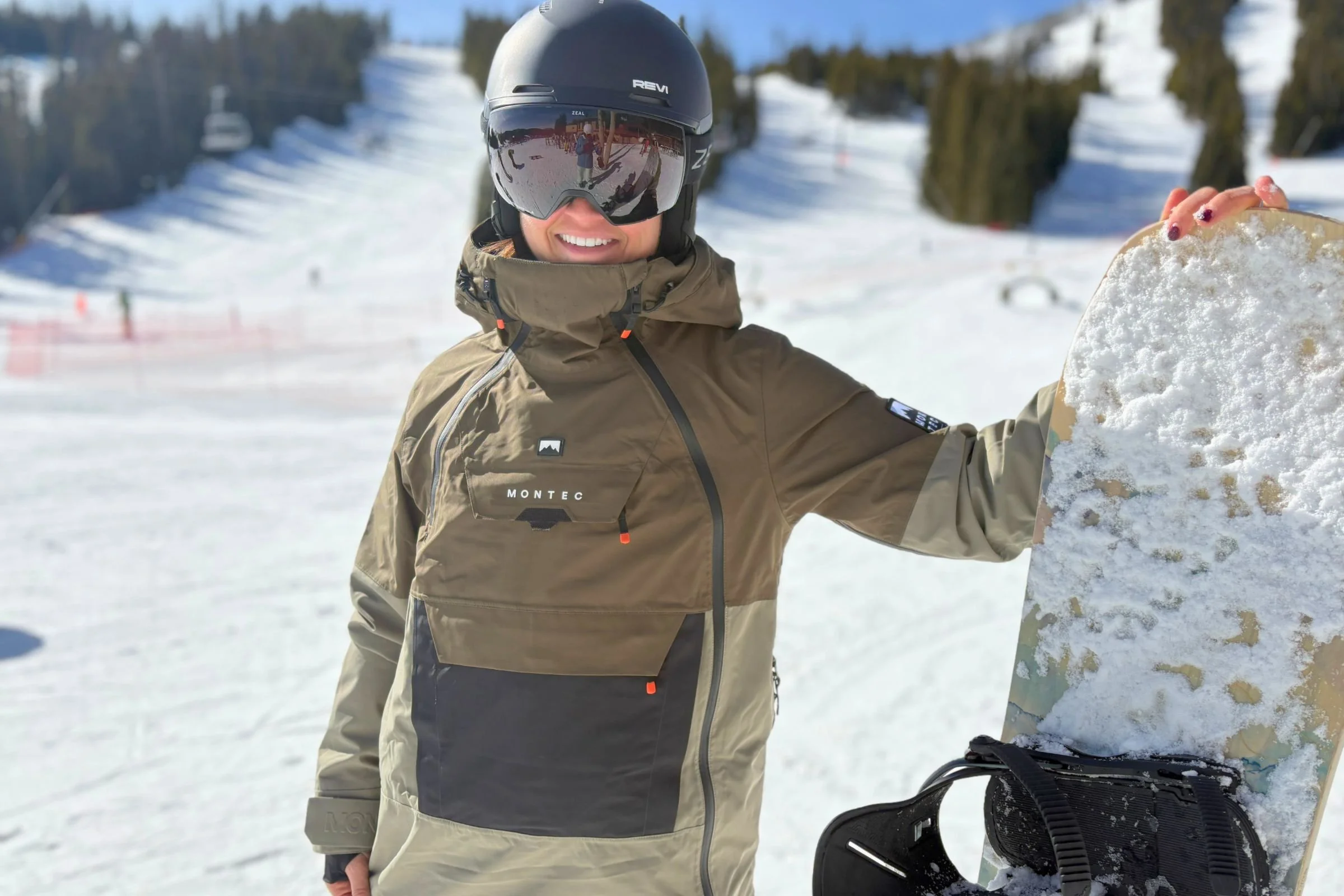
With any helmet, if it doesn’t fit correctly, protection drops dramatically, so fit is extremely important. The Revi Gear The Challenger [Pro] Mips helmet has a dial-fit system in the back that tightens around your head and keeps it from shifting front to back or side to side. I could adjust the tightness throughout the day as needed with mittens on, and I felt no pressure points from the dial-fit system.
My head size is right in the middle of a small or medium (just over 55 cm), and a small worked well. The other tester’s head size is also 55 cm and the small also worked well.
Protection
Although we didn’t intentionally take any hits, the Challenger [Pro]'s construction makes for a very safe helmet. This new iteration has Mips (Multi-Directional Impact Protection System), which allows the head to move slightly independently inside the helmet, which provides protection and allows give from non-direct hits and impacts.
In addition to Mips, the Challenger [Pro] has three other layers of protection: a hybrid ABS and PC scratch-resistant shell (which, after one season of use, has very few marks so far), the core of the helmet made with EPS foam, and a flexible Revi-designed ESA Shock Absorption System layer that can adapt its protection abilities against both small and larger hits.
Comfort over a full day
Putting the helmet on and forgetting about it is the goal, and the Revi Gear The Challenger [Pro] Mips was easy to forget about. It isn’t the lightest helmet by weight, but it never felt bulky and left multiple testers with zero pressure points.
One of my favorite parts of the Revi Gear helmet is the extremely comfortable ear pads. Most ear pads have soft fabric over foam that sits right against your whole ear; Revi helmets use boxed, hollow ear pads, so the soft, padded layer surrounds your ear and blocks wind, but nothing sits directly against it. That means you can hear surrounding sounds much better, with no discomfort or pressure points on your ear. Not many helmets have ear pads like this, but it is a key feature that adds to all-day comfort for me. The overall fit was also comfortable for multiple riders, with no pressure points from the fit system or gaps at the top.
The Challenger [Pro] also has a liner that runs continuously from earpad to earpad around the back of the helmet, so it offers a bit more wind protection. As a perpetually cold person, this was a feature that I really liked, but it could be too warm for touring days or for anyone who runs hot.
Goggle compatibility
I tested the Revi Challenger [Pro] with Zeal Meridian goggles, Smith goggles, and Revi’s own Cardinal HD goggles. No matter the brand, there was no gapping between the top of the goggles and the helmet brim. The helmet also has two front vents, which help prevent fogging. The back of the helmet has a goggle retainer strap that doesn’t snap in, but hooks below a notch for a secure fit. Even with an aggressive shake test, the goggles never fully separated from the helmet. For goggle recommendations, check out our Best Goggles of 2026 guide.
Ventilation
The helmet has nine vents: two in the front, three in the back, two that wrap from the side to the back, and two adjustable vents on top that run the length of the helmet. The adjustable top vents were easy to open or close with mittens on.
Except in extreme wind (upwards of 30-40 mph gusts), I never found the front open vents to let in too much cold air. On very warm days (40 degrees and up), the number and position of vents provided good airflow and kept me from getting too sweaty. Even with so many vents, the wraparound liner makes this helmet a bit too warm for backcountry touring, especially if the sun is out. With mittens on, the adjustment slider was easy to open and close the vents and slid smoothly back and forth on top of the helmet.
Warmth and cold-weather comfort
This helmet performs very well in cold, windy weather, as tested at the often-windy Eldori Mountain Resort. The front vents rarely let in enough cold air to bother me, except in strong gusts, and the ear pads fit securely around your ears and seal out breezes. The wraparound liner also adds about an inch of extra fabric to protect from the elements, rather than leaving the back of your head exposed.
Weight and profile
This helmet sits at the higher range for weight when compared to other helmets at 590 grams for a small. When you're wearing it, though, it doesn't feel heavy or cumbersome, and it lets you turn your head easily to see if anyone is coming up behind you on groomers or in the trees. The helmet's profile is sleek, without looking too round or bulky.
Stability while riding
As a snowboarder who doesn’t want to cut anyone off while carving or coming to a stop, it’s important that I can easily turn my head to look uphill over either shoulder. With the dial-fit system, the helmet stayed securely in place doing this, along with whipping through the trees, or taking tumbles on moguls or in the park.
Ease of use with gloves
Because I am not gripping ski poles, I often wear mittens when riding, which naturally have less dexterity than gloves. Even with mittens on, all helmet features were easy to use, including the vent slider, fit dial, and magnetic buckle.
Audio compatibility and earpads
The earpads were very securely attached, and did take a good amount of force to pull out, but were removable and popped back in easily. The liner was very easy to remove for spring skiing or washing, as it is attached with hook-and-loop closure.
Inserting audio pucks into the earpads is easy to do with a simple hook-and-loop closure pocket. If you're riding with audio, stay vigilant and aware of your surroundings; if your speakers block all external sound, consider a different pair, and never use them in the backcountry.
Durability
The hybrid ABS and PC shell is scratch resistant, which is a plus for anyone who throws their helmet in the back of the car or might skim a branch while carving in the trees. The liner, chin strap, and earpads seem to have durable stitching with no wear yet; the construction of the back dial, ventilation slider, and goggle strap appears strong, with minimal parts that could easily break.
Features
Precision-fit system
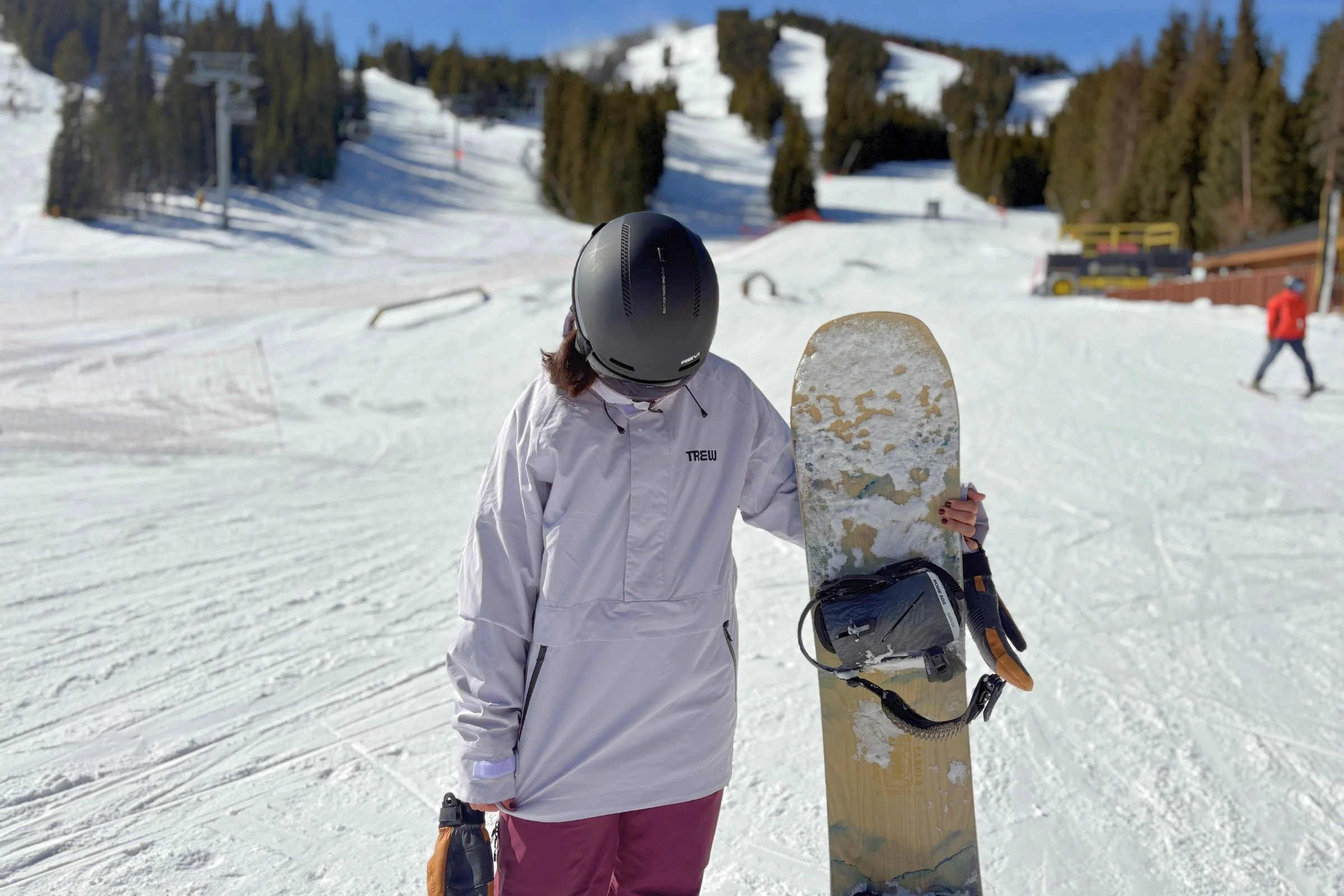
The helmet uses a two-way click dial for a precise fit.
Adjustable vents
There are nine vents total, with two adjustable vents running the length of the top. On the front are two vents above where goggles fit, and then five on the back of the helmet.
Fidlock magnetic buckle
The Revi Gear The Challenger [Pro] Mips uses a magnetic Fidlock buckle that is easy to use one-handed and with mittens on.
Removable ear pads and liner
The helmet has removable ear pads and a removable liner.
Audio-ready ear pads
The boxed ear pads have a secure slot to slide in audio pucks for easy listening.
Goggle clip
The goggle retainer uses a stretchy strap that hooks under a notch for a secure fit.
Sustainability
Currently, Revi Gear has no sustainability initiatives.
What's new
The Challenger was Revi Gear’s first-ever helmet, and The Challenger [Pro] Mips is its newest iteration. For this second round, the Challenger comes with Mips, a shift-plate protection system that allows slight rotational movement of the head inside the helmet, protecting the head from rotational impacts.
FAQ
-
The Revi Challenger [Pro] Mips is ASTM F2040 + EN1077 certified.
-
The Revi Challenger [Pro] Mips fits most heads seamlessly, with little to no gapping and a dial-fit system to secure it properly to each rider's head. Throughout the day, we found no hot spots on the head or ears, and no weighted pressure on the neck.
-
Yes, we found the Revi Challenger [Pro] Mips works with most snowboard goggles, with no gapping and a secure fit. Revi also makes goggles: the Cardinal comes in two options, one with high-contrast lenses and one with adaptive photochromic lenses; the Catalyst has a spherical lens for ultra-wide views and larger faces, with maximum coverage and swappable lenses.
-
Mips stands for Multi-Directional Impact Protection System, a slip-plate system integrated into helmets that helps protect against rotational impacts and forces. Mips lets your head move more independently of the helmet, which is especially important for hits that aren’t straight on. To learn more about Mips, check out the Best Ski Helmets of 2026 guide.
-
Yes, the Revi Gear The Challenger [Pro] Mips comes with the Mips safety system integrated into the helmet.
Similar snowboard helmets
Revi Gear The Challenger [Pro] Mips vs. Anon Merak WaveCel

MSRP: $290
Vents: 19 (8 adjustable)
Visor: No
Adjustable: Yes - BOA 360
Audio compatible: Yes
Removable ear pads: Yes
The Anon Merak WaveCel is similar to the Revi Gear The Challenger [Pro] Mips when it comes to features and price. Both helmets are almost $300, have a dial-fit system, and use a Fidlock magnetic buckle. The Merak has a goggle clip, but one that opens at the bottom so goggles can easily slip out. The Merak does have 19 vents, many more than the Challenger [Pro]’s nine. For protection, the Merak uses WaveCel, a collapsible structure designed to help manage both impact energy and rotational motion, but it does not use Mips.
Where the Challenger [Pro] excels compared to the Merak is in comfort and fit. You can use the BOA dial to tighten the helmet for a proper fit, but multiple testers had pressure points on the sides of their heads by about mid-day and found the Merak to feel bulky. Testers also found the Anon helmet to run small. Read our in-depth review of the Anon Merak WaveCel.
Anon Merak WaveCel
Revi Gear The Challenger [Pro] Mips vs. Smith Method Pro Mips
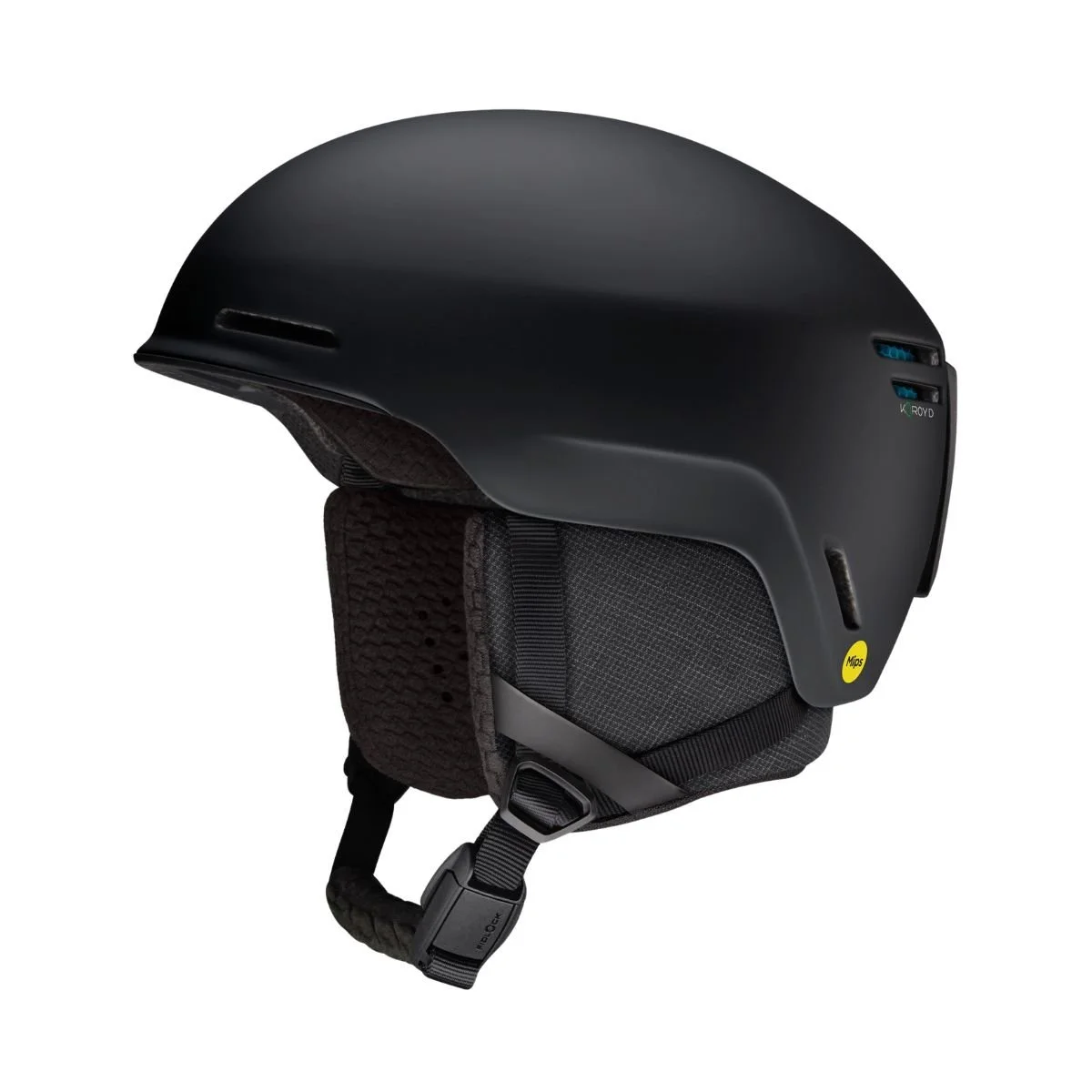
MSRP: $185
Vents: 9
Visor: Yes
Adjustable: Yes
Audio compatible: Yes
Removable ear pads: Yes
This Smith helmet has a similar, four-layer protection system as the Revi Gear The Challenger [Pro] Mips. The main difference is that Revi uses its ESA Shock Absorption System construction, while Smith uses a similar protection tech called Koroyod. The Smith Method Pro Mips also has a less secure goggle retainer than the Revi Gear The Challenger [Pro] Mips.
The Method Pro, however, costs significantly less money than the Challenger [Pro], but still has a Fidlock buckle, nine vents, a dial-fit system, and fits well with a variety of goggles. Smith does have decades of making winter sports helmets, so we know that their durability lasts, whereas with Revi being a newer company, we don’t yet know long-term durability.
For an even lower price, Smith has an even more pared-down Method helmet; learn more in our in-depth review of the Smith Method Mips.
Smith Method Pro Mips
Revi Gear The Challenger [Pro] Mips vs. Dakine Charger Mips
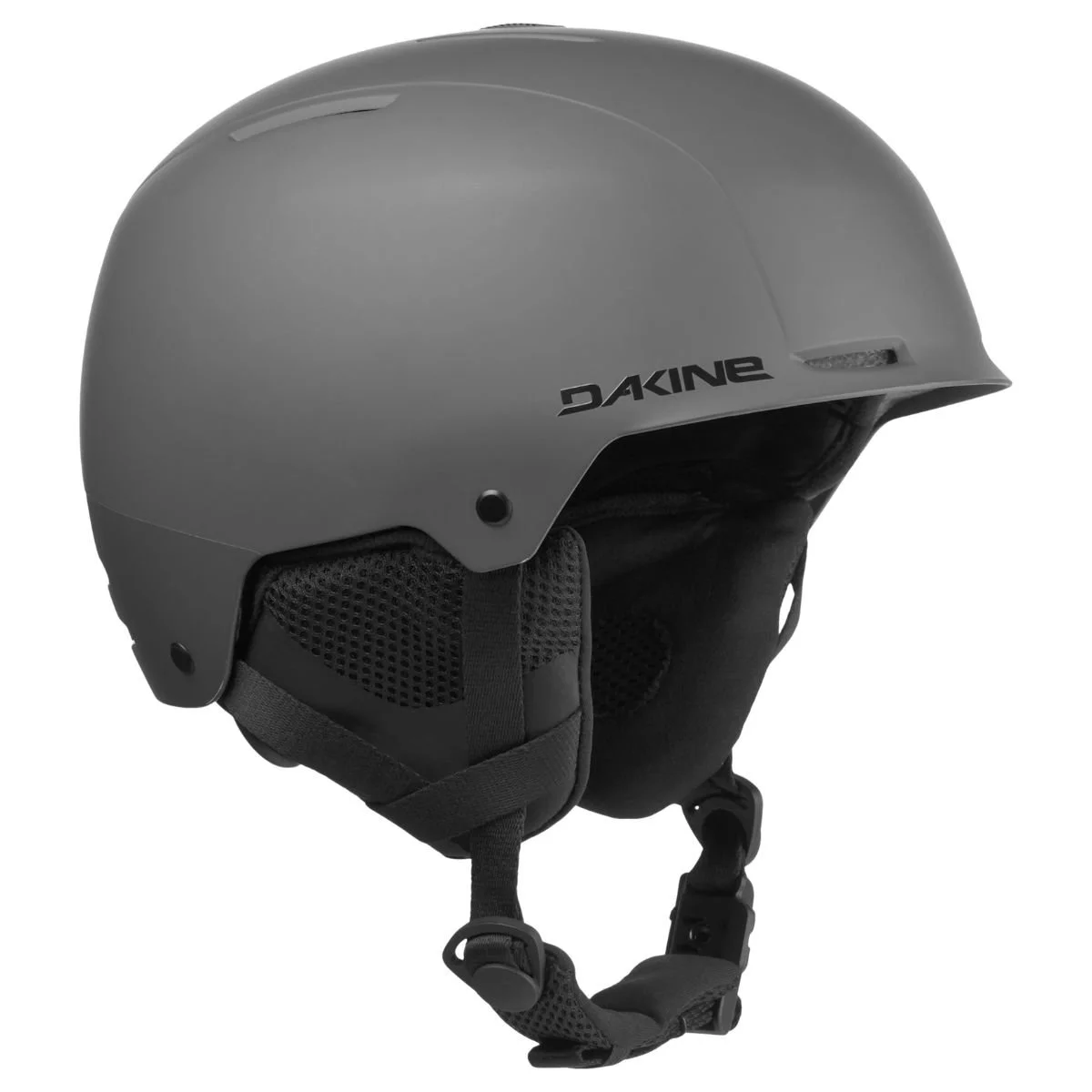
MSRP: $145
Vents: 11 (4 adjustable)
Visor: No
Adjustable: Yes
Audio compatible: Yes
Removable ear pads: Yes
The Dakine Charger Mips helmet has almost the same features as the Challenger [Pro]. Both have a dial-fit system and a Fidlock magnetic buckle, integrated Mips, and plenty of vents (the Charger has 11 vents, with the four on top being adjustable). The goggle retainer on the Charger is not as secure as the one on the Challenger [Pro], but both worked well with a variety of goggle types.
The Revi helmet is more expensive, as you are getting an extra layer of protection with its its ESA system versus on the Dakine Charger. However, the Charger does still use Mips to protect from rotational impacts, along with EPS foam and an ABS hardshell. Both are extremely comfortable for all-day wear. Opt for the Dakine Charger if you want a lower price without sacrificing too much protection, but still get top features.
Dakine Charger Mips
Should I buy the Revi Gear The Challenger [Pro] Mips?
Buy if:
Top protection from a variety of impacts with Mips and a system designed to absorb impact energy.
You prefer hollowed-out or boxed ear pads
You ride all day and don’t want to be stopped by pressure points, a heavy head, or an insecure fit
Skip if:
A full, wraparound liner will be too warm for you
Having all vents be adjustable is a must
You’d like a more affordable option with fewer features
For more on helmet fit and pairing a helmet with goggles, see our snowboard protection gear guide.
Where to buy the Revi Gear The Challenger [Pro] Mips
If you’re ordering the Revi Gear The Challenger [Pro] Mips online, look for a retailer that can help with sizing and makes it easy to return the helmet if the fit isn’t right.
Backcountry
Pros: Gearhead chat customer service is excellent. Summit Club+ is $49/year and offers 10% cash back, free 2-day shipping on orders over $150, free 365-day returns on unused gear, a 20% birthday reward, and more.
Advice on where to buy
In general for gear and apparel, we recommend purchasing from a place with easy or free returns. If your funds allow, many people find it is faster to order two sizes and return whichever one didn't fit as well. Additionally, check reviews to see whether other users recommend sizing up or down.
Why you should trust us / About the author
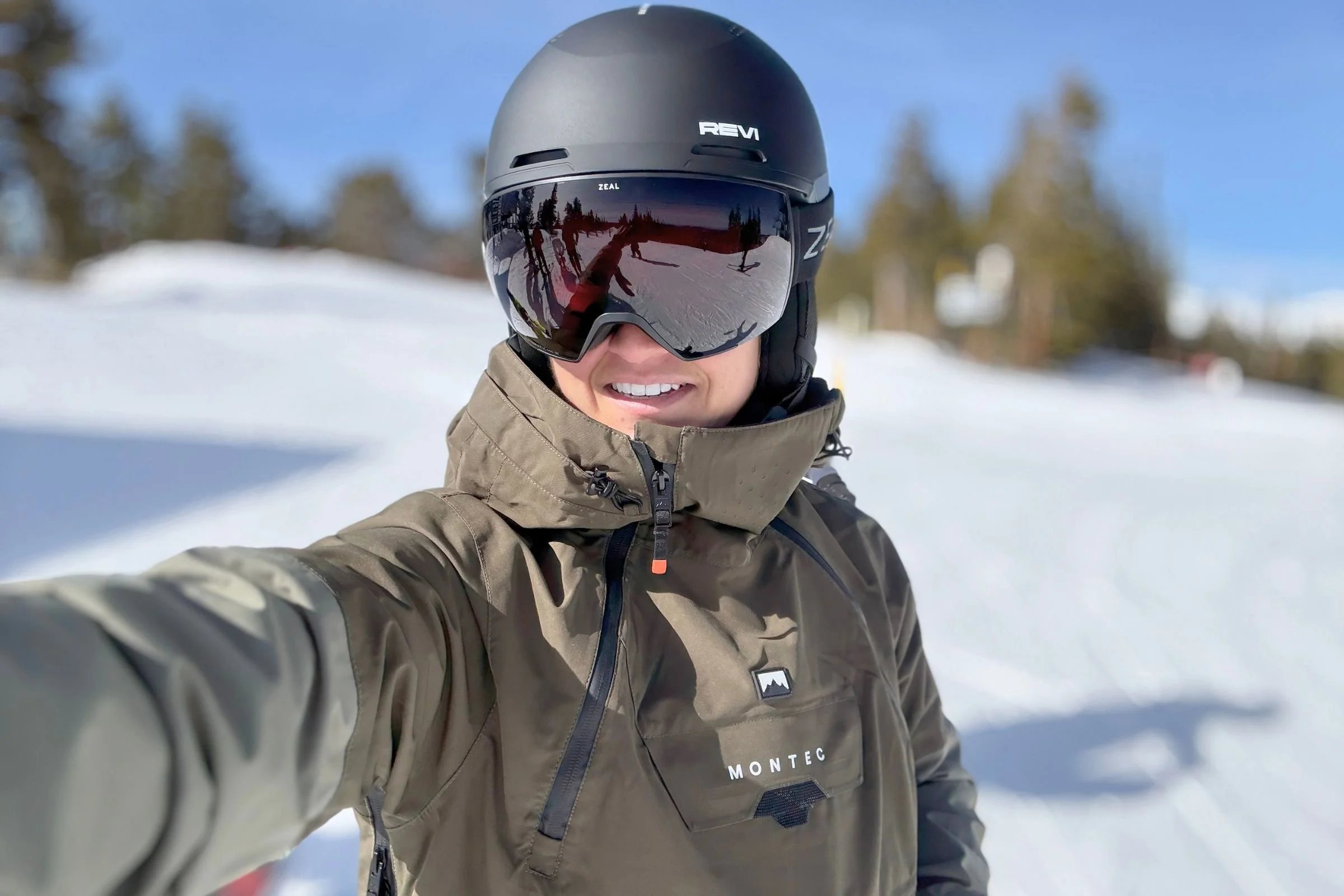
Although I grew up in Wisconsin, my family got me on skis when I was just three years old. At ten, I decided to follow in my older brother's footsteps and try snowboarding. I haven’t stepped on a ski since and have been snowboarding for more than 25 years, with more than half of those seasons spent out west after I moved to Boulder, Colorado. My go-to local mountain is Eldora Mountain Resort, with the rest of my time spent riding in Summit County at Breckenridge Ski Resort, Keystone Resort, and Beaver Creek Resort. Over the years, I’ve taken many trips to ride in Utah, Wyoming, New Mexico, and Canada.
I have dabbled in park riding over the years, but my go-to is moguls, trees, and steeps as I’ve advanced to an experienced rider; I've also spent time in the backcountry. When it comes to testing snowboarding gear, I’ve spent numerous seasons trying different helmets, boots, bindings, and apparel to break down what truly works, and what doesn’t, for what I need as a snowboarder.
Read more on Mattie Schuler’s website or author page.