Best Men’s Walking Shoes of 2026
Comfortable, supportive men's shoes for travel, fitness, work, and all-day wear
October 6th, 2026
Home → Gear Reviews → Footwear
Anyone who has ever walked a mile in ill-fitting, unsupportive, or generally uncomfortable shoes knows how important a quality pair of walking shoes is, especially if you’ll be on your feet all day. A pair that feels fine taking out the trash can turn into heel rubbing a couple of hours into a work shift or arch fatigue while hurrying to catch your layover flight.
We tested the top walking shoes and tracked performance for over a year, from icy sidewalks in January to scorching pavement in July, to help you prevent those aforementioned discomforts. We wore them on daily commutes, errands, travel days, and up to 12-hour hospital shifts on our feet. We tested comparable models side by side to see how cushioning and support actually held up against each other, rather than just against a spec sheet.
We paid close attention to whether the cushioning packed out, whether the fit stayed secure, whether new hot spots formed, and how well the sole gripped on wet, slick tile and trails. We also factored in style and how easily the shoes transitioned between activities, since many people don't want to swap shoes between work and happy hour, workouts, or errands.
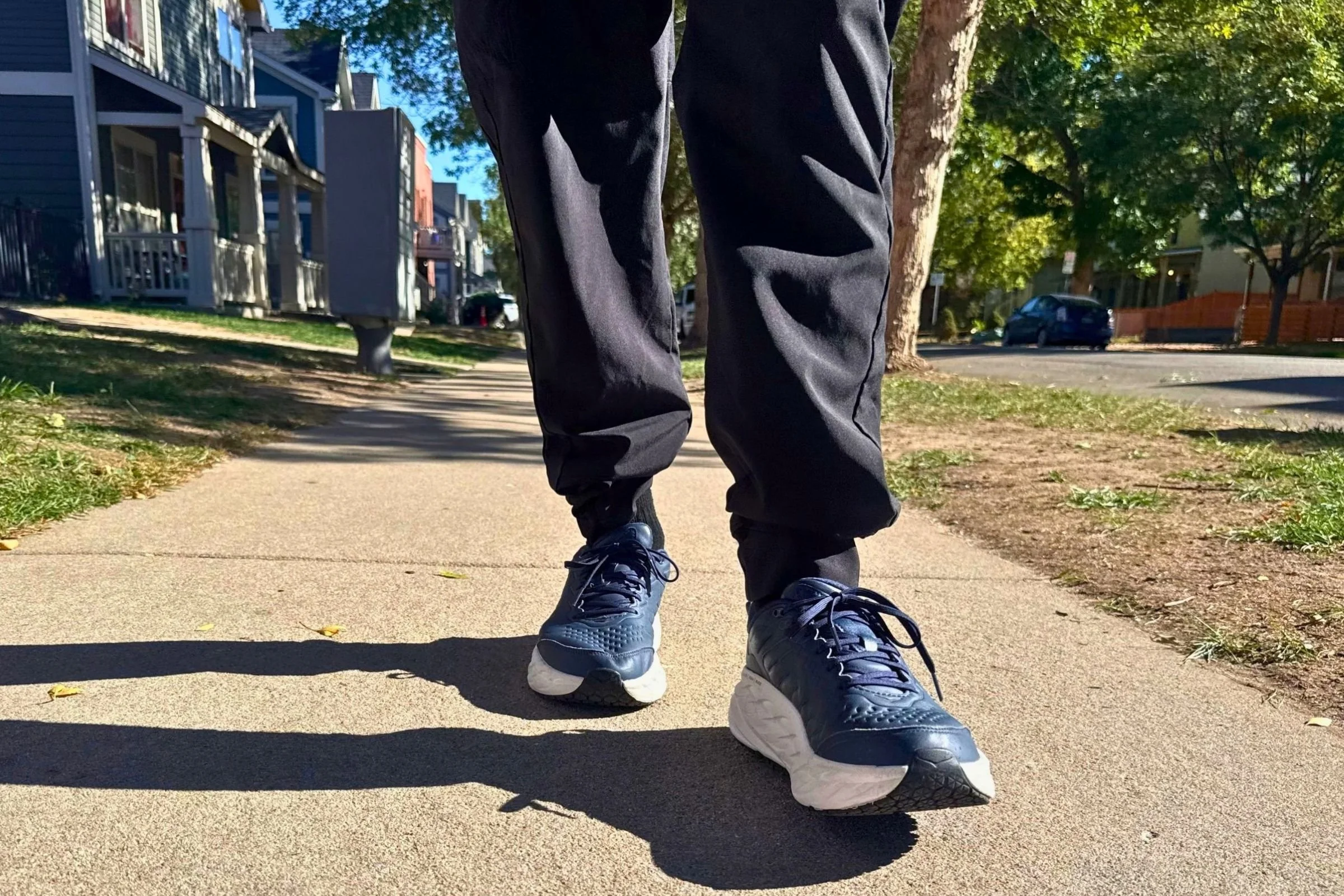
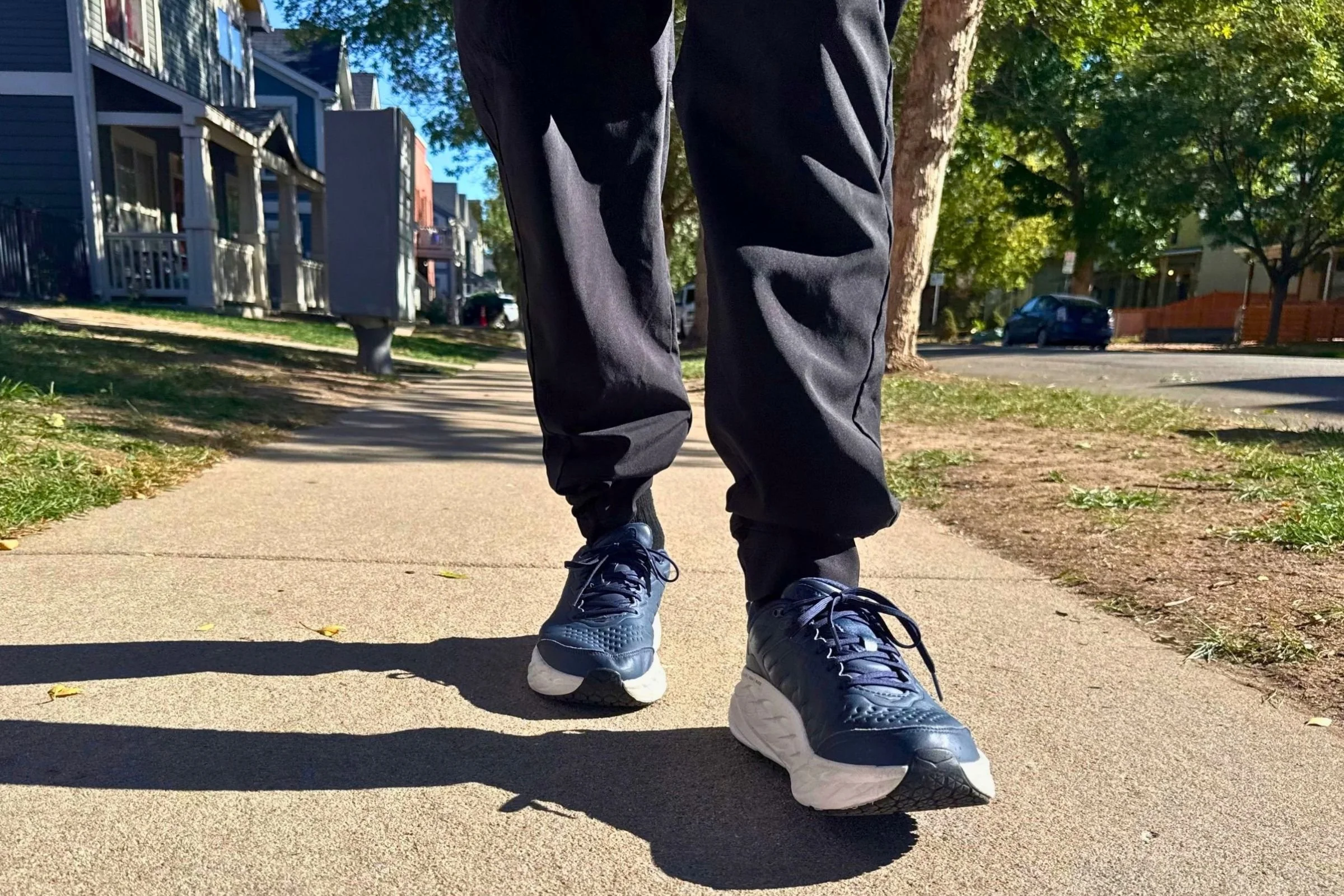
Top Pick: The HOKA Bondi SR earns our Best Overall award. It remained cushioned and comfortable through 7-hour brewery shifts and 12-hour nursing shifts. It gripped equally well on wet tile and dry pavement during testing, carries the American Podiatric Medical Association Seal of Acceptance, and is stylish and functional enough to transition from work to walks.
We create reader-supported, objective gear reviews independently selected by our editors. This story may contain affiliate links, which help fund our website. When you click on the links to purchase gear, we may get a commission — without costing you an extra cent. Thank you for supporting our work and mission of outdoor coverage for every body! Learn more.
Comparison table
| WALKING SHOE | TREELINE AWARD | SIZES | WIDE OPTION? | WEIGHT (PAIR) | DROP | CUSHION | OUTSOLE | MSRP |
|---|---|---|---|---|---|---|---|---|
| HOKA Bondi SR | Best Overall Read why |
7 - 15 | Yes | 27.8 oz | 6 mm | Maximum | Rubber | $180 |
| HOKA Clifton 11 | Best for Active Recovery Read why |
7 - 16 | Yes+ | 19.2 oz | 7.2 mm | Maximum | Rubber/ EVA | $155 |
| HOKA Bondi 9 | Best walking shoes with high cushion Read why |
7 - 16 | Yes+ | 21.0 oz | 5 mm | Maximum | Rubber/ EVA | $175 |
| HOKA Transport 2 | Best for Trails Read why |
7 - 15 | Yes+ | 22.6 oz | 4 mm | Balanced | Vibram EcoStep | $155 |
| Icebug Mosi RB9X | Best for Style Read why |
4 - 13 | Yes | 18.0 oz | 8 mm | Full cushion | RB9X traction rubber | $180 |
The winners
Best overall walking shoes: HOKA Bondi SR
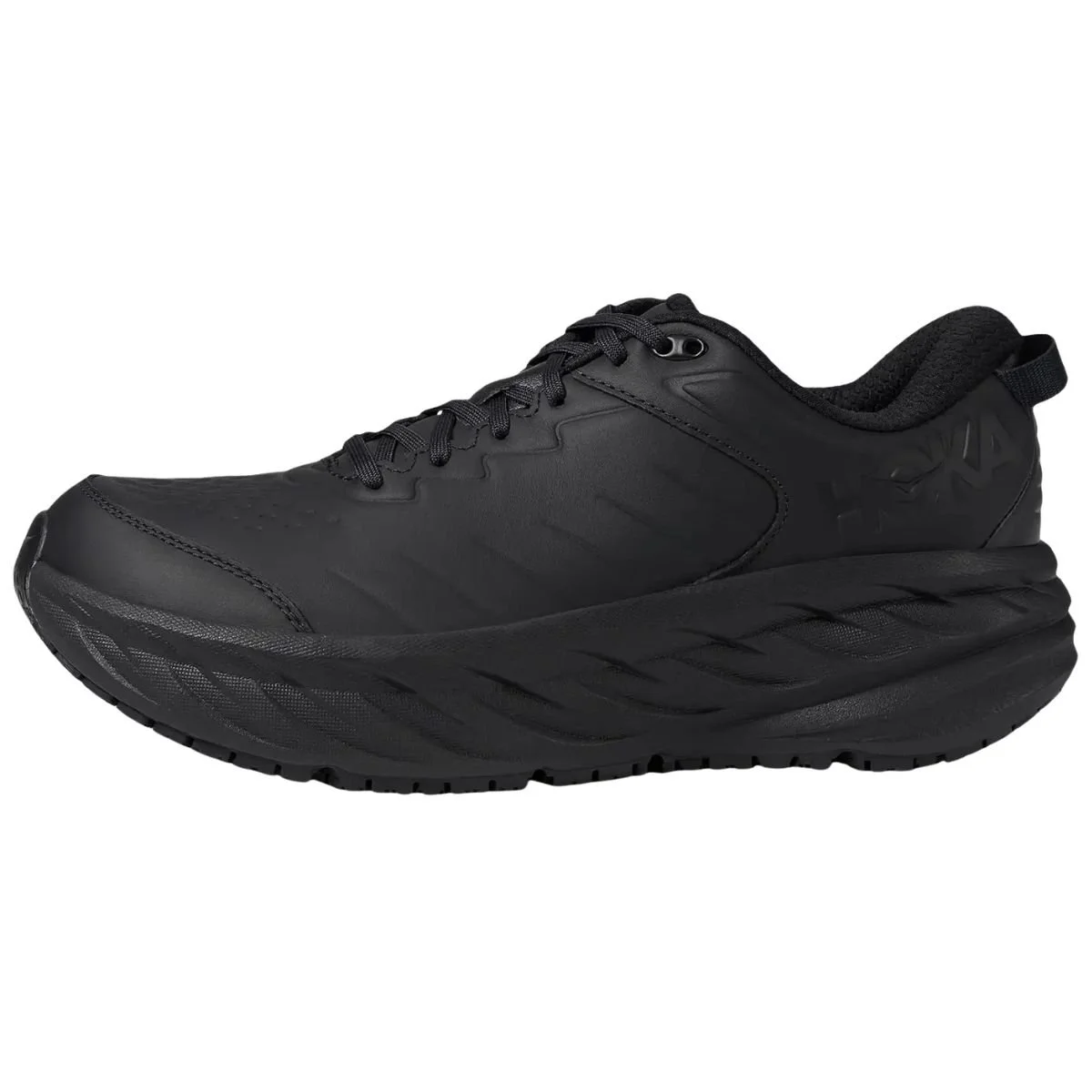
Weight (per pair): 27.8 oz
Drop: 6 mm
Cushioning: Maximum
Available sizes: Men’s 7-15, regular and wide sizes
What we liked: Cushioned, stable, supportive, comfortable, slip resistant, and can be used for exercise walking or casual wear
What we didn't like: Bulky; expensive
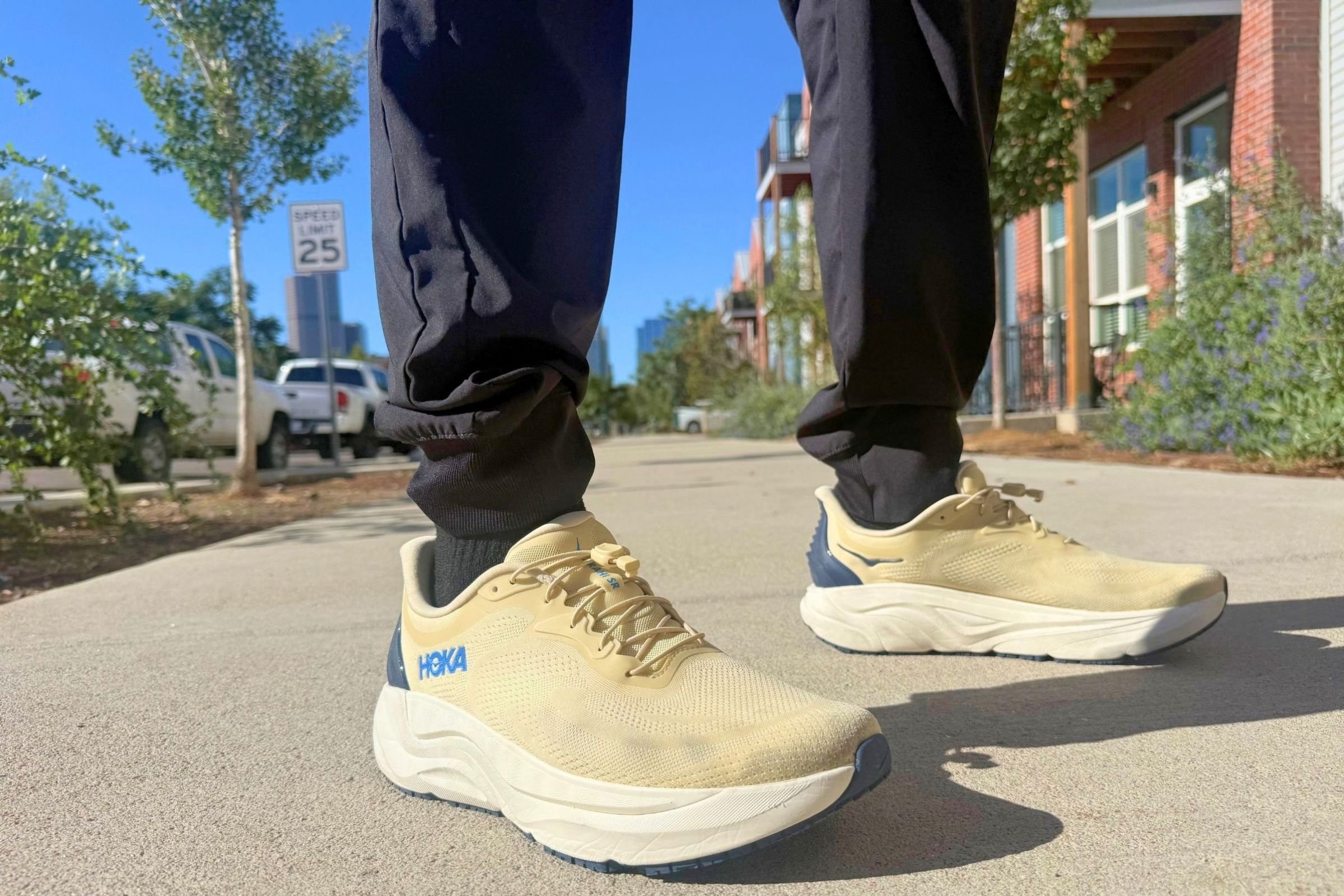
The HOKA Bondi SR walking shoes offer lots of cushion and stable support underfoot. They fit comfortably and securely, are slip resistant, and are a particularly great shoe for working in healthcare, service industries, education, or other fields where you’re indoors on your feet all day.
Standout features of the Bondi SR include lots of cushion in the midsole for all-day comfort and the slip-resistant tread. These shoes earned the American Podiatric Medical Association (APMA) Seal of Acceptance, which recognizes products beneficial to foot health. This is particularly important for those of us who work on our feet all day.
Learn more in our in-depth review of the HOKA Bondi SR walking shoes.
HOKA Bondi SR
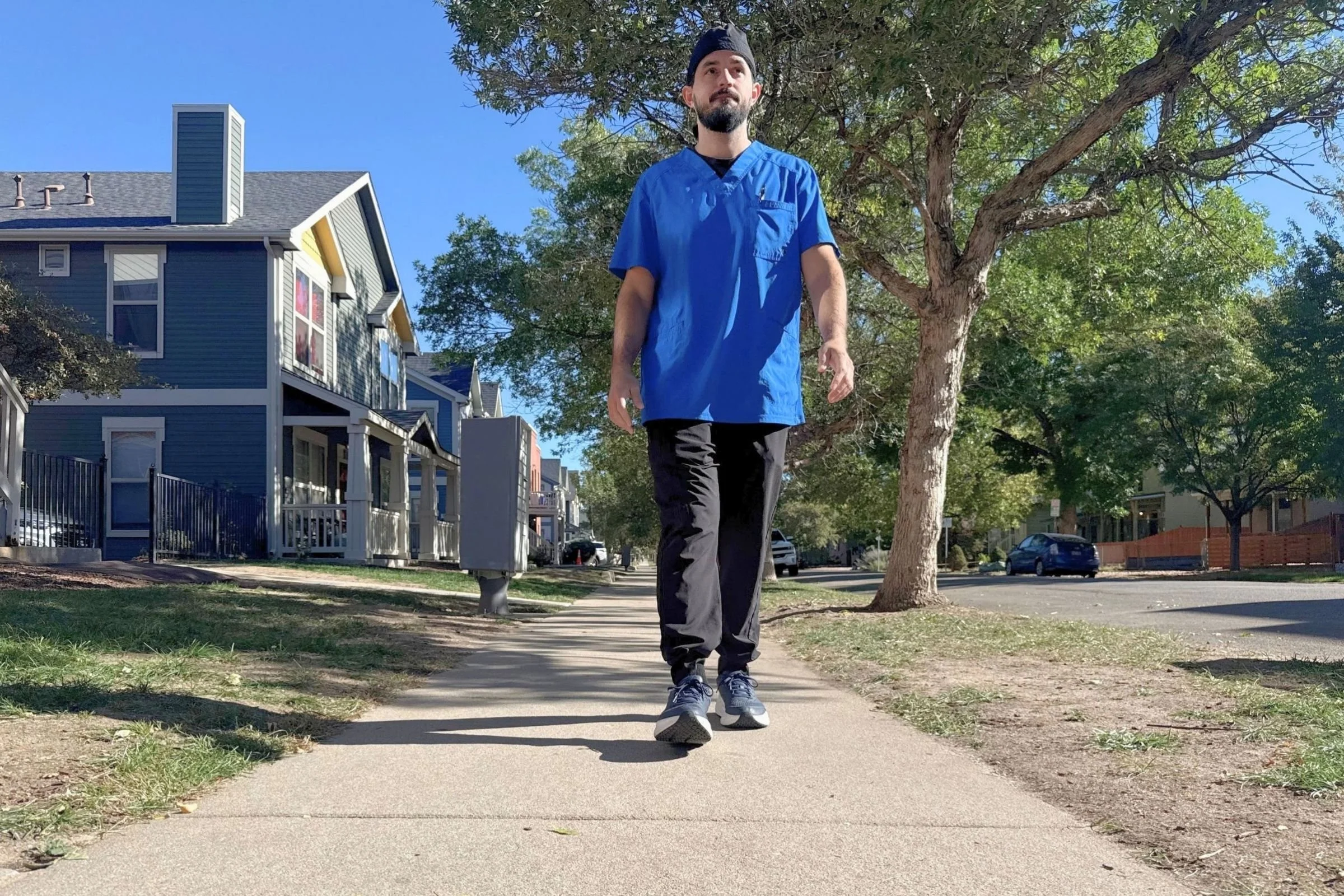
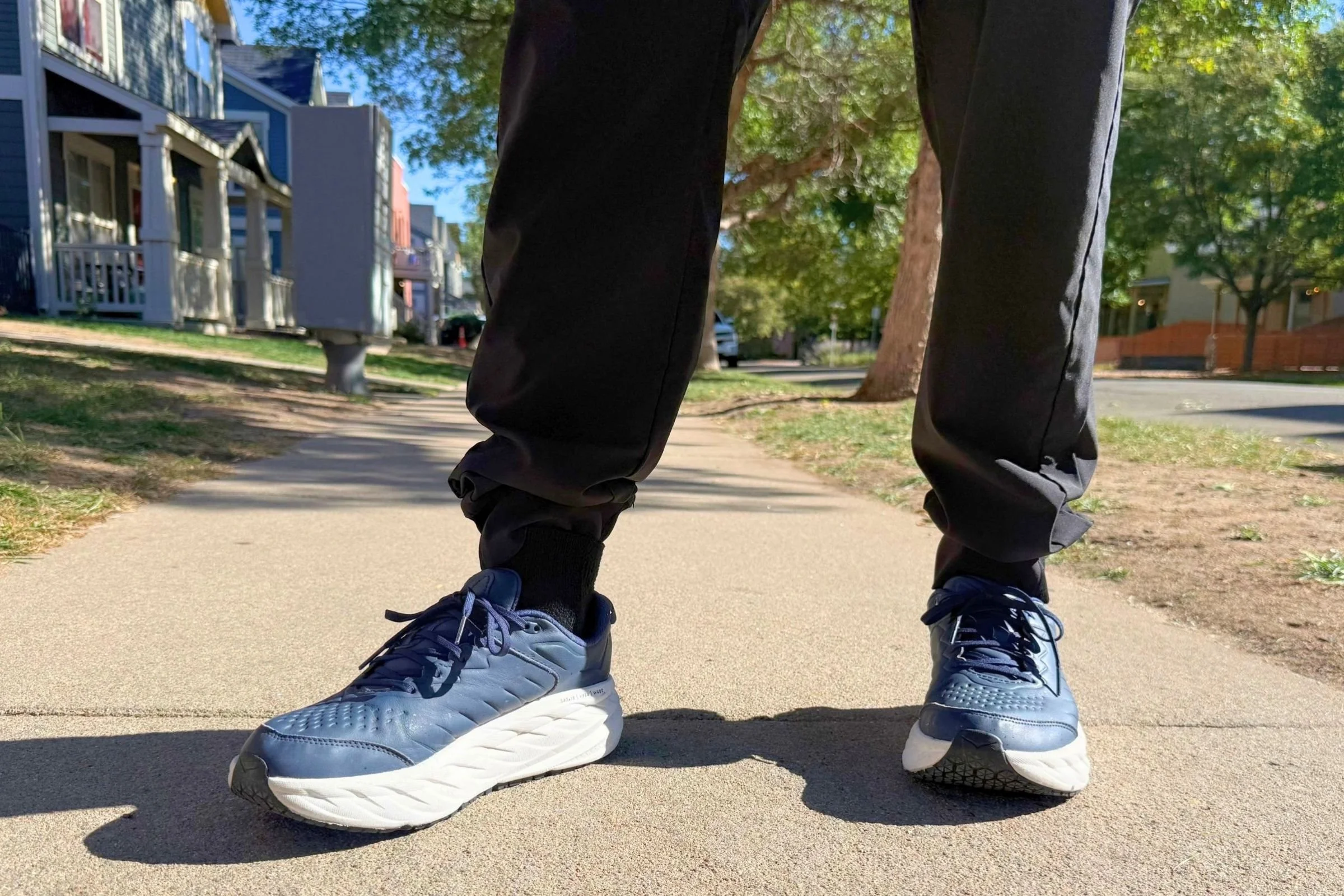
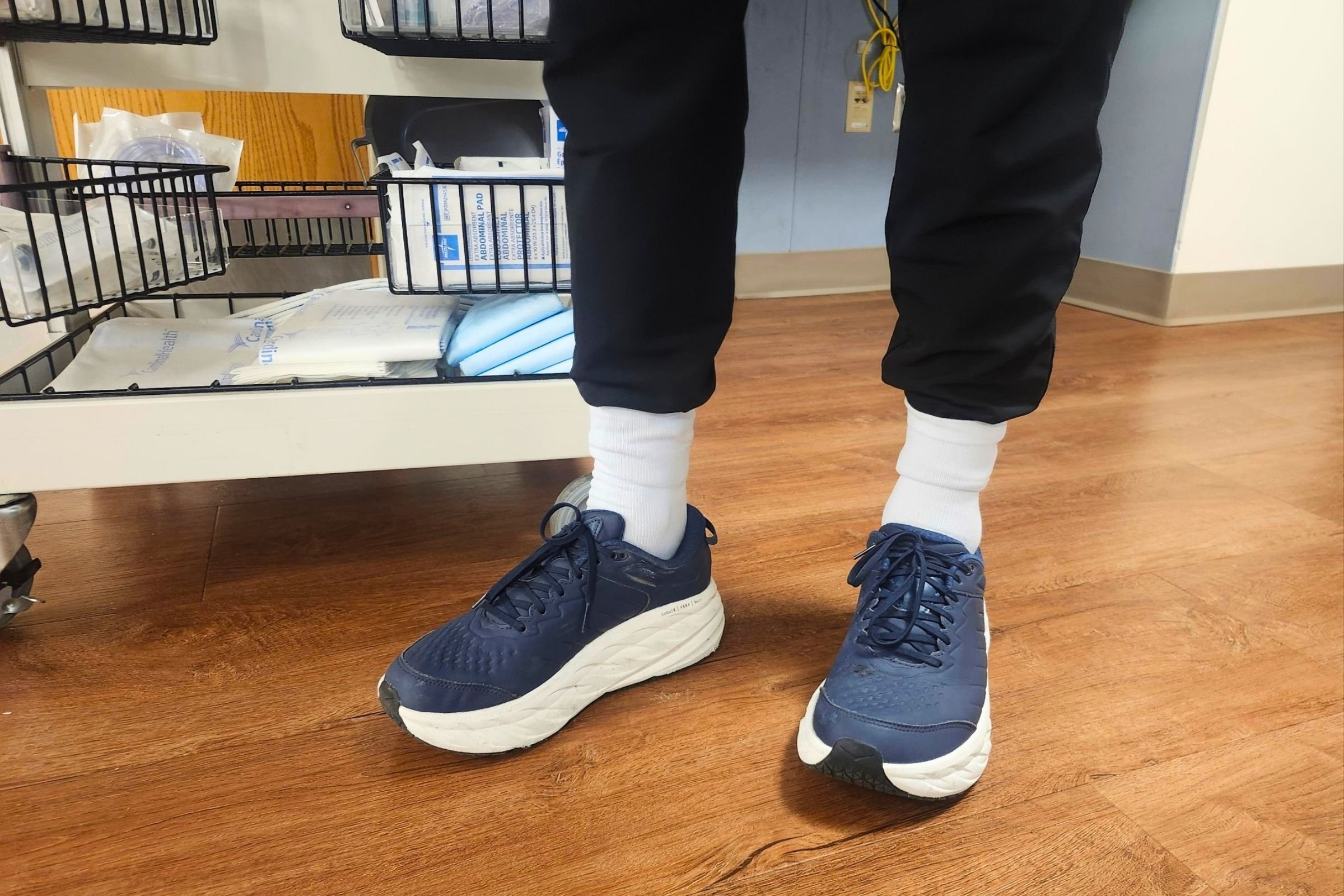
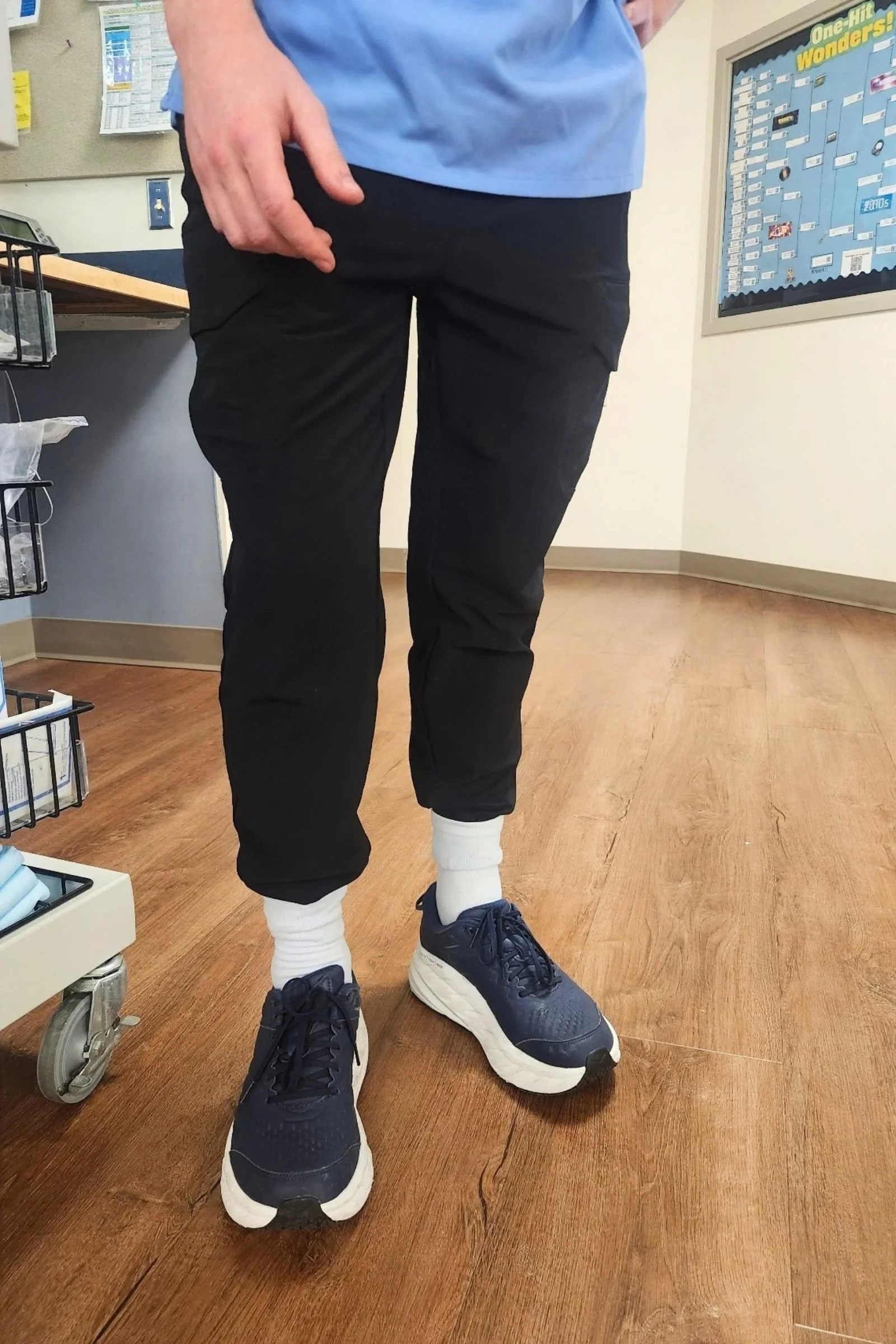
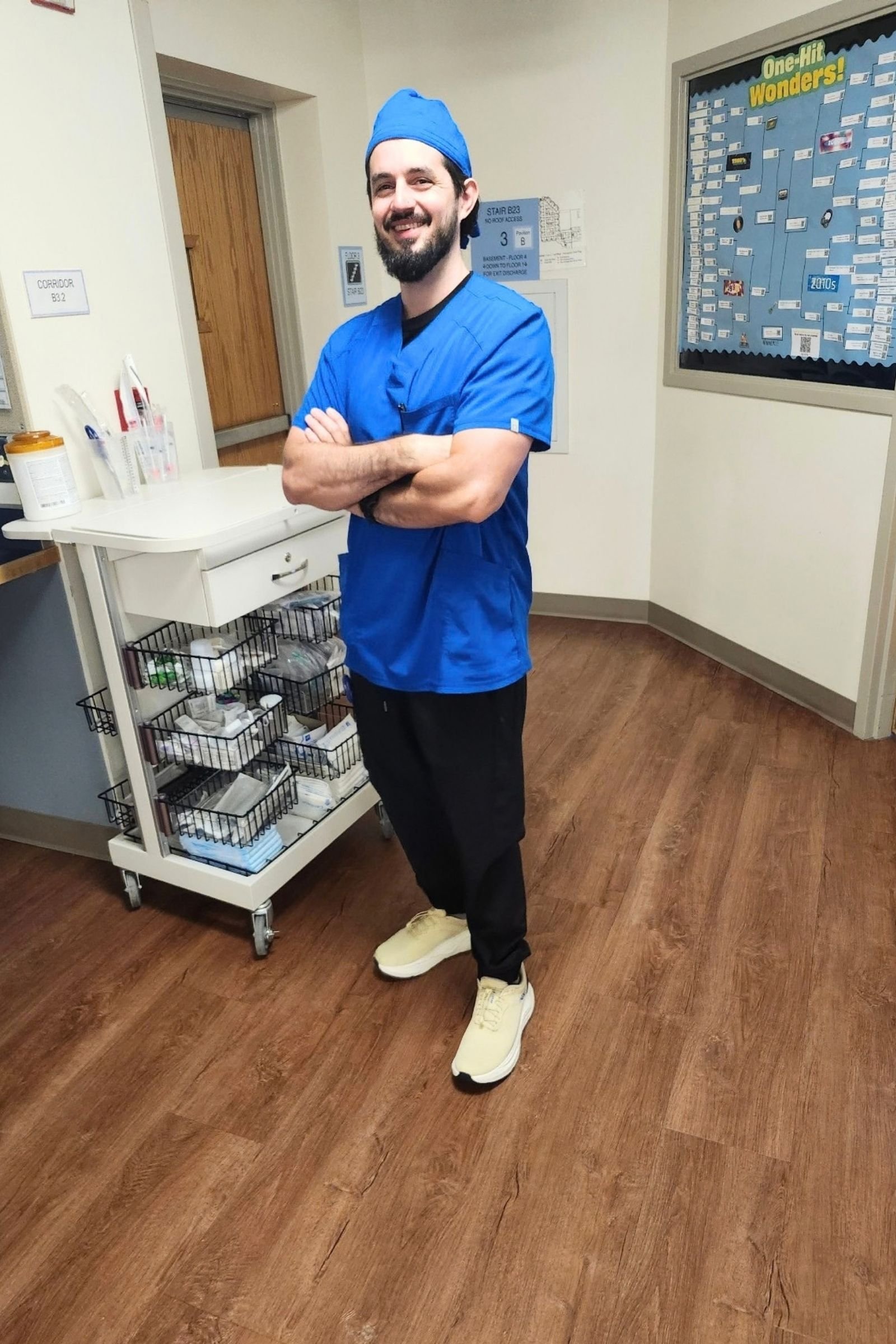
Our testers wore these shoes for daily fitness walks, 7–12-hour shifts at hospitals and breweries, and even during casual friend meet-ups around town. We found the slip-resistant tread and balance of cushion and support made them comfortable and secure during long periods on our feet. We also appreciated how they could blend in as athletic shoes or as a trendy casual look when paired with everyday clothes. As a result, we found ourselves reaching for these shoes the most.
The downside to the HOKA Bondi SR shoes is their bulk. They’re chunky shoes, which may be a style you like, but can also feel cumbersome to others (and can take up a lot of space in an adventure travel pack). Some of our testers really did not like this style of shoe, and if that’s you, you may want to look at our other favorite options. And while the weight isn’t a problem for walking, you wouldn’t want to run in these shoes. So if you want a more versatile shoe for running, you’ll want to consider our favorite running shoes in this guide.
However, if you work on your feet all day, need slip resistance for workplace safety, or simply want a walking shoe that is cushioned, grippy, and really comfortable, the HOKA Bondi SR is our top pick.
Best walking shoes for active recovery: HOKA Clifton 11
Weight (per pair): 19.94 oz
Drop: 8 mm
Cushioning: Balanced
Available sizes: 7 - 16
What we liked: Excellent cushion; comfortable; responsive enough for running and other exercise
What we didn't like: Not as stylish for casual/crossover wear
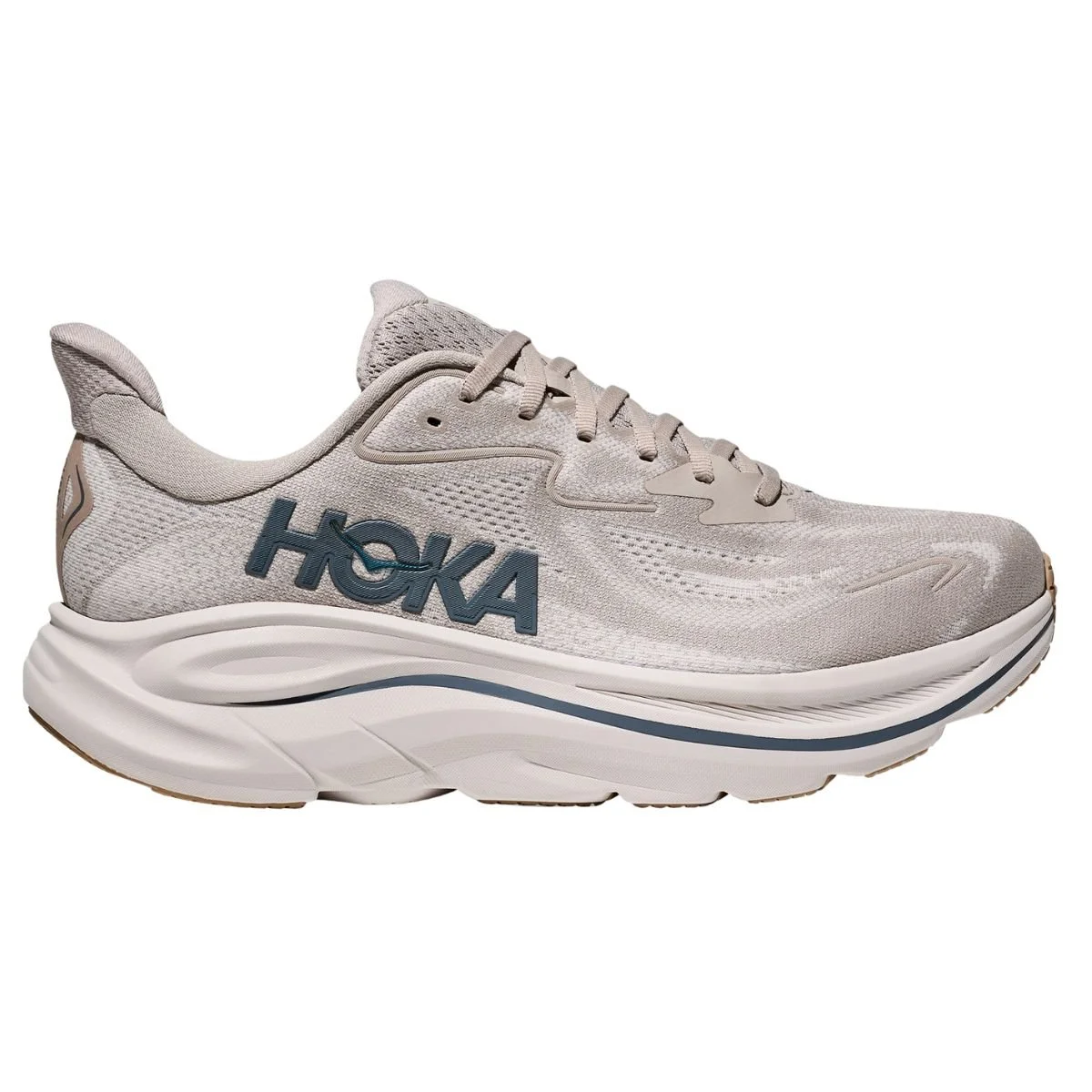
The HOKA Clifton 11s are a staple running and walking shoe because of their incredible balance of cushion, responsiveness, and support.
The Clifton 11s have an “early-stage Meta-Rocker”, which means the heel-to-forefoot motion of the foot has a smooth, slightly-propelling ride. This is a great option for those who walk for exercise and want a shoe that can also be used for running or other active endeavors.
While we’re doing more testing for an in-depth review of this Clifton model, you can learn more in our in-depth review of the HOKA Clifton 10 shoes. The update to the 11s is minimal—mostly small adjustments to the fit.
HOKA Clifton 11
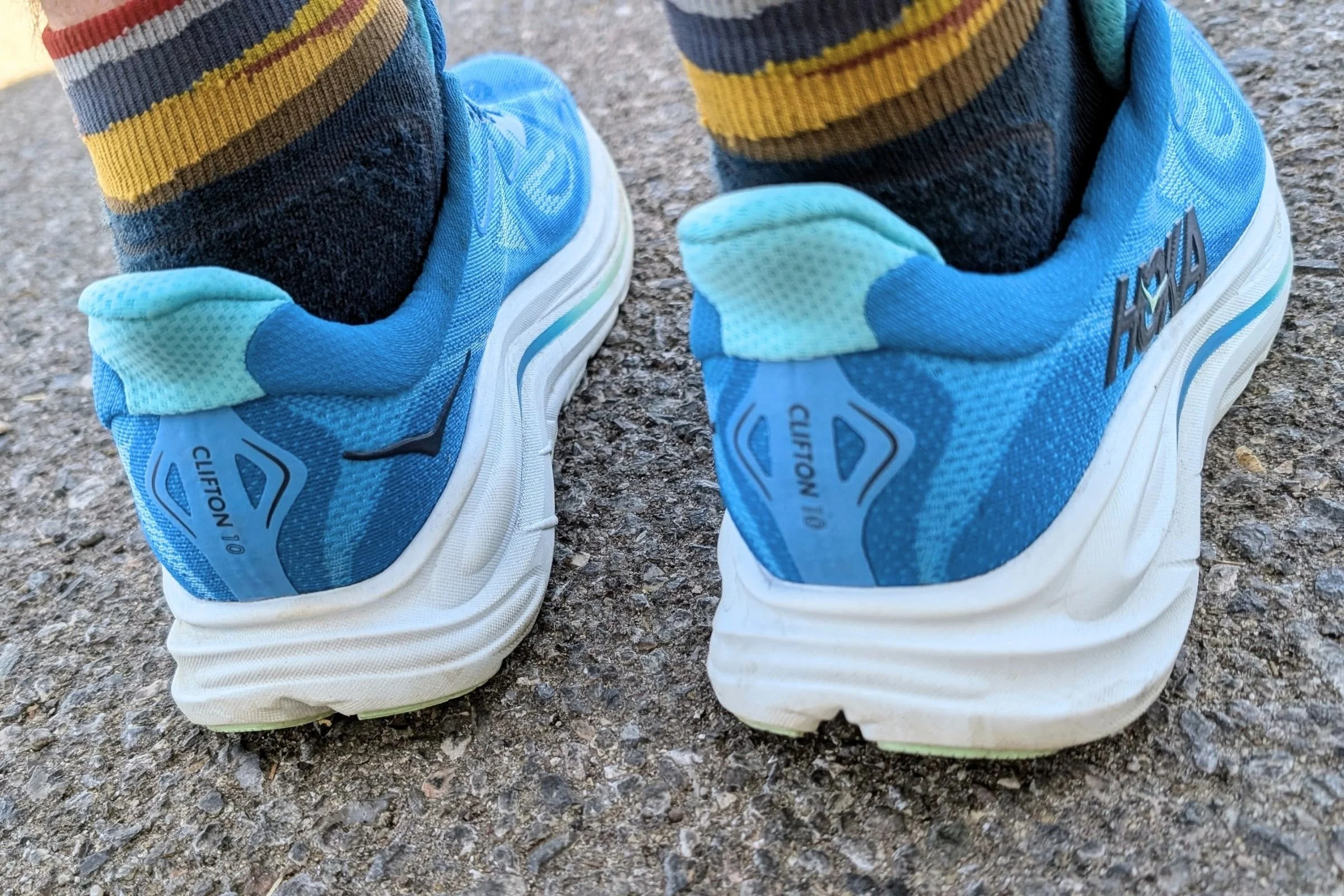
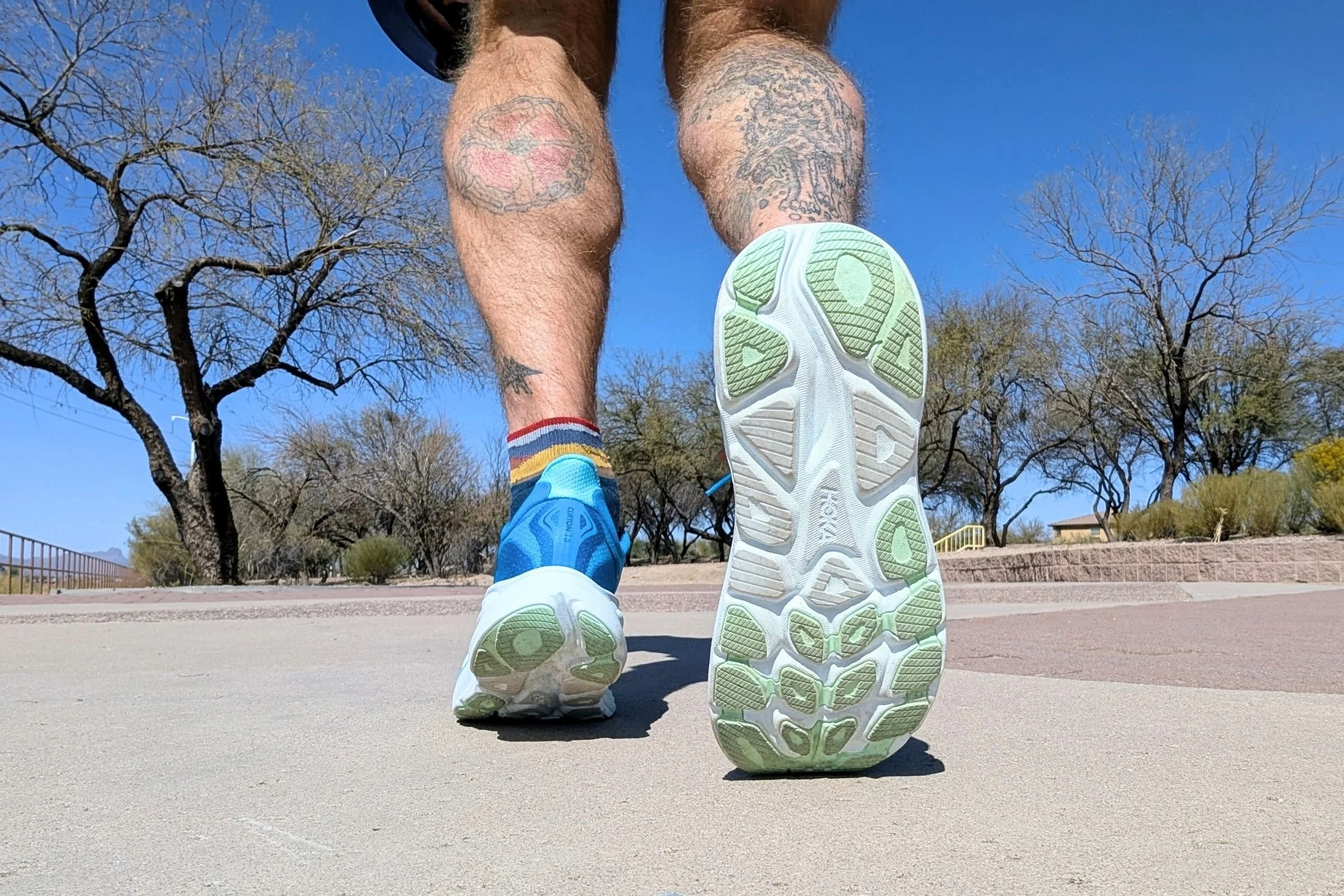
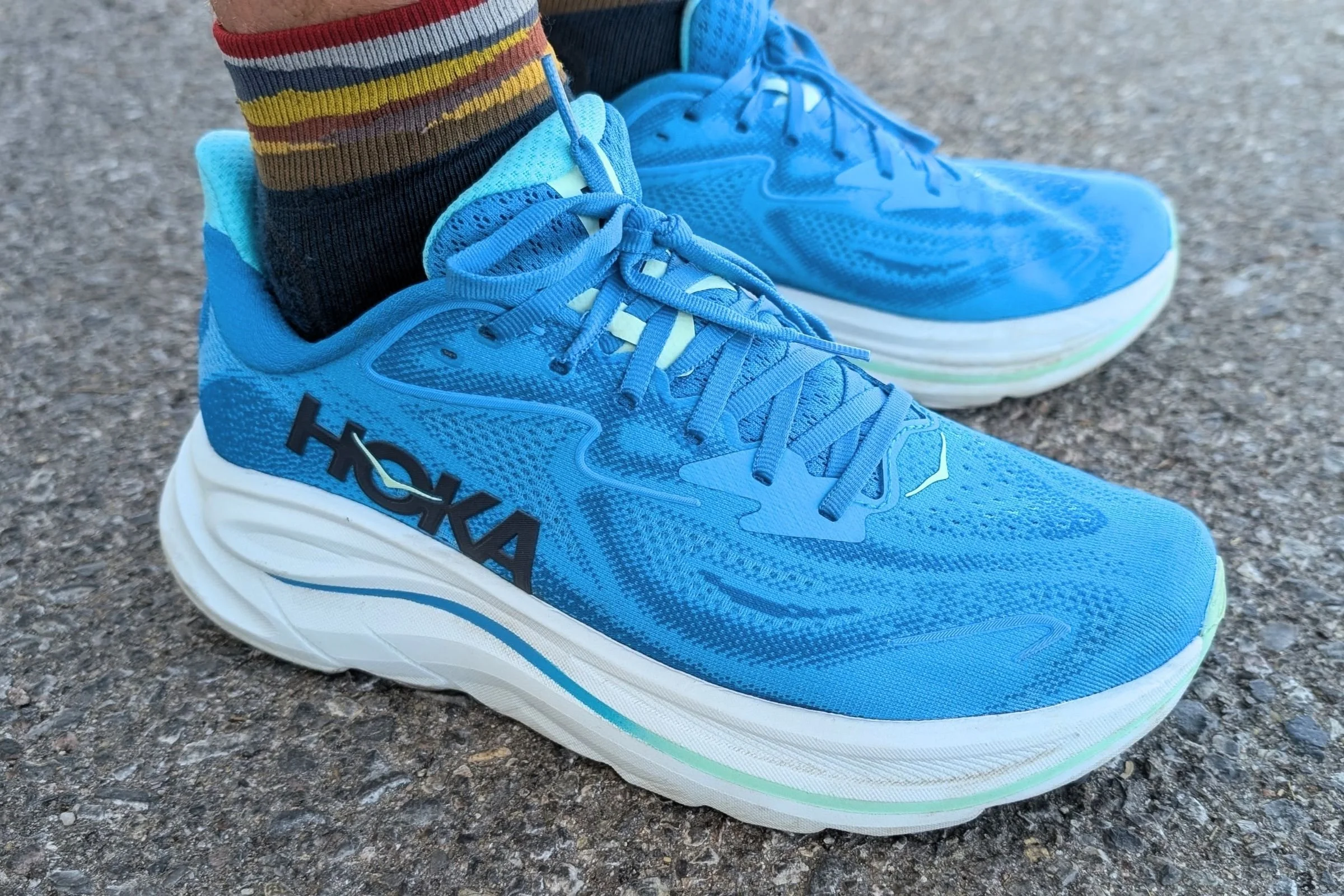
We’ve tested the Clifton line extensively (since the Clifton 8s), alongside other walking, running, and recovery shoes. Every iteration has been a well-rounded athletic shoe. However, that also means it’s not the best for casual or work wear (style-wise). If you want a walking shoe that doesn’t look super athletic, this may not be your best choice (though maybe you could pull off styling the black pair, in which case, go for it!).
If you’ll be walking and running frequently in wet environments, this shoe also comes in a waterproof version. The HOKA Clifton 11 GTX uses GORE-TEX Invisible Fit, a membrane designed to prevent water from seeping into the shoe without noticeably changing the fit of the shoe. This is the best waterproofing you’re going to find in athletic footwear, so despite our limited testing in them, we have a lot of faith in this pair if you’ll be walking or commuting in wet conditions.
Best walking shoes with high cushion: HOKA Bondi 9
Weight (per pair): 21.0 oz
Drop: 5 mm
Cushioning: Maximum
Available sizes: 7 - 16
What we liked: Excellent cushion and comfort; great for running and other exercise
What we didn't like: Not for casual wear; not as responsive as other running-focused walking shoes
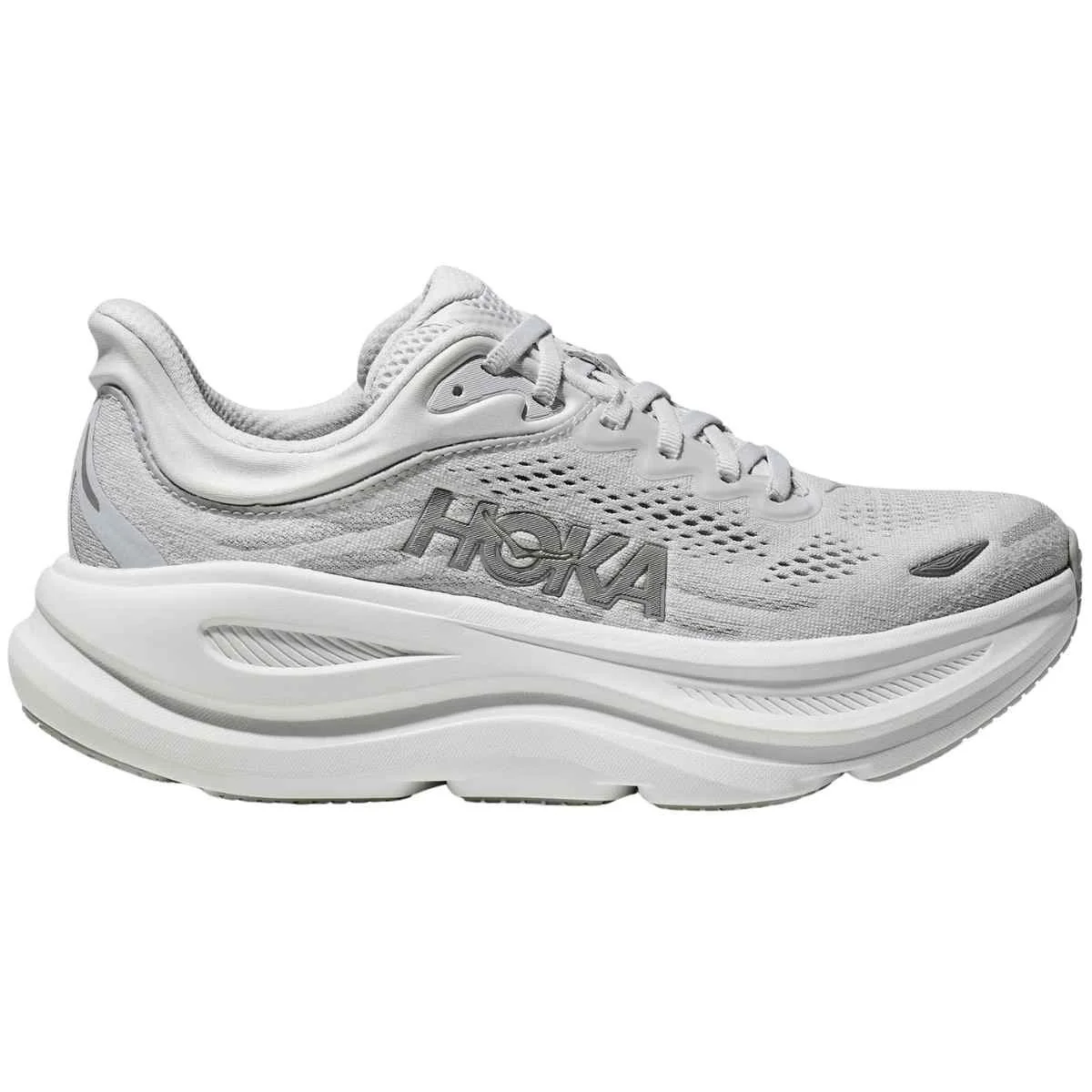
The HOKA Bondi 9s are the non-slip-resistant, road running shoe-version of our best overall pick, the HOKA Bondi SR. These shoes are heavily cushioned and have HOKA’s MetaRocker technology in the midsole to encourage forward motion and a smooth ride.
The HOKA Bondi 9s differ from the HOKA Bondi SRs primarily in that they don’t have the slip-resistant grip on the outsole and they weigh less/are less clunky for running and faster walking. The Bondi 9s cost $5 less than the Bondi SRs.
The HOKA Bondi 9s are featured in the Best Recovery Shoes guide.
Learn more in our in-depth review of the HOKA Bondi 9 road running shoes.
HOKA Bondi 9
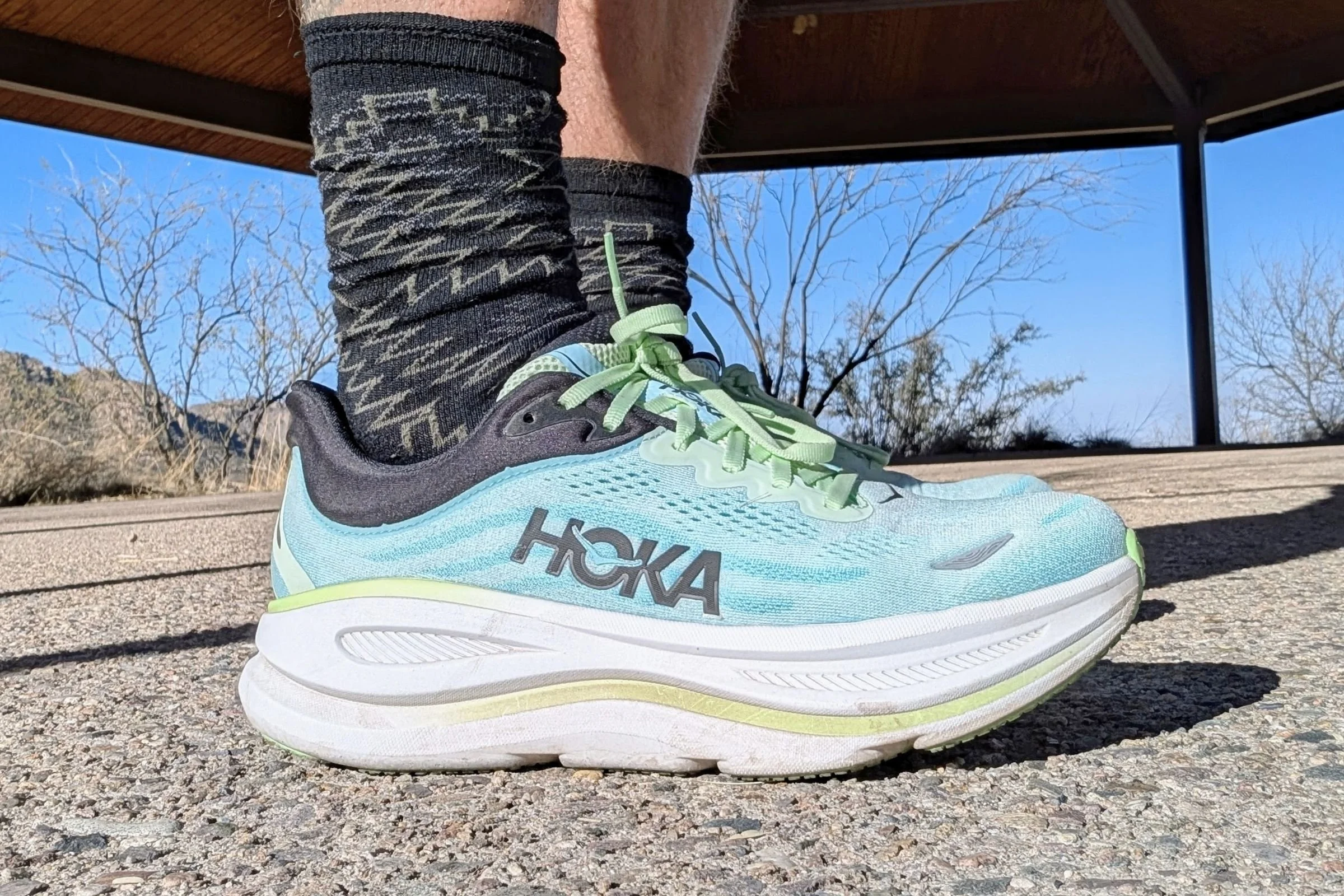
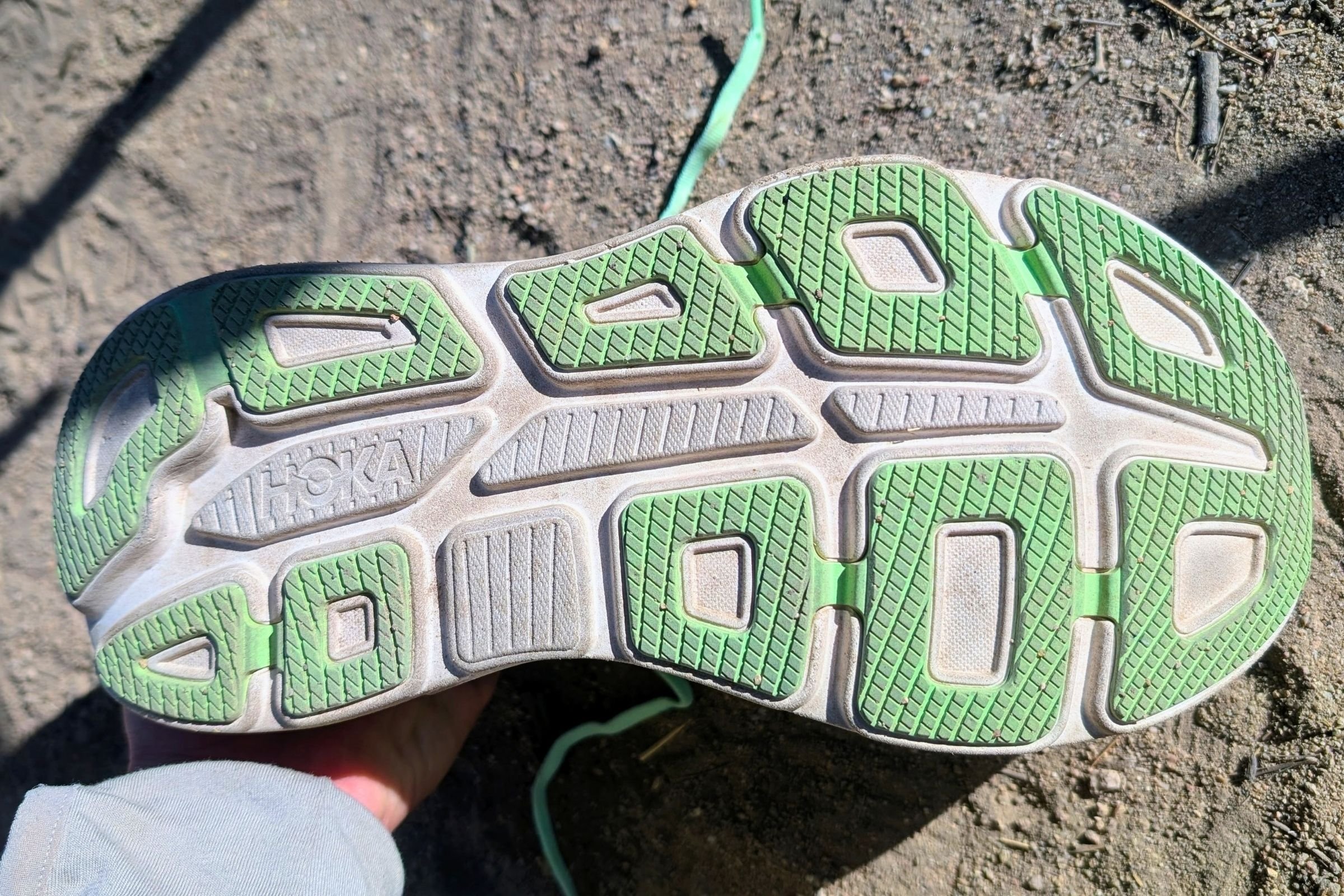
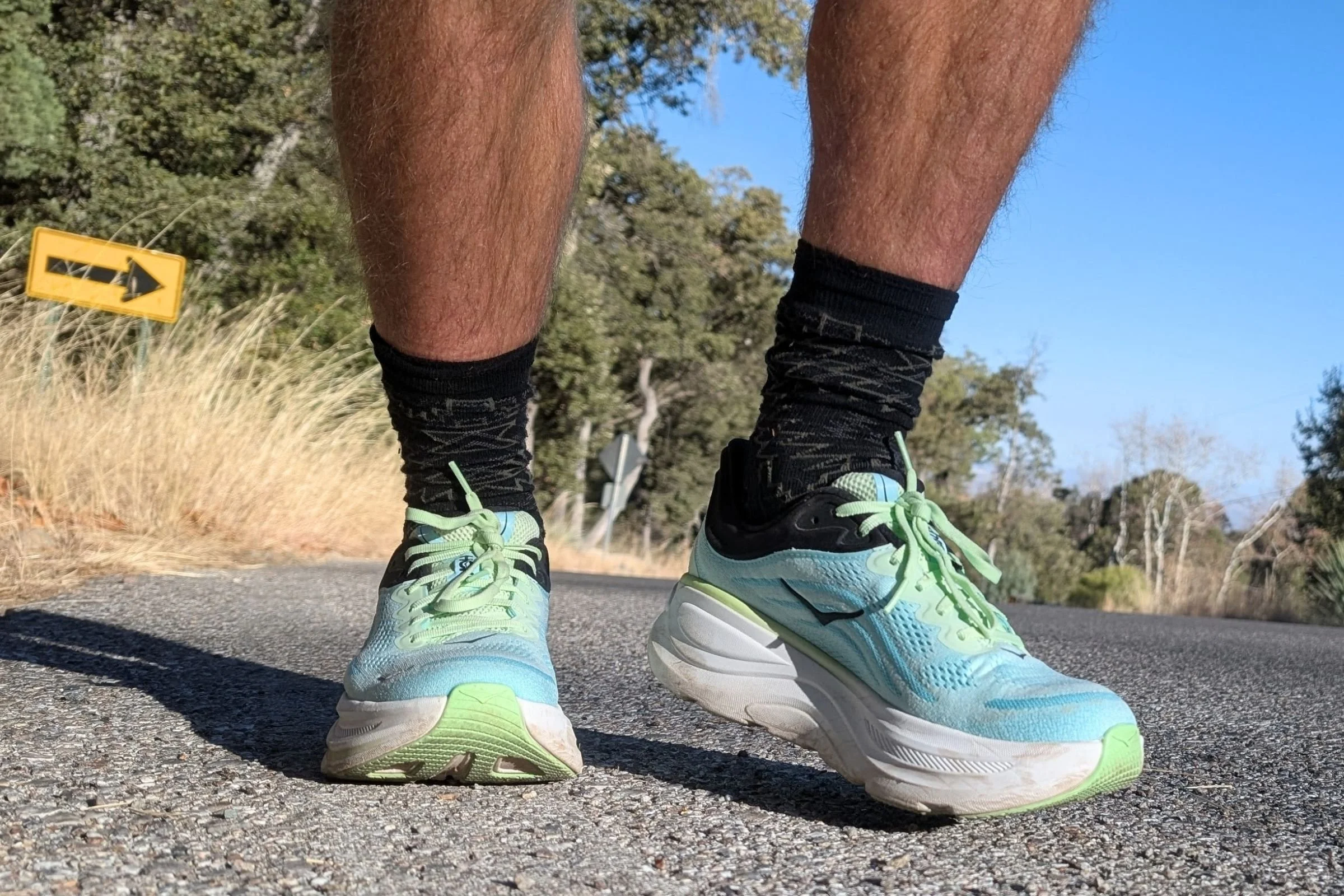
Like the HOKA Clifton 11s, we also love these shoes for active recovery and daily road running. The main difference between the Clifton 11s and Bondi 9s is that the Bondis have more plush cushioning and are less responsive than the Cliftons. The Cliftons are better suited for a wider range of running paces, while the Bondis are more comfort-driven and better reduce impact on the joints.
We tested the men’s and women’s HOKA Bondi 9s as both a running shoe and a walking shoe. They perform well in both roles, and are a great option for those looking for lots of impact absorption to reduce aches in joints.
Best walking shoes for trails: HOKA Transport 2
Weight (per pair): 22.6 oz
Drop: 5 mm
Cushioning: Balanced
Available sizes: 7 - 15
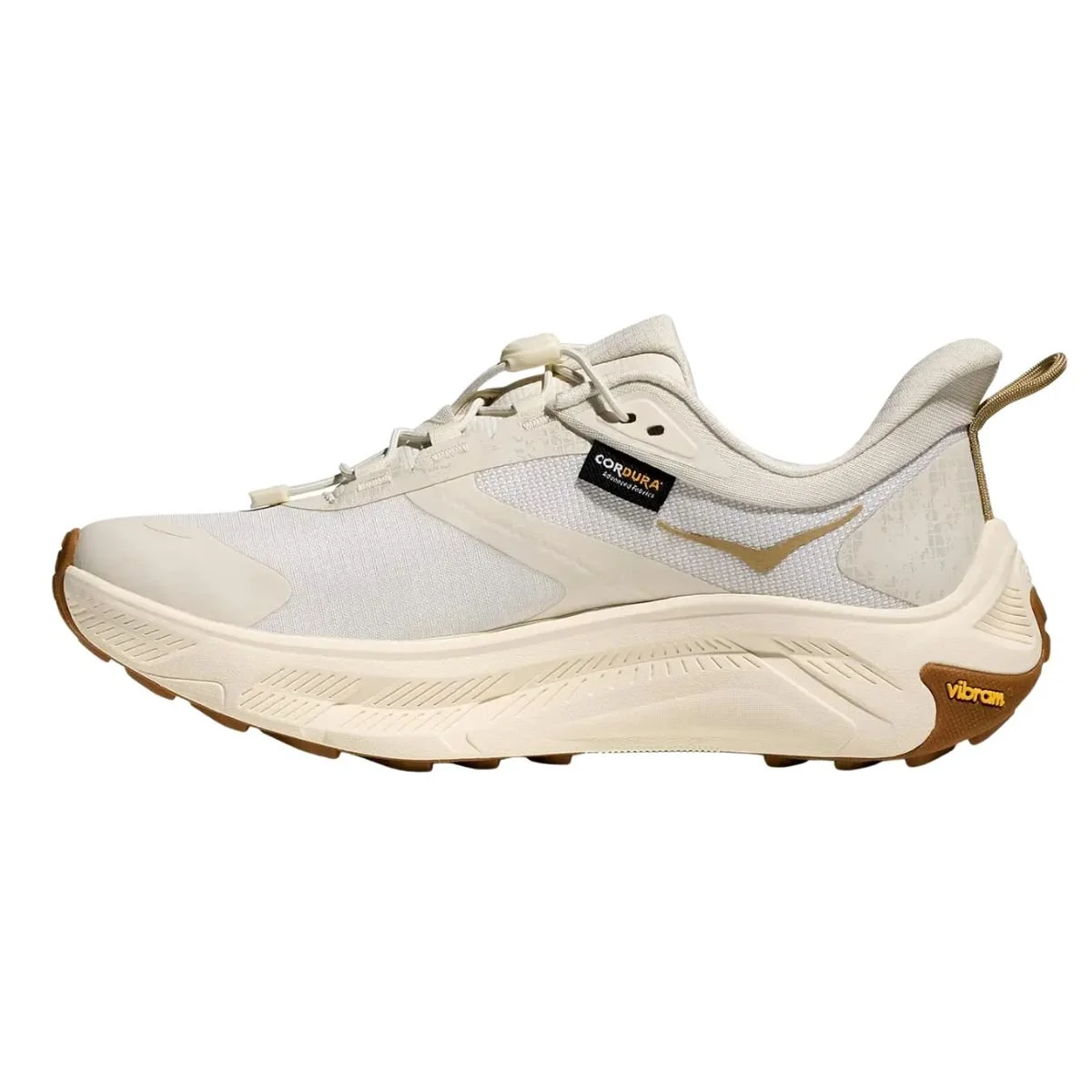
What we liked: Grippy Vibram outsole, balance of cushion and support, comfortable
What we didn't like: Not available in extra-wide sizing, not as versatile as other shoes in terms of style and occasion
If you’re looking for a walking shoe that crosses over to hiking, the HOKA Transport 2 is our top choice. Like all HOKA shoes we’ve tested, these shoes balance cushion and support for all-day comfort regardless of what surfaces you’re standing or walking on, while the Vibram outsole handles more technical terrain better than other walking shoes. Think of this as a hybrid shoe that combines the lightweight technicality of a trail runner or hiking shoe with the more casual style of a walking shoe.
Learn more in our in-depth review of the HOKA Transport 2 shoes.
HOKA Transport 2
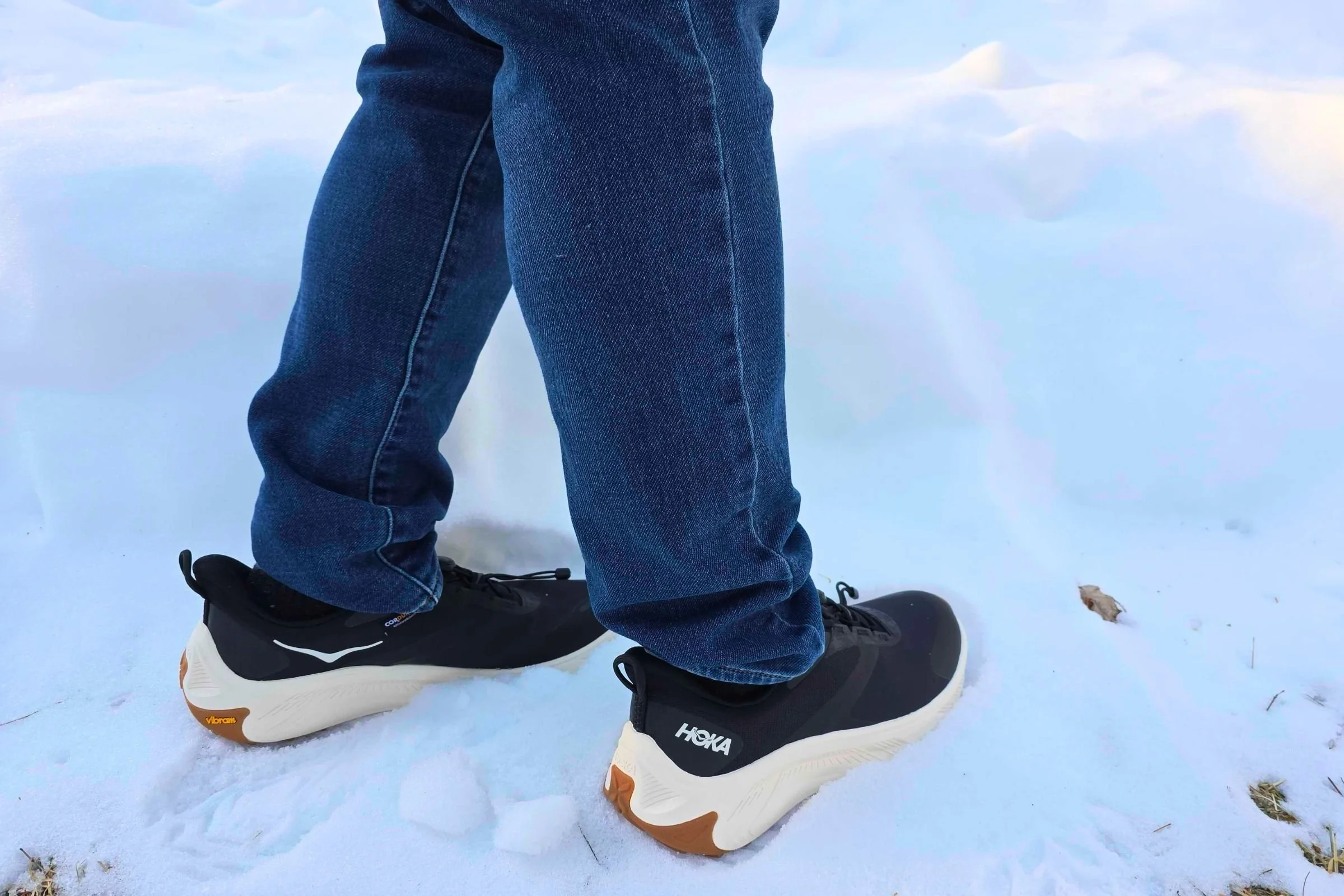
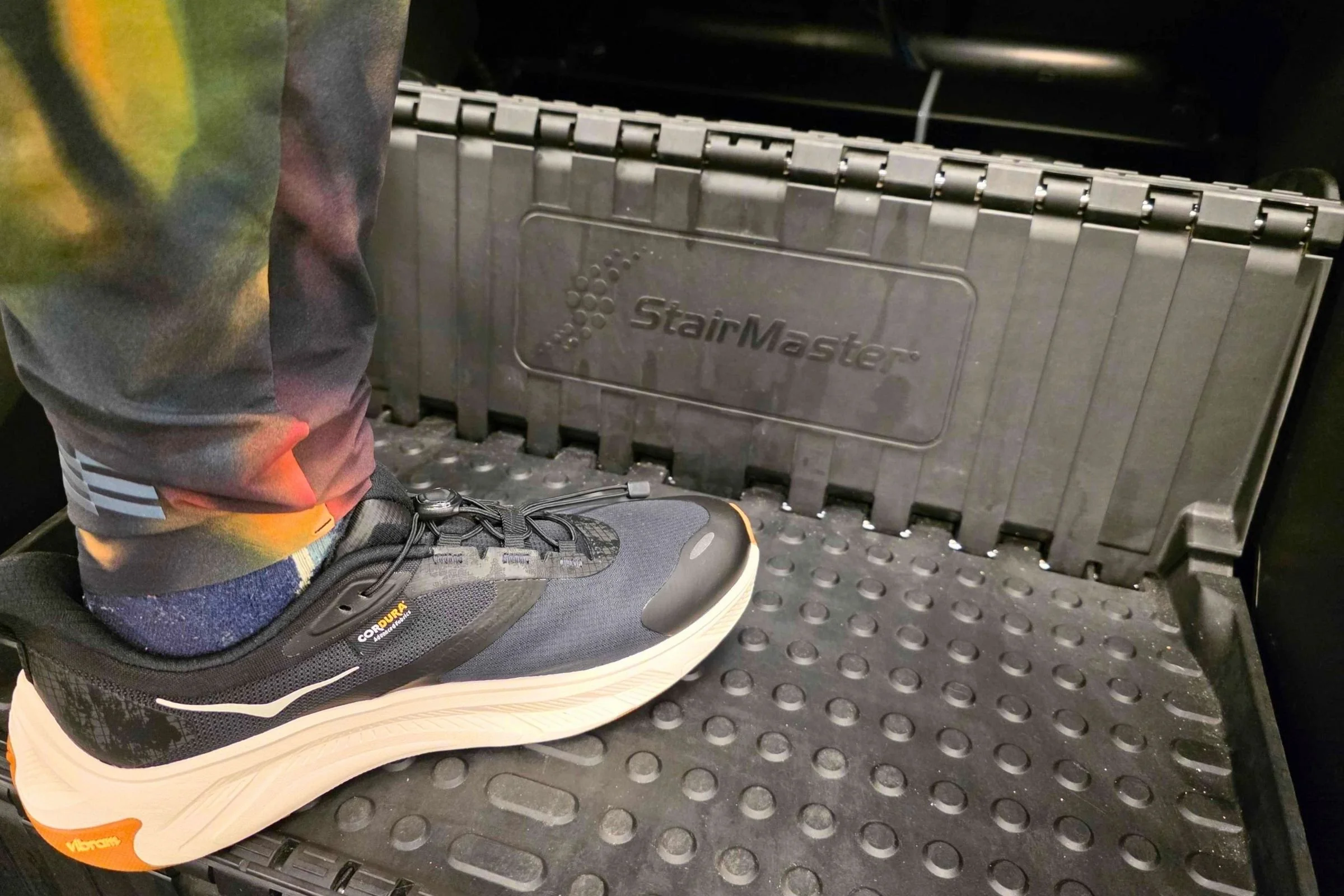
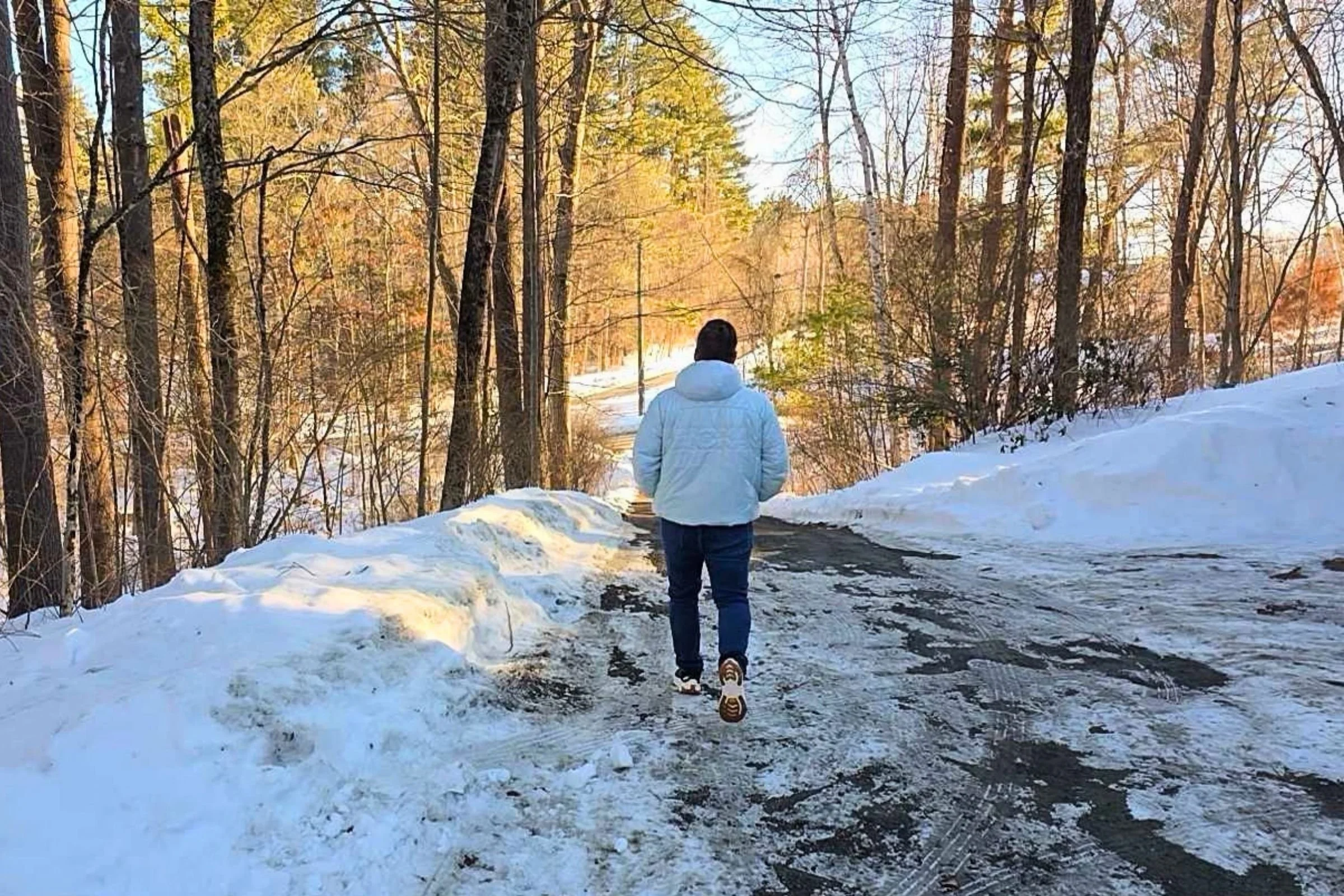
We tested the HOKA Transport 2 shoes on city walks on paved/gravel paths, gym days, and hikes in the Front Range of Colorado, throughout the Northeast, and on dirt roads in the Upper Peninsula of Michigan. The traction on these shoes handles most trails really well, and we found we really enjoyed wearing them for hikes that weren’t overly technical. While they weren’t our favorite walking shoes for paved paths (the grippy outsole felt unnecessary in those cases), they weren’t distractingly grippy.
The laces are adjusted with a pull tab, which makes slipping the shoes on and off easier. The shoes also come with traditional laces you can swap in if you prefer, which is better for people who want a more precise fit.
One of our testers has extremely wide feet and found the Transport 2 to be too narrow, even when other HOKA wides will work for that tester. Unfortunately these do not come in extra-wide sizing, which is a big drawback.
If a sidewalk-to-trails shoe is what you’re looking for, the HOKA Transport 2 is a great option to consider. It also comes in a waterproof version if you’ll be walking and hiking frequently in wet conditions.
Best walking shoes for style: Icebug Mosi RB9X
Weight (per pair): 18.0 oz
Drop: 8 mm
Cushioning: Full cushion
Available sizes: 4 - 13
What we liked: Everyday style, comfortable midsole and fit
What we didn't like: Not ideal for athletic wear
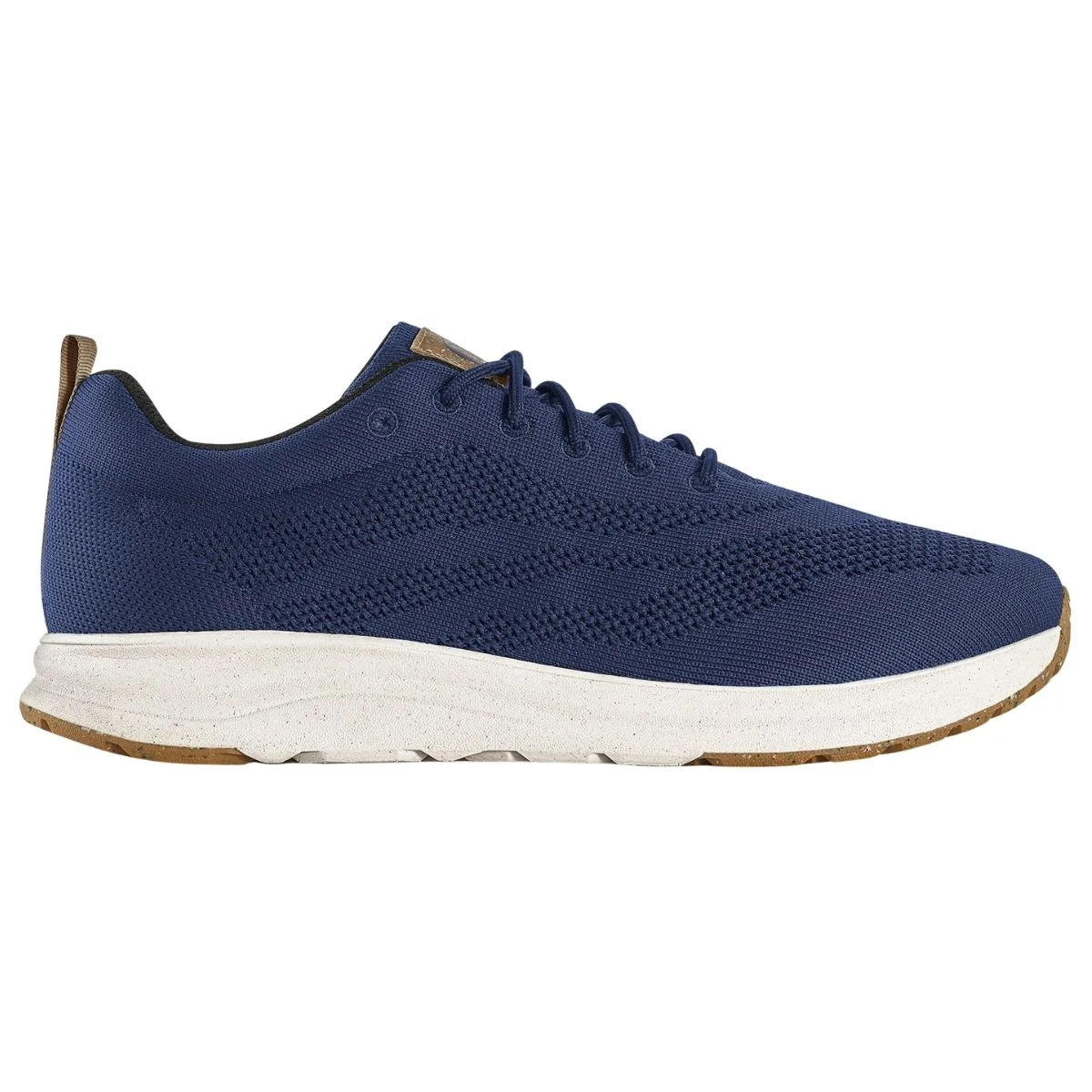
The Icebug Mosi RB9X shoes may look like ordinary lifestyle sneakers, but their technical design makes them great walking shoes, too. They also use more sustainable materials than those found in many walking and running shoes. We particularly find the BLOOM foam, made from algae, in the midsole to be a noteworthy addition.
The microsuede caging reinforcement adds durability to the upper, while the recycled mesh knit upper keeps the shoes airy and breathable. The upper is made of solution-dyed (a process that uses less water than other dyeing methods) bluesign-certified 100% recycled PET polyester.
Icebug Mosi RB9X
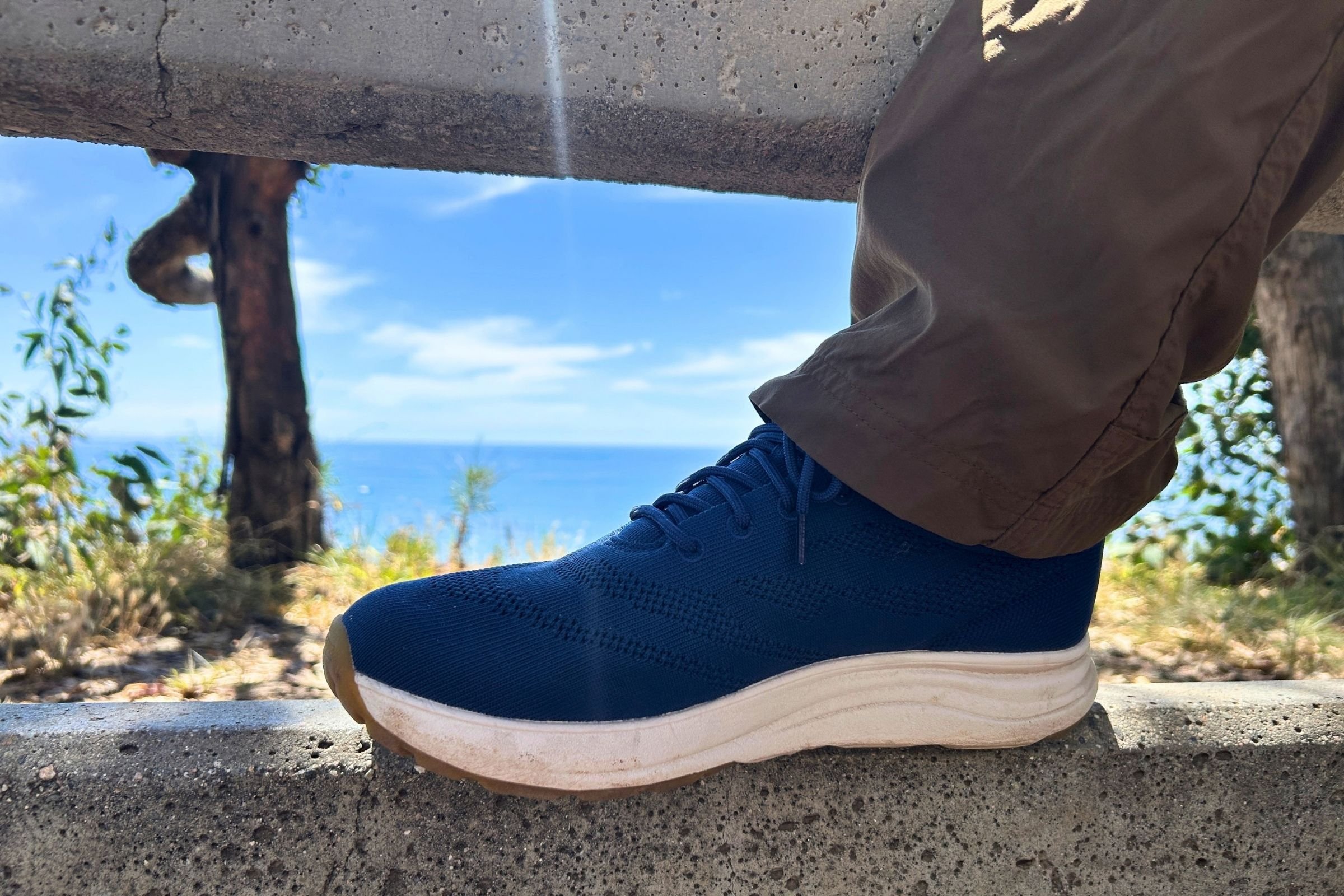
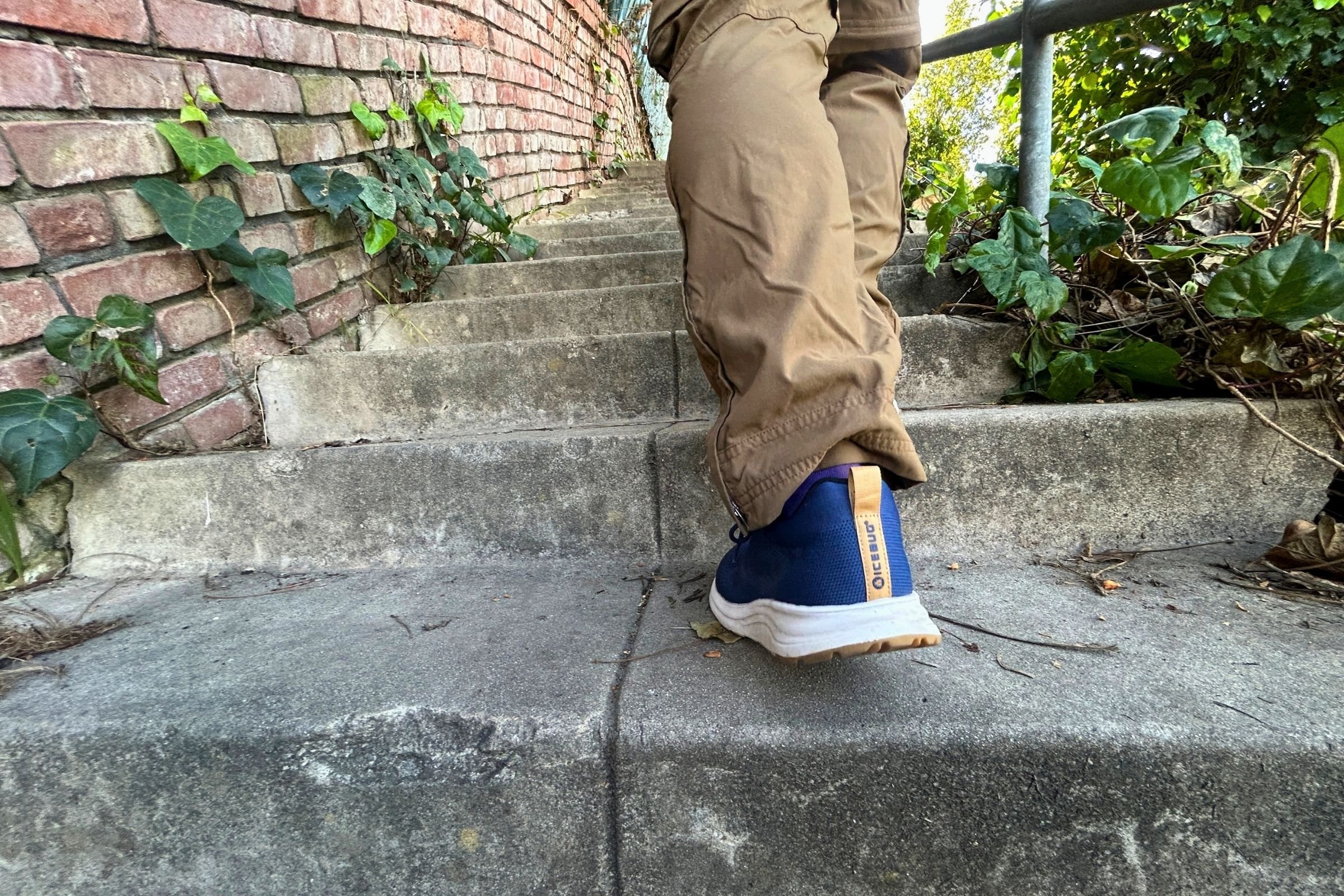
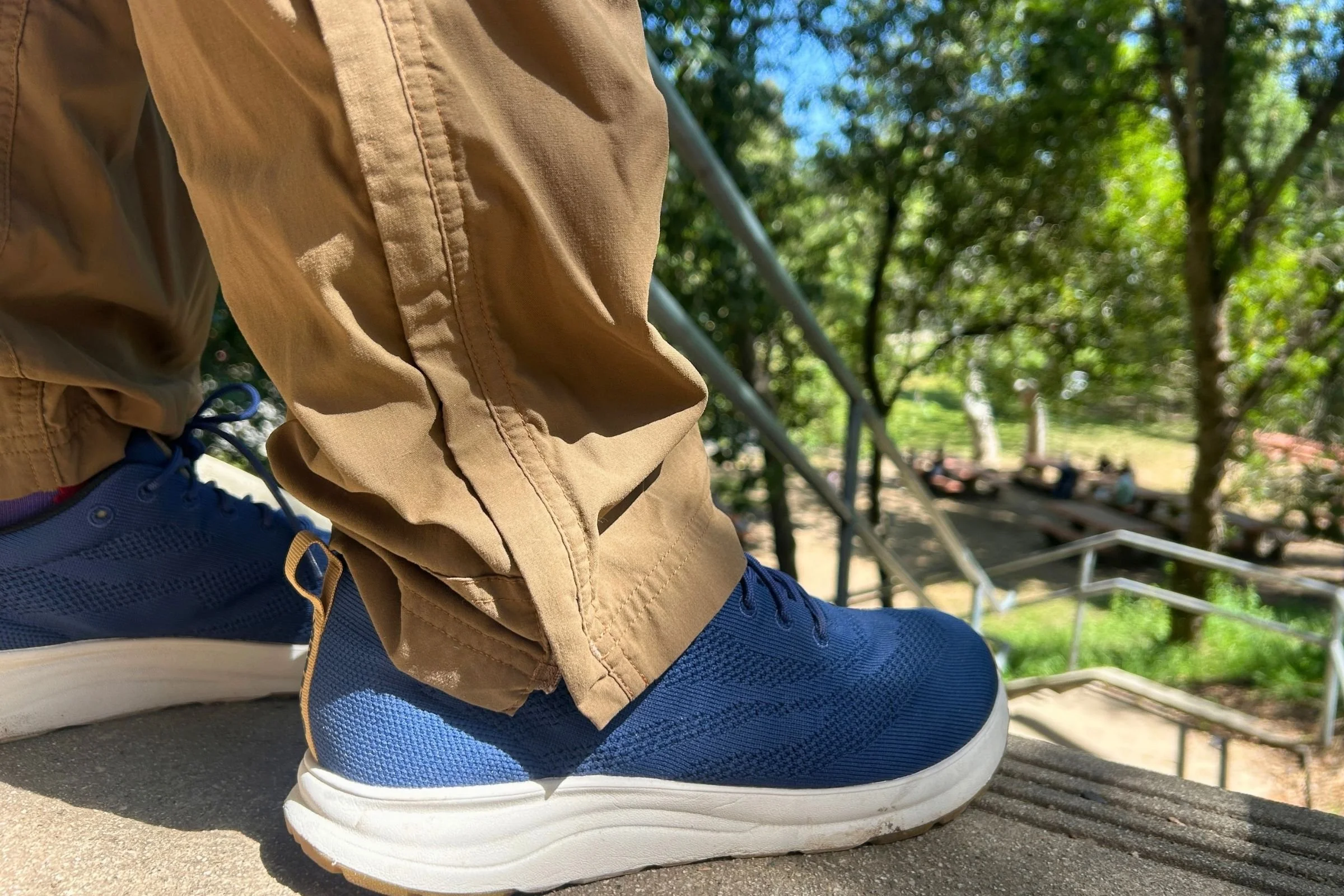
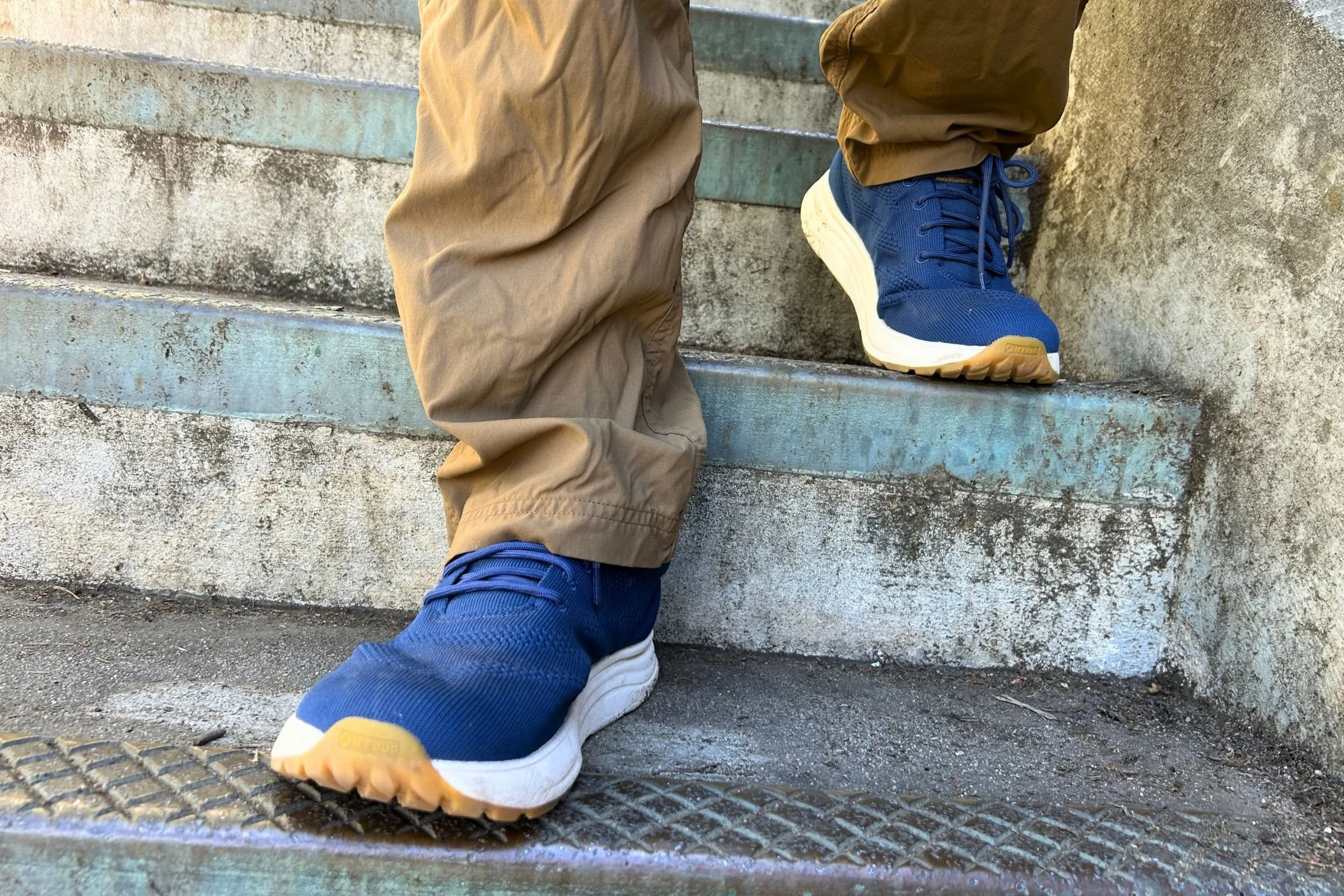
The midsole has Icebug’s proprietary BUGforce for lightweight cushion, and contains 20% BLOOM foam, which is made from algae and is considered more sustainable. We wouldn’t say the cushioning is super plush, but for an everyday shoe that is easier to style with casual wear, they’re plenty cushioned for travel days, commutes, or walking around town.
Icebug’s proprietary RB9X outsole contains 15% recycled rubber and offers enough traction for just about any walking surface we tested on, including non-technical trails.
The Icebug Mosi RB9X shoes are not necessarily the best for more athletic use, but they’re comfortable, supportive, and stylish walking shoes that still perform well on varied terrain and are comfortable for all-day wear, like travel days walking through airports or bus stations. If you want a quality walking shoe that doesn’t look like a “walking shoe” for wearing to the office or across daily activities, this is a great choice.
Best slip-on walking shoes: On Cloud 6
Weight (per pair): 18.8 oz
Drop: 8 mm
Cushioning: Moderate
Available sizes: 7 - 15
What we liked: Easy to slip on and off; can be styled for casual wear
What we didn't like: More lifestyle shoe than athletic; narrow fit
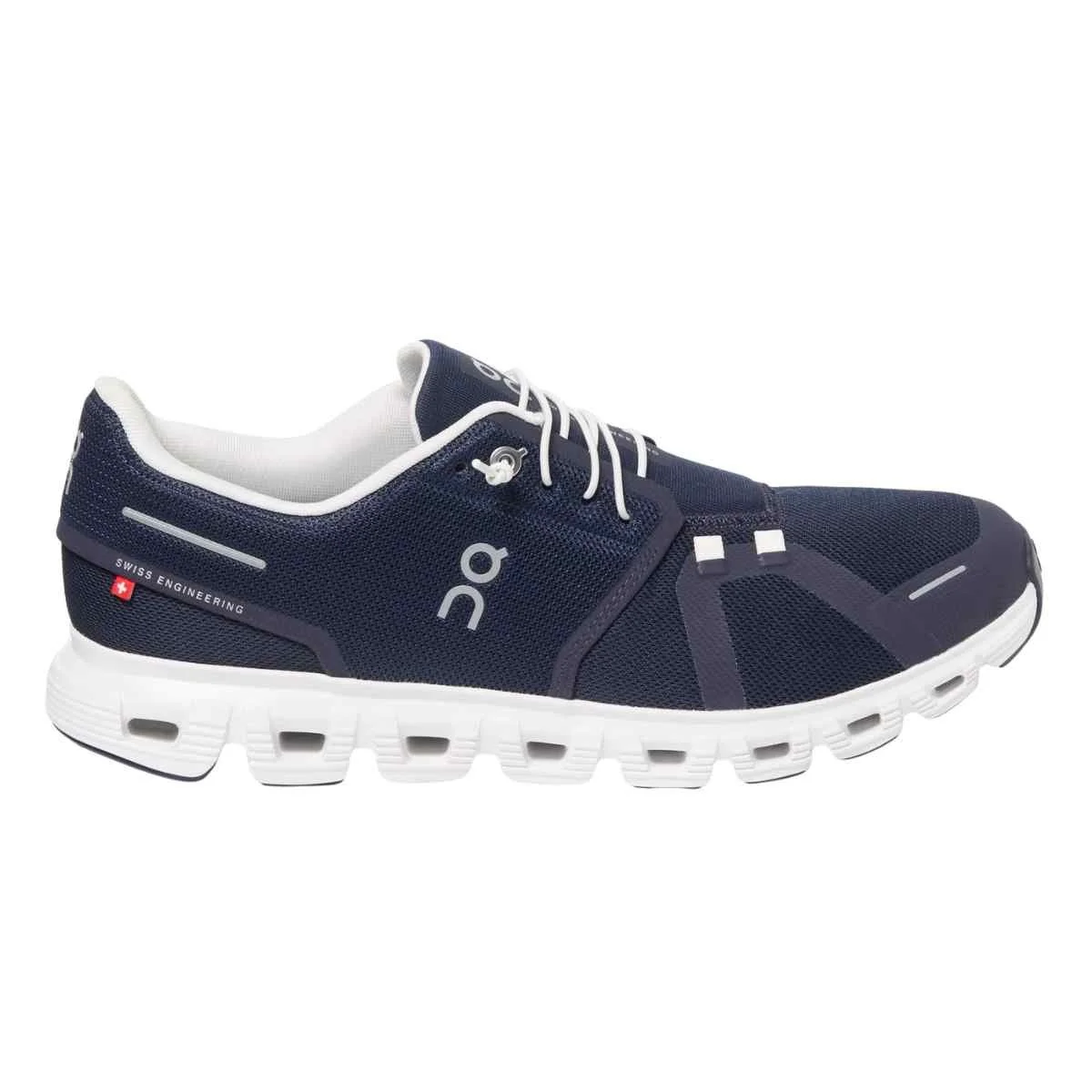
The On Cloud 6 shoes are trendy walking and lifestyle shoes that slip on without having to be tied. They’re a worthy choice for travelers, commuters, casual walkers, folks with mobility limitations/arthritis, or anyone who likes the style of On shoes.
On’s proprietary CloudTec midsole provides plenty of cushion for all-day comfort, while their proprietary Speedboard technology encourages a little pep in the step, which can help you feel more energized. Equipped with a speed lacing system, this shoe can be slipped on and off with ease, while the snug heel cup and midfoot feel secure.
Learn more in our in-depth review of the On Cloud 6 shoes.
On Cloud 6
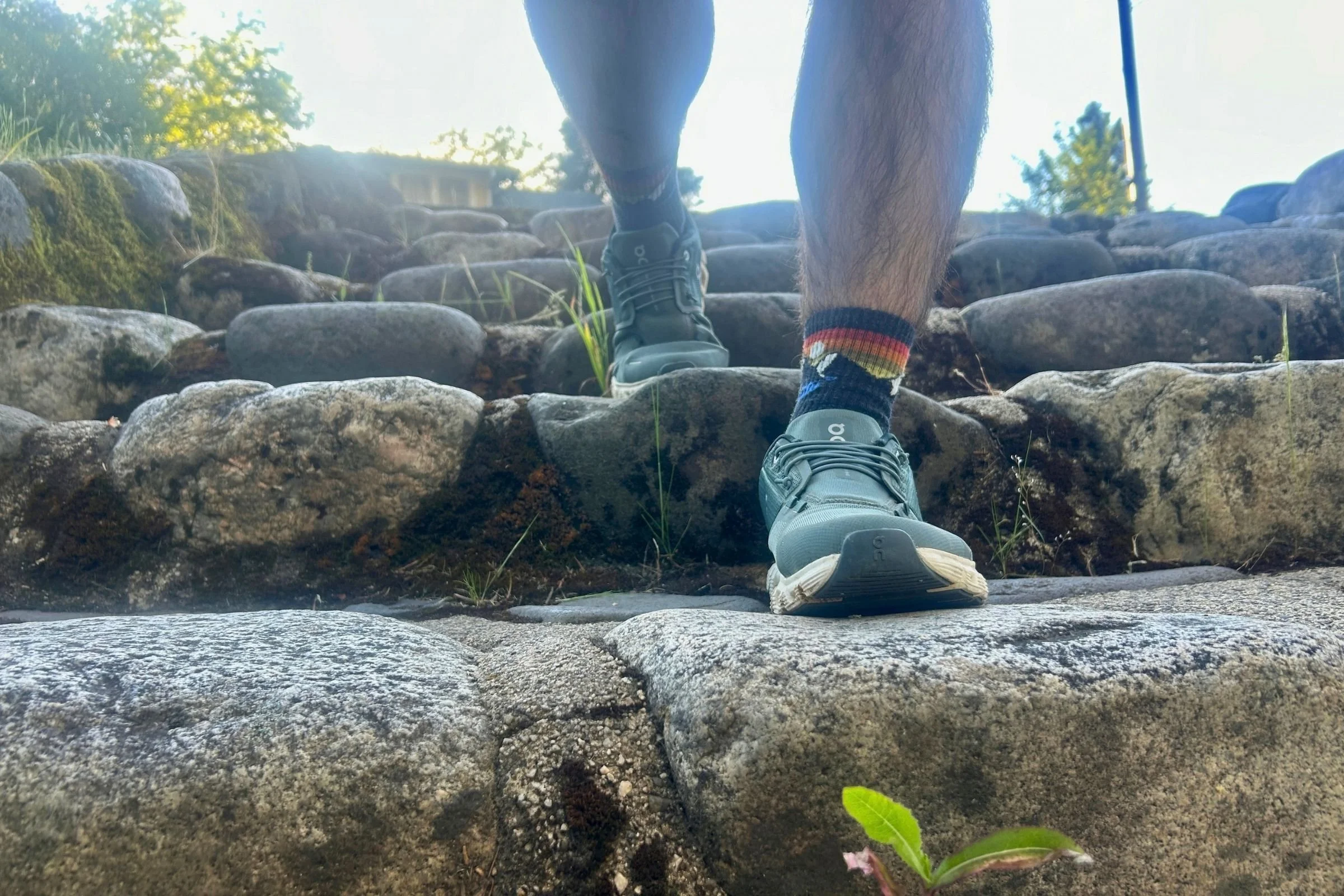
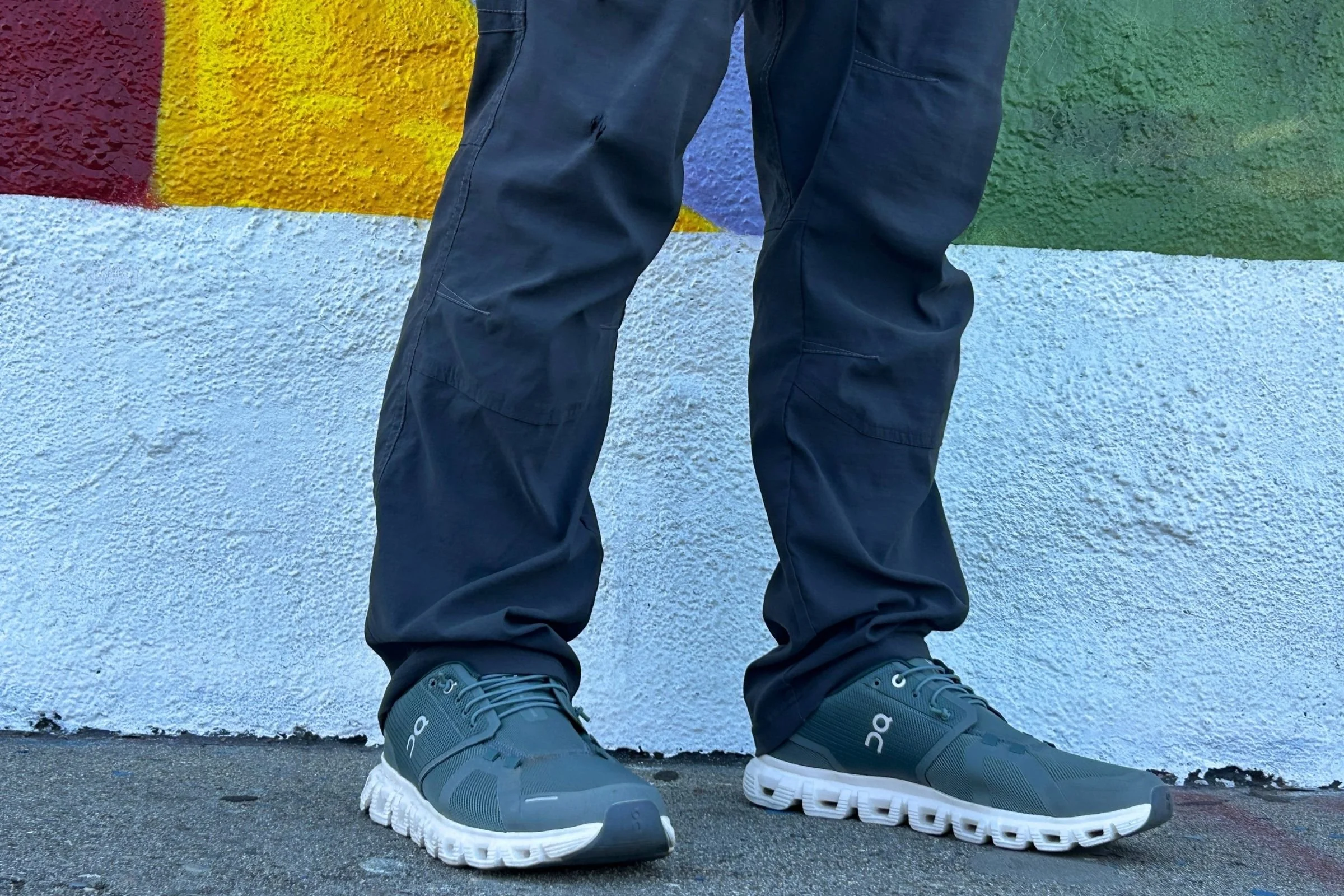
The Cloud 6 shoes are better suited for aiding in mobility and more durable than the similar On shoes. The On Cloud 6 shoes fit narrow, but fortunately these shoes come in wide sizing.
If you’re looking for a lifestyle walking shoe that you can slip on without having to adjust, and you like the style of On shoes, the On Cloud 6 is a worthwhile option.
Best walking shoes for plantar fasciitis: Birkenstock Arizona Soft Footbed Sandals
Weight (per pair): 21.2 oz
Drop: 0 mm
Cushioning: Moderate
Available sizes: 6 - 13.5
What we liked: Cork footbed contours to your foot and offers excellent support and comfort; durable and lasts for many years
What we didn't like: Sandals aren’t ideal for all walking conditions
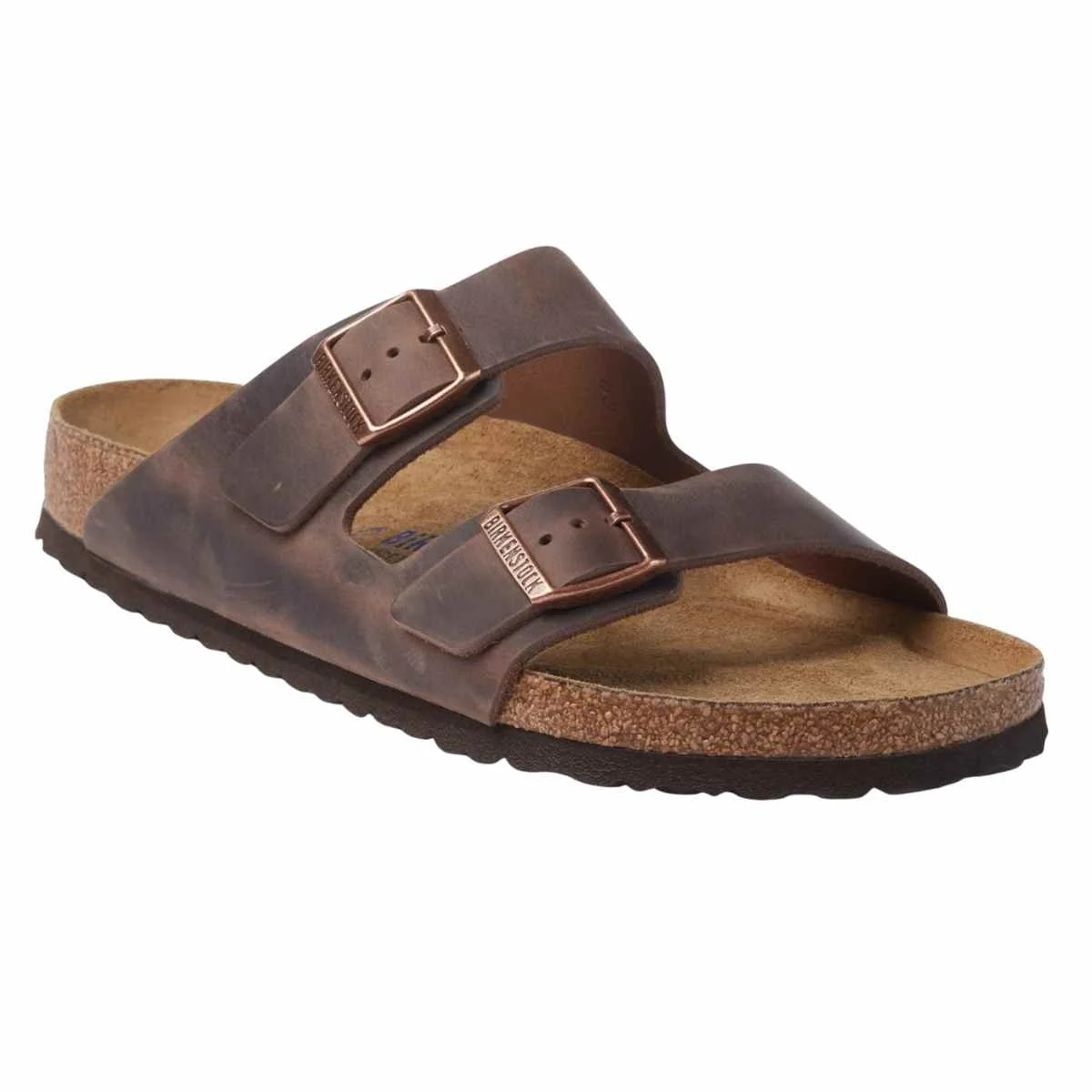
The Birkenstock Arizona Soft Footbed sandals are our pick for best walking shoes for plantar fasciitis because of the foot-contouring cork footbed that molds to support your feet. Many Treeline testers have sworn by these shoes for decades, including the author of this guide, who wore them almost exclusively for nine months while healing plantar fasciitis.
Learn more in our in-depth review of the Birkenstock Arizona Soft Footbed sandals.
Birkenstock Arizona Soft Footbed Sandals
In addition to the cork midsole that molds to your feet (mimicking expensive arch supports!), another standout feature is that the sandals are hardy and can last you many years, making them a great value. The suede upper is soft, flexible, and durable, and the buckles allow you to adjust the shoe to your foot volume. The outsole isn’t the most grippy, but the grip is enough for most walking surfaces (including non-technical trails).
The author of this guide was a high school English teacher and a cross country/track coach who also trained for marathons, so she spent at least 10 hours a day on her feet, often in unsupportive shoes. As a result, she developed gnarly plantar fasciitis in both her feet. After doing lots of research, she started wearing the Birkenstock Arizonas for better support while her plantar fascia healed.
To be clear, the Birkenstock Arizonas do not cure plantar fasciitis, and you should see a medical professional if you have foot pain. This is simply the best shoe we’ve tested to help support our feet while our plantar fascia heals.
Not everyone enjoys walking in sandals, though, and these may not be your best option for particularly wet or cold environments (though we often pair our Arizonas with wool socks when it’s chilly). But if your priorities include bespoke arch support and footwear that will last you many years, the Arizonas are a tried-and-true favorite.
Best zero-drop walking shoes: Lems Mesa Verde
Weight (per pair): 20.1 oz
Drop: 0 mm
Cushioning: Moderate
Available sizes: 4.5 - 15
What we liked: Offers good style for a barefoot shoe, has a wide toe box, and has some cushion for those transitioning to barefoot shoes
What we didn't like: Zero-drop isn’t for everyone, and some barefoot shoe veterans may want something even more minimalist than this
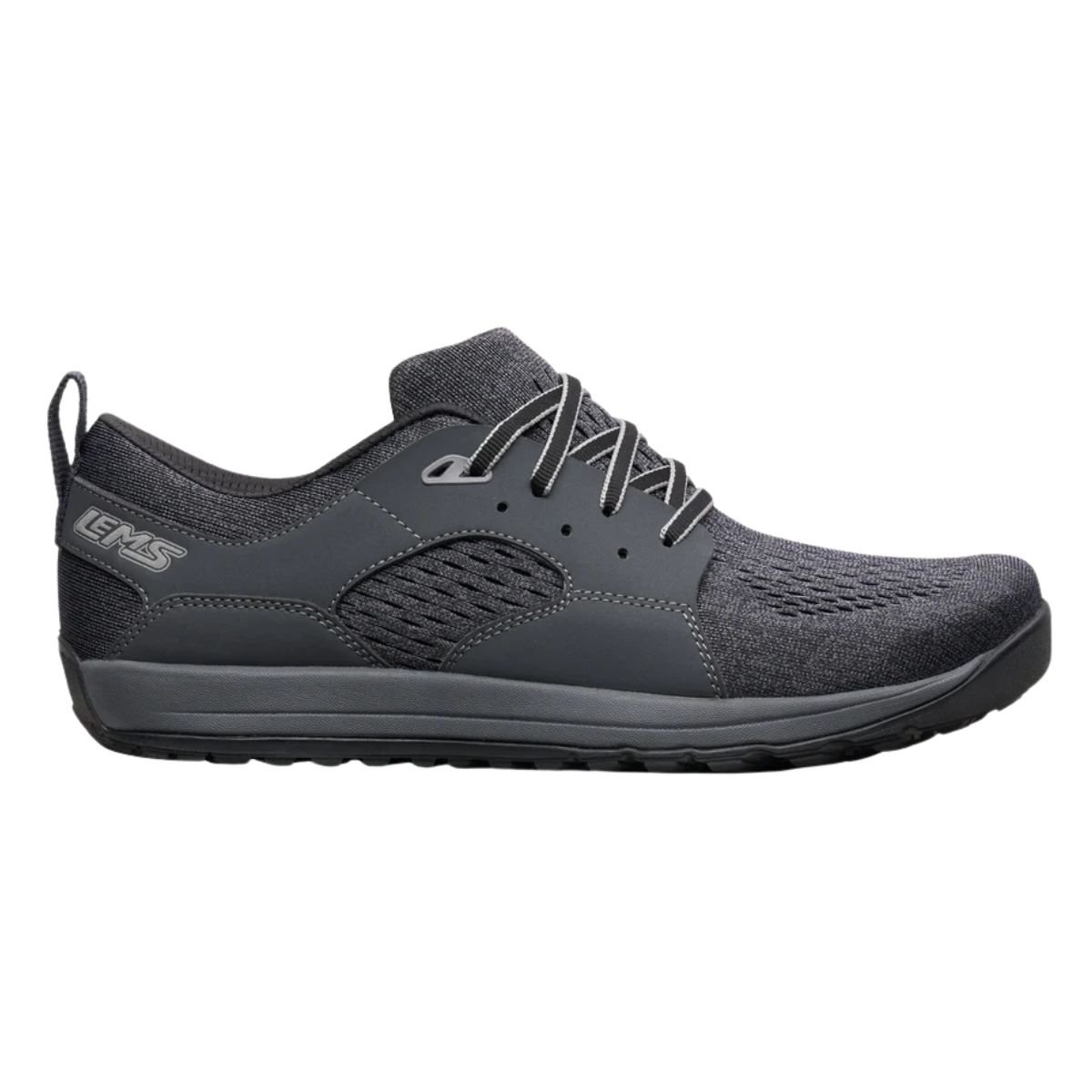
The Lems Mesa Verde is a zero-drop, minimalist walking shoe that still offers protection from the elements while looking trendy enough for casual wear. These are also great for folks looking to transition to barefoot shoes, as they still have a small amount of EVA cushion in the 14mm stack.
The Mesa Verde shoes have a wide toe box so your toes can splay more naturally while you walk. The Trail Traction outsole and 3mm lugs also provide plenty of traction if your pursuits take you on trail. And for a zero-drop, minimalist shoe, the 14mm stack has a small amount of cushion to help with support and for those transitioning to barefoot shoes. Even our tester who almost never wears zero-drop shoes was able to comfortably wear these for short walks.
Lems Mesa Verde
The style teeters between athletics and casual, so you can wear them in a variety of settings. If you want a zero-drop walking shoe that can be styled for different occasions and feels comfortable for walking and everyday wear, the Lems Mesa Verde is our top pick.
Other walking shoes we tested
Xero Shoes Prio Neo
Weight (per pair): 17.4 oz
Drop: 0 mm
Cushioning: Low
Available sizes: 6.5 - 15
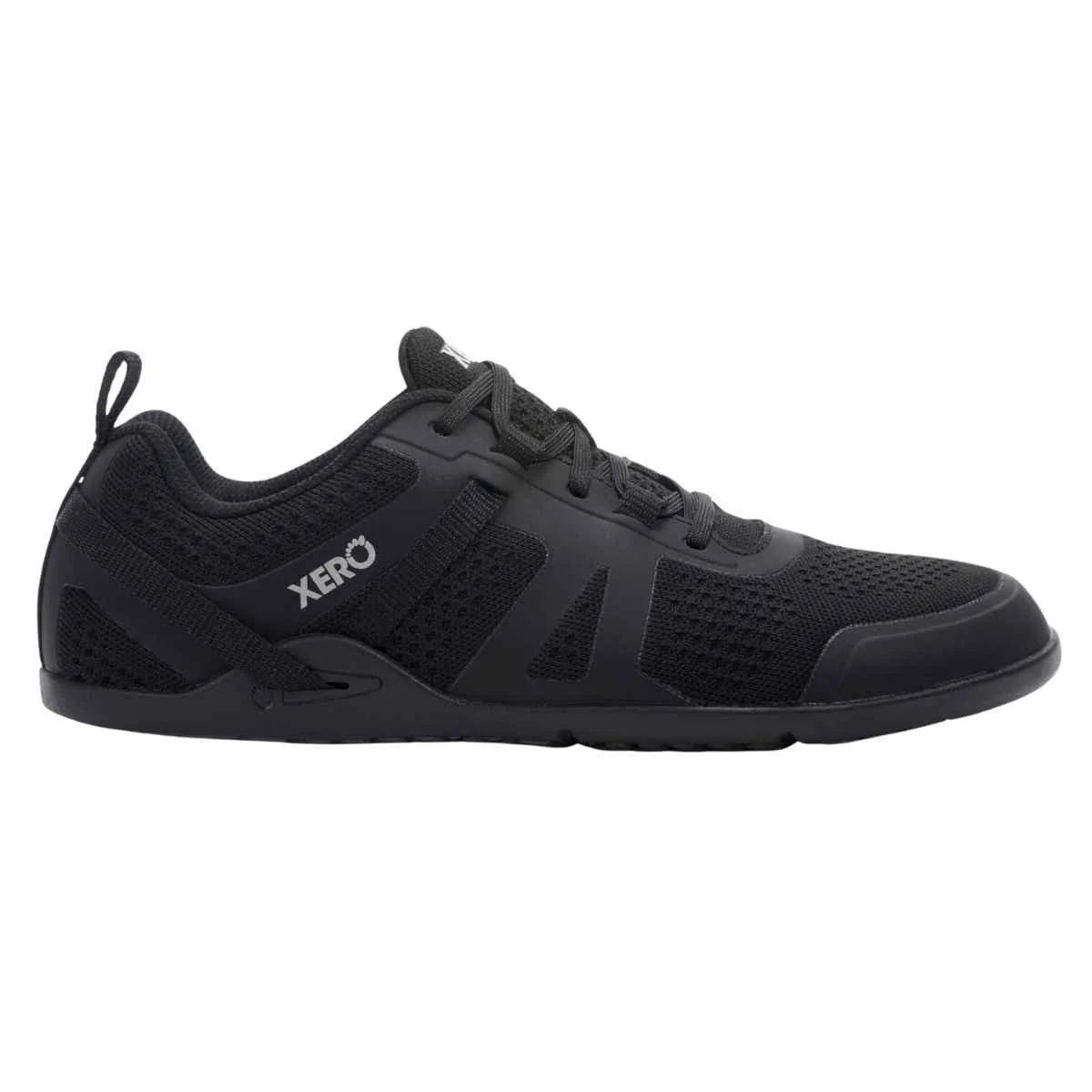
The Xero Shoes Prio Neo shoes are zero-drop shoes (the heel and toe have the same stack height) that could be a great option for those who want a minimalist shoe for walking. These shoes are our best everyday barefoot shoes pick for our Best Barefoot Shoes guide.
Learn more in our in-depth review of the Xero Shoes Prio Neo.
Xero Shoes Prio Neo
They do not provide a lot of cushion like most of the walking shoes we tested, but they are lightweight, breathable, and flexible for more natural movement. They have a wide toe box for your feet and toes to splay out naturally. The upper is thin and flexible, and snug when on. While testing, we occasionally wore these as gym shoes if we were walk-commuting to the gym.
These shoes are minimalist, and designed for a “barely there” feel, while also still feeling comfortable enough for all-day walking or travel. What you may lose in cushioning or foam you gain in groundfeel, gradual foot strength, and balance. The flex on these shoes is amazing, and our testers (who are accustomed to zero-drop, minimalist footwear) felt comfortable in them for over 55 miles of walking during testing.
The Prio Neo is Xero’s most stable, all-around “athleisure” shoe. Xero also offers the Prio Suede, as a separate model. They also have a more budget-friendly price than the other shoes we tested, so if you’re comfortable with minimal cushion and a zero-drop, low-stack shoe, this could be a good choice.
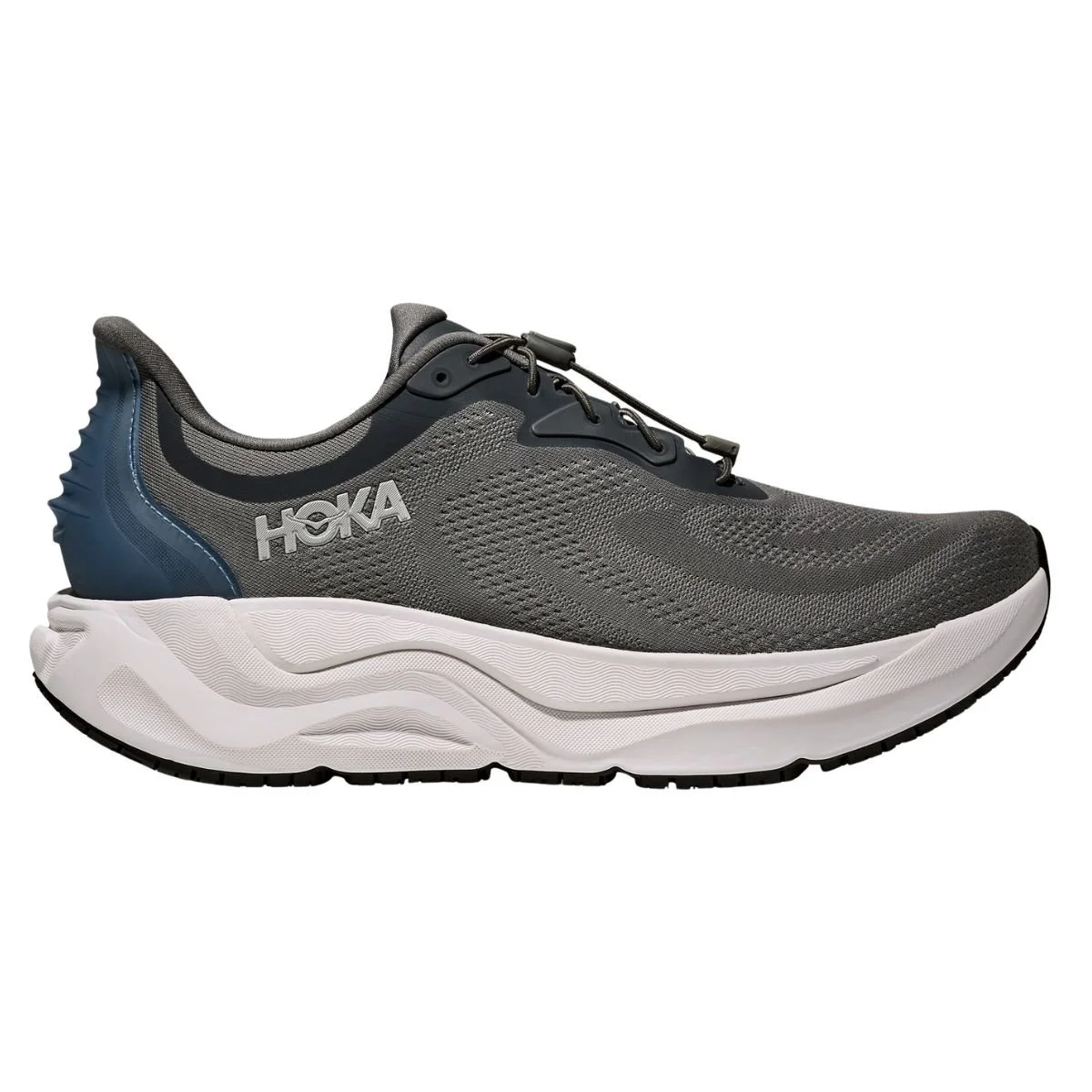
Weight (per pair): 26.4 oz
Drop: 8 mm
Cushioning: Balanced
Available sizes: 7 - 15
The HOKA Arahi SR shoes are stability shoes—meaning they help correct slight overpronation—with a slip-resistant tread for better grip on wet surfaces. Like the HOKA Bondi SRs, the Arahi SRs are a great option for restaurant/bar workers, food delivery workers, healthcare workers, and anyone who might frequently encounter slick surfaces.
You’d want to opt for the Arahi SR over the Bondi SR if your feet overpronate and if you want some additional arch support. If you aren't sure if you overpronate, check with a running specialist or medical professional to analyze your gait.
One of our men’s testers works long shifts at a hospital and found he preferred the HOKA Arahi SRs over the HOKA Bondi SRs because they were more agile and less clunky-feeling. The only reason we didn’t name them the best overall is because they’re stability shoes, designed to help limit overpronation. However, our testers with average arches didn’t find the arch support to be too aggressive, so if you want a pair of slip-resistant walking shoes that are less bulky than the Bondi SRs, this is a worthwhile option.
HOKA Arahi SR
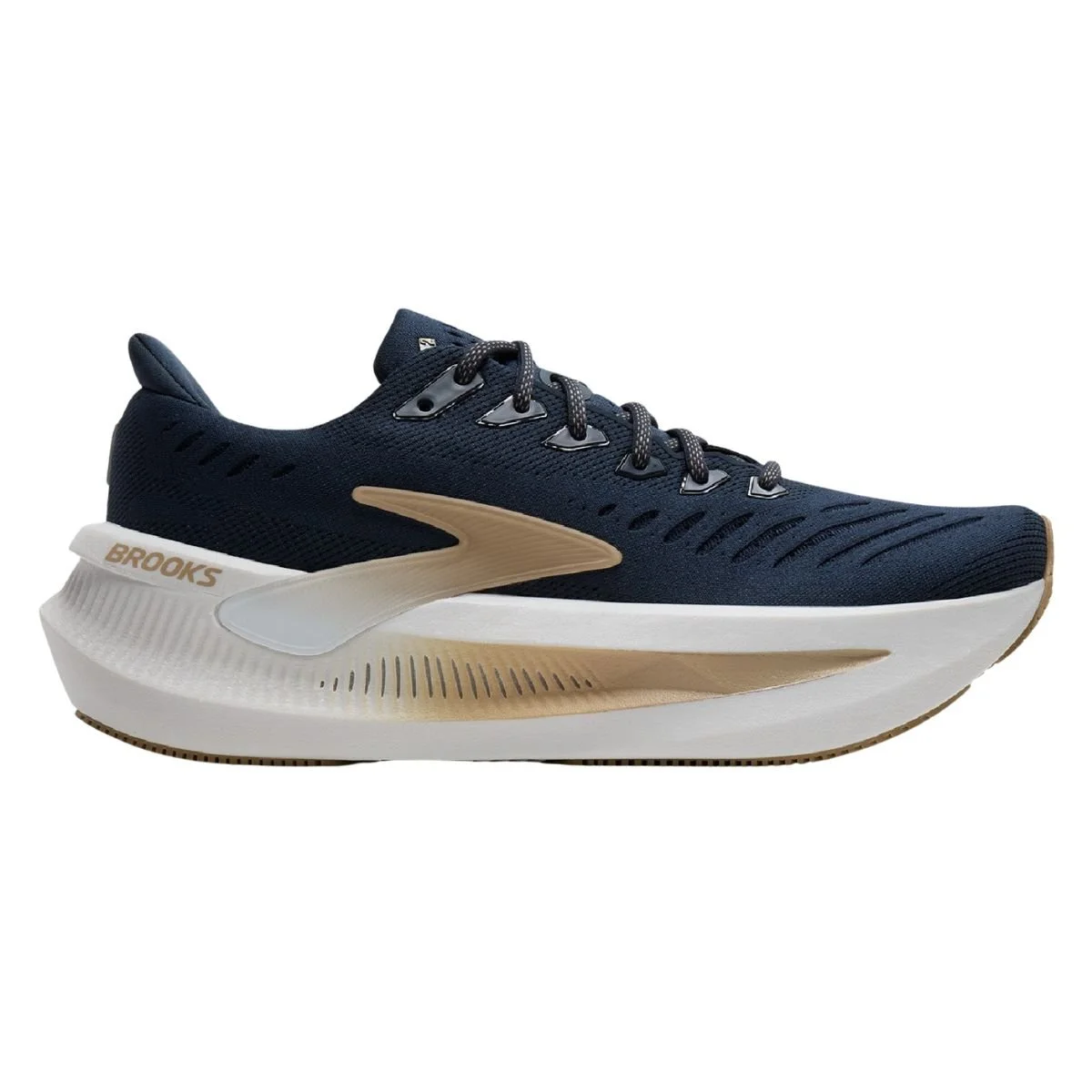
Weight (per pair): 22.6 oz
Drop: 6 mm
Cushioning: Maximum
Available sizes: 7 - 15
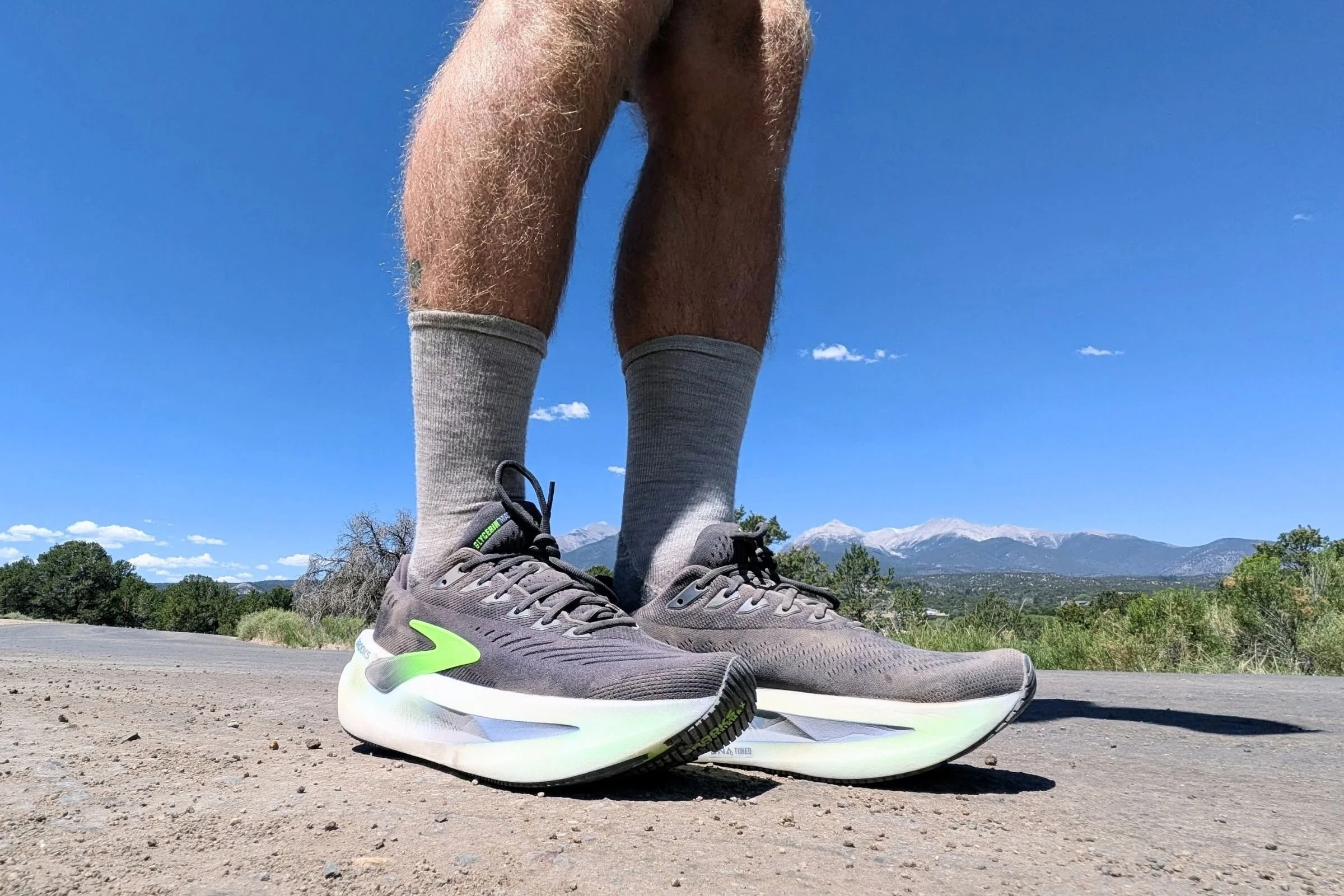
The Brooks Glycerin Max 2 is a road running shoe with a really high stack height (45-39 mm), lots of cushion, and an aggressive rocker to encourage forward movement. We would not necessarily recommend these as casual walking shoes, as the shoes propel you forward and could be uncomfortable for slower movements. However, they’re a very popular road running shoe, and if you enjoy running in them and don’t want to buy a second pair of shoes for walking, they can work as long as you listen to your body.
For more options for runners, see our Best Men’s Road Running Shoes guide.
Brooks Glycerin Max 2
Why you should buy walking shoes
Shoes designed for walking differ from other running shoes or hiking shoes in that they’re crafted for the heel-to-toe striking motion of walking. They typically offer cushion to absorb impact on the joints and support underfoot to help reduce the risk of injuries. The cushion and support of walking shoes are also meant to help keep you comfortable during long days on your feet, whether while working, commuting, traveling, or walking your dog.
A quality pair of walking shoes should help you maintain a proper gait, encouraging forward motion only slightly, unlike running-specific shoes that may roll and propel you forward more. They should have just enough responsiveness to help you feel more energized and peppy while you’re walking without making you feel like you should be running. However, you can walk in running shoes, which is particularly useful if you’re walking for exercise, though this might encourage more forward motion than you need for more casual walking and everyday wear.
A walking shoe with proper fit, adequate arch support, and enough protective cushioning can help set you up for long-term foot health success. The right walking shoe can help prevent injuries by reducing impact on your joints, correcting your gait, and making you feel generally more comfortable as you move.
If walking shoes sound like just another reason someone’s telling you to spend money, consider them more of an investment in your health. For example, the author of this guide spent four years as a high school teacher and cross country/track coach, which included at least 10 hours on her feet per day. She was usually training for marathons on top of that, which meant even more time on her feet. At the time, she often wore unsupportive flats while teaching and eventually developed super gnarly plantar fasciitis in both feet, which took about 9 months to heal and included a lot of expensive doctor appointments. A quality pair of walking shoes would have been cheaper (and much less painful and frustrating).
If you walk a lot to work while commuting, or walk a lot during work, a supportive, comfortable walking shoe that is stylish is also worth investing in.
However, if you already have running shoes (that aren’t old and worn down), and don’t want to spend money on yet another pair of shoes, that’s totally OK. Most running shoes work well as walking shoes, and if you’ll wear them, that’s great! Once you are in the market for a new pair of shoes, you can consider walking-specific shoes, or even active recovery shoes that work for both walking/running.
What to look for in walking shoes
Arch support
Walking shoes should offer enough support to prevent foot fatigue or pain. In particular, arch support should be a priority when selecting a walking shoe. However, since not everyone’s arches are the same, first you’ll want to figure out if you have high arches, average arches, or flat feet.
There’s a simple way you can determine this at home by wetting your feet and stepping on a piece of paper. If you see about half your arch in the wet outline, you likely have average arches. If the arches are more filled in, you may have low arches or flat feet, and if the arches are not filled in, you may have high arches. Some local running stores can measure your feet, and tell you your arch height. There are even more options to consider, like getting a 3D foot scan, if you have extremely high or extremely flat arches, have struggled with foot pain in the past, or if you have uneven feet.
Most of the shoes we’ve tested work well for average arches. If you have high arches, you may want to consider neutral shoes with more cushion, like the HOKA Bondi SR, HOKA Bondi 9, or other cushioned road running shoes. For those with low arches or flat feet, you may want a stability or motion-control shoe, like the HOKA Arahi SR, or neutral shoes with custom inserts.
If you’re interested in zero-drop or barefoot shoes, a good rule of thumb is to adjust your feet slowly to them. You can do this by gradually swapping the barefoot shoes into your routine for growing increments of time. This helps prevent injuries that can occur if you switch over too quickly and don’t have the adequate foot strength.
Foot width
When choosing a walking shoe, consider whether your feet are narrow, average, or wide. You can measure your foot width at home by standing on a piece of paper, outlining your foot, and measuring the width at the widest part.
We recommend taking this measurement in the afternoon or after you’ve been on your feet for a long time, since feet can swell and you’ll want to know your shoes will accommodate that swelling. Once you have your width measurement, you can compare it to brand sizing charts like New Balance’s shoe width chart.
Cushioning and midsole technology
Comfort is the top priority in a walking shoe because if you aren’t comfortable, you won’t wear them. Midsole cushion plays a major role in your perceived comfort. Choose a pair with the right amount of cushion for you.
Higher-cushion walking shoes, which include many road running shoes, help absorb impact.
Some walking shoes utilize firmer midsole materials to emphasize stability and support over cushion. For example, the Birkenstock Arizona Soft Footbed sandals have a cork/latex midsole that is not plush, but rather molds over time to your footshape and is more supportive. Some of our testers have worn the Birks as walking shoes (with socks when it gets chilly!) while recovering from, or preventing, plantar fasciitis for this reason.
Lifestyle walking shoes tend to offer a balance of cushion and support. The Icebug Mosi RB9X is a good example of that. Others lean more toward plush cushioning, like the On Cloud 6.
Minimalist, zero-drop walking shoes, like the Lems Mesa Verde or Xero Prio Neo, tend to get out of your foot’s way in the sense that they’re more there to protect you from the elements (e.g., nails on a sidewalk) rather than to cushion or support your feet.
Upper material
The materials used in the uppers of walking shoes can vary greatly, from breathable mesh to hardy suede. Some have waterproof membranes, like the HOKA Clifton 11 GTX shoes, which we’d only recommend if you will frequently be walking and running in wet environments (otherwise, the waterproofness will limit breathability and your feet will get more sweaty).
Consider shoes with uppers that make sense for your activities and weather conditions. Shoes with mesh uppers will reduce how sweaty your feet get, whereas more durable upper materials, like suede, will hold up longer and in more rugged environments.
Breathability
Breathability may be a priority if you’ll be walking for long periods or in warm or humid environments. If that’s the case, consider walking shoes with mesh uppers that allow for more airflow, like road running shoes.
If you’ll be walking in wet or cold environments, you may want to prioritize waterproofness or insulation. Walking shoes with waterproof membranes will help keep your feet dry, though this means they won’t be as breathable.
Outsole grip
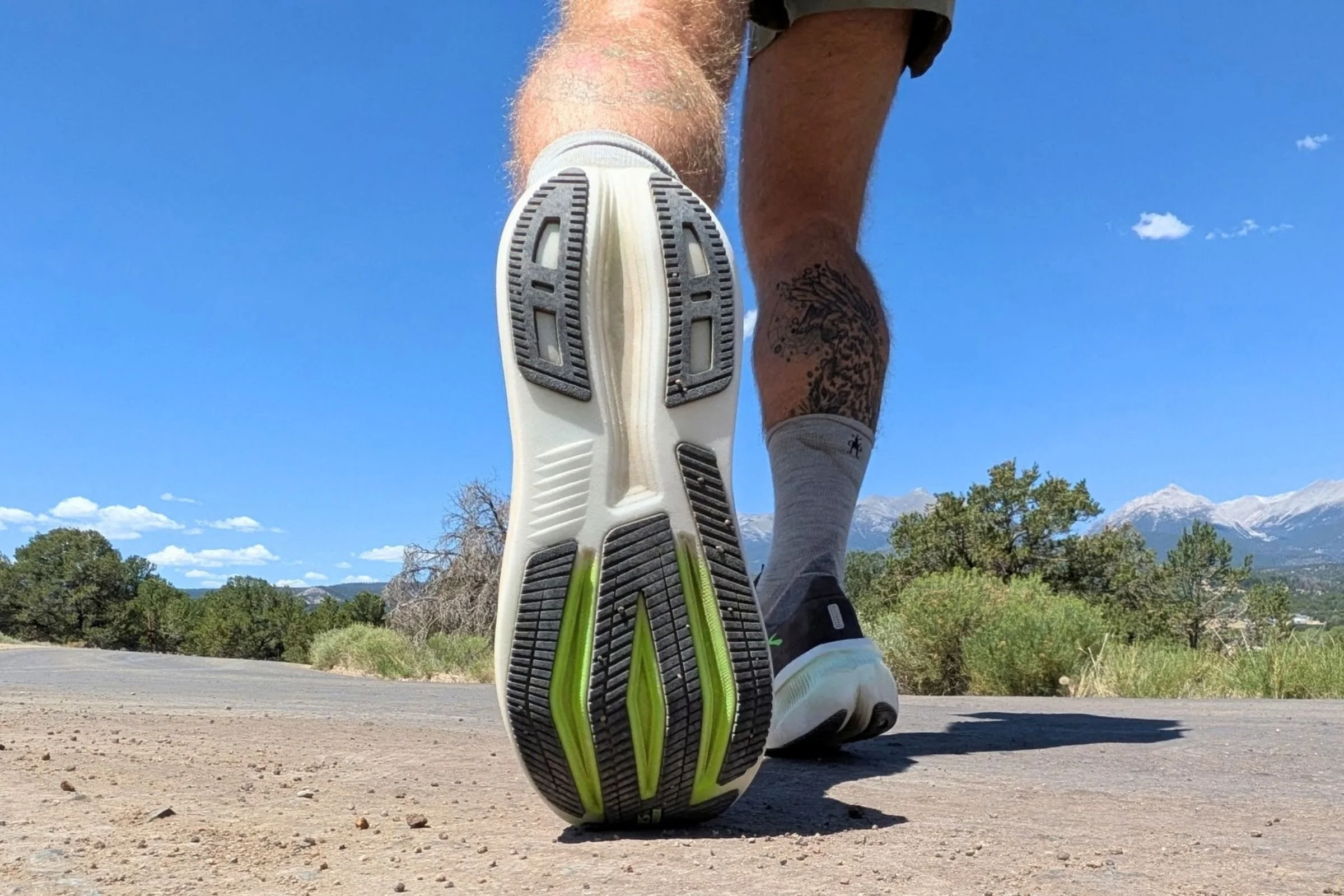
Outsole grip and traction might be an important factor when choosing walking shoes if you’ll often be walking on technical trails or slippery floors. Slip resistant shoes, like the HOKA Bondi SR and Arahi SR, provide extra grip on the sole, which can be particularly useful for restaurant/bar workers, nurses, and other jobs that involve slick floors. For example, HOKA adds a proprietary sticky compound to the outsole to make it stickier. The base is wider than running shoes too for more floor contact.
If most of your walking will be outside, particularly on gravel or more technical trails, you may want walking shoes with more traction. The HOKA Transport 2 shoes are a good example of walking shoes that have enough traction to transition to the trails.
Durability
Part of the Treeline Review ethos is buying gear that will last a long time, as this saves you money and helps limit the amount of gear that goes to landfills at the end of their life. Walking shoes made of durable rubber, suede, and other hardier materials will likely last a lot longer than shoes with more foam, like road running shoes. A great example of a long-lasting shoe is the Birkenstock Arizona Soft Footbed sandals, which are made of cork and suede/leather. Our testers have had pairs last nearly a decade of constant use.
Walking shoes that double as running shoes may not last as long as burlier walking shoes, but if the running shoes are the ones you’ll actually wear, those are the shoes you should get. Particularly when it comes to footwear, we recommend considering comfort and utility over durability.
Heel-to-toe drop and stability
Heel-to-toe drop (or offset) refers to the difference in stack height of the shoe from the heel to the toe. In general, people tend to heel-strike more while walking compared to running (meaning they land harder on their heel first and then roll into the rest of the foot). Folks who heel-strike may want a mid-drop or high-drop shoe for more impact absorption and to help guide the foot through a more natural gait.
Shoes with a higher heel-to-toe drop (7 mm or more) provide more impact absorption at the heel for those who heel strike. Zero-drop shoes, like the Birkenstock Arizona Soft Footbed Sandals, Lems Mesa Verde, and Xero Prio Neo, have the same stack height at the heel as they do at the toe (so, 0 mm), and allow you to walk with your natural gait. If you’re unsure which route to go, we typically recommend trying a mid-drop shoe (4-6 mm).
Sizing and width options
With most of the walking shoes we tested, you should be fine to go with your usual size. However, if you start spending a lot more time on your feet than you have before, it’s possible your feet will swell a little bit, in which case you may need a half-size or even full-size bigger. If you have wide feet, consider shoes available in wide sizing (shoes from brands like HOKA or barefoot shoe brands tend to accommodate wider feet).
We also recommend purchasing from retailers that offer free returns when possible, in case you find the fit isn’t right after a few uses.
Weight
The weight of a shoe is less important for walking than it is for activities like running or hiking, where you feel the impact of the shoe’s weight more over time. In general, walking shoes tend to be about the same or a little heavier than road running shoes, but lighter than hiking shoes.
Weight and packability, however, can be important if you are traveling and want to limit how many shoes you carry/pack.
Flexibility
While walking shoes should be stable enough to feel supportive, shoe flexibility can help keep your feet more comfortable over long periods of wear. Stiff walking shoes take more effort to walk in, and could cause fatigue faster if you’ll be wearing them all day.
Most shoes in this guide should be flexible enough for all-day comfort. If this is an important consideration for you though, the most flexible shoes we tested are the Xero Prio Neo barefoot shoes.
Versatility
You’ll be more likely to wear your walking shoes if they serve more than one purpose in your wardrobe. Consider all the use cases for your walking shoes besides walking, like running, gym workouts, hiking, traveling, commuting, work wear, recovery jogs, or casual meet-ups with friends.
Types of walking shoes explained
Athletic walking shoes vs. casual walking shoes
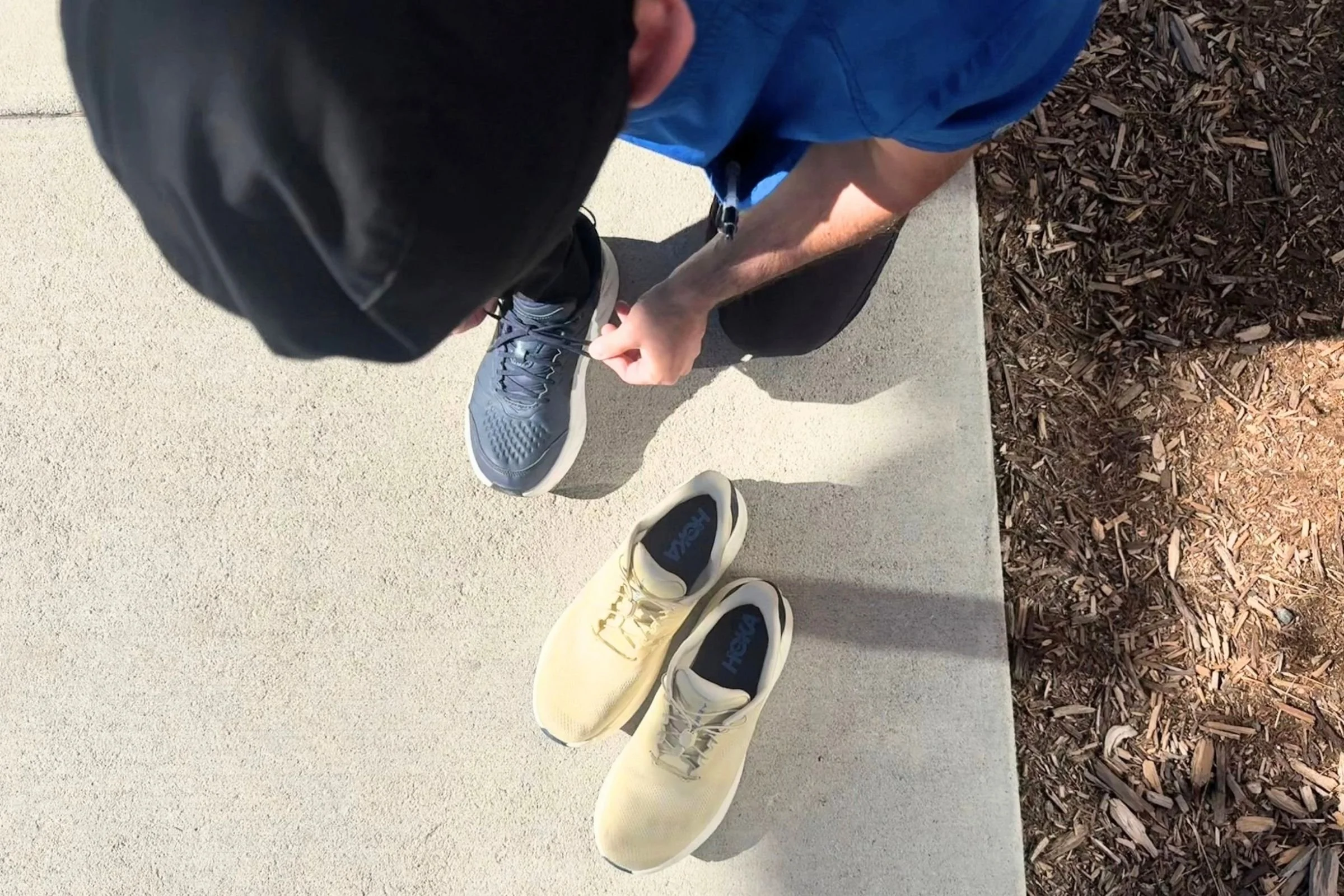
Athletic walking shoes are designed for active movement and functionality, while casual/lifestyle walking shoes are designed more for everyday walking (think errands, commuting, etc.) and style.
Athletic walking shoes, like road running shoes, tend to have cushioned midsoles that also focus on energy return and give you that sort of “bouncy” or “forward motion” sensation. They also have more breathable uppers for higher-output activities, and tend to offer more stability and support.
Casual/lifestyle walking shoes tend to be more minimally cushioned and without the energy return. They are focused less on functionality and more on style. You could walk and stand all day in casual walking shoes, but they wouldn’t be your best option for exercise beyond walking.
Motion control vs. stability vs. neutral shoes
Motion control, stability, and neutral shoes are designed to support different gaits, depending on your pronation. Pronation refers to the inward roll of the foot when stepping. Overpronation means the feet roll inward more than they should, and may indicate flat feet or collapsed arches. If you overpronate a lot, you may want to consider motion-control shoes.
Stability shoes are designed to help stabilize slight overpronation, while motion-control shoes stabilize the feet even more for more aggressive overpronation. The HOKA Arahi SR shoes are stability shoes. We did not test motion-control shoes for this guide, but running shoe brands like ASICS and New Balance offer excellent options.
Neutral shoes are the most common shoes on the market, and almost entirely what we’ve tested. They’re best for feet that have more neutral pronation. If your feet supinate, or roll outward, you’ll want to consider a pair of highly cushioned neutral shoes, like the HOKA Bondi SR, HOKA Bondi 9, or other max-cushioned road running shoes.
Another option is to choose neutral shoes and replace the manufacturer’s insert with custom orthotics. If you aren’t sure what type of shoe you need, we recommend seeing a podiatrist. Many running stores also often offer a gait analysis service and will point you in the direction of what shoe type will best suit you.
Slip-on vs. lace-up designs
Slip-on walking shoes allow you to simply slide your feet into the shoes without the need for adjusting them, whereas lace-up designs require tying and untying to secure and adjust the fit.
Slip-on shoes are great for everyday walking and casual wear, like running errands, commuting, or at work, since a more secure fit is usually less necessary in those cases. These are also a great option for folks with mobility constraints that might make putting on shoes difficult. For example, while the author was recovering from hip replacement surgery, slip-on shoe options, like the Birkenstock Arizona Soft Footbed sandals, the On Cloudaway 2, and the On Cloud 6, were the easiest shoes to wear.
Lace-up shoes, or shoes with toggles or other adjustments, allow for a more secure fit. This makes them a better choice for more active pursuits.
Waterproof vs. breathable materials
Most walking shoes are made of breathable materials, like mesh uppers, to promote airflow and prevent overheating or sweating (and thus, reduce odor and the risk of blisters). Opt for shoes with breathable materials if you’ll be active in your walking shoes, or if you’ll be wearing them for long periods (such as all day at work or long travel days).
Waterproof shoes have a membrane to keep water out, which makes them less breathable. You’ll only want waterproof walking shoes if most of your walking will be in wet conditions like wet commutes in Seattle or traveling to the UK.
Minimalist vs. maximum cushioning styles
Walking shoes come in a variety of cushion levels, from minimalist shoes, like the Xero Shoes Prio Neo, to maximalist shoes, like the HOKA Bondi SR. While we appreciate some cushion to keep our joints happy and help keep us comfortable throughout the day, the level of cushion is up to you and your comfort.
You may want to consider a more cushioned shoe if you’ll be standing on your feet all day, if walking is part of an active recovery routine after intense exercise, or if your feet supinate (roll outward).
Minimal-cushioned shoes are better for folks who prefer a more natural ground feel. This allows them to listen to their body and feel more grounded, agile, balanced, and in tune with their walking experience.
How to choose the right walking shoe size
Foot measurement
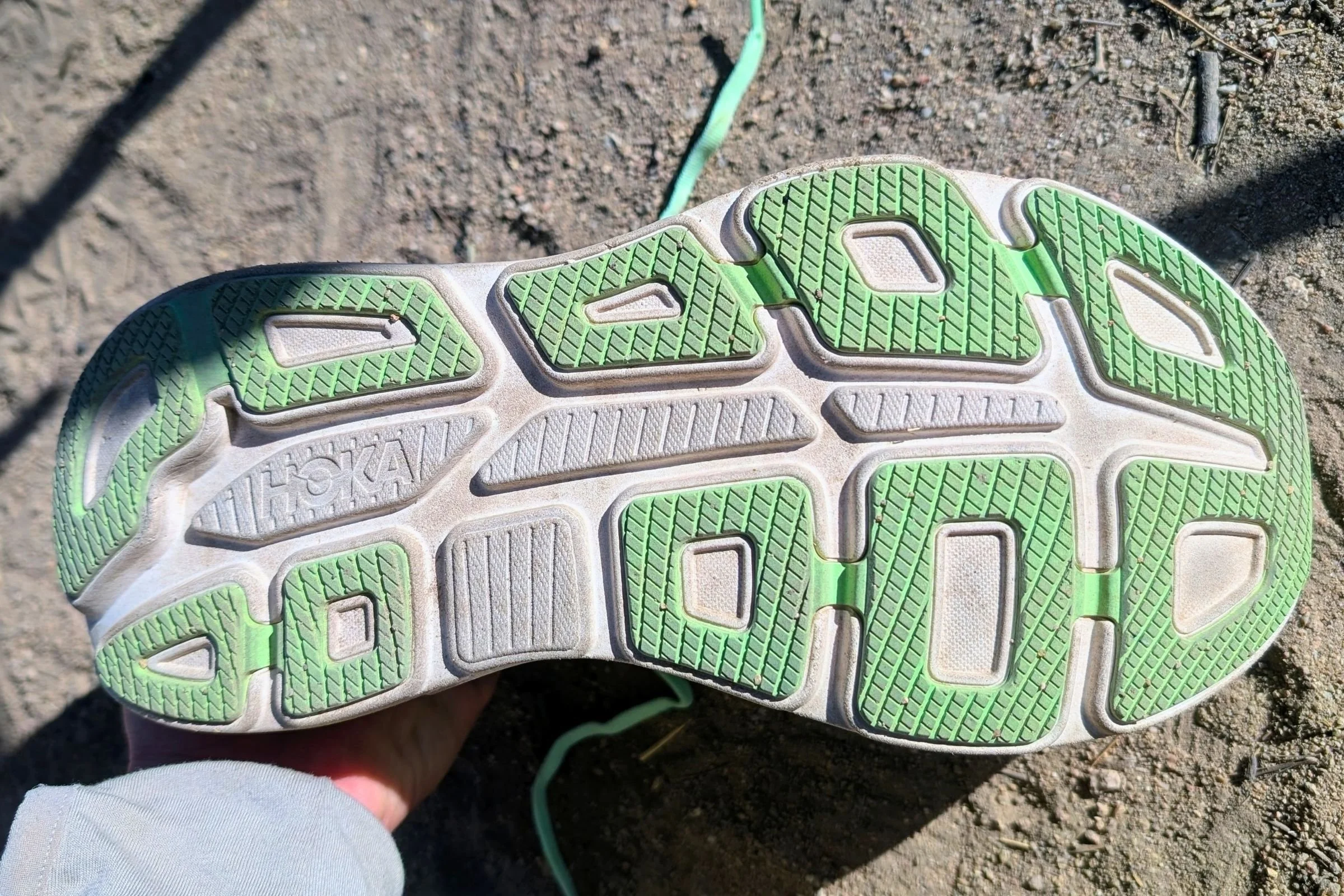
If you don’t already know your shoe size, you can do a simple at-home measurement by placing a socked foot on a piece of paper, tracing your foot, and measuring the length from heel to toe. You can also then measure the width at the widest part of your foot. Try doing this in the afternoon or after a lot of time on your feet, and trace while placing pressure on the ground, to account for any foot flattening.
Keep in mind that different shoes will feel different on your feet, and brand size accuracy varies. You’ll also want to consider arch support and foot volume when choosing your size as well. Ultimately, trying on shoes and wearing them around is the best way to determine proper fit and comfort.
When to try on shoes
As mentioned previously, something to consider while trying on walking shoes is that your feet may swell a little throughout the day, especially if you’re walking or standing a lot. Trying on shoes first thing in the morning versus after work or a workout will feel different. If you can, try on shoes later in the day or after a walk to ensure they’ll feel comfortable with some foot swelling. You also may want to opt for shoes that have laces or other adjustments if you typically spend very long hours on your feet.
Care and maintenance tips
It's important to read the manufacturer’s care instructions. Typically, you can wash most walking shoes in a washing machine on a delicate cycle with cold water and gentle detergent.
Some shoes can be put in the dryer on low or no heat, but some shoes can be damaged from the heat. In our opinion it is not worth the risk, and we usually air dry our shoes (and stuff newspaper inside to expedite the process). However, if the manufacturer instructions allow dryer use, we recommend keeping the heat low, tying the shoes together, and putting them in a mesh laundry bag to limit the potential for damage. We also recommend removing the insoles while drying to help them maintain their proper shape.
Store your dry walking shoes out of the sun if you can, and preferably somewhere they won’t be knocked around and damaged. Most shoes are pretty hardy, but this will help ensure they last longer.
Like with all apparel and gear, periodically check for wear. Common places for wear and damage include the upper material at the toe box and on the outsole tread. Worn-down midsoles are difficult to detect visually, but you can often feel the lack of cushion while wearing them (often in the form of new aches in your joints). When these elements of the shoe wear down, it’s time to replace them.
FAQ
-
While running shoes can be used as walking shoes, walking-specific shoes typically prioritize support, comfort, and style, whereas running shoes also prioritize breathability, reducing impact, traction, and propelling forward motion.
Road running shoes can make great walking shoes, as they tend to be comfortable, adequately supportive, and designed for the same surfaces people commonly walk on.
If most of your walking will be at a slower pace, or you prefer a more casual or trendy style, you may not want running shoes. In fact, road running shoes can encourage more forward motion than you’ll want for more casual movements, and can strain parts of your foot. Walking-specific shoes support slower movement, and provide cushion that’s engineered more for standing all day rather than impact absorption from pavement-pounding. With slip-on versions available, walking shoes also tend to come in more accessible options for those with mobility restrictions (or who simply prefer not having to tie their shoes).
-
This depends on factors like the shoe’s materials and construction quality, what surfaces you’re walking on, how often you wear them, how much weight or force they’re bearing, and more. But with proper care, most walking shoes should last about 300-500 miles. Depending on how often and how long you’re walking, that could be anywhere from a few months to a year or so.
However, some more durable shoes can last several years–many of our testers have known their Birkenstock Arizona Soft Footbed sandals to last nearly a decade of frequent use.
Signs of wear may first occur either in the upper (e.g., holes in the mesh near the toes), the outsole (e.g., the tread smoothing down and losing traction), or the midsole (your joints start to hurt more after wearing them). These are signs it’s time to replace your shoes.
-
Some walking shoes can double as hiking shoes, especially on non-technical trails. Look for shoes made with durable materials and an outsole with lugs for traction. The HOKA Transport 2 are a good example of this, as they are durable, have a Vibram outsole, and are well suited for hiking. Those shoes are also available in a waterproof GTX version for waterproofness if you will be frequently hiking in wet conditions.
For hiking shoe options, see our Best Hiking Shoes for Men guide. -
You do not need special socks for walking. However, we recommend socks that are comfortable and moisture wicking. After a quality pair of shoes, socks play a key role in foot comfort.
We recommend socks made from moisture-wicking materials, like synthetic blends (polyester/nylon), or merino or alpaca wool blends. Some folks prefer socks with a little cushion for added comfort. You can learn more in our Best Hiking Socks and Best Running Socks guides.
-
Motion-control walking shoes help correct significant overpronation (when your feet roll inward when you step, and you typically have collapsed arches). To determine if this is you, you can get a gait analysis from a professional or at a running store.
Motion-control shoes are designed to prevent your foot from rolling in. If your feet only overpronate a little, you can either opt for stability shoes or neutral shoes and use custom orthotics or inserts to help correct your gait.
-
In general, a quality pair of walking shoes typically costs $130-160. You can find some that are more expensive but have more bells and whistles (e.g., the HOKA Bondi SR shoes cost $180 but offer slip-resistant grip and are more durable than running shoes). You’ll also pay more for waterproofness or premium materials (like leather). Decide which qualities matter most to you, what style you’ll actually wear, and how often you’ll wear the shoes.
You can always find walking shoes that are less expensive, especially on sale or clearance. You don’t have to spend a lot of money, just make sure they’re comfortable, supportive, and something you’ll actually wear.
-
No shoe will cure plantar fasciitis, but properly supportive shoes can help you as you heal and follow your healthcare provider’s advice. Plantar fasciitis occurs when the band of tissue underfoot that connects your heel to your toes becomes inflamed. Walking can exacerbate the pain and inflammation, and we recommend seeing a healthcare professional for recovery advice. Most walkers find that supportive and comfortable shoes are more helpful as you heal than unsupportive and uncomfortable shoes.
The author had a bad case of plantar fasciitis years ago and learned she needed supportive, low- or mid-drop shoes that were comfortable without being too plush. In her case (and in the case of many), the Birkenstock Arizona Soft Footbed Sandals were the right cocktail of supportive and comfortable while she recovered.
-
The best way to break in new walking shoes is to first wear them on short walks and gradually increase either time on your feet or distance walked. All the walking shoes we tested—with the exception of zero-drop shoes if you are not already accustomed to them—are comfortable out of the box and do not require much, if any, break-in time. That said, shoes made with stiff materials (like leather), or shoes with a drastically different drop than you normally wear, should be eased into. A break-in period also allows you to see if any part of the shoe rubs uncomfortably, which could cause hot spots or blisters.
How we researched and tested
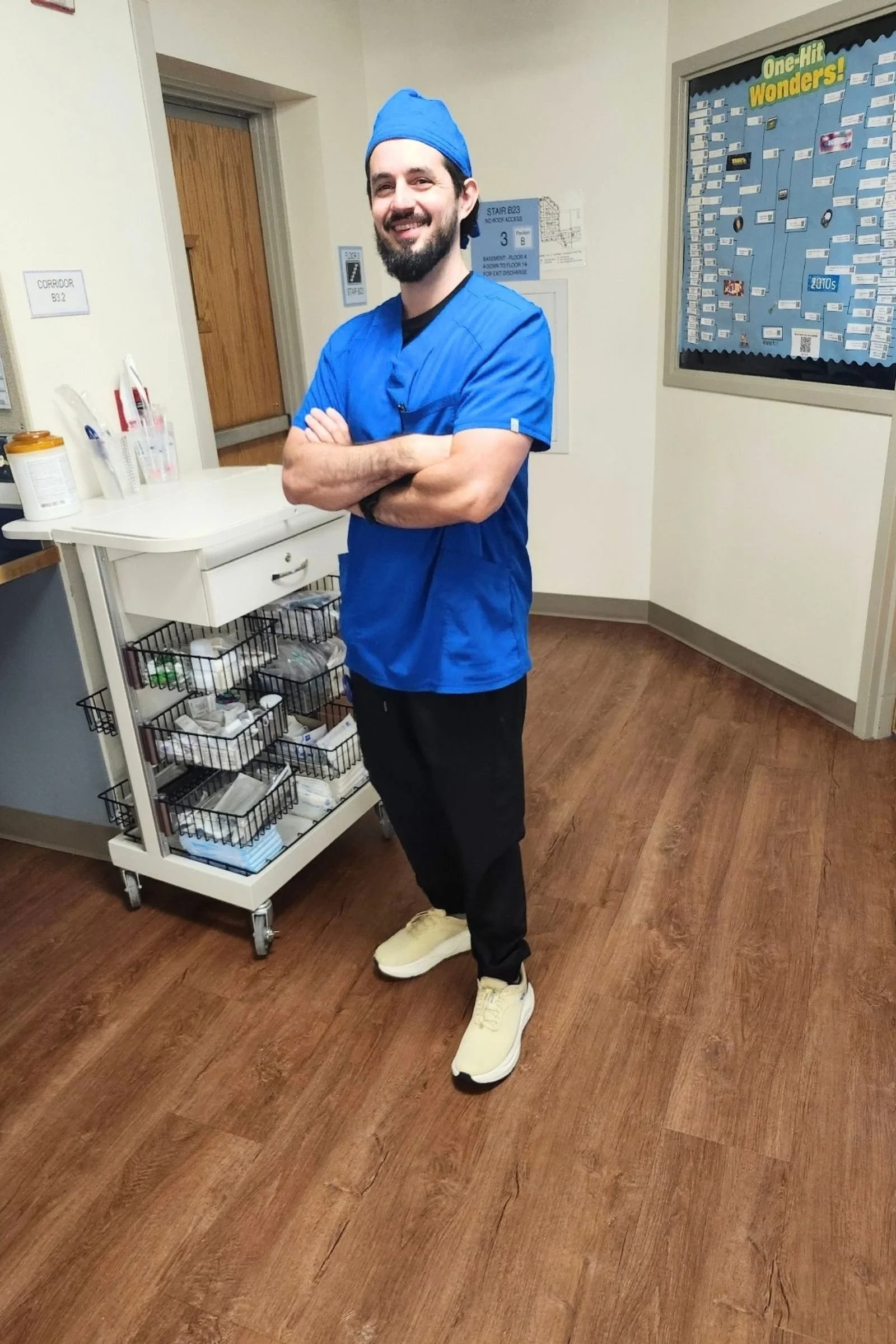
We tested these walking shoes over several years, walking hundreds of miles on paved paths, dirt and gravel trails, and hard floors at work. We tested while running errands, wandering around town, hiking, going for walks, working 7–12-hour shifts at breweries and hospitals, walk commuting, and traveling. Our testers wore these shoes across all seasons and weather conditions, ranging from hot, dry summer days to cold, drizzly rain storms, icy winter mornings, and everything in between.
Our testers each have different foot sizes and shapes, so we were able to test shoes with narrow, average, and wide feet.
Most testing surfaces were on paved paths or in indoor spaces, but we also tested every pair on gravel surfaces to assess grip and whether small rocks would wedge themselves in the outsole tread. Additionally, we tested them side by side with other walking shoes, running shoes, and recovery shoes.
Why you should trust us / About the author
After being diagnosed with plantar fasciitis in 2019 and hip arthritis in 2020, long-time runner Becca Downs began incorporating more walking into her daily routine to replace daily running. And after recently receiving hip replacement surgery, she walks several times a day as part of her recovery plan. On top of all that, she loves traveling and hiking, and finding the best versatile footwear for her trips, which typically include long days on her feet and a variety of activities.
Becca ran D1 cross country and track for Indiana University—Purdue University of Indianapolis (IUPUI) and continued racing everything from elite miles to an ultramarathon in her post-collegiate years. She earned a USATF Level 1 certification and coached boys and girls high school cross country and track in Indianapolis for four years. Becca then joined the IUPUI women’s distance coaching staff as a volunteer assistant coach in 2020-2021.
She geeks out on trail running, track and field, and cries every time she watches a marathon (they’re just so beautiful!).
After notching a few small FKTs under her belt, she was diagnosed with hip arthritis and now channels her passion for running into coaching, crewing, writing, creating training plans for her friends, hiking, snowshoeing, and running as much as her hip allows. She earned her MFA in Creative Writing from the Mile-High MFA Program at Regis University. Becca is based in Denver, Colorado.
You can find her at her website, Instagram, and her Treeline Review author page.