
Adventure Travel Gear Checklist: The Complete Packing List for Any Trip
Expert advice on what and how to pack for your next adventure travel trip

March 16th, 2026
Home → Gear Lists
Summary: What you actually need (and what you can skip)
Packing for adventure travel can get messy fast because you’re trying to cover multiple activities, unpredictable weather, and transit days—all without hauling a giant bag. This adventure travel packing list is built to help you keep things simple and practical, like packing a small set of versatile gear that can pull double (or triple) duty and work for activity days, city days, and everything in between.
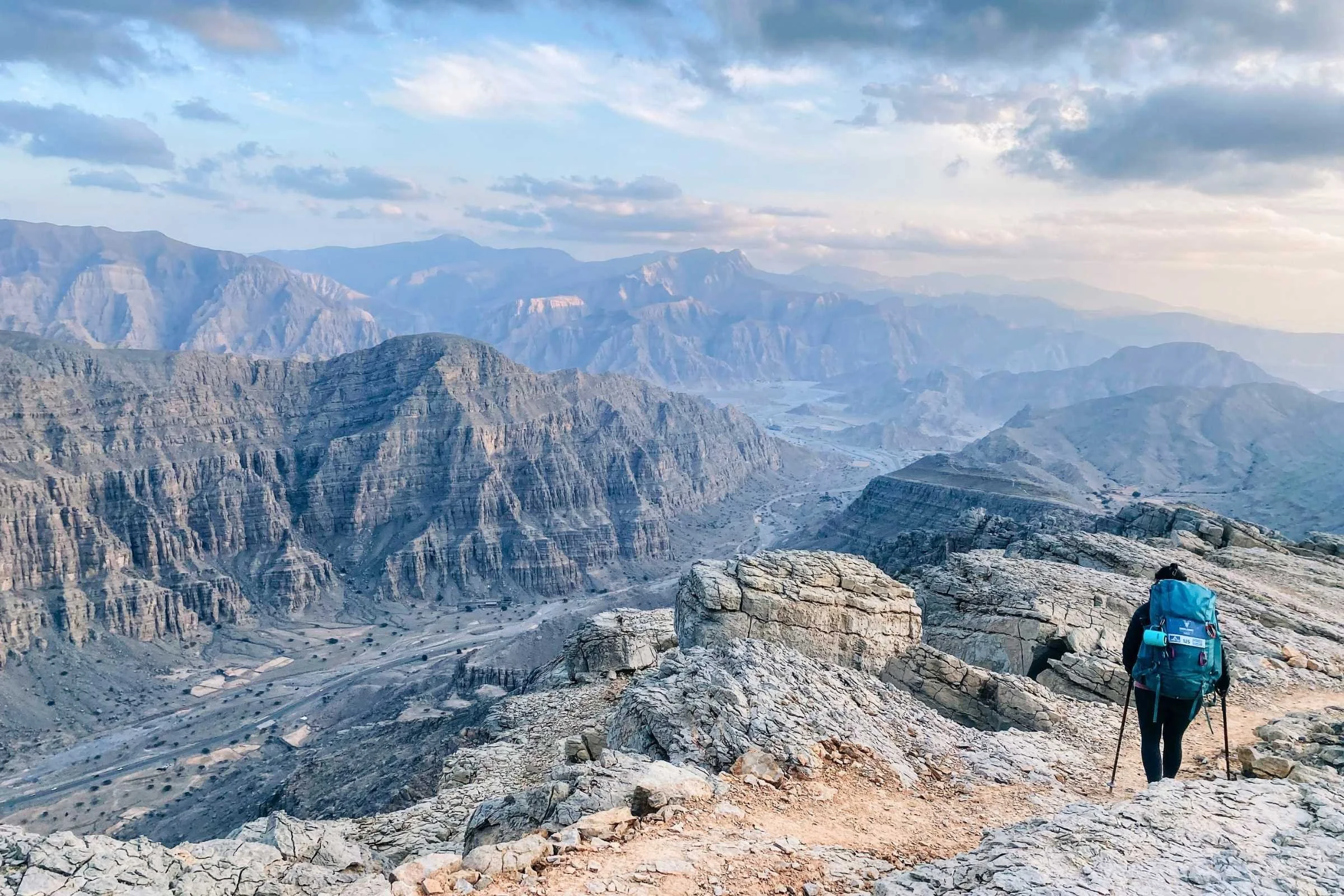
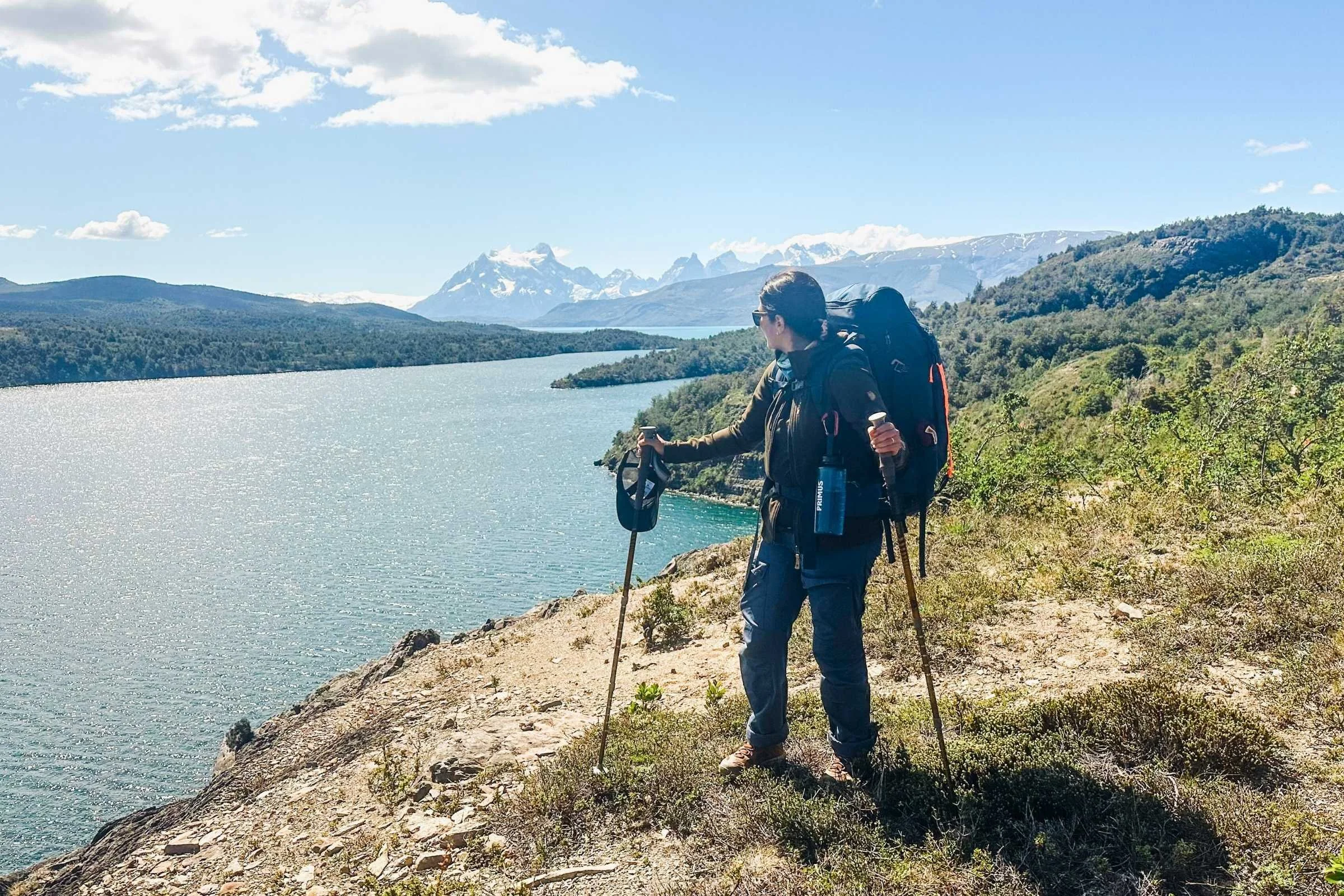
As a travel writer and photographer, I have spent the last 25 years adventuring all over the world. I have hiked and camped in bucket list destinations like Patagonia, the Himalayas, Antarctica, as well as lesser-known areas like the Hajjar mountains in UAE. All these experiences have given me the opportunity to fine-tune my adventure travel packing list with exactly what I use on repeat.
This list is intentionally not “everything you could bring.” It’s what you’re most likely to use.
We create reader-supported, objective gear reviews independently selected by our editors. This story may contain affiliate links, which help fund our website. When you click on the links to purchase gear, we may get a commission, without costing you an extra cent. Thank you for supporting our work and mission of outdoor coverage for every body! Learn more.
The 10 non-negotiables (If you pack nothing else)
If you want a quick list to follow, here’s everything you would need. Our list is built around a travel-adapted version of the time-tested "Ten Essentials."
A carry-on travel backpack or duffel
A small daypack
Comfortable walking shoes and socks
A reliable layering system (think wicking tee shirt, light jacket or wind layer, warm jacket)
A rain shell you’ll actually wear
A basic first aid and blister kit
A headlamp (or small light)
A simple power setup (charger and adapter)
A compact toiletry kit
Adventure Travel Gear List
| ADVENTURE TRAVEL GEAR | PRODUCTS WE LIKE | MORE OPTIONS |
|---|---|---|
| PACKING AND ORGANIZATION | ||
| Travel pack | Cotopaxi Allpa 35 L Adventure Travel Pack Cotopaxi Allpa 50 L Adventure Travel Pack |
Best Adventure Travel Backpacks Cotopaxi Allpa Long-term Review |
| Day pack | Cotopaxi Batac Del Dia 16 L Patagonia Terravia 14 L |
Best Daypacks |
| Dry bag | Sea to Summit Lightweight Dry Bag | Best Dry Bags |
| Tech organizer | Cotopaxi Viaje Toiletry Kit |
Why adventure travel packing is different from “normal” travel
At its core, adventure travel is about stepping outside your comfort zone to explore wild places in a hands-on, active way, and hence requires a different approach to packing as compared to normal travel.
Adventure travel means more variables (And fewer second chances)
This checklist is designed to solve the most common adventure travel headaches, like sudden weather swings and tricky microclimates, cramped transport and strict luggage limits, soggy gear with no time (or space) to dry it, and that one poor shoe choice that can derail an entire trip. Prioritizing adaptable layers, compact multi-use items, quick-dry fabrics, and reliable footwear can help you stay comfortable, mobile, and prepared so you’re not stuck overpacking or sidelined by avoidable gear mistakes.
The Treeline packing philosophy: Versatile, lightweight, and low-maintenance
When you are choosing items to pack, select those with quick-drying materials that can handle sweat, rain, and the occasional sink wash without slowing you down. A good rule of thumb is to avoid duplicates and focus on packing one reliable version of each essential rather than backups, however tempting it might be to pack a “just in case.”
One way is to print out this checklist and use it as a guide, checking off the items as you go. Once you are done, pack up and leave it be. Avoid adding anything new, especially a day or even hours before your departure.
Also avoid taking single-purpose gear by prioritizing items that can work across multiple activities and environments. But above all else, value comfort and reliability over extra features, because the gear that feels good and performs consistently will always matter more than anything flashy.
How to use this checklist (So you don’t overpack)
Step 1: Start with the core packing list
For your core list, pack items that will work for more than 80% of your trip. For example, if you are going hiking for four or five hours every day, then select a good pair of hiking shoes, hiking socks, pants, and a comfortable, breathable shirt, as this is what you will be wearing most of the day.
Step 2: Add a “module” for your destination and activities
If your adventures call for multiple activities, then separate out the gear based on the activity. If you’re trekking, add trekking gear. If you’re going somewhere wet, add rain and waterproof items. You can use packing cubes to keep things organized and modular per activity.
Step 3: Adjust for laundry access (not trip length)
Tempting as it may be, make sure to adjust your packing based on laundry access and not trip length, especially when it comes to things like underwear and socks. A simple rule of thumb is if you have laundry access, you can pack for 4–5 days and rewear after washing. You can always buy laundry supplies locally or even check if your Airbnb has that included as part of the amenities provided. But if you don’t, then pack with a slightly bigger buffer, especially clothes that are difficult to wash in a hotel sink or on a trail.
The complete adventure travel packing checklist
Bags and organization
Checklist:
Carry-on backpack, travel backpack, or duffel: I am a huge fan of Cotopaxi because they have a complete line of backpacks for all my different adventures. The Cotopaxi Allpa 35L Travel Pack is great for week-long trips to Boulder or London as carry-on only while the Allpa 50L works for longer trips like an African safari. This pack is the best overall winner in our Best Adventure Travel Backpacks guide for its stellar organization and versatility.
For family adventures with my teens, The North Face Base Camp Gear Box is a staple. A bonus feature is that it collapses flat when not in use.Daypack or packable backpack: As a travel photographer, I always adventure with my gear and I find a daypack the most convenient way to transport a camera and lens kit. I have a few different ones on rotation but the Cotopaxi Batac 16L daypack is what I reach for the most. A packable option is the Patagonia Terravia 14L pack. For more of our favorites, check out our Best Daypacks guide.
Dry bag or waterproof stuff sack: This is a no brainer when traveling for any water sports or if you are going somewhere rainy and wet. Check out our Best Dry Bags guide for our top picks.
Small zip pouch for cords and essentials: The Cotopaxi Viaje Toiletry Kit works double duty as a pouch for cords, batteries and my airpods. I find the wide opening and layflat design helpful as I can see everything all at once and don’t have to dig around for what I need.
Packing cubes (optional): One of the best ways to optimize space when packing for adventure travel is to use packing cubes. They keep your luggage clutter free and can even double down to separate dirty clothes with clean options midtrip especially if you are constantly on the go. There are plenty of choices but my personal favorite are ones that have a clear window. It helps me stay organized without having to open each one to find what I need in a pinch.
Luggage lock (optional): A luggage lock is nice to have, especially when you are traveling by train or bus, or even staying in hostels.
What to look for:
When choosing luggage, especially items like backpacks and duffels, pick one that is carry-on friendly with broad, comfortable shoulder straps and a supportive back panel. Durable zippers, ripstop fabric, and simple, streamlined organization are additional pluses. A well-built pack should feel good when fully loaded for long walks in airports and train stations, and avoid excessive pockets by opting instead for packing cubes to organize.
Clothing system (The adventure capsule wardrobe)
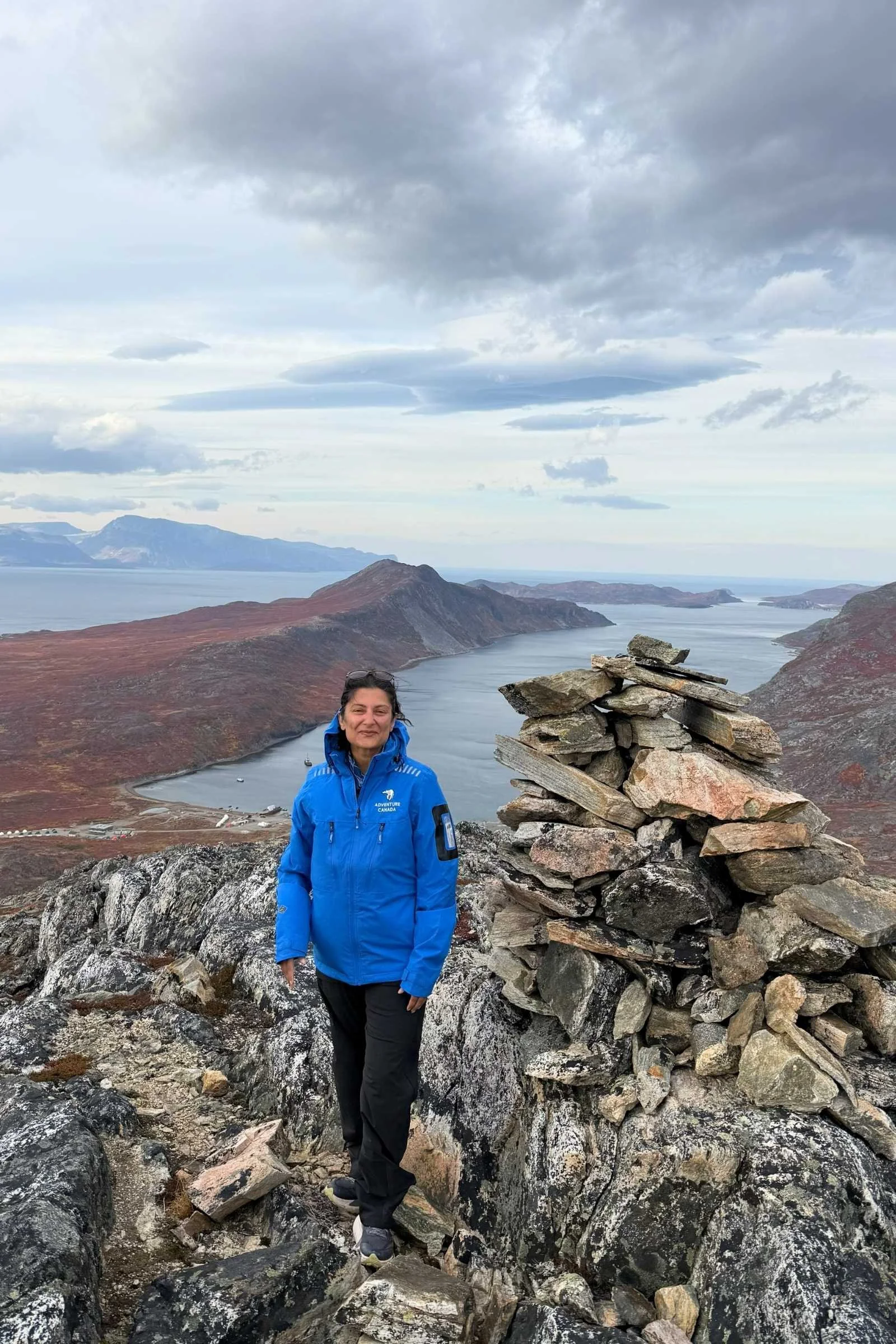
One of the biggest pain points for adventure travel is picking the right clothing. Packing a capsule wardrobe with pieces that can mix and match to create different outfits is key for prolonged wear without carrying extras.
Base layers and everyday tops
Checklist:
2–4 quick-drying shirts: Quick-drying T-shirts, like the REI Co-op Active Pursuits T-shirt (women’s and men’s), keep you comfortable on the move because they are moisture wicking and cooling. Plus they can be washed at night and be ready to wear again by morning. Check out our Best Men’s Hiking Shirts, Best Women’s Hiking Shirts, and Best Base Layers guides for our favorites.
1 long-sleeve shirt or sun shirt: Last August, I was in Kenya reporting a story and wore sun shirts exclusively, especially on safari. They weigh less than a jacket or a hoody, and are breathable in the humidity while adding a protective layer against the elements. This experience completely changed my mind on packing at least one long-sleeve sun shirt wherever I go.
1 warmer layer (fleece or light insulated jacket): I personally prefer a full-zipped fleece, like the Cotopaxi Abrazo (women’s and men’s), as opposed to one with a three-quarter zip, as it can be worn a few different ways—over the shoulder, zipped up, or zipped down. This makes it multi-functional, especially if the weather suddenly changes. If you expect cooler temperatures, consider a lightweight down jacket or a synthetic insulated jacket. Read our guide for choosing between down and synthetic insulation.
Sleepwear: Especially if staying in hostels.
What to look for:
Choose clothing that feels soft against your skin, layers easily without adding bulk, and holds up well between washes. Nothing derails a trip faster than scratchy fabric or pieces that smell bad after just a single day of use.
Pants, shorts, and versatile bottoms
Checklist:
1–2 travel pants or hiking pants: I always pack convertible hiking pants, like the REI Co-op Sahara Convertible Pants (women’s and men’s), because they handle changing weather and terrain without overthinking it. Just zip off the legs when it’s hot, keep them on when it’s cold, or transition easily from trail to a casual dinner without needing extra pants.
1 pair of shorts (weather dependent): I prefer longer shorts, like the KUHL Freeflex Cargo shorts, that can be easily rolled up in warmer temperatures. The key is always to pick pieces that can double duty, so you are not packing multiple pairs. Find more of our favorites in our Best Men’s Hiking Shorts and Best Women’s Hiking Shorts guides.
Optional: leggings or base layer bottoms: My outfit of choice for long-haul flights or trains is always a pair of comfortable leggings for ease of movement and flexibility. Bonus if they can double as a base layer when temperatures drop, like these fleece ones from Smartwool (women’s and men’s).
Note: If your pants can handle a trail day and a restaurant, you nailed it.
Outer layers (The “weather insurance” that saves trips)
Checklist:
Rain jacket or shell: Shells are great for layering and can pack down small for travel, especially if you are traveling somewhere wet and rainy. I like The North Face Antora Rain Jacket (women’s and men’s) because of the storm flaps on the main zip for superb rain protection and internal cinch cords for an adjustable fit. You can find more about the Antora and our other top picks in our Best Lightweight Rain Jackets guide.
Optional: rain pants for wet climates.
What to look for:
Look for real waterproofing, not just “water-resistant” labeling, so you are protected in steady rain, not just a light drizzle. Make sure the hood actually fits and moves with your head, instead of blocking your vision. And prioritize mesh lining as it promotes breathability, so you don’t overheat the minute the trail starts climbing.
Socks and underwear (Small items, big consequences)
Checklist:
3–5 pairs of socks (at least one hiking pair): I bring hiking socks, like the Smartwool Hike Light Cushion Retro Mid Socks, that cushion my feet on rough trails, wick away moisture, and prevent blisters no matter how many miles I cover. For travel days, I switch to lightweight, breathable compression socks that keep my feet comfortable without overheating them.
4–7 pairs of underwear: The first time I tried BRANWYN merino wool underwear was during a four-day backpacking trip in UAE’s Hajjar mountains. They held up beautifully in the arid UAE climate and were lightweight enough to just pack a couple of pairs. Since then, they have been a staple in my travel wardrobe. They also dry quickly when washed in a hotel sink or in the backcountry. These are a winner in our Best Women’s Hiking Underwear guide. You can also find more options in our Best Men’s Hiking Underwear guide.
Treeline tip: The fastest way to feel gross while traveling is running out of clean socks and underwear.
Footwear: Comfort beats style (But you can still have both)
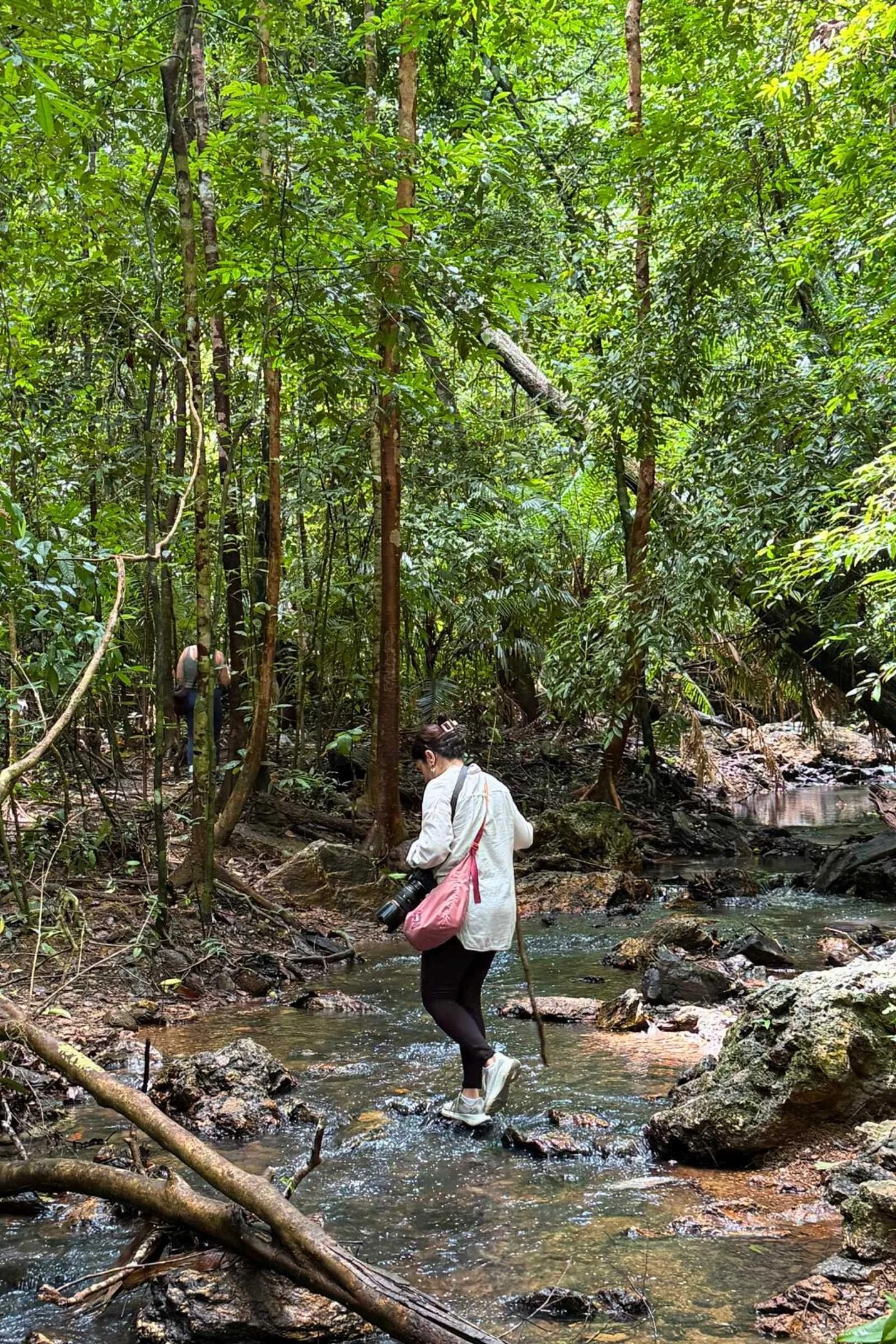
Your ideal two-shoe setup
Checklist:
One primary walking shoe (your “all-day” shoe): Lately, I have been loving Nike Pegasus Trail 5 shoes on work trips to New York and Minneapolis and family adventures in Denver. These shoes keep my feet dry, comfortable, and blister-free on all terrains. The Pegasus cushioning and a waterproof GORE-TEX layer have consistently delivered reliable support and weatherproof protection without sacrificing comfort.
One adventure shoe (trail runners or hiking shoes): I have owned a pair of Merrell hiking shoes for over 25 years, starting off with the now-discontinued Pulse model and moving onto the Moab 3, which is the best budget winner in both our Best Women’s Hiking Shoes and Best Men’s Hiking Shoes guides. Merrell is the only hiking shoe I am comfortable taking on a trip straight out of the box because of its consistent performance across all terrains.
Optional: water shoes for beach/coastal environments, sandals or recovery shoes, like the Birkenstock Arizona Soft Footbed Sandals, can be a comfortable and versatile option.
What we prioritize for adventure travel shoes
Choose shoes built for all-day comfort, with reliable grip on wet surfaces and materials that dry quickly when conditions turn messy. Most importantly, stick with a fit you already trust—travel is not the time to break in something new.
Essentials you’ll be glad you packed on travel days
Documents, money, and backups
Checklist:
Passport/ID
Entry visa (if required)
Travel insurance info
Digital and printed copies of key documents: It is always a good idea to keep a physical copy of your important documents in your luggage as well as an electronic one on your device.
Credit card(s) and cash: In some parts of the world, especially Asian countries, cash is still king, so make sure to keep some handy to tide you over until you can get to an ATM.
Emergency contact info
Vaccination records (if required)
Electronics and power
Checklist:
Phone and protective case
Charging cable(s)
Power bank: Unfortunately, I haven't completely upgraded all my devices to USB-C, so until I do, a portable charger with both USB-A and USB-C ports is a must.
Wall charger: Charger blocks are great, especially if you are traveling with family or carrying multiple devices.
Travel adapter: Last year, I traveled for six weeks across six different countries, and keeping track of voltage and plug types was exhausting. I finally gave in and bought the EPICKA Universal Travel Adaptor and had it delivered to my hotel for the rest of my trip. It's been a game changer.
International plan or eSIM card for foreign travel
Optional but useful:
E-reader for long transit days
Compact camera
Treeline note: One charger, one adapter, one power bank solves most travel problems.
Toiletries and hygiene (Simple and leakproof)
Checklist:
Toothbrush, toothpaste, dental floss
Deodorant: Native Deodorant is my deodorant of choice. It is full of clean ingredients and works great for long days on the trail.
Sunscreen: I am team Supergoop Unseen all the way when it comes to sunscreen and for my body. I use a reef-safe one just to be extra safe around any water bodies. For more of our recommendations, check out our Best Reef-Safe Sunscreens and Best Sunscreens for your Body guides.
Hand sanitizer
Wet wipes
Any necessary medications: I never thought I would ever use a medicine organizer box like the ones my parents did until I had to get one for myself. Let me tell you it's quite a humbling experience, but once you use it, it brings medication organization to a whole new level.
Optional add-ons:
Solid shampoo/soap (for fewer liquids)
Mini quick-dry towel
Safety and first aid (The small kit that saves a trip)
Checklist:
Basic first aid kit: A compact, lightweight first aid kit is easy to toss in your pack and covers the basics—from blisters to minor cuts—without taking up much space.
Blister care (tape, blister pads, and anti-chafing cream)
Personal medications
Joint and muscle care: I recently started packing some joint and muscle care cream as part of my medicine kit, especially for multi-day hiking trips, and have found it to be a great help for reducing soreness the next day.
Electrolytes (optional)
Treeline note: Blister prevention is the most underrated packing category. Learn tips in our guide to taking care of your feet while hiking and backpacking.
Water and snacks (Especially for long days and delays)
Checklist:
Water bottle: I always carry a collapsible Lifestraw water bottle with an added filter. It is perfect for traveling to places where water quality isn't very reliable. Check out our Best Hiking Water Bottles and Best Water Filters guides to learn more.
A few snacks for transit days
Optional: water treatment (remote trips)
Travel Day Comforts (Especially for transit days and overnight flights)
Checklist:
Blanket: If you are like me and always get cold on public transportation, then a travel blanket is a must. Rumpl puffy travel blankets add the right amount of warmth without being too hot and pack down to the size of a Nalgene bottle when not in use.
Sleep Mask: My favorite Wave Sound Therapy Eye Mask has been a staple in my travels for the past few years. The Bluetooth function lets me connect to my favorite soundtracks and the soft fleece fabric blocks all light no matter the time of day.
Headphones: While there are many different options, I personally like ones with noise-cancelling features.
Neck Pillow: I am a side sleeper, and after much trial and error, found the BCOZZY travel pillow. The flexible arms overlap in the front so you can adjust the fit depending on window lean or middle seat support.
Compression Socks: They are great in promoting blood circulation and reduce swelling during long flights or if you are on your feet all day. I always pack a pair when I am traveling.
Add-on modules: Pack based on your trip, not your anxiety
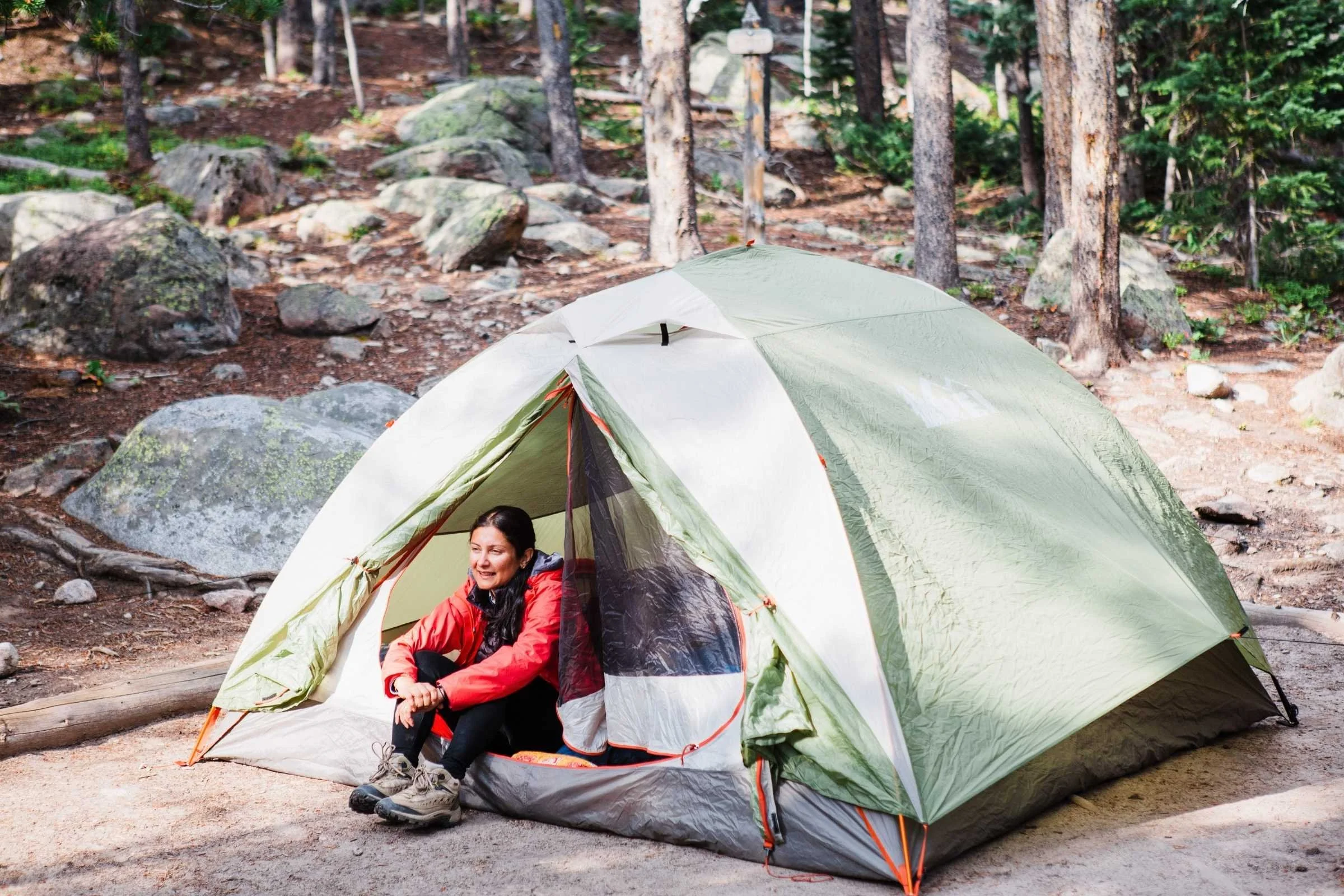
Your goal is to build your packing list in layers. Start with your core essentials, then add only the modules that match your itinerary. It is an effective way to pack lighter and smarter.
If you’ll be hiking or trekking
Headlamp: I find it essential for early alpine starts, late descents, or unexpected delays on trail and is particularly useful if you are traveling alone. My favorite is the Petzl Headlamp because of its multi-light settings and ultra-thin headband that doesn’t get tangled in my hair. You can find more of our favorites in our Best Headlamps guide.
Trekking poles: As I have gotten older, I have found trekking poles to be key for reducing knee strain on descents and adding stability on uneven terrain. You can even get foldable ones to save space while packing, like the Black Diamond Distance Z Trekking Poles.
Offline maps or navigation setup: This is critical when cell service is spotty.
Lightweight gloves: Depending on where you are traveling and the weather, these can be great for cold mornings, wind, or higher elevations. I like The North Face Etip Fleece Gloves (women’s and men’s) because they are super warm and touchscreen compatible. You can find more of our favorites in our Best Winter Gloves guide.
If you’re traveling somewhere hot and sunny
Sun hat: Protects your face and neck without the need for constant sunscreen reapplication.
Sunglasses: Shield your eyes from UV exposure and reduce glare-induced fatigue.
UPF shirt or sun hoodie: Built-in sun protection that keeps you cooler than you think.
Extra sunscreen: You’ll use more than expected in strong sun or at higher altitudes.
If you expect lots of rain or humidity
Dry bags: They keep electronics and spare layers protected when everything else is damp.
Extra socks: We all know that wet feet can ruin trail days so use dry socks to reset them.
Faster-drying clothing choices: Skip heavy cotton and choose fabrics that won’t stay soaked.
Bug spray: It is a trip-saver in humid or forested destinations where insects thrive.
If you’ll be around water (Boats, beaches, canyoning)
Swimsuit: Even if swimming isn’t planned, you’ll be glad you packed it.
Water sandals or water shoes: Protect your feet on slippery docks, rocky beaches, or riverbeds.
Dry bag: Essential for keeping valuables safe during boat rides or shoreline adventures.
If you’re doing a guided trip
Gloves: Helpful for scrambling, handling gear, or unexpected cold weather.
Small notebook: Great for jotting down route notes, wildlife sightings, or guide recommendations.
Cash for tips: Useful in places where digital payments aren’t reliable.
How to pack adventure travel gear without overpacking
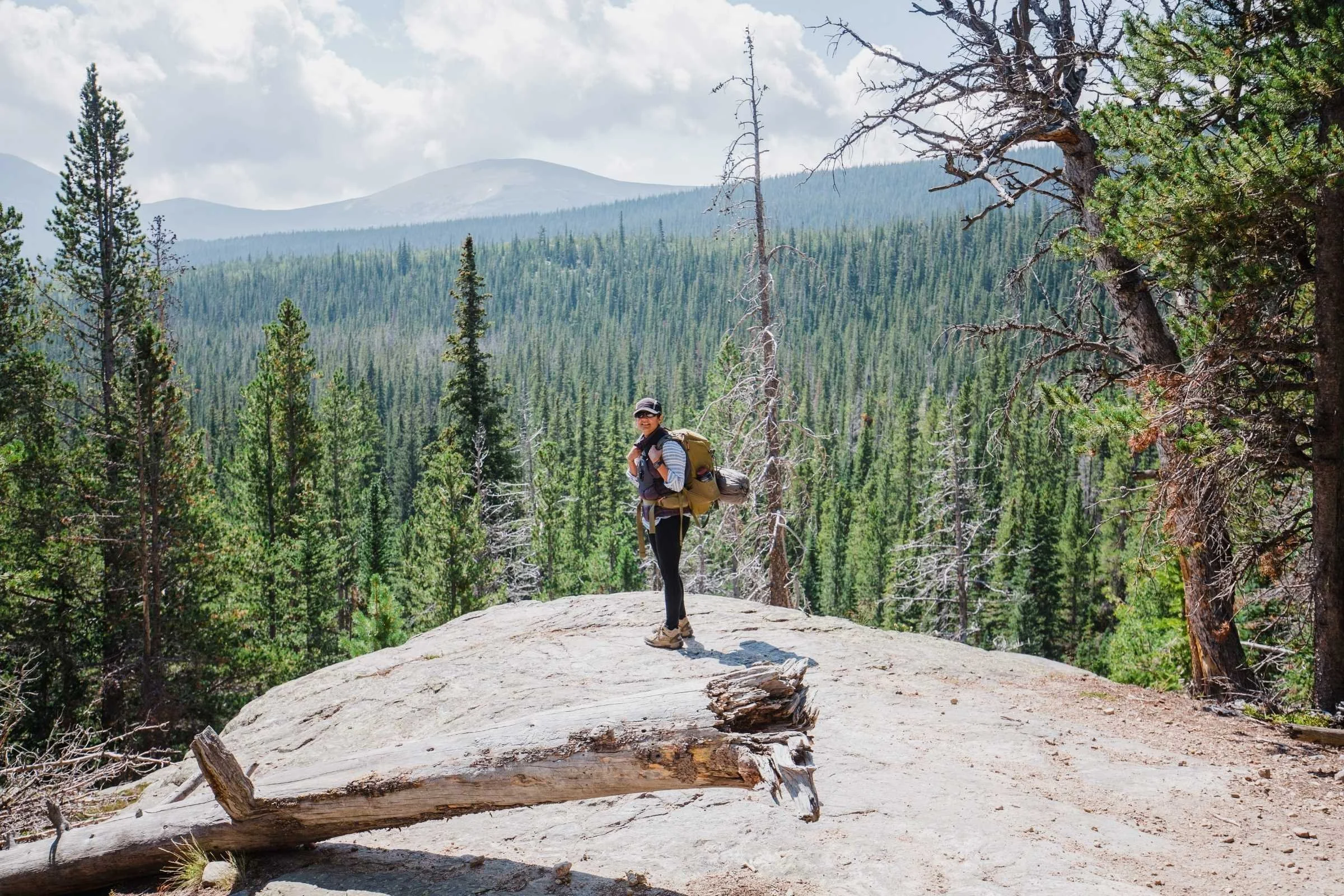
Packing for adventure travel is a balancing act. You need gear that performs in unpredictable conditions, but you don’t want to carry a 60-pound suitcase through airports, buses, and backcountry trails. The key is packing for versatility, not volume.
Use the “three outfits plus layers” rule
3 repeatable outfits
1 warm layer
1 rain layer
That’s enough for most trips with laundry access.
What most people overpack (and regret)
The fastest way to overpack is by doubling up on “just in case” items. Too many shoes quickly add bulk and weight—most trips only require two versatile pairs. Backup outfits are another trap, so plan to re-wear pieces and build around a simple capsule instead of packing for imaginary scenarios. Heavy jeans are bulky and slow to dry, so unless they’re truly your daily uniform, opt for lighter, more flexible travel pants. Toiletries and liquids are also often overpacked. Decide what you really need, and remember you can always buy basics almost anywhere. And when it comes to tech, skip redundant devices and extra cords. If one item already does the job, you don’t need a backup for your backup.
The simplest way to stay organized mid-trip
Use packing cubes by category (tops, bottoms, underwear): Grab what you need without tearing apart your whole bag.
Keep a “transit pouch” ready (passport, charger, gum, earplugs): Helps the travel day become less chaotic.
Do a 2-minute reset each night: Re-pack, separate laundry, and start the next day organized.
Adventure travel gear buying advice: What matters most
Prioritize comfort and reliability
Your gear should work even when you’re tired, wet, and moving fast.
Choose gear that dries quickly and layers easily
Quick-drying fabrics
Breathable layers
A shell that actually blocks wind and rain
Don’t buy new gear right before your trip
If it’s untested, it’s a gamble.
FAQ: Adventure travel packing
-
Adventure travel gear is the practical, tough stuff you bring to stay safe and comfortable while on the move. It can include things like quick-dry clothes, a reliable backpack, sturdy boots, a packable jacket, and accessories that can handle hiking, climbing, or other outdoor adventures.
-
Yes, you can do adventure travel with a carry-on only. Most trips don’t require nearly as much clothing or gear as we think. If you focus on layering quick-dry fabrics, and pieces you can rewear, a carry-on is more than enough. Planning to do laundry once, or simply washing a few items in the sink, can make a big difference. Check TSA's "What Can I Bring?" page before you leave to ensure everything in your carry-on complies with TSA rules.
-
Trail runners are enough for most trips. They’re lighter, more comfortable, and dry faster than traditional hiking boots. Unless you’re carrying a heavy pack, trekking in snow, or navigating very rocky, uneven terrain, you probably don’t need hiking boots. Many experienced hikers now prefer trail runners for everything short of technical or winter conditions. If you’re unsure whether to opt for trail running shoes or hiking shoes, check out our Trail Running Shoes vs. Hiking Shoes guide.
-
For a 7–10 day trip, you don’t need seven to ten outfits. Three tops, two bottoms, and enough underwear and socks to rotate comfortably is usually plenty. Stick to neutral colors so everything works together. Quick-drying and odor-resistant technical fabrics or merino wool allow you to rewear pieces without feeling grimy, and layering helps one outfit stretch across different temperatures.
-
The most common packing mistakes are overpacking shoes, bringing bulky cotton clothing, and packing for imaginary scenarios. Most people end up wearing the same few items on repeat. People also forget that laundry exists almost everywhere. Another mistake is ignoring the weather for specific seasons and destinations.
-
You should rent bulky or highly specialized gear whenever possible. Trekking poles, sleeping bags, ski equipment, climbing gear, and other such technical items are often easier to arrange locally. It saves space, weight, and sometimes money, especially if you won’t use the gear again on the same trip/soon.
-
When it comes to fabrics, look for merino wool or synthetic blends like nylon and polyester. They’re lightweight, durable, and dry quickly. Merino is especially good at resisting odor, which means fewer changes. Heavy cotton, on the other hand, holds moisture and takes forever to dry, which is not ideal for active travel.
-
Even on a guided tour, it’s smart to carry a small personal first aid kit. Your guide will have a comprehensive one for emergencies, but you should definitely bring any specific medications, blister care, and pain relievers (that work for you). Think of it as covering the small stuff so you’re not digging into the group kit for every minor issue. Check out our Emergency Preparedness Kit guide for ideas on what you may need.
Final Five-minute Pre-trip Checklist (Screenshot this)
Passport / wallet / phone ✅
Shoes you trust ✅
Rain layer and warm layer ✅
Charger and power bank ✅
First aid and blister kit ✅
Water bottle ✅
Why you should trust us / About the author
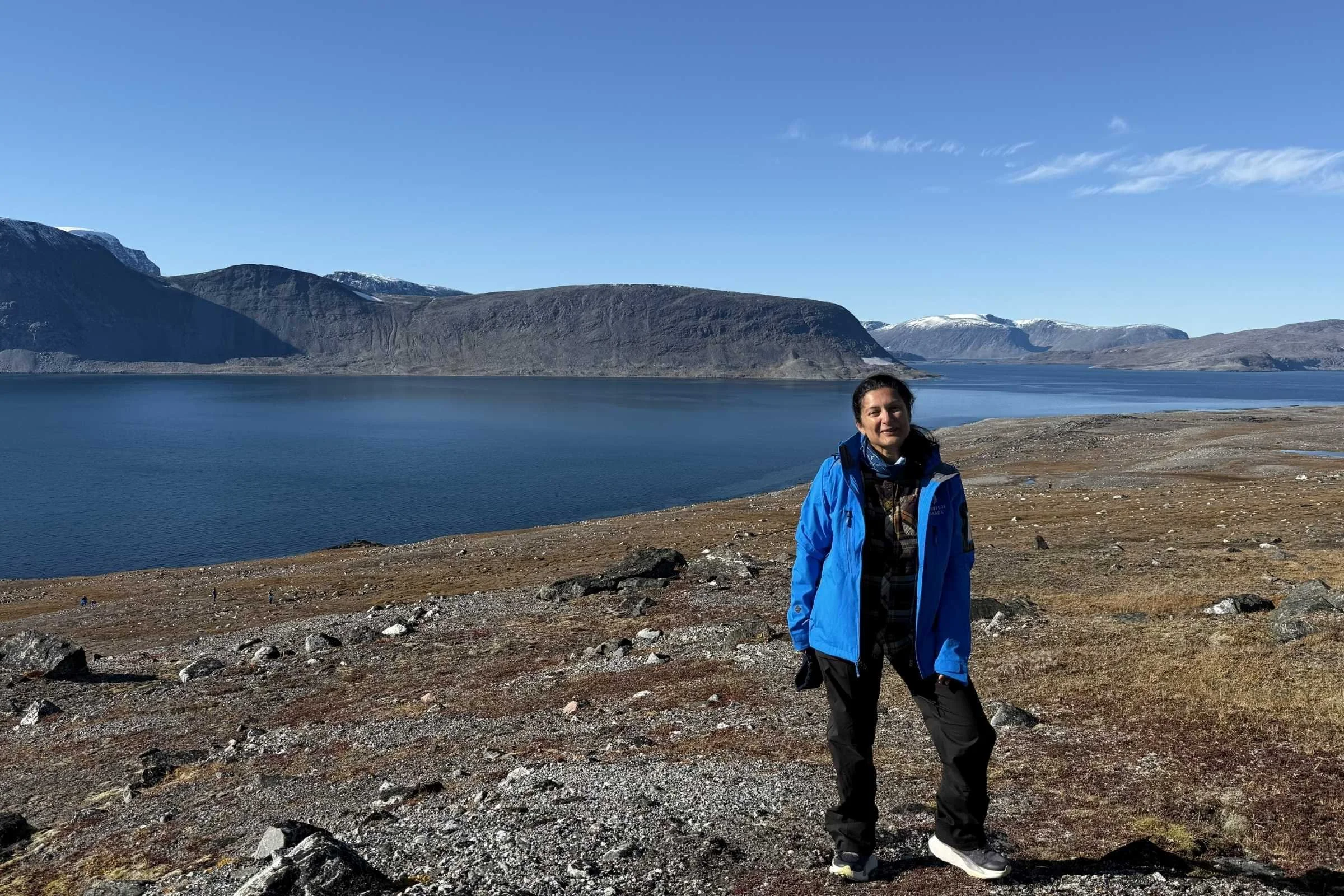
Karthika Gupta is an adventure travel writer with over 25 years of adventure travel experience. She has hiked on all seven continents and loved every minute of it. She has even completed Highlander UAE and Fjallraven Chile, along with hundreds of miles in the Indian Himalayas. She covers outdoor gear, small-group adventure travel, and hiking/camping trends for national and international publications, blending real trail experience with practical advice. Her work is grounded in miles hiked, boots tested, and a belief that everyone belongs in the outdoors regardless of gear and experience—you don’t need to overpack or overcomplicate to have a meaningful adventure.
You can find more of her adventures on her Instagram @karthikagupta or her website.


